Photo credit: BIG MAN with GUN/YouTube
A cartridge does not have to be useless to be a poor choice for certain hunting shots. Some rounds work fine when the range is short, the angle is perfect, and the animal is small enough. The trouble starts when hunters ask them to do more than they were built for. Distance, bone, shoulder angle, bullet construction, and animal size all matter.
This is where certain calibers lose their margin fast. They may still kill cleanly in the right hands, but they do not give hunters much forgiveness when the shot is less than ideal. If the bullet sheds speed too quickly, expands too early, or starts with limited energy, it may not reach the vitals with the authority people expect.
.22 Long Rifle
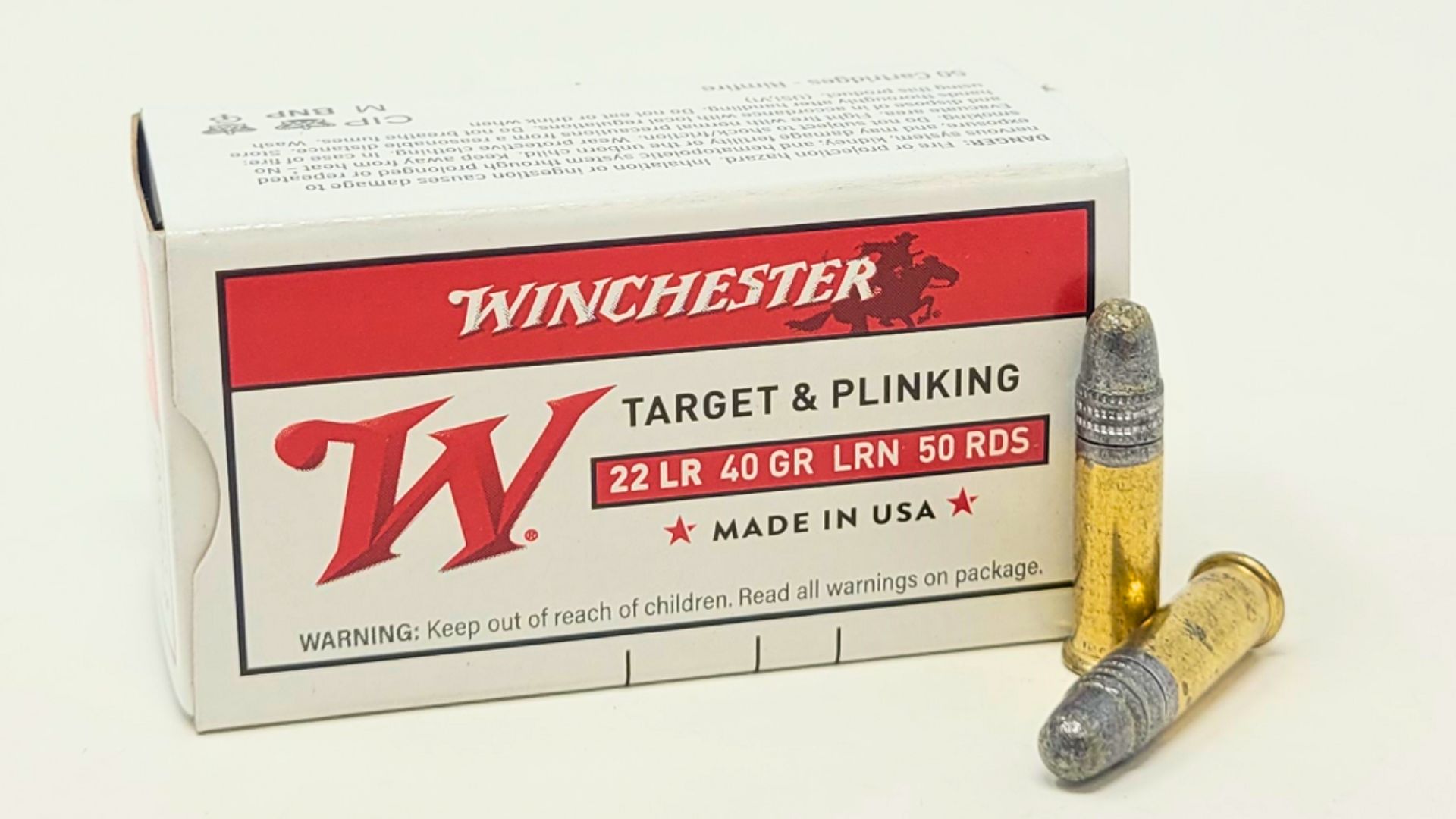
The .22 Long Rifle is one of the most useful cartridges ever made, but it has no business being treated like a serious big-game round. It is excellent for small game, plinking, training, and pest control at close range. That does not mean it has the penetration, bullet weight, or energy needed for deer-sized animals.
The problem is not whether a .22 LR can kill. With perfect placement, almost anything can be lethal. The problem is margin. A small rimfire bullet loses energy quickly and does not give the hunter much room for error through hide, muscle, bone, or poor angle. For ethical hunting beyond small game, it runs out of authority long before the vitals are reached reliably.
.22 Winchester Magnum Rimfire
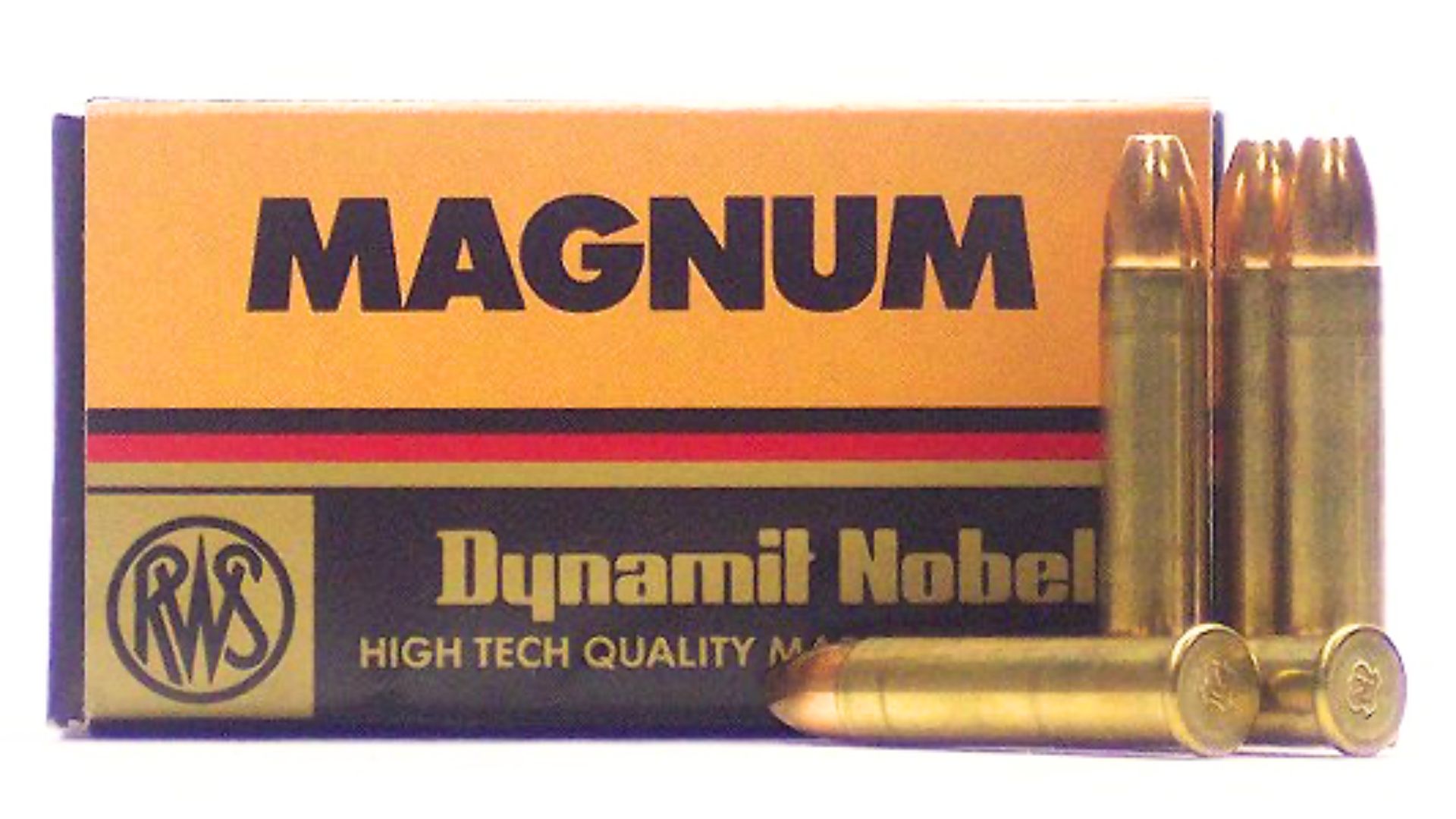
The .22 WMR is a noticeable step up from .22 LR, and it can be excellent for varmints, small predators, and small game. It shoots flatter, hits harder, and carries more energy than standard rimfire loads. Still, it is easy for people to overestimate it because the word “magnum” is attached.
On bigger animals, the .22 WMR still lacks the bullet weight and penetration most hunters should want. It can lose effectiveness quickly once distance stretches or the shot angle gets worse. For coyotes, foxes, raccoons, and similar use, it can make sense. For deer-sized game, it is the kind of caliber that may reach the vitals only under conditions that are too narrow to trust.
.17 HMR

The .17 HMR is fast, flat, and extremely fun on small targets. It shines on prairie dogs, squirrels, rabbits, and varmints where precision matters more than deep penetration. Its speed makes it feel more capable than a rimfire should, especially at modest distances.
But the .17 HMR is built around tiny bullets that shed energy quickly and are not designed for serious penetration. It can be explosive on small animals and disappointing on anything that requires depth. If the target is larger, angled, or protected by bone, the cartridge runs out of useful punch fast. It is a great varmint round, not a cartridge for reaching deep vitals.
.17 Winchester Super Magnum
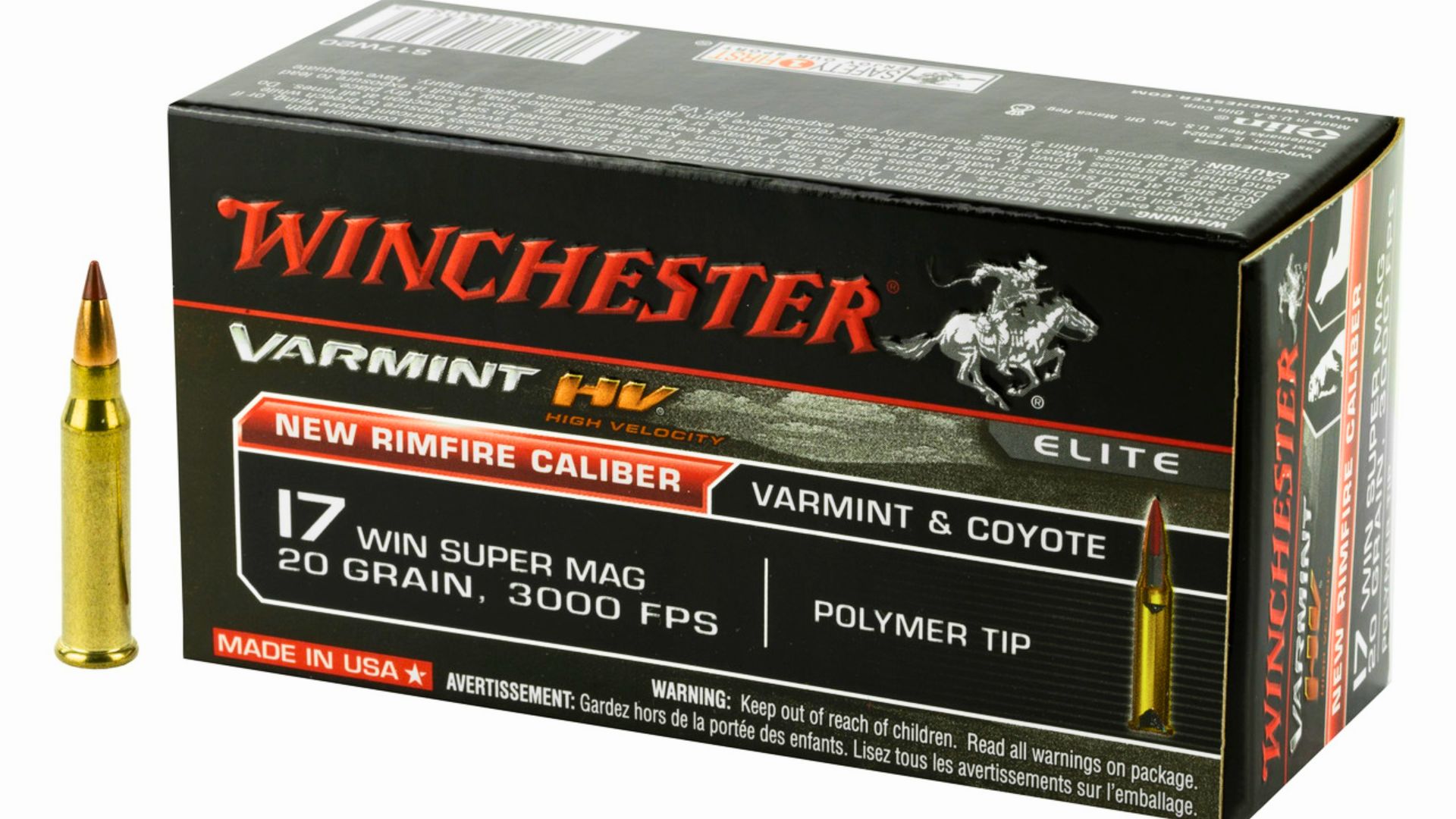
The .17 WSM is the hardest-hitting common .17 rimfire, and it extends what small rimfires can do. It has more velocity and energy than .17 HMR, which makes it appealing for longer varmint shots and small predator work. In that lane, it can be very effective.
The problem comes when people treat that speed like it changes the basic limits of a tiny projectile. Even with more energy than other .17 rimfires, the bullet is still light and still loses authority quickly on bigger animals. It can make clean kills on the right small targets, but it is not a round that gives much confidence through heavy tissue or poor angles.
.22 Hornet

The .22 Hornet is a charming little centerfire cartridge, and it still has a place for small predators, varmints, and low-noise field use. It hits harder than rimfires and can be surprisingly useful when shots are close and the hunter understands its limits. It is mild, pleasant, and easy to like.
Where it struggles is when hunters expect it to act like a modern high-velocity .22 centerfire. The .22 Hornet starts with modest energy, and it does not carry authority as well as rounds like .223 Remington or .22-250 Remington. On larger predators or any deer-sized game, it can lose the ability to drive deep before reaching the vitals cleanly. It is better treated as a small-game and varmint cartridge, not a stretch-it-and-hope round.
.25 ACP
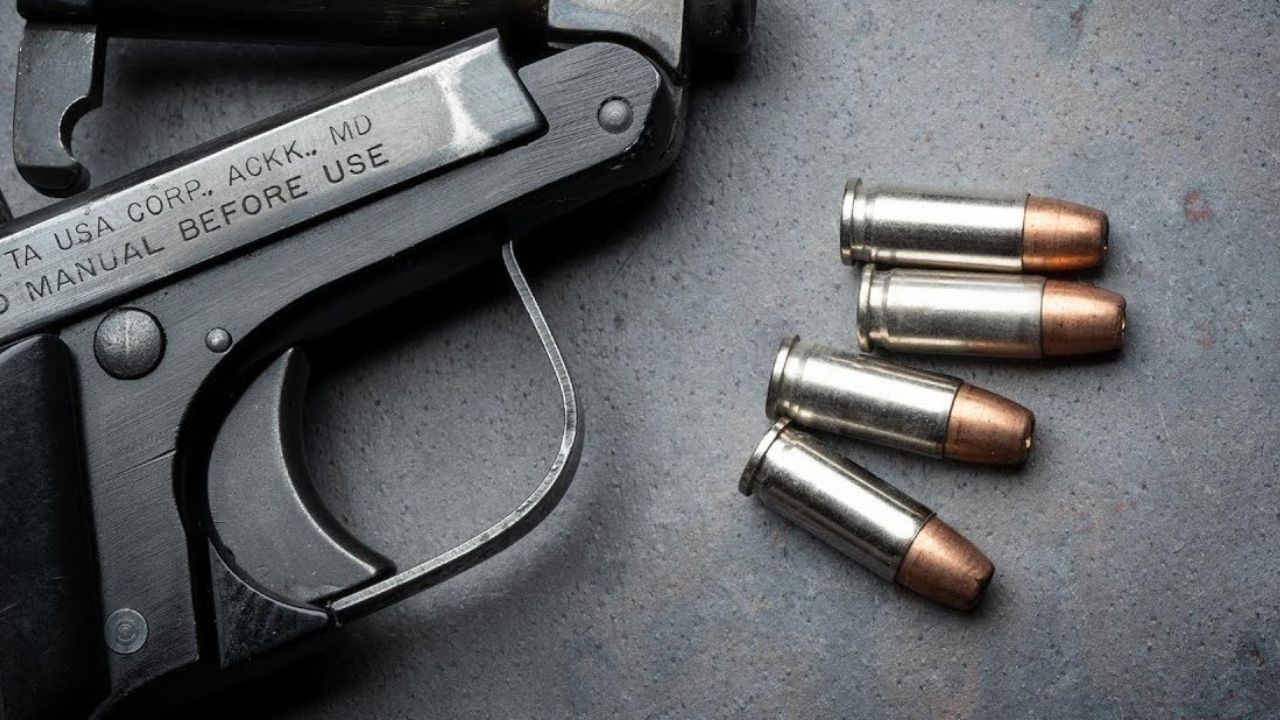
The .25 ACP is mostly a defensive pocket-pistol cartridge, but it belongs in this conversation because people sometimes overestimate tiny handgun rounds in general. It was designed for extremely small pistols at close distances. That role does not require deep penetration through heavy tissue.
For hunting or outdoor use, the .25 ACP is badly limited. The bullet is light, slow, and low in energy from the start. It does not take much distance, angle, or resistance for it to lose effectiveness. Even as a defensive round, it is a compromise. As a cartridge expected to reach vitals on animals, it is nowhere near enough.
.32 ACP

The .32 ACP is more useful than many people give it credit for in small defensive pistols, and it can be pleasant to shoot. But it is still a low-energy handgun cartridge designed around close-range defensive use, not hunting penetration. Its light bullets do not bring much margin when tissue depth matters.
If someone imagines it as a trail or small-game backup, the limits show up quickly. It may work on very small animals at close range, but it is not a cartridge that should be trusted for larger targets or tough angles. It simply does not carry enough energy or bullet weight to reach vital organs consistently when resistance increases.
.380 ACP

The .380 ACP has become popular because tiny carry pistols are easy to live with. With good defensive ammunition, it can be a reasonable personal-defense compromise at close range. That does not make it a strong field or hunting cartridge. It begins with modest energy and usually relies on careful bullet design to balance expansion and penetration.
When used beyond its intended role, the .380 ACP loses margin quickly. Small pistols give short barrels, lower velocity, and less penetration potential. Against animals or through heavy tissue, it can struggle to reach the vitals with enough authority. It is a carry compromise, not a cartridge hunters should ask to do big-game work.
.38 Special target loads
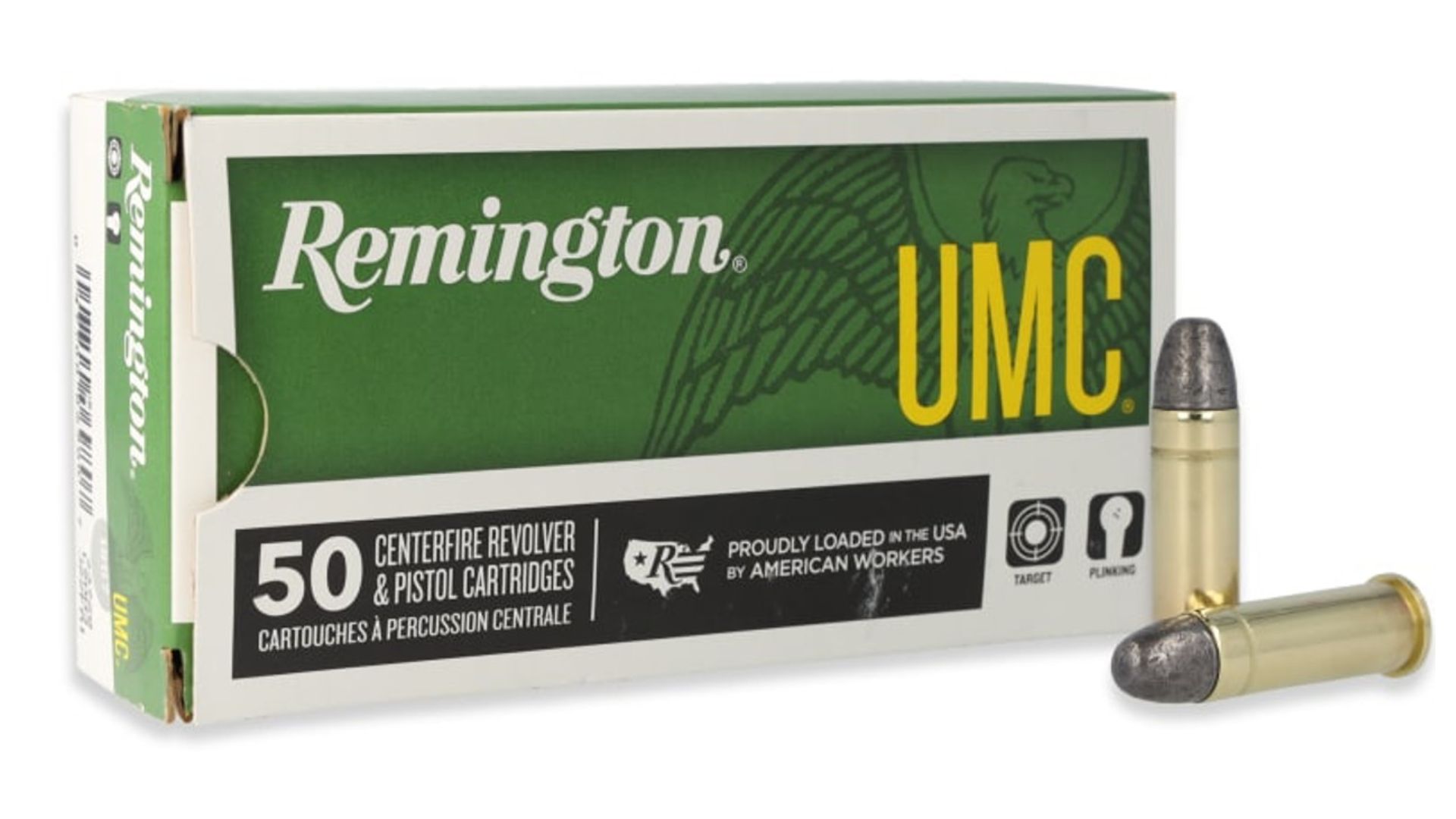
The .38 Special itself can be useful, especially with proper defensive or field loads. The weak point is light target ammunition, especially soft wadcutters or mild practice loads being used for jobs they were never meant to handle. These loads are comfortable and accurate, but energy is limited.
On small game or close defensive practice, they have a place. On larger animals, they lose effectiveness quickly because they start slow and do not carry much force through tissue. A full-power .38 Special load is one thing. A soft target load is another. Hunters and outdoorsmen should not confuse easy shooting with enough penetration to reach vitals reliably.
.32 H&R Magnum

The .32 H&R Magnum is a useful little revolver cartridge, and it is far better than older pocket pistol rounds. It has mild recoil, decent accuracy, and enough performance for small game or defensive use with the right loads. It deserves respect inside its lane.
The issue is that it is still a small-bore, moderate-energy cartridge. On larger animals, especially with poor angles or heavy bone, it does not have the same authority as .357 Magnum or even stronger .327 Federal Magnum loads. It can be handy and pleasant, but hunters should not pretend it carries deep-vital confidence on game that needs more bullet.
.410 bore from short barrels
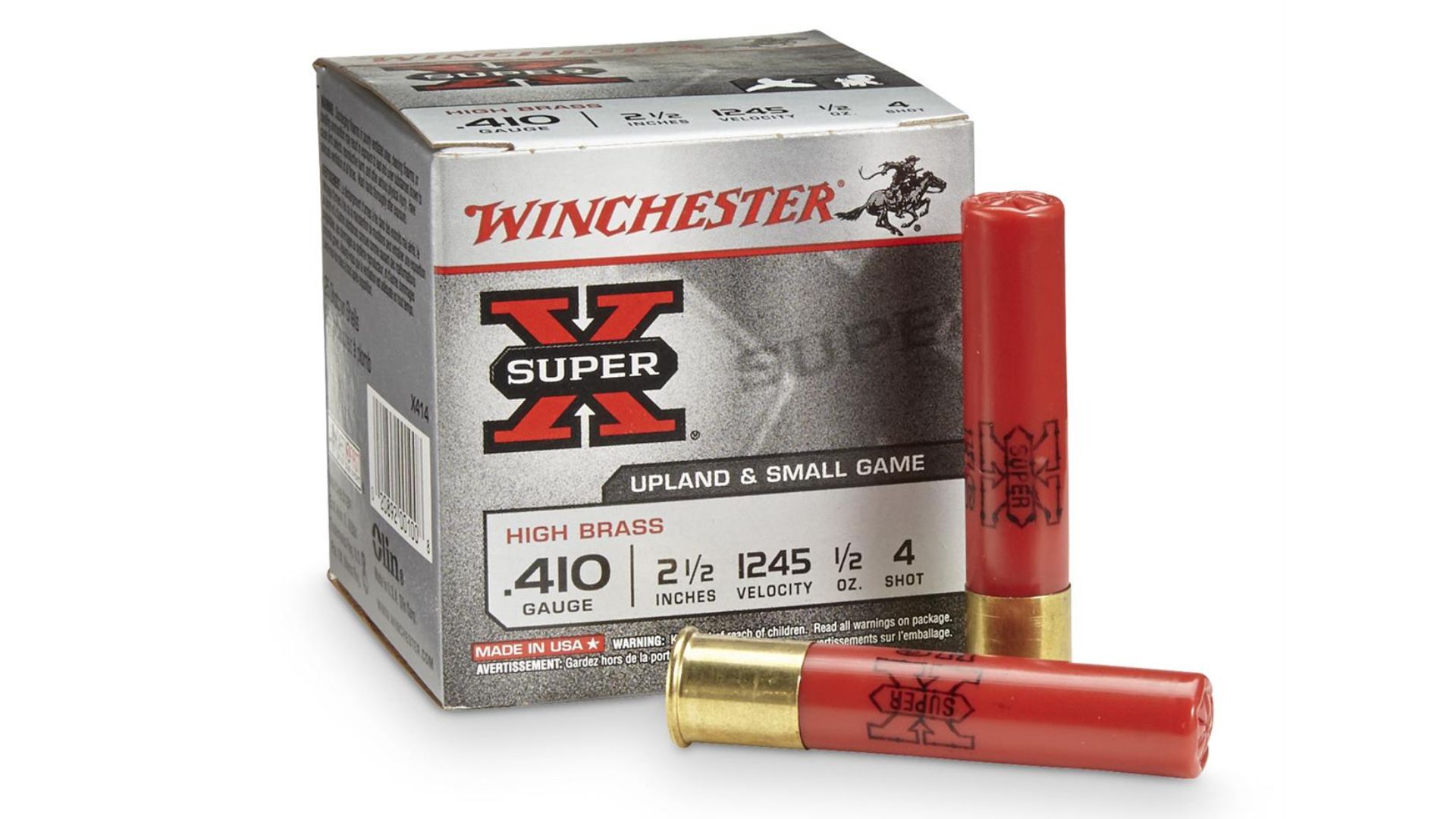
The .410 bore can be useful from a proper shotgun, especially for small game, pests, and close-range work. The problem starts when people fire .410 shells from short-barreled handguns or compact firearms and expect shotgun-like authority. The pattern and velocity are not the same.
From short barrels, .410 loads can lose effectiveness quickly. Birdshot spreads and penetrates poorly, while buckshot loads have limited pellet count and uneven performance depending on distance and barrel. At close range, certain loads can be useful for specific roles, but this is not a setup that gives deep, reliable vital penetration the way many people imagine.
.30 Carbine from handguns

The .30 Carbine is much more capable from an M1 Carbine than from many handgun platforms. In a rifle-length barrel, it has useful velocity and a legitimate role. From handguns, especially revolvers, it loses some of what makes it interesting and can become loud, flashy, and less efficient.
The cartridge still has more energy than many handgun rounds, but energy alone does not guarantee deep, clean performance. Bullet construction matters, and handgun barrel length changes the equation. For hunting, it is not the same as carrying a true magnum revolver or a centerfire rifle. It can look better on paper than it behaves when the shot angle gets demanding.
.223 Remington with lightweight varmint bullets

The .223 Remington can be very effective in the right role, and with proper bullets it has been used successfully on deer where legal. The problem is lightweight varmint ammunition. Those bullets are usually built to expand violently on small animals, not drive through shoulders and reach vitals on deer-sized game.
That mismatch is where hunters get into trouble. A fast .223 varmint bullet may look impressive on coyotes or prairie dogs, but it can come apart too soon on bigger animals. If penetration is needed, the bullet may lose energy before doing the work inside the chest cavity. The caliber is not the whole problem here. The wrong bullet makes it a bad choice.
.22-250 Remington with varmint bullets

The .22-250 Remington is fast, flat, and deadly on varmints and predators. It has a long reputation as a coyote and prairie dog cartridge because it delivers speed with explosive terminal effect. In that role, it is outstanding.
But that same explosive performance can become a liability on deer-sized game if the wrong bullet is used. Lightweight varmint bullets can expand too quickly and fail to penetrate deeply. Some hunters use stronger .22-caliber bullets carefully where legal, but the cartridge gives very little room for poor bullet choice. Speed does not help if the bullet spends itself before the vitals.
.243 Winchester with light varmint bullets

The .243 Winchester is a proven deer cartridge with the right bullets. It should not be dismissed as weak across the board. The problem is that many .243 rifles are also used for varmints, and light varmint bullets can create the wrong expectations. A fast 55- to 75-grain varmint bullet is not the same as a controlled-expansion deer bullet.
When hunters use the wrong .243 load, penetration can suffer badly. The bullet may expand too fast, fragment, or fail to reach the vitals from anything but an ideal broadside angle. With proper 90- to 100-grain hunting bullets, the .243 can work well. With light varmint loads, it can lose energy before it gets where it needs to go.
6mm Creedmoor with match bullets

The 6mm Creedmoor is accurate, flat-shooting, and excellent for target work and predators. It has also become popular with shooters who like low recoil and strong ballistic performance. But target accuracy does not automatically make a cartridge or bullet ideal for hunting.
The issue is often bullet selection. Match bullets may group beautifully but are not always built for controlled expansion and deep penetration. On big-game animals, they can behave unpredictably, especially at close impact speeds or steep angles. The 6mm Creedmoor is capable with the right hunting bullet, but with the wrong match load it can lose useful energy before reaching the vitals reliably.
.30-30 Winchester at stretched ranges
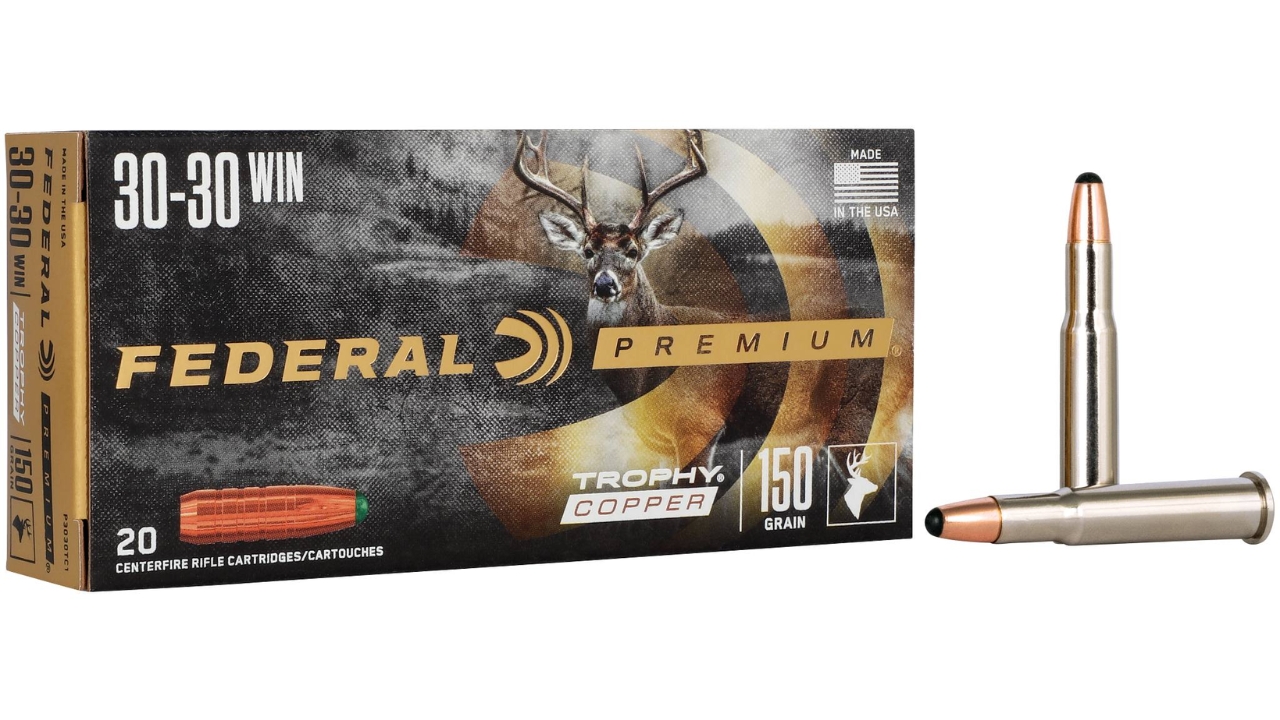
The .30-30 Winchester is one of the great deer cartridges, but it has limits that hunters should respect. Inside normal woods distances, it works extremely well with proper bullets. It hits hard enough, penetrates well enough, and has filled freezers for generations.
The problem comes when people stretch it like a modern long-range cartridge. Traditional flat- or round-nose bullets shed speed quickly, and energy drops off faster than many hunters realize. At close to moderate ranges, the .30-30 is still excellent. Past its realistic window, it can lose the punch needed to drive cleanly into the vitals, especially on larger deer or poor angles.
.357 Magnum from short-barreled revolvers

The .357 Magnum is a serious handgun cartridge, but barrel length matters. From a carbine or longer revolver, it gains velocity and performs much better. From a very short-barreled revolver, a lot of that magnum potential is lost to blast, flash, and reduced speed.
That matters for hunters and outdoorsmen who assume every .357 load performs the same. A snub-nose .357 may still be useful defensively, but it does not carry the same deep-penetrating authority as a longer-barreled field revolver. On animals, especially at distance or through bone, it can lose the margin people expect from the magnum name.
10mm Auto with light defensive hollow points
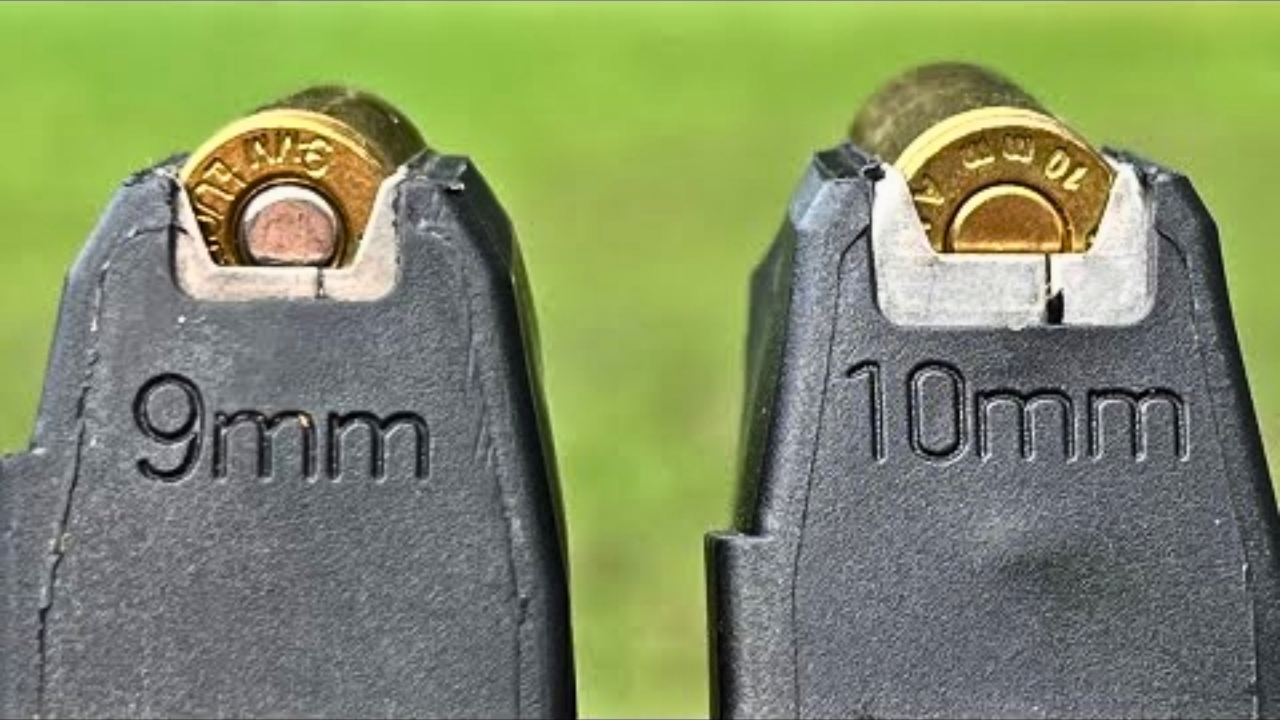
The 10mm Auto can be an excellent woods cartridge when loaded properly. It offers more power than common service pistol rounds and gives shooters semi-auto capacity. The mistake is assuming every 10mm load is a deep-penetrating field load just because the case says 10mm.
Light defensive hollow points may expand quickly and fail to penetrate the way hunters or hikers expect on large animals. They may be fine for personal defense, but they are not the same as hard-cast, bonded, or controlled-expansion loads meant for deeper penetration. A 10mm can reach vitals well with the right ammunition. With the wrong load, it can lose energy too early.
.44 Magnum with light hollow points
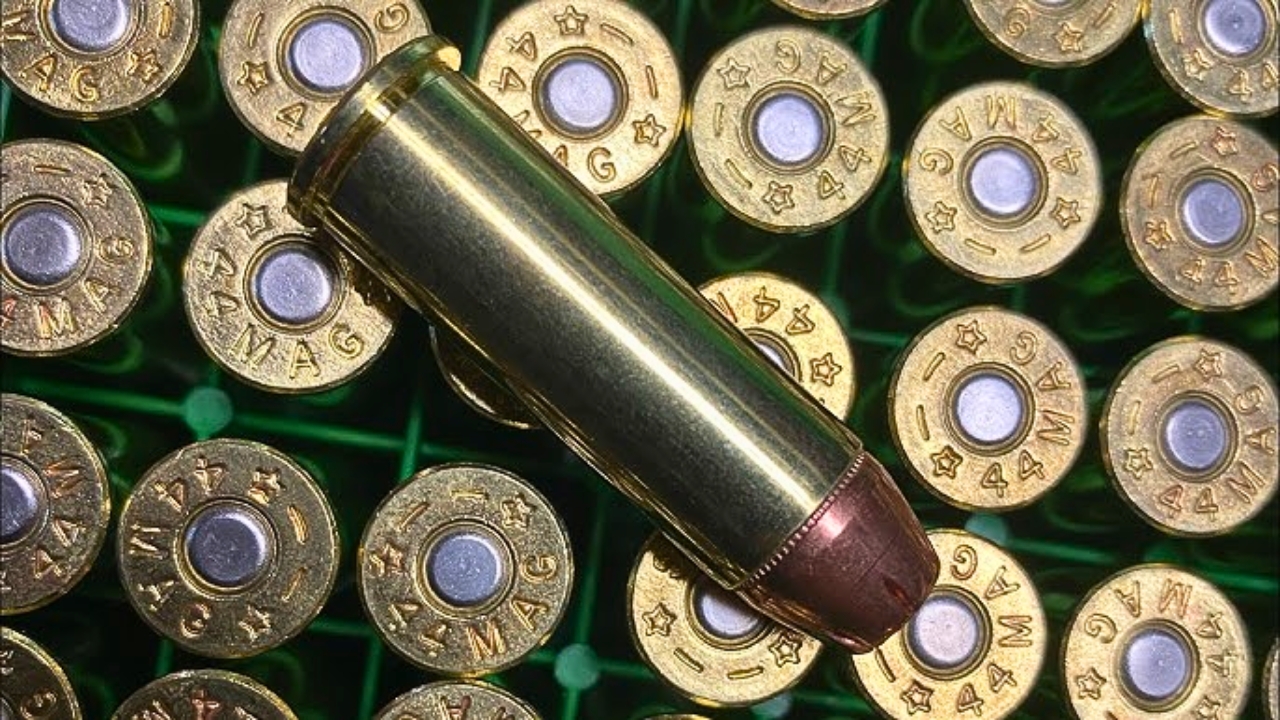
The .44 Magnum has real power, but even powerful cartridges can be weakened by poor load choice. Light, fast hollow points may be impressive on thin-skinned targets, but they can open too quickly on larger animals. When that happens, the bullet may not drive deep enough to reach the vitals from a tough angle.
For hunting, the .44 Magnum shines with proper bullets designed for penetration and controlled expansion. Heavy soft points, hard-cast loads, and serious hunting bullets are a different story than light defensive loads. The caliber itself is not weak. The wrong load can make it behave like one when deep penetration matters most.
.45 Colt cowboy loads

The .45 Colt has a huge performance range. In strong revolvers and rifles with proper loads, it can be a serious hunting cartridge. But mild cowboy-action loads are a completely different animal. They are designed for low recoil, easy shooting, and fast competition work, not deep terminal performance.
Those light loads may punch paper beautifully and ring steel all day, but they should not be confused with hunting ammunition. On larger animals, they can lack the speed and energy to reach vitals with authority, especially from handguns. The .45 Colt can be powerful, but only when loaded for that purpose in firearms built to handle it.
.300 Blackout subsonic loads

The .300 Blackout is useful because it can run both supersonic and subsonic ammunition, especially in compact rifles. That flexibility is part of its appeal. The problem is that subsonic loads are often misunderstood by hunters who see a .30-caliber bullet and expect rifle-like terminal performance.
Subsonic .300 Blackout behaves more like a heavy, slow pistol-class projectile than a normal centerfire rifle round. With the wrong bullet, it may not expand well or carry enough terminal effect for clean big-game kills beyond very close ranges. Supersonic hunting loads are a different conversation. Subsonic loads need careful bullet choice and very realistic expectations.
Like The Avid Outdoorsman’s content? Subscribe to our newsletter so you never miss an article.
Here’s more from us: