Photo credit: 1957Shep/YouTube
Some rifles are easy to replace. If you sell one, you can walk into a gun shop six months later and buy something that does essentially the same job. Other rifles are different. They develop a reputation, a feel, or a level of familiarity that makes owners hesitate every time someone asks if they would ever sell.
Sometimes it is because the rifle shoots far better than expected. Sometimes it is because nobody builds anything quite like it anymore. And sometimes a rifle has simply been through too many deer seasons, range trips, and hunting camps to become just another used gun on a rack. These 20 rifles have the kind of qualities that make owners hang onto them long after newer models show up.
Remington Nylon 66

The Nylon 66 is one of those rifles that becomes more interesting the longer you own it. Its lightweight synthetic construction looked radical when it appeared, and even now the design feels unlike almost anything else in the rimfire world. The tubular magazine, slick handling, and extremely low weight make it an easy rifle to carry around a farm or take along for casual plinking.
Owners also know how difficult it would be to replace with something similar. Modern .22 rifles may offer rails, threaded barrels, and detachable magazines, but very few have the same combination of character and handiness. Clean Nylon 66s have also become increasingly desirable. Once someone has a good-running example, selling it often feels like giving up something they are unlikely to stumble across again.
CZ 452 American
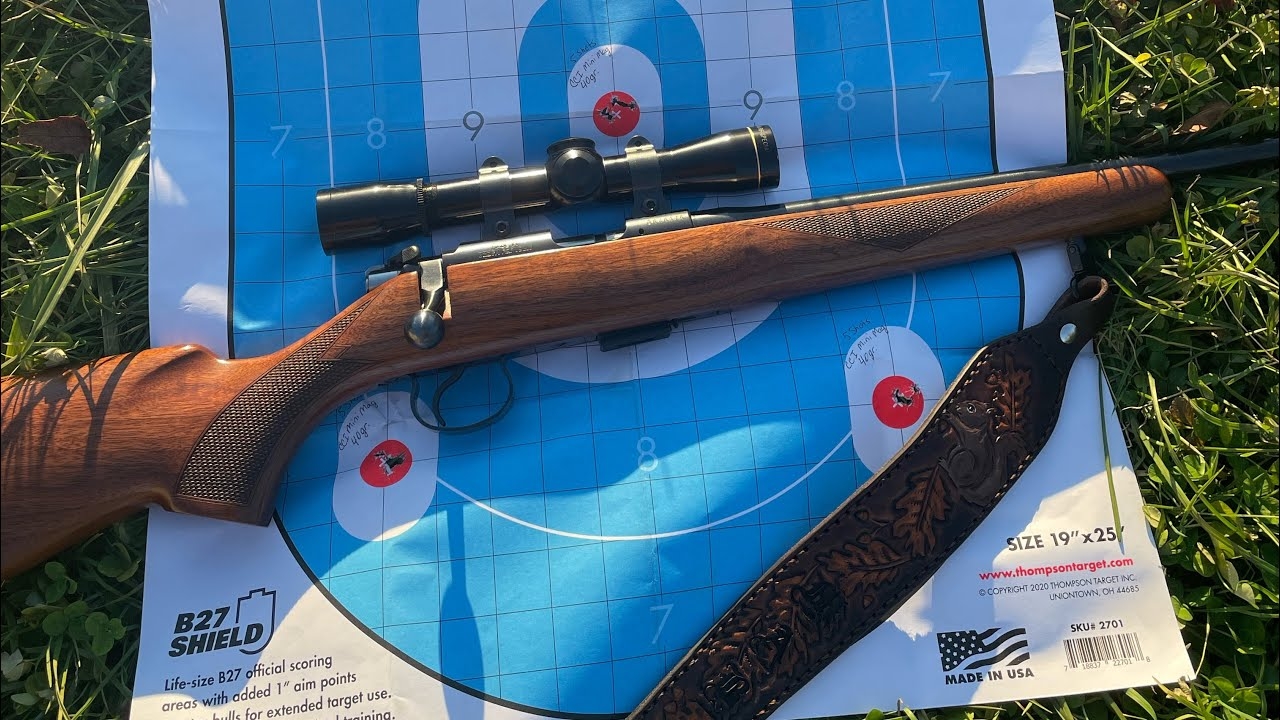
The CZ 452 American earned an enormous following because it feels like a scaled-down centerfire hunting rifle instead of an inexpensive rimfire. The walnut stock, traditional bolt action, excellent barrel, and solid trigger give it the kind of personality many newer polymer-stocked .22s lack.
Accuracy is the bigger reason owners keep them. A good 452 can shoot exceptionally well with the right ammunition, and many rifles become trusted squirrel or target guns after years of use. CZ eventually replaced the series with newer designs, but plenty of shooters still prefer the older 452. When a rimfire shoots tiny groups, carries beautifully, and has already proven itself for years, there is little incentive to trade it.
Remington 541-S Custom Sporter
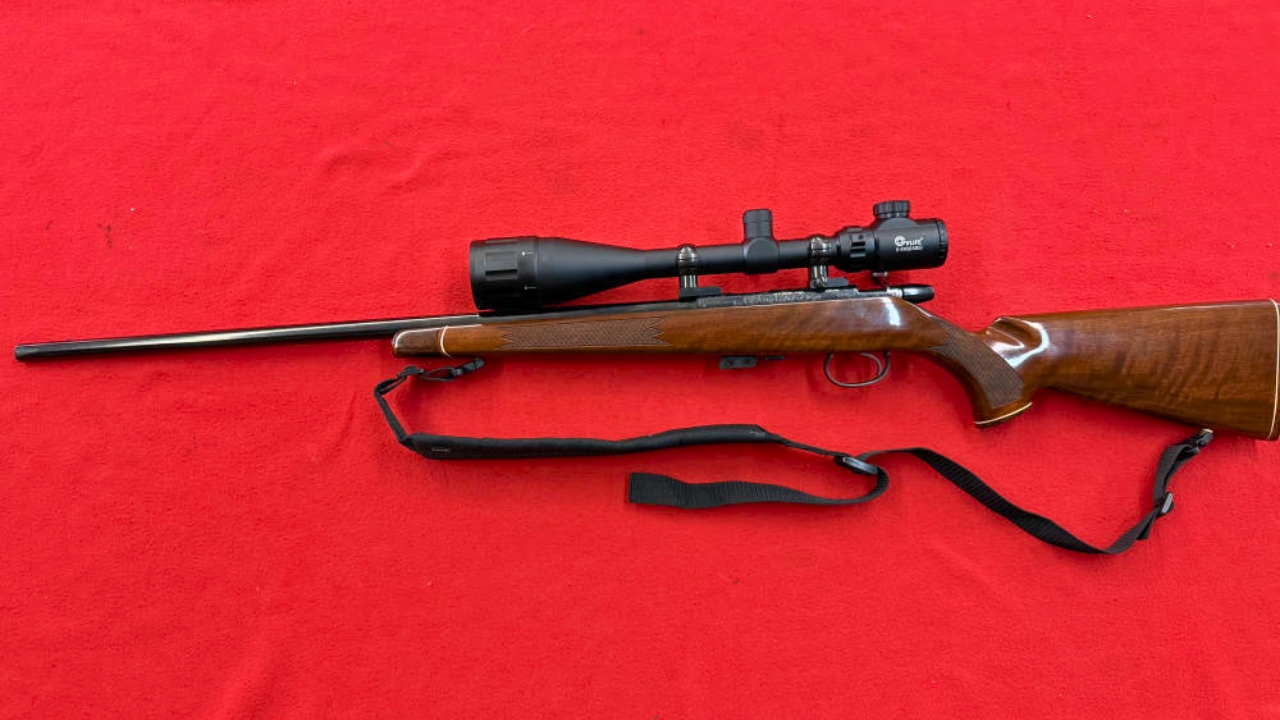
The 541-S is one of those Remington rimfires that owners often regret selling. It has the proportions and finish of a serious sporting rifle, with a quality walnut stock and an action that makes the gun feel much more substantial than an ordinary .22.
The real attraction is accuracy. These rifles developed a reputation for being excellent shooters, and a particularly good example can become almost impossible to replace without moving into far more expensive modern rimfires. The combination of traditional styling and performance gives the 541-S something newer guns often struggle to duplicate. Owners know that once a clean one leaves the safe, finding another equally good example may not be easy.
Winchester Model 52 Sporter
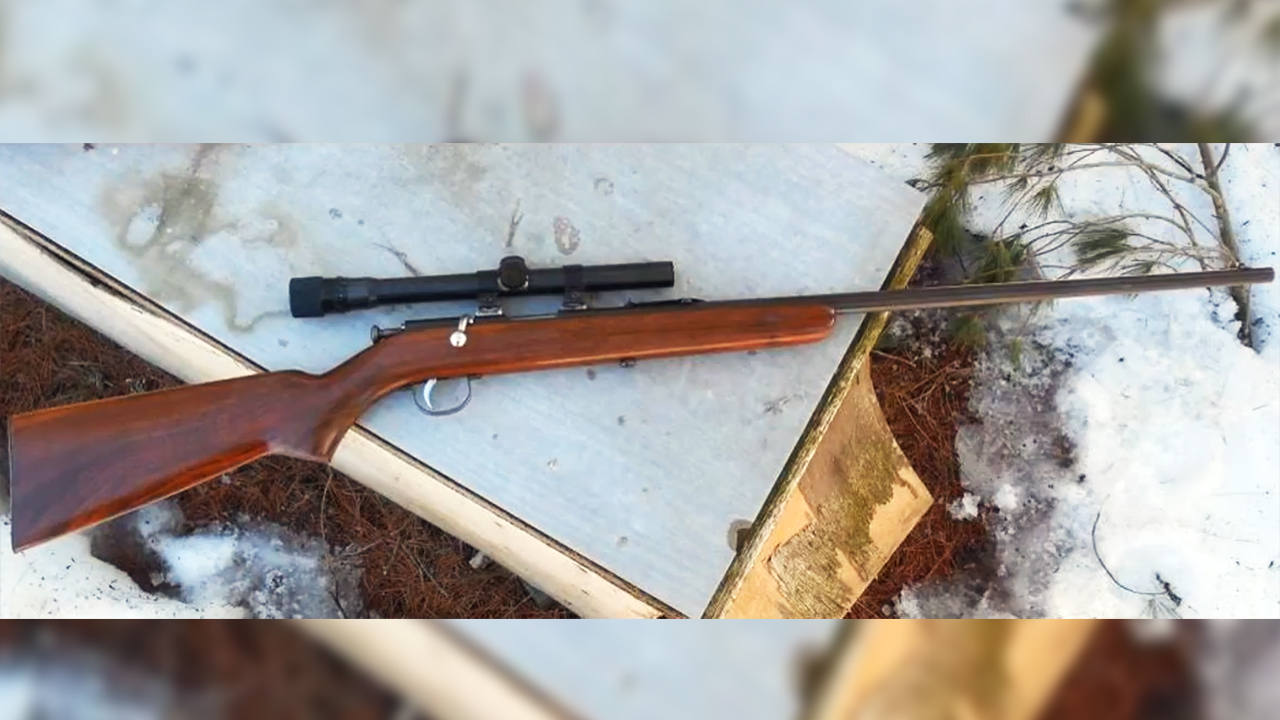
The Model 52 is legendary in target-rifle circles, but the Sporter versions are especially difficult for owners to let go. They combine the precision heritage of the Model 52 action with a lighter sporting stock that makes the rifle much more practical for field use.
A good Model 52 Sporter has the sort of smooth action, trigger quality, and balance that immediately feels different from ordinary rimfires. They are also increasingly collectible, which gives owners another reason to hold onto them. You can buy an extremely accurate new .22 today, but buying one that carries the same history and mechanical character is another matter entirely.
Browning T-Bolt
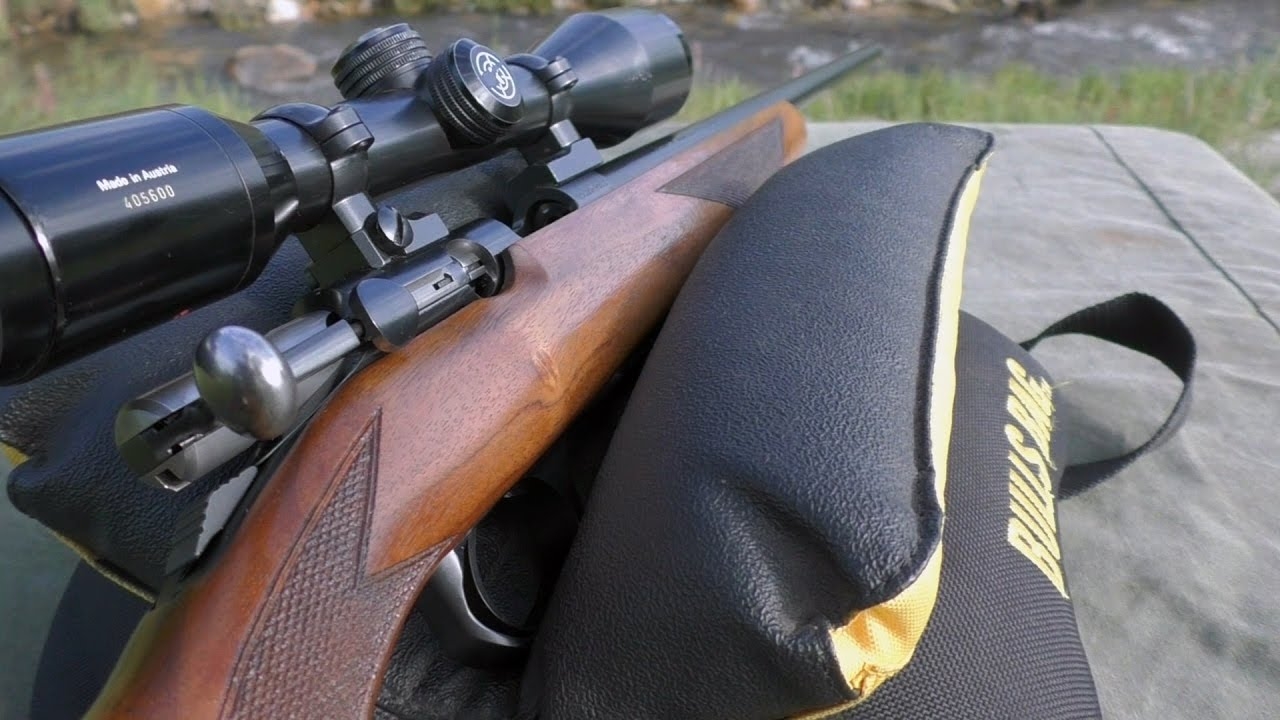
The T-Bolt has always appealed to shooters who want something different without sacrificing practicality. Its straight-pull bolt is quick, smooth, and surprisingly intuitive once you have used it for a while. Browning also gives the rifle a level of fit and finish that makes it feel more refined than many mass-market rimfires.
Owners often become attached because there simply are not many other rifles that operate the same way. The T-Bolt is fast enough for quick follow-up shots on small game, accurate enough for serious rimfire shooting, and traditional enough to satisfy hunters who still prefer walnut and blued steel. Once the straight-pull action becomes familiar, conventional rimfires can start feeling strangely slow.
Anschutz 1710
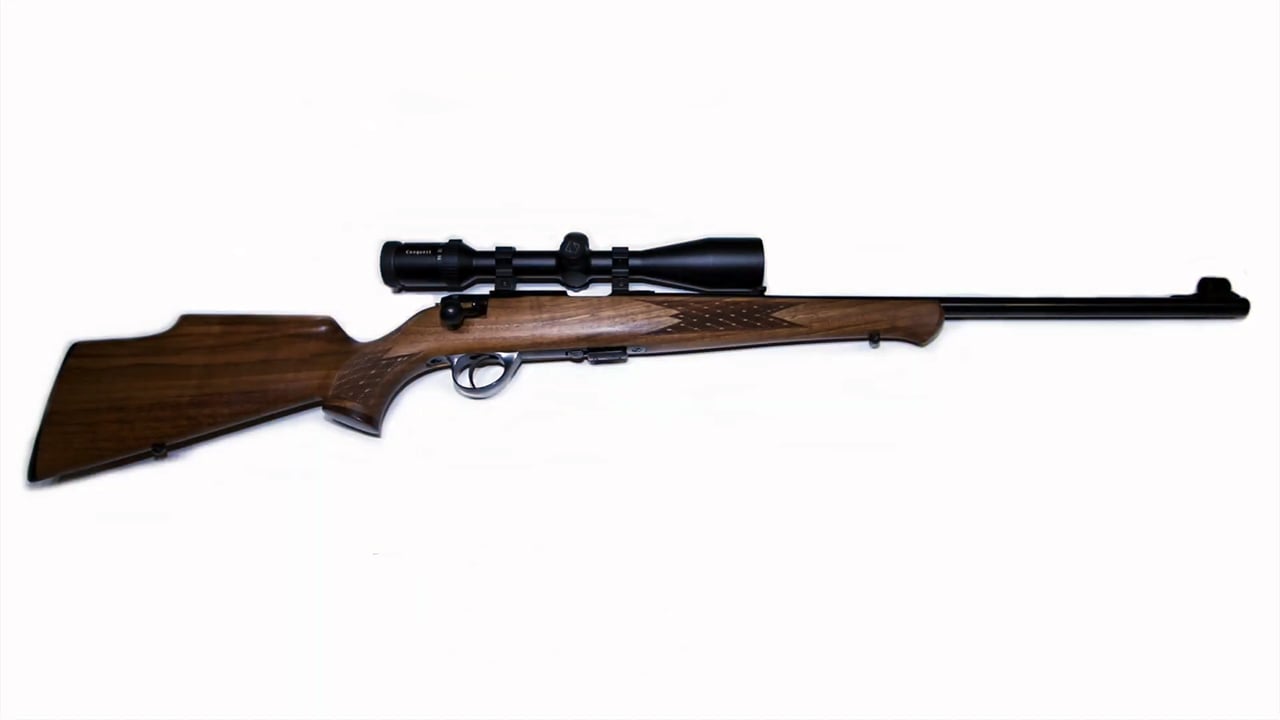
The 1710 is the kind of rimfire that can ruin cheaper .22 rifles for you. The action is exceptionally smooth, the trigger is superb, and the accuracy potential is far beyond what most casual shooters ever need.
That is also why owners rarely sell them. Moving down from an Anschutz tends to feel like a noticeable downgrade every time the trigger breaks or the bolt is cycled. The rifles are expensive, but they are built around the assumption that a .22 deserves the same precision and refinement as a serious centerfire. For someone who has already paid the price and found a rifle that shoots exceptionally well, there is very little reason to part with it.
Cooper Model 57M
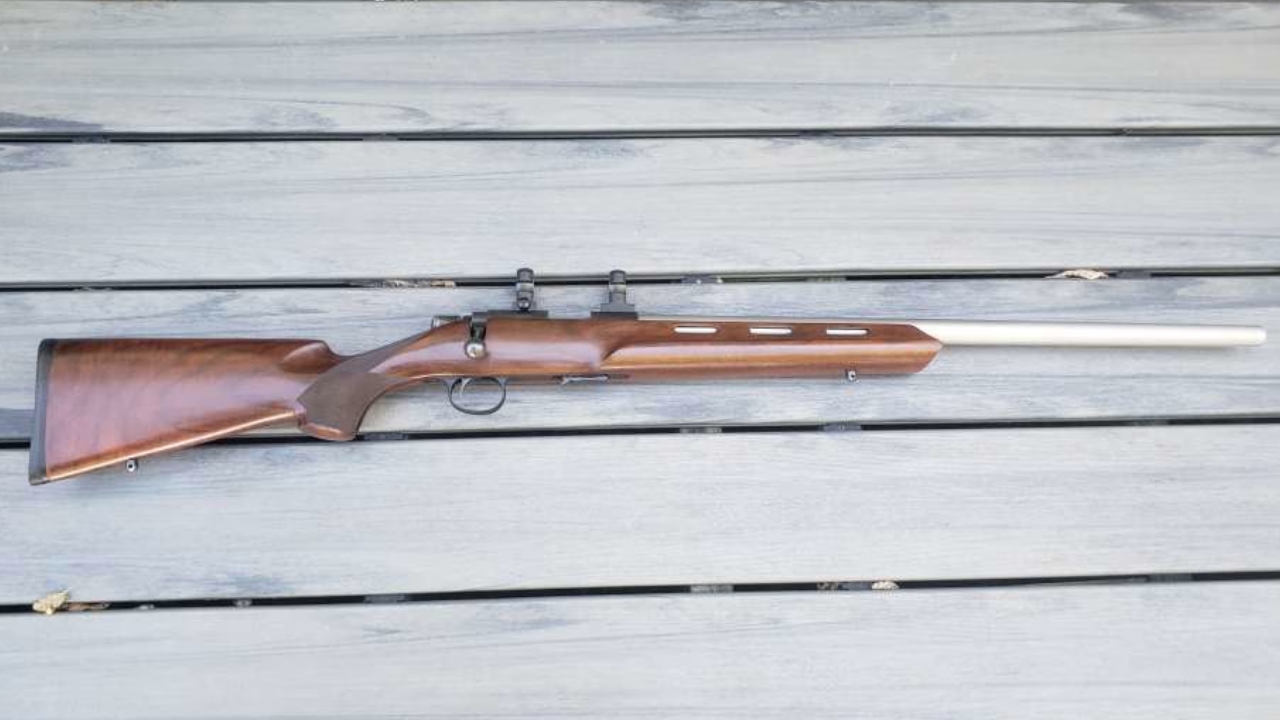
The Model 57M is another premium rimfire that becomes difficult to replace once an owner gets accustomed to it. Cooper built these rifles with beautiful stocks, excellent triggers, and accuracy standards that put them far beyond ordinary plinkers.
The rifle has the feel of a custom sporting gun without requiring the owner to build one piece by piece. That matters because a great 57M becomes useful for everything from serious paper shooting to small-game hunting. Cooper rifles also developed a loyal following that makes good examples increasingly desirable. If you own one that shoots particularly well, selling it just to buy something newer rarely makes much sense.
Sako Quad
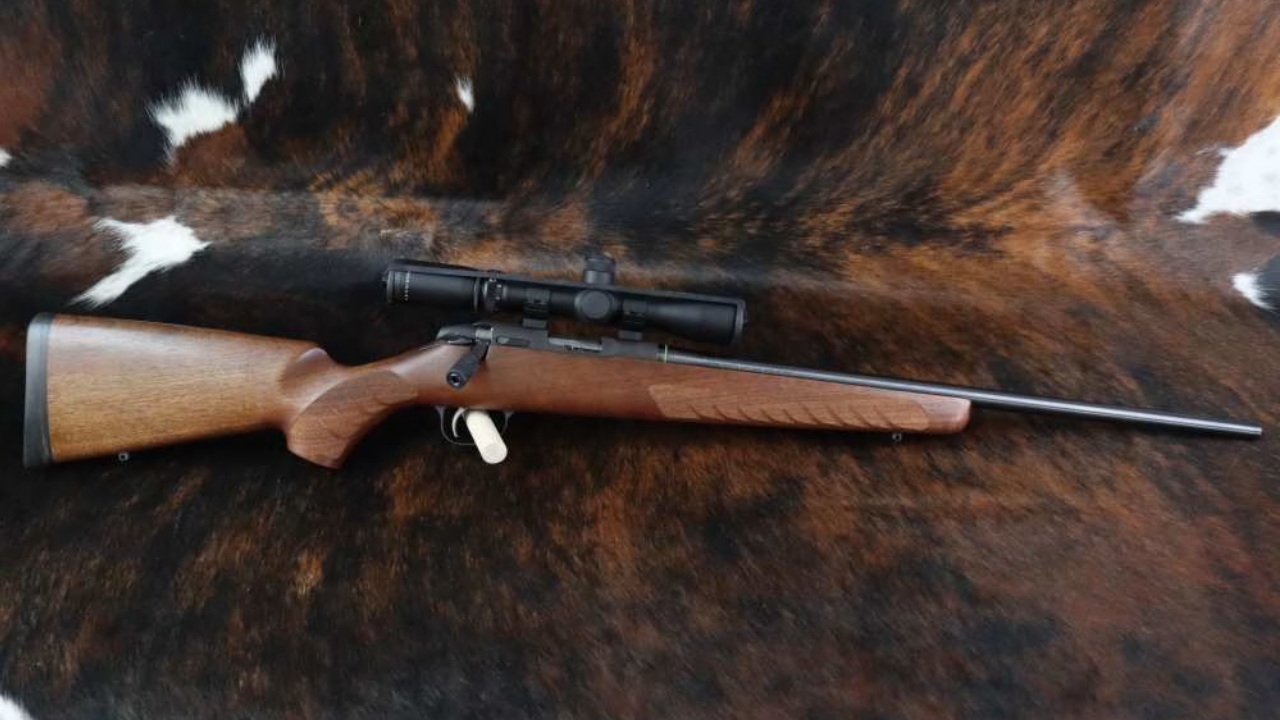
The Sako Quad is hard to let go because it does something most rimfires cannot: it gives the owner a genuine multi-caliber system in one refined rifle. Barrels can be changed to cover several popular rimfire cartridges, allowing one familiar action and stock to handle a wide range of jobs.
That flexibility becomes more valuable over time. Instead of owning separate rifles that all feel slightly different, the owner can keep the same trigger, ergonomics, and basic platform. The Sako build quality helps too. The Quad is compact, accurate, and refined enough that it never feels like a gimmicky interchangeable-barrel experiment. Once someone has the system set up properly, replacing it with several separate rifles seems unnecessarily complicated.
Remington Model 141 Gamemaster

The Model 141 has the kind of old-school hunting-rifle personality that makes owners sentimental quickly. The pump action is fast, the rifle carries beautifully, and the spiral magazine tube gives it an appearance unlike almost anything made today.
These rifles were designed around woods hunting, and that is where they still make the most sense. They shoulder quickly and allow a fast second shot without taking the rifle away from the shoulder. Modern bolt guns may be lighter and easier to scope, but the 141 has a mechanical character that is impossible to duplicate with a synthetic-stocked production rifle. A family rifle that has been hunting deer for generations usually is not going anywhere.
Winchester Model 61
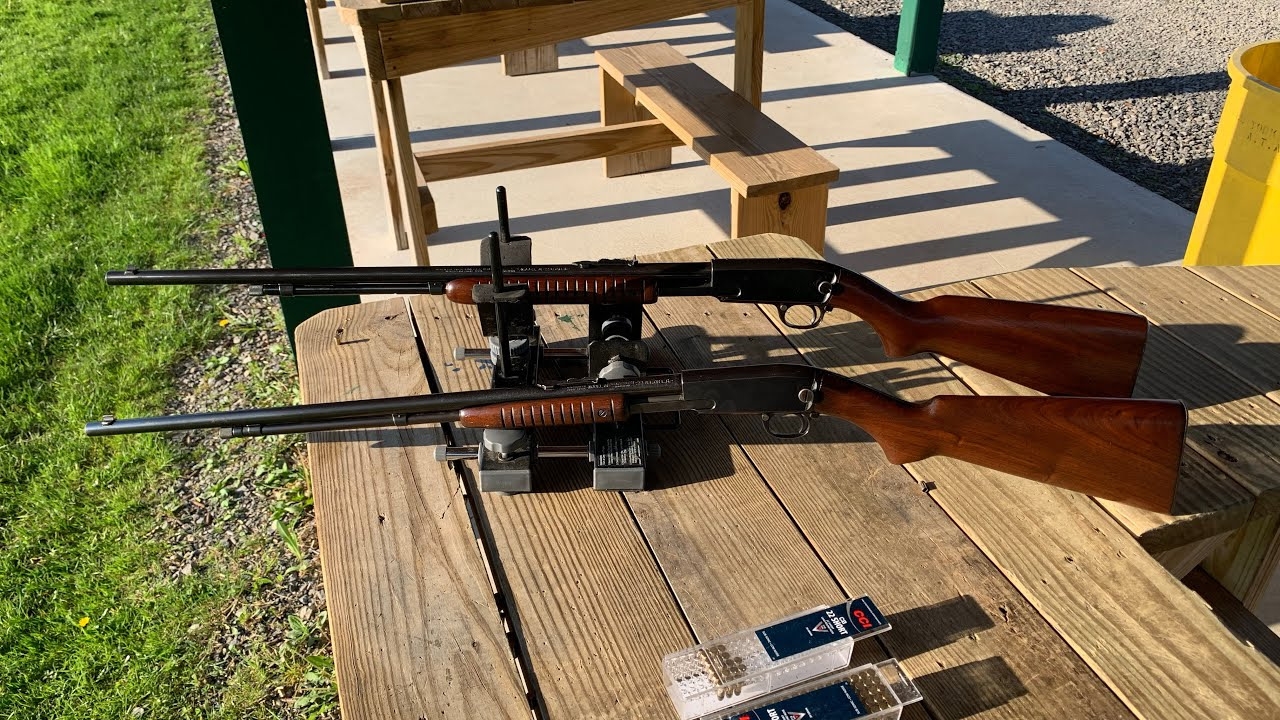
The Model 61 is one of the classic pump-action rimfires that owners tend to treat like family heirlooms. The slick action, exposed-hammer-free design, and traditional lines make it incredibly enjoyable to shoot.
Part of the attachment comes from how much fun the rifle is. Pumping through a tube of .22 ammunition is different from shooting a semiautomatic or working a bolt, and the Model 61 has an exceptionally smooth action when it has been properly maintained. Winchester is not making them anymore, and good examples continue getting harder to find. That turns a pleasant little rimfire into something owners know they may never replace.
Savage Model 24
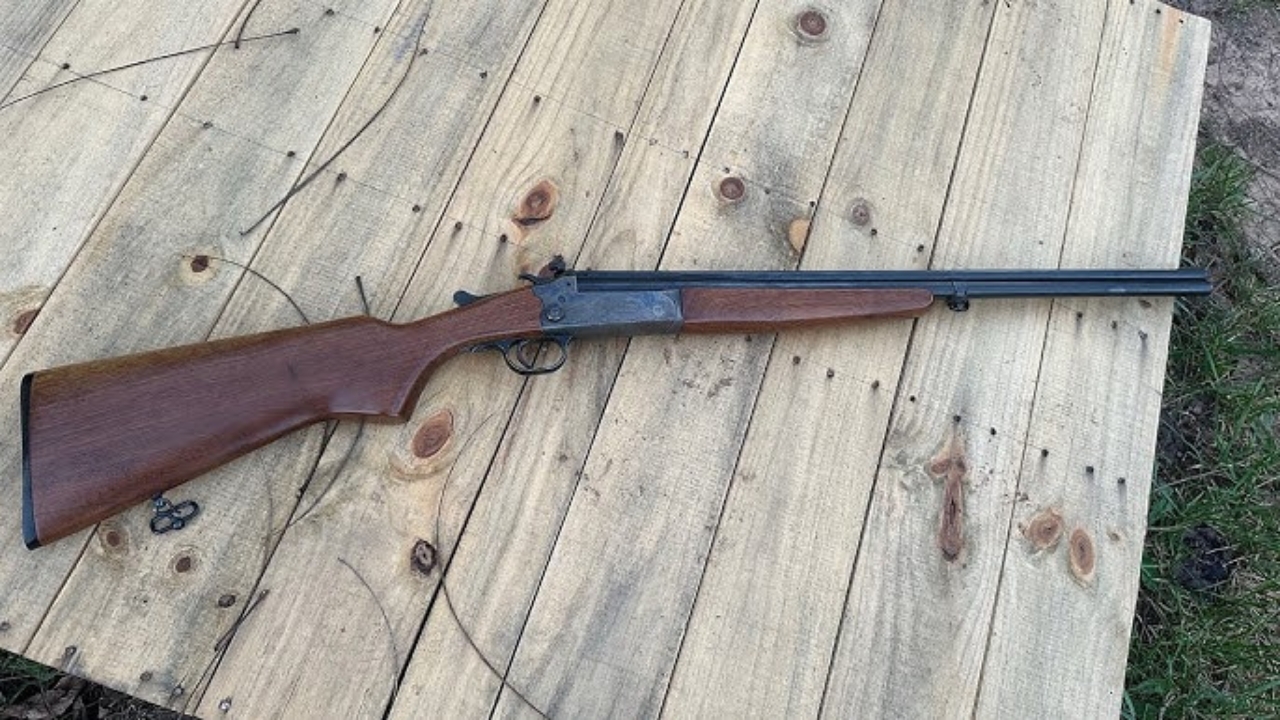
The Model 24 is a combination gun rather than a conventional rifle, but owners often refuse to sell it for exactly that reason. Pairing a rifle barrel with a shotgun barrel creates a level of versatility that is hard to duplicate with a single modern firearm.
Depending on the configuration, a Model 24 can handle small game, varmints, birds, pests, and basic survival use without requiring multiple guns. It is not the best possible tool for every one of those jobs, but it can do all of them. That usefulness, combined with the fact that the design is no longer a normal part of the market, makes the Model 24 one of those guns people sell once and then spend years trying to find again.
Remington Model 788 Carbine

The Model 788 earned its reputation by frequently shooting far better than its original budget positioning suggested. The rear-locking action is unusual, the styling is plain, and nothing about the rifle screams premium. Then you shoot a good one.
That accuracy is why owners hang on. Plenty of 788s became favorite deer rifles because they consistently put bullets where they were supposed to go without demanding expensive bedding work or aftermarket barrels. The compact versions are particularly handy in the woods. Selling a rifle that has already proven it can shoot tiny groups just to buy something newer is a gamble many owners are unwilling to take.
Ruger M77 RSI

The RSI version of the M77 has a full-length Mannlicher-style stock that gives it a completely different personality from ordinary Ruger bolt rifles. It is compact, traditional, and immediately recognizable.
Owners who like the style tend to become deeply attached because very few mainstream manufacturers still offer rifles like it. The short barrel makes the gun handy in thick cover, while the full-length stock gives it an old European look that modern synthetic hunting rifles cannot imitate. Accuracy can vary from rifle to rifle, but when someone owns an RSI that shoots well, selling it makes very little sense. Finding another equally good example can become a frustrating search.
Steyr Scout
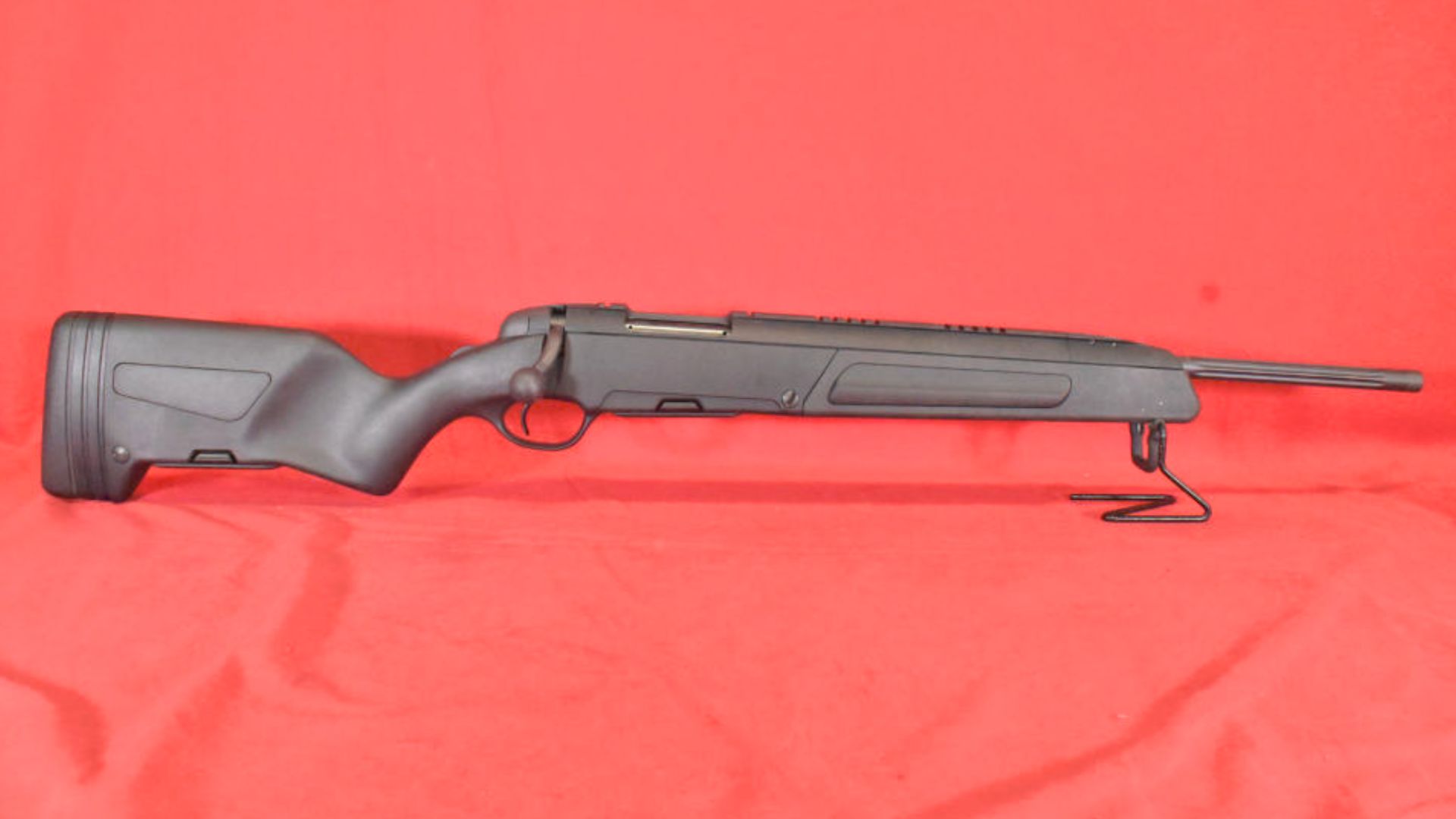
The Steyr Scout is one of those rifles people either never quite understand or end up keeping forever. It is compact, light, and loaded with practical design features, including integrated bipod legs, spare-magazine storage, and a stock built around field use rather than conventional styling.
The more time an owner spends with it, the more those unusual choices start making sense. The rifle carries extremely well, comes to the shoulder quickly, and works beautifully as a general-purpose bolt gun. It may never win a beauty contest beside a walnut sporter, but the Scout has an identity that few rifles can match. Once a shooter becomes accustomed to it, selling it for something ordinary feels like losing capability.
Weatherby Mark V Deluxe

The Mark V Deluxe has always been more than a tool. The high-gloss walnut, contrasting forend tip, deep bluing, and distinctive Weatherby styling make it one of those rifles owners often associate with a particular era of American hunting.
The action and performance back up the appearance. Mark Vs were built to handle powerful cartridges, and a good rifle can remain an accurate hunting tool for decades. But the real reason owners hesitate to part with them is emotional. A modern lightweight rifle may be easier to carry, yet it rarely has the same presence. A well-kept Mark V Deluxe feels like something worth passing down rather than trading toward the next new release.
Marlin Model 39A

The 39A has a combination of qualities that is nearly impossible to find in one modern rimfire: lever action, steel construction, tubular magazine, takedown capability, and traditional walnut furniture. It feels more like a centerfire lever gun than a lightweight .22.
The rifle is also simply fun to shoot. There is something satisfying about working the lever through a long string of .22 LR, and the heavy construction makes the gun incredibly steady. Owners know that reproducing a rifle like this today would not be cheap. That is why clean examples tend to stay in families and safes. Once you have a good 39A, there is little reason to let it go.
Browning B78
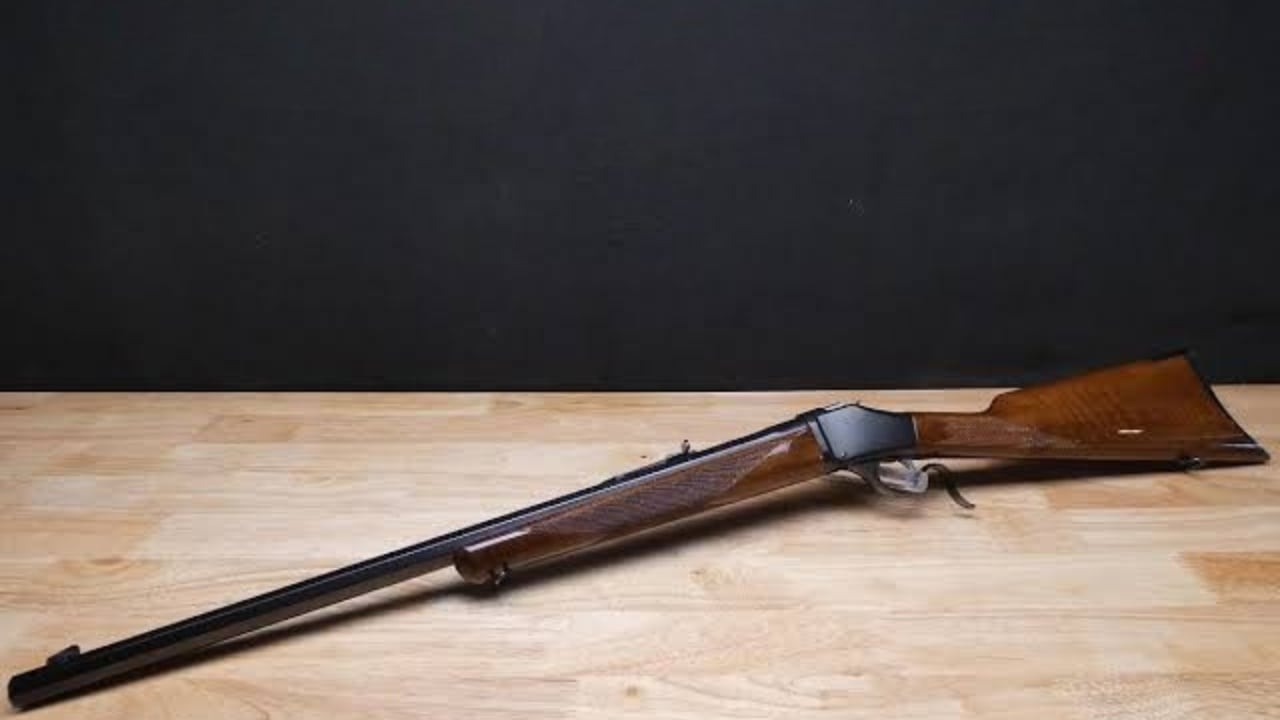
The B78 appeals to shooters who appreciate the simplicity of a strong single-shot action. The falling-block design allows a full-length barrel without creating an excessively long rifle, and the traditional Browning fit and finish give it a premium feel.
Owners often become attached because single-shot rifles have a completely different rhythm. You slow down, make the shot count, and appreciate the mechanical quality of the action. The B78 can also be exceptionally accurate. When a rifle combines that kind of precision with elegant walnut and an action that will likely outlast its owner, trading it toward another ordinary repeater feels like a bad deal.
Remington Model 600

The Model 600 has quirks, but those quirks are exactly why owners love it. The short barrel, ventilated rib on many examples, distinctive bolt handle, and compact stock make it one of the most recognizable hunting rifles Remington ever built.
More importantly, it is extremely handy in the woods. The rifle carries easily and points quickly in tight cover, giving it the sort of practical usefulness that does not show up on a specification sheet. Because the design was so unusual, there is no direct modern replacement. Owners who have hunted with one for years know that selling it would mean giving up a rifle with an identity all its own.
Winchester Model 54
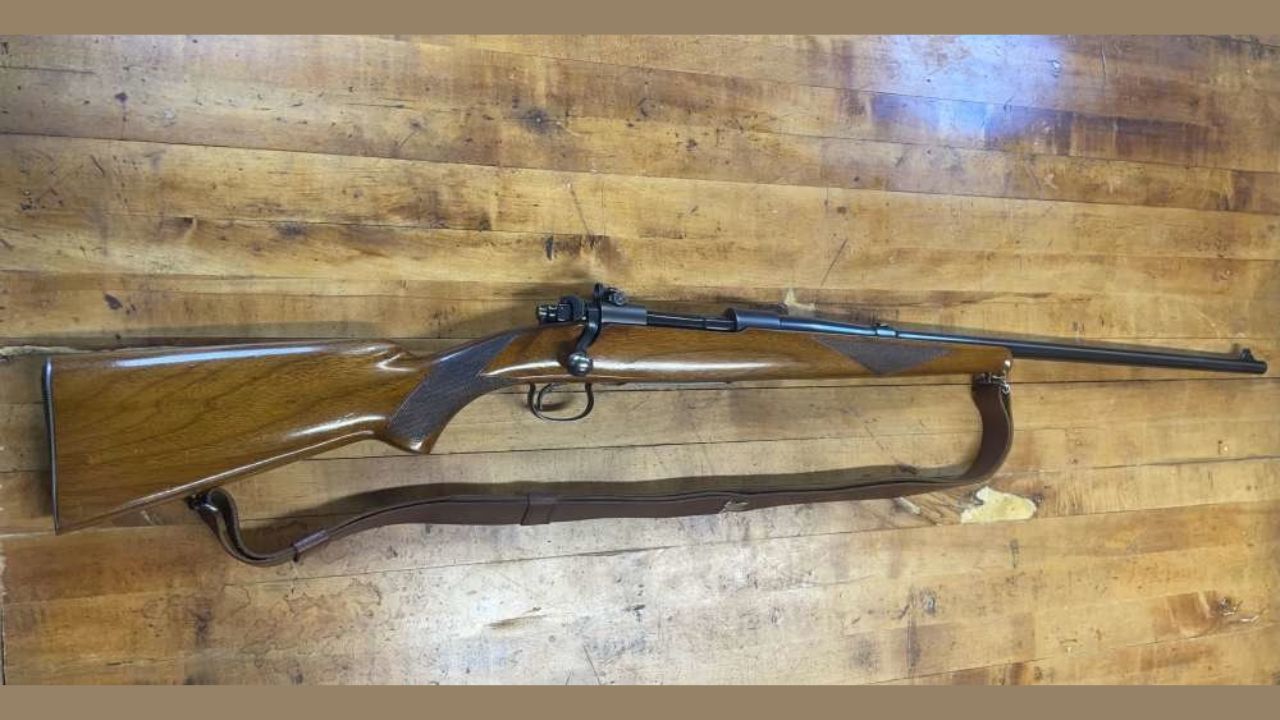
The Model 54 sits in the shadow of the Model 70, but owners of good examples know exactly why it deserves to stay in the safe. It has classic Winchester lines, a controlled-feed-style action, and the kind of machining associated with early American sporting rifles.
The appeal grows when the rifle has family history or an especially good barrel. New hunting rifles may be lighter and easier to mount optics on, but they do not carry the same mechanical character. The 54 also occupies an important place in Winchester history as the design that helped lead toward the Model 70. A clean example is not something most owners casually trade away.
Sauer 202
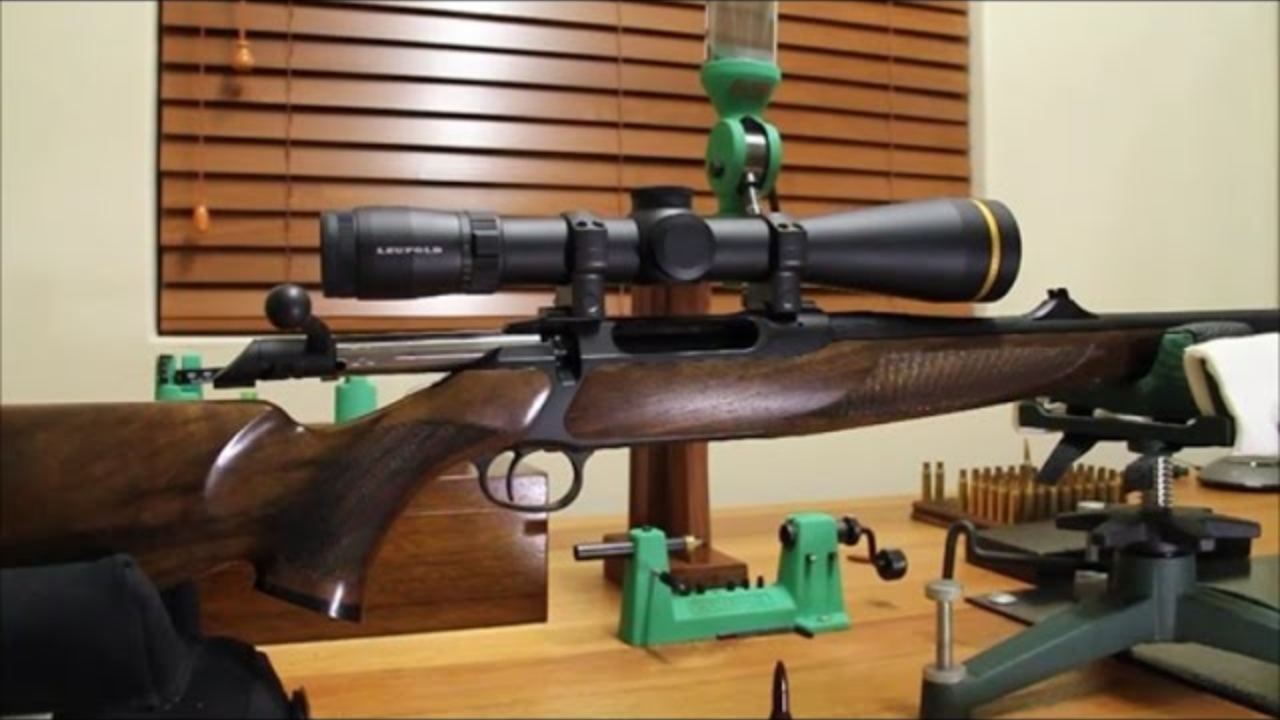
The Sauer 202 has the kind of refinement that sneaks up on you. The bolt is smooth, the trigger is excellent, and the rifle feels precisely fitted without becoming delicate. Its modular construction also allows caliber changes while retaining the same familiar stock and action.
That makes it difficult to replace. Once an owner gets accustomed to the smooth operation and finds a configuration that shoots well, many newer rifles feel less polished. The 202 was expensive when new and remains a premium hunting rifle, but that only reinforces the attachment. It is the kind of gun people buy once, hunt with for decades, and eventually hand down rather than sell.
Like The Avid Outdoorsman’s content? Subscribe to our newsletter so you never miss an article.
Here’s more from us: