
Photo credit: Legacy Sports International
There are plenty of ways modern hunting rifles have improved. Optics mounting is easier, threaded barrels are common, synthetic stocks are better, and factory accuracy is generally excellent. But progress has not been universal. Around 20 years ago, a lot of hunting rifles still came with better walnut, deeper bluing, heavier-duty bottom metal, smoother actions, and a general sense that they were built to be kept rather than replaced.
That is where some current rifles fall short. Manufacturers have gotten very good at cutting weight and cost, but sometimes the rifle loses character in the process. Plastic magazines replace steel, molded stocks replace walnut, finishes get thinner, and once-premium actions start feeling more ordinary. These 20 hunting rifles are good examples of guns where the older versions often gave you more substance, even if the newer ones have added modern features.
Remington Model 700 BDL
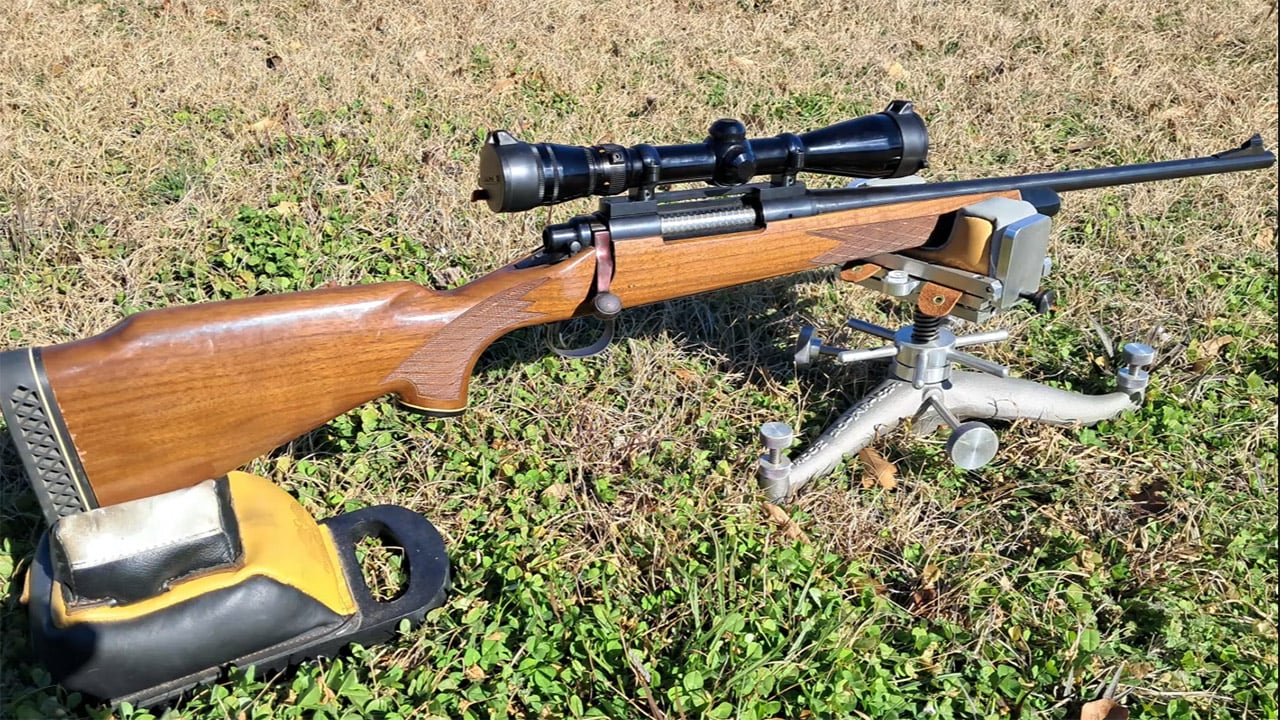
A 2006-era Model 700 BDL still felt like a proper American deer rifle. The walnut stock had real presence, the polished metal looked right, and the rifle carried the kind of balance that made it feel more expensive than the ordinary production gun it technically was. Even the basic handling had a more traditional, solid quality than many later budget-oriented 700 variants.
The modern 700 platform still has plenty of potential, but too many versions moved toward dull finishes, inexpensive stocks, and a more generic feel. The action itself can still be excellent, yet the package around it lost some of the refinement that helped build the rifle’s reputation in the first place. Twenty years ago, the BDL felt like something you bought once and kept. Many newer 700s feel more like a starting point for upgrades.
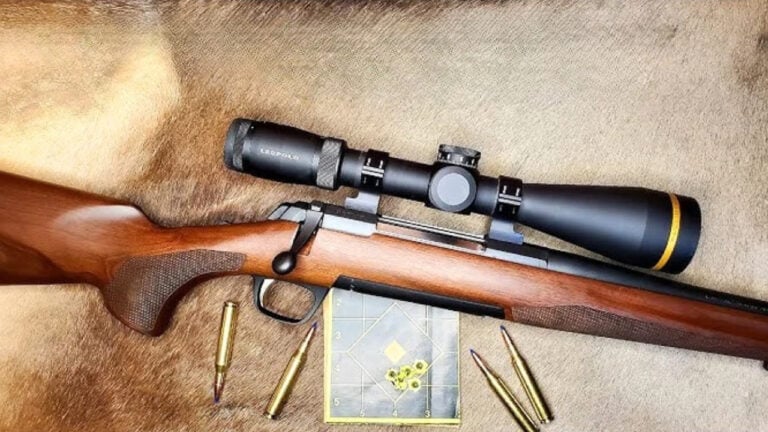
Browning A-Bolt Medallion

The A-Bolt Medallion was one of Browning’s best all-around hunting rifles because it combined smooth bolt operation, attractive wood, a short bolt lift, and a level of finish that made the rifle feel premium without becoming excessive.
Modern Browning rifles are still very capable, but the old A-Bolt had a simpler kind of elegance. The action felt slick, the stock lines were clean, and the rifle never seemed like it was trying too hard to look modern. Later X-Bolt generations added useful features, but they also changed the feel of the gun enough that some hunters still prefer the older model. If you care more about how a traditional hunting rifle carries and handles than about modularity or the latest stock design, the A-Bolt Medallion from that era remains extremely difficult to improve upon.
Ruger M77 Mark II
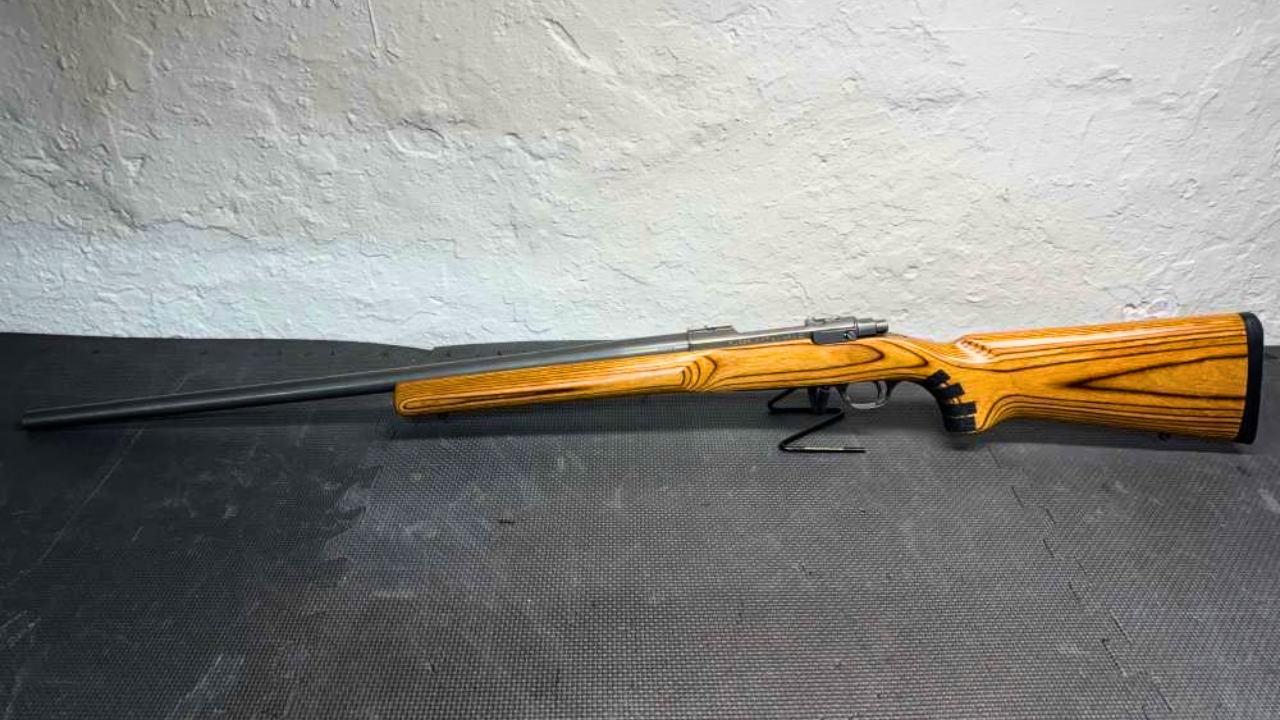
The M77 Mark II had a reputation for being rugged, simple, and built with the kind of metal-heavy construction that inspired confidence. The controlled-round-feed action, claw extractor, and traditional stock made it feel like a rifle designed for years of hard hunting.
Later Hawkeye versions improved some details, especially the trigger, but the Mark II had a distinct solidity that many owners still miss. The rifles were not always featherweights, and that helped them stay planted under recoil. Twenty years ago, Ruger hunting rifles felt like tools you could drag through brush, rain, and cold weather without worrying about whether the design was too delicate. Newer rifles may be lighter and smoother, but the old Mark II has a reassuring toughness that remains hard to replace.
Winchester Model 70 Classic Featherweight
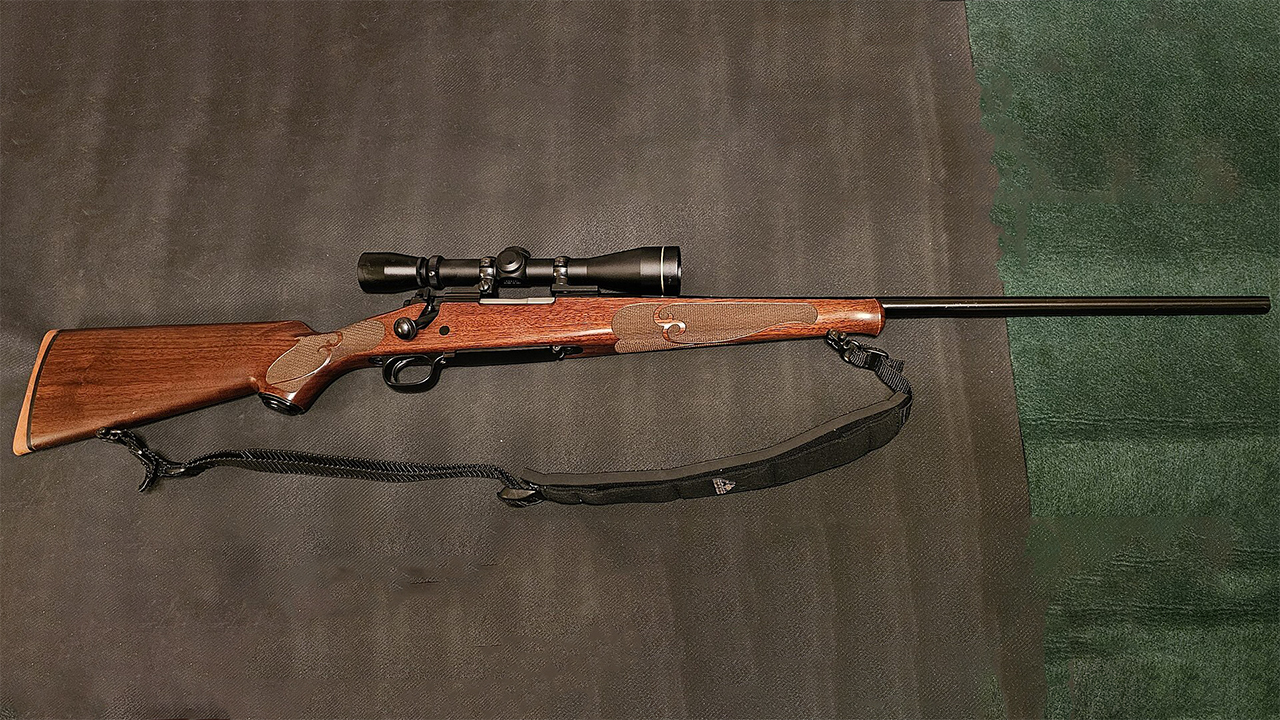
The Classic Featherweight from the 2000s combined controlled-round feed with one of the best-looking factory hunting stocks Winchester ever offered. It was slim, balanced, and light enough to carry comfortably without feeling hollow or flimsy.
Modern Model 70s are generally well made, but the older Classic Featherweights have a charm that is difficult to duplicate. The stock profile, checkering, and overall proportions were excellent, and the rifle felt like a direct continuation of the classic Model 70 tradition rather than a modern reinterpretation. Some current rifles may offer better manufacturing consistency, yet the older Featherweight simply feels right in the hands. For hunters who value handling and traditional styling, that 20-year-old version remains one of the high points of the line.
Weatherby Vanguard Series 1
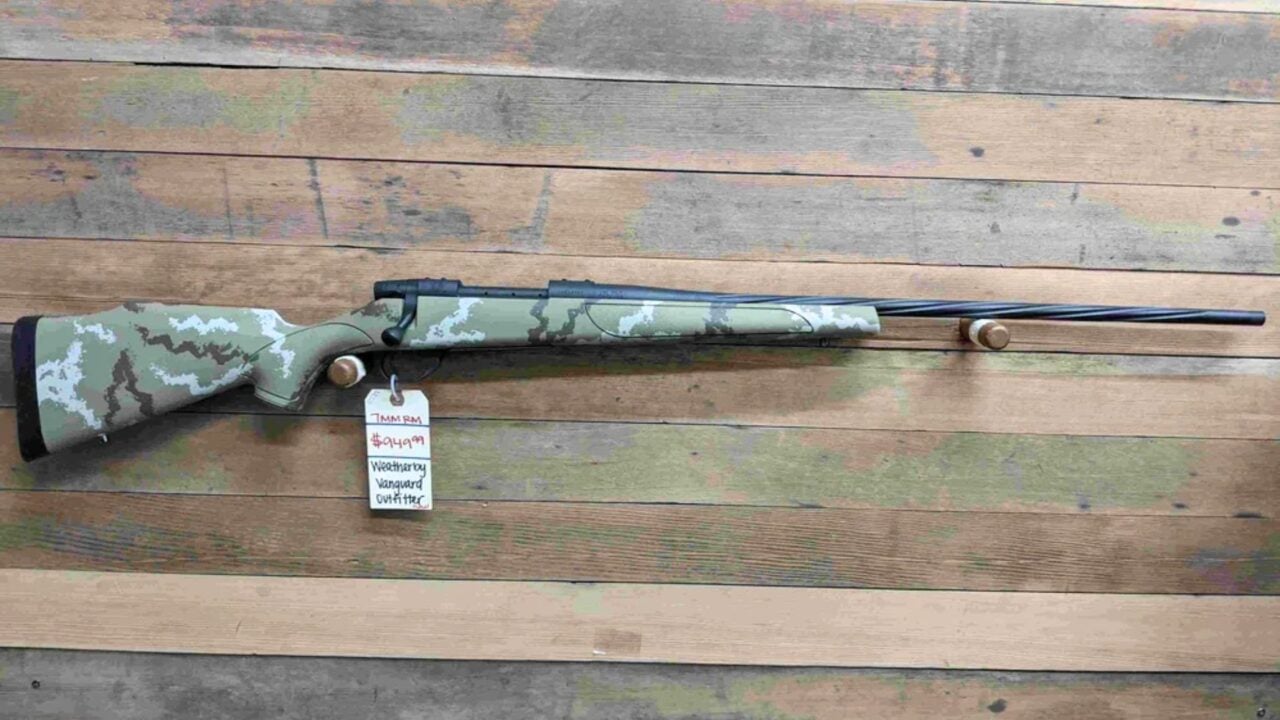
The original Vanguard Series 1 was not fancy, but it had a reputation for being tough, accurate, and surprisingly substantial. The Japanese-made action was strong, and the rifle had a heavier, more planted feel than many of today’s lightweight budget hunting rifles.
The later Series 2 improved the trigger and made other updates, but the early rifles often feel more durable in a way that is hard to quantify. They were plain, but they did not feel disposable. Many have survived years of hard hunting with little more than cosmetic wear. Current budget rifles are often lighter and more feature-rich, yet a good older Vanguard still feels like a rifle built to absorb recoil and rough treatment. Sometimes heavier and less flashy really does age better.
Tikka M595
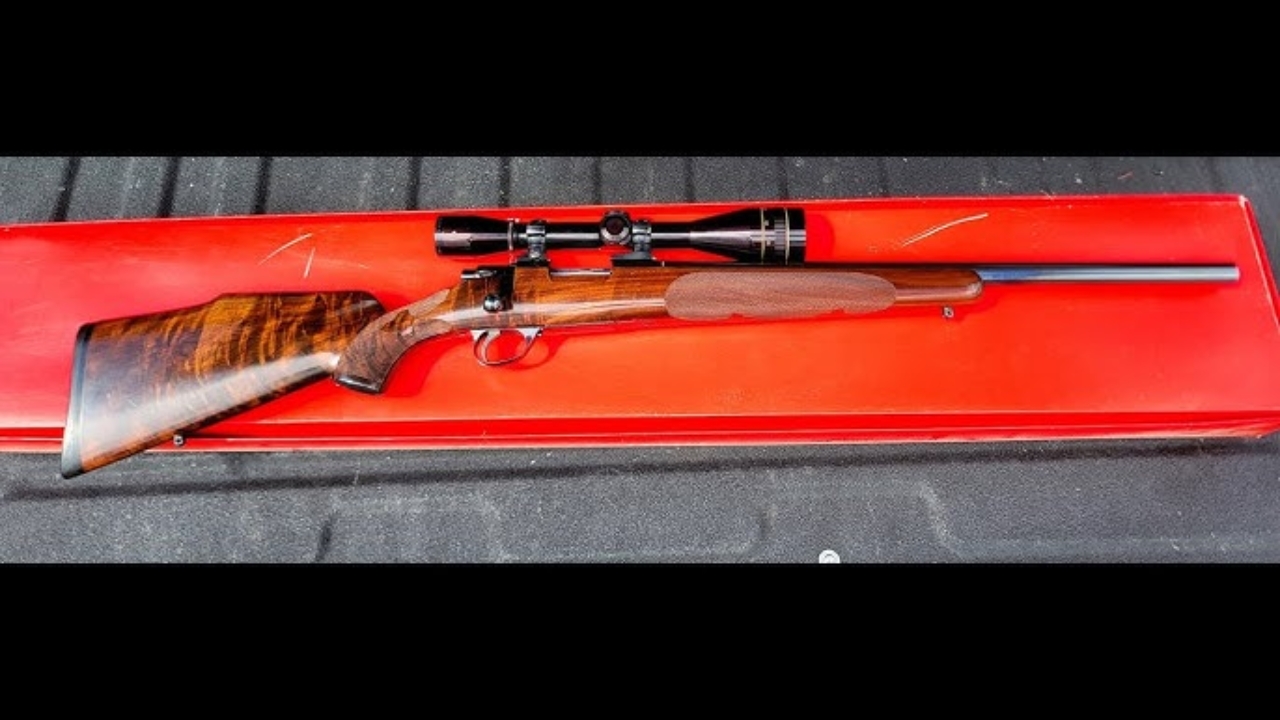
The M595 was one of those rifles that made a lasting impression because it felt more substantial than the later ultra-efficient Tikka designs. The action was slick, the trigger was excellent, and the rifle had enough weight and metal in the right places to feel properly refined.
The T3 and T3x became enormously successful because they were simpler to manufacture and still shot extremely well. Even so, the M595 has a richness of feel that the newer rifles do not quite duplicate. Plastic magazines and standardized actions made sense from a production standpoint, but they also made the rifle feel more utilitarian. The old M595 remains a reminder that Tikka once built rifles that combined accuracy with a more traditional premium feel rather than focusing so heavily on production efficiency.
Sako 75 Hunter
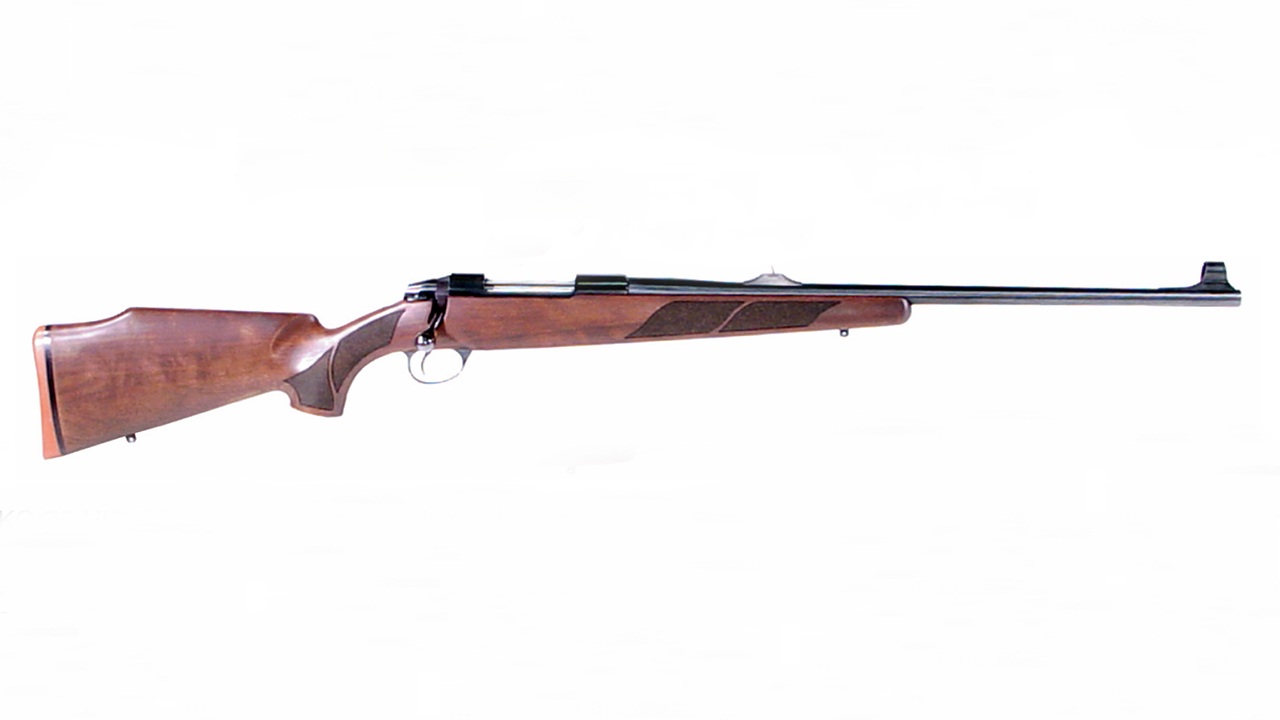
The Sako 75 was already a premium hunting rifle 20 years ago, and it still feels like one today. The bolt was smooth, the trigger excellent, and the rifle had the kind of fit and finish that made owners notice every time they worked the action.
Later Sako generations introduced new features and different magazine systems, but many hunters still consider the 75 the sweet spot. The rifle had enough modern engineering to be practical while still retaining old-school hunting-rifle character. Walnut stocks were attractive without becoming gaudy, and the metalwork felt precise rather than merely clean. Modern Sakos are excellent, but the 75 has a balance of simplicity and refinement that has proven hard to beat. It did not need much improvement because very little was wrong with it.
CZ 550 American

The CZ 550 American had a traditional Mauser-style controlled-feed action, substantial walnut stock, and one of the most reassuringly old-fashioned feels of any production hunting rifle from the period.
The rifle was not light, and the action could feel a bit agricultural compared with something like a Sako. That was part of its appeal. It was strong, mechanically straightforward, and especially good in larger chamberings where a heavy rifle and large extractor actually made sense. The newer CZ 600 series is more modular and modern, but the 550 felt more like a classic hunting rifle built around proven mechanical principles. For hunters who value simplicity and steel over modularity, the older 550 still has a lot more character.
Remington Model Seven CDL

The Model Seven CDL was one of the best compact hunting rifles of its era because it managed to be short and light without feeling cheap. The wood stock, compact action, and sensible barrel length made it excellent for woods hunting.
Many newer compact rifles chase minimum weight with hollow stocks, short barrels, and aggressively modern styling. The old Model Seven had a more balanced approach. It carried easily, shouldered quickly, and still felt like a proper hunting rifle rather than a downsized budget gun. That balance is exactly what made it so useful in thick cover. Twenty years ago, Remington understood that compact did not have to mean stripped down. The CDL version is a good example of a rifle where modern replacements often feel lighter but less satisfying.
Kimber 84M Montana

The early Montana rifles were compelling because Kimber built them around a properly scaled short action rather than simply putting a standard action into a lighter stock. That made the rifle genuinely trim and easy to carry.
The Montana also had an appealing simplicity. Stainless steel, synthetic stock, controlled-round feed, and low weight were combined without turning the rifle into an expensive technology showcase. Later lightweight rifles have become even more specialized, often with carbon fiber and much higher prices. The older Montana gave hunters a practical mountain-rifle package without making everything complicated. Accuracy could vary from rifle to rifle, but the concept itself was excellent. Twenty years later, the original design still feels more focused than many newer lightweight rifles chasing increasingly small weight reductions at increasingly large prices.
Browning BAR Safari
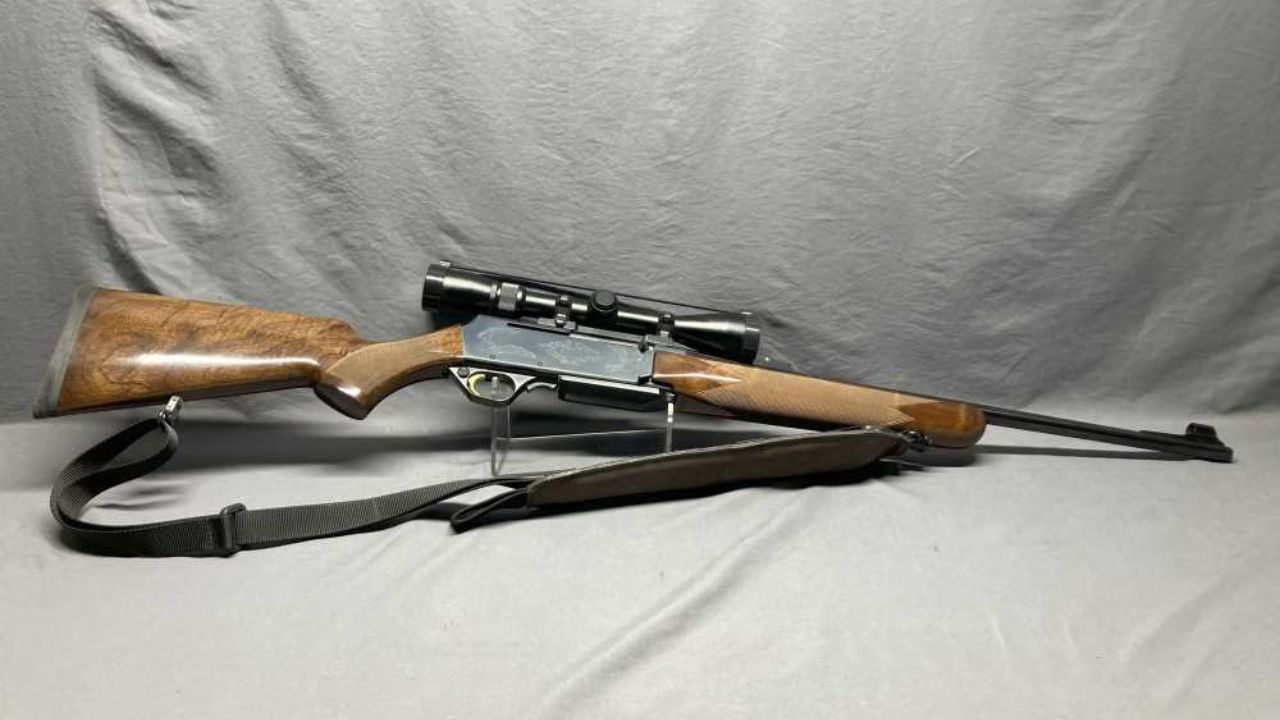
The BAR Safari from the 2000s still looked and felt like a serious traditional hunting rifle. Walnut stocks, polished metal, and the smooth gas-operated action made it stand apart from both military-style semiautos and cheaper sporting rifles.
Modern BARs remain capable, but some later configurations moved toward lighter materials and more contemporary styling. The old Safari had a balance of recoil control, finish, and field practicality that gave it real presence. It was heavy, but that weight helped tame cartridges like .30-06 and .300 Win Mag. For hunters who wanted a semiautomatic without giving up traditional styling, the rifle felt special. Today, semiauto hunting rifles often lean toward either tactical or utilitarian. The older Safari occupied a middle ground that manufacturers rarely bother with anymore.
Savage Model 10/110 AccuTrigger Era
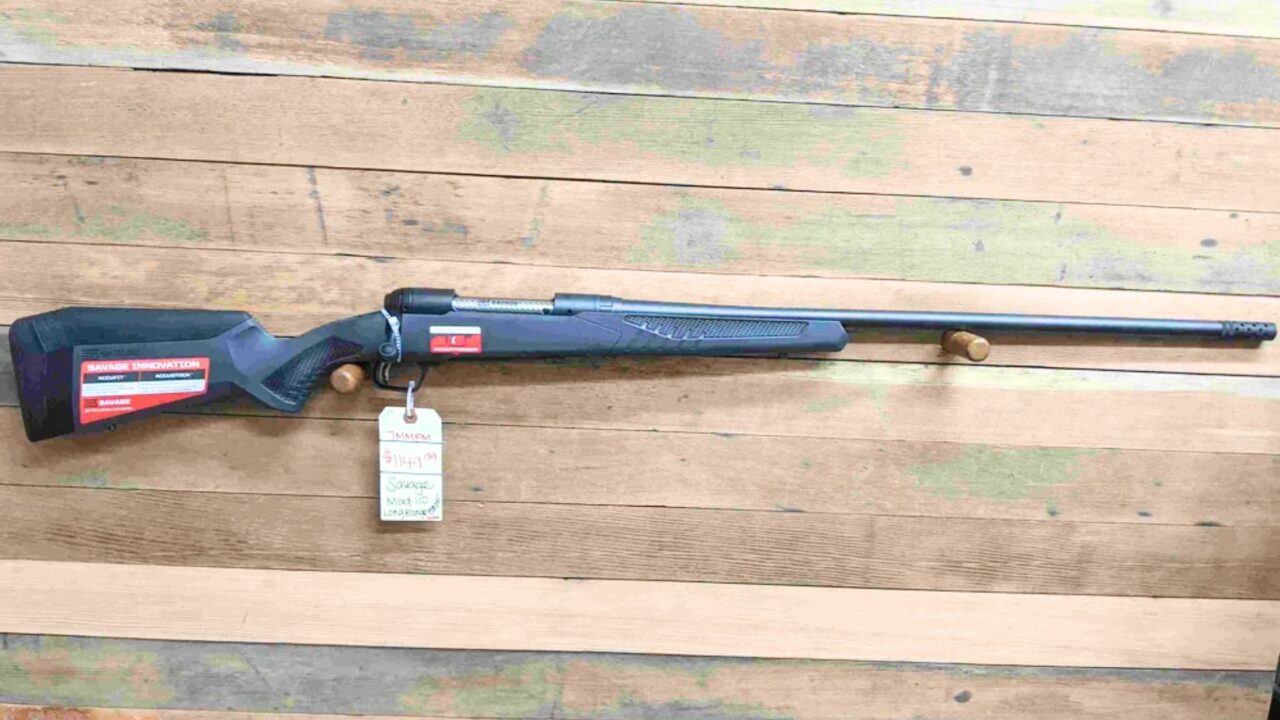
Savage changed the budget rifle market when the AccuTrigger arrived. Around 20 years ago, that trigger felt revolutionary because affordable hunting rifles suddenly did not have to come with heavy, miserable factory pulls.
The early AccuTrigger-equipped 10 and 110 rifles were not especially beautiful, but they offered an impressive combination of accuracy, adjustability, and value. As Savage expanded the lineup, the number of models and stock variations grew, and the original simplicity became less obvious. The old rifles had a straightforward mission: shoot well without costing much. That focus made them easy to recommend. Current Savages can be excellent, but the early AccuTrigger era had a clarity and value proposition that is harder to replicate now that the lineup has become so broad and complicated.
Steyr Mannlicher Model M
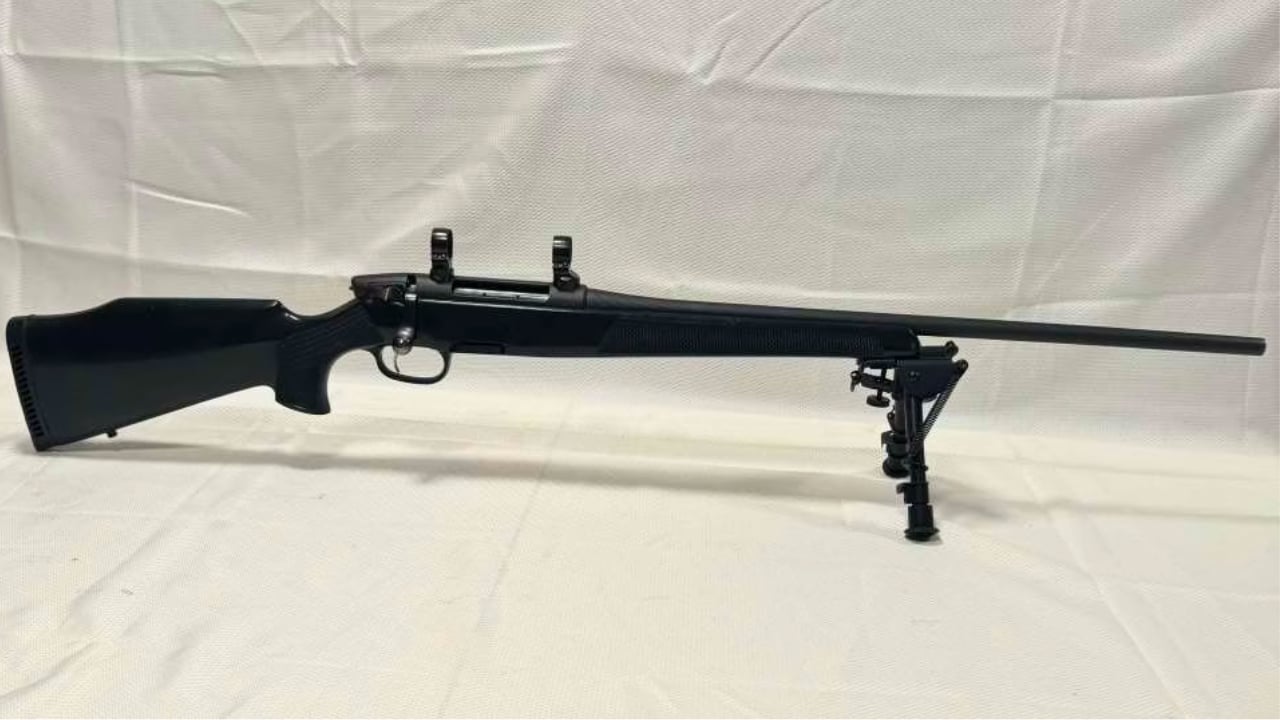
Twenty years ago, older Model M rifles were still easy enough to find that some hunters viewed them simply as used European bolt guns. That was a mistake. The action, trigger, and overall finish reflected a level of craftsmanship that has become much more expensive today.
The Model M was not trying to be light or modular. It was built to feel smooth and refined, and it succeeded. Modern Steyr rifles are technologically advanced and capable, but they often trade some of that old-world sporting character for synthetic stocks and more contemporary ergonomics. If you care about the tactile side of rifle ownership, the older Model M delivers something newer rifles rarely match. It feels mechanical in the best possible way, and that kind of refinement used to be more common in ordinary hunting rifles.
Parker-Hale 1200
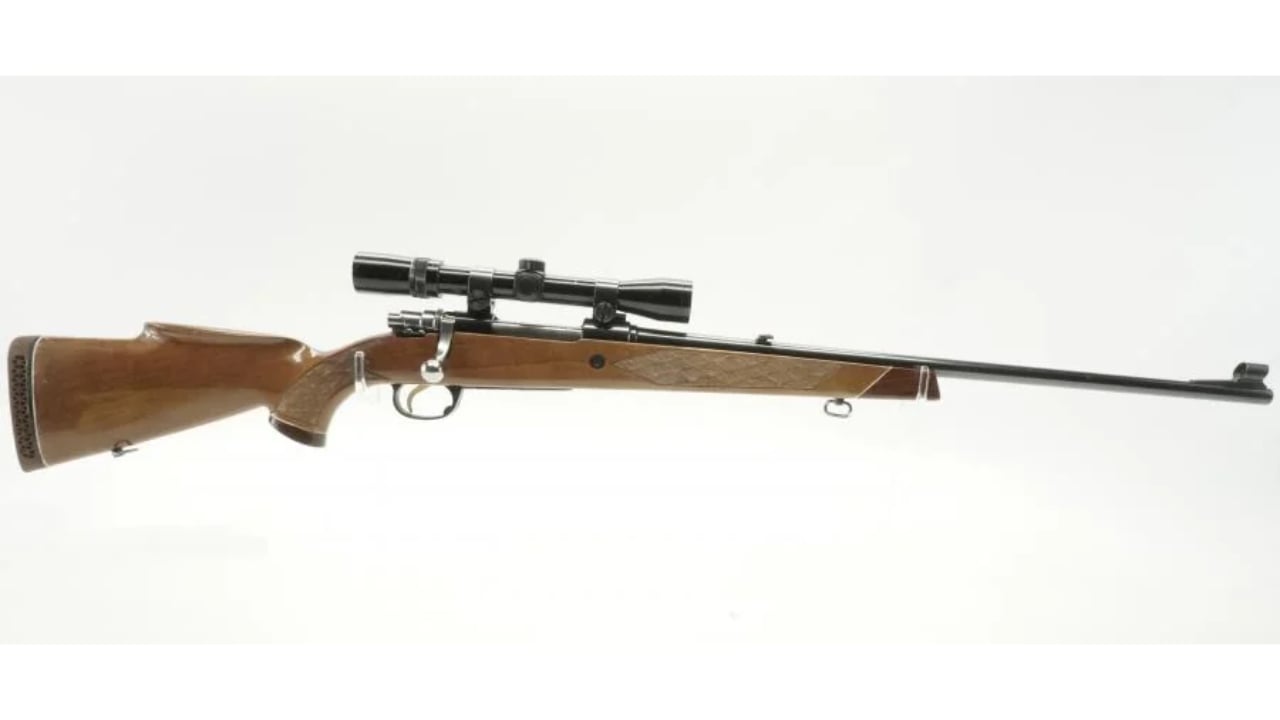
The Parker-Hale 1200 represented a kind of traditional commercial Mauser hunting rifle that used to be much easier to find. Walnut, blued steel, and a strong action gave it the sort of straightforward appeal many newer rifles lack.
By 2006, these were already older rifles, but they were still common enough in used racks that buyers could treat them as affordable hunting tools rather than collector pieces. Today, that combination of quality and price is difficult to reproduce. Modern budget rifles are usually lighter and more accurate out of the box, but they rarely have the same sense of permanence. The Parker-Hale felt like a rifle you could carry for decades and then pass along. That is an increasingly rare quality in the lower and middle price ranges.
Howa 1500 Walnut Hunter

The Howa 1500 has always been a strong action, but older walnut-stocked versions gave it a traditional hunting-rifle feel that the current synthetic-heavy market often lacks.
Twenty years ago, the rifle offered a good combination of durability, accuracy, and substantial construction without costing premium money. Modern Howa rifles may offer better triggers and lighter stocks, but the older walnut hunters feel more solid and more complete. There is something to be said for a rifle that needs nothing more than a scope and a sling. The action still cycles smoothly, the barrels generally shoot well, and the extra weight makes recoil easier to manage. The old formula was not glamorous, but it aged well.
Weatherby Mark V Fibermark
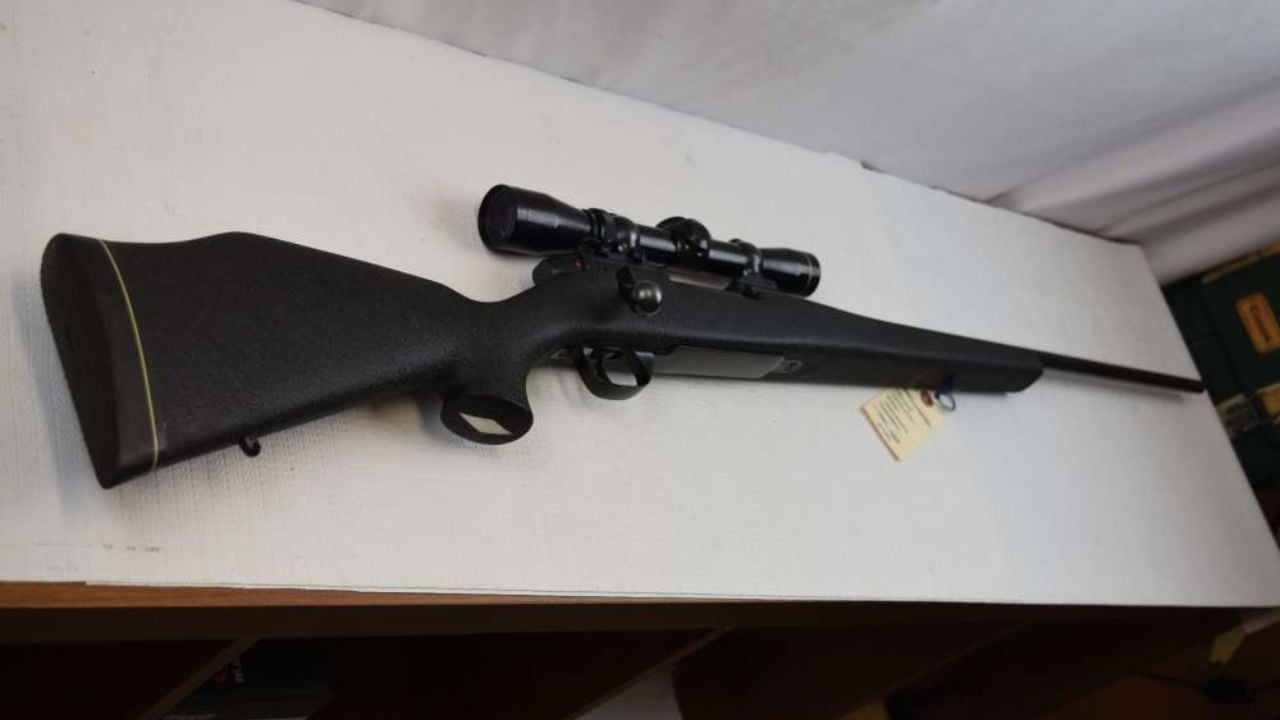
The Fibermark was one of Weatherby’s best combinations of practicality and premium construction. You got the strong Mark V action without the worry of scratching an expensive glossy walnut stock in rough weather.
The synthetic stock was substantial rather than ultralight, which helped manage recoil in the larger Weatherby chamberings. Newer premium rifles have become obsessed with cutting weight, but that is not always a benefit in a hard-kicking magnum. The older Fibermark had enough mass to stay comfortable and stable while still being much more weather-resistant than the Deluxe. It was a practical premium hunting rifle before carbon fiber became the default answer to everything. In many ways, the older balance made more sense.
Marlin 336C

The 336C from around 20 years ago still came from the JM-era production that built much of Marlin’s modern reputation. The rifles were slim, handy, and generally well fitted without becoming expensive collector pieces.
Later ownership changes created well-documented quality-control problems before production eventually improved again under Ruger. The current rifles are good, but they are also much more expensive and somewhat different in feel. A 2006-era 336C had the kind of simple value that is harder to find now. It was just a dependable deer rifle with walnut, blued steel, and a smooth-enough action. No tactical furniture, no premium pricing, and no attempt to reinvent the platform. For woods hunting, that older formula remains difficult to beat.
Winchester Model 94 Legacy
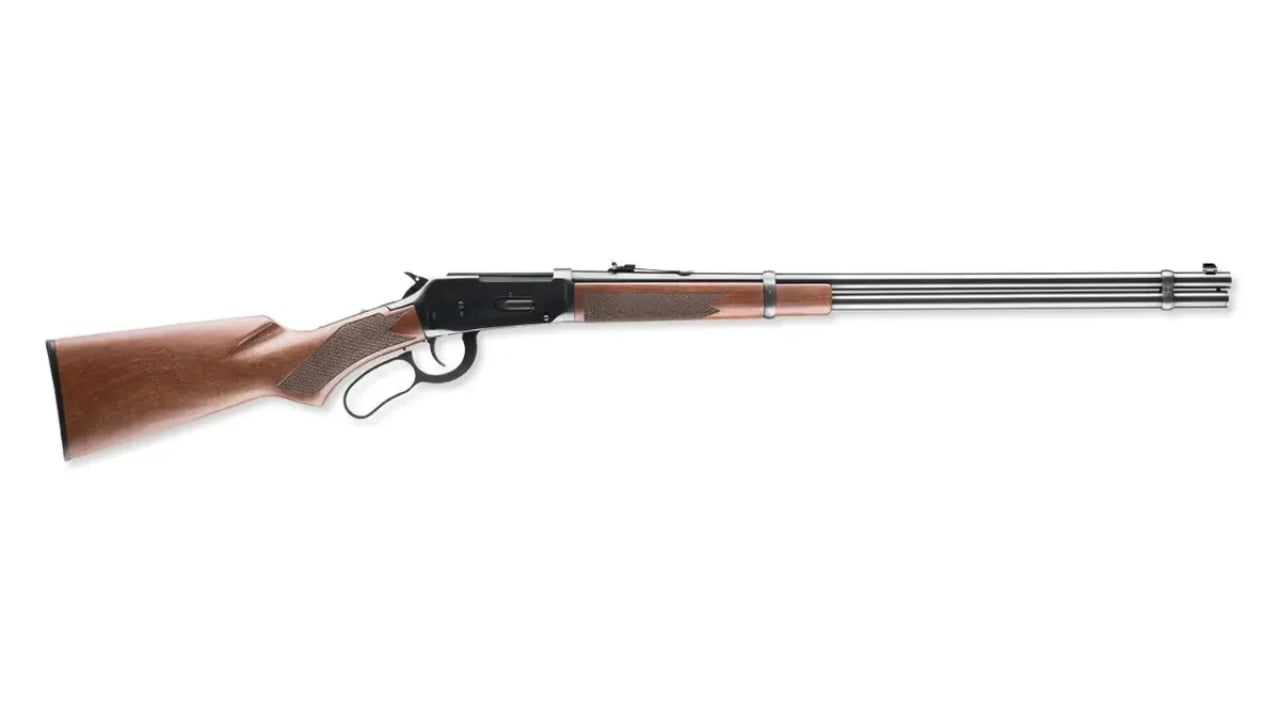
The Model 94 Legacy and similar higher-grade 2000s variants combined classic Winchester handling with nicer wood and finish than the basic carbines. They still felt like genuine working lever guns, but there was enough refinement to make them special.
Modern Model 94s are well made, yet current production prices have moved much higher, and the rifles now sit closer to premium territory. Twenty years ago, the Model 94 was still much easier to think of as an everyday hunting rifle. The older guns also had the advantage of being familiar, widely supported, and culturally tied to deer hunting in a way that newer production struggles to recapture. You can buy a new one today, but the value proposition and feel are not quite the same.
Thompson/Center Encore Pro Hunter

The Encore Pro Hunter was one of the most versatile hunting-rifle platforms available 20 years ago. One frame could support multiple barrels and cartridges, giving hunters a way to cover deer, varmints, muzzleloader seasons, and more without buying completely separate rifles.
The platform also had a strong sense of purpose. It was simple, compact, and easy to reconfigure without becoming overly technical. As the Thompson/Center brand changed hands and production became uncertain, that ecosystem lost much of its momentum. Today, the idea still makes sense, but the old availability of barrels, accessories, and factory support is what made the Encore so appealing. The rifle itself did not become worse. The system around it did. Twenty years ago, buying into an Encore felt like joining a platform with a future.
Remington 7600

The 7600 gave pump-rifle hunters something that feels increasingly rare today: a fast-handling repeating rifle chambered in serious hunting cartridges but finished like a traditional sporting gun. Walnut, blued steel, and the slim receiver made it look and carry like a proper deer rifle.
The pump action gave hunters quick follow-up shots without the bulk or complexity of a semiautomatic, and in areas where pump rifles were already popular, the 7600 had a fiercely loyal following. As Remington declined, the rifle became less available and eventually disappeared from normal production. Nothing has really replaced it. Modern bolt rifles may be lighter and cheaper, but they do not offer the same handling or shooting rhythm. For hunters who grew up with pumps, the 7600 of 20 years ago was already close to exactly what they wanted.
Like The Avid Outdoorsman’s content? Subscribe to our newsletter so you never miss an article.
Here’s more from us: