Photo credit: mixup98/YouTube
Lever-action rifles can be deceptive when it comes to value. A beat-up old Winchester or Marlin may have spent most of its life riding in a truck or leaning in the corner during deer season, so the owner naturally thinks of it as a working rifle rather than a collectible. The problem is that small details can completely change the story. An unusual chambering, takedown frame, short production run, factory configuration, or early serial number can turn an ordinary-looking lever gun into something collectors actively hunt.
I would never assume an old lever action is valuable just because it is old, but I also would not sell one until I knew exactly what version I had. Some of the rifles below were produced in surprisingly small numbers, while others have been modified so frequently that untouched examples are becoming the real prizes. These are 20 lever guns worth examining carefully before accepting an ordinary used-rifle price.
Winchester Model 53
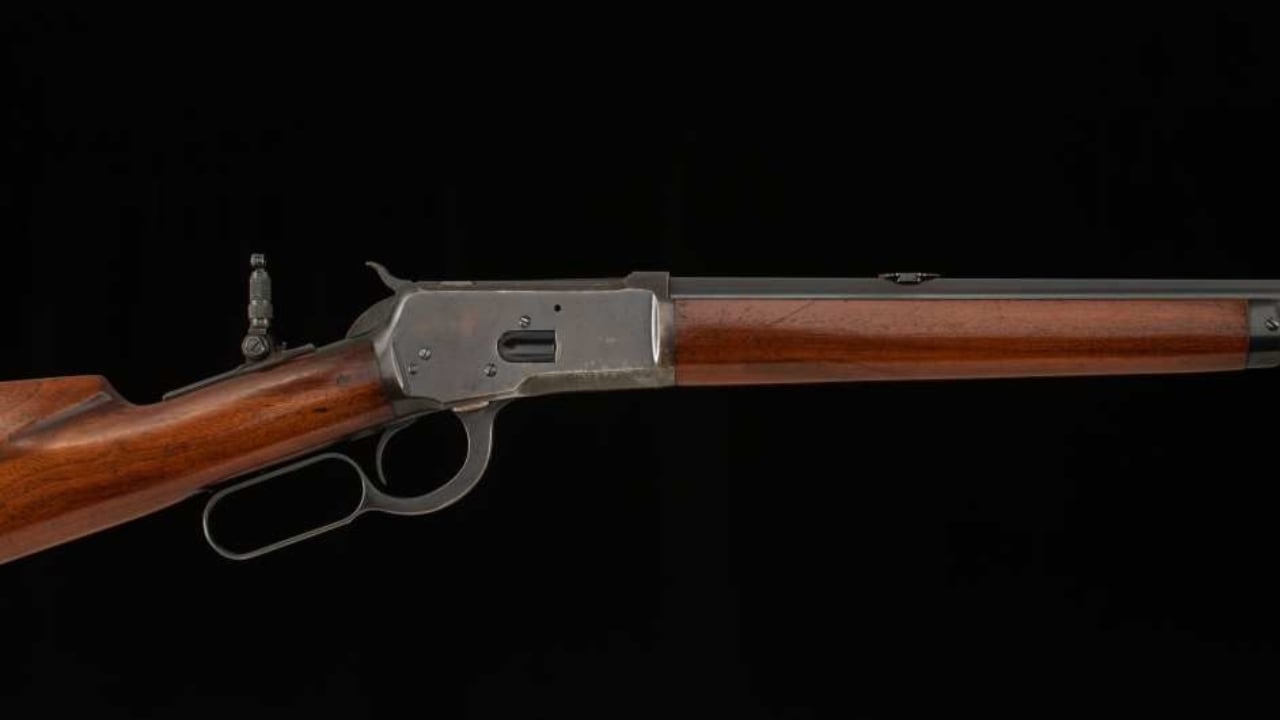
The Model 53 is exactly the sort of Winchester that gets mistaken for another old Model 1892. It was introduced during the 1920s as a more modern sporting version of the 1892 action and was chambered primarily in traditional cartridges such as .25-20, .32-20, and .44-40. Winchester collector research puts total production at roughly 25,000 rifles over about a decade, which is tiny compared with many better-known Winchester lever guns.
Configuration can make an enormous difference. Takedown rifles, deluxe guns, and especially .44-40 examples can attract much more interest than an ordinary solid-frame rifle. I would also be careful about originality because Model 53s assembled with later replacement components exist. A correct rifle with honest finish and the right parts is considerably more interesting than its plain appearance suggests.
Winchester Model 55
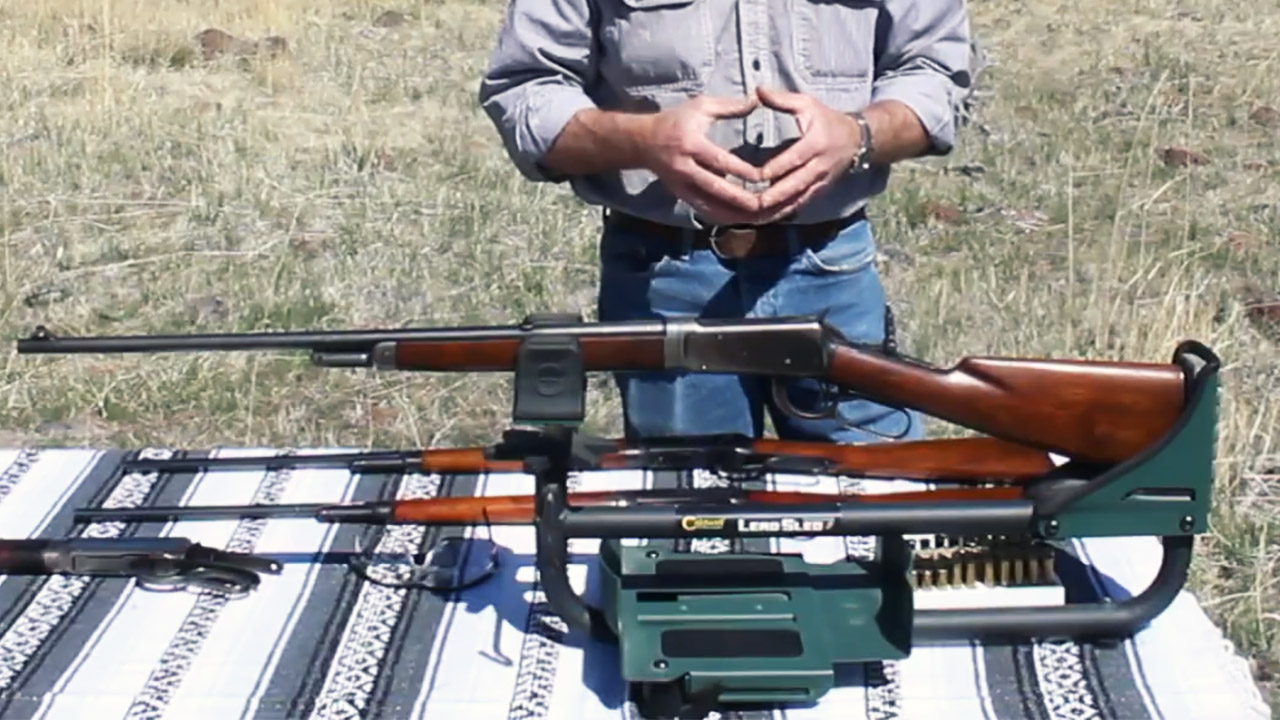
The Model 55 sits in an awkward place between the famous Model 94 and the later Model 64, and that is exactly why owners sometimes underestimate it. Winchester essentially created a rifle-length, takedown-oriented sporting version of its popular lever action, but the Model 55 never became nearly as common as the 94 surrounding it.
Winchester collector records indicate roughly 12,000 rifles were numbered in the Model 55’s own sequence before production began sharing Model 94 serial numbering, with only several thousand more produced afterward. That is not a massive population considering how long Winchester lever actions have been collected.
I would pay close attention to original sights, wood, barrel length, and takedown condition. A Model 55 that has escaped drilling, stock alterations, or refinishing can be far more desirable than an owner who sees “another old .30-30” might realize.
Winchester Model 65
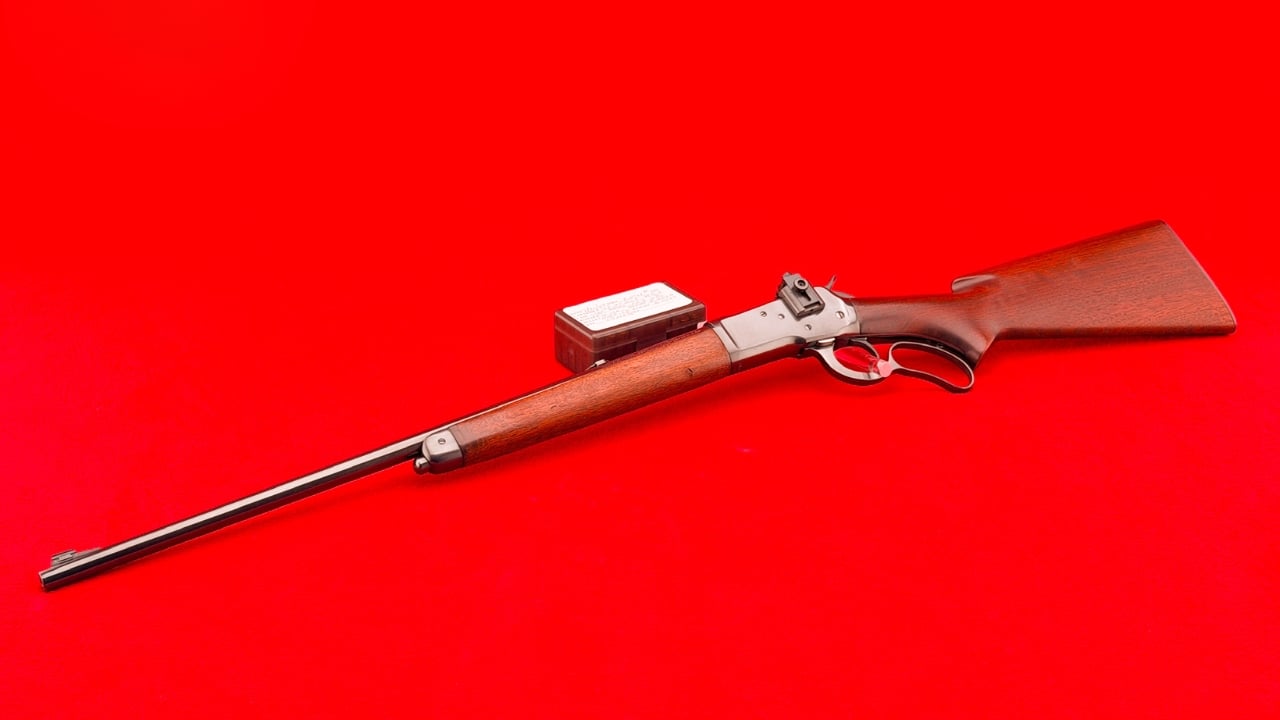
The Model 65 is one of my favorite examples of a Winchester that does not look especially exotic until you start studying the details. It was built on the same general action family as the Model 92 but offered in sporting configurations and cartridges that make it distinctly collectible today.
The .218 Bee versions are where I would really slow down. The cartridge appeared after Model 53 production ended, which is why a supposed Model 53 in .218 Bee can be a warning sign for replacement-barrel work rather than a legitimate rare chambering. A correct Model 65 in that chambering is another matter.
These rifles were frequently used for varmints and general ranch work, so excellent condition matters. A full-length original stock, proper sights, and strong factory finish can make the difference between an interesting shooter and the kind of Winchester serious collectors actively seek.
Savage Model 1895
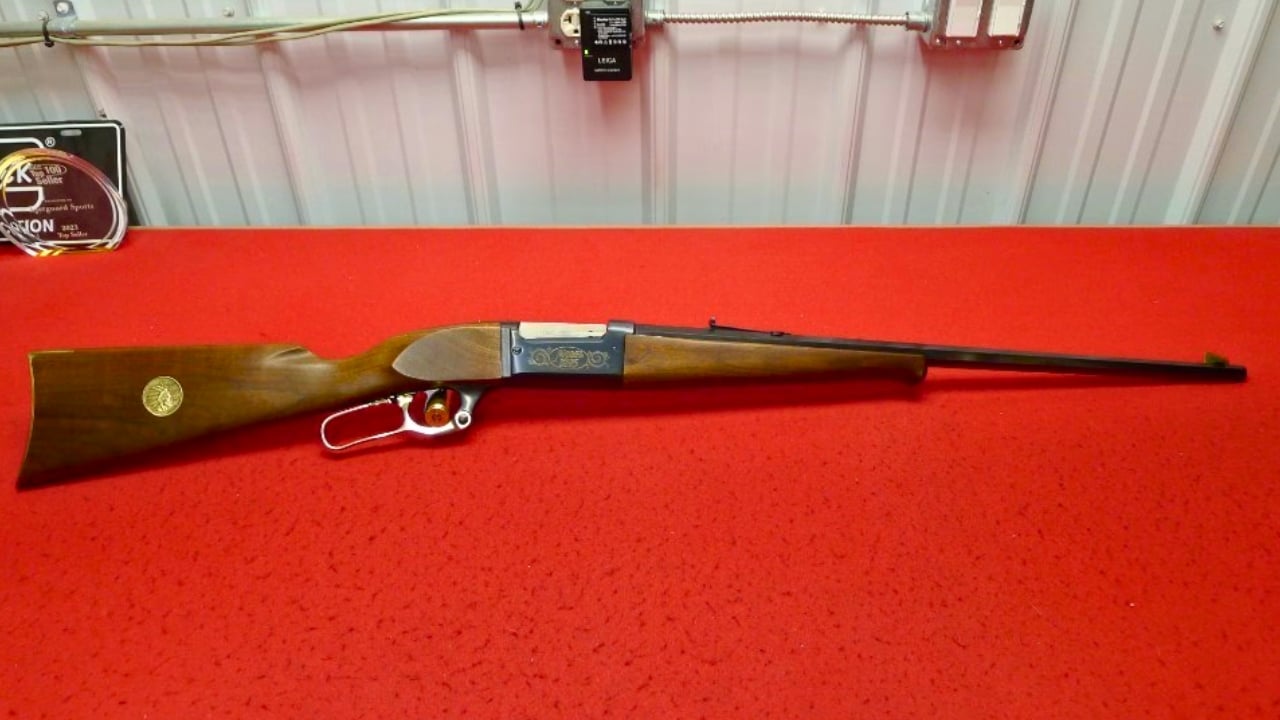
Everyone knows the Savage 99, but far fewer owners realize just how important the Model 1895 is. It was Savage’s first commercial rifle and the direct predecessor to the Model 1899 that eventually evolved into the famous Model 99 family. Approximately 6,000 Model 1895 rifles were produced before the design was replaced in 1899.
Six thousand rifles is not much to start with, especially after more than a century of hunting, modification, loss, and ordinary wear. A surviving original rifle therefore deserves far more attention than someone unfamiliar with Savage history might give it.
I would be extremely cautious about refinished wood, replaced barrels, and incorrect components. Early lever actions can look rough while still being historically significant, and an honest Model 1895 has something no later 99 can duplicate: it represents the beginning of Savage’s entire lever-action story.
Stevens Model 425 High Power
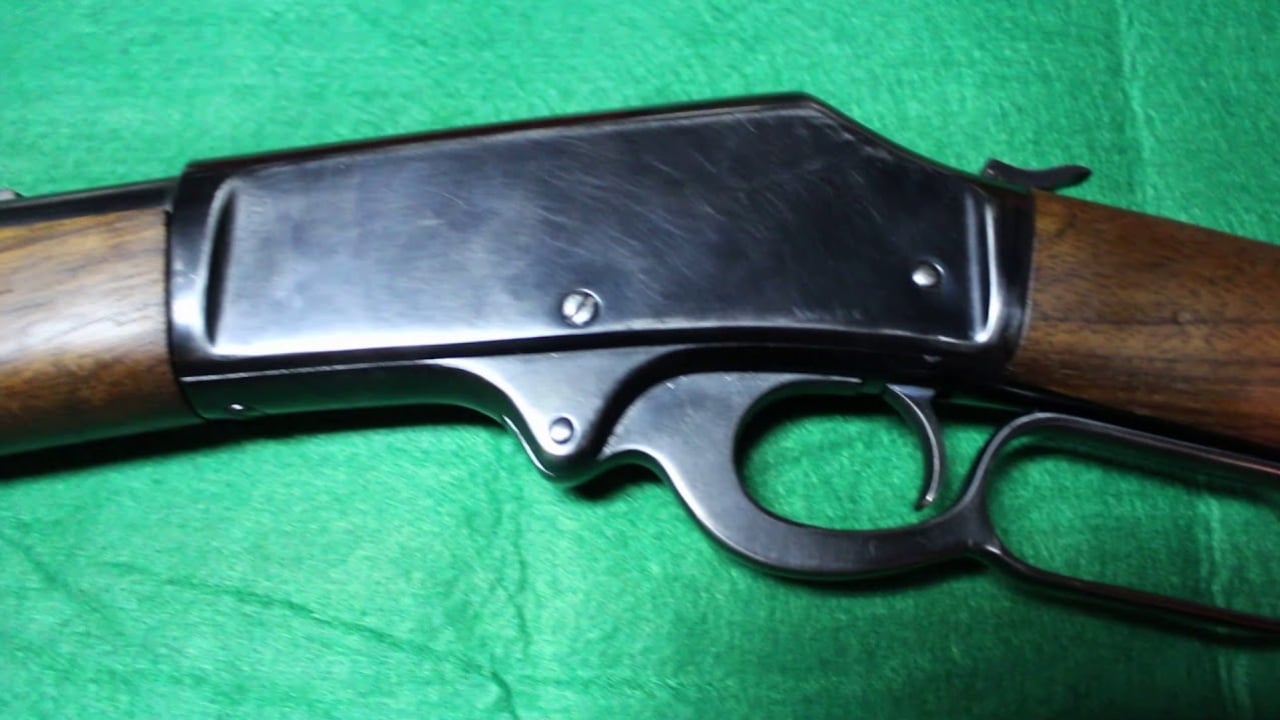
The Stevens Model 425 High Power is one of those rifles that can make even experienced gun owners stop and ask what they are looking at. Stevens entered the high-powered lever-action market with a rifle that competed against established Winchester and Savage designs, but the line never achieved anything approaching their production numbers or lasting recognition.
That obscurity works in its favor now. Collectors interested in early American lever actions eventually discover that the market contains far fewer Stevens High Powers than Model 94s or Savage 99s. Chambering and configuration matter, and intact rifles deserve special attention because obscure guns often suffered badly when replacement parts became unavailable.
I would never assume an old Stevens lever action is simply a low-value alternative to a Winchester. Sometimes the forgotten competitor is considerably harder to replace than the famous rifle sitting beside it, and rarity has a way of becoming obvious only after collectors start searching seriously.
Sako VL63 Finnwolf
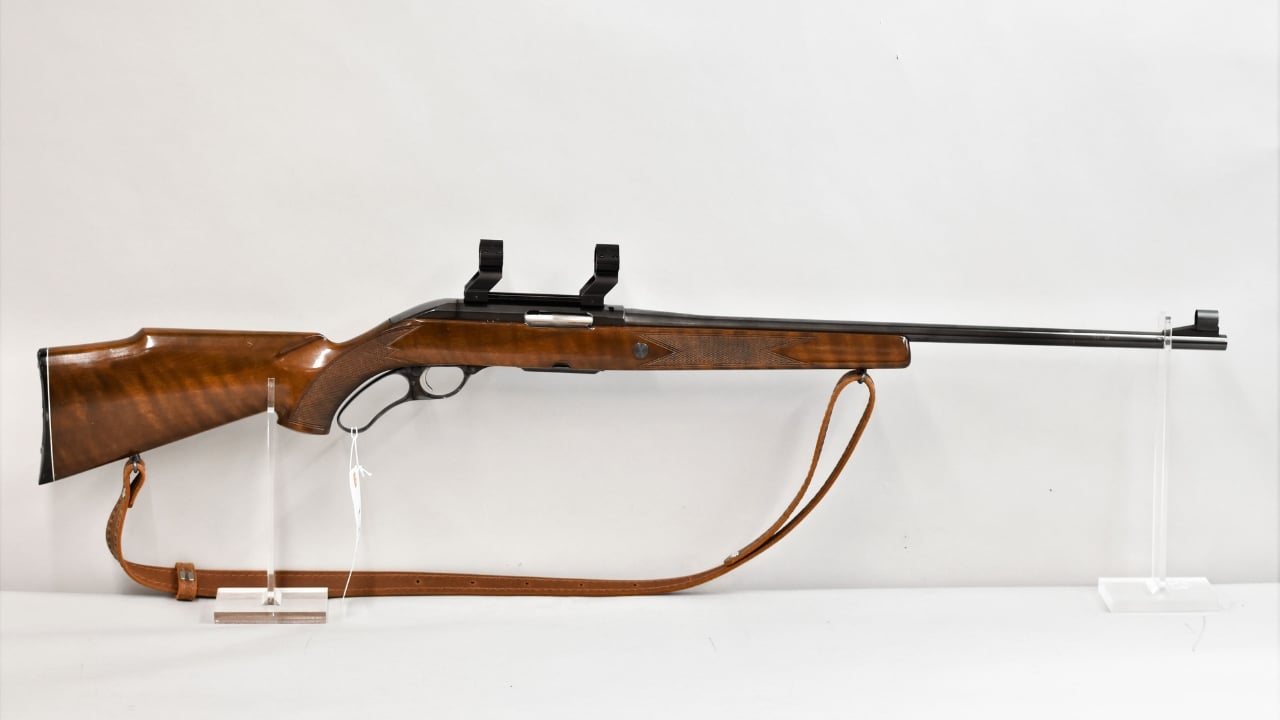
The Finnwolf looks like somebody combined a premium Finnish bolt rifle with an American lever action, which is essentially why it remains so fascinating. Sako began developing the lever-action concept in response to demand from the American market, and the VL63 eventually appeared in .243 and .308 Winchester. Sako’s own history identifies the Finnwolf as the company’s first lever-action rifle.
Production remained relatively limited, and the rifle was expensive compared with American competitors. The design used a detachable box magazine, rotating bolt head, and short lever throw, giving it a mechanical feel unlike a traditional tube-fed lever gun.
Original magazines matter enormously. I would also look closely at stock condition and whether the rifle is a standard or deluxe version. Clean Finnwolves tend to disappear into long-term collections because there simply is not a modern Sako replacement for them.
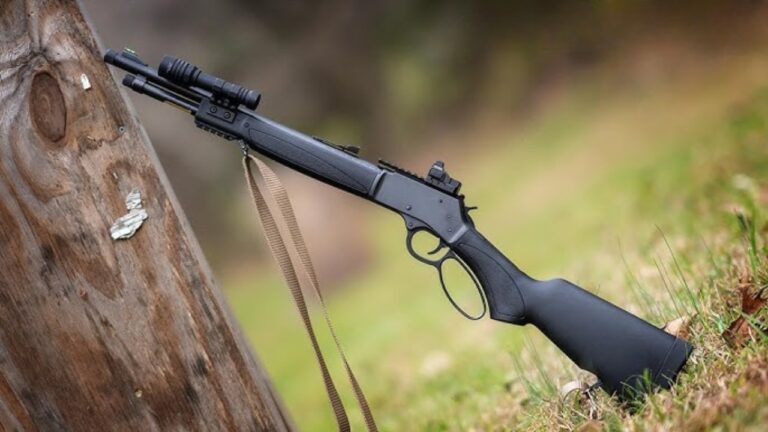
Ruger Model 96/44

The 96/44 is easy to overlook because Ruger never became synonymous with lever actions. That is precisely what makes the rifle interesting. Ruger combined a short lever throw with its familiar rotary-magazine concept and chambered this version in .44 Magnum, creating a compact woods rifle that feels unlike a traditional Winchester or Marlin.
Ruger’s production records show the 96/44 running from 1996 through 2007. That relatively short period gives it a much smaller presence than rifles that remained cataloged for generations.
For years these were treated like handy modern hunting rifles, not future collectibles. Owners added optics, scratched stocks, and used them during deer season without worrying about preservation. A clean original rifle with factory magazine and minimal alterations is therefore becoming much more interesting. I would not assume another equally nice 96/44 will appear immediately after selling one.
Marlin Model 62 Levermatic in .256 Winchester Magnum
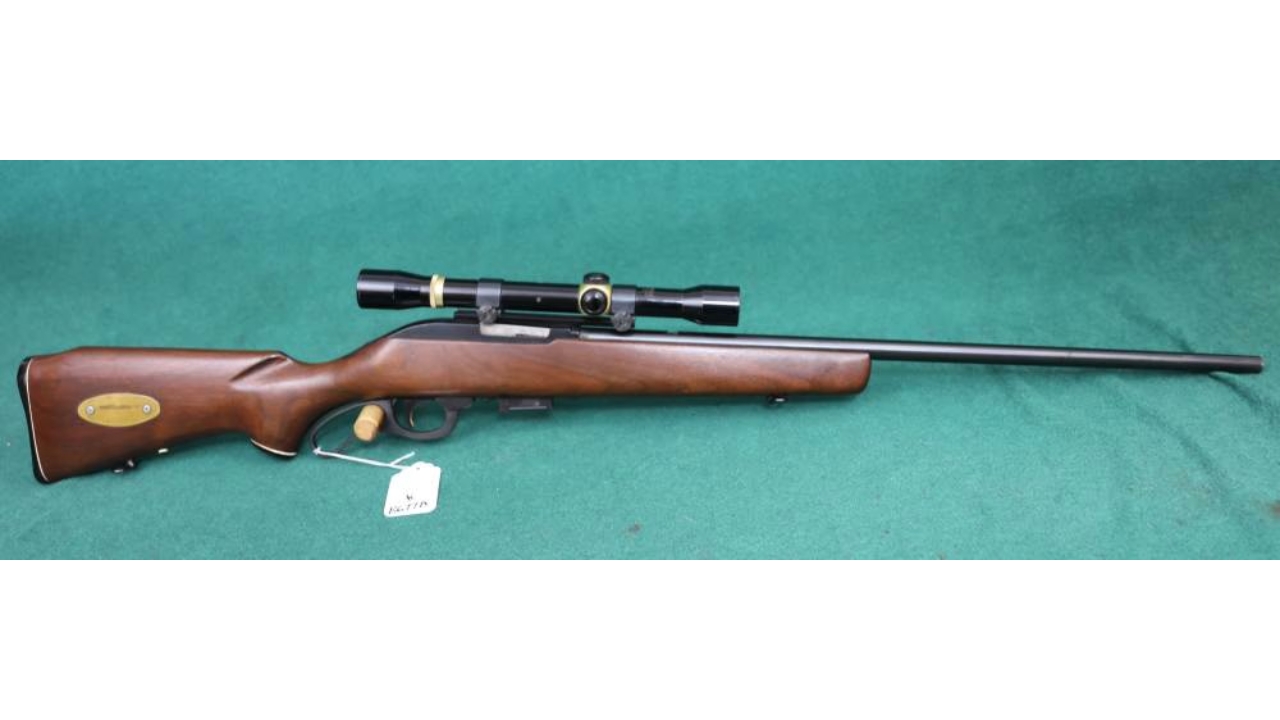
The Model 62 is one of the strangest centerfire rifles Marlin ever produced. Instead of a traditional long lever throw, the Levermatic system used a short action, and Marlin chambered the Model 62 in .256 Winchester Magnum and later .30 Carbine. The combination was unusual enough that the rifle never became a major commercial success.
That short production history is what matters now. Collector research places total Model 62 production around 15,714 rifles, with only several thousand chambered in the .256 Winchester Magnum configuration.
The cartridge itself adds another layer because it never became mainstream. I would pay close attention to the original detachable magazine because model-specific magazines can become a major issue with discontinued rifles. A clean .256 Levermatic is no longer just an odd Marlin. It is one of the company’s most unusual centerfire experiments.
Marlin Model 375
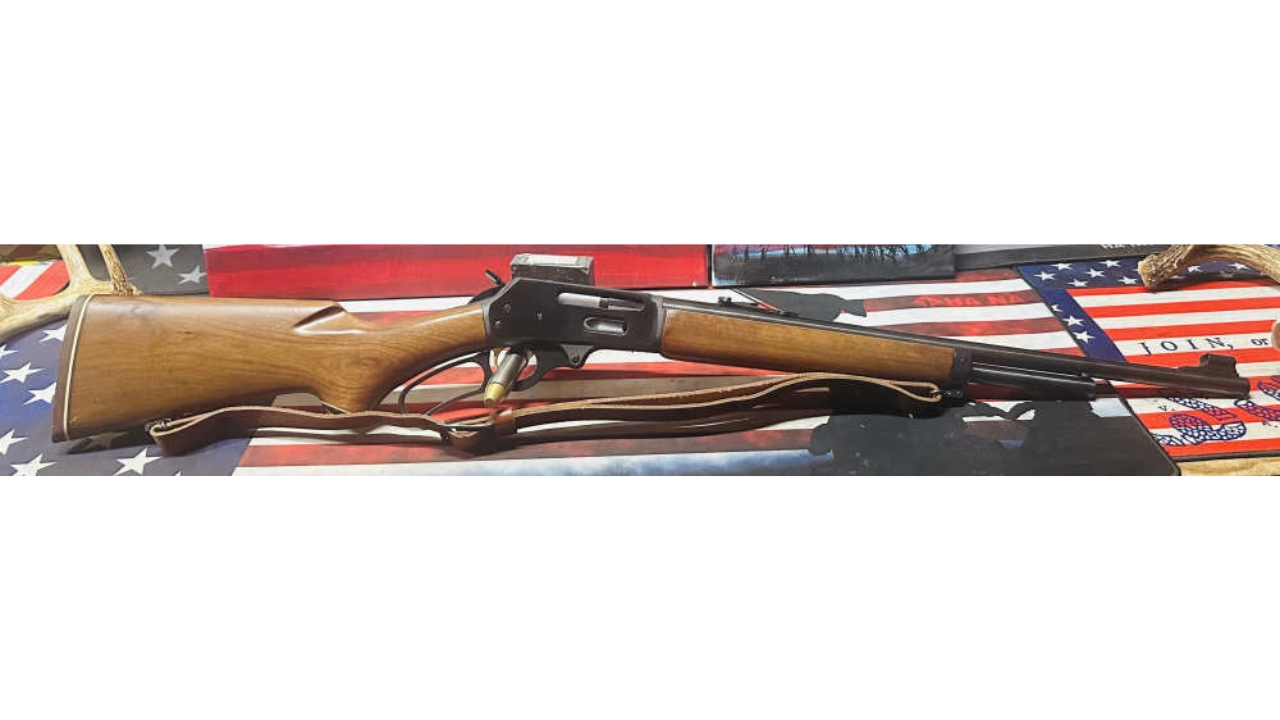
The Model 375 looks enough like an ordinary Marlin lever action that an owner could easily underestimate it. What changes everything is the cartridge and production period. Marlin chambered this 336-based rifle in .375 Winchester for only a brief window around 1980 through 1982.
That makes it much less common than the endless .30-30 versions buyers normally encounter. The .375 Winchester itself was introduced as a powerful modern straight-wall cartridge related historically to the .38-55, which gave the little Marlin serious close-range hunting capability.
I would want a Model 375 as original as possible. Factory stocks, sights, finish, and markings matter because there are not enough rifles around to make replacement easy. A hunter who bought one decades ago may still think of it as an oddball woods rifle. Collectors increasingly see a short-lived Marlin configuration that simply is not coming back in the same form.
Marlin 336 Marauder
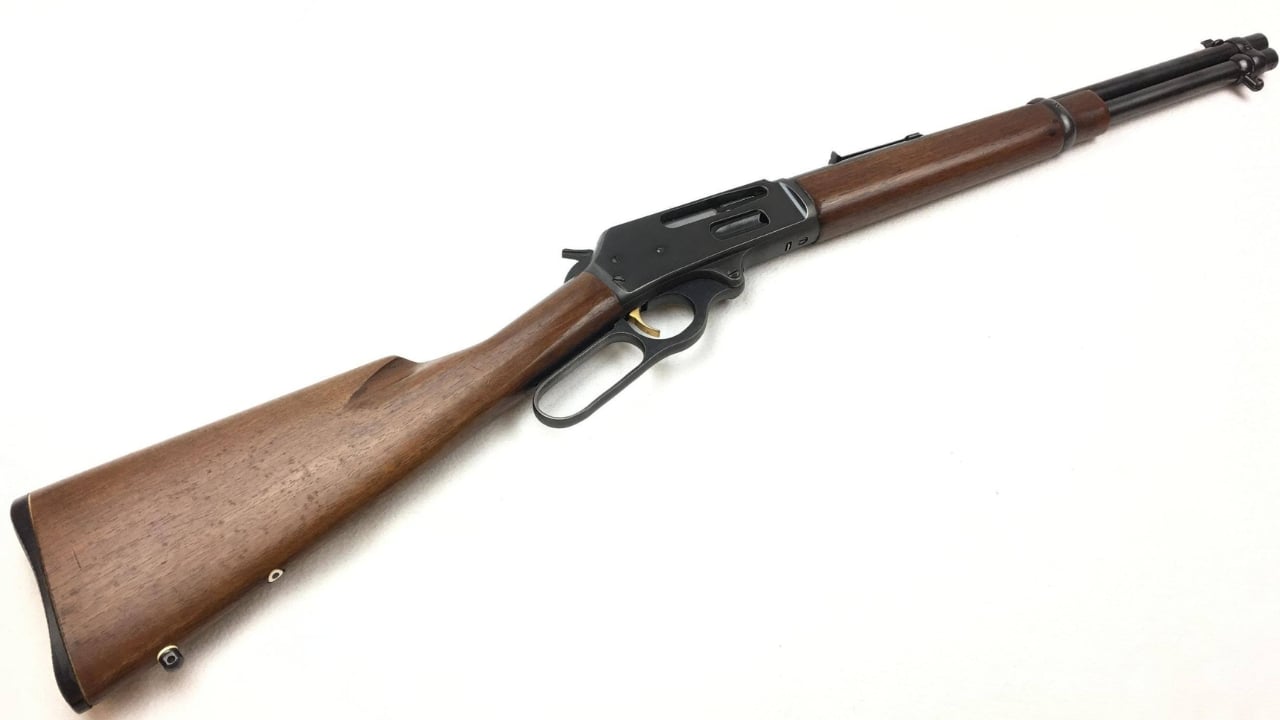
The Marauder is where knowing the exact Model 336 variation can make a huge difference. At first glance, it looks like a short old Marlin that somebody might have cut down. In reality, the factory Marauder used a 16.25-inch barrel, slimmer forearm, straight-grip configuration, and gold trigger.
Gun Digest records the 336 Marauder as being manufactured only during 1963 and 1964 in .30-30 Winchester and .35 Remington. That short production run is precisely why I would never assume a short-barreled 336 was an amateur modification without checking it carefully.
Originality becomes everything here. If somebody shortened a conventional rifle to imitate a Marauder, collector interest changes dramatically. A legitimate factory rifle with correct wood and markings is far more significant. This is one of those Marlins where a few inches of barrel can separate ordinary from highly interesting.
Winchester Model 94 Big Bore XTR in .375 Winchester
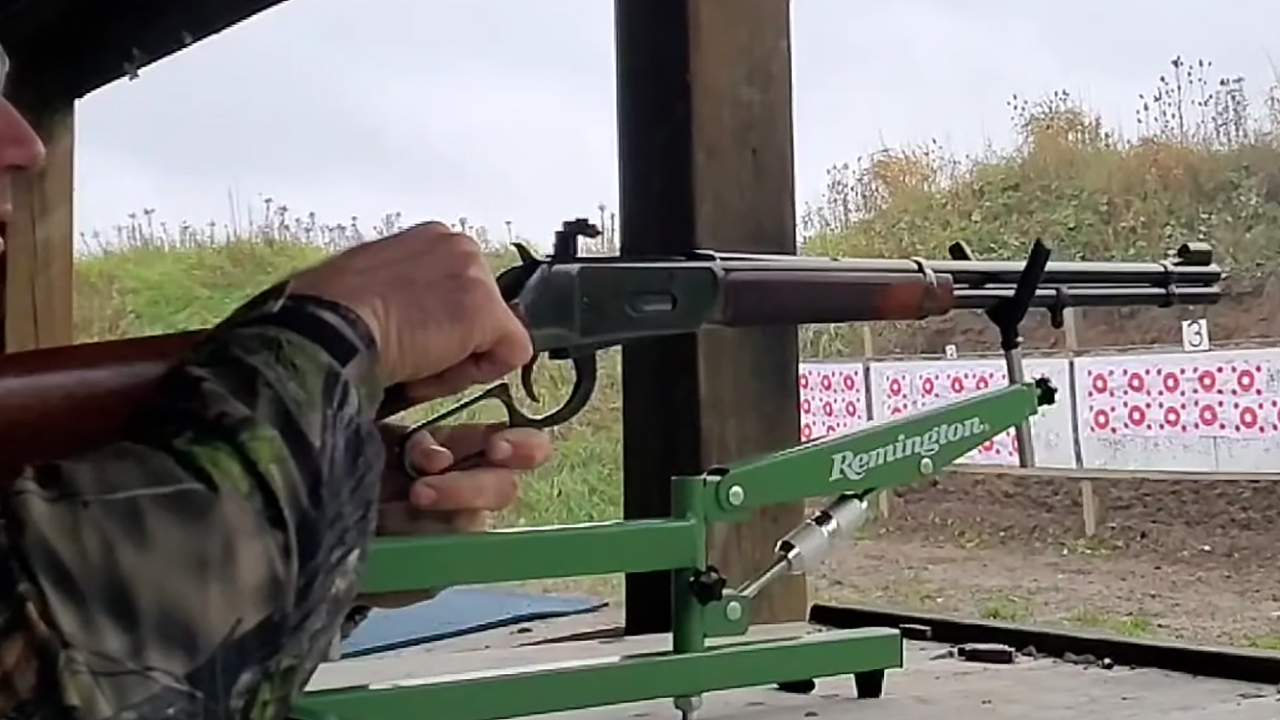
The Big Bore XTR does not look especially old compared with prewar Winchesters, which is probably why some owners still treat one like an ordinary Model 94. The reinforced Big Bore action and .375 Winchester chambering tell a different story.
Winchester introduced the .375 Winchester alongside the Model 94 Big Bore in 1978, and that original .375 Big Bore production lasted into the 1980s. Later Big Bore versions appeared in other cartridges, making chambering an important part of determining what a specific rifle is.
I would keep a clean .375 XTR exactly as it left the factory. These rifles were purchased for hunting, so many accumulated sling swivels, aftermarket recoil pads, scope setups, and heavy wear. A sharp original example with good wood and its factory sights is becoming a noticeably different proposition from the average used 94.
Winchester Model 88 in .358 Winchester
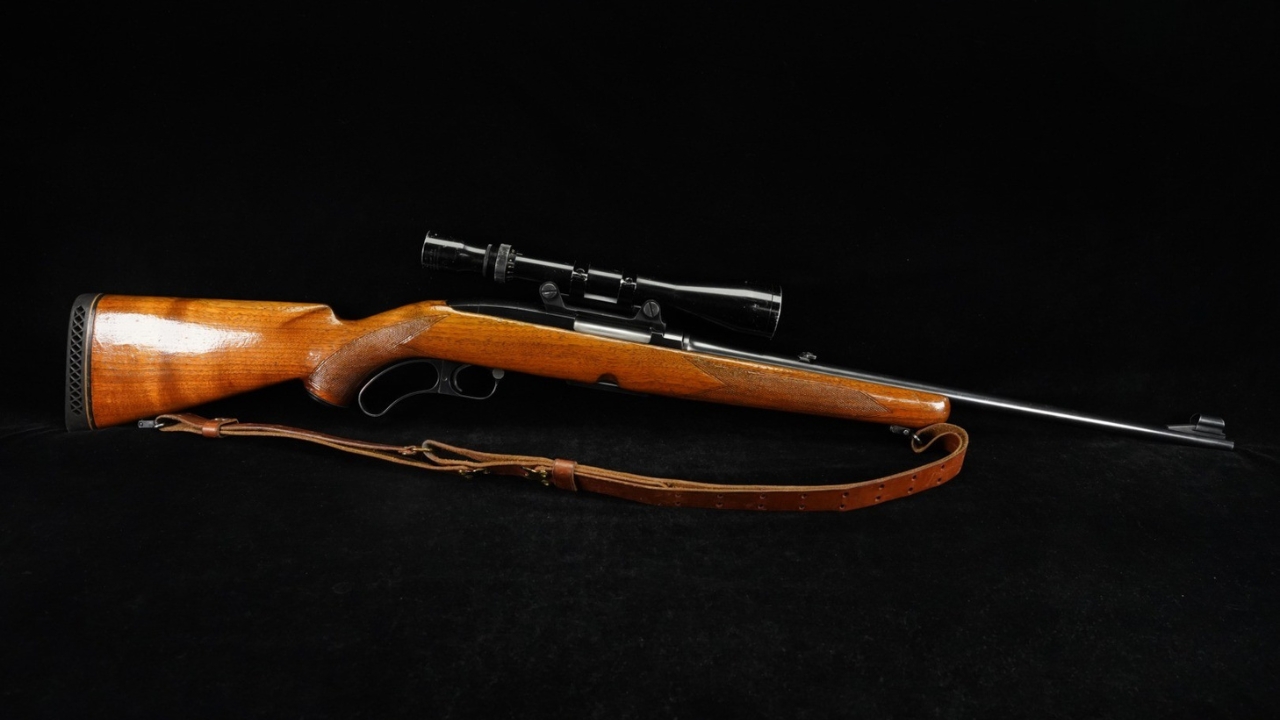
The Model 88 already stands apart from traditional Winchesters because it uses a rotating bolt and detachable box magazine while operating through a lever. The .358 Winchester version takes that unusual design and pairs it with one of the least-common chamberings in the lineup.
Winchester produced more than 280,000 Model 88s overall, but only about 35,636 were chambered in .358 Winchester, compared with more than 110,000 in .308. Carbines were scarcer still across the overall production run. Winchester collectors also consistently identify original pre-64 .358 rifles as especially desirable.
That means I would not judge one by the price of an ordinary .308 Model 88. Original finish, factory magazine, stock condition, and pre-64 production can all matter considerably. The chambering alone should be enough to make an owner investigate further before selling.
Browning Model 71
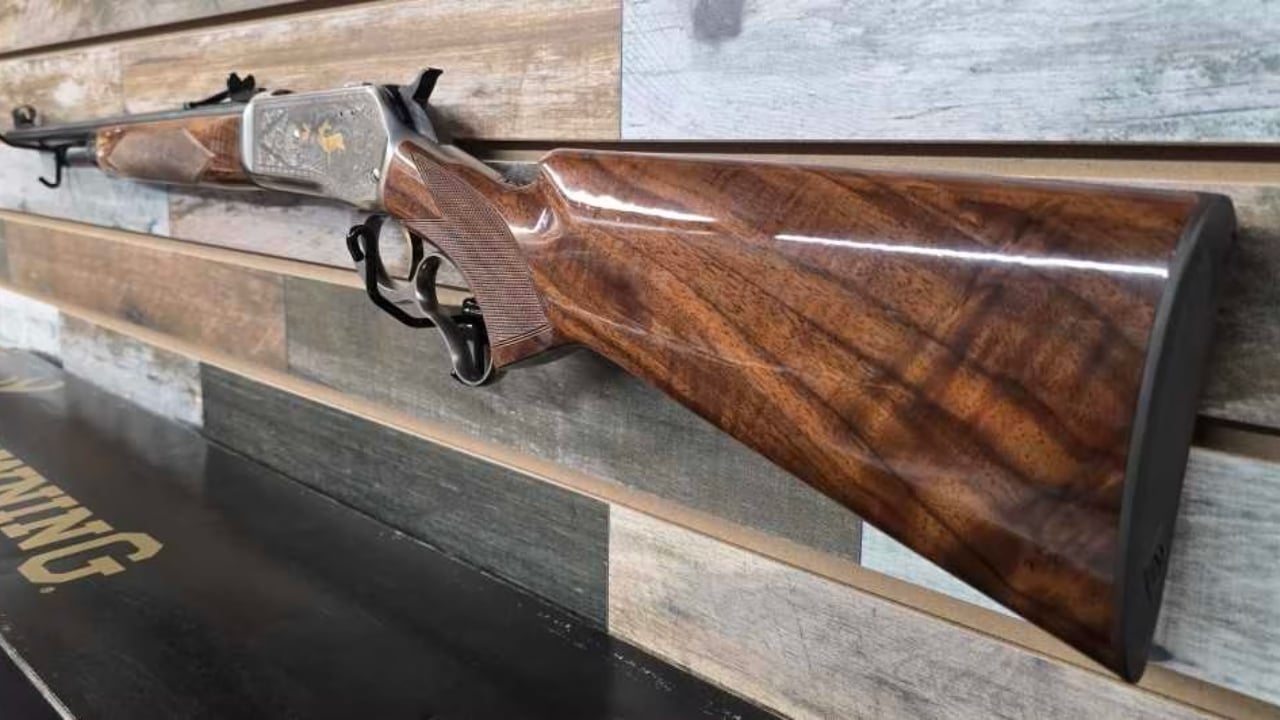
The Browning Model 71 reproductions are proof that a rifle does not need to be a century old to develop collector appeal. Browning brought back the classic Winchester 71 concept in high-quality Japanese production, giving shooters access to the .348 Winchester in a beautifully finished lever action long after original Winchesters had become expensive.
For years, some owners viewed these simply as reproductions. That label can hide how desirable discontinued Miroku-built Browning lever guns have become. Fit and finish were excellent, production was finite, and the .348 chambering gives the Model 71 an identity few modern rifles share.
I would particularly value a high-condition example that still has its box and documentation. These rifles often get compared directly with original Winchesters, but I think they deserve their own collector category. Once a discontinued reproduction becomes difficult to replace, being “not original Winchester production” stops making it ordinary.
Browning Model 53
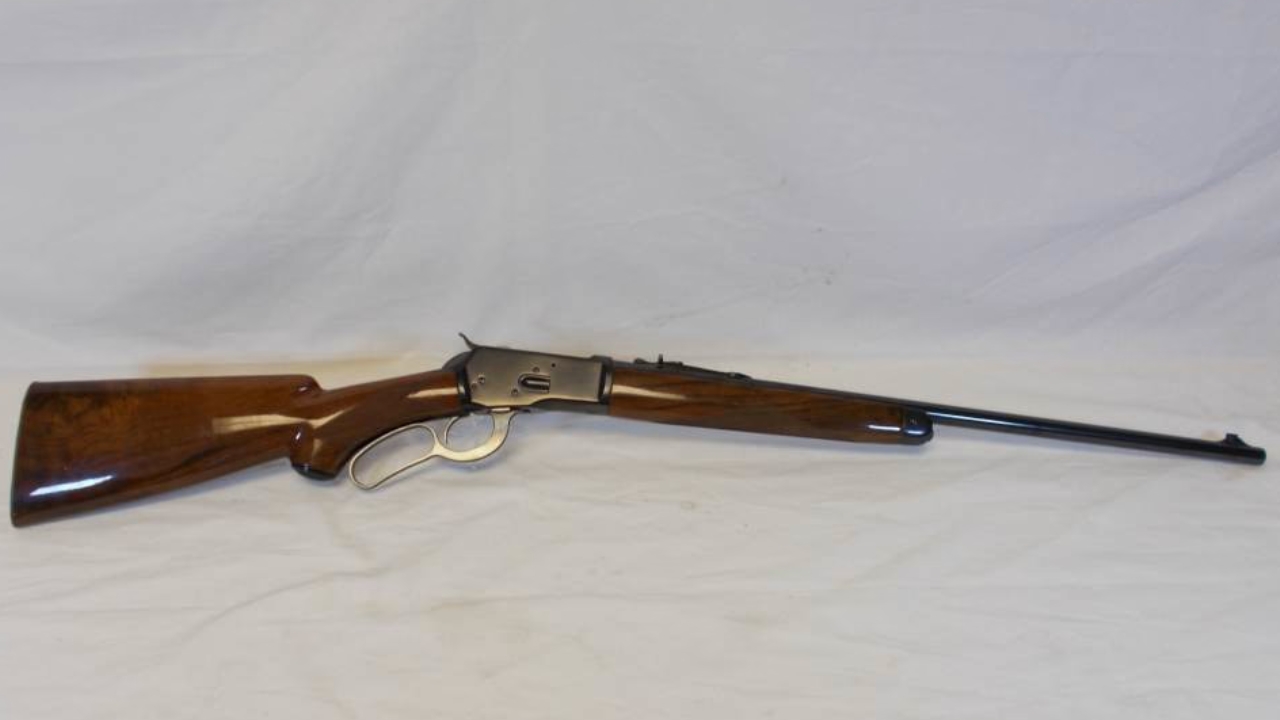
The Browning Model 53 is another Japanese-made reproduction that buyers once viewed primarily as a shooter. Chambered in .32-20 and patterned after the classic Winchester Model 53, it offered traditional lever-action handling without forcing the owner to hunt down a fragile original rifle.
That practical role is exactly why I would pay attention to clean examples today. Discontinued Browning reproductions often have excellent fit and finish, and many were produced in quantities small enough that buyers cannot assume another will always appear. The .32-20 chambering also gives the rifle a distinctly traditional personality.
A rifle that has retained its factory sights, wood, box, and papers can be far more appealing than one that was modified for general use. Collectors eventually realize that good reproductions can become collectible in their own right, especially when the manufacturer has no current equivalent sitting in the catalog.
Marlin Model 1881
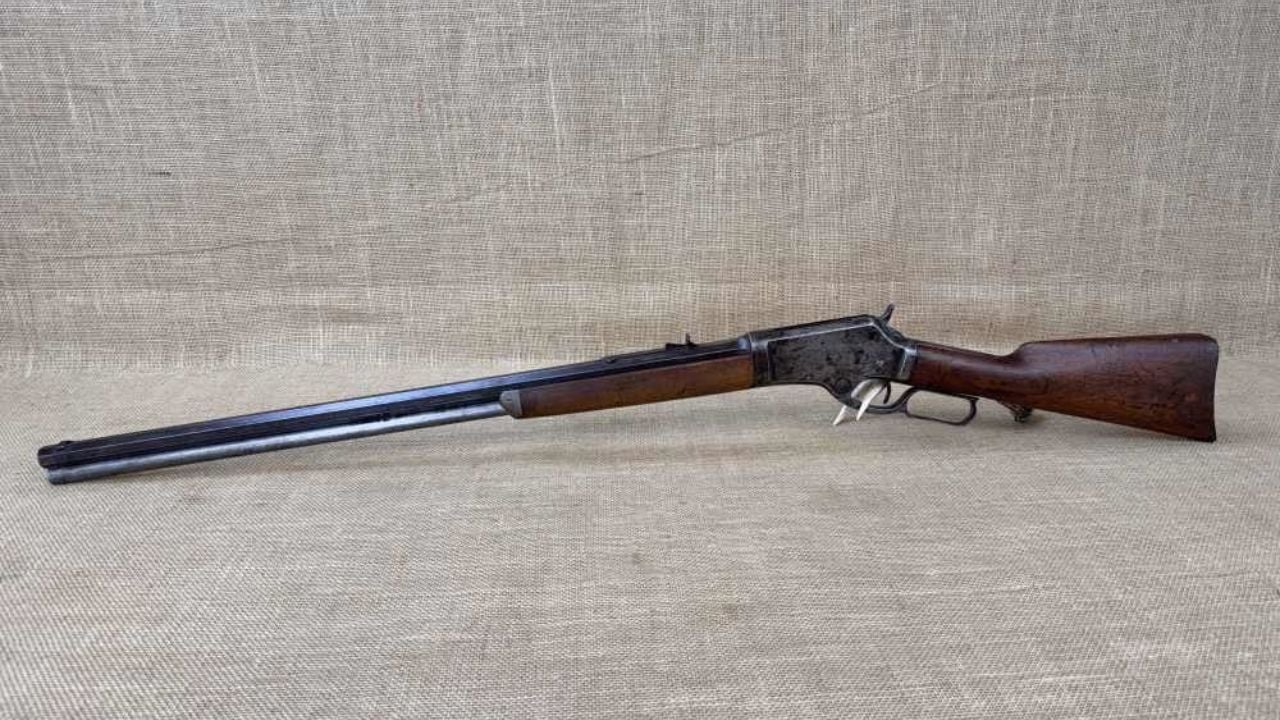
The Model 1881 was Marlin’s first lever-action rifle, which immediately makes it more historically significant than many owners realize. Marlin introduced it as a direct competitor to large-frame Winchester rifles, offering chamberings that included the powerful .45-70 Government. The company even submitted the design to U.S. Army trials in the early 1880s.
More than a century of hard use makes originality extremely important. Stocks crack, metal gets refinished, barrels are replaced, and old sights disappear. A genuine rifle with strong markings and honest original components deserves careful evaluation before anyone thinks about restoration.
I would never treat an 1881 simply as an old Marlin lever gun. It represents the starting point for a company that would eventually become one of Winchester’s great lever-action rivals. Historical firsts tend to become increasingly difficult to dismiss as ordinary.
Marlin Model 1893 in .38-55
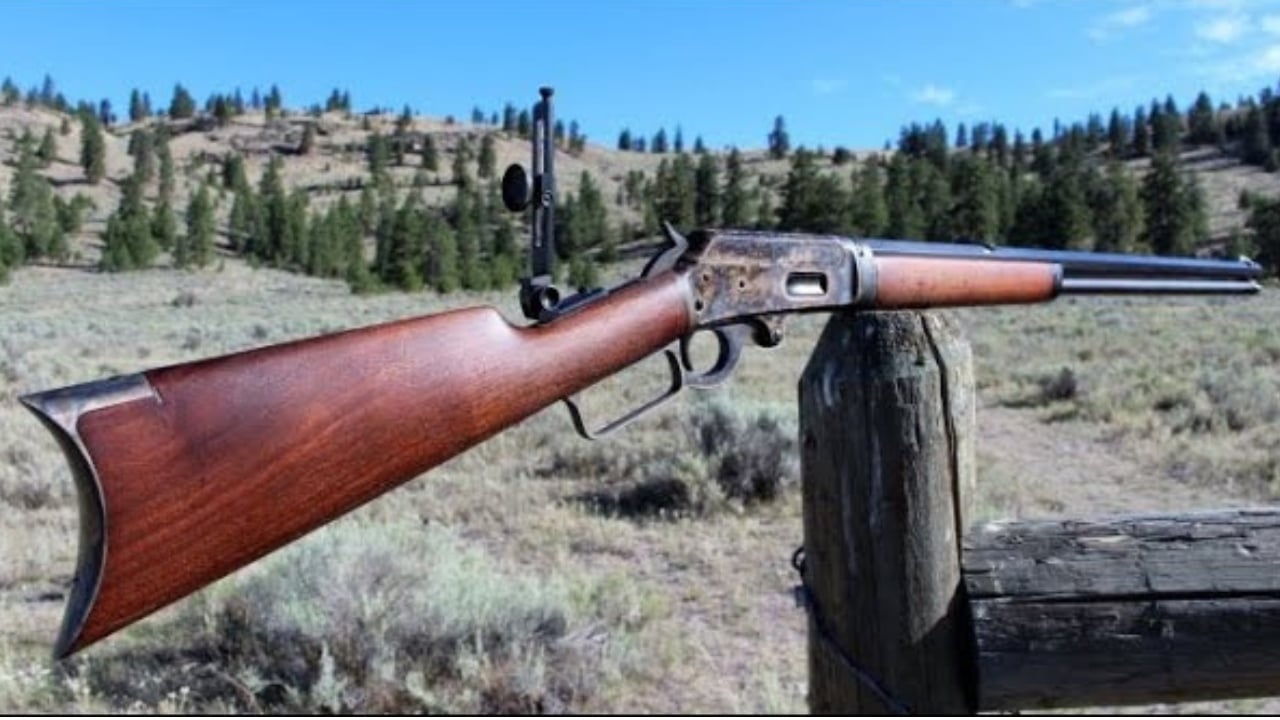
The Model 1893 is one of those early Marlins where the exact chambering and configuration can change collector interest significantly. The rifle helped establish Marlin’s reputation for strong, smooth lever actions capable of handling the higher-pressure cartridges emerging in the late nineteenth century.
I would pay particular attention to an original .38-55. The cartridge has a strong connection to classic American hunting rifles, and a full-length 1893 retaining its proper barrel, sights, and stock is increasingly difficult to find after generations of use. Marlin serial records from this era can also be complicated, so careful research is important when determining exactly what an individual rifle is.
These were working rifles, not display pieces. That is why honest original condition carries so much weight. Refinishing one to make it prettier can erase exactly the age and originality collectors wanted.
Marlin Model 1897
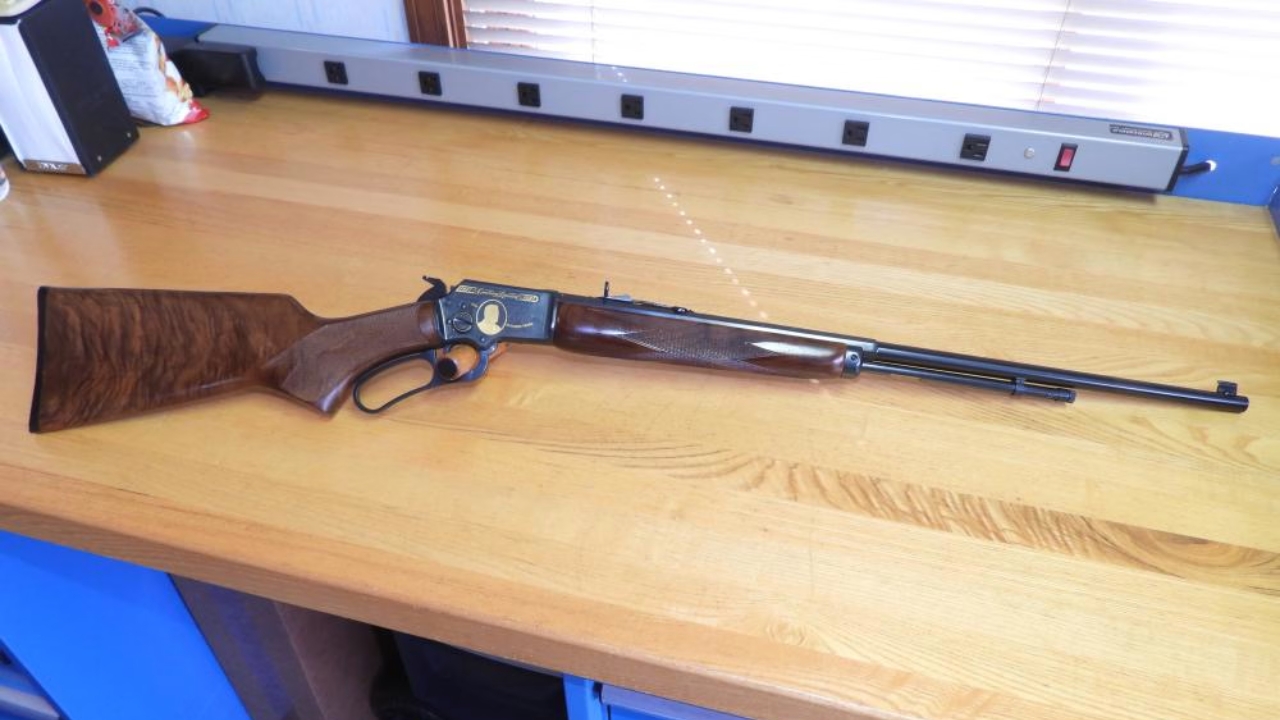
A rimfire lever action can be surprisingly valuable once you get far enough back in Marlin history. The Model 1897 belongs to the lineage that eventually produced the famous Model 39 and 39A, but early rifles have their own mechanical details, markings, and configurations that make them a completely different collecting proposition.
These .22s were especially vulnerable to hard use because ammunition was inexpensive and owners had no reason to conserve them. Rifles got shot endlessly, carried by children, stored in barns, and repaired whenever something wore out. More than a century later, a high-condition original rifle can be much harder to locate than production totals might suggest.
I would pay particular attention to deluxe features, unusual barrel configurations, and factory documentation. An old rimfire may look less important than a big-bore lever gun, but collectors know pristine early .22s can be exceptionally difficult to replace.
Savage Model 1899 in .250-3000
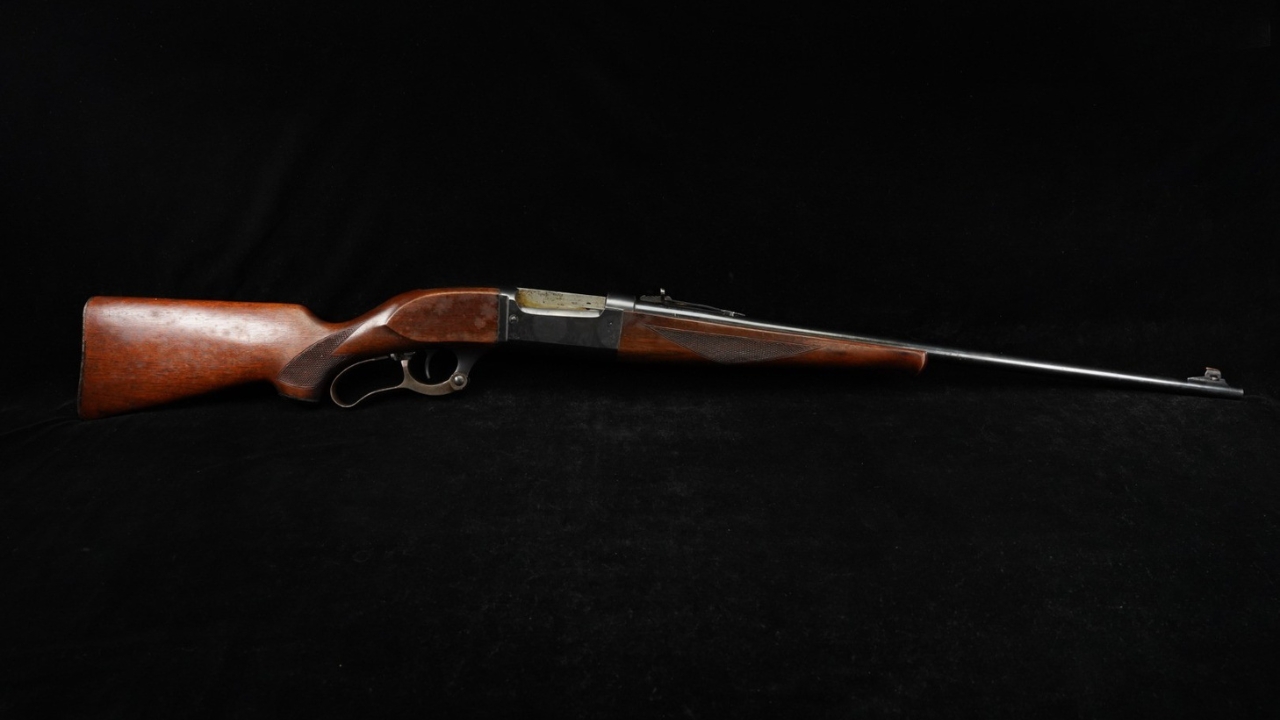
The .250-3000 Savage was revolutionary enough that its name advertised the headline feature: a 3,000-fps muzzle velocity with the original light bullet loading. When Savage paired the cartridge with the Model 1899, it created one of the most recognizable early high-velocity sporting combinations in American hunting history.
Those rifles were purchased to hunt, and many did exactly that for generations. Stocks were drilled for sling swivels, receivers were altered for scopes, barrels were replaced, and ordinary wear accumulated year after year. That makes a clean early .250-3000 much more compelling than another heavily modified Savage.
I would pay close attention to takedown versions and original rotary-magazine rifles that retain strong case color or blueing. The Model 99 may be the better-known name today, but early 1899 markings paired with this historically important cartridge can put a rifle into an entirely different collecting category.
Winchester Model 1886 Takedown

The Winchester 1886 was built for the large cartridges earlier lever actions struggled to handle, and its John Browning-designed action became one of the strongest and most respected of the classic Winchester designs. Even ordinary rifles can be valuable today, but owners sometimes fail to appreciate how much additional interest a factory takedown configuration can create.
Takedown rifles were designed so the barrel and magazine assembly could be removed from the receiver for easier transportation. That extra complexity cost money when new and gives collectors another major configuration to pursue now.
I would want to know chambering, barrel length, finish, stock style, and whether the components are genuinely original to the rifle. Old Winchesters have been rebuilt in countless ways over the decades. A correct takedown 1886 is not something I would price by looking at the first ordinary 1886 listing I found.
Winchester Model 1892 Takedown in .44-40
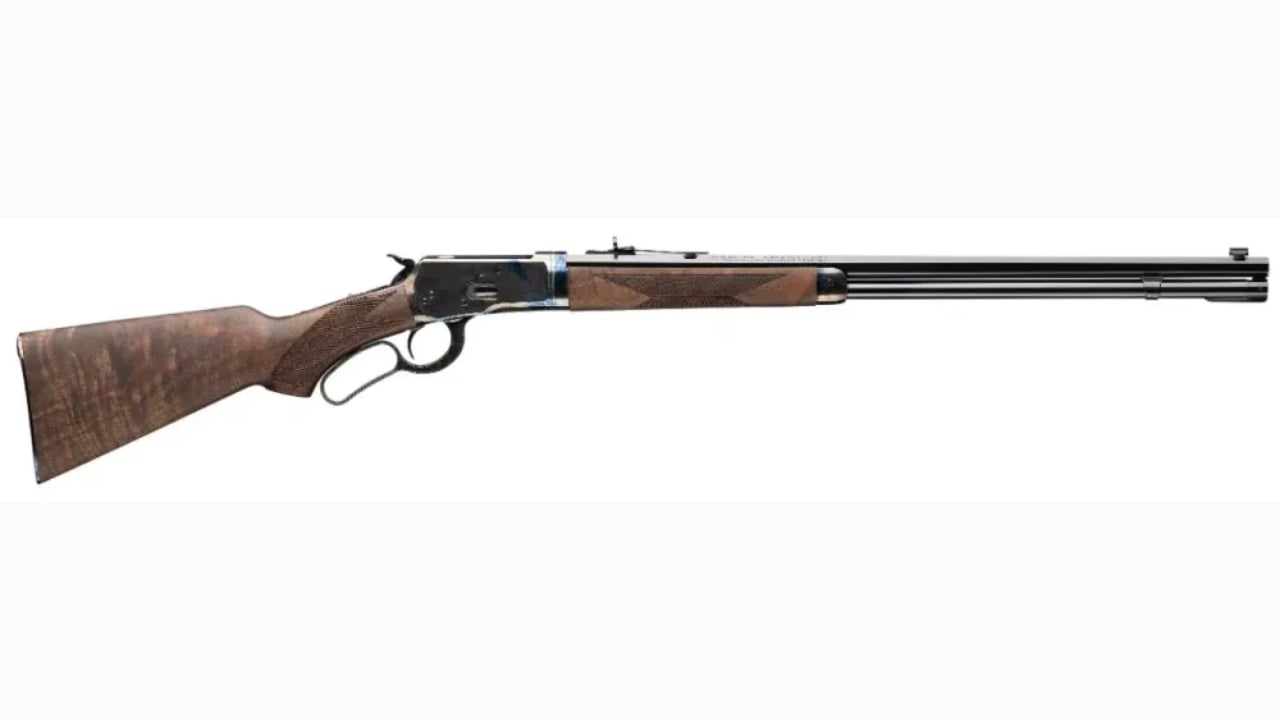
The Model 1892 is famous enough that owners generally know an old one has value, but the differences between individual rifles can be enormous. A standard worn carbine and a high-condition takedown rifle in .44-40 may share the same basic action while belonging to very different collector categories.
The .44-40 chambering carries obvious Old West appeal, and the takedown mechanism adds another desirable factory feature. Deluxe wood, special sights, unusual barrel lengths, and other documented options can push interest even further. The difficulty is proving that everything actually left Winchester that way rather than being assembled later from period parts.
That is why I would research one carefully before selling it. Winchester records and factory letters are available for certain models and serial-number ranges and can help establish configuration. With early lever guns, documentation can be almost as important as appearance.
Like The Avid Outdoorsman’s content? Be sure to follow us.
Here’s more from us: