Photo credit: Academy Sports
The revolver market has a few names that dominate every conversation. Python. GP100. 686. Blackhawk. Those guns deserve much of the respect they get, but popularity can make people overlook revolvers that are every bit as useful and sometimes a better fit for the job at hand.
When somebody asks me for the honest answer instead of the obvious one, I start looking at balance, trigger quality, durability, carry weight, chambering, and how the gun actually feels after a full range session. Some of the best choices are not the ones sitting at the top of every recommendation list. These are the revolvers I would point to when somebody wants something genuinely good without simply buying whatever everybody else already talks about.
Ruger SP101 Match Champion
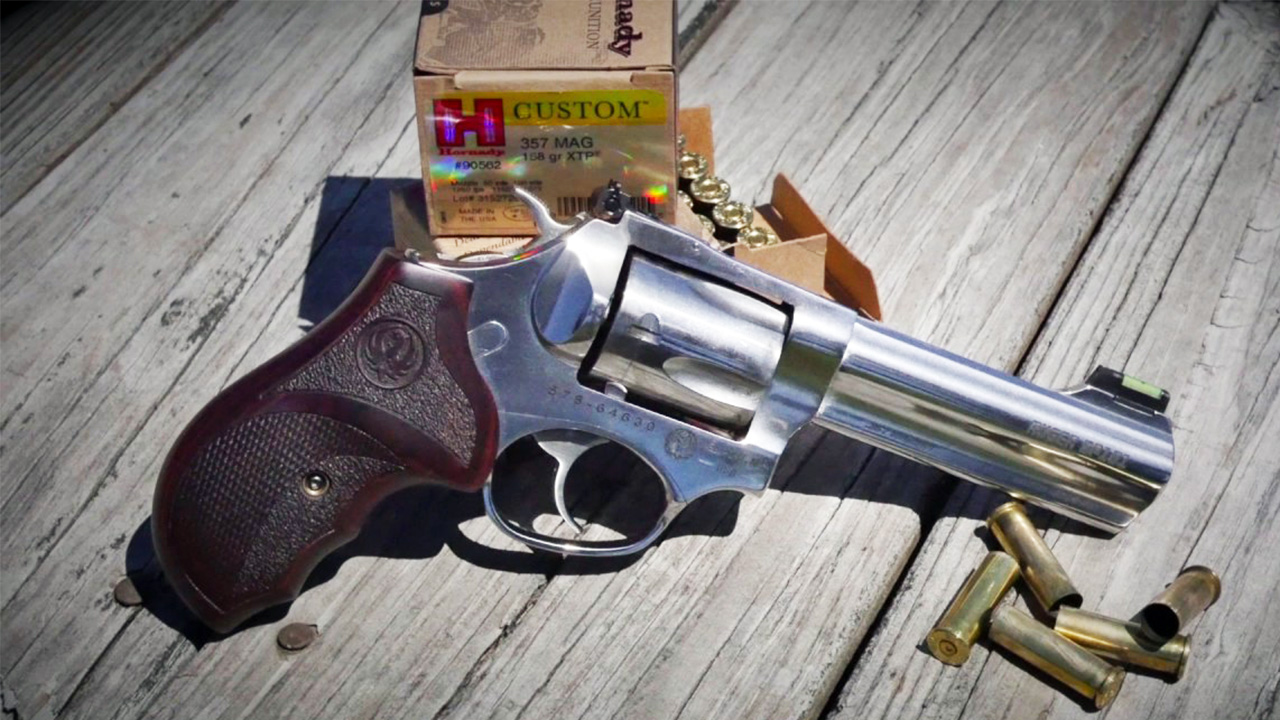
The Match Champion version of the SP101 takes a revolver people usually think of as a compact tank and makes it noticeably more refined. The basic SP101 frame is already strong enough for serious .357 Magnum use, but the Match Champion configuration improves the grip, sights, and overall handling enough that the revolver feels much more capable than the standard carry-oriented models. It is still compact enough for belt carry, yet heavy enough that full-power loads do not become miserable after a few cylinders. That middle ground is hard to find because many compact revolvers are either too light to shoot comfortably or too large to carry easily.
If someone wants a small .357 they can actually practice with, this is one of the first guns I would mention. It is not as glamorous as a Colt, but it makes a lot of practical sense.
Smith & Wesson Model 69 Combat Magnum
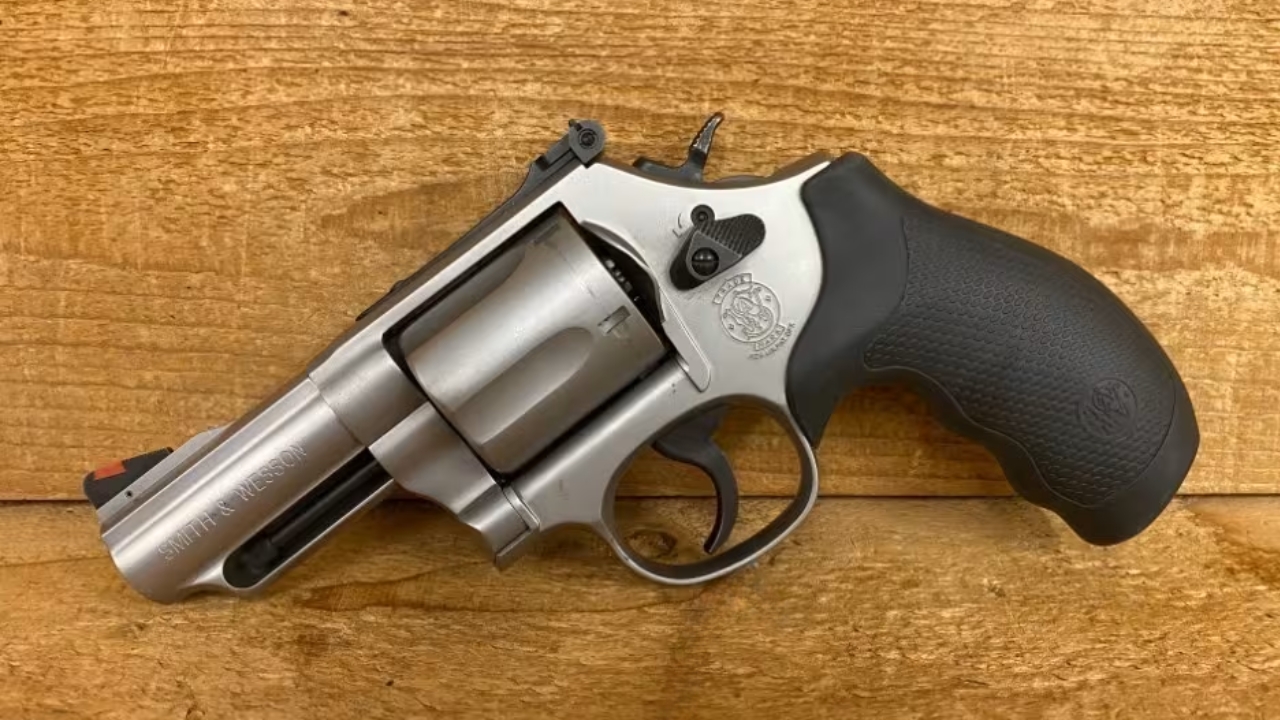
The Model 69 is one of the smartest big-bore revolvers Smith & Wesson has built because it puts .44 Magnum into the smaller L-frame rather than the massive N-frame most shooters associate with the cartridge. That immediately makes the gun easier to carry in the woods while still giving you real .44 Magnum capability. The five-shot cylinder keeps the frame manageable, the barrel lengths are practical, and the revolver works especially well with .44 Special when you want something easier to shoot. It is not the gun I would choose for endless heavy-magnum range sessions, but that is not what makes it good.
For a field revolver, the size-to-power ratio is excellent. People often jump straight to a 629 or Redhawk when they hear .44 Magnum. The Model 69 deserves to be part of that conversation.
Colt King Cobra Target
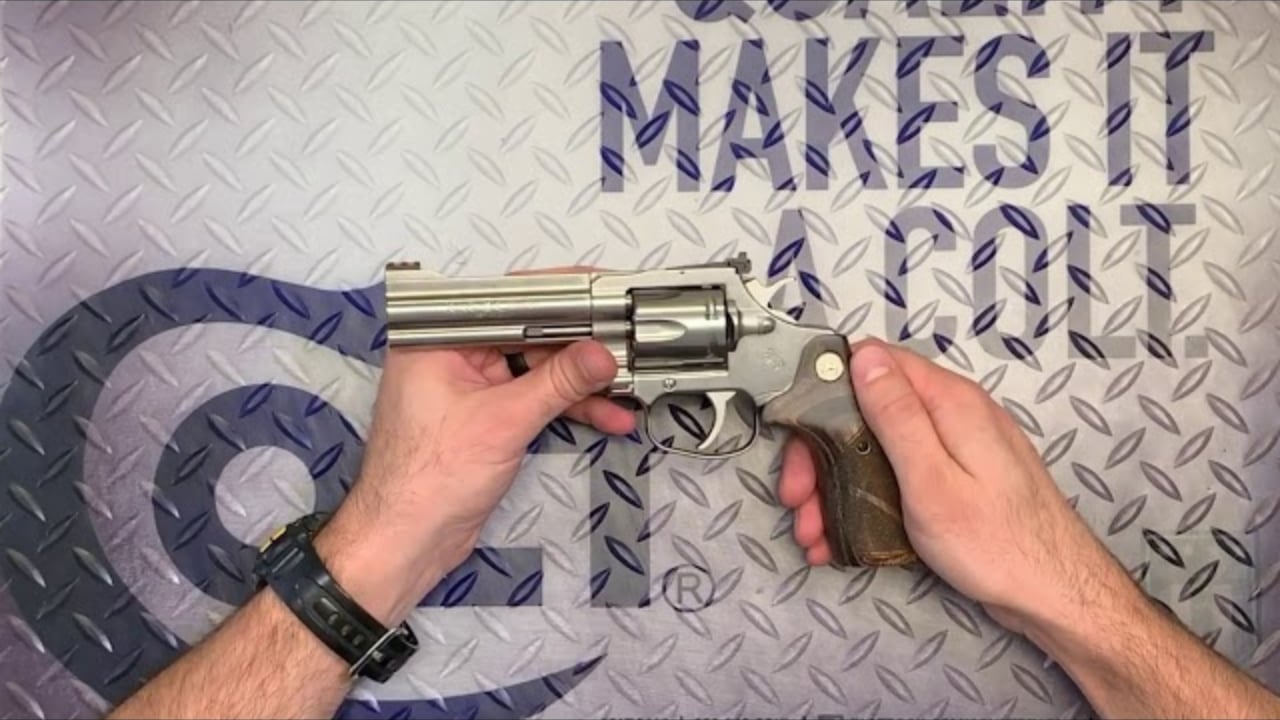
The King Cobra Target is the revolver I would recommend to somebody who wants Colt quality but does not necessarily need to pay Python money. It gives you adjustable sights, a useful barrel length, a strong stainless frame, and a trigger that is generally much better than people expect from a production revolver. The overall size is also easier to live with than the larger Python, especially if the gun will actually be carried instead of spending all of its time on a bench. It still has enough weight to make .357 Magnum manageable, while .38 Special feels extremely mild.
The Python gets all the attention because of the name, but the King Cobra Target can be the more sensible shooter. If the goal is accurate range work and practical field use, I would have no hesitation pointing someone toward it.
Ruger GP100 .44 Special
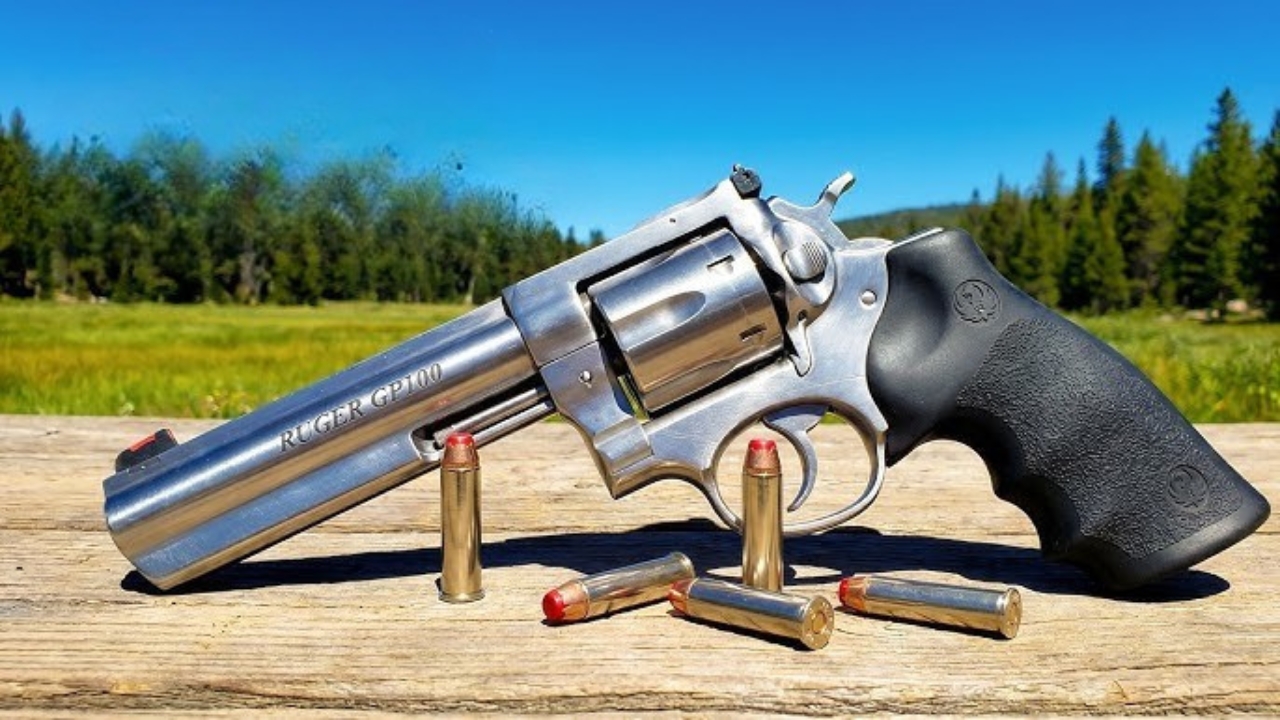
The .44 Special GP100 is one of those revolvers that makes more sense after you stop obsessing over maximum velocity. The medium-large frame gives the cartridge plenty of weight to work with, recoil is easy to manage, and the gun has enough strength that it feels built for a lifetime of use. The .44 Special also gives you a large, heavy bullet without the blast and punishment of full-power .44 Magnum. For woods carry, target shooting, and general field use, that can be a much more pleasant combination than chasing raw energy.
This is not the revolver for someone who needs the biggest number on the ammunition box. It is for the shooter who values control, accuracy, and the ability to practice comfortably. That is why I like it more than many louder options.
Smith & Wesson Model 66 4.25-Inch
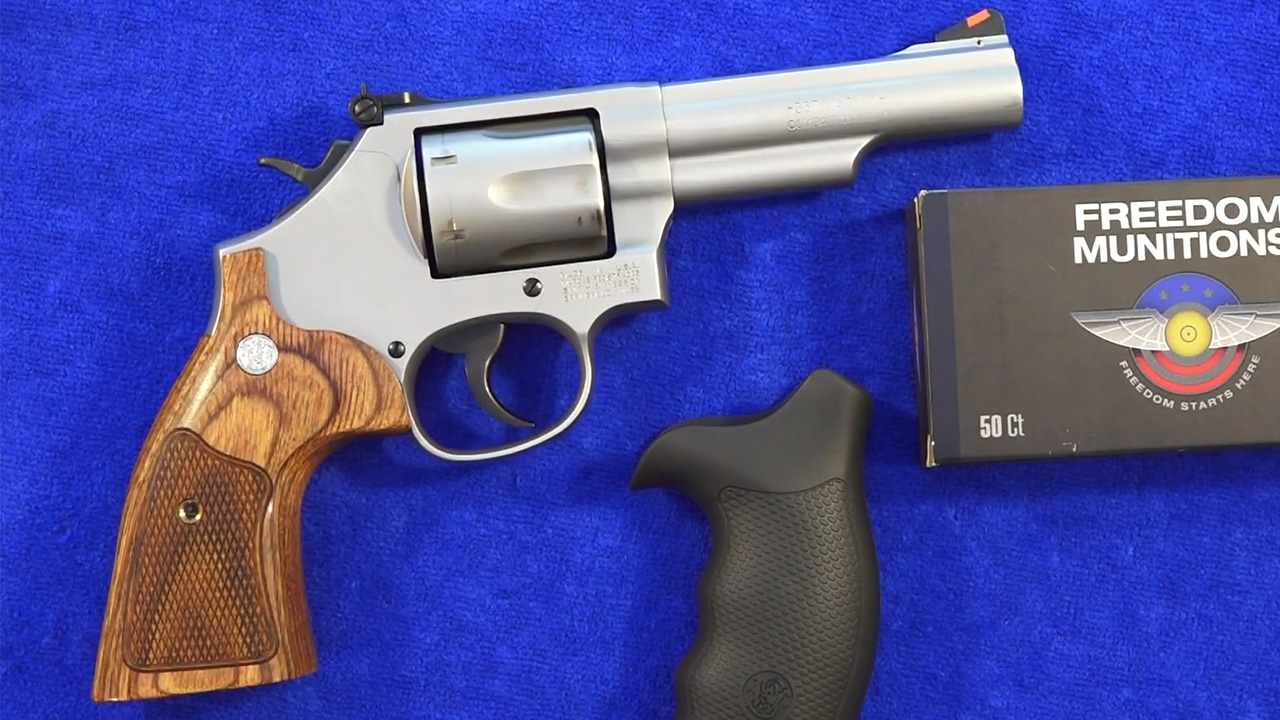
The current Model 66 occupies one of the best all-around revolver sizes available. The K-frame keeps it noticeably slimmer and lighter than an L-frame, while the 4.25-inch barrel gives you enough sight radius and velocity to make the gun useful beyond basic carry. Modern versions also address some of the durability concerns associated with older K-frame magnums, making the platform a much better fit for someone who intends to shoot .357 regularly. The adjustable sights and stainless construction only add to the versatility.
If somebody asked me for one revolver that could cover range use, property carry, woods use, and occasional concealed carry, the 66 would be hard to beat. It is not exotic, but it is almost perfectly proportioned.
Kimber K6s DASA 4-Inch
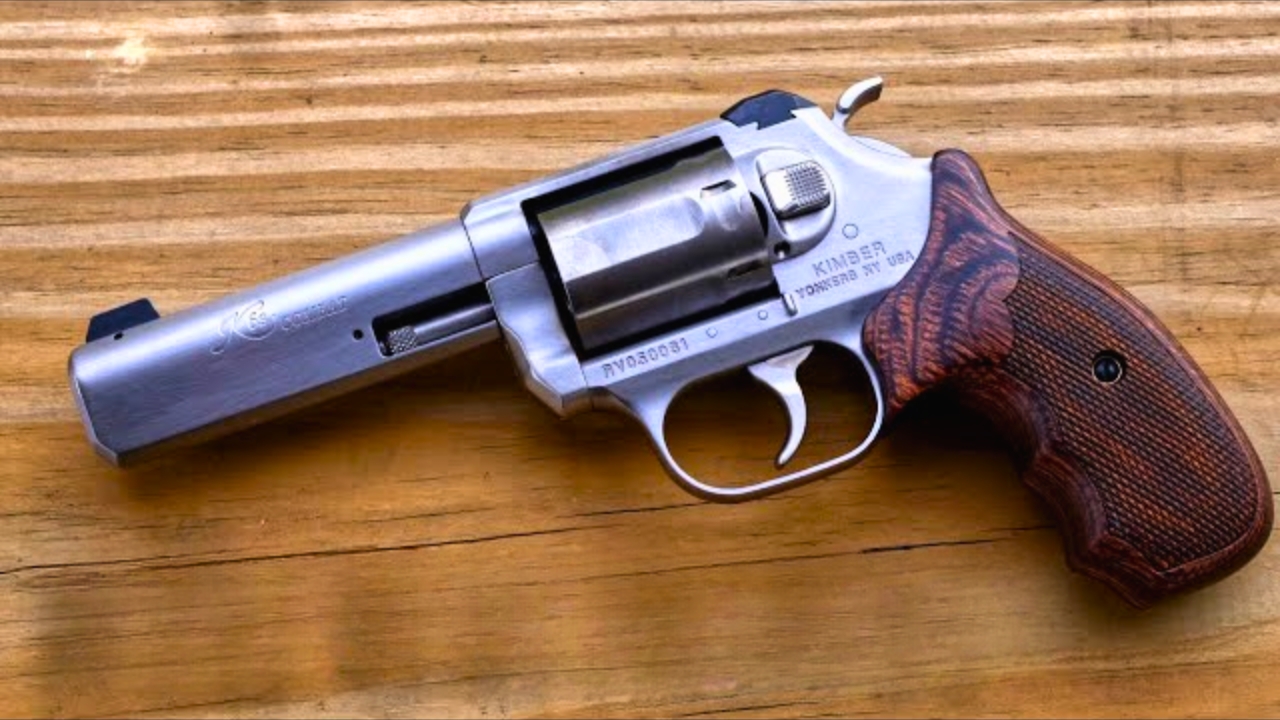
The K6s gets overlooked because Kimber is still far more associated with 1911s than revolvers. That is unfortunate because the DASA versions are genuinely well designed. You get six rounds of .357 Magnum in a frame that remains compact enough to carry comfortably, along with a trigger that is usually much smoother than buyers expect. The 4-inch model gives you better balance and sight radius without turning the revolver into a full-size belt gun. It also has a clean exterior that avoids the bulky appearance of some modern magnums.
For somebody who wants a refined compact revolver but does not automatically want Smith, Ruger, or Colt, the K6s deserves serious attention. It is one of the better examples of a newer revolver getting the fundamentals right.
Taurus 856 Executive Grade
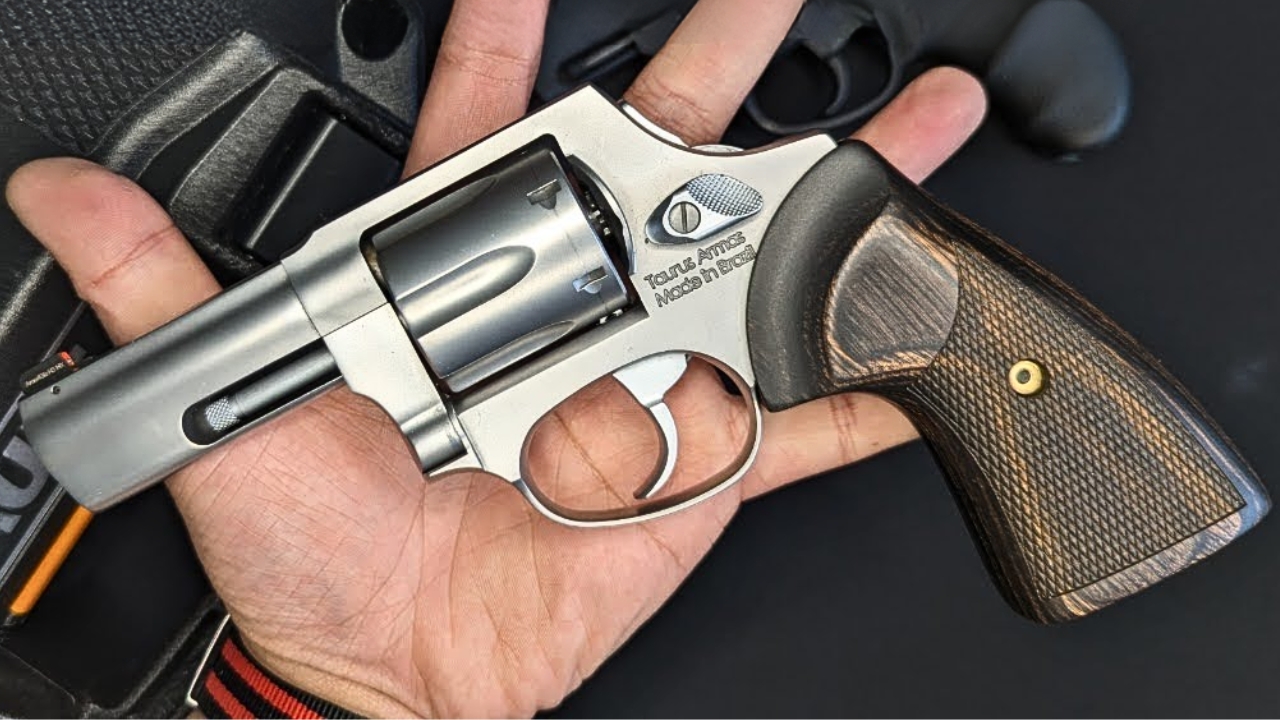
The 856 Executive Grade is exactly the kind of revolver people dismiss because of the name on the side. That reaction made more sense years ago than it does with some of Taurus’s better current offerings. The Executive Grade version gets more attention to fit, finish, trigger feel, and overall presentation than the standard 856, while keeping the compact six-shot .38 Special format that makes the basic design so practical. It is small enough to carry easily but still gives you one more round than many J-frame-size competitors.
Would I automatically choose it over every Smith & Wesson? No. But if someone wants a compact six-shot revolver and cares more about the actual gun in front of them than internet reputation, I would tell them to handle one before deciding.
Smith & Wesson Model 610
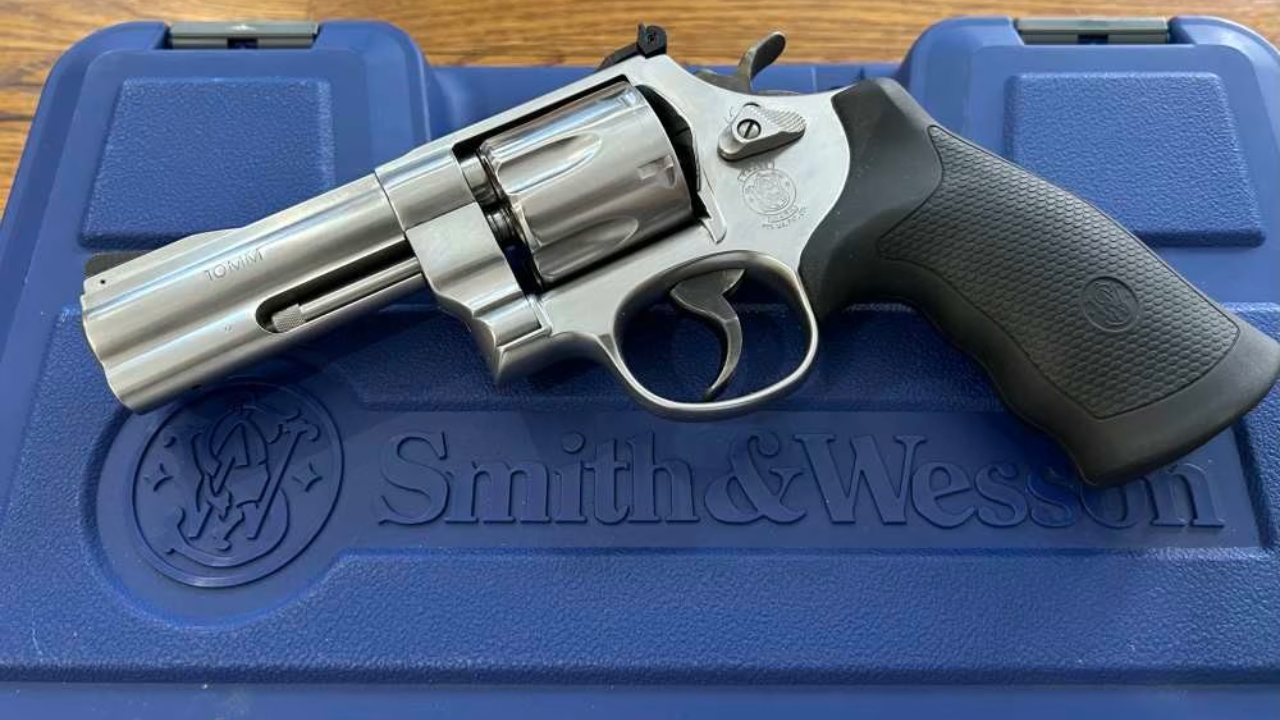
The Model 610 is a strange revolver until you actually think through what it offers. Chambered in 10mm Auto and using moon clips, it gives you the ability to run a powerful semiautomatic cartridge in a large, heavy revolver that makes recoil far easier to manage. It can also fire .40 S&W, which makes practice cheaper and softer depending on ammunition availability. The N-frame gives the gun excellent stability, and the longer-barreled versions are particularly well suited to hunting and field use.
The 610 does not fit neatly into traditional revolver categories, which is why it gets overlooked. If someone already owns 10mm pistols or wants a versatile woods revolver, though, it can make more sense than automatically buying another .44 Magnum.
Ruger LCRx 3-Inch .357 Magnum

The 3-inch LCRx is one of the better answers for somebody who wants a lightweight revolver without accepting all the limitations of a 2-inch snubnose. The extra barrel length improves sight radius, adds a little velocity, and makes the gun easier to shoot accurately, while the exposed hammer gives you the option of single-action fire. Ruger’s polymer fire-control housing also keeps weight down without making the gun feel as punishing as some ultralight magnums. Full .357 loads are still lively, but .38 Special makes the revolver extremely manageable.
The popular answer for lightweight carry is usually a tiny enclosed-hammer gun. I think the 3-inch LCRx is often the smarter choice because it gives up very little concealability while gaining a lot of shootability.
Colt Viper
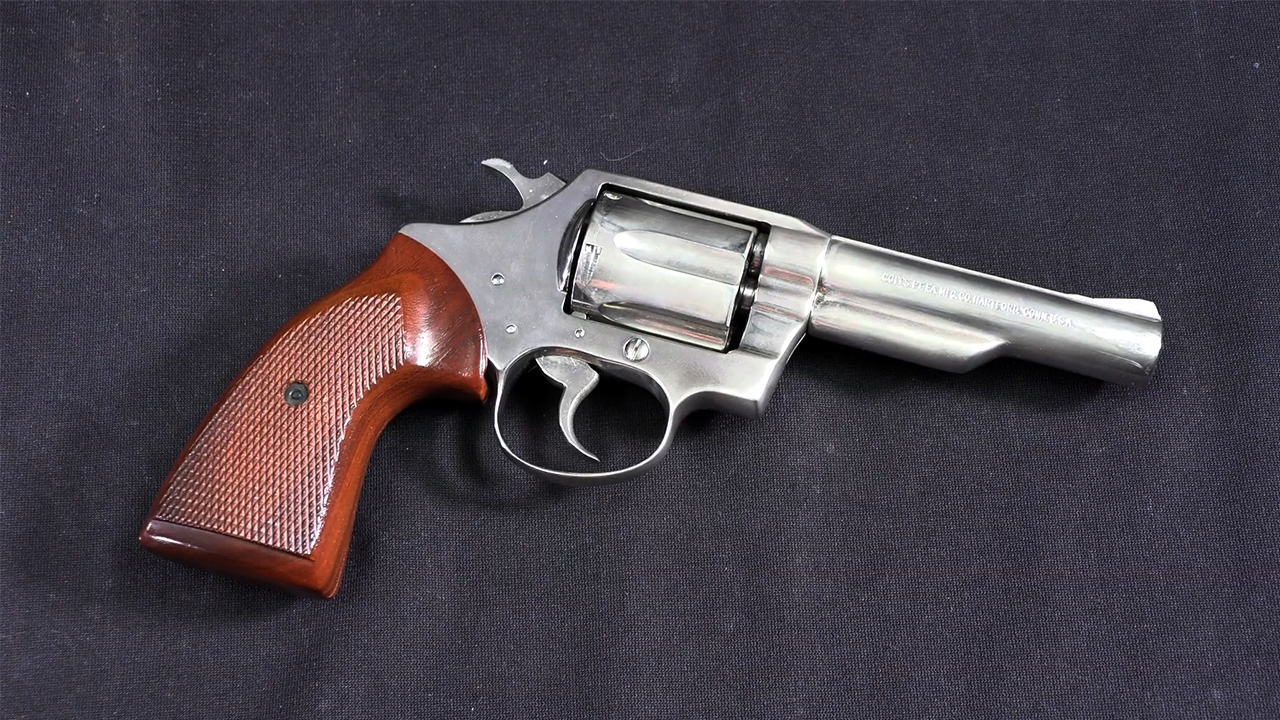
The revived Viper sits in a strange position because it does not have the legendary name recognition of the Python, but that may actually make it more interesting. It gives you a lighter, more carryable .357 Magnum revolver with classic Colt styling and enough barrel length to be genuinely useful. The gun is less about making a statement at the range and more about giving the owner a practical revolver that can handle field or defensive use without carrying unnecessary weight.
If somebody wants a Colt they intend to actually carry and use, I would look at the Viper before automatically telling them to spend more for a Python. The prestige difference is larger than the practical difference.
Ruger Redhawk .45 Colt/.45 ACP
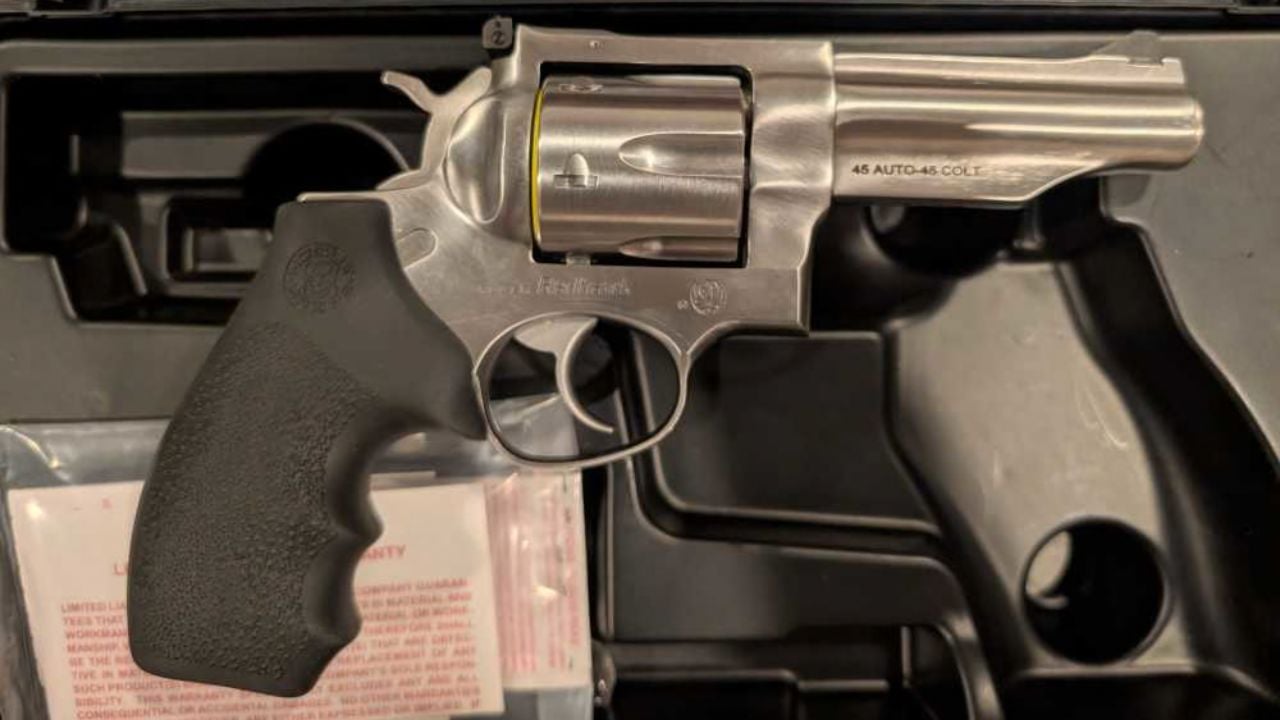
The dual-caliber Redhawk is one of the most useful large-frame revolvers for someone who values ammunition flexibility. The .45 Colt chambering gives you everything from mild cowboy-level loads to much heavier ammunition appropriate for strong Ruger platforms, while the ability to use .45 ACP with moon clips adds another common cartridge to the mix. That makes the revolver unusually adaptable for range use, field carry, and handloading. The heavy frame also keeps recoil manageable and gives the gun the kind of durability Ruger owners expect.
Most people looking at big-bore revolvers immediately gravitate toward .44 Magnum. The Redhawk in .45 Colt and .45 ACP is the less obvious answer, but for the right shooter it may be the more flexible one.
Smith & Wesson Model 627 Performance Center 5-Inch
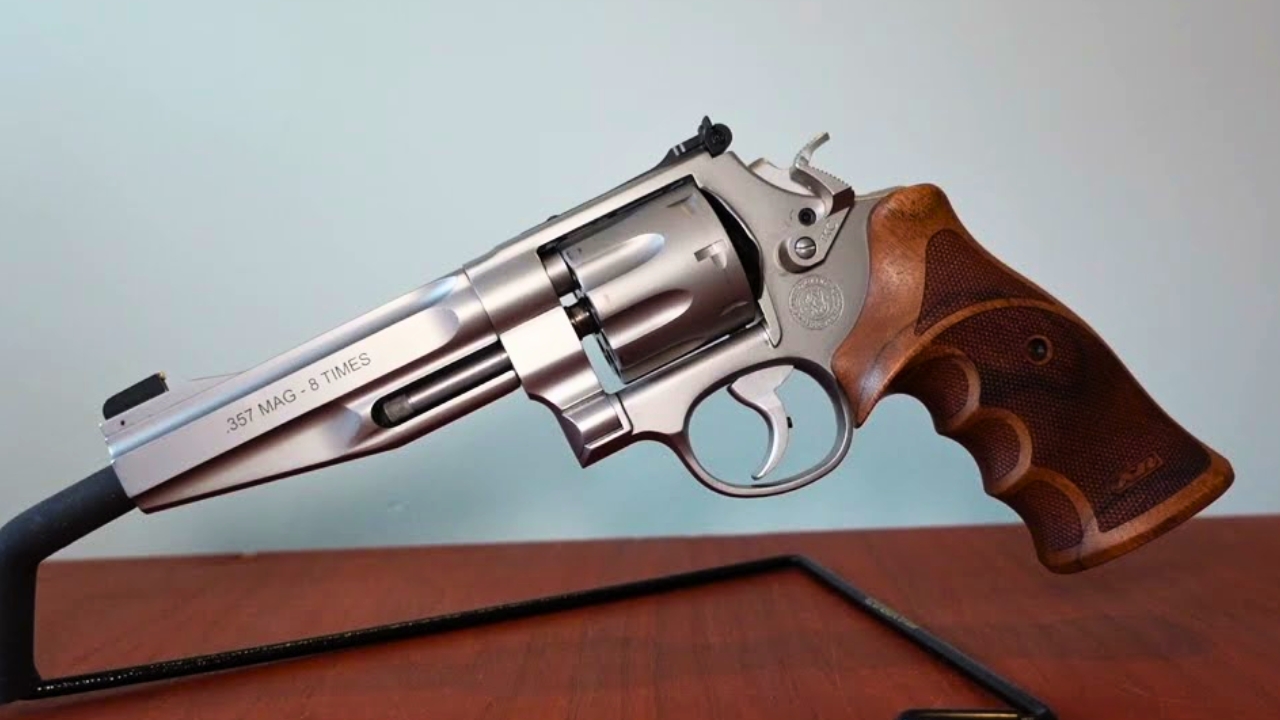
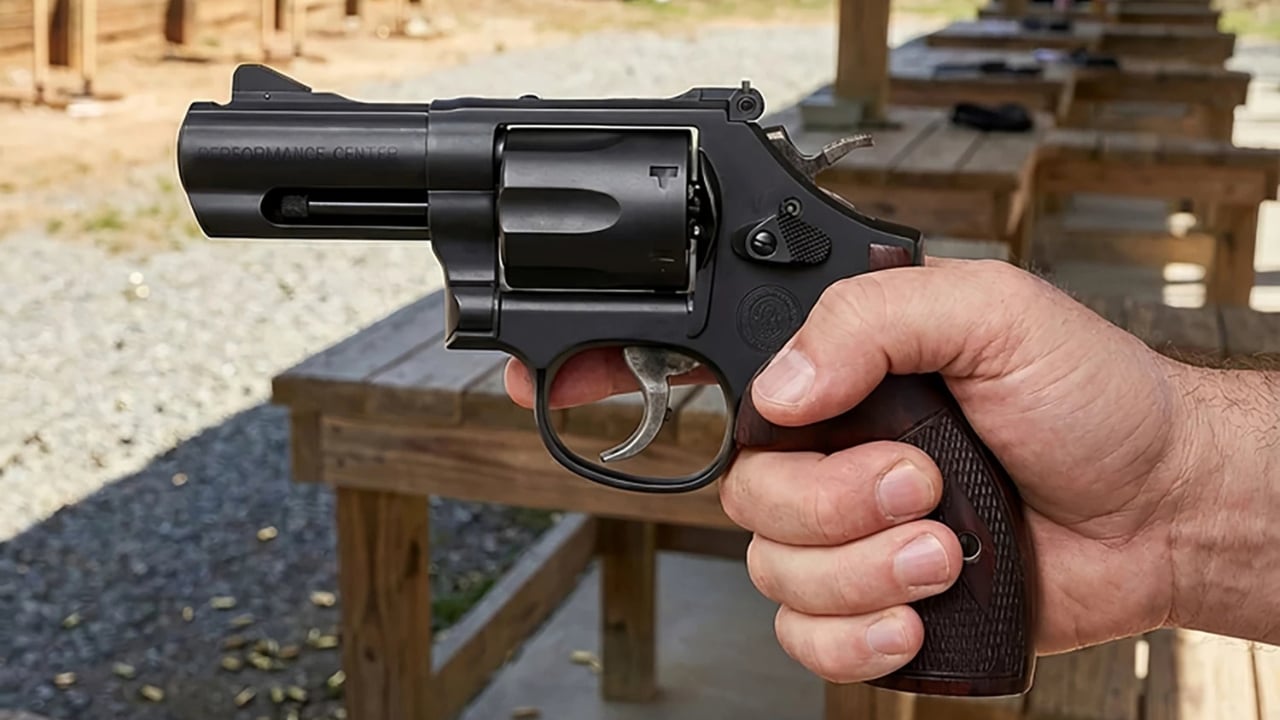
The 627 Performance Center gives you eight rounds of .357 Magnum in a substantial N-frame that is built for shooters who care about performance more than concealment. The 5-inch barrel is long enough to provide excellent balance and sight radius without becoming as cumbersome as a 6- or 8-inch hunting revolver. The heavy frame also makes rapid .38 Special shooting almost effortless and keeps .357 Magnum much more controllable than in lighter guns.
The 686 gets more attention because it is the classic L-frame answer. If somebody wants maximum shootability and does not mind the extra size, I would point them toward the 627 instead. Eight rounds, excellent stability, and strong factory accuracy make it one of the better serious range revolvers available.
Taurus 327 Defender TORO
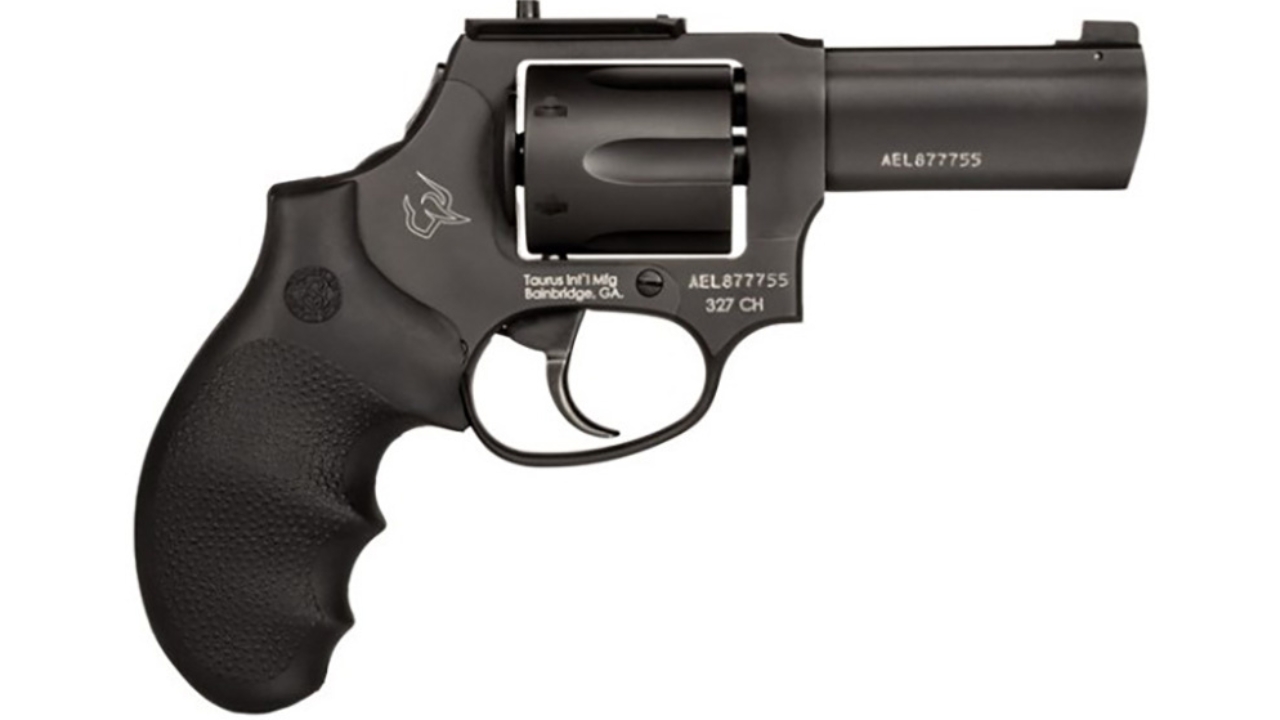
The 327 Defender TORO is one of the more interesting newer revolvers because it combines .327 Federal Magnum with an optics-ready configuration. That sounds unusual until you think about what it actually gives you. The cartridge allows six rounds in a relatively compact frame, offers significantly more performance than .32 H&R Magnum, and can still use several lower-powered .32 cartridges for easier practice. Add the ability to mount a compact red dot, and the gun suddenly starts addressing several traditional revolver weaknesses at once.
This is exactly the kind of revolver I would point out to someone willing to ignore conventional wisdom. It does not have the history of a .357 Smith, but the combination of capacity, cartridge flexibility, and modern sighting capability is genuinely useful.
Ruger Single-Seven .327 Federal Magnum
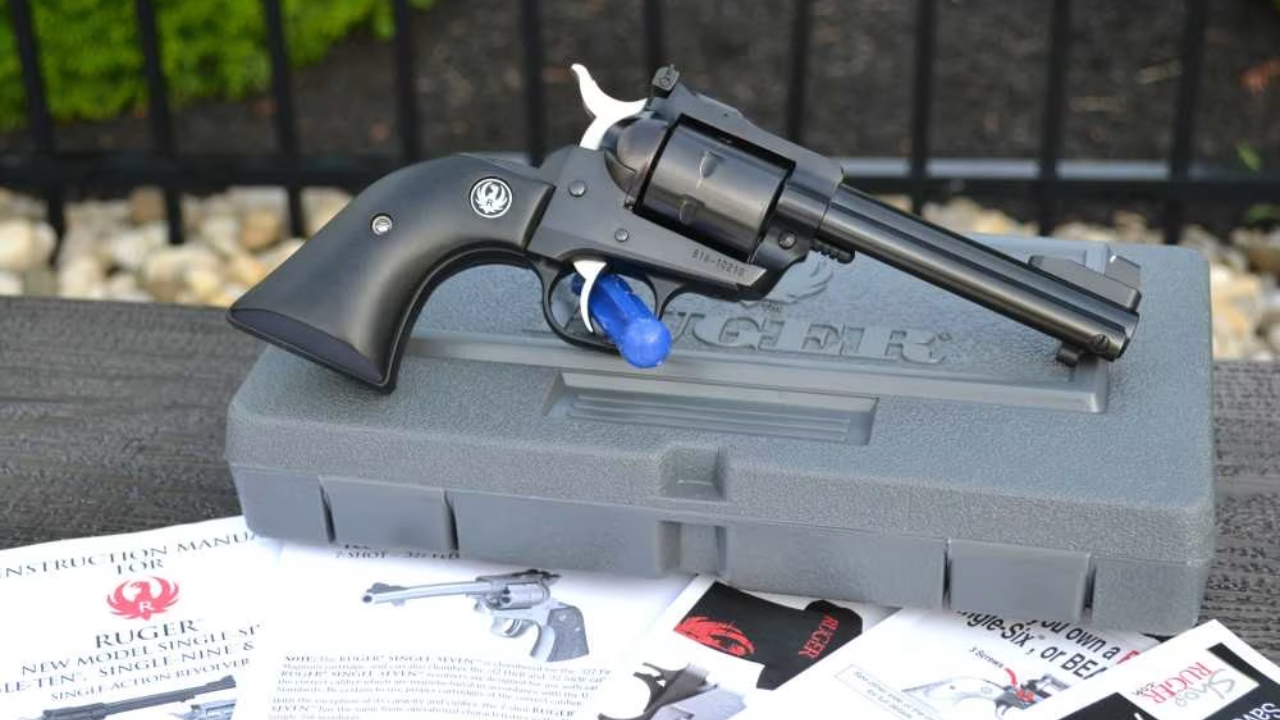
The Single-Seven is the revolver I would recommend to someone who wants a field gun that is more useful than its small size suggests. Seven rounds of .327 Federal Magnum give you impressive performance from a trim single-action frame, while the ability to use lighter .32-caliber ammunition makes the gun extremely pleasant for small game and casual shooting. The adjustable sights are practical, and the single-action trigger encourages the kind of deliberate accuracy that works well in the field.
Most buyers looking at single-actions jump to .357 or .44. The .327 version is the more interesting answer for someone who wants low recoil, high capacity for the platform, and enough cartridge to handle a surprisingly broad range of jobs.
Smith & Wesson Model 432 UC
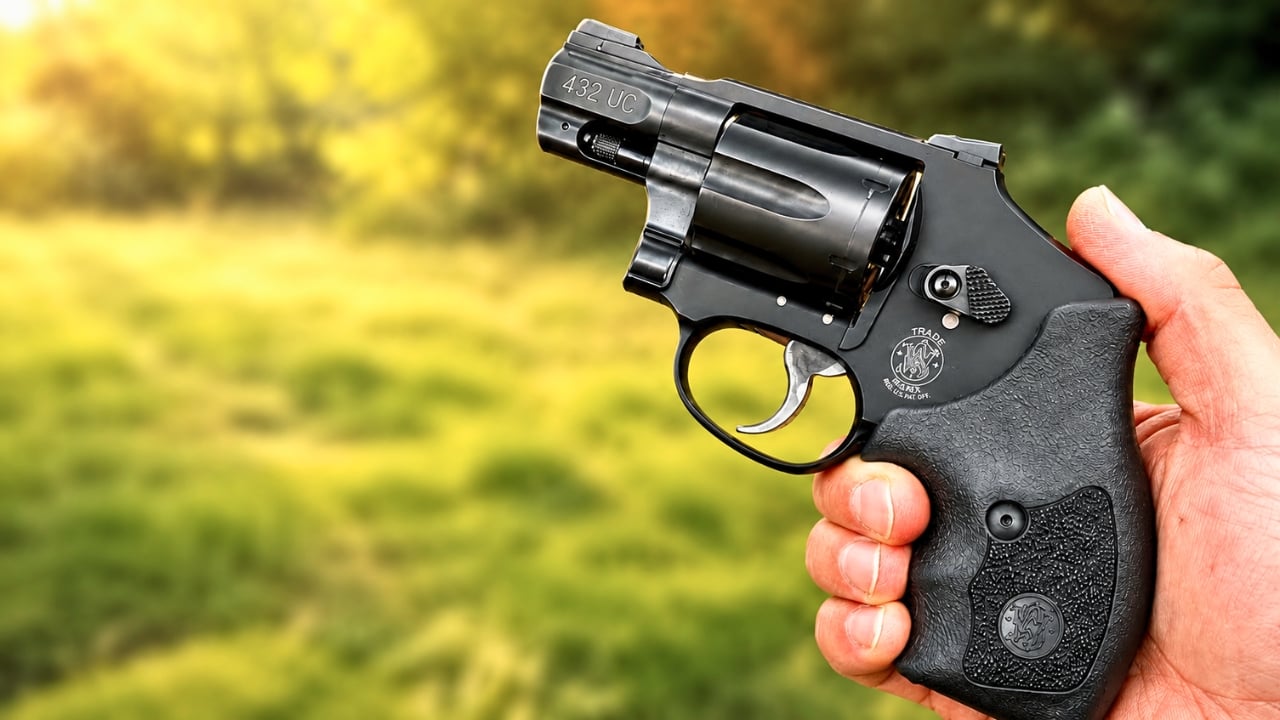
The Model 432 Ultimate Carry is one of the smartest small revolvers available because it uses .32 H&R Magnum to solve one of the biggest problems with compact wheel guns: capacity and recoil. Instead of five rounds of .38 Special in a lightweight frame, you get six rounds of a smaller cartridge that is generally easier to control. The Ultimate Carry treatment also adds better sights and practical refinements that make the gun feel designed around actual defensive use rather than tradition.
The popular answer is still a .38 Special J-frame. I would tell a recoil-sensitive shooter or someone who wants one extra round to take the 432 seriously. It is a much more thoughtful package than its old-fashioned chambering makes it sound.
Ruger Super Wrangler
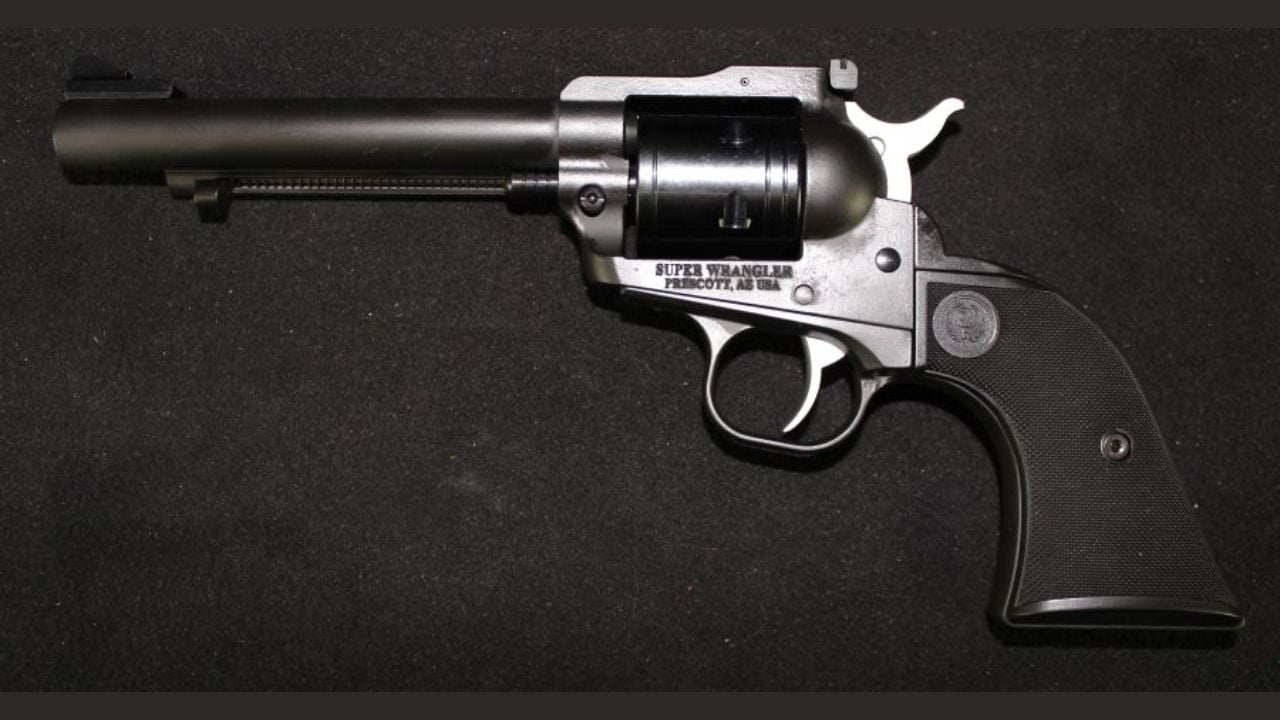
The Super Wrangler looks like an inexpensive rimfire single-action, and that is exactly why people underestimate it. The adjustable sights make it much more useful than the basic Wrangler, while the ability to use both .22 LR and .22 Magnum cylinders gives it enough flexibility to cover cheap practice, small game, and property use. The frame and finish are not trying to compete with premium single-actions, but that keeps the price reasonable enough that owners will actually use it hard.
If somebody asks me for a rimfire revolver they can carry around the farm, teach a new shooter with, and not worry about scratching, the Super Wrangler is one of the easiest honest recommendations I can make. It delivers far more practical value than prestige.
Smith & Wesson Model 629 Mountain Gun
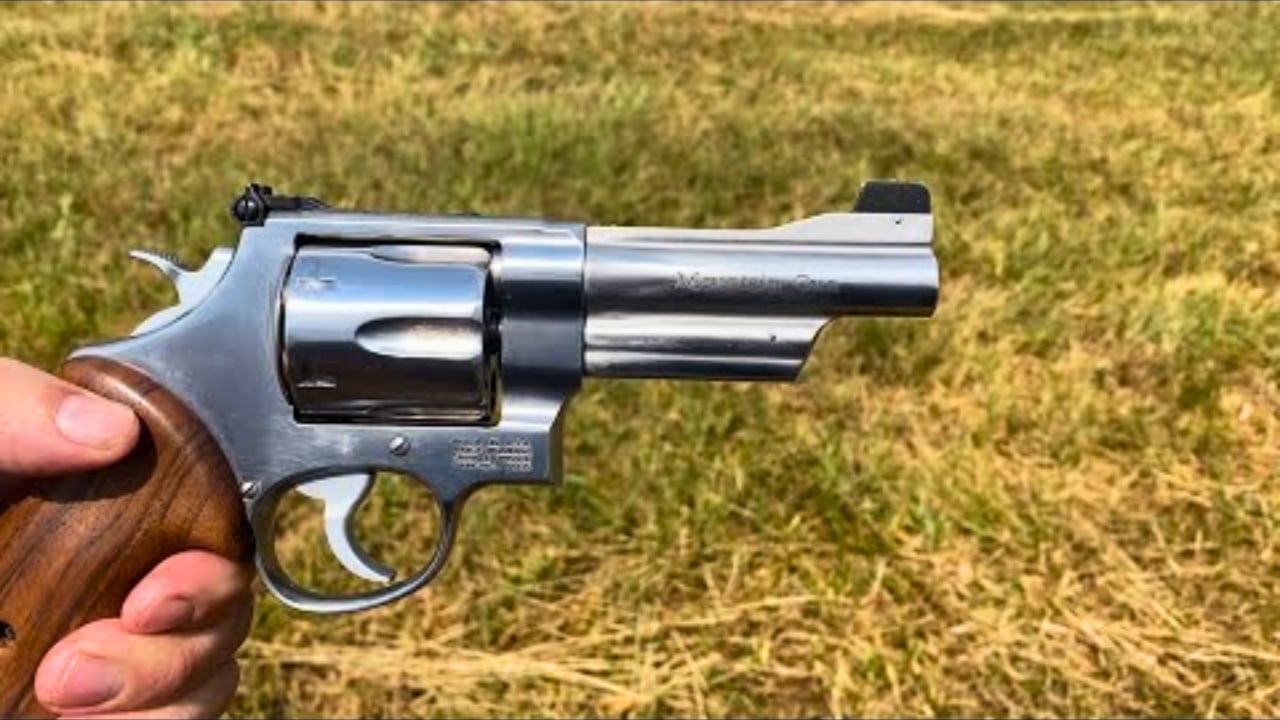
The Mountain Gun version of the 629 is what I would point to when somebody wants a .44 Magnum they are actually going to carry. The tapered barrel trims weight compared with the heavy full-underlug versions, while the N-frame still gives you enough mass to control the cartridge. That creates a revolver that feels noticeably livelier on the belt without giving up the power and versatility that make .44 Magnum so useful in the first place.
The standard answer is often a long, heavy hunting revolver because those guns are easier to shoot from the bench. In the real woods, where you may carry the gun for ten hours and fire it once, the Mountain Gun makes a much stronger argument.
Dan Wesson 715
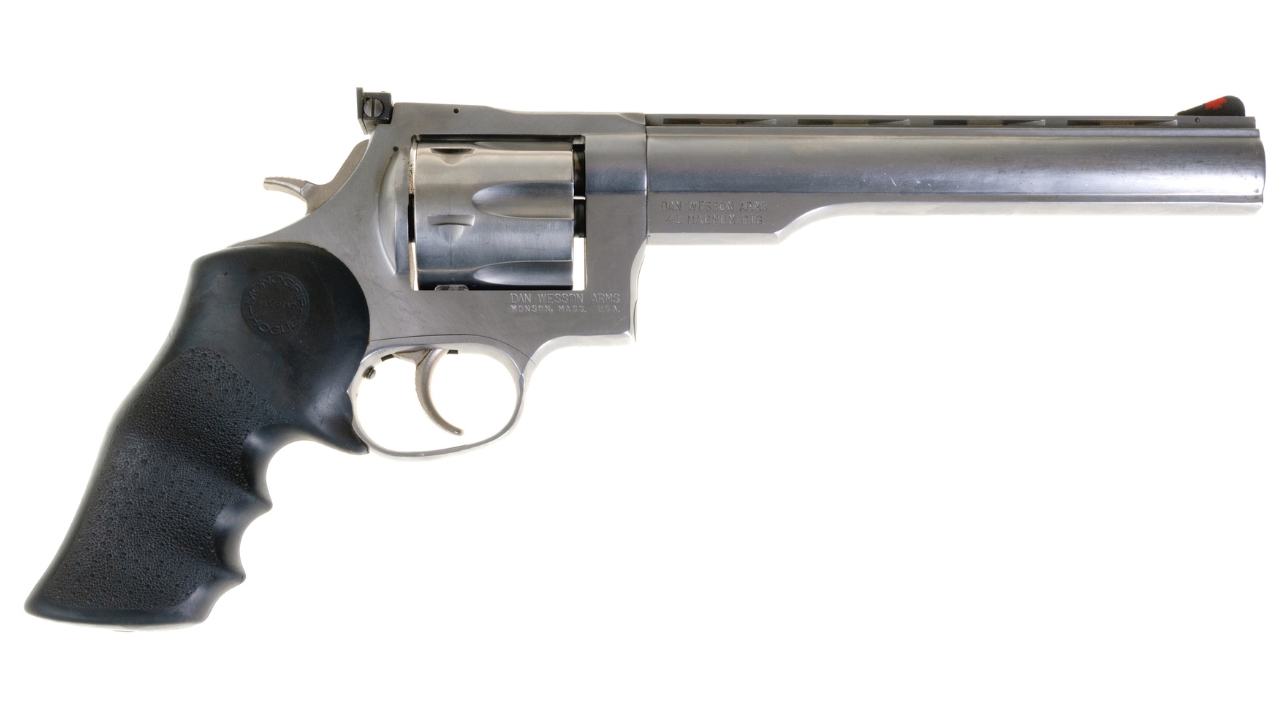
The 715 is one of those revolvers serious shooters understand much better than casual buyers. The tensioned-barrel system gives the gun excellent accuracy potential, and the ability to change barrel assemblies allows the owner to alter the balance and purpose of the revolver in ways conventional designs cannot. The frame is strong, the sights are useful, and the action can be very good once properly set up. It is a mechanically interesting gun without being interesting purely for novelty.
If someone told me they wanted a .357 primarily for shooting well rather than carrying light, the 715 would be high on my list. It does not get Python-level attention, but it absolutely deserves to be discussed with other premium shooters.
Freedom Arms Model 97 .327 Federal Magnum
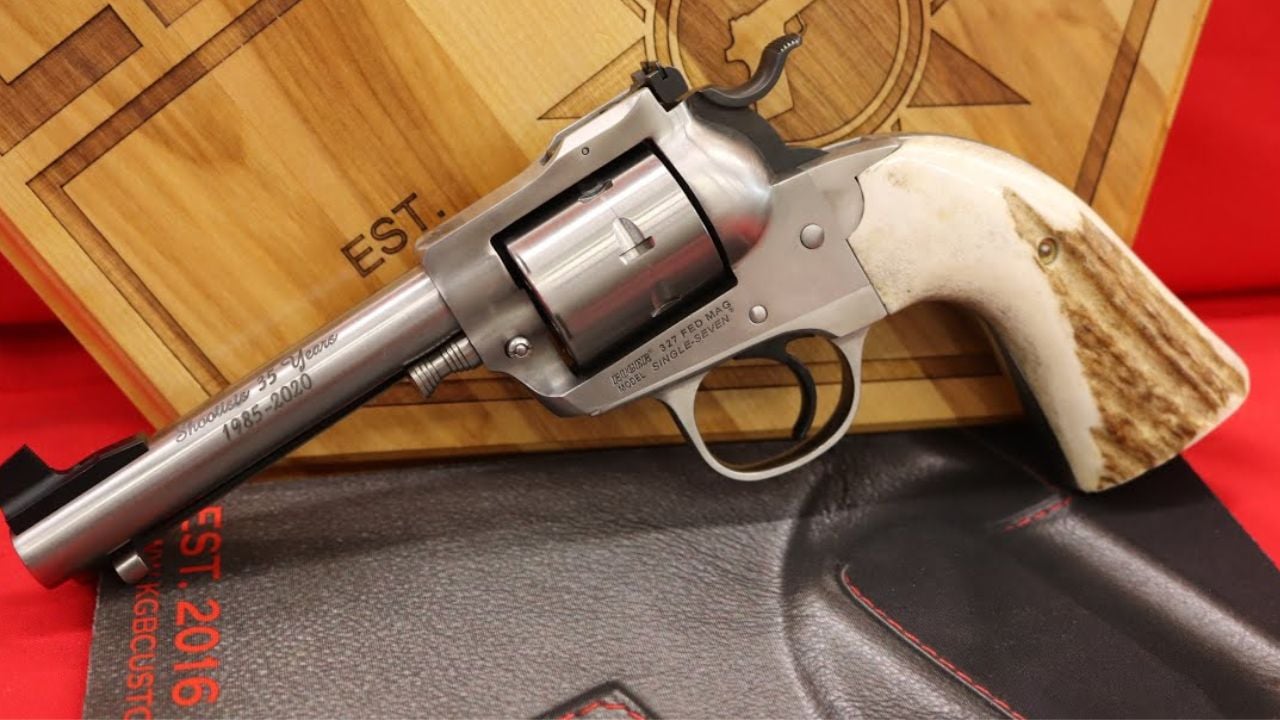
The Model 97 is expensive, but it is also the answer I would give someone who wants a compact single-action built with far more precision than an ordinary field revolver. In .327 Federal Magnum, the frame stays trim while the cartridge offers excellent velocity and enough power for serious small-game, varmint, and field use. The revolver’s tight tolerances and excellent trigger make accuracy the main attraction, not brute strength or oversized construction.
The obvious premium single-action answer is usually a big Model 83 in a heavy caliber. I think the smaller Model 97 is actually more useful for a lot of shooters. It is easier to carry, easier to shoot, and still built to an exceptional standard.
Smith & Wesson Model 19 Carry Comp
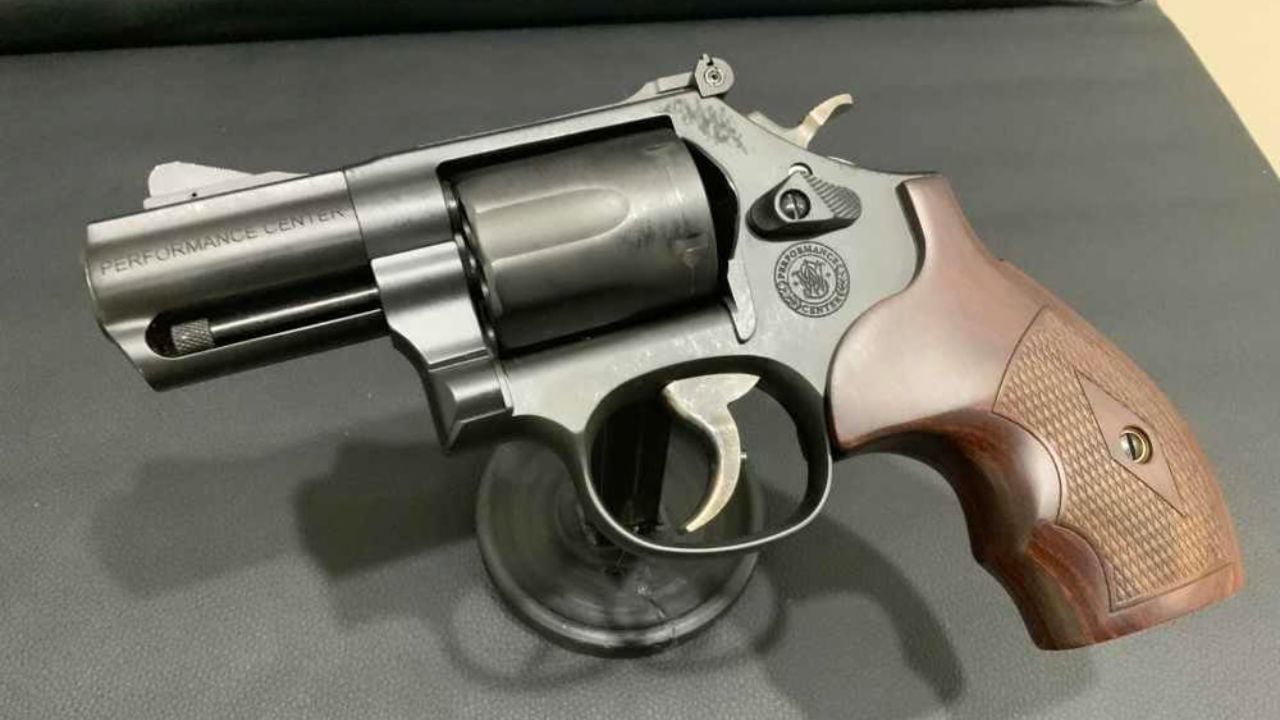
The Model 19 Carry Comp takes the classic K-frame .357 concept and updates it just enough to make sense as a modern belt revolver. The shorter barrel keeps it compact, the compensator helps tame muzzle rise, and the frame remains slimmer and lighter than the larger L- and N-frame guns people usually recommend for magnum use. It is one of those revolvers that feels much more practical after you spend a full day carrying it rather than judging it from a bench.
If someone asked me for a .357 they could genuinely carry, train with, and still enjoy shooting, this would be one of my answers. It is not the cheapest or the most famous, but it balances power and portability better than many of the usual recommendations.
Like The Avid Outdoorsman’s content? Be sure to follow us.
Here’s more from us: