Photo credit: Ambrosia Studios/Shutterstock.com
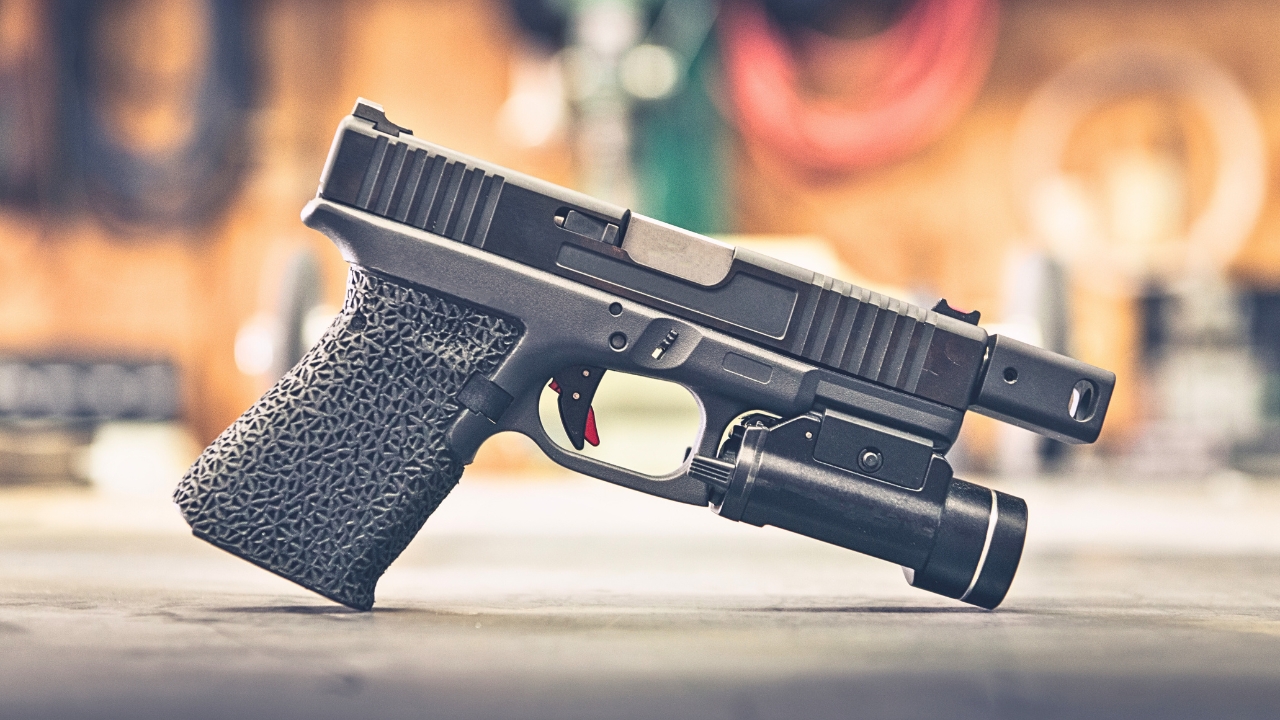
Glock triggers are a constant complaint because they’re not built to feel like a tuned competition trigger. They’re built to be safe, consistent, and durable across high round counts and ugly conditions. That reality pushes a lot of owners toward aftermarket trigger swaps, and some of those swaps are fine when installed correctly and tested honestly. The problem is that one common style of trigger swap creates a finicky pistol more often than people admit, because it changes geometry and timing in a way that reduces tolerance for dirt, reduces tolerance for ammo variation, and reduces tolerance for slight differences between individual guns. The swap is the “drop-in trigger kit” that alters multiple variables at once—trigger bar engagement, connector geometry, and sometimes firing pin safety interaction—often paired with spring changes to chase a lighter pull and a shorter reset.
This kind of trigger swap can feel fantastic in the hand and can produce impressive slow-fire groups, but the gun is a system, and a system that has less margin becomes sensitive. What finicky looks like in practice is not always dramatic breakage. It’s intermittent failures to reset, inconsistent trigger return, occasional failure to go fully into battery, and the kind of weird, hard-to-reproduce behavior that shows up after a few hundred rounds or after the gun has been carried and accumulated debris. The shooter then begins chasing symptoms: changing ammo, changing lube, changing magazines, and swapping more parts, when the original change was the trigger geometry that removed the “Glock margin” that made the gun reliable in the first place.
Why “drop-in” is a dangerous promise on a system built around tolerance stacking
Glocks are mass-produced tools, and even within the same model, you can have small differences in parts fit and surface interaction that don’t matter with factory components because the system is designed to be forgiving. When you install a trigger that changes engagement surfaces and shortens travel, you reduce forgiveness, and those small differences begin to matter. A trigger that runs great in one Glock can be inconsistent in another, and the owner often assumes the kit is universally correct because it’s marketed as drop-in. What’s really happening is tolerance stacking: small differences in the frame, slide, trigger housing, and connector become meaningful when the aftermarket part expects everything to line up within a narrower window. That narrower window is how you get a gun that feels great but behaves inconsistently when it’s dirty, when it’s dry, or when it’s run hard.
Another factor is that some trigger swaps create a “lighter” feel by altering leverage and reducing resistance, but they do it by flirting with reduced engagement. Reduced engagement can create unsafe conditions or inconsistent reset behavior, especially as parts wear or as debris changes friction. The shooter may never notice this at first because the gun passes a basic function check, but function checks do not replicate thousands of cycles, heat, carbon, and real-world carry grime. A defensive pistol needs a trigger system that remains predictable as conditions change, not one that feels perfect only in controlled conditions.
The real test is not “it ran 100 rounds,” it’s “it runs like a carry gun”
A finicky trigger swap often survives the first range trip because the gun is clean, the shooter is relaxed, and the pace is moderate. The problems show up when the gun is run fast, when it gets hot, when it gets dirty, and when the shooter is pressing through recoil with less perfect finger placement. Trigger reset issues, for example, can appear when the shooter rides the reset hard during rapid strings, or when the trigger return spring and connector interaction aren’t perfectly balanced. A slightly sluggish reset becomes a dead trigger moment in a real drill, which leads to confusion and time loss. The shooter’s takeaway becomes “Glocks are unreliable,” when the reality is the gun was modified into a narrower operating window and then asked to do Glock things.
If a Glock is going to be carried, you need it to run across the boring realities: lint and sweat, slightly dried lubricant, inconsistent grip angles from odd positions, and ammo that isn’t always your favorite easy-igniting practice load. A trigger swap that makes the gun feel like a match gun can be fine on a match gun. On a carry gun, the priority should be predictable reset, full engagement margin, and ignition reliability, not the lightest press or the shortest travel you can brag about online. When people treat a carry gun like a competition platform, the cost is often paid in intermittent malfunctions that never existed before.
How to approach Glock trigger improvement without turning the gun into a project
If your Glock trigger truly needs improvement for your role, start by defining what problem you’re solving. If it’s gritty feel, you may solve it through controlled break-in and responsible maintenance rather than geometry changes. If it’s sight movement during the press, that is usually grip and trigger control work, not hardware. If you still choose to modify, keep changes isolated and avoid stacking spring reductions with geometry changes, because stacking is where finicky behavior blooms. Then test like an adult: your carry ammo, your carry magazines, realistic strings, and enough rounds over time to see whether the gun’s behavior changes as it gets dirty and hot.
The most reliable Glock is usually the one that stays closest to factory in critical internal geometry and spring weight, because the factory configuration is designed to run across broad conditions. You can make a Glock feel nicer, but if the price is a gun that occasionally fails to reset or begins acting ammo-sensitive, you’ve traded a small feel improvement for a major trust problem. A defensive pistol should not be a personality project. It should be a tool you can forget about until you need it.
Like The Avid Outdoorsman’s content? Subscribe to our newsletter so you never miss an article.
Here’s more from us: