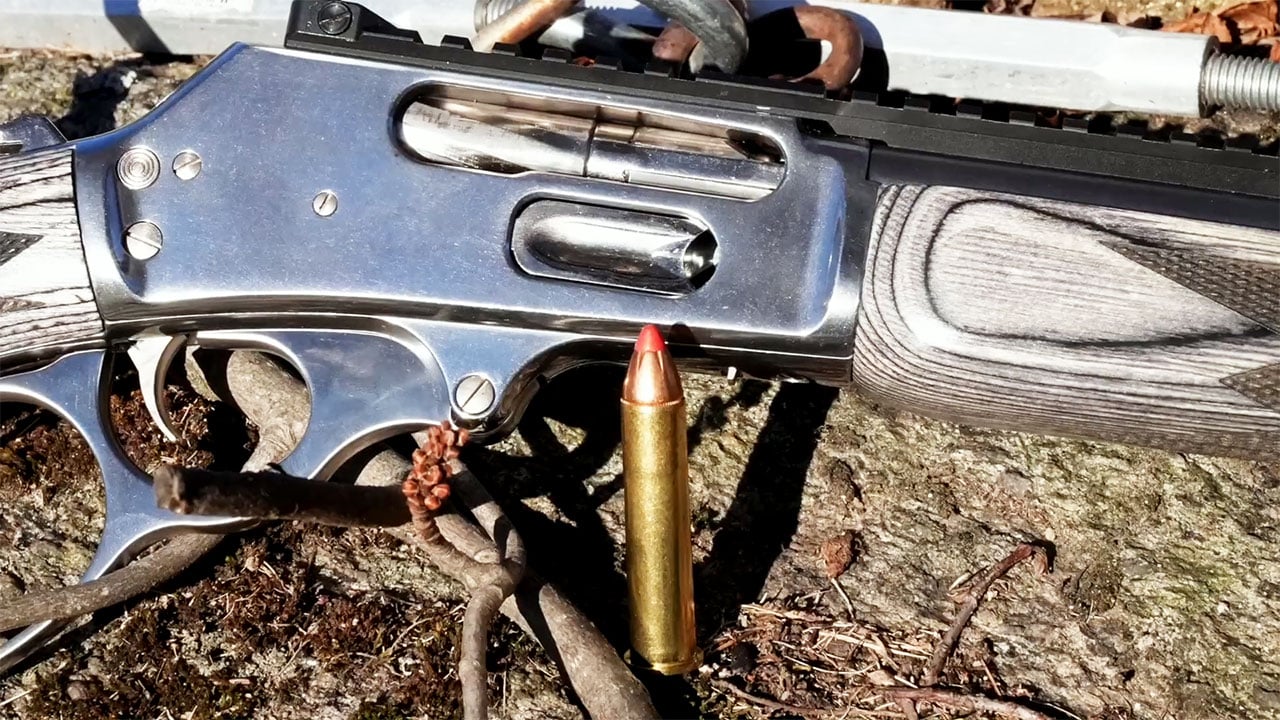
Photo credit: Marlin Firearms/Youtube
Lever guns have a funny way of disappearing before anybody calls them “collectible.” One day they’re just a slick little deer rifle behind the truck seat. The next day you can’t find one that hasn’t been “upgraded” with a questionable rail, or the price tag is wearing a suit and tie. What changed isn’t just demand. It’s also production pauses, limited runs, older rifles getting loved to death, and hunters realizing a fast-handling rifle that carries well still matters.
Here are 20 lever-actions that were already getting thin on racks long before the wider market woke up and started chasing them.
1. Marlin 1895 SBL
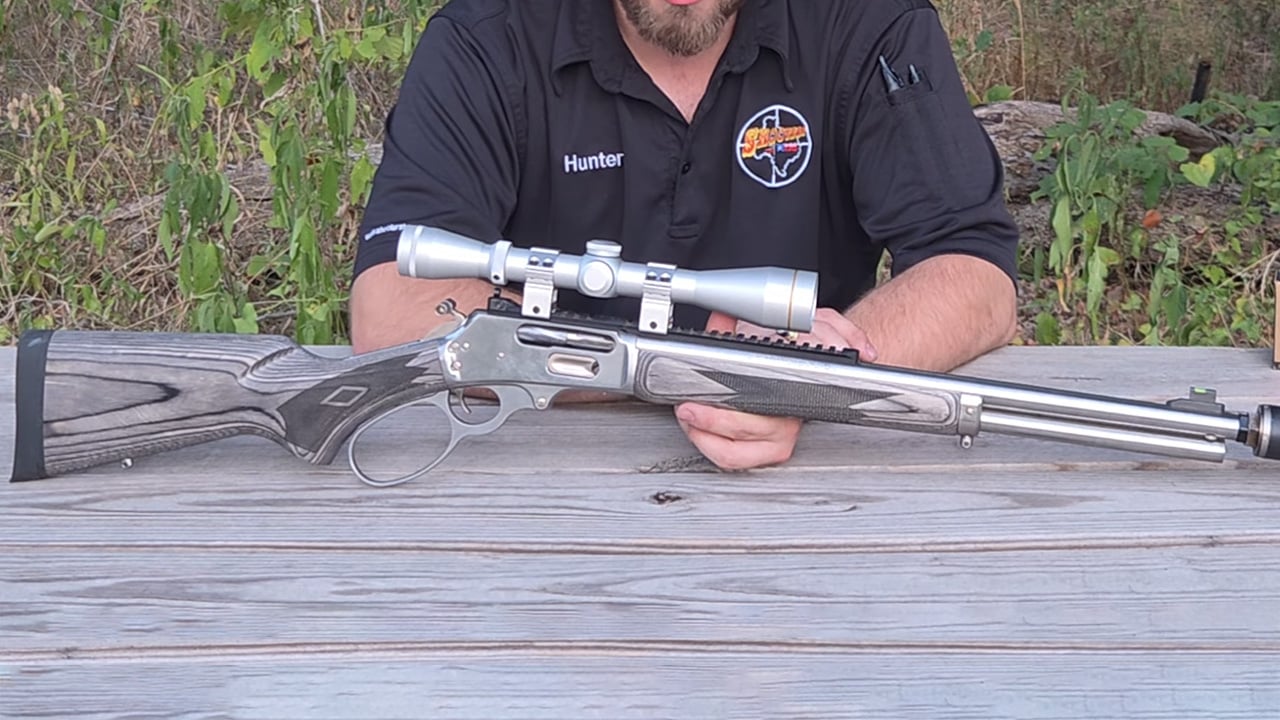
The stainless, big-loop, laminate-stock .45-70 with the gray furniture became a poster child for modern lever guns, and it started vanishing early. Even before the recent surge, you’d see one on a used rack and it wouldn’t last the weekend. The appeal is simple: it points quick, carries better than most big-bores, and the recoil is honest but manageable with sane loads. It’s a “woods rifle” that actually fits the role.
The problem is everybody wants the same configuration, and a lot of them got bought to sit in a safe. Pre-changeover examples got especially scarce when folks started treating certain rollmarks like gold. If you find one that cycles smooth and hasn’t been beat up by hot loads and loose screws, it’s not a bad idea to grab it and stop shopping.
2. Marlin 336CS (JM-stamped)
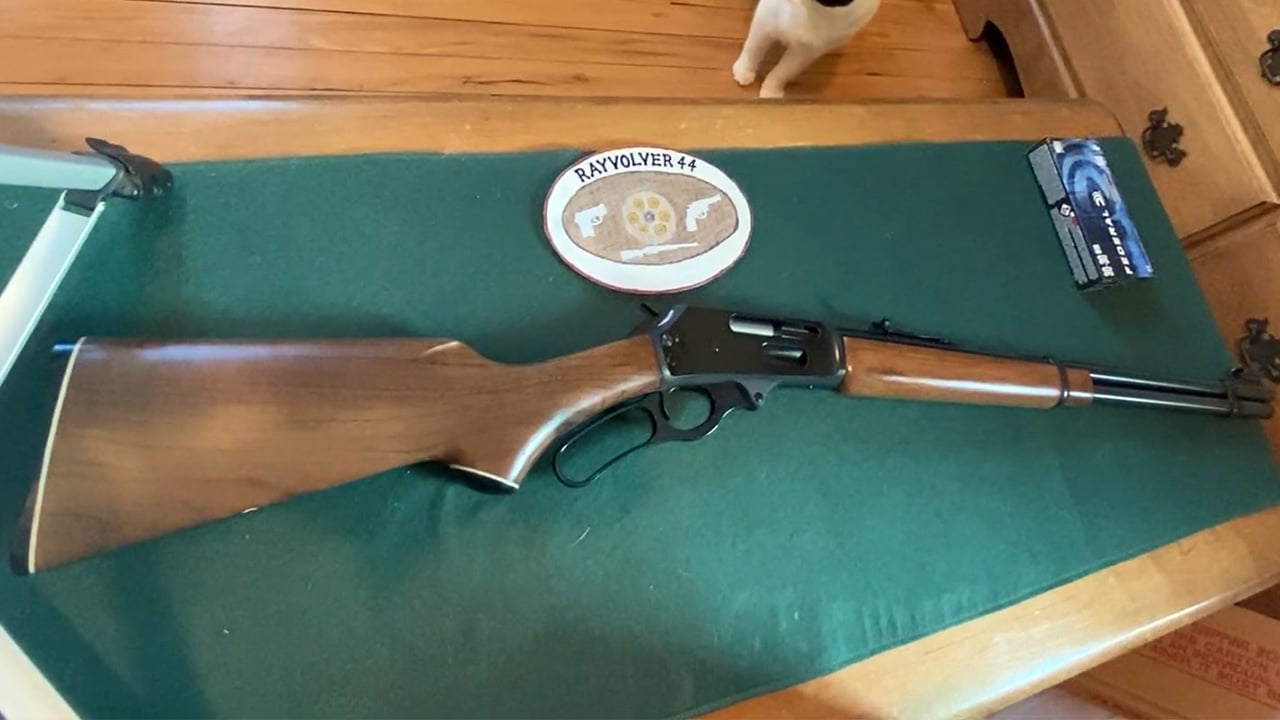
The plain 336 in .30-30 used to be the rifle you could always find. Not fancy, not rare, just reliable and handy. Then Marlin production got weird for a while, older rifles got snatched up, and suddenly the basic, workingman 336 was “hard to locate in decent shape.” That one hurts, because it’s the kind of gun a lot of guys sold thinking they could replace it anytime.
What makes the older ones worth chasing is how they feel. The actions tend to be slick, the balance is right between the hands, and they just carry like they belong in the timber. They’re also easy to live with: mounts, sights, slings, and parts are common. Still, finding one that hasn’t been drilled wrong, rusted under the scope base, or “home-smith” tuned is the new challenge.
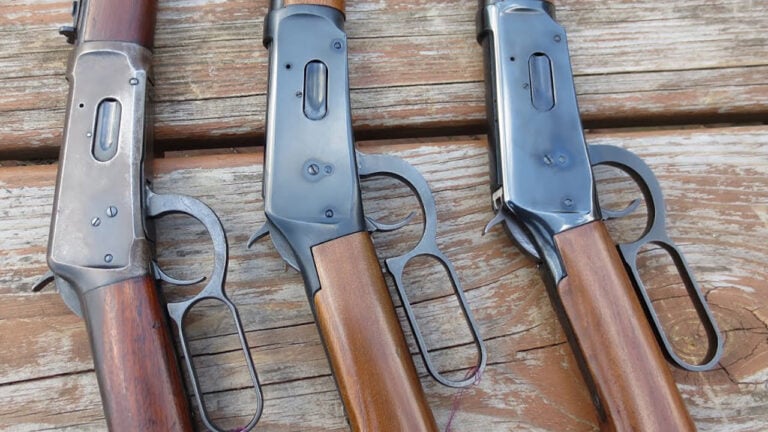
3. Winchester Model 94 (pre-64)
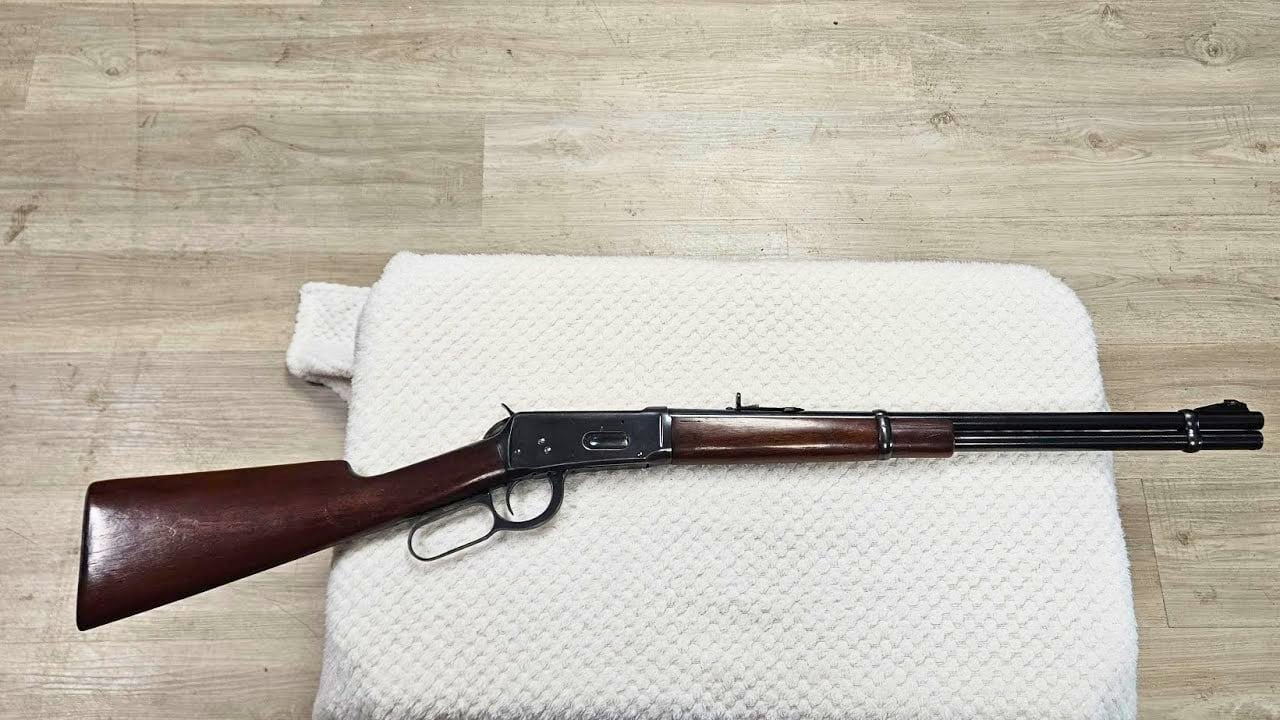
The pre-64 94 has been “a thing” for decades, but it was quietly getting harder to find in honest condition long before the latest lever craze. A lot of them were working rifles. They rode in scabbards, got leaned in corners, and lived through wet seasons with little more than an oily rag now and then. So when you see a clean one, it stands out fast.
These rifles aren’t magic, but they have a feel that later guns don’t always match. The lever throw is smooth, the gun is trim, and a .30-30 out of a 94 still kills deer as dead as it ever did inside normal woods ranges. The catch is buyer discipline: don’t pay collector money for a rifle that’s been refinished or modified into something it never was.
4. Henry Big Boy Steel Side Gate (all-weather models)
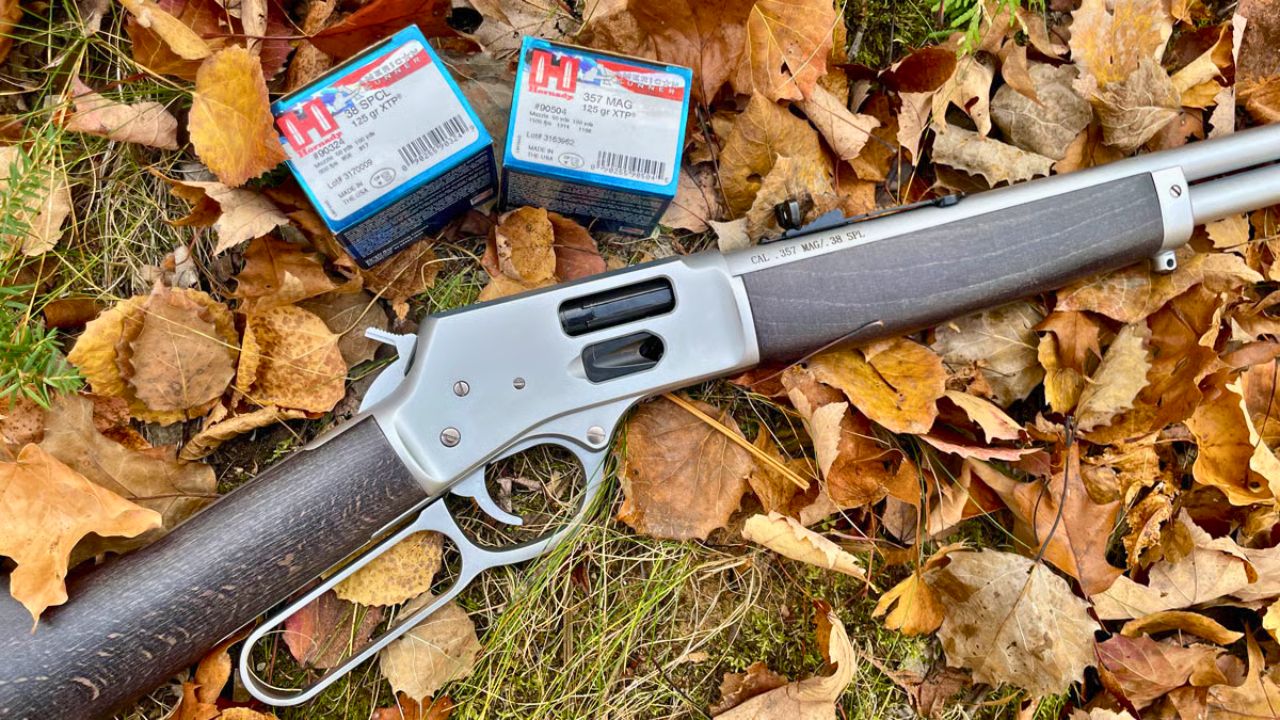
Henry fixed a big complaint when they brought side gates to the Big Boy line, and the steel models hit a sweet spot. They’re heavier than a Winchester or Marlin, sure, but that weight makes .357 and .44 Mag downright pleasant, and it steadies the gun for quick offhand shots. The fit and finish is usually excellent, and they’re the kind of rifle you don’t mind handing to a new shooter.
Before everyone started hoarding lever guns, the side-gate steel guns were already getting snapped up because they solved a real usability issue. Add in the all-weather finishes and suddenly it’s a lever gun you can actually hunt hard in rain and snow without babying. If you want one, you often have to decide fast, because they don’t sit around long once a shop gets them.
5. Browning BLR Lightweight ’81
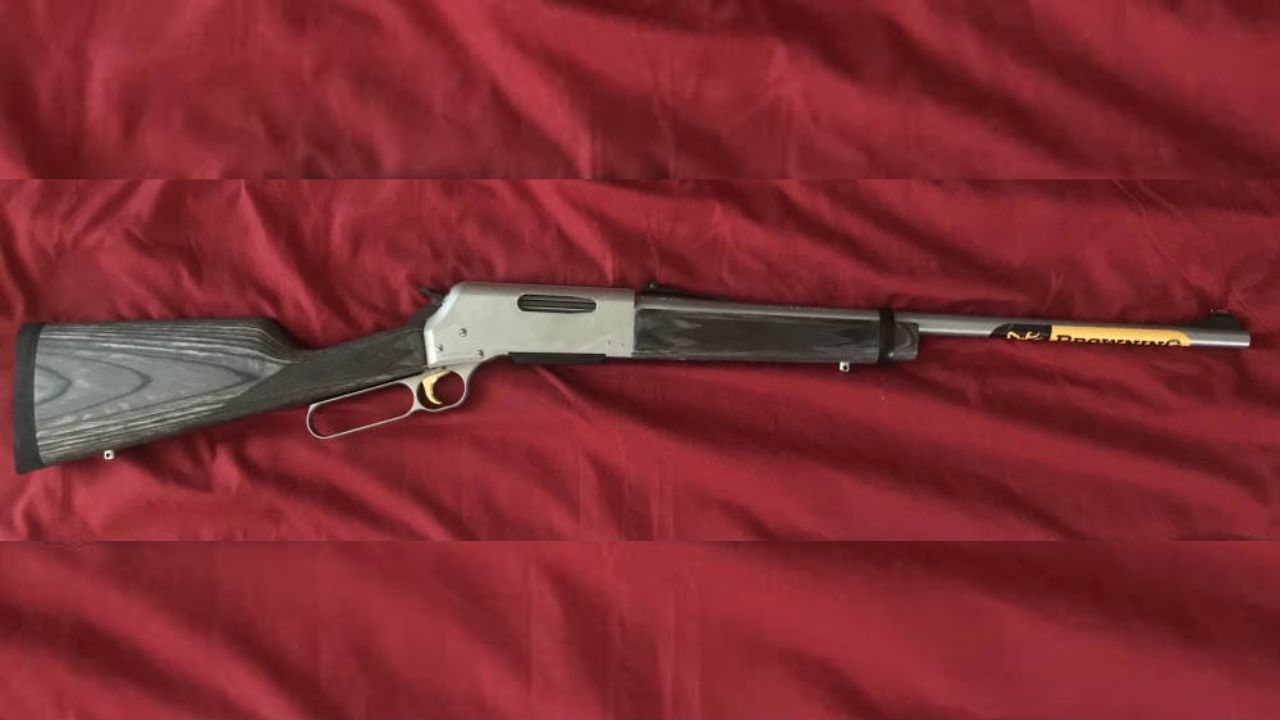
The BLR is for the hunter who likes lever actions but wants real rifle cartridges and a box magazine. That combination is why they were disappearing early. A BLR in .308 or .30-06 gives you pointy bullets, better downrange performance than traditional tube-mag lever rounds, and a lever gun that still handles like a woods rifle.
They’re not cheap, and the trigger feel can be different because of the design, but they flat work. What makes them hard to find is that owners tend to keep them once they figure out what they are. Also, magazine availability matters—extra mags can be pricey and not always sitting on pegs. If you stumble into one that’s been cared for, especially the lighter versions, it’s a serious hunting tool, not a novelty.
6. Browning Model 71 (and modern reproductions)
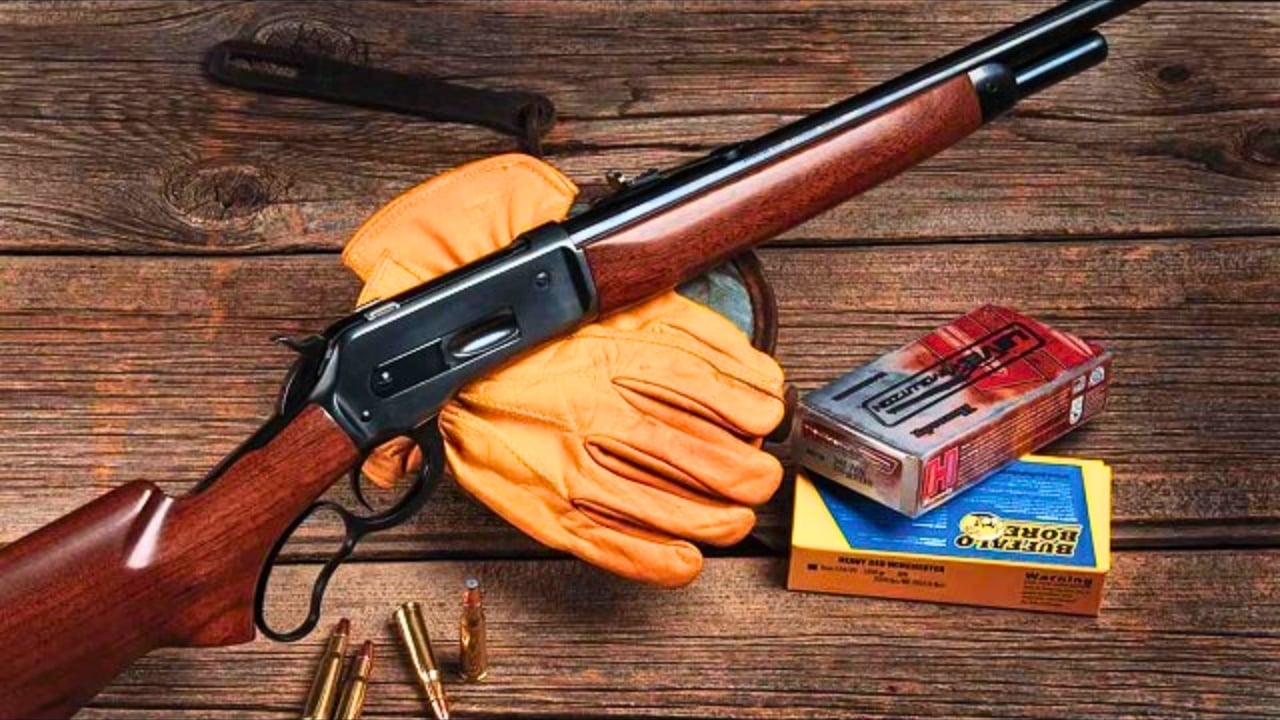
.348 Winchester isn’t a casual caliber, and the Model 71 isn’t a casual lever gun. It’s a classic heavy-hitter with old-school authority, and it has been drifting into “hard to locate” territory for a long time. Guys who hunt thick country for elk, bear, or big-bodied whitetails with a lever gun tend to know what the 71 is, and they don’t dump them lightly.
The limiting factor is obvious: ammo and components aren’t as easy as .30-30 or .45-70. That scares off impulse buyers, which is why the rifles that are out there are usually in the hands of folks who actually wanted them. When you do find one, check the bore and the headspace history, because some of these have lived a long, hard life. But in the right hands, they’re special.
7. Winchester Model 92 (Miroku-made)
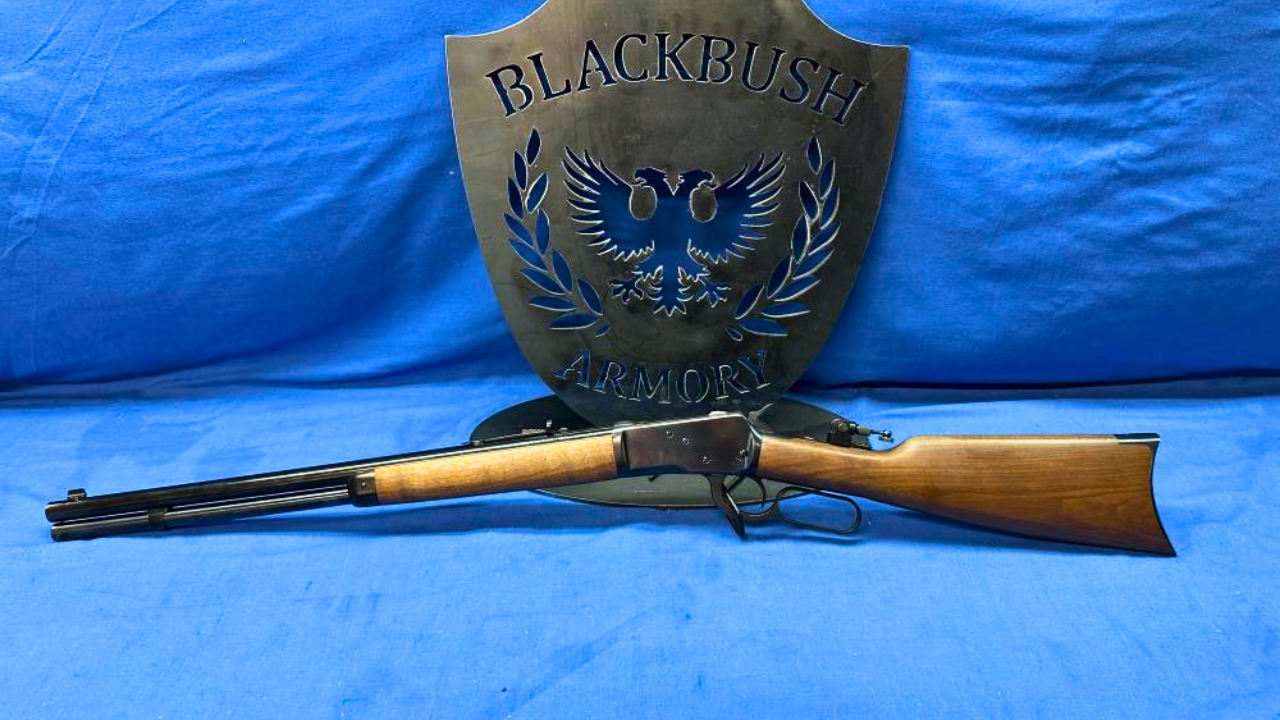
The modern 92s built by Miroku are some of the nicest feeling pistol-caliber lever guns going, and they were already being picked over. They’re compact, quick, and just fun in .357 Mag or .44 Mag. A 92 carries like a carbine should, and it cycles fast with a little practice. It’s the kind of rifle you bring along “just because” and then it ends up doing real work.
They also tend to be accurate enough for what they are, especially with good sights. The downside is price, plus the fact that certain chamberings and barrel lengths come and go. If you want one for a ranch rifle, a brush gun, or a pairing with a revolver, it’s a smart buy. If you want one as an “investment,” you’ll probably be disappointed, so just buy it to use it.
8. Rossi R92 (earlier, cleaner-production examples)

The Rossi 92 has always been a working-class lever gun, and that’s exactly why it was already getting harder to find in the configurations folks actually want. A decent R92 in .357 with a handy barrel is a legitimate tool—cheap to feed with .38 Special, stout enough with .357, and light enough to carry all day. It’s not a safe queen, and that’s a compliment.
What makes them tricky is consistency. Some are buttery smooth out of the box, and some feel like they were assembled with a shovel. The better ones get kept, the rough ones get sold, and the used market sorts itself out fast. If you’re shopping, cycle it a lot, check feeding with dummy rounds if the shop allows, and look for signs somebody tried to “fix” it with a file. A good one is hard to beat for the money.
9. Ruger 96/44

Ruger’s 96/44 is one of those oddball lever guns that makes more sense the longer you think about it. A rotary-mag lever rifle in .44 Mag is handy, practical, and surprisingly accurate for what it is. It carries easy, it’s quick to top off with spare mags, and it has that “grab it and go” vibe for chores around rural property.
They didn’t make them forever, and that’s why they were already drying up even when nobody was hyping levers. The magazine system is both the magic and the headache—mags aren’t as common as tube-fed ammo, and losing one in the leaves stings. Still, for hogs, thick-woods deer, and a truck gun that isn’t huge, the 96/44 is a sleeper. If you see one that hasn’t been abused, don’t assume you’ll see another next week.
10. Ruger 96/22
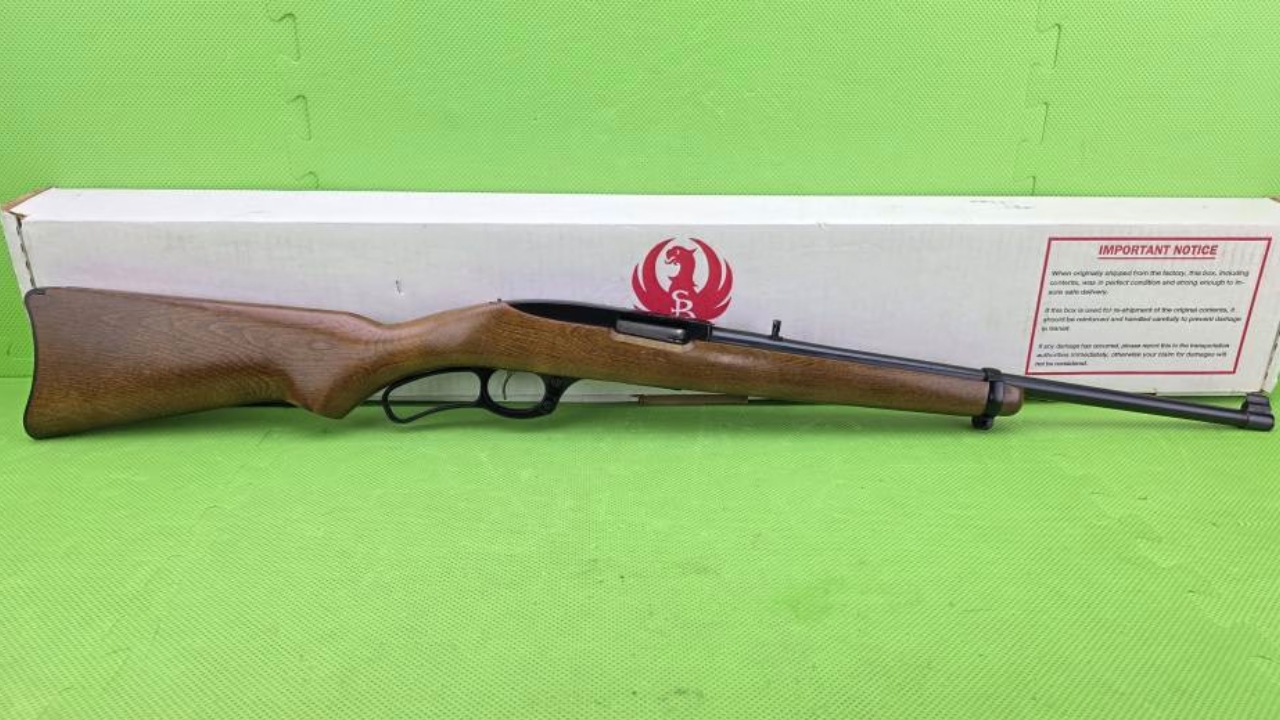
The 96/22 is another discontinued Ruger that used to be “neat” and turned into “where did they all go?” It’s a lever gun that takes 10/22 magazines, which sounds like a gimmick until you’re actually using it. Fast reloads, cheap ammo, and a familiar magazine ecosystem make it a real utility rifle for pests and plinking.
It’s also a great rifle for teaching new shooters who like the lever motion but aren’t ready for centerfire recoil and noise. The scarcity comes from Ruger not making them anymore and owners realizing they’re more than a toy. The biggest drawback is that they’re not as common as a standard 10/22, so replacement parts and certain small bits can take patience. But if you want a lever .22 that plays well with existing mags, this is the one that keeps slipping away.
11. Savage Model 99 (especially in .300 Savage)
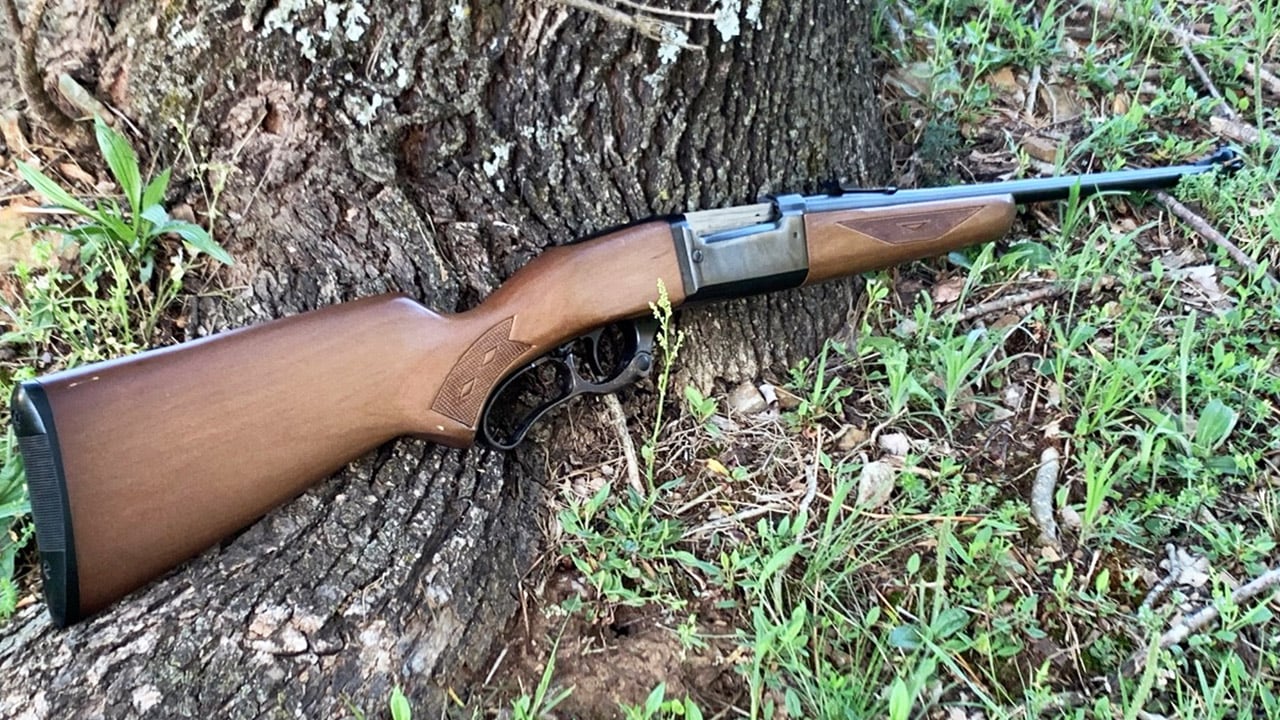
The Savage 99 has been quietly expensive for a long time, and it was getting harder to find before the current lever fever. It’s a lever gun with class, and it does things tube-fed rifles don’t. The rotary magazine (on many models) allows spitzer bullets, and the .300 Savage is a legitimate deer and black bear cartridge with a lot of history behind it.
What makes a 99 tough is condition and configuration. There are many variations, and buyers either overpay for rough rifles or hesitate too long on good ones. A clean 99 carries well, points naturally, and feels like a hunting rifle rather than a range toy. The downside is that they’re older machines with older quirks, and not every gunsmith wants to tangle with them. If you find one that locks up tight and hasn’t been hacked for a bad scope mount, it’s worth a second look.
12. Winchester Model 88
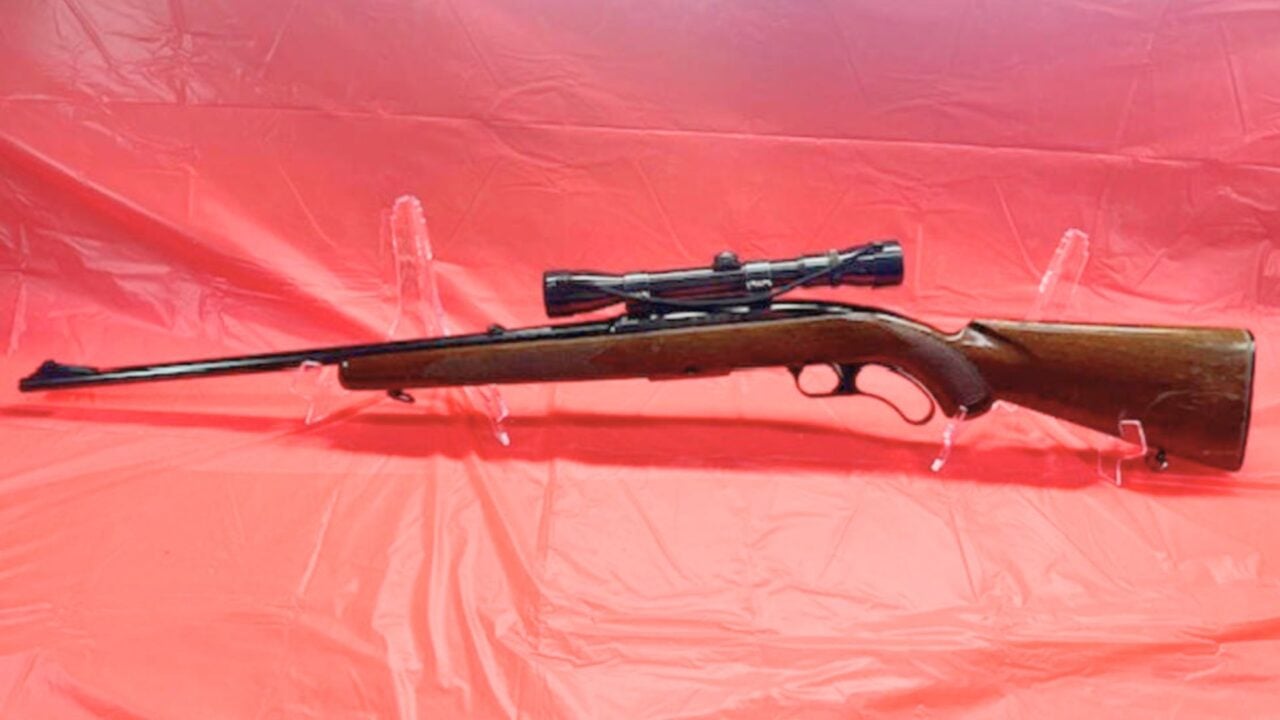
The Model 88 is another lever gun that acts like a bolt gun where it counts. Detachable magazine, solid lockup, and chamberings like .308 and .358 Winchester make it a serious hunting rifle. It also has a certain “cold steel” feel—sleek, a little different, and very effective in the deer woods.
They were already hard to find because owners either love them or they get nervous about parts and move on quickly. When they’re right, they’re great. When they’re worn, they can be finicky, and you don’t want to discover that during a hunt. Magazine availability can also be a pain, and original mags tend to command real money. If you want a classic lever that reaches past typical lever distances, the 88 is one of the better answers—just inspect it like you mean it.
13. Marlin 1894C (.357 Magnum)
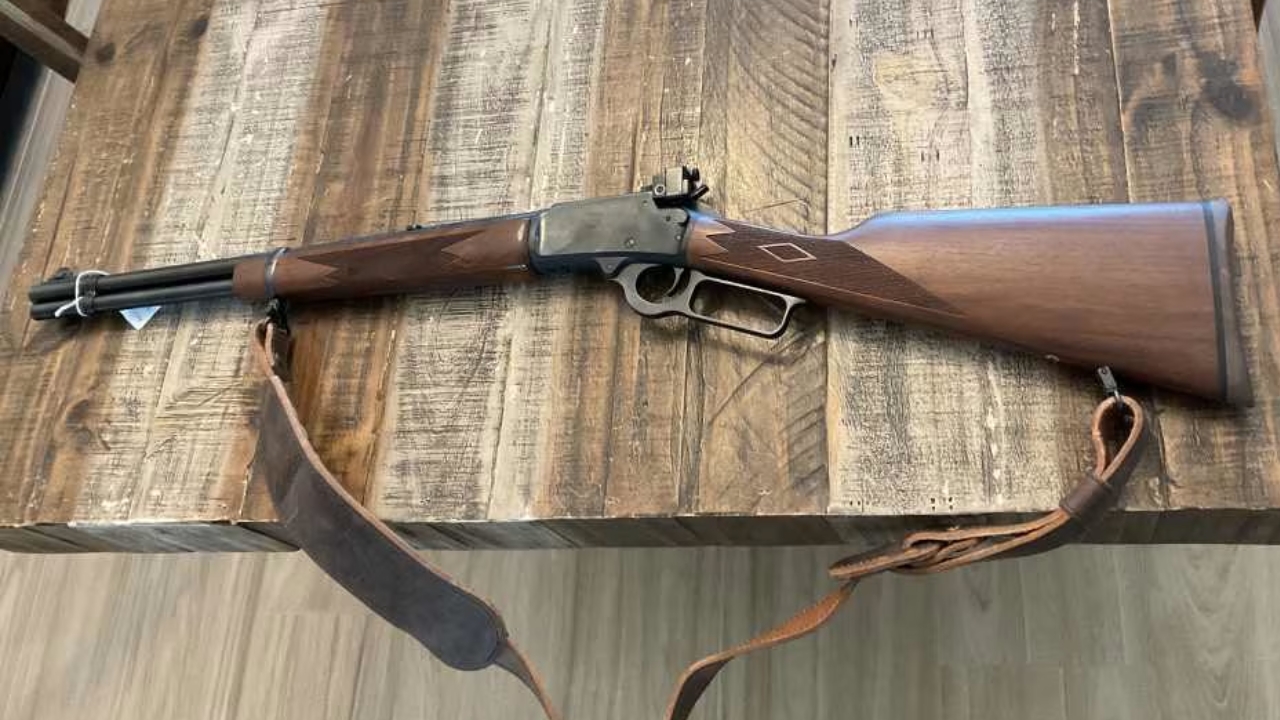
A .357 Marlin 1894C is one of those rifles that turns non-lever people into lever people. Light, handy, minimal recoil, and it hits harder than folks expect with good loads. It’s also cheap to practice with using .38 Special. For a ranch rifle, a camp gun, or a “walk the creek line” companion, it’s almost perfect.
These started thinning out early because every practical shooter wanted the same thing: a reliable pistol-caliber carbine from a major maker that doesn’t feel like a compromise. The 1894 pattern is also popular with folks who like to tinker with sights and furniture, which means unmodified examples get harder to find. The trick is avoiding rifles that have been “polished” into problems—buggered screws, over-buffed internals, and amateur sight installs. A clean, stock 1894C is a keeper.
14. Marlin 1894 (.44 Magnum)

The .44 Mag version brings a different kind of practicality. It’s a legitimate short-range hammer for hogs and thick cover deer, and it does it with a compact rifle that’s fast on target. With the right loads it hits hard without needing a long barrel, and the recoil is more of a shove than a jab in most carbines.
They were already getting scarce because they’re one of the best “one rifle for the farm” lever guns out there. In states where straight-wall cartridges are common for deer seasons, .44 Mag lever guns got scooped up fast. The downside is heat and blast with some loads, plus the fact that certain bullets can be picky in feeding depending on profile. If you find one that cycles your preferred ammo smoothly and prints well with iron sights, it’s hard to justify letting it go.
15. Winchester Model 94 Trapper

The short Trapper-length 94 is one of those rifles that feels like it was made for moving through brush, climbing stands, and getting in and out of trucks. It’s quick. It’s light. It’s also loud and snappy compared to a longer barrel, but in tight cover the handling advantage is real. For a “grab it when the dogs are barking” rifle, it makes sense.
These were getting harder to locate because they’re fun and useful, and they don’t show up in large numbers. A lot of them got carried a lot, which means you see finish wear, dings, and sometimes questionable repairs. Check the crown, check the sights, and work the lever hard to make sure it feeds right. If you want a short lever gun without going down the rabbit hole of custom work, a factory Trapper is an easy answer—when you can find one.
16. Henry X Model (especially .357 and .45-70)
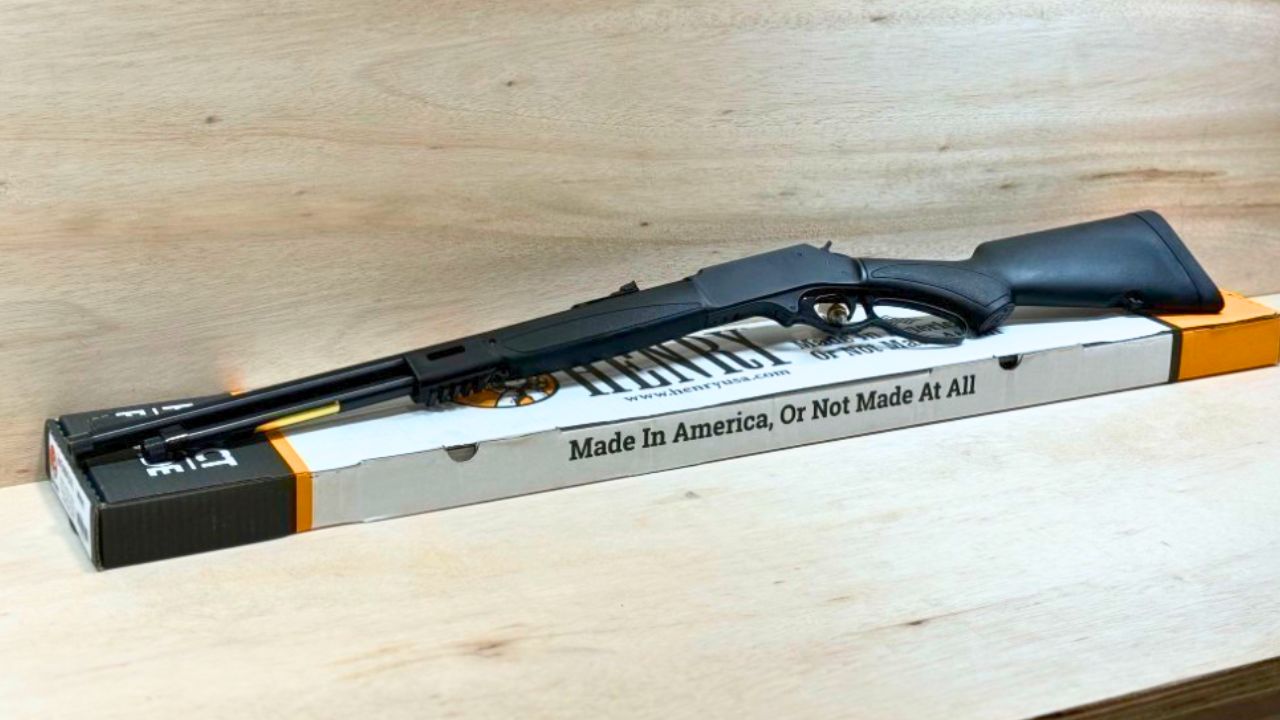
The X Model line brought a practical, modern setup without getting too weird. Threaded barrels, good sights, and a tougher look that doesn’t scream “cowboy gun” made them popular with hunters and landowners who just want a lever gun that plays well with modern accessories. They were moving quickly before the wider market caught on because they filled a real niche.
They’re not light, and some folks don’t love the balance compared to older carbines, but they’re solid. The .357 version makes a ton of sense for volume shooting and small property work, while the .45-70 version is a thumper that can be set up for rough weather and hard use. The only real advice here is to handle one before you buy if you can—some guys love the heft, others don’t. Either way, availability has been spotty for a while.
17. Marlin 39A
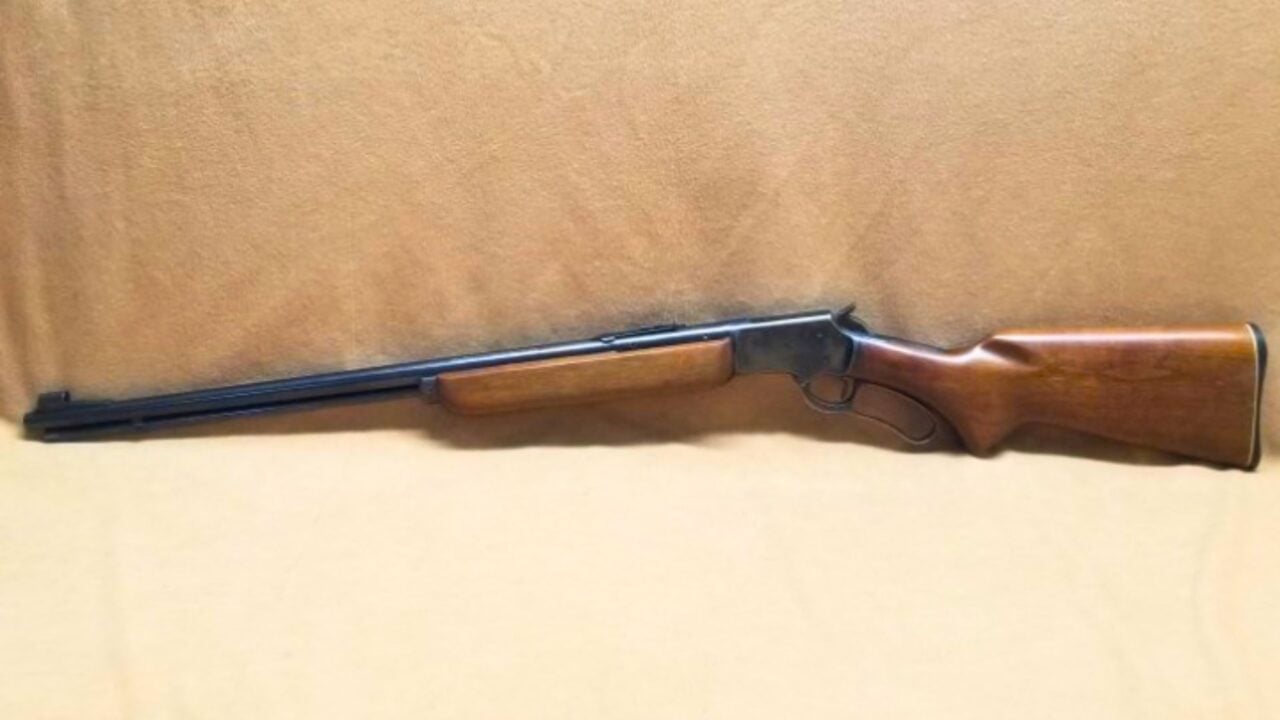
If you grew up around rimfires, you already know why the 39A is missed. It’s a lever .22 that feels like a “real rifle,” not a toy. Solid, accurate, and built with a kind of old-school confidence that’s hard to explain until you shoulder one. They also tend to have great triggers compared to many modern rimfires.
They were getting scarce well before the current buying wave because production wasn’t constant and demand never really went away. The 39A is also the kind of rifle that stays in families. It’s the gun that gets pulled out for squirrels and then handed to a kid for their first serious range day. Downsides? They can be heavier than expected for a .22, and neglect can lead to gummed-up actions. Still, a clean 39A is the kind of rifle you keep even if you “don’t need it.”
18. Winchester Model 9422
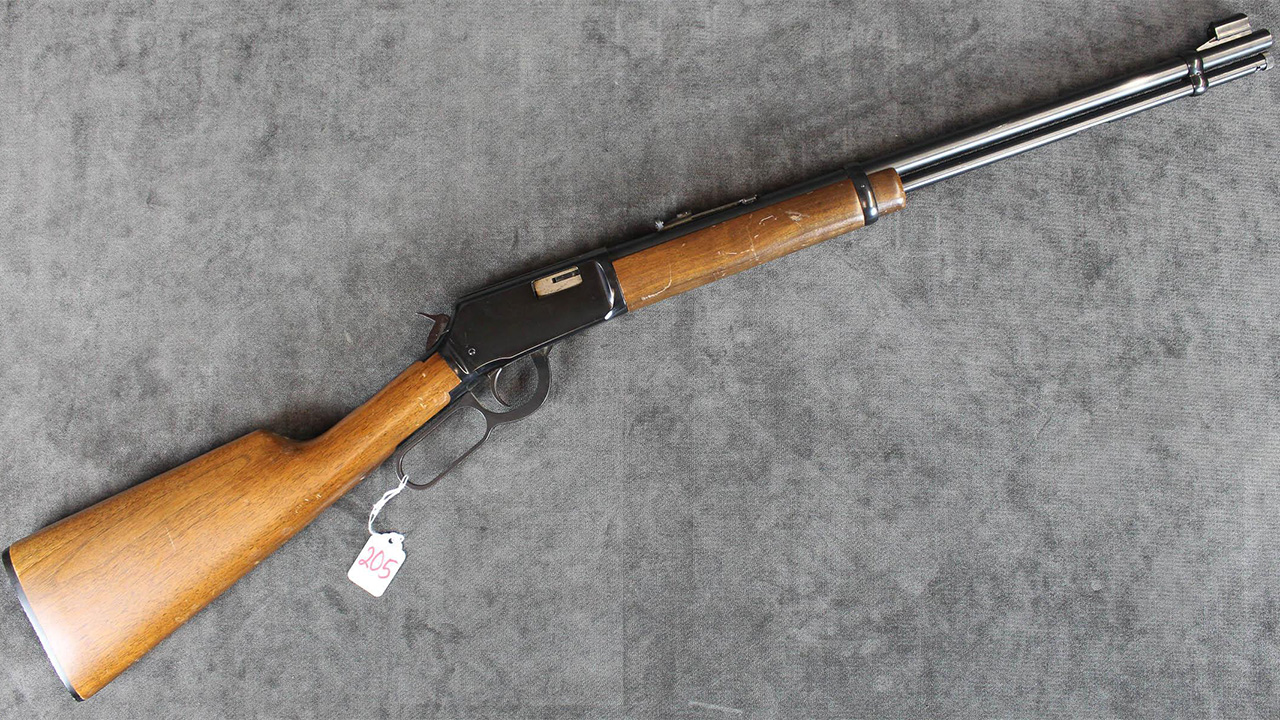
The 9422 is one of the smoothest lever .22s ever made, and it has been climbing and thinning out for years. It’s the rifle you pick up and immediately start working the lever just because it feels good. The fit, the finish, the balance—Winchester got a lot right with these.
They’re also expensive now, which is exactly why they were getting hard to find: owners know what they have. A lot of them were bought as “nice .22s” and then never sold. For a field gun, they’re accurate and reliable with good ammo, but you do need to accept that you’re carrying a rifle that’s become more collectible than it used to be. If you want one to actually hunt with, look for honest wear and mechanical health instead of perfect cosmetics, and don’t be afraid of a few dings.
19. Mossberg 464 (early production and special runs)
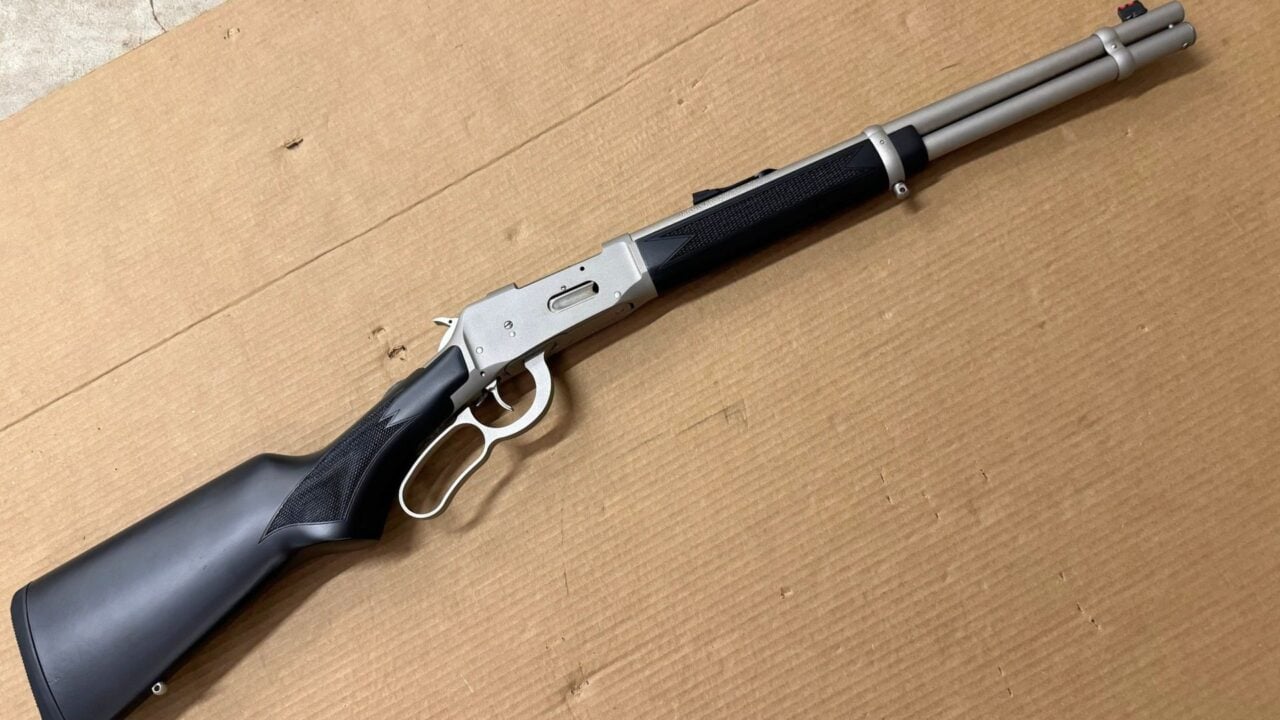
The Mossberg 464 doesn’t get romantic talk like the old Winchesters, but it’s been quietly useful for a lot of hunters who just wanted a .30-30 lever gun at a reasonable price. Certain versions—especially the ones that ran well and the special runs with decent sights—started drying up when other brands got hard to find.
These can be a mixed bag. Some are excellent budget woods rifles. Others feel rough and need a break-in period or careful ammo selection to run slick. They made the list because the “good ones” tend to stay put, and the ones that hit pawn shop racks are sometimes there for a reason. If you’re shopping used, check feeding and ejection, inspect the screws and loading gate, and make sure the sights aren’t canted. When you find a solid 464, it’s boring in the best way.
20. Cimarron 1873 (Uberti-made)
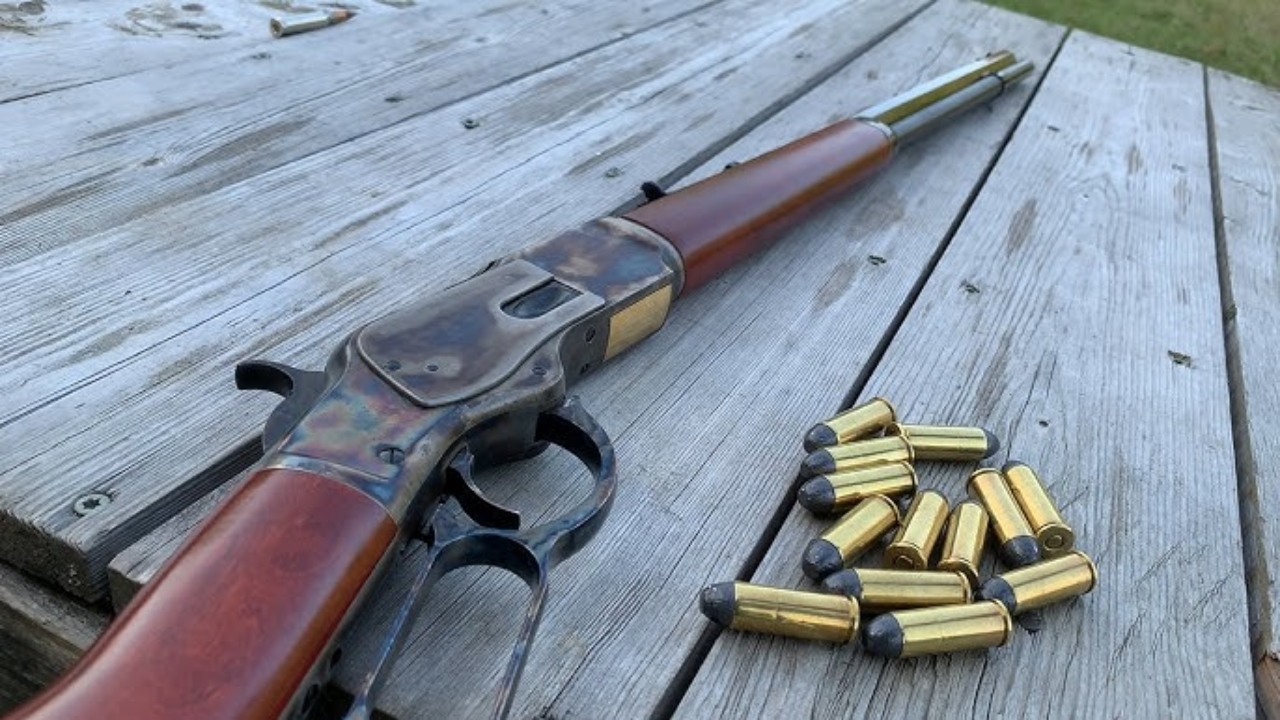
The 1873 pattern isn’t a traditional hunting lever for most folks, but it’s a big part of why lever guns got hot again. A good Uberti-made 1873 sold under Cimarron (and similar importers) can be unbelievably smooth, especially when tuned at the factory level. In .357 or .45 Colt, they’re pure fun on steel and a great training rifle for running a lever quickly.
They were already getting harder to find because cowboy action shooters buy them, shoot them, and keep them. Also, not every configuration is imported constantly, so if you want a specific barrel length, finish, and caliber, you can wait a while. They’re not cheap, and they’re not built for hot-rodding loads, so keep expectations realistic. But if you want the classic lever feel and a rifle that runs like it’s on ball bearings, the good 1873s disappear fast.
If you’re shopping lever guns right now, the best advice I can give is to decide what job you actually need done. A fun range lever and a wet-weather deer lever are not always the same purchase. Handle the rifle, cycle it, check the screws, and look for signs of kitchen-table “gunsmithing.” When you find a clean example of one of these that fits your uses, don’t assume the next rack will have another. Ask me how I know.
Like The Avid Outdoorsman’s content? Subscribe to our newsletter so you never miss an article.
Here’s more from us: