Photo credit: ROC the Outdoors/YouTube
Lever-actions don’t stick around because a brochure told them to. They stick around because they ride easy in a scabbard, cycle when your hands are cold, and solve real problems from a deer stand to a dusty truck seat. Plenty of rifles get “relaunched” every few years with new finishes and new buzzwords. Meanwhile, certain levers just keep getting carried, hunted, loaned to nephews, and handed down with a box of ammo and a quick warning about the hammer.
Here are 20 lever-guns that built their own fan clubs the hard way: by working, by fitting regular people, and by being hard to replace once you realize what you let go.
1. Winchester Model 1894 (pre-64)
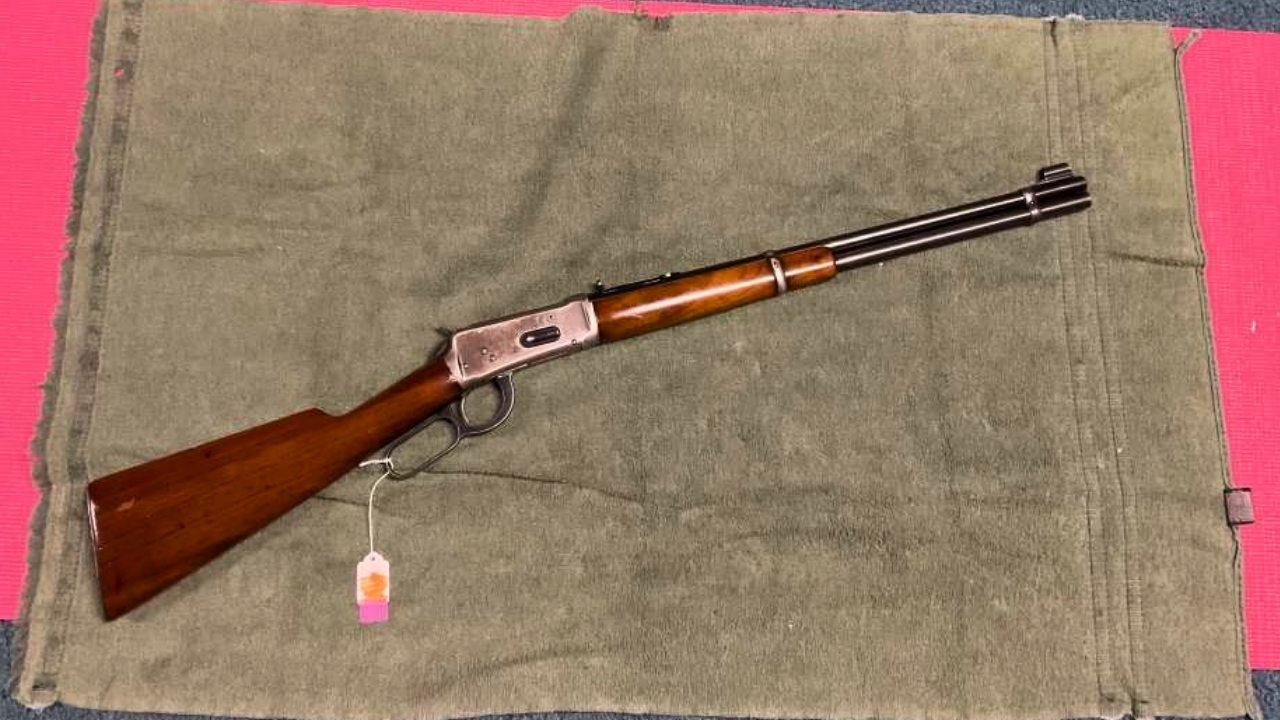
There’s a reason old-timers get a little quiet when a pre-64 94 comes out of a case. They’re light, they carry like a walking stick, and they point like you’re cheating. In the deer woods, that matters more than internet arguments about ballistic coefficients. A .30-30 out of a trim 94 is still a very honest tool inside sane distances.
They aren’t perfect. Some have seen enough seasons that the wood is slick and the bluing is thin, and plenty wear scopes in mounts that make you wonder what the owner was thinking. Still, the action feel on a good one has a “used but not worn out” smoothness that new rifles rarely match. Try finding an un-messed-with one now for the price your uncle paid. That one hurts.
2. Winchester Model 1894 (Angle Eject)

The Angle Eject era doesn’t get the romance of pre-64, but for a lot of hunters it’s the 94 they actually used hard. Side ejection made scoping simpler without weird offset mounts, and it kept the rifle relevant when everybody decided a scope was mandatory. In thick cover, a low-power optic on a lever gun makes a lot of sense.
These rifles tend to be the “truck and stand” Winchesters—dings, scratches, and honest wear. And that’s kind of the point. They run, they’re simple to keep fed, and they don’t require a special relationship with a gunsmith. If you stumble onto one that hasn’t been “upgraded” with a hack job trigger, you’ll understand why they keep getting bought back after being sold.
3. Marlin 336 (JM-stamped)
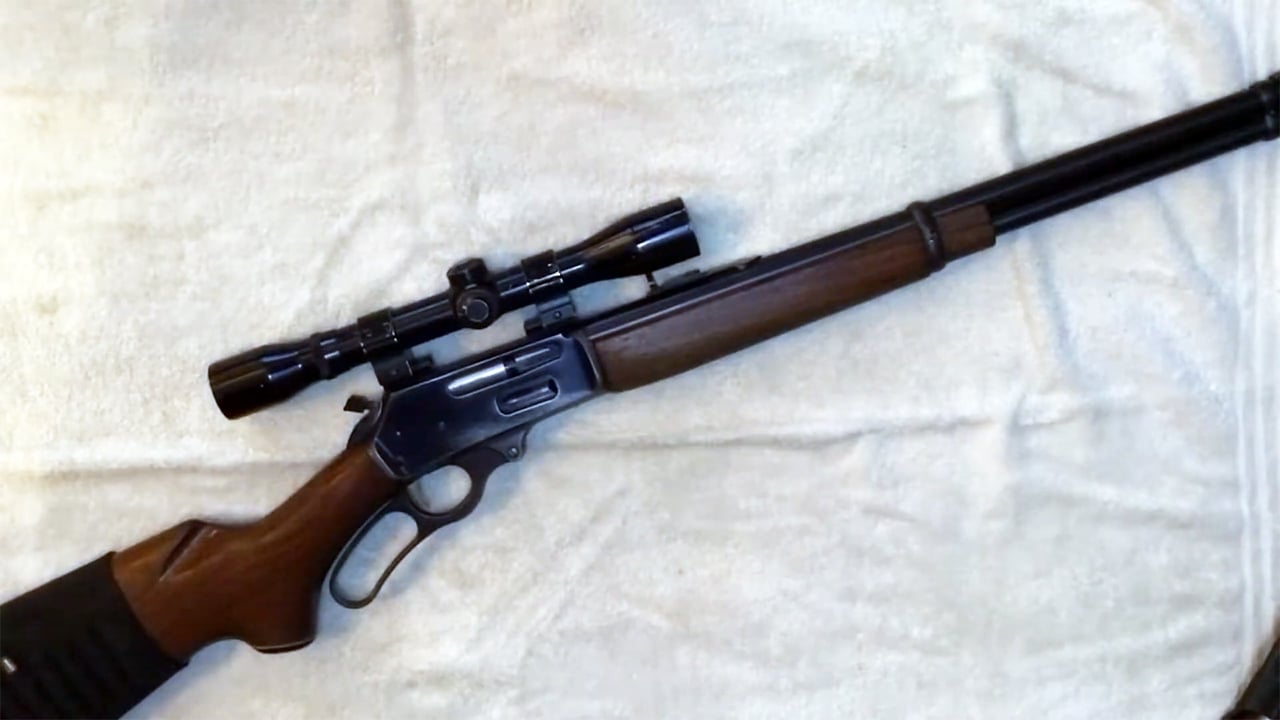
A good Marlin 336 feels like it was made for hands that actually work. The grip fills your palm, the receiver is solid, and the side ejection makes mounting a scope straightforward without turning the rifle into a science project. A .30-30 336 with a 2-7x has probably put more venison in freezers than most trendy cartridges ever will.
The “JM” stamp matters mostly because folks noticed a difference when later production got inconsistent. That’s not an insult to every newer 336, it’s just reality—quality can wander when companies move and tooling changes. The older ones tend to have that smooth, steady lever stroke and better wood-to-metal fit. If you want one lever-action that does almost everything in whitetail country, it’s hard not to land here.
4. Marlin 1895 (Guide Gun)
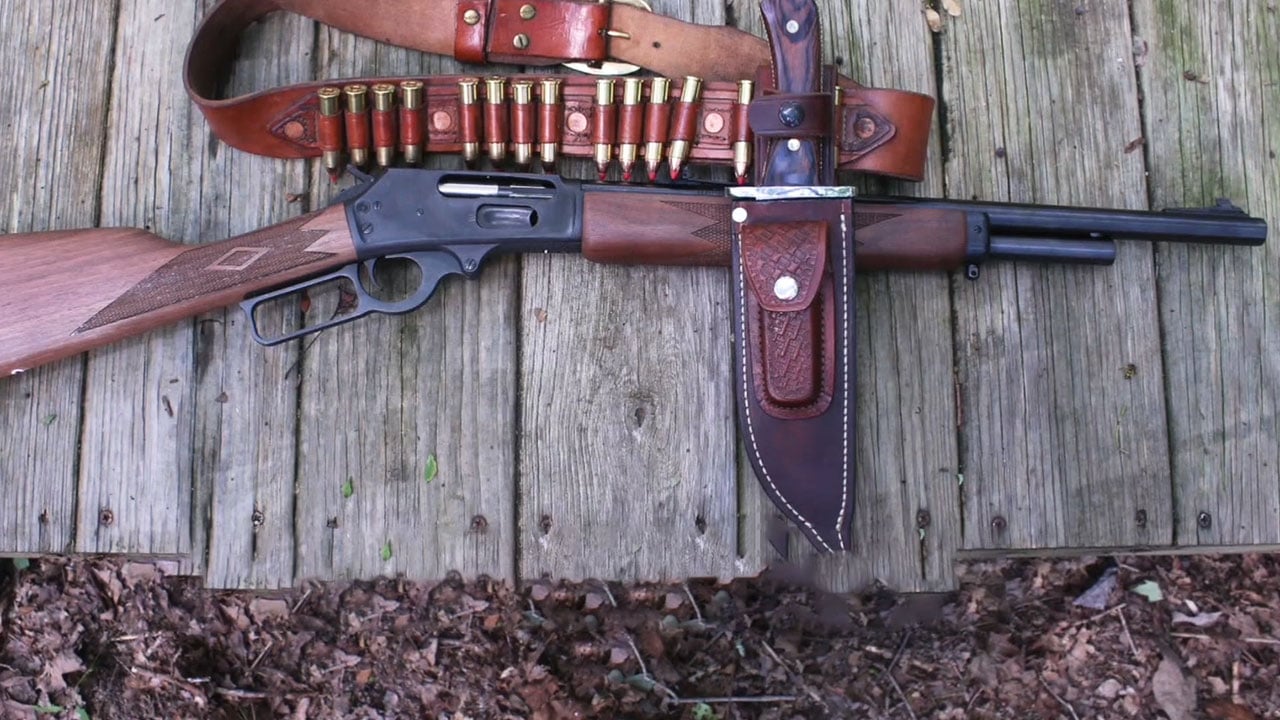
The Guide Gun is one of those rifles you don’t fully appreciate until you’re in nasty cover or climbing in and out of a side-by-side. Short, handy, and chambered in .45-70, it has a way of making people act like they suddenly live in bear country even when they don’t. Still, in timber, swamps, and thick creek bottoms, that quick handling is real.
Recoil can be no joke with hot loads, and the wrong buttpad turns it into a rifle you “respect” instead of practice with. But with sane ammo and a good sight setup—either irons you can see or a low optic—it’s a hammer at woods ranges. Parts and aftermarket support are everywhere, and it holds its value because it’s not a range toy. It’s a working lever gun.
5. Henry Big Boy Steel
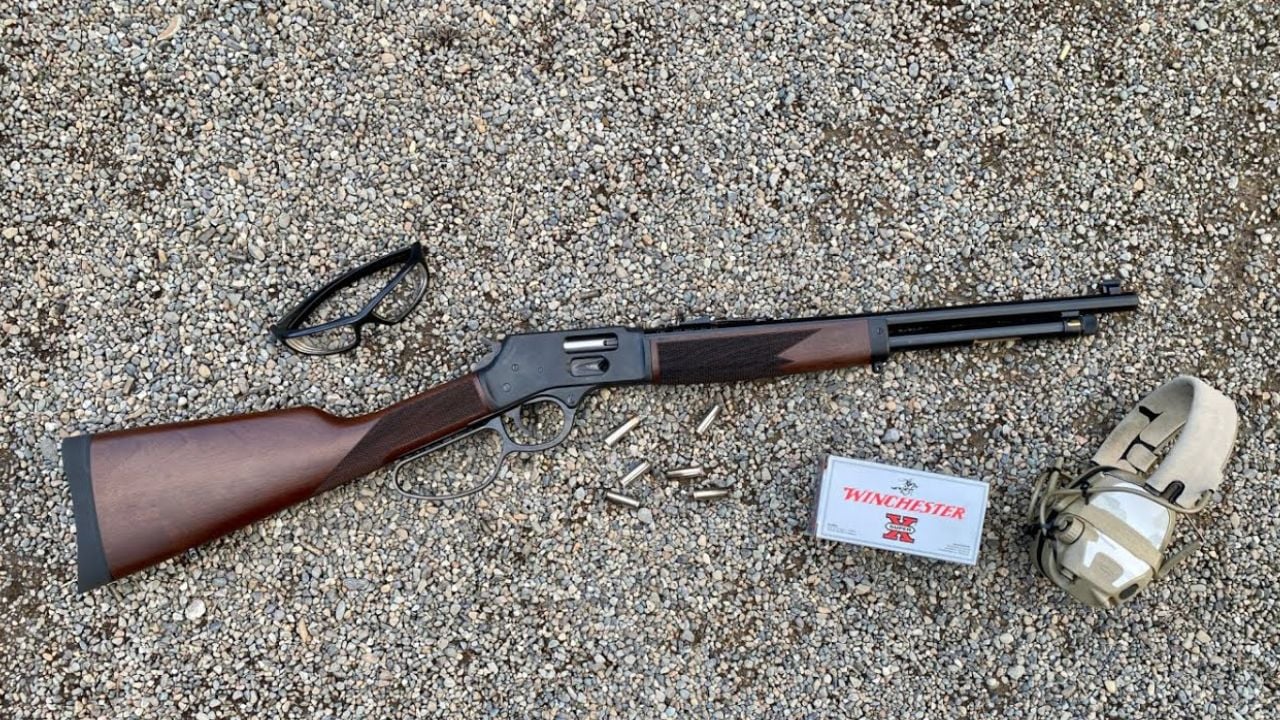
Henry gets knocked sometimes for being “too pretty,” and I get it. Glossy wood and shiny brass-looking receivers aren’t everybody’s style. The Big Boy Steel, though, is the version that wins over folks who actually carry rifles instead of posting them. It’s heavier than some levers, but the weight soaks up recoil in pistol calibers and keeps it steady offhand.
These rifles earn their following because they’re smooth out of the box and customer support has a reputation for actually helping. In .357 or .44 Mag, they’re practical: cheap-ish practice with .38s or .44 Specials, then step up for hunting or property defense. Tube loading isn’t as fast as a side gate for topping off, but it’s simple and reliable. If you want a lever that feels like it was finished by someone who cared, this is one.
6. Henry Side Gate (H009 series)
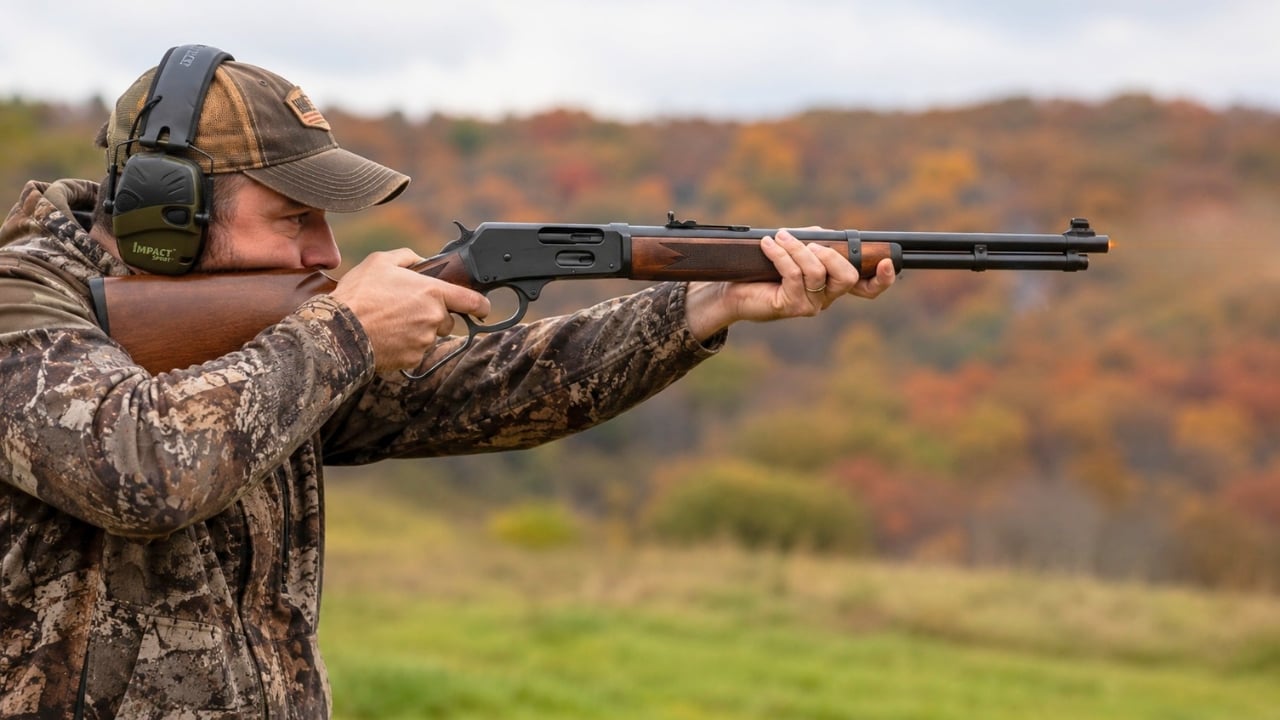
Henry listened when hunters kept saying, “Nice rifle, but I want a loading gate.” The Side Gate models fixed that without losing the smooth action Henry is known for. For folks who hunt from a blind or still-hunt and like to quietly top off, that gate matters. It also makes the rifle feel more “traditional” to those raised on Marlins and Winchesters.
They’re not the lightest rifles, and some configurations get a little long once you add optics and a sling full of wet leaves. But the practical value is that you can run it like an old-school lever and still unload safely through the tube if you want. In .30-30, .45-70, or pistol calibers, it covers a lot of ground. It’s a modern lever gun that doesn’t feel like it’s trying to be something else.
7. Rossi Model 92
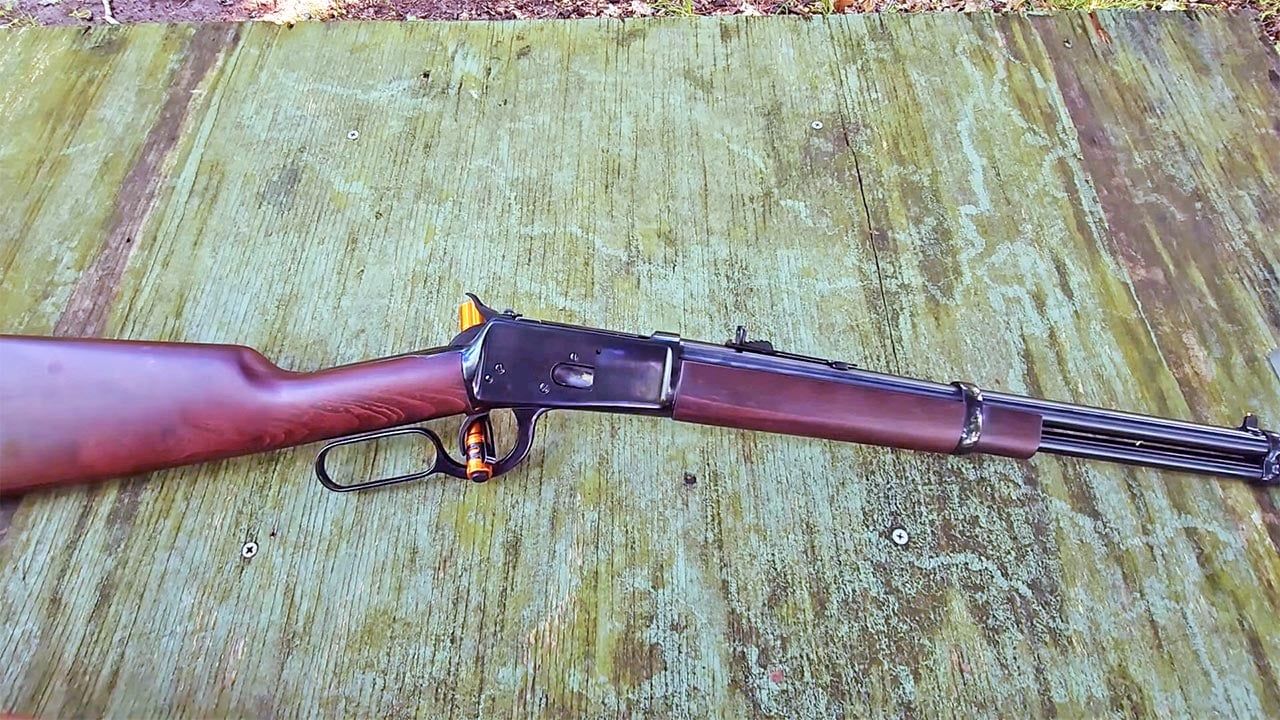
The Rossi 92 is the rifle that shows up when someone wants a Winchester 1892 pattern without spending Winchester money. Out of the box, they can be a little stiff, sometimes even a little rough. But they tend to run, and they’re strong actions for pistol calibers. In .357, it’s one of the most useful “do a little of everything” rifles around.
Where the Rossi earns a long following is after you actually use it. It’s light, it carries easy, and it’s not so expensive that you’re scared to scratch it on a fence post. With decent ammo, it’s reliable enough for chores and woods walking. The sights might be the first thing you want to change, and the safety setup isn’t everyone’s favorite. Still, it’s a working man’s lever gun, and it shows.
8. Browning BLR
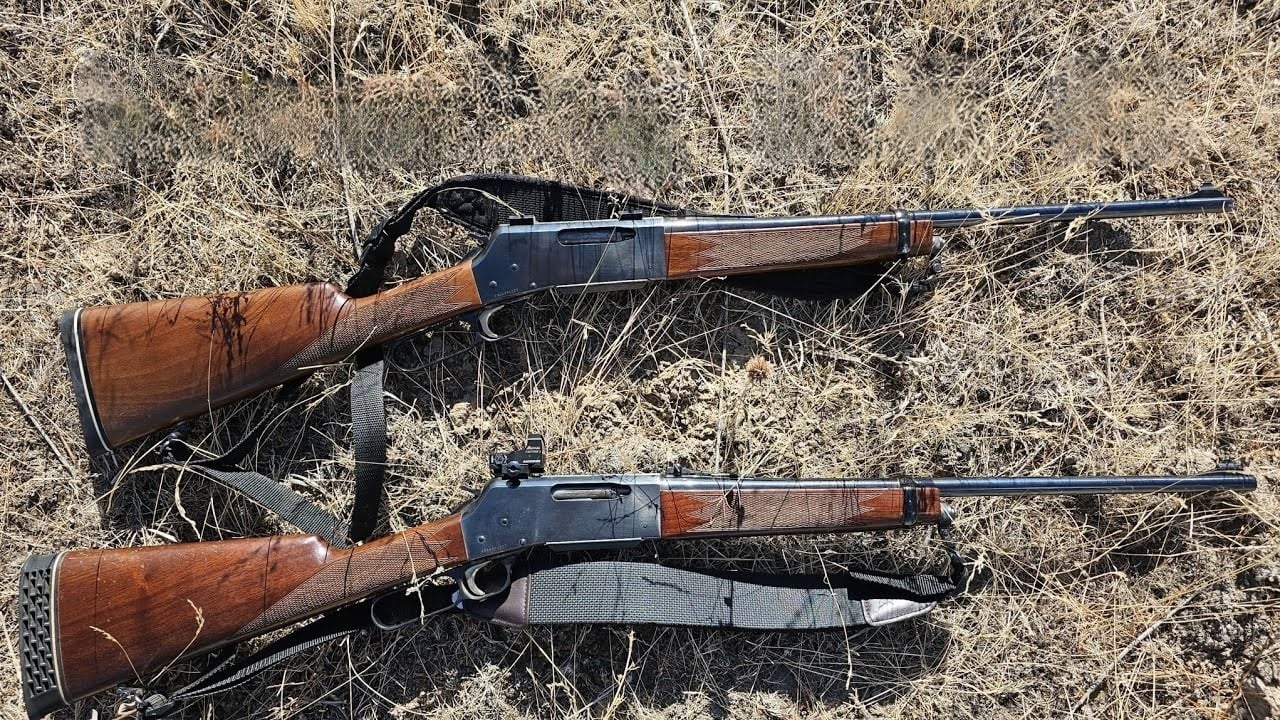
The BLR is what you buy when you like lever-actions but you also want modern cartridges and a box magazine. That magazine is the whole story: it lets you run pointed bullets safely and makes chamberings like .308, .30-06, and other spitzer-friendly rounds practical in a lever. It turns the lever gun into a legitimate “one rifle” option for a lot of country.
They’re not cheap, and they don’t feel like a classic Winchester 94 when you cycle them. The action is more mechanical, more “precision machine” than “cowboy smooth.” But they shoot, and they shoot well. For a hunter who wants fast follow-ups without giving up cartridge performance, the BLR keeps earning followers. It’s also one of the few levers that doesn’t feel out of place on a western ridgeline where longer shots happen.
9. Savage Model 99
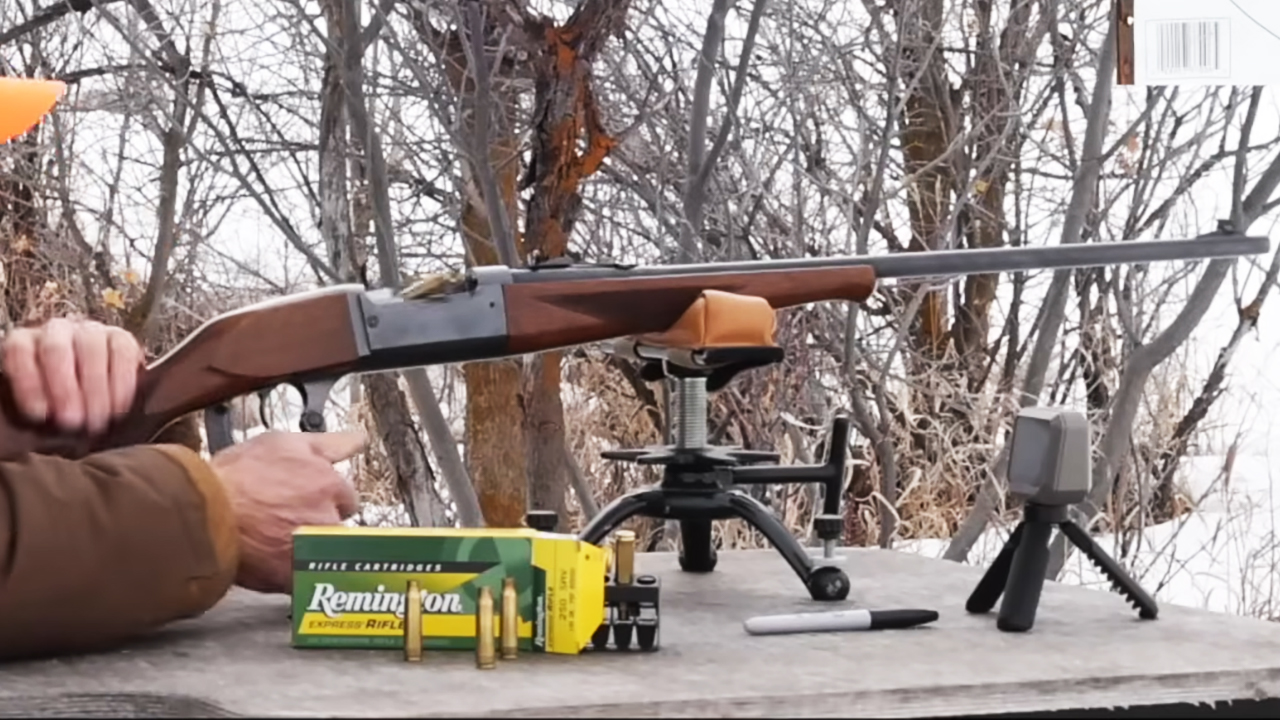
The Savage 99 is one of the smartest lever-gun designs ever made, and it still feels underappreciated until you spend time with one. A lot of them wear .300 Savage, .308, or other serious hunting chamberings, and the rotary magazine design was ahead of its time. They balance nicely, and the older ones have a fit-and-finish that reminds you what “production rifle” used to mean.
They do have quirks. Some are picky about scope mounts, and finding certain parts isn’t as easy as ordering for a 336. But in the deer woods, a 99 carries like a lever gun and hits like a modern rifle. That’s why folks hang onto them. Once a family has a “good 99,” it tends to stay in the family, because everyone knows it’s not easily replaced with something new off the rack.
10. Marlin 39A
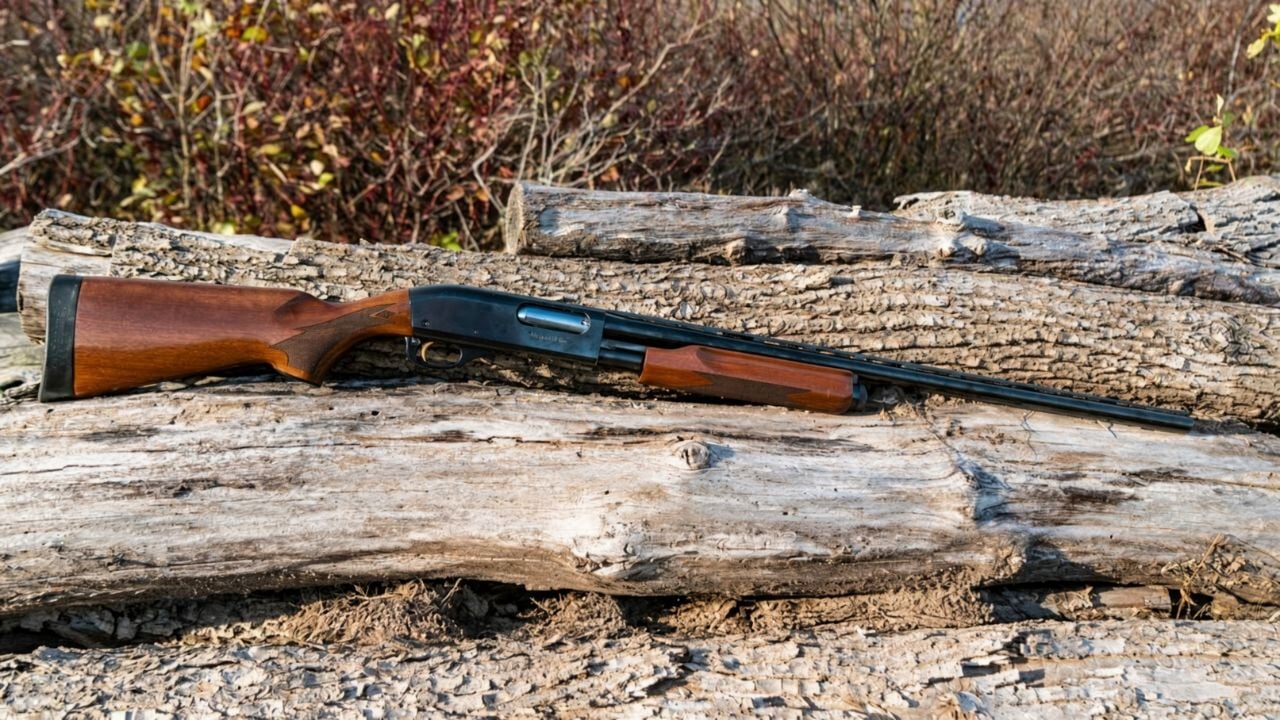
If you ever want to teach a kid to shoot without fighting recoil or noise, a lever .22 makes a lot of sense. The Marlin 39A is the one that people talk about like it’s a member of the family. It’s not the lightest .22, but it’s steady, accurate, and built like someone expected it to last. A lot of them have killed more squirrels than any rimfire “tactical” trainer ever will.
The takedown design is handy, and the micro-groove barrels on many of them can be scary accurate with the right ammo. They’re also a gateway into lever-actions for folks who grew up on bolt .22s. The downside is price—good ones aren’t cheap anymore—and some have been abused with bad cleaning habits. But if you find one that’s been cared for, you’ll understand why owners get protective of them.
11. Winchester Model 1892 (Miroku production)
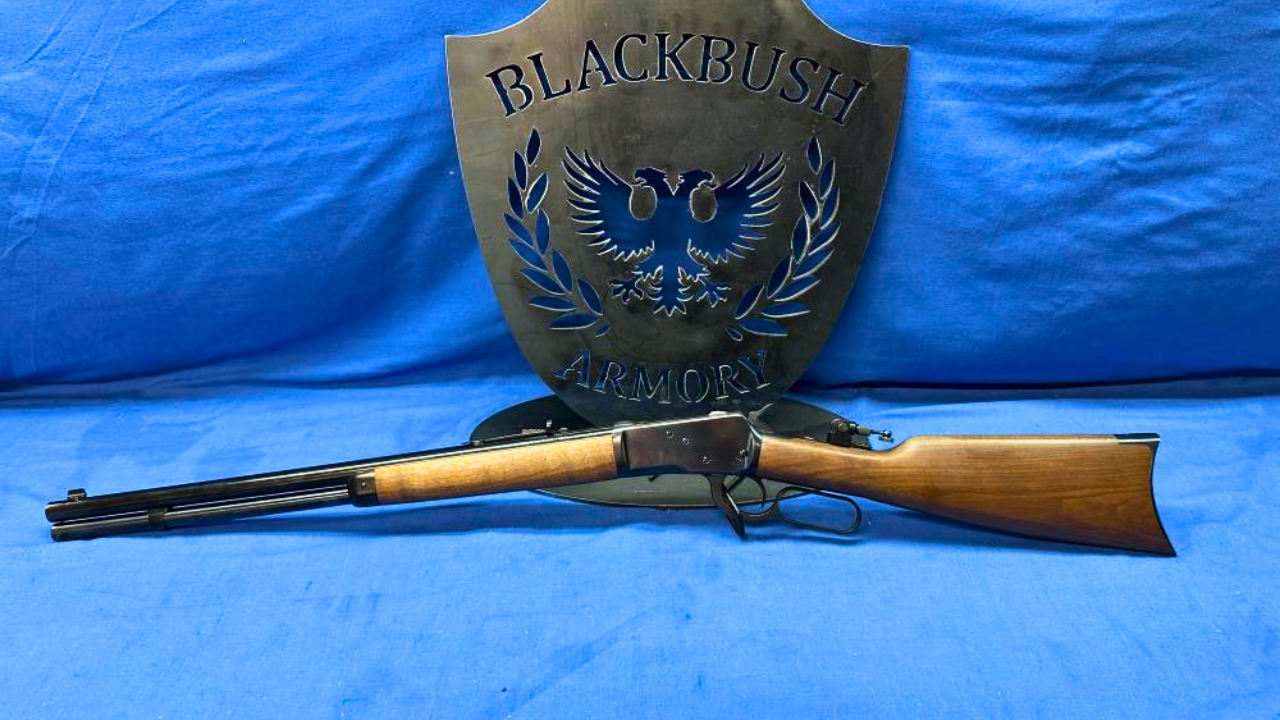
The original 1892 has collector gravity, but the modern Miroku-built Winchesters are the ones getting carried and shot without guilt. They’re tight, well-finished, and generally smoother than a lot of budget levers. In .357 or .44-40, they’re just plain fun, but they’re also practical for woods walking and short-range hunting.
They aren’t bargain rifles, and you’ll feel it the first time you look at a price tag. Still, the quality shows in the small stuff: clean inletting, consistent bluing, and actions that don’t feel gritty. They’re also rifles you can hand to someone and not apologize for. If you like the 1892 pattern but don’t want a project gun, these earn the following the old-fashioned way—by being good every time they come out of the case.
12. Uberti 1873 (Cimarron/Taylor’s imports)
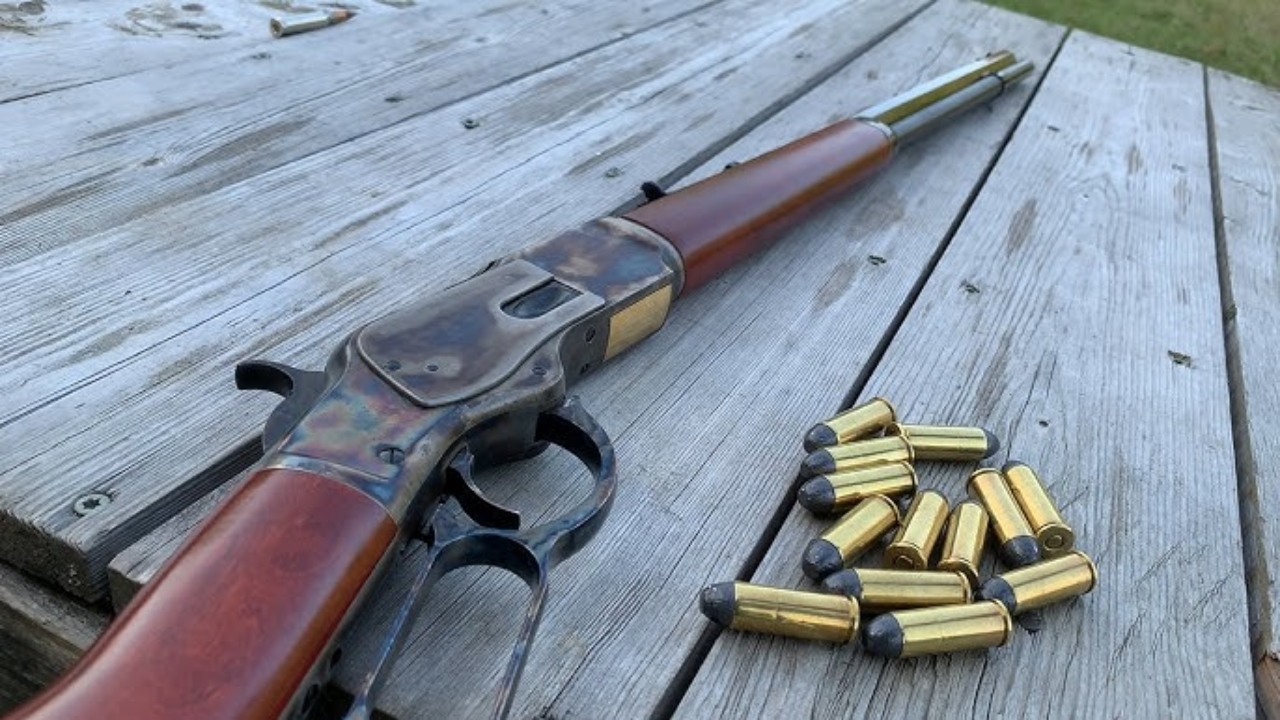
The 1873 pattern is the one you see at cowboy matches for a reason. When it’s tuned right, it cycles like it’s on ball bearings, and it makes fast, accurate shooting feel easier than it should. Even if you never plan to compete, there’s something satisfying about a lever that runs that smoothly with mild .38 Special loads.
It’s also not a “rough use” rifle for everybody. The toggle-link design isn’t what you choose for maximum-pressure loads, and a fancy case-hardened finish can make you baby it. But as a recreational shooter and small-game rifle, it’s hard to beat. The following comes from the shooting experience more than the hunting utility. You run a good 1873 for one afternoon and you start thinking about where you’d put another one in the safe.
13. Mossberg 464
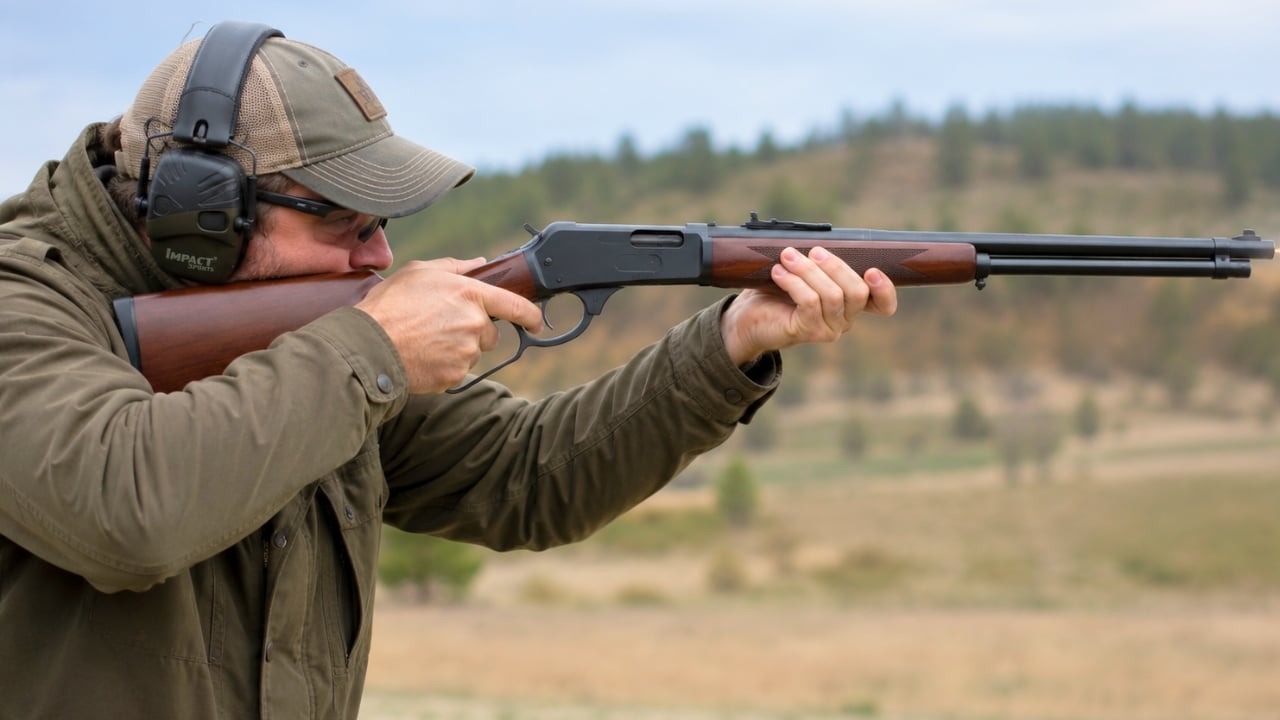
Mossberg’s 464 doesn’t get the same love as the classic Marlins and Winchesters, but it built a quiet following among hunters who just wanted a new .30-30 they could actually find. They’re typically straightforward rifles: decent accuracy for what a .30-30 is used for, easy handling, and a familiar control layout. When shelves were empty of everything else, 464s kept getting bought and used.
Fit and finish varies, and some examples feel more “utility” than “heirloom.” That’s fine. Not every rifle needs to be a safe queen. The 464 earns its keep as a saddle-gun style deer rifle that you won’t cry over if it gets rained on in the back of a truck. Keep the screws snug, run it with decent ammo, and it does the job it was meant to do.
14. Marlin 1894 (in .357 Magnum)
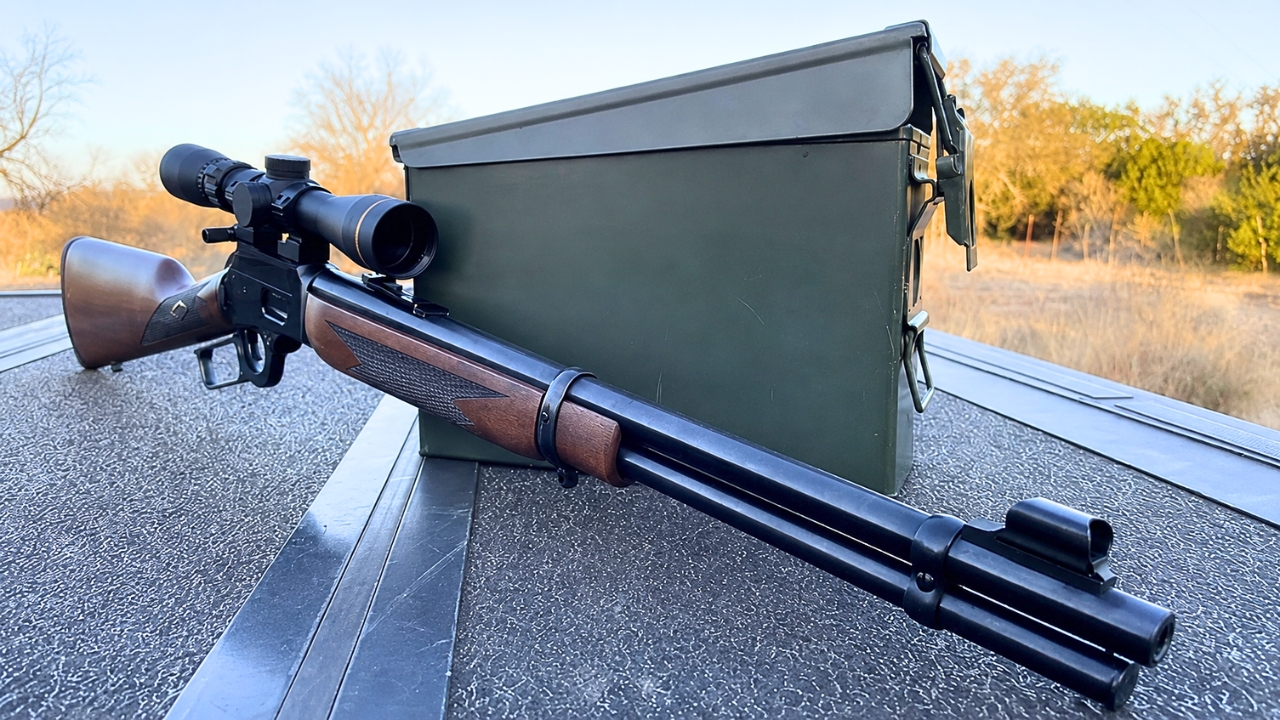
A .357 lever gun is one of the most useful rifles a rural homeowner can own, and the Marlin 1894 is a big reason why that idea stuck. With .38 Specials it’s mild, quiet-ish compared to centerfire rifles, and cheap enough to practice with. Step up to good .357 loads and it becomes a legitimate close-range deer rifle in the right hands and the right conditions.
The Marlin’s side ejection and solid-top receiver make it easy to mount an optic, but honestly, a lot of these wear peep sights and never feel under-equipped. They’re handy, quick, and easy to tote while checking fence lines. The downside is that prices got silly for a while, and some older guns have been “action jobbed” by someone who didn’t know when to stop. A clean, stock example is worth hanging onto.
15. Winchester Model 1894 (in .32 Winchester Special)
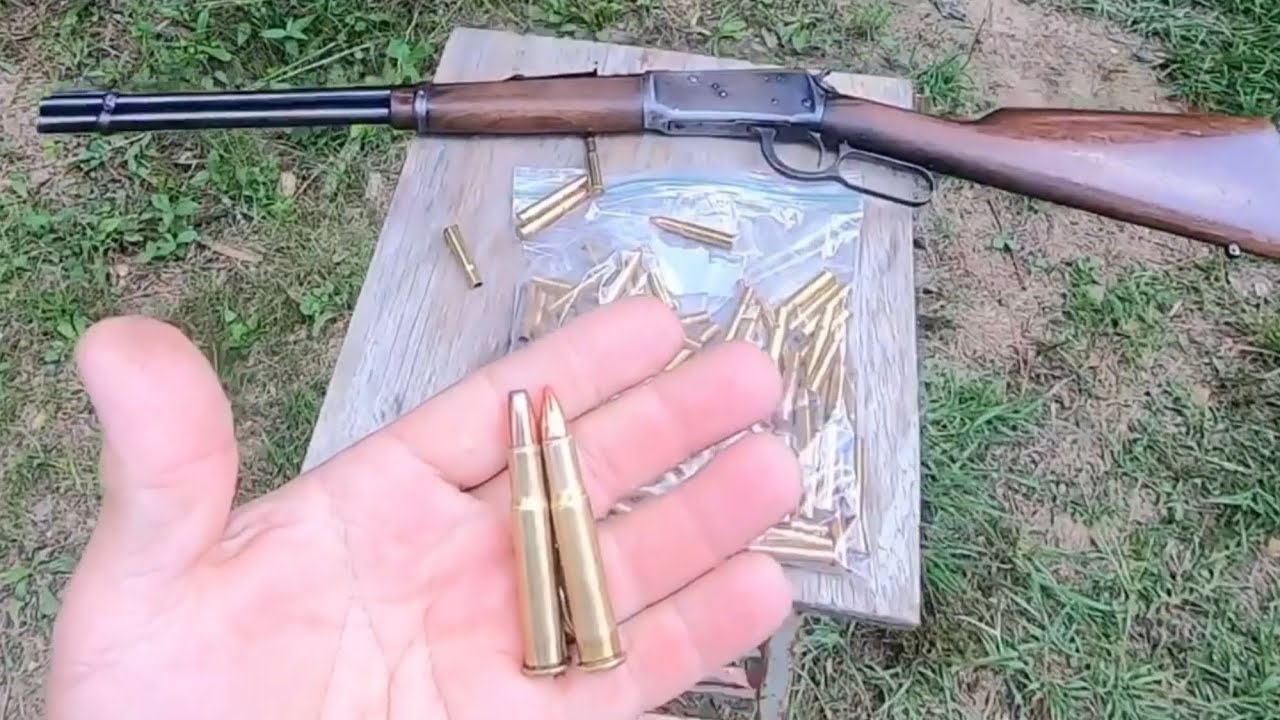
.32 Special is one of those cartridges that gets shrugged off until you actually hunt with it. In a 94, it shoots flat enough for typical woods distances, hits with authority, and has a softer personality than you’d expect. A lot of these rifles were bought by hunters who wanted something just a little different from .30-30, and then they never let them go.
Ammunition availability is the obvious downside. You’re not grabbing three boxes at the gas station in every small town. But that scarcity is part of why the rifles develop loyal owners—if you’ve already got ammo and a rifle that shoots it well, you tend to stick with the combo. They also have a “just right” balance, especially in older Winchesters. If you inherit one, don’t treat it like an oddball. Treat it like a working deer rifle with a little history.
16. Winchester Model 71
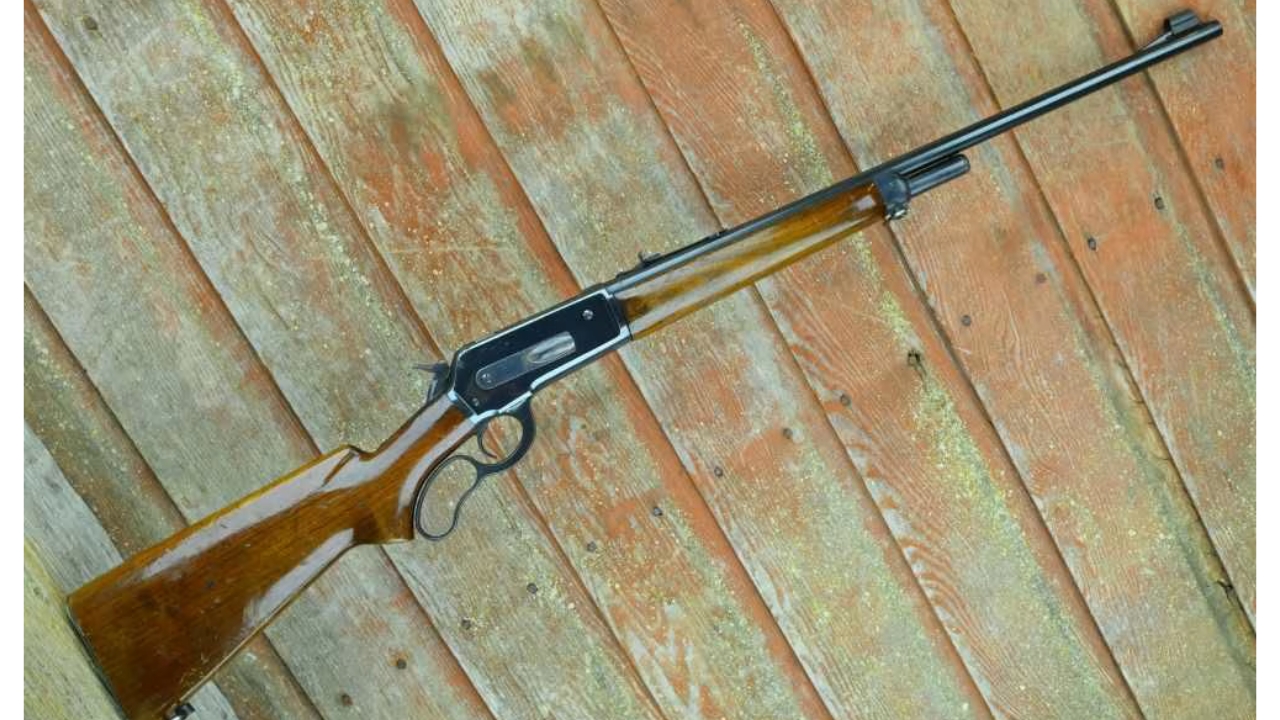
The Model 71 is what happens when a company builds a lever-action like it means it. Most folks associate it with .348 Winchester and serious authority in the woods. It’s not a light rifle, and it’s not cheap to feed, but it has that big-frame confidence you feel the second you shoulder it. For elk, moose, and big-bodied black bears at reasonable ranges, it’s a classic for a reason.
Finding one in good condition can be an adventure, and parts aren’t as casual as modern production guns. That said, the 71 has a following because it’s not trying to be polite. It’s a purpose-built lever for hunters who want power and fast handling in the timber. The recoil isn’t for everyone, and neither is the ammo cost. But if you’re the kind of hunter who likes a rifle with some backbone, you get it immediately.
17. Marlin 1893 (in .30-30)
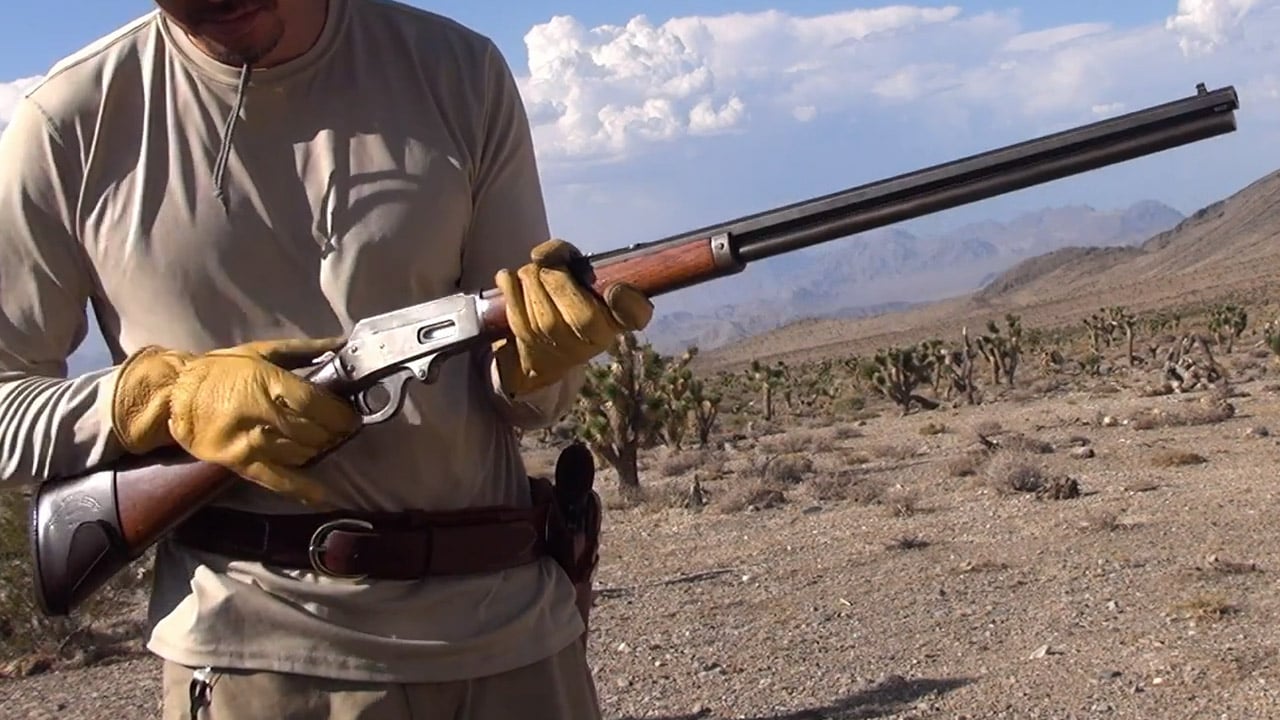
The Marlin 1893 doesn’t get talked about as much as the 336, but it’s part of the same bloodline and it shows. The older 1893s have a feel that’s hard to fake: slimmer lines, classic machining, and a “made to be used” vibe that modern rifles sometimes miss. In .30-30, it’s basically a time machine back to when deer camp rifles were bought once and carried for decades.
You do have to be careful with very old guns—headspace, bore condition, and overall safety matter, and it’s worth having a competent gunsmith look one over if you’re unsure. But when you find one that’s mechanically sound, it’s a sweet shooter. It’s also the kind of rifle that makes you slow down and aim instead of spraying follow-up shots. That’s not a bad lesson in the deer woods.
18. Ruger 96/44

The Ruger 96/44 is one of those odd ducks that developed a cult following after it was gone. It’s a lever-action that feeds from a rotary magazine, and it’s chambered in .44 Magnum. That makes it handy for states and seasons where straight-wall or handgun cartridges make sense, and it keeps the rifle compact without a tube full of cartridges under the barrel.
They’re light, fast, and surprisingly practical for thick cover hunting. The trigger and accuracy are “good enough” rather than match-grade, and they can be a little picky about certain loads. But the concept is solid: quick handling, easy unloading, and a cartridge that hits hard up close. Once Ruger stopped making them, owners figured out they weren’t just another lever gun on the shelf. If you have one that runs, you don’t see many reasons to let it go.
19. Winchester Model 88

The Model 88 is a lever gun for folks who want bolt-gun performance but can’t quit levers. It runs a short-throw lever, feeds from a box magazine, and chambers real-deal hunting cartridges like .308 and .358 Winchester. In the woods, it shoulders like a lever but hits and reaches like a modern rifle. That mix is exactly why it developed such a stubborn fan base.
They’re not as common, and they’re not always cheap, especially in good condition. Magazines can be the sticking point—lose one and you’ll suddenly care a lot about keeping track of gear. The trigger feel is different than traditional levers, too, and some shooters never warm up to it. But if you want a lever-action that can honestly stretch its legs, the 88 has proven itself for decades without needing any marketing push.
20. Marlin 444
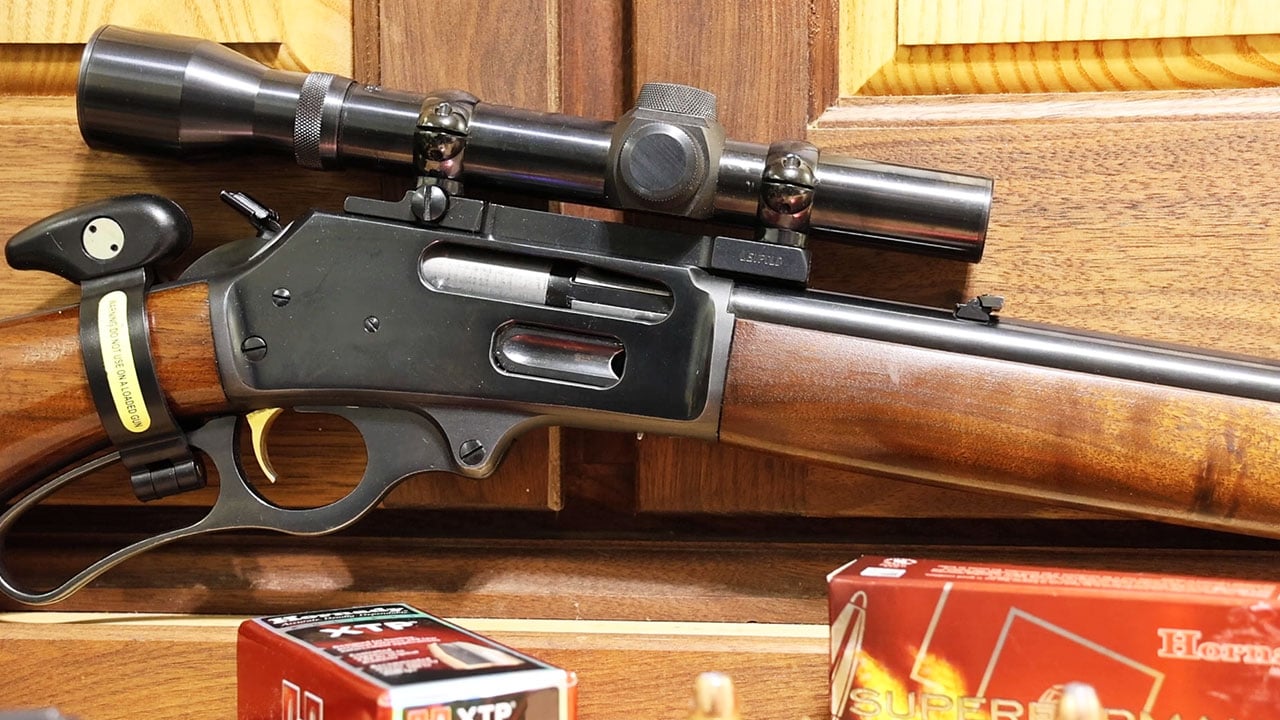
The .444 Marlin isn’t everyone’s cup of coffee, but the folks who like it tend to really like it. It’s a big-bore woods cartridge that hits hard without being as punishing as some hot .45-70 loads. In a Marlin lever gun, it balances well enough to carry all day, and it hits with that “thump” you can feel in the stock when it goes off.
The downside is ammo selection and availability. You may end up ordering online or stocking up when you see it. Recoil is manageable but not mild, and it’s a rifle that benefits from practice, not just one box a year before season. Still, for heavy cover deer, hogs, and black bear, it’s a legitimate hammer. The Marlin 444 following didn’t come from glossy ads. It came from folks who watched animals tip over and decided they didn’t need a new idea.
None of these rifles are magic, and not all of them are for everyone. Some are heavy, some are expensive to feed, and a few have quirks that will test your patience. But every one of them earned loyalty the same way: by being useful after the new-gun smell wore off. If you’ve got one that fits you and runs right, don’t be in a hurry to trade it for whatever’s getting pushed this season. You might spend years trying to buy it back.
Like The Avid Outdoorsman’s content? Subscribe to our newsletter so you never miss an article.
Here’s more from us: