Photo credit: David Jones/Youtube
Carry a revolver long enough and you stop shopping. Not because there’s nothing else out there, but because you finally learn what matters when it’s on your belt in the rain, bouncing in a truck console, or riding in a chest rig while you’re checking fence. Revolvers don’t hide their flaws. You feel the weight. You learn the trigger. You learn what rust really looks like. And you figure out fast if the thing is built to be used or just admired.
These are the wheelguns that tend to end the wandering for folks who actually live with them. Some are classics. Some are plain. A few are expensive enough to make you wince. But every one of them has a track record of turning “I’m still looking” into “I’m good.”
1. Smith & Wesson Model 19 (K-frame .357)
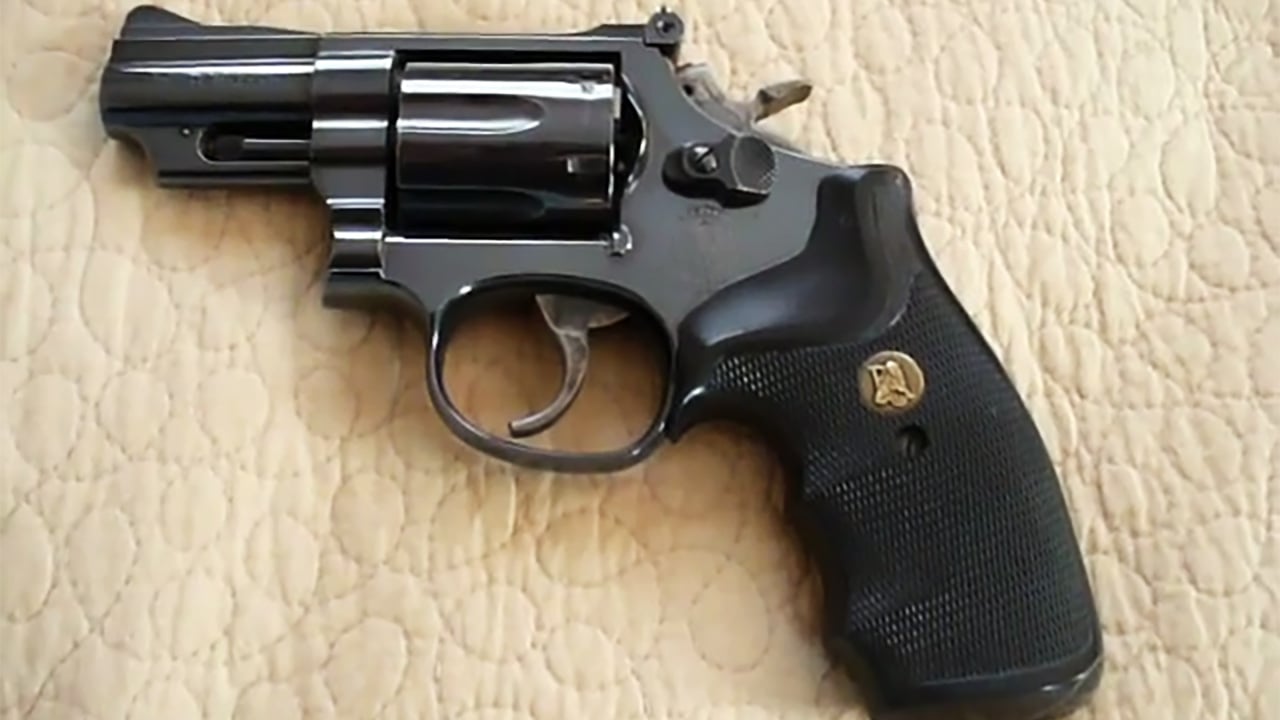
The Model 19 is one of those revolvers that points like it was built off your hand. A good one balances right between lively and steady, and it carries easier than folks expect for a .357. If you’ve ever spent a fall walking creek bottoms with a gun belt that keeps slipping, you start appreciating that kind of balance.
It’s not a “run hot 125-grain magnums forever” kind of gun, and that’s where some people get sideways with it. Feed it sane .357 loads, shoot .38s for practice, and it will last. The action on a decent Model 19 makes you realize why so many modern triggers feel like work. Once you get used to that smooth roll, it’s hard to un-feel it.
2. Smith & Wesson Model 686 (L-frame .357)
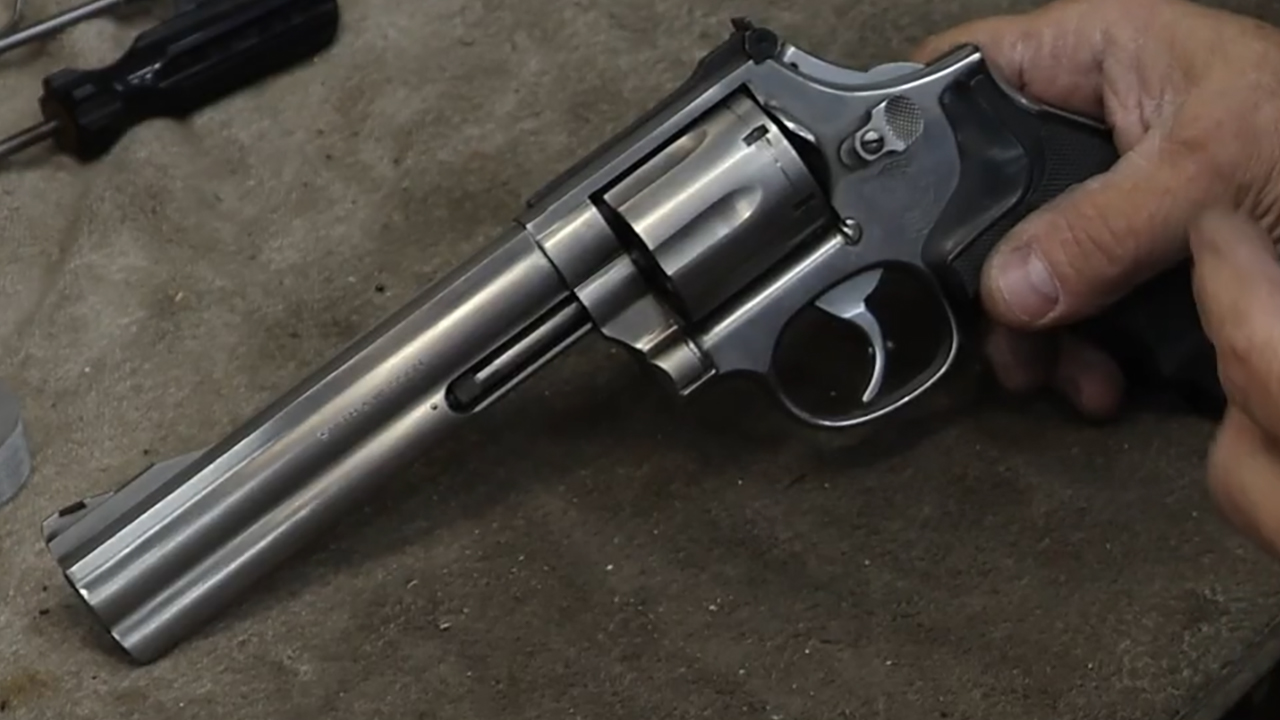
The 686 is what happens when you like the idea of the Model 19 but you actually shoot a lot of full-power .357. It’s heavier, sure, but the extra steel is the whole point. On the range it settles down fast between shots, and in the woods it’s a comforting chunk of reliability.
This is also one of the easiest revolvers to live with long term. Holsters are everywhere. Grips are everywhere. Sights and parts support are solid. If you want one “do most things” wheelgun—trail, home, occasional hunting, truck duty—the 686 keeps showing up for a reason. It’s not romantic. It’s dependable.
3. Ruger GP100 (.357)
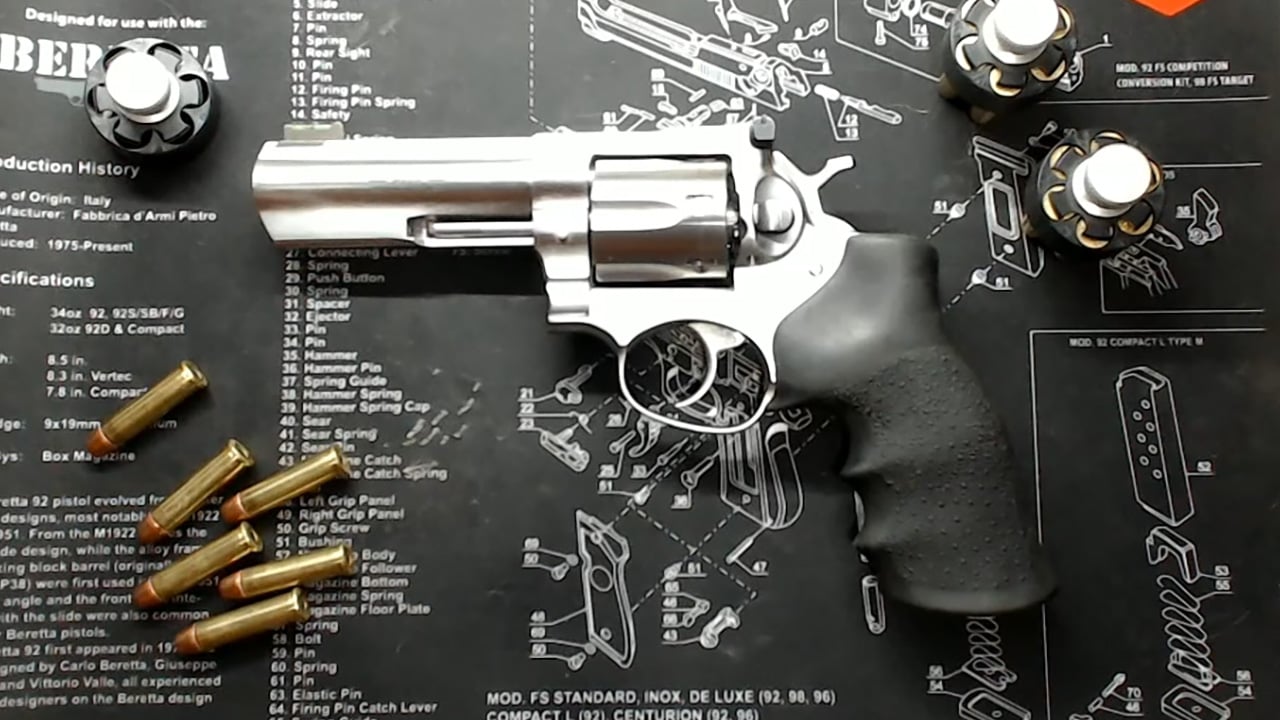
The GP100 is the revolver you buy when you’re done being delicate about it. Rain, sweat, dust, glovebox lint—none of it seems to matter much. It’s built like Ruger took offense at the idea of something wearing out, and then doubled down.
The trigger out of the box can feel a little stiff compared to a slick Smith, and that’s where you either learn to run it or you don’t. But it smooths out with honest use, and it’s a revolver you can actually practice with a lot without feeling like you’re “using it up.” If you’ve ever had a sidearm take a hard knock getting in and out of a tractor, you get the appeal.
4. Ruger SP101 (.357, small frame)
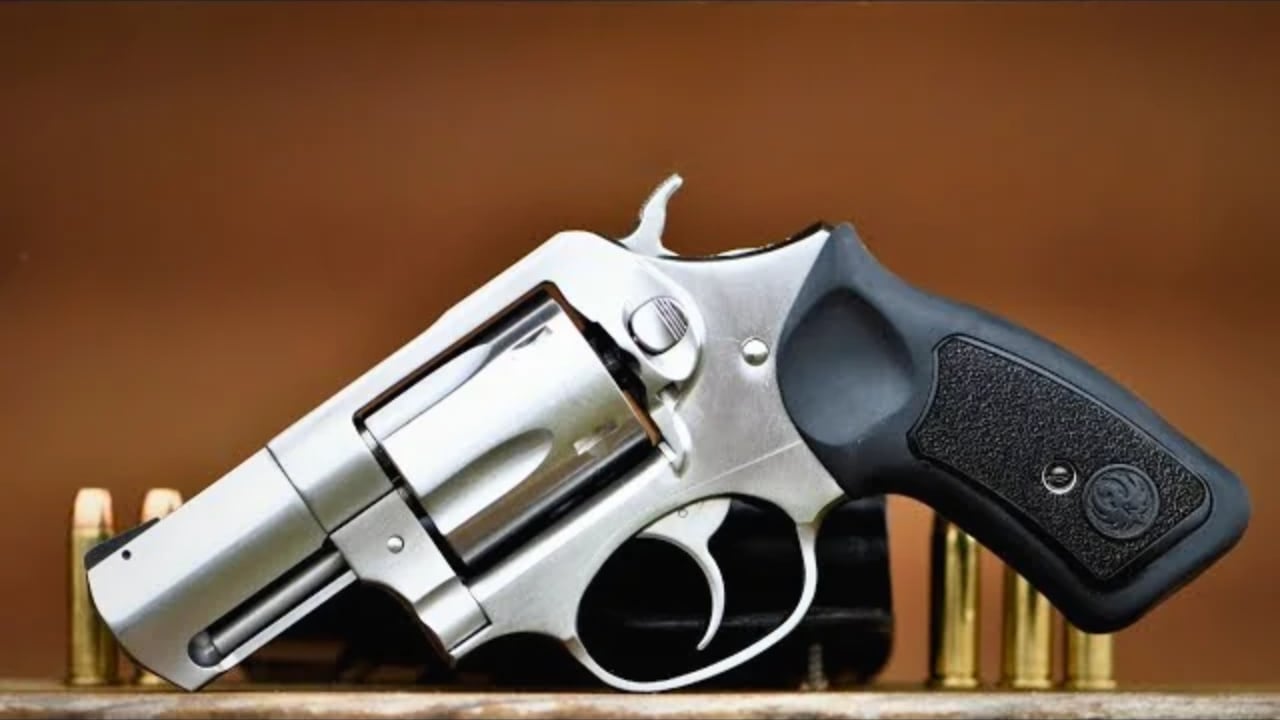
The SP101 is small enough to carry when you don’t feel like carrying, which is half the battle. It’s not a featherweight, and I’m glad it isn’t. The extra heft keeps .357 from turning into pure misery, and with .38 +P it’s a very manageable little trail gun.
It shines as a “real gun” in a compact package. The lockup is stout, the frame is tough, and it doesn’t feel like a toy when you’re actually working with it. The downside is capacity and sight radius—no way around that. Still, for folks who want a revolver that can live on a belt all summer without being a chore, this one ends a lot of searches.
5. Ruger LCR (.38 Special / .357)
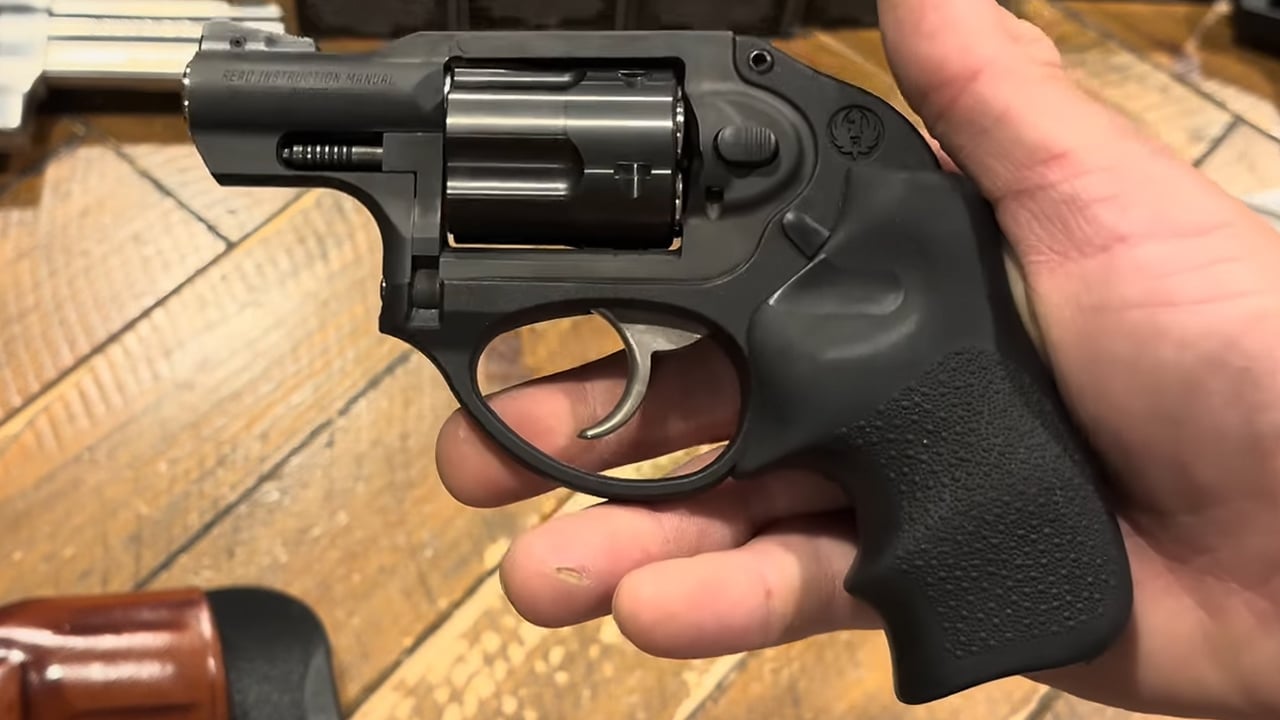
The LCR is the revolver for people who finally admit comfort matters. It’s light, it disappears, and it doesn’t drag your pants down when you’re running to town for a parts run. The trigger is the surprise—smooth, consistent, and easier to shoot well than plenty of snub-noses that cost more.
You pay for the light weight in recoil, especially in .357. If you’re honest about practice, the .38 version makes more sense for most folks. Where it earns its keep is the times you’d otherwise leave the gun at home. A revolver you actually have on you beats the “perfect” one sitting in the safe.
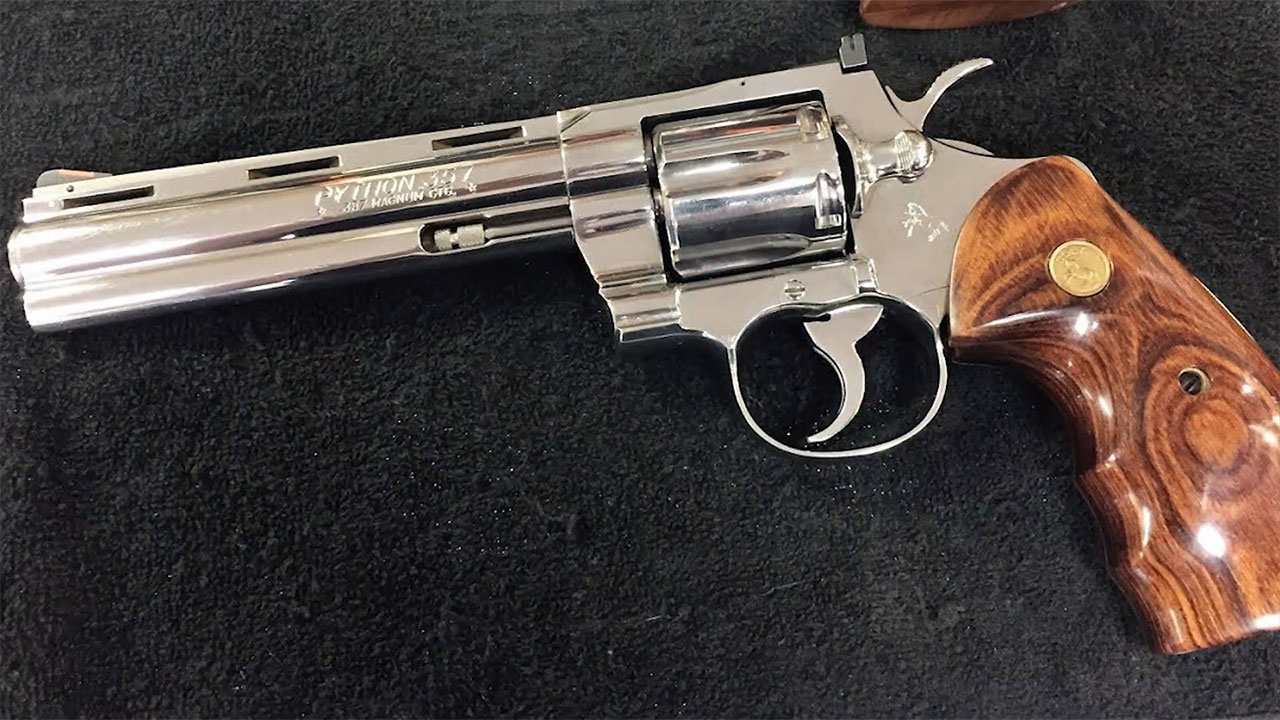
6. Colt Python (modern production .357)
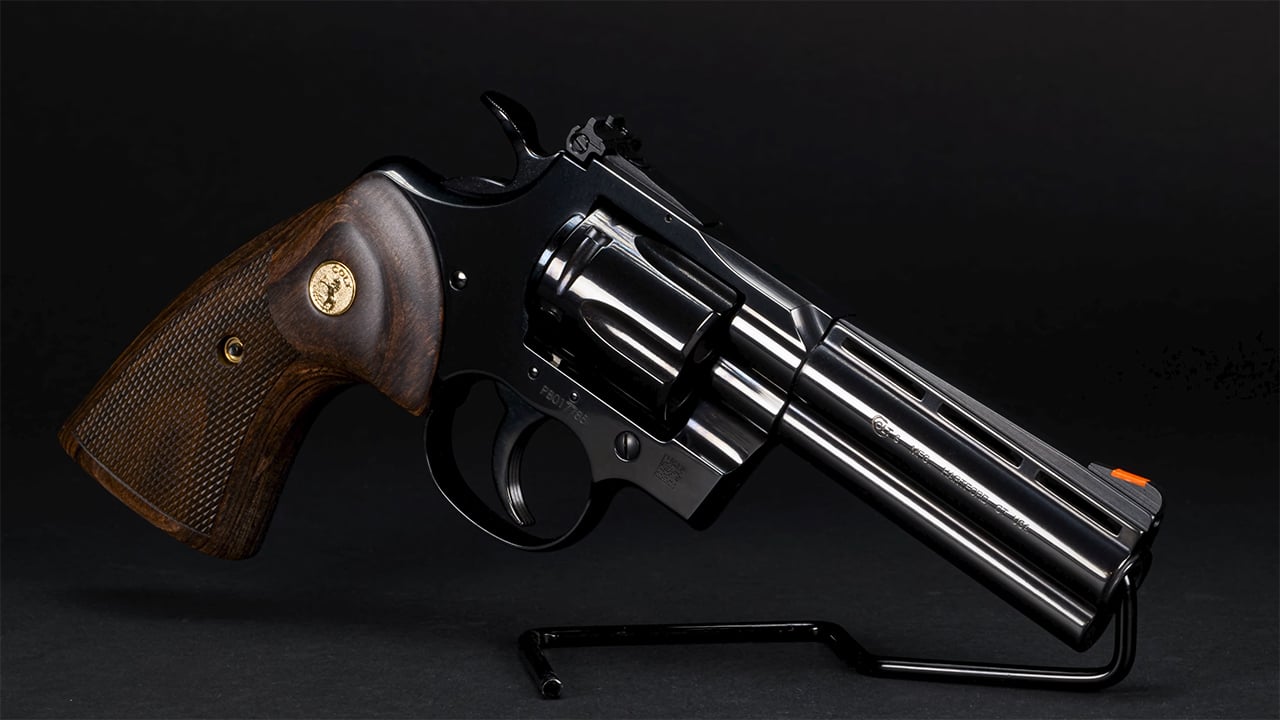
The Python used to be the revolver people talked about like it was a unicorn. The newer ones brought it back into the real world: you can buy one, shoot it, and not feel like you’re committing a collector crime. It’s still not cheap, but you get that bank-vault feel and a level of fit that most production guns don’t bother with.
Where it wins folks over is the way it tracks under recoil and how clean the sights are. If you like shooting double-action at speed, a Python rewards good trigger work. It’s not the revolver I’d pick to ride in a muddy UTV every day, but for the person who wants one “nice” .357 that is also a serious shooter, it can shut down the shopping problem fast.
7. Colt King Cobra (3-inch .357)
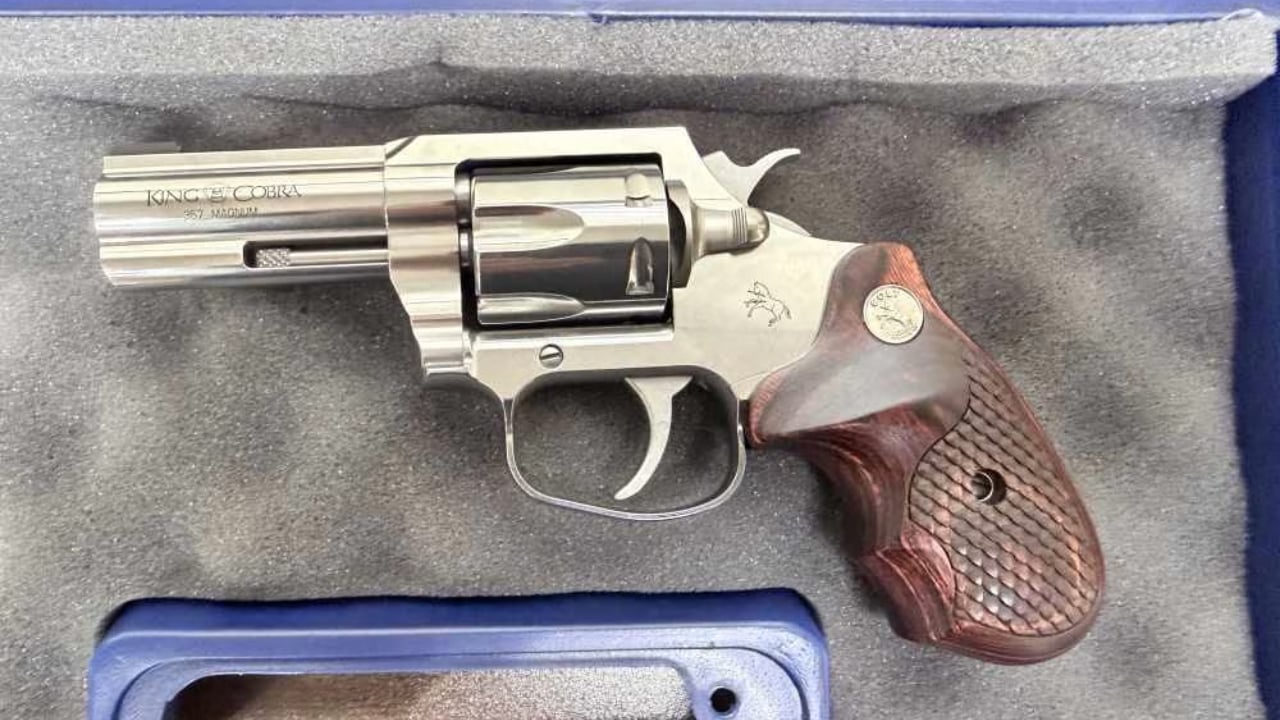
A 3-inch King Cobra is one of the most sensible “all-around” revolvers made right now. The barrel length sounds like a small difference until you carry it and shoot it. You get a real ejector rod, a little more velocity, and enough sight radius to matter, without stepping into full-size duty gun territory.
It’s a great compromise revolver for woods walking and general carry. The trigger is typically solid, the build is stout, and the gun just feels put together. If you’ve ever tried to run a true snub fast and ended up frustrated, a 3-inch gun like this starts making a lot of sense. It’s not magic. It’s just practical.
8. Smith & Wesson Model 27 (N-frame .357)
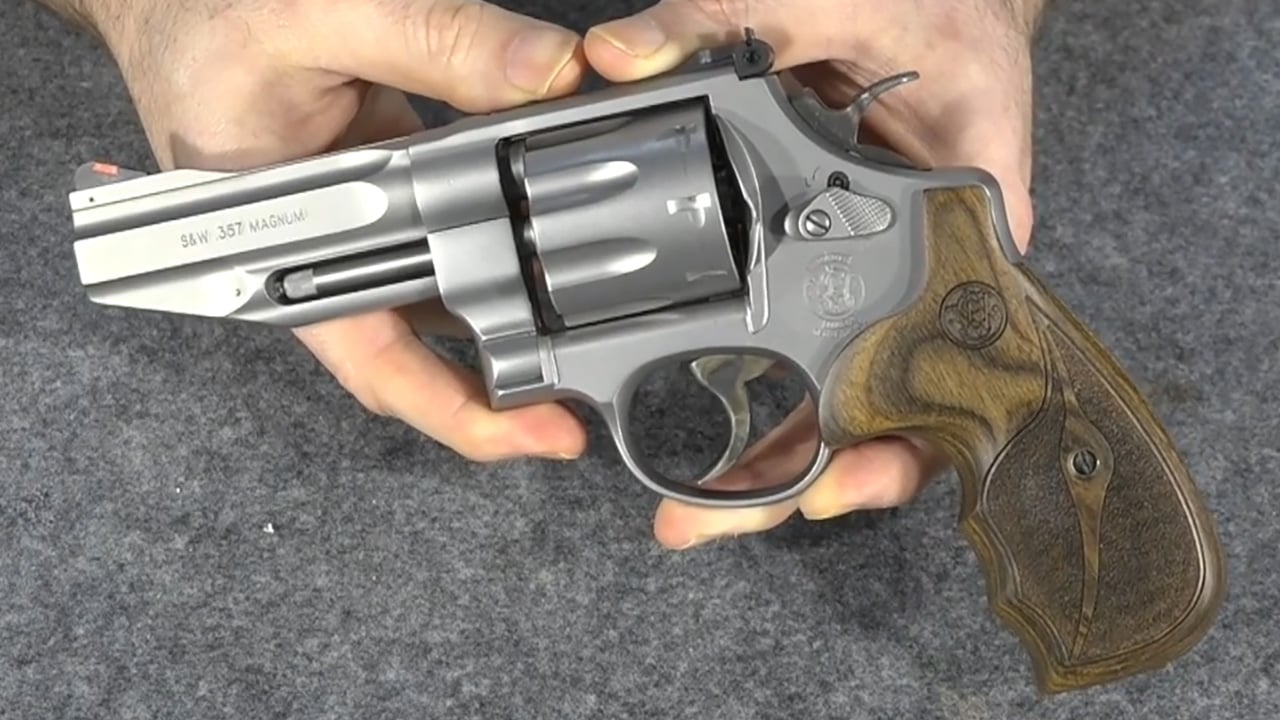
The Model 27 is old-school .357 done right: big frame, deep bluing on many of them, and a sense of “this will outlast me” the first time you close the cylinder. It’s heavy on the belt, no point pretending otherwise. But on the range it’s a steady platform that makes .357 feel downright civilized.
This is the kind of revolver that becomes a “home base” gun. You learn it. You trust it. You stop wondering if you should have gone bigger. For the outdoorsman who wants a revolver that can do defensive work and still be pleasant to shoot for an afternoon, the 27 scratches that itch. Just plan your holster and belt like you mean it.
9. Smith & Wesson Model 29 (N-frame .44 Magnum)
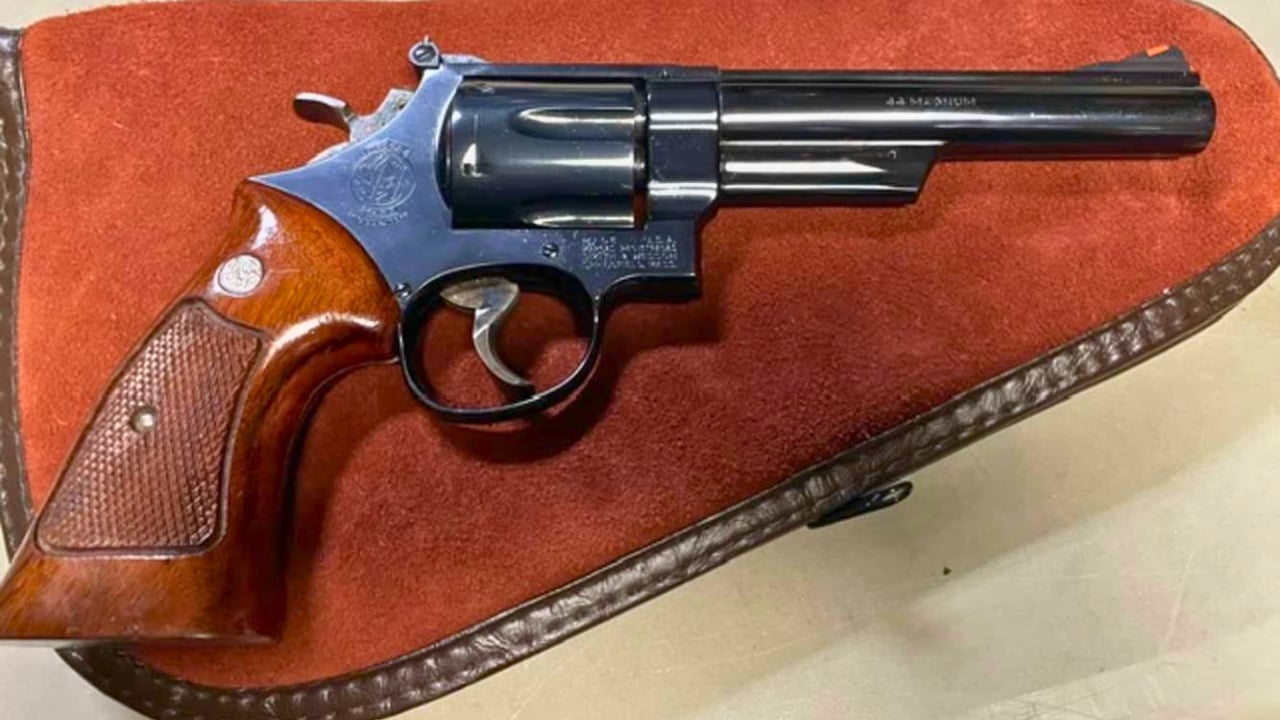
The Model 29 is where a lot of folks learn the difference between owning a .44 Magnum and actually shooting one well. It will humble you if you come in sloppy. But if you take the time, it becomes one of the best woods guns ever made for the lower 48.
Run .44 Specials for practice and moderate magnums for serious work, and it’s a joy instead of a punishment. The gun carries big, but it carries flat, and with the right holster it rides better than some chunky autos. It’s also one of those revolvers that just has presence. Not hype—presence. When you’ve carried one through enough seasons, you stop questioning whether a revolver can be “enough gun.”
10. Ruger Redhawk (.44 Magnum)
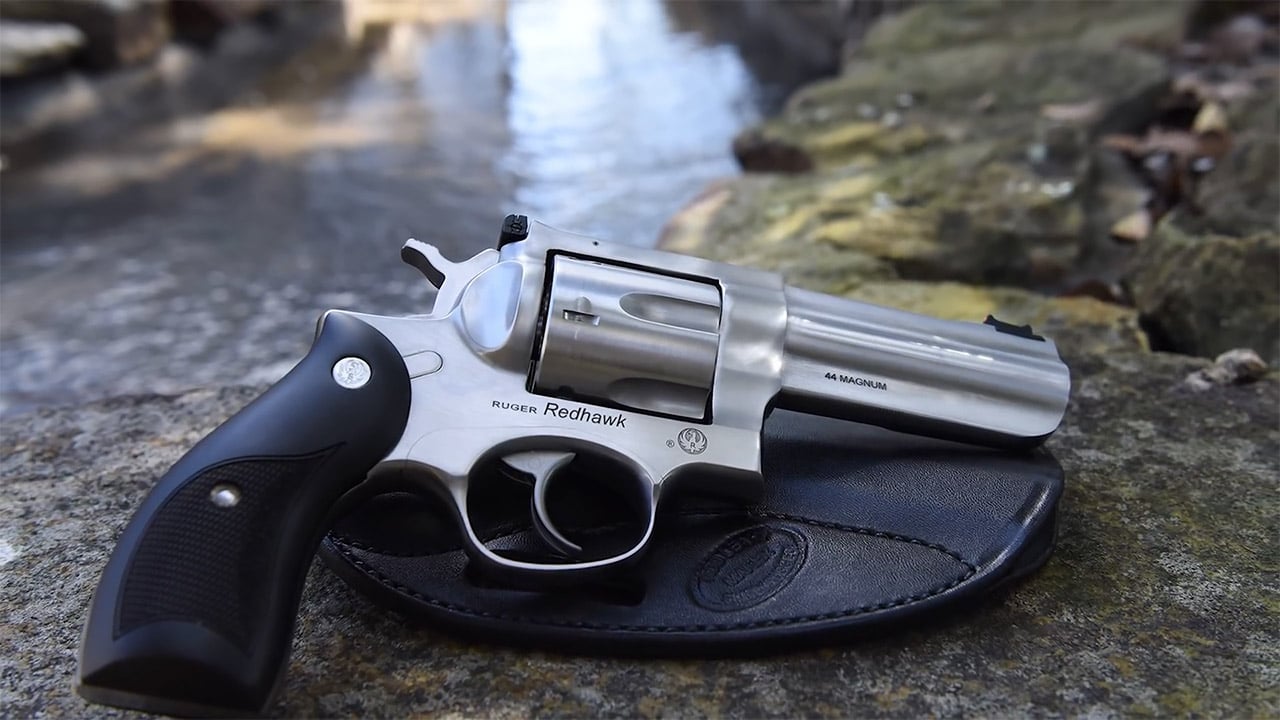
The Redhawk is what you pick when you want .44 Magnum power but you’re not in the mood to baby anything. It’s a workhorse revolver, and it shows. The frame is beefy, the lockup is strong, and it’s the sort of gun you can run hard without always thinking about wear.
The tradeoff is weight and, sometimes, a trigger that needs time to feel “yours.” But as a hunting sidearm, a bear-country companion, or a backup gun in camp, it’s hard to argue against. If you’ve ever dealt with mud, snow, and grit getting everywhere, you’ll appreciate a revolver that shrugs that off and keeps doing what it’s supposed to do.
11. Ruger Super Redhawk Alaskan (.44 Magnum / .454 Casull)
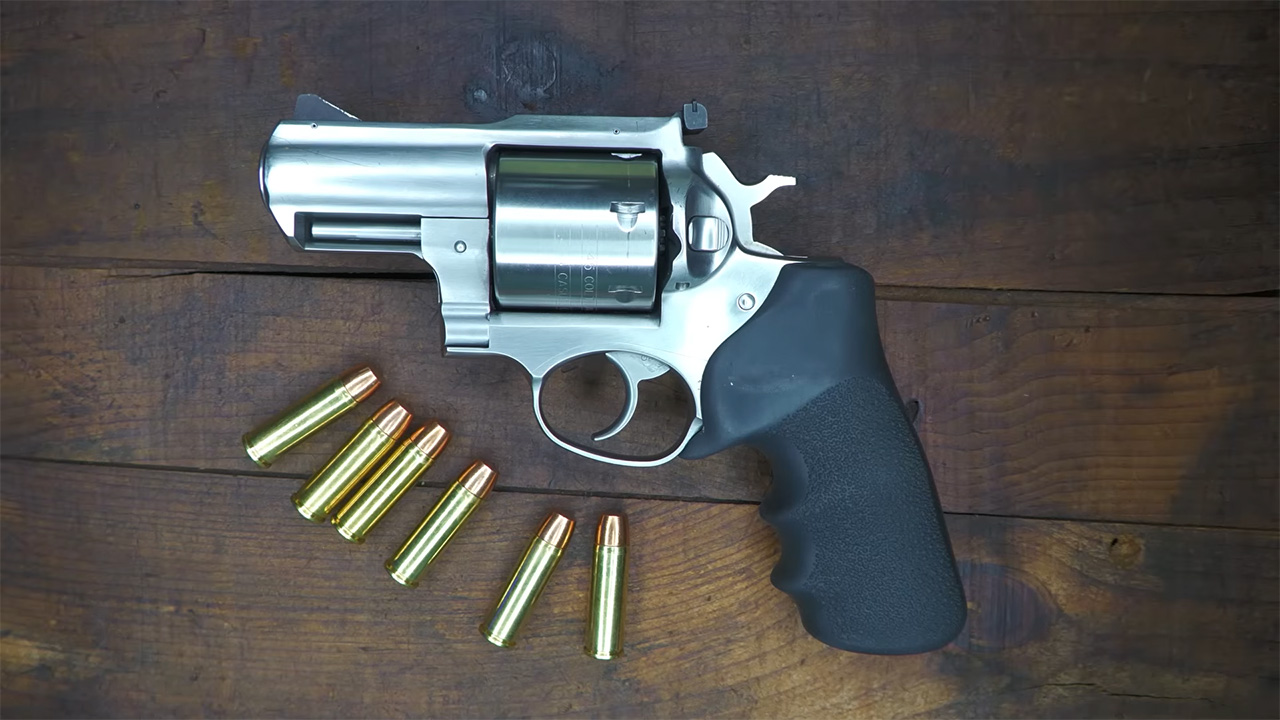
The Alaskan looks like a mistake until you spend time around serious critter country. Short barrel, big frame, built to be carried more than admired. It’s not a range toy. It’s a problem solver, and it’s meant to be on you when you’re packing meat or stumbling into thick stuff where visibility is about ten yards.
Recoil is real, especially in .454. If you buy one and never practice, it’s dead weight. But for the folks who put in the time and pick manageable loads they can control, it becomes a comfort item. It also holds up. These guns don’t feel “finicky,” and that matters when your hands are cold and you’re tired and you still need the gun to work.
12. Smith & Wesson Model 36 Chief’s Special (.38)
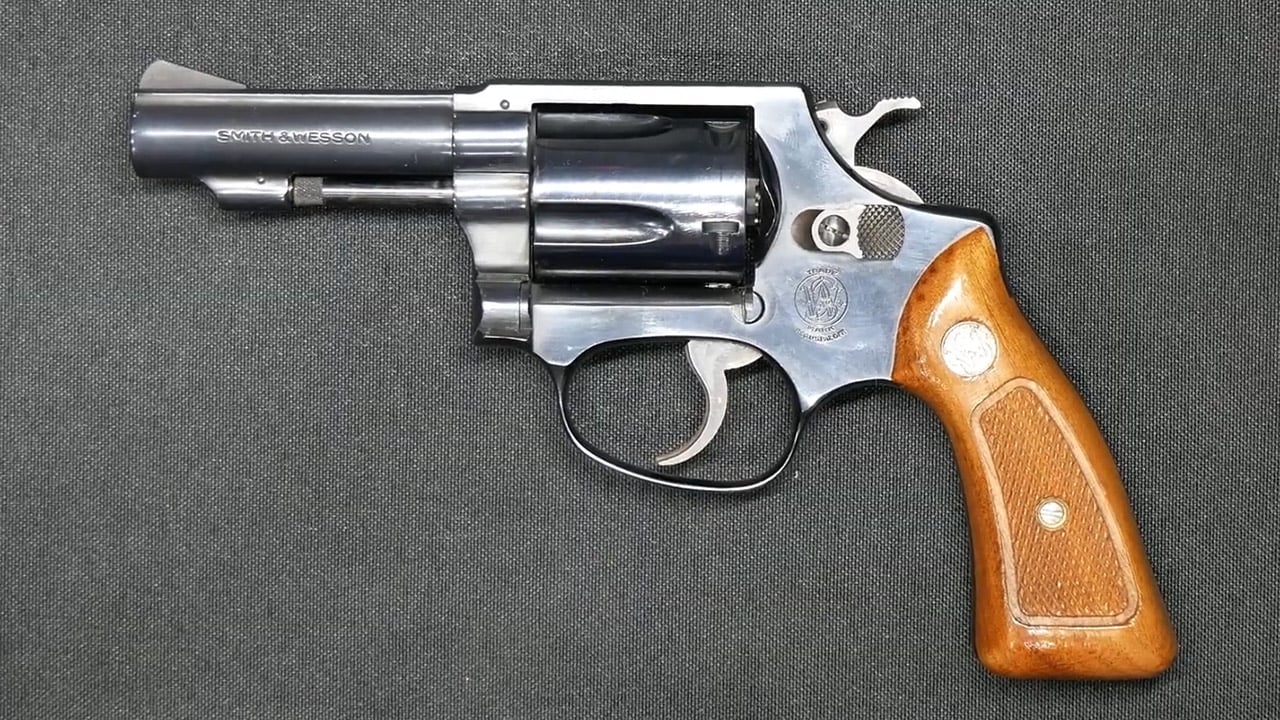
A clean Model 36 is about as honest as a revolver gets. It’s small, simple, and it carries well in the real world. Five shots of .38 isn’t exciting online, but a revolver that fits your life tends to get carried, and that’s where the Model 36 keeps winning.
The sights are basic and the grip can be too small for big hands, so you have to be realistic about your accuracy and practice. Still, the gun is easy to understand and easy to maintain. It also has that old Smith feel in the trigger that makes you want to shoot it, not just own it. For a lot of folks, this is the revolver that turns “maybe I should carry” into a habit.
13. Smith & Wesson Model 60 (stainless J-frame .357/.38)
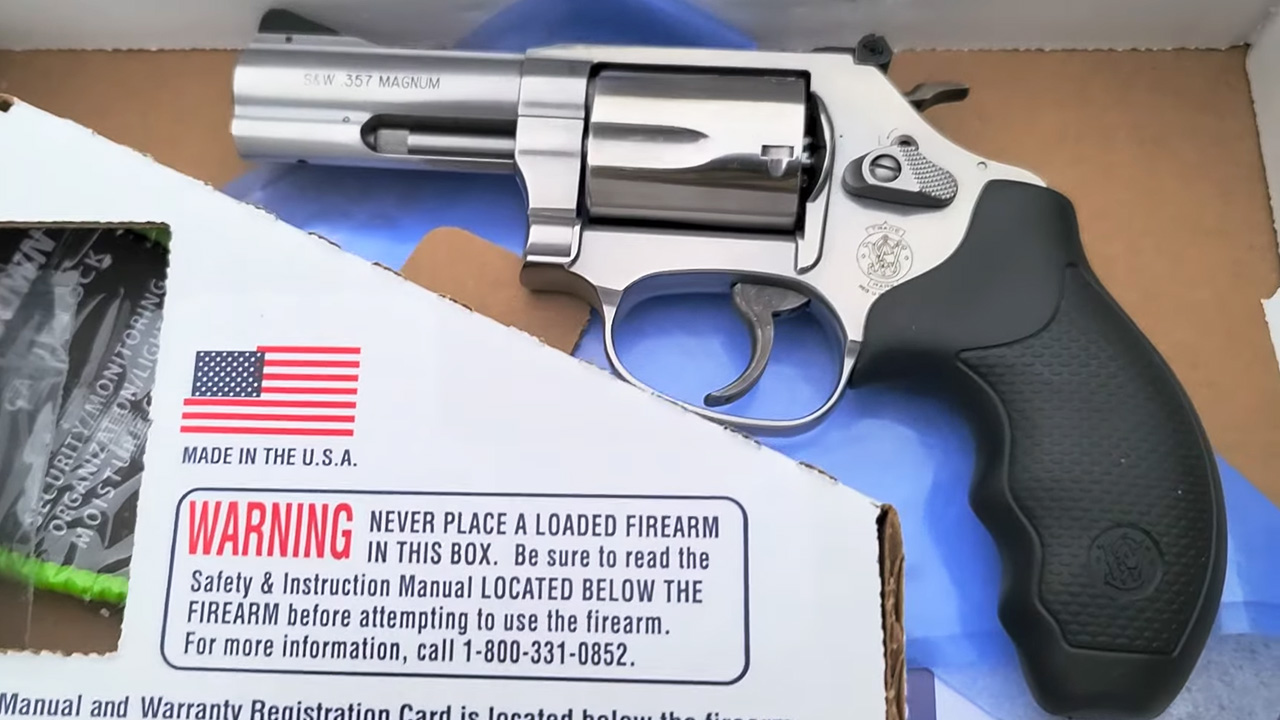
The Model 60 is the Chief’s Special idea, but built for sweat and weather. Stainless matters if you actually carry through summer, or if your revolver lives in a tackle bag or truck door pocket longer than it should. Rust never sleeps, and blued snubs can look rough fast when they’re real tools.
In .357 it’s snappy, and I don’t know many people who enjoy a long session with hot loads in a small J-frame. But as a durable, always-there revolver that can handle .38s all day and still has the option of magnums, it’s hard to beat. The Model 60 is also one of those guns that fits a lot of hands better than it looks like it should.
14. Kimber K6s (2–3 inch .357, 6-shot)
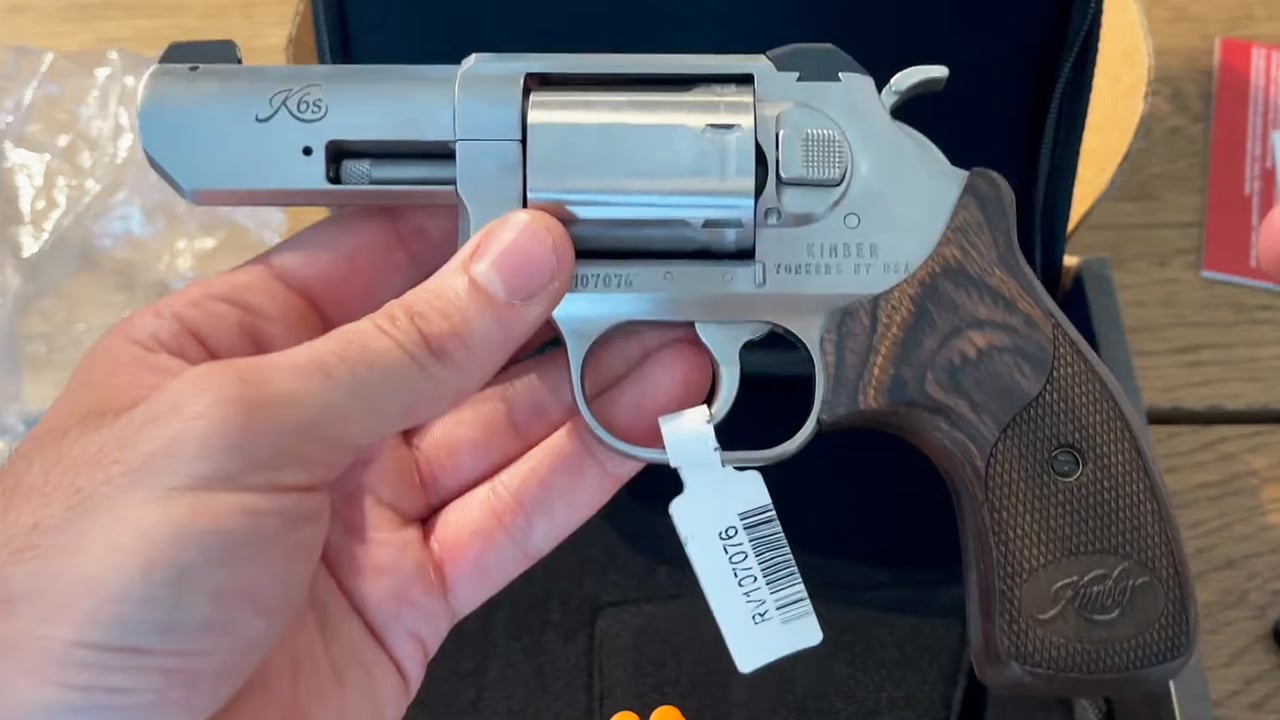
The K6s caught attention because it does something most snubs don’t: it gives you six shots in a compact package without feeling like a brick. The cylinder is nicely trimmed, so it carries flatter than plenty of five-shooters that wear bulky grips. For concealed carry folks who still like revolvers, that extra round is not nothing.
These guns tend to shoot better than you’d expect for their size, and the trigger is usually pretty clean. They’re not cheap, and they’re not as common as Ruger or Smith, so you may do a little more hunting for grips and holsters. Still, if you’ve tried to make peace with a tiny five-shot and never quite got there, the K6s can be the one that finally feels “right.”
15. Smith & Wesson 442 (Airweight .38)
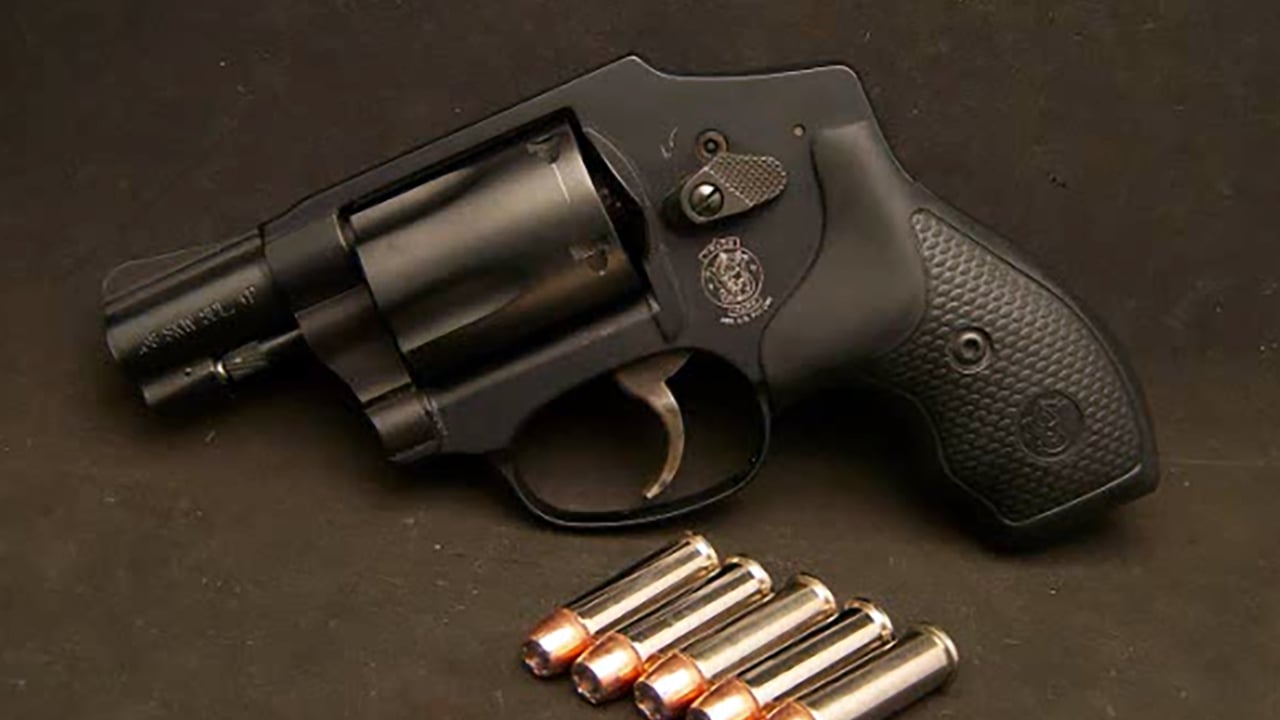
The 442 is not a fun gun. It’s a carry gun. It’s light enough that you can’t really use “too heavy” as an excuse, and it’s simple enough that you can’t hide behind gadgets. That’s why it ends a lot of searching—either you commit to the snub life, or you move on.
Recoil with +P is sharp, and the small sights demand real practice. But the gun’s whole purpose is being there when you otherwise wouldn’t have anything. It’s also a revolver that does fine living in the real world, as long as you keep lint and sweat under control and store it responsibly. If you want a lightweight pocket revolver that has been proven for decades, this is about as “known quantity” as it gets.
16. Ruger Blackhawk (single-action .357/.44)
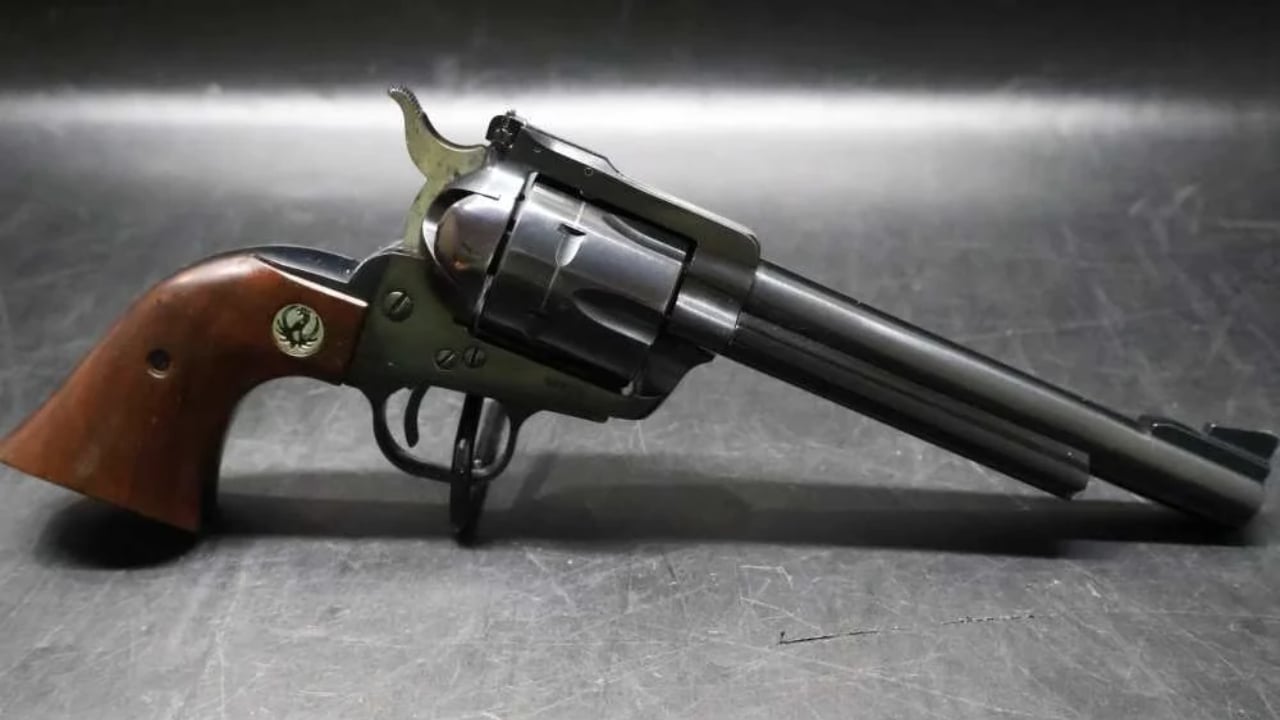
The Blackhawk isn’t trying to be fast on reloads or modern in any way, and that’s why it’s so good at what it is. If you spend time on a ranch, or you’re the kind of hunter who likes a revolver in camp more than in a waistband, a single-action makes a lot of sense. Strong frame, simple operation, and it’ll digest heavy loads in the chambering it’s built for.
It’s also a revolver that teaches you to shoot. The trigger is usually crisp, and the sights are often better than what you’ll find on “cute” cowboy guns. Yes, it’s slower to top off, and you need to pay attention to safe handling like you do with anything else. But for pure durability and field usefulness, the Blackhawk has ended plenty of searches for a hard-use outdoors revolver.
17. Ruger Vaquero (single-action, fixed sights)
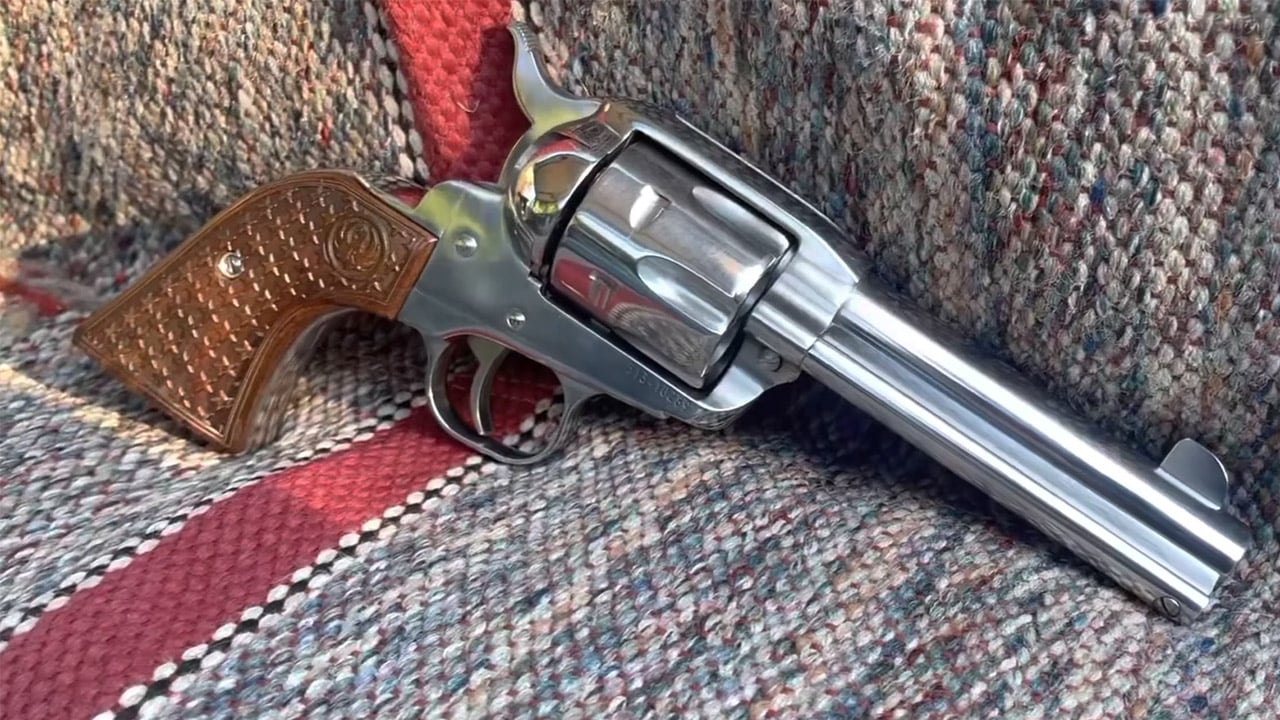
The Vaquero is what you grab when you want a single-action that’s built to be used, not pampered. Fixed sights are a limitation, but they’re also one less thing to snag and one less thing to worry about when the revolver gets knocked around. If you’re riding horses, working around brush, or just want a tough camp gun, fixed sights have their own kind of charm.
This is not the revolver for chasing tiny groups at 50 yards. It’s the revolver for practical distances and steady reliability. The handling is natural, and it carries in a way that makes sense on a belt. It also tends to get passed down, which says something. Folks don’t always baby a Vaquero, but they keep them.
18. Taurus 856 (6-shot .38)
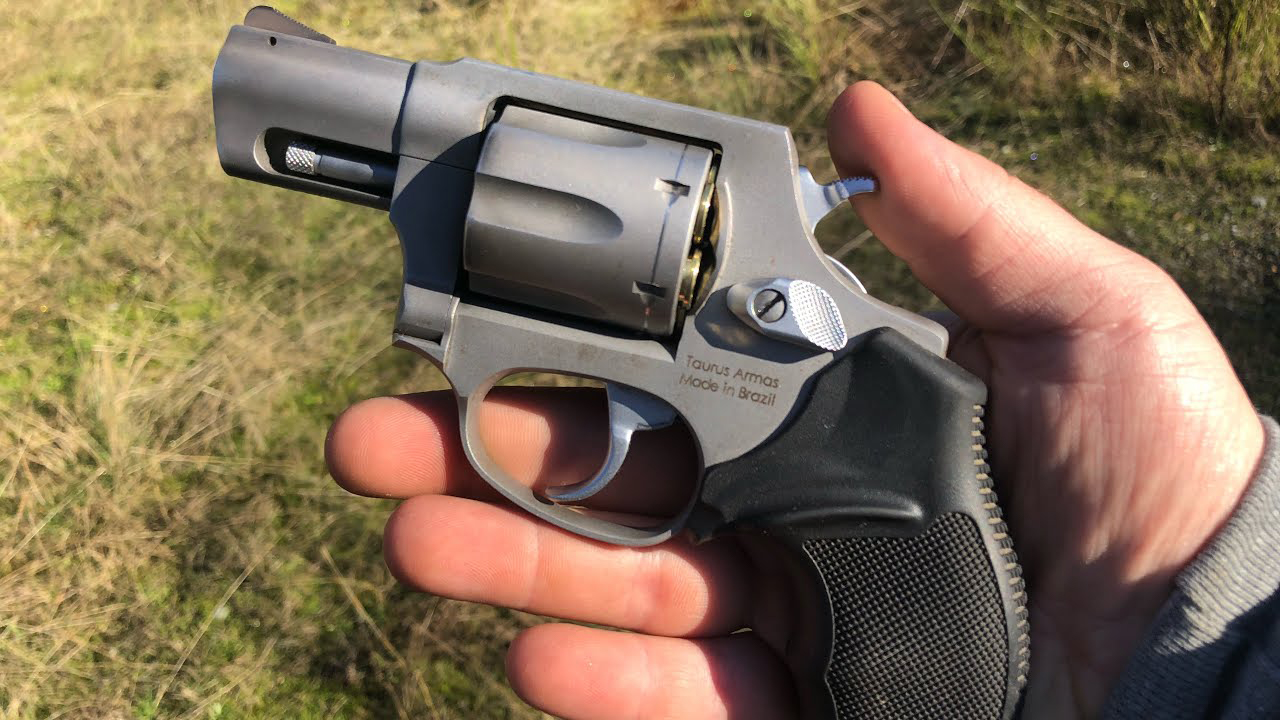
Taurus has had ups and downs over the years, and I’m not going to pretend every revolver with that name on it is a winner. But the 856 has earned a spot in the conversation because it offers a lot of usable gun for the money. Six shots of .38 in a small package is a practical setup, especially for someone who wants a revolver but doesn’t want to spend premium dollars.
The key is being picky: check timing, lockup, and trigger feel before you bet on one for serious use, and then actually run it at the range with your carry load. When you get a good one, it does what it’s supposed to do, and it’s easy to live with. For folks who want a straightforward carry revolver that doesn’t require selling a rifle to pay for it, this model has a way of ending the shopping loop.
19. Charter Arms Undercover .38 (2-inch)
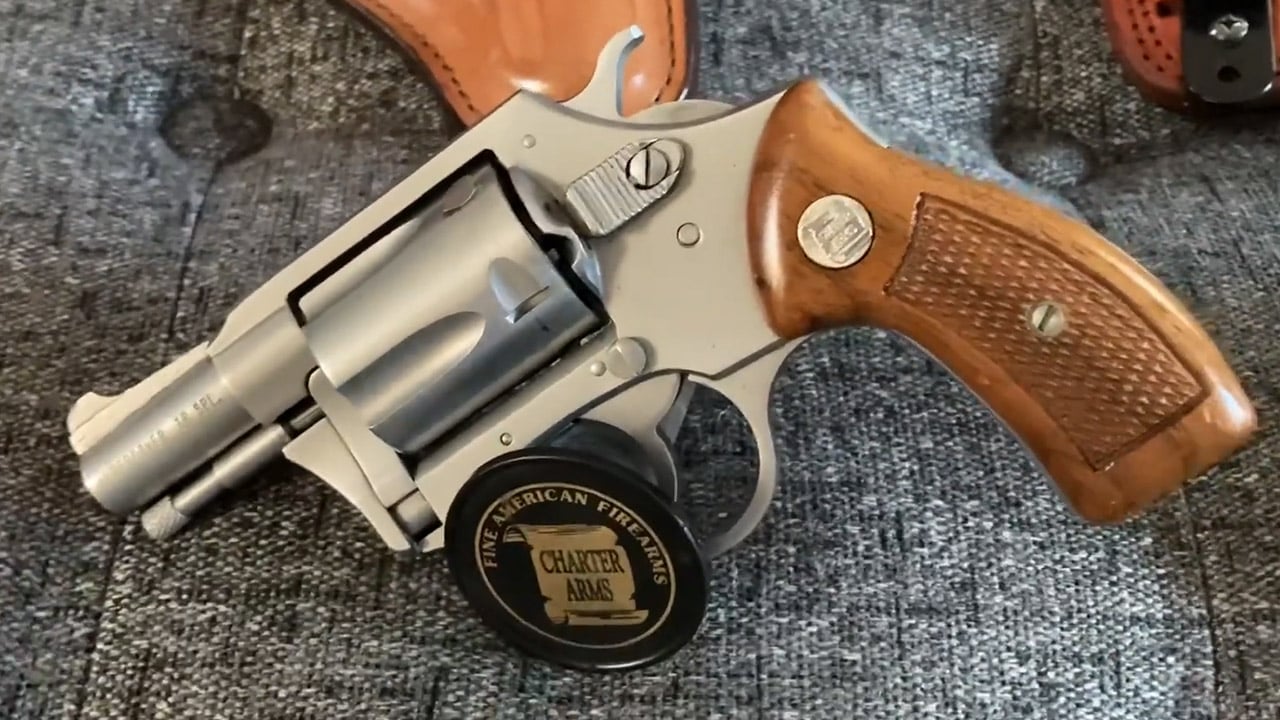
Charter Arms revolvers don’t get the same respect at the gun counter as the big names, and some of that is just snobbery. The Undercover is basic, light, and generally affordable. It’s also a revolver that a lot of working folks actually carry because it fits the budget and it fits the job.
You’re not buying polish. You’re buying function, and you should inspect any individual gun carefully before trusting it. The sights and finish are utilitarian, and the trigger can vary. Still, when you get one that runs right, it’s a simple defensive tool that carries easy and doesn’t make you nervous about dings and scratches. There is nothing fancy about it, and that is kind of the point.
20. Smith & Wesson Model 10 (K-frame .38)
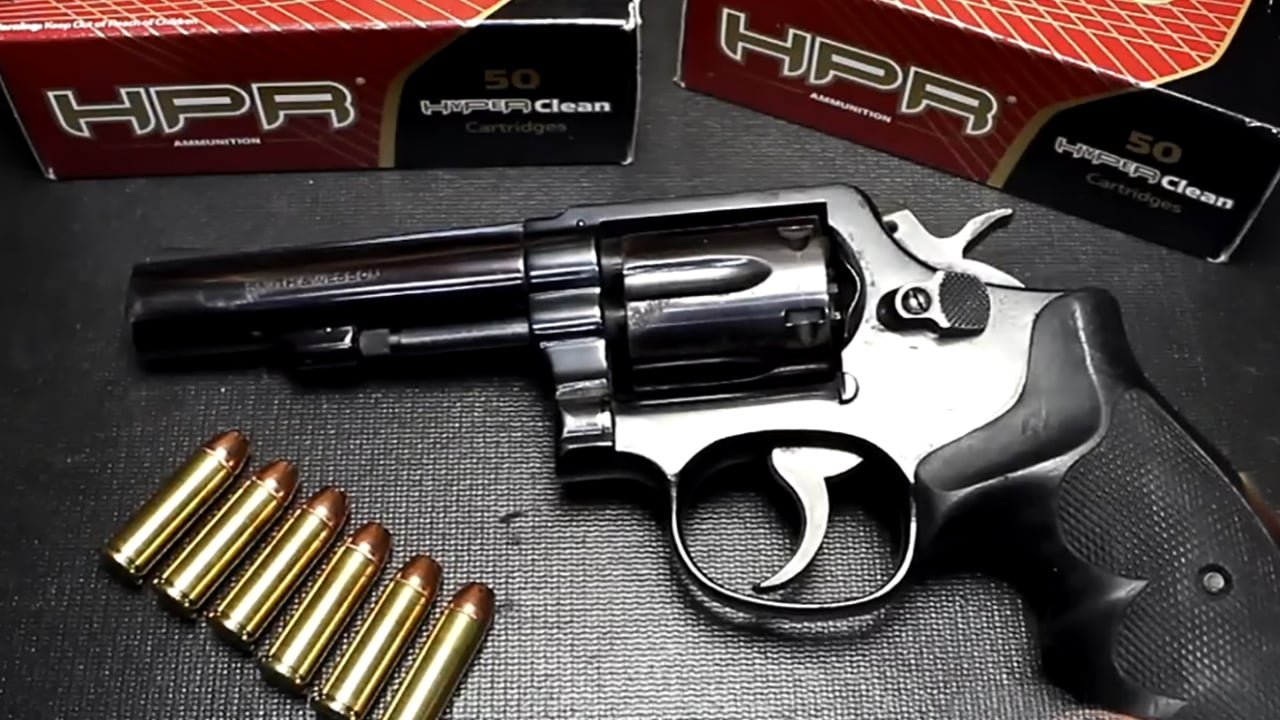
The Model 10 is the revolver that makes you wonder why you ever thought you needed something complicated. It’s the classic service .38, and it still does real work. It’s accurate, easy to shoot well, and it has manners at the range that encourage practice instead of flinching through a box of ammo.
For woods carry it’s not a magnum, and that’s a limitation depending on what you’re doing. But for everyday defense, farm carry, and being a revolver you can hand to a newer shooter without creating bad habits, it’s hard to beat. A good Model 10 feels like it was built during a time when “good enough” wasn’t acceptable. You carry one for a while and a lot of the modern noise fades out.
None of these revolvers are perfect for everyone, and that’s fine. What they share is a way of proving themselves past the first range trip and past the first month of ownership. If you’re still searching, think less about what looks impressive online and more about what you’ll actually strap on when it’s hot, cold, wet, or inconvenient. The revolver that ends the hunt is usually the one you’ll genuinely live with.
Like The Avid Outdoorsman’s content? Subscribe to our newsletter so you never miss an article.
Here’s more from us: