Photo credit: WHO_TEE_WHO/YouTube
Every few years a rifle cartridge gets its moment in the sun. You see it on magazine covers, on the wall at the gun shop, and suddenly everybody “needs” one. Then seasons pass. Ammo gets harder to find. Newer options crowd the shelf. Nobody stands up and announces it, but you can feel the momentum fade.
This is not a list of “bad” rounds. Most of these will still kill deer, ring steel, or do honest work when you do your part. The problem is they peaked—availability, hype, rifle options, price—and then quietly started sliding. If you’re buying into one now, go in with your eyes open.
1. .264 Winchester Magnum
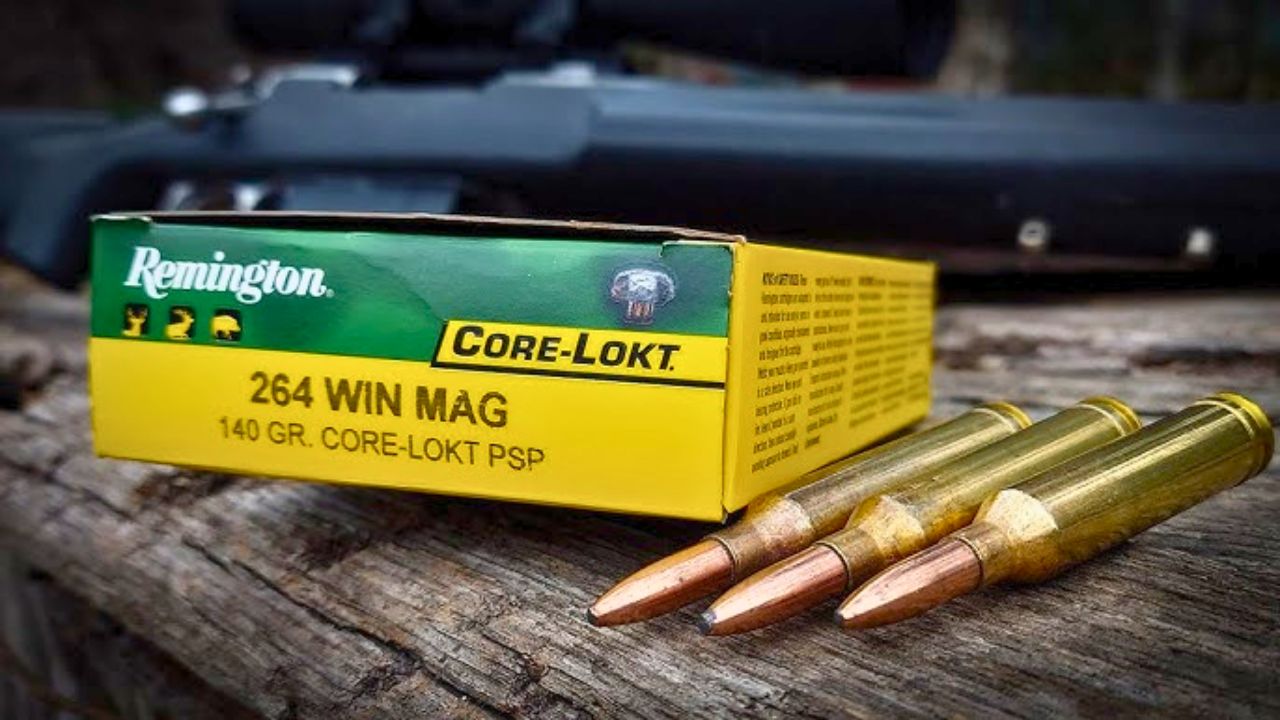
The .264 Win Mag had a real run when “flat shooting” was the main sales pitch and folks wanted a fast 6.5 before 6.5 was cool. It still does what it always did: throws sleek bullets fast and shoots wonderfully when the rifle is right. But it’s hard on barrels, it likes longer tubes, and it’s not forgiving if you’re the type who shoots three boxes a year and calls it good.
What pushed it downhill wasn’t performance—it was the market moving around it. The 6.5 Creedmoor ate the mainstream, and the PRC family took the “magnum 6.5” lane with better modern support. If you already own a .264 and you’ve got a good load, I wouldn’t panic. If you’re shopping today, the ammo shelf usually tells the story.
2. .257 Weatherby Magnum
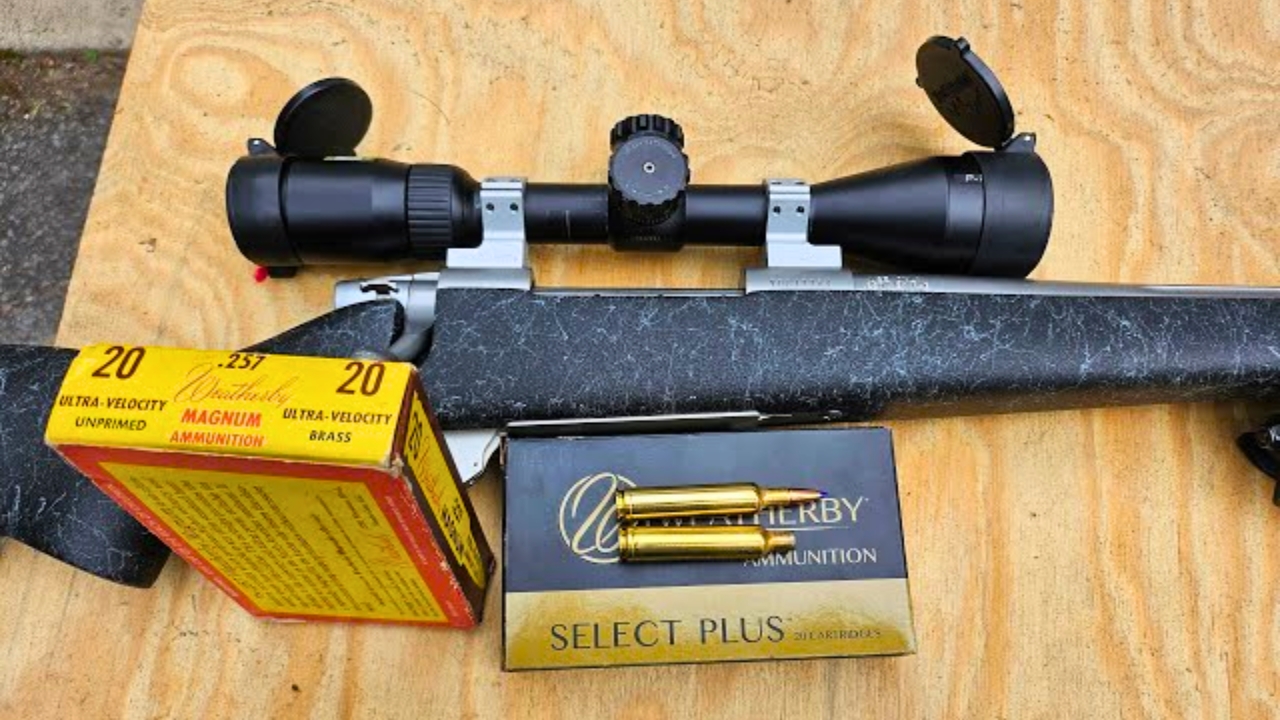
When someone wants to talk about speed, the .257 Weatherby still walks into the room like it owns the place. It’s a laser on pronghorn and deer, and it makes longer pokes feel a lot less complicated—assuming you can read wind and you practice. That’s the catch: it’s not a “shoot it once to confirm zero and hunt” round for most rifles and most budgets.
What you see now is fewer rifle options on racks and fewer boxes of ammo in small-town stores. It’s also not cheap to feed, and a lot of hunters realized they didn’t need Weatherby velocity to kill a whitetail at 140 yards. Great cartridge, but it’s become more of a specialty guy’s round than a common pick.
3. .270 Winchester Short Magnum

The .270 WSM was supposed to be the modern .270—short action, efficient, a little more punch. When it hit, it was everywhere. Then the novelty wore off. It’s a solid hunting cartridge that hits hard, shoots flat, and does fine with 130- to 150-grain bullets, just like you’d expect.
The slide came from two directions. First, the standard .270 Winchester never went away and still wins the “ammo found anywhere” contest. Second, the short mag crowd got messy: feeding can be pickier, magazine boxes can be fussy, and not every rifle handles WSM cases gracefully. If you’ve got one that runs, hang onto it. Just don’t expect the ammo wall to cater to you during the next shortage.
4. .300 Remington Short Action Ultra Magnum (SAUM)
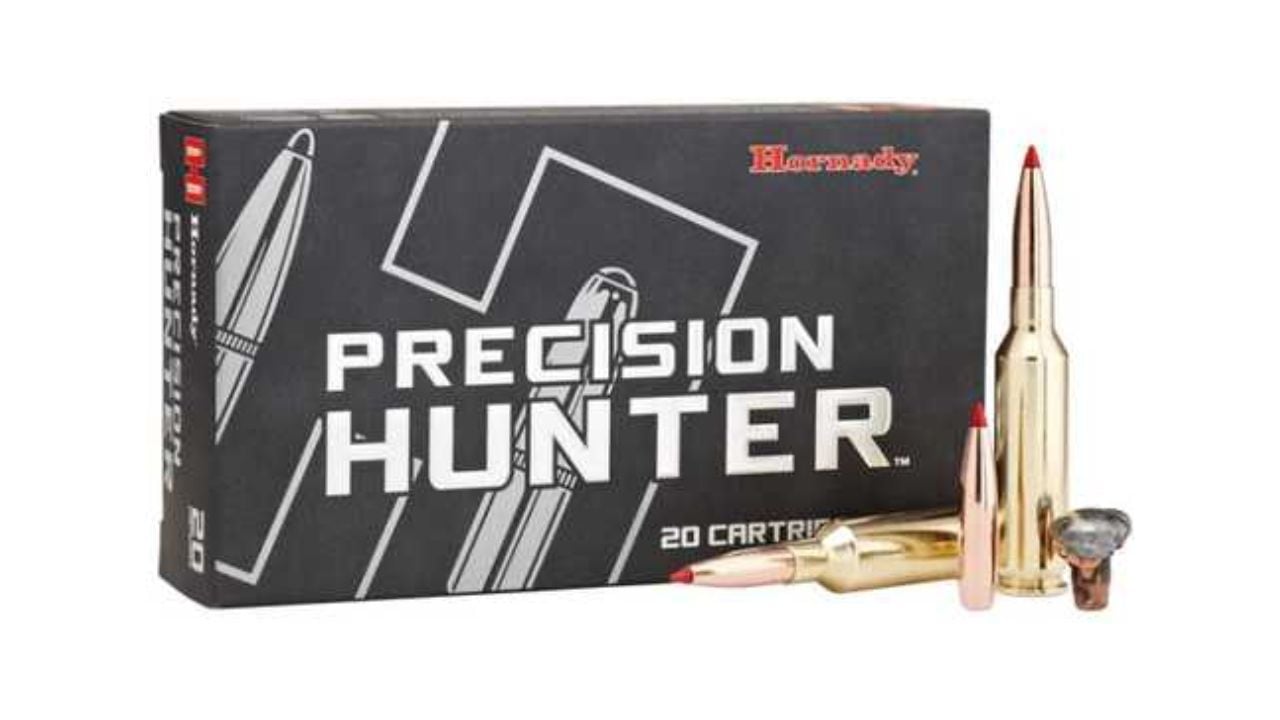
The .300 SAUM is one of those cartridges that always seems like it should be more popular than it is. It’s a compact .30-cal that can be built into a handy rifle without giving up too much. In a good setup, it shoots great and carries well, and the recoil is manageable for what you’re getting.
But “great on paper” doesn’t keep ammo stocked. Factory support has never been thick, and when the market got crowded with other .30-cal options—short mags, long mags, and the never-dying .300 Win Mag—the SAUM became an enthusiast’s project. That’s fine if you’re a handloader with brass and a plan. If you’re a regular hunter buying ammo the week before season, it can turn into a headache.
5. 7mm Remington Short Action Ultra Magnum (SAUM)
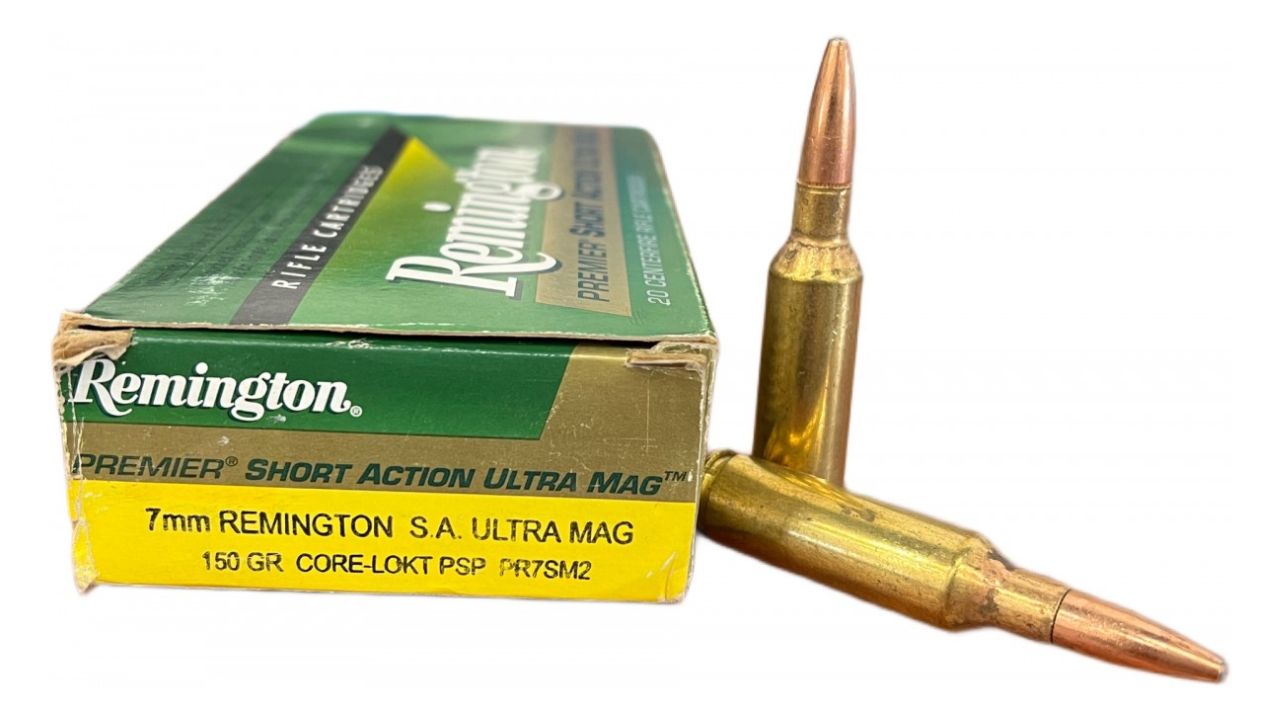
The 7mm SAUM had a peak where it felt like the “smart guy” 7mm. Efficient case, strong ballistics, and it fits in handy rifles without the long action length. With modern 7mm bullets, it can be downright impressive on game, especially when you want reach but you don’t want to haul a fence post.
Then came the wave of newer 7mm options, and the industry basically stopped acting like the SAUM mattered. Try finding multiple factory loads locally—good luck. Rifles are mostly custom or limited runs now, which is cool if that’s your world. For the average hunter, it’s hard to justify a cartridge that requires more planning than the hunt itself.
6. .325 Winchester Short Magnum
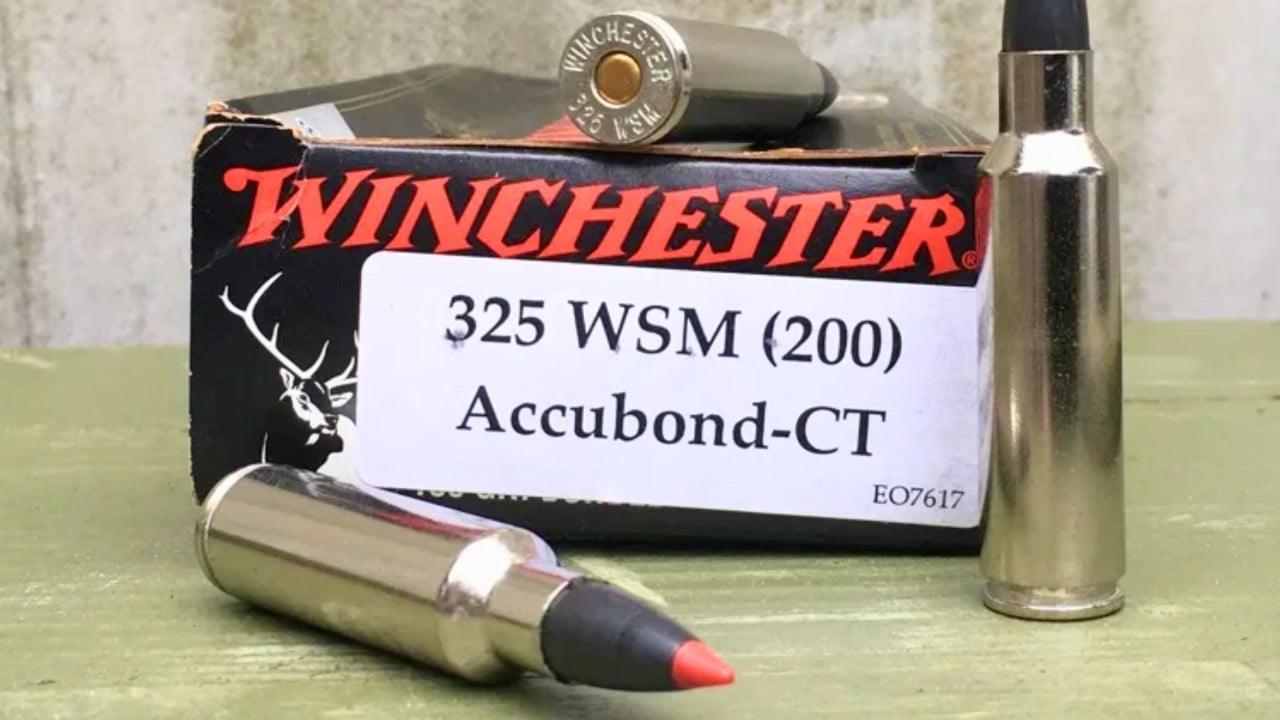
The .325 WSM is a hammer. It pushes .33-cal bullets with real authority, and it’s a legit elk and bear round that fits in a short action package. When it showed up, it felt like Winchester was trying to give guys a modern alternative to the old .338-06 kind of niche.
It never caught on wide, and once a cartridge misses that “everybody owns one” window, it’s tough to climb back. Ammo isn’t common, bullet selection isn’t as broad as .338, and there are just too many other proven elk cartridges that are easier to buy and easier to resell. If you have a .325 WSM and you like it, you’ve got something capable. You’ve also got something you’ll want to keep stocked ahead of time.
7. .338 Marlin Express
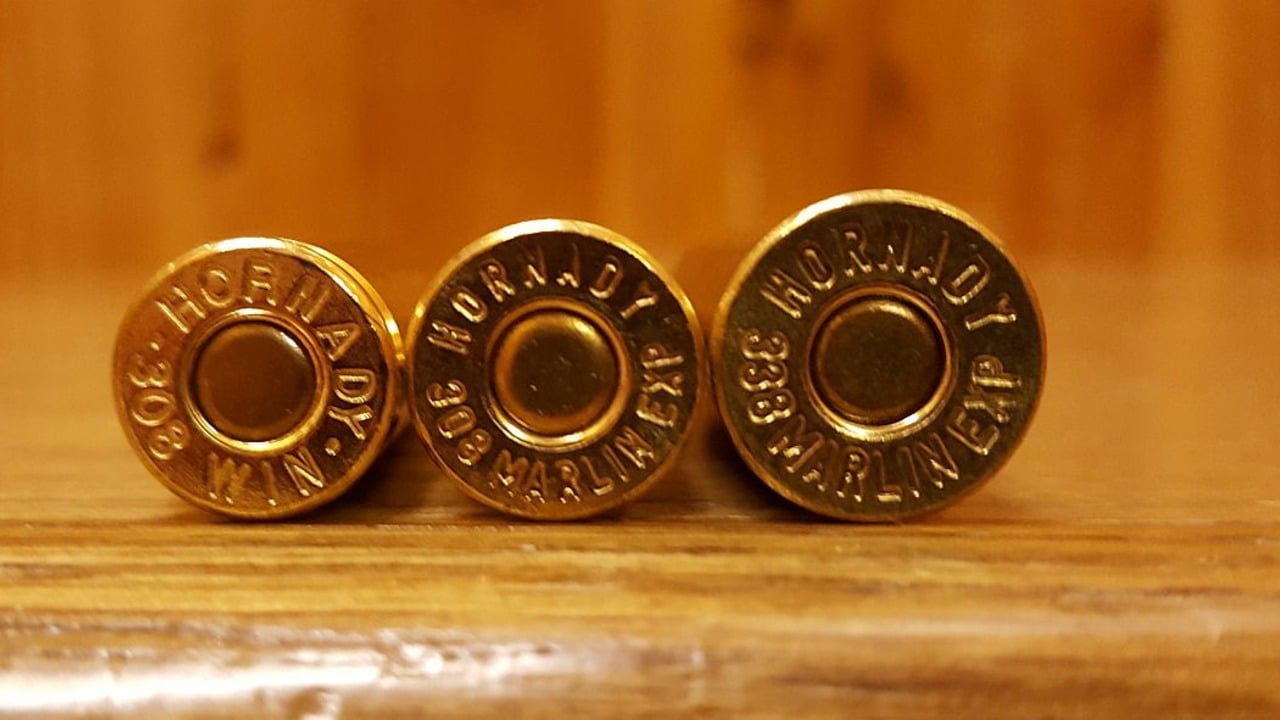
This one hurt a little because it was genuinely useful. The .338 Marlin Express gave lever-gun hunters better reach without turning the rifle into a clunky science project. It hit hard, it fed well in the rifles built for it, and it made a lever action feel less like you were giving up range just to carry walnut and blued steel.
The problem is it lived and died by limited rifle support and limited ammo support. Once the buzz cooled, it became a “hope you bought enough” cartridge. If you hunt thick timber and you just want a lever that thumps, there are other options that don’t leave you searching online at midnight for two boxes and a shipping confirmation.
8. .30 Remington AR
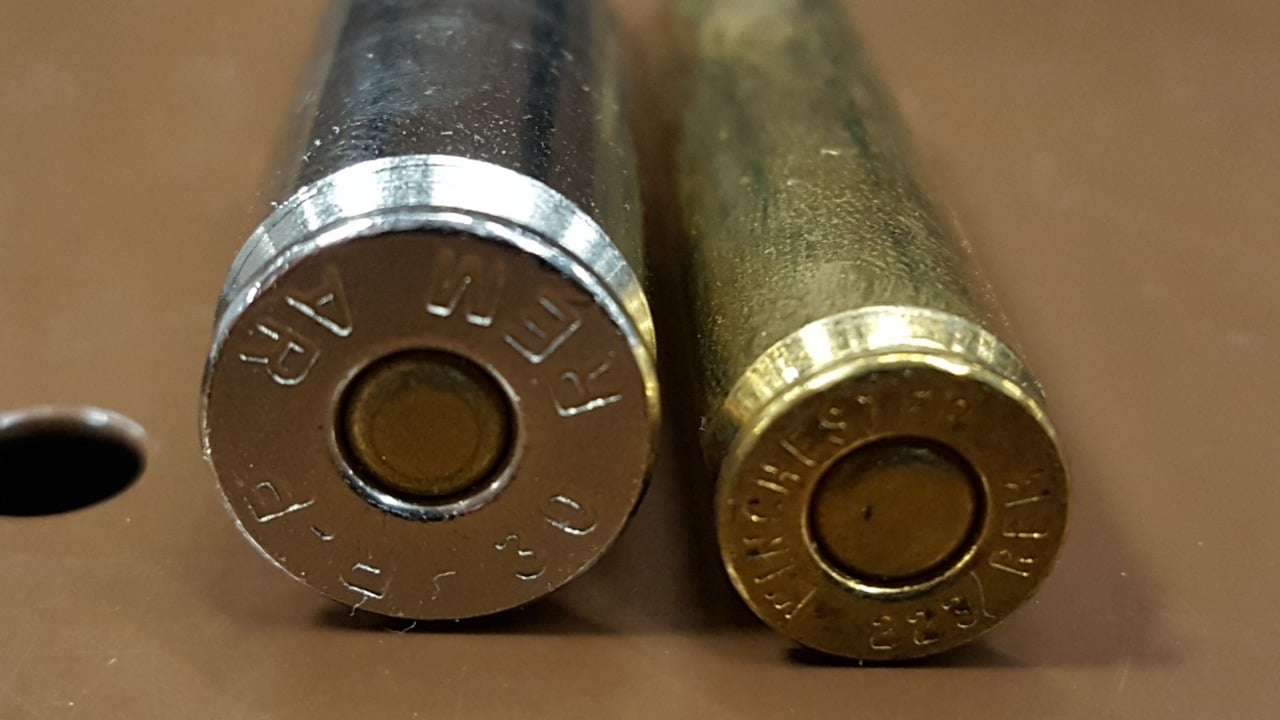
The .30 Remington AR was aimed right at the deer woods crowd that wanted .30-cal performance out of an AR-15-sized package. When it was announced, it sounded like the perfect bridge between “I like ARs” and “I want more thump than 5.56.” For a while, you could find rifles and ammo and it all felt like it might stick.
Then the real world showed up. It needed its own magazines, it wasn’t cheap, and it didn’t have the widespread support of 6.8 SPC or .300 Blackout. Once interest dipped, it got quiet fast. If you own one and it runs, treat it like a niche hunting rifle and keep spare mags and ammo tucked away. Betting on it for long-term easy availability is where guys got burned.
9. .300 AAC Blackout
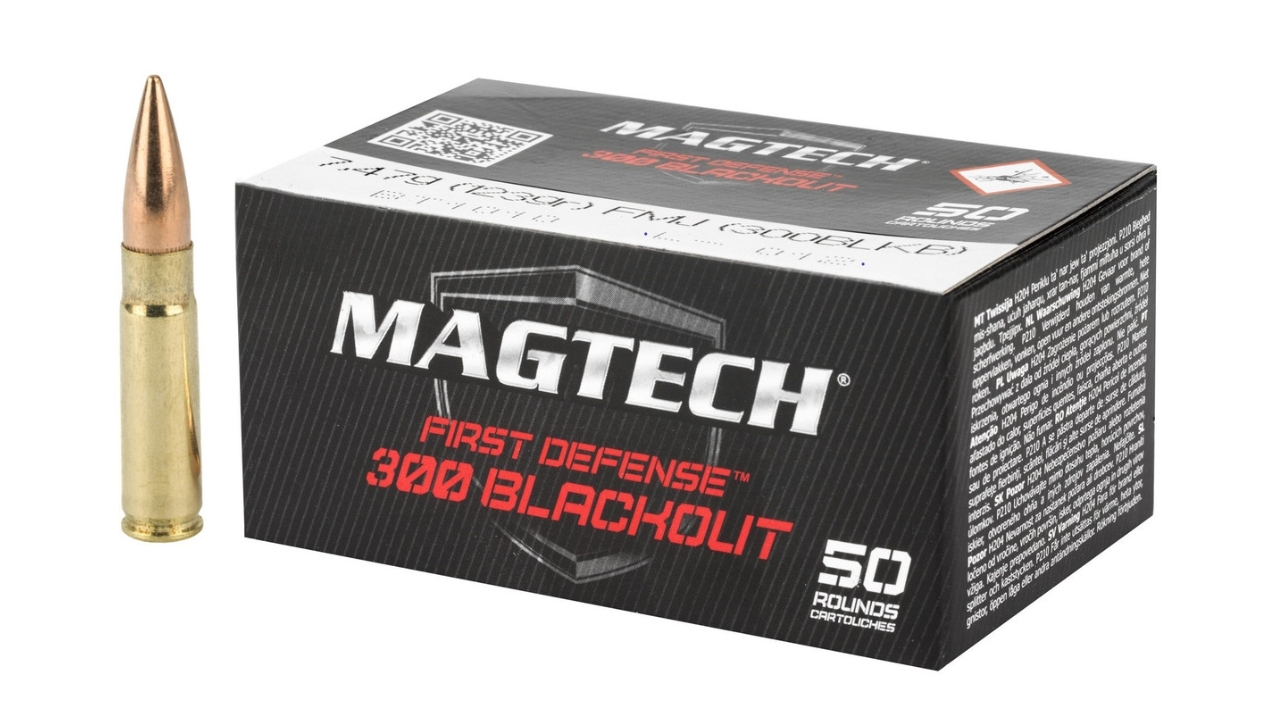
This one’s tricky because it’s still popular, but it already feels past its peak in terms of “must-have new hotness.” The Blackout earned its place: short barrels, handy rifles, mild recoil, and it can be a useful close-range deer cartridge with the right load. There’s nothing fancy about it, and that’s kind of the point.
The decline is quieter: prices jumped, cheap plinking ammo isn’t always cheap anymore, and the market got flooded with loads that don’t perform the same. Some hunters tried it at distances better suited to a different cartridge and walked away disappointed. It’s still a good tool, just more specialized than the hype made it sound. If you buy one, be honest about your ranges and your ammo choices.
10. 6.8 Remington SPC
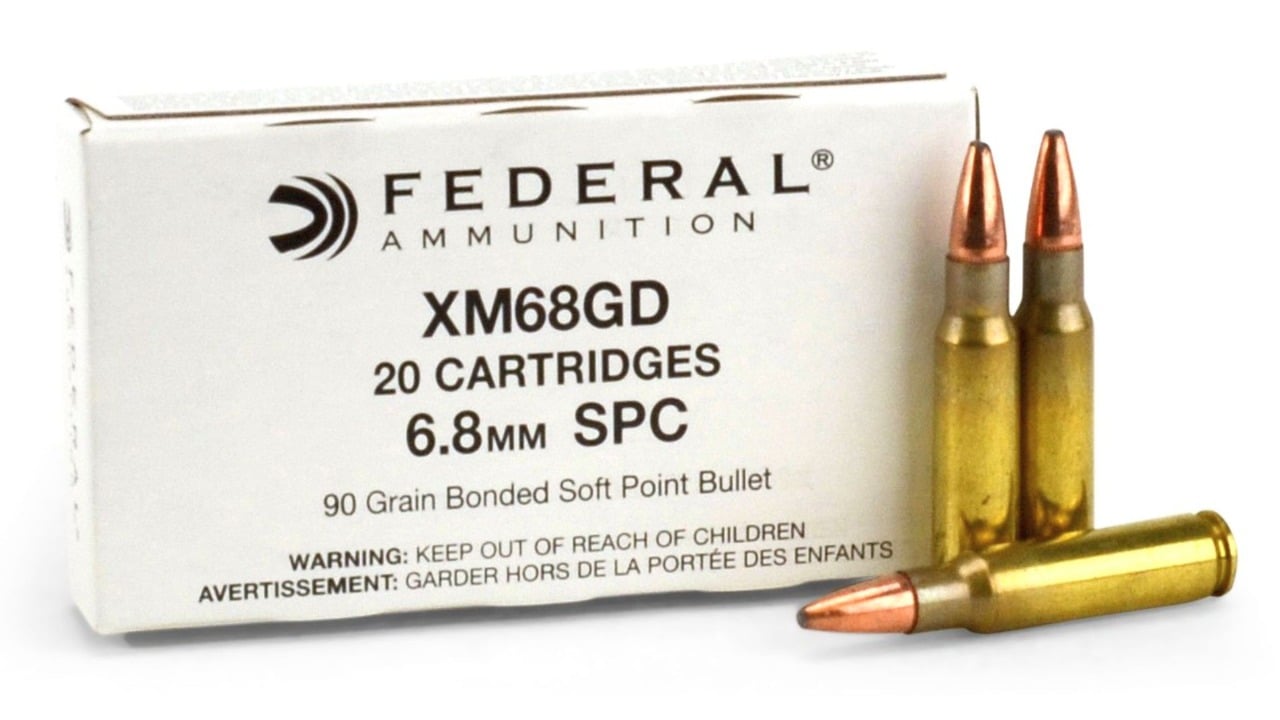
The 6.8 SPC had a serious moment as the “better than 5.56” AR cartridge that also worked for hogs and deer. In the woods, it does what it’s supposed to do, and it doesn’t beat you up. When ammo was flowing and more rifles were chambered for it, it felt like it might become the default “big-ish AR” choice.
Then .300 Blackout took over the short-barrel conversation, and 6.5 Grendel grabbed the “reach out farther” crowd. The 6.8 SPC got squeezed in the middle. Ammo exists, but the variety and shelf presence aren’t what they were. It’s not dead at all, but it’s no longer the cartridge everyone talks about at the range. If you already have a good 6.8, it’ll keep filling tags.
11. 6.5 Grendel
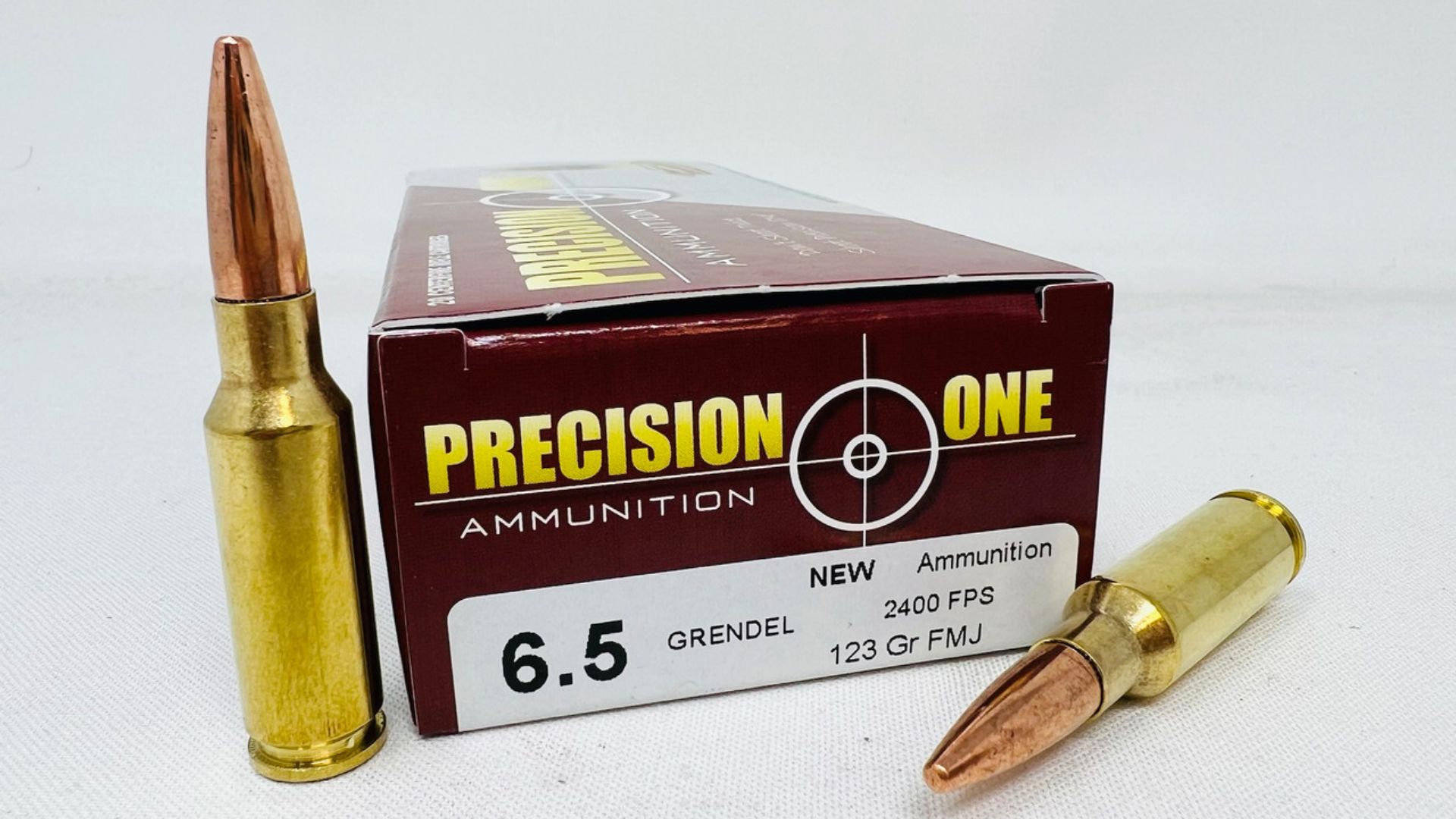
The 6.5 Grendel made a lot of sense: better ballistics than 5.56, good energy for deer-sized game, and real capability at distance out of an AR-15. It had a peak where it seemed like every manufacturer was chambering something for it, and every guy who liked shooting steel wanted to try it.
It’s still around, but the buzz cooled, and ammo availability can be spotty depending on where you live. It also asks more of magazines and feeding than 5.56, and not every budget build runs like a sewing machine. For the guy who wants one AR to do a lot, it can still be a smart pick. Just know you’re not buying the most common cartridge on the shelf, and that matters when season’s close.
12. .224 Valkyrie

The .224 Valkyrie launched with big promises: high BC .22 bullets, flatter shooting, staying supersonic a long way out. On paper, it looked like a cheat code for the AR-15 crowd that wanted to stretch distance without jumping to a larger frame rifle.
In practice, it turned into a cartridge that demanded the right barrel and the right ammo to look as good as the ads. Early twists and inconsistent loads didn’t help its reputation, and once a cartridge gets labeled “finicky,” it’s tough to shake. The result is less talk, fewer new rifles on shelves, and a smaller selection of factory ammo than you’d expect. It can be excellent, but it’s not the simple win it was marketed as.
13. .17 Remington

If you’ve ever watched a prairie dog fold up through a scope on a calm day, you understand why the .17 Remington had a following. It’s flat, fast, and it’s a joy when you want minimal recoil and explosive varmint performance. For calling predators, it can be devastating with the right bullet placement.
The quiet decline is mostly about practicality. Wind makes tiny bullets look silly in a hurry, and factory ammo is far less common than it used to be. A lot of folks shifted to .204 Ruger or stuck with .223 because you can find it everywhere and it’s cheap enough to shoot a lot. The .17 Remington still does what it always did, but it’s become more of a handloader’s cartridge than a walk-in-and-buy-it option.
14. .204 Ruger

The .204 Ruger had a real peak when everyone was looking for “faster, flatter, less recoil” for varmint rigs. It shoots like a laser, it’s fun, and it lets you spot impacts without getting shoved off target. For high-volume days on small critters, that matters.
But popularity cooled, and you can feel it in the ammo aisle. It’s not always there, and when it is, it’s not always priced like a common varmint round. The .223 Remington is just too practical and too cheap, and it does enough of the job for most shooters. The .204 still shines for the guy who’s dedicated to it, but the casual varmint hunter usually drifts back to what’s easiest to keep fed.
15. 7mm-08 Remington

This one isn’t declining because it’s lacking. The 7mm-08 is almost boring in how well it works: mild recoil, accurate in most rifles, great bullets, and it’s deadly on deer. It’s the kind of cartridge you hand to a younger hunter or a recoil-sensitive adult and feel good about it.
The problem is it got overshadowed. The Creedmoor craze pulled attention, and the .308 family stayed dominant. In some areas, you still see plenty of 7mm-08 ammo. In others, it’s a lonely box or two tucked behind the popular stuff. I wouldn’t call it “gone,” but I do think its best days of being a go-to recommendation at the gun counter have passed. Still, I would not be quick to let one go.
16. .35 Whelen

The .35 Whelen is one of those cartridges that makes sense the moment you hunt thick cover for big-bodied deer, elk, or bear. It hits like a sledgehammer, it’s straightforward, and it doesn’t need tricks. In a well-balanced rifle, it carries nice and points fast, which matters when the shot is sudden and close.
Its decline is more cultural than ballistic. Fewer new rifles are chambered for it, and the average hunter is chasing flatter trajectories and longer ranges now. Ammo isn’t impossible to find, but it’s not common everywhere either. The Whelen is still a fantastic “woods authority” round, but it’s not trendy, and trends drive shelf space. If you want one, plan ahead on ammo and don’t expect every small shop to stock it.
17. .280 Remington
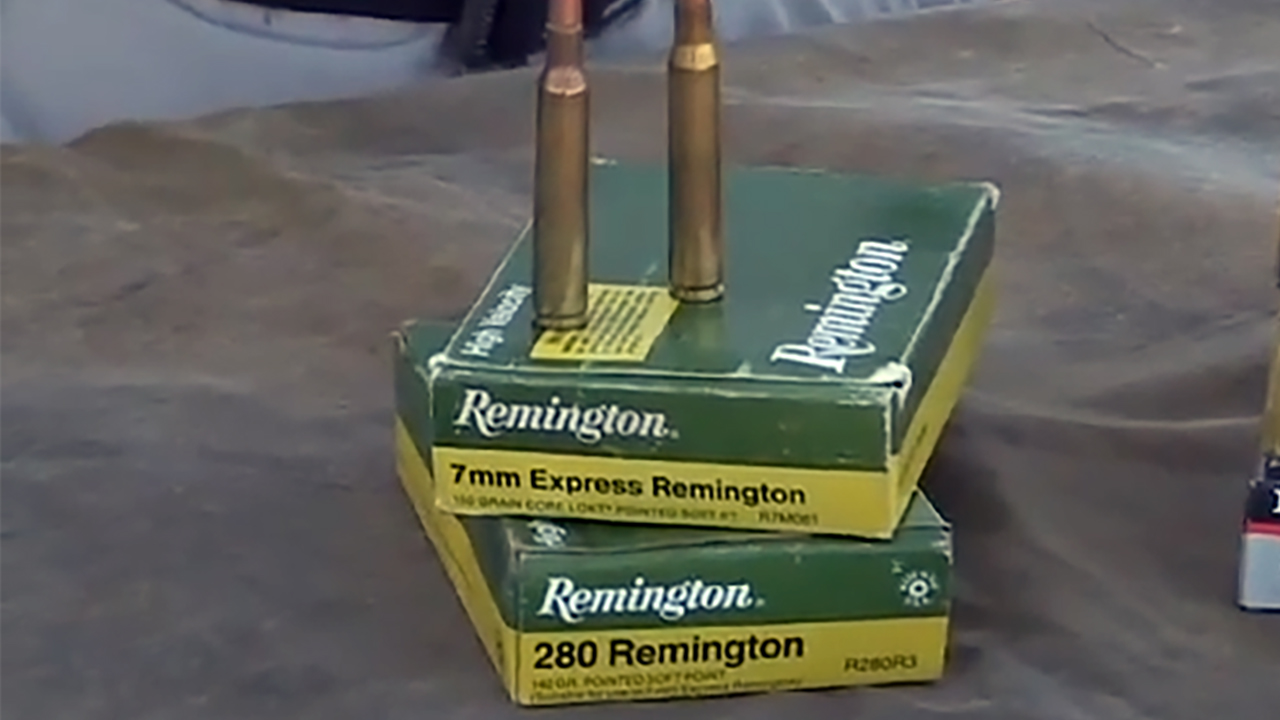
The .280 Remington has always been a “rifle guy’s” cartridge. It’s balanced, it shoots well, and it does almost anything a sane hunter would ask from deer up through elk with the right bullets. For years it sat in that spot where experienced hunters nodded approvingly while everyone else grabbed a .270 or .30-06.
Then the 7mm Rem Mag stayed king of the 7s, and newer 7mm rounds came along with louder marketing. The .280 still works, but it doesn’t get pushed, and that matters. Ammo selection is often thinner than it should be for how good the cartridge is. If you’ve got a .280 that shoots, you’ve got a keeper. If you’re buying today and you don’t reload, just be honest about whether you want to chase ammo.
18. .284 Winchester
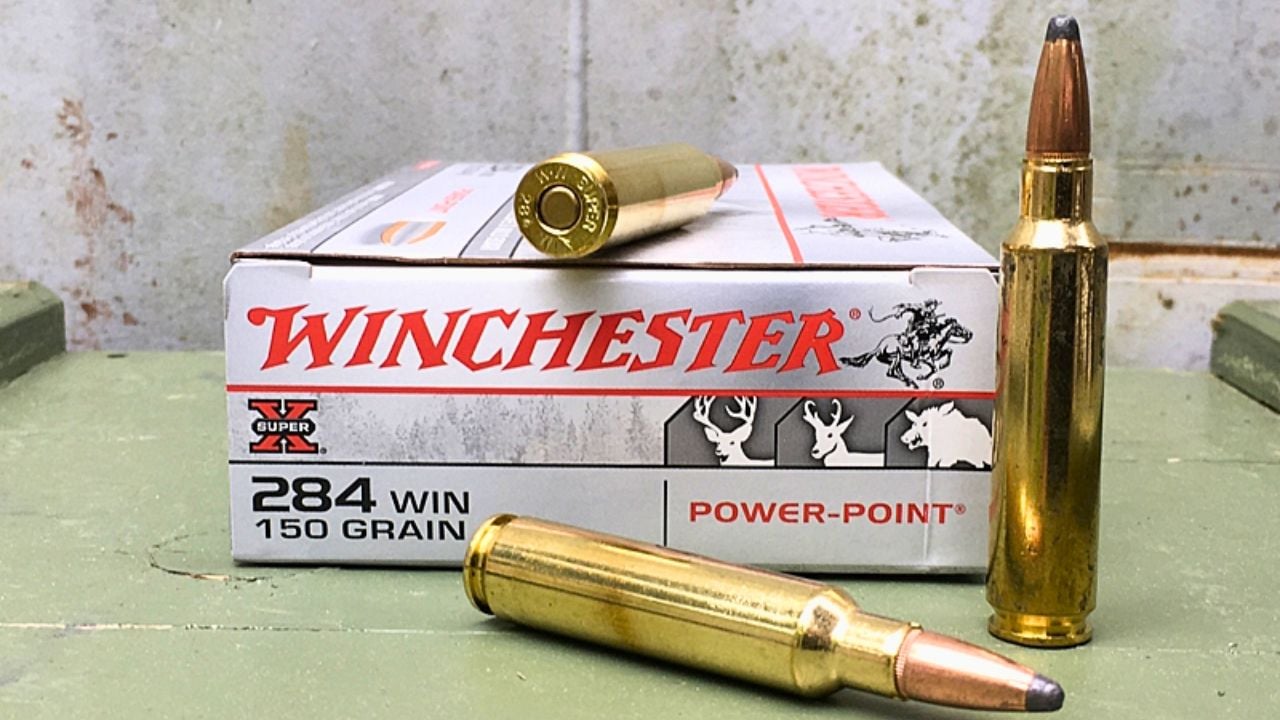
The .284 Winchester is famous in certain circles and basically unknown in others. It had a peak in niche competition use and among hunters who appreciate efficiency and performance in a non-magnum package. It can be incredibly accurate, and it’s one of those cartridges that makes you wonder why it never became a mainstream darling.
The reason is simple: it never had the broad rifle support, and it’s lived most of its life as a “build it yourself or hunt for it” cartridge. Factory ammo exists, but it’s not a guarantee, and brass can be a project at times depending on the market. If you’re a handloader who likes a cartridge with personality, it’s a great one. If you’re not, it’s easy to end up with a cool rifle you don’t shoot much.
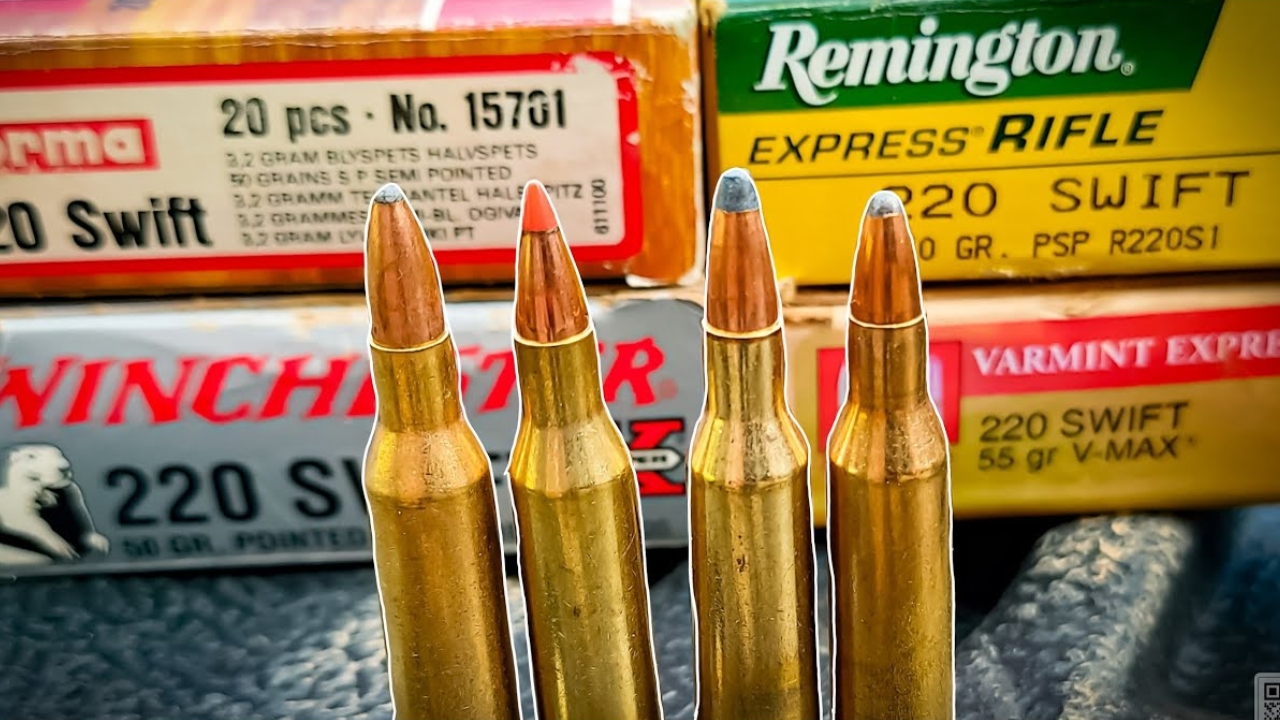
19. .220 Swift

The .220 Swift used to mean something at the range and in the varmint fields. It was speed, pure and simple, and it earned a reputation for flat shooting and spectacular performance. When you hear old-timers talk about it, there’s usually a little grin involved.
What cooled it off is what cools off a lot of older hot-rods: barrel life worries, loud report, and the fact that .22-250 Remington does most of the same job with less fuss and better availability. Swift ammo is around, but it’s not the “grab three boxes anywhere” cartridge it once was. If you’ve got a Swift that shoots, it’s still a fun rifle. It’s just not the obvious choice for a new varmint rig anymore.
20. .45-70 Government (modern hot-load niche)
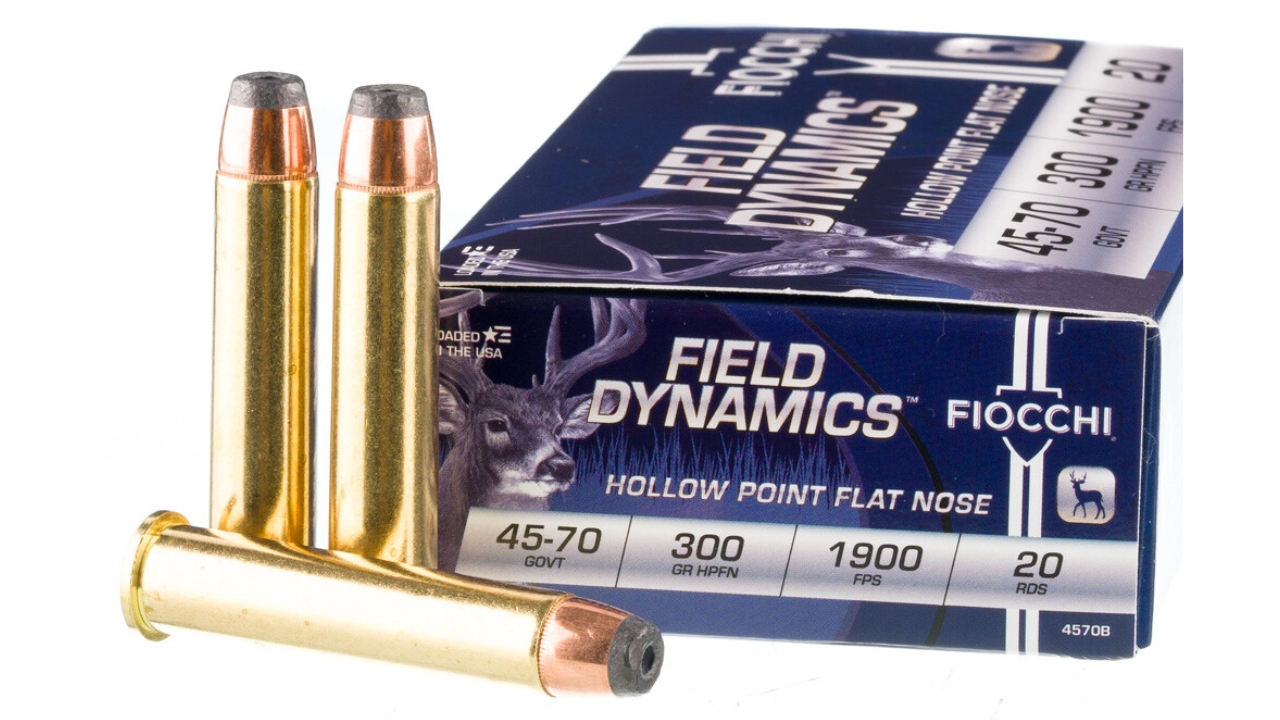
The .45-70 isn’t disappearing, but the “everyone needs a thumper lever gun with specialty ammo” wave has already crested. The cartridge itself is as classic as it gets, and with standard-pressure loads it’s a woods deer and bear hammer inside reasonable distances. In a handy lever gun, it carries like a dream and points fast. Ask me how I know.
The quiet decline is in the hype end of it: pricey boutique loads, hard-to-find boxes during shortages, and folks buying into recoil they didn’t really want. A light .45-70 with hot loads can be a rude awakening. The cartridge will always be here, but the fad of treating it like a long-range solution for everything seems to be fading. Used correctly, it’s still one of the best “close and serious” hunting rounds ever made.
None of these cartridges are useless, and a few of them are downright excellent. The point is that market support matters as much as muzzle energy when you’re a regular hunter who needs ammo, mags, and parts without turning it into a scavenger hunt. If you love one of these rounds, stock up a little, keep good notes on what your rifle likes, and don’t let internet trends talk you out of something that’s working. Just don’t be surprised when the shelf space moves on.
Like The Avid Outdoorsman’s content? Subscribe to our newsletter so you never miss an article.
Here’s more from us: