Photo credit: Gun&ShotTV/Youtube
If you’ve been around hunting camps and old farmhouses long enough, you’ve seen it: a rifle comes out of a closet or a soft case, nobody has paperwork, and the only “history” is a hand-me-down story that changes depending on who’s talking. That doesn’t mean it’s junk. It also doesn’t mean it’s a museum piece. But there are certain rifles that are absolutely worth taking a closer look at before you clean it up, drill and tap it, or trade it off for something shiny.
Here are 20 rifles that commonly ride down through families without much documentation, and why they’re worth a little homework—both for value and for the simple fact that some of these are hard to replace once they’re gone.
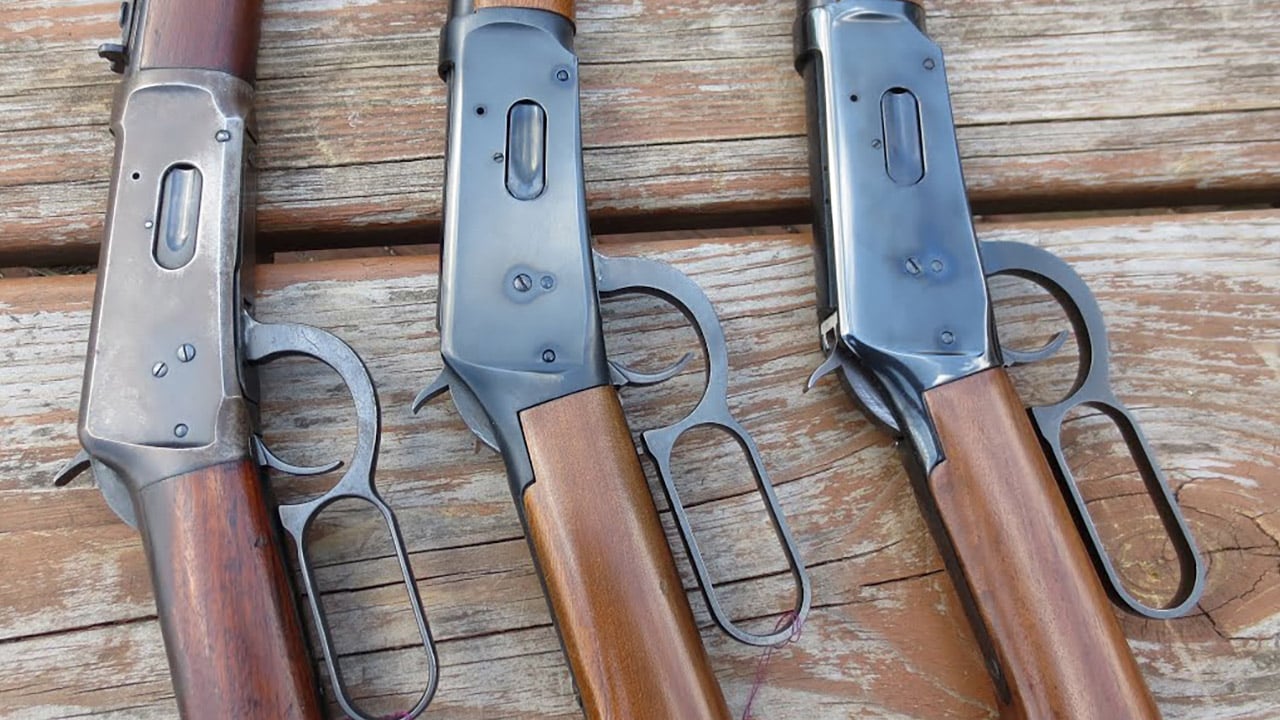
1. Winchester Model 94

If there’s one rifle that shows up behind truck seats and above cabin doors, it’s the Model 94. Plenty of them are just honest deer rifles with worn bluing and a slick lever. Still, certain production eras and configurations bring real money, and you won’t know until you check the details like barrel markings, chambering, and how the receiver is finished.
The other reason to look it up is practical: a Model 94 in .30-30 still makes sense in the woods. It carries easy, points fast, and doesn’t snag like a scoped bolt gun when you’re slipping through brush. If it’s been sitting for decades, have it inspected before firing, but don’t assume “old” equals “unsafe.” These things earned their reputation the hard way.
2. Marlin Model 336
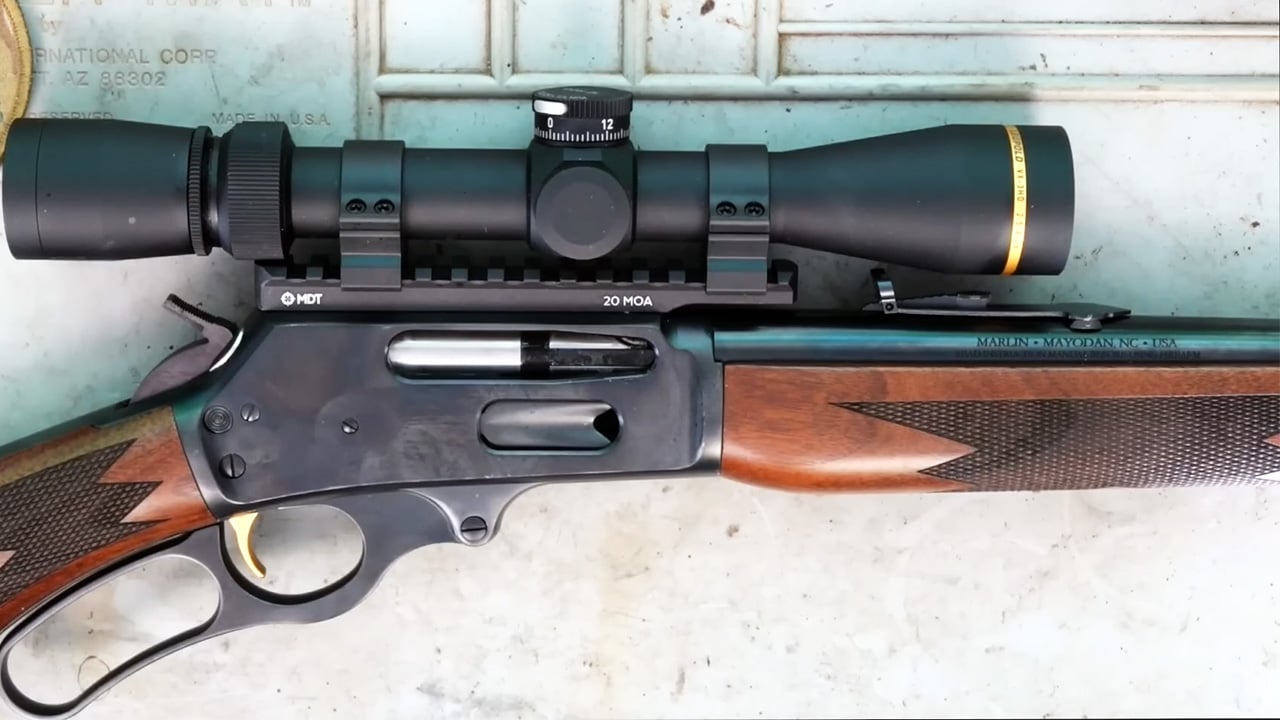
The 336 is one of those rifles that doesn’t get the social media hype it deserves, mostly because it’s not tactical and it’s not rare-looking. But the good ones are scary accurate for a lever gun, and the action has a solid, bank-vault feel compared to some lighter designs. If you inherited one with a plain 4x scope and a beat-up sling, you’re looking at a very normal family deer rifle.
It’s still worth researching because “Marlin” isn’t one consistent thing anymore. Older rifles and certain factory markings can matter to collectors, and quality can vary depending on the era. Even if you don’t care about that, it’s a rifle you can keep feeding and keep hunting with, and it’s a whole lot more useful than it looks on the rack.
3. Remington Model 700 (including BDL and ADL)
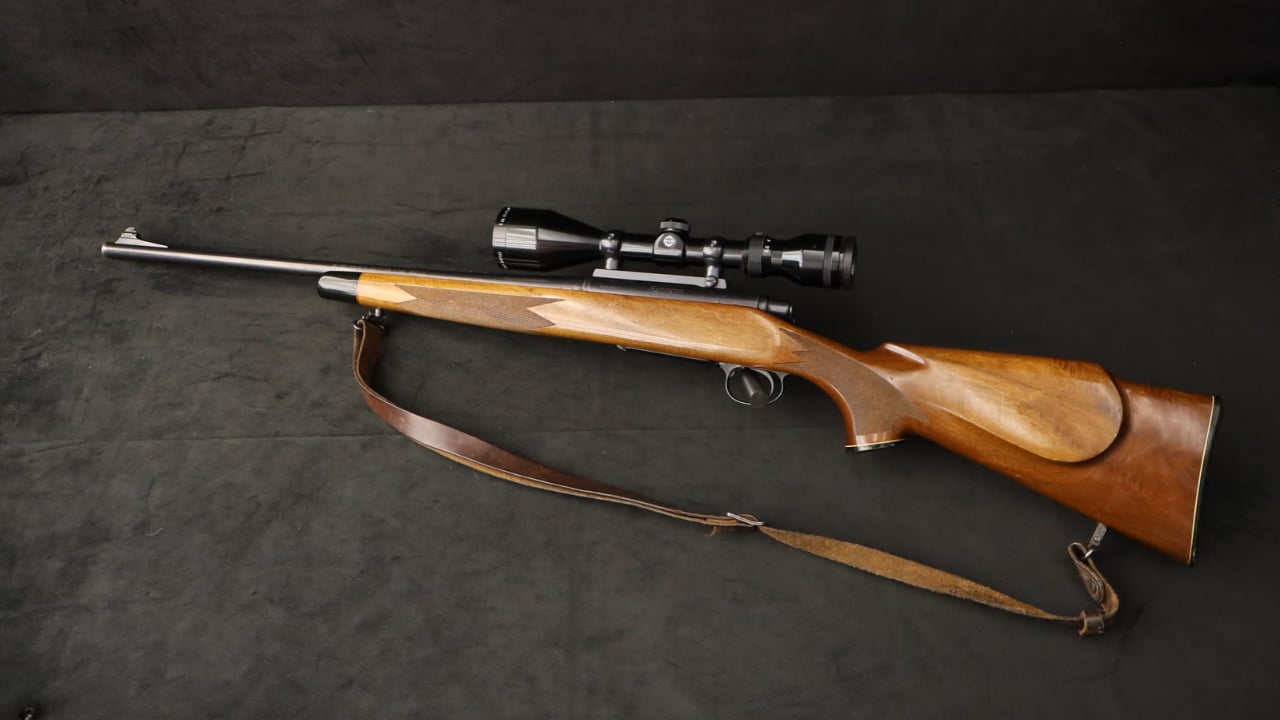
I’ve seen more inherited Model 700s than just about anything else in bolt guns. They’re often plain: wood stock, blued barrel, maybe a 3-9x that’s been on there since the late ‘80s. A lot of them shoot lights-out with boring factory ammo, and that’s why families kept them.
Looking one up is smart for two reasons. First, certain versions and calibers are more desirable, and condition matters a lot. Second, you want to know what you have from a safety and maintenance standpoint, including whether any factory service campaigns apply and whether the trigger has been messed with by a well-meaning relative. A clean, unaltered 700 can be a lifetime rifle. A “kitchen-table trigger job” can be a headache.
4. Ruger M77 (tang safety models)

The tang-safety Ruger M77s have a feel that newer rifles don’t quite copy. The safety is exactly where your thumb expects it, and the rifles tend to balance like hunting rifles are supposed to balance. A lot of these show up as .270s and .30-06s that lived in the corner of a closet, only coming out for opening weekend.
They’re worth looking up because the early ones have a following, and some variations are more sought after than others. Also, they’re built like they were meant to be used, not babied. If you want a rifle that can get banged in a pickup, rained on, and still put a buck down, a good M77 is hard to argue with.
5. Savage Model 99
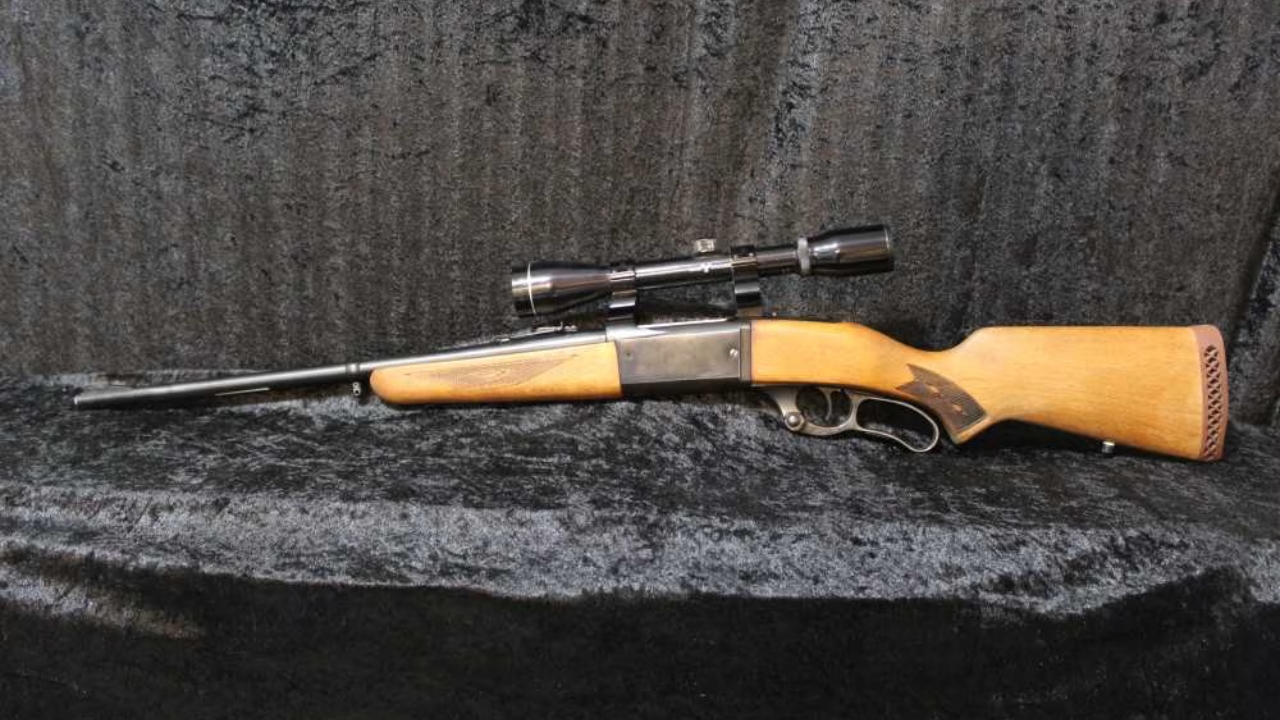
The Savage 99 is one of those rifles that makes you stop and stare if you know what you’re looking at. It doesn’t look like a typical lever gun, and that rotary magazine setup is part of why it’s so interesting. Families often have one with an old-school chambering, and half the time nobody even knows exactly what it is until you read the barrel.
This is a “look it up before you do anything” rifle. Variants, calibers, and condition change the story fast. Some are common working rifles; others are collector pieces that deserve careful handling and correct parts. And even if it’s not high-dollar, the 99 is a smooth, classy hunting rifle that carries history in its design, not just its patina.
6. Springfield Armory M1 Garand
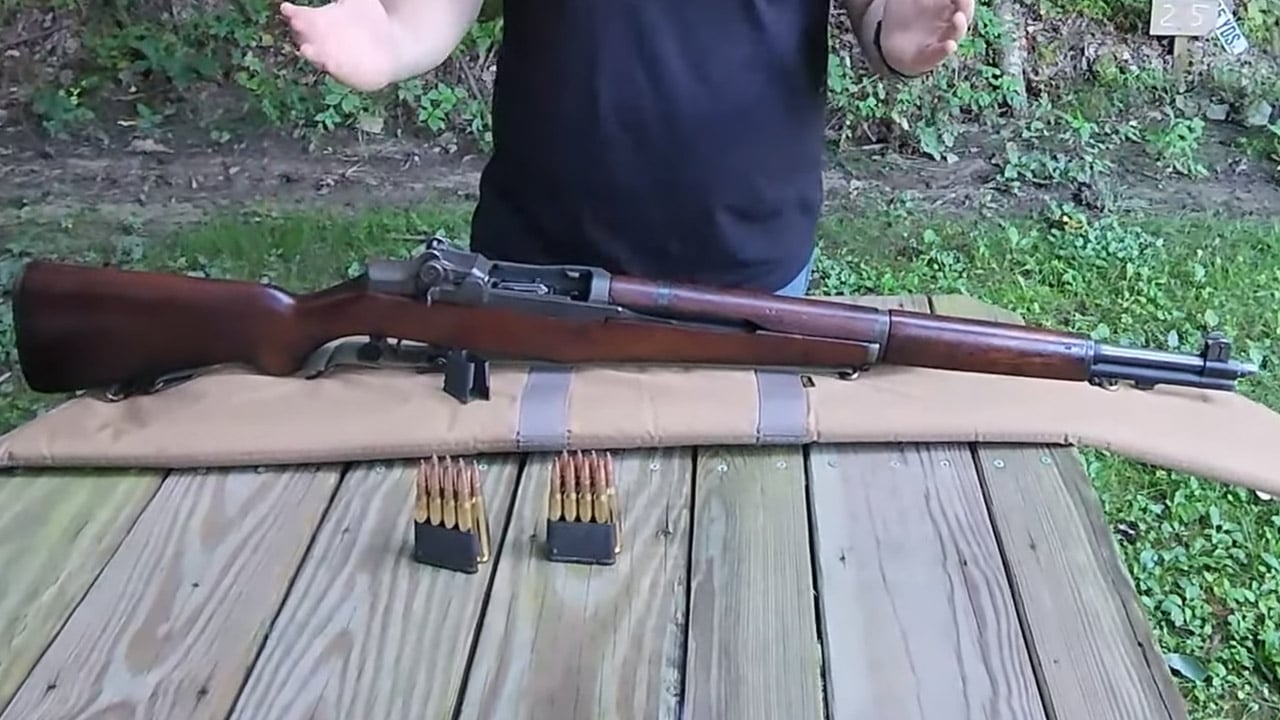
The Garand is the kind of rifle that ends up in a family because a grandparent brought it home or bought it when surplus was more available. A lot of folks know it as “the WWII rifle,” but that doesn’t tell you much about what you’ve actually got. Manufacturer markings, parts mix, and overall condition matter a ton.
Even if you never plan to sell it, it’s worth researching because original parts and correct configurations are a big deal in Garand circles. It’s also a rifle that needs the right care and feeding. You don’t have to turn it into a safe queen, but you do want to understand what ammo is appropriate and make sure it’s mechanically sound. It’s not a casual plinker, but it’s a serious piece of American rifle history.
7. U.S. M1903 Springfield
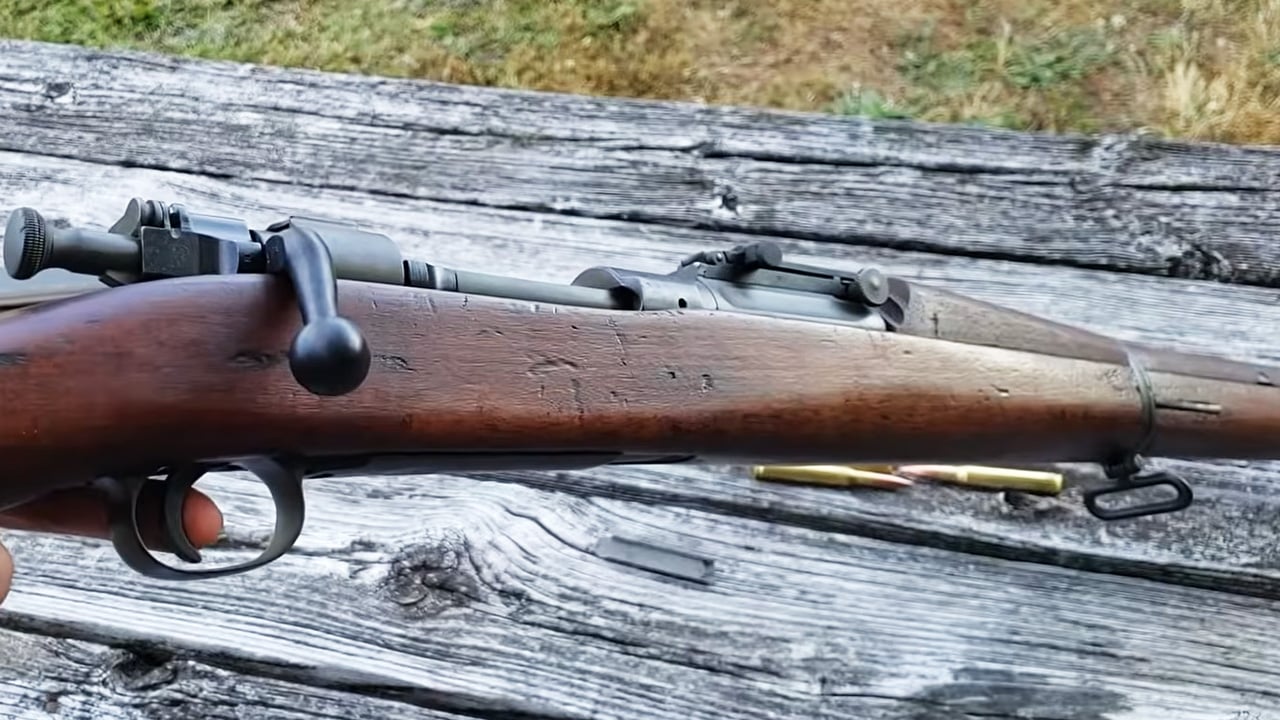
A 1903 Springfield can sit in a family rack for years as “that old military rifle,” and most people never notice the details. Then somebody finally checks the markings and realizes it’s a legitimate piece of early 20th-century history. Some are sporterized, some are original-ish, and the difference between those two can mean a whole different value conversation.
What makes it worth looking up is the mix of variants and the fact that modifications were common. A cut stock and drilled receiver might make collectors groan, but it can still be a fine shooter if done right. If it’s unaltered, slow down and do your homework before you change anything. Once original military wood and hardware are gone, they’re gone.
8. Mosin-Nagant 91/30
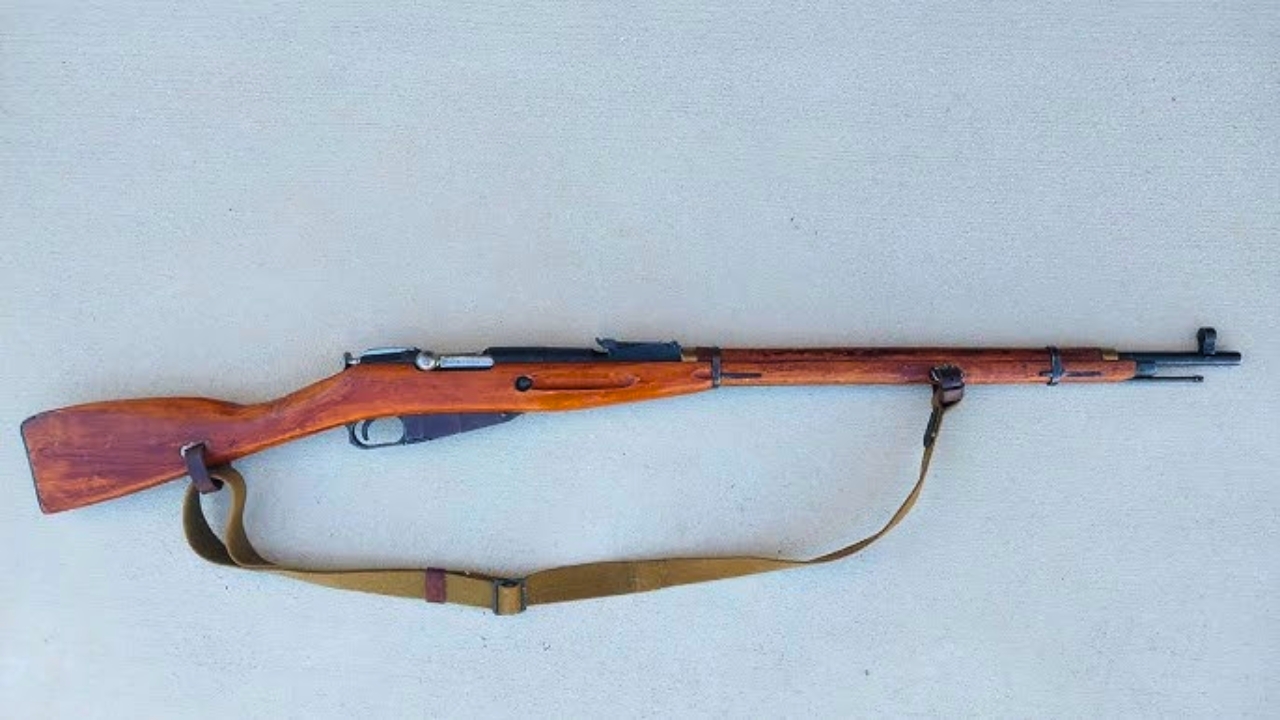
The Mosin is the classic “it was cheap back then” inheritance. Somebody bought a crate-era rifle because it was affordable and fun, shot it a few times, and it ended up in the back of the safe. Now they’re not as cheap, and certain markings and dates bring more attention than others.
It’s worth looking up because these rifles vary wildly. Bore condition can be anything from sewer pipe to surprisingly crisp, and that impacts whether it’s a decent shooter or just a conversation piece. They’re also famously long and not exactly friendly to carry in the deer woods. Still, if yours is clean and matching, don’t assume it’s just a $100 beater. Those days are over.
9. Lee-Enfield No. 4 Mk I
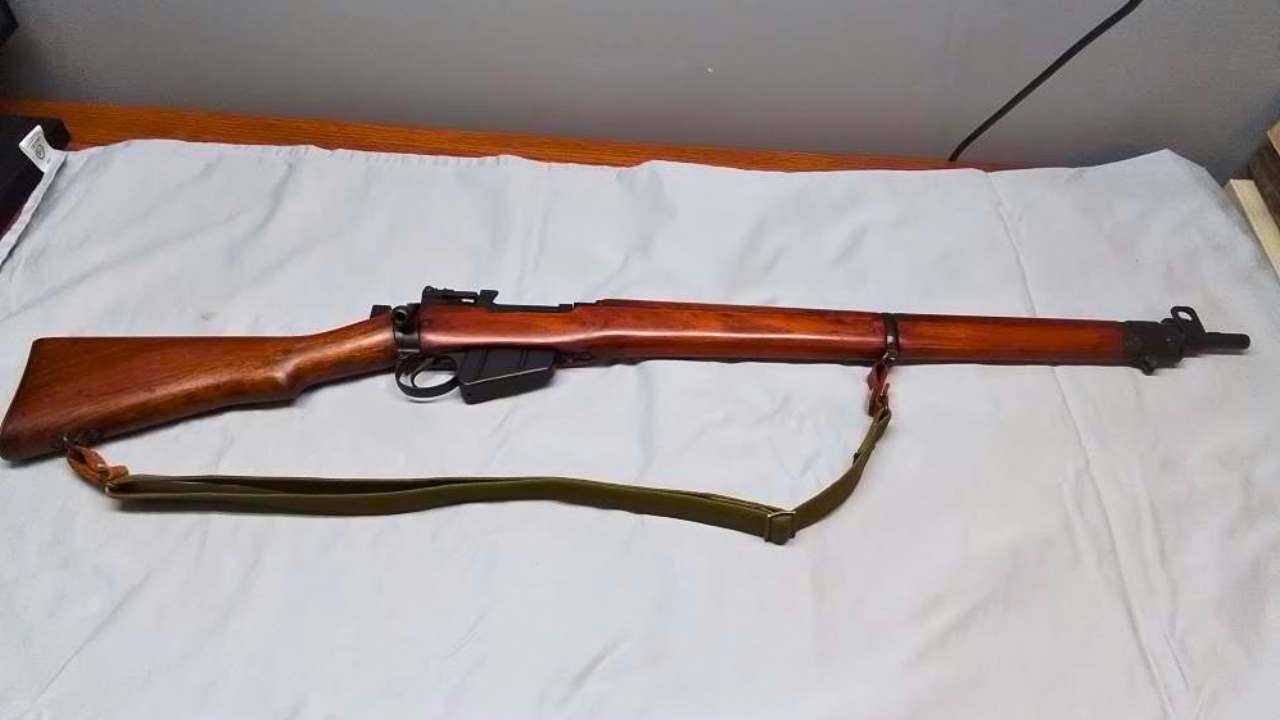
The Lee-Enfield No. 4 is one of the slickest bolt actions ever made, especially when it’s been cycled a lot and the action feels like it’s on oiled glass. They show up in families because someone bought one as a surplus deer rifle or brought it back when that was more common. Many got sporterized, and plenty wore budget scopes in side mounts.
Looking it up matters because Enfields can be a rabbit hole: different factories, markings, and configurations. Also, .303 British ammo availability is a real-world consideration. If you’ve got a clean, correct rifle, it’s worth preserving. If it’s a hunting conversion, it still may have value, but it’s mainly a “shoot it and enjoy it” rifle—just make sure it’s mechanically sound and headspace is in the safe zone.
10. Winchester Model 70 (pre-64 and classic variants)
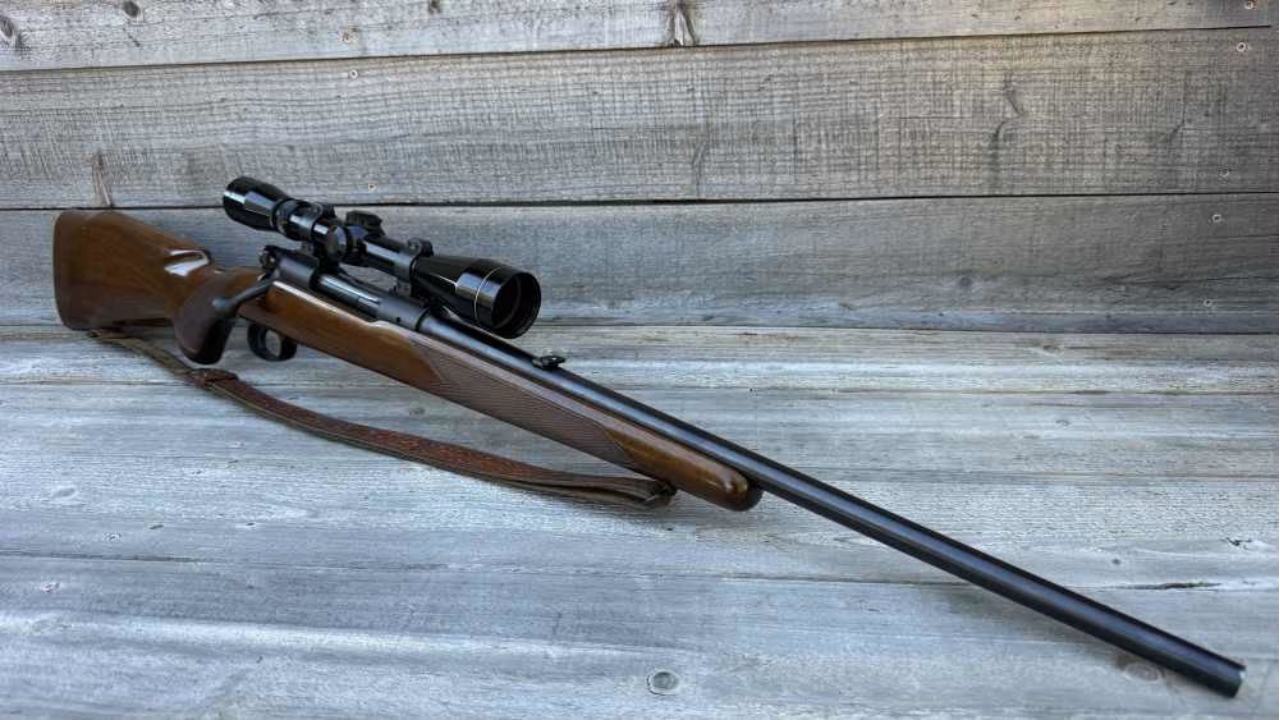
The Model 70 has a reputation that isn’t just marketing. When you pick up a good one, it feels right—like it was built for carrying over ridges with cold hands and wet sleeves. A lot of inherited Model 70s are in standard hunting calibers and have honest wear from being used, not displayed.
It’s worth looking up because “Model 70” covers a lot of ground, and certain years and features matter. A pre-64 in good shape is a different animal than a later rifle, and even non-collectors tend to appreciate them. Beyond value, a Model 70 is still a rifle that can anchor a hunting battery for the next generation without needing excuses.
11. Browning BAR (hunting model)
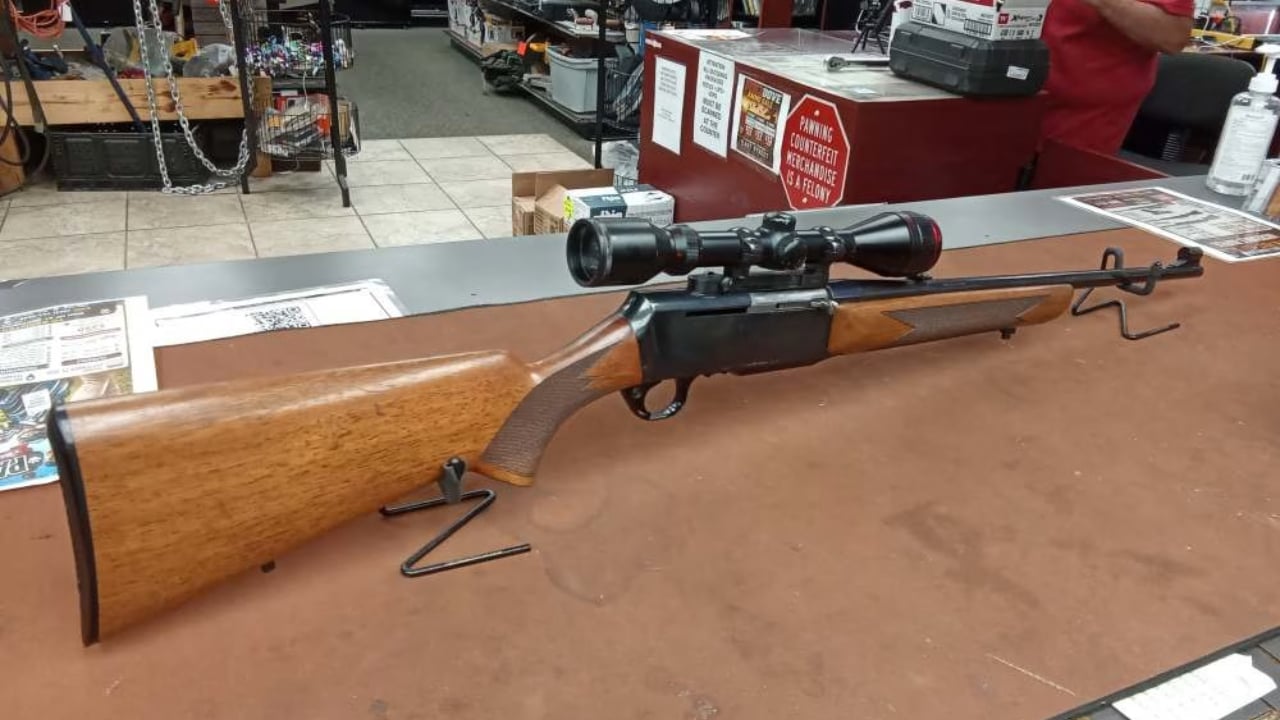
The hunting BAR is one of those rifles that folks buy when they want something that shoots soft and cycles reliably, and then it becomes “dad’s deer rifle” for 30 years. They’re not light, and they’re not cheap to replace, but they point well and tame recoil in calibers that can get snappy in a bolt gun.
They’re worth researching because magazines, parts, and specific generations can matter a lot. Some are more desirable than others, and condition is everything with a semi-auto that may have sat with old oil and dust inside. If it runs right, it’s a steady, dependable hunting tool. If it doesn’t, repairs can be more involved than the average bolt gun, so you want to know what you’re dealing with.
12. Remington Model 742 Woodsmaster

The 742 is a name that can start an argument at a gun counter. Plenty of them worked fine for years, and plenty of them eventually didn’t. What’s common is seeing one passed down because it was a well-used deer rifle that earned sentimental value, then got retired when it started acting up.
It’s worth looking up because not every 742 is automatically a problem, but you should understand the platform’s known wear points and what fixes are realistic. Some issues are minor; some turn into “parts are scarce” situations. If you’ve got one that runs, treat it kindly and keep it clean. If it’s already struggling, it may be better as a keepsake than a hard-use rifle, and there’s no shame in that.
13. Ruger 10/22 (early production and special editions)
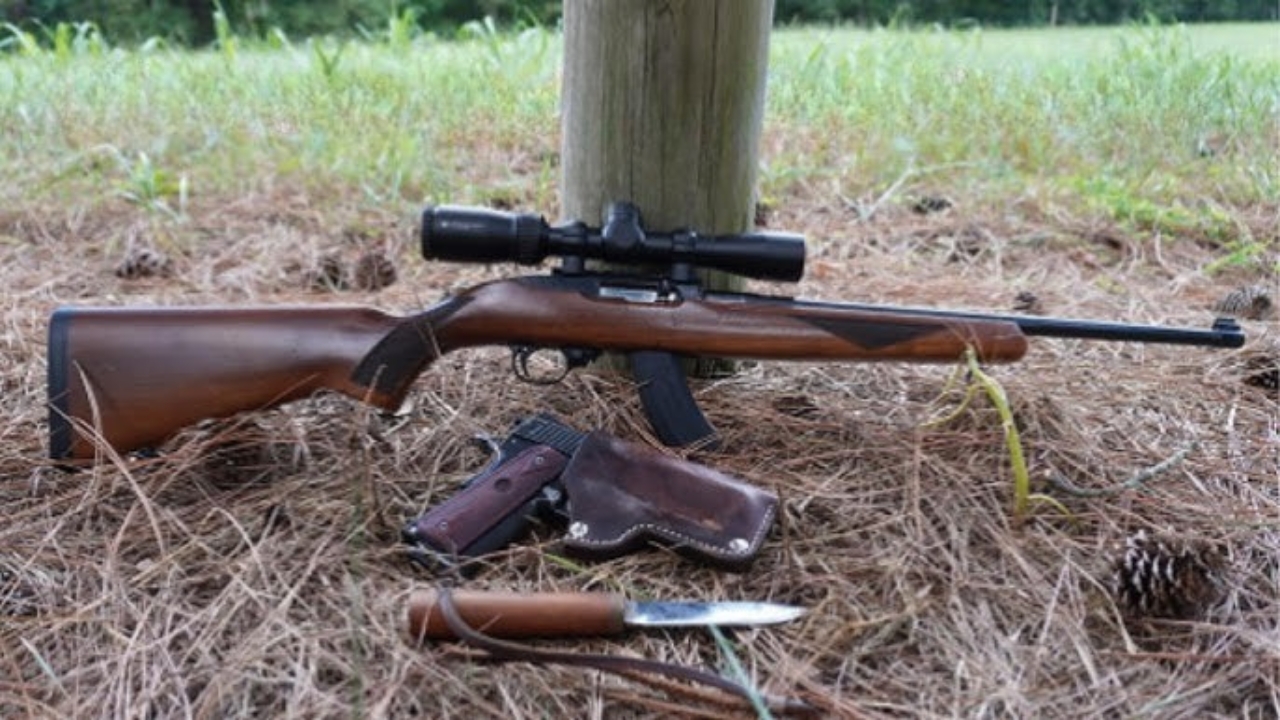
A 10/22 in the family is about as normal as a tackle box in the truck. They get used for squirrels, plinking, and teaching kids, and then they disappear into a closet when the kids grow up. Because they’re so common, most folks never think to research them.
Still, early guns and certain versions can be more interesting than you’d guess, and even a plain one is worth understanding before you start swapping parts. A lot of 10/22s have been “upgraded” into finicky projects. If yours runs and groups well, that boring factory setup might be the best thing it has going. There is nothing fancy about a good 10/22, and that is kind of the point.
14. Marlin Model 39A
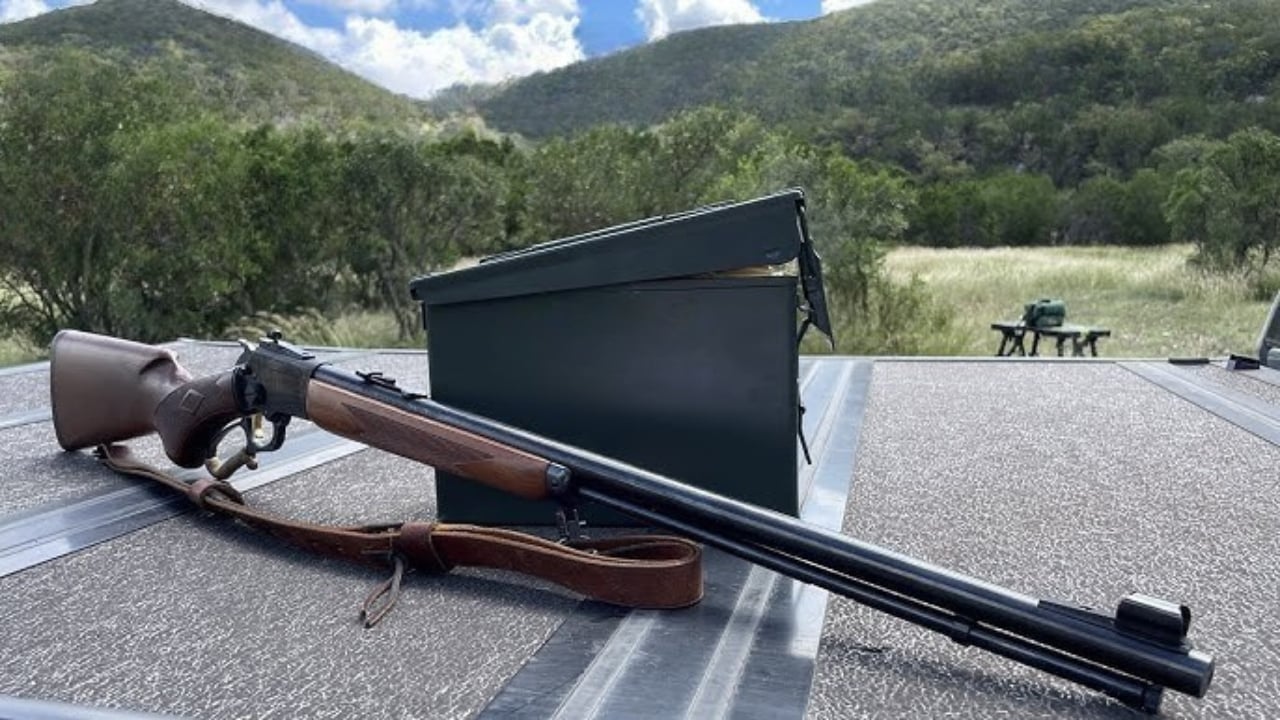
The 39A is one of those .22s that feels like it was built by people who expected it to last 100 years. They’re often family heirlooms because they were expensive enough to be valued and good enough to never need replacing. When you shoulder one, you can tell it isn’t a modern bargain rimfire.
It’s worth looking up because production era, condition, and features can swing value more than people think, especially now that these aren’t rolling off the line like they used to. On the practical side, it’s one of the best woods-walking .22s ever made. If your family rifle has a smooth lever throw and a bright bore, you’ve got something worth preserving, not just another plinker.
15. CZ 452 (and early CZ rimfires)
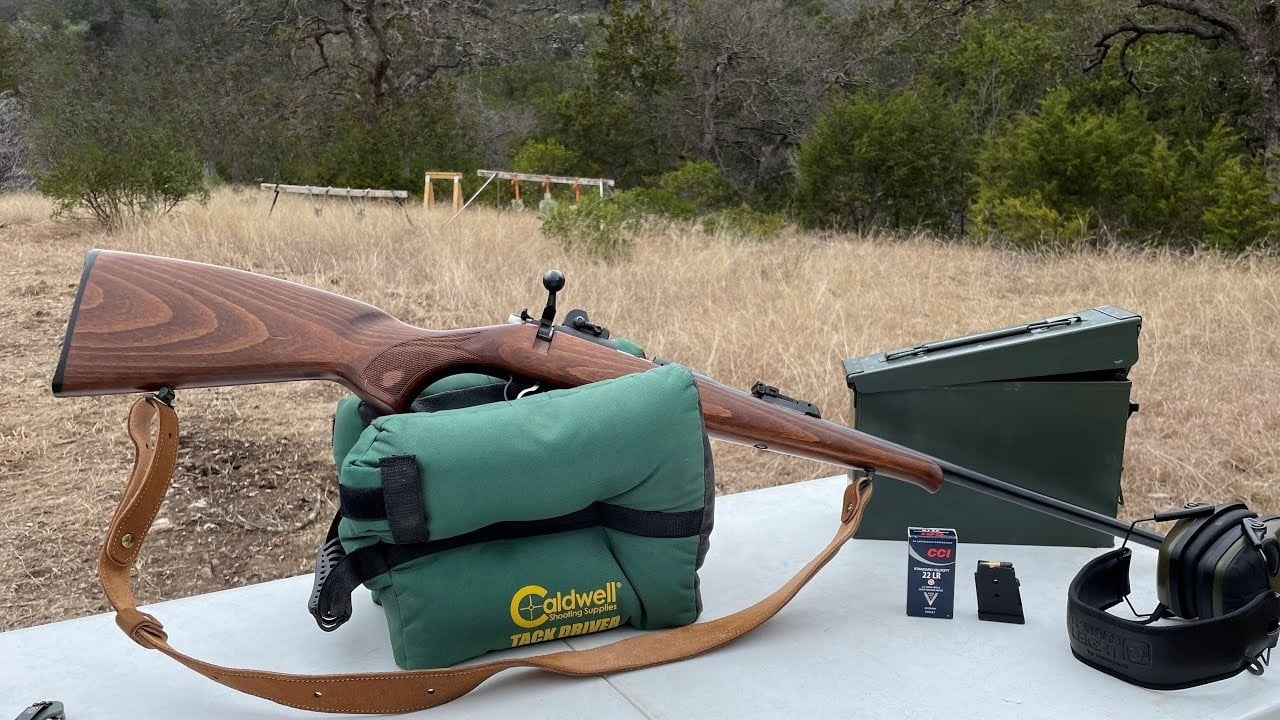
The CZ 452 often comes into a family because somebody wanted a “nice .22” instead of another budget rifle. Then it becomes the gun that always seems to shoot better than it should with cheap ammo. They don’t always look flashy, but the barrels tend to be excellent, and the whole rifle has a no-nonsense feel.
Looking one up is smart because CZ rimfires have a strong following, and older models have their own appeal. Also, folks sometimes inherit them with extra magazines, an older European scope, or a set trigger that they don’t even realize is adjustable. This is one of those rifles that makes you a better shot if you actually take it to the range and quit rushing your trigger press.
16. Sako L579 Forester

Every once in a while, an inherited rifle turns out to be a Sako, and the owner has no clue why it feels “too nice” compared to everything else in the cabinet. The L579 Forester is a classic example. The machining, the smoothness, the way the bolt closes—it’s just on a different level than most mass-market hunting rifles.
It’s worth looking up because Sako values can surprise you, and details matter: chambering, stock style, original sights, and condition. Even if you’re not chasing collector dollars, this is a rifle you hang onto because it’s hard to replace with an equivalent today without spending real money. It’s also the kind of gun that tends to get babied, so you’ll often find them in unusually good shape for their age.
17. Weatherby Mark V
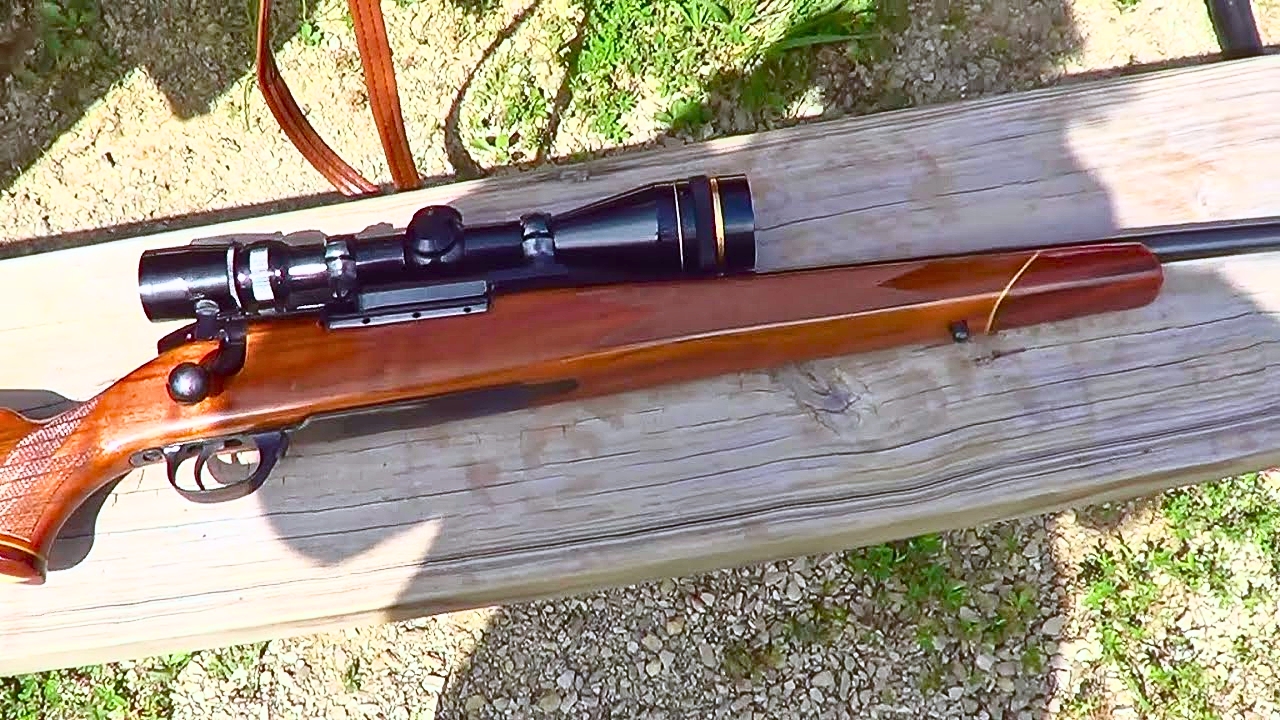
A Mark V often comes with a story, even if it’s a vague one. Somebody wanted the “Cadillac rifle,” or they had a big western hunt planned, or they just liked nice things. These rifles can be stunning, but they’re not always practical for the way most of us hunt whitetails back east or in thick timber.
Still, it’s worth researching because Mark V variants, chamberings, and country of manufacture can change what it’s worth and how it’s viewed. Also, some of them are chambered in cartridges that will get your attention on the bench. If you’re inheriting one, take the time to learn what it’s actually chambered for and whether it fits your hunting style. It might be the perfect “once a year, one shot” rifle—or it might just be heavy and loud for no reason.
18. Winchester Model 52
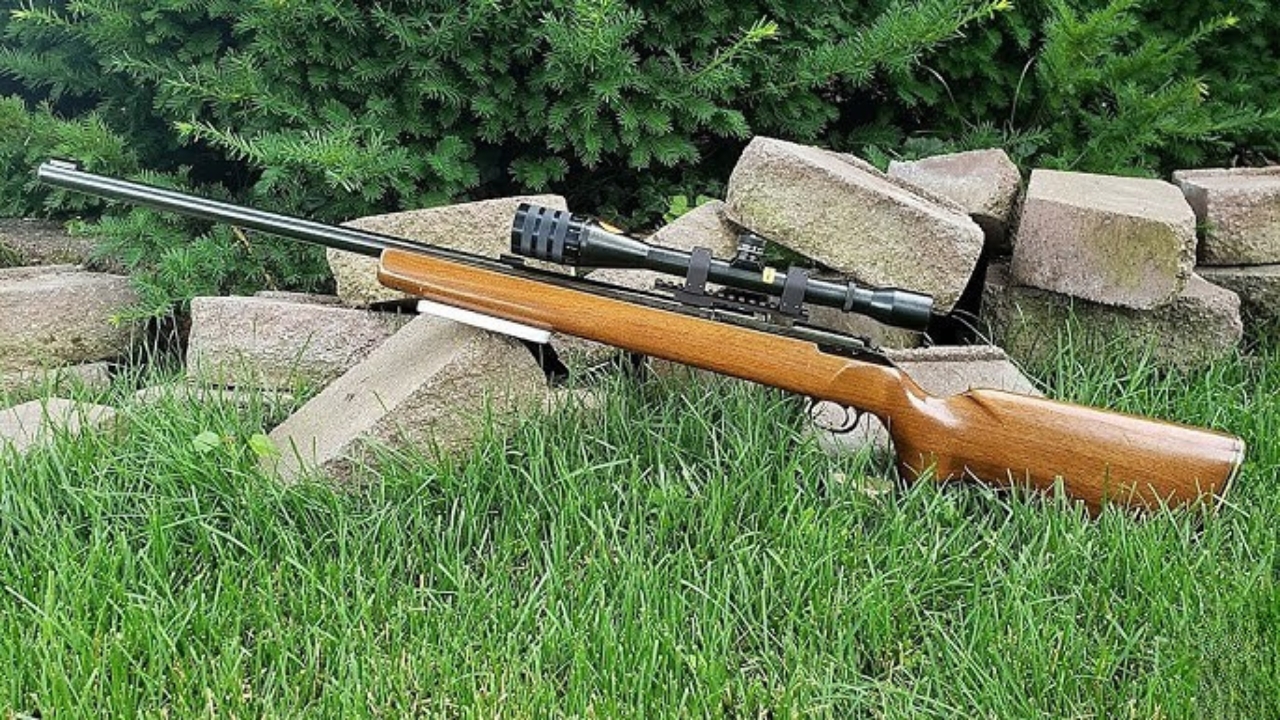
The Model 52 is a sleeper to anyone who hasn’t spent time around serious rimfire shooters. It’s a .22, sure, but it’s not a casual .22. When one of these shows up in a family, it’s often because a grandparent was a target shooter, a smallbore competitor, or somebody who appreciated precision before “precision rifle” became a marketing term.
It’s worth looking up because this is a collector and shooter rifle, depending on configuration. Condition, originality, sights, and stock style make a difference. It’s also a rifle you don’t want to “improve” with random modifications. If it’s intact, keep it that way. And if you ever shoot it, do it right—good ammo, good technique, and no rushing. These rifles will embarrass a lot of modern stuff.
19. Colt AR-15 SP1
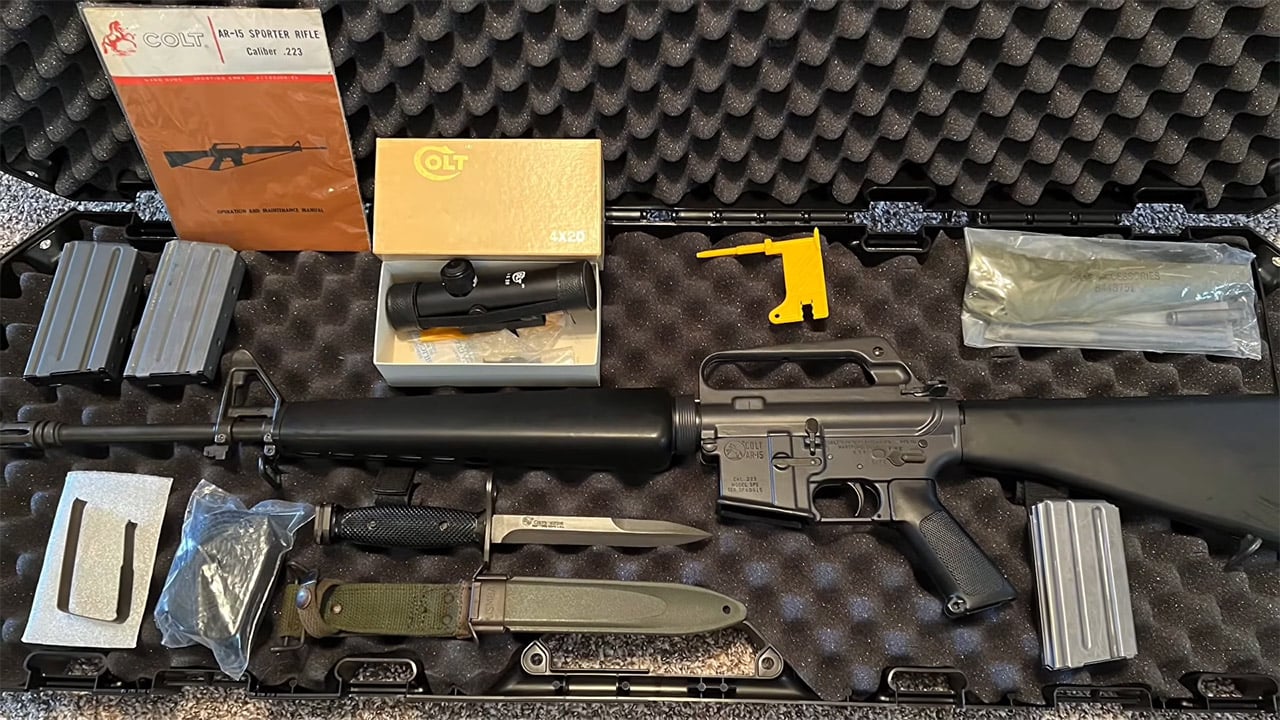
An SP1 can sit in a safe for decades because it doesn’t look like the ARs people see today. Skinny barrel, older furniture, simple sights. If someone in the family bought one early on and then didn’t mess with it, you might be holding a rifle that collectors care about a lot more than the average “AR is an AR” crowd realizes.
It’s worth researching because originality is the whole game here. Swap parts around, paint it, or treat it like a blank canvas and you can erase what makes it special. On the usefulness side, it’s still a light, handy rifle that does what a 5.56 AR does. Just don’t assume it’s a modern parts-bin build. The older Colts have their own lane, and the details are what put it there.
20. U.S. M1 Carbine (Inland and other wartime makers)

The M1 Carbine is another one that comes with half-remembered family stories. It’s light, handy, and fun to shoot, which is why so many ended up as “truck gun” candidates back when that was a more common idea. Today, originals are more appreciated, and good magazines and correct parts aren’t something you should take for granted.
Looking it up is worth your time because maker marks, parts mix, and overall originality affect value in a hurry. Also, .30 Carbine ammo isn’t as cheap as it used to be, and not every carbine is equally reliable depending on springs, magazines, and wear. If yours runs, it’s a rifle that makes you smile at the range and still has legitimate historical weight. If it doesn’t, it deserves a careful, competent inspection rather than a pile of random “fixes.”
If you’ve got a mystery rifle that came down through the family, slow down before you scrub it, modify it, or swap it for store credit. Write down markings, take clear photos, and get a knowledgeable set of eyes on it if you’re unsure. Some of these are just solid hunting tools, and some are legitimately special. Either way, the best outcome is the same: you understand what you own, you store it safely, and you decide what role—if any—it still earns in your season.
Like The Avid Outdoorsman’s content? Subscribe to our newsletter so you never miss an article.
Here’s more from us: