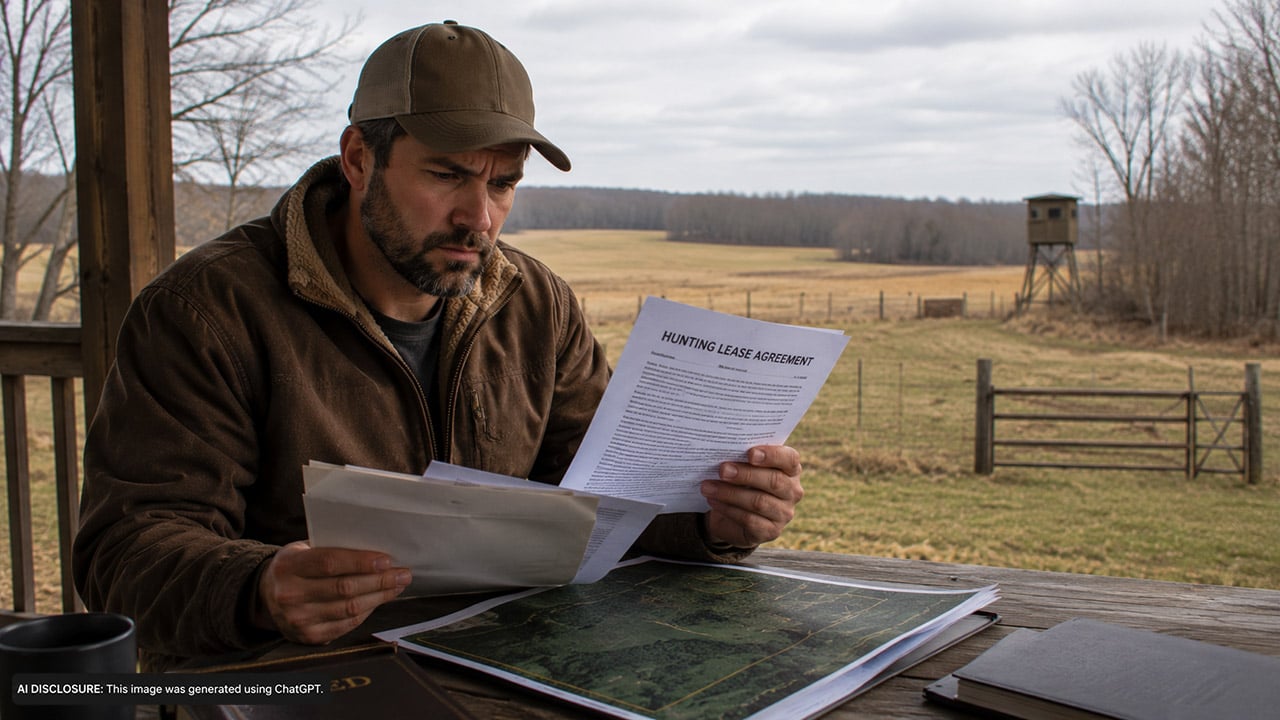
Photo credit: AI-generated image created using ChatGPT. Illustrative only.
A young renter in North Carolina thought he’d landed the kind of place a lot of outdoorsmen dream about: a house with room to roam, shoot a bow, hike, and scout deer on his own time. He toured a home sitting on a 25-acre tract, heard the owners say the land use was his, signed the lease, paid the deposit and first month’s rent, and picked up the keys.
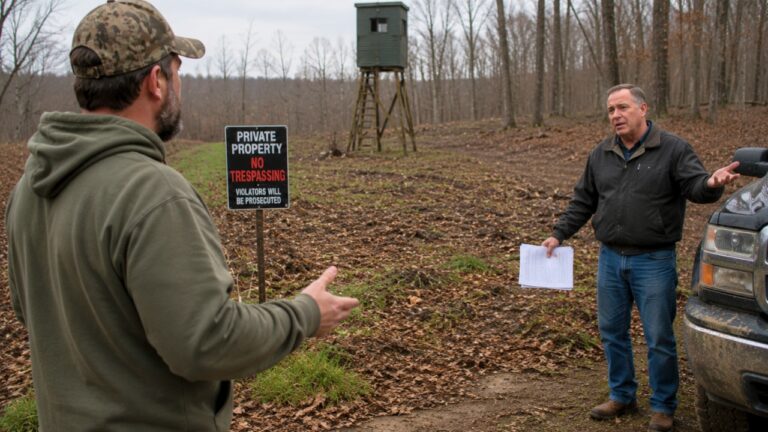
Then he walked the property and found deer stands already set up. When he asked about them, the owners disclosed—for the first time—that part of the land was being rented out to hunters, and that the house “actually only sits on 2 acres,” with access to the full 25 acres available for an extra $100 a month. The details came from the original post, where the renter’s girlfriend laid out the timeline and asked what options they had.
The moment the deer stands showed up, it stopped being just a lease question
In rural country, deer stands aren’t just “stuff in the woods.” They’re a signal that someone thinks they have permission to be there, and they may show up before daylight with a rifle or bow. In this case, the first stand was reportedly about 150 yards from the house—close enough that you’re thinking about backstops, safe directions of fire, pets, kids visiting, and basic peace of mind.
It also changes the way you use a property. A guy who thinks he has 25 acres might be walking trails, running a dog, hanging a target, or doing chores out back. If someone else has hunters coming in, now you’ve got strangers moving through “your” woods, and the renter is left wondering where the lines actually are.
What Sam says he was told versus what he found after signing
According to the post, the listing showed the address and the land that came with it. During the tour with the owners and the renter’s dad, the owners allegedly explained the land usage was his and he could do whatever he wanted recreationally. That full-property access was a major reason he agreed to rent the place.
But once he started exploring after getting keys, the deer stands popped up. When he contacted the landlord, he learned “part of the yard is actually being rented out to hunters,” and that the deal they were offering now was basically an upgrade: pay $100 more per month and he can have access to all 25 acres.
The lease language matters, and so does what it doesn’t say
The written lease described the property as a single-family residence. Under tenant obligations, it also included an occupancy clause: “subject to applicable law, the Property will only be occupied by” the tenant (and any listed children or other approved occupants). Sam was the only one listed.
That kind of wording is usually aimed at who can live in the house, not who can step foot on the back forty. Still, if the landlord is treating the acreage like it’s split up—2 acres for the renter, the rest effectively controlled by a hunting lease—that’s the kind of thing most folks would expect to be spelled out clearly before money changes hands.
The big practical issue is this: if the contract and the marketing implied one thing (use of the full tract), and the landlord later tried to redefine it as “you only get 2 acres unless you pay more,” you’re immediately into a dispute about what was represented, what was agreed to, and what the tenant’s remedies might be.
Outdoorsmen see the same safety problems right away
Even if every hunter on that lease is respectful, this setup invites conflict. Hunters may feel they’ve got rights to be there because they paid for them. A tenant feels like he rented the whole place because that’s how it was presented. Then opening morning rolls around and both parties think they belong.
And when hunting is involved, “conflict” can mean a lot more than a bad conversation at the mailbox. It can mean someone walking into a line of fire, someone shooting toward a house because they don’t realize how close they are, or someone confronting someone in the dark. Most hunters are safe, but good systems prevent close calls, not just good intentions.
If a deer stand is truly 150 yards from the home, it’s also worth thinking about whether the stand placement and any shooting lanes are appropriate given the proximity to a residence. That’s not something a tenant should have to discover by accident after signing a lease.
What people tend to focus on in situations like this
When outdoors folks hear “land being leased to hunters,” the first question is usually simple: who exactly has the right to be there? Is it a written hunting lease? Is it still active? What boundaries does it cover? And did the landlord even have the authority to grant it if the lease to the tenant was supposed to include the property?
Right behind that is documentation. Save the listing. Save texts and emails. Write down the dates: signed March 7, discovered stands after receiving keys, and got the disclosure March 16. If the landlord made statements during the tour, note who was present (in this case, the renter’s dad was there). When agreements go sideways, the paper trail is what matters.
Finally, people often bring up the practical step of not escalating with the hunters themselves. That doesn’t mean you let strangers do whatever they want; it means you avoid a porch-light argument with someone holding a firearm. If someone shows up to hunt, the safest move is usually to disengage and contact the landlord first, and if there’s an immediate safety concern, the appropriate local authority.
Real-world options that usually come next
Most renters in Sam’s position are looking for one of three outcomes: (1) get what they thought they rented, (2) pay less to match what they’re actually getting, or (3) unwind the deal and leave without getting burned on deposits and fees.
The first step is to demand clarity in writing. If the landlord claims only 2 acres are included, ask them to identify exactly what 2 acres, provide a map, and provide the written hunting lease terms that affect access. If the landlord can’t or won’t, that tells you plenty. If they can, at least you know what you’re dealing with.
The second step is to consider whether the landlord’s “pay $100 more for access” offer is essentially an admission that the full acreage was part of what was marketed. It may be an honest misunderstanding, or it may be a bait-and-switch approach. Either way, the tenant should think hard before agreeing to new terms just to regain what he believed was already included.
The third step—especially if safety is a concern—is to consult a North Carolina landlord-tenant attorney or a local tenants’ rights resource. This isn’t just “my neighbor walked across my yard.” This is a property-use dispute involving hunters on the same tract as a residence, and it can get messy fast if it isn’t corrected early.
Out in the country, a little land is a big part of why you rent where you rent. If a landlord is stacking agreements—one tenant in the house, another group hunting behind it—everybody needs clean lines and clear paperwork. Without that, it’s not just inconvenient. It’s a recipe for a bad morning in the woods.
Like The Avid Outdoorsman’s content? Subscribe to our newsletter so you never miss an article.
Here’s more from us: