Photo credit: Guns/YouTube
Some pistols earn their reputation the easy way. They come from famous manufacturers, cost serious money, and arrive with decades of institutional trust behind the name.
Others look like they should be mediocre and then stubbornly refuse to quit. Maybe they were built to hit a low price point, came from a manufacturer nobody associated with premium handguns, or spent years getting dismissed as surplus junk. Yet owners keep discovering examples that feed ugly ammunition, tolerate neglect, and keep running long after expectations should have caught up. These 20 pistols are much harder to dismiss once you actually start shooting them.
Ruger P944
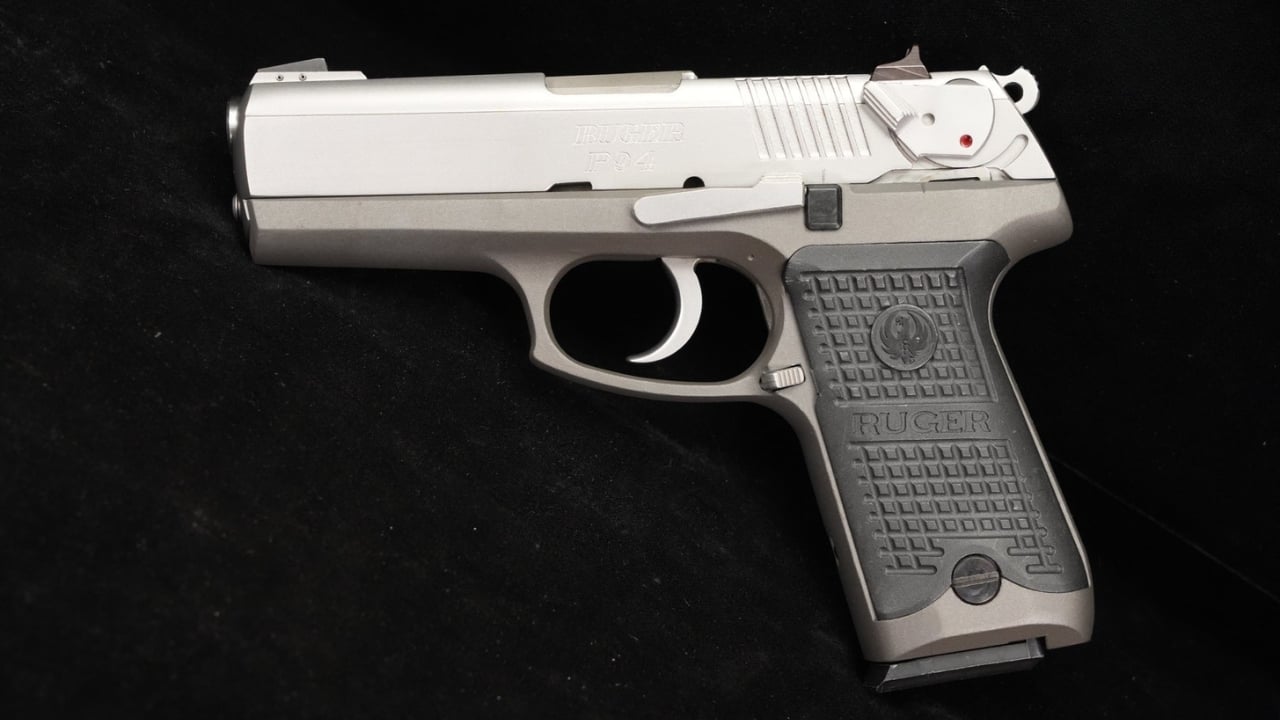
The P944 has all the visual elegance of something designed by an engineer who was told appearance did not matter. It is thick, heavy, and unmistakably from Ruger’s old P-series era.
That same overbuilt construction is why these pistols have such a stubborn reputation. The slide carries plenty of mass, the frame feels substantial, and the operating system is not trying to save every ounce possible. In .40 S&W, that extra material is especially useful because the cartridge can be rough on lightweight pistols. A P944 may look dated beside a current polymer gun, but there are owners who have spent years trying unsuccessfully to wear theirs out.
Beretta 9000S

The 9000S is one of Beretta’s stranger compact pistols. The grip is chunky, the styling screams early 2000s, and the controls never felt as intuitive as the company’s larger service guns.
Yet mechanically, many examples are far better than the pistol’s reputation suggests. The locked-breech system is conventional, the metal slide and robust internal parts are not particularly delicate, and the gun tends to keep functioning even when shooters never develop much affection for it. The 9000S failed to become popular, but that is not the same thing as failing to work.
Daewoo DH40
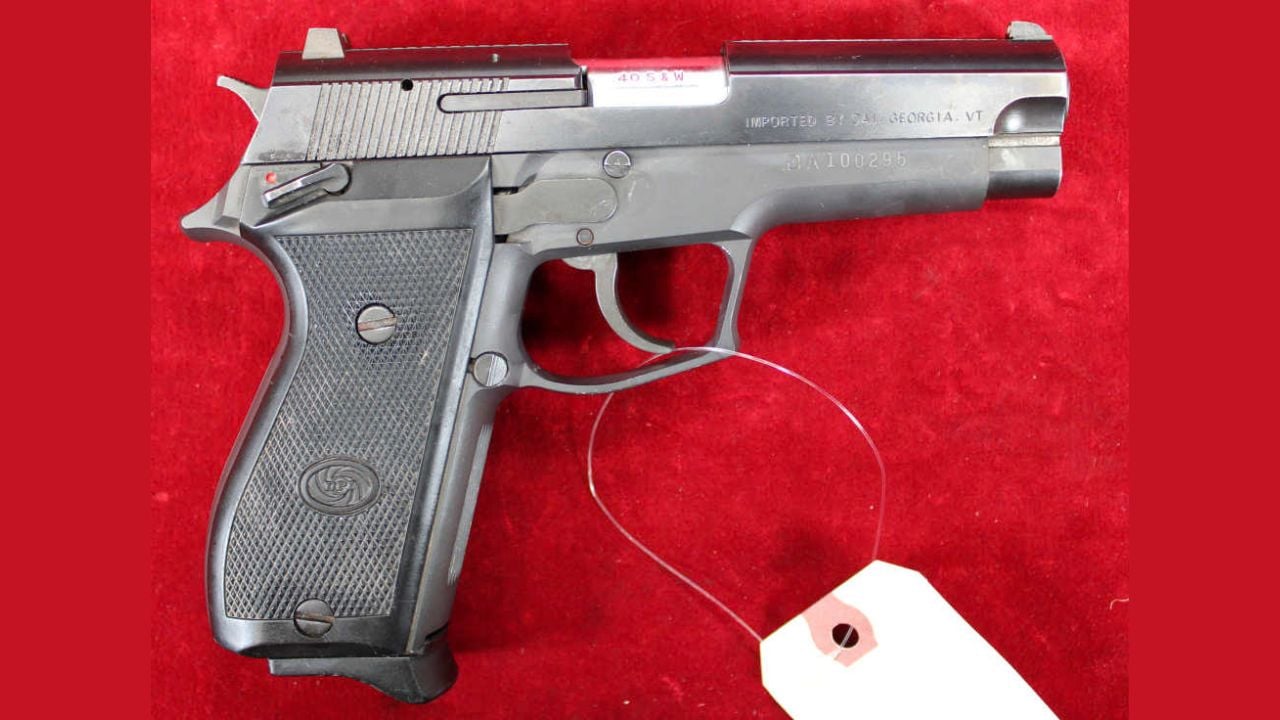
The DH40 is the kind of pistol many American buyers would have walked past simply because the name on the slide did not carry much weight.
That was a mistake. Daewoo’s service pistols were built around military-style durability rather than showroom appeal. The all-metal frame, substantial slide, and straightforward DA/SA system make the DH40 feel like a serious service handgun despite its obscurity. In .40 S&W, the extra weight is welcome, and surviving examples have developed a loyal following precisely because they tend to be much harder to kill than expected.
Astra A-100
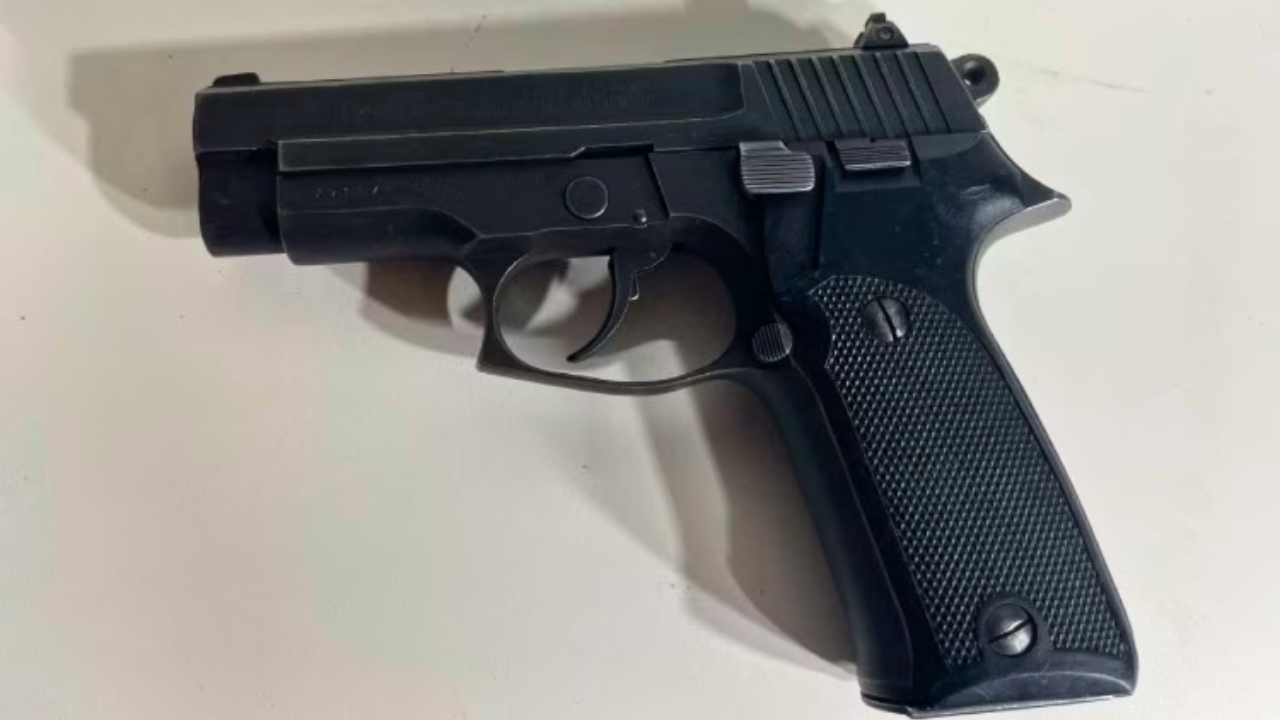
The A-100 gets dismissed as a Spanish service pistol that borrowed heavily from better-known European designs.
That description is not entirely unfair, but it also hides how competent the gun can be. The pistol is solid, heavy, and built around a traditional locked-breech DA/SA layout. It does not have a refined trigger or premium finish, but it tends to tolerate hard use well. These are the kinds of guns that spent years as inexpensive used pistols and then surprised owners by simply refusing to become problematic.
Star Model 31
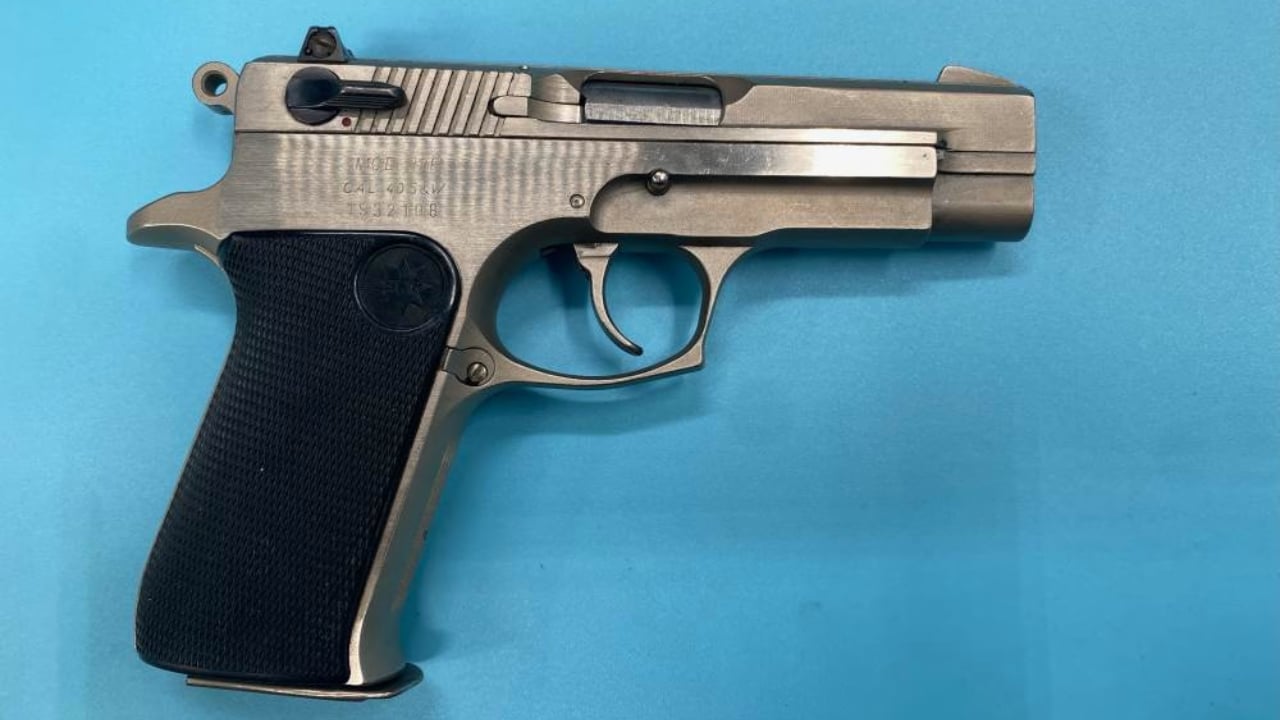
Star’s later service pistols never developed the fame of its older single-action guns, which kept models like the 31 in relative obscurity.
The Model 31 is a serious all-steel service pistol with enough weight to make recoil easy to manage and enough material to survive years of shooting. It is not light, slim, or particularly fashionable, but none of that matters after a long range session where the gun keeps feeding everything put through it. Parts availability is the modern problem. The basic design was never the weak link.
Zastava CZ999
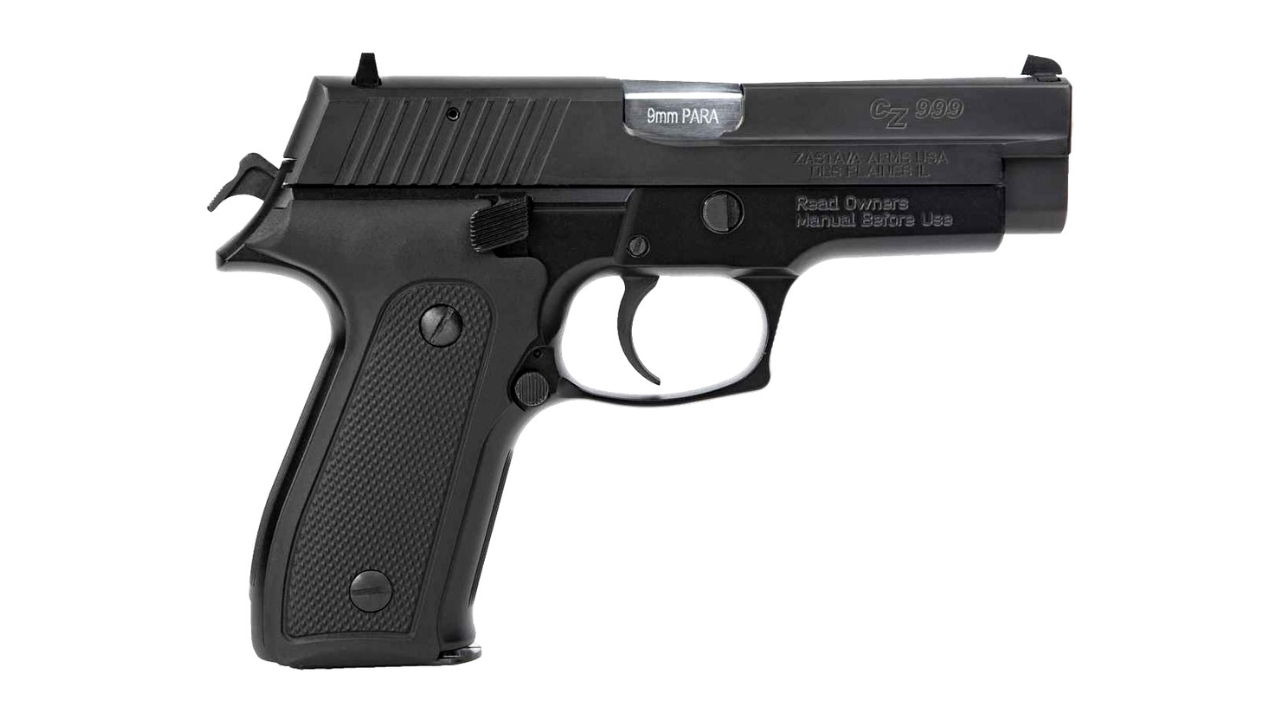
The CZ999 looks like somebody blended several famous service pistols together and then made the result slightly bulkier.
That awkward appearance hides a very tough handgun. Zastava has decades of experience building military firearms, and the CZ999 reflects that background. The metal frame, large controls, and substantial internal components give it the feel of a pistol intended for service rather than occasional range use. It is not refined enough to impress somebody shopping by trigger feel, but reliability has never required elegance.
Bersa Thunder 9 Pro
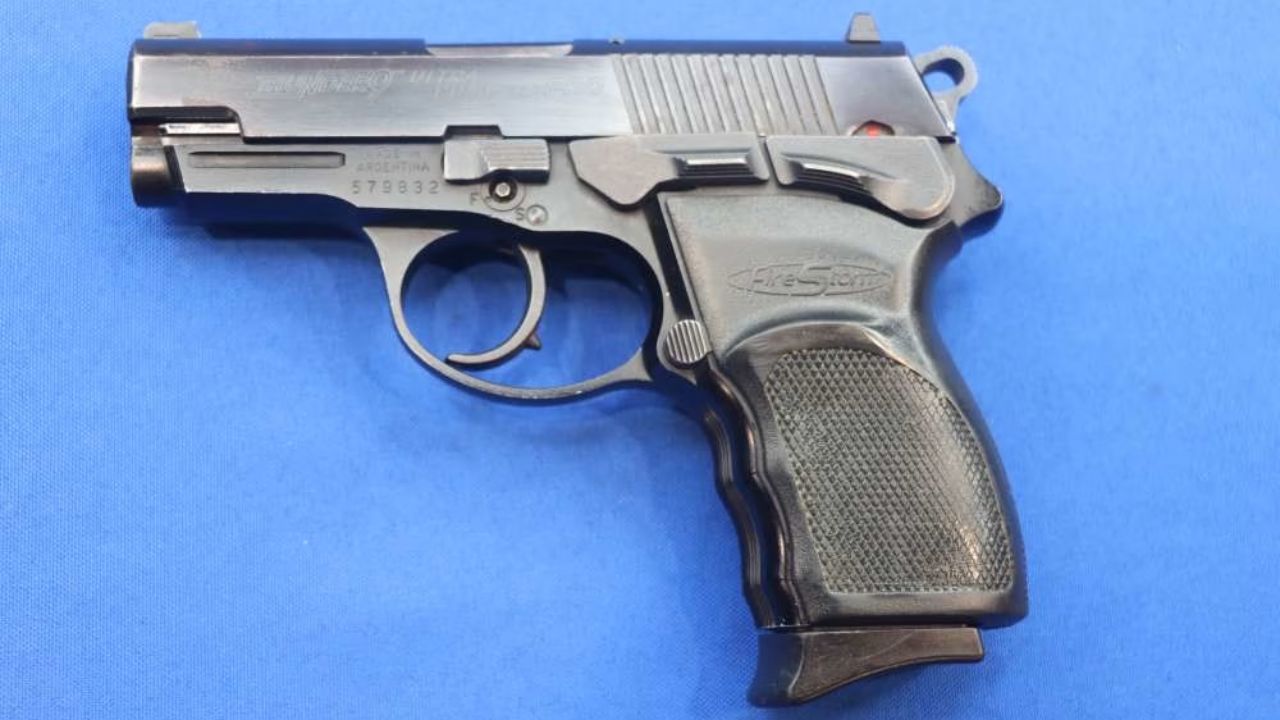
Bersa is still judged heavily by the low price of its pistols, which causes the larger Thunder Pro series to get dismissed before many shooters even handle one.
That is unfortunate because the Thunder 9 Pro is a stout metal-framed service pistol with ambidextrous controls and traditional DA/SA operation. It has the weight and proportions of a gun built to be used hard. The finish may not impress anyone, but the design itself is mature and straightforward. Owners who put serious round counts through them often come away with much more respect than the price tag initially inspired.
Ruger P97
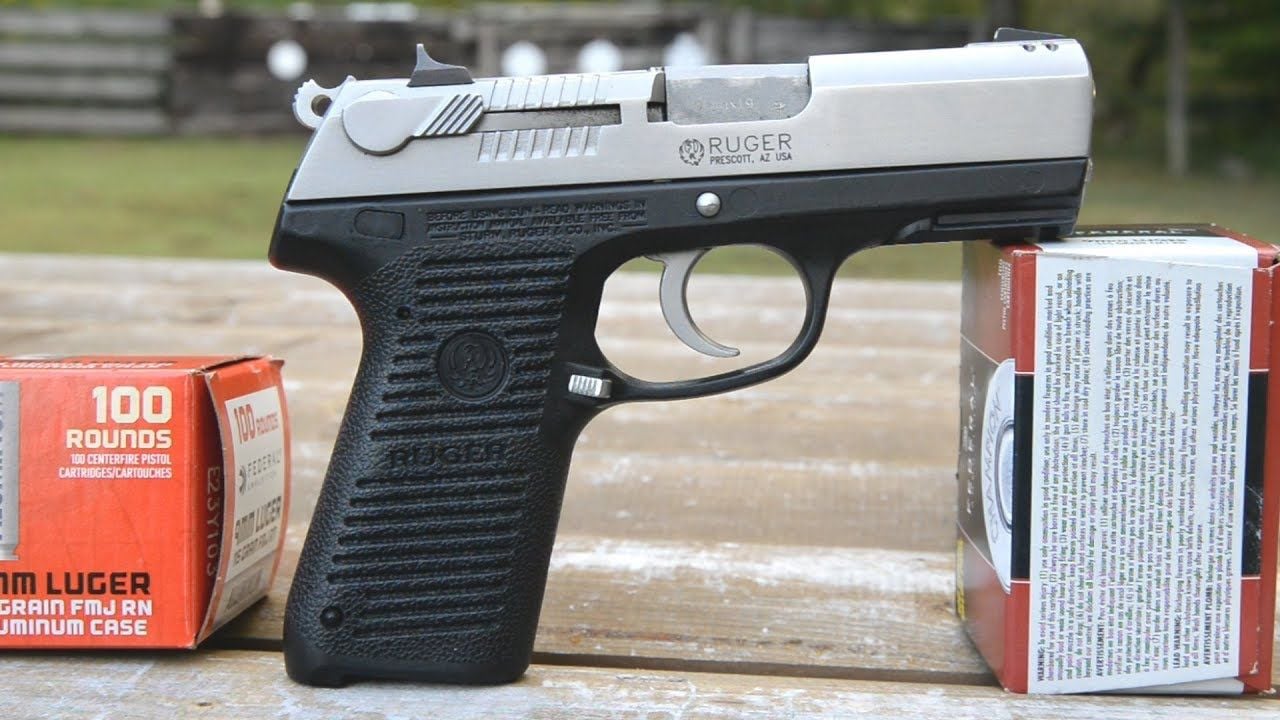
The P97 is another old Ruger that looks too clunky to inspire much enthusiasm.
In .45 ACP, that chunky construction actually makes a lot of sense. The polymer frame keeps weight from becoming excessive, while the slide and locking system remain substantial enough to handle prolonged use. Ruger was never chasing a delicate carry pistol here. The P97 was built around a broad reliability margin, and it shows. It is one of those handguns people buy cheaply and then discover they have almost no reason to replace.
Smith & Wesson 4043
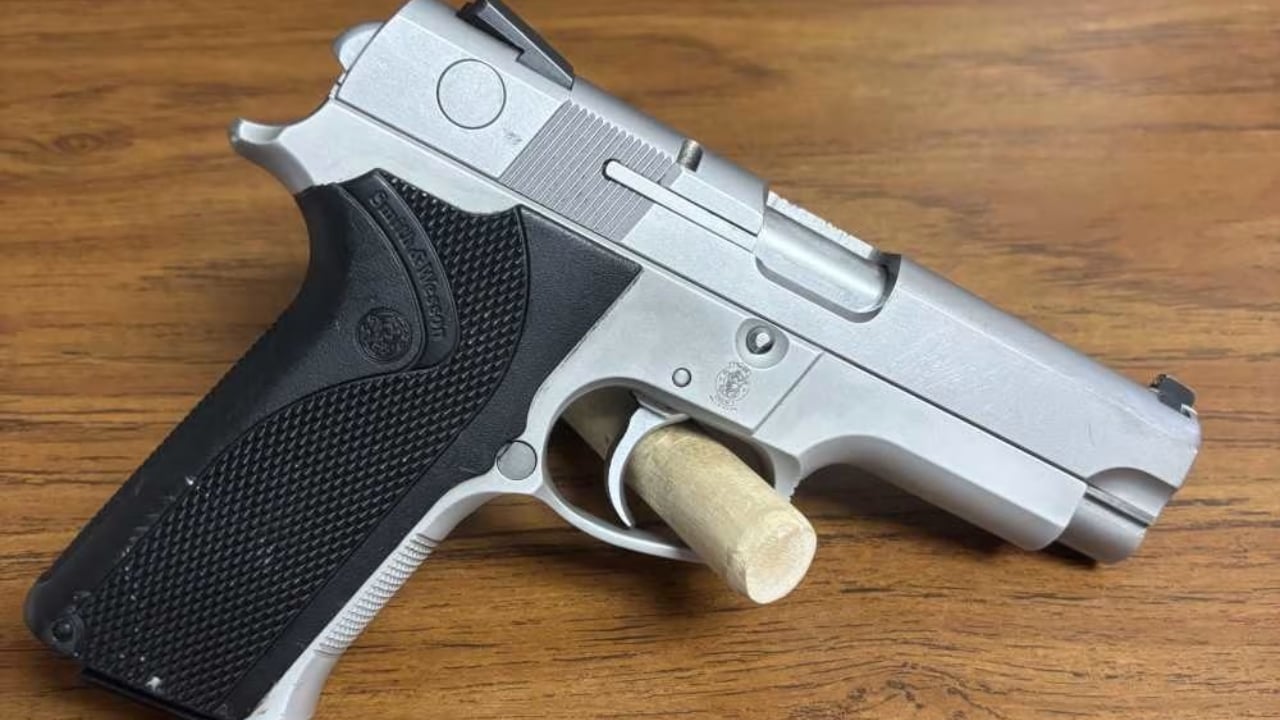
The 4043 came from Smith & Wesson’s third-generation service-pistol era, when departments still expected duty guns to be carried and fired for years.
Its DAO trigger is not going to win many modern shooters over, but the stainless slide, alloy frame, and mature operating system are extremely hard to criticize from a durability standpoint. These pistols were not designed around being exciting. They were designed around working every time somebody needed them. That makes them far more impressive today than their plain appearance suggests.
Beretta 8040 Cougar

The .40-caliber Cougar never became as famous as Beretta’s 92-series pistols, and the rotating-barrel system looked needlessly complicated to some buyers.
In practice, the design can be extremely dependable. The rotating barrel helps manage recoil while reducing the violent tilting motion of a conventional Browning-style lockup. The metal frame also gives the pistol enough mass to handle .40 S&W comfortably. The Cougar’s biggest failure was commercial visibility, not mechanical reliability.
Stoeger Cougar 8000
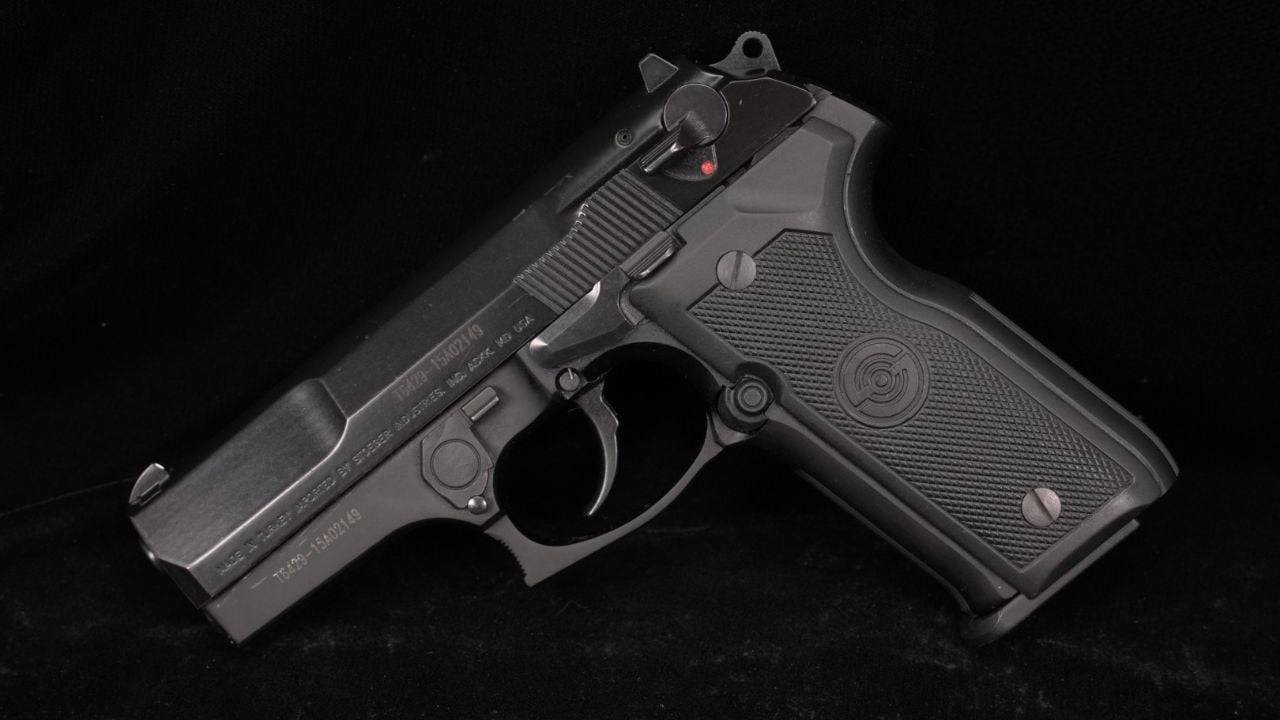
When Stoeger began producing the Cougar design, some buyers assumed it had become a cheaper version of the Beretta and therefore must be inferior.
Many examples proved that assumption wrong. The Turkish-produced pistols retained the rotating-barrel system and substantial metal-frame construction while usually selling for considerably less money. They never carried Beretta prestige, but they often ran just as stubbornly. A pistol that looks like a forgotten budget import has no business being as dependable as a good Stoeger Cougar can be.
FEG P9M
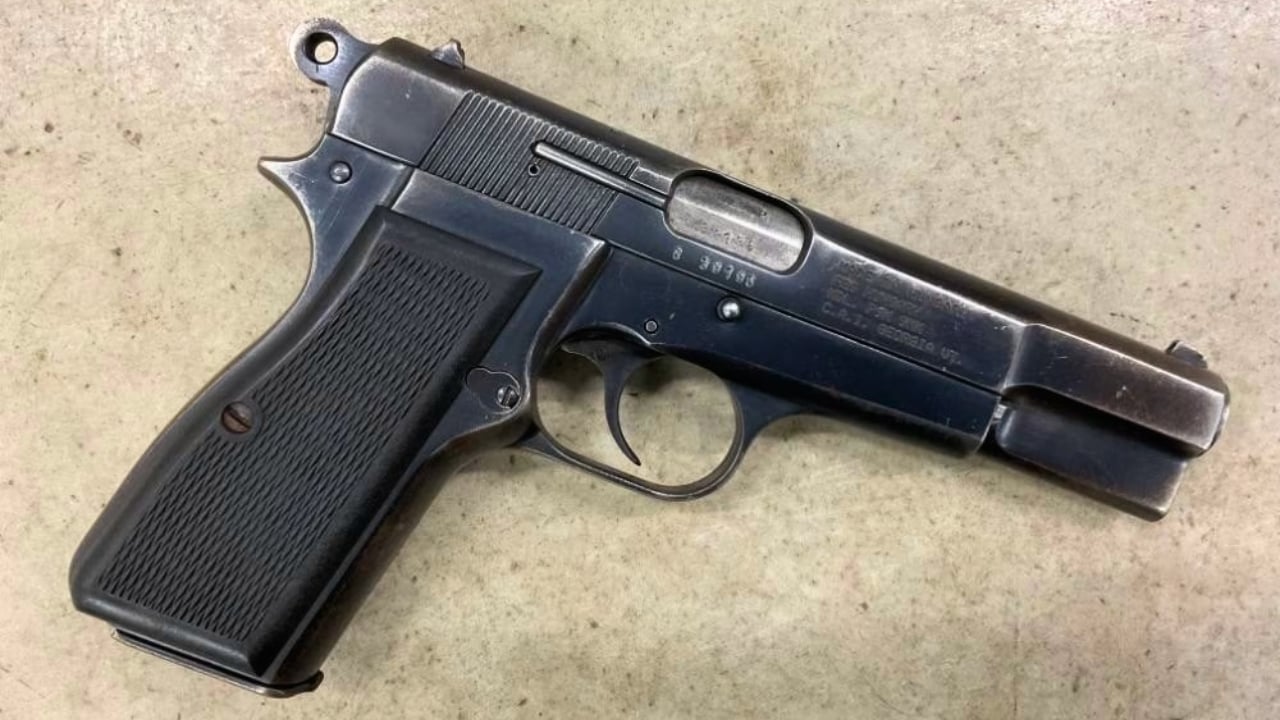
The P9M is often treated like a bargain-bin Hi-Power clone.
That is exactly why its reliability surprises people. Hungarian military and commercial pistols were generally built around practical service use, and the P9M reflects that mindset. The finish may be rougher and the trigger less refined than a premium Browning, but the all-steel construction and proven basic operating layout leave little room for drama. Clean magazines and decent ammunition often result in a pistol that simply works.
Arcus 98DAC
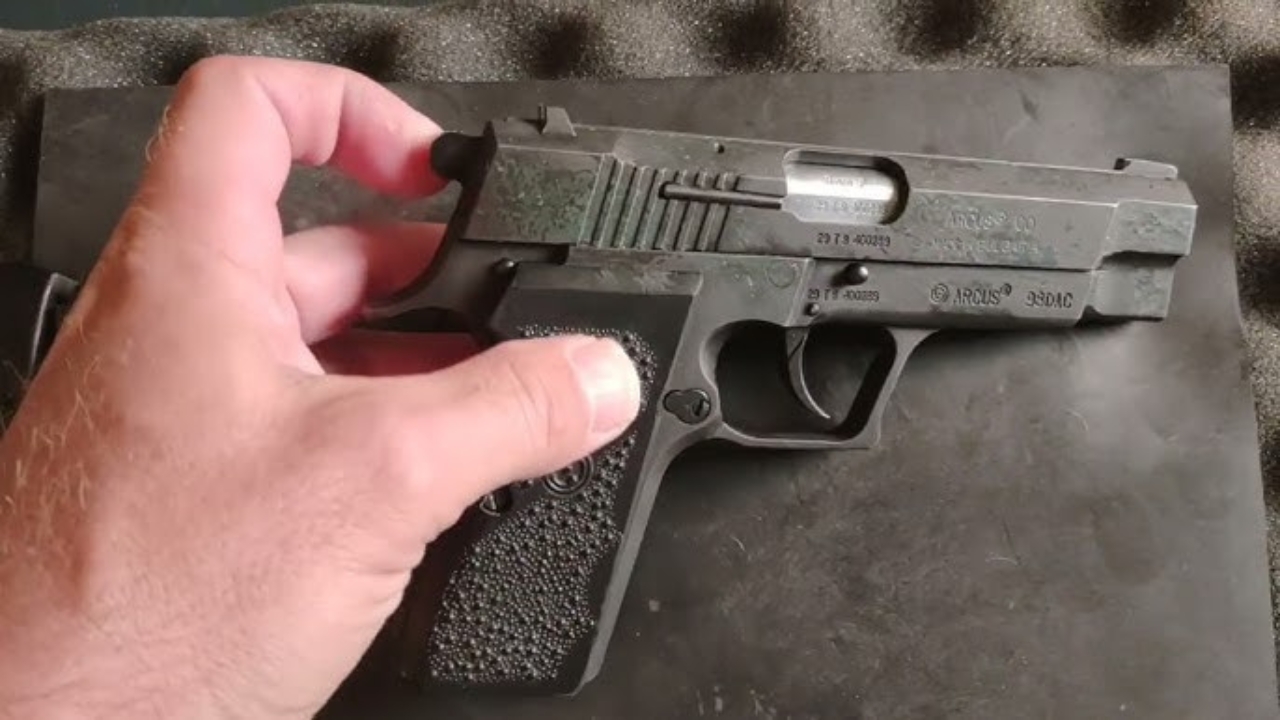
The Bulgarian Arcus pistols never received much attention in the United States because buyers saw them as odd Hi-Power relatives.
The 98DAC is much more of a service pistol than a collectible clone. Its DA/SA trigger, thick slide, and steel construction give it a rugged feel that immediately separates it from lighter commercial pistols. Nothing about it seems delicate, and that is reflected in how well many examples tolerate hard use. It is crude in places, but crude and unreliable are not the same thing.
EAA Witness Full Size .45
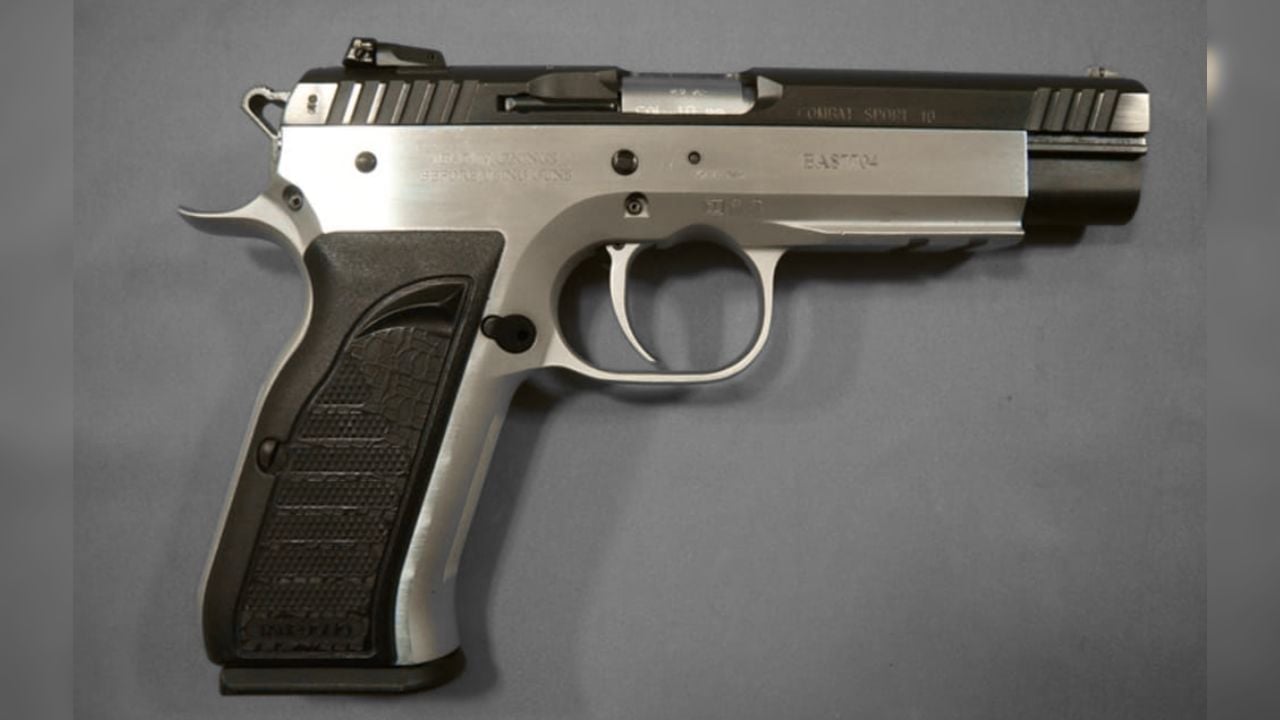
The full-size Witness pistols have always occupied an awkward position between inexpensive imports and serious competition guns.
In .45 ACP, the heavy steel-frame versions can be surprisingly durable. The slide rides low, the frame soaks up recoil, and the CZ-derived layout has decades of proven development behind it. Quality can vary across the huge Witness family, but a good full-size .45 often turns into the sort of pistol an owner keeps simply because it refuses to give them a reason to sell it.
SAR K2 45
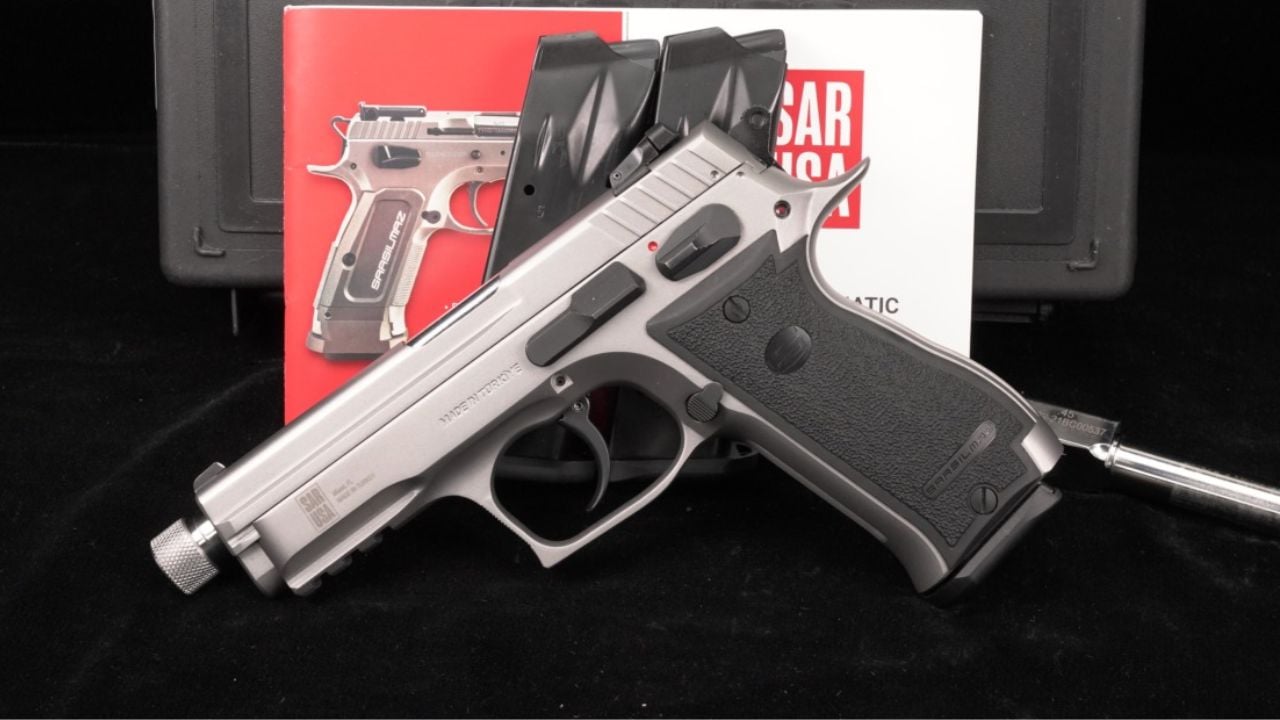
The K2 45 looks massive because it is massive.
That bulk becomes an advantage once .45 ACP starts running through it. The steel frame, large slide, and generous grip give the pistol excellent recoil control and a sense that very little is being stressed near its limits. SAR does not have the American name recognition of the major duty-pistol manufacturers, yet the K2 has built a following among shooters who discover how much abuse the basic design can take.
Jericho 941 R
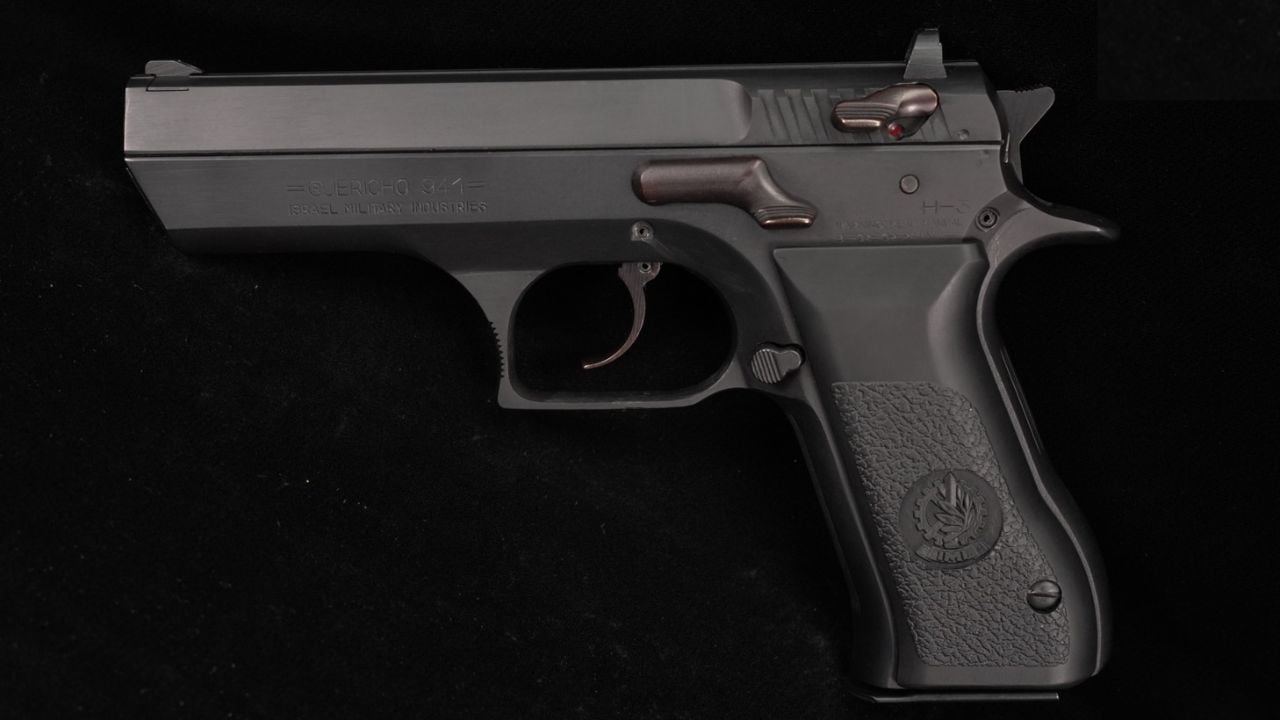
The Jericho’s weight is usually the first criticism modern shooters make.
That weight is also part of why the gun feels so dependable. The steel frame provides a stable base, the internal-slide-rail arrangement keeps everything tightly supported, and the design has roots in one of the most proven service-pistol layouts ever developed. A Jericho is not the gun you buy to shave ounces from a carry setup. It is the gun you buy when a little extra steel feels like cheap insurance.
Taurus PT945
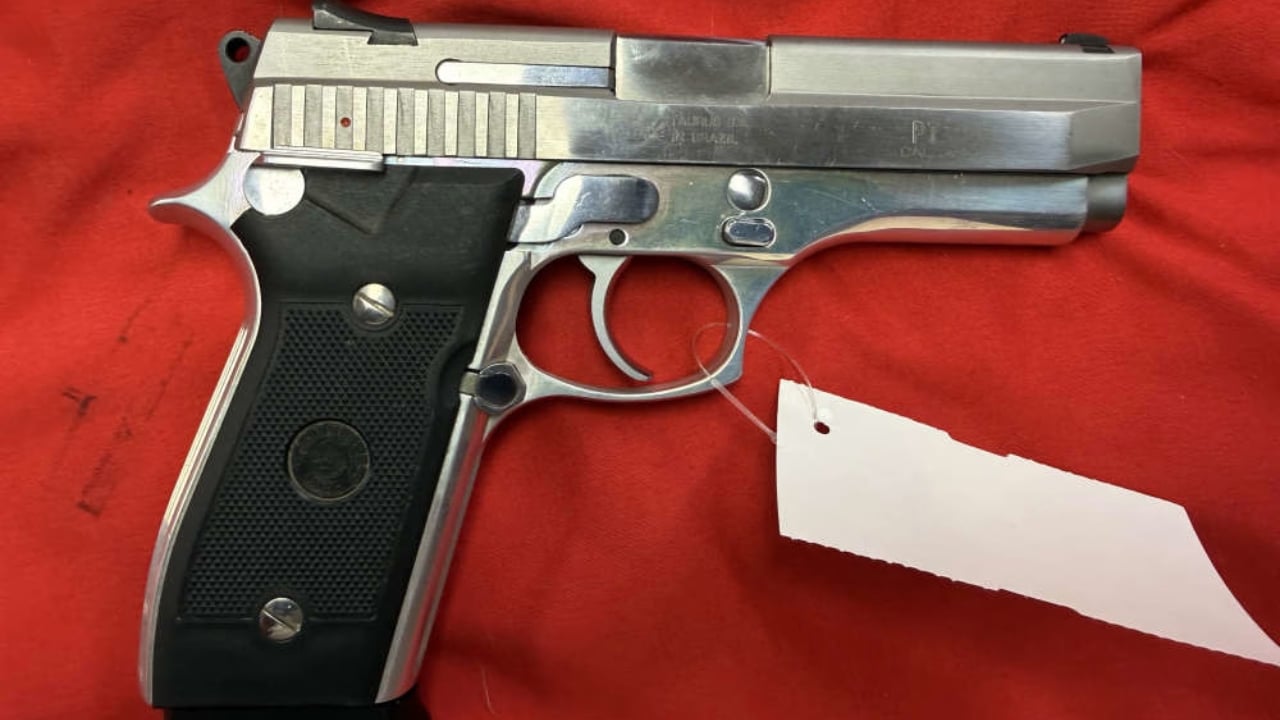
Older Taurus semiautomatics are easy to dismiss because the brand’s reputation has been inconsistent over the years.
The PT945 is one of the guns that complicates that stereotype. It is a compactish metal-framed .45 ACP with a traditional hammer-fired action and enough mass to keep the cartridge manageable. Plenty of examples have kept running long after owners expected them to develop problems. It is not elegant, and aftermarket support is thin, but a good PT945 can be a surprisingly stubborn little pistol.
S&W Model 915
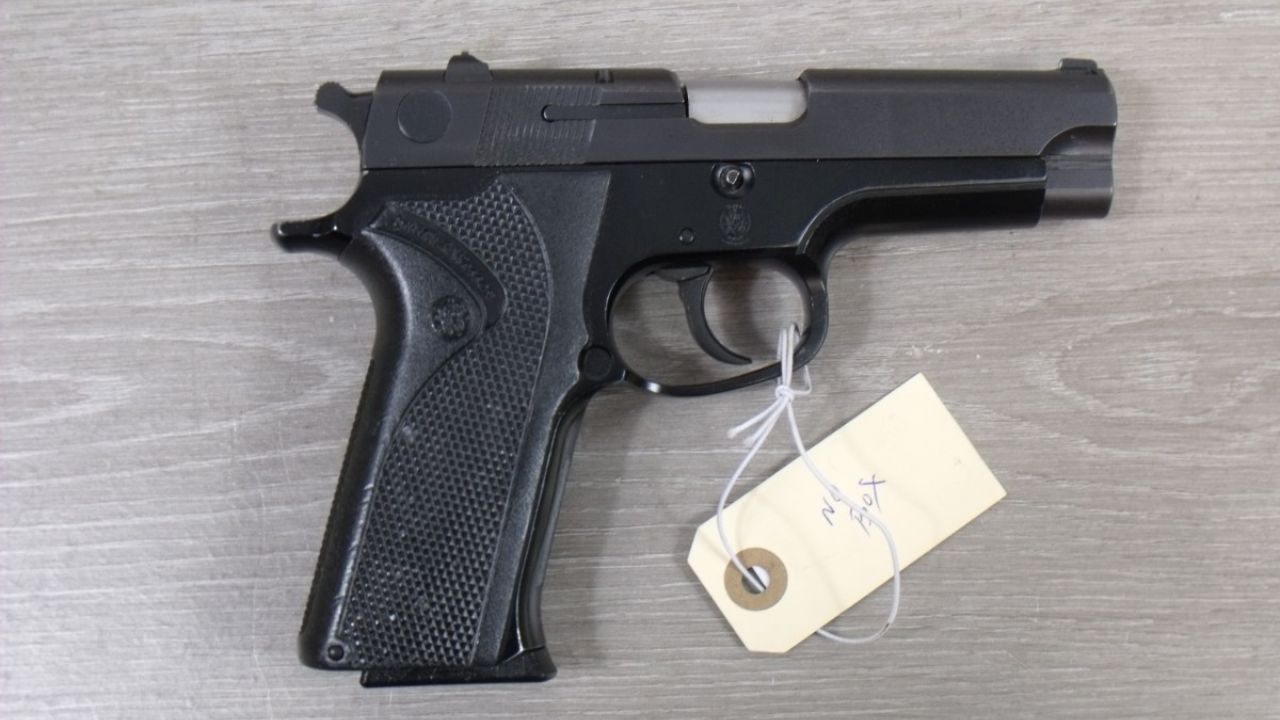
The Model 915 was specifically built as a more affordable version of Smith & Wesson’s established service pistols.
That budget positioning made buyers assume the gun had to be significantly worse than the more expensive models. Mechanically, however, the core design remained durable. The pistol uses a proven locked-breech system, substantial slide, and traditional DA/SA controls. It may have less cosmetic refinement, but reliability does not care much about polished machine work.
Beretta Nano
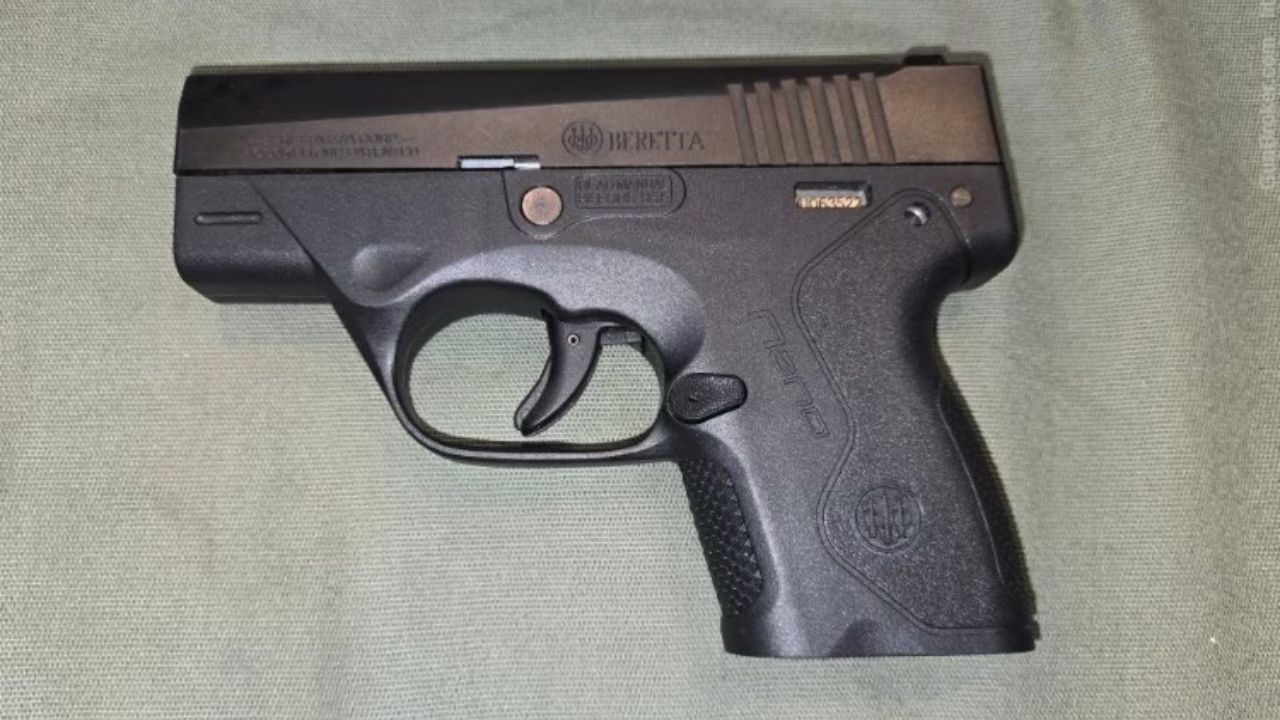
The Nano arrived during the early wave of tiny 9mm carry pistols and never developed much affection among shooters.
The trigger, low-profile controls, and somewhat awkward ergonomics kept it from becoming a favorite, but many examples proved tougher than the gun’s popularity suggests. Beretta kept the design straightforward, and the pistol lacks unnecessary external controls that could introduce additional problems. It may not be especially enjoyable to shoot, but reliability and enjoyment are two different measurements.
Canik TP9SA
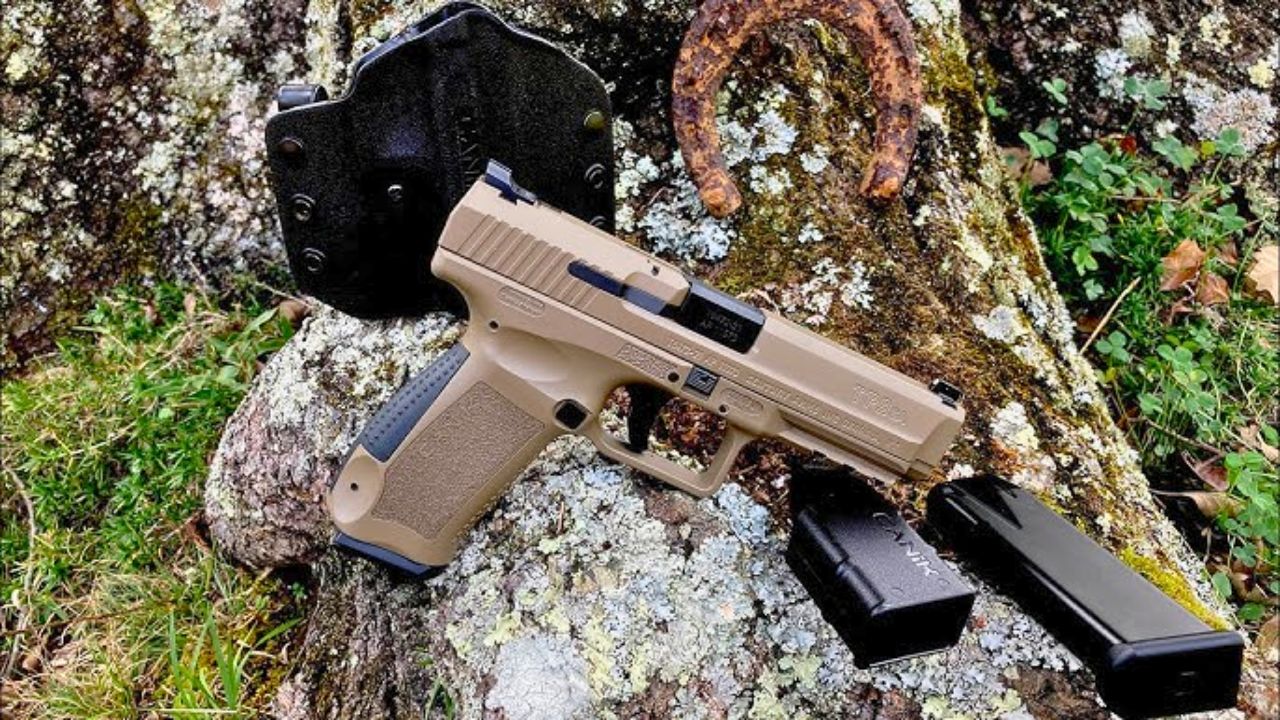
The early TP9SA arrived before Canik had the reputation it enjoys now, so plenty of shooters looked at it as another inexpensive Turkish service pistol.
Then people started shooting them. The trigger was better than expected, the guns generally tolerated high round counts well, and the basic Walther-influenced operating system proved mature enough to avoid many first-generation problems. The unusual decocker arrangement on early models drew criticism, but the pistol’s ability to keep cycling was rarely the weak point. For what these originally cost, they had no business being as dependable as many turned out to be.
Like The Avid Outdoorsman’s content? Subscribe to our newsletter so you never miss an article.
Here’s more from us: