Photo credit: Nick Shoots Stuff/Youtube
Every revolver guy has a mental yardstick. It might be what his granddad carried in a truck door pocket, the one he shot his first deer with, or the one that made him finally understand what a good double-action trigger is supposed to feel like. Semi-autos come and go, trends change, and “new and improved” gets printed on boxes every year. But a handful of wheelguns keep showing up as the baseline—what you compare everything else to when the honeymoon phase wears off.
This isn’t about the rare museum pieces. It’s about the revolvers that earned their reputation the hard way: by riding in holsters, getting rained on, being shot a lot, and still working. Some are slick. Some are plain. A few are heavy enough to make you complain by mile two. But if you’ve spent time around serious shooters and hunters, these names come up again and again.
1. Smith & Wesson Model 10
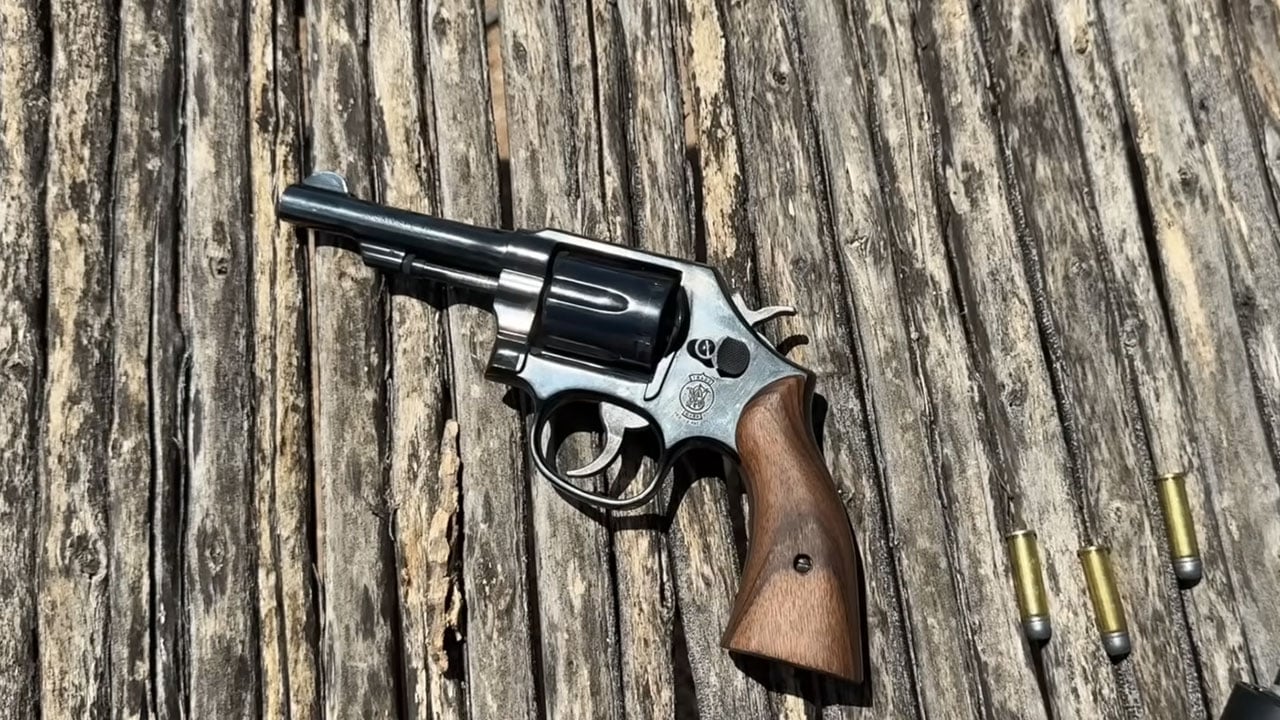
If you want to understand why the K-frame has the fan club it does, you start here. The Model 10 is as straightforward as it gets: fixed sights, sensible balance, and a trigger that usually feels better than it has any right to for a “service gun.”
It points naturally, carries flatter than people expect, and it’ll do real work with standard-pressure .38 Special. It’s also a reality check. Fancy finishes and gimmicks don’t matter much when a simple revolver just keeps punching neat holes where you aimed.
2. Colt Python
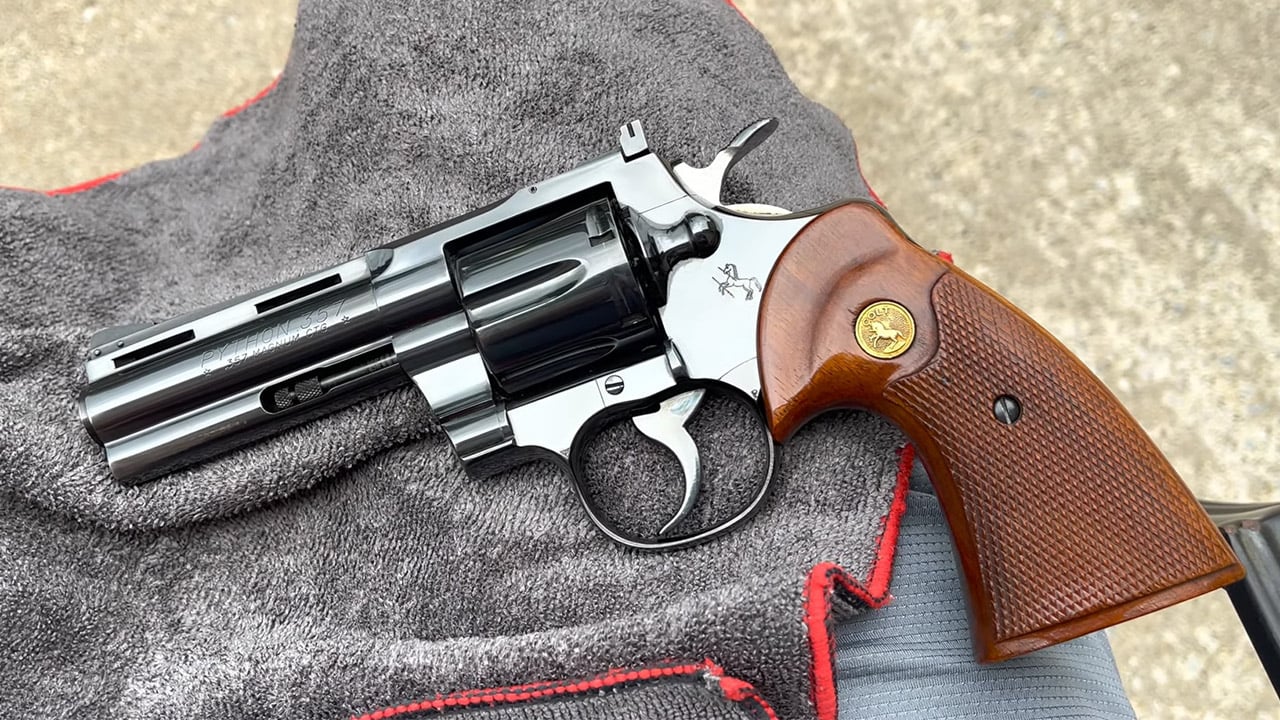
Everybody knows the name, and for once the hype isn’t made up. A good Python has that glassy Colt feel in the action and a look that makes you stop talking mid-sentence. Even folks who don’t like revolvers will pick one up and go quiet.
It’s not the “best choice for everyone,” especially if you’re hard on gear, but it’s the revolver many other .357s get measured against for fit, finish, and that smooth, stacking DA pull. It set a standard that still annoys other manufacturers.
3. Ruger GP100
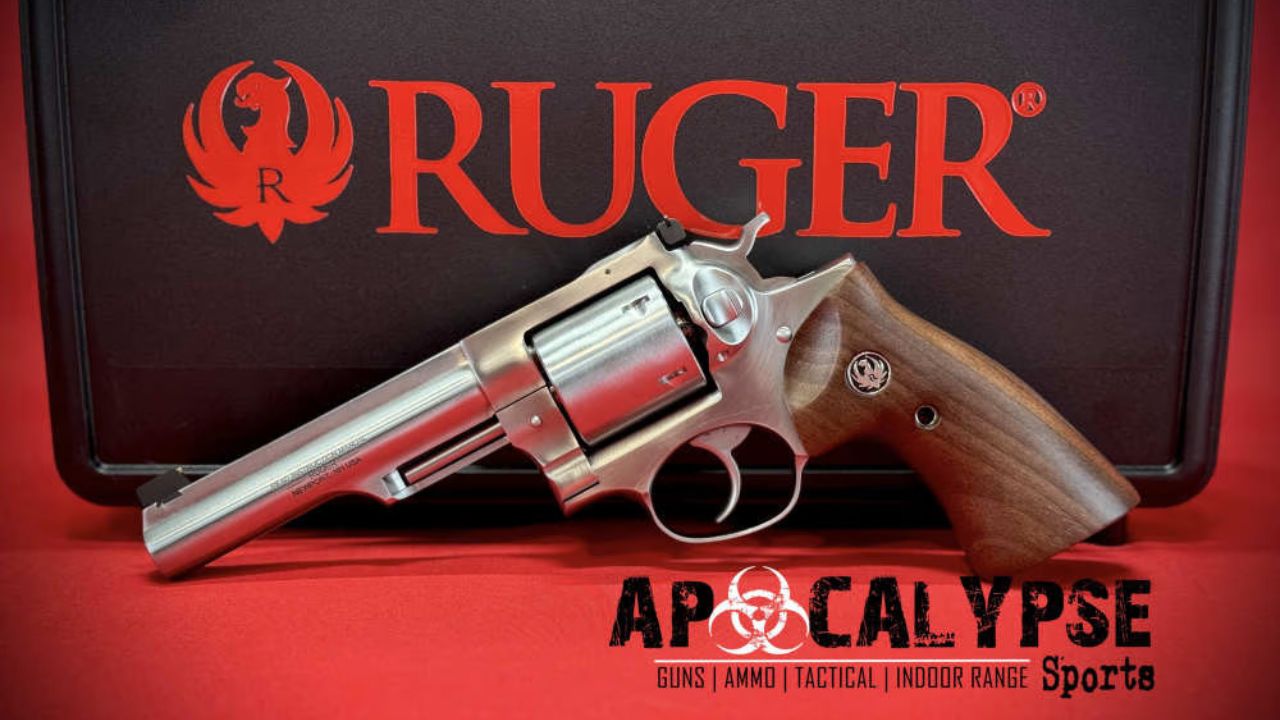
There’s nothing delicate about a GP100, and that’s the point. It’s the revolver you buy when you don’t want to wonder if a steady diet of full-house .357 is going to loosen things up. It’s built like a fence post and shoots like it means it.
Triggers vary a little, but most smooth out nicely with use. In the field, it’s the kind of gun you don’t baby. Sweat, dust, drizzle—wipe it down later and keep going.
4. Smith & Wesson Model 19
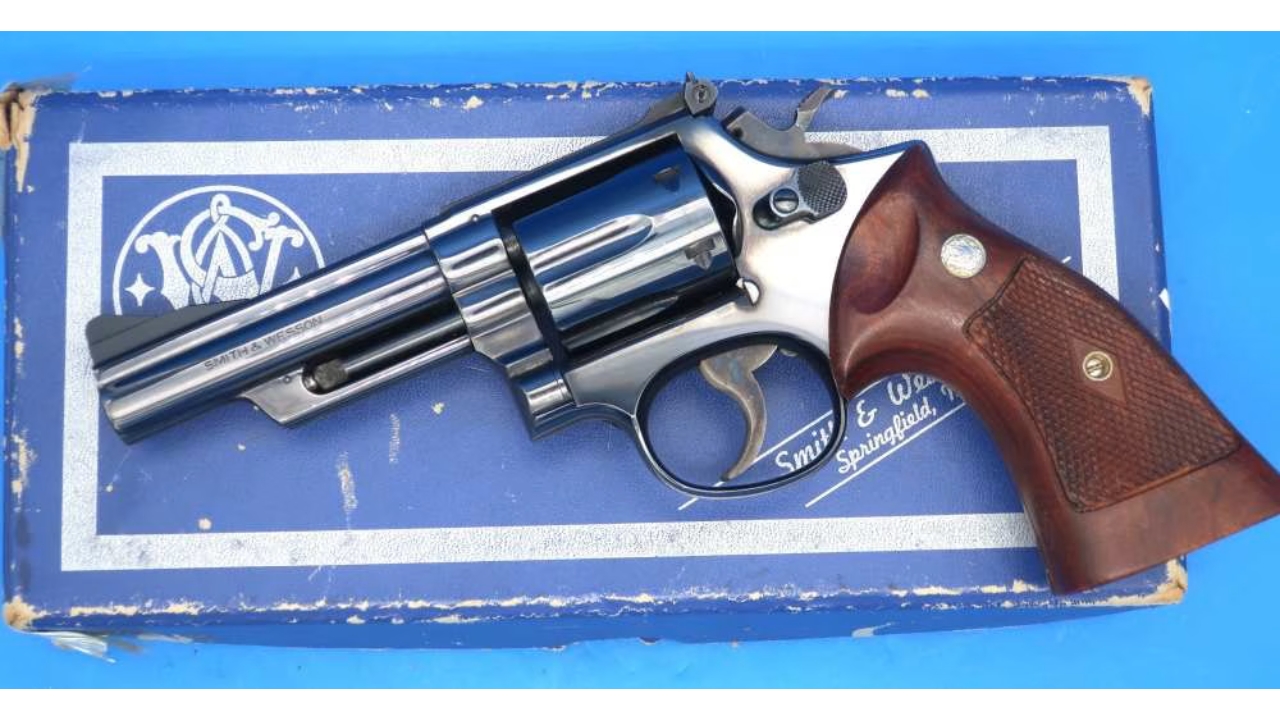
Ask an old hand about the “perfect” carry .357 and you’ll hear Model 19 sooner or later. It carries like a .38 but hits with .357 authority when you need it. It’s one of those revolvers that just fits human hands well.
Is it the best idea to feed it hot magnums forever? No. But with sensible ammo choices, it’s still a sweet spot: enough gun, not too much gun, and accurate in a way that makes you look better than you are.
5. Smith & Wesson Model 29

The .44 Magnum boom made it famous, but the Model 29 stuck around because it’s genuinely good. When you pick one up, you can feel that old-school Smith refinement. It’s a big revolver that still manages to feel balanced.
It’s also a lesson in honesty. Full-power .44 is real recoil, and it teaches you to grip correctly and not get lazy. For hunting or as a serious woods sidearm, this is a reference point whether you own one or not.
6. Ruger Blackhawk
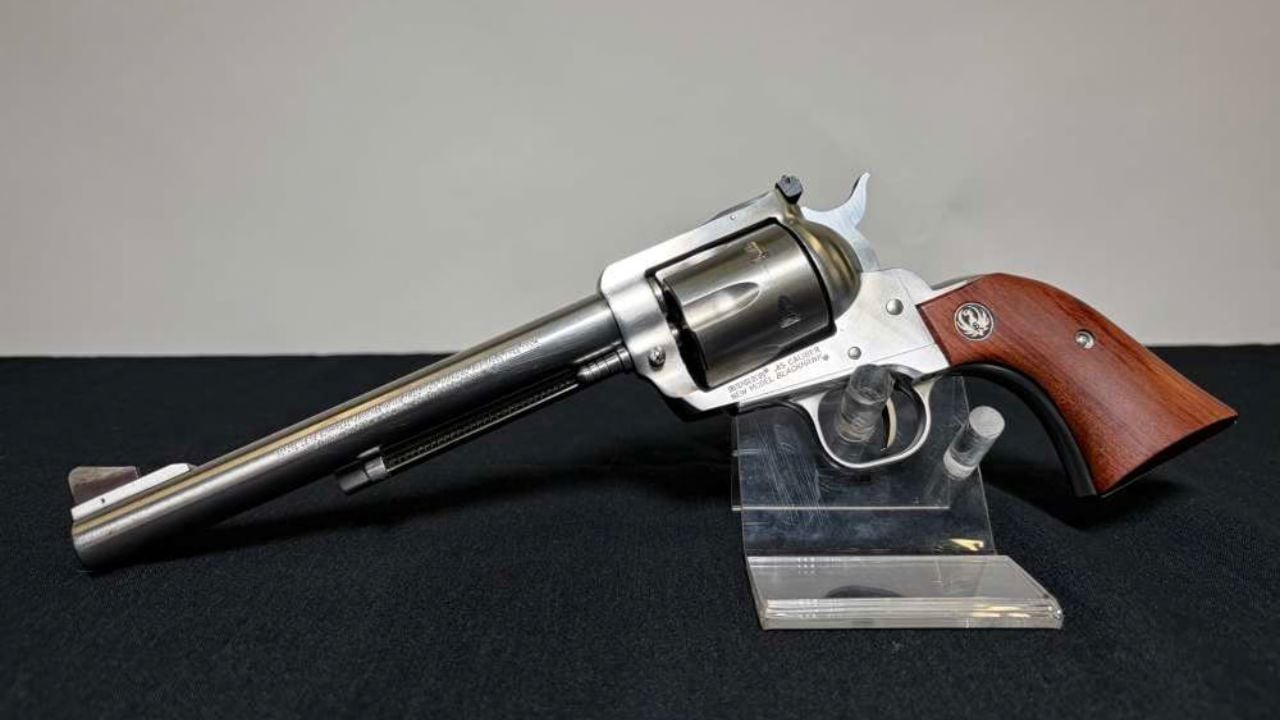
This is where “simple” meets “tough.” The Blackhawk is the revolver that made plenty of folks stop worrying and start shooting. The single-action manual of arms is slower, sure, but it’s clean and consistent.
In the field, it’s hard to beat for durability. And in .357, .41, or .45 Colt, it’s a practical tool, not just a cowboy toy. There is nothing fancy about it, and that is kind of the point.
7. Colt Single Action Army
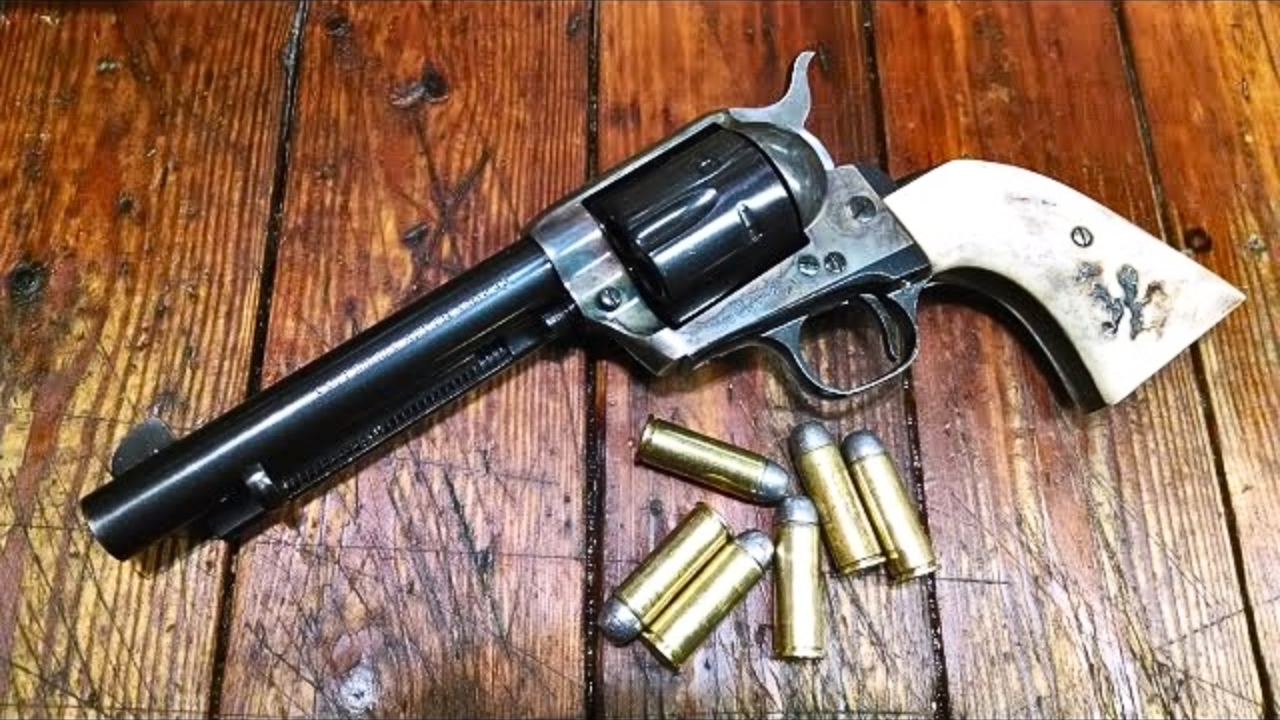
Even if you’ve never owned one, you’ve compared other single-actions to it. The grip shape, the way it rolls under recoil, the sound of the lockwork—this is the pattern everything else copied or reacted to.
It’s not the cheapest way to get a single-action, and it’s not the most “modern,” but it’s still the benchmark for feel and history. And yes, the first time you shoot one well, it makes you grin.
8. Smith & Wesson Model 686
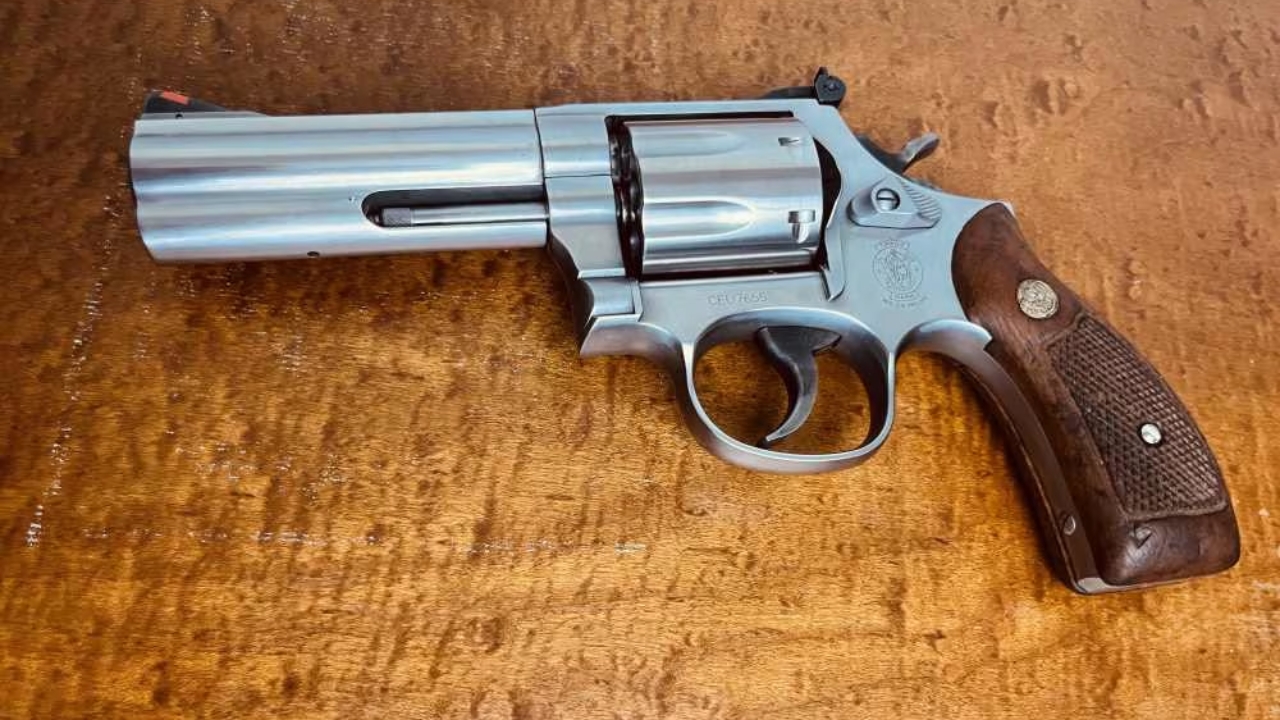
The 686 is what happens when you take the K-frame idea and give it more steel where it counts. It’s the go-to .357 for a lot of shooters who want a revolver that can live on magnums without drama.
It’s also easy to shoot accurately. The weight helps, the sights are useful, and the trigger is usually excellent. If someone says, “I just want one revolver to do most things,” this is a safe answer.
9. Ruger SP101
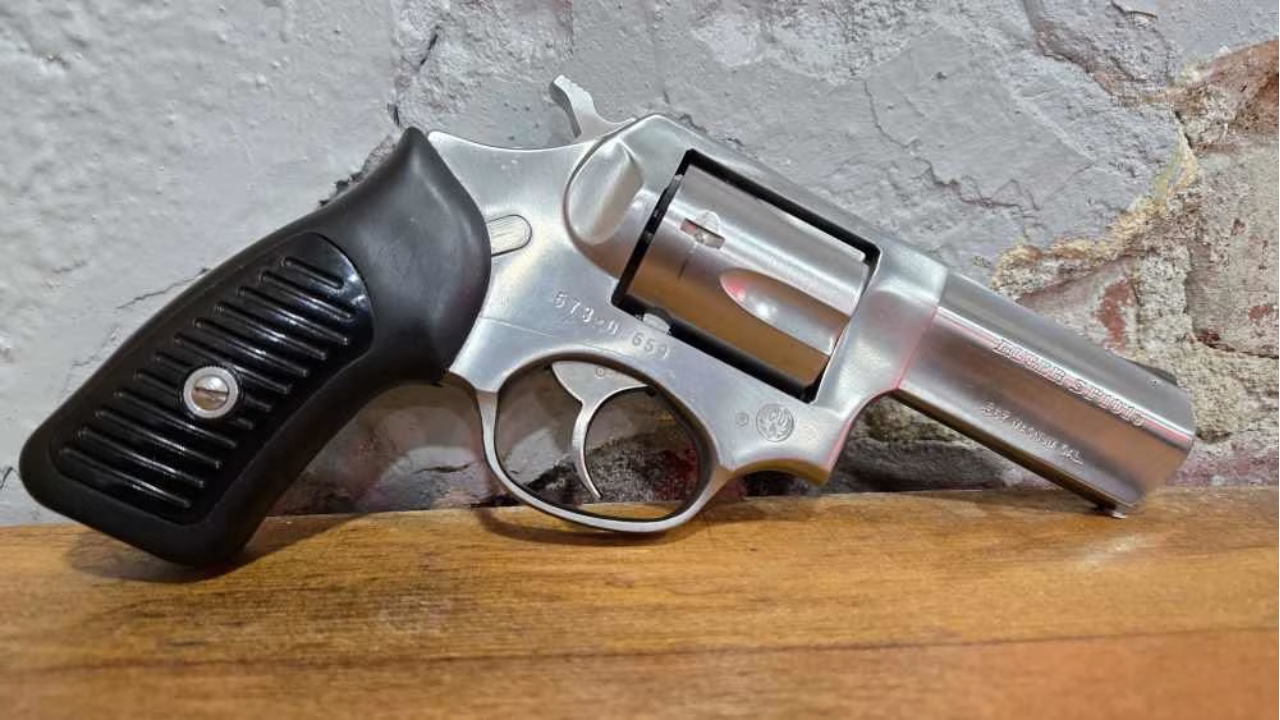
Small revolvers can be miserable. The SP101 is one of the few that isn’t, as long as you’re realistic. It’s heavier than the featherweight snubs, but that weight is what makes it shootable with real defensive ammo.
As a belt gun, it carries well and doesn’t feel fragile. It’s a practical snub for folks who actually plan to practice, not just toss it in a drawer and hope for the best.
10. Smith & Wesson Model 642
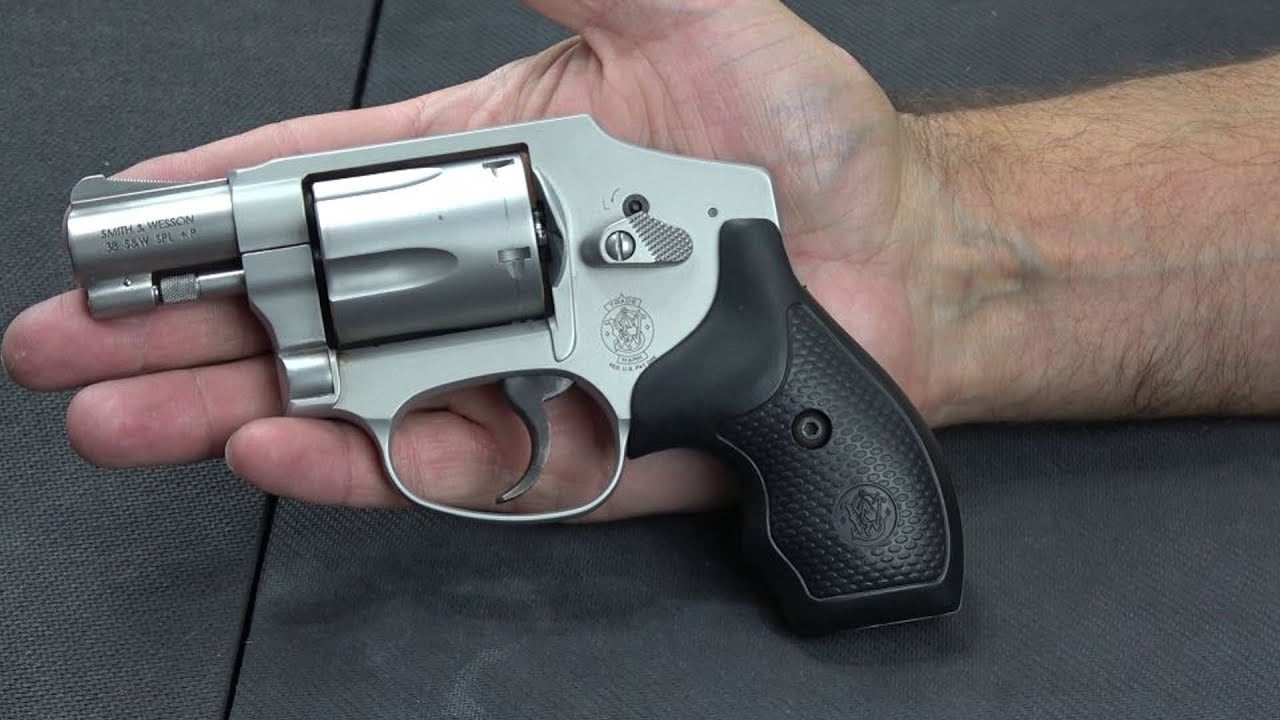
The 642 is the “always gun.” It’s light, simple, and it disappears in a pocket holster better than most folks expect. No external hammer to snag, and it’s happy with basic .38 +P.
It’s not fun at the range for long sessions. But that’s not why it exists. It exists because sometimes you want a revolver that’s there when you’re running to town, checking fence, or walking the dog after dark.
11. Smith & Wesson Model 27
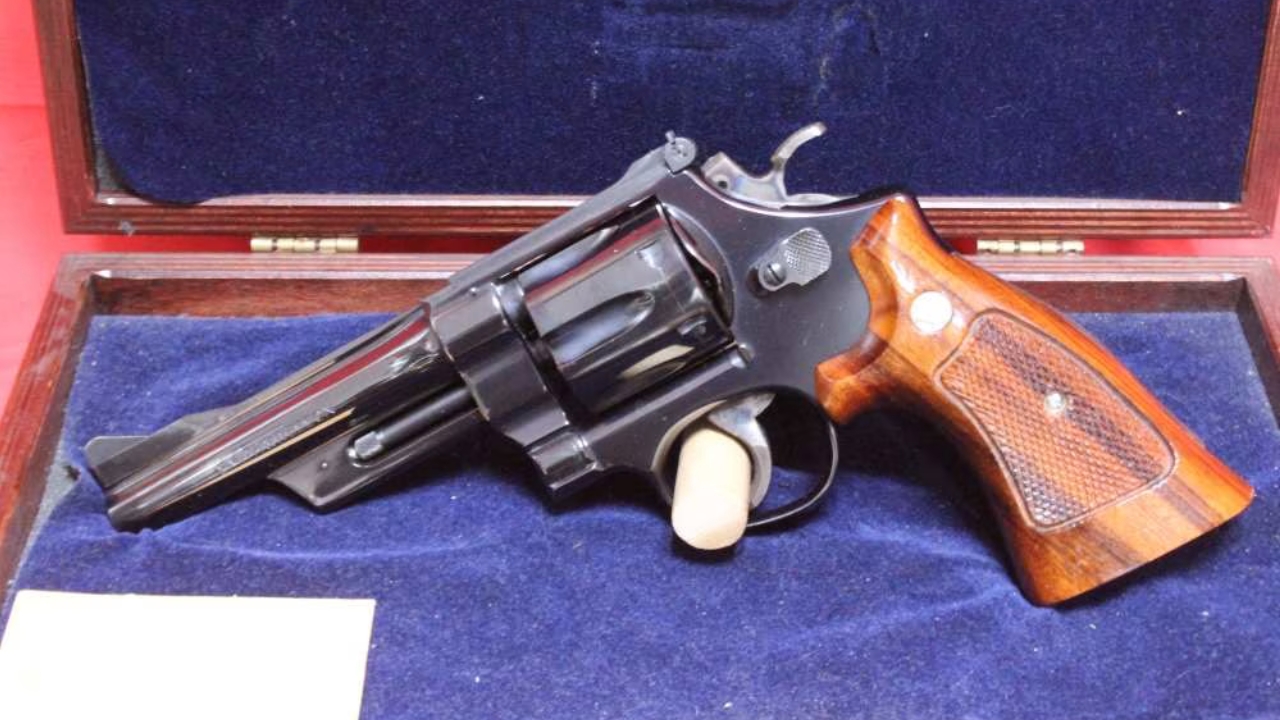
The Model 27 feels like a luxury tool that can still take abuse. Big N-frame, deep bluing on many examples, and a presence that says “serious revolver.” It’s the .357 Magnum in its classic, full-dress form.
It’s not a light carry piece, and nobody pretends it is. But on the range, it soaks up recoil and makes .357 feel civilized. If you like revolvers, shooting one explains a lot.
12. Colt Detective Special
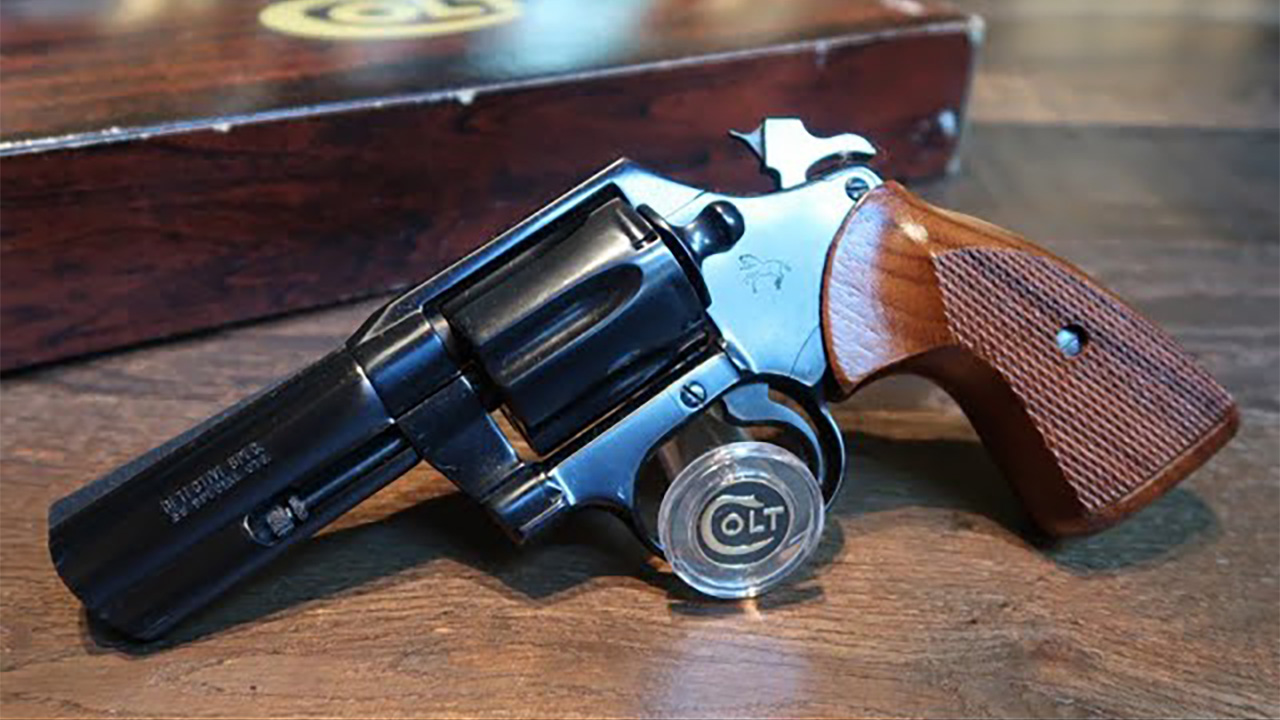
Before micro 9mms took over, the Detective Special was the practical concealed carry wheelgun. Six shots in a compact package still sounds good today, and the size is just about right for real concealment.
It’s also one of those revolvers that makes you appreciate good design. If you’ve ever handled a chunky snub that felt like a brick, the Detective Special shows how a small revolver can be trim without being flimsy.
13. Ruger Redhawk
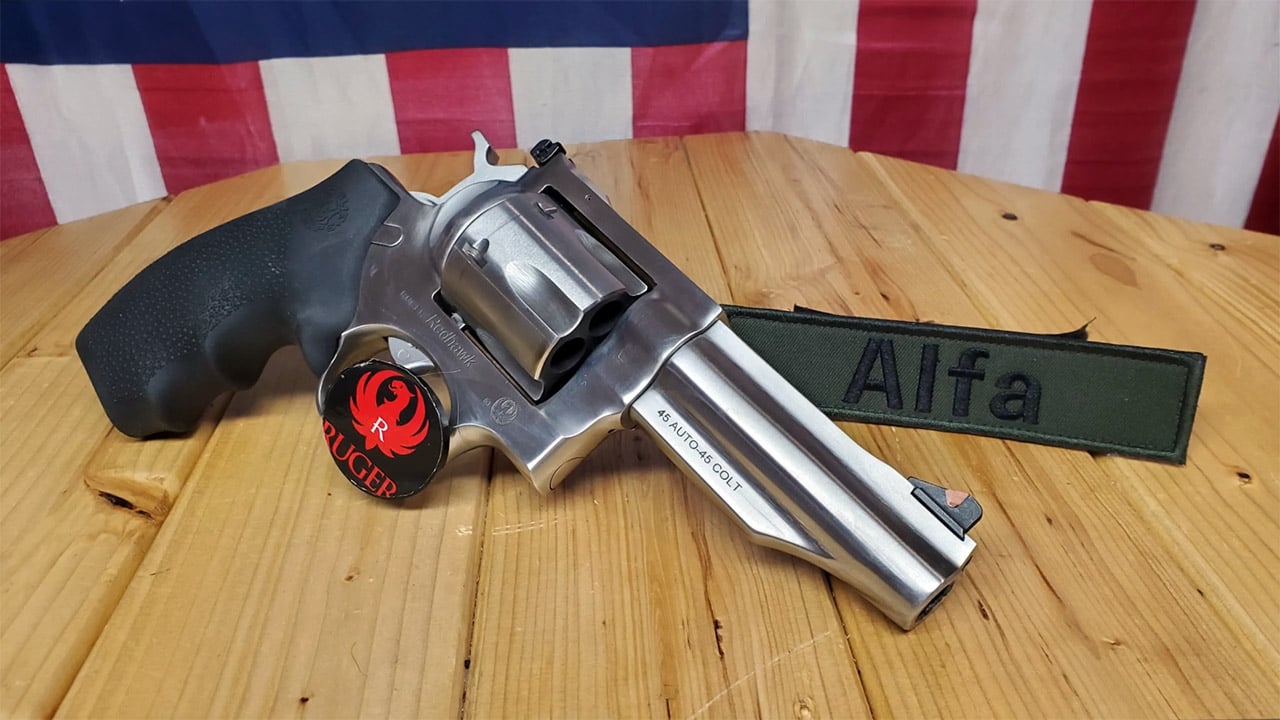
When you want .44 Magnum strength without worrying about babying the gun, the Redhawk shows up. It’s a big, overbuilt revolver that’s comfortable living in harsh places—truck, camp, wet holster, you name it.
It’s not as refined-feeling as some Smiths, and it’s not trying to be. It’s the one you pick when reliability and durability matter more than polish. In bear country, that matters.
14. Ruger Super Redhawk

This is the “serious hunting revolver” baseline for a lot of folks, especially in the common heavy calibers. It’s long, it’s stout, and it takes optics easily without turning into a finicky science project.
Carrying one all day will remind you you’re alive. Still, for handgun hunting or a dedicated woods rig, it’s a standard. When someone says their new hunting wheelgun is “as strong as a Super Redhawk,” you know what they mean.
15. Smith & Wesson Model 60
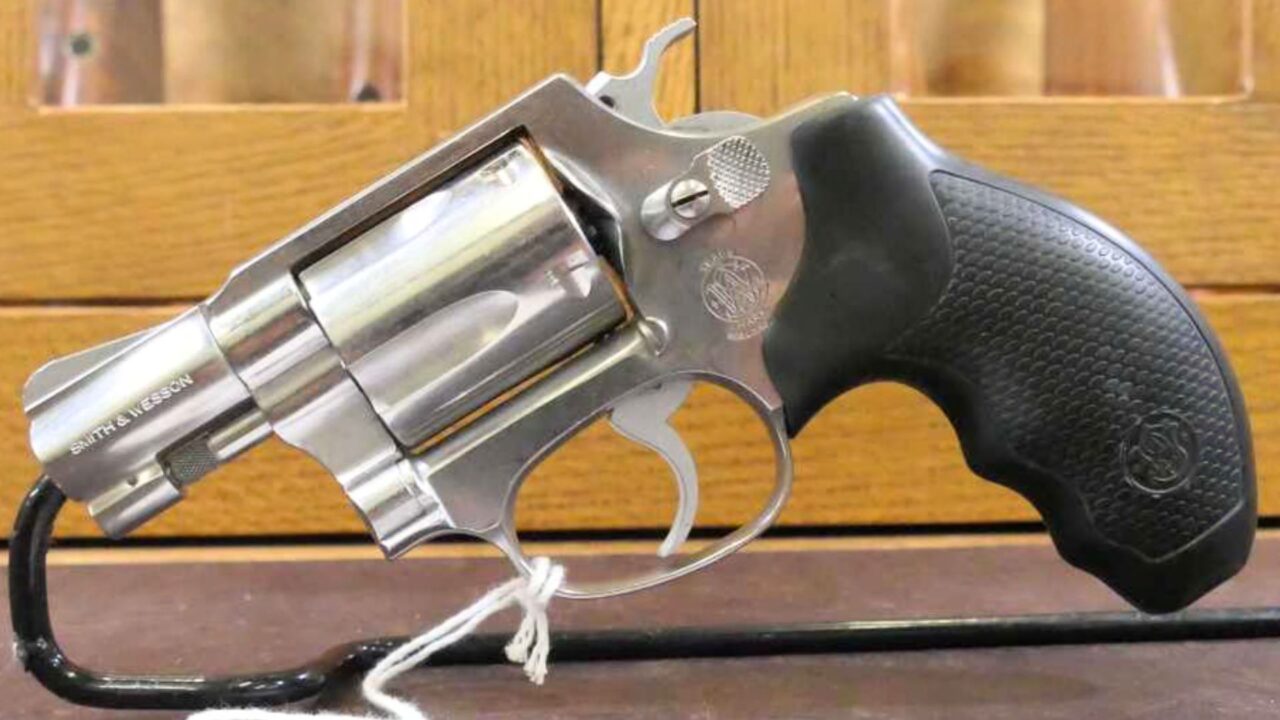
The Model 60 is the stainless J-frame that bridged the gap between “carry a revolver” and “carry a revolver that can handle real life.” Stainless matters when you sweat on a gun all summer or get caught in a cold drizzle.
It’s small enough to carry, big enough to shoot with some dignity, and it holds up. A lot of other small revolvers get compared to it because it’s been doing the job for a long time.
16. Smith & Wesson Model 25
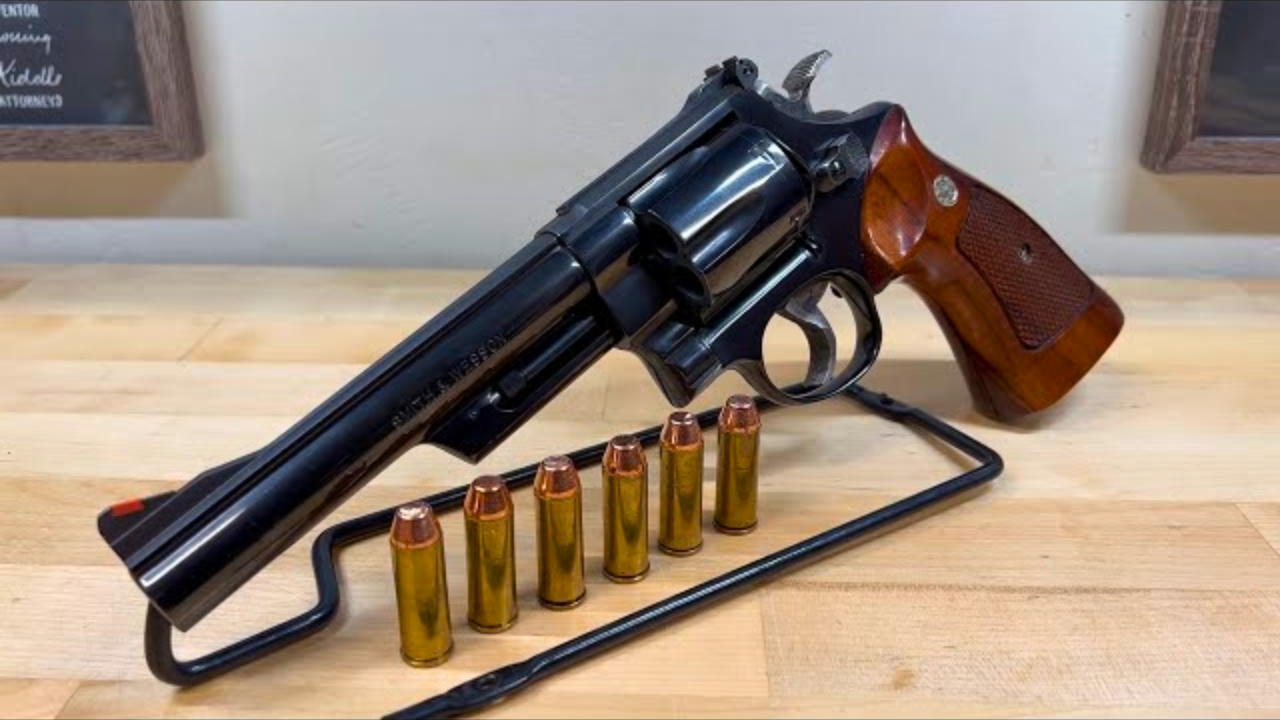
The Model 25 in .45 Colt (and related variations) is one of those revolvers that makes .45 Colt make sense outside of cowboy talk. Big, accurate, and smooth, it’s a joy with the right loads.
It’s also a reminder that “old” cartridges don’t mean “weak.” In a strong revolver, .45 Colt can be a legitimate hunting and woods option. The Model 25 is often the reference gun for that conversation.
17. Smith & Wesson Model 17
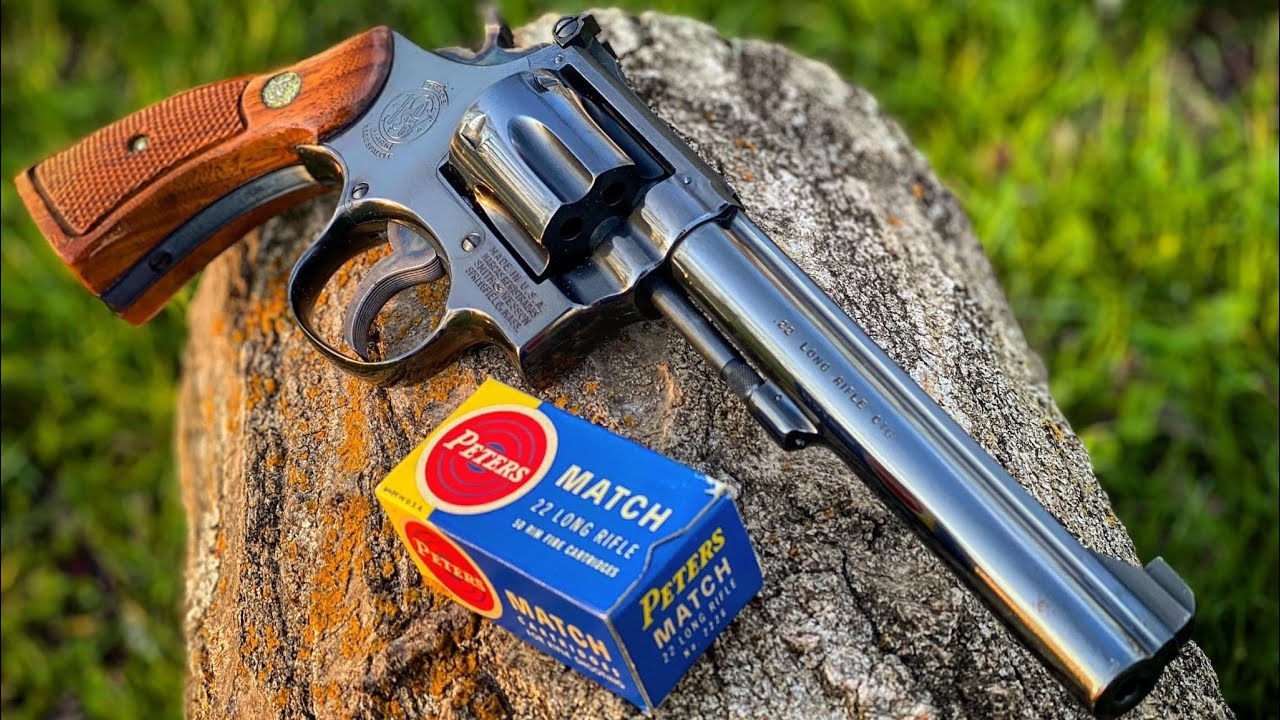
A good .22 revolver will expose your shooting faster than any centerfire. The Model 17 is the classic .22 K-frame target gun—accurate, steady, and easy to run well if you do your part.
For training, small game, and just plain getting better, it’s a standard. And if you’ve never spent a day chasing tiny groups with a .22 revolver, you’re missing out on the kind of practice that actually translates.
18. Ruger Single-Six
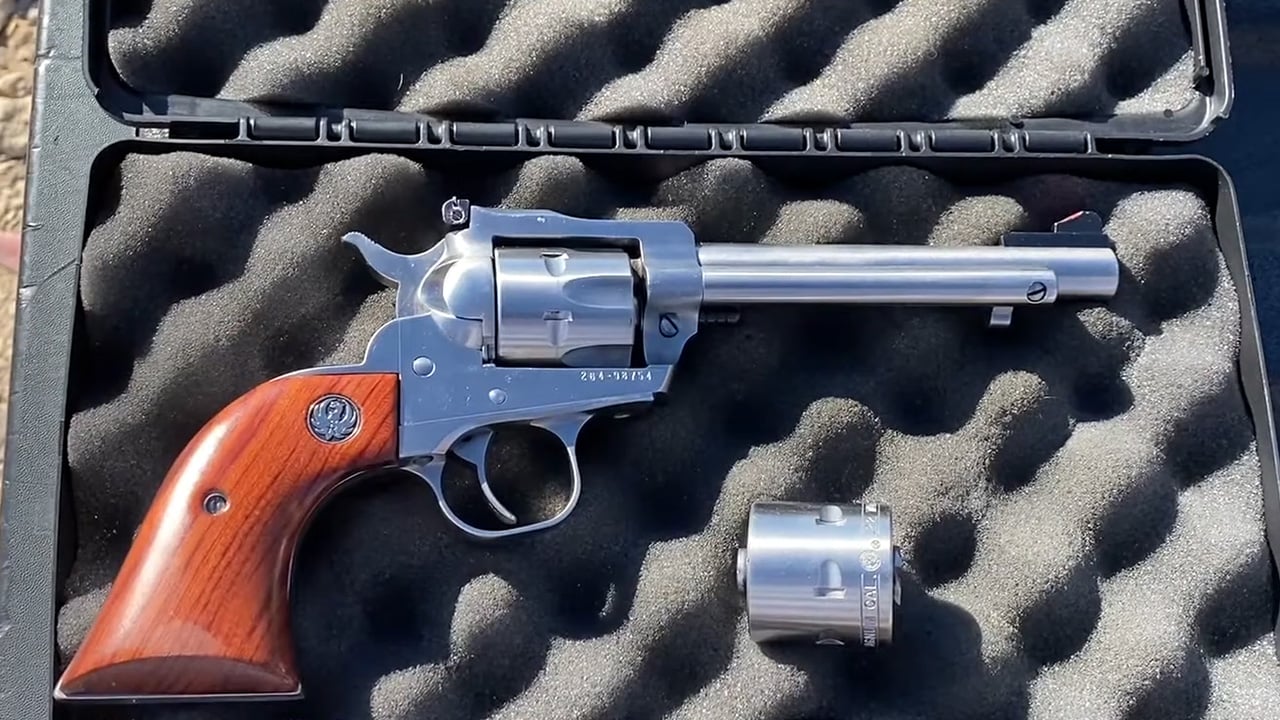
There are fancier .22 revolvers, but the Single-Six has probably taught more people to shoot than most of them combined. It’s durable, simple, and it lives in tackle boxes, barns, and camp kits without complaint.
It’s also just fun. For potting pests, walking the creek line, or teaching a kid safe gun handling with a slow, deliberate action, it’s hard to beat. If you sold yours, I get it. Still, I would not be quick to let one go.
19. Smith & Wesson Model 12
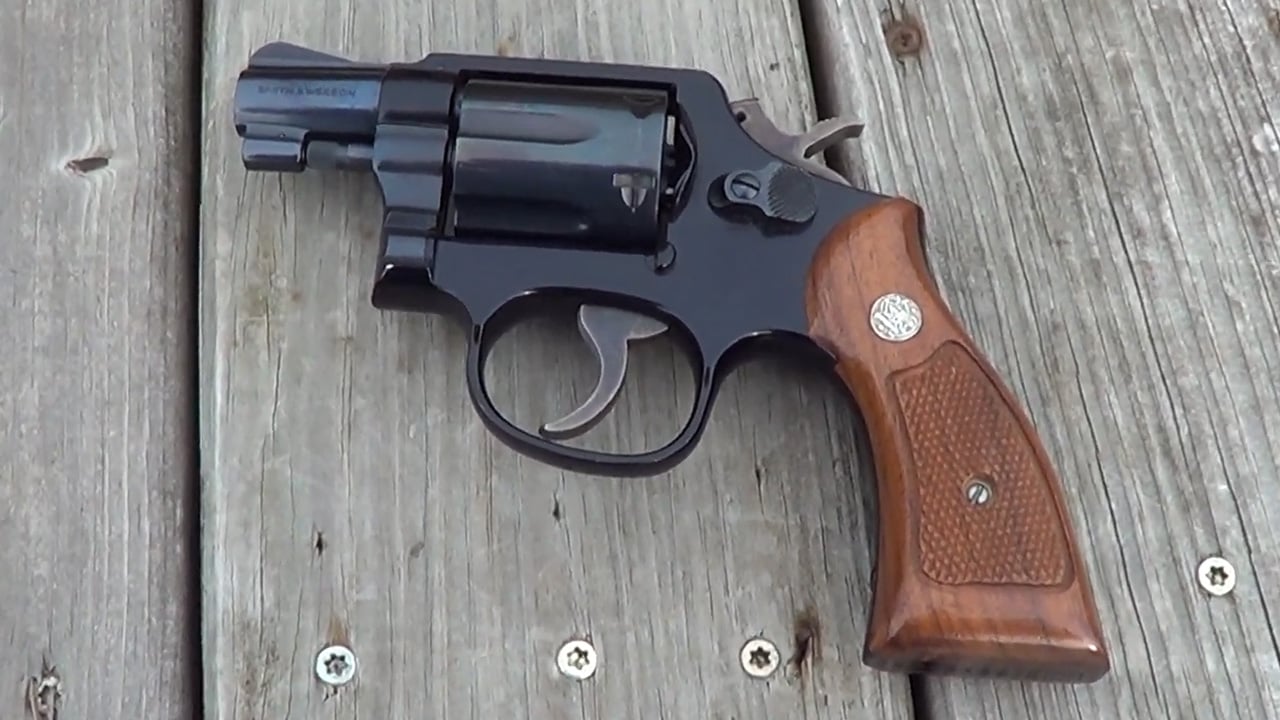
The Model 12 doesn’t get the same internet attention, but it deserves mention because it was an early “lightweight service revolver” done right. Think Model 10 vibes, but easier to carry for long hours.
It’s a reminder that light revolvers existed long before the modern alloy snub craze. They aren’t all pleasant with hot loads, but as a practical carry .38, it’s a standard that doesn’t get enough credit.
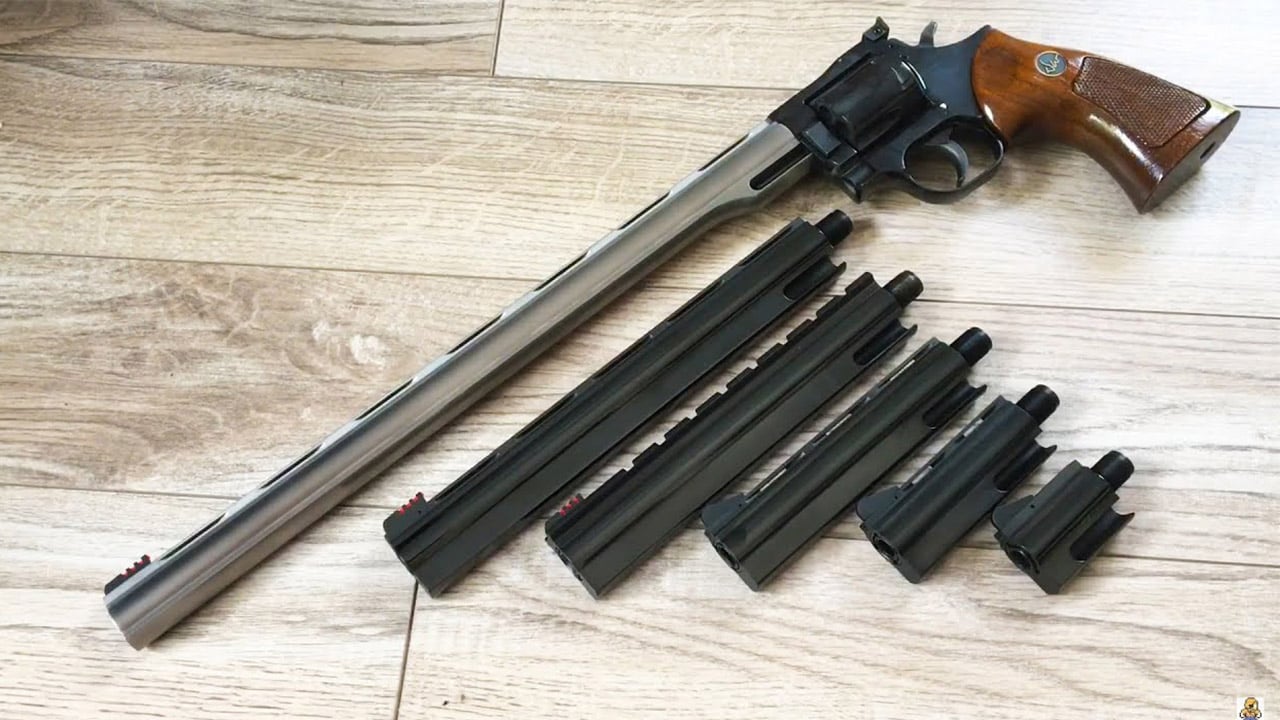
20. Dan Wesson Model 15
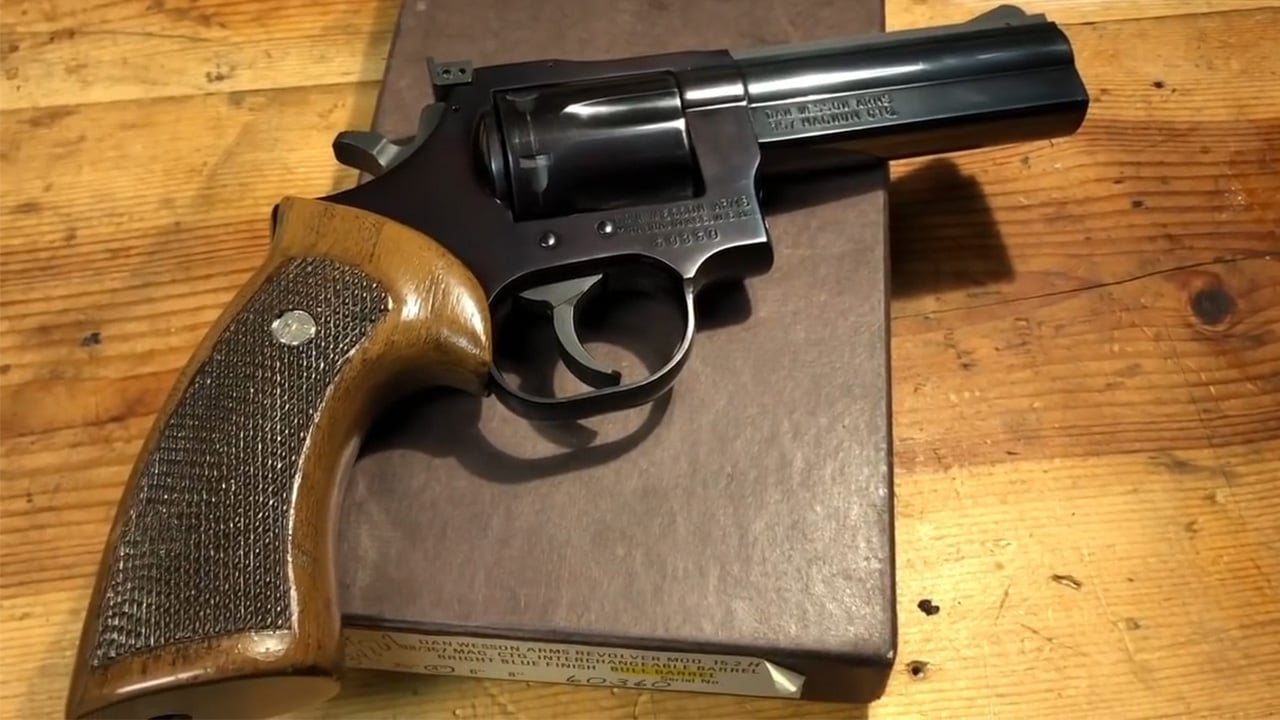
Dan Wesson revolvers have a loyal following for a reason. The Model 15, especially in .357, built a reputation for accuracy and a strong, no-nonsense design. They feel different than a Smith or Colt, and that’s not a bad thing.
They’re also the kind of revolver you run into at a gun counter and either recognize instantly or walk right past. If you know, you know. As a shooter’s revolver, it’s been a measuring stick for decades.
Here’s what’s funny: a lot of these “standards” aren’t the newest, lightest, or most feature-packed options. They’re the ones that feel right in the hand, keep their timing, and still make sense after a few thousand rounds and a couple seasons of hard use. If you’re picking your first revolver, you don’t have to chase every name on this list. But if you want to understand why revolver folks argue the way they do, these are the yardsticks they keep reaching for.
Like The Avid Outdoorsman’s content? Subscribe to our newsletter so you never miss an article.
Here’s more from us: