Photo credit: TAC TV/Youtube
Every fall there’s a guy at camp who shows up with the same rifle he’s carried since gas was cheap and everyone still smoked in the diner. The stock’s got honest dings, the bluing is thin in the right places, and the bolt sounds like it’s been cycled a million times. Somebody always asks why he doesn’t “upgrade.” He just shrugs, because he already did—decades ago.
New rifles are fun. I like new rifles. But the longer you hunt, the more you notice that the best rifle is usually the one that never makes you think about it. It feeds, it fires, it hits where it’s supposed to, and it carries like an old friend. Here are 20 rifles old hands hang onto, not because they’re trendy, but because they keep earning their spot.
1. Winchester Model 70 (pre-64)
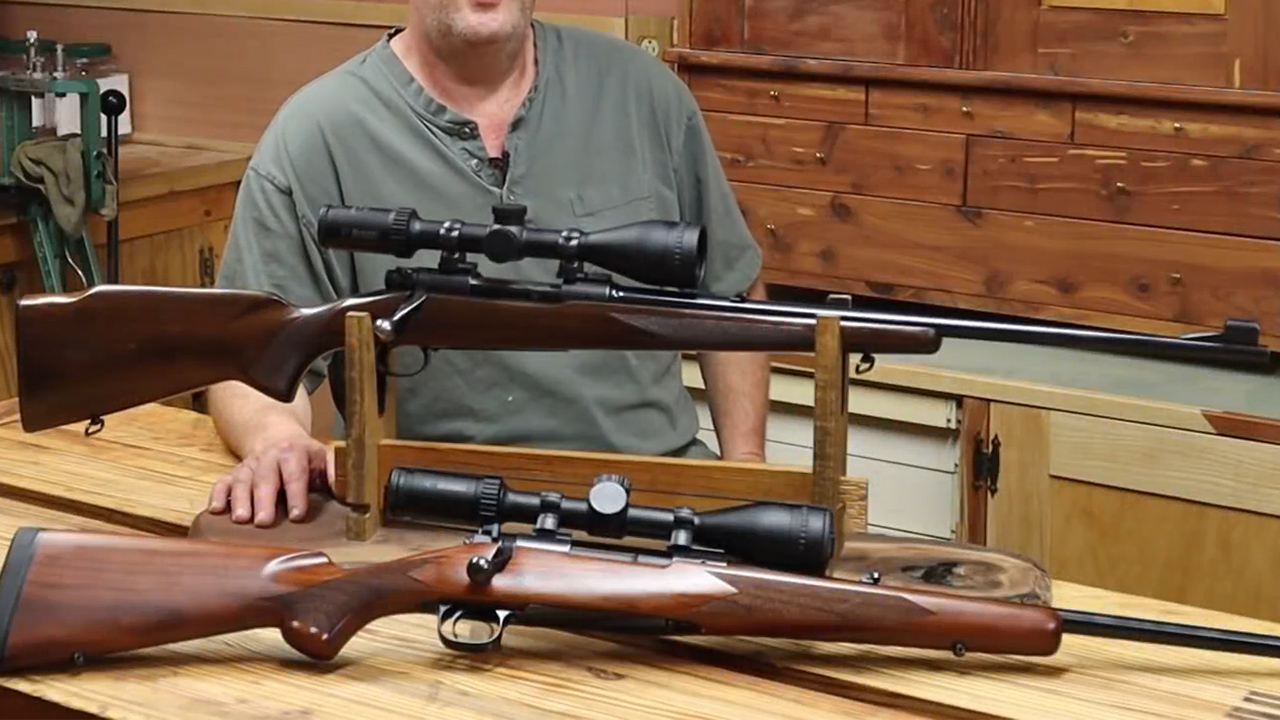
If you’ve run a clean pre-64 long enough, the controlled-round-feed feel gets into your bones. The bolt has that “slick but solid” travel that newer rifles try to imitate with coatings and marketing. In the field, it matters when you’re cycling from awkward positions and you don’t want surprises.
They’re not all magical one-hole shooters, and plenty have been hunted hard. Still, they balance right, they carry right, and the safety is the kind you can trust with gloves on. Replacing one with the same soul usually costs more than most people expect.
2. Remington Model 700 BDL (older walnut guns)
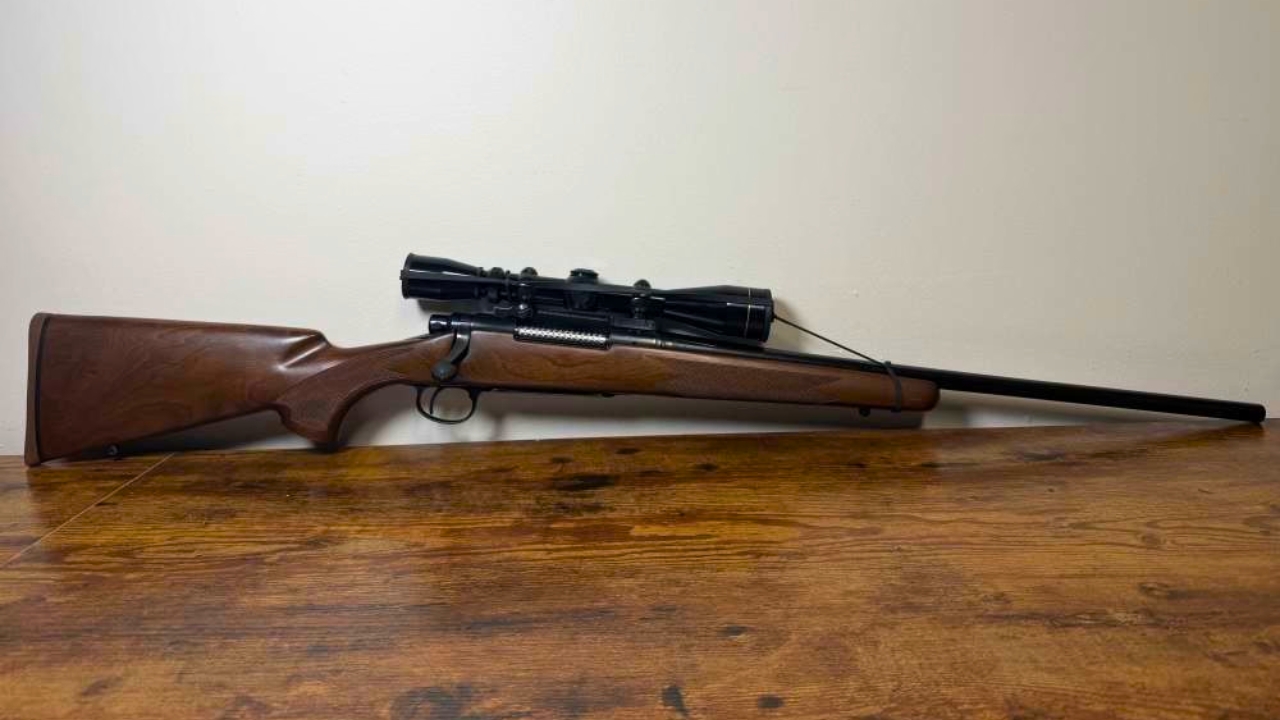
There’s a reason you still see these leaning in corners at deer camp. The older BDLs point naturally, and the weight is just enough to settle the crosshairs without feeling like you’re dragging an anvil up a ridge. The floorplate is old-school, sure, but it’s simple and it works.
They’re also easy to keep running. Parts, mounts, triggers, and smith knowledge are everywhere. A good older 700 becomes “the rifle” in a family, and those are hard to replace once they’re gone.
3. Ruger M77 Mark II (stainless/synthetic)
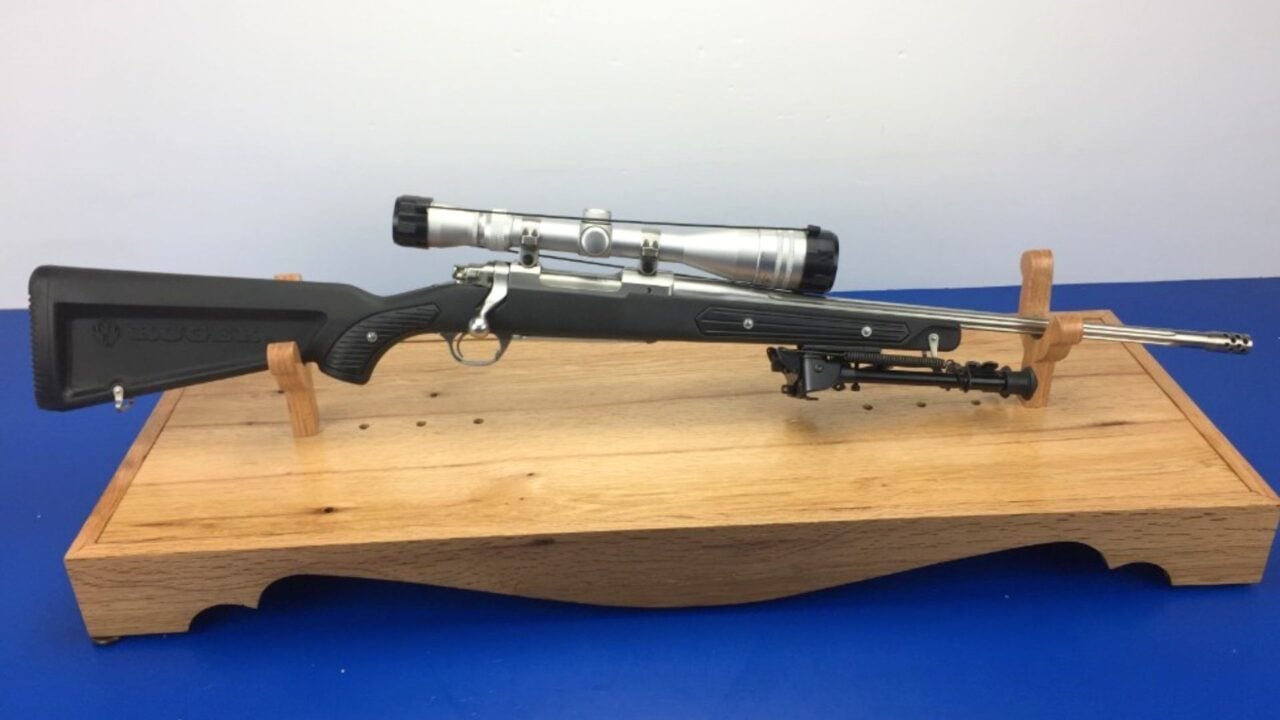
These rifles don’t get enough credit for being quietly tough. The Mark II’s non-rotating extractor and solid build are exactly what you want when weather turns nasty and you’re hunting anyway. Stainless and a synthetic stock aren’t romantic, but they don’t swell, warp, or baby you.
The action can feel a little “Ruger rough” compared to a glassy custom build. In exchange, you get a rifle that rides behind a seat, bangs around in a scabbard, and still shows up ready to work.
4. Savage Model 110 (older long-action guns)

They aren’t pretty. A lot of them are downright plain. But older 110s have put a mountain of venison in freezers because they shoot, even when the finish looks like it lived through three divorces and a barn fire.
The practical appeal is simple: they’re accurate enough, easy to service, and forgiving. When a rifle just keeps stacking bullets into a reasonable group with whatever ammo you found locally, hunters stop caring about ugly.
5. Marlin 336 (JM-stamped)
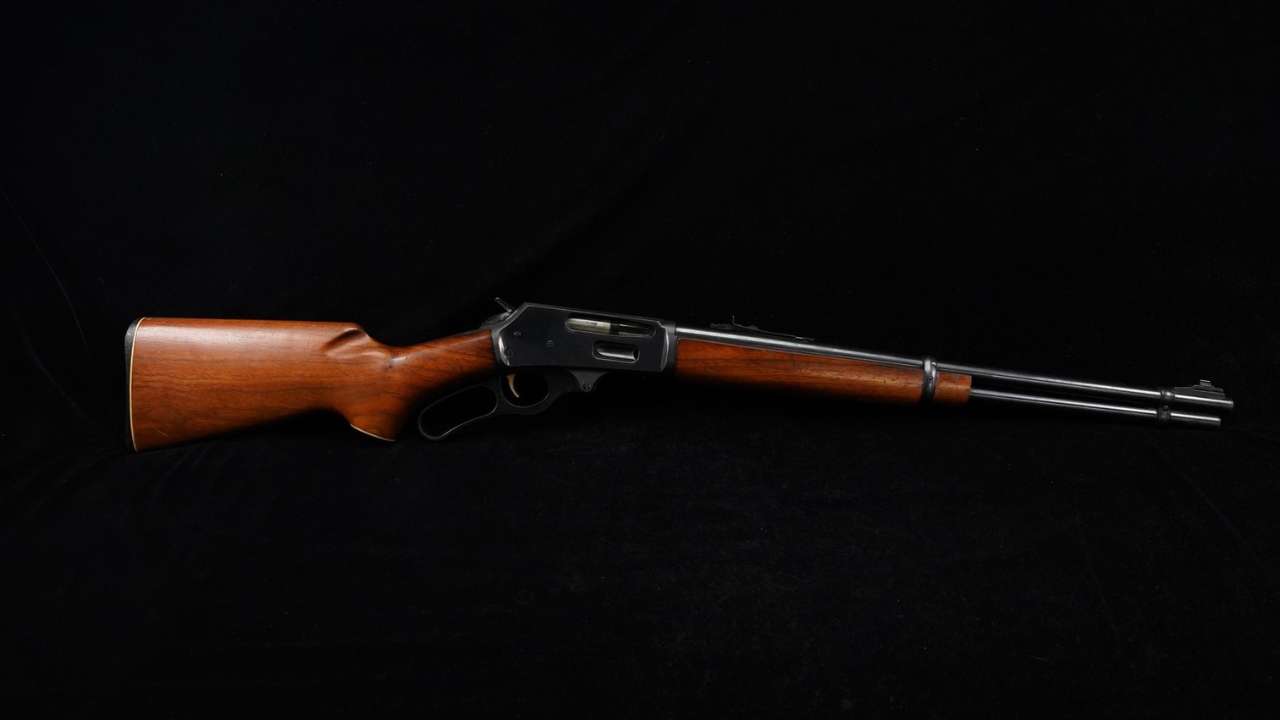
In thick woods, a good 336 feels like cheating. It carries flat against your body, comes to the shoulder fast, and the lever throw is quick without being fussy. If you grew up where shots are measured in steps instead of yards, you understand the appeal.
The JM-stamped guns have a reputation for a reason, and the older wood-and-steel versions just have a feel that’s hard to duplicate. If you’ve got one that cycles like it’s on bearings, you don’t let it go lightly.
6. Winchester Model 94 (pre-safety)
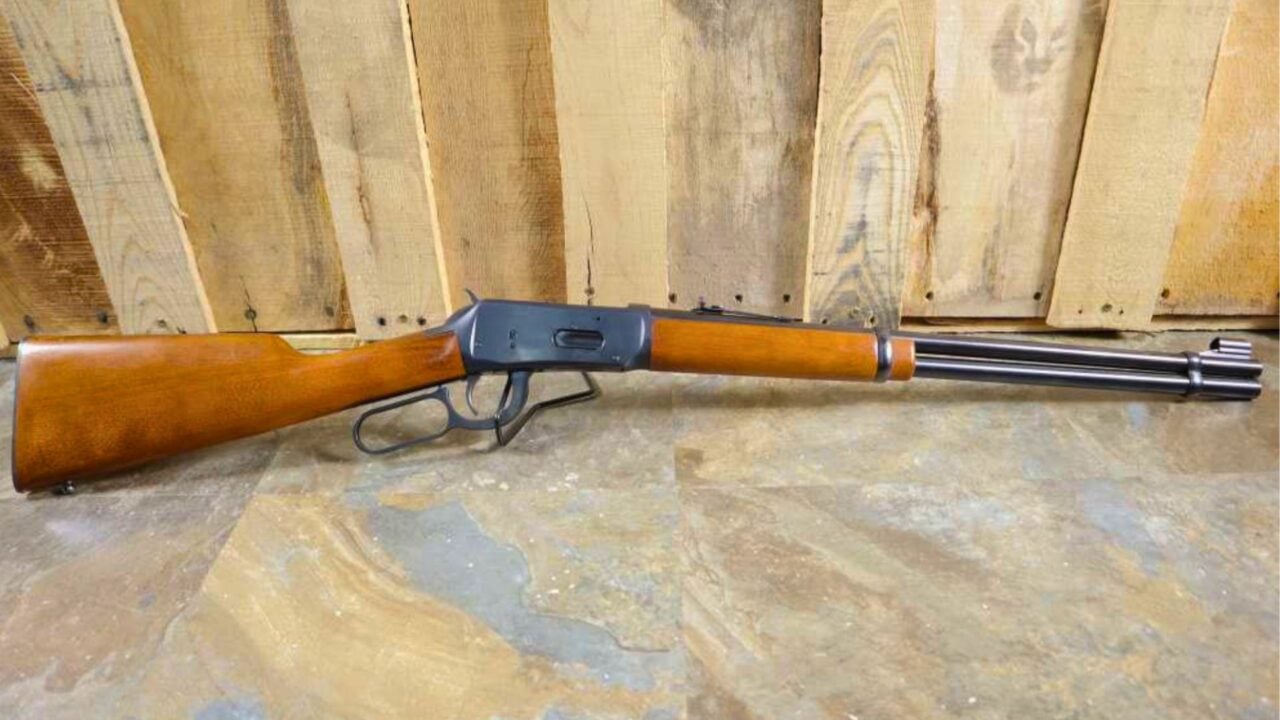
This is the truck-seat deer rifle that keeps showing up, year after year. It’s light, it’s handy, and it doesn’t snag on everything. The irons are usable, and with practice, it points like you’re looking down your finger.
No, it’s not a 400-yard rig. That’s not the point. It’s a rifle that lives for quick opportunities and rough use, and older hunters trust it because it has never tried to be something it’s not.
7. Browning BLR

For hunters who love lever guns but want spitzer bullets and modern cartridges, the BLR has been a quiet solution for a long time. The action is different than a traditional lever gun, but it feeds like it means it. In the hills, that detachable magazine and fast handling make sense.
They’re not cheap, and they’re not something most people want to tinker with. But a BLR that fits you becomes a “forever rifle,” especially for mixed terrain where you might shoot across a cut and then still-hunt timber.
8. CZ 550 (especially in .30-06 or .270)
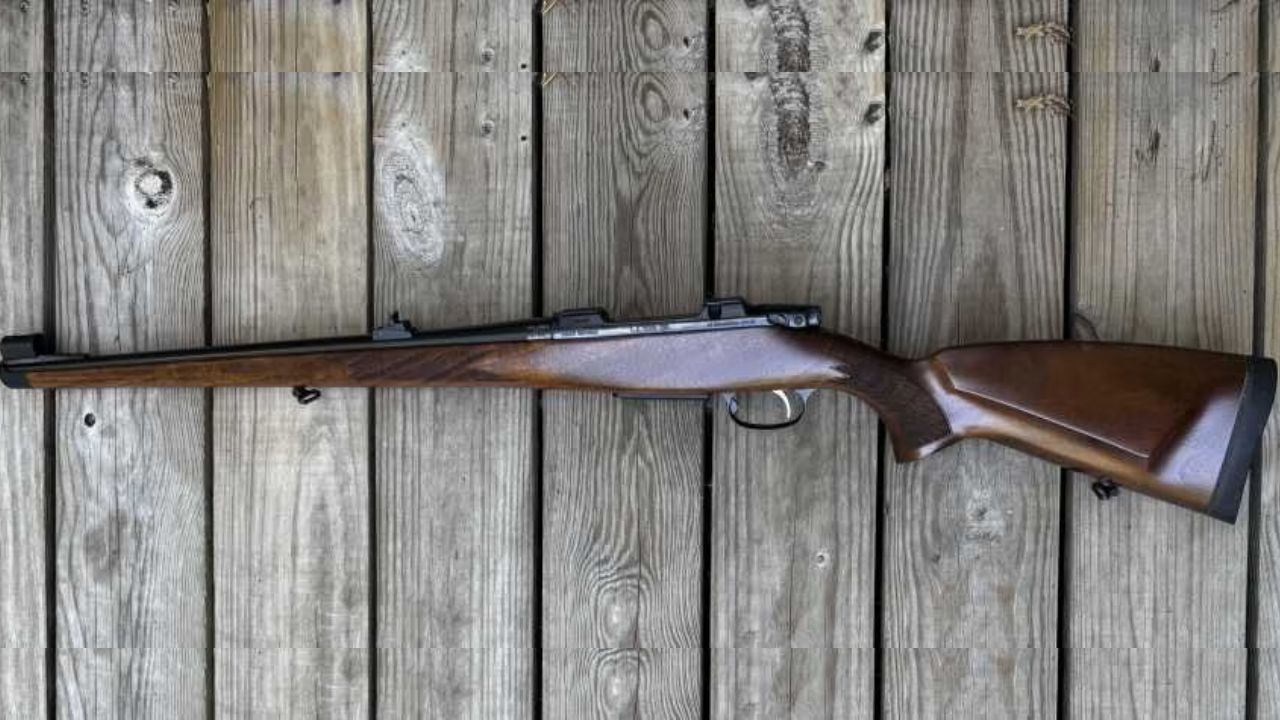
CZ built these like they expected you to actually use them. The controlled-round-feed action, real walnut, and sturdy bottom metal make it feel like a serious hunting rifle, not a disposable tool. They also balance well with a sensible scope.
They can be a little heavier than today’s featherweight trend. Out in real wind, with real shooting positions, that weight is not a problem. It’s stability.
9. Sako Finnbear (L61R)

Sako rifles have a “finished” feel that’s hard to explain until you run one. The bolt lift is smooth, the machining is clean, and the whole rifle feels like it was built by people who took pride in details. Hunters who own one tend to stop shopping.
They’re not something you replace with a whim purchase. If you sell a Finnbear and later want one back, you usually end up paying more and getting less condition. Ask me how I know.
10. Tikka T3 (standard models, not the superlight craze)
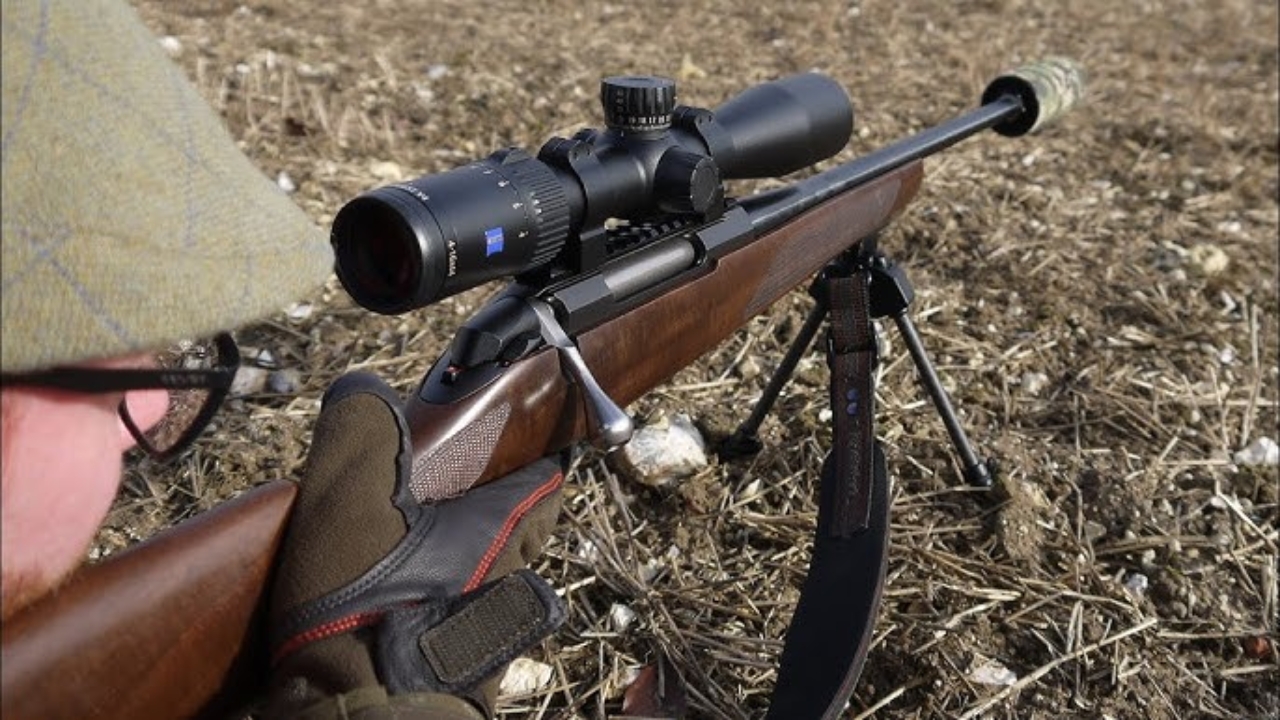
Tikkas don’t have old-school romance, but they flat-out work. The bolt throw is smooth, the magazines are reliable, and they tend to shoot well without drama. For the guy who just wants to hunt and not chase gremlins, that’s a big deal.
What keeps them in the safe is the lack of fuss. They’re the rifle you grab when you don’t want to wonder if today is the day something acts up.
11. Ruger No. 1
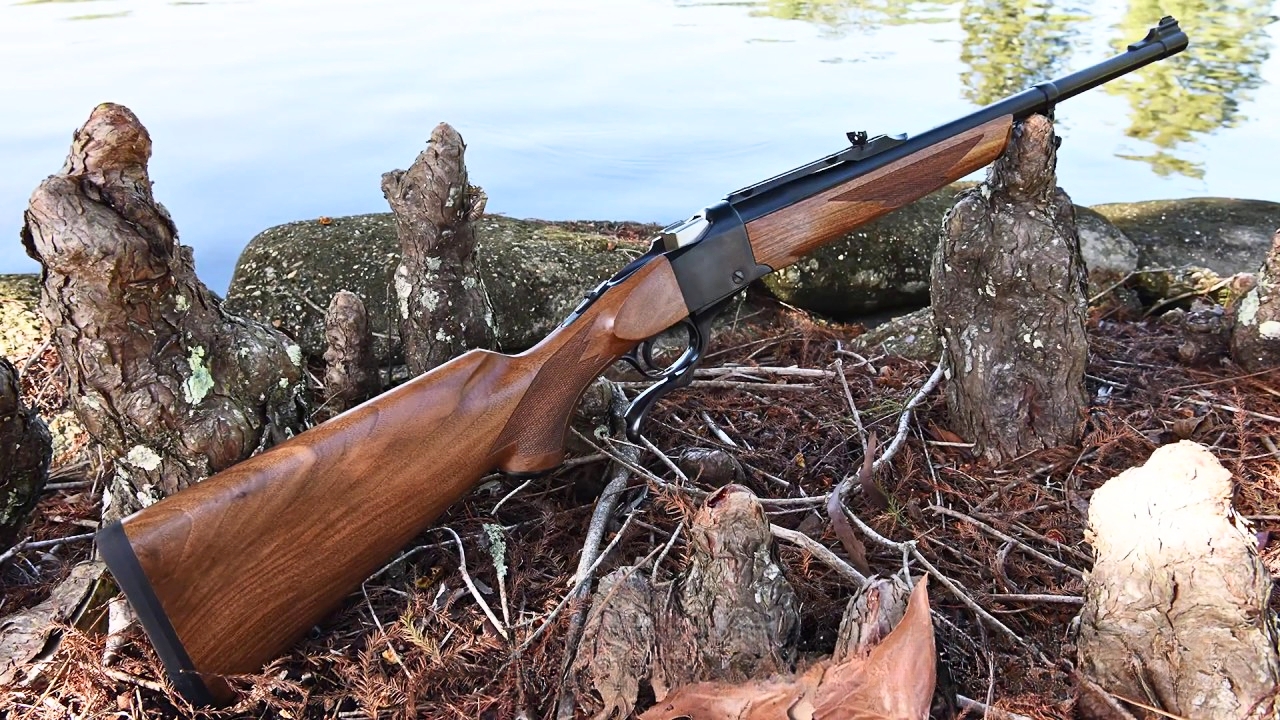
A single-shot in a world of detachable magazines sounds like nostalgia until you hunt with one. The No. 1 carries beautifully, especially in longer barrels that still feel compact because there’s no action length hanging out front. It’s also the kind of rifle that makes you slow down in a good way.
They can be particular about loads in some chamberings, and the triggers vary. But owners don’t care, because nothing else feels quite like a No. 1 when you’re walking into a stand before daylight.
12. Springfield Armory M1 Garand (CMP-style shooters)
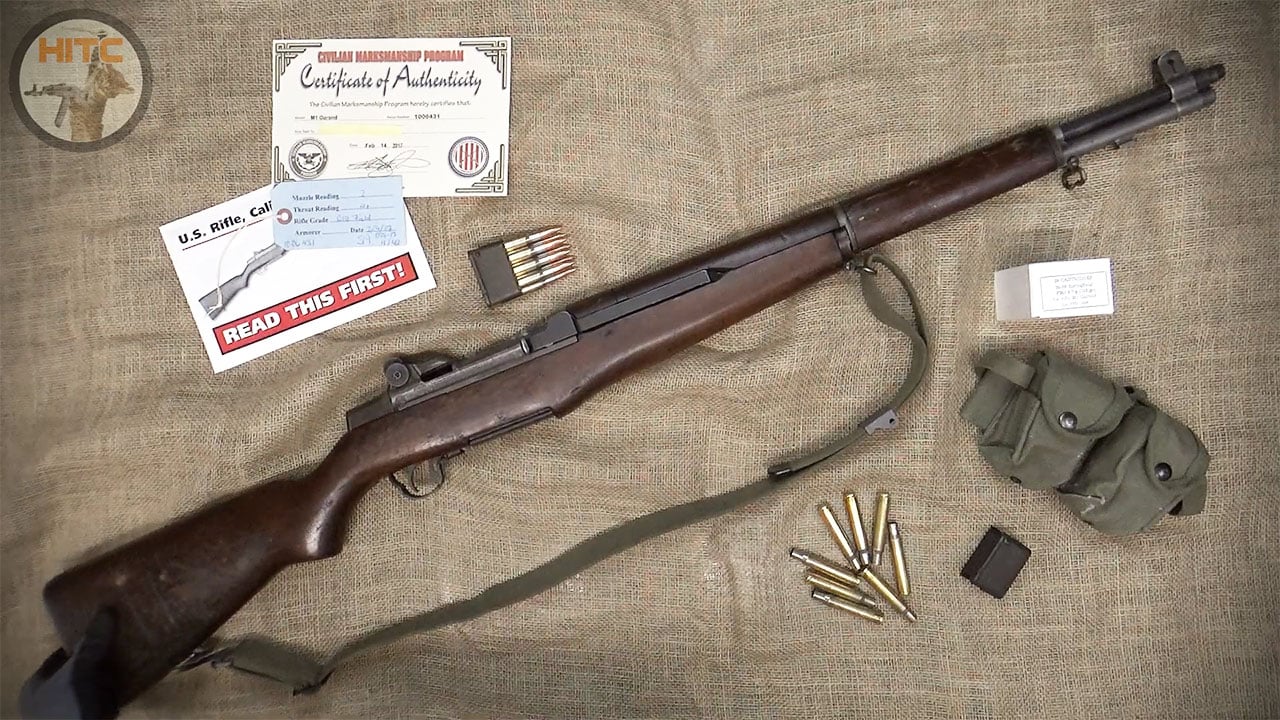
Plenty of Garands live as range guns, but a surprising number still end up in hunting camps where legal and appropriate. They’re heavy, sure. They’re also steady, reliable, and built to run. In thick coats and cold hands, that matters.
Hunters who’ve had one a long time usually don’t see it as a “rifle choice” so much as part of their history. Selling one feels like selling a chapter of your life.
13. Winchester Model 88
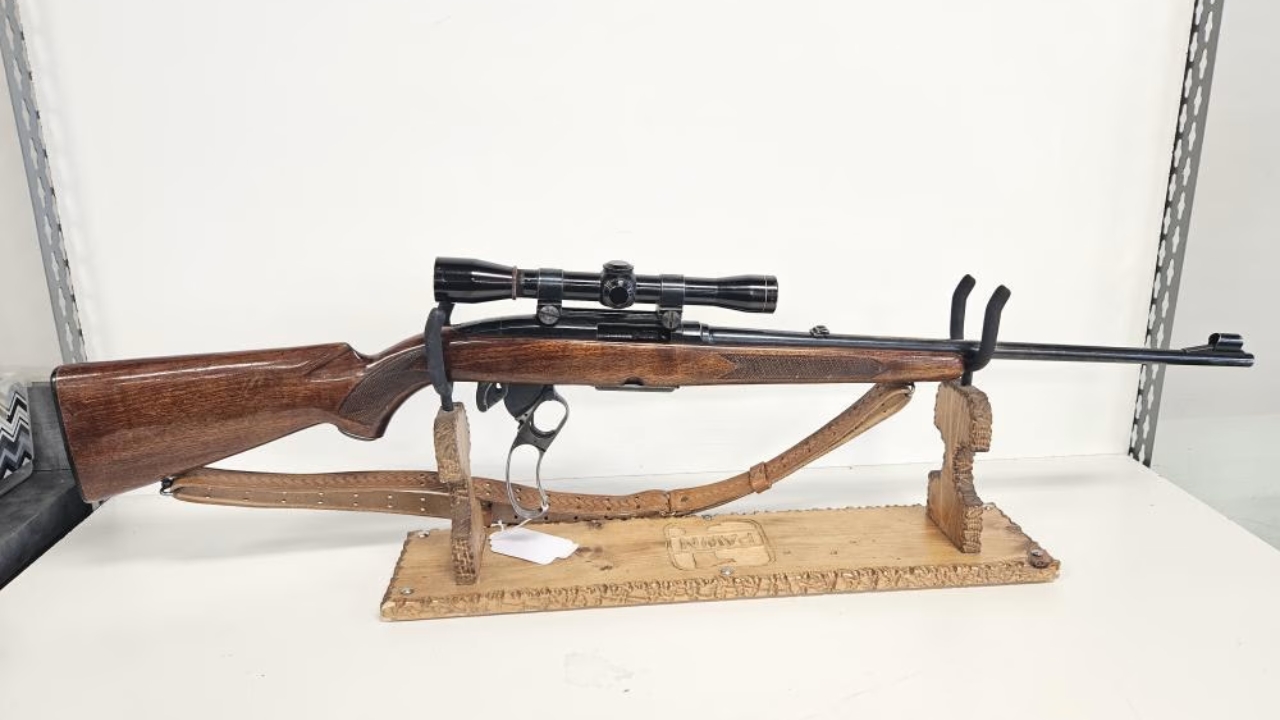
The Model 88 is one of those rifles you either get or you don’t. It carries like a lever gun but shoots more like a bolt gun, and it’s fast on follow-ups. In the woods, that combination is hard to beat.
They’re also getting harder to find in clean condition. When someone has one that feeds right and shoots right, it becomes a permanent resident in the rack.
14. Remington Model 760/7600
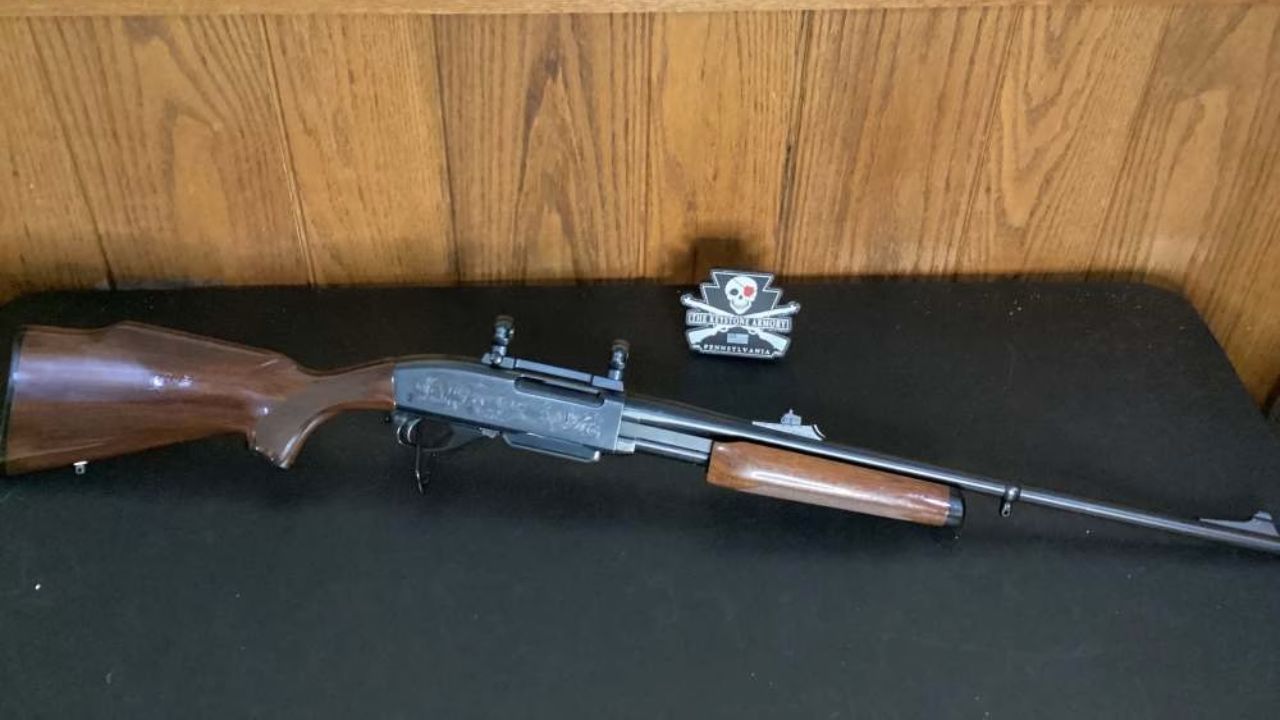
Pump rifles don’t get the internet love they deserve, but the guys who grew up with them are loyal for a reason. They handle like a shotgun, and in places where quick shots are normal, that’s a real advantage. You can stay on target and run the action without changing your whole body position.
Magazines can be the headache, so owners who have a stash tend to hang on tight. A good 7600 in a common caliber is one of those “boring” rifles that just keeps filling tags.
15. Ruger Mini-14 (older Ranch Rifles)
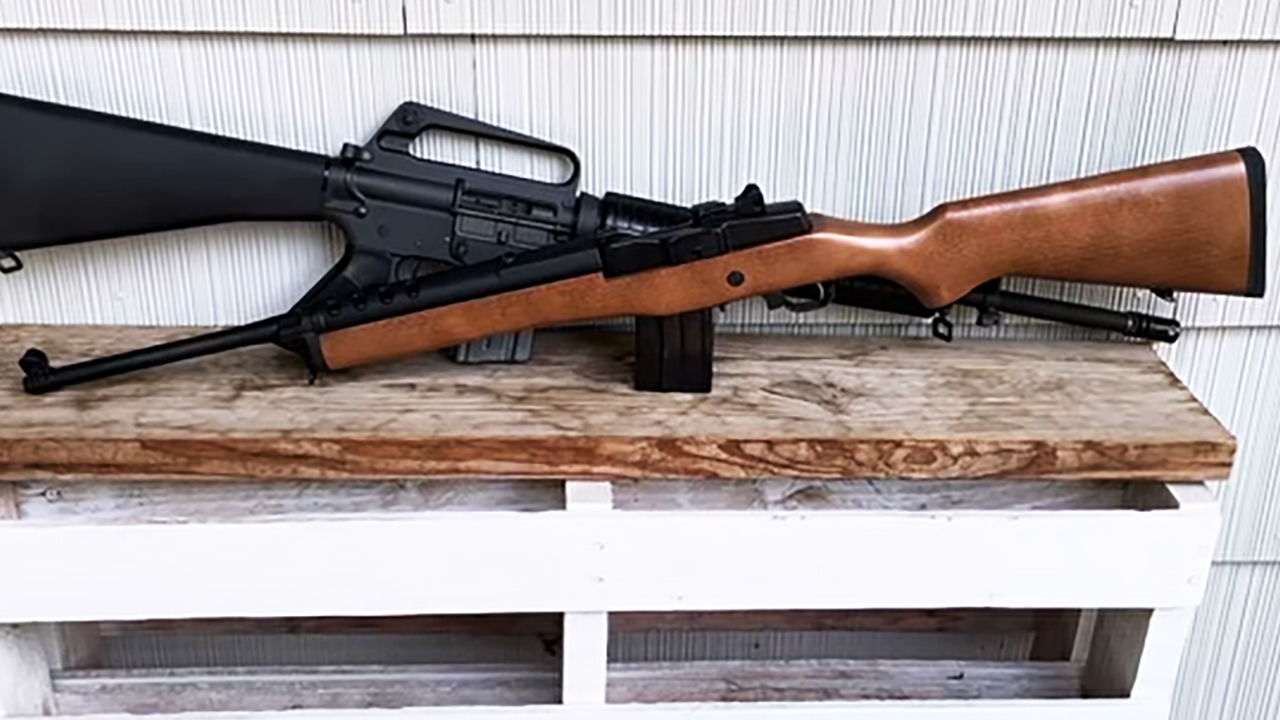
This one isn’t about benchrest groups. It’s about a handy, reliable rifle that lives on a farm, behind a seat, or by the back door where legal. For predators, pests, and general rural chores, the Mini has earned a lot of trust.
Older hunters keep them because they know what they have: simple manual of arms, durable magazines if you buy the right ones, and a rifle that doesn’t feel like it needs a parade of accessories to function.
16. Weatherby Mark V

You don’t buy a Mark V because you want “good enough.” You buy it because you like slick actions, strong design, and a rifle that feels like an event every time you open the bolt. A lot of them have lived hard lives in big country chasing elk and mule deer.
They can be loud, and in magnum chamberings they can be a lot for some shooters. Still, the guys who shoot them well tend to keep them forever because nothing else scratches that same itch.
17. Kimber 84M (classic mountain setup)
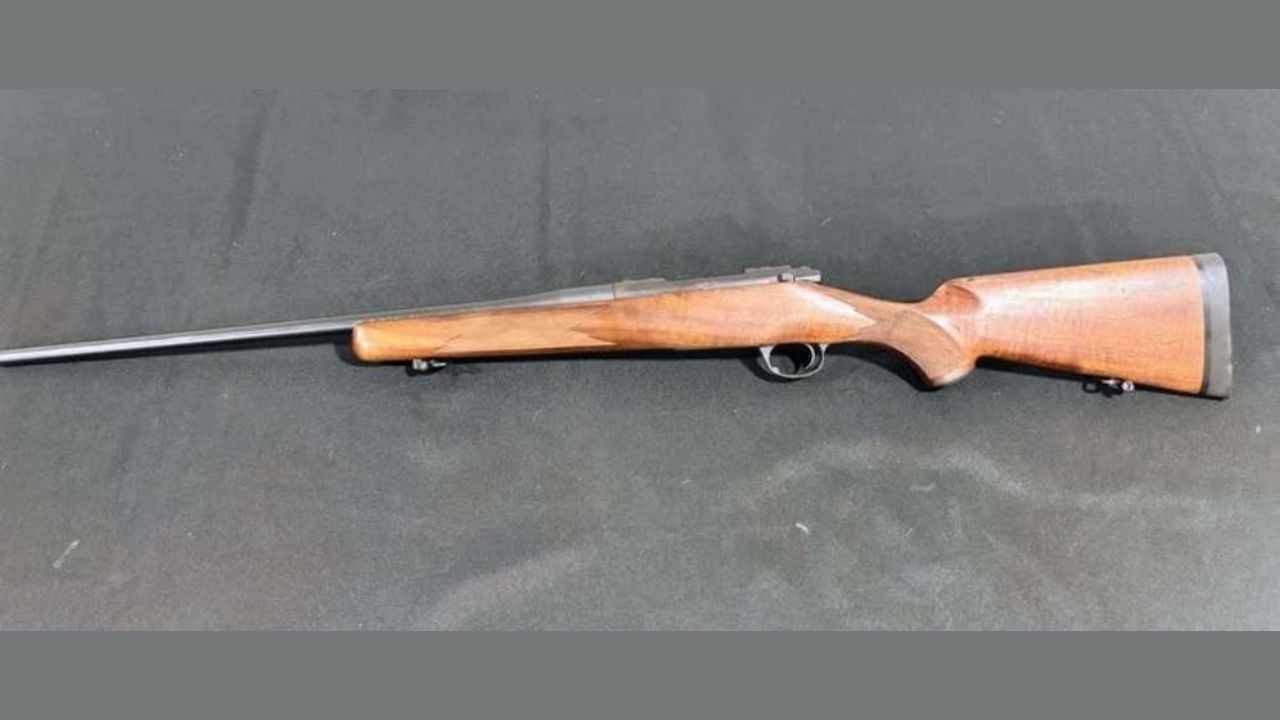
When Kimber gets one right, it’s the kind of rifle you forget is on your shoulder. That matters after a few miles and a few thousand feet of climbing. The 84M in a sensible chambering is a true hunting tool, not a range toy.
They’re not all identical, and some are pickier than others. But a proven one—already zeroed, already trusted—becomes hard to replace because you know exactly where it hits and how it carries.
18. Browning X-Bolt (Hunter/Stalker, the “just works” crowd)

The X-Bolt has become a modern classic for a reason: it feeds smoothly, the safety and bolt unlock are well thought out, and the rifles tend to be accurate without special treatment. Hunters who don’t want to tinker gravitate to them.
It’s not the rifle you brag about online. It’s the rifle that’s already in the case when it’s time to go, and that’s why it sticks around.
19. Mossberg 464 SPX (yes, really)
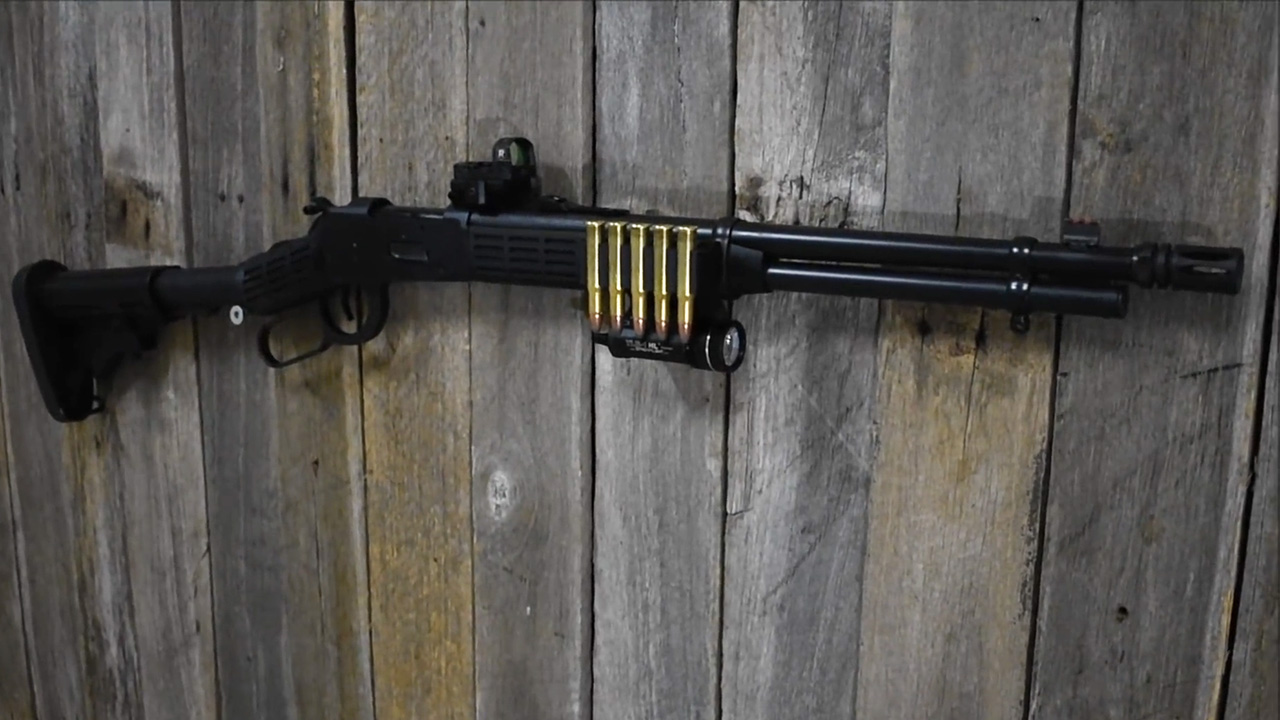
This one surprises people, and it should. The 464 isn’t a collector’s darling, and it’s not trying to be. But there are hunters and landowners who ended up with one, ran it hard, and found out it’s a handy lever gun that takes abuse.
It’s not the smoothest lever in the world, and some are better than others. Still, if it’s proven on your property and it hits where you point it, there’s a strong “why replace it?” argument.
20. Henry H009 (Big Boy Steel)
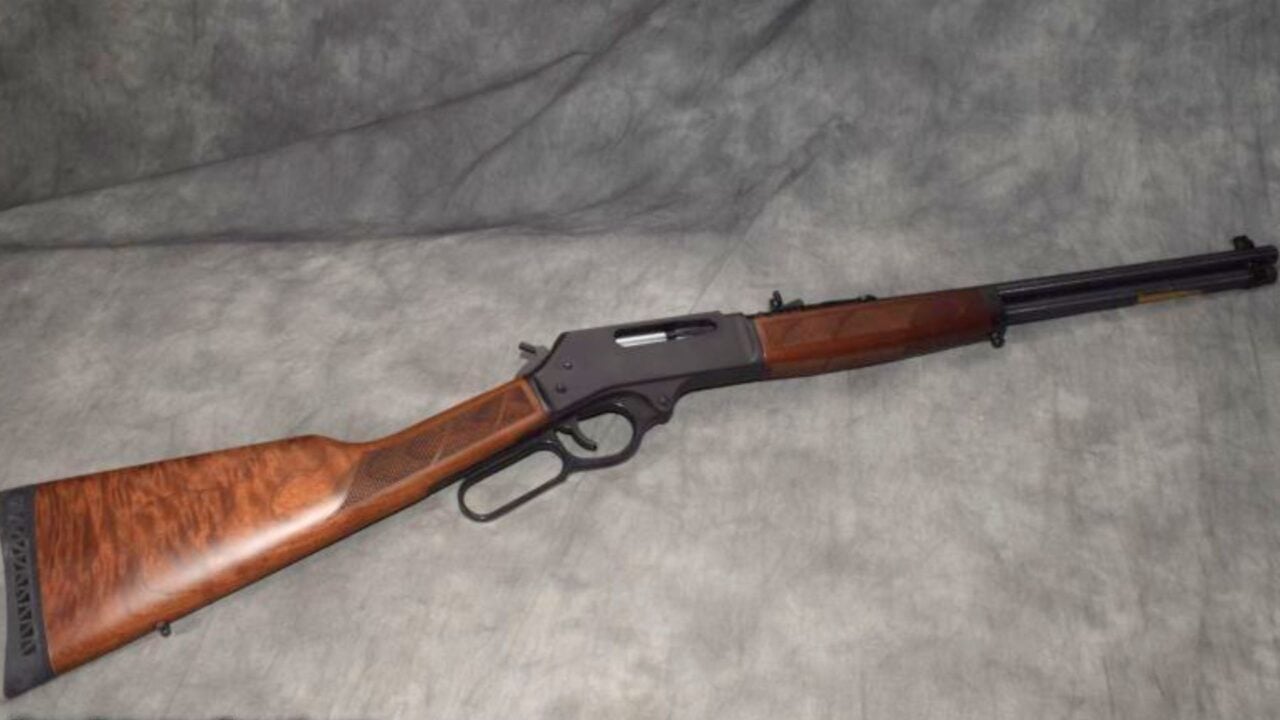
Henry lever guns have become the new “heirloom you can actually afford,” and the Big Boy Steel line hits a sweet spot. They’re smooth, they’re accurate enough for what they are, and they’re the kind of rifle you can hand to a new hunter without worrying it’ll feel cheap.
They’re not lightweight, and the tube loading isn’t everyone’s favorite system. But for a lot of hunters, it’s a rifle that lives in the rack because it’s fun, dependable, and easy to trust when the moment shows up fast.
The common thread with these rifles isn’t brand loyalty or nostalgia for nostalgia’s sake. It’s familiarity, reliability, and the way a proven rifle removes decisions from a hunt. If you’ve got one that fits you, feeds right, and always puts the bullet where you think it will, you don’t rush to trade it for whatever is hot this year. You just go hunting.
Like The Avid Outdoorsman’s content? Subscribe to our newsletter so you never miss an article.
Here’s more from us: