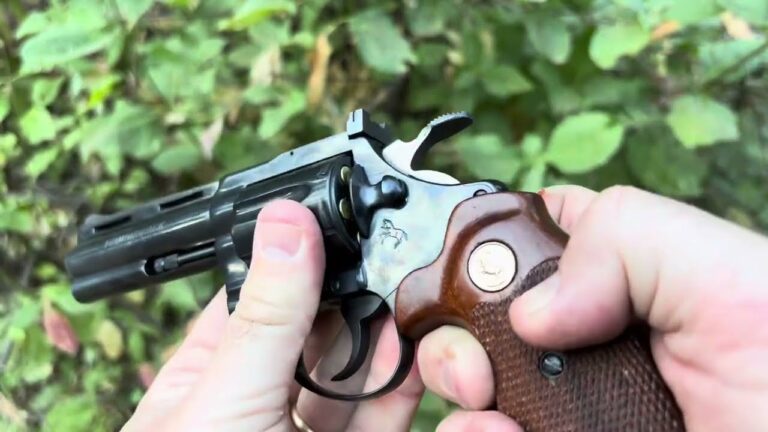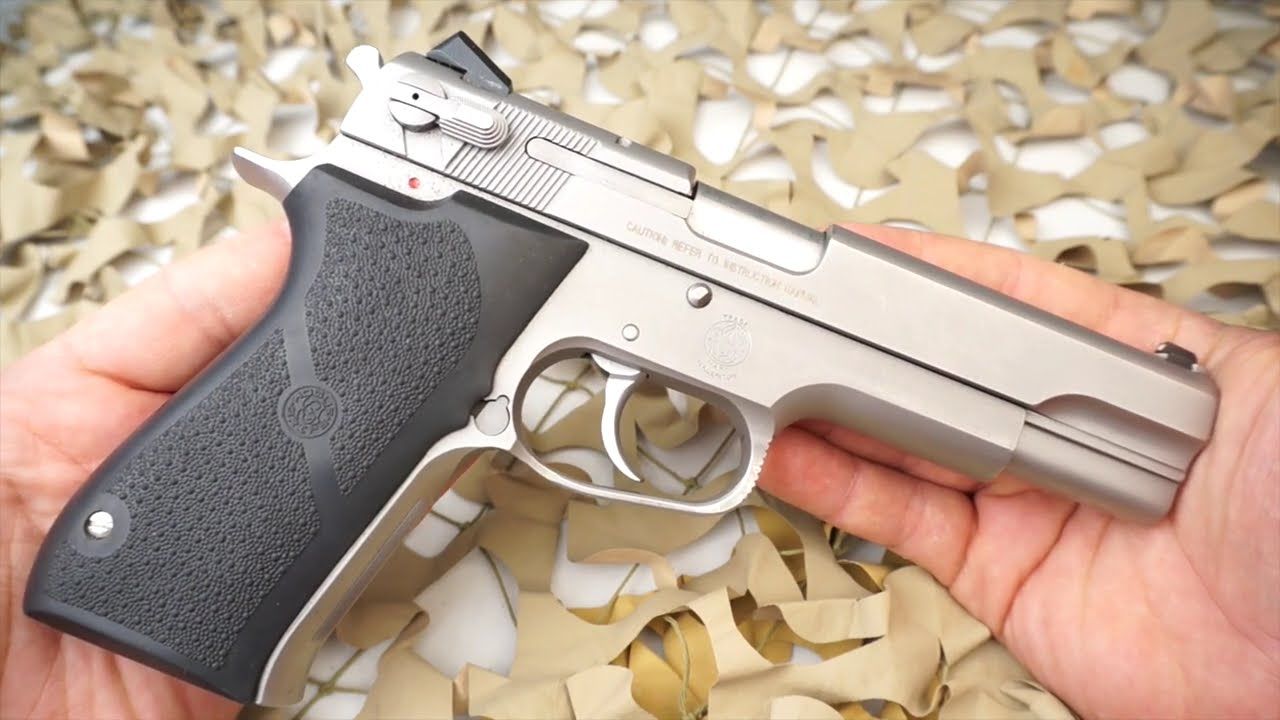
Photo credit: New World Ordnance/YouTube
There are guns I regret not buying when they were just ordinary used firearms. Back then, nobody treated every discontinued rifle like a collectible or every clean steel pistol like it belonged behind glass. You could find genuinely good guns for prices that made buying one easy and buying a second one seem a little excessive.
Today, some of those same models are exactly the guns I would buy two at a time if the old prices came back. One could be the shooter, hunting rifle, truck gun, or range pistol. The other could stay cleaner and become the backup I would be glad to have ten years later. These are the firearms where I would not be thinking about whether I needed two. I would be thinking about how annoyed I would be if I only bought one.
Remington 700 Classic
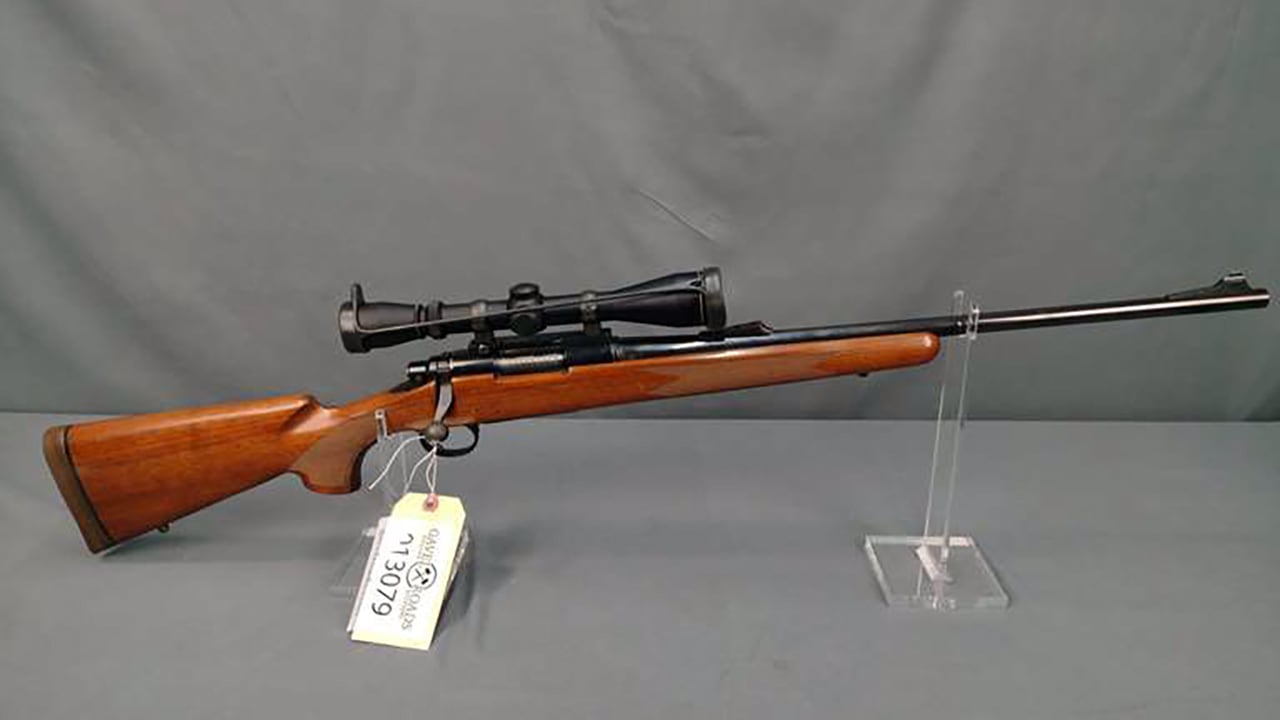
The Model 700 Classic was once the kind of rifle you could encounter without everyone immediately treating it like a collector piece. Remington offered the Classic in different chamberings over the years, usually wrapped in walnut and traditional styling that feels increasingly uncommon now. The appeal is not just appearance. You still get the familiar 700 action, broad parts support, and a rifle that can be hunted hard without feeling like some delicate presentation gun. A clean example in an interesting chambering can give you exactly the kind of traditional deer rifle that modern production lines are slowly moving away from.
At old used-rifle prices, I would want two. One would get scoped, zeroed, and carried. The other would stay largely original because rifles like this are not getting any easier to replace once nice examples disappear into collections.
Winchester Model 70 Classic Compact
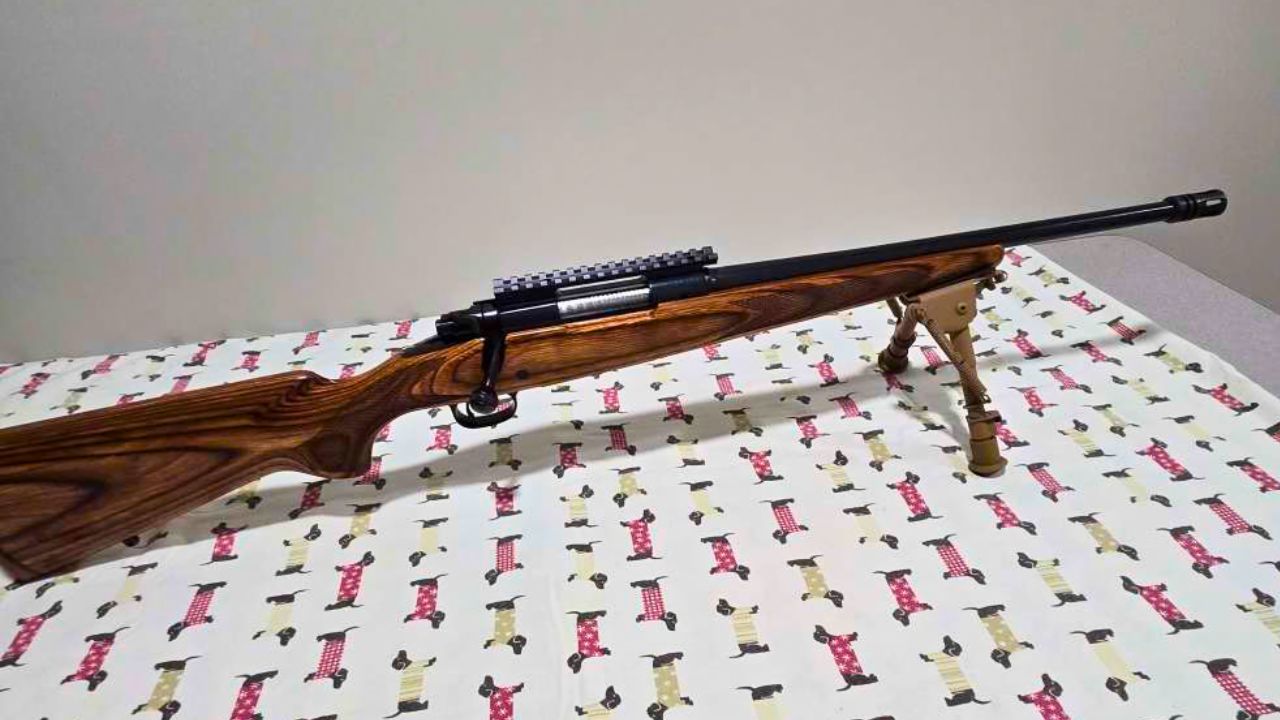
The Classic Compact is one of those rifles that seemed almost ordinary until shooters started rediscovering how useful shorter, lighter hunting rifles really are. It gives you the controlled-round-feed Model 70 action in a handier package that works exceptionally well in woods, blinds, and for smaller-framed shooters. It also has the kind of traditional stock and action feel that many current compact rifles replace with cheaper synthetic construction.
If these were still sitting around at the prices they once brought, I would buy one as a hunting rifle and another to keep for later. Compact hunting rifles that are actually well made tend to get more desirable once manufacturers stop producing them, and I would rather own the extra before everybody else realizes it.
Ruger M77 Mk II All-Weather
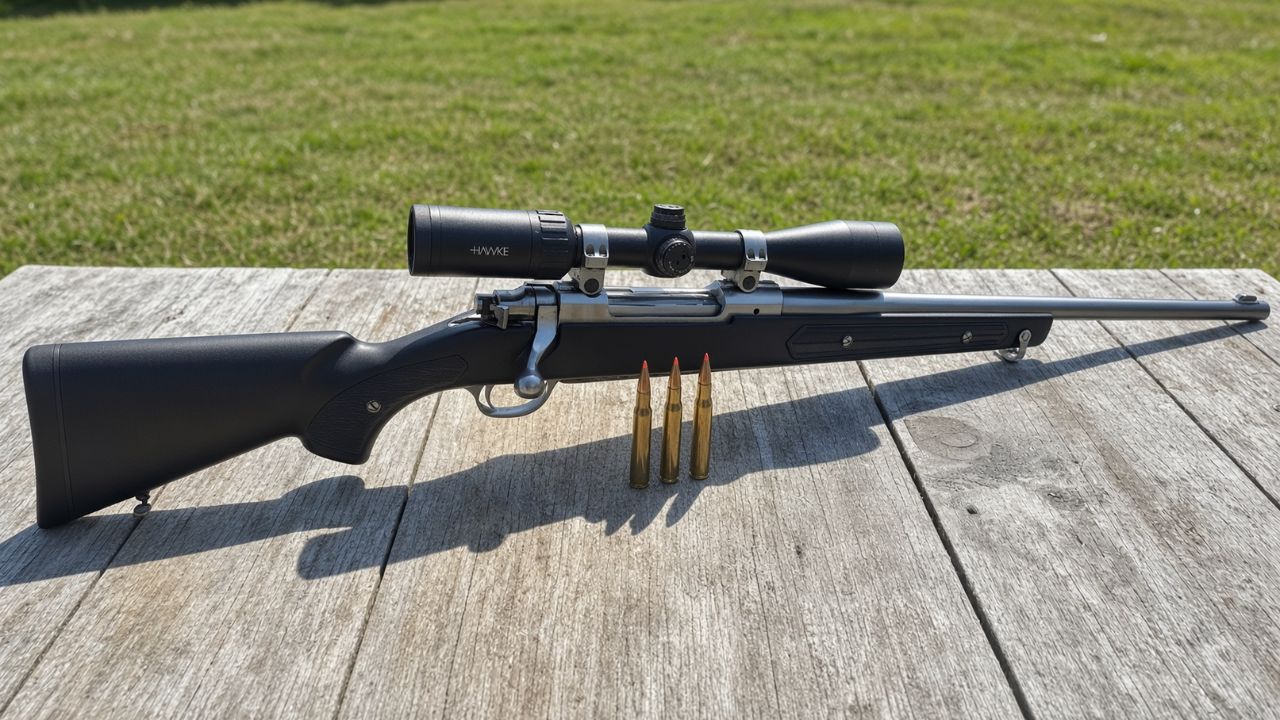
The stainless and synthetic M77 Mk II All-Weather rifles were built around a very practical idea: make a hunting rifle that could take bad weather without asking the owner to worry about walnut or polished blue. The controlled-round-feed action, substantial extractor, and rugged stock made them ideal for hunters who expected rain, mud, snow, or hard use. They were never especially fashionable, which is part of why they were such good buys.
At decade-ago pricing, I would happily own two in useful chamberings. One could live the rough life it was designed for. The second would be insurance against the day I finally admitted that newer does not automatically mean tougher or better.
Remington Model Seven CDL

The Model Seven CDL combined one of Remington’s handiest bolt actions with enough walnut and finish to keep it from feeling like a stripped-down youth rifle. The compact dimensions make it excellent in woods, while chamberings such as .243, 7mm-08, and .308 give it real hunting capability. It is one of those rifles that carries much better than a full-size bolt gun yet still feels like a proper sporting rifle when you shoulder it.
If I could find them at the prices they brought before compact discontinued Remingtons became increasingly desirable, I would buy two without feeling ridiculous. One would get hunted hard. The other would be the one I was glad I had not sold twenty years later.
CZ 527 American
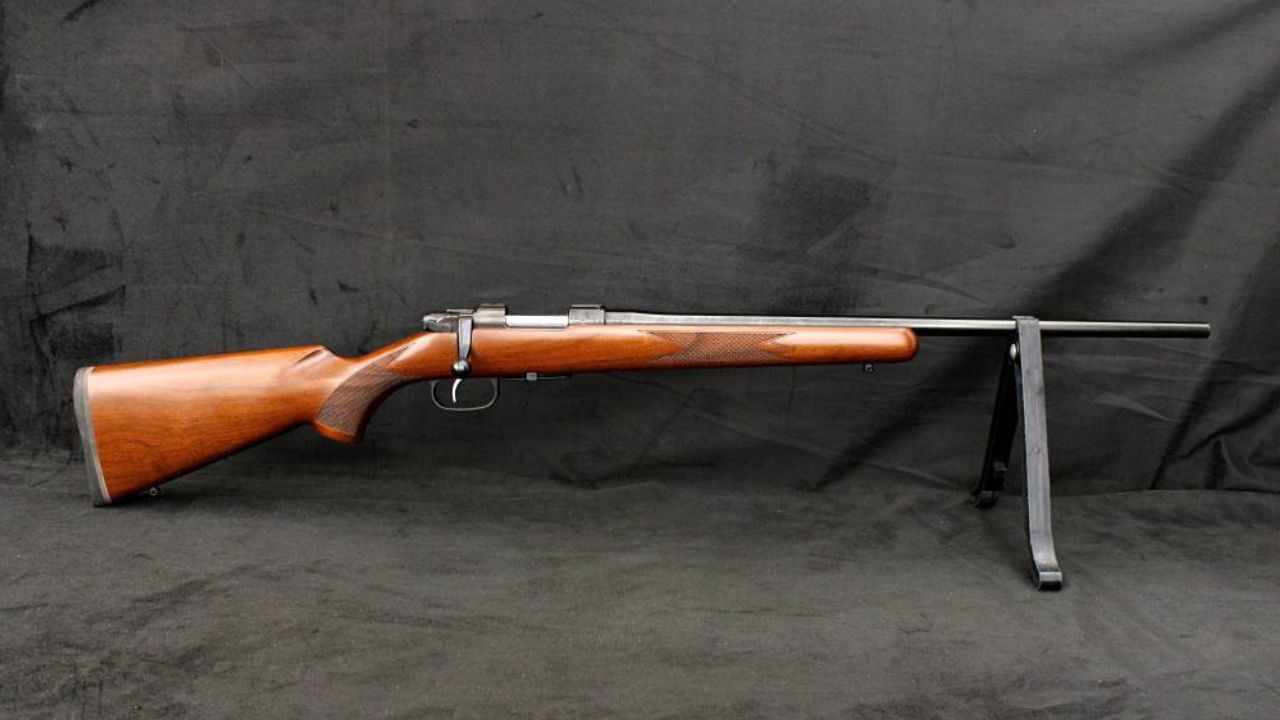
The 527 American is exactly the sort of small-action rifle that manufacturers should build more often. Instead of putting a small cartridge into an oversized action, CZ gave cartridges like .223 Remington and .22 Hornet a trim rifle that actually felt proportionate. The mini-Mauser-style action, detachable magazine, walnut stock, and distinctive trigger system gave the rifle far more personality than the average inexpensive varmint gun.
At the old prices, two would make perfect sense. I would keep one light and traditional for walking around the property and set the second up around an optic and preferred load. Once a genuinely compact action disappears from production, there is no guarantee the replacement will ever feel the same.
Remington 541-S
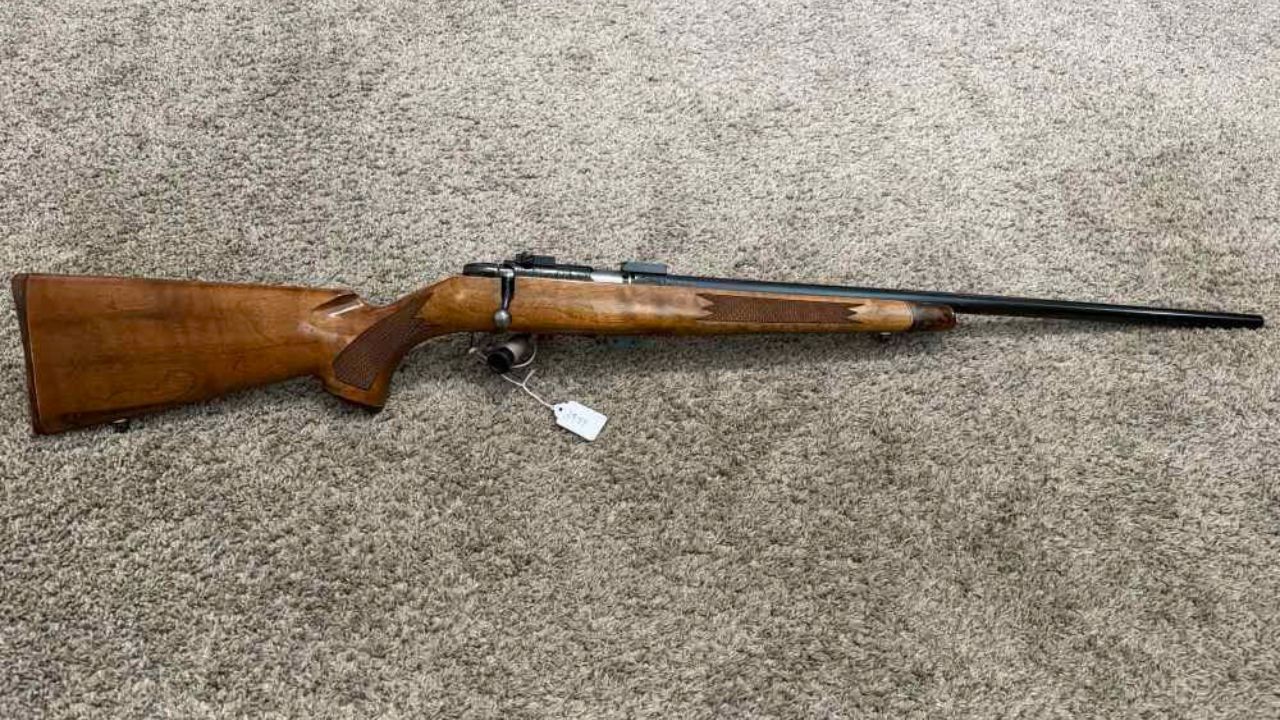
The 541-S is one of those .22 rifles that people once treated as a nicer-than-average sporting rimfire rather than something requiring a collector discussion. The rifle has excellent proportions, a good trigger, and the kind of accuracy that makes it useful for much more than casual plinking. Walnut and traditional metalwork give it the feel of a real sporting rifle despite the rimfire chambering.
If I could rewind the price far enough, I would buy two. One would spend its life shooting squirrels and paper. The second would stay clean because high-quality American sporting .22s have a habit of becoming much harder to replace once people finally realize manufacturers are not building many more like them.
Kimber Model 82 Government
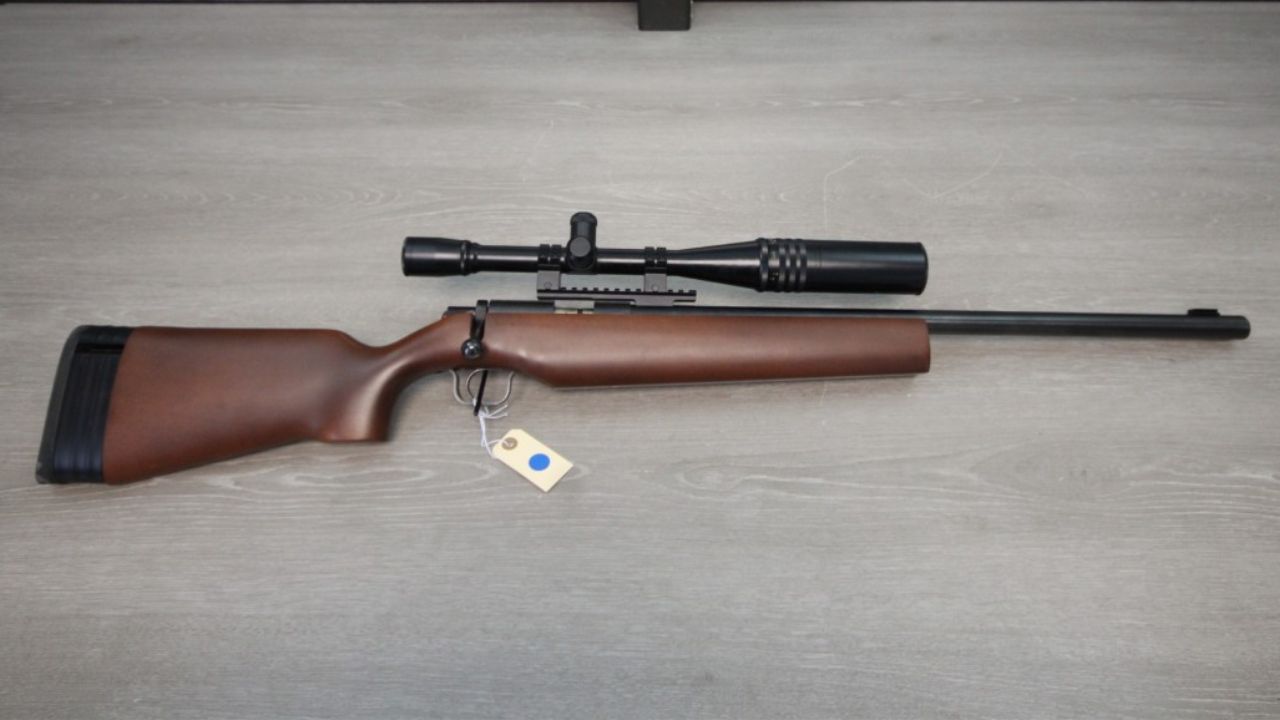
The Model 82 Government is not a lightweight walking-around .22. It is a substantial target rifle built around accuracy, training, and deliberate shooting. The heavy barrel, strong action, and excellent trigger make it the kind of rimfire that can teach you exactly how much difference good ammunition and good technique really make. For years, surplus examples represented an enormous amount of rifle for the money.
At those old prices, I would have bought two without hesitation. One would become a permanent range rifle. The other would remain tucked away because high-quality target rifles rarely become cheaper once surplus supplies dry up.
Winchester Model 75 Target
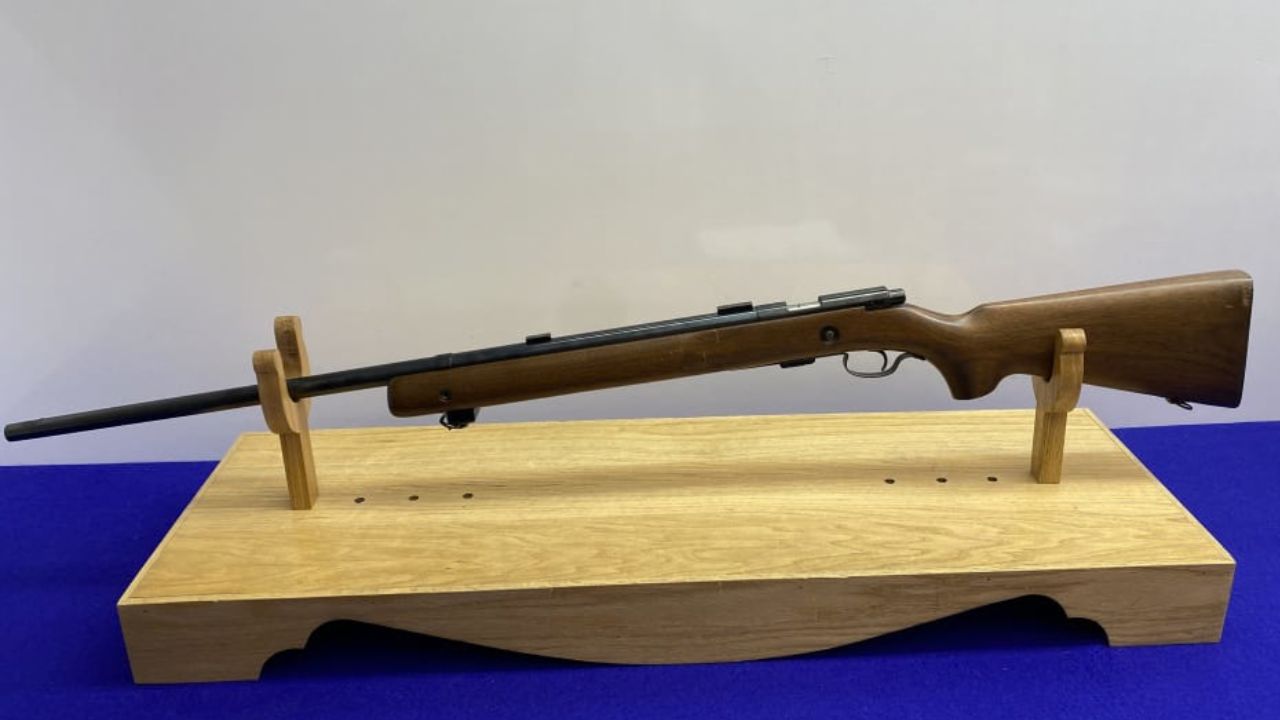
The Model 75 Target sits in the shadow of the more famous Model 52, which is precisely why it was once such an attractive buy. It still gives you a substantial bolt-action rimfire, good sights, and the kind of old Winchester construction that feels far more expensive to reproduce today. It may not carry the same prestige as its bigger brother, but it is more rifle than many modern rimfires costing serious money.
At older prices, I would want one to shoot and one to preserve. The less famous classic rifles are often the ones people overlook until suddenly everybody decides they were underrated all along.
Browning B-78
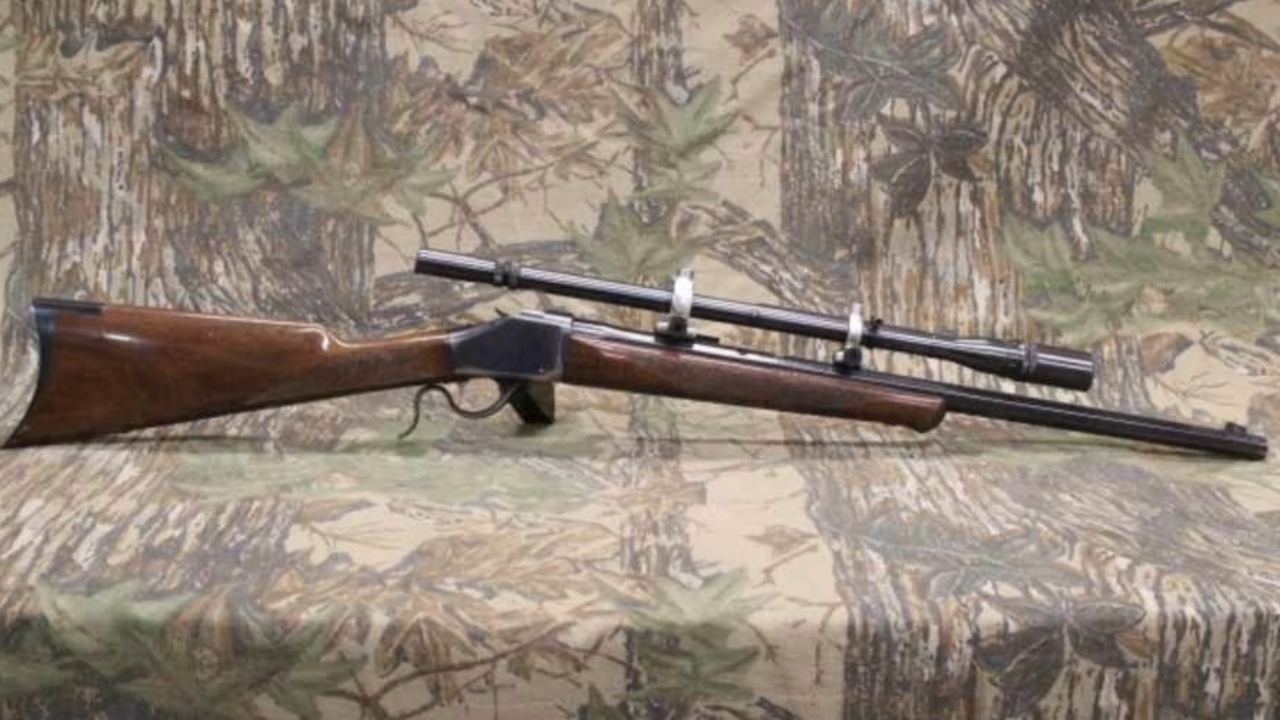
The B-78 is one of those rifles where the old market made much more sense for shooters. It gave you a strong falling-block action, excellent barrel length without an excessively long overall rifle, and traditional styling that made the gun feel much more expensive than many ordinary bolt actions. It was also offered in enough interesting chamberings to turn buying just one into a problem.
If I found B-78s at the sort of prices shooters encountered years ago, I would absolutely buy pairs. One could be hunted and carried. The other could stay cleaner because single-shot Browning rifles in desirable configurations are exactly the kind of thing people later wish they had bought before everybody else started paying attention.
Marlin 375
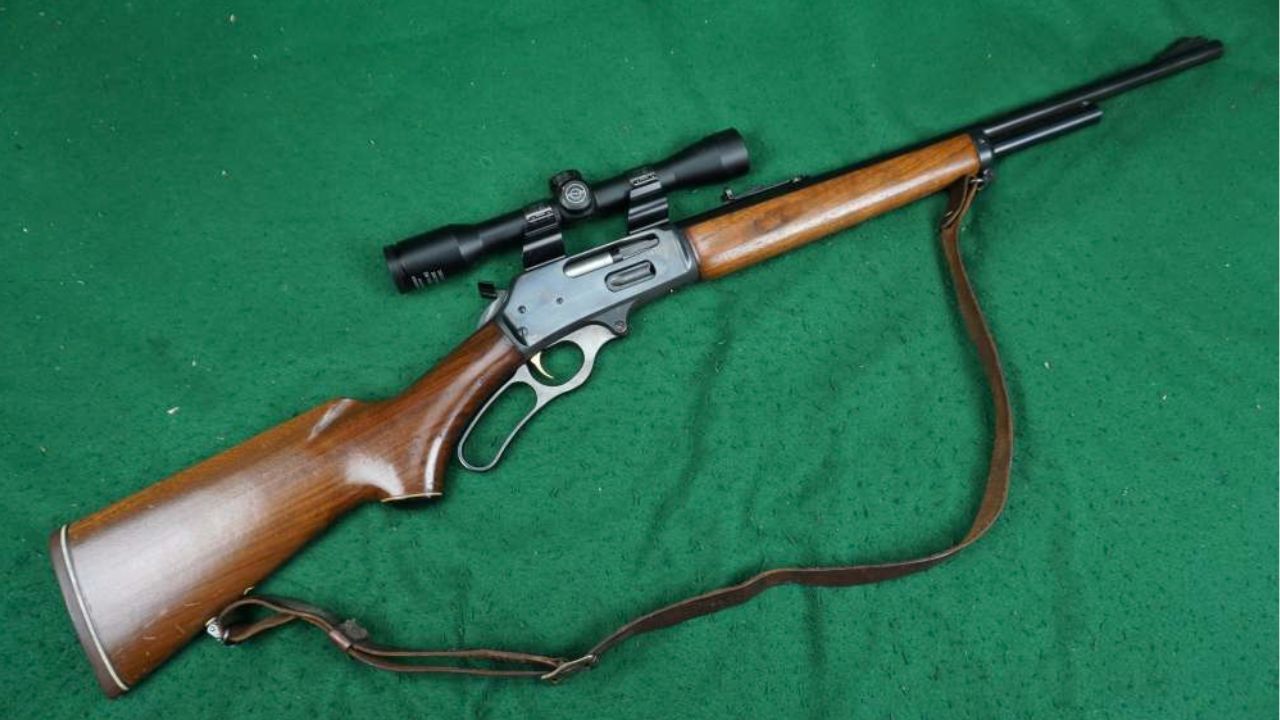
The Marlin 375 is exactly the kind of lever gun that looked niche until the market rediscovered how appealing unusual Marlin chamberings can be. Chambered in .375 Winchester, it gives you more authority than a .30-30 while retaining the slim, handy handling that makes a traditional Marlin so useful in the woods. It is not something you need for every hunting situation, but it fills a very interesting place between ordinary deer cartridges and the largest lever-gun rounds.
At old prices, I would want two because finding another later could become the problem. One would get hunted. The second would keep me from ever having to decide whether I should sell the first.
Winchester 9417
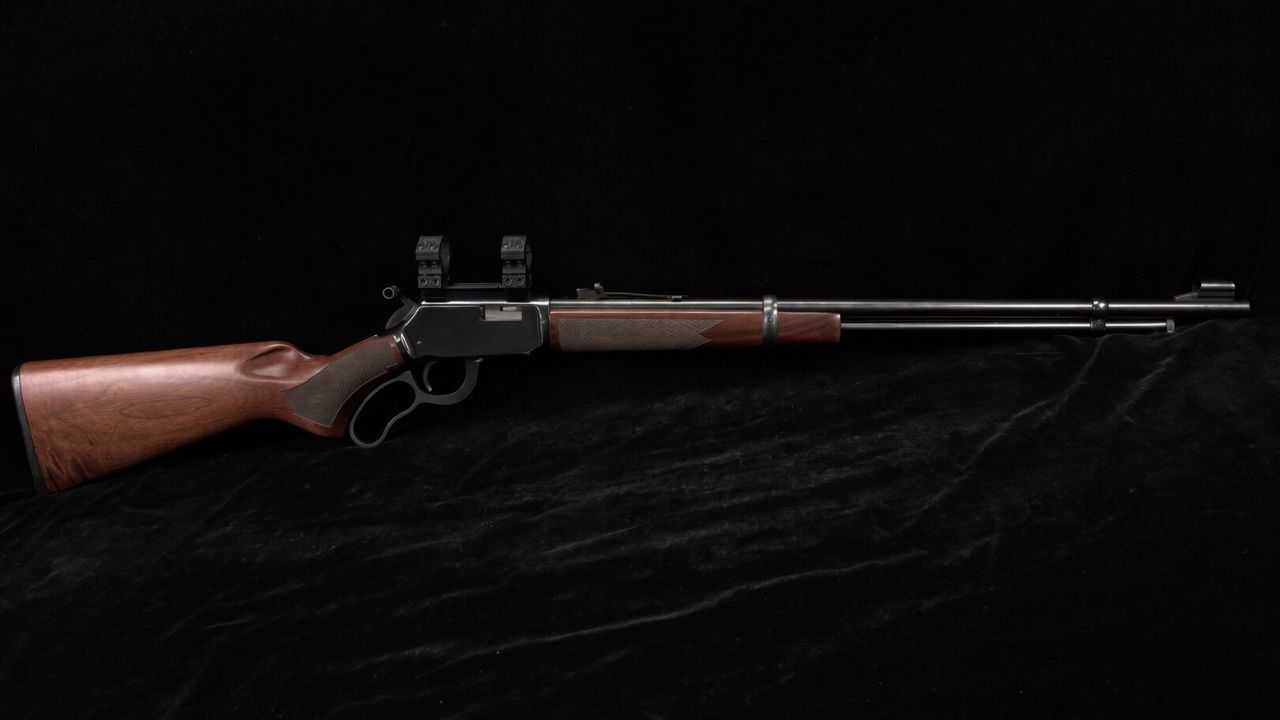
The 9417 combined Winchester’s familiar lever-action handling with the then-new .17 HMR cartridge, creating a rifle that was fast, flat shooting, and completely different from the typical bolt-action .17. The platform never became common enough to feel ordinary, and once Winchester lever-rimfire production changed, guns like this became much more interesting.
At the kind of price they brought when they were simply used rimfires, buying two would have been an easy decision. One would make a terrific varmint and property rifle. The other would be exactly the sort of oddball Winchester I would be glad I held onto after clean examples became harder to stumble across.
Remington 597 .22 Magnum
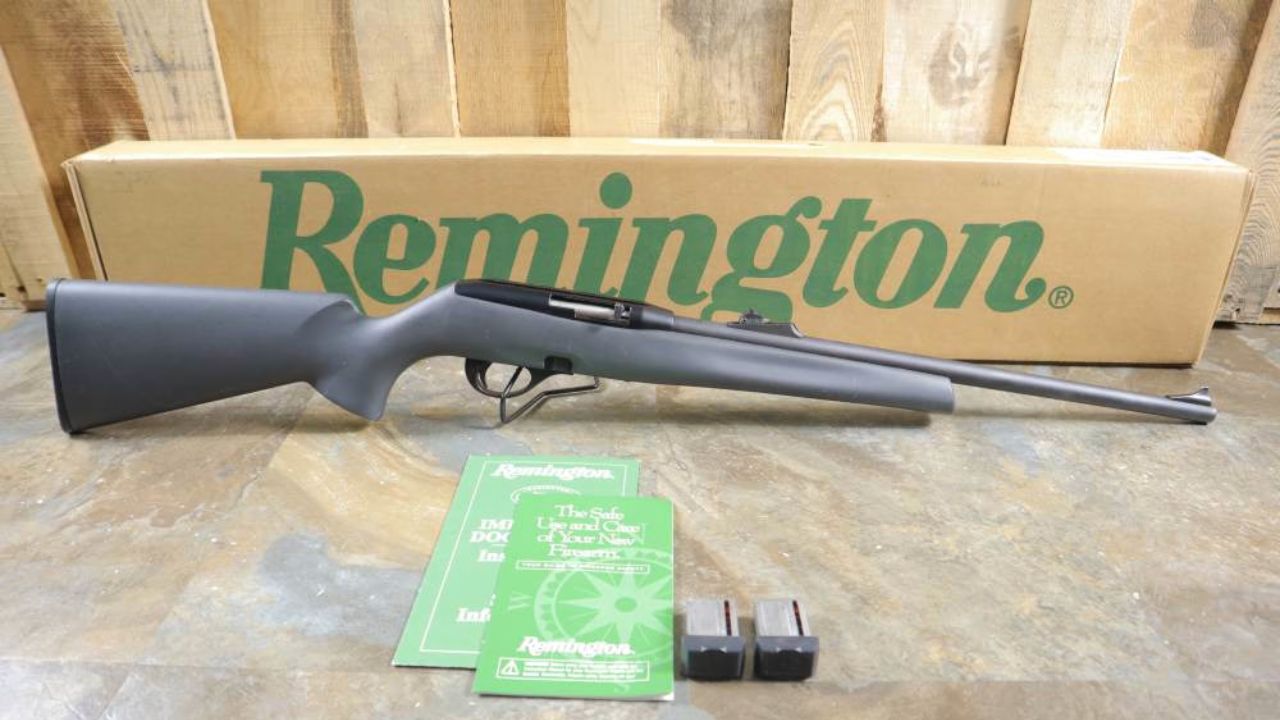
The 597 never had the reputation of the dominant semiautomatic rimfires, but the .22 Magnum versions are a different conversation from the basic .22 LR guns people remember. A semiautomatic .22 WMR can be extremely useful for varmints and property work, while offering more reach and authority than a standard .22 LR. These rifles spent years being affordable enough that nobody thought of them as something worth hoarding.
At the old prices, I would buy two good examples and make sure I had plenty of functional magazines for both. One could see regular use, while the other would solve the problem of trying to replace a discontinued rimfire semiauto later.
Colt 1903 Pocket Hammerless
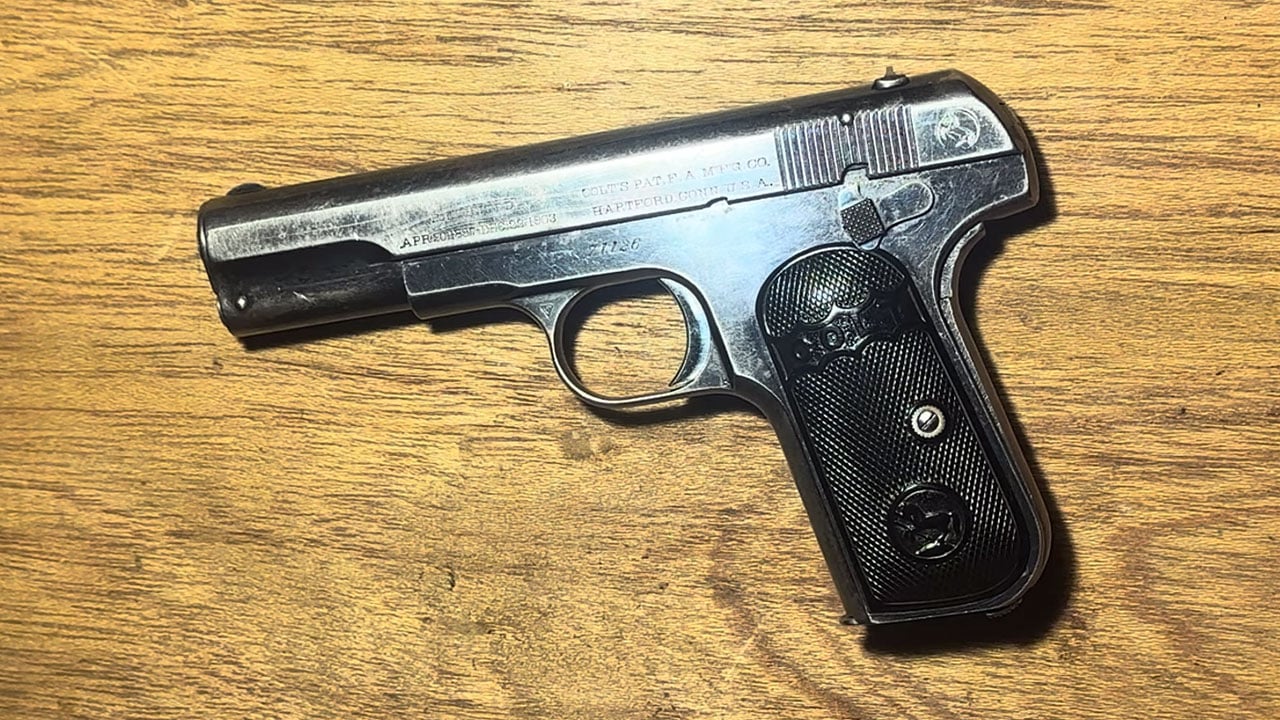
There was a period when honest Colt 1903s were simply old pistols rather than mandatory collector pieces. That was the time to buy them. The pistol is slim, beautifully machined, and astonishingly easy to understand as a carry design even more than a century after its introduction. The internal hammer gives it a clean profile, and the grip has the kind of narrow elegance that modern double-stack pistols cannot duplicate.
If those older prices came back, I would buy one shooter with honest finish wear and another cleaner example to preserve. I would not need two for practical reasons. I would buy two because I know I would eventually regret having only one.
Smith & Wesson 3914
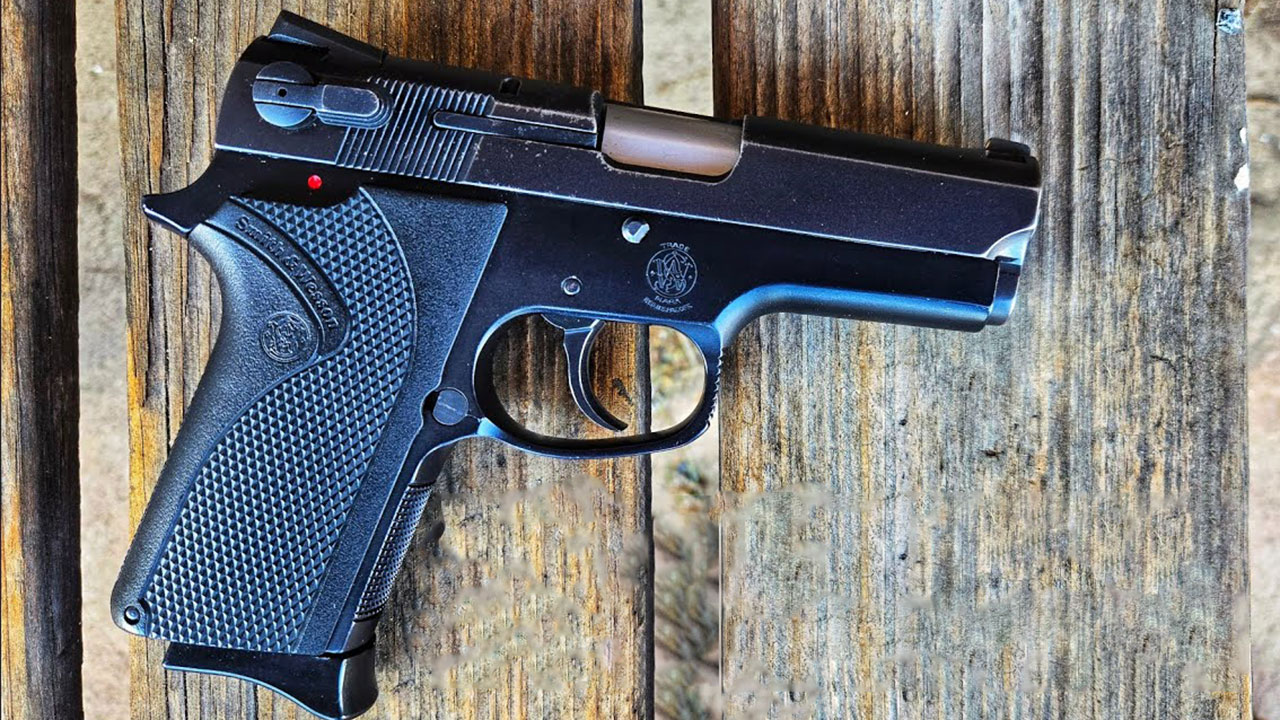
The 3914 is the kind of pistol that looked outdated when polymer compact 9mms took over, which created exactly the buying opportunity shooters should have recognized. It is slim, relatively light, DA/SA, and built around a single-stack magazine that keeps the grip exceptionally comfortable. The pistol conceals well without becoming so small that shooting it feels like a chore.
At the prices these once brought as ordinary used carry guns, I would want two immediately. One could continue being carried and shot. The second would stay as a spare because compact metal-frame Smiths are not something I expect to see recreated in large numbers.
SIG Sauer P225 P6
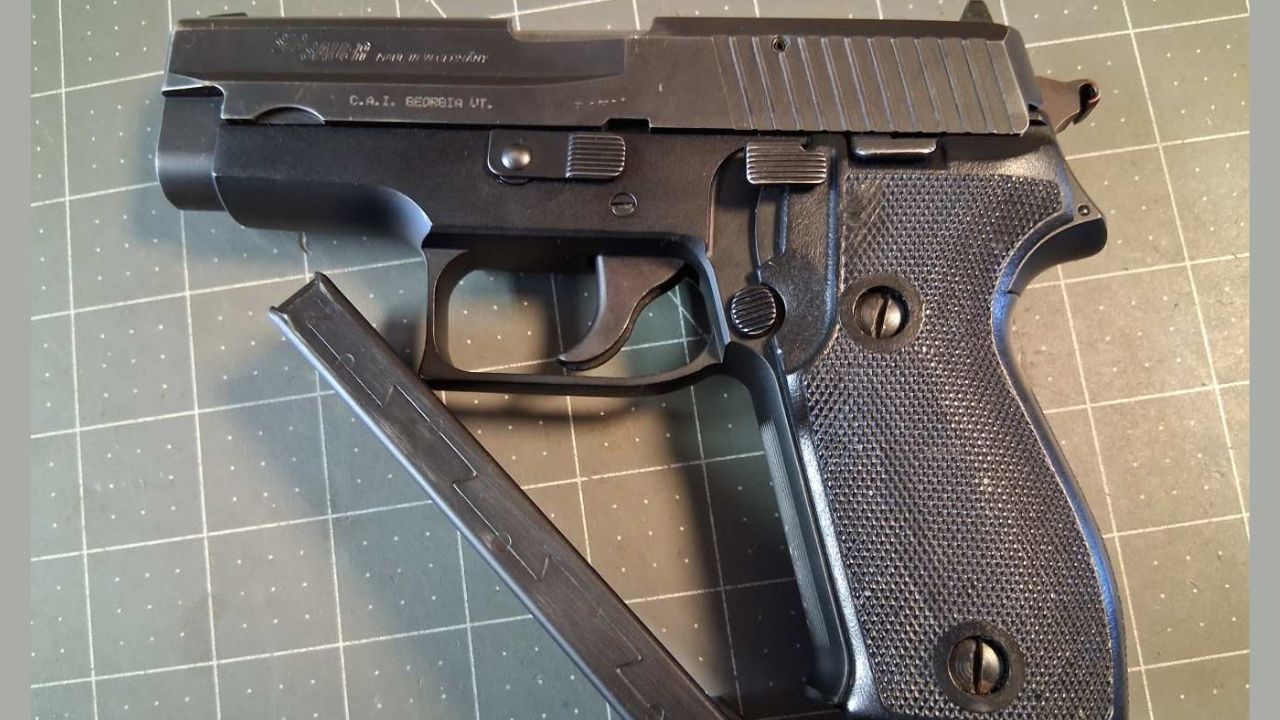
Surplus P6 pistols were once one of the best bargains in the handgun world. You could get the basic architecture of a classic German SIG, including an alloy frame, DA/SA trigger, and slim single-stack grip, without paying the premium attached to many commercial SIG models. They often showed holster wear, but that was part of the appeal because they were working pistols rather than polished collectibles.
If those surplus prices came back, I would buy a pair before somebody changed the tags. One would get springs checked and go straight into range rotation. The second would stay largely original because bargains like the P6 tend to seem obvious only after they are gone.
Smith & Wesson 4516
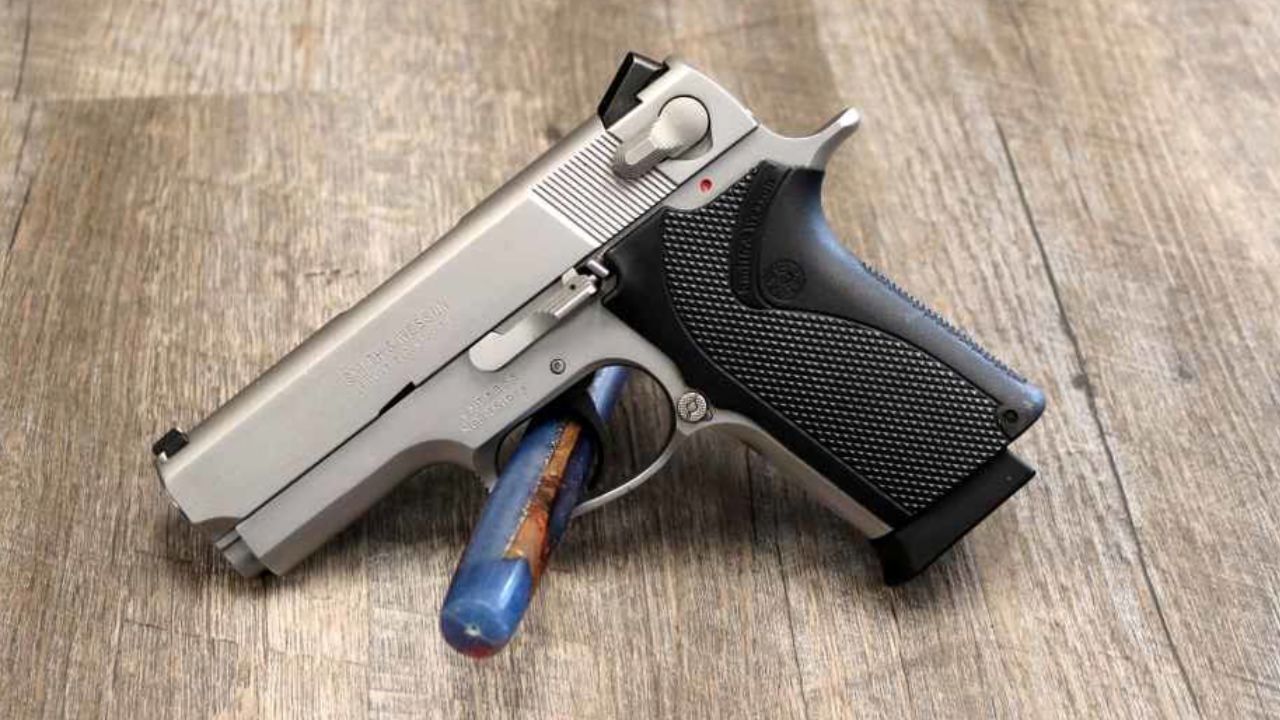
The 4516 is a compact stainless .45 ACP from the era when Smith & Wesson was willing to build small defensive pistols out of a lot of steel. It is heavy for its size, but that weight is exactly what makes the pistol surprisingly pleasant to shoot. The grip is compact, the DA/SA action is traditional, and the gun feels almost impossibly solid compared with current lightweight carry pistols.
At old police-trade-in or used-counter prices, I would buy two. One would become the shooter because a compact steel .45 is too interesting not to use. The other would stay around simply because nobody is rushing to bring pistols like this back.
Beretta 96 Centurion
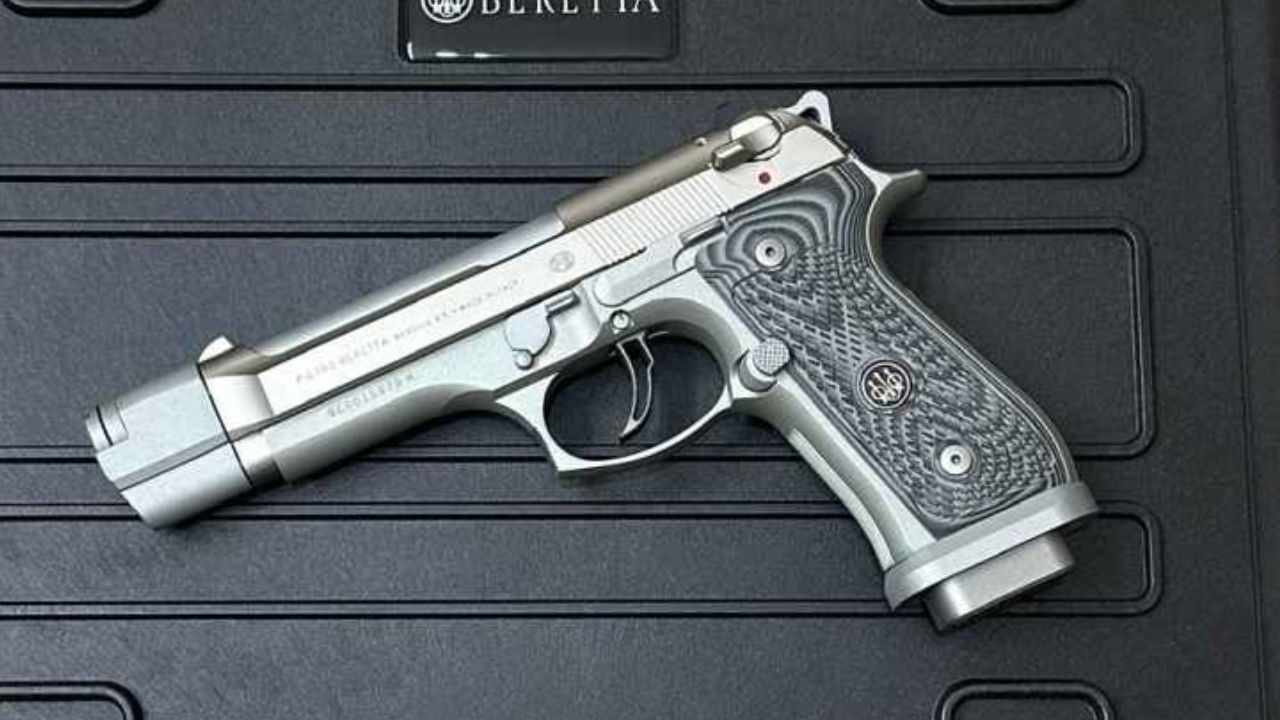
The 96 Centurion gives you the classic Beretta 92-series layout in .40 S&W with the shorter Centurion slide and barrel configuration. There was a time when .40-caliber police trade-ins made guns like this extremely affordable. The caliber fell out of favor, agencies moved on, and perfectly functional metal service pistols could be bought for numbers that look increasingly attractive in hindsight.
At those prices, I would buy two and not think twice. One could be a high-volume range pistol with inexpensive used magazines accumulated alongside it. The second would sit as a reminder that unpopular calibers sometimes create the best opportunities to buy extremely well-made guns cheaply.
HK USP40 Compact
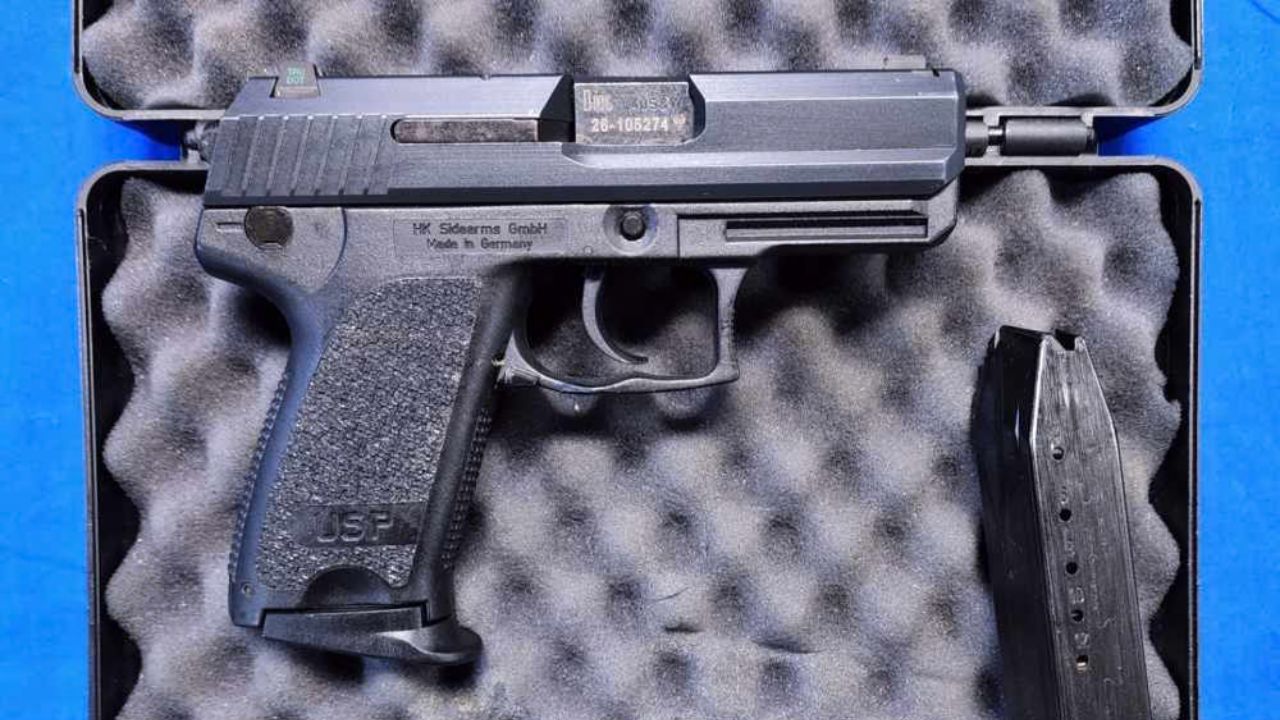
The USP40 Compact is another pistol that suffered from the market moving away from .40 S&W rather than from anything suddenly becoming wrong with the gun. It is rugged, compact enough for carry, and built around the sort of overengineered service-pistol philosophy HK was famous for during the USP era. The recoil is sharper than 9mm, but the platform handles the cartridge far better than many lightweight competitors.
If I found clean examples at the sort of prices unpopular .40s could once bring, I would want two. One to shoot and one to keep. A durable HK pistol is exactly the kind of firearm that seems expensive until you remember how long you are likely to own it.
Smith & Wesson 1006
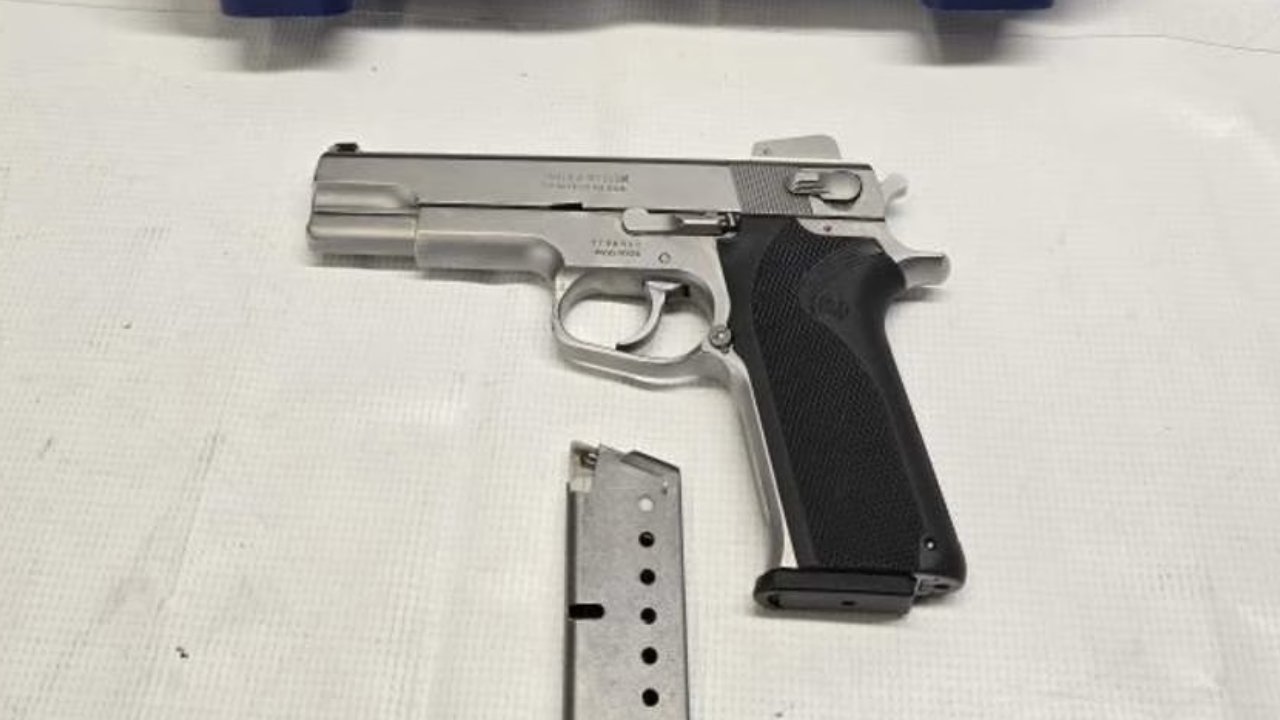
The 1006 came from the brief period when manufacturers were building large, all-stainless service pistols around 10mm Auto. It is heavy, strong, and completely opposite the direction modern carry pistols have taken. That is exactly why it is interesting. The weight helps control full-power 10mm, while the third-generation Smith construction gives the gun a tank-like feel that newer polymer pistols simply cannot duplicate.
At the kind of prices these brought before 10mm became fashionable again and older Smith autos gained collector attention, I would buy a pair. One would get shot exactly as intended. The second would make sure I never had to pay tomorrow’s price to replace yesterday’s bargain.
Browning Hi-Power Practical
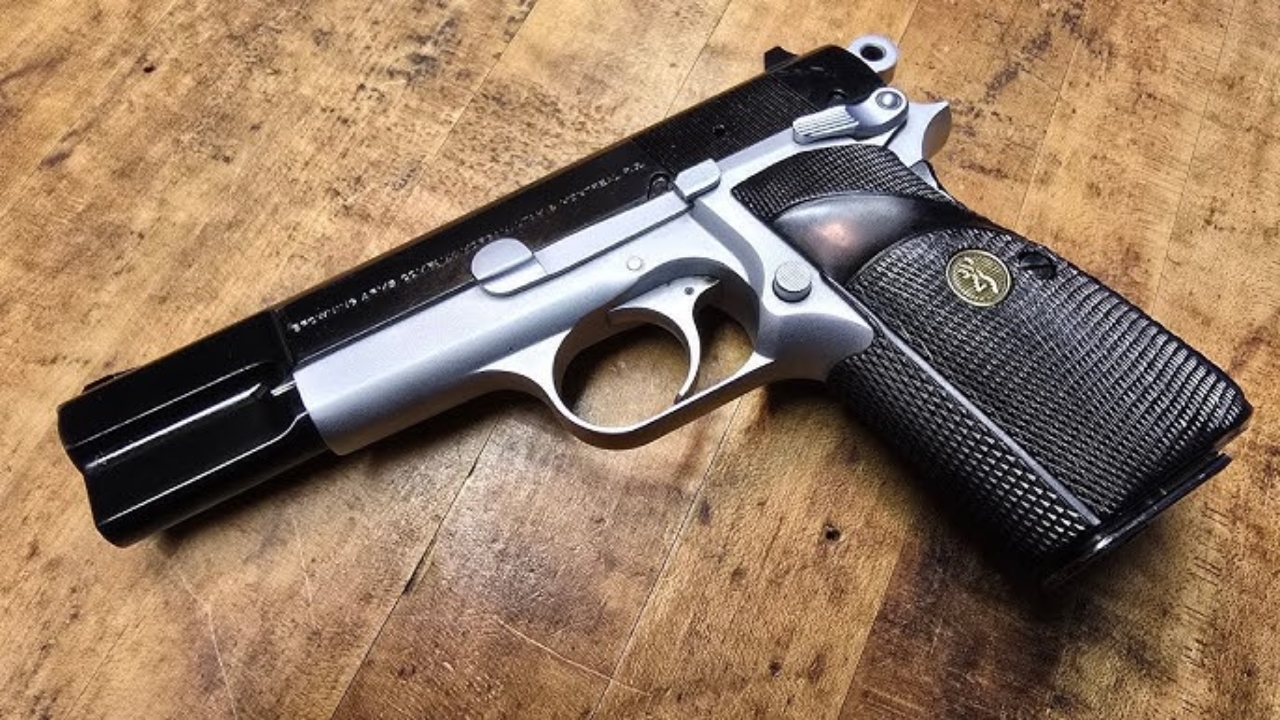
The Hi-Power Practical combined the classic Hi-Power shape with a more utilitarian two-tone finish and features intended for actual shooting rather than safe display. It retained the excellent grip shape and slim slide that made the Hi-Power famous, while giving shooters a version they did not have to treat like a highly polished presentation pistol. Years ago, these could still be viewed as used service-style pistols rather than increasingly desirable Browning collectibles.
If I could find clean Practicals at decade-ago money, I would want two immediately. One would get magazines, good ammunition, and regular range use. The second would remain largely untouched because original Browning Hi-Powers are exactly the kind of guns people always seem to wish they had bought more of when the prices were still reasonable.
Like The Avid Outdoorsman’s content? Subscribe to our newsletter so you never miss an article.
Here’s more from us: