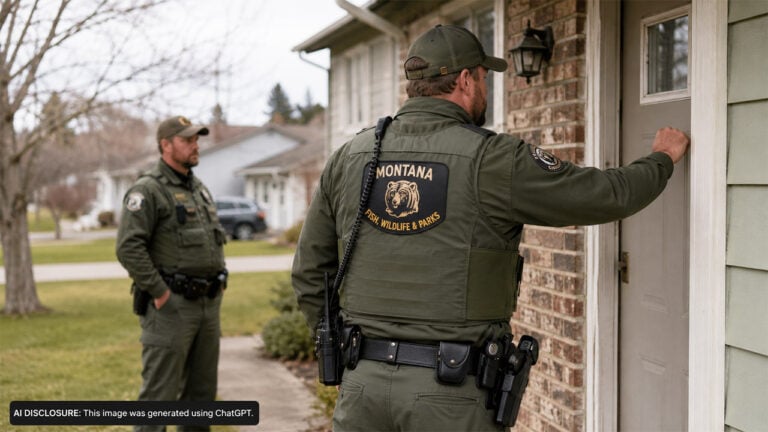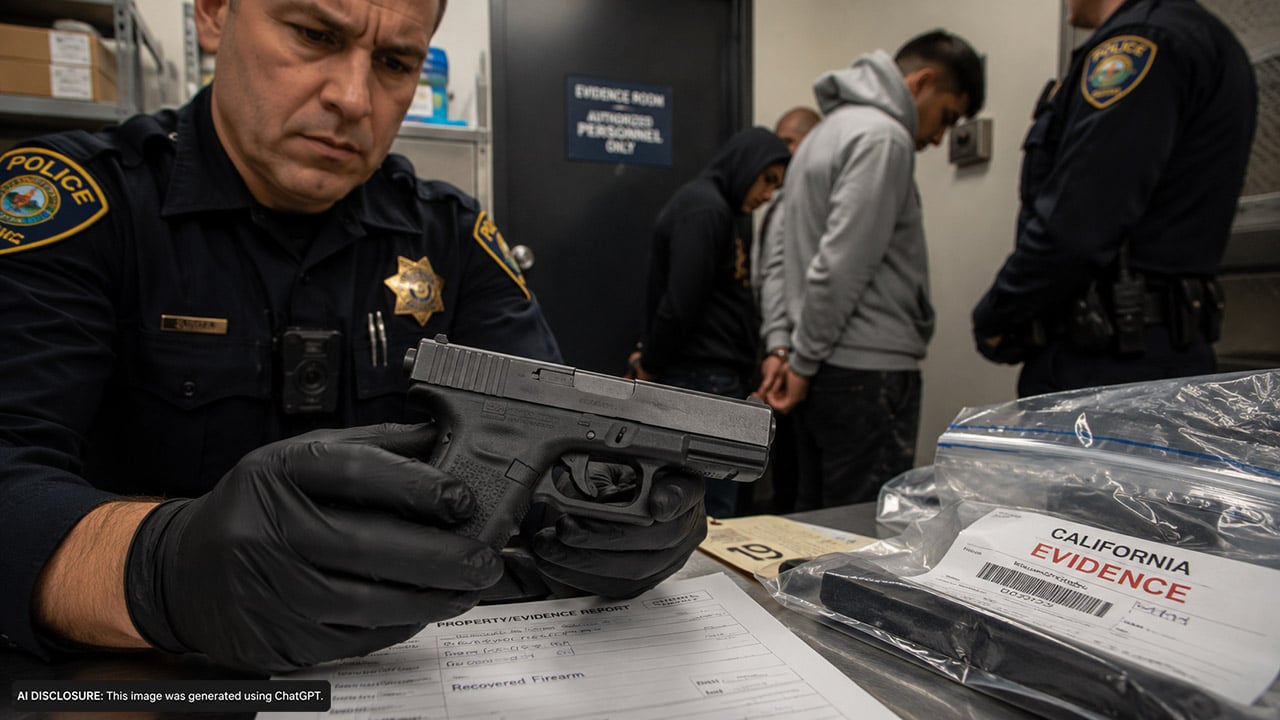
Photo credit: AI-generated image created using ChatGPT. Illustrative only
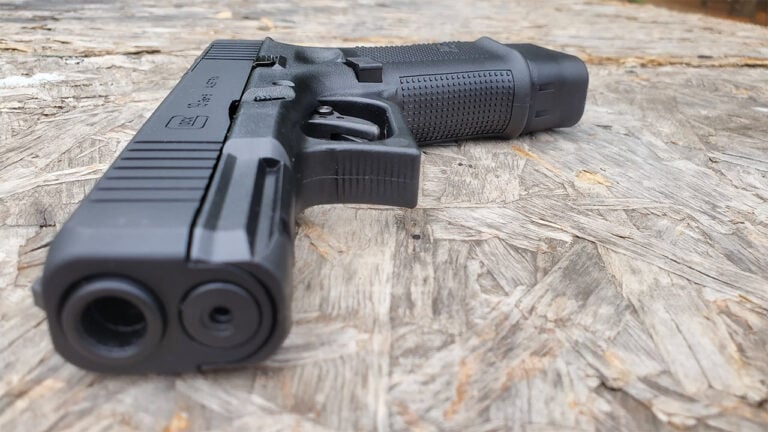
A stolen truck is bad enough. Losing $3,000 in tools hurts. But when the missing item is a Glock, that gut-punch comes with a whole different kind of worry—because you know where guns tend to end up when they’re not in your safe.
That’s exactly where one California gun owner found himself after police called to say his pistol had been recovered from suspected gang members, but with the serial number filed off. In the original post, he said the crime lab was still able to identify the gun and told him it could be returned in “a month or two” once they determined it hadn’t been used in a crime. His question was simple and practical: what happens if he’s later stopped with a firearm that’s now been altered?
The recovery call came with a catch nobody wants
When law enforcement recovers a stolen firearm, most of us picture a clean handoff: they verify it’s yours, you pick it up, and that chapter closes. But this one had a big red flag—an obliterated serial number.
The owner wrote that the serial had been filed off while the gun was out of his control, even though the crime lab “was able to figure it out somehow.” That detail matters. A defaced serial number doesn’t just look bad; it can create serious legal and practical problems, especially in a state like California where gun rules are already tight and mistakes are expensive.
Why a filed-off serial number turns a stolen gun into a legal hot potato
Most gun owners understand serial numbers are tied to traceability—manufacturing, sale records, stolen reports, and evidence logs. When a criminal removes that number, it’s usually not for innocent reasons. It’s to make the gun harder to tie to a person or a crime.
The trouble is that “I didn’t do it” doesn’t always stop the headache. Even if you’re the rightful owner, being in possession of a firearm with a defaced serial can put you in a situation where you’re explaining yourself on the side of the road, at a traffic stop, or during a routine contact. The owner in this case asked the officer directly what would happen, and he said the cop didn’t give much of an answer. That uncertainty is what spooks responsible people—because they’re not looking to test the system.
What the wait period suggests about how these cases usually go
Police told the owner it would be “a month or two” before the gun could be returned, once they determine it hasn’t been used in a crime. That timeline tells you a lot about what the pistol is to them right now: evidence first, property second.
From an outdoorsman’s perspective, this is like getting your ATV back after it was used to smash a fence and tear up a hayfield. Sure, it’s yours, but it’s also part of an investigation until they’re satisfied it’s not tied to something worse. A firearm adds extra layers—ballistic testing, records checks, and chain-of-custody documentation—all before anybody talks about returning it.
And when the serial number has been messed with, that’s not just a note in the file. It’s a physical alteration to the gun itself. That can influence whether it’s even eligible to be returned in the first place, or whether it returns in a condition the owner feels safe—or comfortable—possessing.
The real-world problem: getting it back doesn’t mean you’ll want it back
The owner admitted he was torn: part of him wanted to just wash his hands of it. That’s a very normal reaction. Guns are tools, but they’re also responsibility magnets. If a tool comes back with a history you didn’t choose, you have to decide whether the juice is worth the squeeze.
Even setting legal questions aside, think about the practical side. A pistol that’s been in the hands of criminals may not have been maintained. It may have been stored poorly. It may have unknown wear, unknown ammo history, or even hidden damage. Most of us wouldn’t head into elk season with a rifle that had been “out in the world” for months without giving it a deep inspection and a serious function check at the range—done safely, and ideally by someone qualified if you have doubts.
Now add the serial-number issue. If you ever had to use that firearm in self-defense, you can bet the gun will be examined closely. If it ever gets logged into a system again during an encounter, a defaced serial is going to draw attention fast, even if the lab already figured out what it used to be.
What other gun owners tend to focus on in situations like this
When gun owners talk through scenarios like this, the conversation usually turns toward documentation and paper trails. Not because folks love paperwork, but because paperwork is what keeps a bad day from turning into a long nightmare.
In a case like this, the key themes people tend to push are: keep your original theft report, keep any communication from law enforcement about the recovery, and don’t assume a “recovered” gun is automatically a “good to go” gun. If the serial number was restored by the lab, that’s useful information—because it indicates the gun can still be identified—but it doesn’t automatically erase the fact that the original marking was physically altered while the gun was stolen.
Another common point gun folks bring up is simple: if you’re uncomfortable, you don’t have to force yourself into owning a problem. There are lawful ways to dispose of a firearm you no longer want—often involving a dealer transfer or surrender options depending on jurisdiction. The point is to do it the right way, not quietly and not casually.
The safest path forward is slow, documented, and by-the-book
If you’re the lawful owner and law enforcement offers to return a firearm like this, the smartest approach is to make it boring. Ask what paperwork comes with the return. Ask what the status of the serial number is in their records. Ask whether the firearm will be returned with any documentation indicating it was recovered and identified by the lab. Get clear on the process for lawful possession in your state, and don’t rely on vague verbal reassurance.
This is also one of those times when a quick consult with a California firearms attorney can be money well spent—because the question isn’t theoretical. The owner’s concern was specifically about being stopped while in possession of a now-altered firearm. That’s not paranoia; that’s thinking ahead.
And if your gut tells you the risk and hassle aren’t worth it, you’re not wrong to consider walking away—especially if you can do so through a legal, documented route. A replacement Glock costs money, but it doesn’t come with baggage.
Outdoorsmen are used to solving problems with common sense: secure your gear, document what matters, and don’t carry trouble home just because it technically belongs to you. When a stolen gun comes back with its serial number filed off, that’s one of those moments where patience and paperwork are the most practical tools you’ve got.
Like The Avid Outdoorsman’s content? Subscribe to our newsletter so you never miss an article.
Here’s more from us: