Photo credit: DumDum/YouTube
Pump shotguns used to be some of the easiest guns in the safe to trade. A hunter would decide he wanted a newer semiautomatic, a lighter synthetic gun, or something chambered for the latest magnum load and let the old pump go without much thought. After all, another used pump seemed to be sitting on every rack in town.
That attitude has changed. Older pumps often have smoother actions, better walnut, deeper blueing, and a kind of mechanical feel that inexpensive new shotguns do not always duplicate. Some specific models are discontinued entirely, while others survive only in newer forms that do not feel quite like the originals. These are the pump shotguns I hear people talk about with the most regret after realizing the one they traded was a lot harder to replace than they expected.
Remington 870 Wingmaster
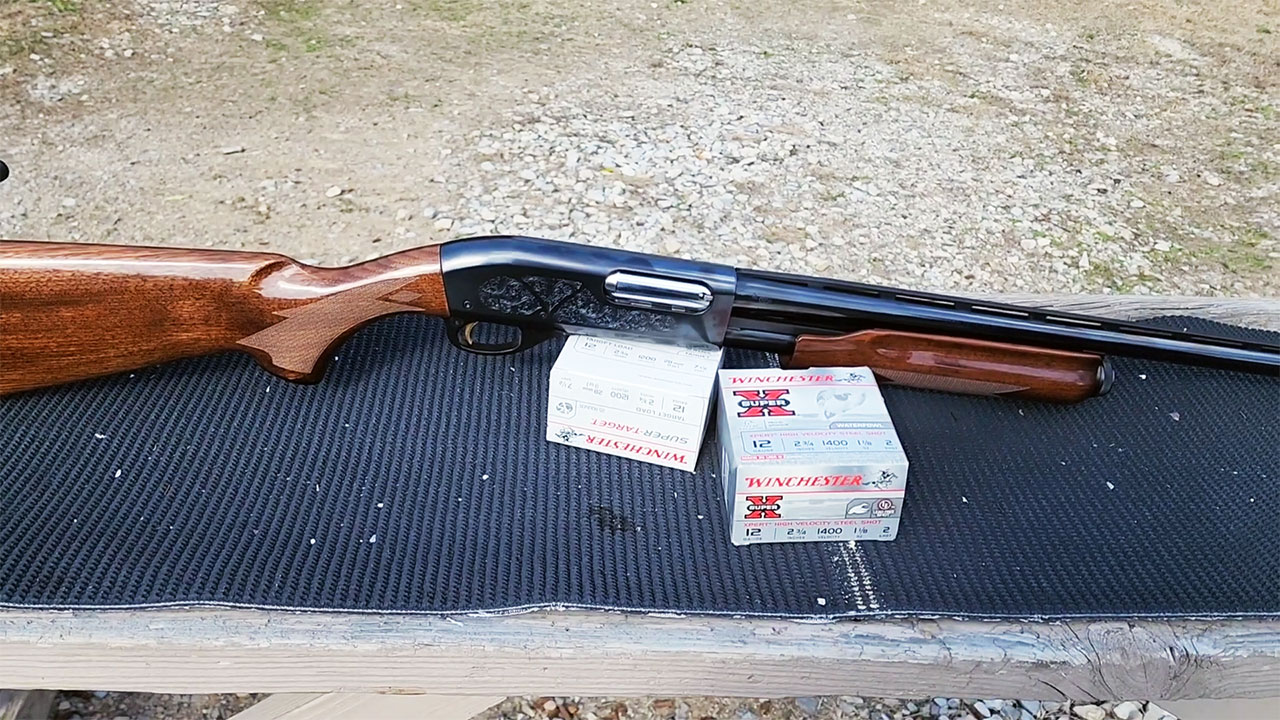
The Wingmaster may be the ultimate example of a shotgun people traded away because they assumed another one would always be available. For decades, it was simply the nice version of the 870, with polished blueing, walnut furniture, and an action that tended to become ridiculously smooth after years of use. Hunters carried them for ducks, doves, deer, rabbits, and practically anything else that required a shotgun. Because they were everywhere, nobody treated an ordinary Wingmaster like something worth hanging onto forever.
Now a clean older example feels different. Many surviving guns have worn stocks, replacement barrels, added pads, or decades of field wear. If I already had one with nice wood and a slick action, I would be extremely reluctant to trade it toward another generic pump. That old Wingmaster probably does everything the replacement does while carrying a lot more character.
Remington Model 31L
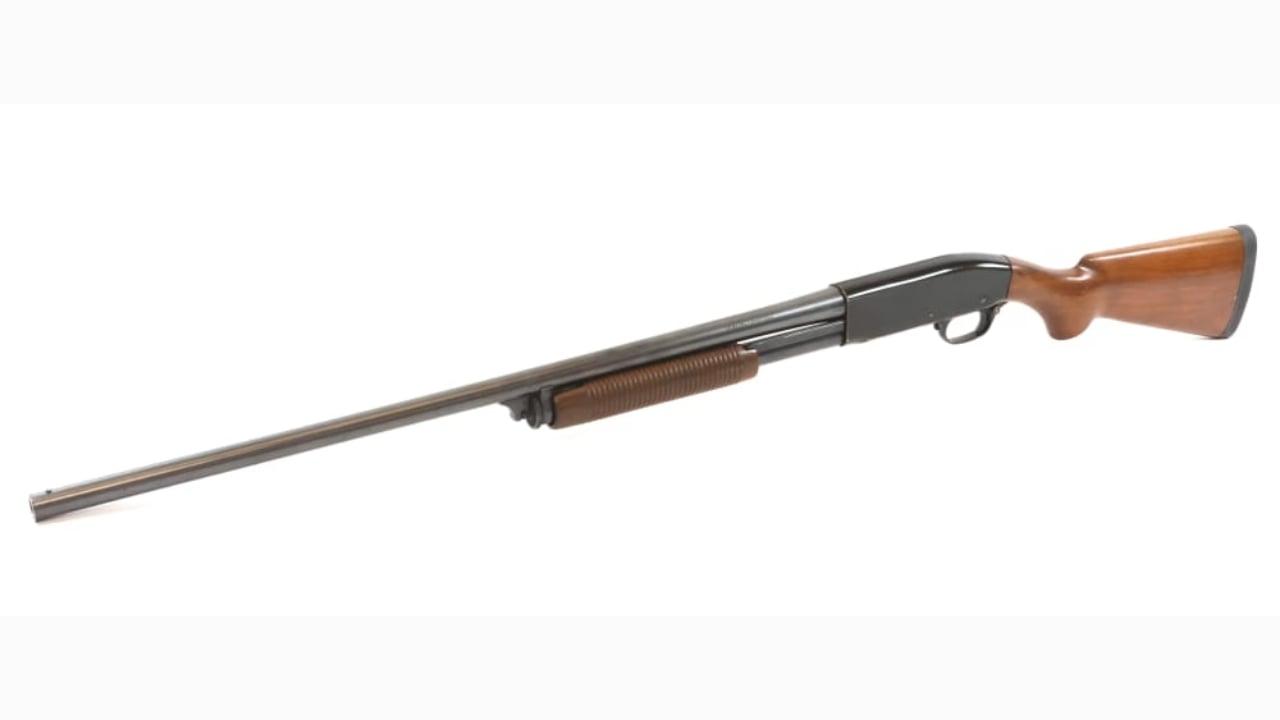
The Model 31L was built around the already smooth Model 31 action but used lightweight construction to create a shotgun that carried beautifully in the field. That made it especially appealing to upland hunters who spent far more time walking than shooting. At the time, however, the Model 31 lived in the shadow of the Winchester Model 12 and was eventually replaced by the much cheaper-to-manufacture Model 870.
That is why people who once traded them cheaply tend to miss them later. The action feels exceptionally smooth, and the lighter versions have a balance that modern hunters immediately notice. A clean 31L is also far less common than another used 870. If I owned one that had already proven itself on birds and still locked up tightly, I would not assume a newer lightweight shotgun would somehow be an upgrade.
Remington Model 17
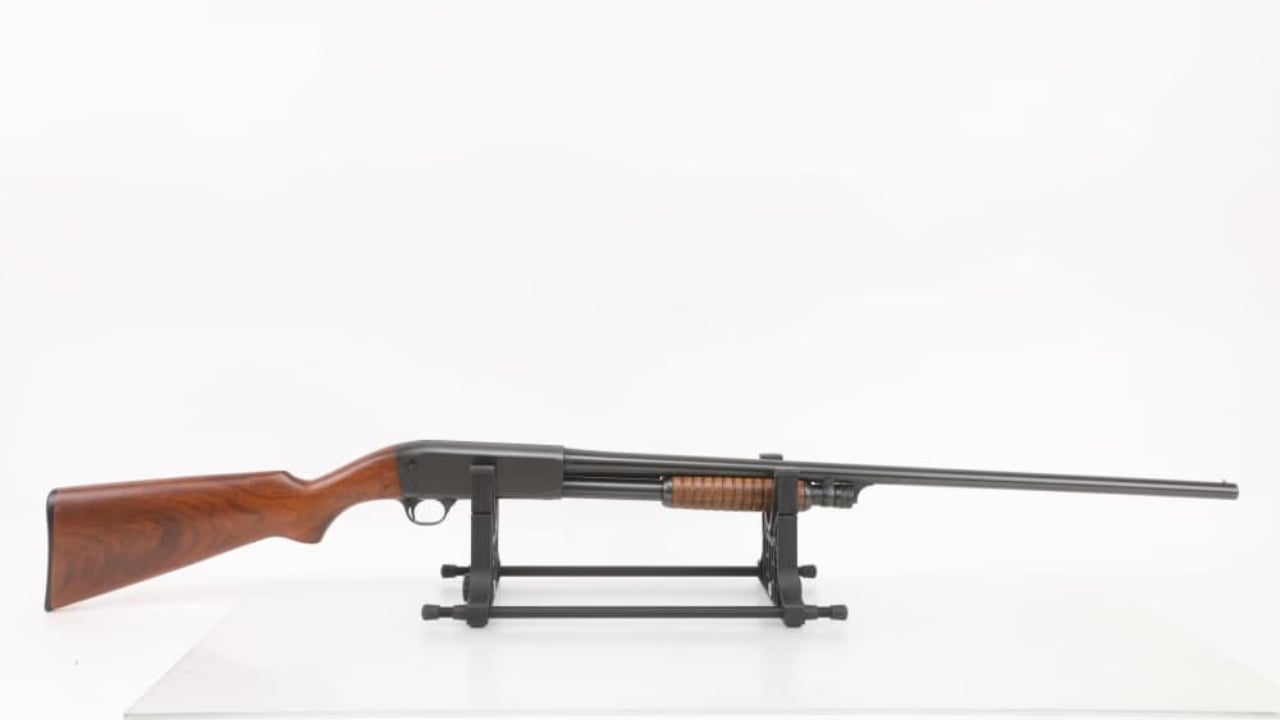
The Model 17 looks modest, but its influence on American pump shotguns is much larger than many owners realize. John Browning designed the basic action, and the concept ultimately helped lead to the Ithaca Model 37. The Remington itself was a lightweight 20-gauge pump, which made it an extremely handy little field gun long before compact upland shotguns became a specialized category.
Because it was an older 20 gauge, plenty of people traded them toward newer repeaters without thinking much about history. That feels like a mistake now. A clean Model 17 gives you a slim receiver, classic proportions, and a direct mechanical connection to one of America’s most famous later pump designs. I would much rather keep an original example than discover afterward how infrequently another one in comparable condition turns up.
Ithaca Model 37 Featherlight
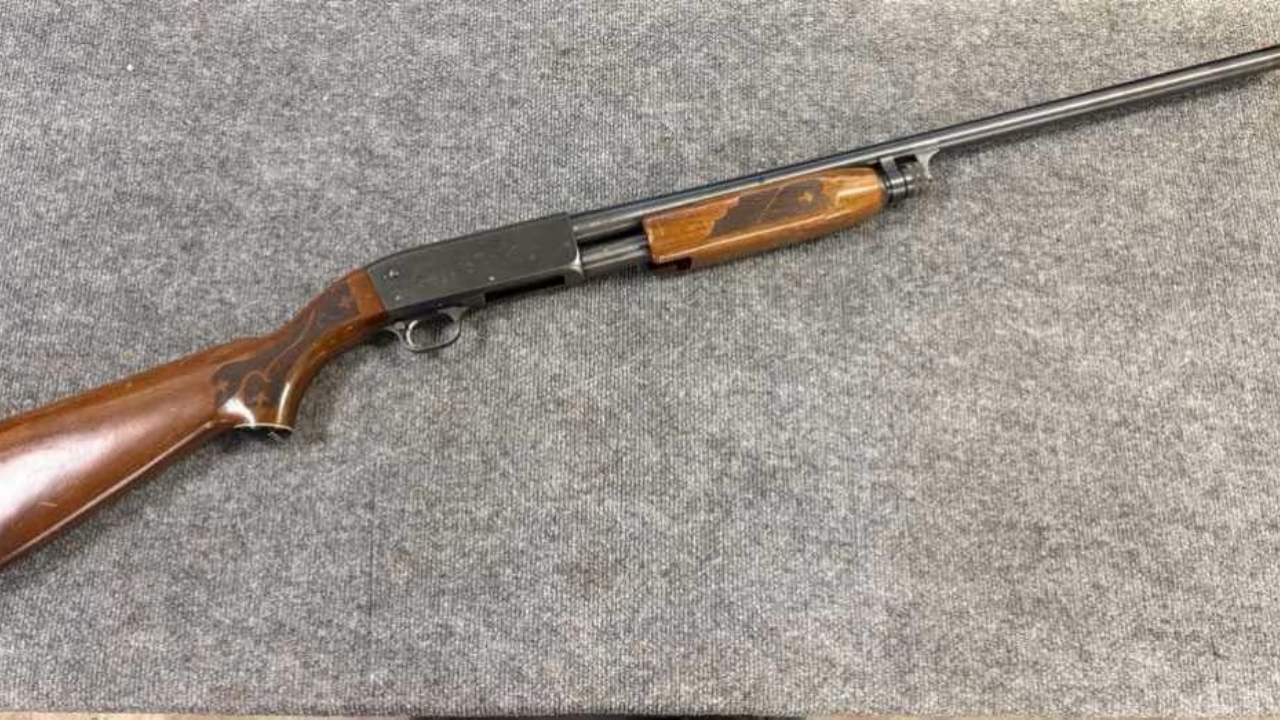
The Model 37 Featherlight is exactly the kind of pump people sell when they get distracted by newer technology. It is light, bottom-ejecting, slim through the receiver, and surprisingly pleasant to carry for an entire day. Hunters who grew up around them often do not realize how different the gun feels until they spend several seasons with heavier or bulkier replacements.
Older Ithacas also have a level of finish that makes a good example worth hanging onto. Many were actually used hard, so sharp wood and strong blueing are increasingly noticeable. The bottom-ejection design also remains useful for both right- and left-handed shooters.
If I had an older Featherlight that cycled smoothly and fit me well, I would need a very good reason to trade it. There are plenty of pumps available. There are not nearly as many that handle like an old Model 37.
Ithaca Model 37 Deerslayer
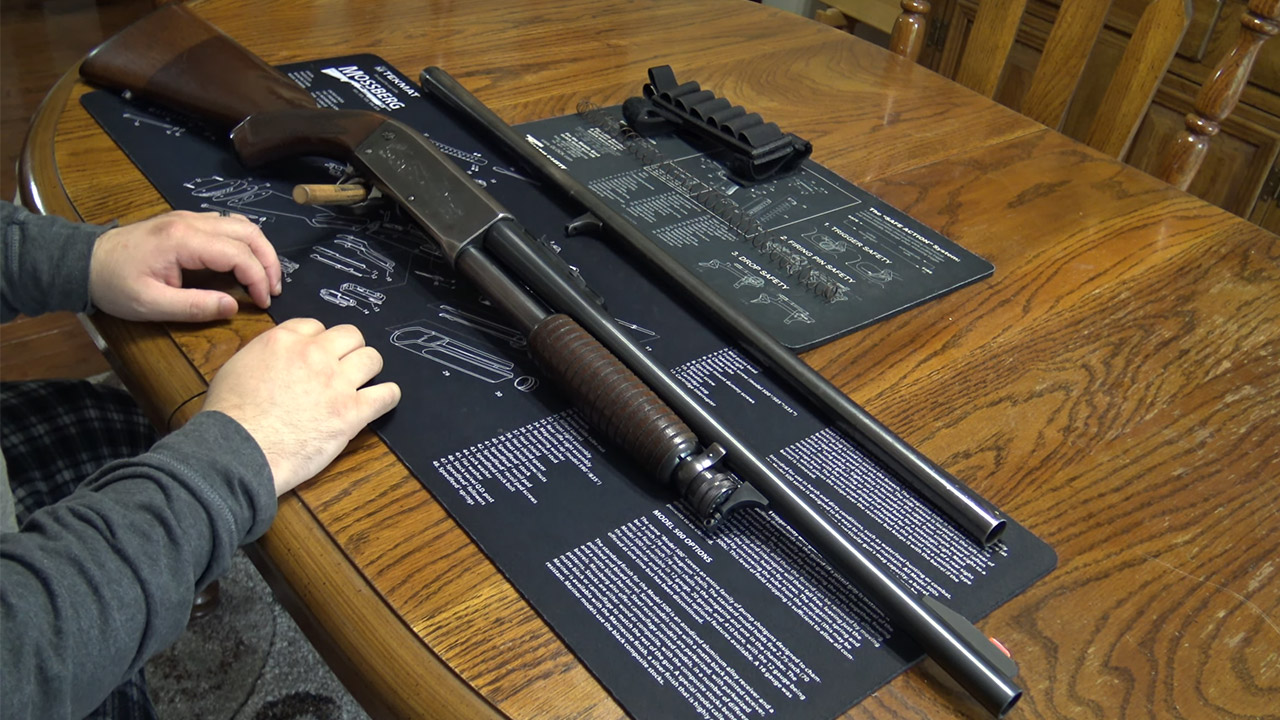
The Deerslayer is one of those shotguns people often traded away after changing the way they hunted. Maybe they switched to a rifle, moved to a state where shotgun-only rules changed, or decided they needed something with newer optics mounting options. Years later, they realize the old Ithaca was an exceptionally handy deer gun.
The Deerslayer combined the compact Model 37 action with barrels and sighting arrangements intended specifically for slug hunting. Older examples can be especially desirable when they remain in original configuration rather than having stocks, barrels, or sights replaced.
I would not automatically choose one over a modern slug gun if maximum range were the only priority. But for the woods hunting these guns were built around, they are wonderfully quick and compact. That is exactly the sort of specialized gun people tend to miss once it is gone.
Winchester Model 12
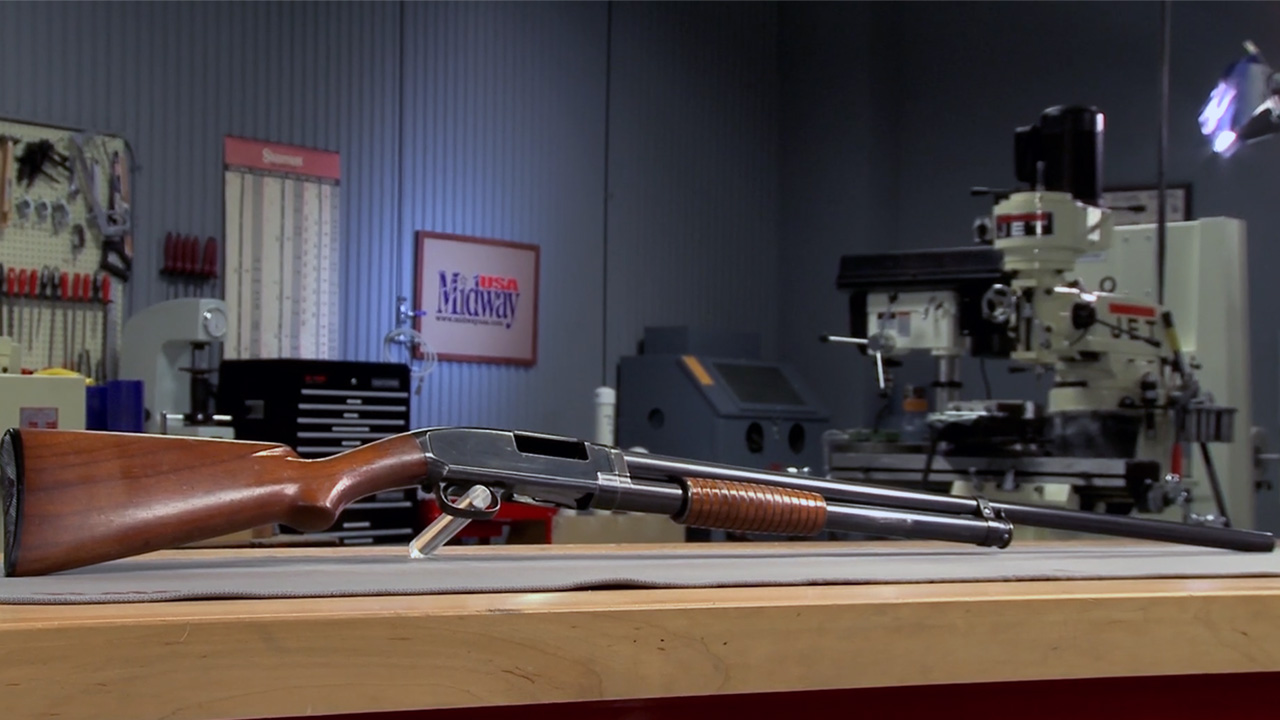
The Model 12 has probably generated more seller’s remorse than almost any pump shotgun ever made. It was produced in enormous numbers, so owners once assumed there would always be another one available. Many people traded perfectly good Model 12s toward newer guns simply because the Winchester lacked interchangeable choke tubes, modern finishes, or the ability to handle whatever new load was popular at the moment.
Then they started missing that action. A well-used Model 12 can feel almost effortless when cycled, and the steel-and-walnut construction gives it a balance completely different from many newer pumps.
I would especially hesitate before selling a small-gauge, Skeet, Trap, Heavy Duck, or unusually clean example. Even a standard field gun can become surprisingly difficult to replace once you want one with the same barrel, choke, wood, and condition as the rifle-rack companion you let go years ago.
Winchester Model 25
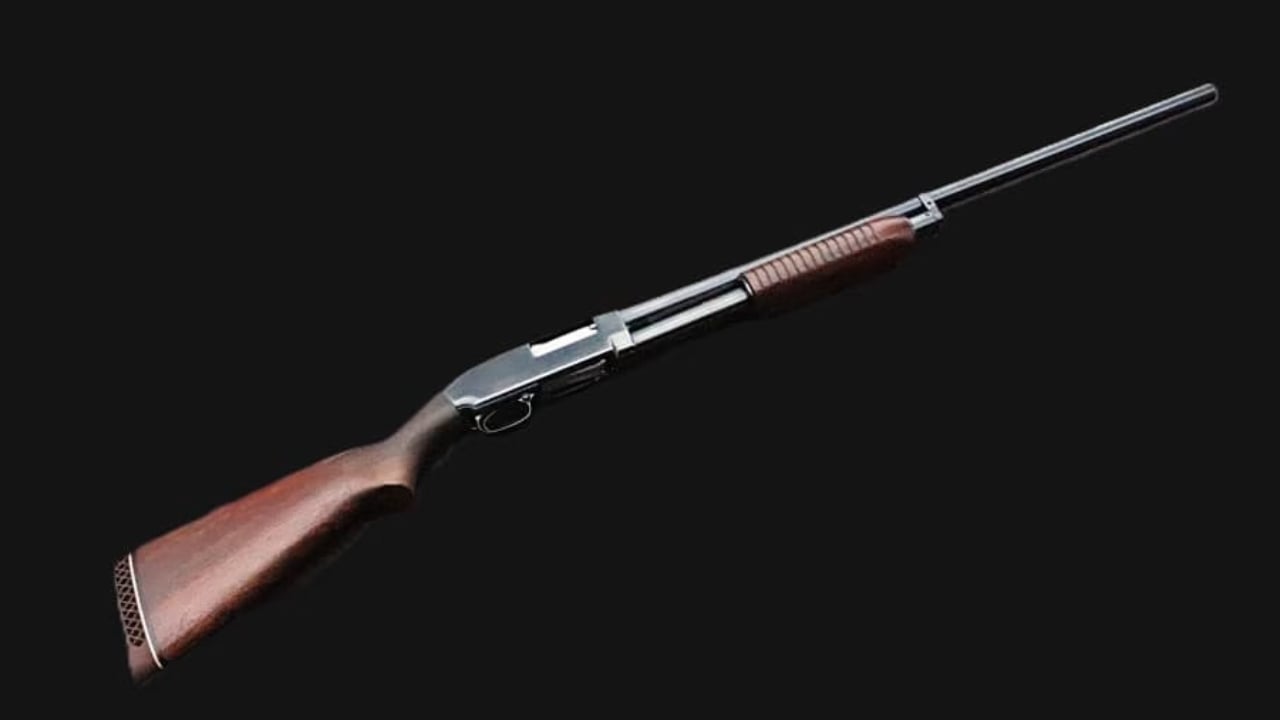
The Model 25 is basically what happens when a shotgun spends decades being compared with its more famous sibling. It shared much of the Model 12’s basic appearance and operating feel but was built as a non-takedown design intended to be less expensive. That lower status kept it from receiving the same collector attention for years.
Owners consequently had little reason to preserve them. They hunted with them, refinished stocks, added pads, and traded them toward something newer. Now a really clean Model 25 has become much more interesting because it represents an old Winchester pump from an era when even the cheaper model had substantial steel-and-walnut construction.
I would not claim it will ever eclipse the Model 12 in desirability. That misses the point. The Model 25 is one of those guns people sell cheaply and later discover they cannot replace nearly as casually as they expected.
Winchester Model 1300
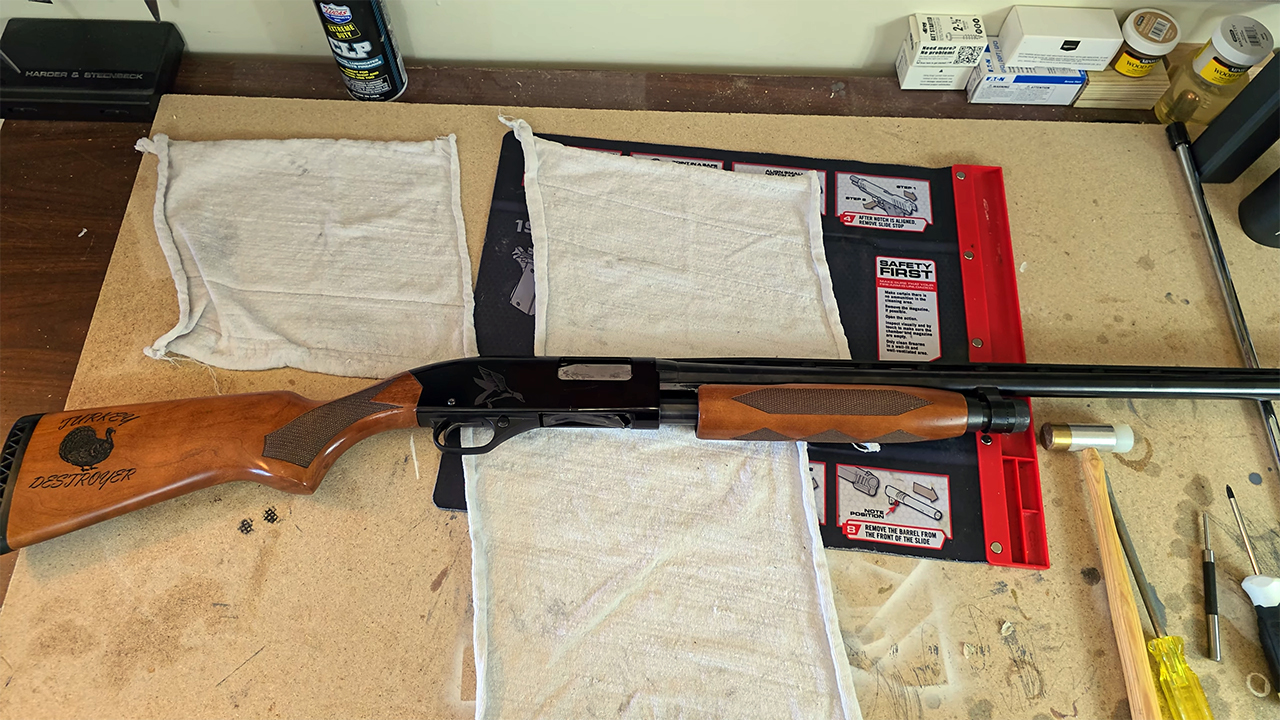
The 1300 was marketed around speed, and its rotating-bolt action made it one of the slickest modern pumps of its generation. For years, however, it occupied an awkward place behind the Remington 870 and Mossberg 500. That made used 1300s easy to trade when somebody wanted whichever shotgun was currently more popular.
Now people who actually owned one tend to remember how fast and smooth the action felt. Turkey versions, Defender configurations, and clean field guns all have their own following, while original Winchester production is a closed chapter.
If I had an older 1300 that functioned perfectly, I would not trade it just because something newer had a rail or a different stock. The action is the reason to keep it. There are pumps that work reliably, and then there are pumps that almost seem to cycle themselves once the shot breaks.
Browning BPS
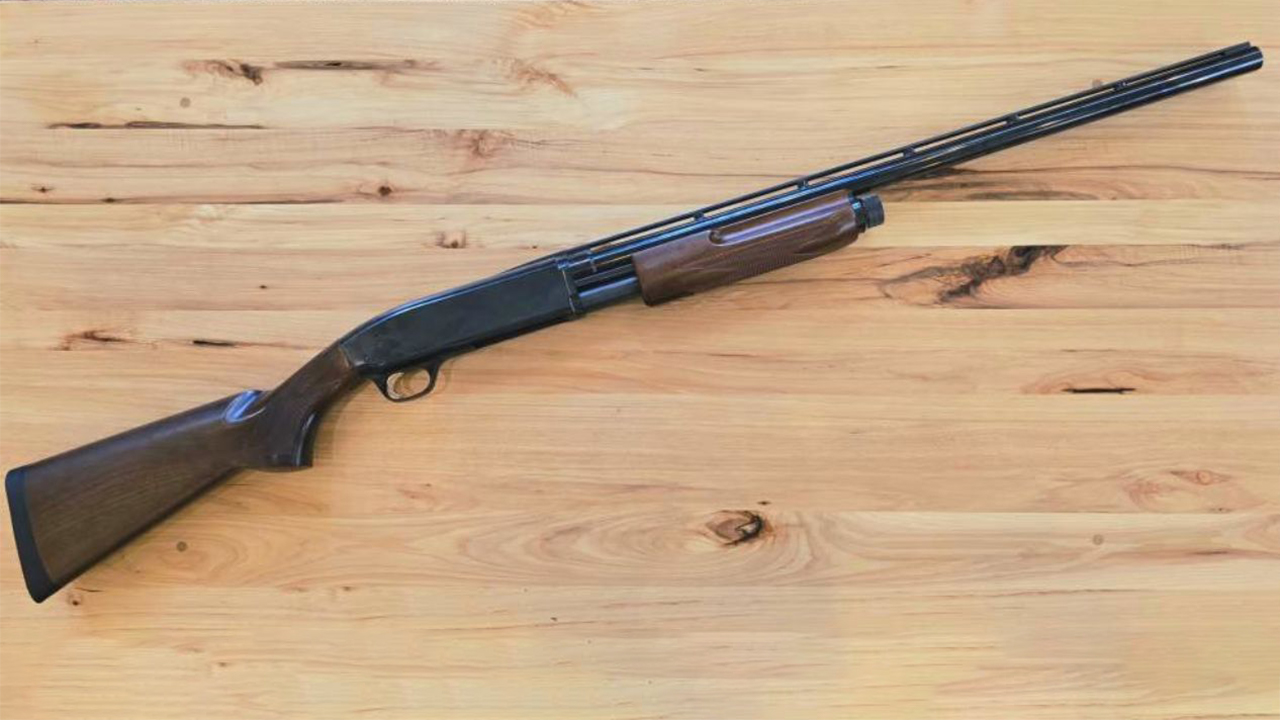
The BPS never received quite the same mass-market attention as the 870 or 500, partly because it usually cost more. Buyers who wanted an inexpensive pump could spend less elsewhere, while those with larger budgets often jumped directly to a semiautomatic or over-under. That made the BPS surprisingly easy to trade despite being an exceptionally well-built shotgun.
Bottom loading and bottom ejection give it a clean receiver and make it naturally friendly to left-handed shooters. Older guns also have the kind of polished blueing and walnut that increasingly stands out in a synthetic-heavy market.
Once someone has owned a smooth BPS for years, a cheaper pump rarely feels like an upgrade. I would especially hang onto smaller gauges and unusual hunting configurations. A new shotgun may be lighter, but that does not mean it will have the same balance or solid feel.
Browning BPS Upland Special
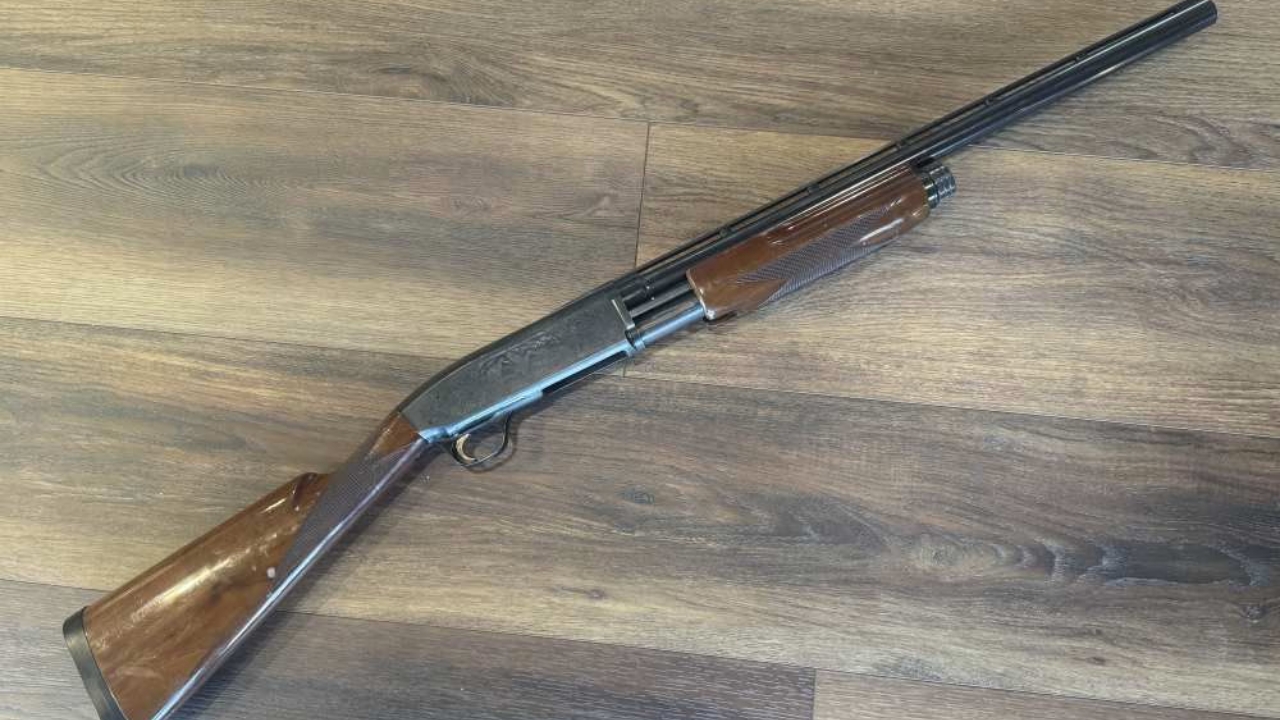
The Upland Special is the BPS I would expect people to miss most after selling. Shorter barrels, straight-grip stocks, and lighter handling gave it a personality dramatically different from an ordinary full-size pump. It was built specifically around quick handling in bird cover rather than trying to become one shotgun for every possible job.
Specialized guns are easy to trade when your interests temporarily change. Someone stops bird hunting, sells the Upland Special, and figures another pump can replace it later. Then he gets back into quail or grouse hunting and discovers the exact configuration is nowhere near as common as he remembered.
That is why I would keep a clean one even during seasons when it did not get much use. A shotgun designed around a very specific kind of hunting can be difficult to recreate with an ordinary field gun.
High Standard Flite King
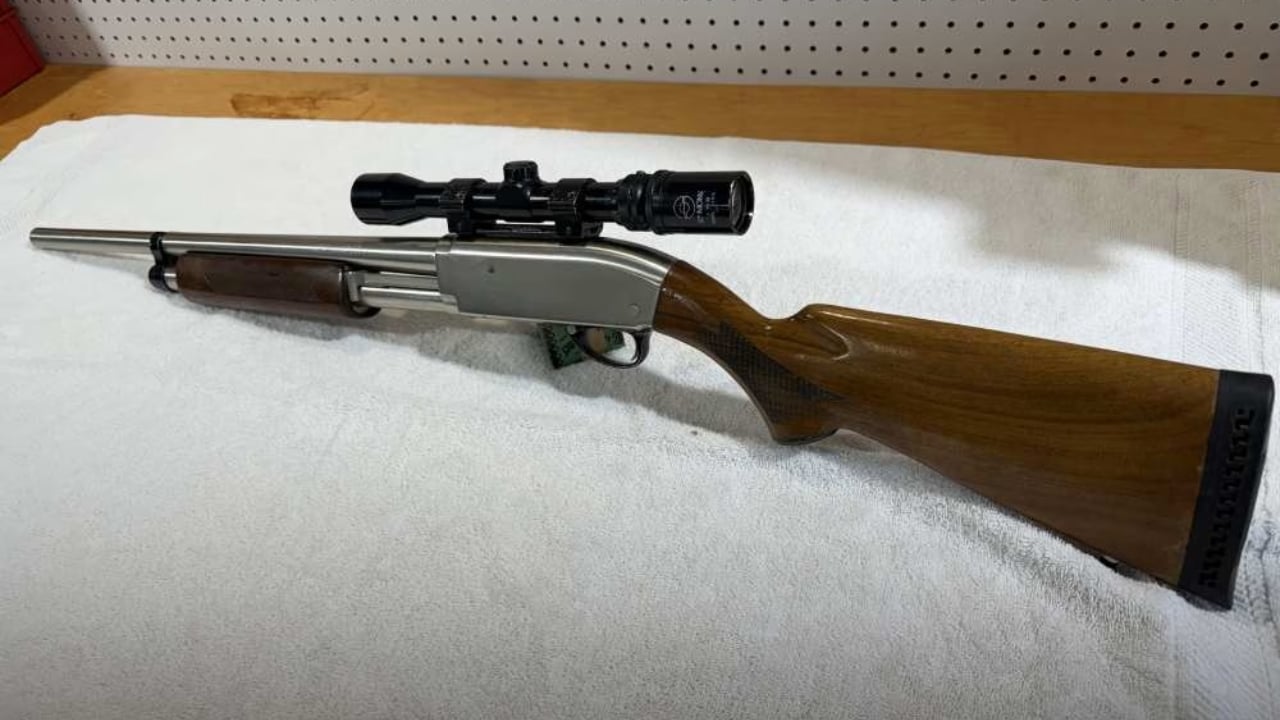
The Flite King is the kind of pump that disappears because owners never regarded it as particularly prestigious. High Standard had a strong reputation for target pistols, but its shotguns rarely generated the same collector enthusiasm. That kept many Flite Kings firmly in the “cheap working shotgun” category.
People used them accordingly. Stocks got scratched, finishes wore thin, and plenty were traded for almost nothing when something newer arrived. The survivors in excellent condition now look much more interesting because they represent a period when numerous American companies competed seriously in the pump-shotgun market.
I like guns like the Flite King because they give you something different without relying on rarity alone. A smooth, intact example can be an excellent field shotgun, and there is no endless stream of new High Standard pumps coming behind it.
J.C. Higgins Model 20
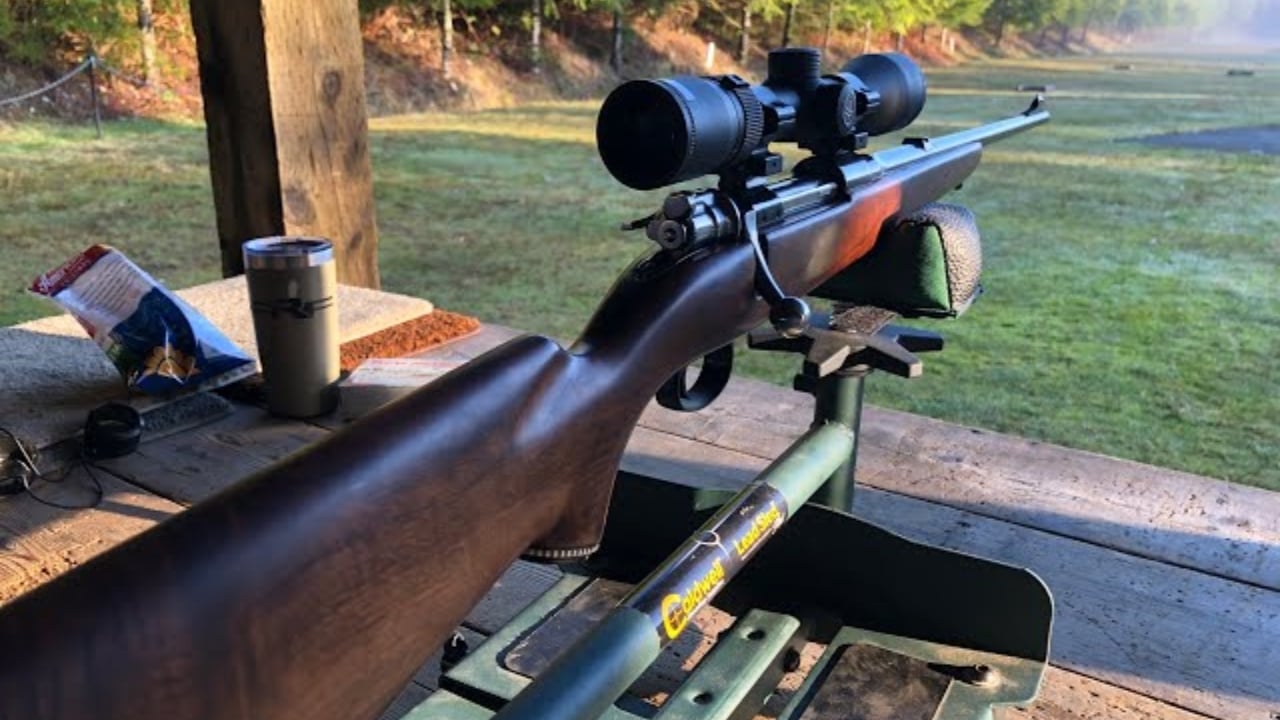
The J.C. Higgins Model 20 suffered from having the wrong name on the receiver. A Sears shotgun simply did not command the same respect as a Winchester or Remington, no matter how well it functioned. Many were built by High Standard and gave buyers a solid pump shotgun for very little money.
That department-store reputation made them easy trade fodder. Somebody could bring one to a gun shop and mentally treat it as nearly disposable because it had originally been sold through Sears. Serious vintage-shotgun buyers tend to look past the branding and pay attention to who actually built the gun.
I would particularly like a Model 20 that has survived without a chopped stock or badly worn finish. It may never be the centerpiece of an elite collection, but it can be exactly the sort of old pump somebody wishes he had kept once he realizes how well it was built.
Stevens Model 520
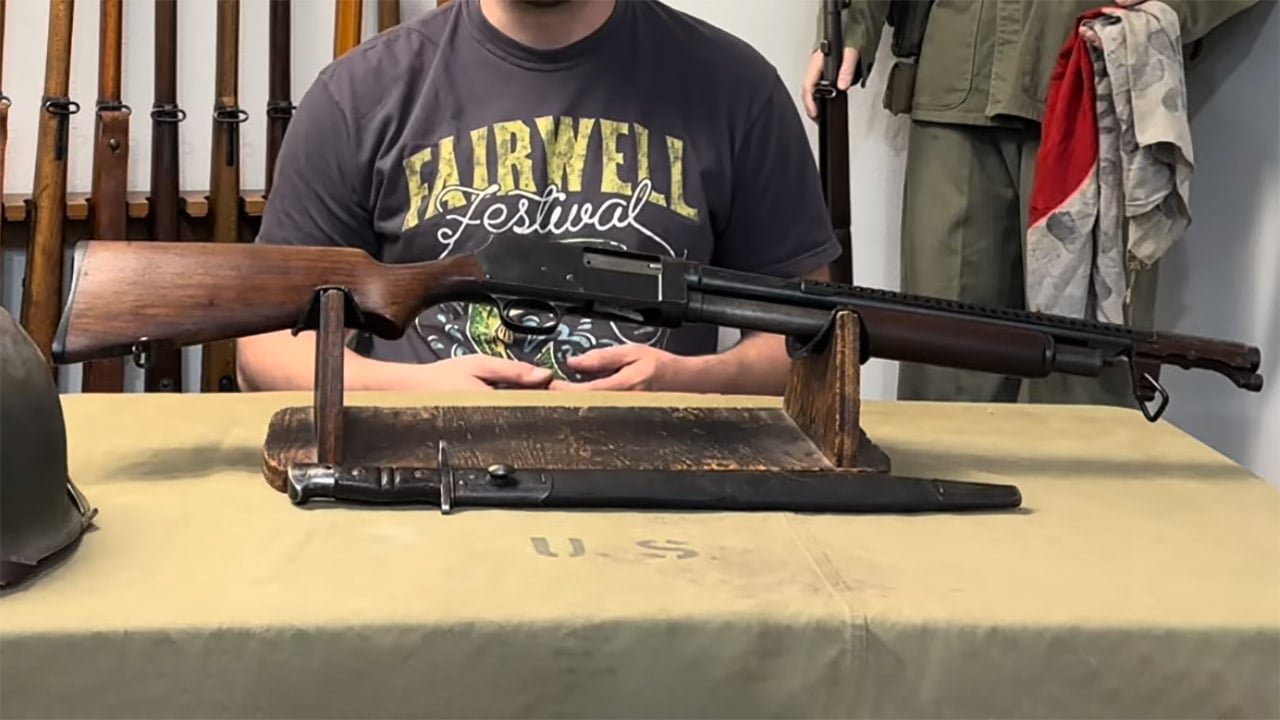
The Model 520 is one of those old pumps that becomes much more interesting after you learn who designed it. John Browning created the basic action, and the distinctive receiver shape makes it easy to identify once you know what you are looking at. Military use also adds another layer to certain examples.
For decades, though, civilian 520s were simply old Stevens shotguns. Owners traded them, cut barrels, refinished stocks, and generally treated them like inexpensive working guns. That has made intact original examples much more appealing today.
I would especially slow down around any gun with potential military markings or an unusual configuration. Even an ordinary civilian model can be worth keeping if the action is sound and the gun remains original. Old Browning-designed pumps do not become less interesting as the years pass.
Stevens Model 620
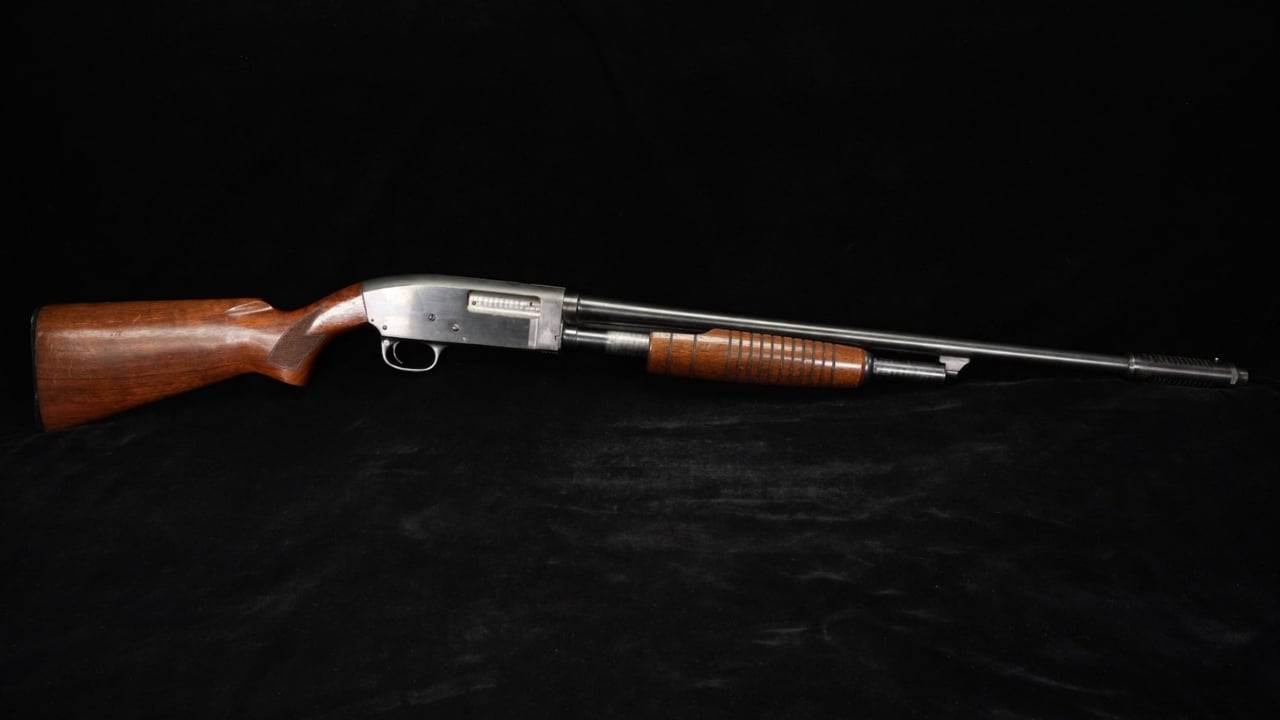
The Model 620 refined the earlier 520 into a sleeker receiver design while retaining the basic Browning-derived operating system. Like its predecessor, it never enjoyed the collector prestige of a Winchester Model 12, which kept prices modest for years.
That made the 620 exactly the kind of shotgun people traded away without regret at the time. It looked old, replacement parts were not sitting everywhere, and newer pumps seemed easier to live with. Years later, those same qualities give it character.
Military-associated 620s deserve particularly careful inspection, but even civilian field guns are becoming more interesting when they remain complete and untouched. I would rather keep a sound old 620 than trade it for a small amount toward another modern pump. Once these older guns disappear into collections, they tend not to come back out often.
Savage Model 30
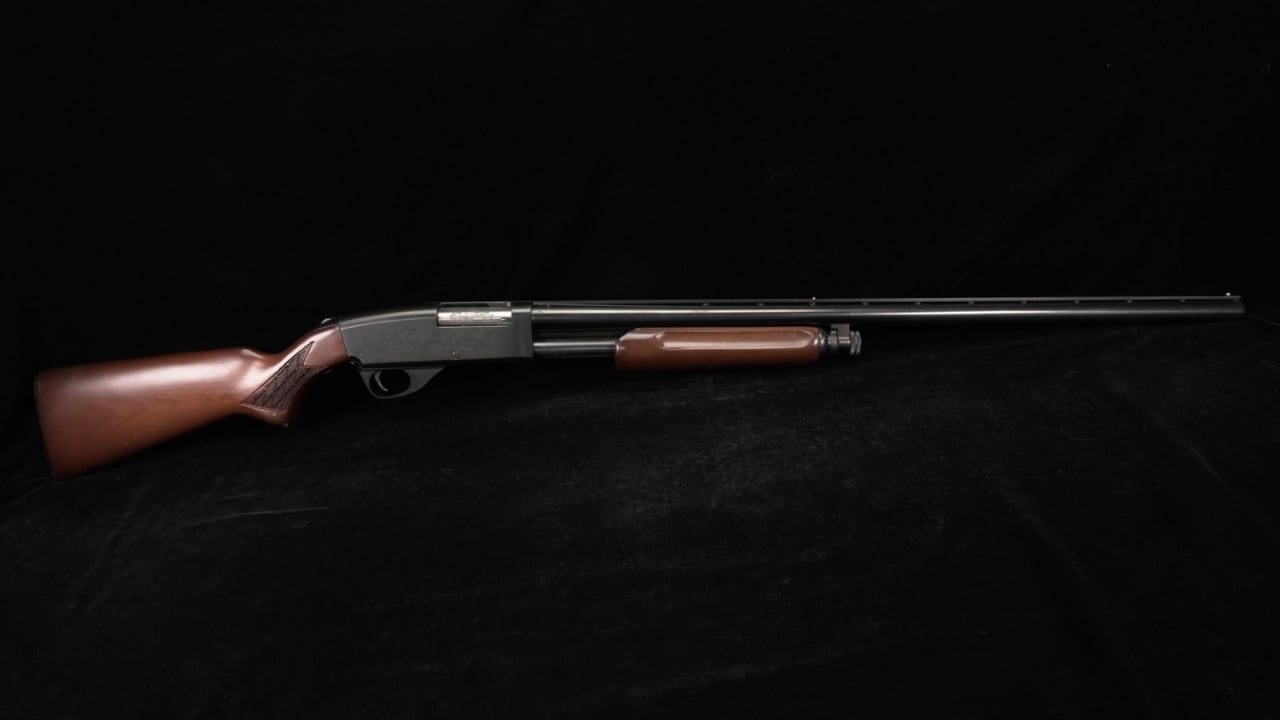
The Savage Model 30 was a working pump shotgun from an era when Savage offered far more than bolt-action rifles. It never developed the iconic reputation of the 870, Model 12, or Model 37, which is probably why many owners barely remember trading one.
That obscurity can make the gun appealing today. Vintage shotgun buyers eventually work their way beyond the obvious names and start looking for models that show what the broader American market once looked like. A clean Model 30 represents exactly that.
I would not expect one to suddenly become worth premium Winchester money. I would expect good examples to become harder to replace simply because nobody preserved many of them intentionally. The guns people thought were too ordinary to save often become some of the most difficult to locate in unusually good condition.
Smith & Wesson Model 3000
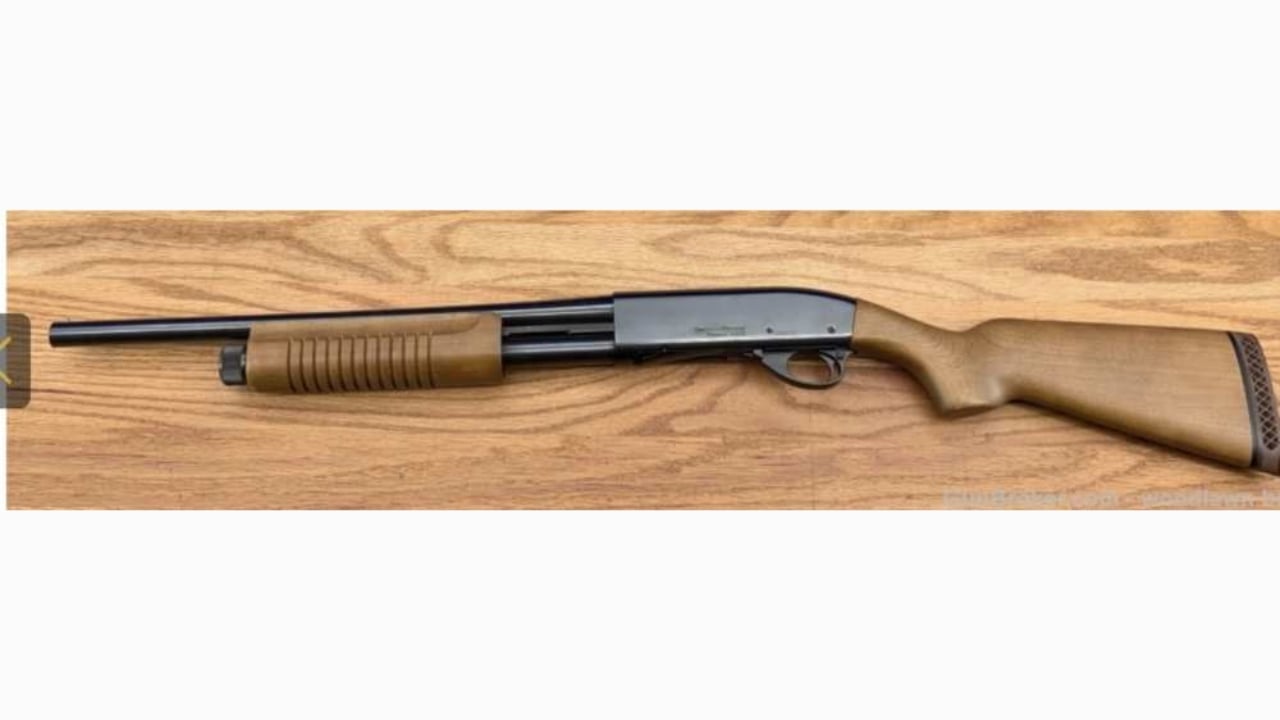
The Model 3000 is one of those shotguns people forget Smith & Wesson ever sold. Built in Japan by Howa, it was a conventional pump that entered a crowded market dominated by the 870 and 500. That meant the Smith name on a shotgun was not enough to make most buyers abandon familiar favorites.
Owners who had them generally discovered they were solid, smooth guns. Unfortunately, being the oddball in the lineup made them easy to trade once parts availability and company support became less certain.
Today, that oddity is exactly the reason I would keep one. A clean Model 3000 is a well-made Japanese pump tied to a relatively short chapter of Smith & Wesson history. It may never be the first shotgun most people think of, but that does not make it easy to replace once it is gone.
Mossberg 500A
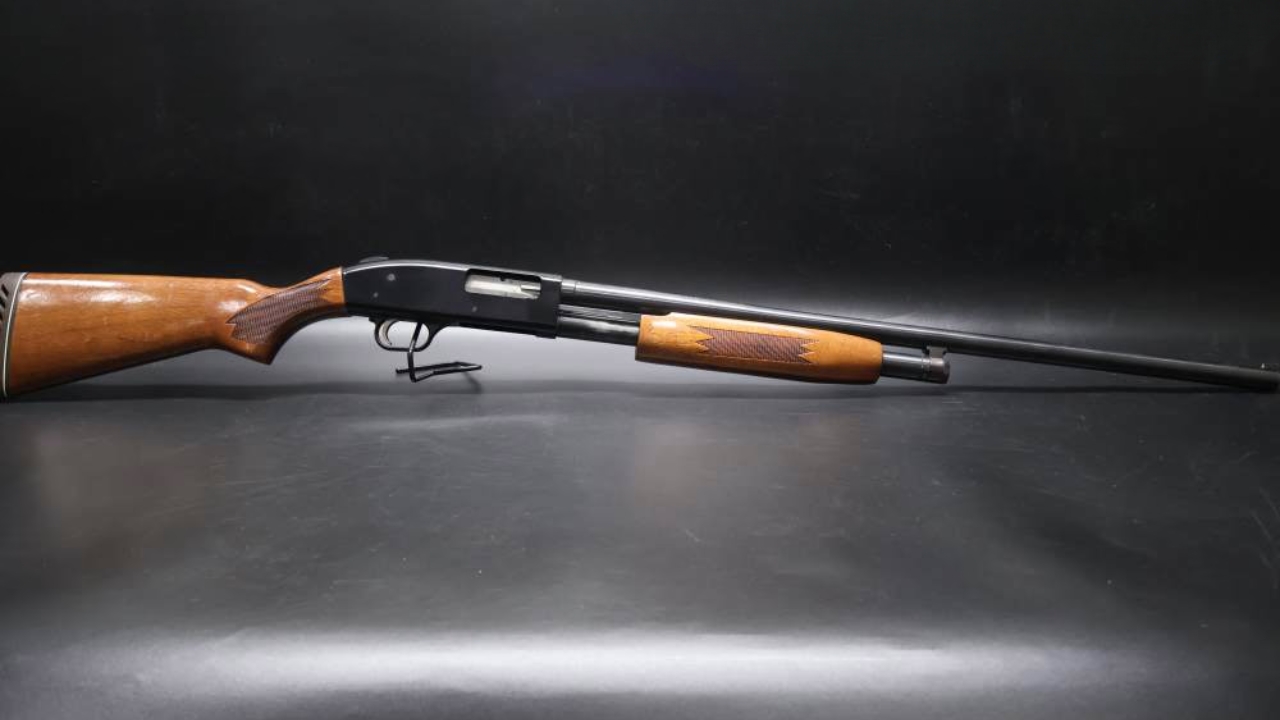
The 500A is so common that people still assume selling one cannot possibly lead to regret. The catch is that an older Mossberg that has already spent decades working perfectly may be worth more to its owner than the trade allowance suggests. These guns become incredibly familiar after years of use.
Older examples can also have wood furniture and configurations that are less common on current racks. Once the action is worn in and the gun fits naturally, replacing it with another 500 does not necessarily recreate the same feel.
I would not treat a basic 500A as a rare collectible. I would treat a proven one as a shotgun that is often worth more to keep than to sell. Plenty of owners have traded one for something fancier only to discover that the old Mossberg was the gun they actually used.
Mossberg 835 Ulti-Mag

The 835 arrived when 3½-inch magnum shells were becoming a major selling point for turkey and waterfowl hunters. Its overbored barrel and magnum chamber gave it a specialized identity, but that same specialization made plenty of owners move on later when recoil, weight, or hunting preferences changed.
That is where regret can creep in. The 835 may not be elegant, but it is a rugged hunting pump built for nasty weather and heavy loads. Older camouflage patterns and discontinued configurations can also have a nostalgic appeal that newer guns do not duplicate.
I would keep one that patterns well rather than assume every modern turkey shotgun will automatically outperform it. A shotgun that already puts the load where you want it has enormous practical value. Selling a proven 835 simply because it looks dated can become one of those decisions you revisit every spring.
Western Field Model 550
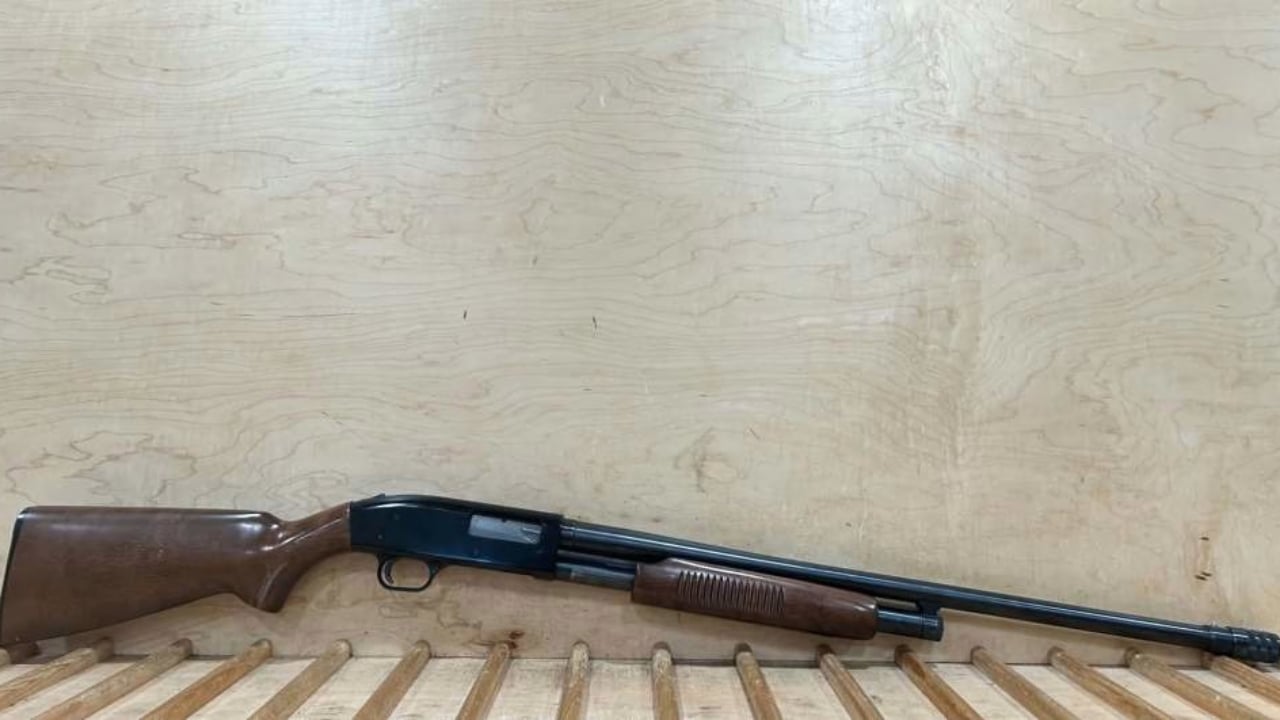
The Western Field 550 is another store-brand shotgun that was easier to dismiss because it was sold through Montgomery Ward rather than under a prestigious gunmaker’s name. Many were based on familiar Mossberg designs, which means the person buying the department-store version often received more shotgun than the branding suggested.
That name hurt resale for years. Owners could trade one without feeling as if they were giving up a real collectible. Now vintage gun buyers increasingly understand the relationship between store-brand firearms and the major manufacturers that actually produced them.
I would look closely at condition and exact variation. A clean Western Field pump is still not going to command the same attention as a rare Winchester, but it represents an era of American gun retail that has disappeared. The cheapest name on the receiver can sometimes hide a very solid gun.
New Haven Model 600
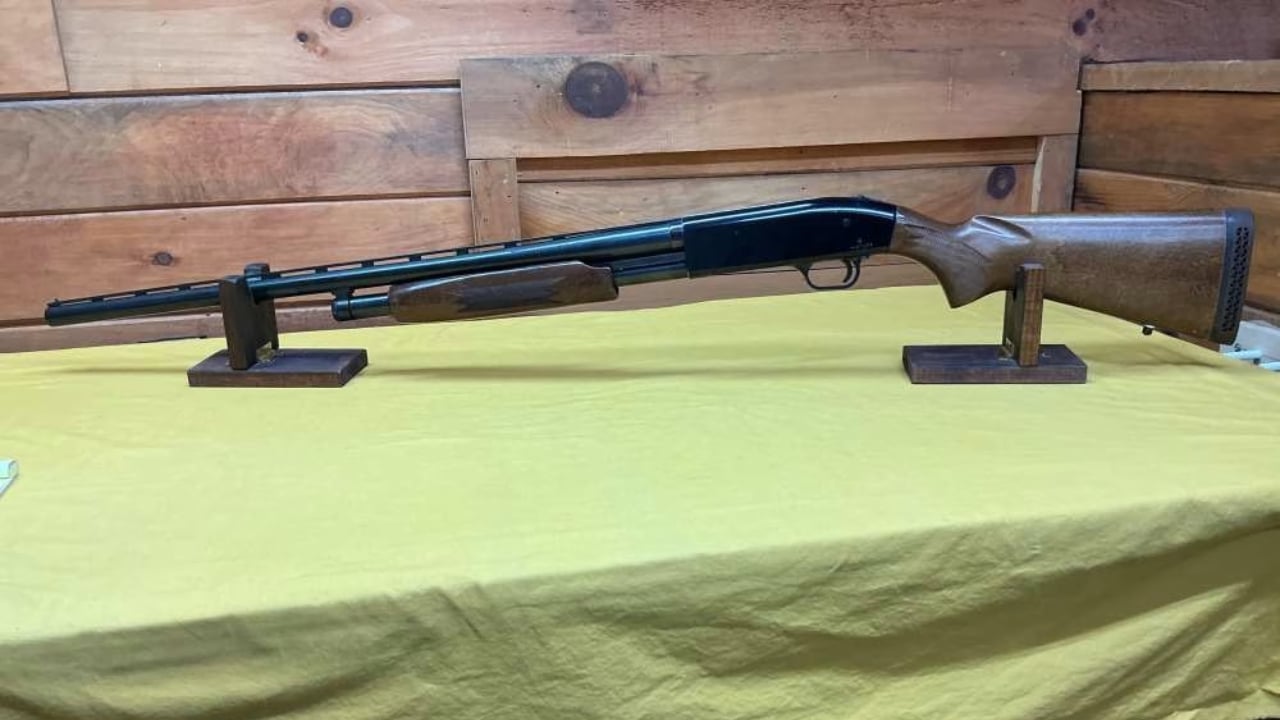
The New Haven 600 came from Mossberg’s lower-priced branding and was essentially aimed at buyers who wanted a dependable pump without paying for unnecessary decoration. That made it the definition of a working shotgun. Nobody bought one because he expected it to become collectible.
Those are often the guns people miss the most. They worked, they were easy to use, and owners became completely familiar with them before trading them toward something they thought would be better. The new gun may cost twice as much without doing the basic job any better.
A clean Model 600 also has nostalgia working in its favor now. Wood-stocked budget pumps from this era feel different from today’s cheapest synthetic guns. I would not call it rare. I would call it exactly the kind of inexpensive shotgun people sell once and then spend years saying they should have kept.
Like The Avid Outdoorsman’s content? Be sure to follow us.
Here’s more from us: