Photo credit: Blue collar guns and gear/YouTube
Cheap rifles have a way of becoming respectable only after everybody stops being able to buy them cheaply. When they are new, shooters complain about plain stocks, rough finishes, bargain triggers, and names that do not carry much prestige. Then those same rifles spend twenty years proving they shoot well, survive hard use, and sometimes do things more expensive guns never did any better.
That is when the attitude changes. A discontinued budget model becomes a desirable used rifle. A department-store gun turns out to have been built by a major manufacturer. A plain synthetic bolt action becomes the rifle somebody wishes he had bought when they were stacked on sale. I am not saying every inexpensive rifle turns collectible, but these 20 are exactly the kind of guns serious buyers tend to recognize before the person selling them does.
Marlin X7
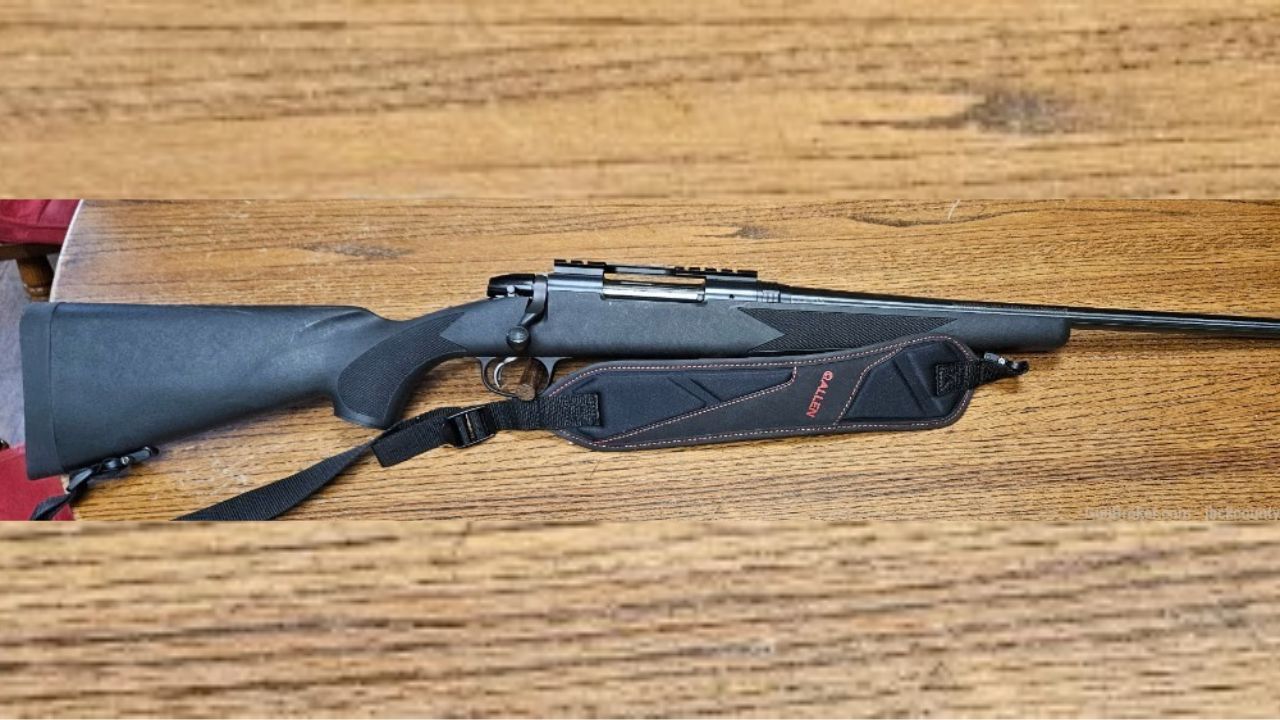
The Marlin X7 was easy to ignore because it entered a crowded market full of inexpensive bolt actions. It had a plain synthetic stock, modest styling, and a price that made plenty of shooters assume it was another disposable deer rifle. What surprised people was how well many of them shot. The trigger was respectable, the action was straightforward, and the rifle often delivered accuracy that embarrassed guns costing considerably more.
Once Marlin’s ownership changed and the X7 disappeared, buyers started looking at it differently. You cannot simply walk into a store and buy another new one. A clean .308, .30-06, .270, or short-action version that already shoots well suddenly looks like a very smart used-rack find. I would rather own a proven X7 than dismiss it because the stock never looked expensive.
Stevens Model 200

The Stevens 200 was basically built around the idea that hunters cared more about a solid action than cosmetic refinement. It used the Savage 110-style action, wore an inexpensive synthetic stock, and skipped the features that allowed Savage to charge more for its mainline rifles. For years, shooters mocked the gray stock and budget appearance while buying them as truck guns or project rifles.
That turned out to be exactly why enthusiasts started liking them. The action provided an excellent base for rebarreling and customization, while plenty of factory rifles shot extremely well without any work at all. Once production ended, the 200 became much more interesting to anyone wanting an inexpensive Savage-pattern action without paying for a complete modern rifle. A clean original is now the kind of plain rifle knowledgeable buyers notice immediately.
J.C. Higgins Model 50
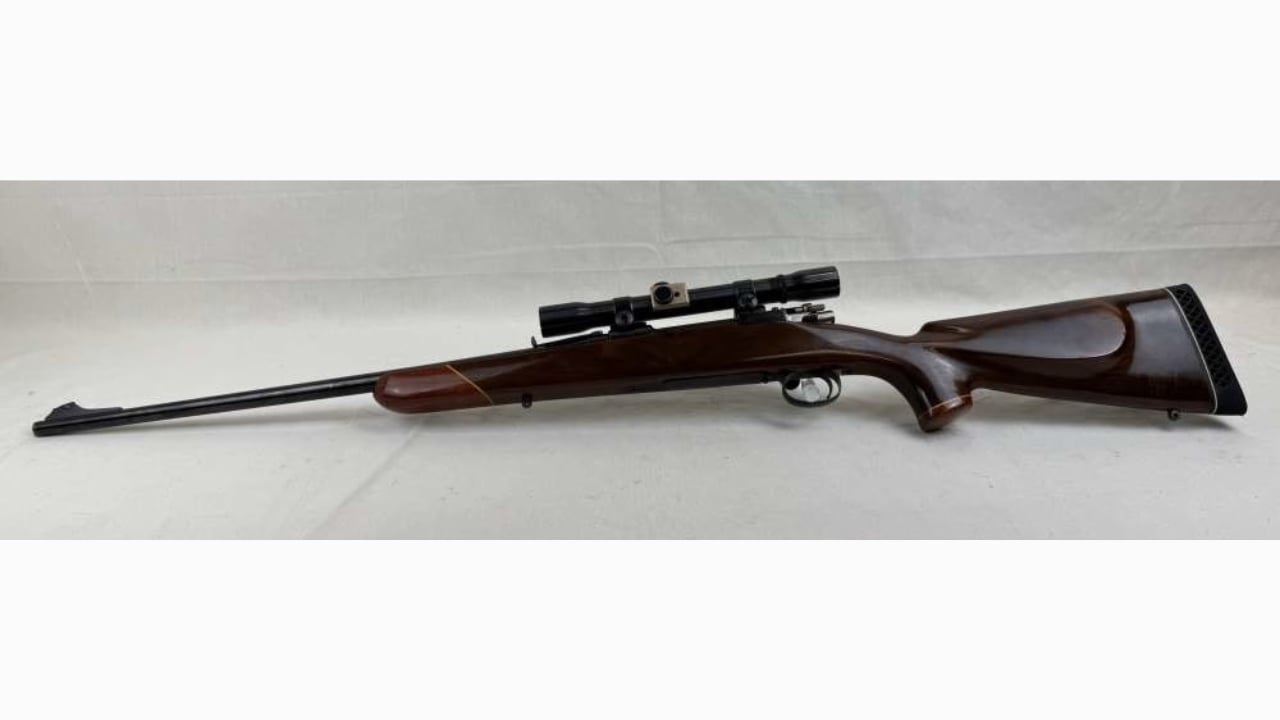
A Sears-branded rifle used to be enough for plenty of gun buyers to lose interest. The J.C. Higgins Model 50 proves why judging a rifle solely by the department-store name can be a mistake. These rifles were built around excellent commercial Mauser actions and often paired them with quality barrels and traditional walnut stocks.
For decades, people saw the J.C. Higgins marking and mentally placed the rifle below Winchester, Remington, and other major sporting brands. Serious buyers eventually figured out what was underneath the name. Today, a clean Model 50 can be far more appealing than another generic budget bolt gun, especially when the original wood and sights are still intact. Plenty were converted into custom hunting rifles, which makes untouched examples even more interesting. Sometimes the bargain-store rifle was better than the branding ever suggested.
Glenfield Model 30A
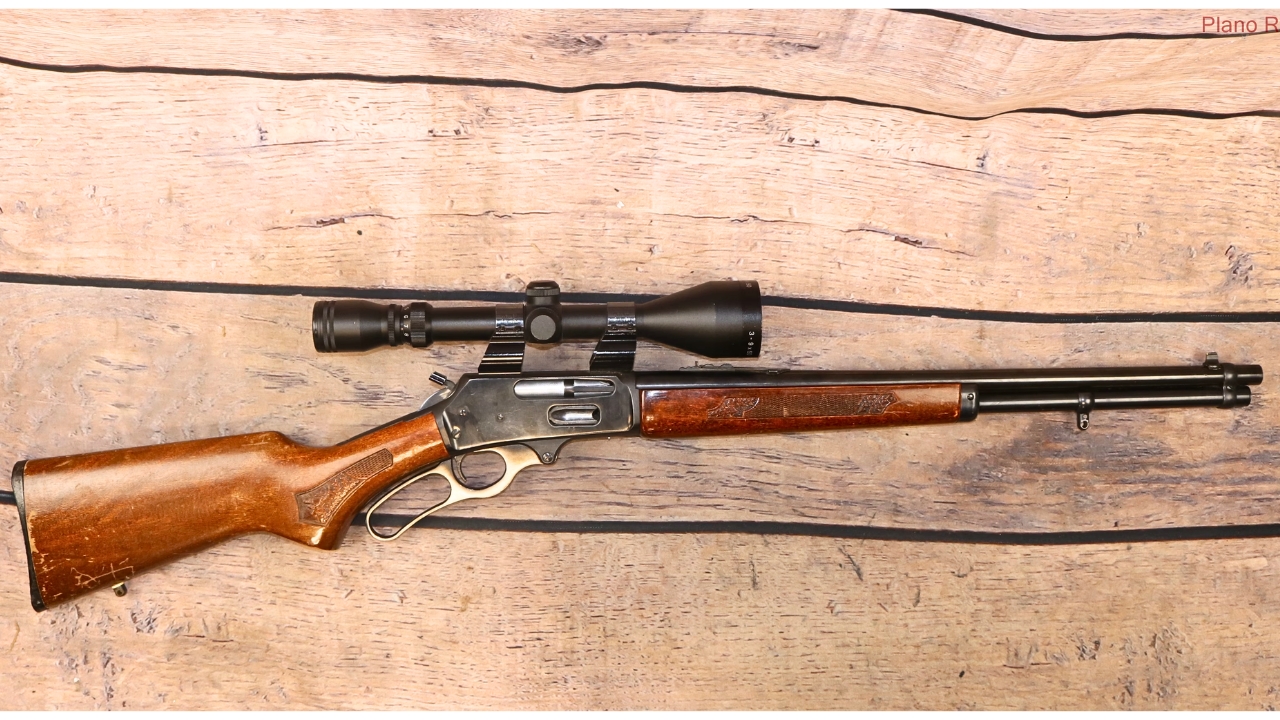
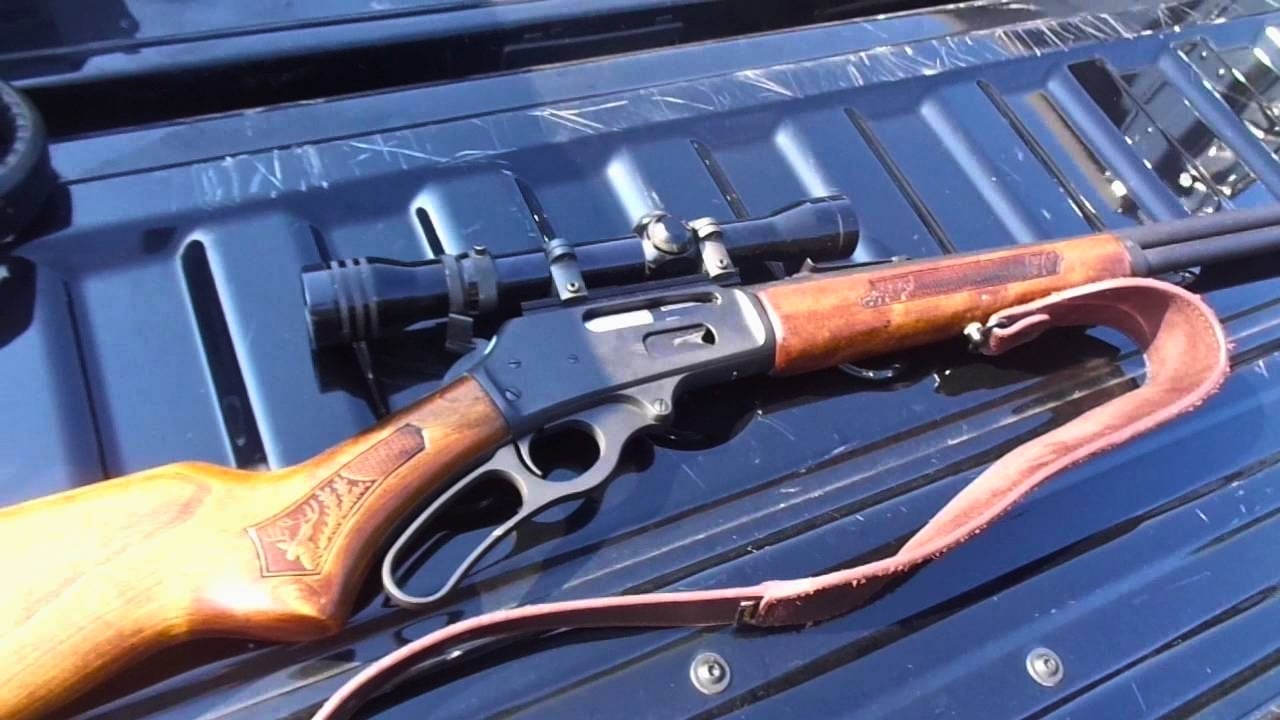
The Glenfield 30A was essentially Marlin’s working-class lever gun. Buyers got a .30-30 lever action with less expensive wood and simpler finishing than the mainline Marlin 336, which made it perfect for hunters who cared about deer more than fancy walnut. The lower price also meant owners rarely worried about scratches, dents, or keeping the gun completely original.
That reputation is changing as older Marlin-made lever actions become increasingly desirable. A Glenfield may still lack the name recognition of a premium 336, but serious buyers know the action and basic construction came from the same world. Clean examples with intact stocks and original sights are much more appealing now than they were when people viewed Glenfield as the cheaper Marlin. A rifle does not have to begin as premium to become difficult to replace.
Glenfield Model 60
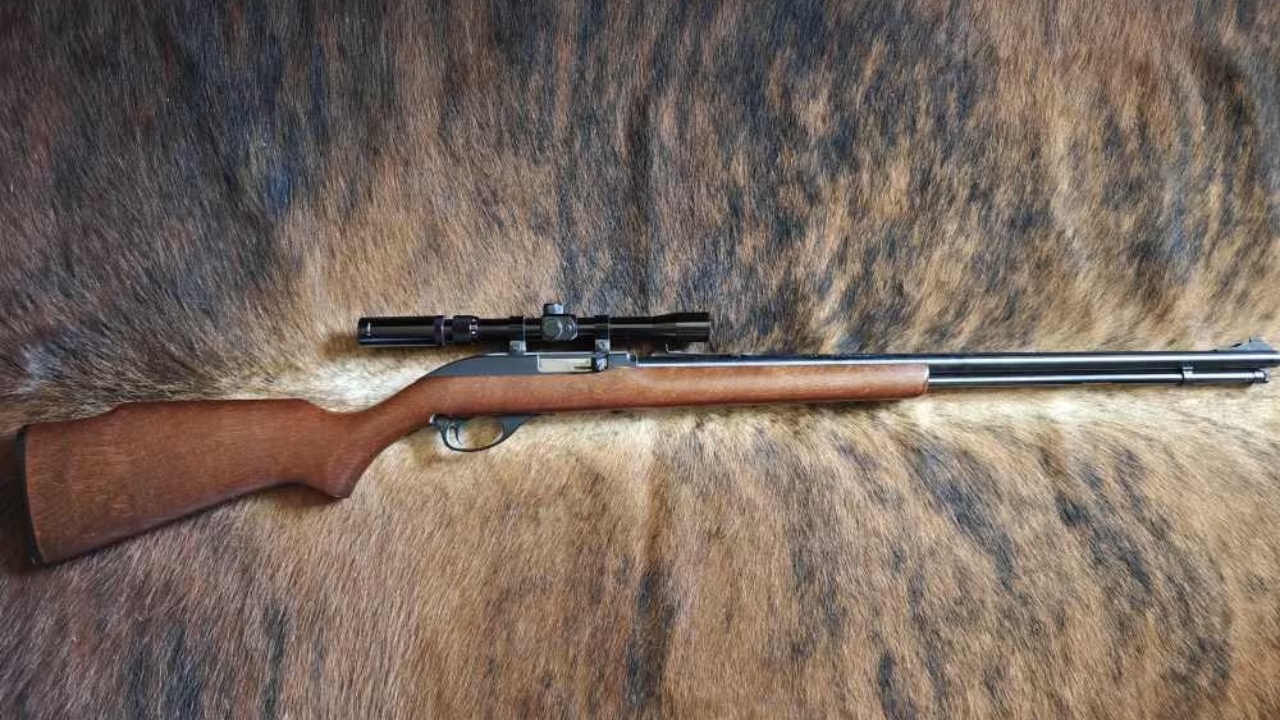
The Model 60 was one of those rifles that could sit behind a counter for very little money and still provide decades of service. The Glenfield-branded versions were even easier to dismiss because they carried the discount-store identity rather than the more desirable Marlin name. People bought them for kids, small-game hunting, and endless plinking.
That heavy use is exactly why clean older examples have started to stand out. Early rifles with longer magazine tubes, attractive wood, and very little finish wear feel different from the cheaper semiautomatic .22s filling modern racks. The Model 60 design itself became one of America’s most successful rimfires, which gives the earlier Glenfield rifles historical appeal beyond their original price.
I would never assume an old Glenfield .22 is valuable just because of age. I would absolutely stop and inspect an unusually clean one before dismissing it.
H&R Handi-Rifle

The Handi-Rifle spent years being treated as the gun you bought when you wanted the cheapest possible centerfire hunting rifle. It was a break-action single shot, offered in a huge range of chamberings, and looked extremely basic beside polished bolt actions. That simplicity was exactly why people trusted them.
The rifles also developed an enthusiastic following because one action could be paired with different barrels, and certain chamberings became surprisingly desirable after production ended. Hunters who laughed at the idea of paying much for a single shot now search for specific Handi-Rifle configurations because there is no endless supply of new ones.
I would especially pay attention to unusual chamberings, heavy-barrel versions, and rifles that still have their original furniture and accessories. Cheap and common are not permanent conditions. Once production stops, even humble working rifles can become surprisingly difficult to replace.
Howa 1500
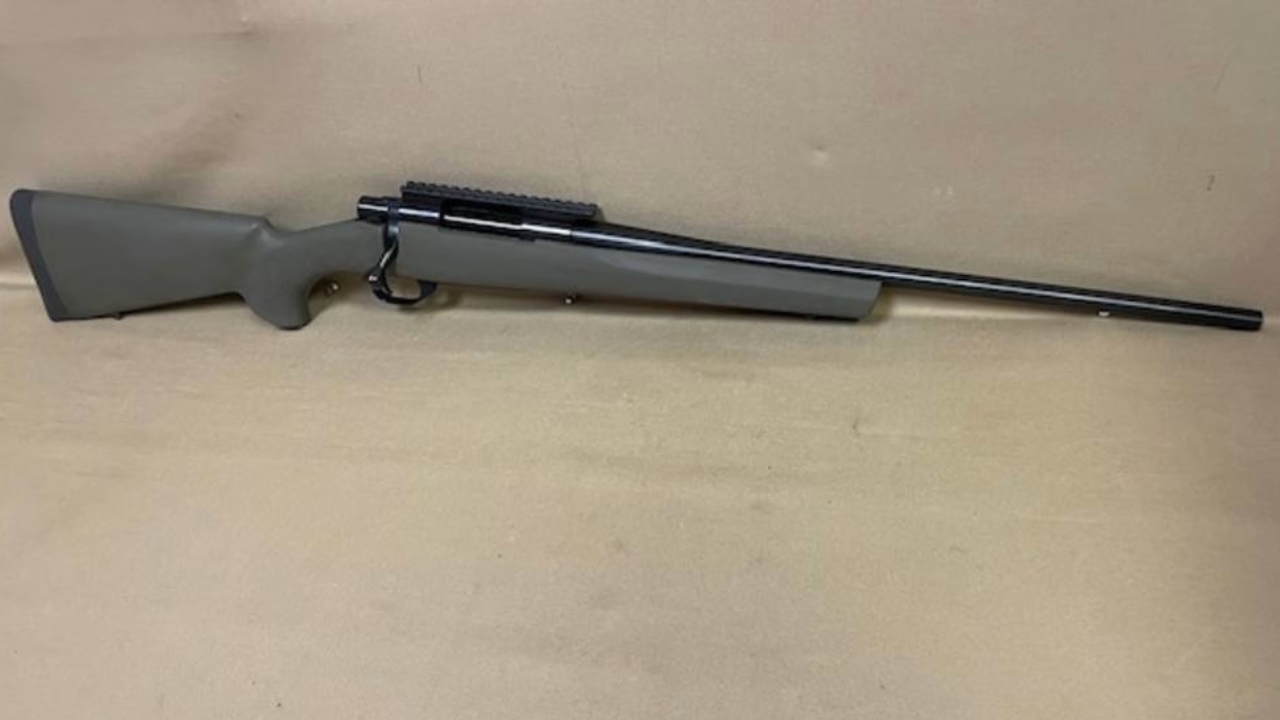
Howa rifles spent years being underestimated because many American shooters encountered the action wearing somebody else’s name. Weatherby Vanguards, various imported sporters, and other rifles helped prove the basic action long before the Howa name itself developed broad recognition.
That made older Howa 1500s a bargain. Buyers could get a strong, smooth bolt action without paying for a premium badge, and many shooters eventually discovered the rifles were accurate enough to keep forever. Serious buyers now know exactly what the Howa action is, which means the days of assuming every older example is just another cheap import are fading.
I would look hardest at clean wood-stocked versions, unusual chamberings, and rifles from older import periods that remain original. The market eventually catches up with good engineering. Howa simply spent a long time being better known by people who actually shot the rifles than by people impressed by brand names.
Mossberg 100 ATR

The 100 ATR was never trying to look expensive. It entered the market as a straightforward budget hunting rifle with synthetic stocks, basic finishes, and prices designed to compete at the low end of the bolt-action category. Plenty of shooters dismissed it without ever firing one.
The interesting part is that these rifles became exactly what they were supposed to be: inexpensive hunting tools. A lot of owners found accurate examples, carried them for years, and stopped caring that the stock looked cheap. Now that the model is no longer filling store racks, an older 100 ATR that has proven itself can make much more sense as a used buy than its original reputation suggests.
I would not call it collectible in the traditional sense. I would call it one of those rifles serious practical buyers understand. A proven shooter at a sensible used price can be far more attractive than a prettier unknown rifle.
Savage Axis First Generation

The original Axis took a beating from gun enthusiasts when it appeared. The stock felt inexpensive, the trigger on early rifles was nothing special, and the entire gun was designed to hit a low price. That made it an easy punch line beside Savage’s better-finished Model 110 family.
Then people started shooting them. Plenty of Axis rifles produced accuracy that was difficult to argue with, especially considering what they cost. Owners also discovered that the basic platform was easy to work with, and aftermarket support gradually grew.
The first-generation rifles are still not luxury guns, but that is not the point. Serious bargain hunters now know a clean Axis can be one of the easiest ways to get a dependable hunting rifle that already has a track record. The same people who once laughed at them often recommend them to someone who simply wants a rifle that works.
Ruger American First Generation

The original Ruger American was mocked by some traditionalists almost immediately because it looked nothing like the walnut-and-blue Rugers they grew up with. The molded stock, inexpensive finish, and low price made the rifle appear disposable compared with an M77.
What Ruger got right was everything that mattered to a budget hunter. The rifles were generally accurate, the rotary magazine system was practical in many versions, and the trigger was good enough that owners did not feel compelled to replace it immediately. That made the American one of those rifles that gained respect through use rather than appearance.
Early rifles are not necessarily collector items, but clean examples in desirable chamberings remain attractive used buys because buyers already know what the platform can do. Cheap rifles stop being jokes quickly once enough deer camps prove they work.
Weatherby Vanguard Series 1

The Vanguard Series 1 used to get brushed aside because it was “the cheap Weatherby.” Buyers who wanted the Weatherby name dreamed about a Mark V, while people shopping strictly by price could choose even less expensive rifles elsewhere. That left the Vanguard stuck in the middle.
What serious shooters eventually realized was that the Howa-built action underneath the Weatherby branding was extremely solid. Many Series 1 rifles shot beautifully, and the heavier construction made them stable hunting guns even if they were not particularly glamorous.
Older walnut-stocked rifles and less-common chamberings are the examples I would watch today. They can still sell for reasonable money because the Vanguard never developed the prestige of the Mark V, but that can be an advantage for buyers who care about the rifle more than the badge. The budget Weatherby turned out to be a very good rifle wearing modest expectations.
Zastava Mini Mauser
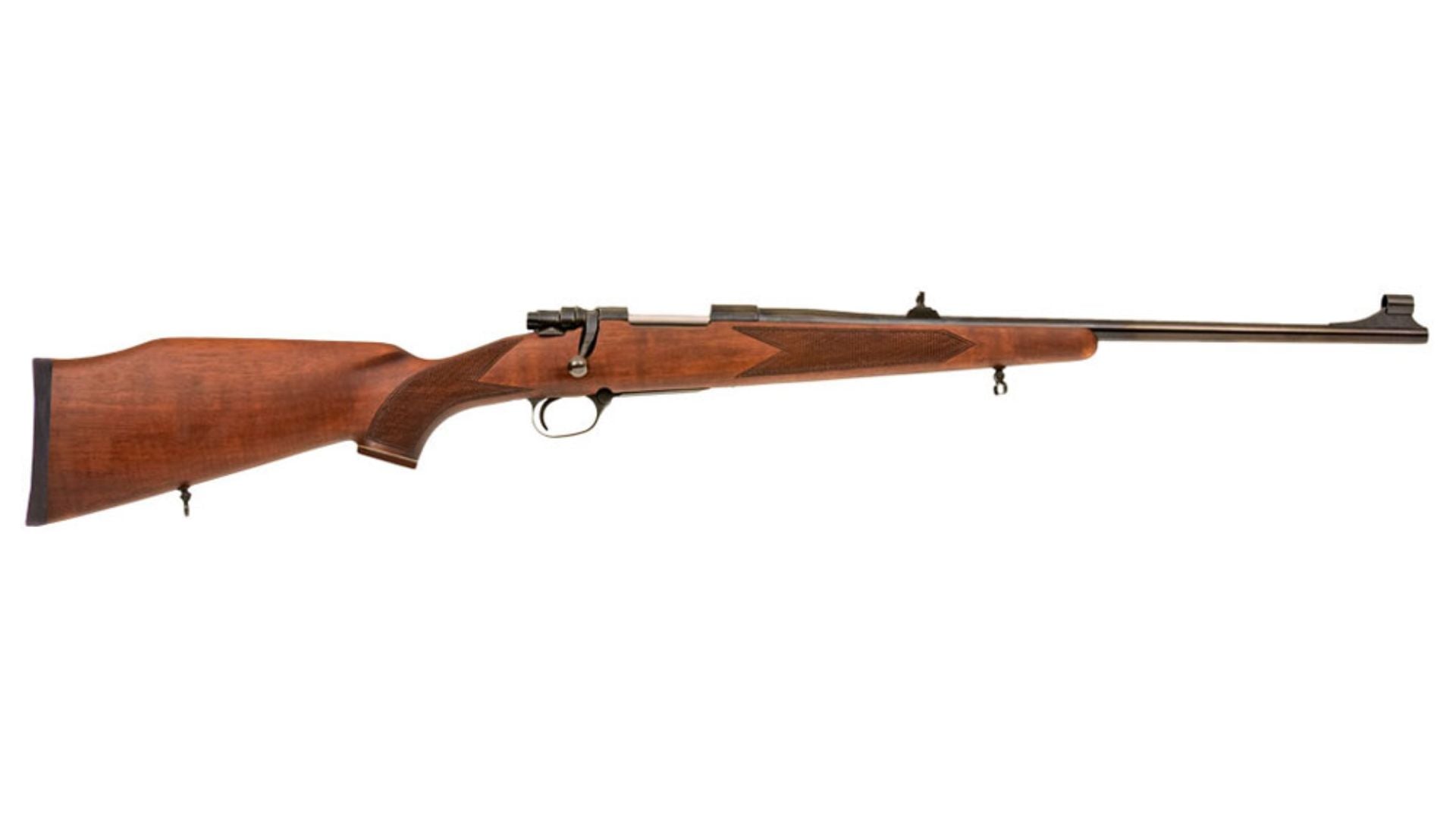
Small Zastava actions were often sold in America under various importer names and spent years being treated as inexpensive Eastern European bolt guns. The machining could look utilitarian, the wood varied, and the rifles lacked the polished image of Sako or CZ.
What they had was a genuinely compact action designed around smaller cartridges. That is becoming more interesting as shooters realize how few manufacturers bother building true mini actions instead of adapting full-size receivers. A clean rifle in .223, .22 Hornet, or another small cartridge can be a wonderfully handy sporter.
Serious buyers now understand that these rifles offer something structurally different from an ordinary budget bolt gun. I would especially watch for rifles with attractive original walnut and unaltered metal. Cheap imports have a way of becoming appreciated once manufacturers stop offering the same mechanical idea at a cheap-import price.
NEF Survivor Rifle
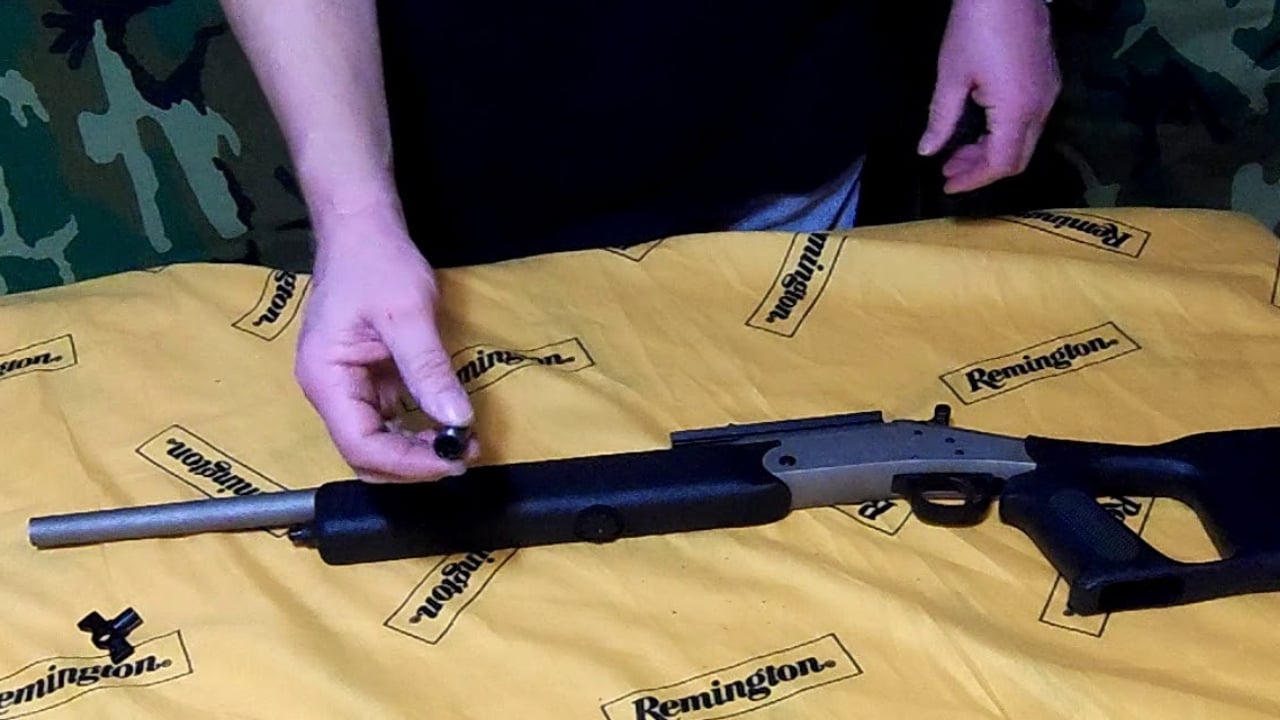
The Survivor versions of the NEF and H&R single-shot rifles were once viewed almost entirely as inexpensive utility guns. Synthetic stocks, storage compartments, and break-action simplicity made them perfect for truck use, camping, or as backup rifles.
That practical identity kept them far away from the collector conversation. It also meant people used them exactly as intended. When the rifles disappeared from regular production, specific chamberings and configurations became much harder to locate than anyone expected.
I would not put them in the same class as a classic Winchester or Sako. That misses the point. These rifles have developed a following because they filled a niche cheaply and effectively, and there is no longer an endless supply. A Survivor in excellent condition can attract serious attention from buyers who remember how useful the entire Handi-Rifle family actually was.
Rossi Model 92
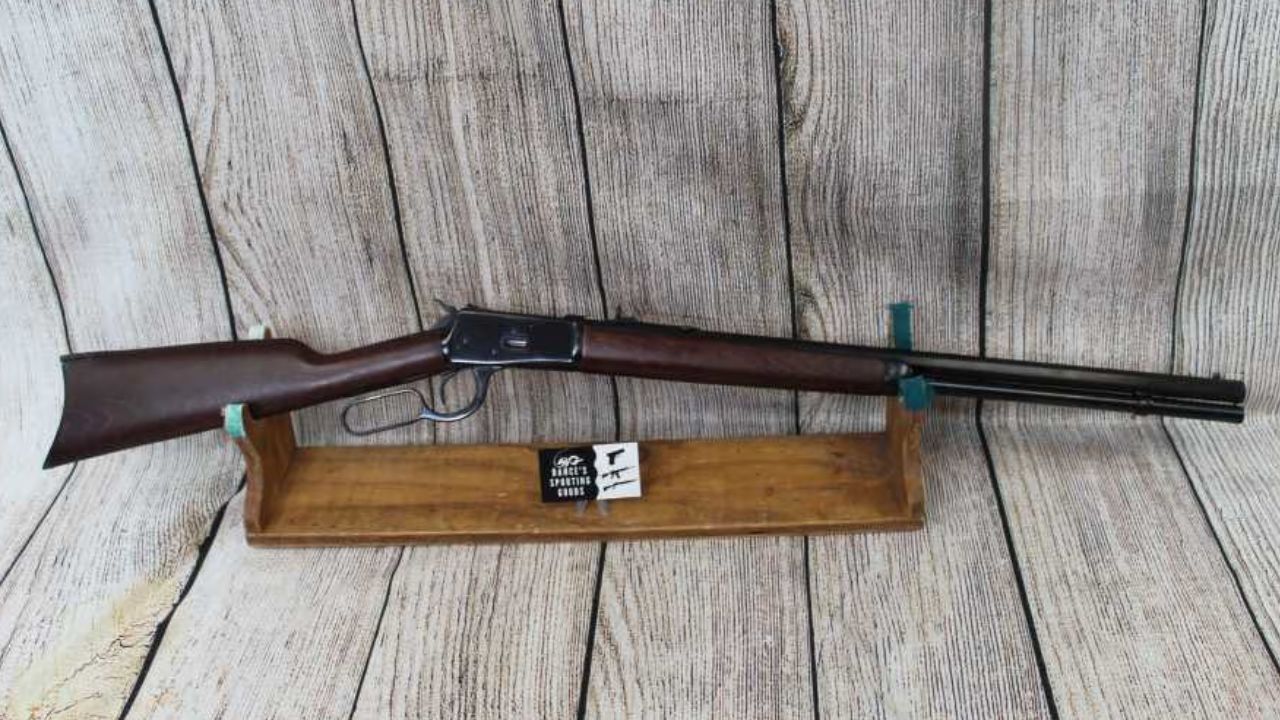
Rossi lever guns spent decades being the rifles people bought because a Winchester or Marlin cost more. Older examples could be rough around the edges, and the Rossi name did not carry much collector prestige. That made them perfect shooters for people who wanted a pistol-caliber lever action without paying premium money.
The entire category has become more popular, and shooters now understand that a good Rossi 92 can be an extremely handy rifle. Older examples in .357 Magnum, .44 Magnum, and other chamberings may not be rare, but proven smooth rifles are much more respected than they once were.
Serious buyers especially appreciate guns that have not been heavily altered or subjected to questionable home gunsmithing. What used to be the cheap Winchester 92 alternative has become its own recognizable platform, and the bargain reputation is nowhere near as strong as it once was.
Norinco JW-15
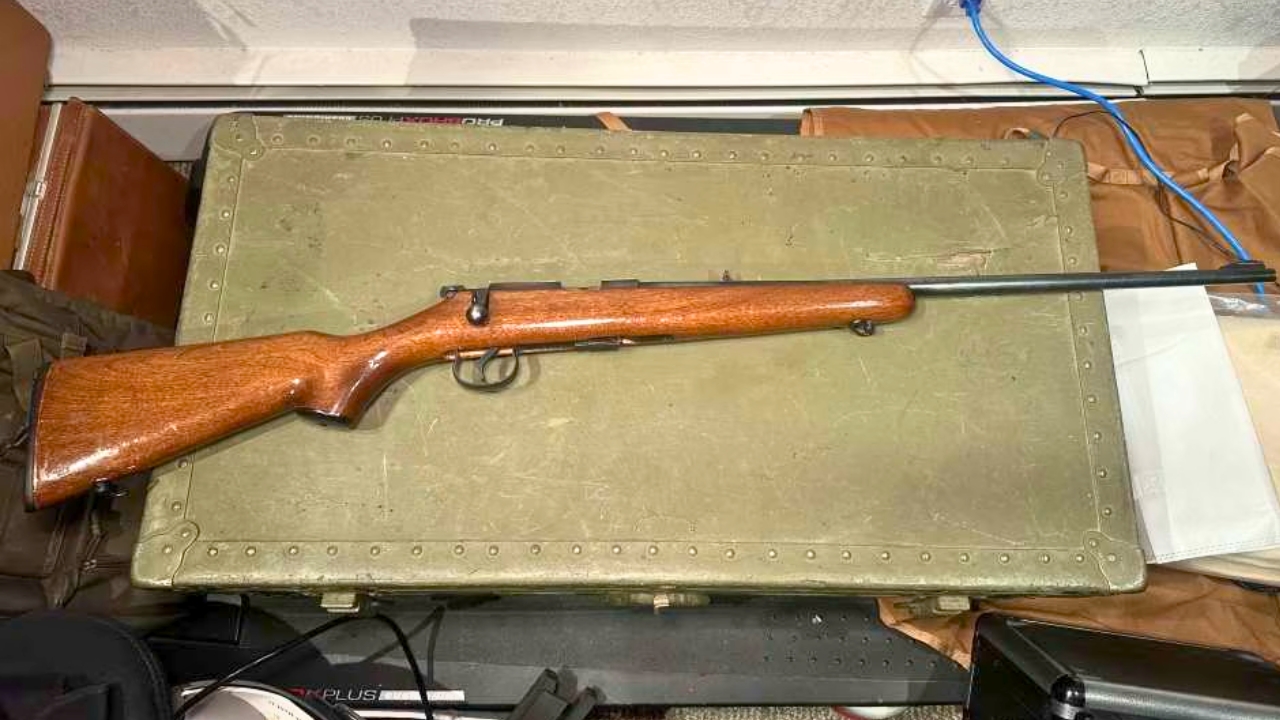
The JW-15 was exactly the kind of .22 rifle people ignored because it was Chinese and inexpensive. It borrowed heavily from familiar European bolt-action rimfire concepts and was often sold at prices that made it easy to treat as disposable.
That judgment looks a little different now. Chinese sporting-rifle imports are no longer pouring into the country, and the rifles that remain represent a closed period of inexpensive imports. Some of them also happen to shoot very well.
I would not claim every JW-15 is suddenly valuable. I would say clean, original examples have become much more interesting to buyers who collect unusual import-era rimfires. The cheap price originally worked against preservation. Stocks were scratched, sights disappeared, and rifles were modified without concern. A crisp example now captures a very specific period when inexpensive foreign .22s were everywhere.
Spanish Santa Barbara Mauser Sporter
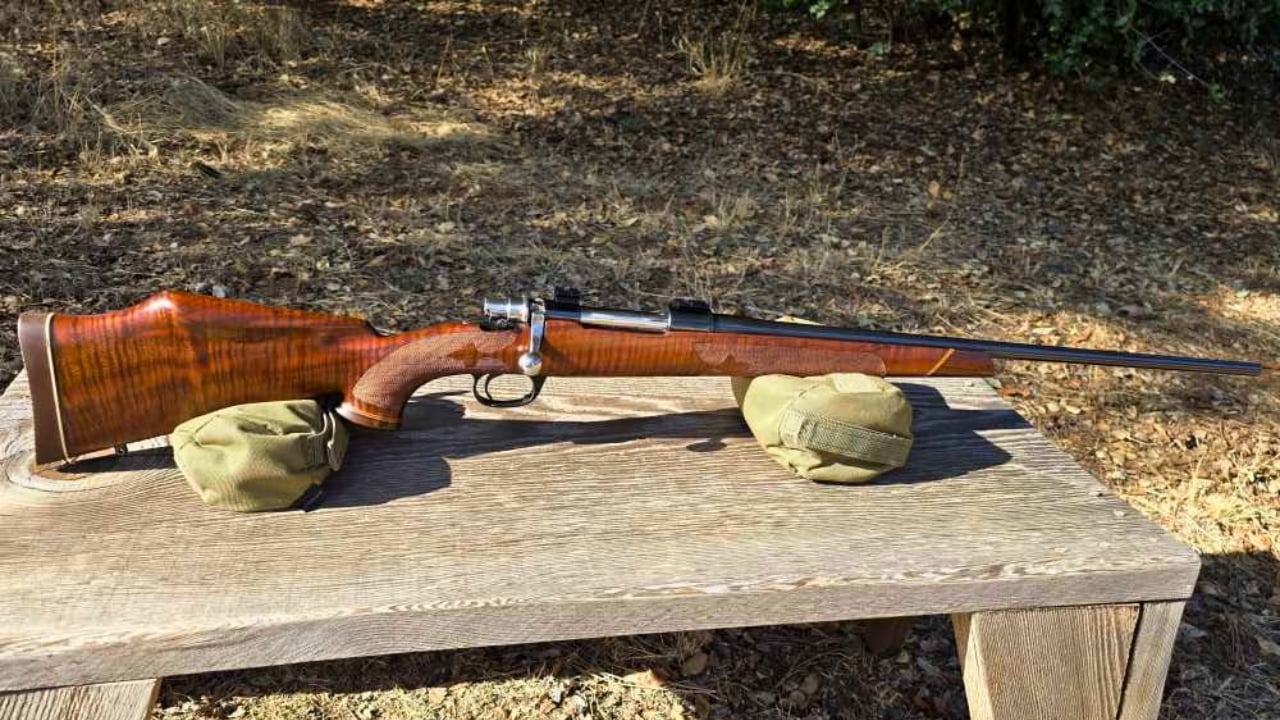
Spanish commercial Mauser sporters were often overlooked because buyers associated Spanish firearms with inexpensive military surplus rather than refined hunting rifles. Santa Barbara actions and complete sporting rifles could be bought for far less than better-known German or American bolt guns.
That made them popular with practical hunters and custom builders. It also meant many original rifles were stripped for their actions or reworked heavily. Clean factory sporters are consequently more interesting today than they were when another one could be found cheaply.
The appeal is straightforward: strong Mauser-style architecture, traditional walnut, and an older European sporting feel without the premium attached to more prestigious names. Serious buyers who understand actions rather than logos know exactly why a good Santa Barbara deserves attention. The cheap European Mauser can turn out to be far more rifle than the original price ever suggested.
Parker-Hale Model 1000
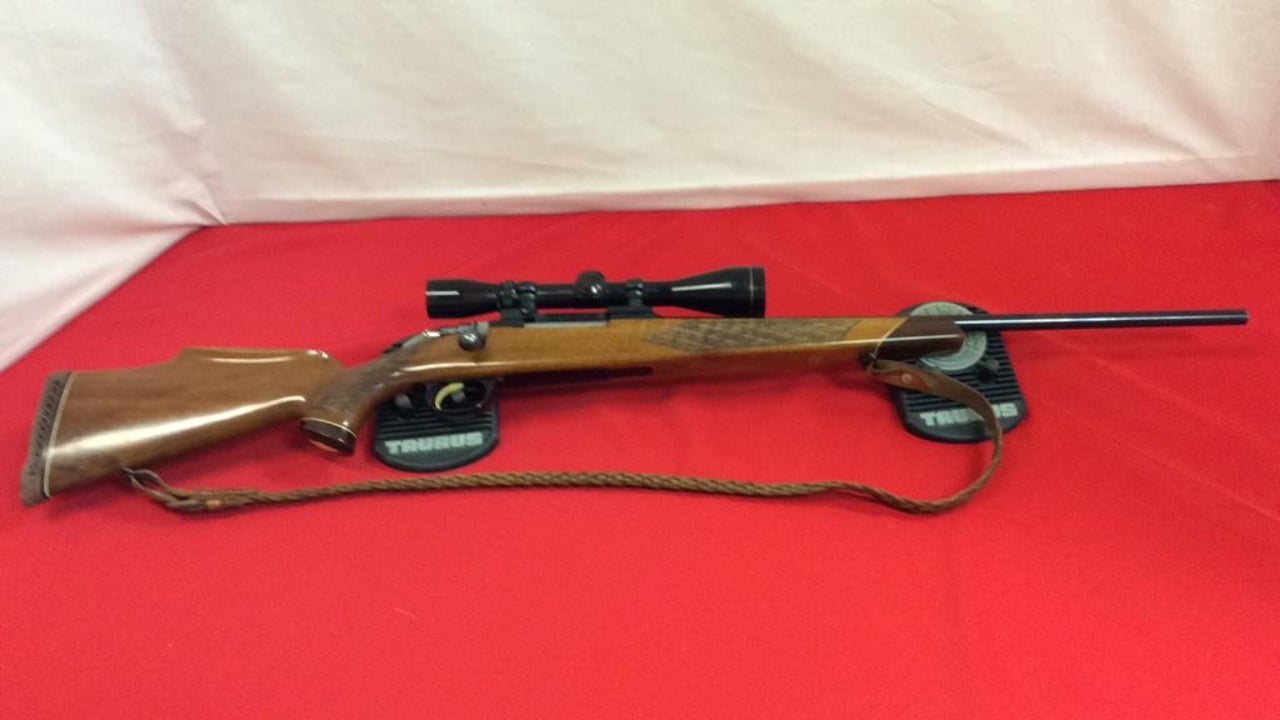
Parker-Hale rifles often sold for reasonable money because they did not carry the same prestige in America as Winchester, Remington, or Sako. The Model 1000 and related sporters used proven Mauser-style actions and traditional British sporting stocks, creating solid hunting rifles that were easy to overlook.
The company eventually disappeared from the sporting-rifle market, which changed the equation. Clean Parker-Hales are no longer something a dealer can simply reorder. Many were hunted hard, and others were modified because owners saw them as inexpensive platforms rather than collectible factory rifles.
I would especially notice an original rifle with attractive walnut, iron sights, and minimal extra holes. These are not flashy guns, but they represent an era when a well-made Mauser sporting rifle could still be purchased without paying luxury money. Serious buyers increasingly understand the value in that.
Voere Titan II
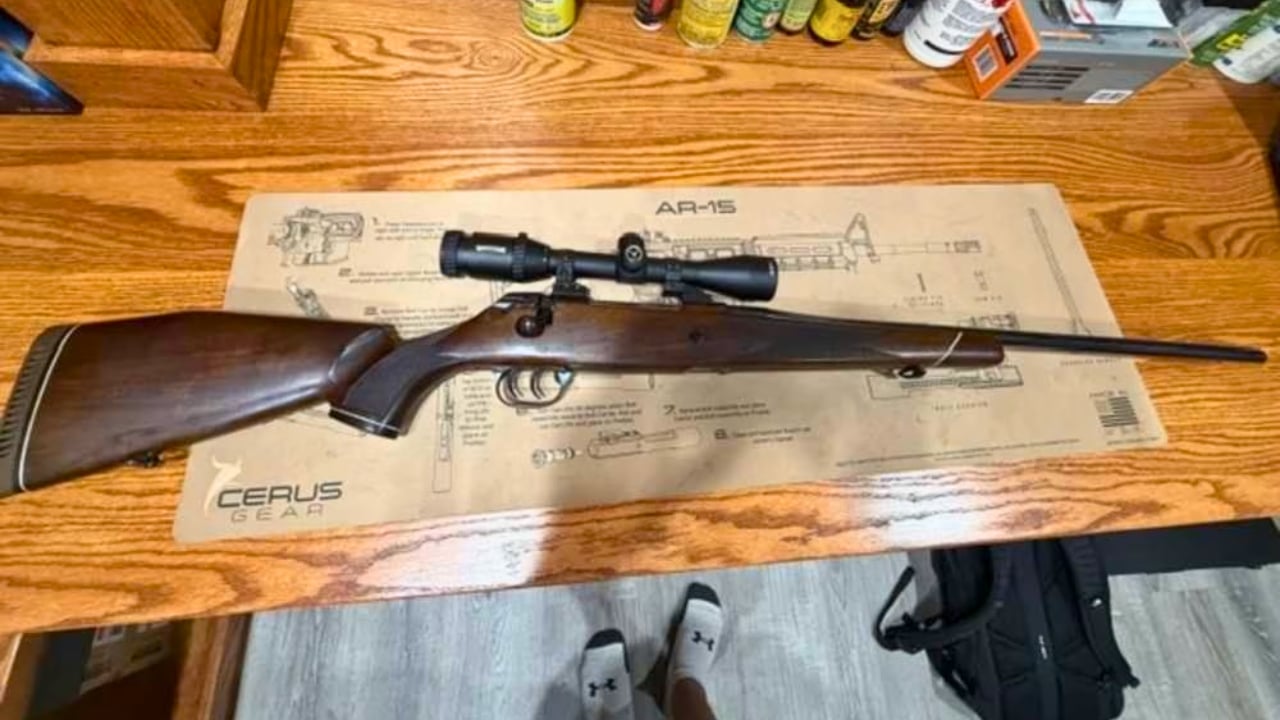
Older Voere rifles are another example of European sporters that Americans often passed over because the name was unfamiliar. The Titan II and related rifles offered quality machining, traditional stocks, and useful hunting chamberings, yet they rarely commanded the same attention as better-known German or Austrian brands.
That kept used prices low for years. People who actually owned them often discovered the rifles were smooth, accurate, and extremely pleasant to hunt with. The challenge today is that model-specific magazines, mounts, and parts can be harder to locate, which makes complete original rifles especially attractive.
I would never buy one blindly without considering parts availability, but a clean Titan II can be a fantastic example of how reputation and quality do not always move together. Serious rifle buyers tend to notice these obscure European guns long before the average person browsing the rack.
Sears Model 53
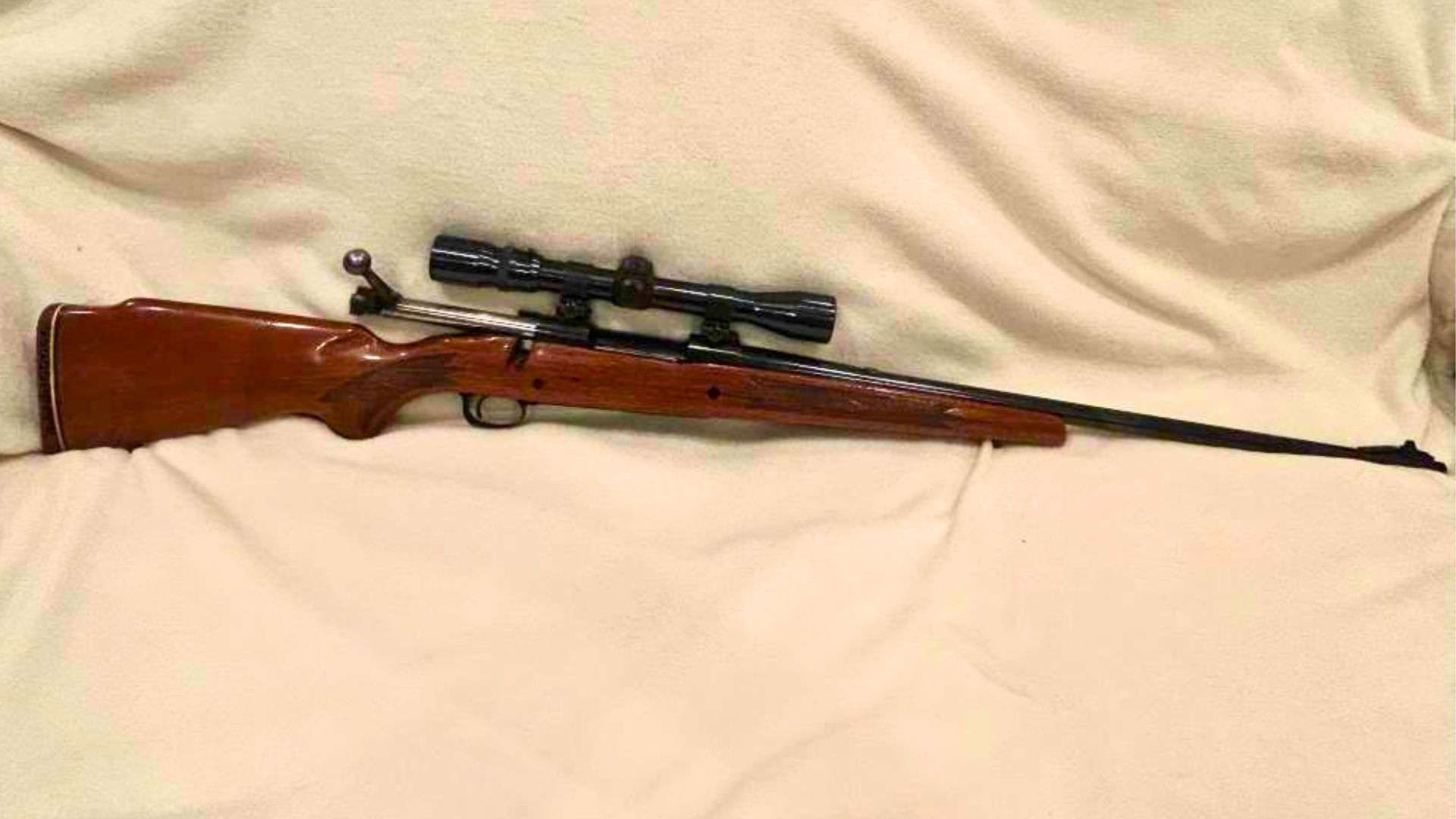
The Sears Model 53 is exactly the kind of department-store rifle people used to ignore because the name on the barrel said Sears instead of Winchester. Underneath that branding, however, buyers could find rifles built by major manufacturers to specifications that were often far better than the discount-store reputation suggested.
That is the entire appeal of old store-brand guns. Serious buyers research who actually manufactured the rifle rather than stopping at the retailer’s name. Once you identify the action and understand the production period, the old Sears rifle can become considerably more interesting than its original catalog price suggests.
I would look for unmodified stocks, original sights, and strong metal finish. So many store-brand rifles were treated as cheap working guns that untouched examples are not always common. The logo that once hurt resale can become part of the history later.
Marlin Model 25
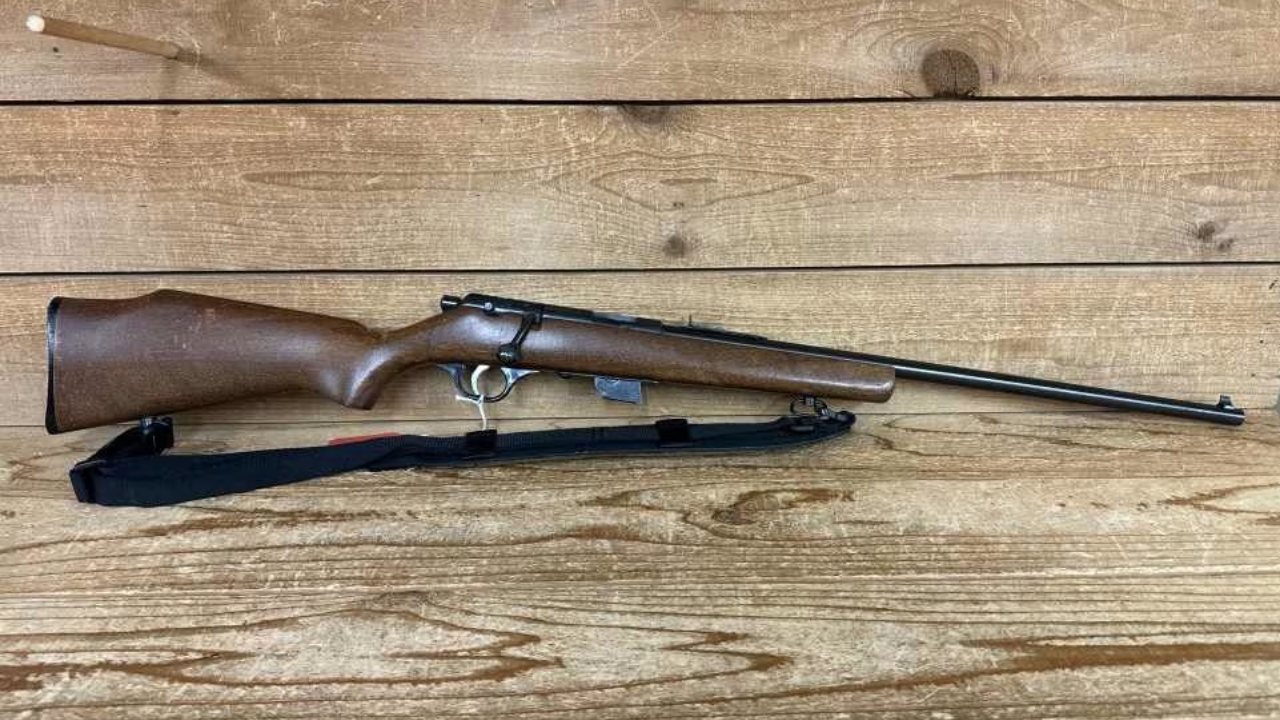
The Model 25 was never glamorous. It was a straightforward bolt-action rimfire built for small-game hunting, pest control, and casual shooting. Owners bought them because they were affordable and useful, then treated them like tools for decades.
That kind of rifle is easy to dismiss until you start looking for a clean older example. Walnut or hardwood stocks, traditional iron sights, and the compact feel of an old Marlin rimfire give the Model 25 a personality that newer budget .22s do not always duplicate. Certain versions and chamberings can be particularly appealing.
I would not call the average Model 25 rare. I would call a very clean one increasingly desirable because these rifles were never preserved in large numbers. Serious buyers understand that inexpensive working guns often become harder to find in excellent condition than the expensive guns everybody knew to protect.
Like The Avid Outdoorsman’s content? Be sure to follow us.
Here’s more from us: