Photo credit: Bayou Ballistics Firearms/Youtube
Walk into any gun shop a week before dove season and you can almost predict the conversation. Somebody wants the “best” shotgun, which usually means whatever has the loudest online fan club. Meanwhile, the guys who actually shoot a lot tend to drift toward different racks: the stuff that runs dirty, fits weirdly well, points naturally, and doesn’t make you baby it.
This isn’t a list of status symbols. It’s the quiet buys I keep seeing from experienced shooters who’ve already lived through the honeymoon phase and just want a shotgun that will keep working when the weather turns and the shells are cheap.
1. Beretta A300 Ultima
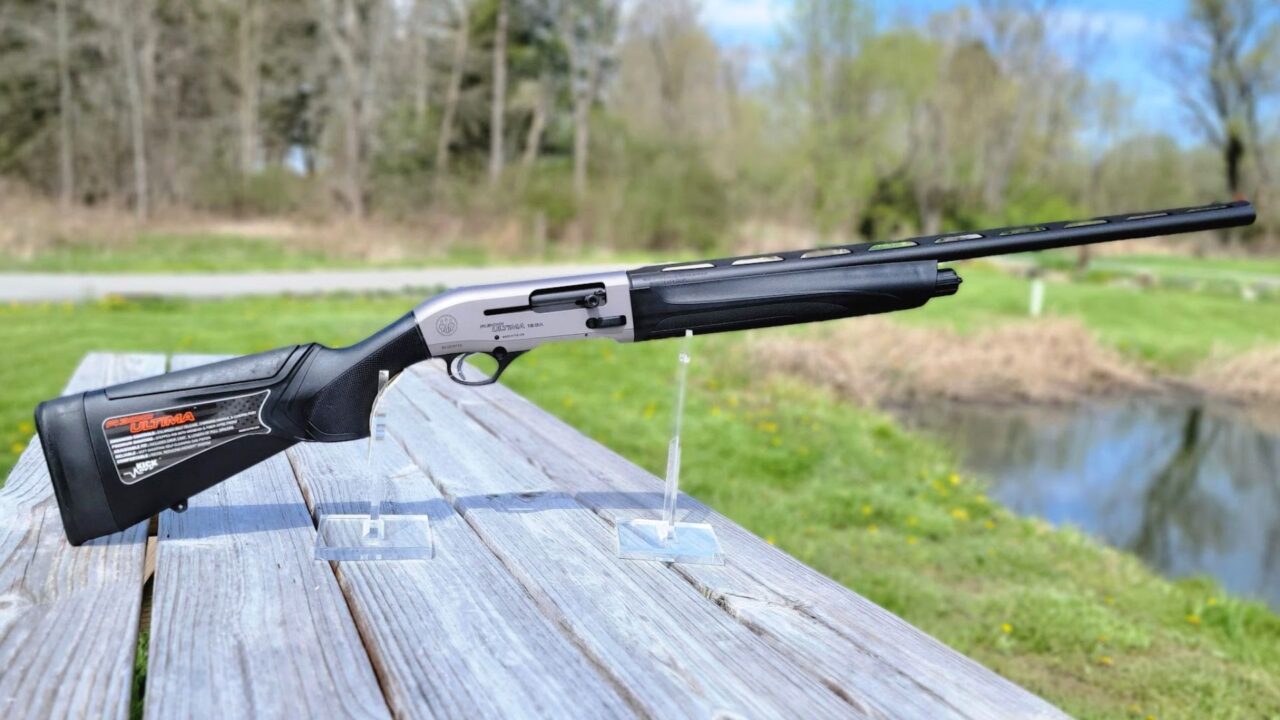
If you’ve watched enough people chase “the softest” recoil with high-end autos, the A300 Ultima feels like a reality check. It’s not fancy, but it cycles like it’s got something to prove, and it doesn’t mind being run hard on clays or in a wet blind.
The controls are sensible, the gun balances like a field gun should, and parts/support are everywhere. The A300 is the one guys buy after they realize they don’t actually need to spend twice as much to shoot a limit and enjoy it.
2. Winchester SX4
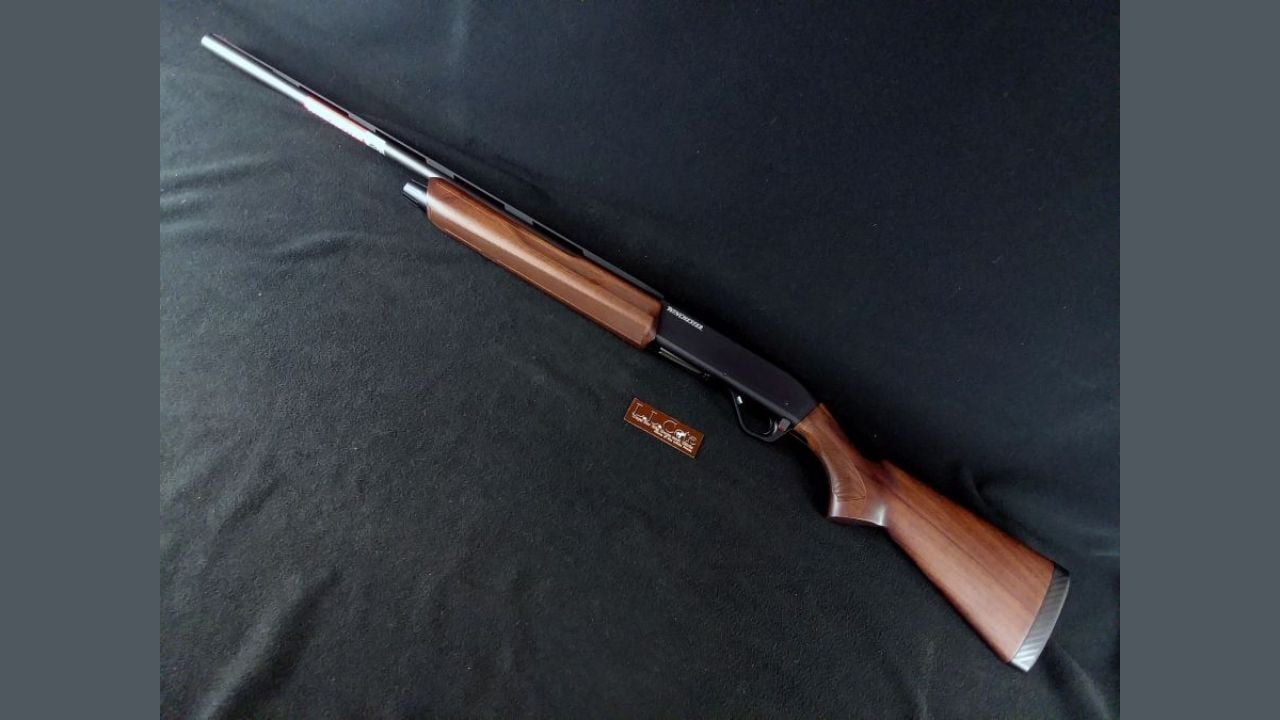
The SX4 is a sleeper because it doesn’t have the same social media shine as a few other semiautos. Then you shoulder one and it just points right, especially for folks who like a slightly livelier feel up front.
It’ll eat budget target loads and keep rolling through a long afternoon without acting finicky. If you hunt waterfowl and also shoot a lot in the off-season, that “boring reliable” trait starts to matter more than brand bragging.
3. Franchi Affinity 3

Experienced shooters buy these because they want an inertia gun that isn’t a mortgage payment. The Affinity 3 carries easy, feels slim in the hands, and it’s one of those shotguns that makes you mount it faster than you think.
Is it the softest shooting option? No. But it’s simple, it runs clean, and it doesn’t feel like a boat anchor when you’ve got a long walk to a hedgerow or a public-land hole.
4. Benelli SuperNova

Plenty of folks recommend the basic pumps everyone knows, but the SuperNova is what a lot of serious hunters quietly end up with. It’s tough, weatherproof, and it laughs at neglect in a way that makes a guy honest about how he actually maintains gear during season.
The forend stroke is long and positive, which sounds like a negative until you’re in gloves and half-awake in a layout blind. It’s not pretty. It’s just dependable.
5. Browning BPS
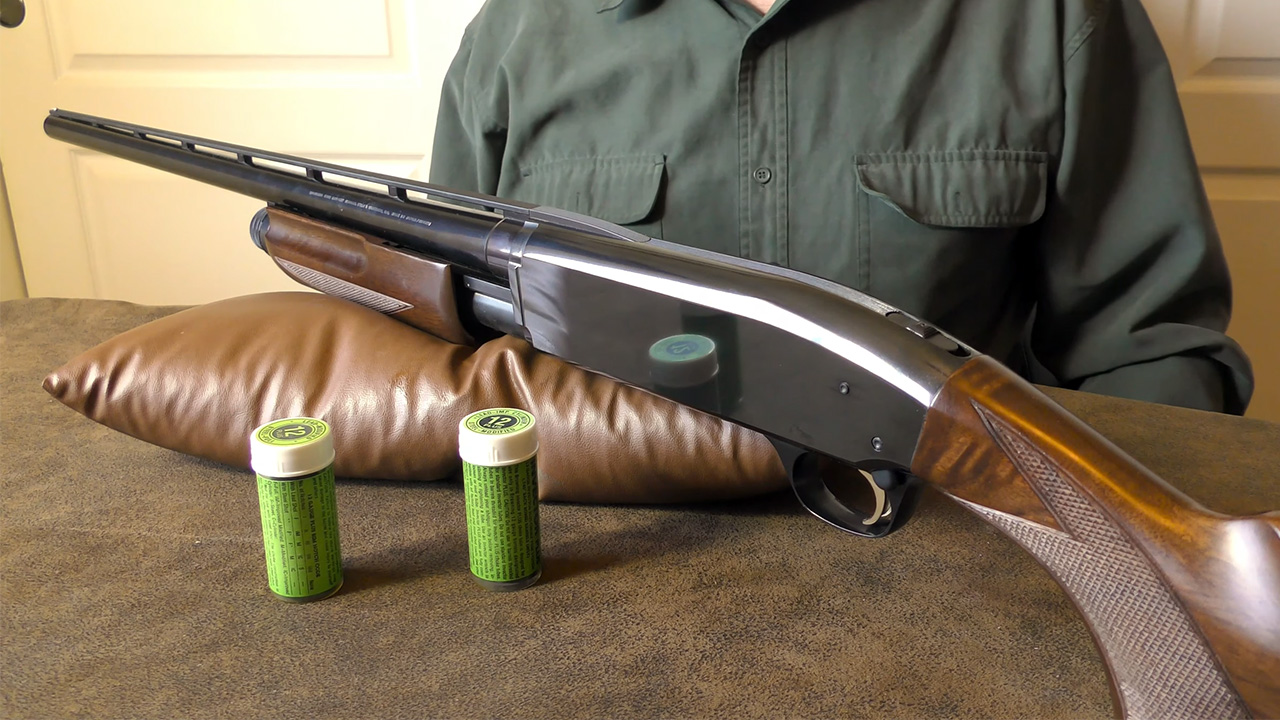
The BPS doesn’t get the “tactical” attention, and that’s part of why it’s such a smart field gun. Bottom-eject keeps empties out of your buddy’s face and makes it friendly for lefties without doing anything special.
They tend to feel solid and smooth, like a pump that was built for decades, not for a price point. It’s heavier than some options, but that weight pays you back in swing and follow-through.
6. Mossberg 930 JM Pro
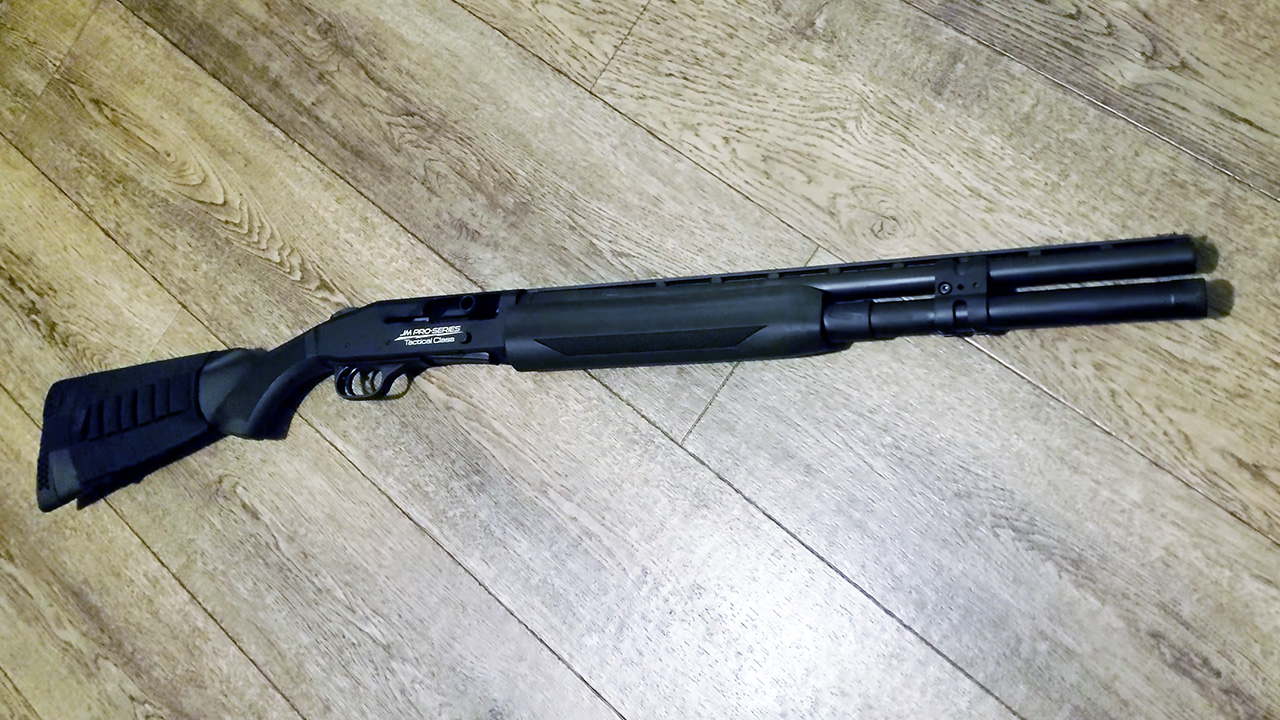
Competition-style shotguns get expensive fast, and a lot of guys don’t need the top shelf to run drills or shoot 3-gun once in a while. The 930 JM Pro is one of those tools that’s more capable than its reputation.
You may have to learn what loads it likes and keep it reasonably clean, but it’s a lot of shotgun for the money. For the shooter who actually practices, it makes sense.
7. Stoeger M3000
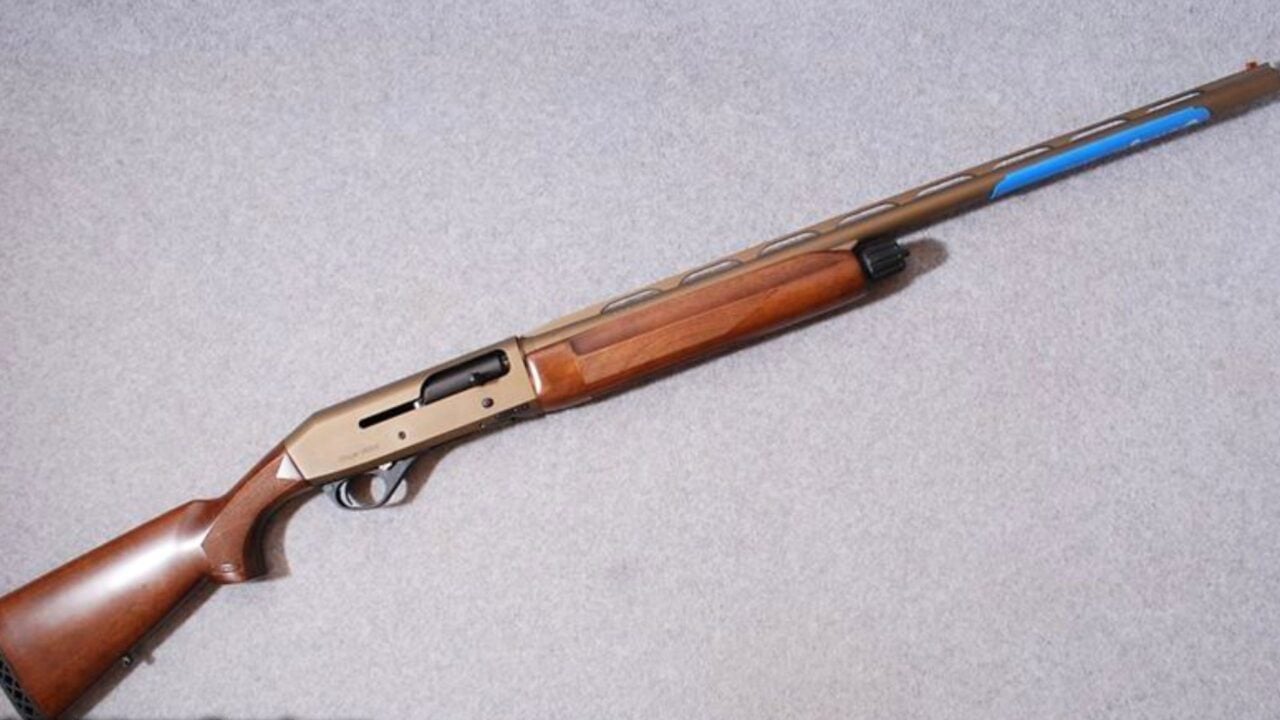
This is the classic “I bought it as a beater and it just wouldn’t quit” shotgun. Stoeger doesn’t get the same respect at the counter, but the M3000 has put a lot of birds on the strap for guys who’d rather spend money on ammo and gas.
It can be a little stiff when brand new, and the fit/finish won’t impress your friends. Still, if you want an inertia semi that you won’t cry over when it gets scratched, it’s hard to argue with.
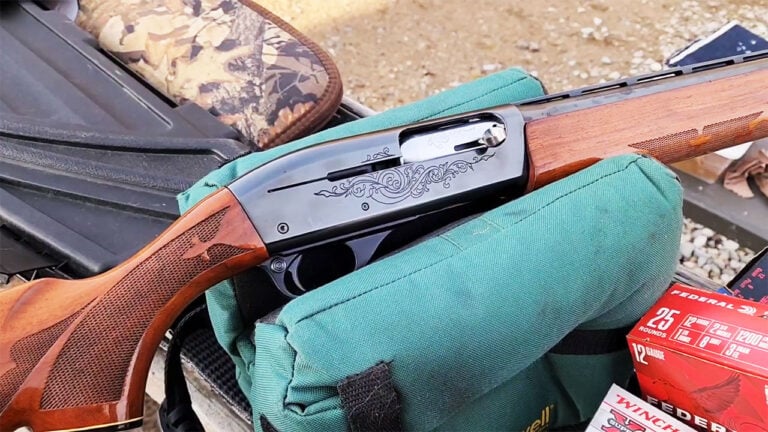
8. Remington 1100 (used, older production)
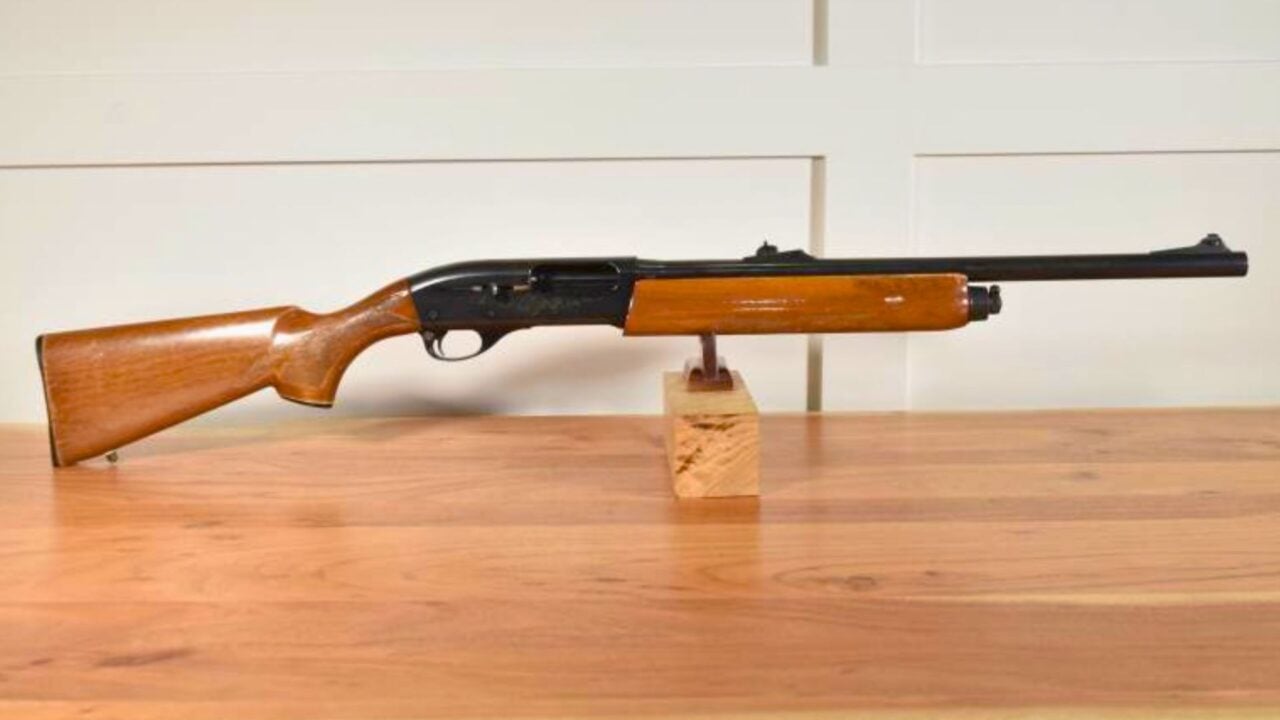
There are newer semis with rails and coatings and all kinds of marketing words, and then there’s the 1100. An older 1100 that’s been cared for is still one of the sweetest-shooting shotguns ever made for the average person.
You do need to stay on top of basic wear parts like O-rings, but that’s not a big ask. The bigger issue is finding a clean one that hasn’t been “kitchen-table customized” into a problem.
9. Beretta 390/391 (used)

If you ever wonder what serious clays shooters bought before everyone started obsessing over the newest model year, go shoulder a 391. They balance well, they shoot flat, and they cycle with a calm reliability that’s hard to appreciate until you’ve dealt with a picky gun.
They’re also a nice answer for the hunter who shoots a lot of steel and wants an autoloader that doesn’t beat them up. Used prices can still be reasonable, which is why the good ones don’t sit long.
10. CZ 712 G2

CZ’s semi autos don’t get the same automatic recommendation as a few bigger names, but the 712 G2 has been quietly solid. It’s a straightforward gas gun that tends to behave with the kind of loads most people actually buy.
The fit is usually better than you’d expect at the price. It’s not a “show off at camp” shotgun, but it’s a “shoot all weekend and not think about it” shotgun.
11. Ithaca Model 37

Old-school pumps have a feel you either get or you don’t. The Model 37 is one of those guns that feels like it’s part of your arms once you’ve carried it a little.
Bottom-eject is a real advantage in the field, and the action can be slick as warm oil. Finding parts and service is doable, but the bigger challenge is not falling in love with it and deciding you need three more.
12. Weatherby SA-08
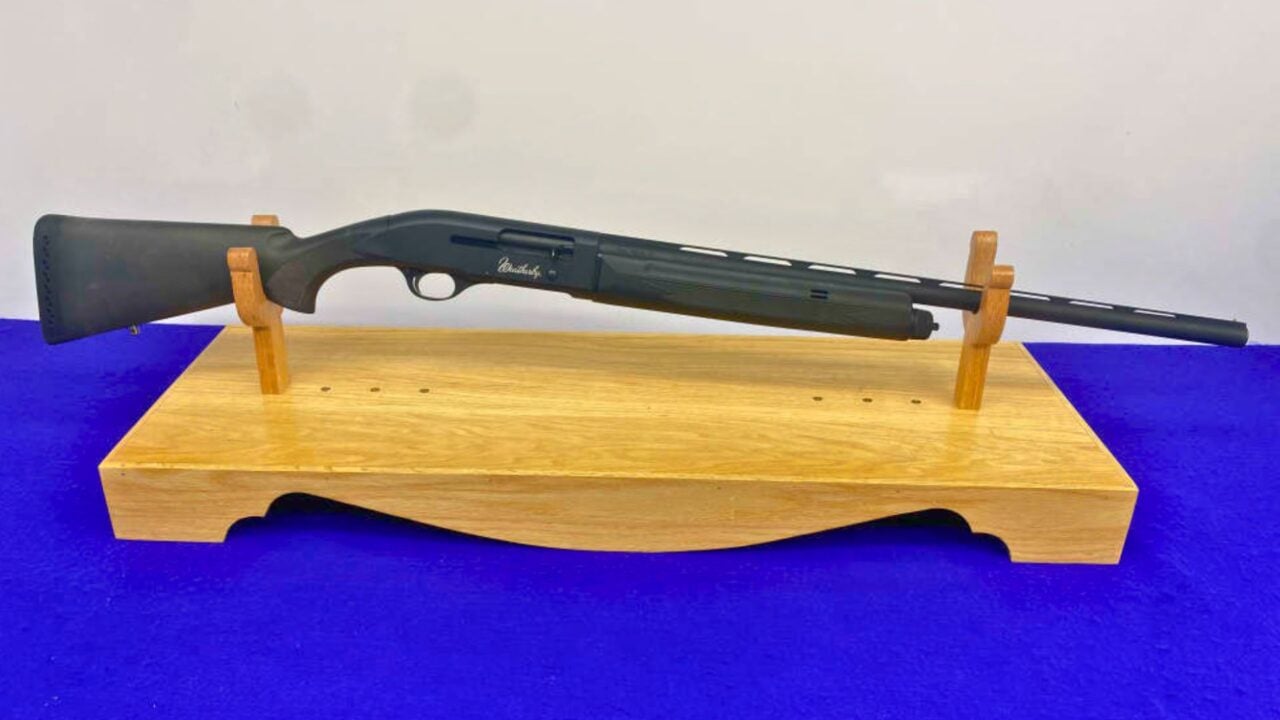
The SA-08 is a practical pick for the guy who wants a lighter semi without paying “Italian upland gun” prices. It carries well all day and doesn’t feel like a fence post in thick cover.
It’s also one of those shotguns that tends to get bought by hunters, not collectors. That’s a compliment. If it fits you, it’s hard not to like it.
13. TriStar Viper G2
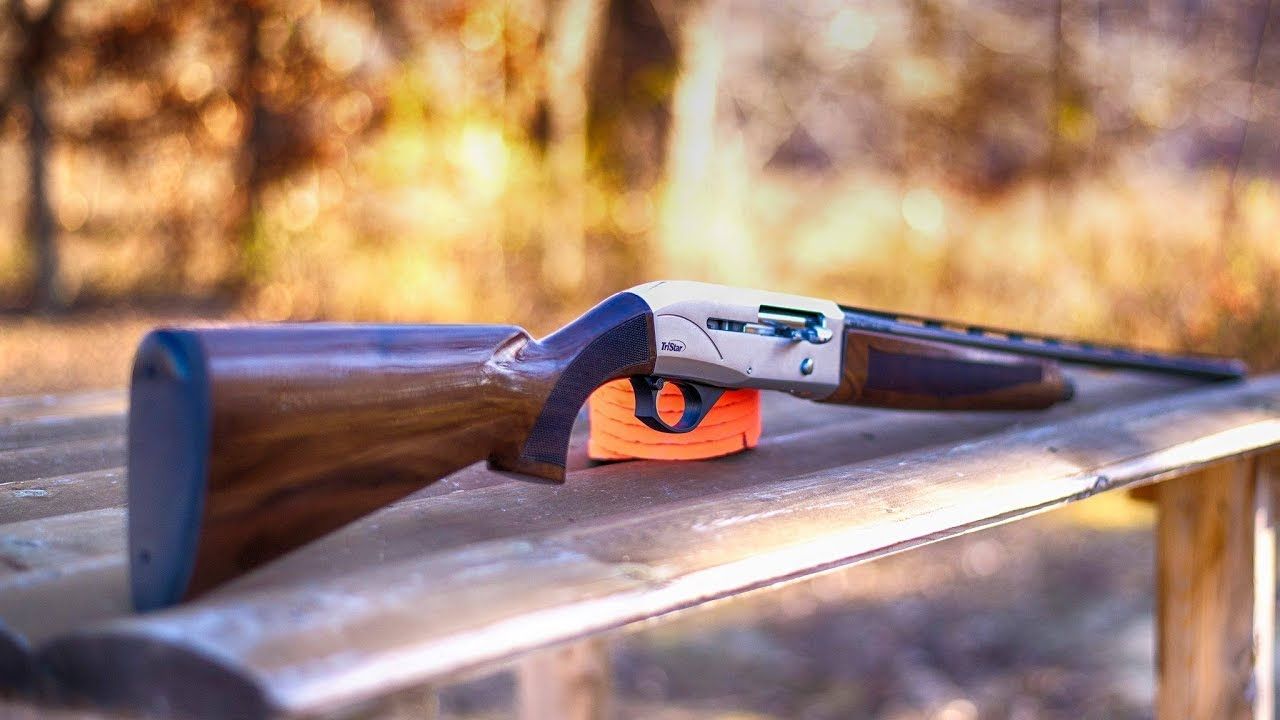
Budget semis can be a gamble, and I get why folks hesitate. The Viper G2 is one of the few that keeps popping up with good reports from people who actually put shells through it, not just pose with it.
It’s not immune to lemon luck, and I’d still function-test any shotgun before trusting it in a blind. But as a “second gun” or a starter that doesn’t feel disposable, it earns its spot.
14. Ruger Red Label (used)

Over/unders are where people burn money fast trying to buy prestige. A used Red Label is often a smarter buy than a new, flashy budget O/U that won’t stay tight.
They’re not perfect, and the older ones can feel a little chunky, but they’re honest guns. If you’re the type who likes a simple break-action for upland or clays and you don’t want drama, it’s a strong option.
15. Browning Citori (used field models)
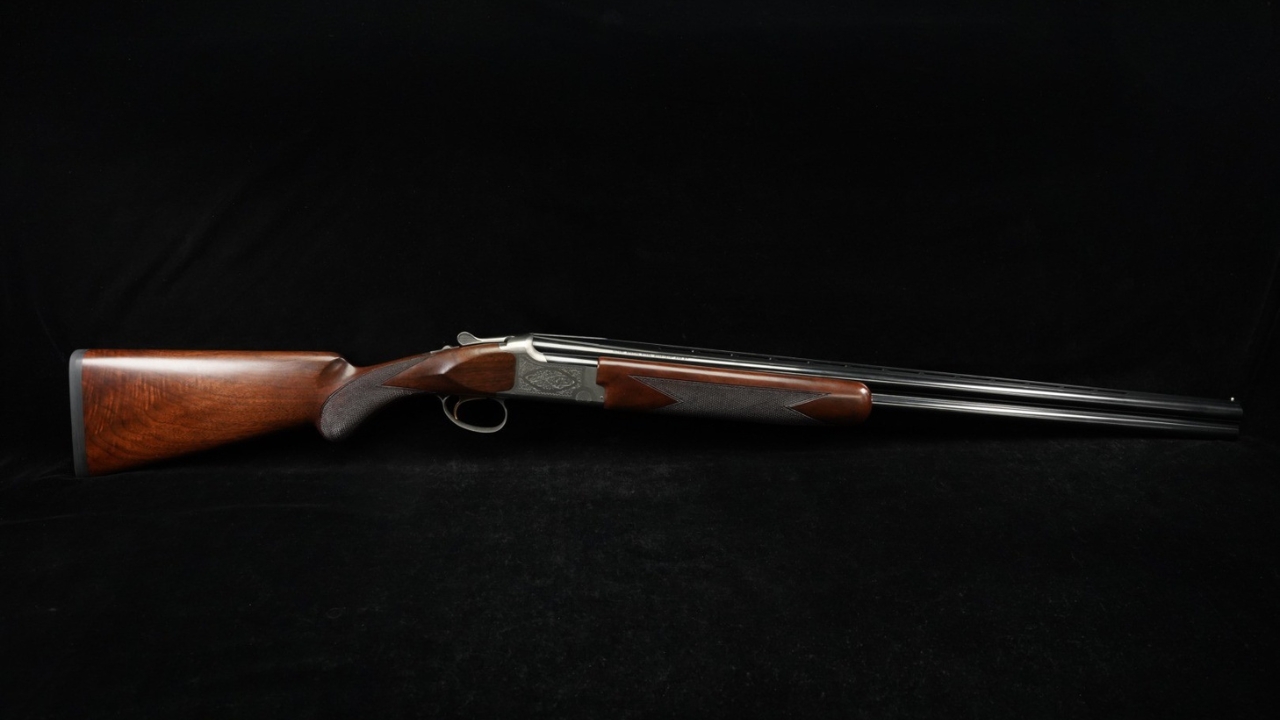
Yes, everyone knows the Citori. But what experienced shooters do differently is buy the plain field model used, not the newest special edition with a name nobody remembers.
A good Citori points well, lasts, and doesn’t require you to treat it like a museum piece. For the hunter who shoots clays to stay sharp, this is one of the best “buy once, cry once” moves that still feels practical.
16. CZ Drake
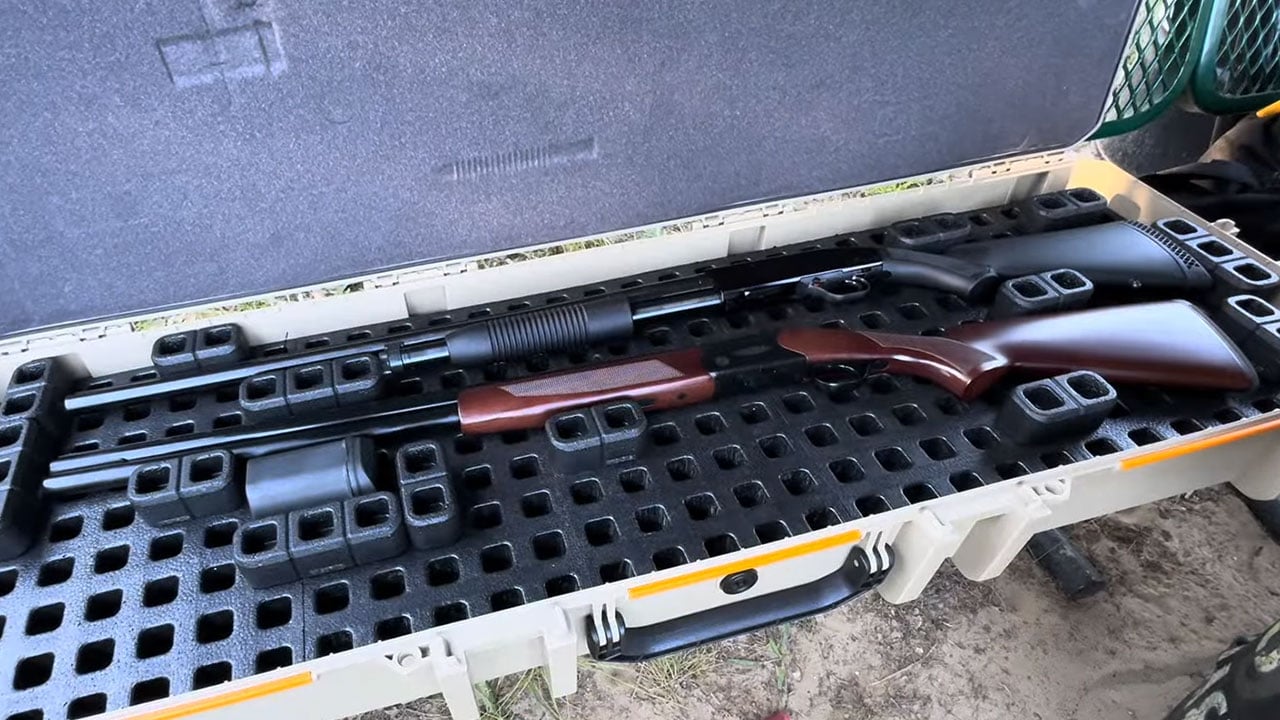
If you want a no-frills over/under that you won’t be afraid to hunt hard, the Drake keeps showing up. It’s not a high-volume competition gun, but that’s not what most hunters are doing with an O/U anyway.
It’s a decent way to get into a break-action without rolling the dice on the cheapest thing in the case. The wood and metal won’t win awards, but it usually fits and functions.
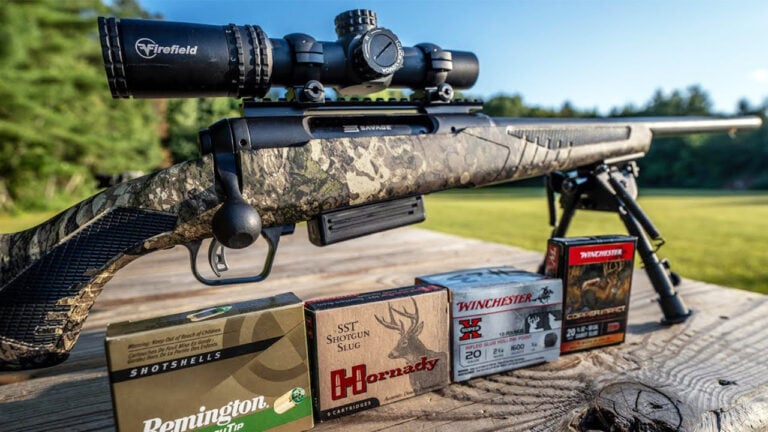
17. Savage 220 (20 gauge slug gun)
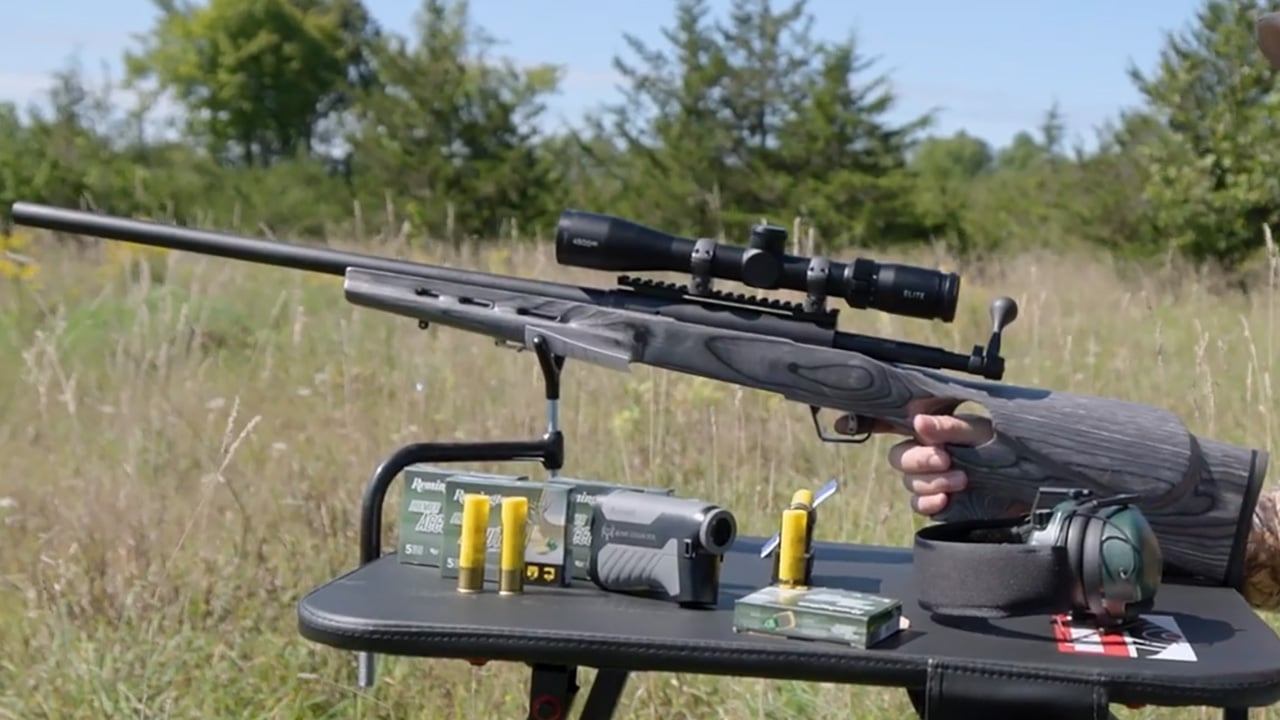
Slug hunting gets treated like an afterthought until you’re in a shotgun-only zone and you want real accuracy. The 220 has been the quiet “problem solver” for a lot of deer hunters who got tired of mystery groups.
It’s not as romantic as an old smoothbore and a bead sight, but it’s effective. If you’ve ever tracked a marginal hit in wet leaves because your setup wasn’t consistent, you’ll understand why guys buy these.
18. Mossberg 835 Ulti-Mag
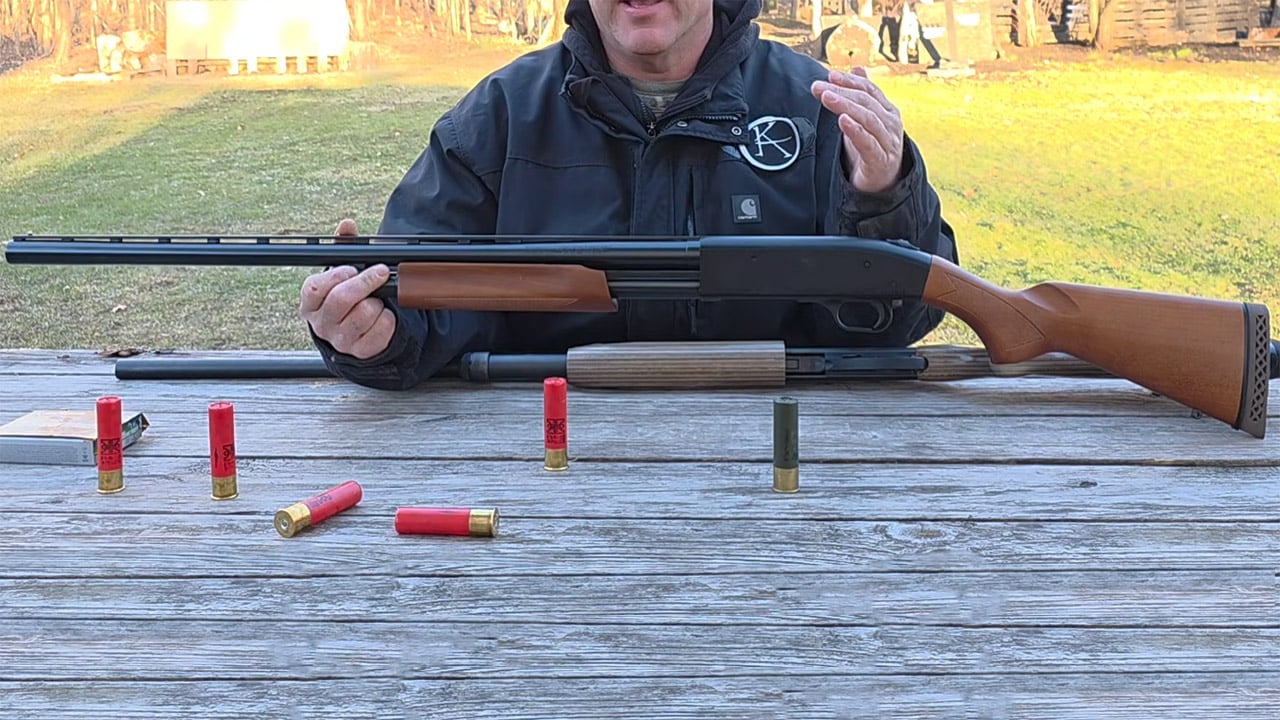
There’s nothing gentle about the 835, and nobody should pretend otherwise. But for turkey and big water with heavy loads, it has a track record, and it’s one of those guns that tends to keep running even when it lives behind a truck seat.
The overbored barrel and 3.5-inch capability aren’t for everyone. Still, if you’re the hunter who actually uses that extra reach and pattern density, it’s a tool with a job.
19. Remington 870 Wingmaster (older)
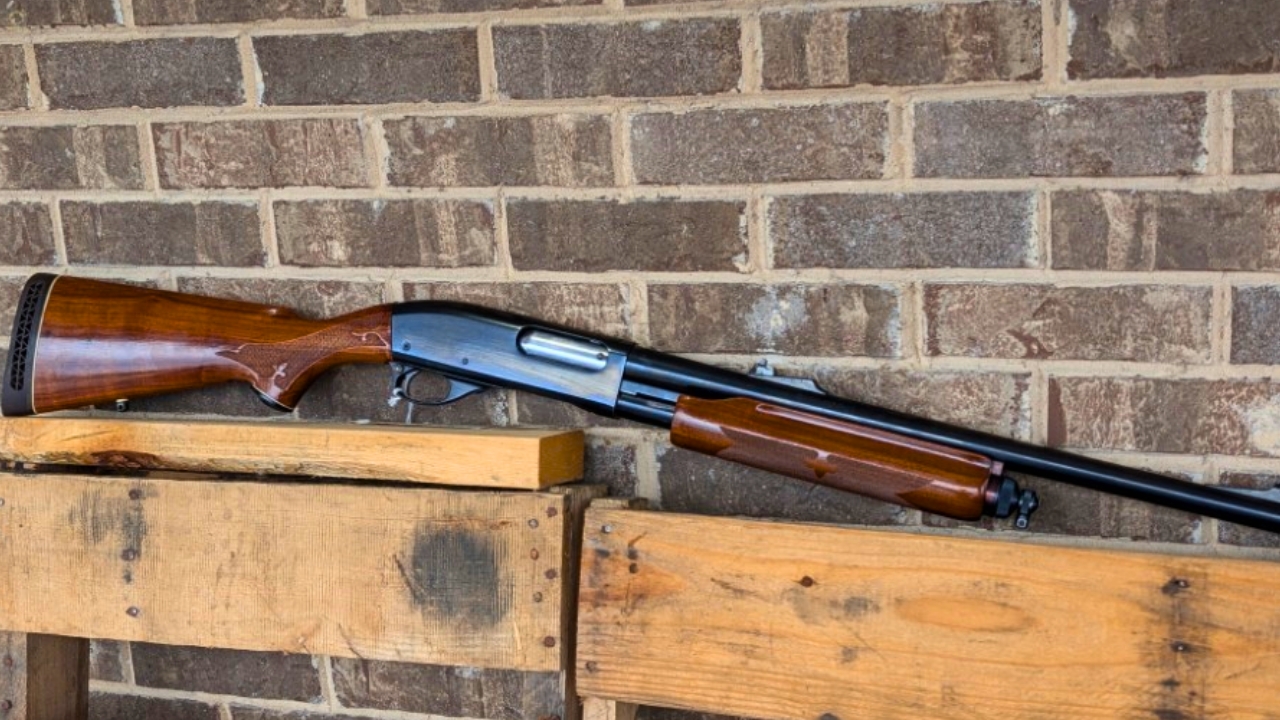
Not the rough, late-production stuff that left a bad taste in people’s mouths. I’m talking about an older Wingmaster with a smooth action that feels like it’s on ball bearings.
These are the pumps that made the 870 name in the first place. They carry well, they point naturally, and they’re about as close as you get to a pump gun that feels “broken in” for life.
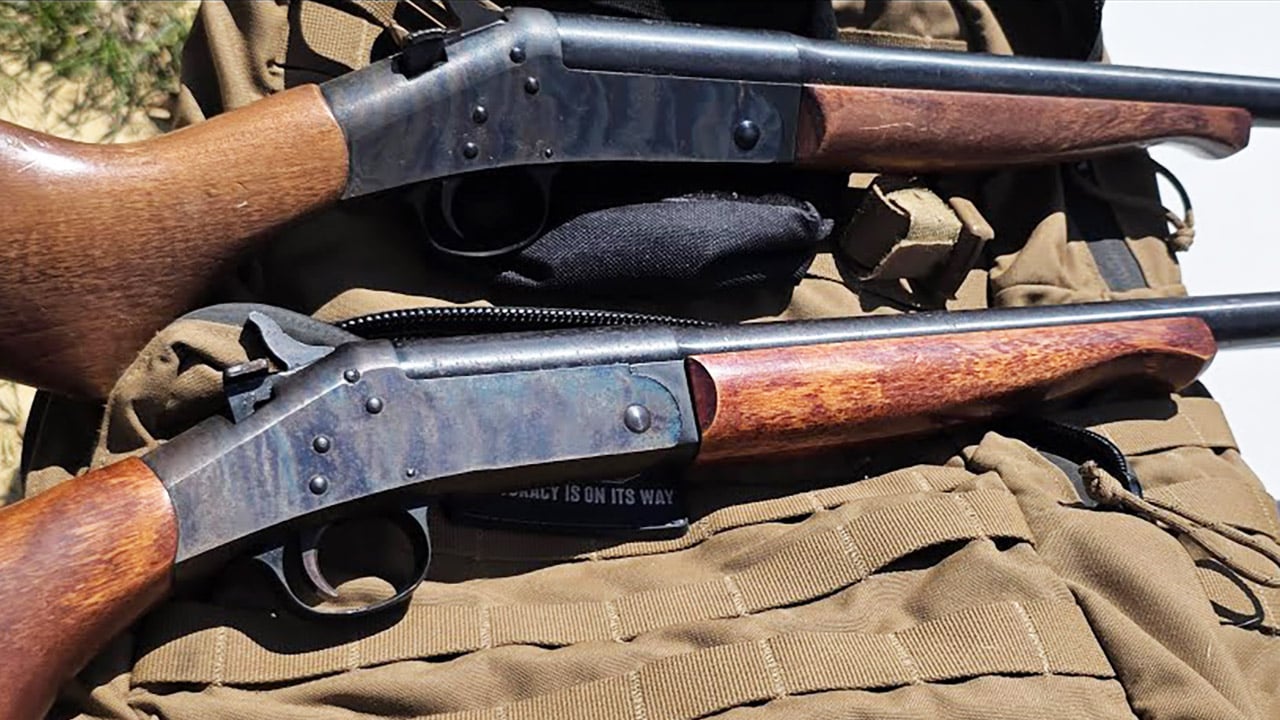
20. H&R/NEF Pardner Single Shot
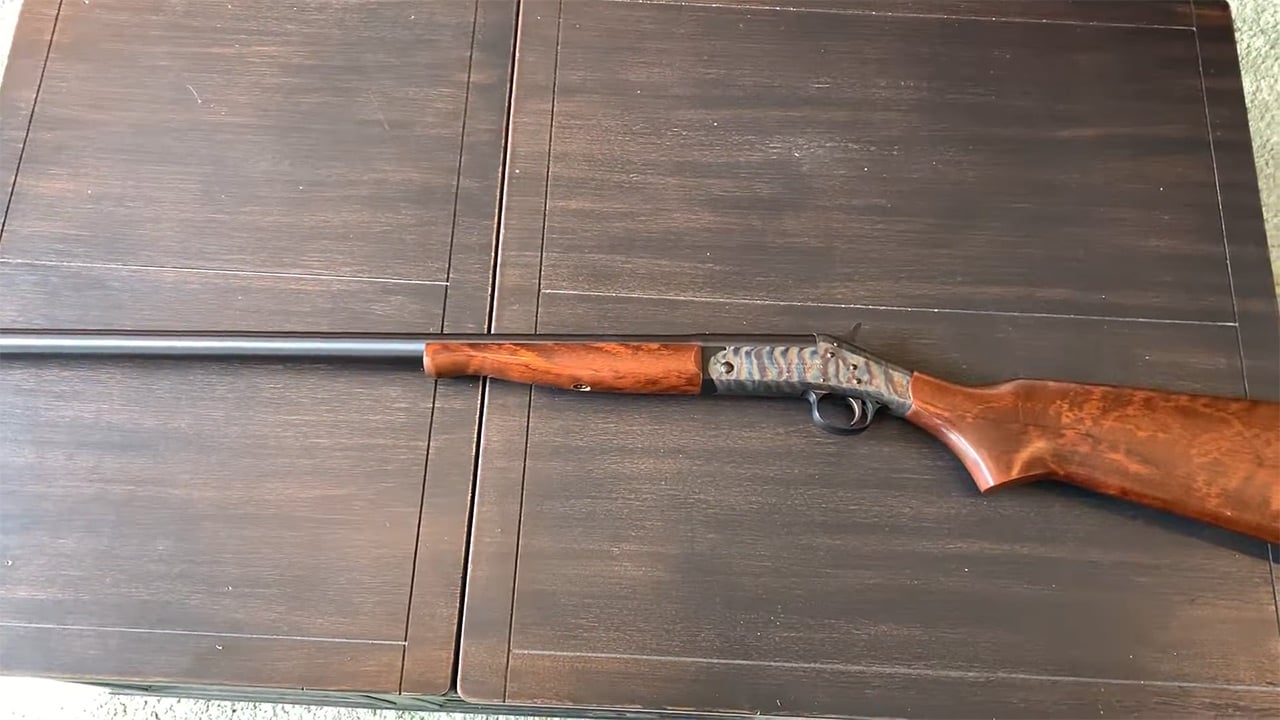
This one always surprises folks, but the experienced shooters who buy them know exactly why. A simple single-shot is handy for a new hunter, a farm gun, or a foul-weather backup that you don’t mind leaning in a corner.
There’s nothing fancy about it, and that is kind of the point. It forces good habits, it’s easy to check safe, and it will still do honest work long after the plastic wonders have come and gone.
The common thread with all of these isn’t hype or horsepower. It’s usefulness. The best shotgun is the one that fits you, runs with the loads you actually buy, and doesn’t become a high-maintenance project when you should be thinking about wind, birds, and safe backstops.
Like The Avid Outdoorsman’s content? Subscribe to our newsletter so you never miss an article.
Here’s more from us: