Photo credit: The Armed Outdoorsman/Youtube
Every gun counter guy has seen it. A clean old rifle shows up in a soft case that smells like cedar and Hoppe’s, and the person holding it looks like they’re dropping off an unwanted treadmill. Dad hunted. Dad shot. Dad took care of his stuff. Then Dad passed, the rifle went to a son who never really used it, and a few years later it’s on consignment with a sticky note that says “make offer.”
The funny part is how predictable the next chapter is. That same rifle ends up with somebody who actually hunts, actually practices, and actually knows what it is. Sometimes it becomes a first deer rifle for a kid. Sometimes it becomes the “truck gun” that’s always in the rack during hay season. Sometimes it just sits in a safe again, but this time it’s sitting with respect.
Here are 20 rifles that keep making that trip from “forgotten inheritance” to “somebody finally using it right.”
1. Winchester Model 94 (pre-64)

There’s a certain kind of wear on a pre-64 Model 94 that tells you it rode behind a pickup seat more than it sat in a cabinet. The bluing gets thin on the carry points, the wood goes slick, and the lever feels like it’s running on oiled glass. A son who doesn’t shoot sees “old .30-30” and shrugs.
The guy who knows better sees a fast-handling woods rifle that still kills deer clean inside normal ranges. Ammo is everywhere, recoil is friendly, and the rifle carries like it was made for climbing over fences. If you hunt thick stuff, this is still a tool, not a decoration.
They aren’t making pre-64s anymore, and you can feel the difference when you cycle one that’s been used but not abused.
2. Remington Model 700 BDL (older walnut/blue)
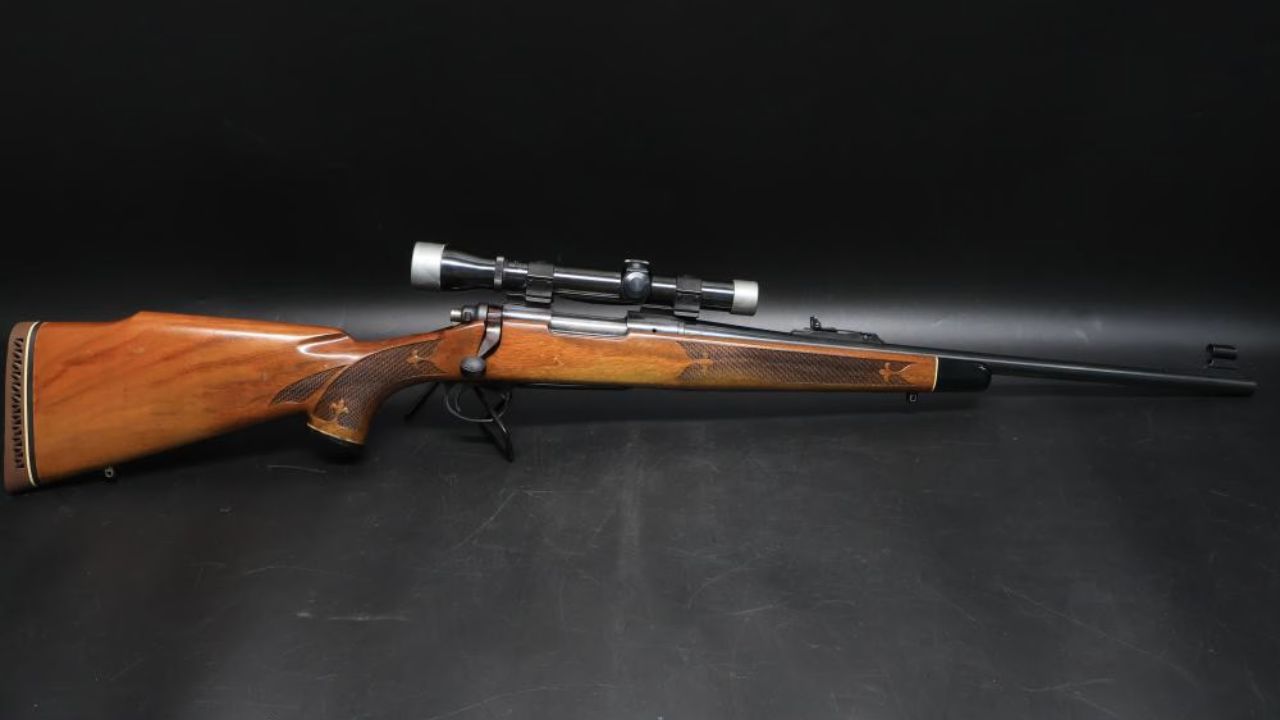
The older BDLs show up a lot because they look “too nice to keep” to someone who doesn’t hunt. Gloss walnut, shiny blue, and usually a 3-9x that’s been on there since the first Bush administration. If it’s in .270 or .30-06, it probably accounted for a pile of deer.
Here’s what the next owner notices: they shoot. Not all of them, but a good BDL with a decent bedding job and a sane load will flat stack bullets. The action is smooth, the rifle balances well, and it’s easy to set up with modern rings and glass if the old scope is tired.
It’s also the kind of rifle you can actually hand down again without it feeling like a gimmick.
3. Ruger M77 Mark II (tang safety or early MKII era)

Ruger’s M77s are the rifles that never got babied. They were carried in rain, leaned against trees, and knocked around on ATV racks. That’s partly why they end up sold off by heirs who don’t see romance in honest wear.
But if you live in the real world—mud, snow, cold fingers—these rifles just keep working. Controlled-round feed, sturdy extractor, and a safety you can run with gloves. They’re not always the lightest option, but they settle on target and they’re not fussy.
When you find one that hasn’t been “home gunsmithed,” it’s a buy-on-sight kind of rifle.
4. Savage 99 (in .300 Savage or .308)
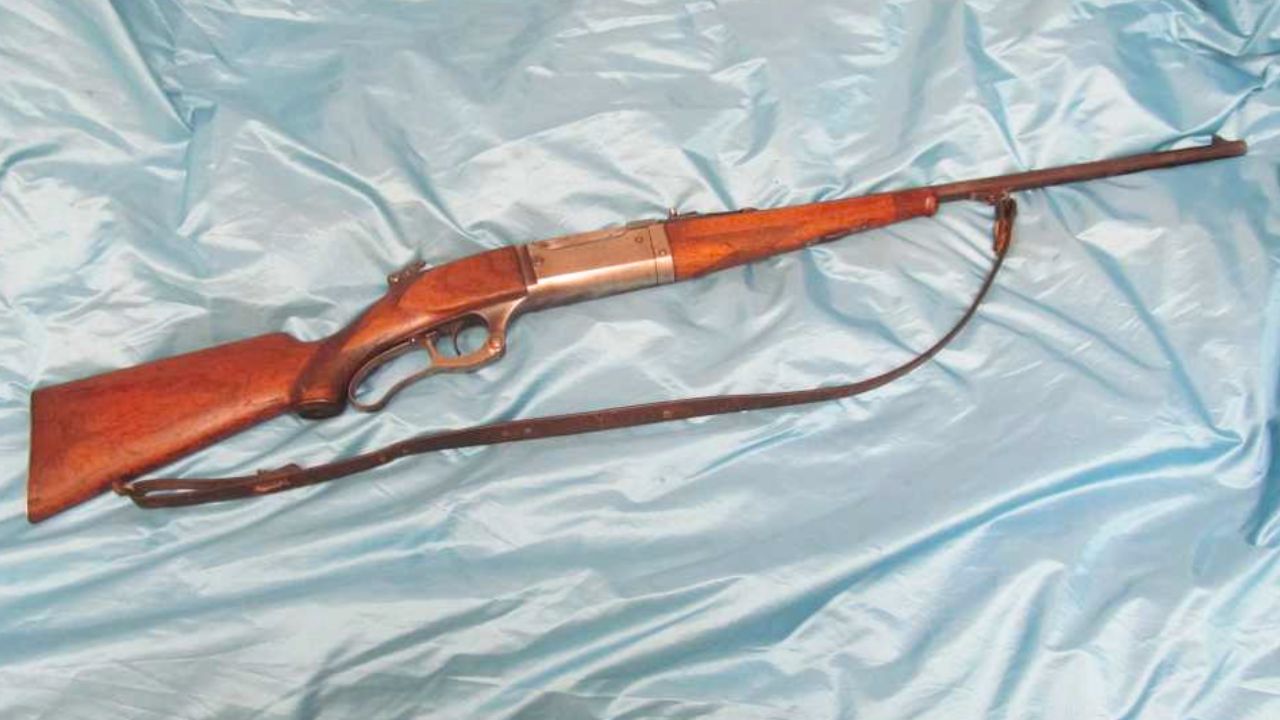
A Savage 99 is one of those rifles that looks odd until you understand it. The lever action, the rotary magazine, the sleek lines—none of it screams “modern,” so it gets overlooked fast. A non-shooter sees an old lever gun that isn’t a Winchester and assumes it’s second-rate.
It isn’t. A good 99 points well, carries flat, and lets you run spitzer bullets safely because of the magazine design. In .300 Savage especially, it’s a legit deer cartridge in a classy, handy package.
The catch is parts and knowledge. The guy who knows better also knows to have it checked by someone competent if it’s been sitting for decades.
5. Marlin Model 336 (JM-stamped)

JM-stamped 336s have gotten pricey for a reason. They’re simple, they’re slick, and they usually shoot better than they “should” for a brush gun. The inherited ones often come with a half box of .35 Remington or .30-30 and a sling that’s stiff as cardboard.
For the next owner, it’s a practical woods rifle that doesn’t beat you up and doesn’t demand a lot of maintenance. The receiver-top ejection on later models makes scoping easy, and iron sights are still completely usable for normal hunting distances.
If you’ve ever tracked a deer through thick creek bottoms, you understand why people keep coming back to these.
6. Springfield Armory M1 Garand (CMP-type rifle)

This is the one that hurts when it gets dumped cheap. A Garand is history you can shoulder, and a lot of them came into families through service, clubs, or old surplus programs. A son who doesn’t shoot sees “heavy old war gun” and focuses on the weight, not the story.
The shooter who buys it knows it’s still a joy at the range. The recoil is a push, not a slap, and that action has a rhythm you don’t get from anything else. It’s also one of the best “teach someone what a real rifle feels like” platforms ever made.
It’s not a casual plinker for everyone, but it deserves better than sitting ignored in a closet.
7. Ruger 10/22 (older wood-stock carbines)
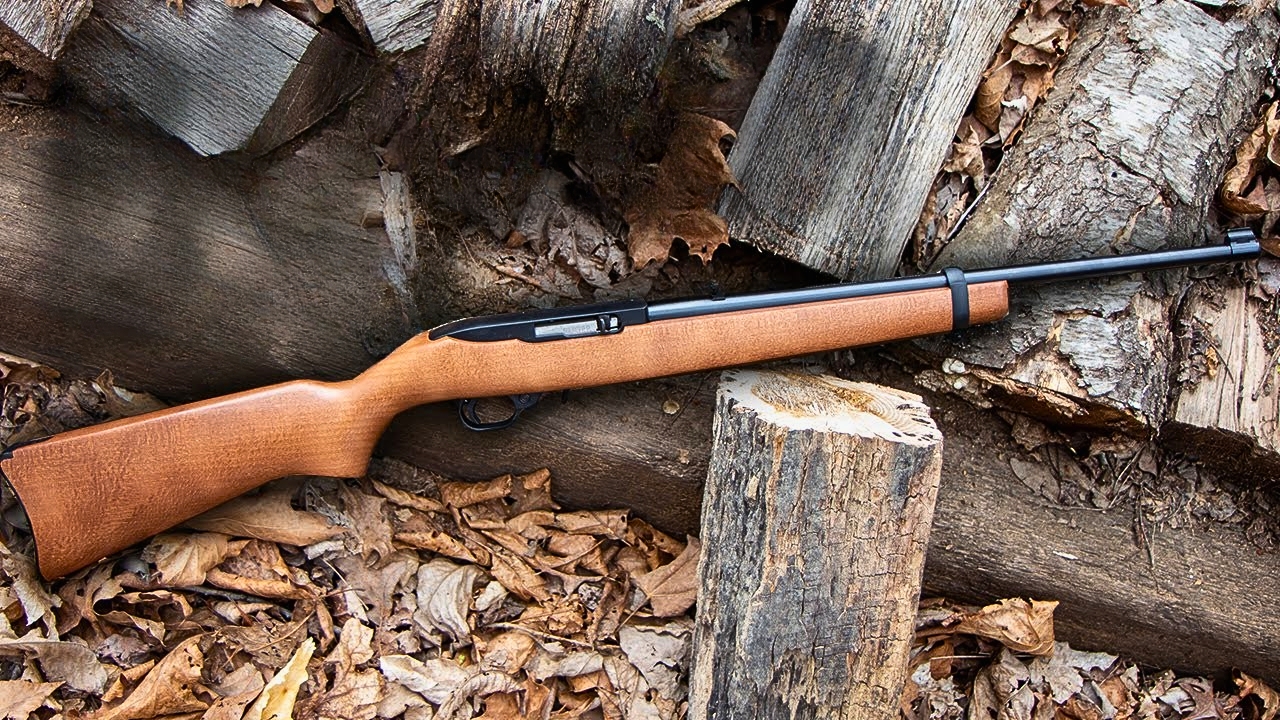
These get inherited like fishing rods. Everyone’s dad had one, and half the time it’s the rifle that taught a kid to shoot. When that kid grows up and stops shooting, the 10/22 becomes “just a .22” and gets traded for a gift card.
Then it lands with someone who understands that a reliable .22 is not optional if you live rural. Pests, practice, pot rabbits where legal, new shooters—this rifle does work. Magazines are everywhere, parts are everywhere, and you can keep it dead simple or dress it up.
There is nothing fancy about a basic 10/22, and that is kind of the point.
8. Remington 870 (rifled slug barrel setups count here)

Yeah, it’s a shotgun, but in slug country the 870 becomes a deer rifle whether the internet likes it or not. A lot of dads had an 870 with a rifled barrel and a cantilever mount, and it sat in the cabinet most of the year. When it gets inherited, it’s usually treated like “old pump gun.”
In the right hands, it’s still deadly inside its lane. With modern slugs and a decent scope, a good 870 will surprise you. It’s also one of the easiest guns in America to keep running because parts, barrels, and accessories are endless.
Just don’t assume the old scope is good because it’s “been on there forever.” Check it before season.
9. CZ 452 (rimfire bolt gun)
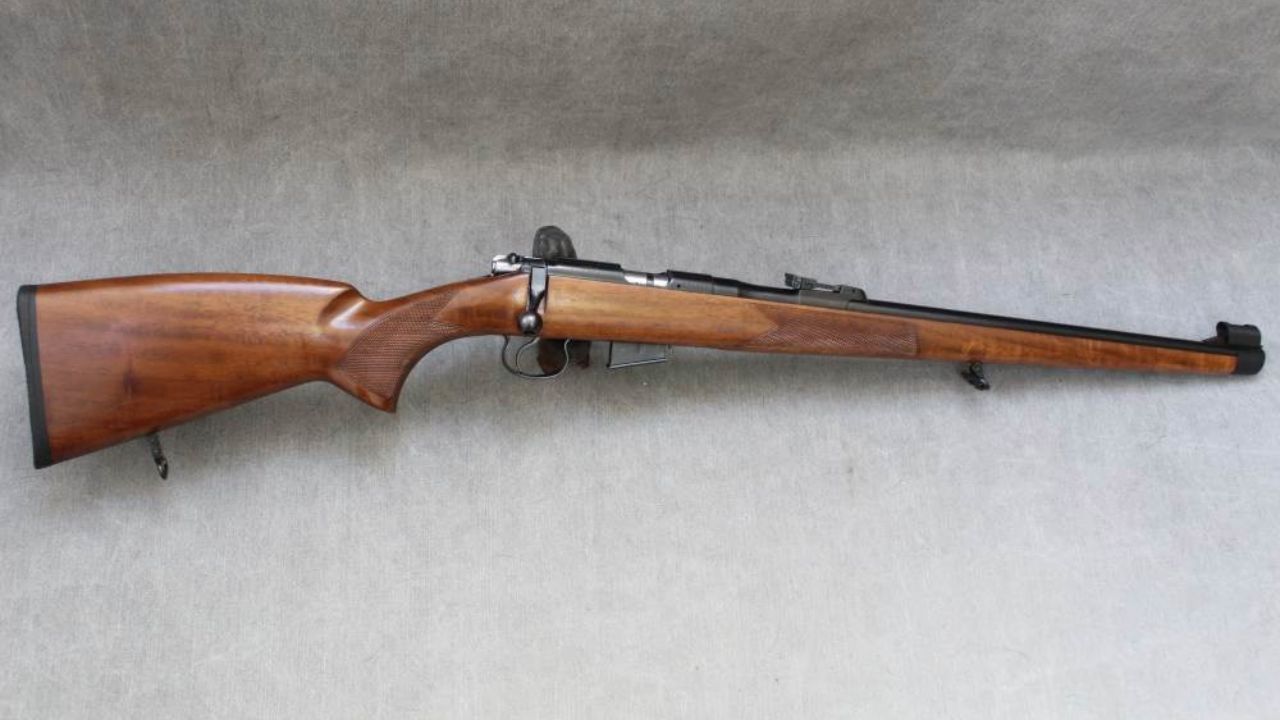
The CZ 452 is what happens when somebody bought quality once and never needed another .22 bolt gun. They often show up with pristine bluing, a simple scope, and a trigger that feels better than it has any right to in that price class. Non-shooting heirs don’t recognize the name and list it like it’s a bargain-bin rimfire.
Any serious small-game hunter knows what they are. They shoot tiny groups with ammo they like, they feed smoothly, and they’re built like a “real rifle” instead of a toy. It’s the kind of gun that makes you practice because it rewards you for it.
When you find one, grab it and don’t overthink it.
10. Tikka T3 (early production hunting rifles)
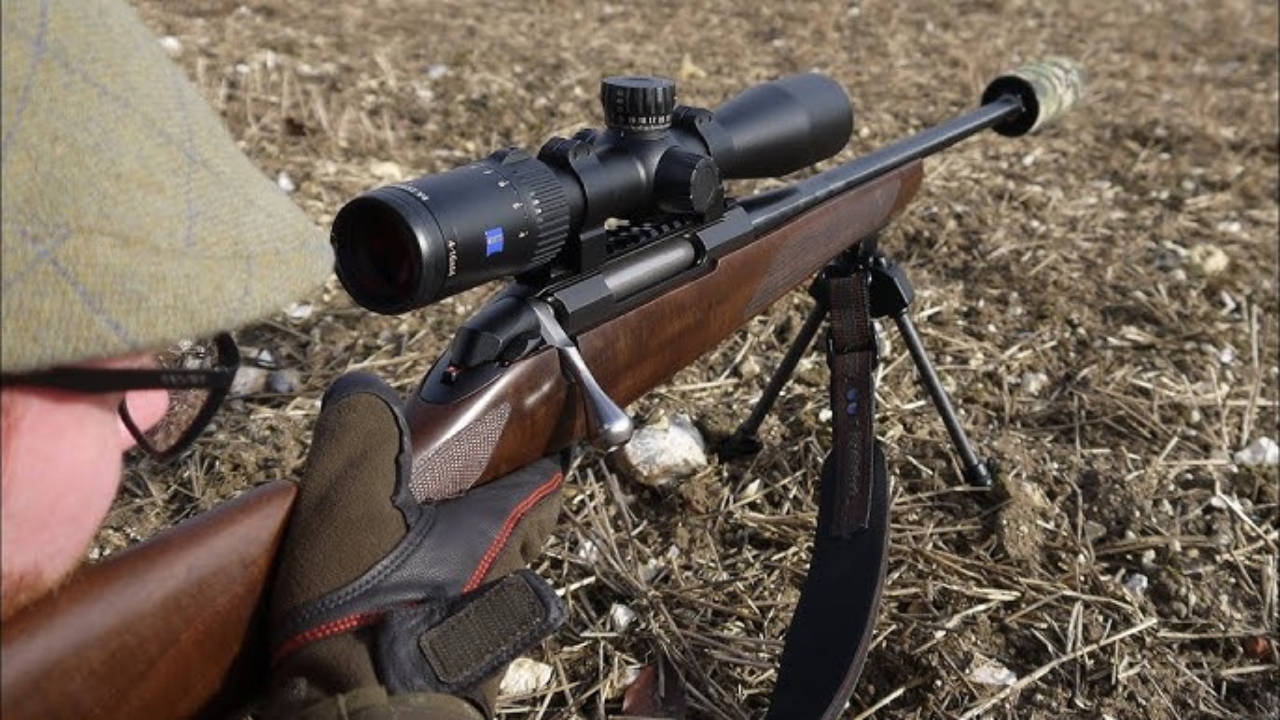
You can spot a Tikka owner because they either won’t shut up about the action, or they’re quietly killing deer every year and don’t care what anyone thinks. When one gets inherited by a non-shooter, it gets sold because it looks “plain” and doesn’t have the old-school nostalgia factor.
The next owner knows it’s a working man’s rifle that shoots straight. The bolt is slick, the factory barrels tend to be excellent, and they’re generally easy to get to shoot with basic loads. They’re also light enough to carry all day without hating life.
Not everyone loves the feel of the stock, but the accuracy-to-effort ratio is hard to beat.
11. Weatherby Vanguard (Series 1 and early Series 2)
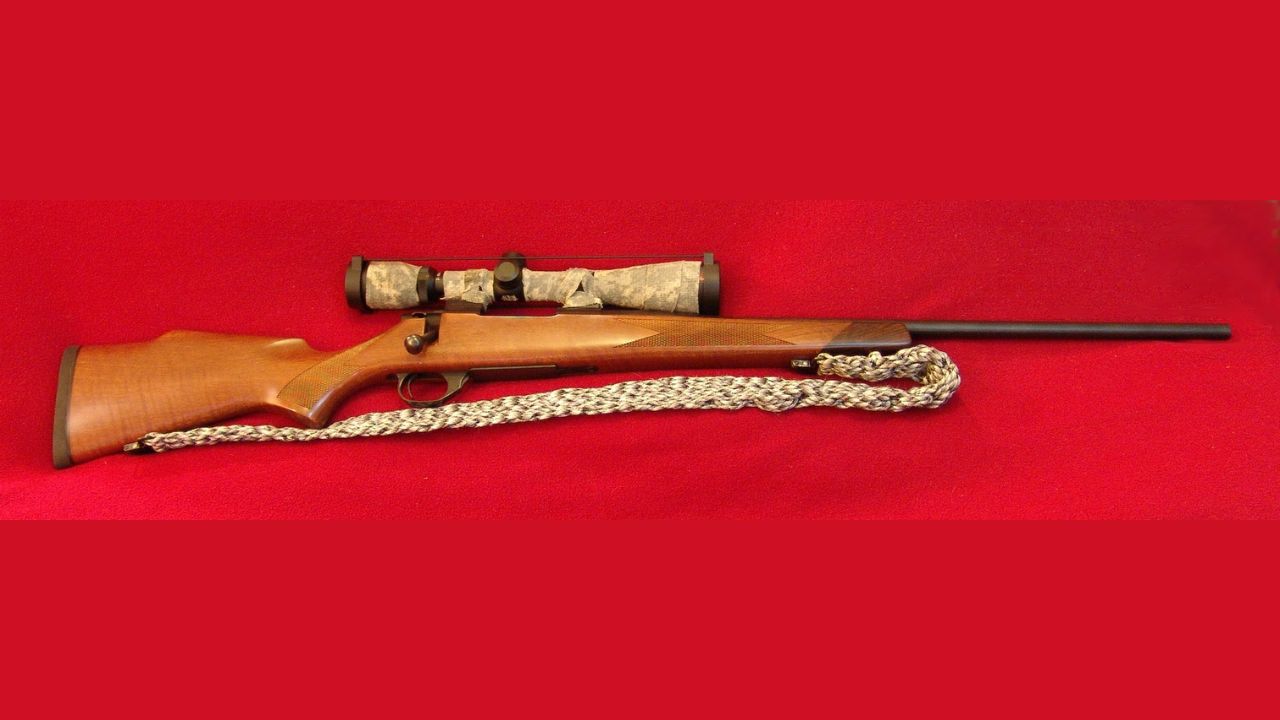
Vanguards often come from the guy who wanted a “nice rifle” but still hunted in regular clothes, ate bologna sandwiches, and didn’t care about trends. They’ll show up in .270, .30-06, or .300 Win Mag with a good sling and honest scratches.
They’re not sexy rifles, but they’re consistent. The actions are strong, the rifles usually shoot well enough for any sane hunting distance, and they handle bad weather without a lot of drama. The weight can be a feature if you actually shoot from field positions and want the rifle to settle.
A good Vanguard is the definition of “keep it and hunt it.”
12. Browning BAR (hunting model)
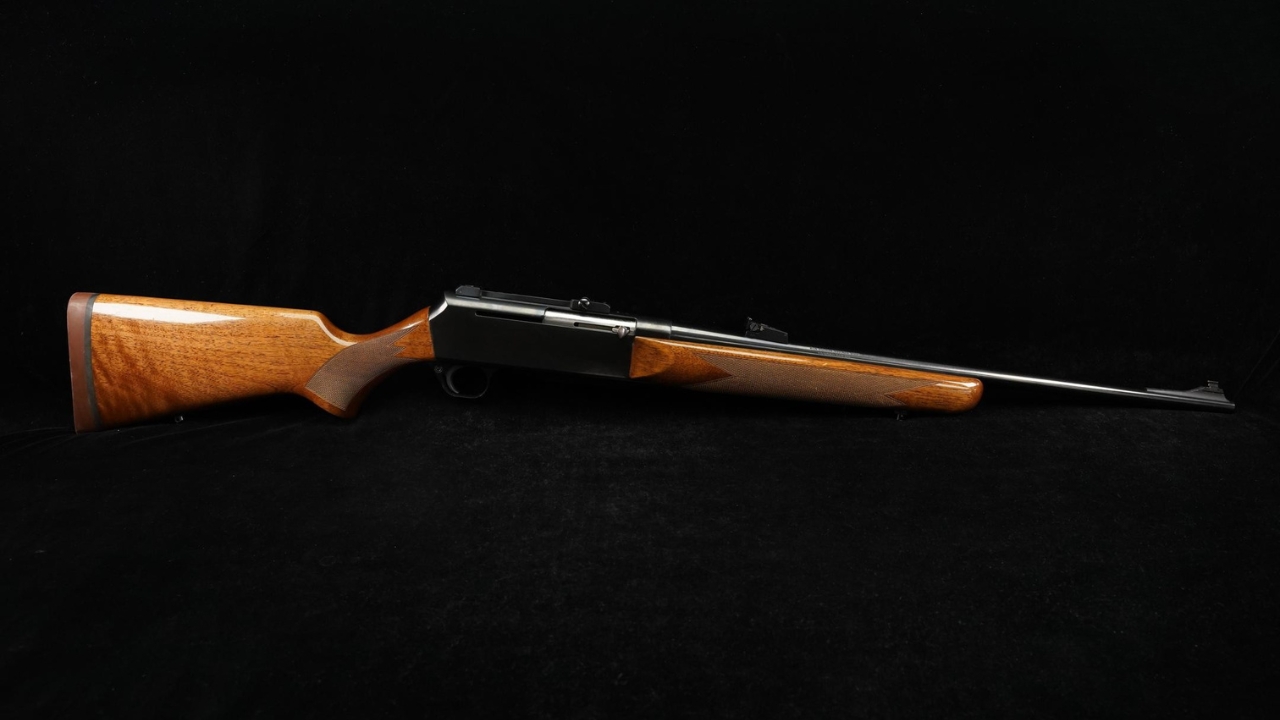
The BAR hunting rifle is one of those guns that gets judged by people who’ve never carried one in November. Heirs see a semi-auto rifle with a big magazine and decide it’s either “too much” or “hard to sell,” so it goes cheap.
In the field, it’s a soft shooter that lets you stay on target. If you’ve ever watched a wounded deer try to make the property line, you understand why a fast, controlled follow-up matters. The BAR also tends to be accurate enough, not benchrest accurate, but “dead deer” accurate.
Magazines can be pricey, so if the rifle comes with extras, that’s a quiet win.
13. Ruger Mini-14 Ranch Rifle (older 180/181 series)

Mini-14s get sold off by heirs because they think of them as “that old ranch rifle” and assume ARs made them obsolete. A lot of dads bought them because they were handy, legal in places where opinions mattered, and reliable with decent magazines.
The truth is older Minis can be picky on accuracy, especially thin-barrel versions that walk when hot. Still, for coyotes at reasonable ranges, for a farm rifle you can leave in the truck, and for a simple manual of arms, they do fine. They also carry better than a lot of railed-up ARs.
If you buy one, buy good magazines and don’t expect it to be a 600-yard hero gun.
14. Colt AR-15 SP1 (early civilian AR)
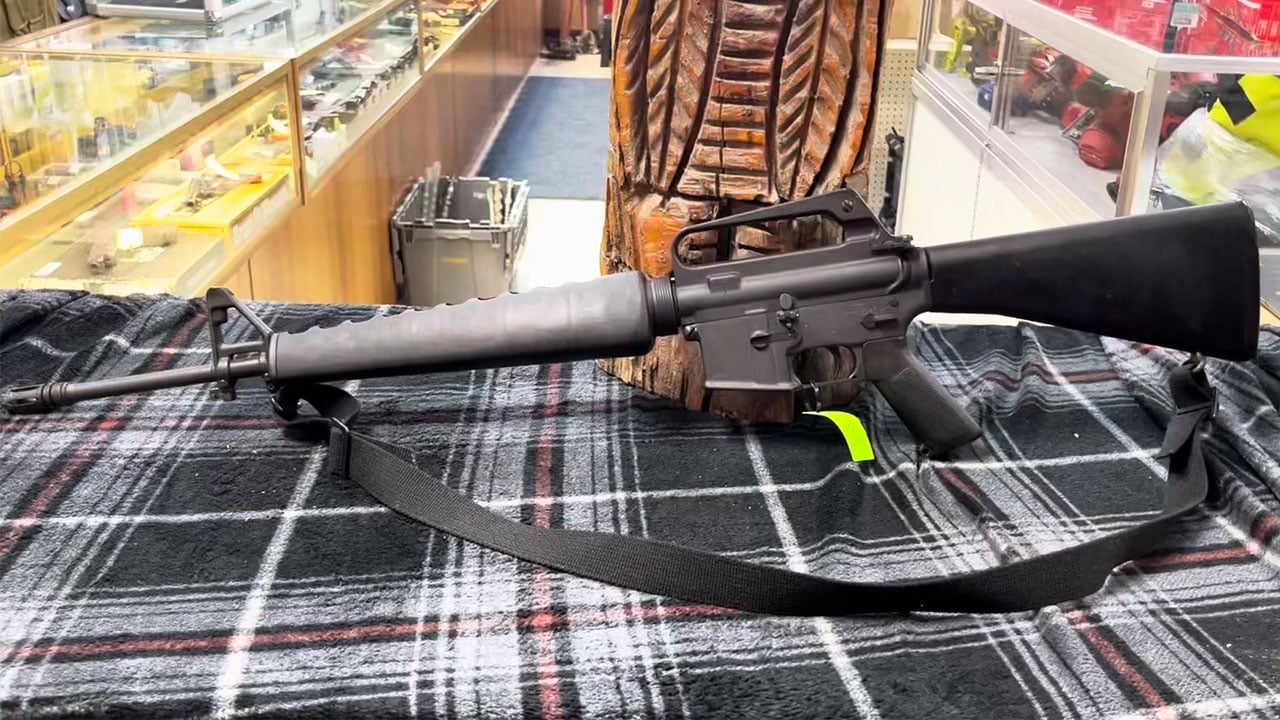
SP1s end up in estate sales more than you’d think. Somebody bought one decades ago, shot it a little, then put it away when life got busy. The heir sees an “old black rifle” and wants it gone quick to avoid hassle.
The buyer who knows better sees a slice of early AR history that’s light, simple, and actually pleasant to carry. The pencil barrel makes it feel alive in the hands. It’s not set up like modern rifles, and that’s exactly why collectors and shooters both want them.
If it’s original and not hacked up with weird add-ons, it’s worth treating gently and storing right.
15. Remington Model 788

The 788 is the kind of rifle dads loved because it just worked and shot better than the price tag suggested. It’s not pretty, the bolt throw feels different, and the magazine setup isn’t elegant. That’s why heirs dismiss it fast.
But at the range, a good 788 can embarrass more expensive rifles. The lockup is solid, the barrels are often excellent, and they tend to shoot well with plain hunting ammo. The downside is parts availability and the fact that the magazines are worth real money now.
If you find one with the original magazine, don’t lose it. Ask me how I know.
16. Winchester Model 70 (pre-64 and early post-64 classics)
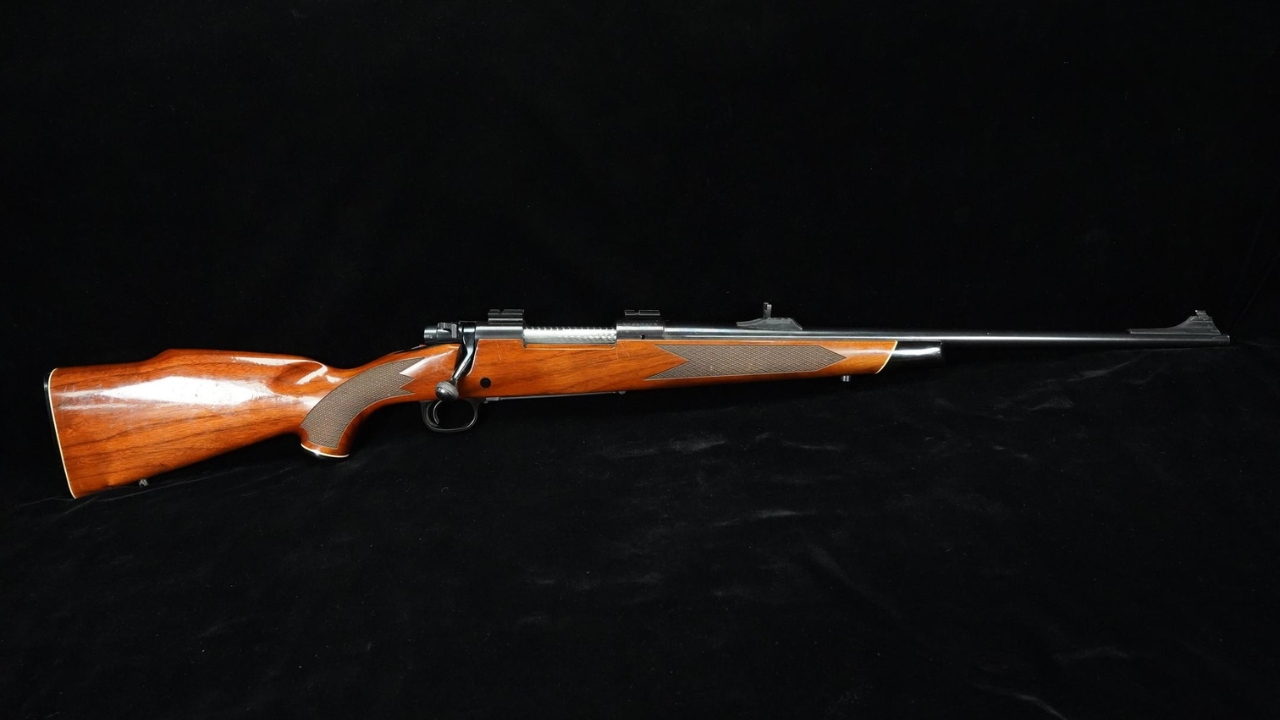
The Model 70 is one of those names even non-shooters recognize, but they don’t always recognize what they’ve got. A pre-64 in good shape is more than “grandpa’s deer rifle.” Even early post-64 rifles, depending on the year, can be fantastic hunting guns.
The folks who buy them to actually hunt appreciate the controlled-round feed (on the right variants), the balance, and how naturally the rifle points. They’re also easy to live with. You can run them hard, wipe them down, and keep going.
It’s not magic. It’s just a really well-sorted bolt gun design that keeps doing what it was made to do.
17. Mossberg 500 (with a rifled barrel or combo set)

This is another “shotgun that becomes a rifle” situation. Combo sets got bought for practical reasons: bird barrel for fall, slug barrel for deer season. When it’s inherited, it gets lumped in with “cheap pump guns” and sold without much thought.
In the hands of someone who hunts where slugs are the ticket, it’s a useful tool. The tang safety is friendly for lefties, barrels swap easily, and the gun is simple to maintain. It’s not refined, but it’s honest.
If the slug barrel has a decent cantilever mount, you’re already ahead of the game.
18. Sako L61R Finnbear (classic long action)
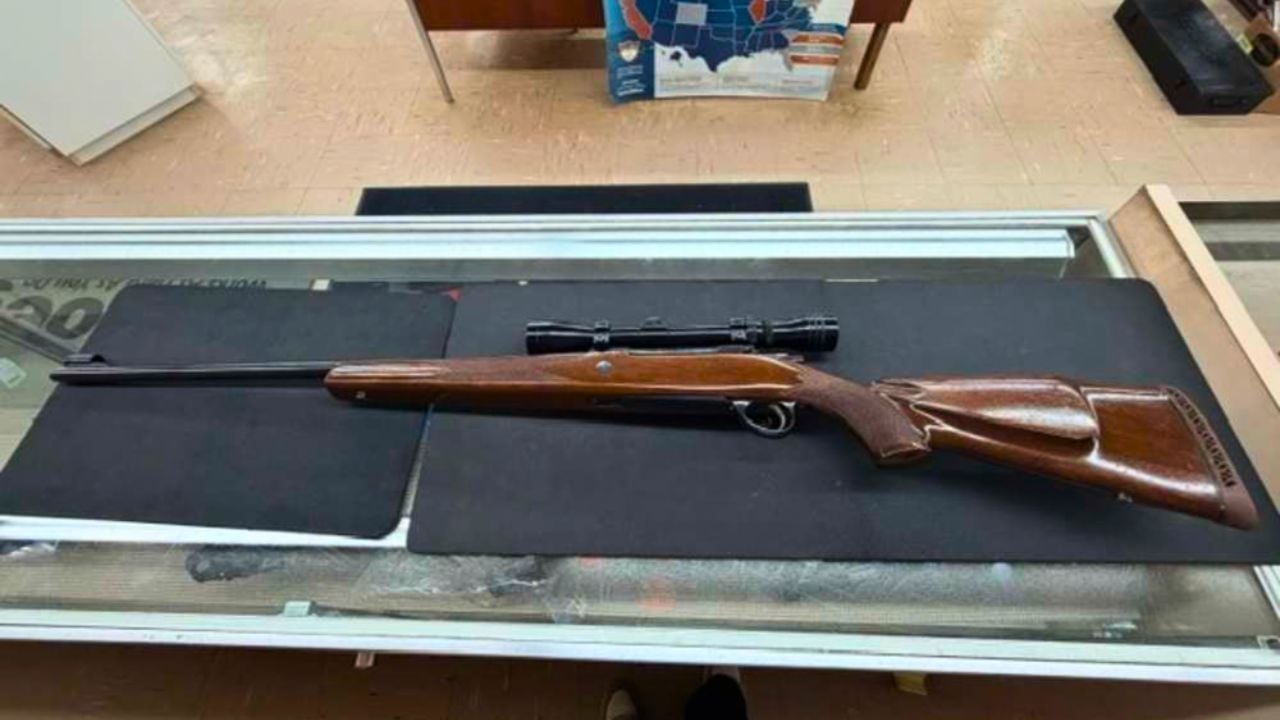
Here’s one that often gets sold because the heir doesn’t know the name and doesn’t want to bother learning. A Sako Finnbear in a classic hunting caliber is an heirloom-grade rifle, the kind of thing you feel the moment you run the bolt.
They’re smooth, they’re well-made, and they tend to shoot. The wood and metalwork are usually a step above the average production rifle, and that matters if you appreciate good gear. The guy who buys it is usually the guy who’ll keep it for life, not flip it.
If you inherit one, at least shoot it once before you decide it’s just “another bolt gun.”
19. Lee-Enfield No. 4 Mk I
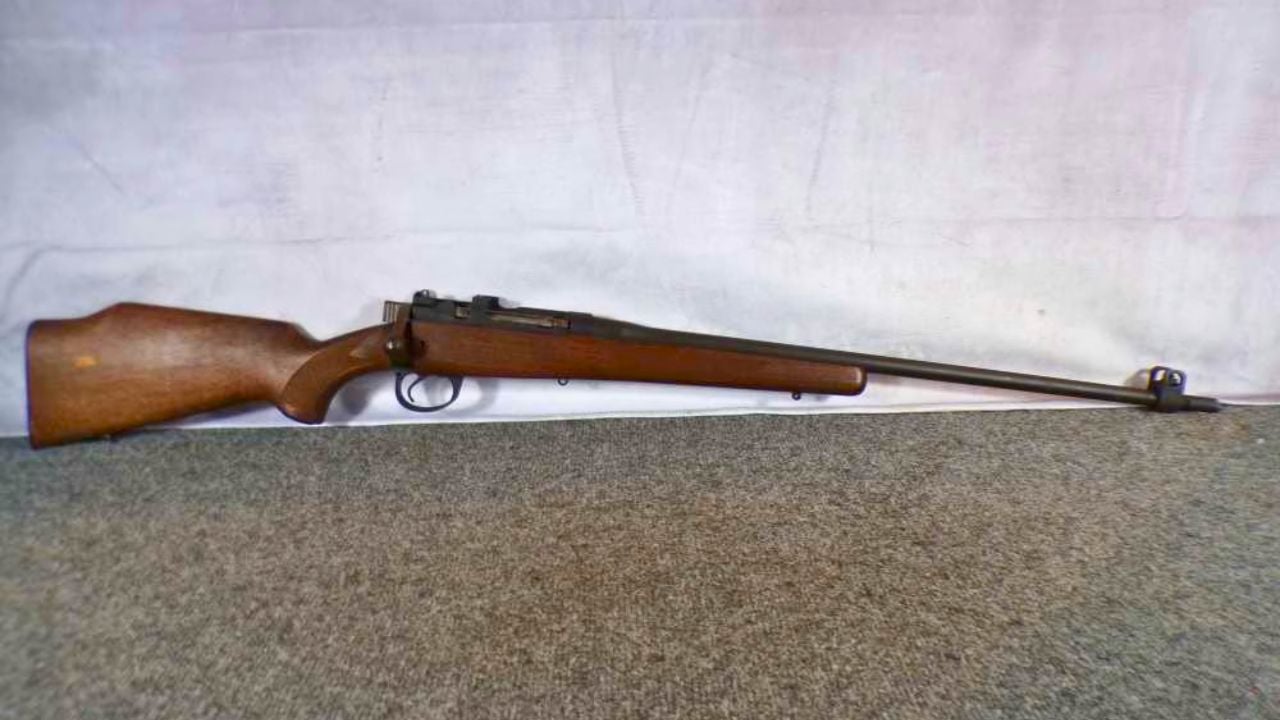
Military surplus rifles are a whole different world, and Enfields get misunderstood. Heirs see an old war rifle with weird ammo and a stiff sling, and it’s gone. Sometimes it gets sold with a coffee can of mixed .303 that may or may not be trustworthy.
The shooter who knows better checks headspace, inspects it properly, and then enjoys one of the fastest bolt actions ever fielded. They’re fun rifles, surprisingly handy, and they have real history. They also teach you something about marksmanship because they don’t hide bad habits.
It’s not your best “one rifle” choice for hunting today, but it’s a rifle worth keeping alive and safe.
20. Swiss K31 (Schmidt-Rubin)

A K31 doesn’t look like much to the untrained eye. Straight-pull action, odd stock shape, and a caliber most folks don’t keep on the shelf. That’s why they get liquidated fast when they show up in a family estate.
Then somebody takes it to the range and realizes what Swiss manufacturing looks like when it’s done for national pride. Many of these rifles shoot incredibly well with the right ammo, and the action is just plain satisfying. They’re also built like they were expected to last through hard use.
If you’re the one who ends up with a K31, do yourself a favor and keep it clean, feed it good ammo, and don’t “improve” it with bad ideas.
The pattern in all of this is simple: rifles don’t become useless because the original owner is gone. They become useless when nobody left in the family knows what they are, how to handle them safely, or why they mattered in the first place. If you’re the shooter who ends up with one of these, take the time to check it over, store it right, and put a few honest rounds through it. That’s how a rifle earns another lifetime.
Like The Avid Outdoorsman’s content? Subscribe to our newsletter so you never miss an article.
Here’s more from us: