Photo credit: NRApubs/Youtube
I keep a mental list of revolvers that were sitting on shop shelves and forum classifieds a decade ago for prices that feel like a different country now. Back then, you could be picky. You could walk away and “think about it.” Now, the same gun pops up and it’s gone before you finish your coffee.
This isn’t a collector’s brag list, and it isn’t a sermon about inflation. It’s just the truth: certain wheelguns have gotten harder to find, harder to replace, or just plain too expensive for what they are. If I stumbled onto any of these at the kind of numbers they were bringing around 2015, I wouldn’t negotiate much. I’d check the timing, shine a light down the bore, and start the paperwork.
1. Smith & Wesson Model 19 (K-frame .357)
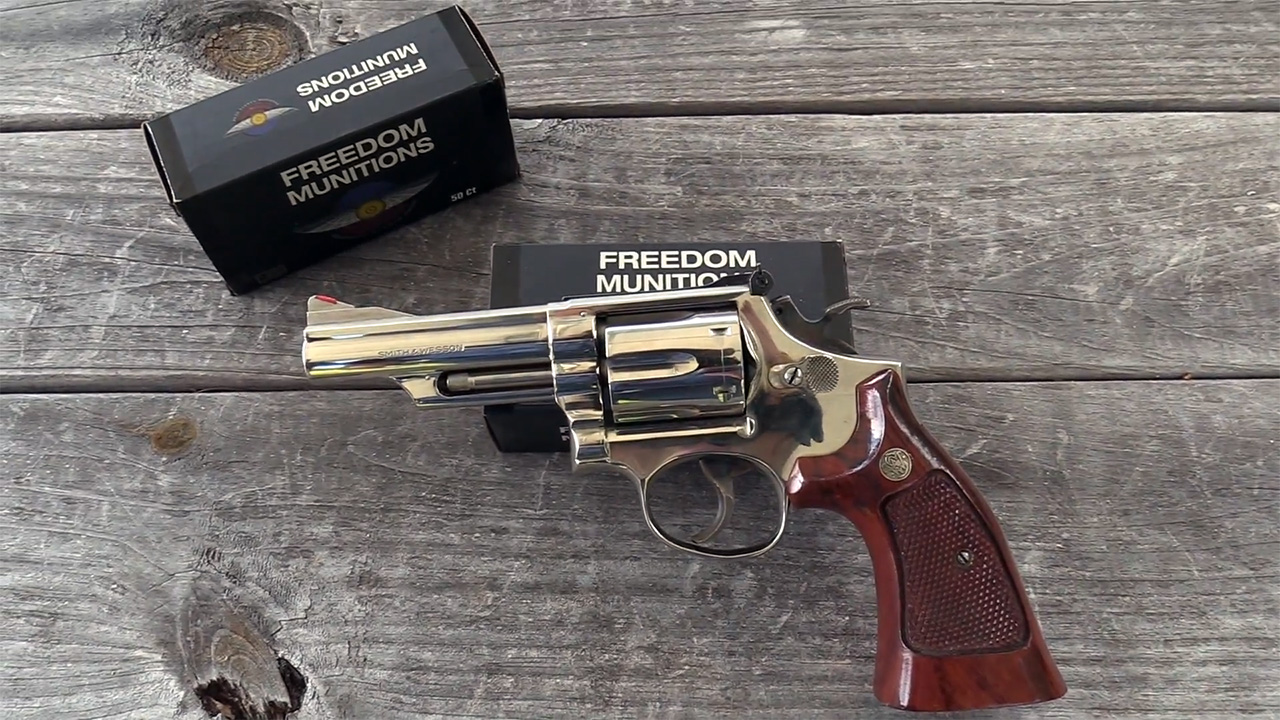
The Model 19 is one of those revolvers that feels “right” the second you pick it up. Balance is the whole story here. A K-frame .357 carries easier than the bigger N-frames, and it points like an extension of your hand.
It’s not a steady diet of hot 125-grain magnums kind of gun, and that’s fine. For .38s, moderate .357s, woods carry, and general living, it’s hard to beat. Older, clean ones used to be a realistic buy for regular folks. Now they’re “think about it overnight” expensive.
2. Smith & Wesson Model 66 (stainless Model 19)
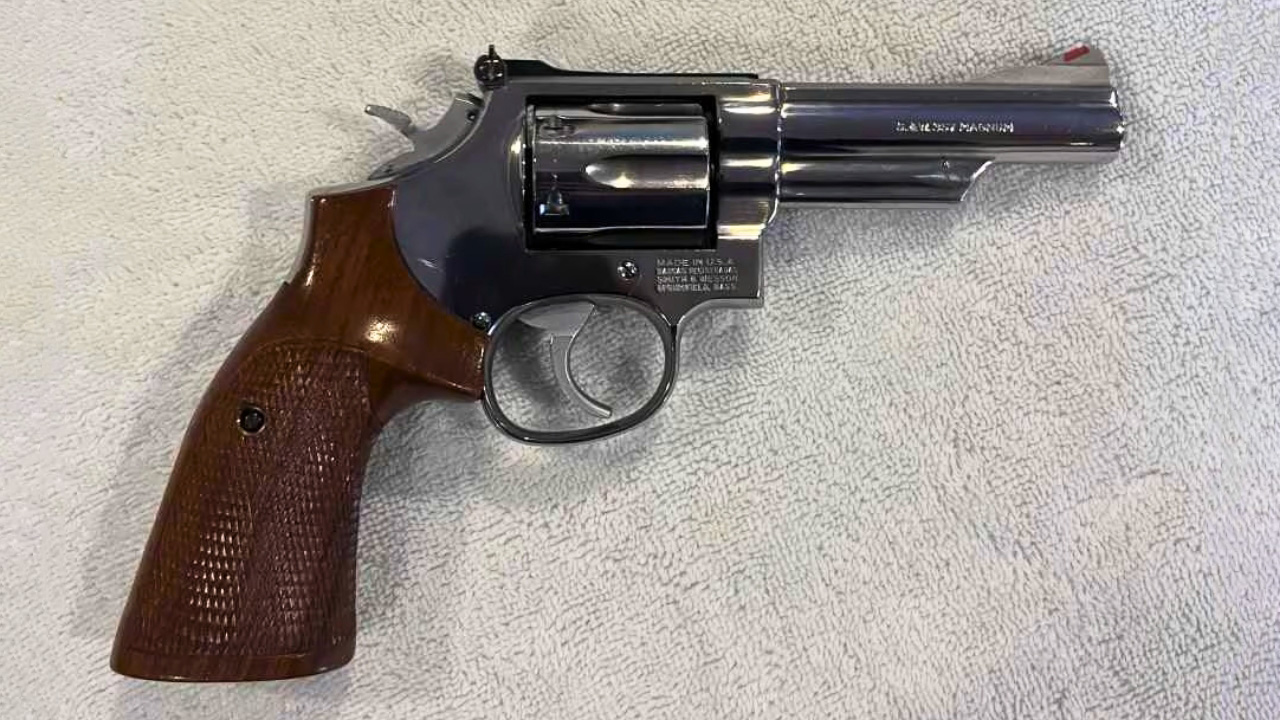
If you spend time around sweat, rain, river bottoms, and truck consoles, stainless matters. The 66 gives you the same K-frame feel without the constant worry about a blued finish getting freckled up.
I’ve seen plenty of these with honest holster wear and perfect actions. That’s the kind I like, because it means it got carried instead of just admired. In the mid-2010s, you could still find a serviceable one without a second mortgage. Not so much anymore.
3. Smith & Wesson Model 27 (classic N-frame .357)
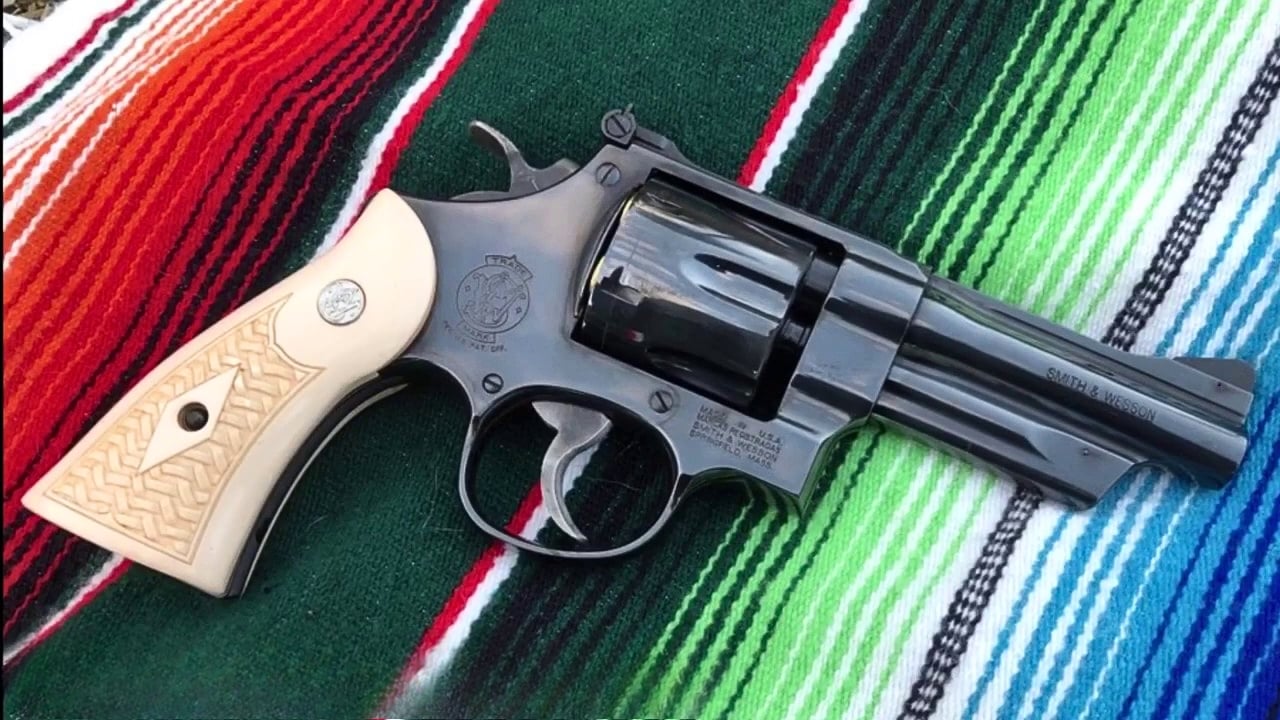
The Model 27 is what a “nice revolver” used to mean. Big N-frame, smooth as river rock, and built for magnums in a way the lighter guns just aren’t. It’s not a discreet carry piece, but it’s a serious sidearm.
Even if you don’t baby it, it holds up. The problem now is that everybody knows what they are, and everyone wants one. If I saw a 2015-style price on a clean 27, I’d consider it found money.
4. Smith & Wesson Model 28 Highway Patrolman

The 28 is the working man’s Model 27. Less polish, same basic muscle. That matte finish doesn’t make you nervous about scuffs, and that’s a good thing for a gun that’s supposed to ride in a holster.
These used to be the “smart buy” when 27s got fancy-priced. Lately, folks caught on. A solid 28 is a lifetime revolver if you want a full-size .357 that actually likes being shot.
5. Smith & Wesson Model 10 (.38 Special workhorse)

There is nothing sexy about a Model 10, and that is kind of the point. It’s the revolver equivalent of a good hammer. It does the job, it doesn’t complain, and it doesn’t need excuses.
For teaching new shooters, knocking around the farm, and having a no-drama nightstand gun with standard-pressure loads, the old Model 10s shine. They used to be everywhere. Now, the good ones dry up fast.
6. Smith & Wesson Model 36 Chief’s Special
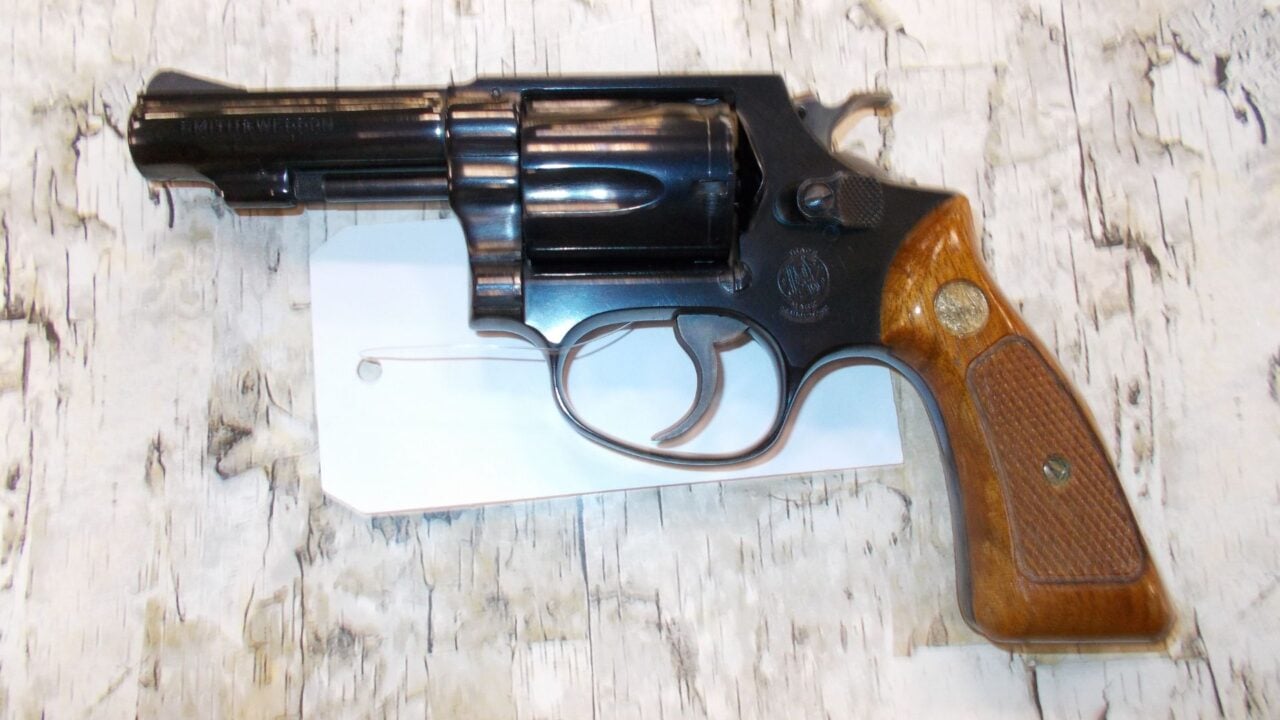
A steel J-frame will teach you what you really like in a carry gun. The Model 36 disappears in a pocket better than most folks expect, and it’s shootable enough to practice with—more so than the featherweight versions.
It’s also one of those revolvers that tends to get passed around families, so clean originals aren’t always for sale. When they are, the price tags have gotten brave.
7. Smith & Wesson Model 642 (Airweight, enclosed hammer)

I’ve carried a 642 enough to know exactly why it’s popular and why it isn’t fun. It’s light, it’s simple, it doesn’t snag, and it’s there when you actually carry it. Then you shoot it and remember physics exists.
Still, for a “go anywhere” revolver, it’s hard to beat. In 2015, buying one didn’t feel like a big decision. Today, you pay more and still end up with the same little five-shot reality.
8. Ruger GP100 (4-inch .357)
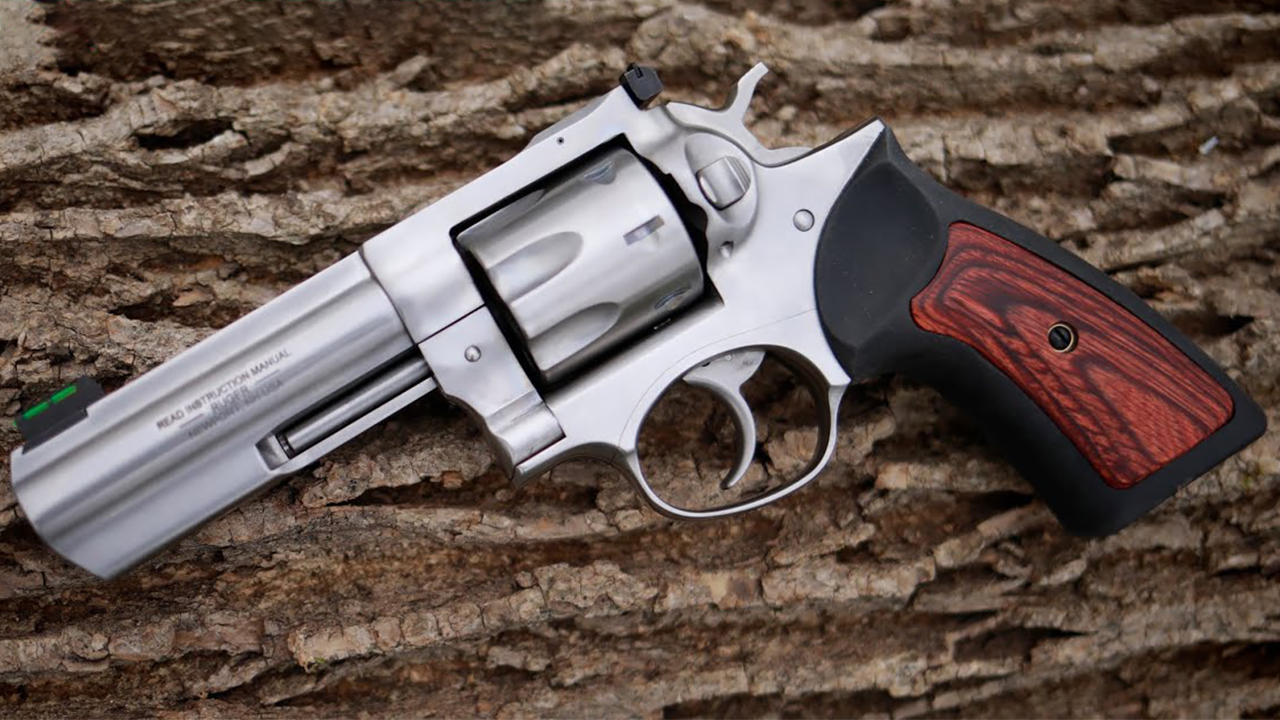
If you want a .357 you can feed a steady diet of magnums without worry, the GP100 is the safe bet. It’s not as sleek as some Smiths, but it’s a tank in a good way. The lockup and durability are what you’re buying.
They also tend to stay in time even when owners aren’t gentle. Used GP100s used to be one of the best values in the revolver world. These days, “used” doesn’t automatically mean “deal.”
9. Ruger SP101 (2.25-inch or 3-inch .357)
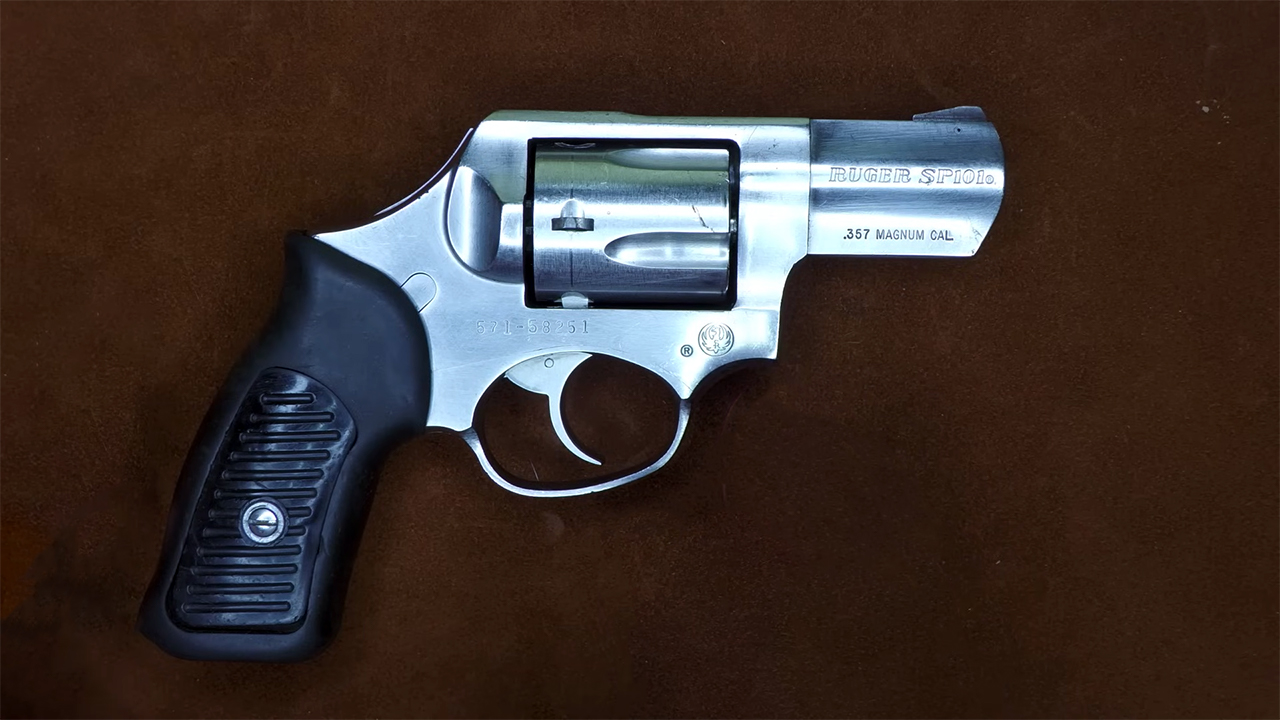
The SP101 is small but stout, and that combination is why I like it for woods carry. The 3-inch version in particular is one of the most practical “do most things” revolvers Ruger ever made.
It’s heavier than the Airweights, but you get something back for that weight: control. If I saw an SP101 at an older price, I’d grab it as a glovebox gun or a belt gun for checking trail cameras.
10. Ruger Blackhawk (convertible models especially)

Single-actions aren’t for everyone, but a Blackhawk will make you a better shot if you’re willing to slow down. They’re strong, simple, and they handle stout loads with less drama than some double-actions.
The convertible .45 Colt/.45 ACP versions are especially handy. One gun, two common ammo paths. Back in the day, you could find them without treating it like an investment. Now they’re priced like everybody suddenly became a cowboy.
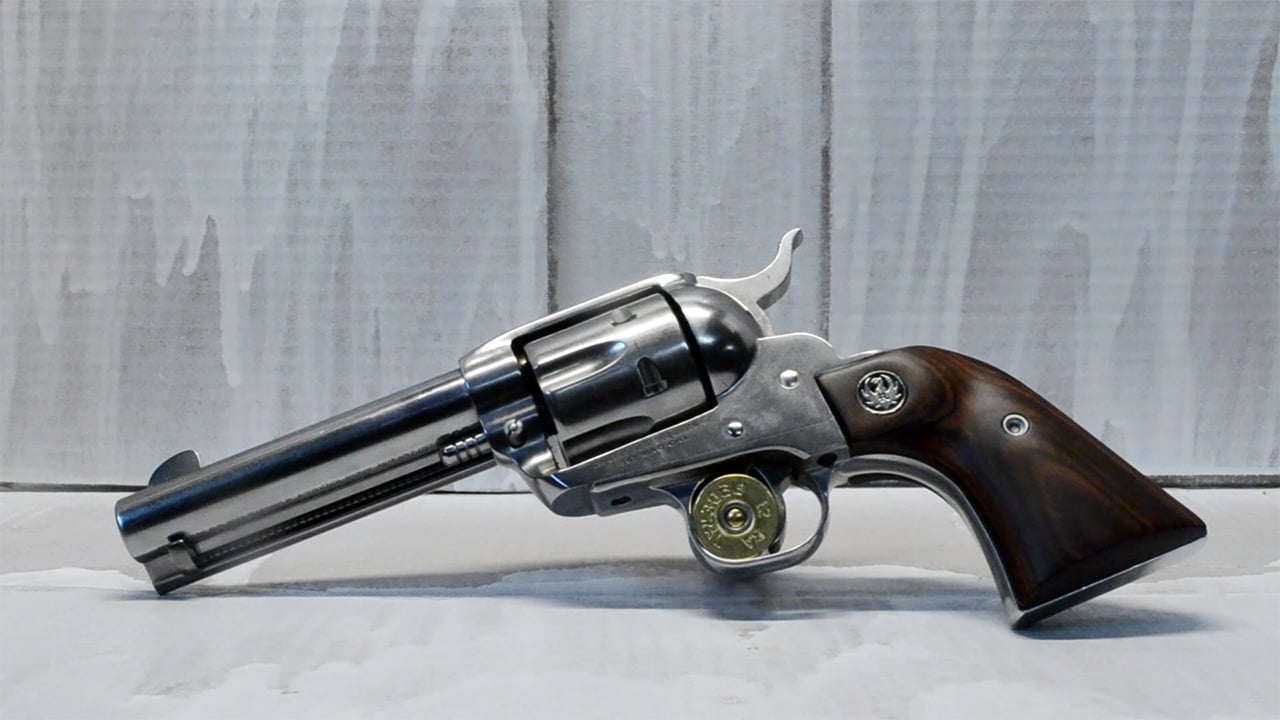
11. Ruger New Vaquero (.357 or .45 Colt)
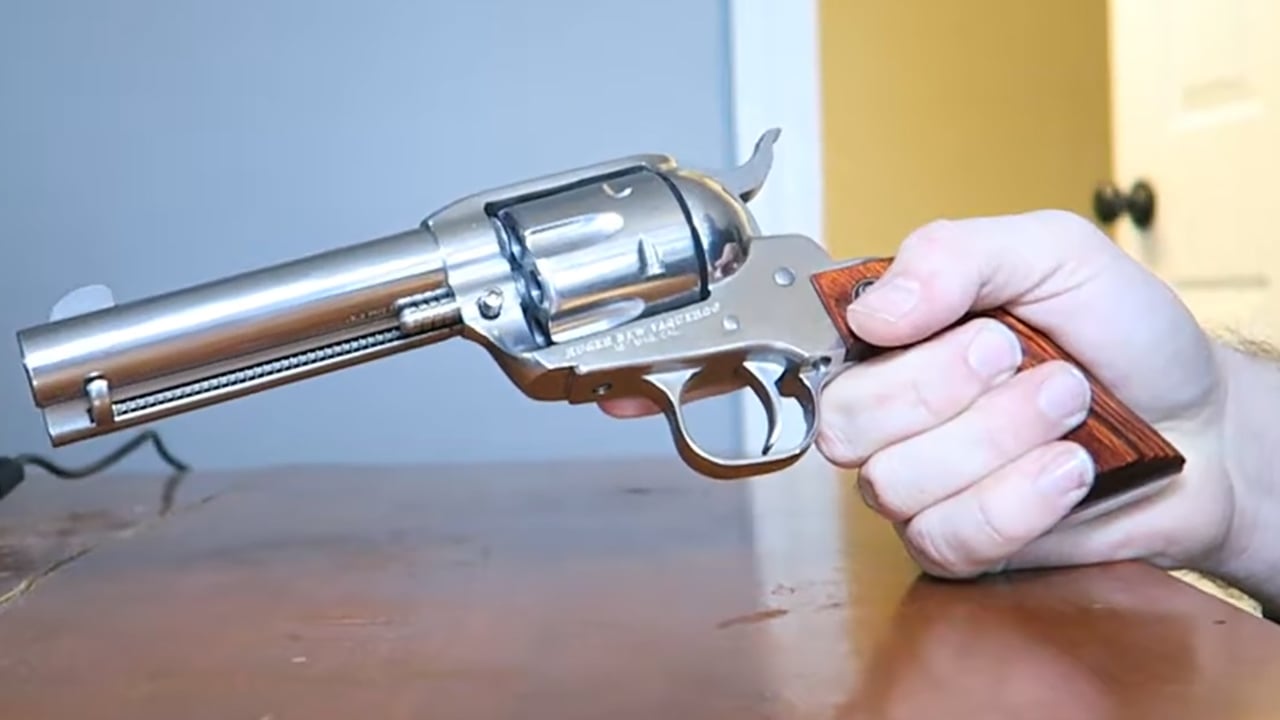
The New Vaquero has the look, but it’s also a practical field revolver if you’re not trying to turn everything into a magnum contest. It carries well on a belt, and it’s a joy with standard-pressure loads.
I get why some folks shrug at single-actions for “serious use,” but for hiking, ranch chores, and general outdoors bumming around, they make sense. They also don’t sit long when priced right.
12. Colt Python (pre-2020 production)
The Python is the one that makes people roll their eyes because the prices went into the clouds. I’m not pretending it’s the only good .357 ever made. But the old ones have a feel that’s hard to explain until you’ve run the action side by side with other guns.
In the mid-2010s, they were expensive but still within the realm of “save up and buy one.” That window slammed shut. If one ever popped up at those older numbers, it would be gone fast.
13. Colt Detective Special (older D-frame .38)
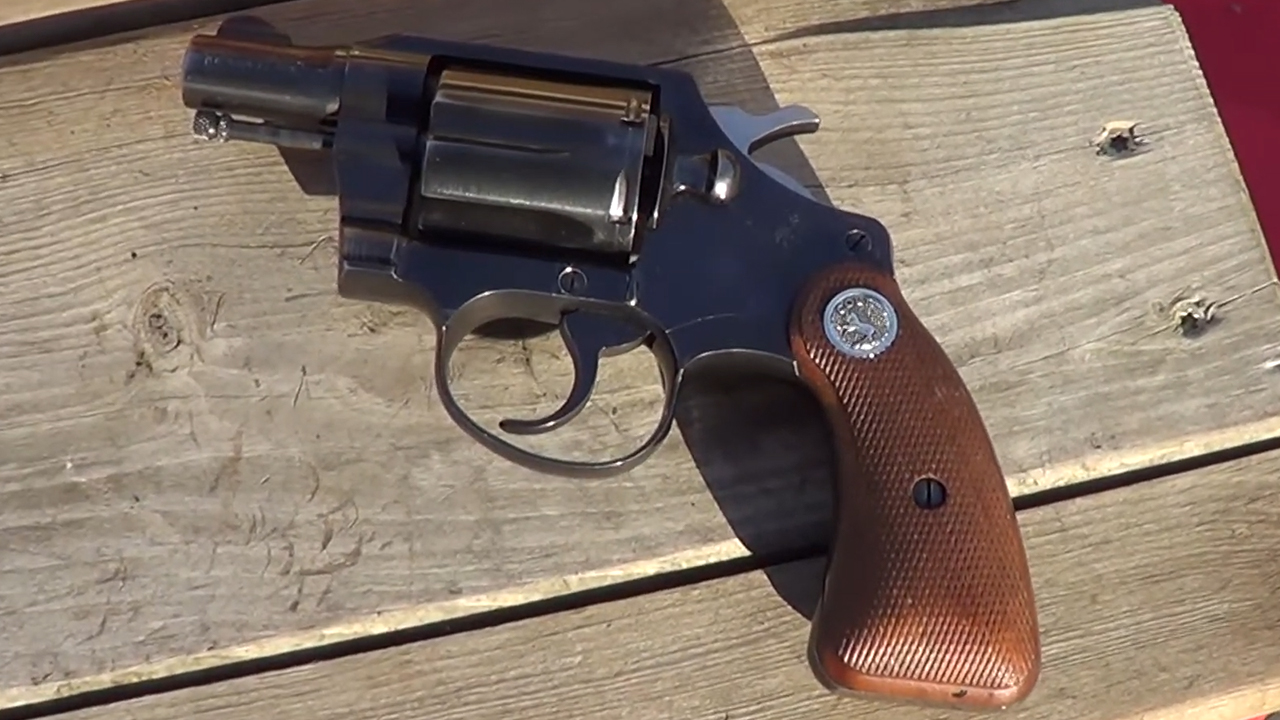
Six shots in a “snub” package is the whole draw here, and Colt did it in a way that still feels trim. The Detective Special carries flatter than you’d guess and gives you that extra round without jumping to a bigger belt gun.
They’re not as common on shelves as they used to be, and parts/service can be a consideration depending on the era. But as a carry revolver with real charm and real utility, they’re hard to replace.
14. Colt Trooper Mk III (.357)
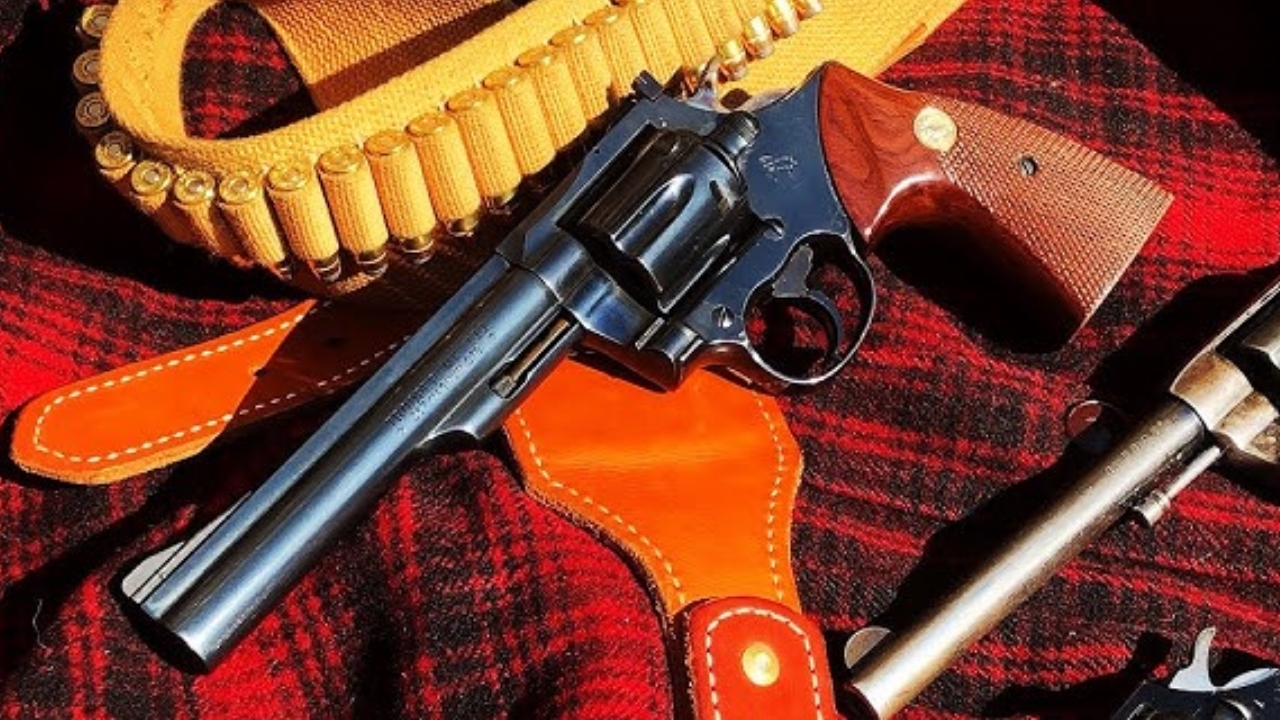
The Trooper Mk III has been the sleeper Colt for a long time. It doesn’t get the Python fan club, which used to mean you could buy a solid Colt .357 without selling a kidney.
They’re strong, accurate, and they have that Colt vibe without the Colt tax going completely off the rails. If you find one with a good lockup and a clean bore, you’ll understand why I keep this on my “don’t overthink it” list.
15. Dan Wesson Model 15 (.357 with interchangeable barrels)
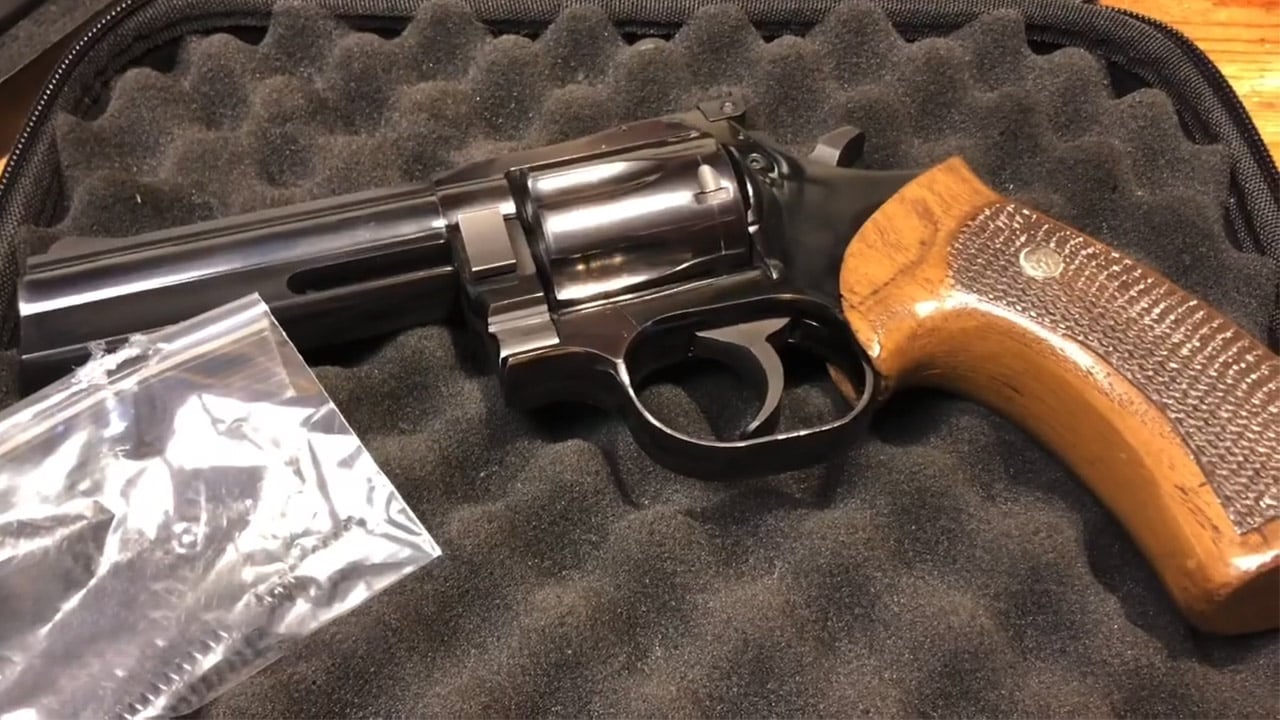
Dan Wesson revolvers are weird in the best way. The interchangeable barrel setup lets you tailor the gun, and the accuracy reputation isn’t internet myth. The good ones shoot.
They also tend to attract a certain type of owner who takes care of things. If you find one with multiple barrels and the tools, that’s a score. Ten years ago, those packages were out there for sane money.
16. Smith & Wesson Model 629 (stainless .44 Magnum)

If you’ve ever spent time in big timber or thick brush where you might bump into trouble with teeth, a .44 on the belt starts making sense. The 629 is heavy, yes, but that weight is what makes .44 Magnum manageable.
It’s also a great .44 Special revolver, and that’s how a lot of them actually get used. Prices climbed, especially on the variants people want most. A clean 629 at old pricing would disappear from the listing in minutes.
17. Ruger Redhawk (.44 Magnum)
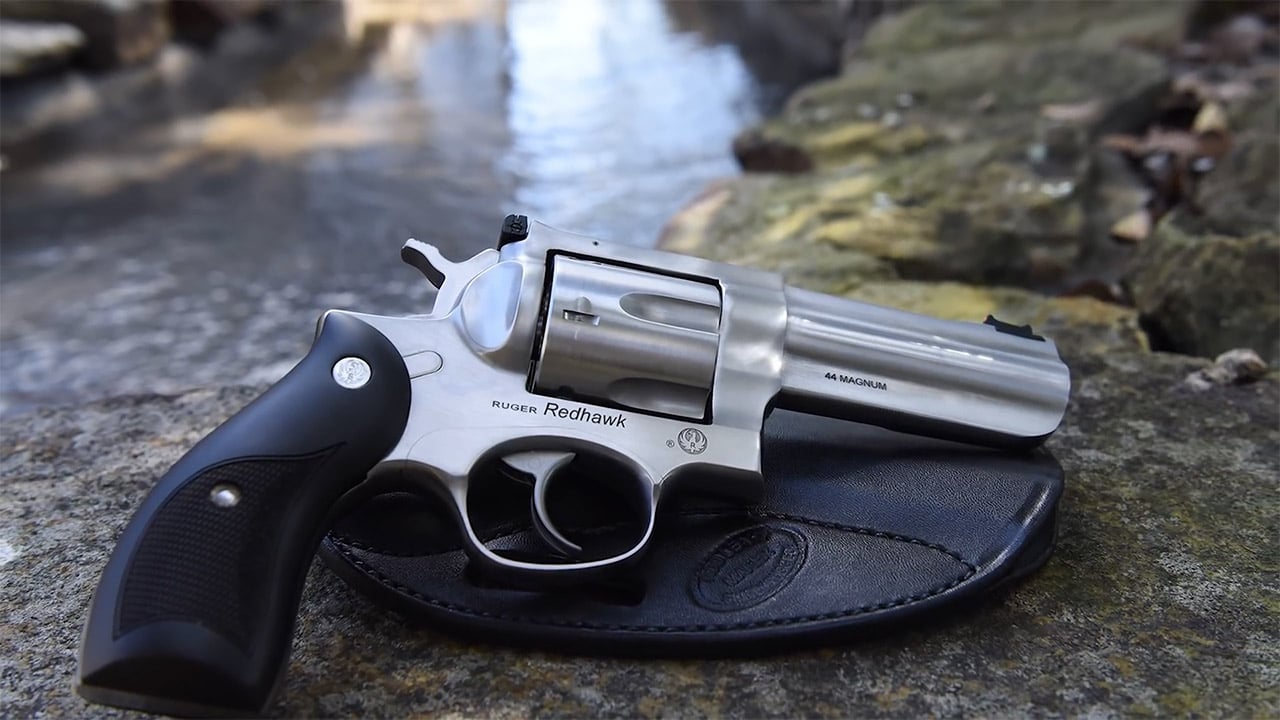
The Redhawk is not elegant. It’s a big, solid chunk of revolver that feels like it was designed by someone who was tired of hearing complaints. If you want strength and simplicity, this is your huckleberry.
As a hunting sidearm or a backup when you’re packing meat, it makes a lot of sense. You’ll know it’s on your hip, though. The older prices made the weight easier to forgive.
18. Ruger Super Redhawk Alaskan (short-barrel .44 Mag/.454 Casull)
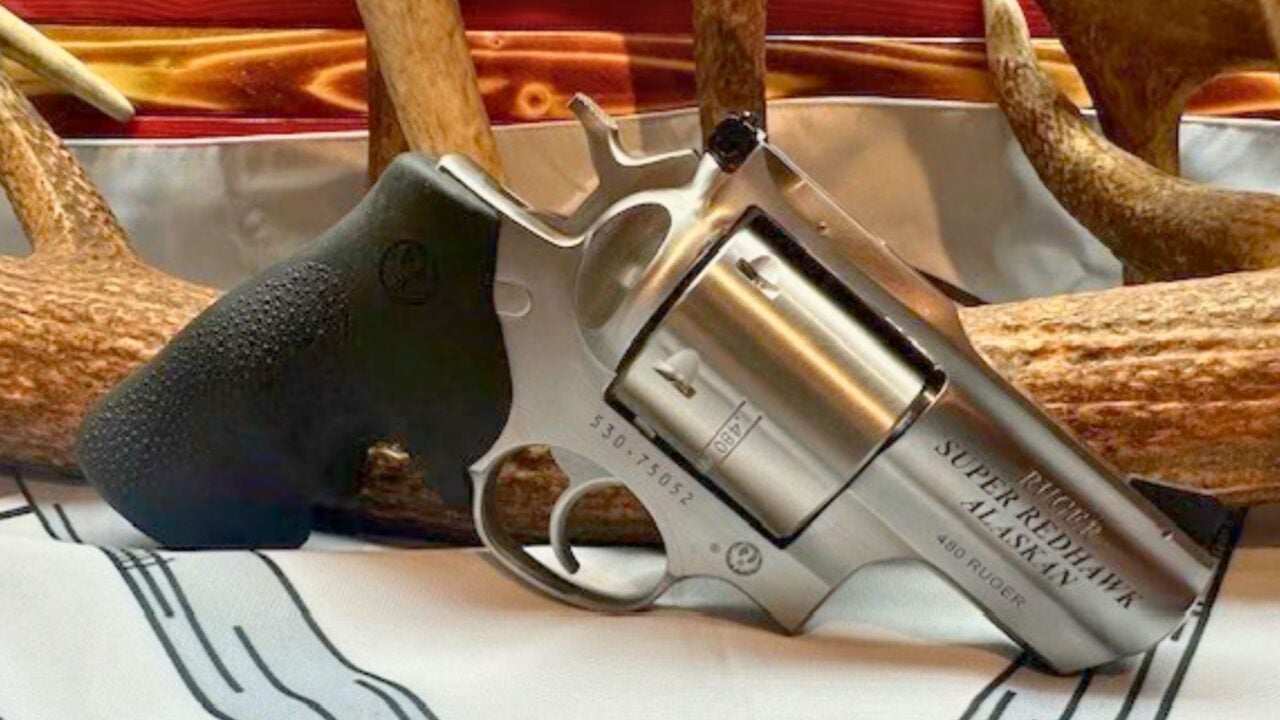
This is a specialized tool, and I’m not going to pretend otherwise. Short-barrel big bores are loud, sharp, and not much fun from the bench. But they carry in places a long-barrel hunting revolver doesn’t.
For folks who want a serious backcountry revolver that fits in a chest rig without poking everything, the Alaskan has a following. They aren’t getting cheaper, and they aren’t getting more common.
19. Smith & Wesson Model 617 (10-shot .22 LR)
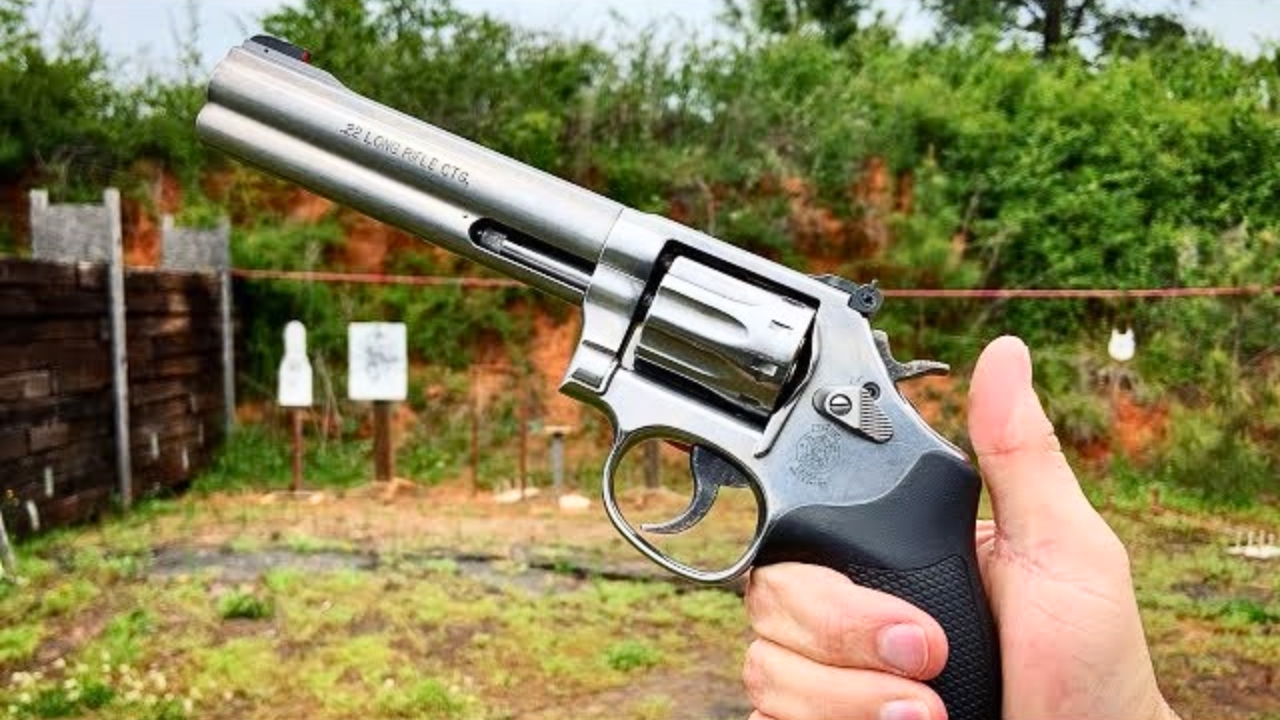
If you want to actually practice, .22 LR is still the way—when ammo is available—and the 617 makes practice enjoyable. Ten shots, good sights, and the same general feel as bigger Smith double-actions.
They’re not light, but that weight makes it steady. It’s also one of the best “new shooter” revolvers because it doesn’t scare anyone. The problem is the market finally decided they’re worth a premium.
20. Ruger Single-Six (.22 LR, especially convertible .22 WMR versions)
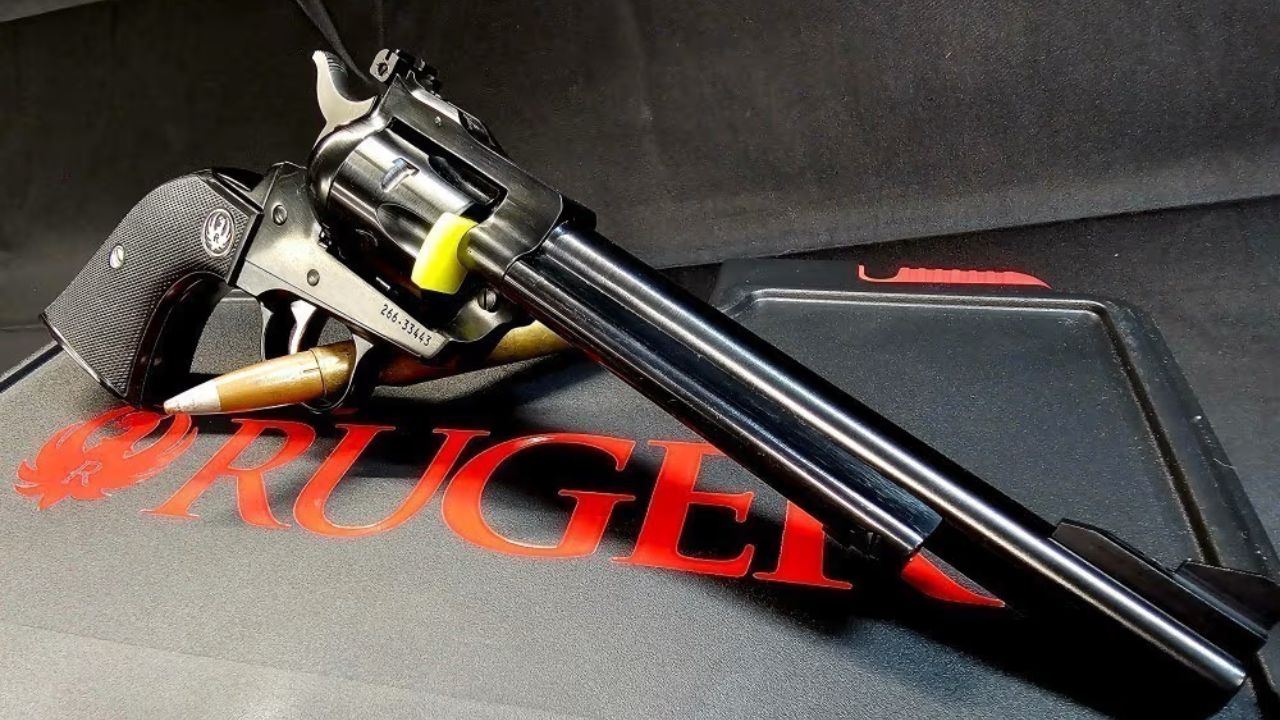
A Single-Six is the revolver that ends up in a tackle box, on an ATV, and behind the seat, because it’s handy and it just works. For pests, plinking, and teaching kids with the right supervision, it’s hard to beat.
The convertible models are even better because .22 WMR gives you a little extra reach and punch when you want it. These used to be the kind of gun you’d buy without much planning. Now, clean ones bring money like everybody suddenly remembered how useful they are.
If you’ve got a couple of these already, I wouldn’t be quick to let them go. Not because every revolver is a museum piece, but because the good, practical ones don’t seem to circle back around at friendly prices anymore. And if you do stumble onto one priced like it’s still 2015, do your checks, be safe, and don’t waste the seller’s time. That deal won’t wait on you.
Like The Avid Outdoorsman’s content? Subscribe to our newsletter so you never miss an article.
Here’s more from us: