Photo credit: Kahr Firearms Group/Youtube
Some guns are easy to love the first time you shoot them. They are loud, unusual, powerful, mechanically interesting, or simply different from everything else on the firing line. That first range trip can be a blast because you are still enjoying the novelty and figuring out what makes the gun unique.
A few sessions later, though, the less glamorous parts start showing up. Ammunition gets expensive, recoil becomes tiring, magazines become annoying, the trigger stops feeling charming, or the gun turns out to be much heavier than you want to carry around. None of these firearms are necessarily bad. The problem is that the excitement can fade much faster than owners expect once the novelty wears off.
Magnum Research Desert Eagle .50 AE

The Desert Eagle is one of the easiest guns to fall in love with for about ten minutes. It is enormous, loud, visually iconic, and launches a cartridge powerful enough to make everyone on the firing line look over. The gas-operated action and rotating bolt also make it mechanically interesting in a way few handguns can match.
Then you start paying for ammunition and loading magazines. The gun is heavy enough that simply holding it on target becomes work, and the recoil, while manageable, is still substantial. It is also far less practical than its size suggests. After the first couple of range trips, many owners realize they mostly enjoy letting friends shoot it once. It remains cool, but that is not the same as being something you constantly want to bring along.
Smith & Wesson Model 500
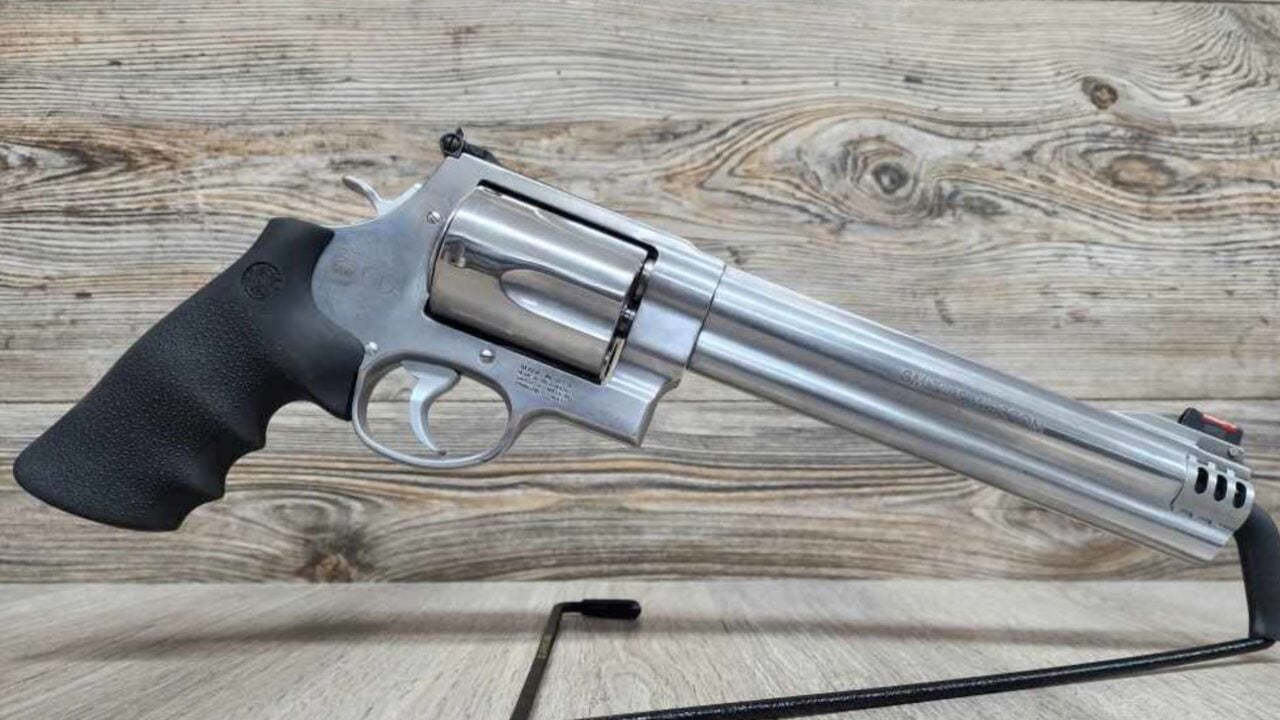
The Model 500 gives you one of the most dramatic handgun experiences available. The size, muzzle blast, and raw power make the first few shots unforgettable, and the revolver has a level of mechanical presence that is hard to duplicate with anything smaller.
The problem is that full-power .500 S&W Magnum is expensive and tiring. Even with a heavy frame and long barrel, recoil adds up quickly. Most shooters do not want to spend an entire afternoon putting boxes of ammunition through one. After the novelty fades, the Model 500 often becomes a gun that gets fired a handful of times per year rather than a constant range companion. It is impressive, but impressive can become exhausting.
Ruger Super Redhawk Alaskan .454 Casull
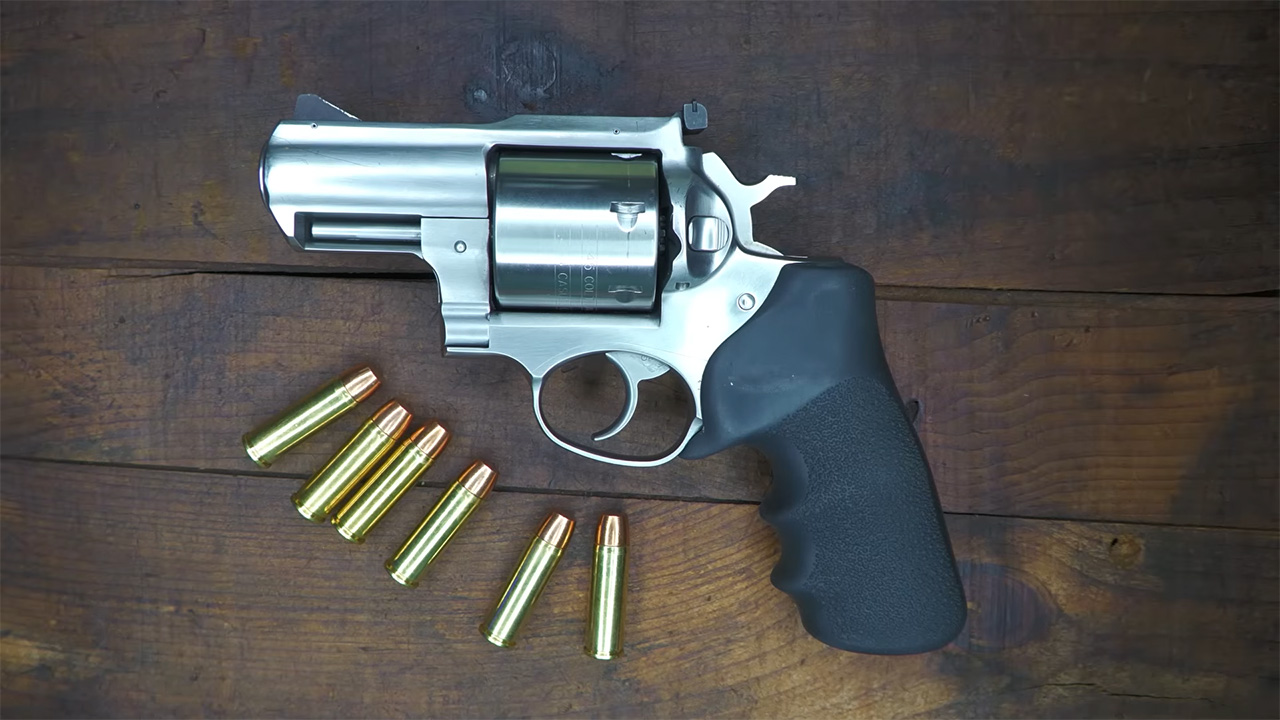
The Alaskan looks like the ultimate compact big-bore revolver. The short barrel, massive cylinder, and stainless construction make it feel like a serious wilderness sidearm that can handle anything you are willing to load into it.
At the range, the short barrel changes the experience dramatically. Muzzle blast is enormous, recoil is sharp, and the revolver can become uncomfortable fast with full-power .454 Casull. It is built to be carried more than shot extensively, and that becomes obvious once the initial excitement wears off. If you genuinely need a compact revolver for dangerous-animal country, the design makes sense. As a recreational range gun, it can lose its charm quickly.
KelTec PMR-30

The PMR-30 looks like one of the most entertaining rimfire pistols imaginable. Thirty rounds of .22 Magnum in a lightweight semiautomatic handgun sounds like a perfect recipe for cheap, low-recoil fun.
The reality is more complicated. Magazines need to be loaded carefully, ammunition choice matters, and .22 Magnum is more expensive than ordinary .22 LR. The lightweight construction also gives the gun a different feel than a traditional metal rimfire pistol. When everything is running, it is great fun. After a few range trips, though, some owners start wishing the gun were less picky and the magazines required less attention.
FN Five-seveN
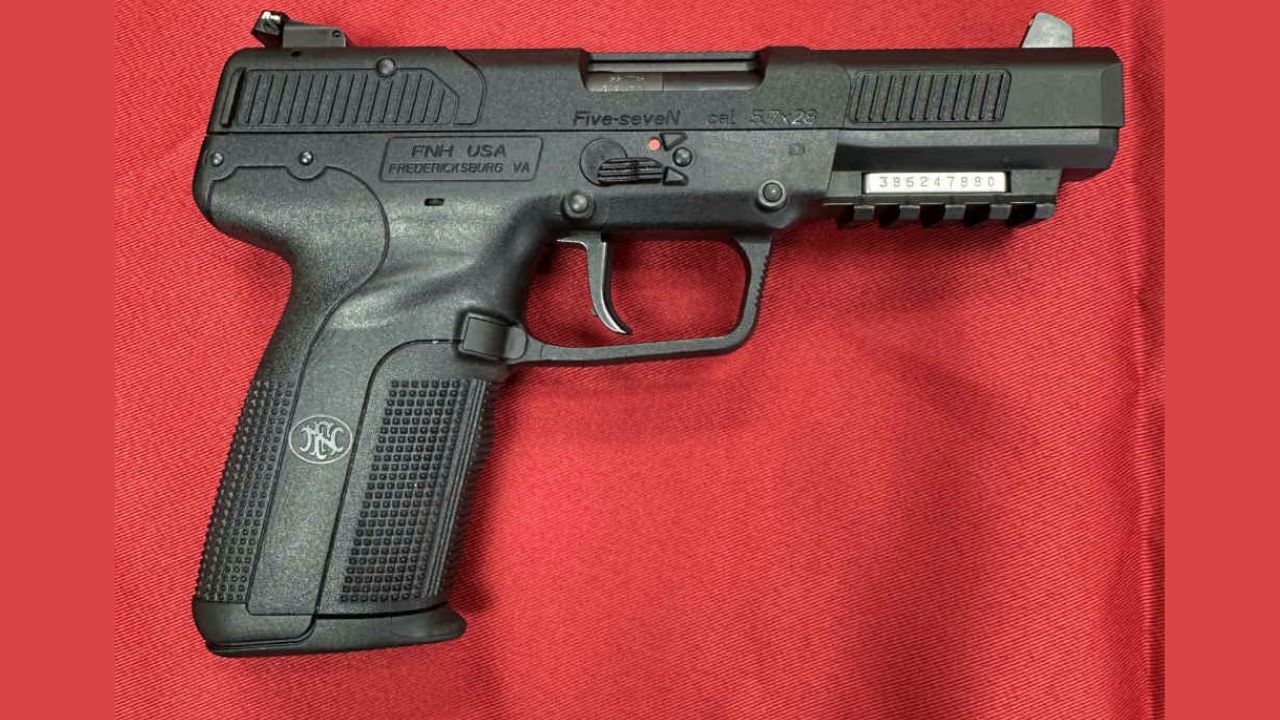
The Five-seveN feels futuristic the first time you shoot it. Recoil is extremely light, the magazine holds plenty of ammunition, and the 5.7x28mm cartridge gives the pistol a completely different character from ordinary 9mm handguns.
The long-term issue is ammunition cost and the pistol’s unusual proportions. The grip is large, the trigger system feels different, and the gun is expensive compared with more conventional centerfire pistols. Once the novelty of shooting 5.7 wears off, many owners realize they can get similar range enjoyment from cheaper ammunition in a pistol that is easier to feed and support. The Five-seveN remains interesting, but the practical excitement can fade.
Taurus Judge Magnum
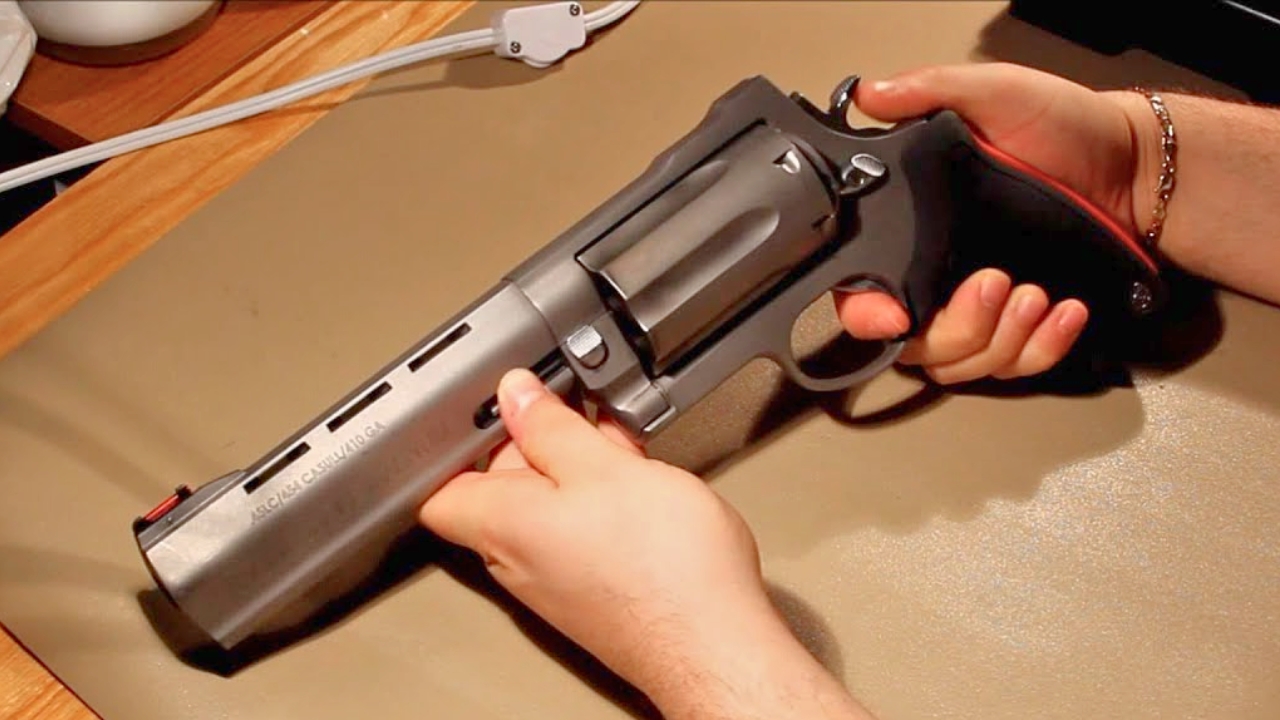
The Judge sells itself on versatility. The ability to fire .45 Colt and .410 shotshells from one revolver sounds incredibly useful, and the oversized cylinder gives the gun a dramatic appearance.
At the range, the compromises become more obvious. The long cylinder and shallow rifling arrangement are not optimized for precision with traditional handgun ammunition, while shotshell performance depends heavily on load and distance. The gun is fun to demonstrate, but owners often discover they do not have many situations where its unusual versatility actually matters. After a few sessions, the Judge can start feeling more like a conversation piece than a handgun you truly enjoy practicing with.
Bond Arms Snake Slayer
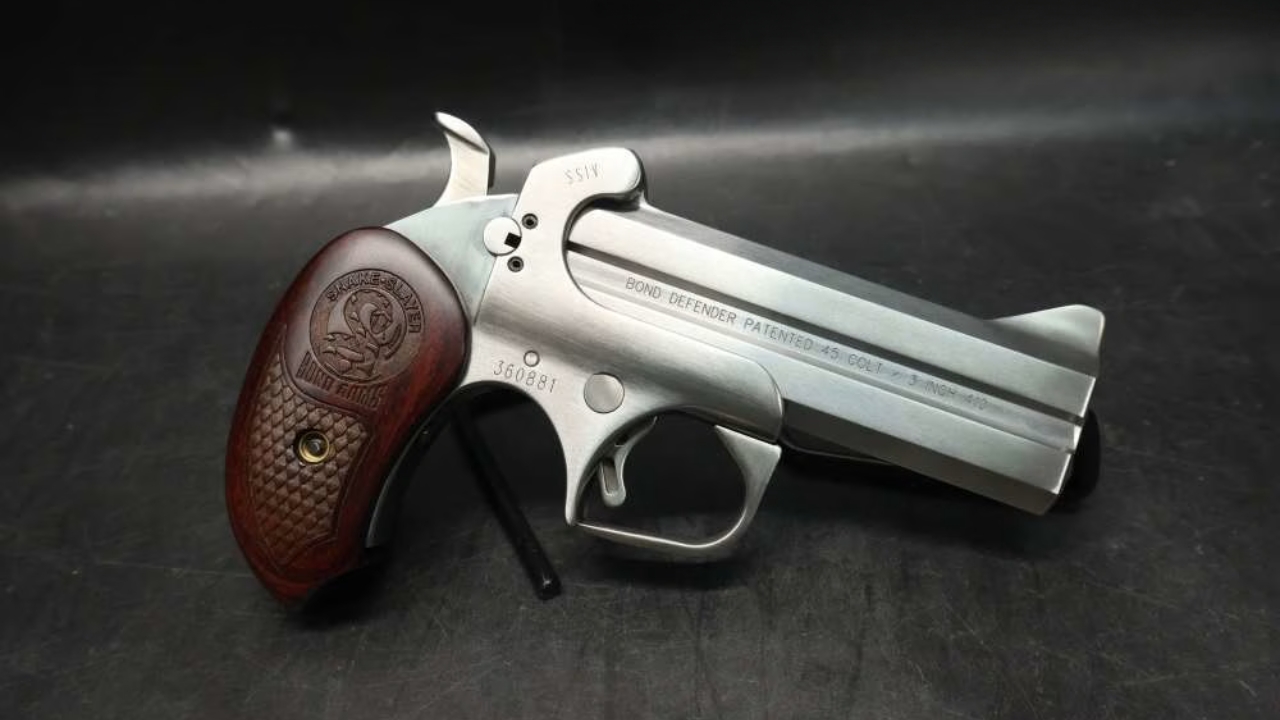
The Snake Slayer has enormous visual and mechanical charm. It is a compact, heavy stainless-steel derringer that feels like something from another era, and the large-caliber chamberings make it seem far more capable than its tiny dimensions suggest.
The problem is that those same compact dimensions make the gun unpleasant to shoot repeatedly. The grip is short, recoil is concentrated into a small area, and the trigger can feel heavy compared with conventional pistols. Reloading is also slow by design. It is entertaining for a few cylinders’ worth of shooting, but it does not invite long range sessions. The novelty is strong; the practical shooting experience is less so.
Ruger Blackhawk .44 Magnum
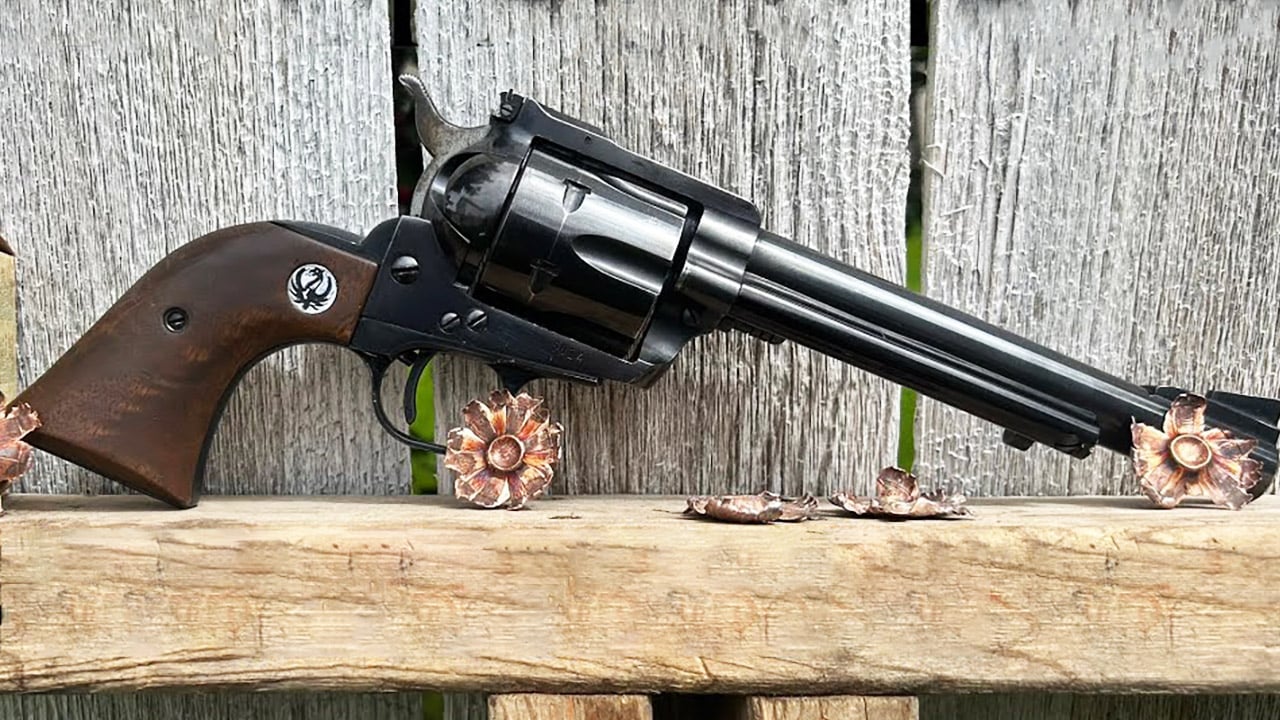
The Blackhawk has classic single-action appeal and enough weight to make .44 Magnum manageable. The first few range trips can be incredibly enjoyable if you like the deliberate pace of loading one chamber at a time and cocking the hammer before every shot.
The appeal can fade if you are used to faster modern handguns. Loading and unloading take time, full-power ammunition gets expensive, and long range sessions become repetitive. The Blackhawk is still an excellent revolver, but it is a very specific experience. Some owners eventually realize they love the idea of a single-action magnum more than they enjoy putting several boxes through one at a sitting.
Magnum Research BFR .45-70

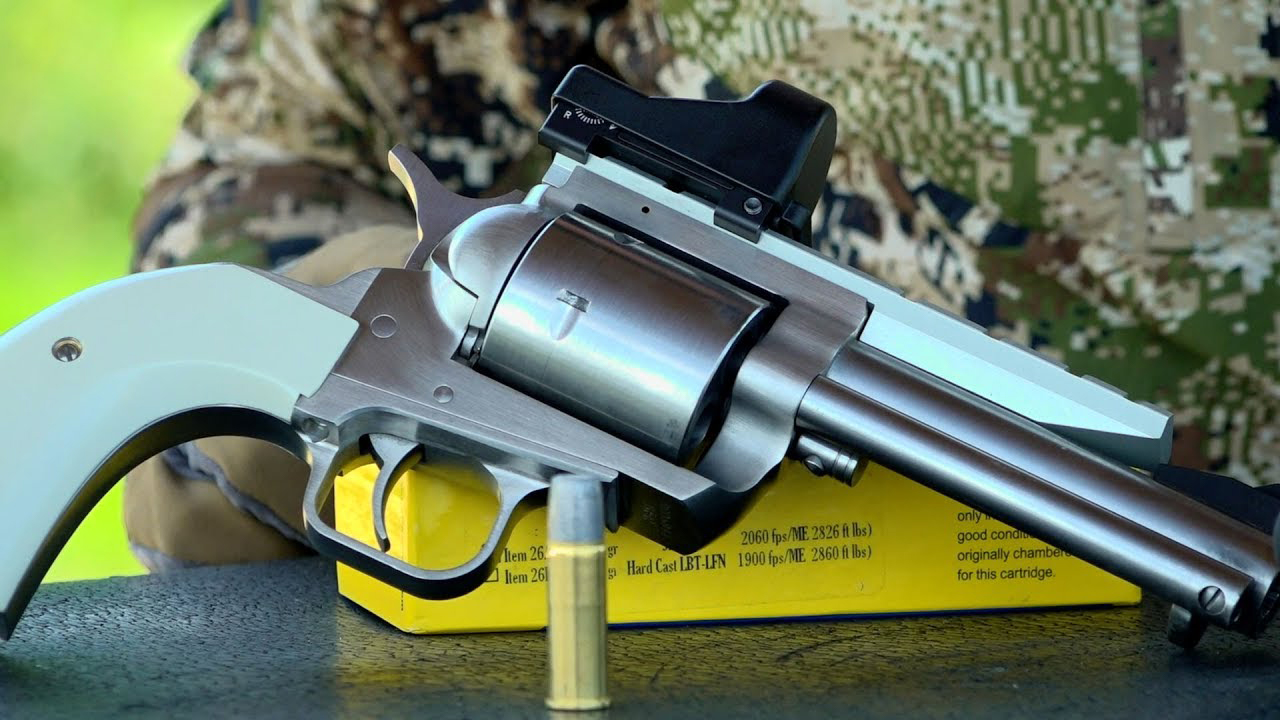
The BFR in .45-70 is almost impossible not to want once you see one. The sheer size, rifle cartridge chambering, and oversized cylinder make it one of the most outrageous production revolvers available.
That excitement can disappear quickly after the first few cylinders. The gun is extremely heavy, recoil is substantial, and ammunition is not inexpensive. It also has very little everyday utility compared with more manageable magnum revolvers. The BFR remains a spectacular piece of engineering and a fantastic conversation starter, but for many shooters it becomes something they admire more than they actually want to shoot regularly.
KelTec SUB2000

The SUB2000 is incredibly appealing in the store because it folds almost in half, uses common pistol magazines, and weighs very little. It looks like the perfect truck gun or compact range carbine.
After a few sessions, the ergonomics start becoming harder to ignore. The cheek weld is awkward, the charging handle is not particularly comfortable, and the light blowback action can feel sharper than expected for a 9mm carbine. Newer generations have improved some of the optic-mounting issues, but the basic design still asks the shooter to work around its folding feature. The trick is clever. Whether you enjoy shooting it for hours is another question.
KelTec RFB

The RFB makes a fantastic first impression because it is a compact bullpup chambered in .308 and ejects spent cases forward. It looks innovative and gives you a full-length barrel in a very short package.
Then you start noticing the weight, gas tuning, and unusual controls. The rifle is dense, and .308 ammunition is not cheap enough to make endless range sessions casual. The forward-ejection system is clever but adds complexity, and clearing or diagnosing problems is less intuitive than with a conventional rifle. The RFB remains interesting, but the novelty can fade once ownership becomes more about learning the system than simply shooting.
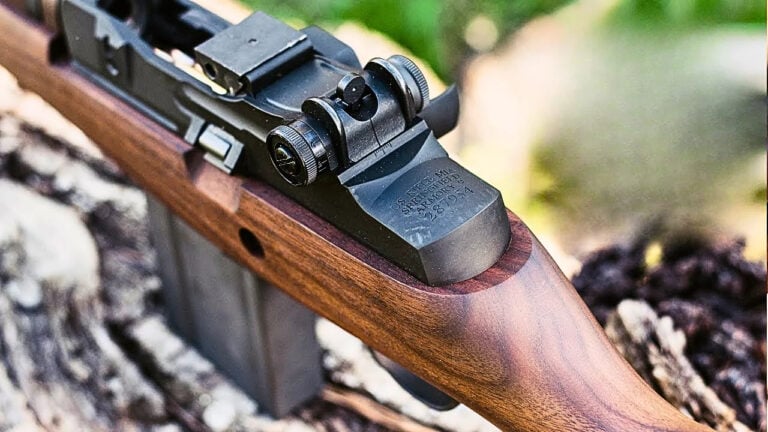
Springfield Armory M1A SOCOM 16
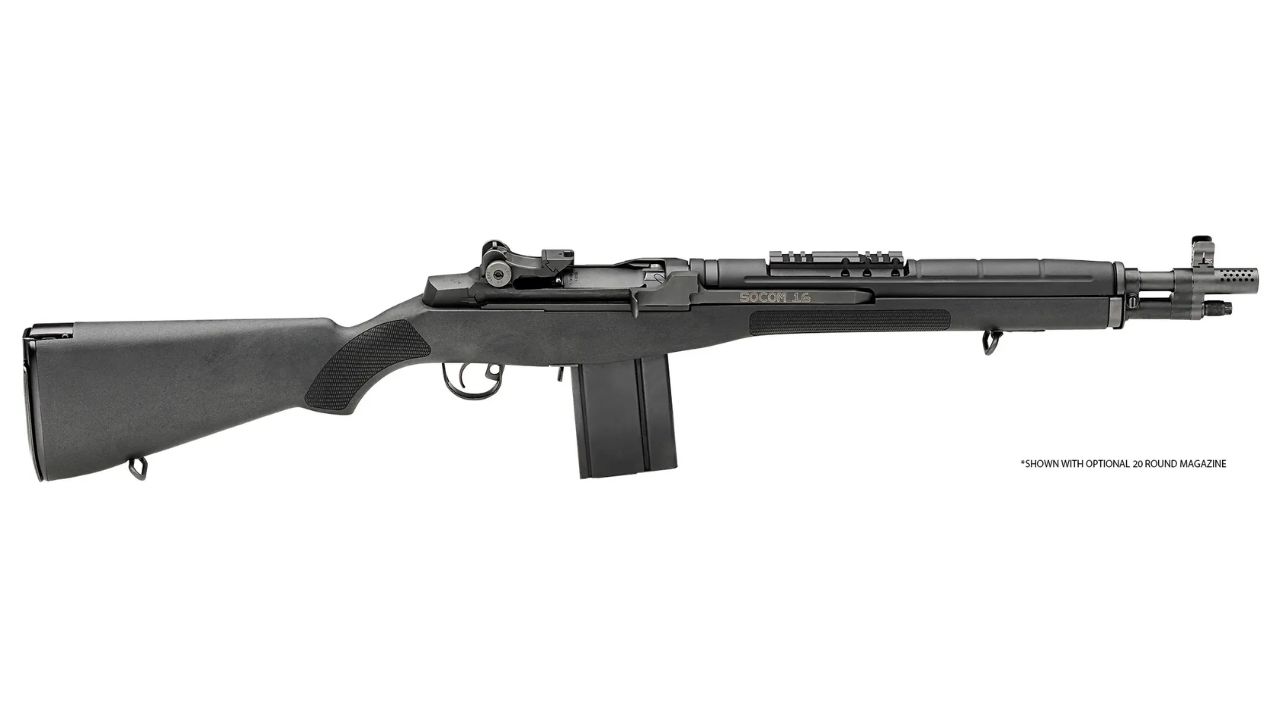
The SOCOM 16 looks fantastic and feels even better when you first start shooting it. The short barrel, wood or synthetic stock, and M14-style action give the rifle enormous personality.
A few range trips later, the drawbacks become more noticeable. The rifle is heavy for its overall length, the controls are old-fashioned, optics mounting can be awkward, and .308 ammunition adds up fast. It is also louder and more abrupt than the longer M1A variants. The SOCOM is the kind of gun you may love owning while gradually deciding it is not the rifle you want to drag to the range every weekend.
PTR 91

The PTR 91 has tremendous appeal because it gives shooters the G3-style roller-delayed experience without needing a collectible original military rifle. The action feels mechanical and substantial, and cheap surplus-style magazines have historically been one of the platform’s attractions.
The problem is recoil impulse, ergonomics, and what the rifle does to brass. The charging handle placement is awkward, the gun is heavy, and the roller-delayed system has a distinctive feel that not everyone enjoys over long sessions. If you reload, battered brass can be another annoyance. The first few magazines are fun because the rifle feels different. After that, some shooters start appreciating conventional .308 rifles a lot more.
Century Arms C308
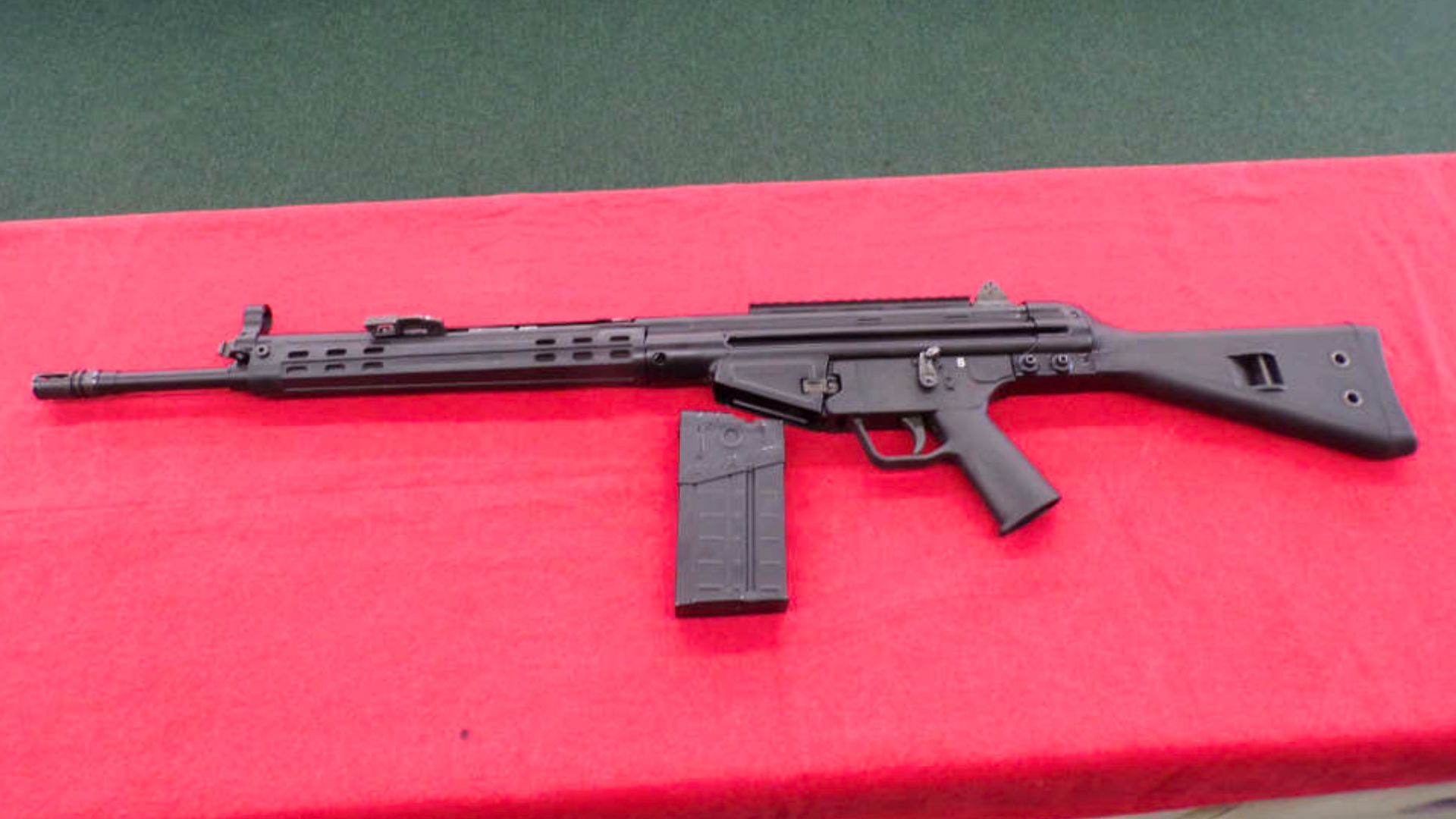
The C308 offers similar appeal at a lower entry price. It looks like a classic battle rifle, uses inexpensive G3-pattern magazines, and delivers plenty of .308 power.
The long-term experience depends heavily on the individual rifle. Build quality can vary, the ergonomics remain dated, and the heavy operating feel can get tiresome. A good C308 can be a fun range rifle, but the combination of loud blast, expensive ammunition, and old-school controls means the novelty can wear off faster than expected. Owners who love the platform tend to love it despite those things, not because they disappear.
Ruger Mini-30

The Mini-30 has a lot of charm the first few times you shoot it. It looks more traditional than an AK or AR, handles quickly, and gives you 7.62×39 performance in a compact semiautomatic rifle.
Then you start dealing with magazine preferences, ammunition choices, and the fact that some rifles are less enthusiastic about hard-primer imported ammunition. Factory magazines are usually the safest option, which reduces the cheap-magazine appeal associated with the cartridge. The rifle can be a very good woods gun, but as a range toy it may require more careful feeding than buyers expected. That can dampen the excitement pretty quickly.
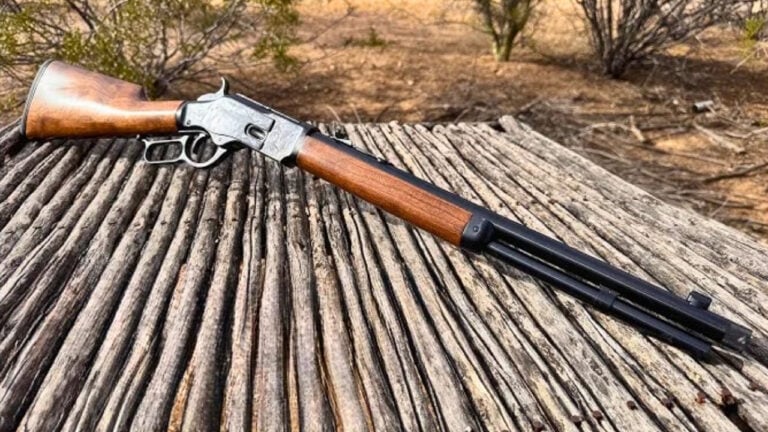
Henry Mare’s Leg .44 Magnum

The Mare’s Leg is one of those firearms that is nearly impossible to ignore on a gun-store wall. The shortened lever action, exposed hammer, and western styling make it look like the ultimate fun gun.
Actually shooting one is a different story. The abbreviated stock and awkward dimensions make it harder to stabilize than a proper rifle, while .44 Magnum recoil is still substantial. The lever action is fun, but the gun occupies a strange middle ground where it gives up the shootability of a rifle without becoming particularly convenient as a handgun. It looks fantastic. The novelty often carries more weight than the practical shooting experience.
Mossberg 590 Shockwave
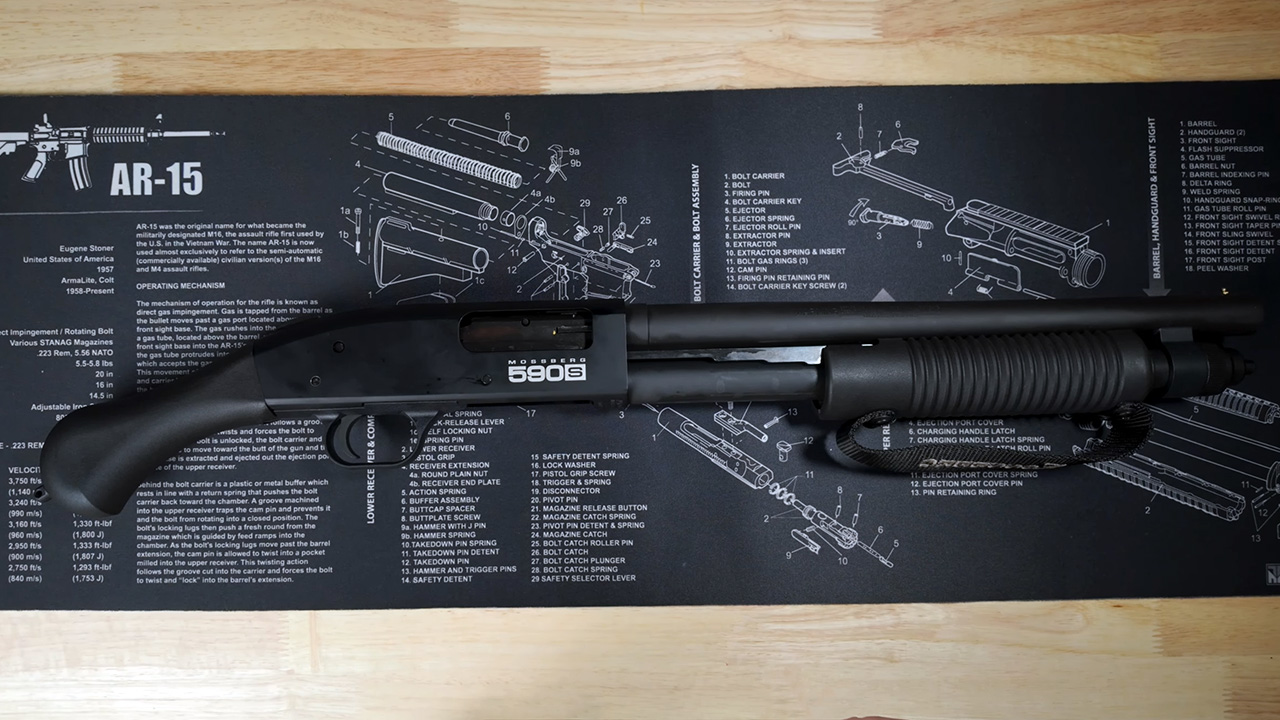
The Shockwave looks incredibly fun because it is short, rugged, and visually aggressive. The pump-action system is familiar, and the compact dimensions make it feel like a shotgun stripped down to the essentials.
Those dimensions also make recoil control and aiming much less natural than with a stocked shotgun. Shooting full-power 12-gauge loads quickly becomes tiring, and the platform is less forgiving than a conventional shoulder-fired gun. The first few shells are entertaining. A few boxes later, many shooters start wishing for a stock and a normal cheek weld. Compactness is exciting until it starts making the gun harder to shoot well.
KelTec KSG
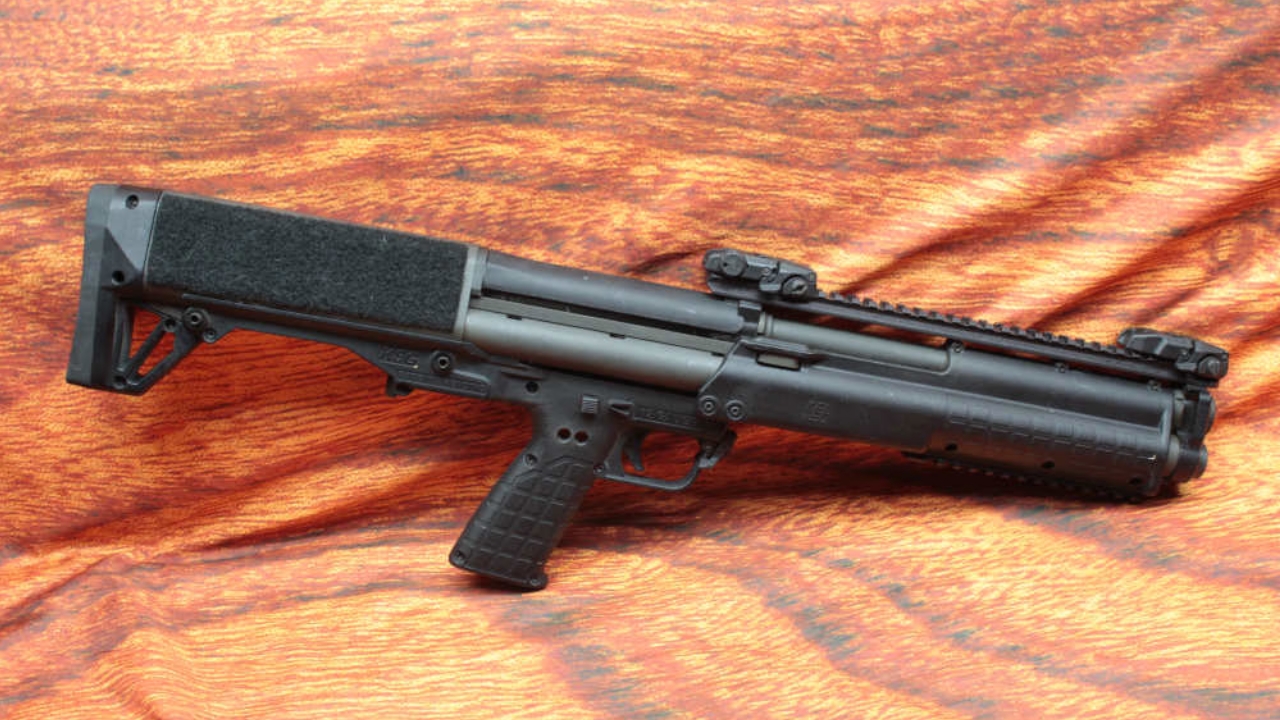
The KSG has enormous first-trip appeal. Twin magazine tubes, bullpup dimensions, and massive capacity give it a futuristic personality that conventional pump shotguns cannot match.
The trouble is that the manual of arms is more involved than a basic pump gun. Loading the tubes is slower, switching between them requires familiarity, and the compact layout puts a lot of weight close to the shooter. The short overall package also amplifies muzzle blast. It is still one of the most interesting pump shotguns on the market, but after the novelty wears off, many shooters discover they prefer the simplicity of a traditional tube-fed pump.
Chiappa Rhino 60DS
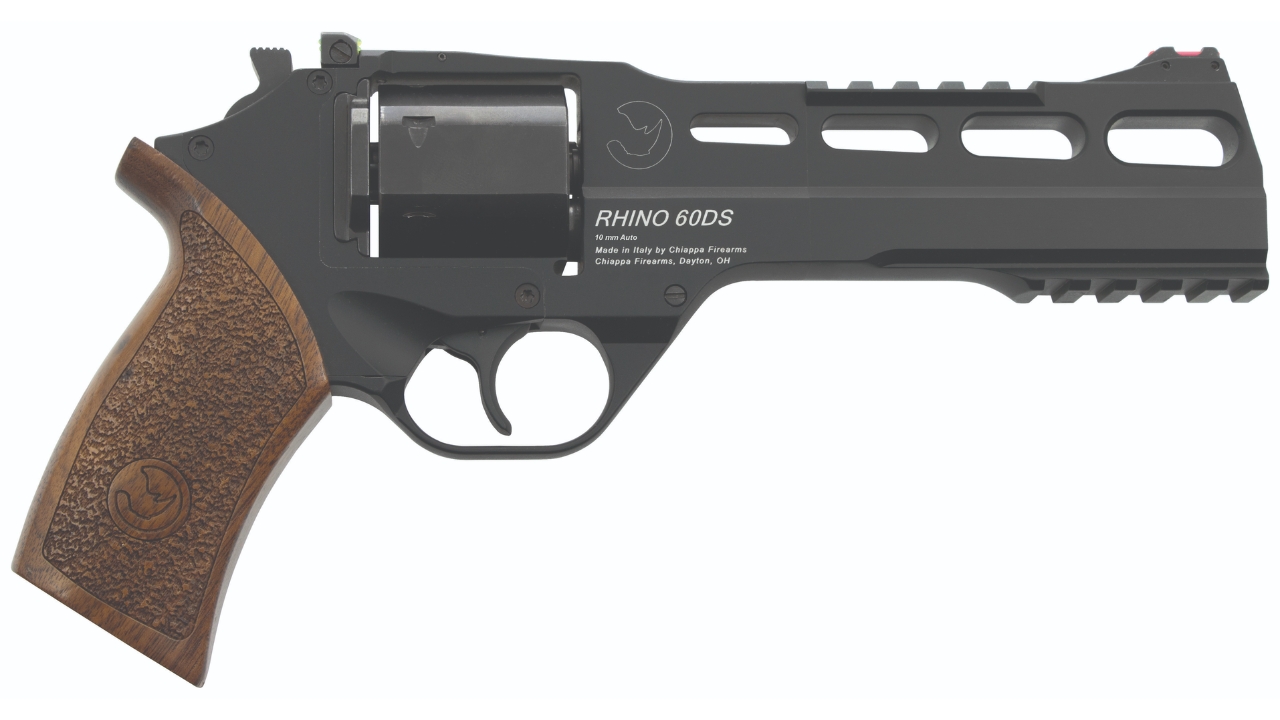
The Rhino feels completely different from an ordinary revolver because it fires from the bottom chamber of the cylinder, lowering the bore axis dramatically. The hexagonal cylinder and futuristic styling make the first range trip memorable.
The trigger system and ergonomics are less universally appealing. The gun can feel mechanically strange compared with a conventional revolver, and the low bore axis changes recoil rather than eliminating it. The design is clever, but cleverness is not always enough to make someone want to shoot it every weekend. Once the novelty fades, some owners decide a traditional revolver simply feels more natural.
Desert Tech MDRX

The MDRX checks nearly every novelty box at once: bullpup layout, caliber conversion, unusual ejection options, modern controls, and a compact overall package. It is the kind of rifle you want to spend an afternoon learning.
The problem is that long-term ownership means living with the complexity. The rifle is heavier than its compact size suggests, the operating system has more moving parts than a basic AR, and different configurations may require more attention to setup. A few range trips can be fascinating. After that, some owners start asking whether all the modularity actually makes their shooting experience better. Interesting engineering can be addictive, but it can also become work.
Like The Avid Outdoorsman’s content? Subscribe to our newsletter so you never miss an article.
Here’s more from us: