Photo credit: wavelength1970/YouTube
Some guns seem like they will always be around. They sit in racks for years, show up regularly on the used market, and never feel urgent enough to buy today. Then production changes, prices climb, or shooters suddenly realize just how good they were.
That is usually when regret starts. The gun that once seemed ordinary becomes something you have to hunt for, and the price you ignored five years ago suddenly looks like a bargain. These 20 firearms are exactly the kind I would hate to keep putting off until finding the right one becomes much harder.
Winchester Model 88
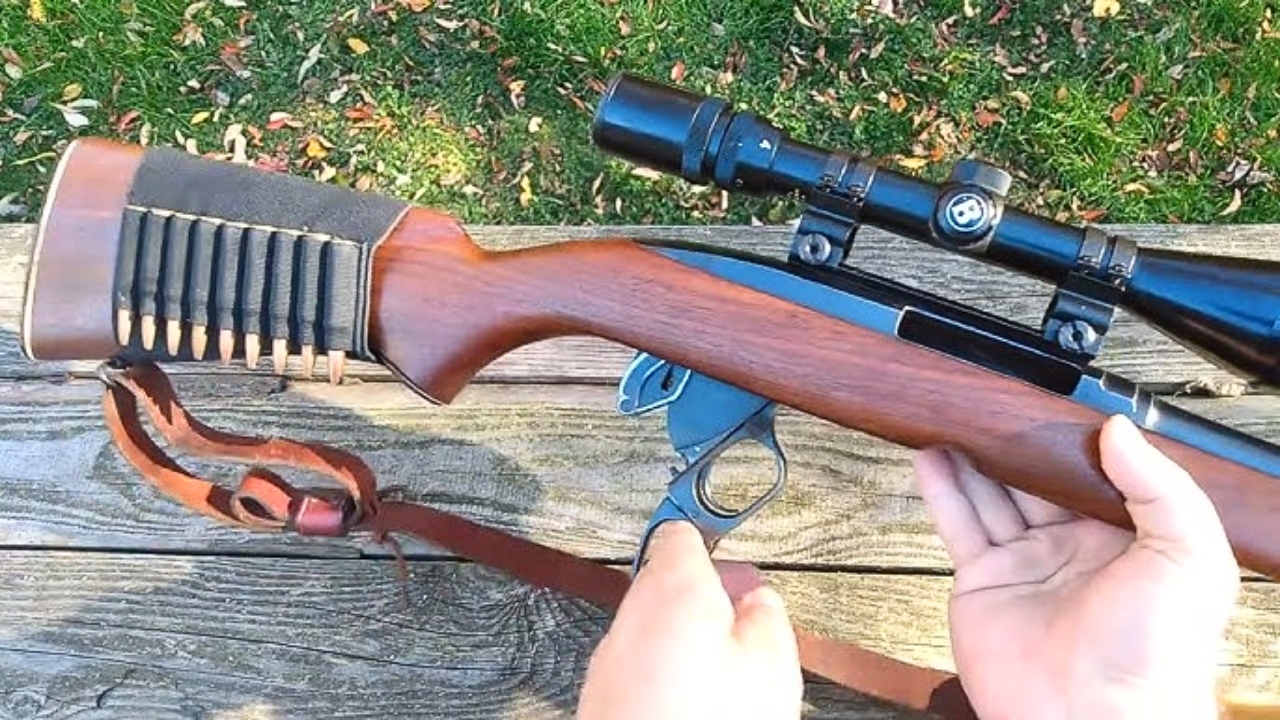
The Model 88 was never a typical lever action. Winchester gave it a rotating bolt, detachable box magazine, and a streamlined profile that made it feel more like a bolt-action hunting rifle operated by a lever.
That unusual combination is exactly why people who pass on one often regret it later. Winchester has not built anything quite like it in decades, and clean examples are not getting more common. Rifles in .308 Winchester are still reasonably obtainable, while some chamberings are far tougher to locate. If I found a solid Model 88 with a good bore and unmodified stock, I would be reluctant to assume another equally good example would come along soon.
Smith & Wesson Model 58
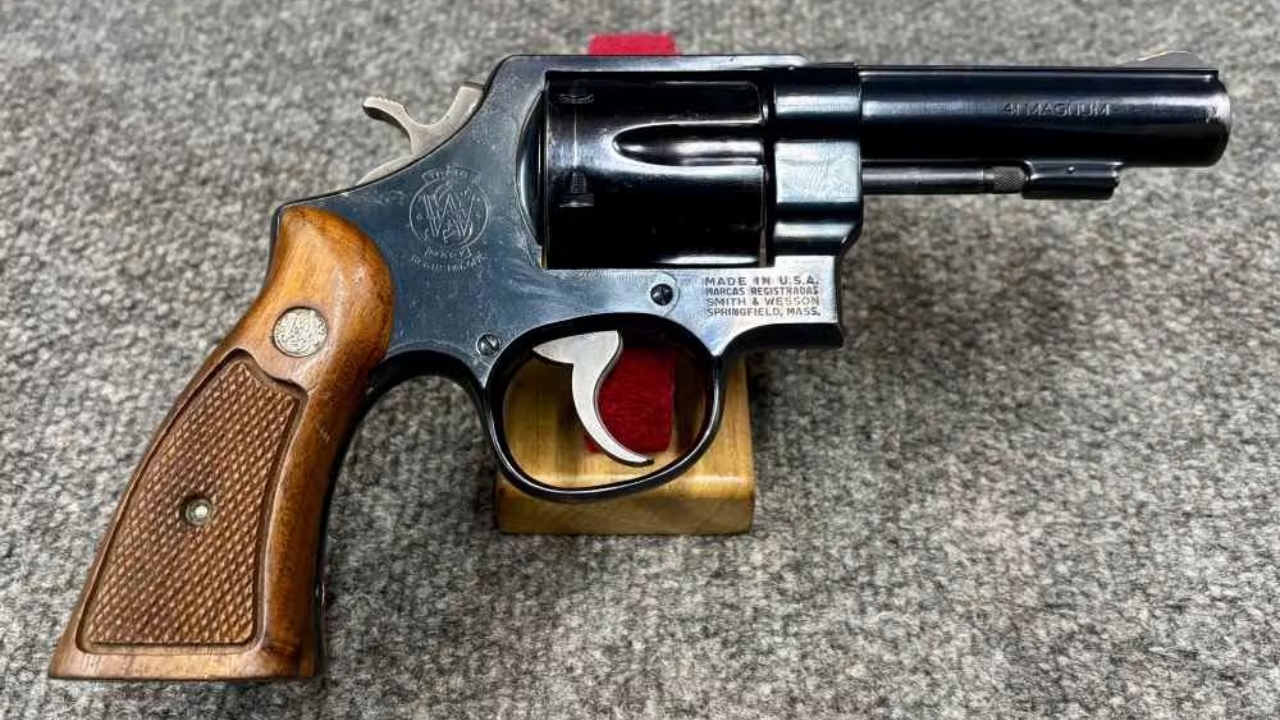
The Model 58 spent years overshadowed by more glamorous Smith & Wesson revolvers. It was built as a fixed-sight duty revolver chambered in .41 Magnum, which made it powerful but relatively plain.
That plain appearance is part of what caused people to overlook it. Today, the combination of the N-frame, discontinued configuration, and .41 Magnum chambering makes the Model 58 far more interesting than it once seemed. Owners who remember seeing them cheaply years ago probably wish they had bought one then. A shooter-grade example still makes sense today, but waiting indefinitely for a cheap one is becoming a difficult strategy.
Remington Model Seven
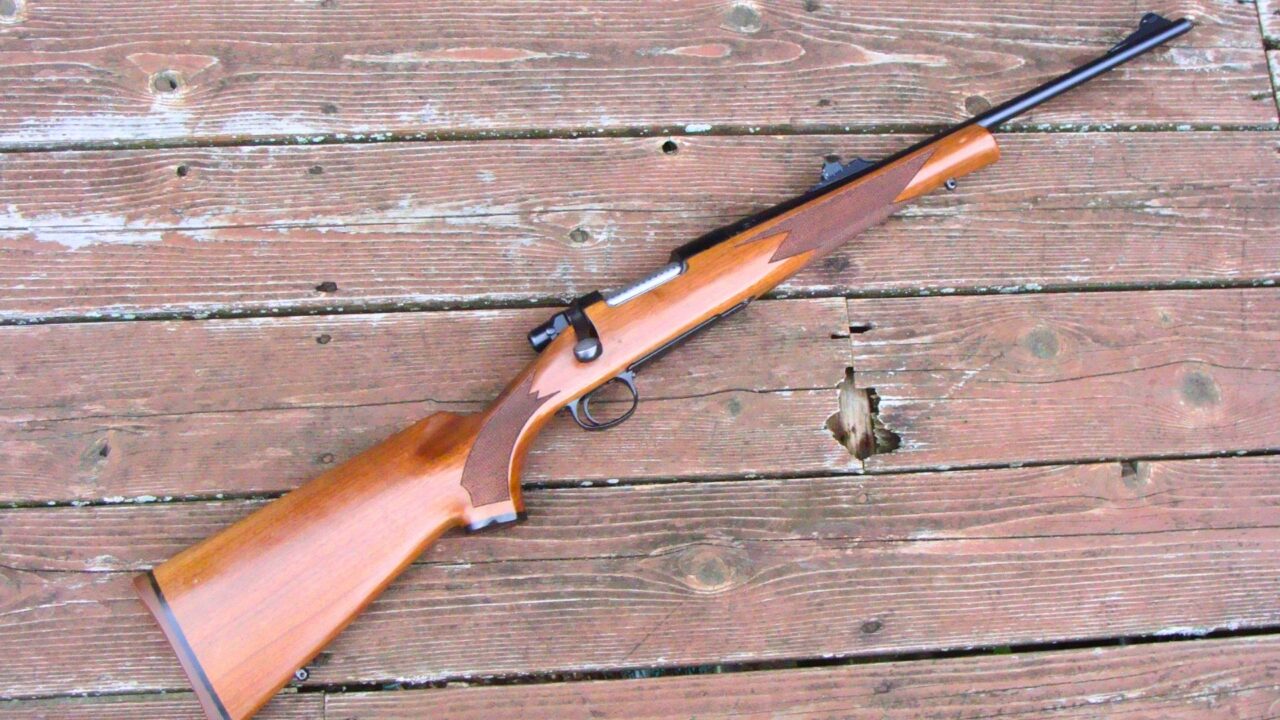
The Model Seven was one of Remington’s handiest hunting rifles. It gave shooters a shorter, lighter alternative to the Model 700 while still chambering cartridges capable of handling serious deer hunting.
Compact rifles have become extremely popular, which makes older Model Sevens look smarter every year. Certain versions and chamberings have become especially desirable because owners recognize how convenient these rifles are in thick woods and blinds. If you passed on them when they were just another Remington on the rack, replacing that opportunity today can be much more expensive. I would buy the right one based on condition rather than keep waiting for yesterday’s prices to return.
Colt Woodsman
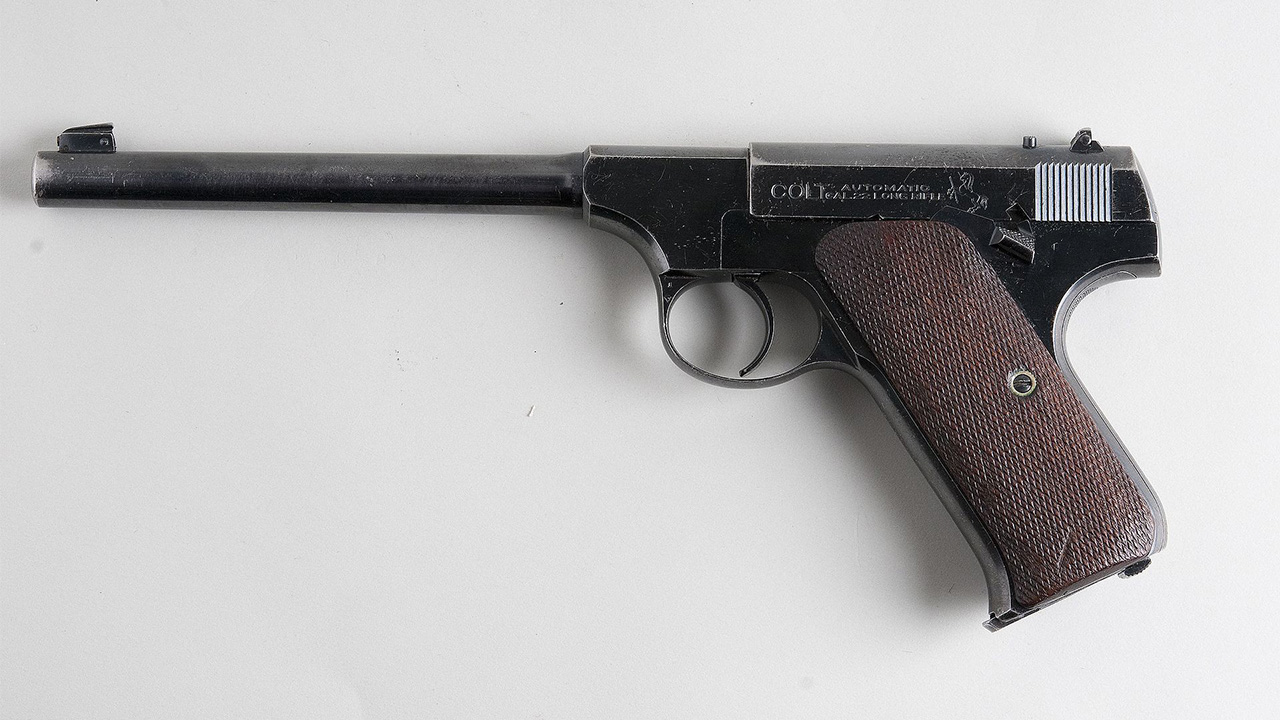
For decades, the Woodsman was simply one of America’s great .22 pistols. Once production ended and collectors began sorting out the different generations and configurations, good examples became much harder to treat as ordinary shooters.
The design is slim, elegant, and remarkably pleasant on the range. Modern rimfire pistols may offer rails, threaded barrels, and optics compatibility, but they do not duplicate the Woodsman’s feel. That is why owners who always intended to buy one can end up waiting until prices move far beyond what they expected. I would rather have a worn but mechanically excellent Woodsman that I can shoot than continue waiting for a perfect bargain that may never appear.
Ruger Hawkeye All-Weather

Stainless hunting rifles with practical synthetic stocks once seemed almost boring because every manufacturer offered something similar. Older Ruger Hawkeye All-Weather rifles now look considerably more appealing.
They are rugged, traditional bolt actions that can handle rough hunting conditions without forcing you into the ultralight or heavily modular style dominating many newer rifles. Some chamberings are also becoming far harder to locate than they were when these guns sat routinely in stores. That is the kind of firearm owners regret ignoring because there was always another one available. Once the exact chambering disappears, you start realizing how useful that boring stainless rifle really was.
Smith & Wesson Model 696
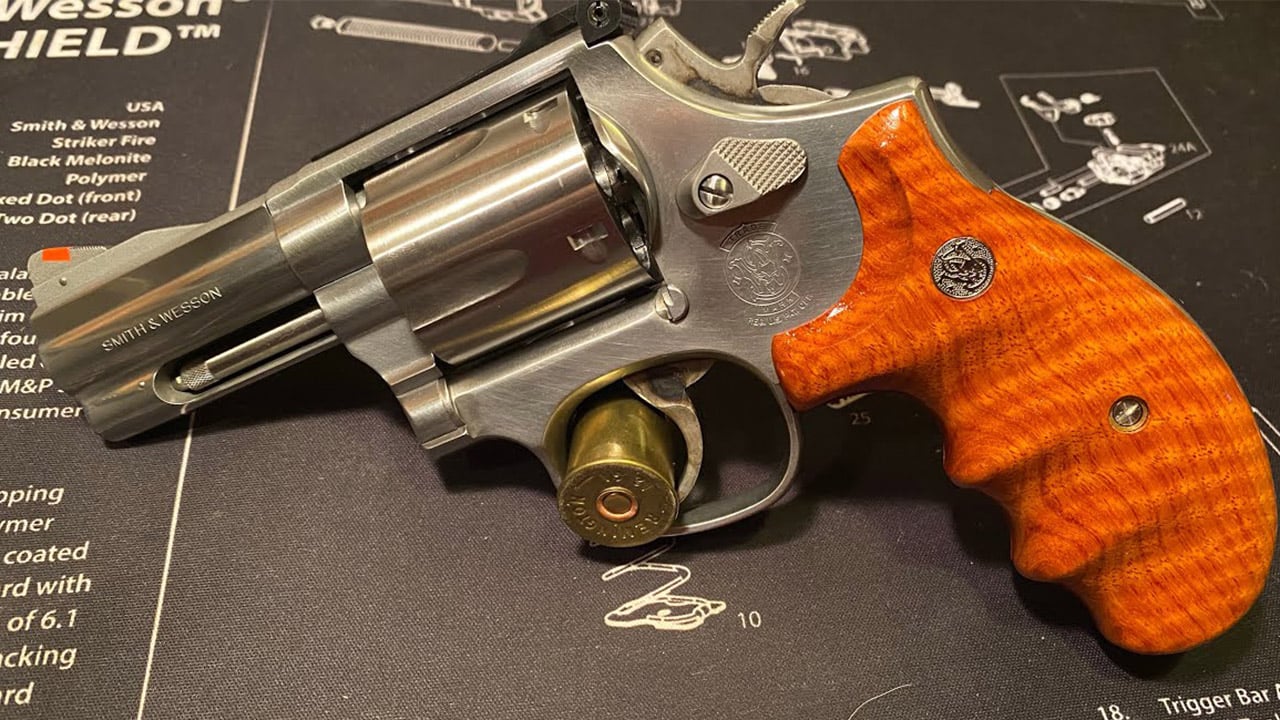
A five-shot L-frame chambered in .44 Special is the kind of revolver that sounds niche until you actually understand what it offers. The Model 696 gave shooters a substantial but manageable revolver without stepping up to full .44 Magnum size and recoil.
Smith & Wesson did not make them forever, and that limited production has turned the 696 into a gun many owners wish they had bought when prices were friendlier. It occupies a role that remains surprisingly difficult to replace. If you want a sturdy .44 Special double action with reasonable dimensions, there are not many substitutes. Passing on a clean one because you think another will show up cheaper can be an expensive mistake.
Browning BL-22
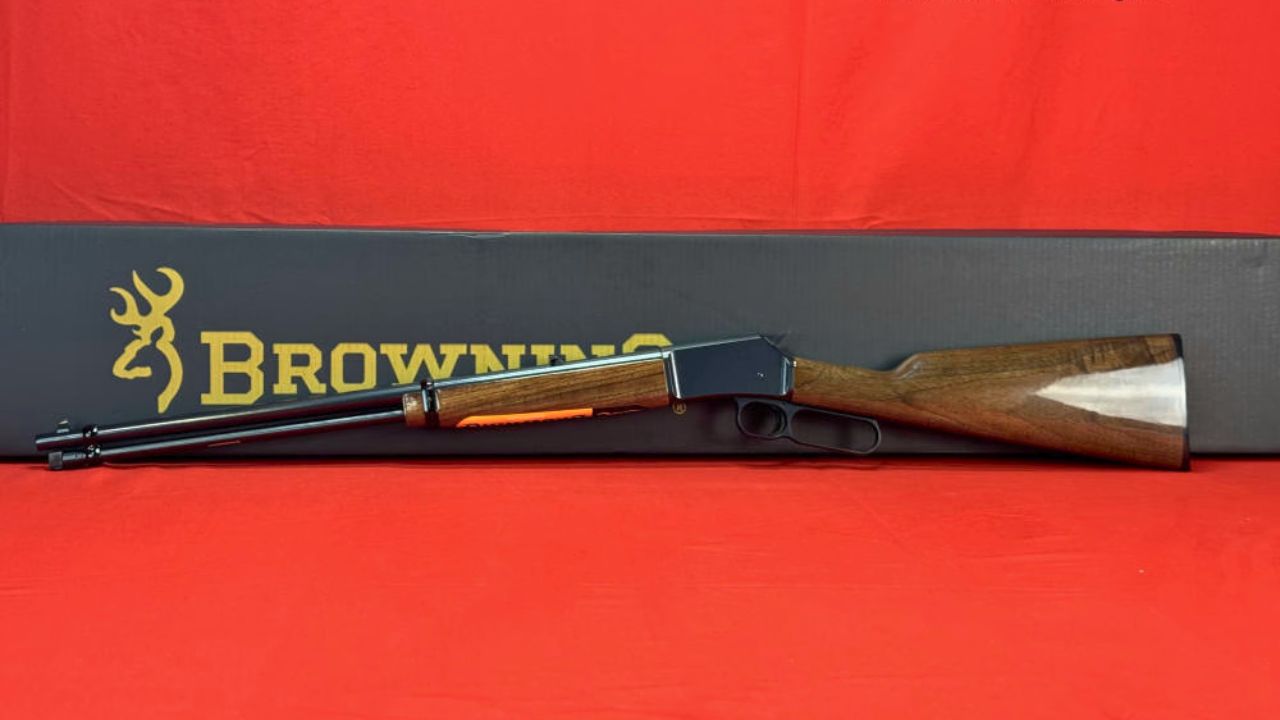
The BL-22 never disappeared completely from shooters’ awareness, but it has always been easy to postpone because inexpensive .22 rifles are everywhere. That logic starts falling apart once you handle one.
Its short lever throw, compact dimensions, and traditional workmanship make it feel considerably nicer than the average rimfire. This is the type of rifle people finally decide they want after cheaper .22s have already filled the safe. By then, they discover that a quality lever-action rimfire carries a very different price than it used to. If I wanted a BL-22 as a long-term keeper, I would rather buy the right one than spend years waiting for a bargain.
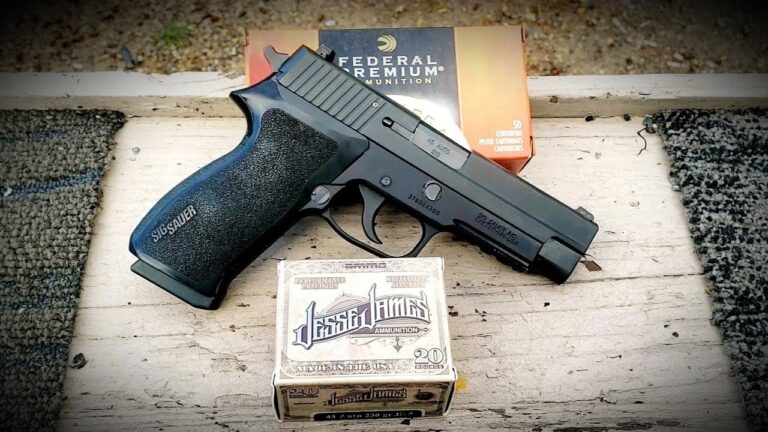
SIG Sauer P232

The P232 was once dismissed by some shooters as an expensive .380 in a world where smaller and cheaper carry pistols were everywhere. Now that it is gone, its appeal is easier to appreciate.
It is thin, attractive, and built with the kind of metal-frame construction that has largely disappeared from the compact .380 market. It was never the highest-capacity option, but capacity was not really the point. Owners who wanted one and kept waiting now face a shrinking supply of clean pistols and magazines. A P232 is exactly the kind of handgun that seemed unnecessary while it was readily available and suddenly became desirable once it was not.
Marlin Model 1895 Guide Gun

There was a time when the Guide Gun was simply a short, powerful lever action you could expect to find without much drama. Then lever-action demand exploded, older Marlins became more desirable, and buyers started paying much closer attention to production eras.
The Guide Gun remains one of the most practical versions of the 1895 concept. It is compact enough for woods hunting while still delivering the authority of .45-70 Government. Older examples with good fit and finish are especially attractive to shooters who prefer earlier Marlin production. If I found one at a fair price, I would not assume another equally good rifle would still be waiting when I finally decided I was ready.
Smith & Wesson Model 547
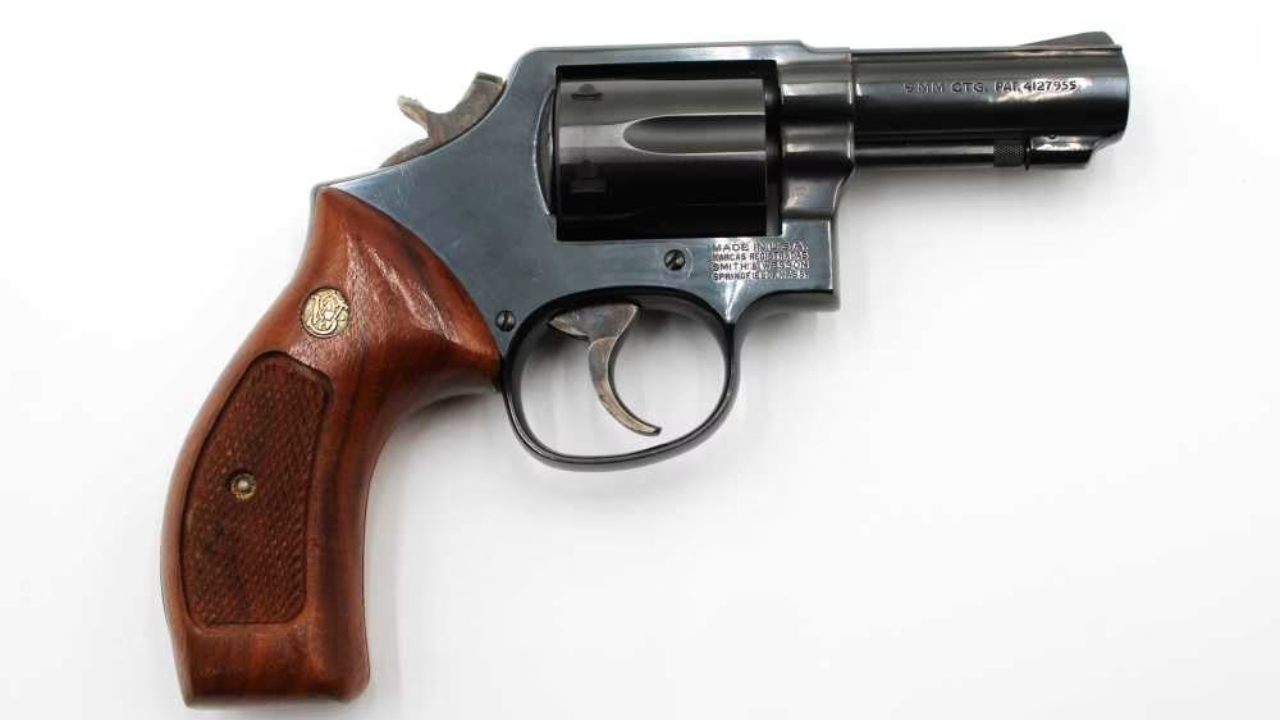
The Model 547 is the kind of revolver that seemed odd enough to ignore when it was new. It chambered 9mm without requiring moon clips, using an unusual extraction system instead.
That novelty has become exactly what makes it desirable. Smith & Wesson did not produce huge numbers, and nothing in the current catalog really replaces it. Owners who once considered it a strange experiment now have to compete with collectors who recognize how unusual the design was. I would not buy one as my only defensive revolver, but as a piece of Smith & Wesson history that is still enjoyable to shoot, it is the kind of gun that becomes more painful to postpone.
Ruger Deerfield Carbine
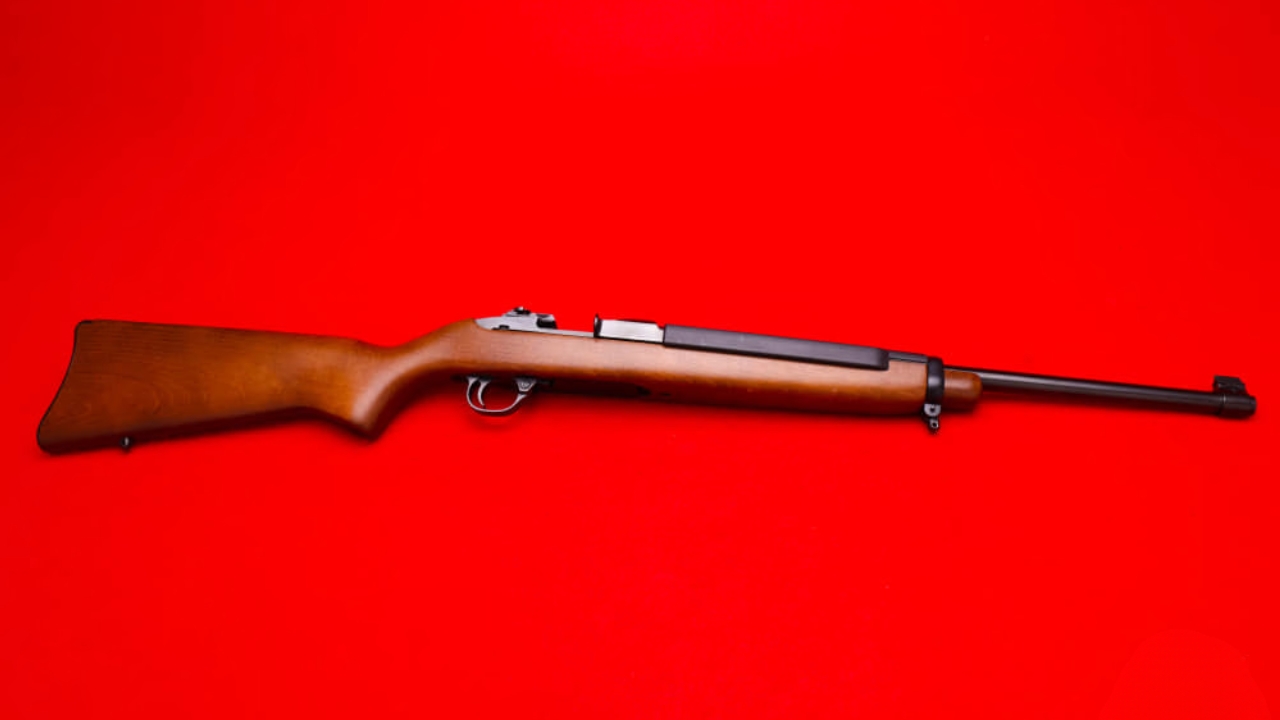
The Deerfield was a semiautomatic .44 Magnum rifle built for hunters who wanted fast follow-up shots in a short, handy package. It never became a massive commercial success, and Ruger eventually discontinued it.
That decision transformed it from an ordinary hunting rifle into something owners actively seek out. There are very few modern semiautomatic rifles chambered in .44 Magnum that fill the same role. If you hunt thick woods or simply like pistol-caliber carbines, the Deerfield makes far more sense today than many people thought it did while it was readily available. Waiting usually means paying more for a rifle that used to be much easier to find.
Beretta 81 Cheetah
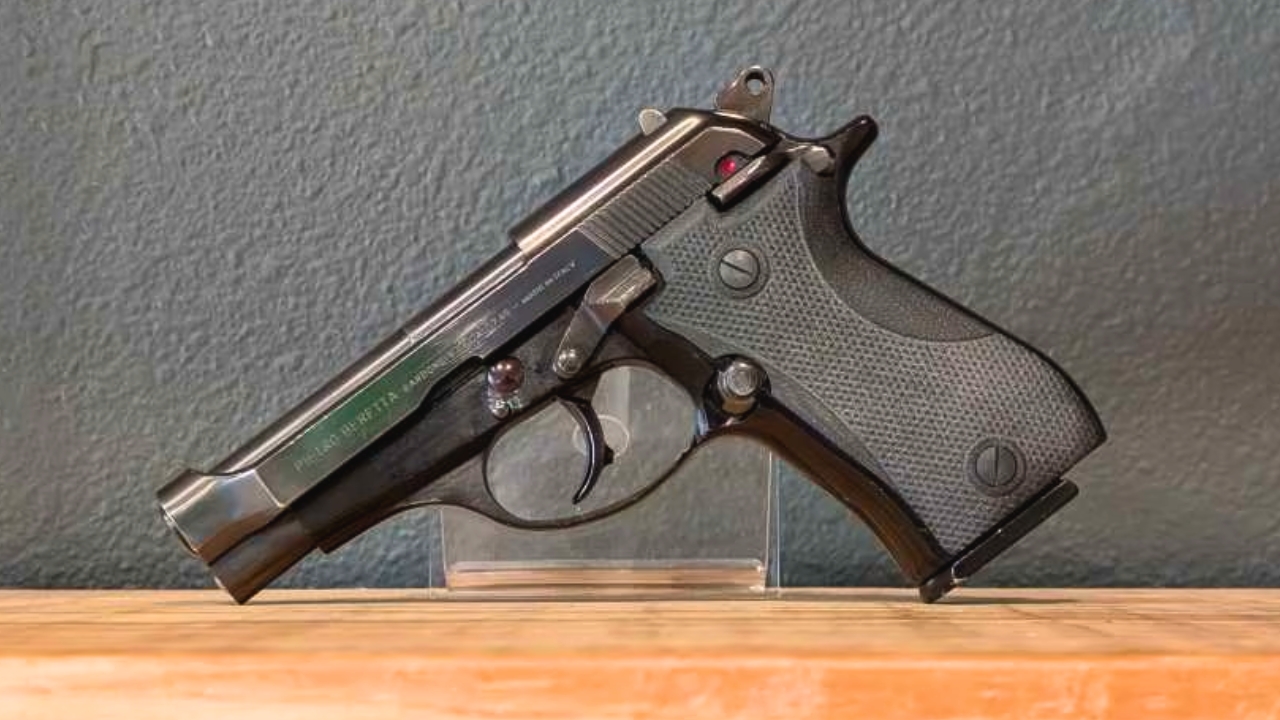
The Beretta 81 became especially interesting when surplus examples started appearing at attractive prices. For a while, shooters could buy a compact metal-frame Beretta in .32 ACP without spending much.
Those moments never last forever. Once the supply gets absorbed, the same pistols that looked ordinary become much more desirable. The Model 81 is particularly enjoyable because recoil is mild, the grip is comfortable, and the traditional Beretta construction gives it more character than most modern compact pistols. If you kept saying you would pick one up later when surplus guns were plentiful, later may already cost considerably more.
Winchester Model 94 Trapper
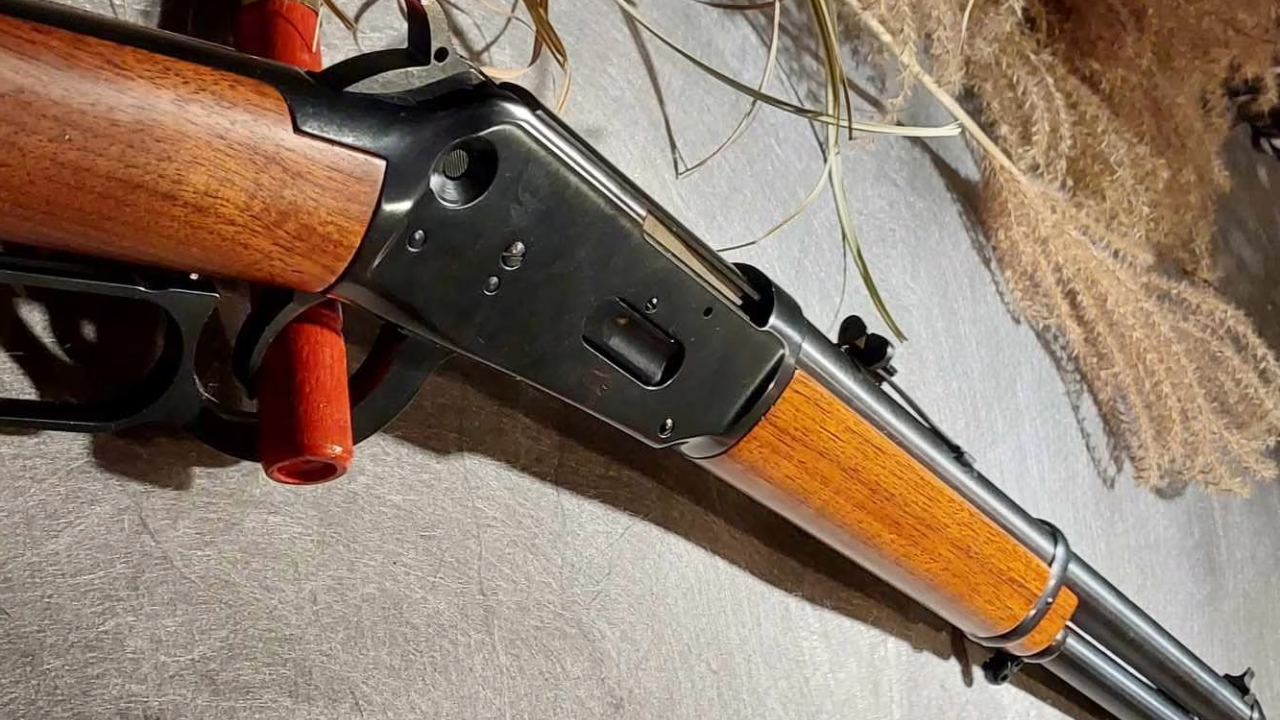
Short-barreled lever actions are incredibly popular today, which makes older Model 94 Trapper carbines seem almost inevitable in hindsight. They were compact, light, and easy to carry through thick cover.
For years, though, plenty of shooters preferred longer rifles and treated the Trapper like just another variation. That changed as interest in handy lever guns grew. Clean examples in desirable chamberings have become something owners actively hunt rather than stumble across. If you want an older Winchester rather than a modern reproduction, waiting for prices to drop significantly can turn into a very long wait.
Smith & Wesson Model 645
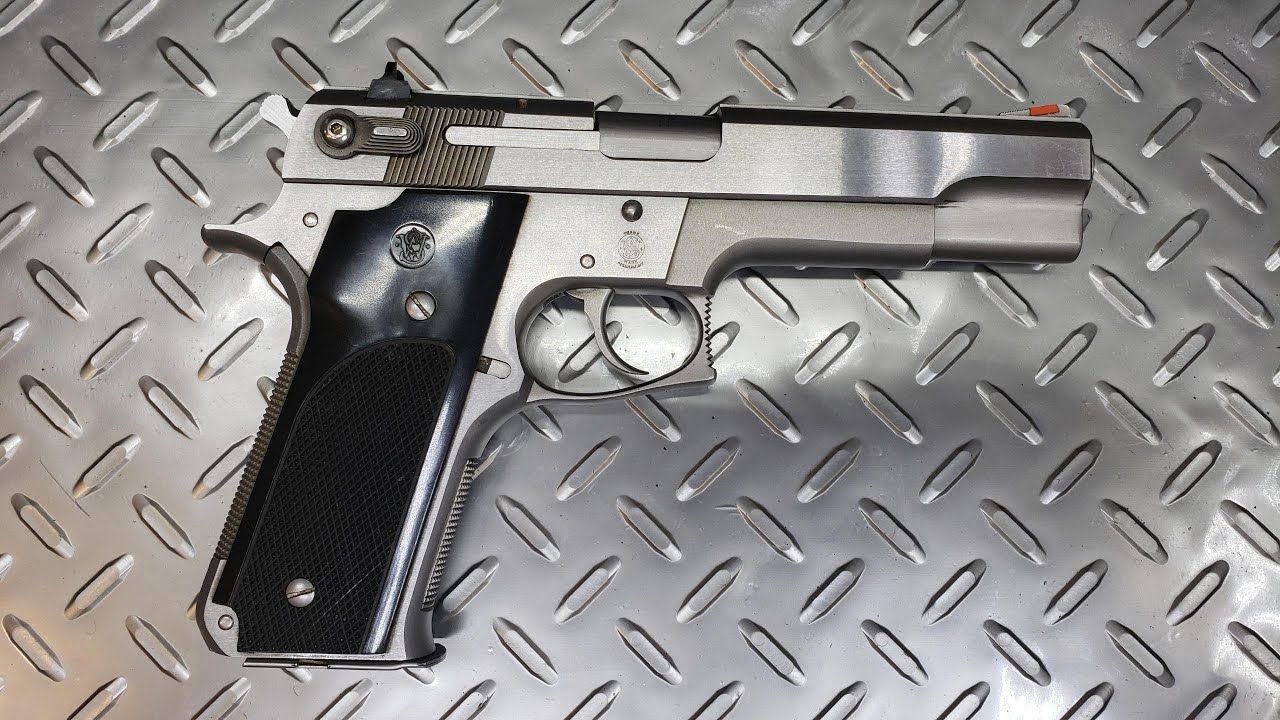
The Model 645 is a big stainless .45 ACP pistol from an era when Smith & Wesson was still developing its metal-frame semiautomatic lineup. It is heavy, unmistakably old-school, and nothing like today’s slim polymer carry pistols.
That is precisely why people are starting to appreciate it. The pistol has ties to Smith & Wesson’s later third-generation autos and represents a style of American service handgun that has largely disappeared. Owners who remember seeing them cheaply often wish they had grabbed one simply because they are so different from current production. I would look for an original example before they become priced entirely as collectibles.
Ruger 96/44

The Ruger 96 series was unusual from the beginning, combining a lever action with design elements that looked much more modern than traditional Winchester or Marlin rifles. The .44 Magnum version is especially interesting.
Ruger discontinued the line before it ever became common, and now shooters who want one have to hunt. A compact .44 Magnum lever rifle using a rotary magazine is not something you can replace easily with another current-production gun. That makes the 96/44 exactly the type of firearm people regret dismissing as strange when it was available. Unique designs have a way of becoming much more desirable after manufacturers stop making them.
CZ 550
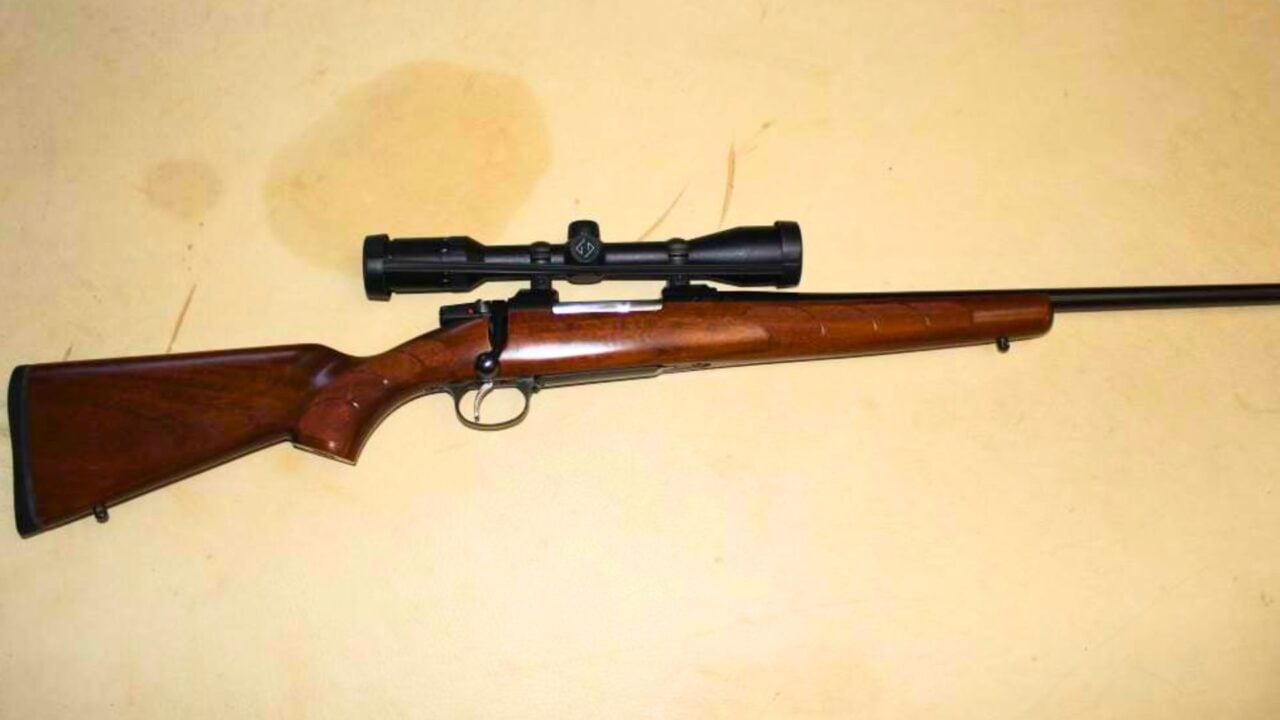
The CZ 550 used to be regarded primarily as a sturdy traditional bolt action. Once it was discontinued, shooters began appreciating just how much old-school rifle it offered.
The controlled-round-feed action, substantial construction, and availability in serious hunting chamberings made the 550 particularly appealing to hunters who wanted something more traditional than today’s lightweight rifles. Big-bore versions have become especially sought after. If you have always wanted one, waiting for them to become common again does not make much sense. Production has ended, and the owners who appreciate them tend to keep them.
Smith & Wesson Model 242
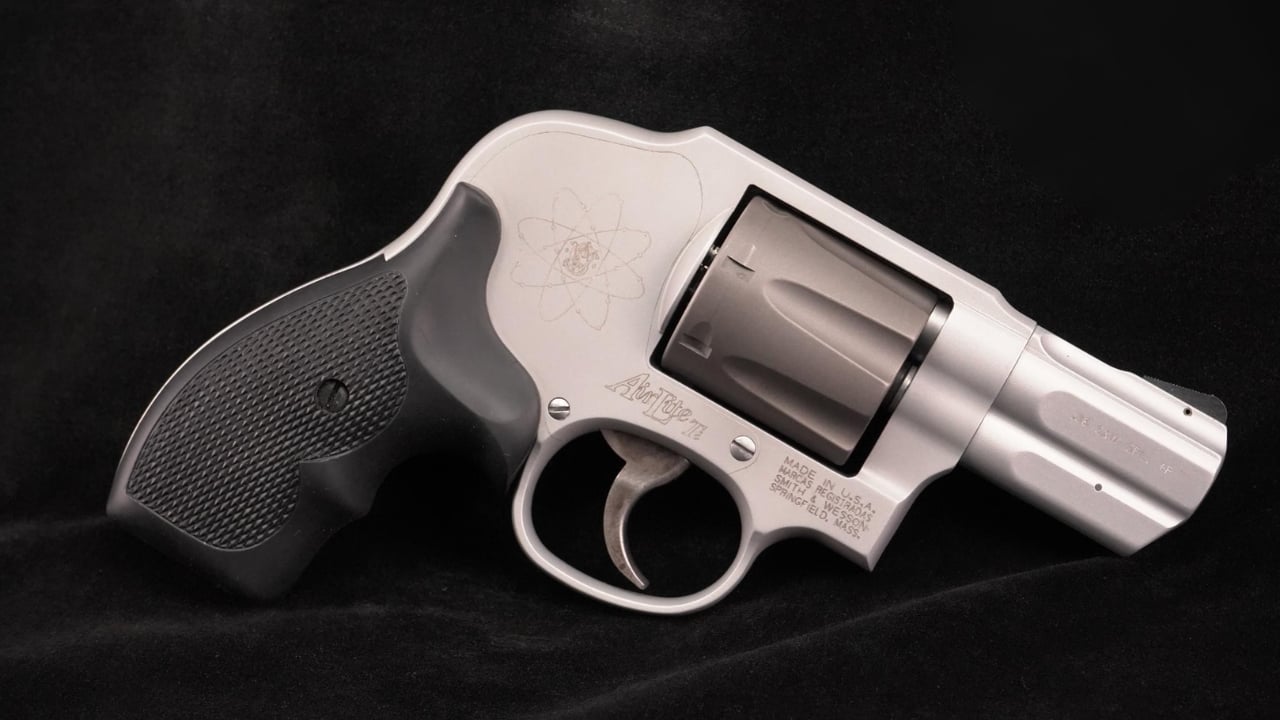
The Model 242 was a lightweight L-frame .38 Special revolver with an enclosed hammer and seven-shot capacity. It was unusual enough that many shooters never paid much attention to it.
Today, that specification sounds far more interesting. Seven rounds, a snag-free profile, and relatively light construction give it a combination that still stands out. Smith & Wesson has made many unusual revolvers over the years, and the ones that did not sell in huge numbers often become the hardest to find later. The Model 242 is one of those guns that owners can spend years searching for after realizing too late that they should have bought the one they saw long ago.
Remington Model 7600 Carbine

The Model 7600 was especially popular in areas where hunters wanted quick follow-up shots but traditional semiautomatic rifles were not always the preferred option. The pump action gave hunters familiar handling while chambering serious centerfire cartridges.
Short carbine versions are particularly handy in thick cover, and discontinued configurations have become much more interesting as Remington’s product line changed. These rifles used to be common enough that buyers could afford to be picky. That is no longer always the case. If a clean 7600 in the chambering and barrel length you want appears, passing on it while waiting for a cheaper identical rifle can easily end in regret.
HK P9S
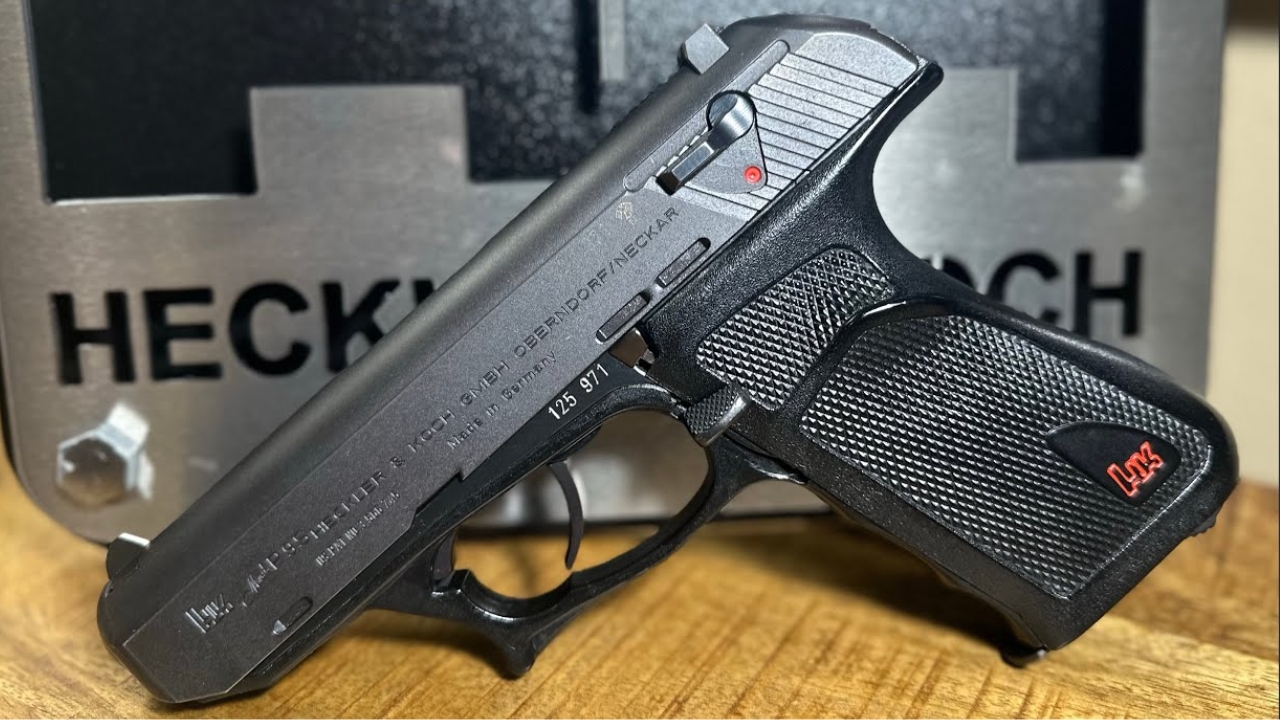
The P9S is one of those pistols that seems strange until you realize how technically interesting it was. HK used a roller-delayed operating system in a handgun decades before most shooters had any interest in unconventional pistol actions.
Production ended long ago, and clean examples now appeal both to HK collectors and people interested in unusual handgun engineering. That is a dangerous combination if you are waiting for prices to fall. Parts availability also means I would buy carefully and favor an example with known history. Still, if an HK P9S has always been on your list, I would rather buy a sound shooter than spend another decade watching fewer of them change hands.
Browning BDM

The BDM arrived during an extremely competitive period for double-stack 9mm pistols and never achieved the popularity Browning probably hoped for. Its unusually thin grip and distinctive operating controls made it different from the service pistols surrounding it.
For years, that lack of popularity kept used prices reasonable. Now it works in the opposite direction because there simply are not endless numbers of BDMs available. Shooters who discover the pistol today often realize they missed the period when finding one was easy. It is slim, interesting, and tied to a very specific moment in handgun development. If I found a clean example with magazines at a fair price, I would not keep telling myself I would buy one someday.
Like The Avid Outdoorsman’s content? Subscribe to our newsletter so you never miss an article.
Here’s more from us: