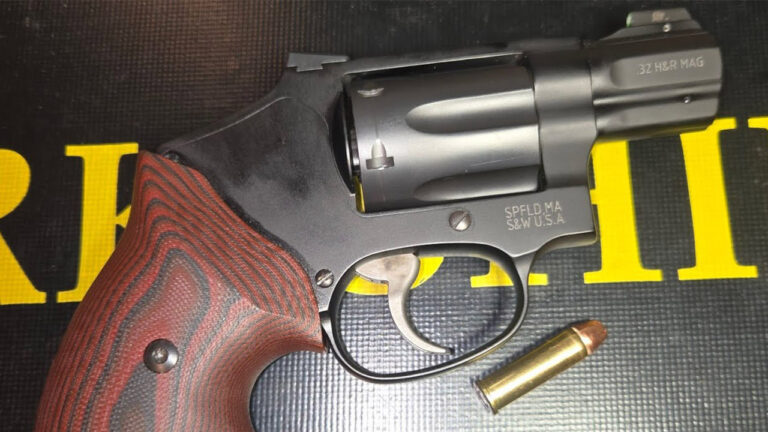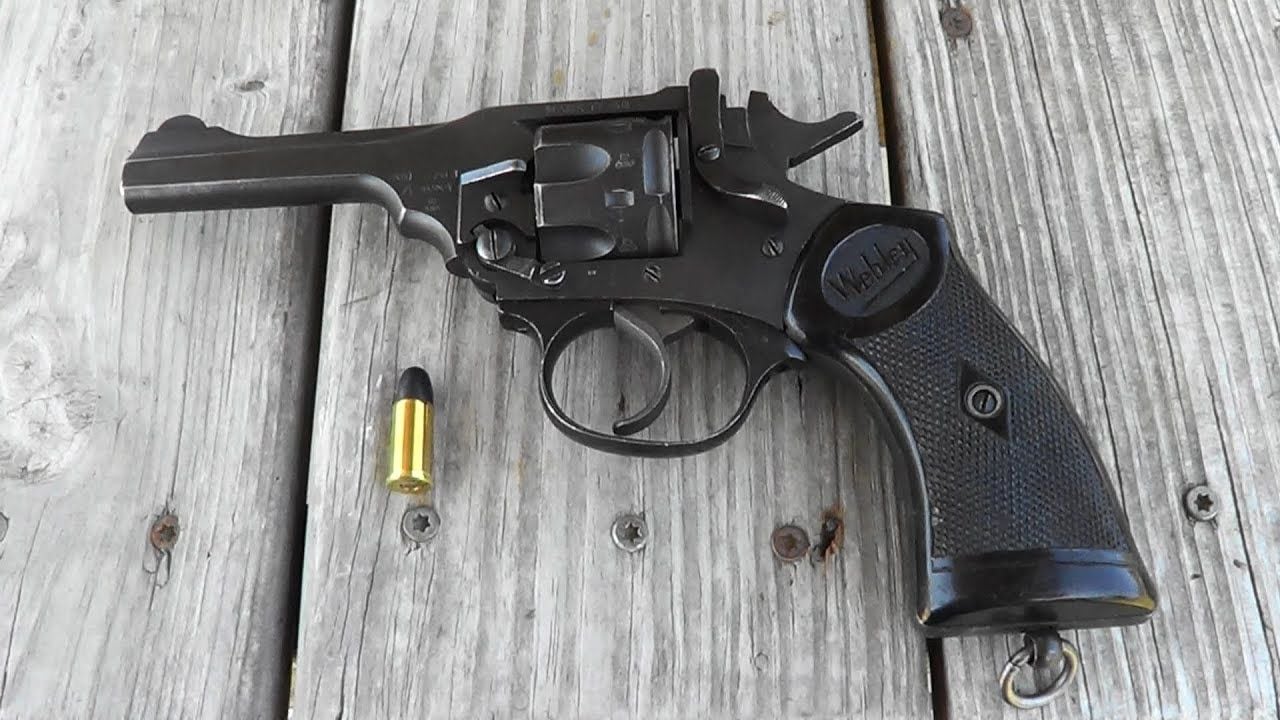
Photo credit: 1957Shep/YouTube
Some revolvers disappear because they were bad ideas. Others simply get buried beneath more famous models from the same era. Once the Python, 686, Blackhawk, and other household names take over the conversation, perfectly good wheelguns can spend decades sitting in used cases without getting much attention.
That creates an interesting opportunity for anyone willing to look beyond the usual recommendations. Plenty of forgotten revolvers offer solid construction, unusual chamberings, excellent handling, or features that are difficult to find on current-production guns. Some are collectibles now, while others remain surprisingly approachable. These 20 deserve another look before the market remembers them.
Smith & Wesson Model 31
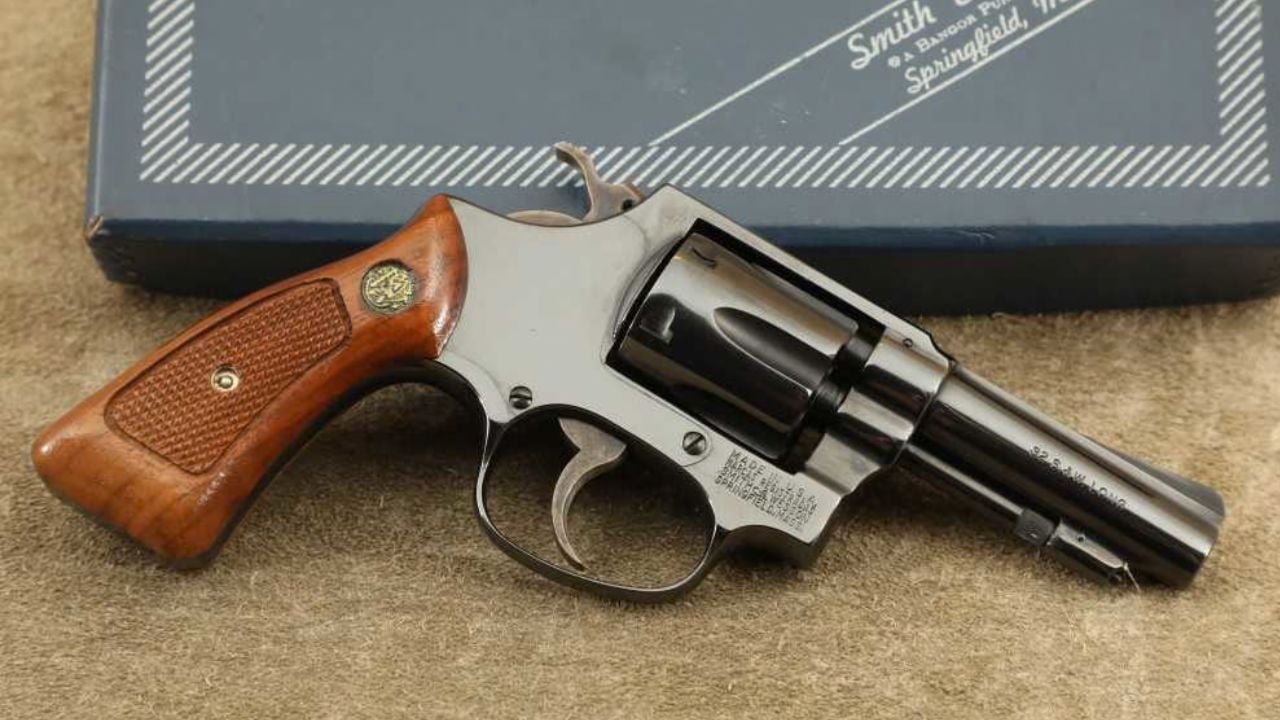
The Model 31 is a small J-frame chambered in .32 S&W Long, which explains why so many modern buyers walk right past it. The cartridge does not have the reputation of .38 Special, and the gun lacks the magnum markings that normally attract revolver shoppers.
That misses what makes the Model 31 enjoyable. Recoil is extremely mild, the little Smith points naturally, and the combination can be remarkably pleasant for deliberate target shooting. Older examples also have the classic proportions and finish that people increasingly appreciate in vintage Smith & Wesson revolvers. It is not trying to be a pocket-sized powerhouse. It is a lightweight, easy-shooting revolver built around a cartridge that deserves more credit than it gets.
Colt Commando
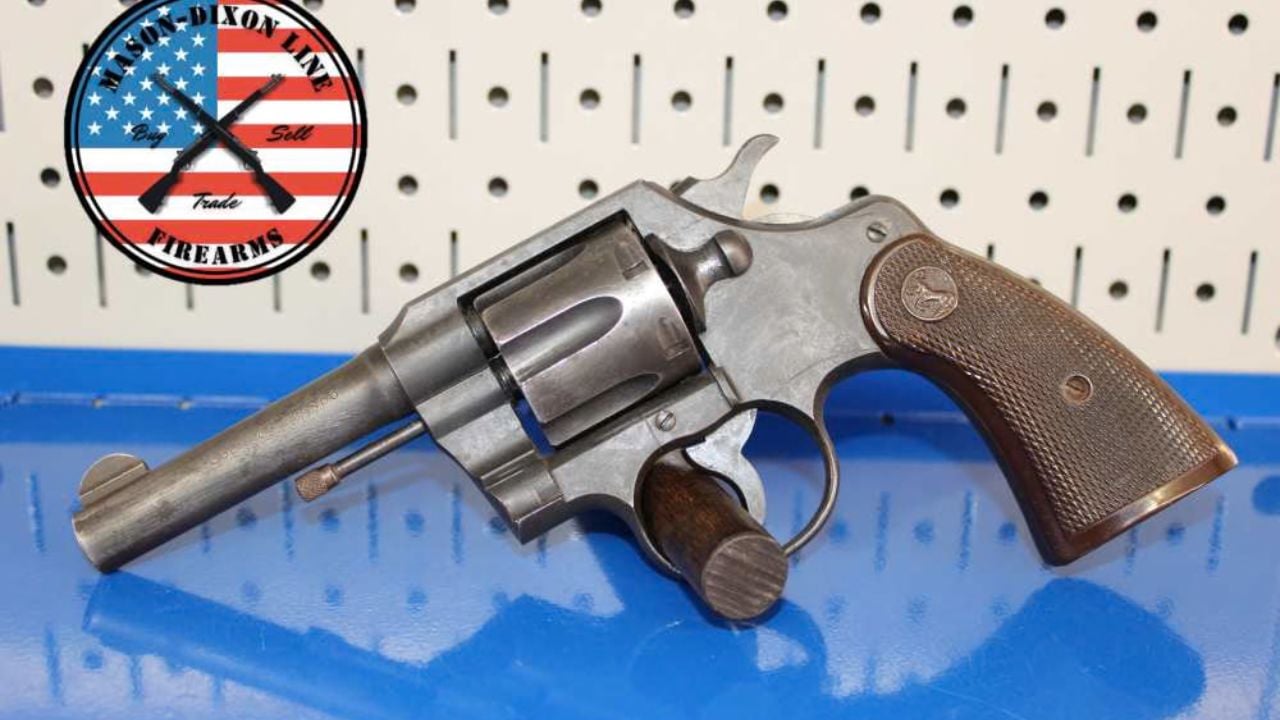
The Colt Commando was essentially a wartime answer to the need for service revolvers without the expensive finish normally associated with civilian Colts.
Its utilitarian appearance kept it from developing the immediate glamour of the company’s polished commercial guns. That is exactly what makes it interesting today. The Commando has genuine period character, classic Colt lockwork, and a military-industrial history that separates it from ordinary commercial revolvers. Plenty of buyers still focus almost entirely on Colt’s snake guns, leaving models like the Commando underappreciated outside dedicated collecting circles.
Ruger Service-Six .38 Special
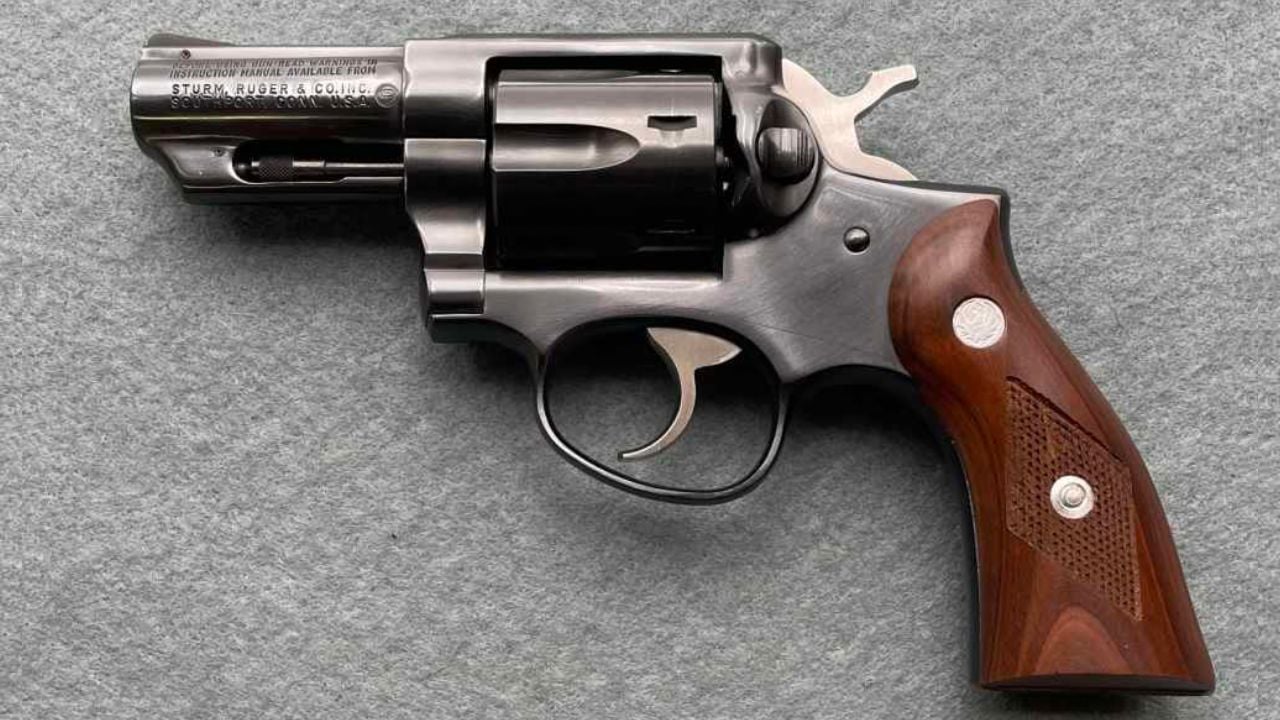
The Security-Six family gets plenty of love from older Ruger fans, but the fixed-sight Service-Six chambered in .38 Special can still be overshadowed by the .357 versions.
For an actual shooter, there is plenty to like. The gun is strong, straightforward, and lacks the adjustable sights that can get knocked around on a working revolver. The all-steel construction also makes ordinary .38 Special ammunition exceptionally comfortable. If you want a durable old-school revolver without chasing magnum performance, the .38 Service-Six deserves far more attention.
Harrington & Richardson Model 732
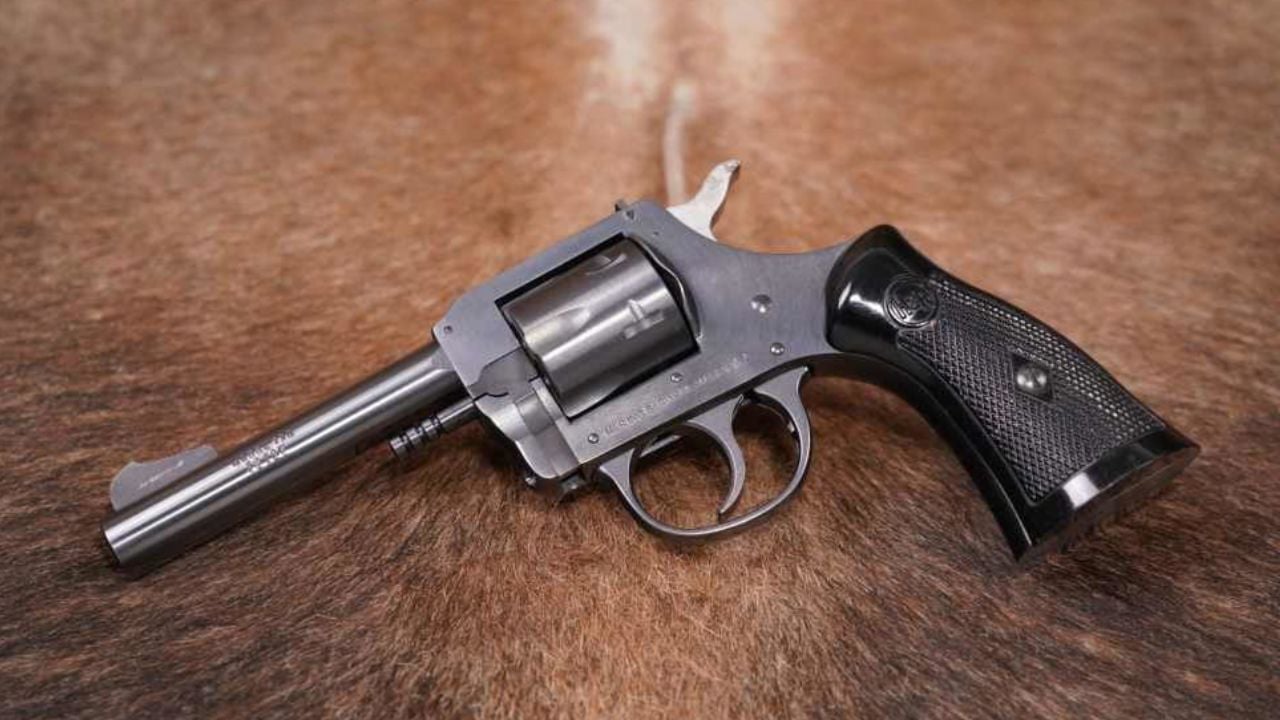
H&R revolvers were affordable working guns, which means generations of shooters never thought of them as something worth preserving.
The Model 732 is a good example. Chambered in .32 S&W Long, it offered modest recoil, basic controls, and the kind of construction intended for ordinary owners rather than collectors. It is not going to match a premium Smith or Colt for trigger refinement, but that misses the appeal. These revolvers represent an era when inexpensive handguns could still be made almost entirely from steel and expected to remain useful for decades.
Rossi Model 720
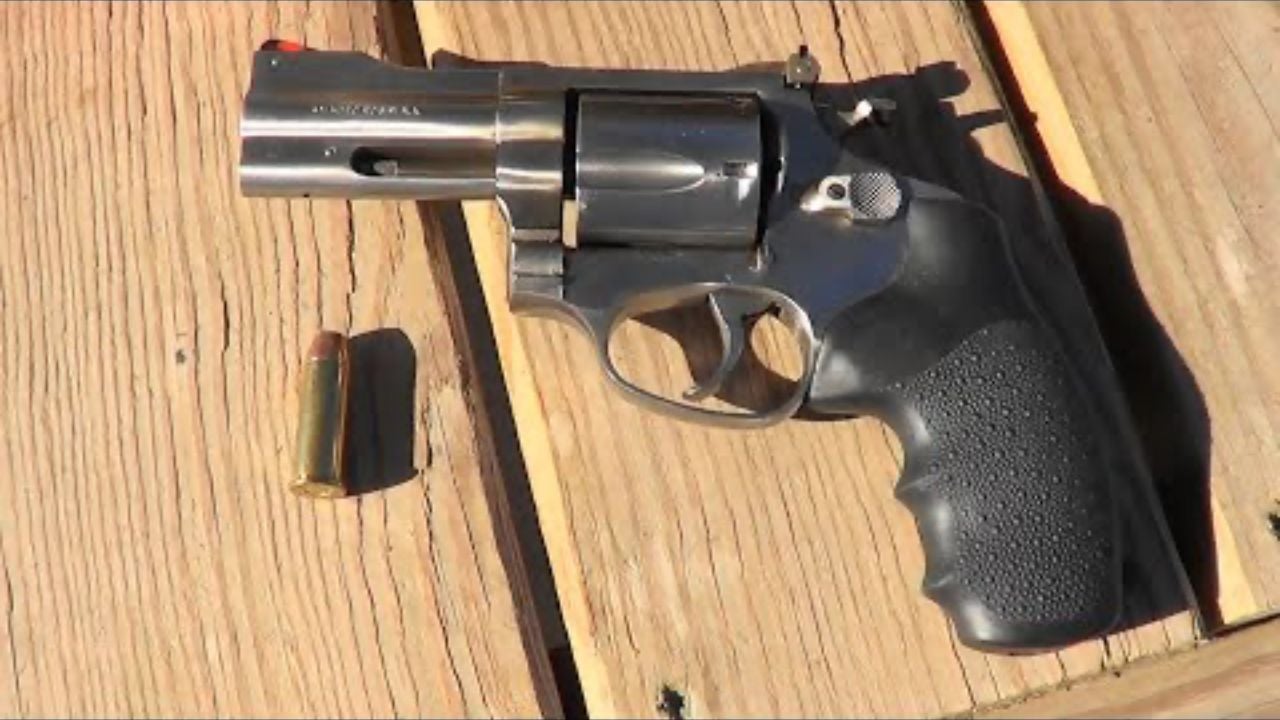
The Rossi 720 is unusual enough that even plenty of revolver shooters have never handled one.
Chambered in .44 Special, it gives you a substantial bore without jumping all the way to .44 Magnum power and bulk. That makes the cartridge exceptionally pleasant in a reasonably sized steel revolver. The 720 never developed the recognition of comparable Smith & Wesson models, but anyone interested in carryable big-bore revolvers should understand why people who own them tend to remember them fondly.
Taurus Model 431
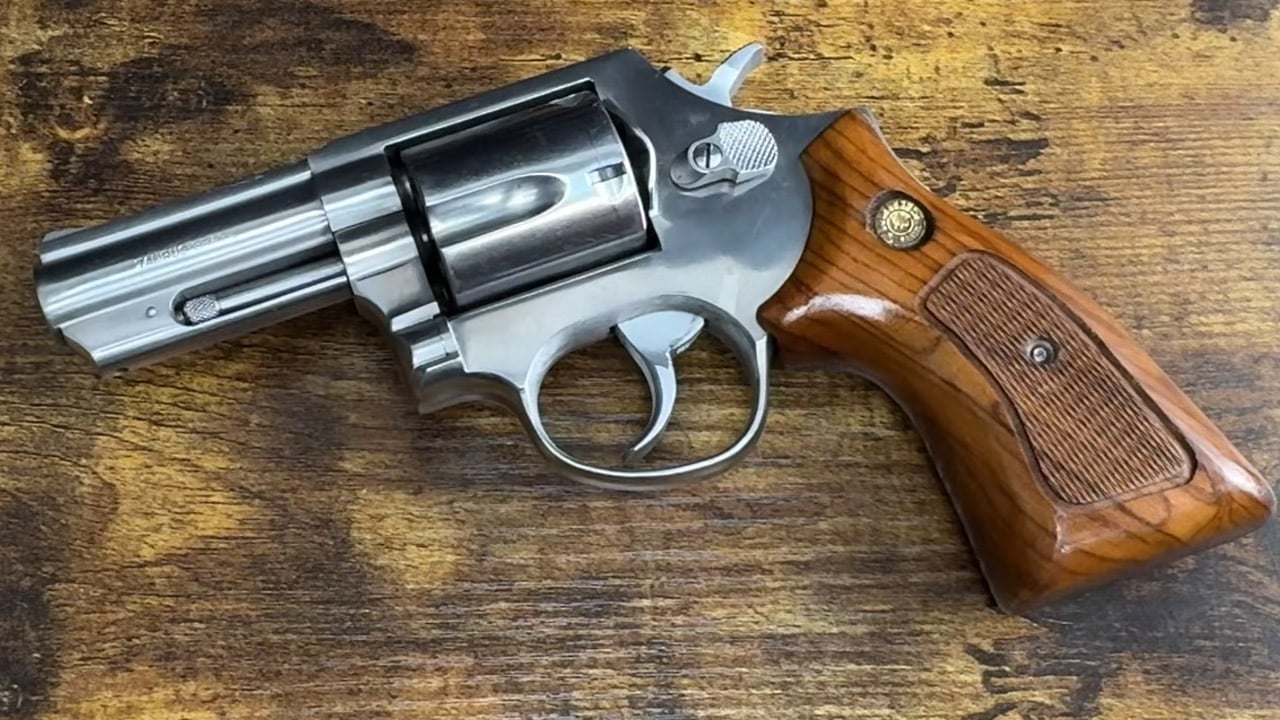
Before Taurus became associated primarily with budget defensive handguns, the company produced several traditional steel revolvers that are easy to overlook today.
The Model 431 in .44 Special is one of the more interesting examples. It provides big-bore performance in a package smaller and easier to carry than the giant magnum revolvers normally associated with .44 caliber. Older Taurus revolvers can vary in desirability, but the 431 fills a niche that remains attractive. A compactish steel .44 Special is simply a fun combination.
Charter Arms Police Bulldog
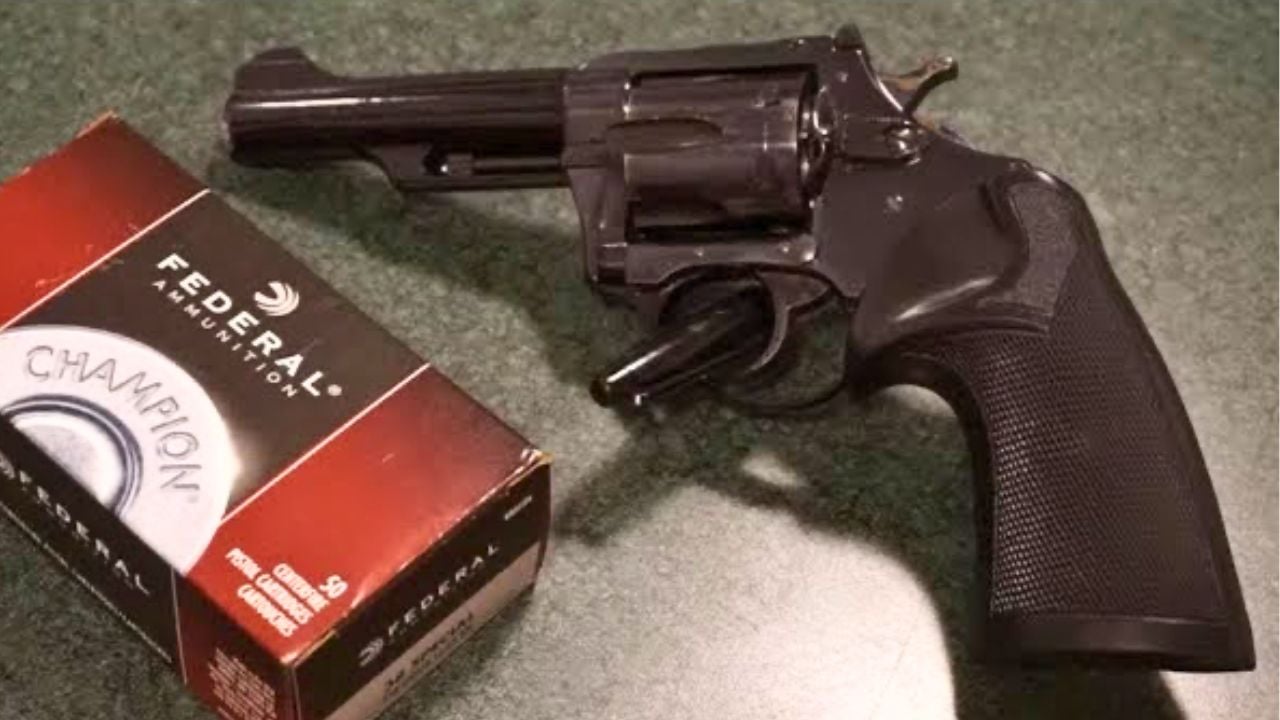
Most people know the Bulldog name because of the compact .44 Special versions. The Police Bulldog deserves attention of its own.
The larger configuration gives you more revolver to hold onto without abandoning the straightforward Charter Arms philosophy. These guns were built around practical defensive use, not display-case beauty. That means surviving examples often show honest wear, but it also means the design is refreshingly direct. If you like traditional defensive revolvers without needing a famous collector name, this is worth investigating.
Dan Wesson Model 22
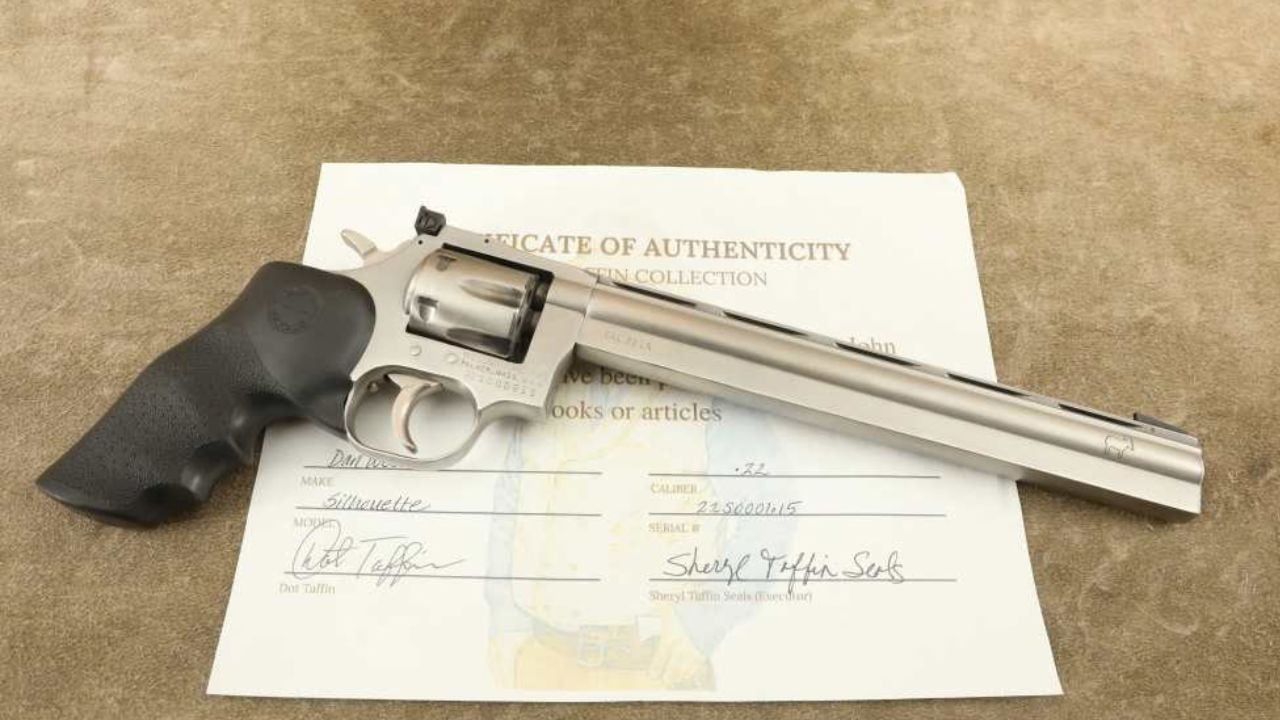
Dan Wesson is usually associated with powerful centerfire revolvers and interchangeable barrel systems, which makes its rimfire guns particularly easy to forget.
The Model 22 lets you enjoy the same distinctive Dan Wesson approach with cheap, mild .22 LR ammunition. The interchangeable barrel concept also makes far more sense once you begin experimenting with different configurations rather than treating the revolver as a fixed package. For somebody who likes mechanical firearms and deliberate rimfire shooting, the Model 22 offers a lot that conventional .22 revolvers do not.
Astra Cadix
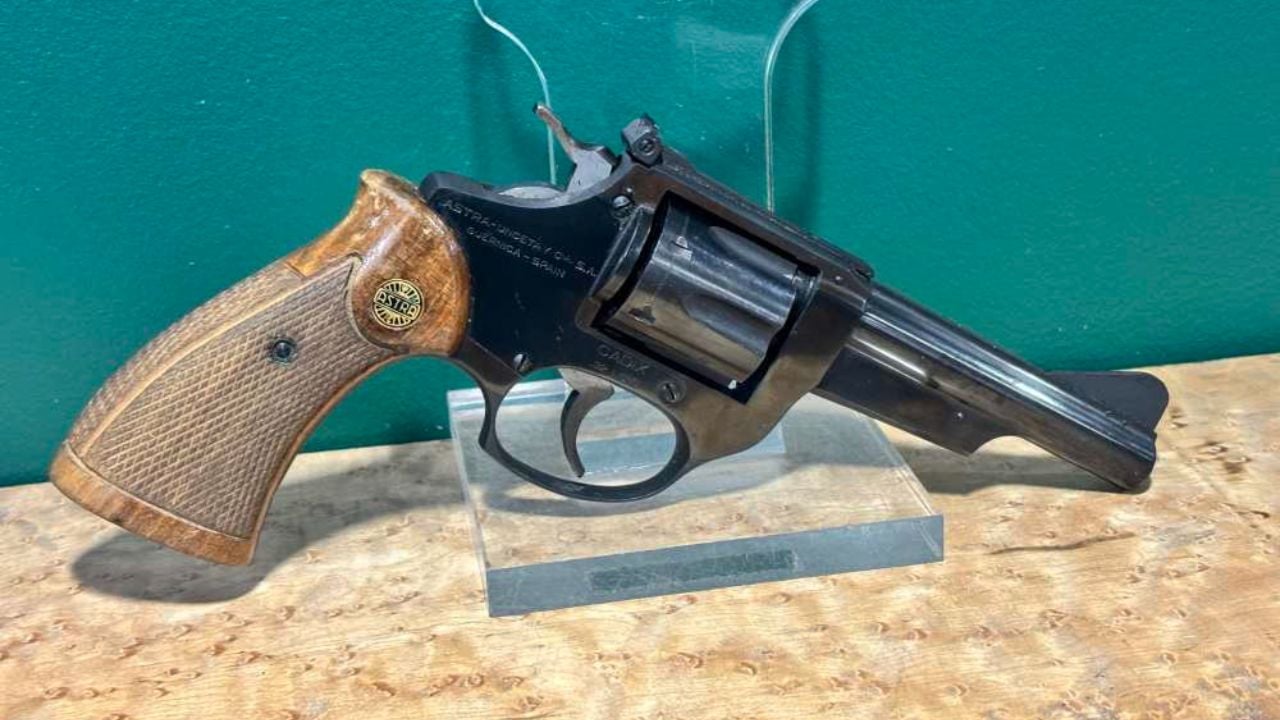
Astra built plenty of semiautomatic pistols that still appear in surplus collections, but its revolvers are considerably less discussed.
The Cadix was offered in several small-bore chamberings and generally followed the traditional swing-out-cylinder format familiar to American shooters. It will not carry the prestige of a period Colt or Smith, but that is what makes it interesting. These old Spanish revolvers can provide a very different collecting path for somebody who is tired of chasing the same American models everyone else wants.
Manurhin Special Police F1
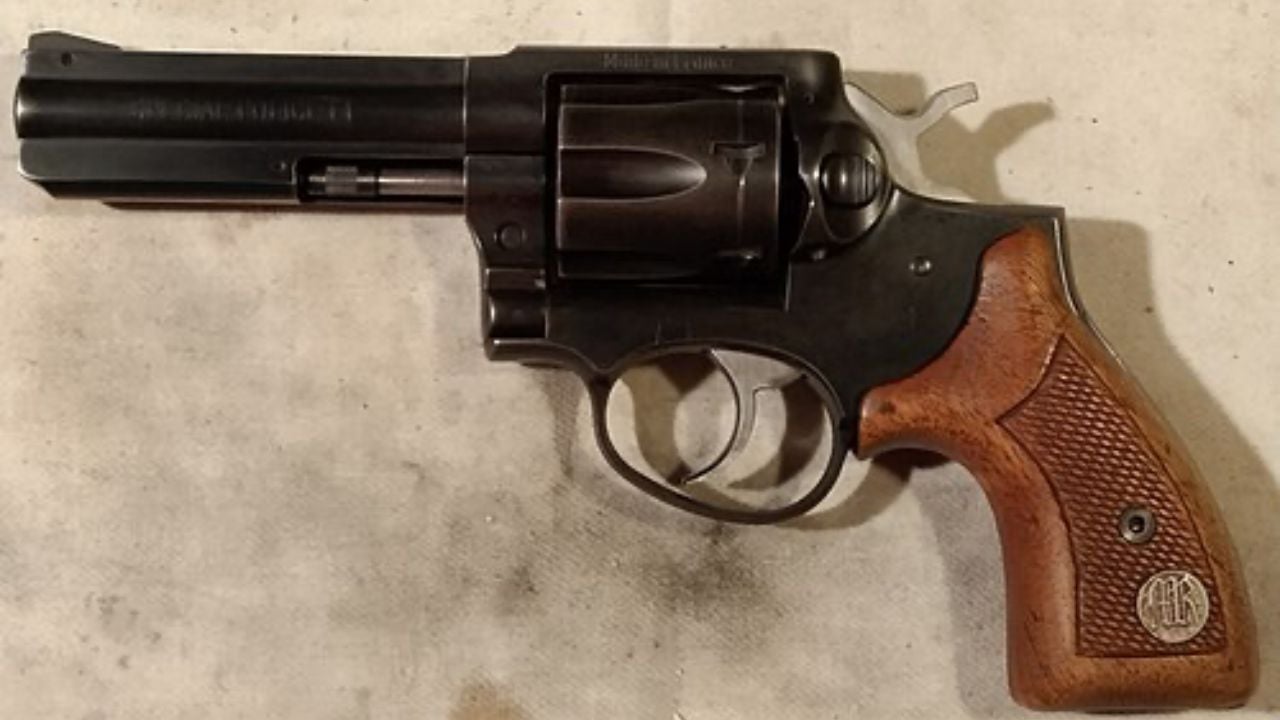
Mention Manurhin today and most serious shooters immediately think about the expensive MR73.
The Special Police F1 rarely gets the same attention. It was a serious French service revolver built for practical use rather than the premium image attached to the MR73. That gives it an interesting position for anyone fascinated by European police handguns. It is still a substantial, purpose-built revolver, yet it lives almost completely outside the mainstream American wheelgun conversation.
Weihrauch Arminius HW3
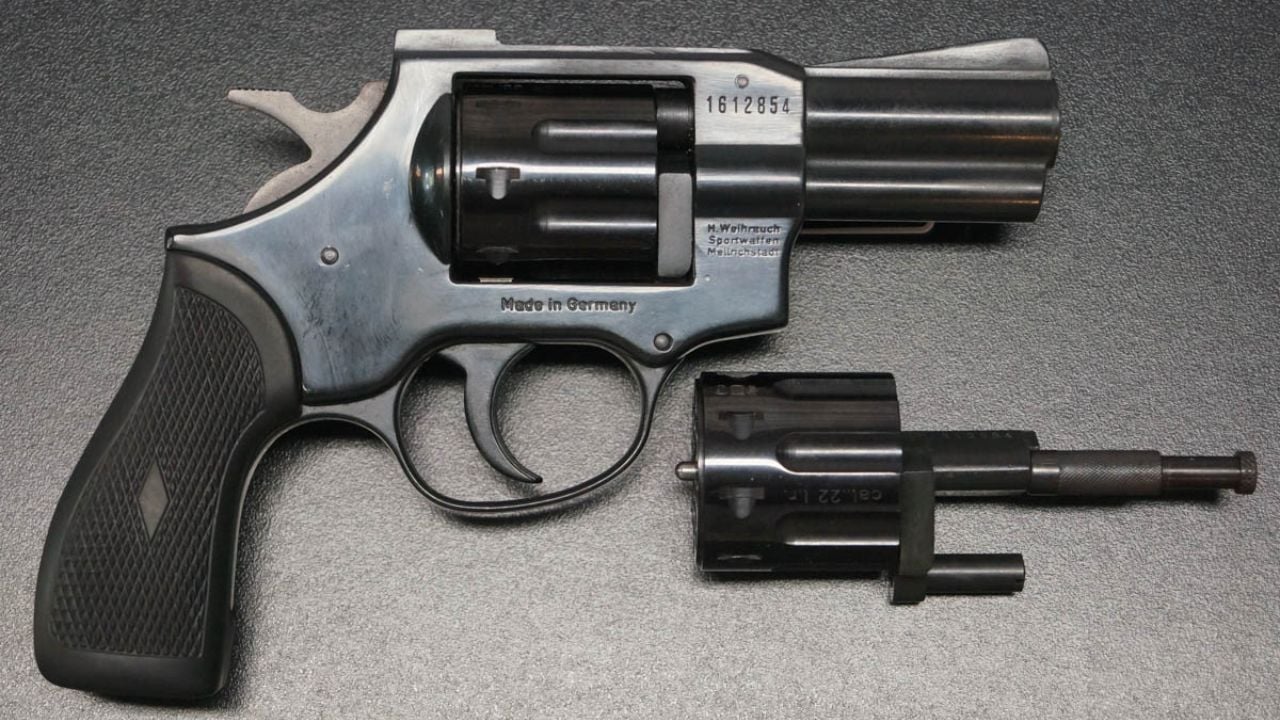
Arminius revolvers are often dismissed because many were sold at relatively low prices and never developed much collector prestige.
The HW3 is exactly the kind of gun worth reconsidering on its own terms. It is a small European revolver that reflects a period when manufacturers offered numerous compact wheelguns in modest cartridges. Nobody should confuse it with a high-end target revolver, but older examples have character and mechanical interest that make them much more appealing than their reputation suggests.
High Standard Sentinel
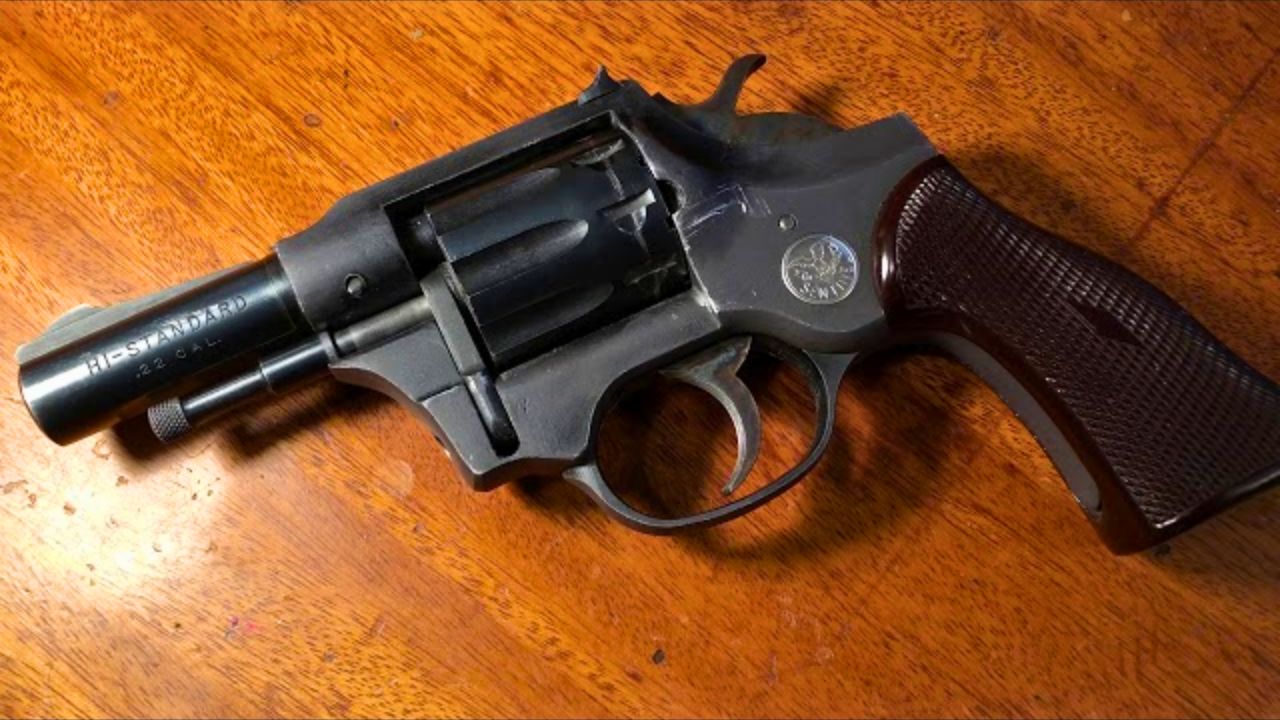
High Standard is remembered primarily for its excellent semiautomatic target pistols, leaving the company’s revolvers almost completely in the background.
The Sentinel deserves better. It was lightweight, straightforward, and typically chambered in .22 LR, making it an easy gun to carry around a property or spend an afternoon shooting. The nine-shot capacity on many versions also gave it practical appeal. It may never receive the reverence attached to High Standard’s target autos, but it is a fun and useful part of the company’s history.
High Standard Double-Nine
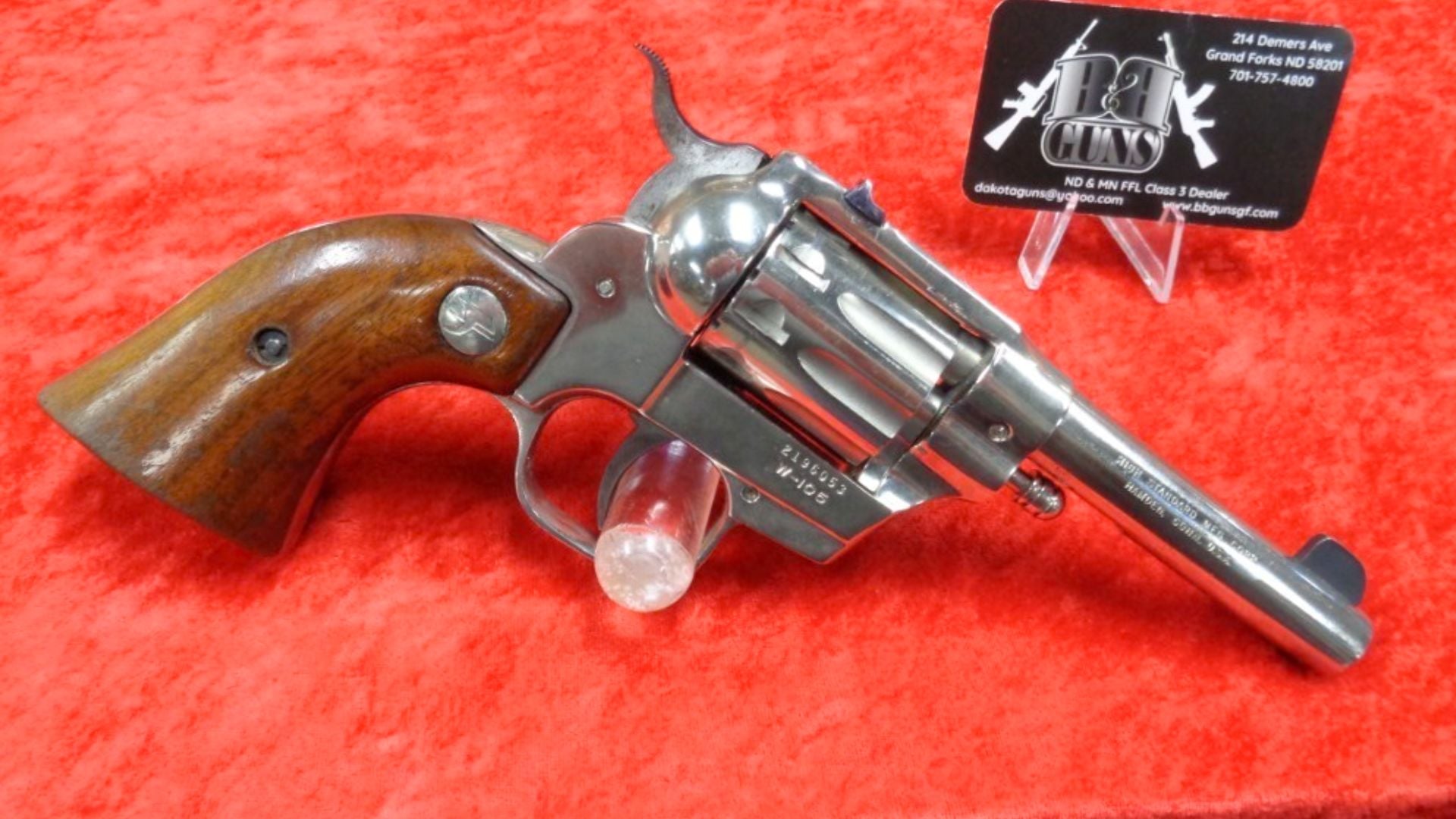
The Double-Nine took rimfire revolver shooting in a slightly different direction by combining a western-looking exterior with double-action operation.
That gave shooters the visual appeal of a traditional single action without requiring them to cock the hammer before every shot. It is a strange combination by modern standards, which is exactly why it deserves attention. The Double-Nine has enough personality to stand out in a rimfire collection and remains one of the more interesting revolvers High Standard produced.
Harrington & Richardson Model 926
@ShootinWithSam/YouTube
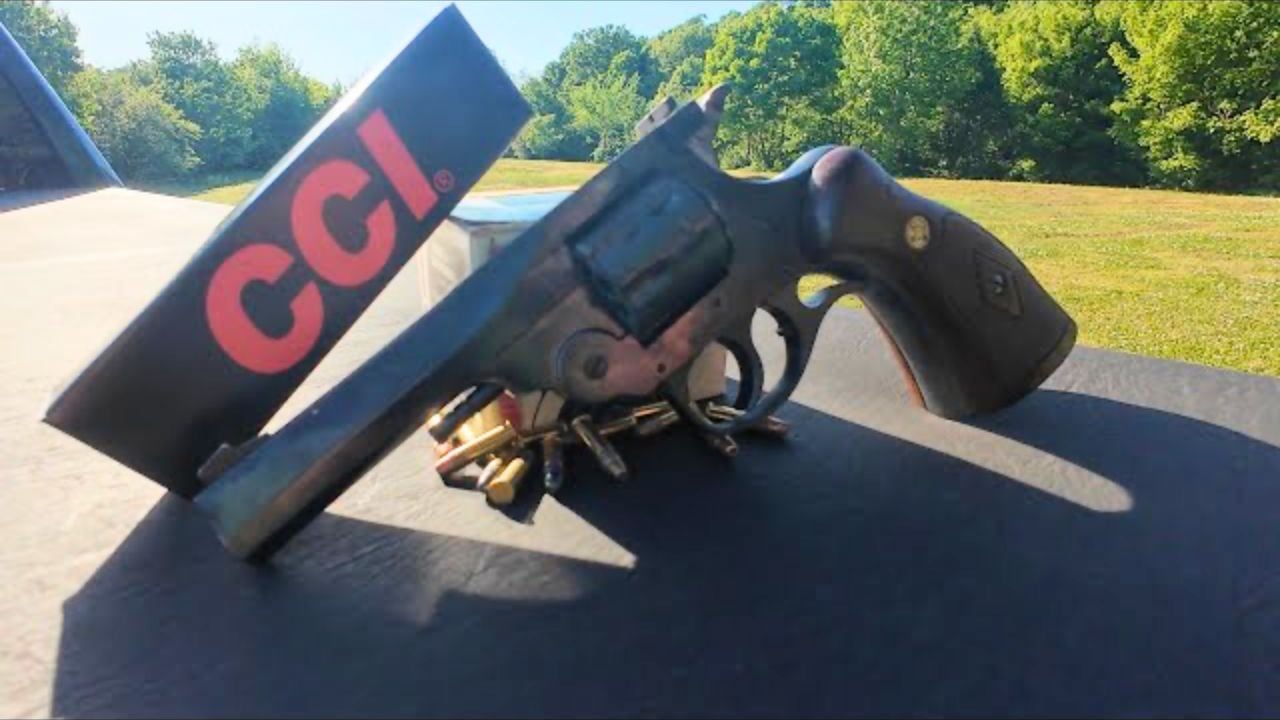
The Model 926 is another old H&R that rarely gets mentioned unless someone already has an interest in inexpensive American revolvers.
Its nine-shot .22 LR cylinder and conventional double-action layout made it an excellent recreational handgun. These were the kinds of revolvers people bought to shoot rather than collect, so cosmetic wear is common. Find a clean one, however, and you get a piece of American rimfire history that can still provide exactly the sort of relaxed shooting it was built for.
Iver Johnson Model 55A Target
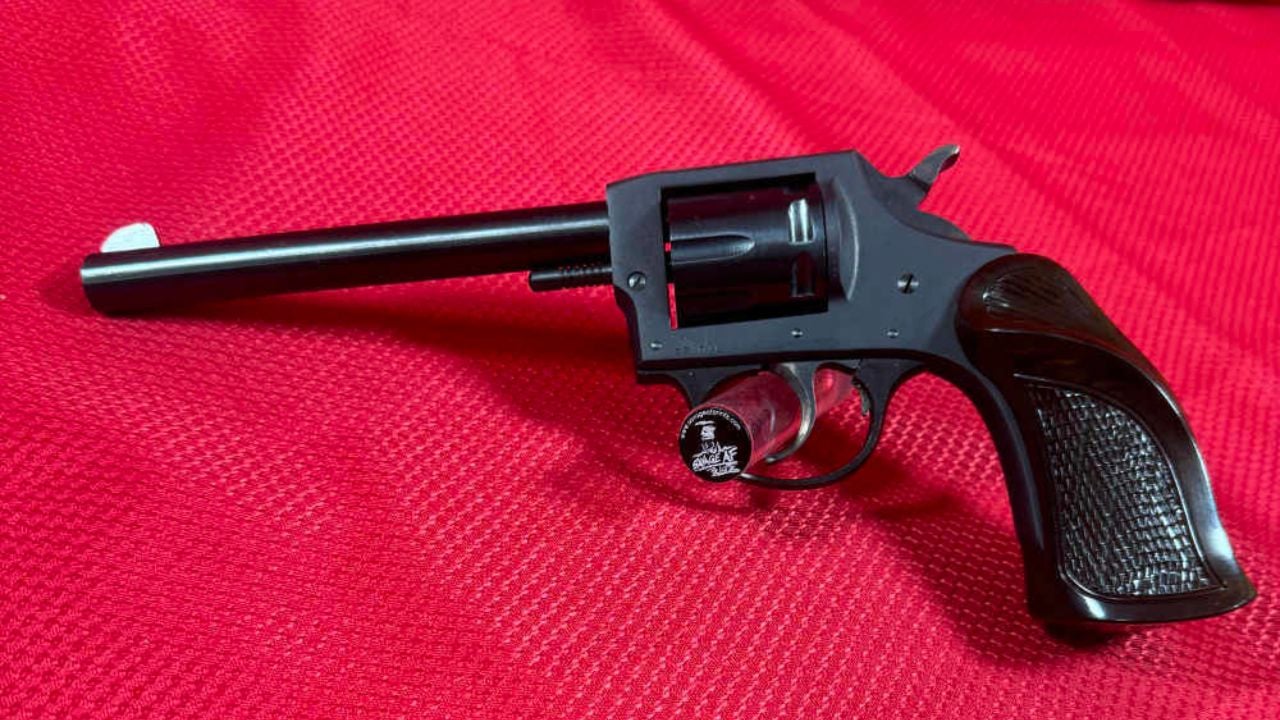
Iver Johnson’s name is more likely to bring up old top-break revolvers than traditional postwar target-style wheelguns.
The Model 55A deserves attention because it offers a completely different side of the company. It is a .22 revolver meant for inexpensive recreational and target shooting, with the kind of old-fashioned steel construction that gives even modest guns some character. It will never be mistaken for a premium target Smith, but that also means you can appreciate it without treating every range trip like a threat to collector value.
Colt New Pocket
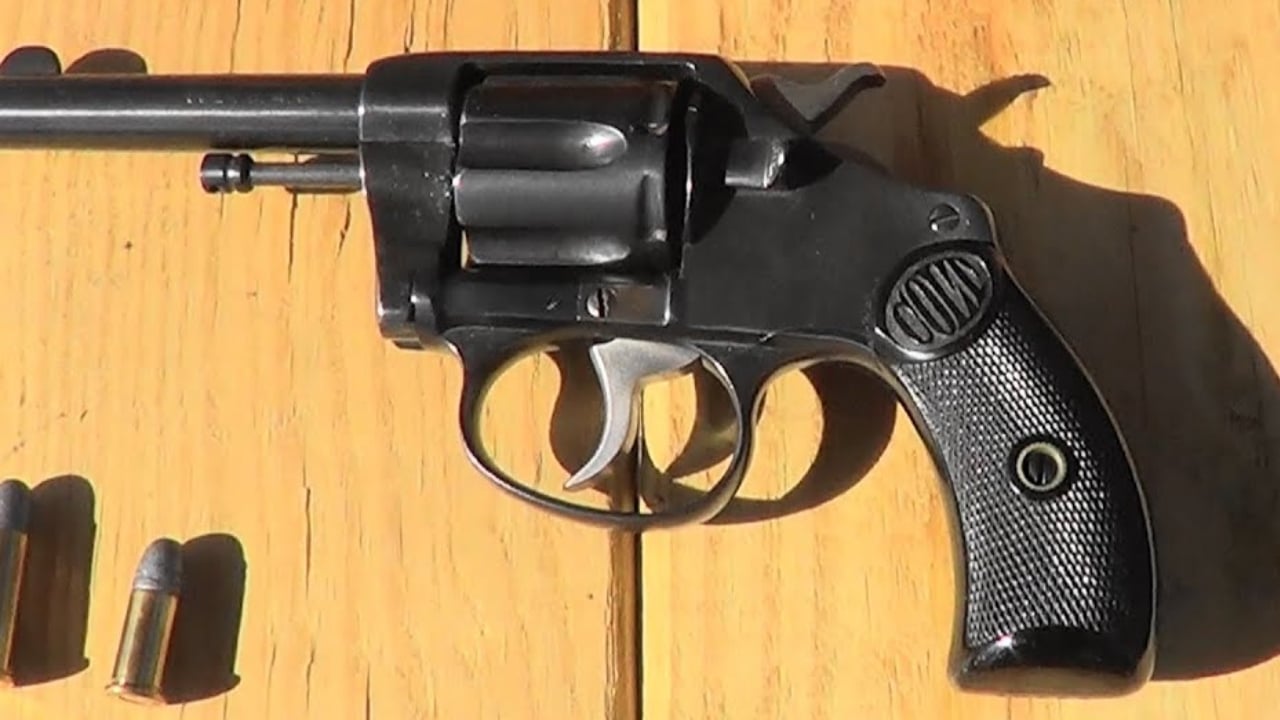
The New Pocket has been almost completely buried by later Colt snubnose revolvers.
That is unfortunate because it represents an earlier stage of compact double-action revolver development. Its proportions, small chamberings, and turn-of-the-century construction make it feel completely different from a Detective Special or Cobra. For collectors interested in how the modern carry revolver developed, the New Pocket offers far more historical interest than its modest size initially suggests.
Smith & Wesson Model 33
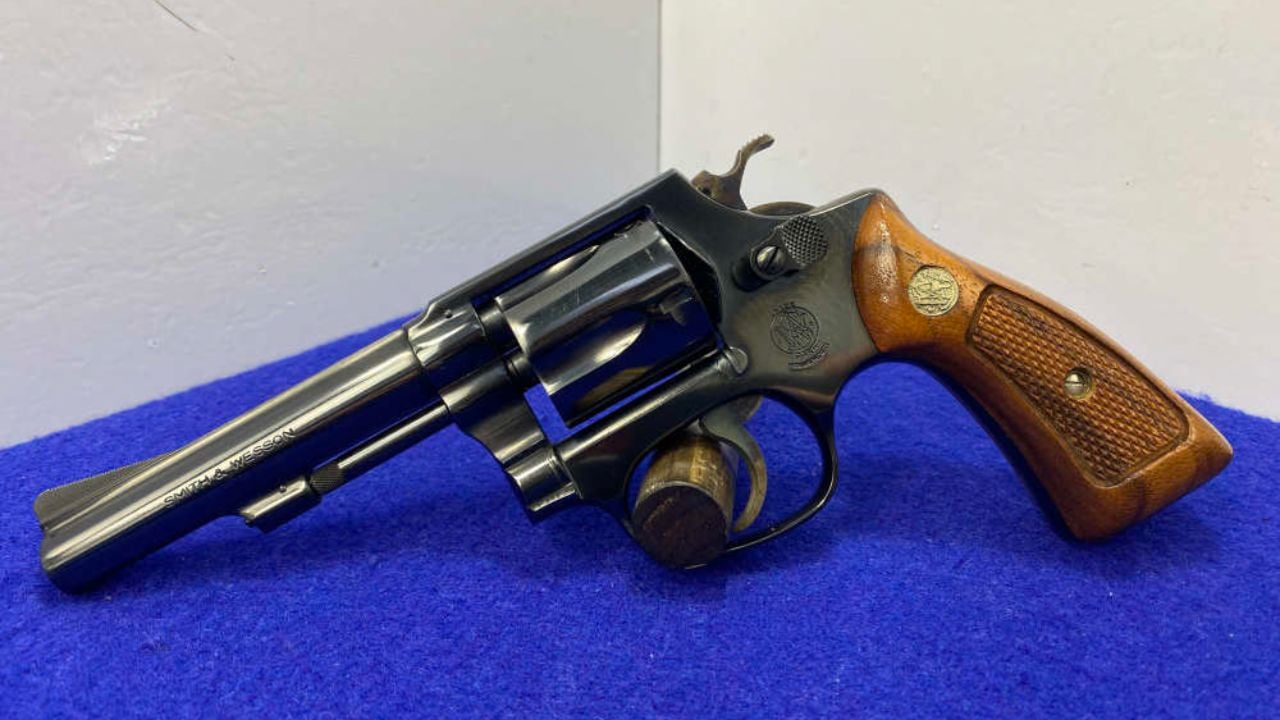
The Model 33 is another forgotten .32 that deserves renewed attention now that shooters are rediscovering smaller-bore revolver cartridges.
Chambered in .38 S&W despite its confusing model designation lineage? No—the Model 33 is actually the Regulation Police chambered in .38 S&W, and that unusual cartridge is a major reason it has been ignored. It lacks the power and ammunition selection of .38 Special, but as a mild-shooting vintage revolver it can be enjoyable. More importantly, it gives collectors access to a less obvious corner of Smith & Wesson history without simply buying another .357.
Ruger Single-Six .32 H&R Magnum

Most shooters hear Single-Six and immediately think .22 LR, which makes the centerfire .32 H&R Magnum versions easy to miss.
They deserve another look because the smaller cartridge fits the trim single-action concept extremely well. Recoil is mild, accuracy can be excellent, and the gun makes a handy field revolver without requiring the size of a .357 Blackhawk. Interest in .32-caliber revolvers has grown considerably, making these unusual Rugers more relevant now than they were when many shooters ignored them.
Webley Mk IV .38/200
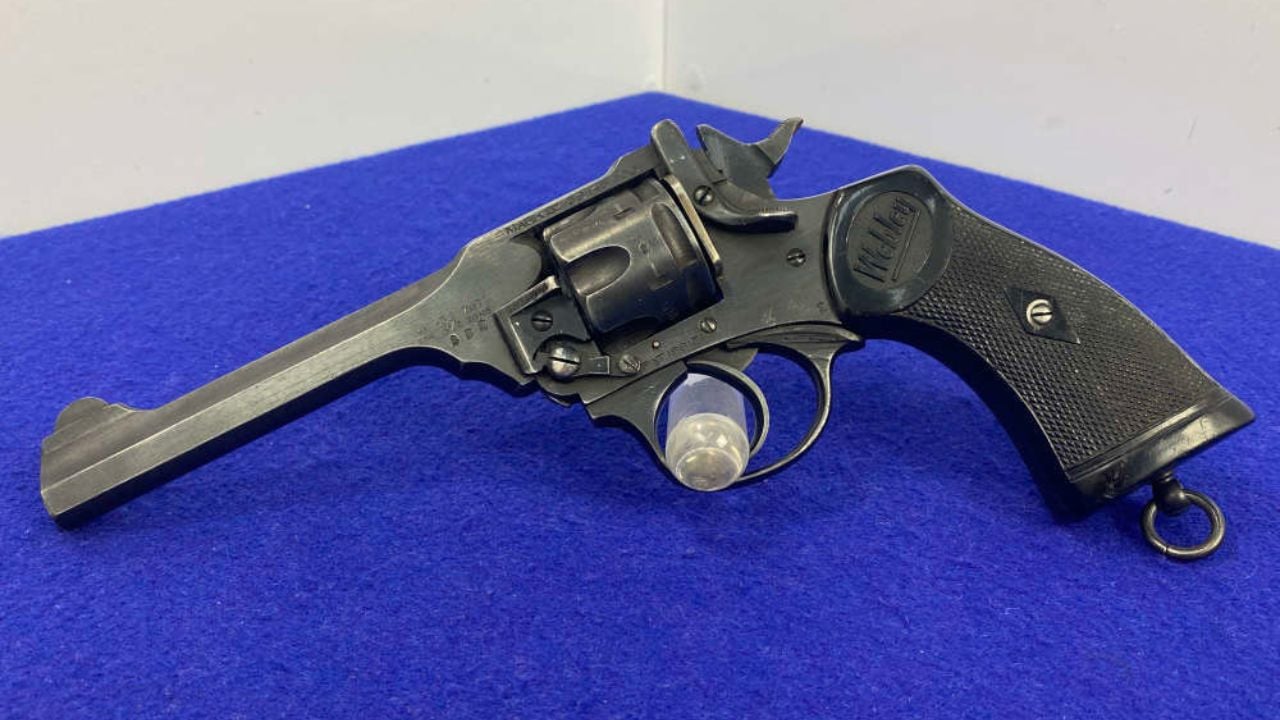
The Webley Mk IV often gets overshadowed by the larger .455-caliber military Webleys.
The smaller .38 version still offers the classic top-break action and unmistakably British appearance while being easier to handle than the huge service revolvers most people picture when they hear the Webley name. The automatic extraction provided by the break-open design is particularly satisfying to operate. It is obsolete as a defensive handgun, but mechanically and historically it remains fascinating.
Merwin Hulbert Pocket Army
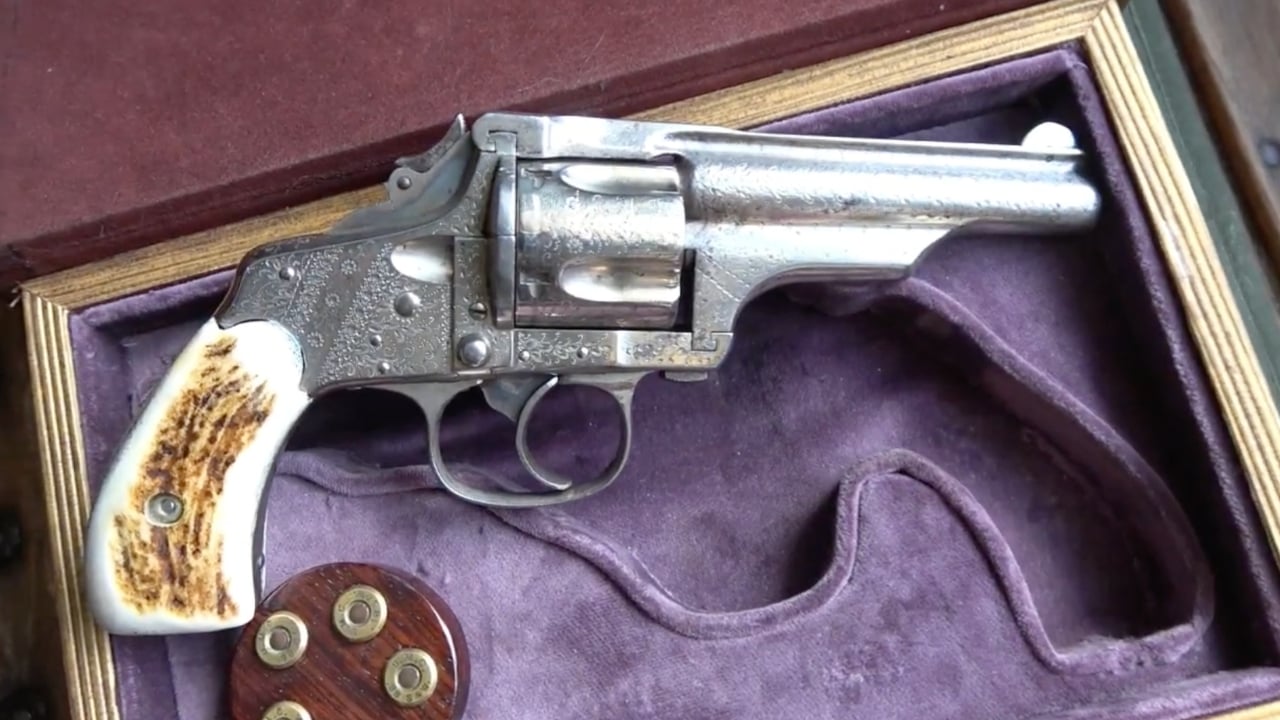
Merwin Hulbert revolvers tend to be forgotten partly because their design does not fit neatly into the Colt-versus-Smith & Wesson story most people learn first.
That is exactly why they deserve another look. Their unusual twist-and-pull extraction system is mechanically fascinating, and the guns were built during one of the most inventive periods of American revolver development. A Pocket Army is not something you buy because ammunition is cheap or parts are everywhere. You look at one because it reminds you how many different solutions gunmakers once tried before modern revolver design became standardized.
Like The Avid Outdoorsman’s content? Subscribe to our newsletter so you never miss an article.
Here’s more from us: