Photo credit: 1957Shep/Youtube
Every now and then a gun gets built with working folks in mind first. Not Instagram. Not display cases. It gets built for cops, guards, prison transports, woods patrols, and plain old hard use where a sidearm rides all day, bangs into door frames, gets dust in the action, and still has to go bang when you need it.
Then regular shooters catch on. Sometimes decades later. Sometimes after a good used example shows up at a pawn counter with honest holster wear and a smooth action that feels like it already knows your hand. Here are 20 revolvers that started out as “professional tools” and ended up as everybody’s business.
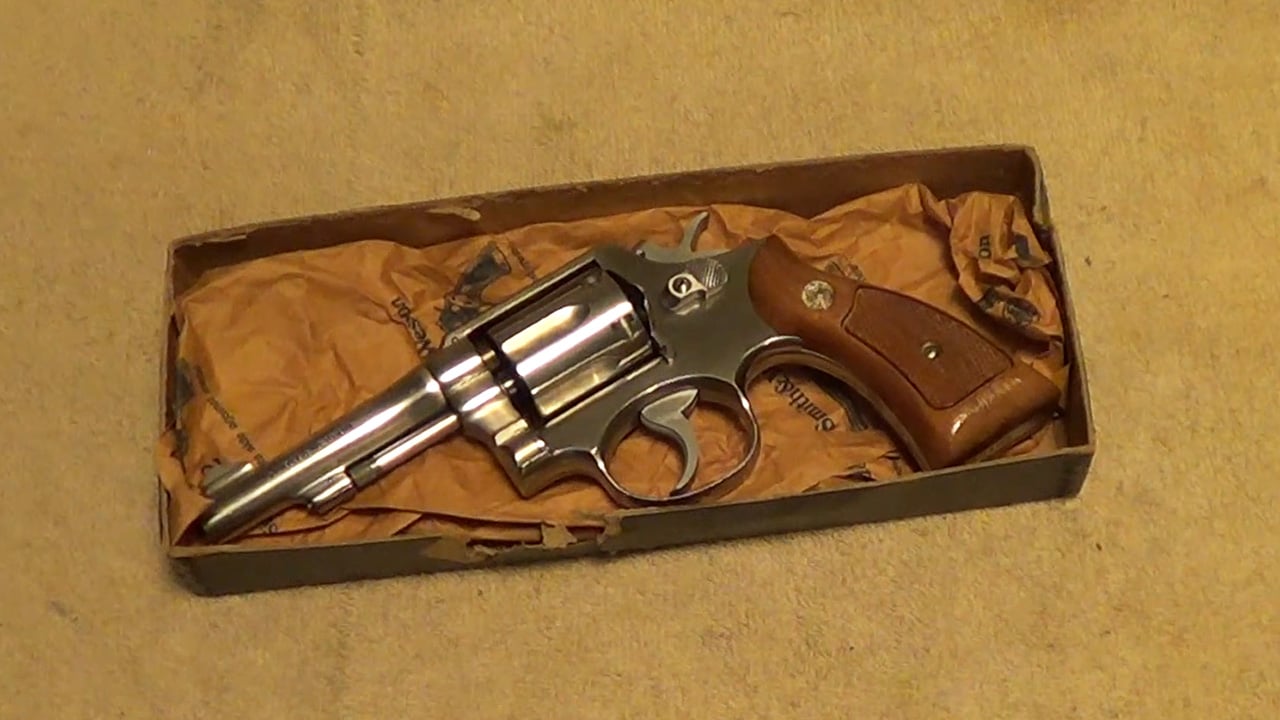
1. Smith & Wesson Model 10
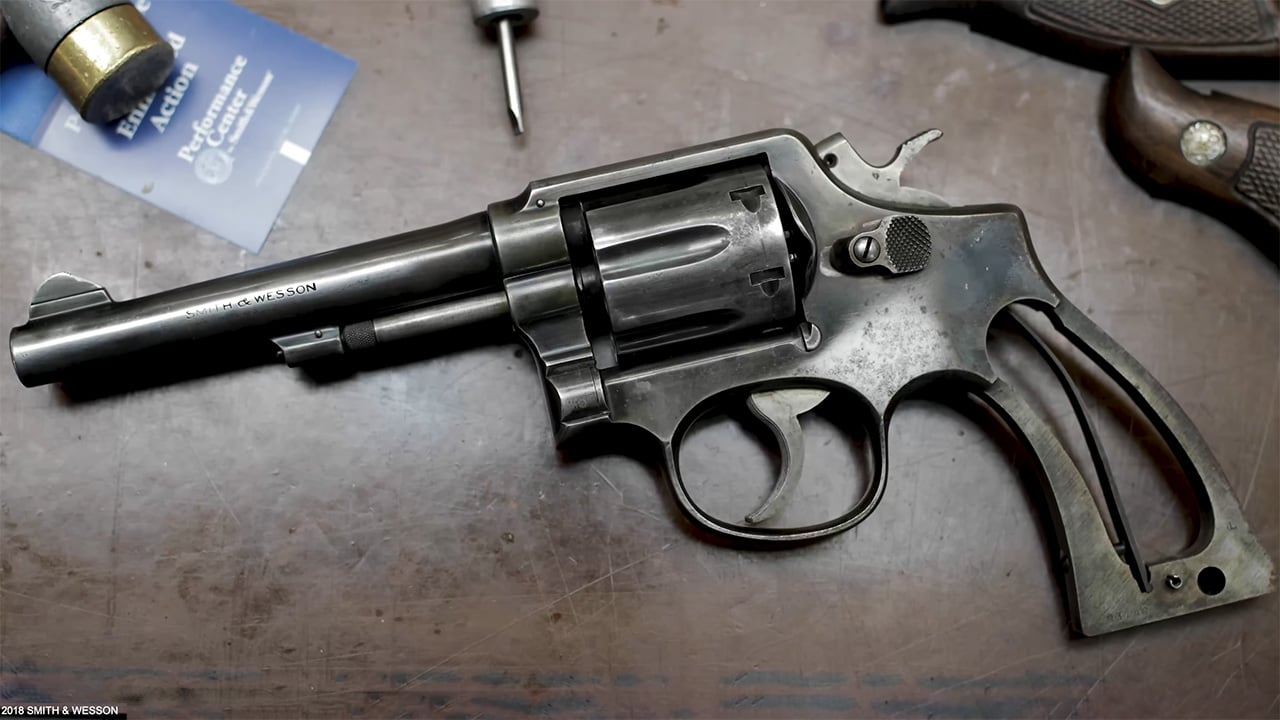
The Model 10 is the blue-collar king of revolvers, and it earned that title the hard way. It rode on hips for generations because it’s simple, points naturally, and the fixed sights don’t get knocked out of whack just because you bumped a truck door.
With standard-pressure .38 Special it’s easy to shoot well, and the K-frame size carries better than people expect in a good holster. It isn’t flashy, and the finish on many duty guns looks like it lived a real life. Still, a tight Model 10 with a decent trigger is the kind of “boring” you end up trusting.
2. Smith & Wesson Model 19 (Combat Magnum)

This one is what happens when you take a carryable frame and give it real sights and real authority. A lot of professionals liked the idea of .357 power without packing an anvil, and the Model 19 delivered that for a long time.
It’s not a steady diet “hot” magnum revolver, and folks who treat it like one eventually learn why. Fed the way most people actually shoot—.38s for practice, .357s for serious—it’s a sweet-handling revolver that still feels quick out of leather.
3. Smith & Wesson Model 66
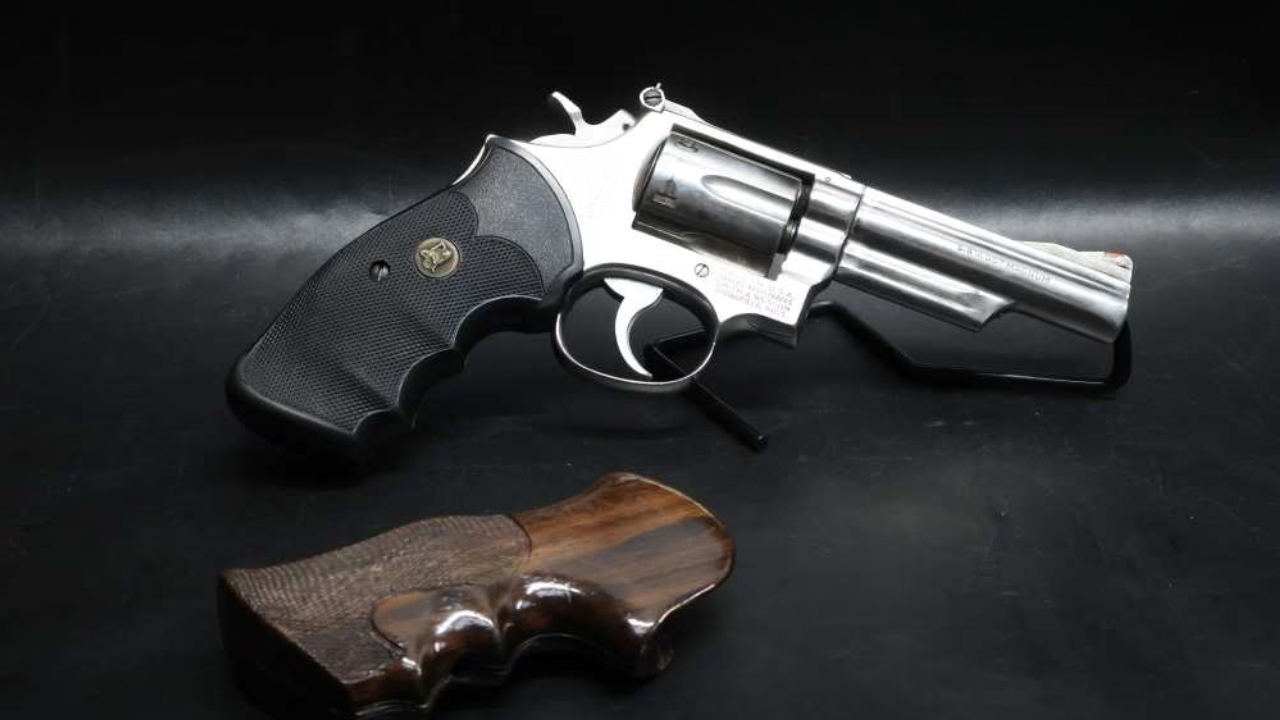
The stainless version of the 19 makes a ton of sense if your world includes sweat, rain, and truck-gun humidity. Stainless doesn’t make you bulletproof, but it does make maintenance easier when life gets busy.
A 2.5-inch or 4-inch Model 66 carries clean and balances right. It’s also one of those revolvers that makes you understand why people stuck with wheelguns so long: fast sight picture, good trigger, and it just keeps running if you don’t neglect it.
4. Smith & Wesson Model 13
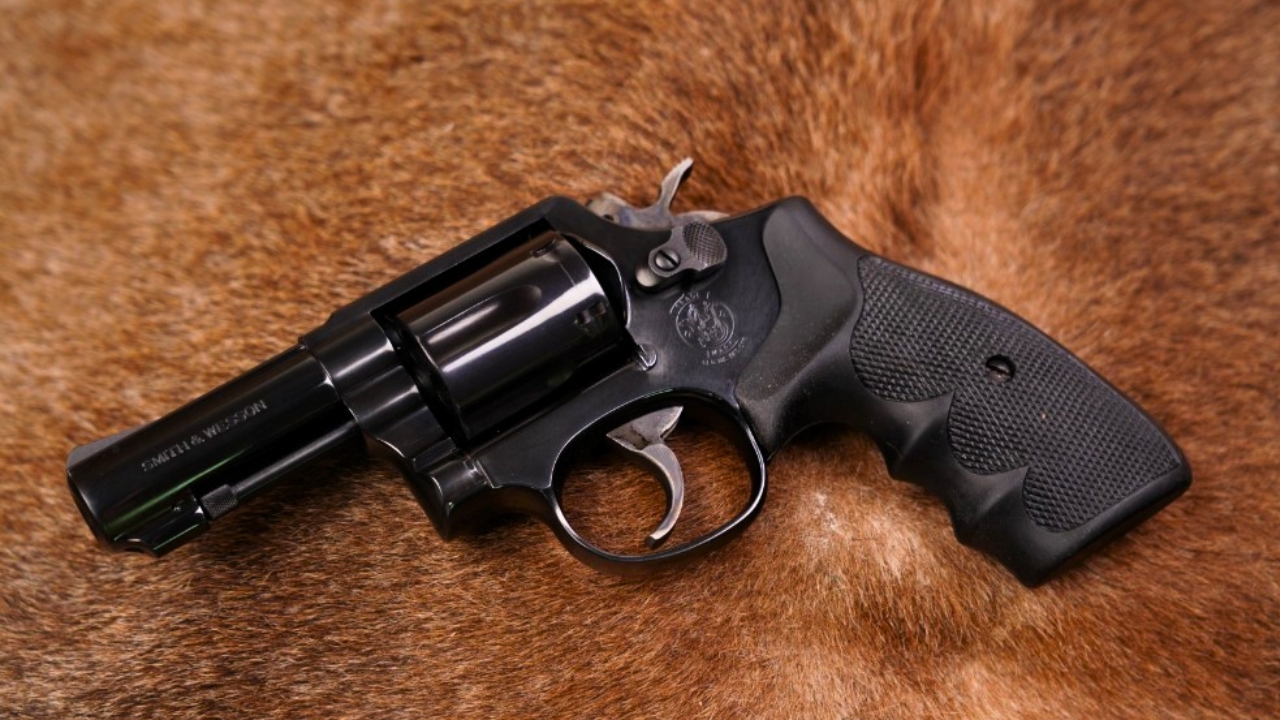
The Model 13 is the no-nonsense .357 that professionals quietly loved. Fixed sights, heavy barrel, K-frame size—nothing on it is there to impress anyone. It’s there to work.
It’s also one of the best “grab and go” revolvers ever made because there’s less to snag and less to drift out of adjustment. If you find a clean one, you’ll notice they don’t sit on shelves long.
5. Smith & Wesson Model 65
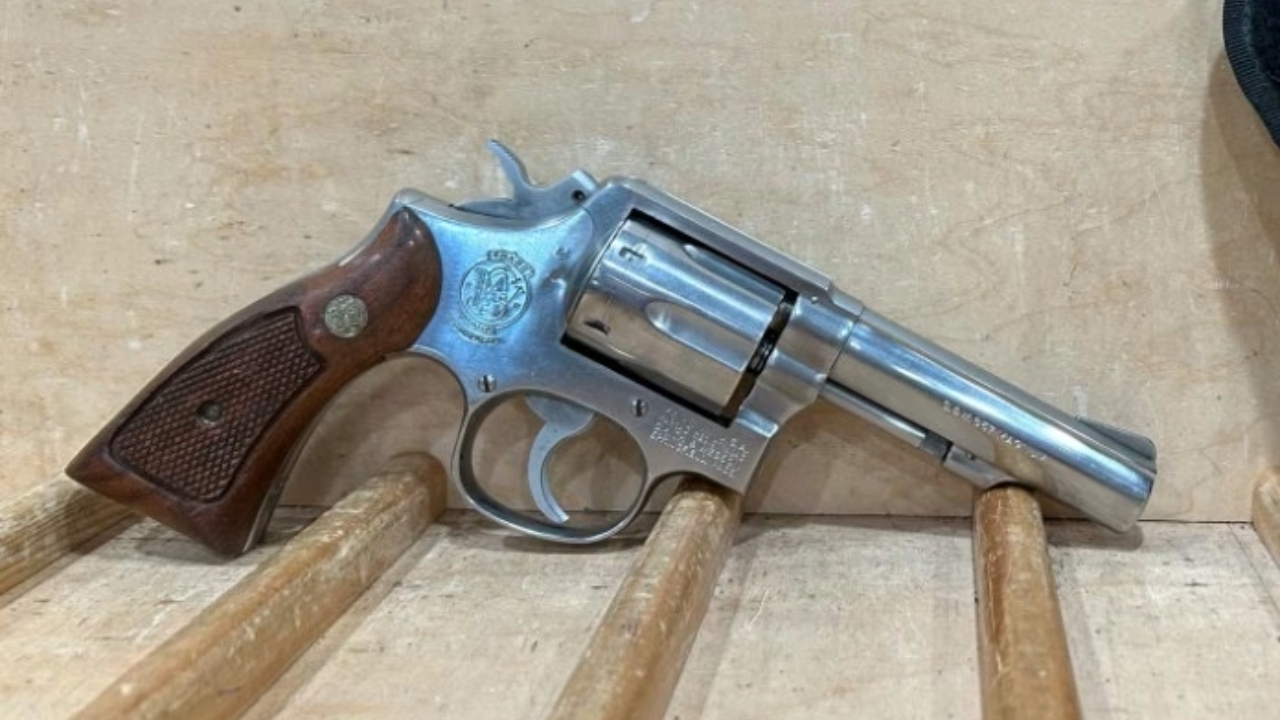
Take the Model 13 idea and make it stainless, and you get the Model 65. That’s a patrol/woods gun that doesn’t care about rain, snow, or being shoved behind a seat for a season.
It’s not a target revolver, but the practical accuracy is there. With the right grips it handles magnums better than you’d think, and with .38s it’s almost relaxing to shoot.
6. Smith & Wesson Model 64
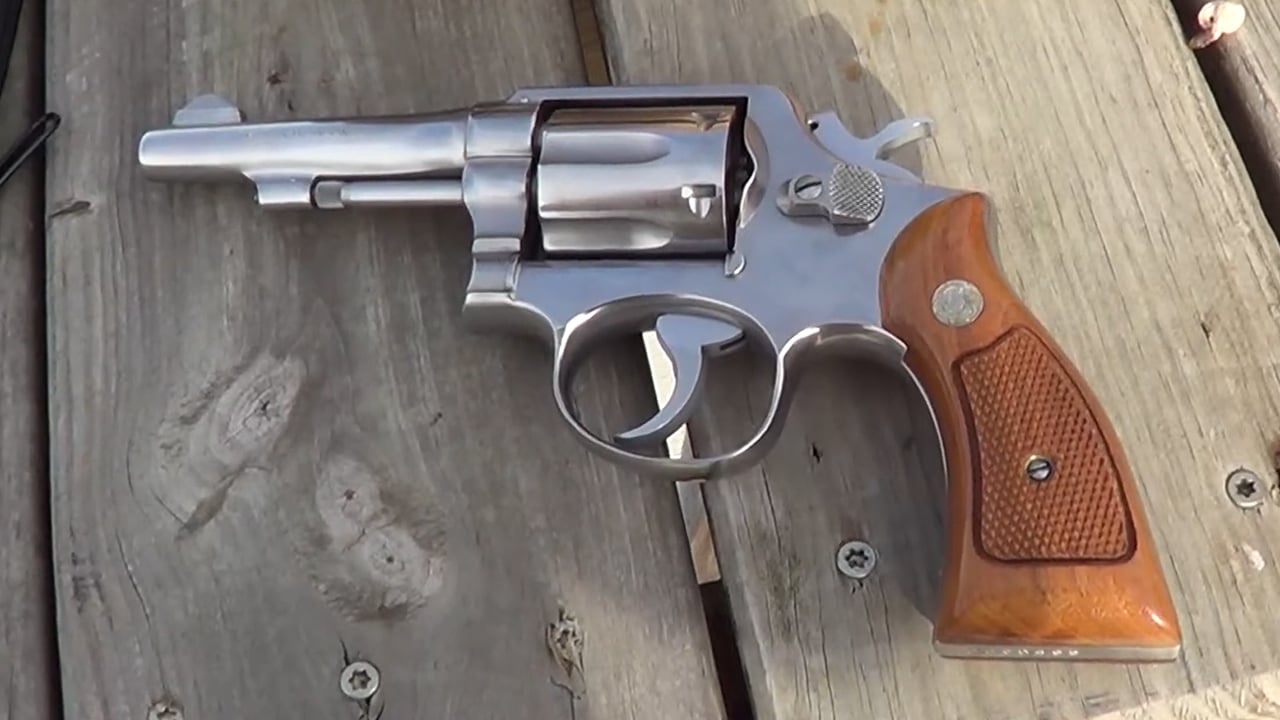
For a lot of departments, stainless .38s were the answer to constant holster wear and daily sweat. The Model 64 is basically the Model 10’s tougher, more weather-resistant cousin.
It’s a great “real life” revolver: fixed sights, easy maintenance, and it doesn’t tempt you into trying to make it something it isn’t. If you want a dependable .38 that won’t rust itself into a project, this one is hard to argue with.
7. Smith & Wesson Model 27
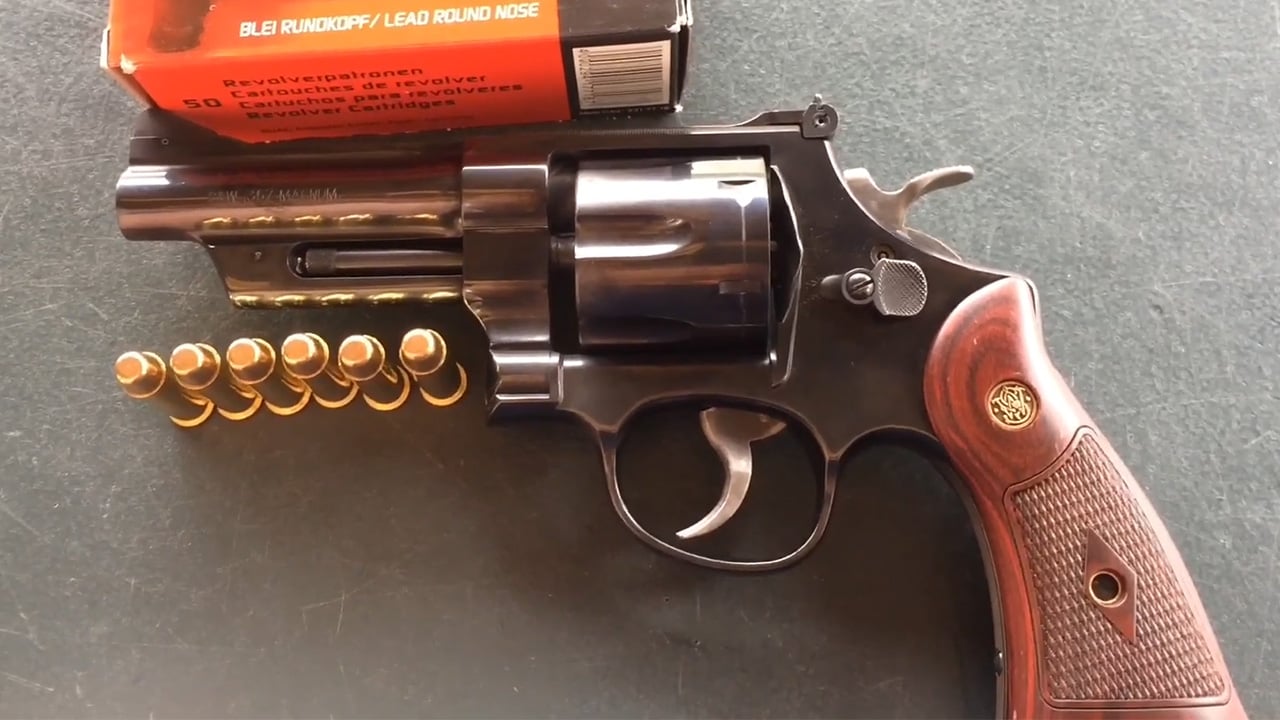
This is the Cadillac that still does truck work. The Model 27 is big, smooth, and built like it expects to be shot a lot with full-power .357.
It’s heavy on the belt, no getting around it. But for folks who want a revolver that soaks up recoil, lasts forever, and feels like a serious piece of machinery, the 27 is a classic for a reason. When you thumb that hammer back, it’s hard not to grin.
8. Smith & Wesson Model 28 (Highway Patrolman)
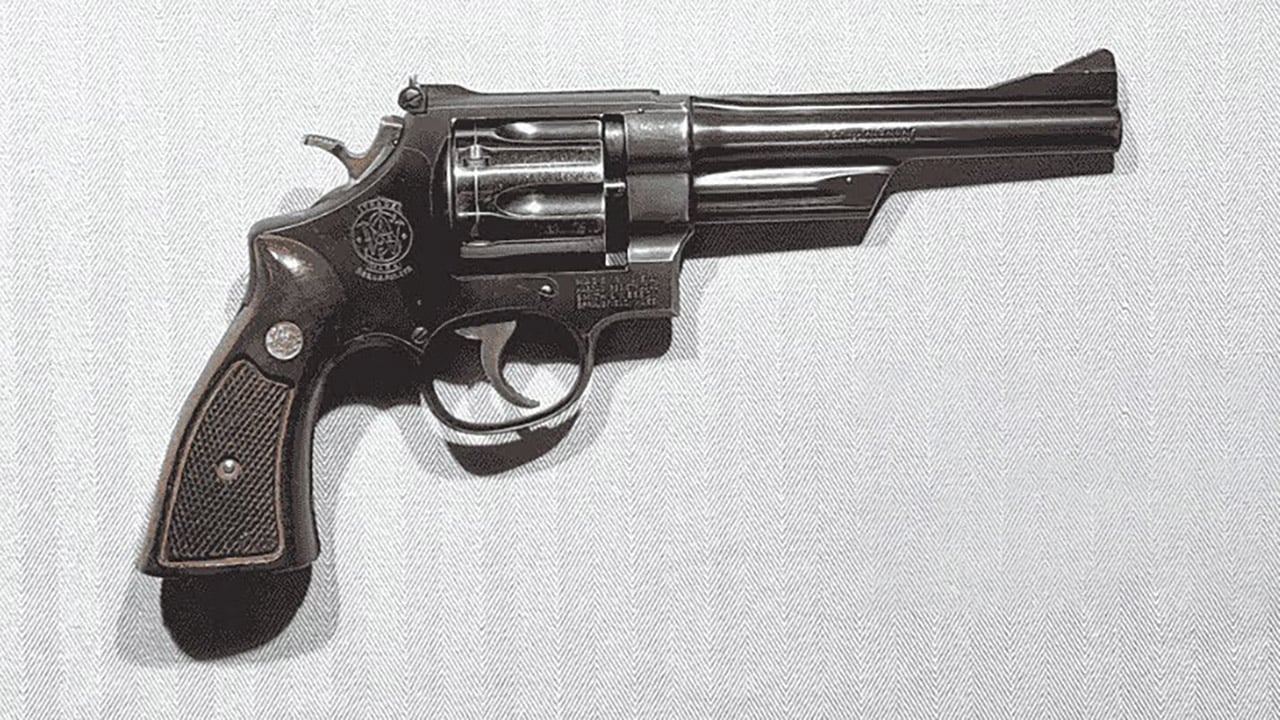
The Model 28 is basically the working man’s version of the 27, and that’s exactly why it belongs here. Same N-frame strength, more utilitarian finish, less frill.
It’s a big revolver that makes sense in a duty rig, a ranch rig, or a camp gun role where weight isn’t the main issue. If you’ve ever tried to shoot heavy magnums out of a light gun, you understand why the 28 existed.
9. Smith & Wesson Model 686

The 686 became the modern “do it all” .357 for a reason: strong L-frame, good sights, stainless, and an action that usually feels good right out of the box. A lot of serious shooters cut their teeth on these.
It’s not as slim as the K-frames, and you feel that on the hip. On the range and in the field, though, it’s steady and forgiving. If you want one revolver to cover home defense, trail carry, and general shooting, the 686 keeps ending up in that conversation.
10. Smith & Wesson Model 586
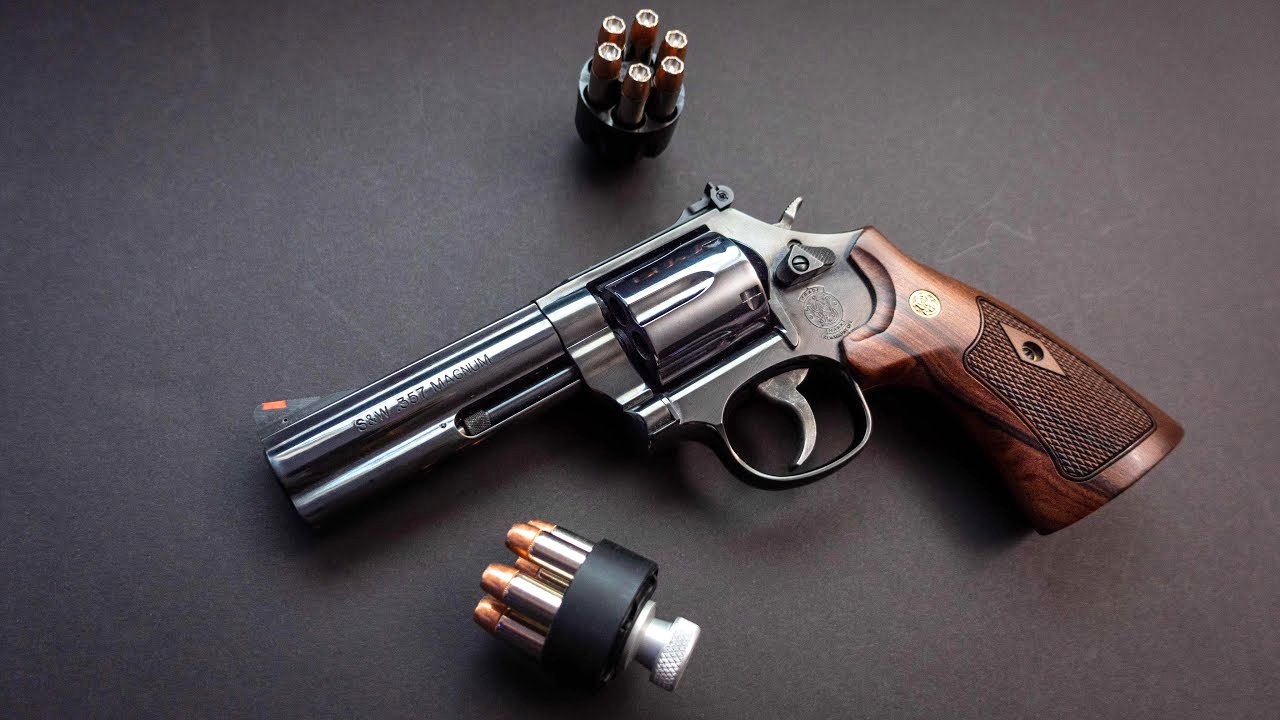
Same idea as the 686, but blued. The 586 has that classic look that makes you want to wipe it down after handling it, even if it’s “just” a tool.
Plenty of these were carried by folks who needed durability but preferred the traditional finish. They balance well, shoot well, and they’re one of those revolvers that can turn a casual shooter into a revolver guy.
11. Ruger Security-Six
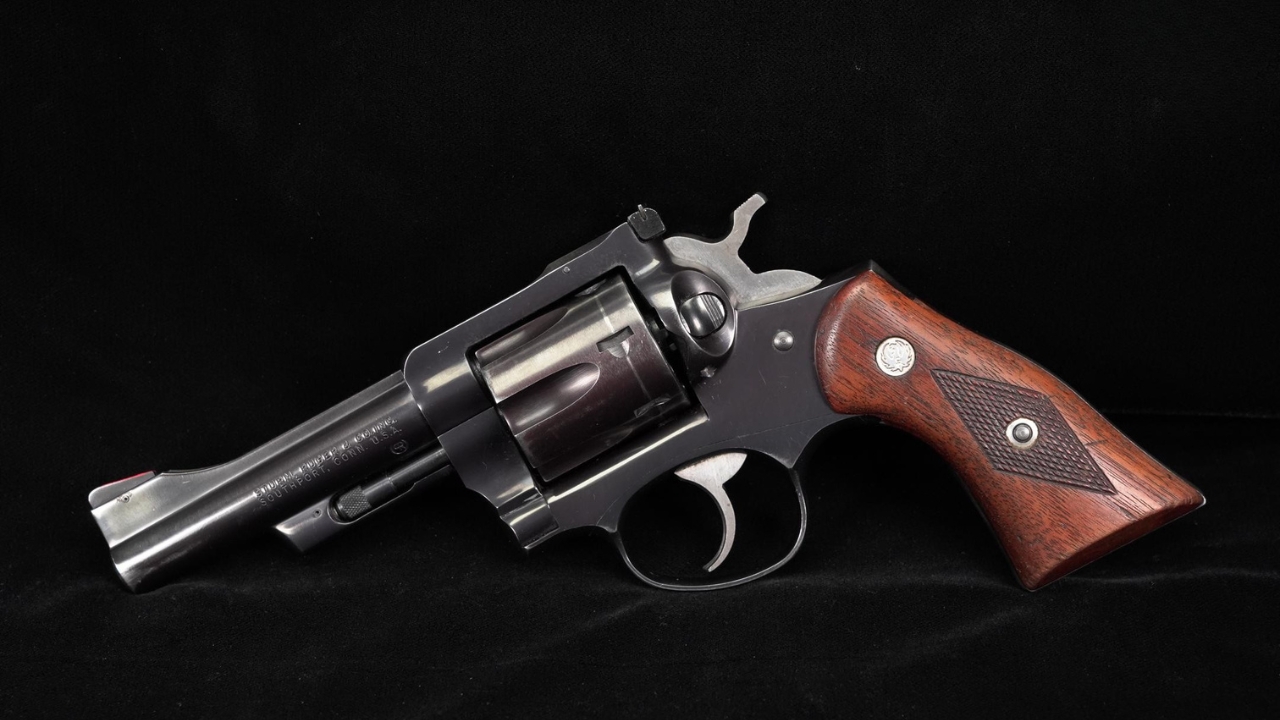
Ruger’s old Six series has a reputation for being tough in a way that doesn’t need explaining. The Security-Six was a duty gun that didn’t mind being treated like one, and the lockwork is simple and durable.
The trigger isn’t always as slick as an old Smith, but it’s usually honest and it gets better with use. If you stumble on one that hasn’t been abused, it’s a very practical .357 that still feels like it was built to work for a living.
12. Ruger Service-Six
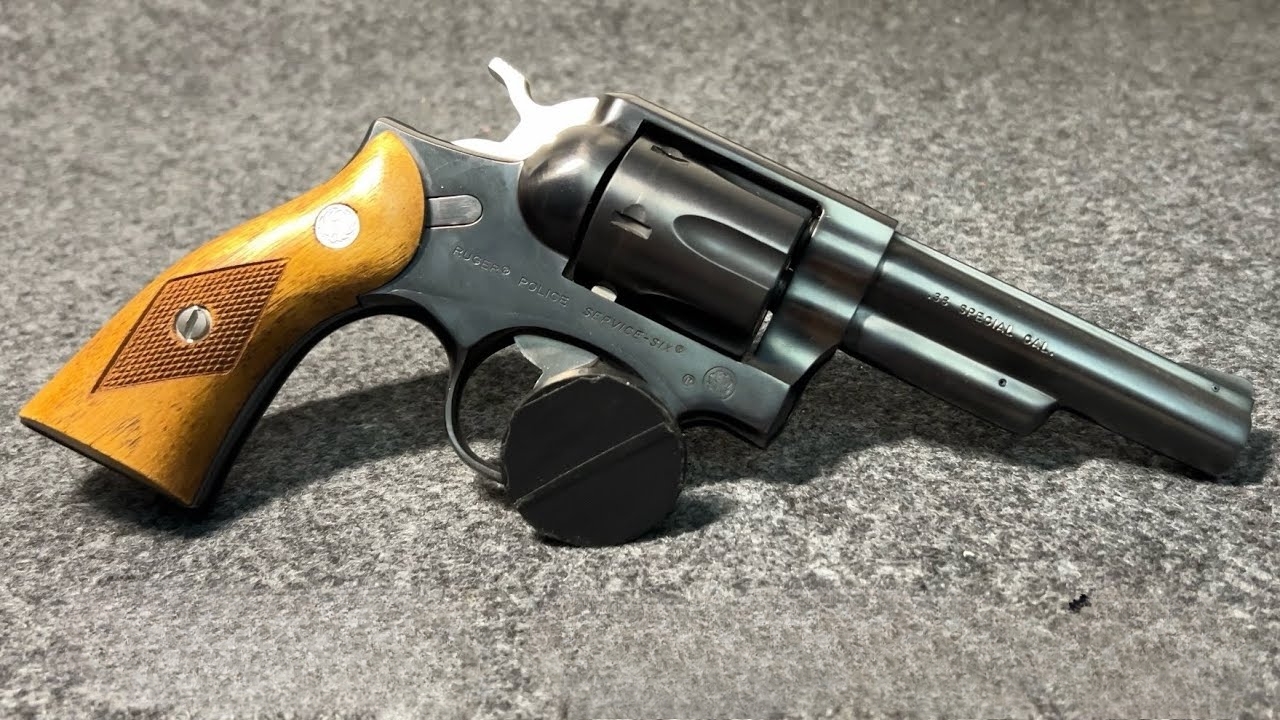
The Service-Six is the plainer sibling, and that’s not an insult. Fixed sights, clean lines, and a profile that carries well without fuss.
This is the kind of revolver that makes sense on a belt while you’re checking fence, dealing with coyotes, or walking out to a stand before daylight. It won’t win beauty contests, but it doesn’t ask for attention either.
13. Ruger Speed-Six
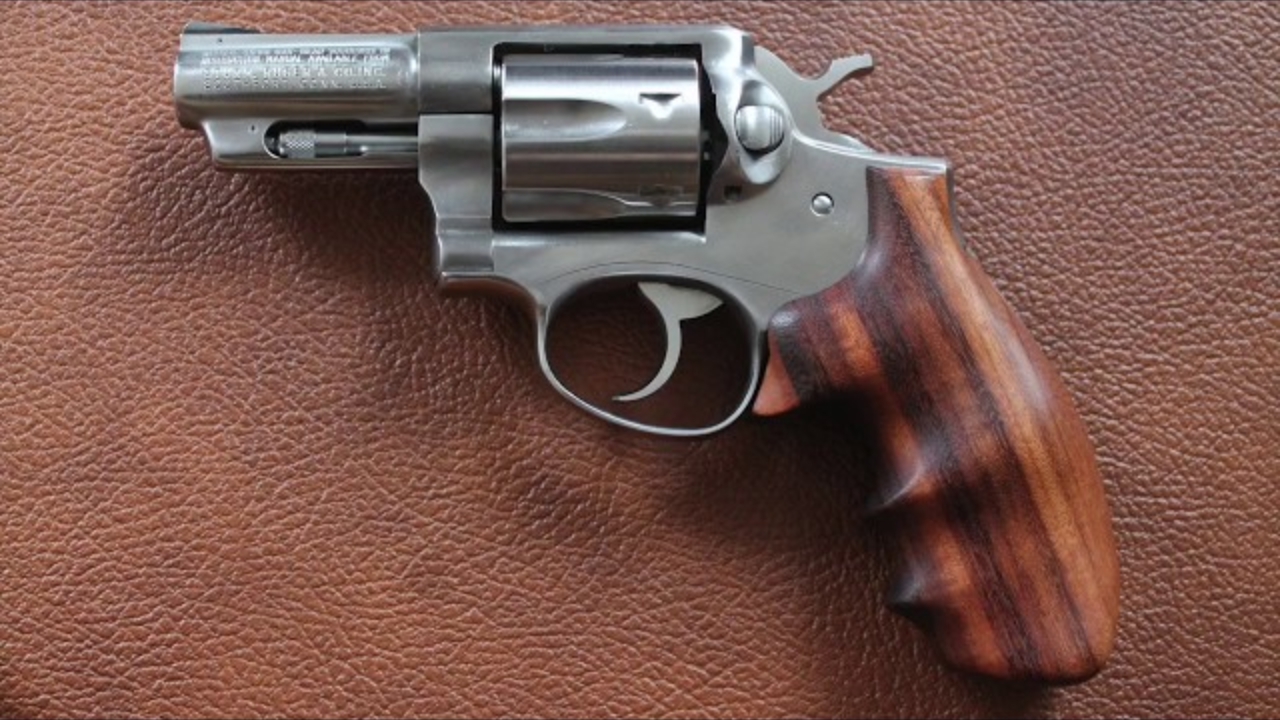
If you like the Six-series idea but want it a little handier, the Speed-Six is the one that tends to get “discovered” after the fact. Shorter, rounded, and quick out of the holster.
They’re getting harder to find at fair prices, which tells you something. A good Speed-Six is a true carry revolver that doesn’t feel delicate, and that’s a combination not every gun pulls off.
14. Ruger GP100
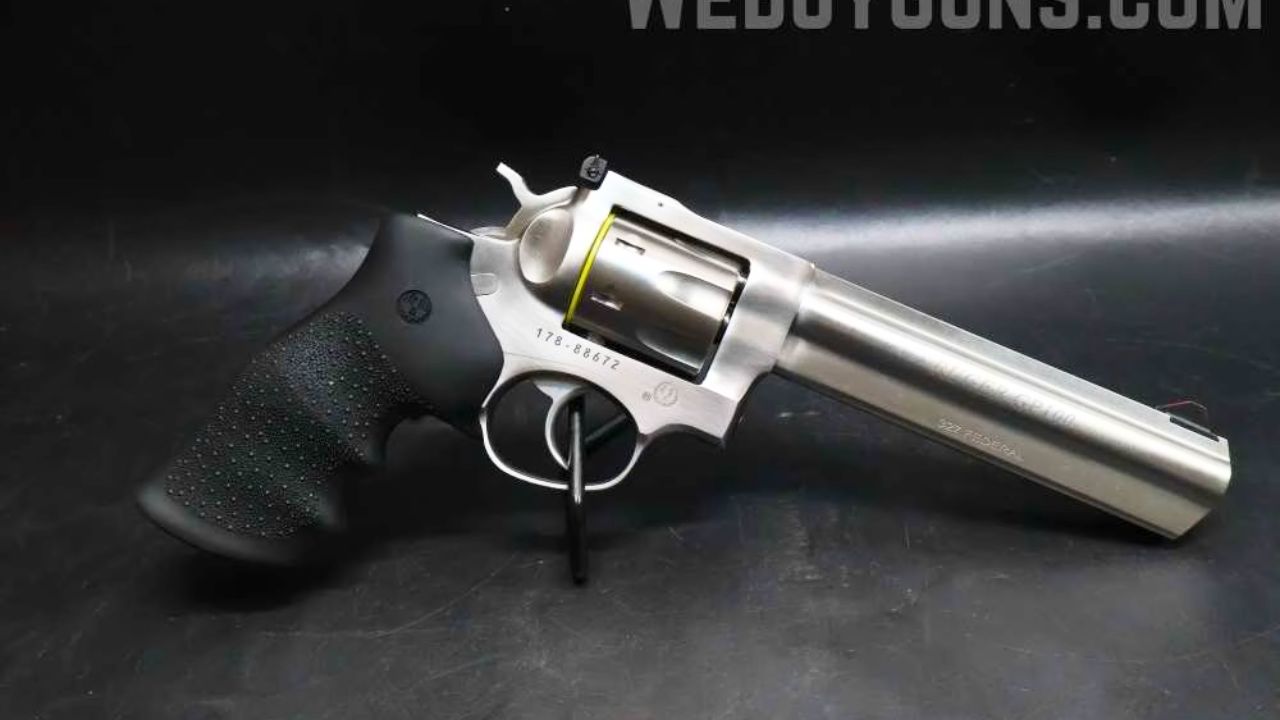
The GP100 is built like Ruger decided they were done apologizing for strength. It’s chunky, it’s overbuilt, and it handles magnum loads without beating itself up.
As a daily concealed carry revolver, it’s a lot. As a duty, woods, or nightstand revolver, it’s confidence in steel form. If you ever hand one to a new shooter with .38s and then step up to .357, they’ll feel why the weight matters.
15. Ruger SP101
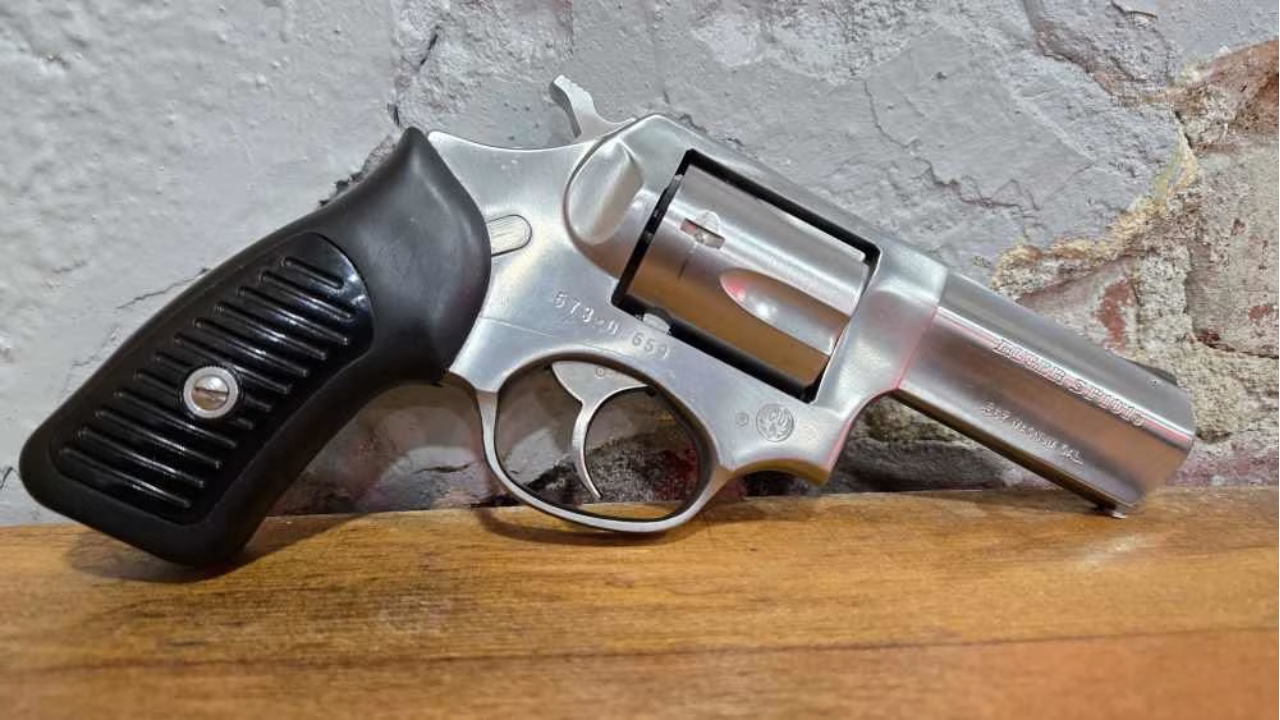
The SP101 is the small revolver that doesn’t feel like a compromise in the same way many snubs do. It’s heavier than the super-light options, and that’s exactly why it’s shootable.
For professional backup roles it made sense, and for regular folks it’s a practical carry gun if you’ll actually practice. With .357 it’s still spicy, but with .38 +P it’s a solid balance of carry comfort and control.
16. Colt Python

The Python is the one everybody thinks of, and yes, it got carried in real professional contexts even if it’s famous for being “too nice.” The action on a good Python is something you notice immediately, like it’s running on polished bearings.
It’s also expensive, and it can be a little precious depending on the era and condition. Still, the reason it got discovered by everyone else is simple: it shoots well, it looks right, and it has that rare “special” feel without being a gimmick.
17. Colt Trooper Mk III
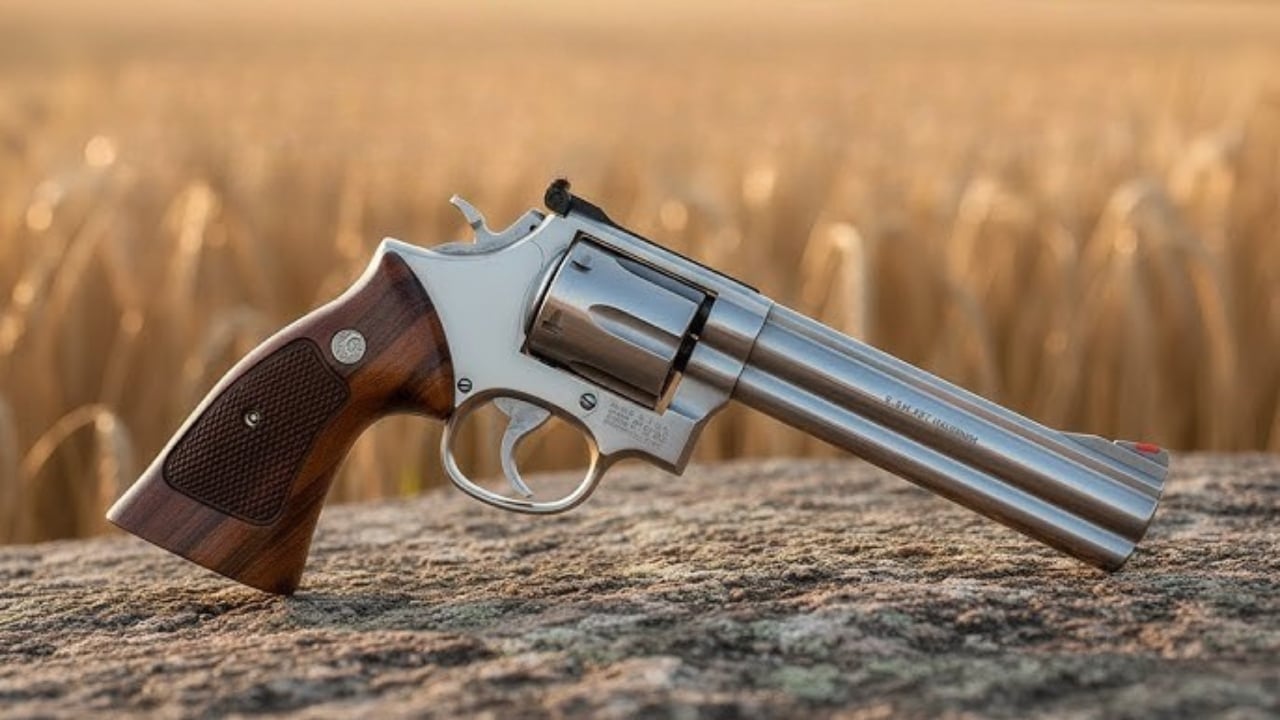
The Trooper Mk III is where you go when you want Colt DNA but you don’t want to baby it like a museum piece. It was built to be a service revolver, and it shows in the design choices.
These often get overlooked next to the Python and old Detective Specials, which is fine by me. If you find one with a good timing and lockup, it’s a serious shooter that still carries the Colt name for a reason.
18. Colt Detective Special

This is one of the original “real” snub-nose carry guns, and it didn’t get that status by accident. Six shots in a small package mattered to professionals who carried daily, and it still matters to anyone who likes revolvers.
They point fast, ride well, and feel like a purpose-built tool. The downside is price and parts availability compared to more common models. Still, a good Detective Special is easy to understand once you’ve carried one for a week.
19. Colt Cobra (classic alloy-frame models)

The classic Cobra is what happens when you try to make a duty-style snub lighter without turning it into a punishing novelty. For plainclothes and backup work, that lighter frame meant it would actually get carried.
Recoil is sharper than its steel cousins, and you’ll feel that on extended range days. But for real-world carry, it’s the kind of revolver that disappears until you need it, which is the whole point.
20. Manurhin MR73

The MR73 is the “serious professional” revolver that a lot of American shooters only learned about after they were already deep into wheelguns. It’s built to a standard that feels almost stubborn: tight, precise, and made for hard training cycles.
You pay for that, and it’s not the easiest thing to just stumble across locally. But if you ever get to run one on the range, the accuracy and the way the trigger stacks (in a good way) make it clear why professionals trusted it when they could choose anything.
Revolvers aren’t magic, and they’re not the answer to every problem. But the ones that were designed for duty work tend to age well because they were meant to be carried, handled, and used—then used again tomorrow. If you’ve got one of these in the safe, you’re not just hanging onto nostalgia. You’re hanging onto a tool that was built with real life in mind.
Like The Avid Outdoorsman’s content? Be sure to follow us.
Here’s more from us: