Photo credit: Karolis Kavolelis/Shutterstock.com
Every decade or so, one handgun seems to end up everywhere. Gun counters, nightstands, range bags, duty holsters, gloveboxes on the ranch. Not because it’s flashy, but because it works, it’s priced right, and magazines are stacked like cordwood. The funny part is how the same pistol can be both “the safe choice” and “the one we still argue about” depending on what you think a safety should be.
Here are 20 pistols that either owned a big slice of the market for a while or rode the same wave—along with the safety feature (or lack of one) that keeps owners debating them long after the first box of ammo is gone.
1. Glock 19 (Gen 3/4/5)
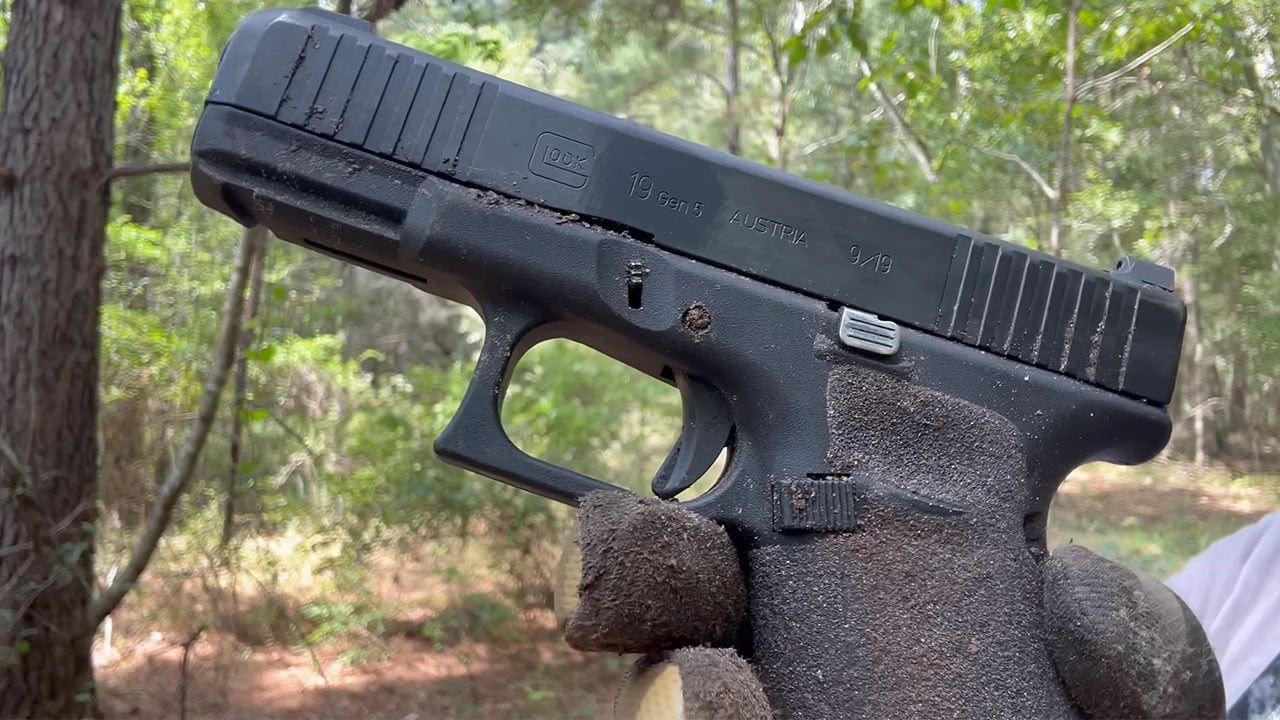
The Glock 19 is the poster child for a pistol that sold by the truckload for years, and it did it with a safety system that makes traditionalists roll their eyes. No thumb safety, no decocker. Just the trigger safety tab, internal safeties, and your holster doing its job. For a lot of shooters, that’s clean and simple—draw, press, bang. For others, it feels like missing a step.
Here’s what I’ve seen: the Glock 19 carries easy, points naturally, and it’s boringly reliable with decent ammo. The argument always shows up when someone starts talking about appendix carry, reholstering, or a soft holster. Owners disagree because the gun is unforgiving of sloppy handling, but it’s also extremely consistent. If you want a manual safety, you won’t be talked into loving this system. If you want consistency and parts everywhere, it’s hard to beat.
2. Glock 43
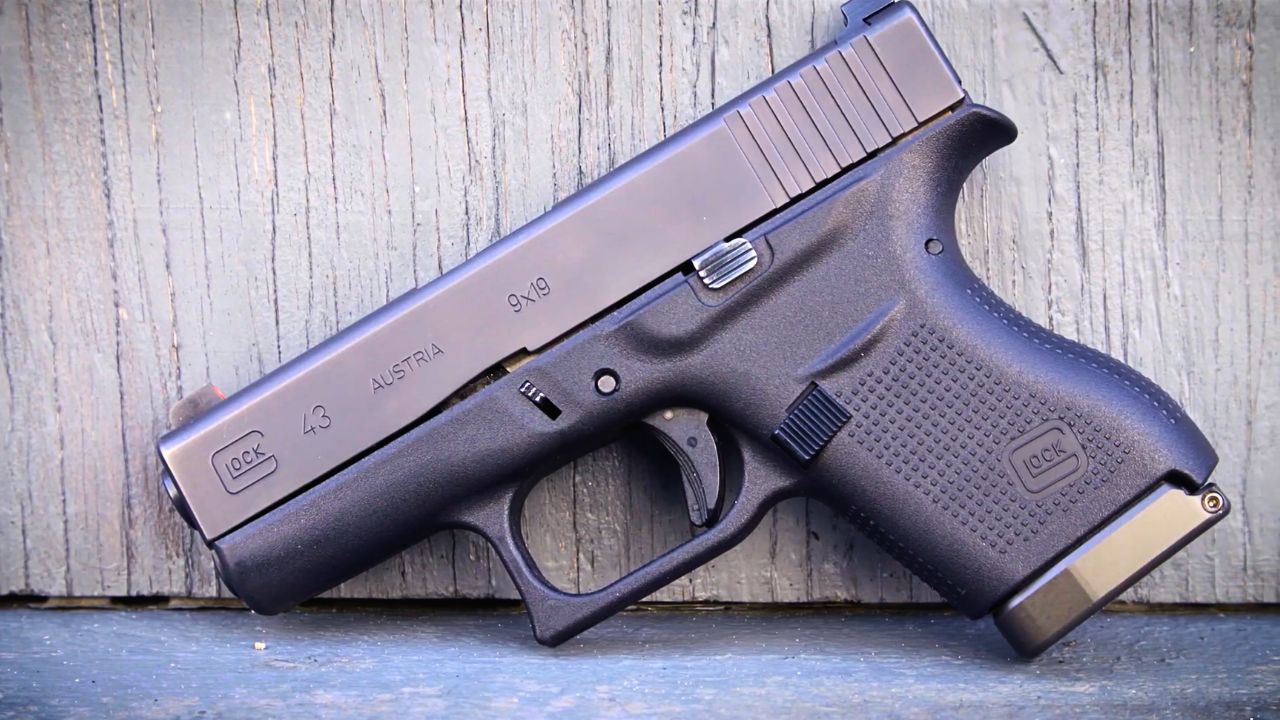
The Glock 43 became the “I guess I’ll carry” gun for a lot of folks who didn’t want to dress around a double-stack. Same Glock safety philosophy, just smaller, lighter, and easier to forget you’re wearing. And because it’s easier to carry, it tends to get handled more—loaded, unloaded, pocket-checked, stuffed in a console. That’s where the safety debate gets real.
The 43 shoots snappy for new shooters, and under recoil you find out quick if your grip is right. The internal safeties are solid, but they don’t replace good habits. I’ve watched experienced people get careless on reholster because they’re “just putting it away.” A rigid holster and slow reholster solves most of the drama. Still, if you grew up on thumb safeties, this one will never feel “on safe,” because it isn’t.
3. Glock 17
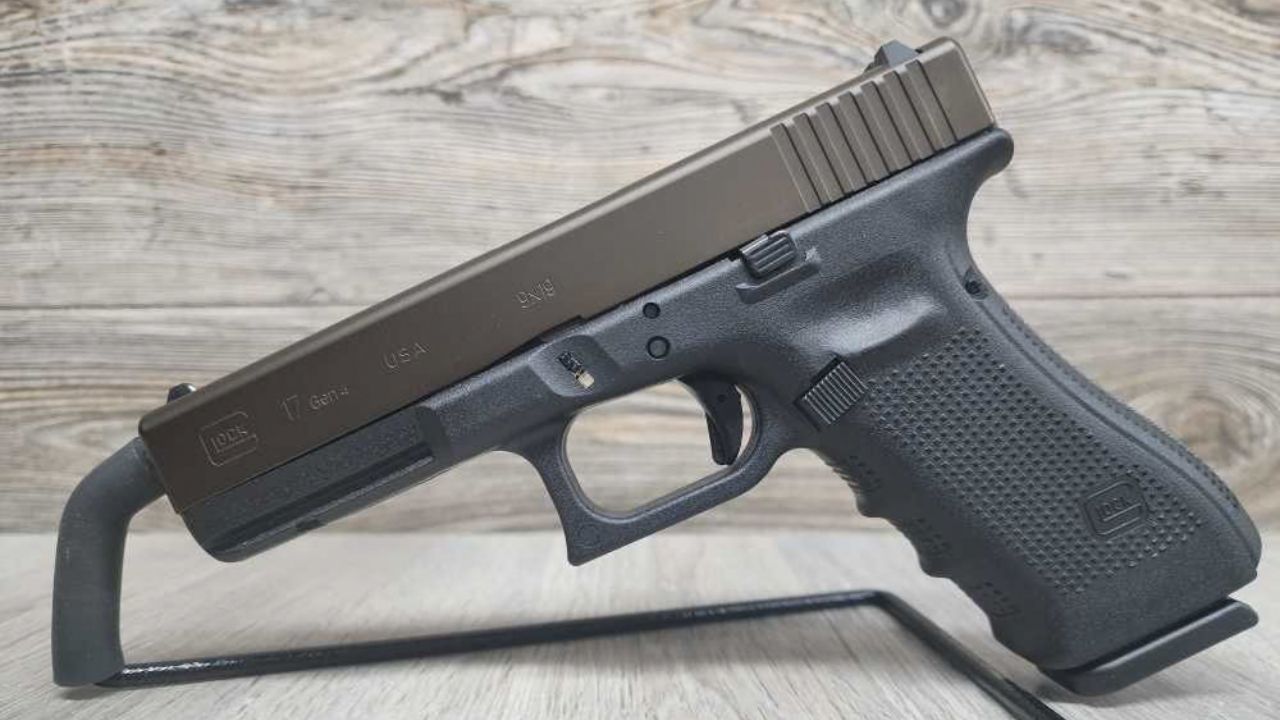
The Glock 17 is the full-size version that built a reputation in duty holsters and range rentals. It’s also one of the reasons the whole “no external safety” argument got loud in the first place. When a pistol is everywhere, every mistake gets blamed on the gun. Some of that is unfair. Some of it is just reality when you hand a consistent trigger press to inconsistent hands.
As a shooter, the 17 is soft, flat, and easy to run fast. The trigger isn’t match-grade, but it’s predictable. The owners who love it will tell you the safety is between your ears and in your holster. The owners who don’t will tell you a thumb safety is cheap insurance, especially under stress, heavy coats, and cold hands. Both camps have a point. The gun just doesn’t care which side you’re on.
4. Smith & Wesson M&P Shield (original)

The original Shield moved like a million units for a reason: slim, dependable, and priced where normal working folks could actually buy one. Then S&W offered versions with and without a thumb safety, and that decision alone started arguments in gun shops that still haven’t ended. Some buyers won’t touch a micro-9 without a manual safety. Others refuse to carry one that has it.
The Shield’s thumb safety is small and low-profile. For some hands it’s perfect—easy to wipe off on the draw, not easy to bump on. For other hands it’s just another lever to miss under pressure. I’ve also seen owners ignore it completely and carry it “off safe” all the time, which makes you wonder why they wanted it. The Shield points well and carries flat, but you need to decide your system and practice it, not argue about it online.
5. Smith & Wesson M&P Shield EZ (9mm/.380)
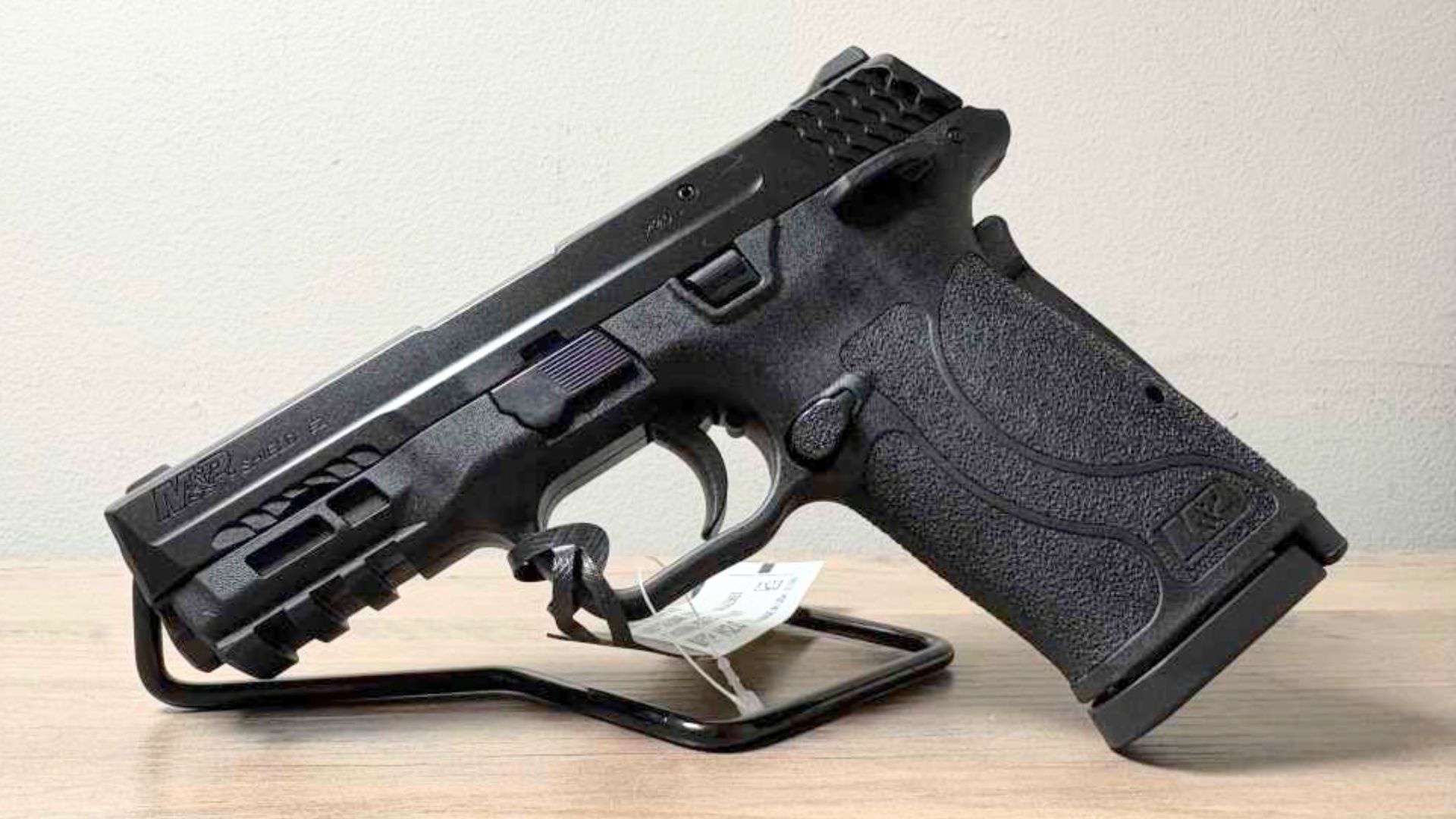
The Shield EZ is a lifesaver for folks with weaker hands, arthritis, or just a dislike for stiff slide springs. It also tends to bring new shooters into the carry world, and that’s exactly where safety conversations get complicated. These pistols often combine a grip safety with an optional thumb safety, and owners can’t agree if that’s brilliant or unnecessary.
In real use, the grip safety can be a non-issue—until you get a weird grip from an awkward draw, gloves, or shooting one-handed. I’ve watched it happen: the gun doesn’t fire and the shooter thinks it’s broken. The easy-racking feature is fantastic, but it encourages folks to buy it without committing to practice. If this is the pistol that gets you carrying confidently and safely, great. Just make sure your grip and your chosen safety setup are reliable under stress, not just at the counter.
6. Springfield Armory XD Service Model
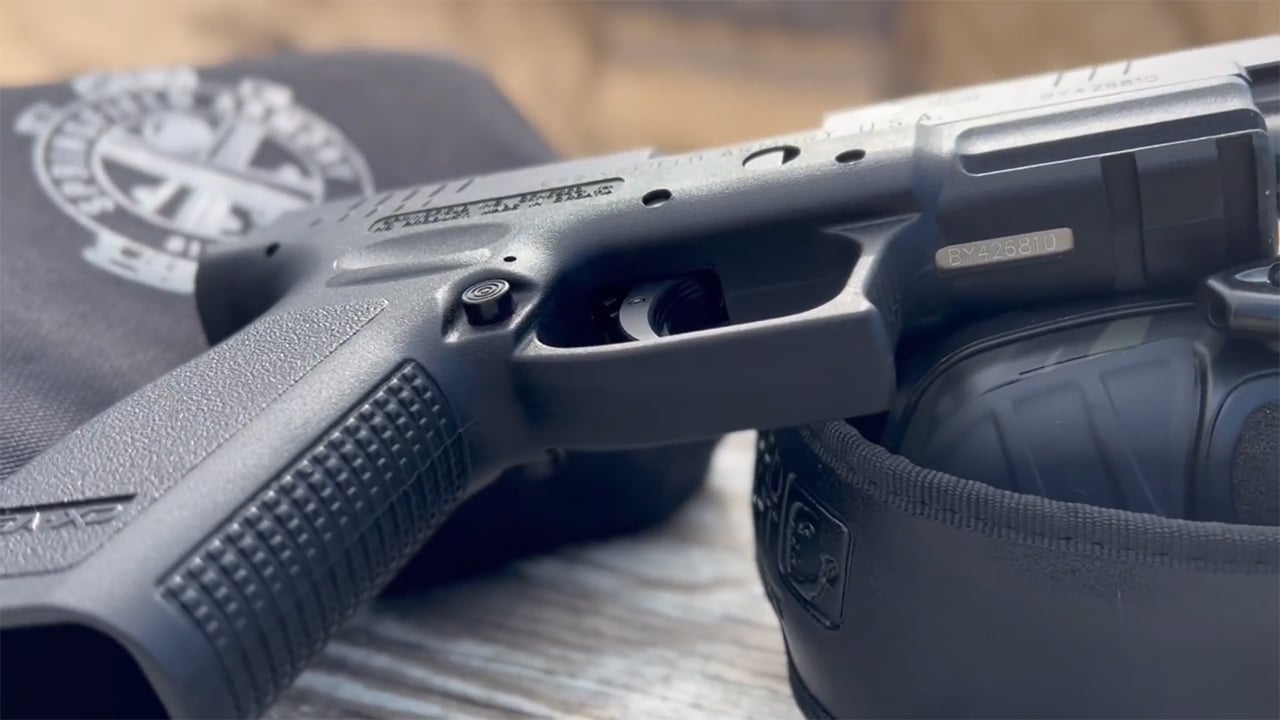
The XD line sold hard for years with a pitch a lot of buyers liked: striker-fired simplicity, plus a grip safety that felt like an extra layer. If you came from 1911 country, that grip safety made the pistol feel familiar. If you didn’t, it was either “nice insurance” or “one more thing to fail,” depending on who you ask.
The XD carries a little blocky compared to newer designs, but they run. The grip safety debate usually shows up when someone talks about weird positions—vehicle work, rolling around on the ground, or shooting with a compromised grip. With the grip safety, you have to actually grip it properly. That’s not a bad lesson, but in a messy moment it can bite you. I get why some owners love it. I also get why others traded into an M&P or Glock and never looked back.
7. Springfield Armory XDS
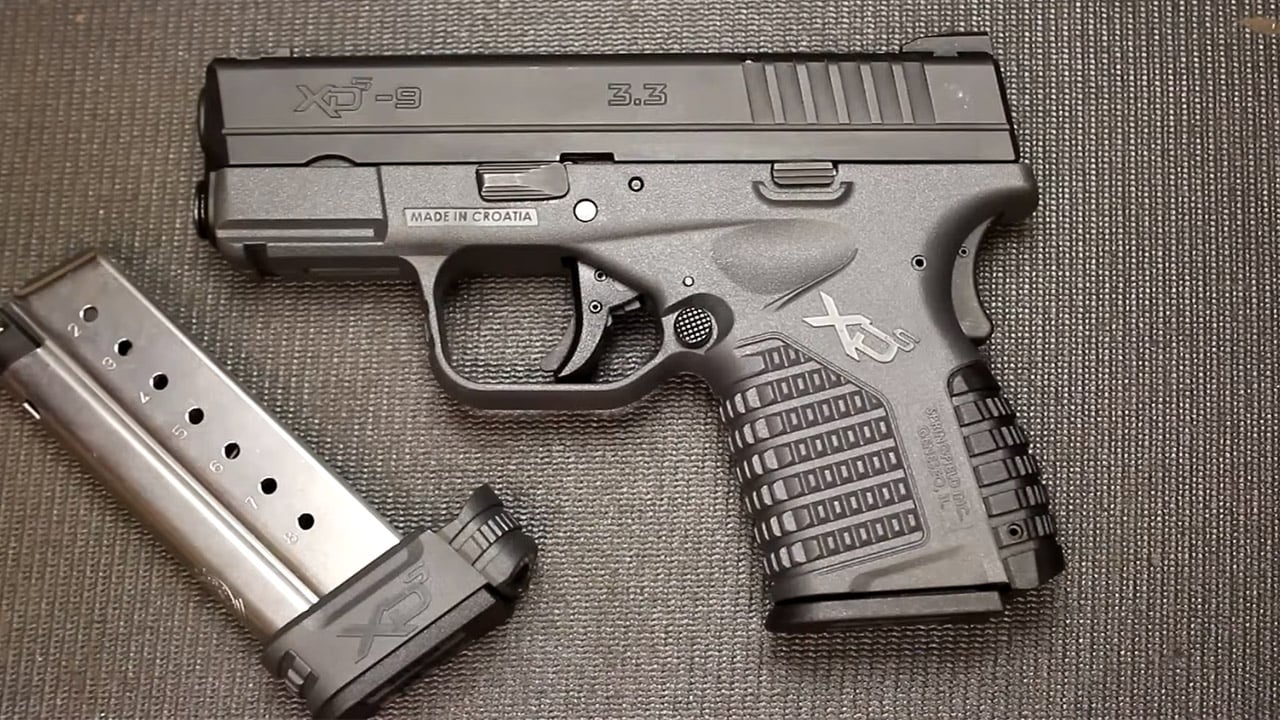
The XDS took the XD idea slim and single-stack, and it filled a big carry niche before micro-compacts really exploded. It kept the grip safety, and that’s still the feature owners can’t stop debating. On a small gun, everything is tighter—your grip, your margin for error, your recoil control. Add a grip safety and you either appreciate it or curse it.
Carrying the XDS is easy; shooting it for long sessions is less fun. The gun can be snappy, and that changes how you grip it as you get tired. If your grip changes enough, that grip safety can become the surprise you didn’t order. On the flip side, plenty of folks liked that extra “something” when carrying without a thumb safety. It’s a workable pistol, but you need honest range time, not just a box of ammo and a holster.
8. SIG Sauer P320
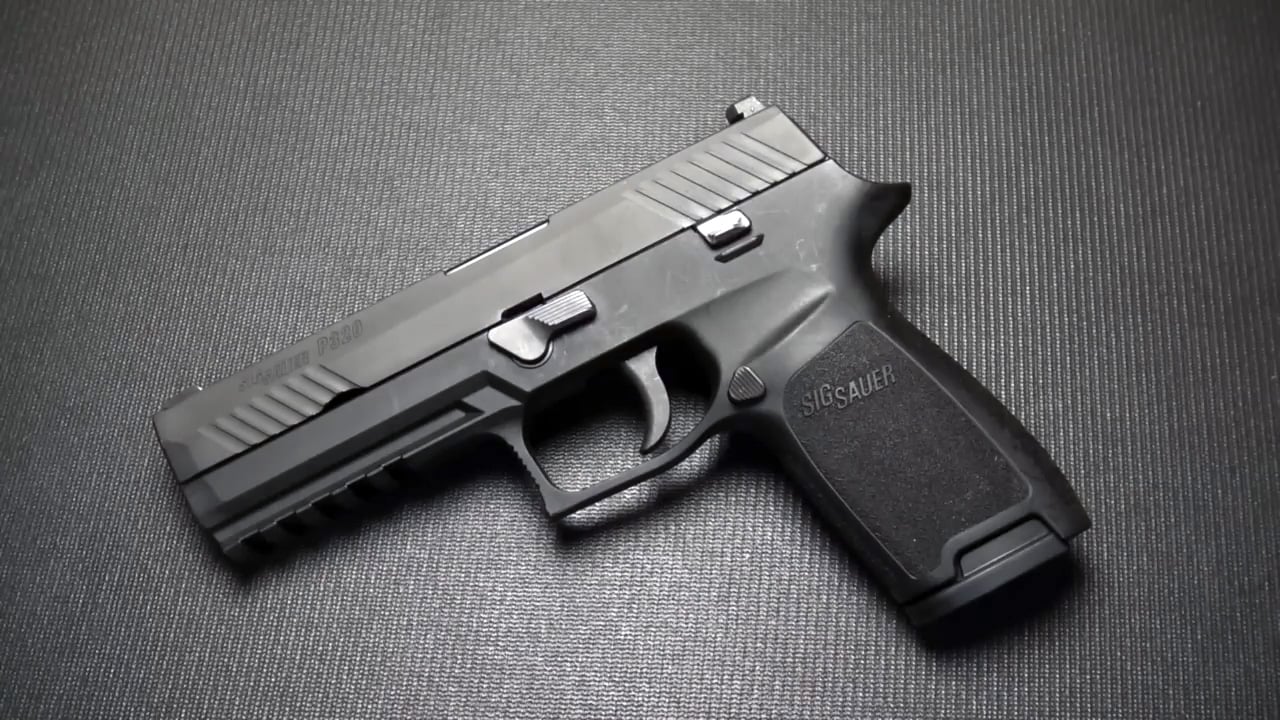
The P320 became a sales monster once it caught traction, and modularity didn’t hurt. Swapping grip modules and slides is cool, but the real talk around campfires and gun counters has been about safety and drop concerns that have followed the platform around. Some shooters shrug and say it’s old news. Others won’t carry one pointed at their femoral artery for any reason.
What’s true in day-to-day ownership is this: the P320 can be accurate, soft shooting, and easy to tailor to your hand. But the lack of an external safety on many models, paired with a light, consistent trigger, makes people cautious. SIG offers versions with manual safeties, and those bring their own training requirements. If you’re the kind of owner who actually practices with your carry gun, you can run a P320 safely. If you’re the kind who “sets it and forgets it,” pick a system that gives you more margin.
9. SIG Sauer P365

The P365 changed the carry market by stuffing serious capacity into a truly small package. It also brought the striker-fired, no-thumb-safety debate into the pockets and waistbands of people who never carried before. When a gun is that easy to carry, it’s also easy to get casual with it. That’s where the arguments start.
The P365 points well for a micro, and the sights are usually better than what small guns used to ship with. It’s still a small gun, though, and small guns demand discipline on the draw and reholster. SIG offers manual safety variants, and owners split right down the middle on whether it’s necessary. My take: with any micro-compact, your holster choice is your safety system. If you won’t buy a rigid holster and won’t practice, don’t blame the pistol’s design for what your habits caused.
10. Ruger LCP
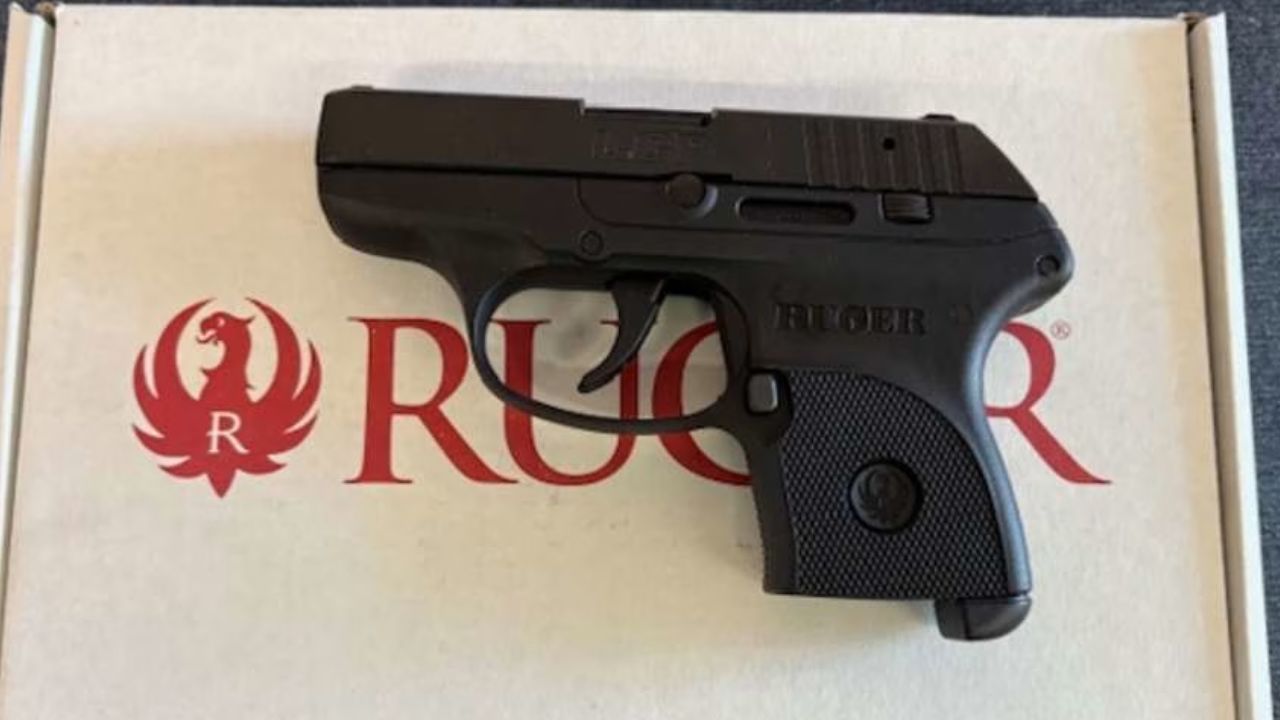
The Ruger LCP sold like crazy because it made “always” carry possible for a lot of folks. It’s light, flat, and disappears in a pocket. It also has no manual safety, a long trigger pull, and just enough sights to remind you that this is a get-off-me gun, not a bullseye pistol. Owners still argue whether that long pull is a safety feature or just a lousy trigger.
Pocket carry is where the safety discussion matters most. A proper pocket holster is not optional. Keys, coins, and junk have no business sharing space with a handgun, and I’m surprised this still needs saying. The LCP is reliable with the right ammo, but it’s not fun to shoot a lot, so folks don’t practice much. That combination—minimal practice plus casual carry—creates most of the horror stories. Used correctly, the LCP fills a niche that bigger pistols don’t.
11. Ruger LC9

The original Ruger LC9 came out when single-stack 9mms were hot, and it found plenty of buyers who wanted something flatter than a compact double-stack. It also brought a whole collection of “safety” elements depending on variant: manual safety, magazine disconnect, loaded chamber indicator. Some owners liked the layers. Others felt like they bought a pistol with training wheels glued on.
In the real world, the LC9 carried well, but the trigger wasn’t winning any awards. Magazine disconnects, in particular, are one of those features you either demand or despise. If you practice malfunction drills or you think about a defensive gun as a tool you may need in ugly conditions, a mag disconnect can feel like a liability. If you have kids around and you like extra mechanical barriers, you see it differently. Either way, you need to know exactly what your specific LC9 does before you trust it.
12. Ruger SR9
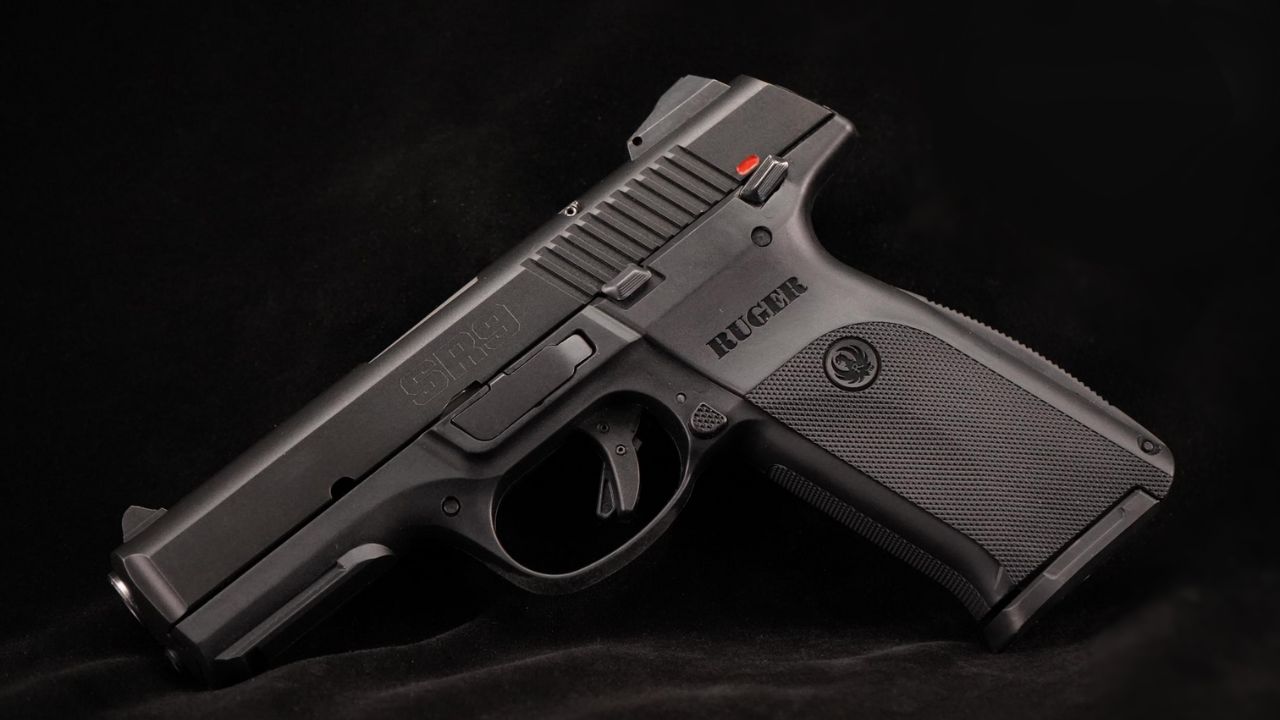
The SR9 had its moment as a thin, striker-fired full-size that didn’t feel like a two-by-four. Ruger packed it with features, including a manual safety on many models and a loaded chamber indicator. The result was a pistol that appealed to folks who didn’t fully trust the “no safety needed” crowd, but it also irritated shooters who wanted clean simplicity.
On the range, SR9s can shoot better than they get credit for. The grip is comfortable, and the gun points naturally for a lot of hands. The safety lever, though, sits in that zone where some shooters bump it during manipulations and some never touch it. If you run it like a 1911 and practice wiping it off every time, it can be fine. If you treat it like a Glock and forget it exists, you can end up with a dead trigger when you need a live one.
13. Taurus G2C
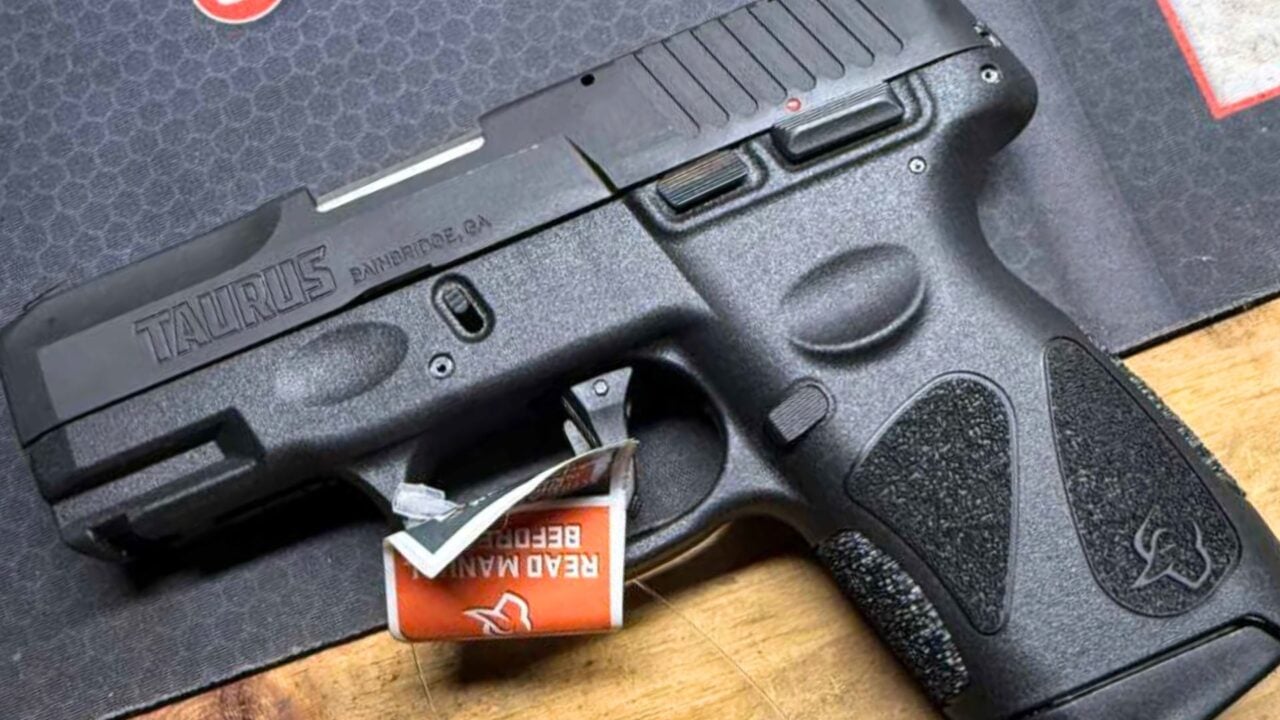
The G2C got popular because it was affordable and it generally worked, which is a powerful combo when budgets are tight. Taurus included a manual safety on a lot of them, and that became part of the sales pitch for new carriers: “See? It has a safety.” The problem is that a safety lever doesn’t replace training, and budget guns don’t always have the same crisp consistency in controls.
I’ve seen G2Cs run fine for thousands of rounds, and I’ve also seen them act picky with magazines or ammo. The safety itself is usually positive enough, but the bigger issue is the buyer profile. A first-time owner buys it, doesn’t shoot it much, and then assumes the safety makes it safe no matter how it’s carried. That’s backwards. If you run a G2C, keep it maintained, test your carry ammo, and build a consistent draw stroke that accounts for the safety. Don’t make it up as you go.
14. Taurus PT111 Millennium G2

The PT111 Millennium G2 is basically the earlier wave that fed into the G2C craze. It sold a pile of units and became a “truck gun” or “nightstand gun” for plenty of households. Manual safety included, plus a trigger feel that varied from sample to sample. Owners argue about it because some got a good one and some got a problem child, and both experiences are real.
From a practical standpoint, the safety discussion here is tied to confidence. If you don’t fully trust your pistol’s consistency, you start wanting extra mechanical switches. If you do trust it, the safety can feel like an unnecessary step. The PT111 can shoot acceptably, but the controls and trigger aren’t as refined as more expensive options. If you own one, the best thing you can do is confirm function with your magazines and your chosen ammo, then practice the same way every time. Surprises are what get people hurt.
15. Beretta 92FS

The Beretta 92FS has been a staple for a long time, and it’s one of the classic examples of a safety mechanism owners still debate. The slide-mounted safety/decocker is safe, proven, and also easy to operate the “wrong” way under stress if you’re used to frame-mounted levers. Some love it. Some hate it. Plenty of folks move the lever by accident when racking the slide.
The 92FS shoots smooth, with a soft recoil impulse and a grip that fits a lot of hands—though not all. It’s also big and heavy for concealed carry, but as a home gun or range gun it’s a joy. The safety/decocker system is the real dividing line. If you decock and leave it “safe,” you need a consistent plan for bringing it back to fire. If you decock to fire, you need to understand how it’s different than a 1911-style “cocked and locked” approach. It’s a great pistol, but it demands you know your manual of arms.
16. Beretta PX4 Storm
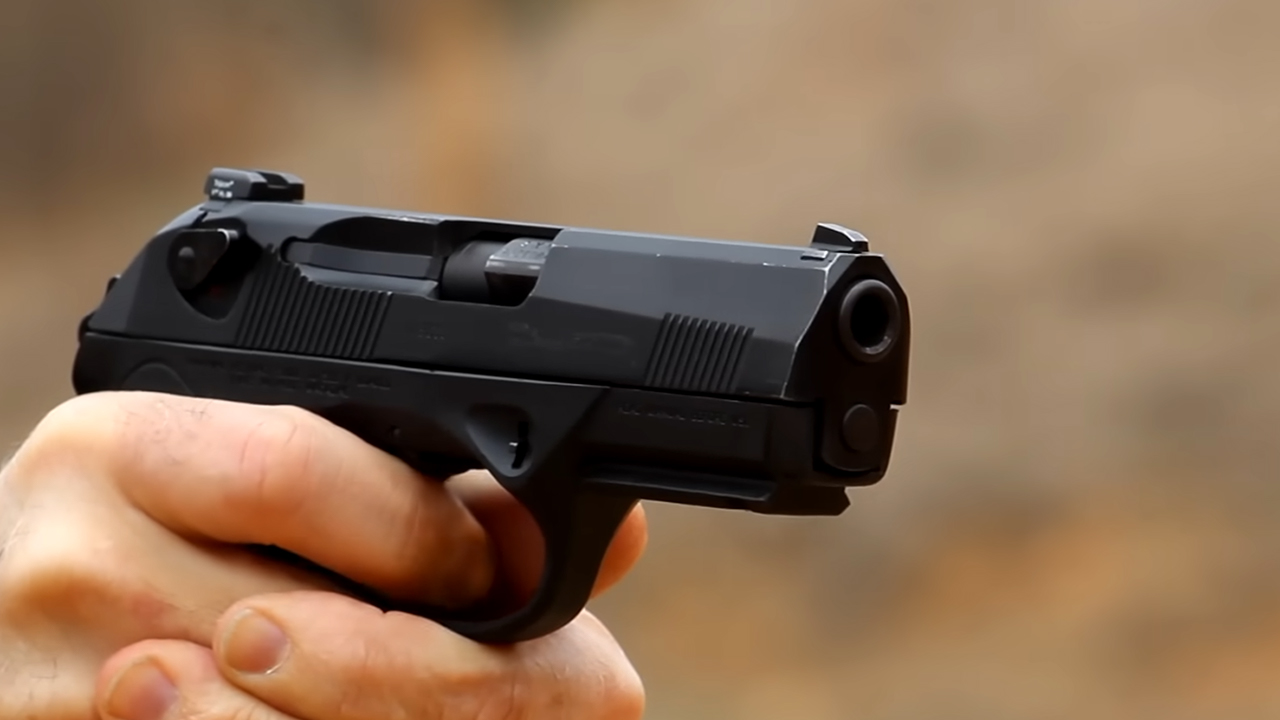
The PX4 Storm is one of those pistols that a lot of owners quietly like more than they expected. It’s reliable, soft shooting, and the rotating barrel system does seem to tame recoil. The safety debate shows up because PX4s come in different configurations—some with a safety/decocker, some decocker-only. Owners swear their way is the only sensible way.
In a carry context, a decocker-only setup can be nice because it avoids leaving the gun on safe when you didn’t mean to. In a home-defense context, some folks want that “on safe” option when it’s staged. The PX4’s levers can be a little chunky, and depending on your grip and manipulation style, you can bump them. None of this is a deal-breaker, but it’s not a pistol you should buy without handling the exact configuration. Two PX4 owners can be talking about “the same gun” and really be describing two different systems.
17. Heckler & Koch VP9

The VP9 carved out a strong following with a good trigger, great ergonomics, and that German-built “everything feels deliberate” vibe. It’s striker-fired and typically lacks a manual safety, which puts it right into the same argument category as Glock and M&P. The difference is the VP9 feels more refined, and that can make some owners more comfortable—and other owners more nervous.
A better trigger is a double-edged thing. It helps you shoot accurately, and it also rewards sloppy finger discipline faster than a heavy, gritty pull will. The VP9 is easy to run well, and it’s easy to find quality holsters for it now, which wasn’t always true early on. The owners who disagree about the safety setup are really disagreeing about user behavior. If your handling is solid and your holster is rigid, the VP9 is a fantastic shooter. If you want a mechanical “pause button” before bang, you’ll be happier with a different platform.
18. Walther PPQ
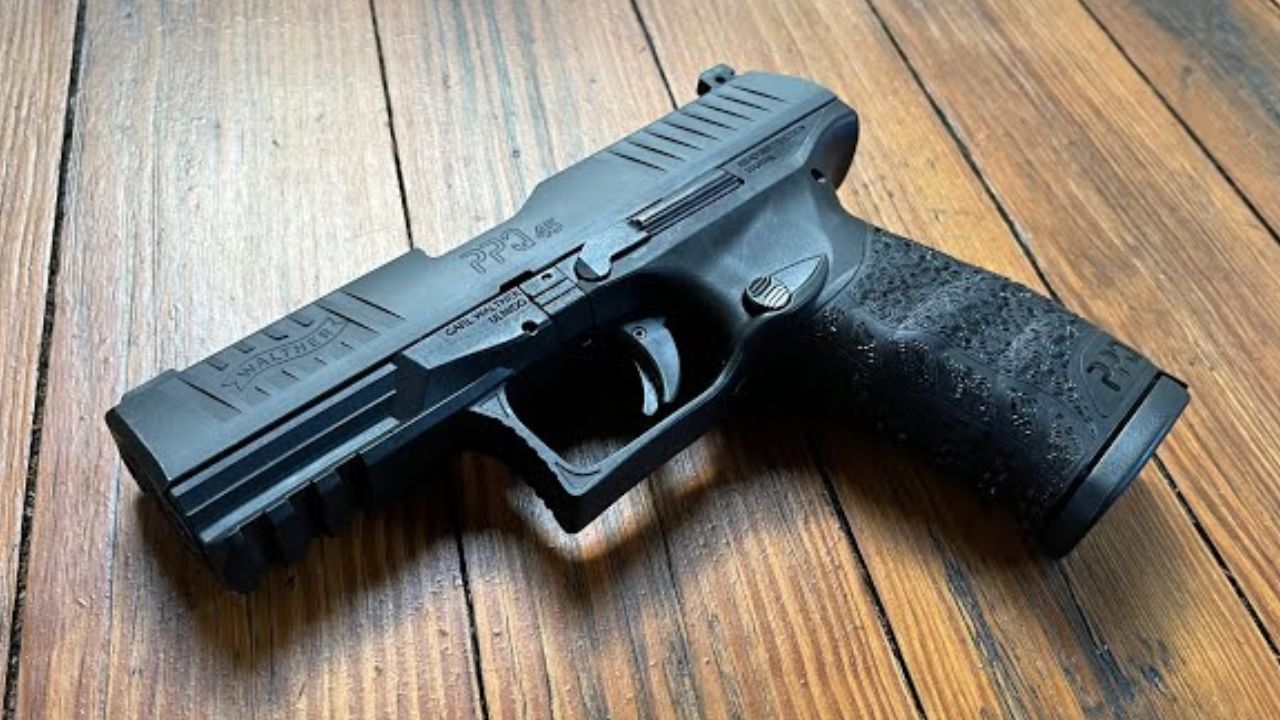
The Walther PPQ had a stretch where everyone who shot one started talking about the trigger. It’s crisp, it resets fast, and it makes average shooters look better than they are. It’s also a striker-fired pistol that usually comes without a manual safety, which makes the whole package feel like a race car with street tires. Fun, capable, and requiring a driver who pays attention.
The PPQ carries fine in a good holster, but it’s not the gun I hand to someone who’s casual about practice. That trigger is light enough that sloppy indexing and rushed reholstering can get you in trouble. Owners disagree because some prioritize shootability and trust their habits, while others prioritize extra mechanical safeguards for real life. Neither side is crazy. The PPQ is a reminder that “safe” isn’t just a lever; it’s a system—holster, handling, and repetition. If any one of those is weak, the nice trigger stops being purely a benefit.
19. CZ 75B

The CZ 75B sits in that sweet spot between old-school steel and modern practicality. It’s accurate, points great, and soaks up recoil. The safety argument here is different because the gun can be run a couple of ways depending on model and setup: cocked-and-locked with a manual safety, or hammer down with a long first double-action pull. Owners get loyal to whichever method they learned first.
As a field pistol or a range pistol, the CZ 75B is hard not to like. It’s heavier than polymer options, but that weight is what makes it shoot so smooth. The safety lever is frame-mounted and generally positive, which 1911 guys appreciate. The debate comes from training time. Cocked-and-locked requires comfort with a visible cocked hammer and strict safety manipulation. DA/SA requires mastering two trigger pulls and a decocking routine (or careful lowering, depending on the model). Either method can be safe. Mixing methods without practice is where the trouble starts.
20. 1911 Government Model (Colt/Springfield-style)

The full-size 1911 is the granddaddy of “owners still disagree about safeties.” Thumb safety, grip safety, and a trigger that can be excellent. The design was built around being carried cocked-and-locked, and that still makes some folks uncomfortable no matter how many decades it’s been done safely. Other shooters won’t carry anything else because they trust that manual safety and love the trigger.
In practical terms, a 1911 can be a great shooter and a decent carry gun if you accept the weight and commit to maintenance. Magazines matter. Springs matter. Holsters matter. The safeties themselves are usually fine if they’re properly fit and you don’t treat the gun like a neglected farm tool. The disagreement comes down to mindset: do you want a deliberate “on/off” control you train into muscle memory, or do you want a simpler draw-and-press system? The 1911 rewards training and punishes laziness. Ask me how I know.
The older I get, the less interested I am in arguing about which safety system is “best” in the abstract. What matters is whether your setup is consistent, your holster is solid, and your handling is boringly careful every single time. The pistols above all earned their place in the market one way or another. The safety debate isn’t going away, either. Pick a system you’ll actually practice, then stick to it like your fingers depend on it—because they do.
Like The Avid Outdoorsman’s content? Subscribe to our newsletter so you never miss an article.
Here’s more from us: