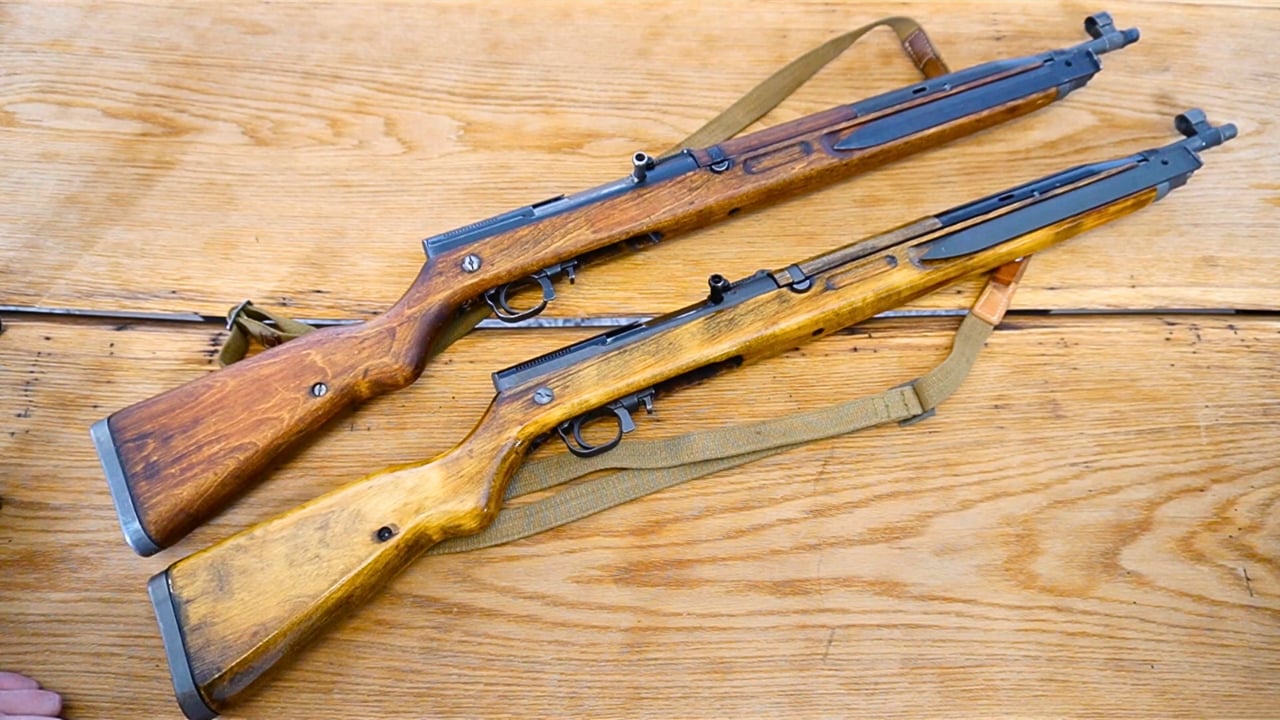
Photo credit: CZECHMYGUNS/YouTube
Some collectible rifles announce themselves early. Everybody knows a pristine Garand, Johnson, or preban HK is worth paying attention to. The more interesting guns are often the ones that spent years sitting behind them on the rack. They were too strange, too foreign, too sporting-oriented, or simply too unpopular when new to generate much excitement.
That can change quickly once production ends and shooters realize how few examples are left. Early civilian imports, Cold War rifles, unusual sporting semiautos, and forgotten military designs are especially vulnerable because no modern replacement really captures the same mechanical character. Not every rifle below is expensive yet, and that is part of the attraction. These are the semi-autos that increasingly feel less like old used guns and more like pieces of firearms history that happened to survive unnoticed.
Heckler & Koch HK 630
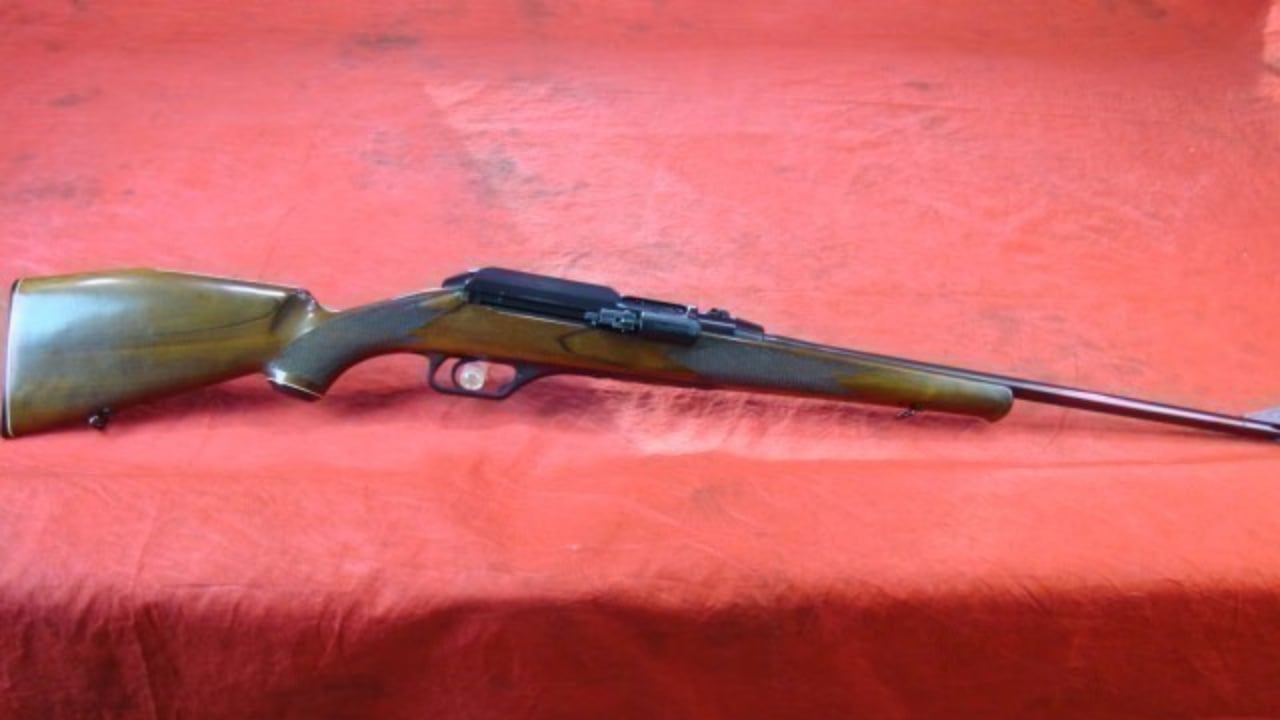
The HK 630 does not look much like the roller-delayed rifles that made Heckler & Koch famous in America. Instead, it is a sleek sporting semiautomatic chambered in .223 Remington, with traditional furniture and a profile that can almost pass for a conventional hunting rifle at first glance. Underneath is the kind of German engineering collectors expect from older HK products.
For years, the 630 was overshadowed by rifles such as the HK 91 and 93 because those guns had obvious military appeal. That is precisely why the 630 is becoming more interesting now. It represents a side of HK that American shooters rarely saw, and production numbers were never enormous. Original magazines and clean rifles are increasingly important to collectors. The days when one could be dismissed as merely an odd sporting HK are fading quickly.
Heckler & Koch HK 770
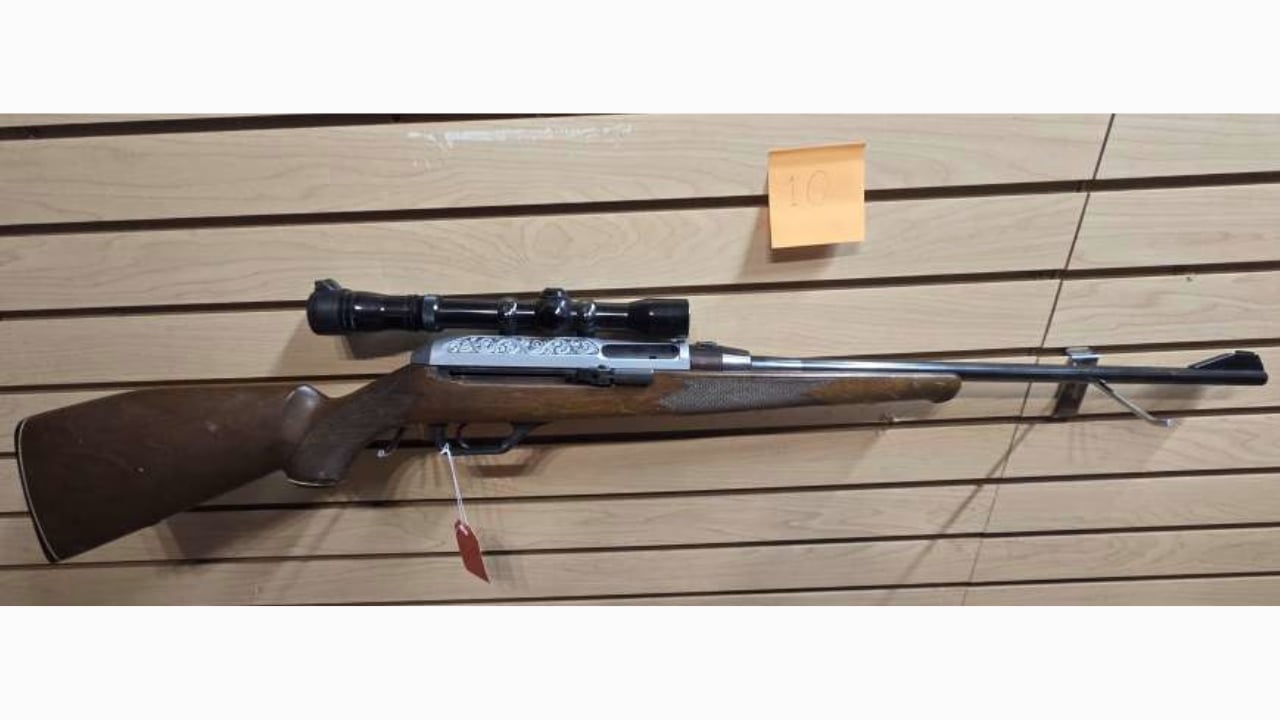
The HK 770 follows the same basic sporting philosophy as the 630 but steps up to .308 Winchester. That makes it a particularly unusual combination: an old-school European hunting rifle built around HK semiautomatic engineering.
Its traditional stock and hunting appearance kept it outside the spotlight during the years when collectors were chasing military-pattern HK rifles. Today, that difference is exactly what gives the 770 character. There are plenty of .308 semiautomatics, but almost none combine this era of German manufacturing with such conventional sporting styling. Original magazines can be expensive and parts are not something you pick up casually, which adds to the collector mentality surrounding the rifle. A clean, complete 770 increasingly feels like something worth preserving rather than simply another used deer rifle.
Heckler & Koch HK 940
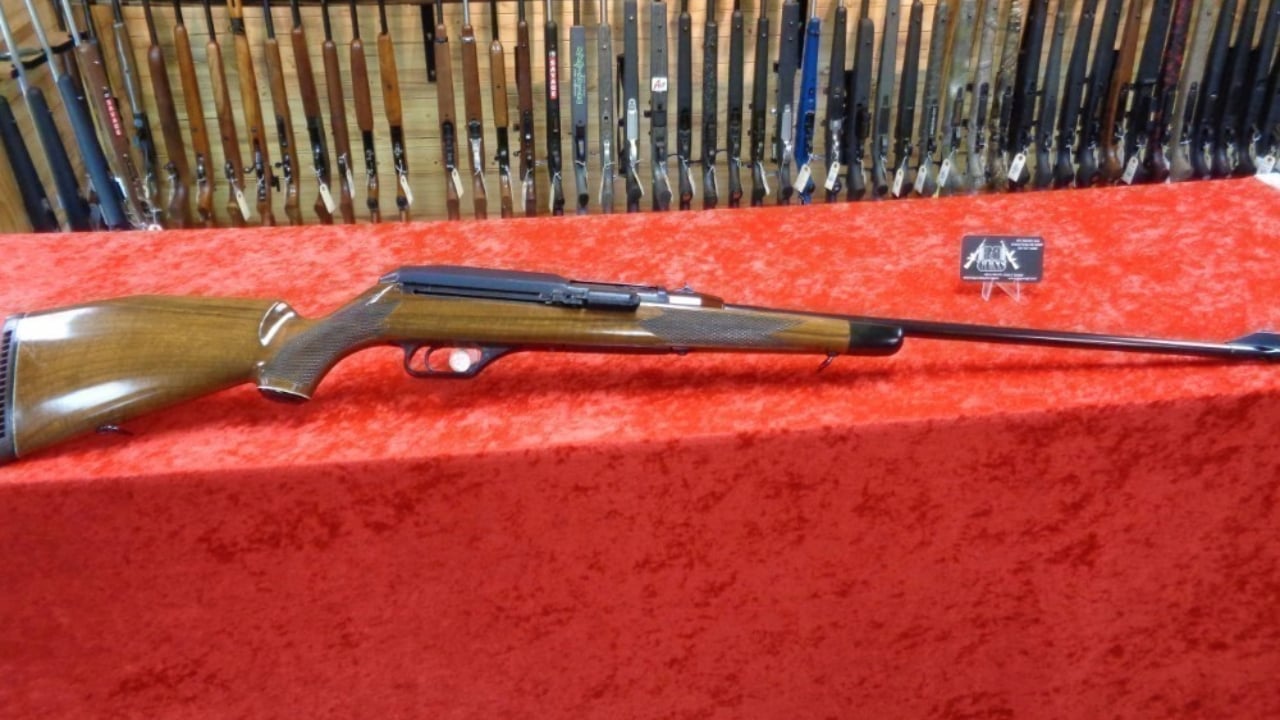
The HK 940 may be the most interesting of HK’s old sporting semiautomatics because of its chambering. The rifle was offered in .30-06 Springfield, giving hunters traditional American big-game performance in a distinctly German semiautomatic package.
That combination never became common. American hunters already had Browning and Remington autoloaders, while HK enthusiasts were usually more interested in the company’s military-style rifles. As a result, the 940 occupied an awkward corner of the market and remained relatively obscure. That obscurity looks much better through collector eyes decades later. It is mechanically unusual, beautifully finished compared with many modern sporting rifles, and tied to a line HK is unlikely to revisit. Complete rifles with the correct magazines are exactly the sort of forgotten guns that tend to become much harder to replace once collectors finally notice them.
Heckler & Koch Model 300
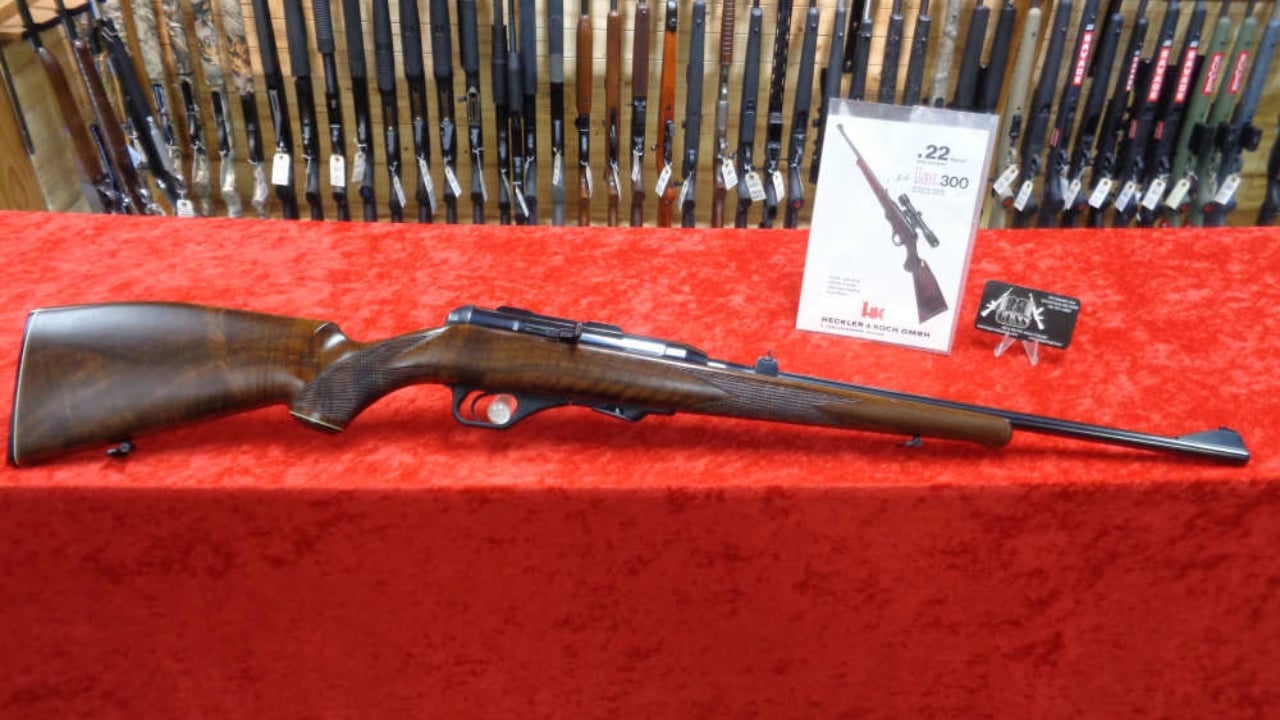
The HK 300 is a .22 Magnum semiautomatic sporting rifle that looks almost too ordinary to carry the Heckler & Koch name. That may be why it remained overlooked for so long.
Collectors now have more reason to appreciate what it actually is: a discontinued rimfire-magnum HK built during a period when the company was willing to produce highly refined sporting rifles alongside its better-known military designs. The .22 WMR chambering makes the rifle unusual even within the HK lineup, while original magazines and accessories are increasingly valuable. Plenty of modern rimfires are cheaper and easier to service, but none have quite the same combination of German craftsmanship, scarcity, and brand history. The Model 300 is turning into the sort of rifle people wish they had bought when nobody cared.
SIG AMT 510-4
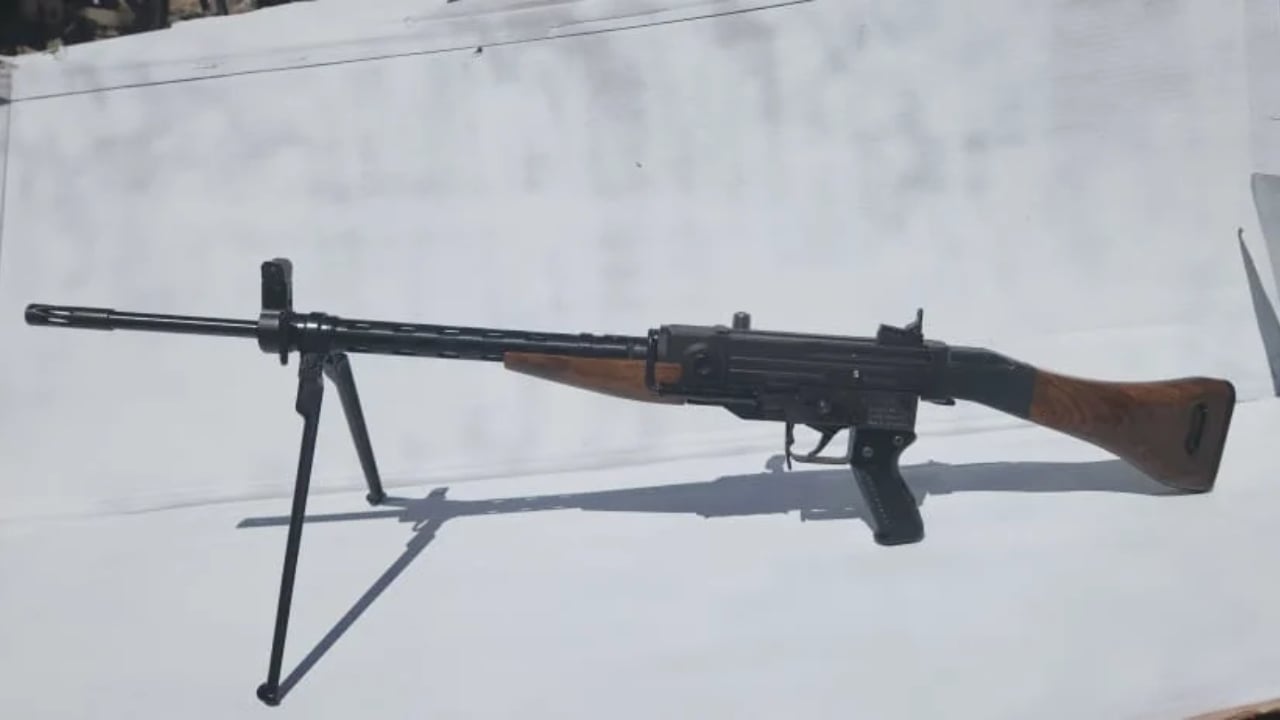
The SIG AMT is one of those rifles that experienced collectors recognize instantly while many younger shooters have never handled one. It was essentially a semiautomatic civilian relative of the Swiss SIG 510 family, combining substantial machining with a very distinct Cold War appearance.
The rifles were expensive even when they were imported, which kept numbers low. They are also built in the old Swiss style where almost everything feels overengineered compared with modern stamped or polymer-heavy guns. That makes the AMT far more interesting today than it was when buyers could simply choose a newer .308 semiautomatic for less money. Original configuration matters enormously, and magazines are not casual purchases. A complete AMT increasingly belongs in the same conversation as other scarce European military-derived imports rather than ordinary used semiautos.
SIG PE57
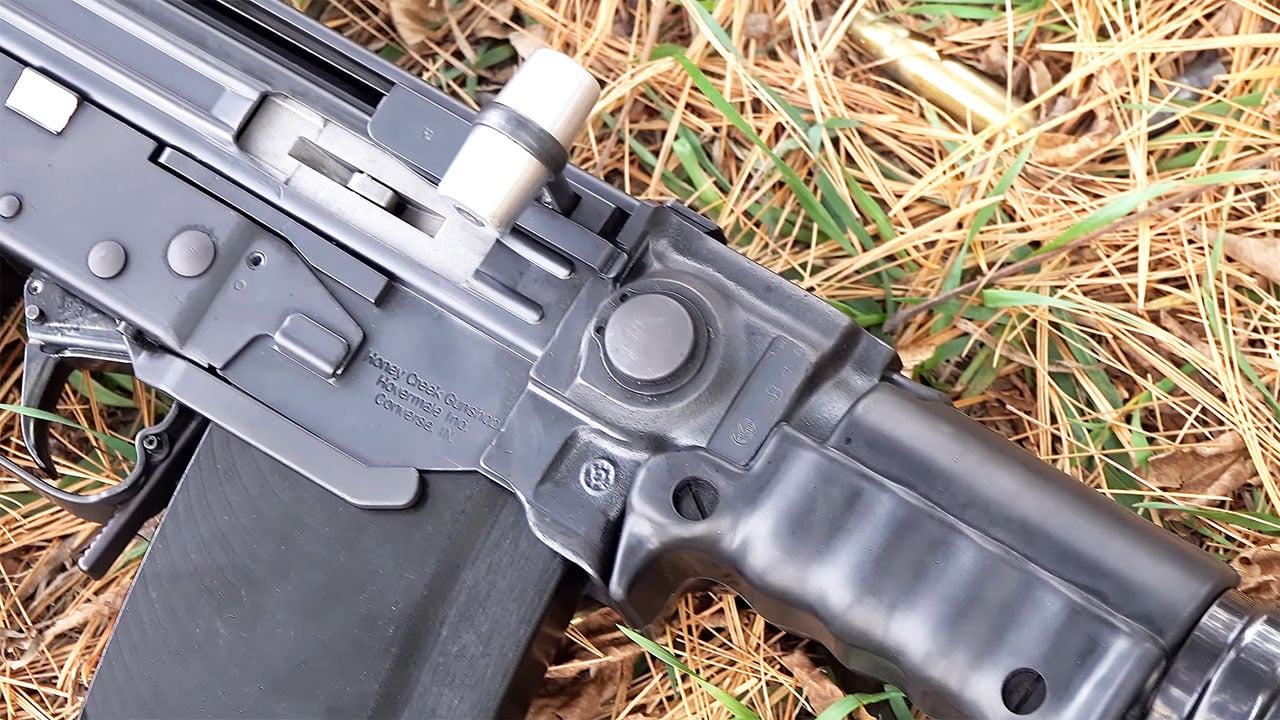
The Swiss PE57 is the civilian version of Switzerland’s Stgw 57 family and is one of the strangest-looking semiautomatic rifles ever commercially offered. The long receiver, distinctive furniture, bipod, and unusual controls make it unmistakable.
It was never going to become a mainstream American rifle. It is heavy, complicated by modern standards, and tied to a military system most American shooters never encountered. That lack of popularity is exactly what gives surviving examples such appeal now. The PE57 reflects an era when national service rifles could be mechanically elaborate and beautifully manufactured regardless of production cost. Collectors increasingly value original Swiss military-pattern firearms, and the PE57 gives them a civilian-legal piece of that engineering. It is the type of rifle that went from strange to desirable simply because nothing remotely like it is being made anymore.
MAS 49

The French MAS 49 spent decades being treated as a curiosity compared with American and German military rifles. Its direct-impingement operating system, detachable magazine, and unusual French styling did not fit the familiar categories American collectors gravitated toward.
That perception has changed as more shooters recognize how important the design was. The MAS 49 represents a major stage in French semiautomatic rifle development and is far less common than the later 49/56 most surplus shooters encountered. Original rifles also retain a distinctly early postwar military appearance that disappeared as service rifles became shorter and more standardized. Collectors who once ignored French rifles are increasingly interested in complete examples, particularly those that have not been altered or converted. Scarcity has a way of making unusual design choices much more attractive.
Hakim Rifle
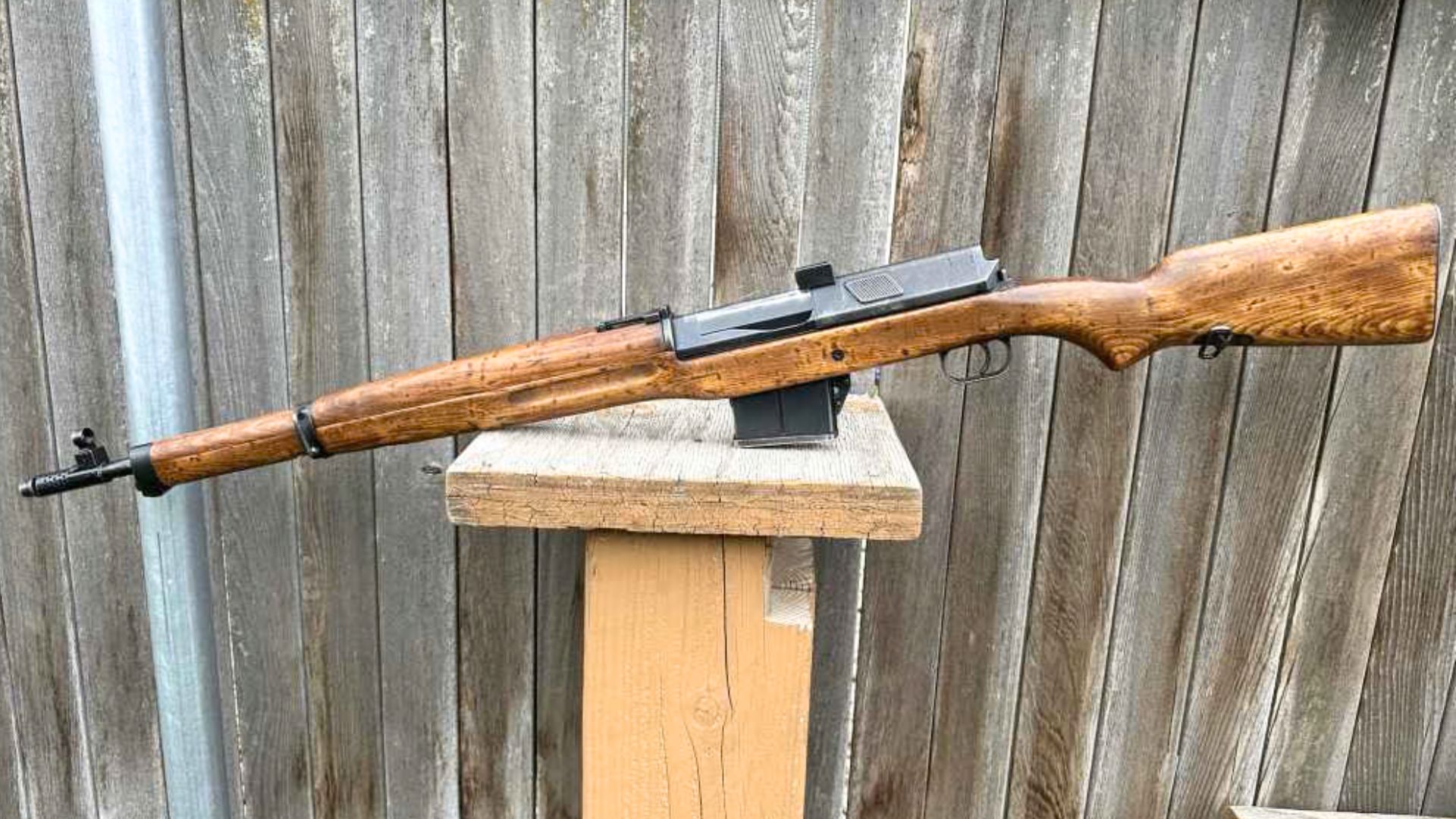
The Egyptian Hakim is impossible to mistake for much else. Based heavily on Sweden’s Ljungman system and chambered in 8mm Mauser, it is long, heavy, mechanically unusual, and capable of producing enough muzzle blast to make an impression on anyone nearby.
For years, Hakims were inexpensive surplus oddities. That was their entire identity. They were bought because they were strange and cheap rather than because collectors considered them particularly desirable. That era is ending. Imports are finite, clean examples are increasingly difficult to find, and the rifle represents an interesting intersection of Swedish design and Egyptian military production. The adjustable gas system and unusual action also make it mechanically fascinating. Collectors who passed on $300 Hakims years ago are beginning to understand that there will never be another shipment of newly manufactured ones.
Rasheed Carbine
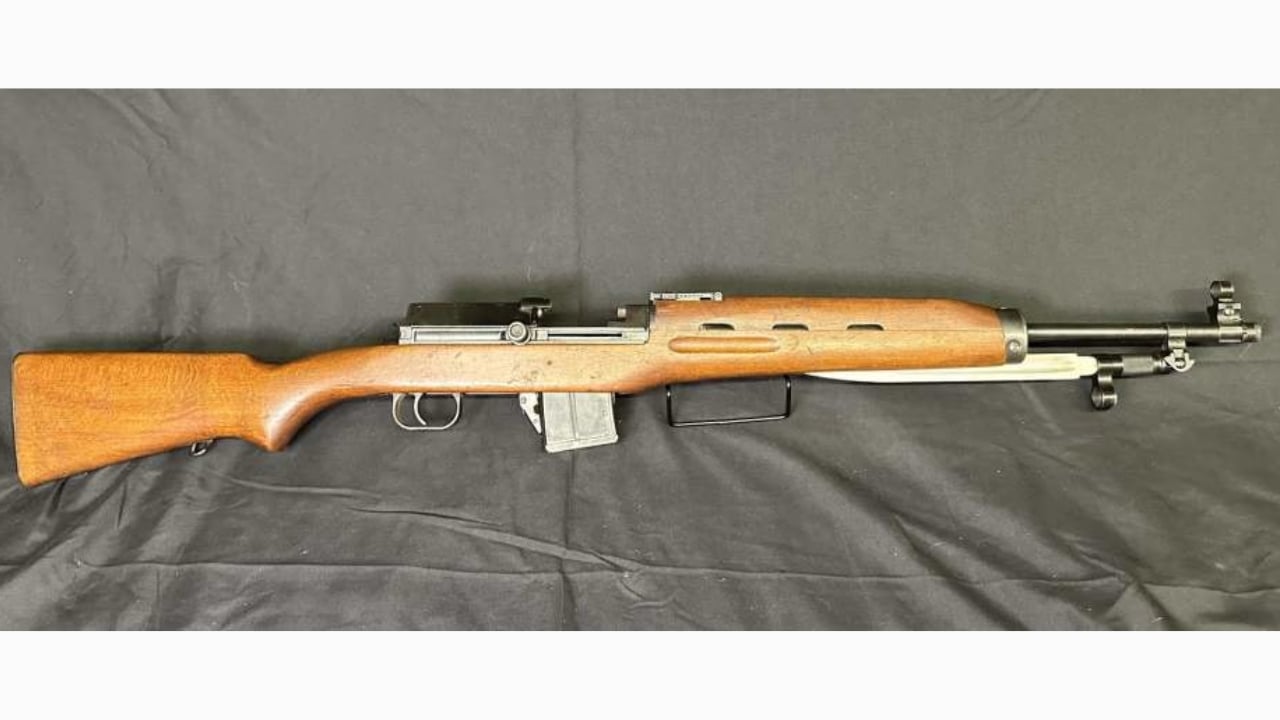
The Rasheed is often described as a smaller relative of the Hakim, but that understates how interesting it is. Egypt produced far fewer Rasheed carbines, and the rifle combines elements of the Hakim/Ljungman lineage with a handier military format chambered in 7.62x39mm.
Its scarcity is the biggest attraction. Many surplus collectors can go years without seeing a good Rasheed locally, while SKS rifles and other 7.62×39 semiautos remain comparatively common. That difference matters more every year. The Rasheed also comes from a period of Egyptian small-arms development that receives far less attention than Soviet, German, or American designs. Once collectors start filling gaps beyond the obvious military rifles, guns like the Rasheed suddenly become much more desirable. A complete, unaltered example is no longer something I would casually pass over.
Vz. 52

The Czech Vz. 52 had the misfortune of arriving in the American surplus market with an odd proprietary cartridge and a reputation for rough-looking stocks. That kept many shooters from taking it particularly seriously.
From a collector standpoint, those weaknesses are becoming strengths. The rifle is unmistakably Czech, uses an unusual operating system, and represents a transitional period between older semiautomatic service rifles and the assault-rifle era that followed. Original 7.62x45mm ammunition is not convenient, but collectors increasingly care more about originality than practicality. Many rifles were refinished, modified, or simply abused when they were cheap, so untouched examples stand out. The Vz. 52 may never become a mainstream collectible, but it is exactly the kind of formerly cheap surplus rifle that becomes surprisingly difficult to replace.
Vz. 52/57
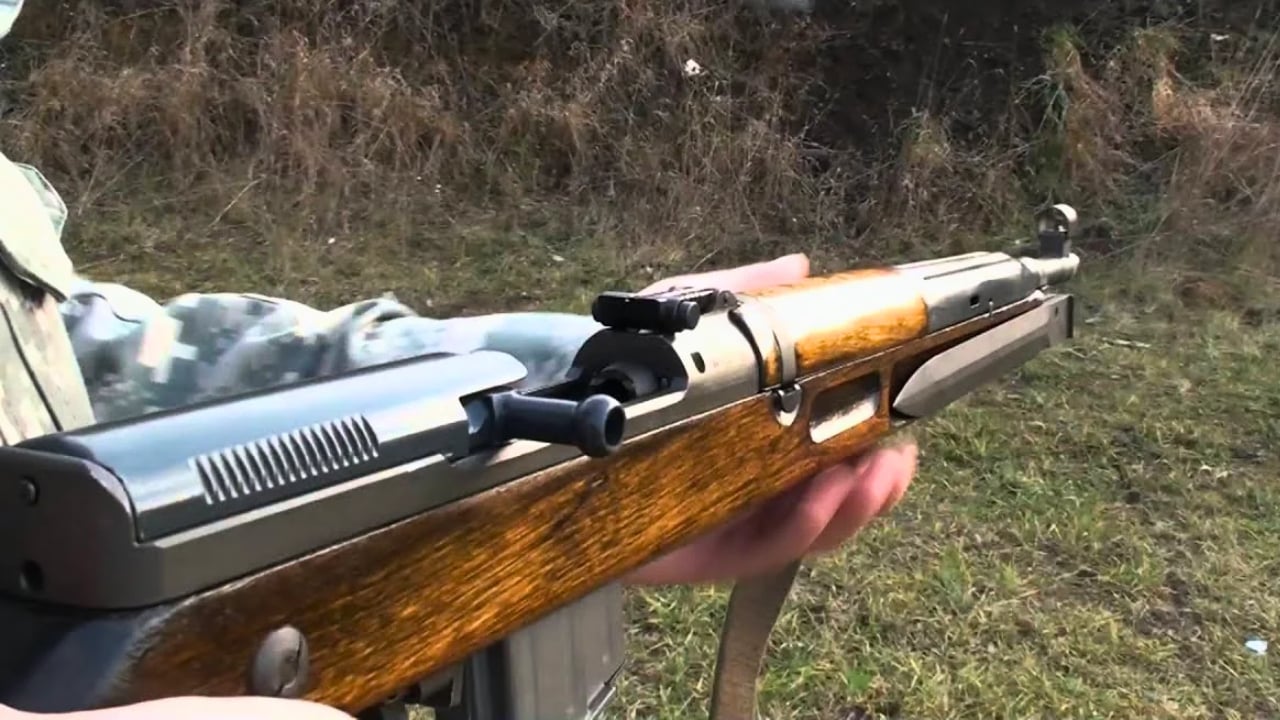
The Vz. 52/57 solved the original rifle’s ammunition problem by adapting the design to 7.62x39mm. That should have made it more common and successful, yet the opposite happened from a collector standpoint because comparatively few were produced.
That scarcity gives the 52/57 a level of appeal the standard Vz. 52 cannot quite match. It combines an already unusual Czech semiautomatic design with a much more familiar cartridge, yet examples remain difficult to locate. For years, the rifles were overshadowed by SKSs and AK-pattern guns that were cheaper, more plentiful, and easier to support. Now collectors increasingly recognize that the Vz. 52/57 occupies a short-lived evolutionary step in Czech military arms. That sort of transitional design rarely gets less collectible with time.
FN Model 49
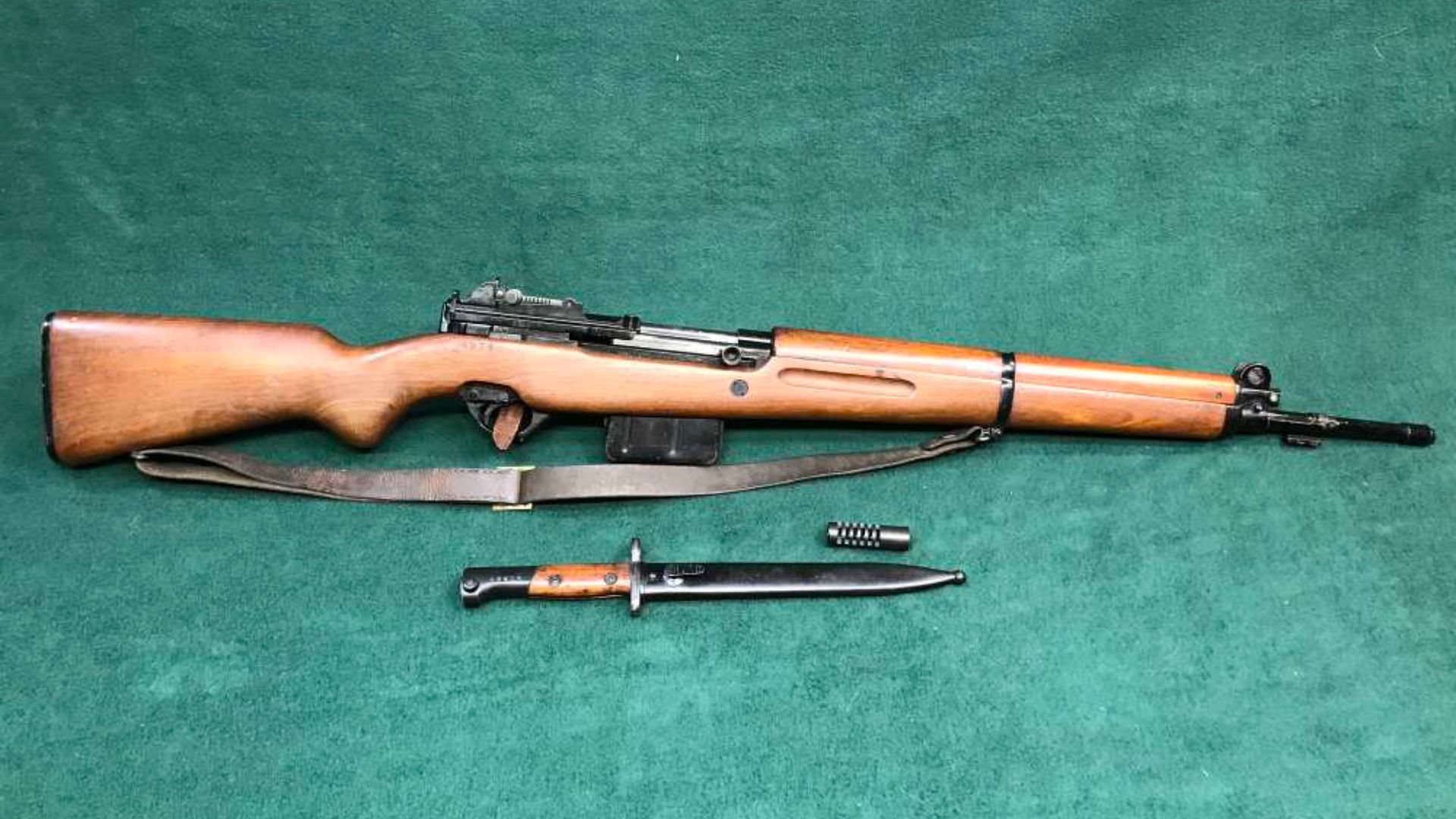
The FN 49 sits in an awkward historical position that helped keep it underappreciated. It came after rifles such as the Garand and before the FAL, so it was quickly overshadowed by the designs on both sides of it.
That middle position is what makes it interesting today. The FN 49 was produced for several countries in different chamberings, configurations, and contract variations, giving collectors plenty of details to chase. Egyptian 8mm rifles, Venezuelan 7mm examples, and other contracts each have their own character. The rifle also represents Dieudonné Saive’s work before the FAL became one of the dominant Western service rifles. Collectors increasingly recognize the FN 49 as more than a stepping stone. Original contract rifles in strong condition are becoming historically significant pieces in their own right.
Egyptian FN 49
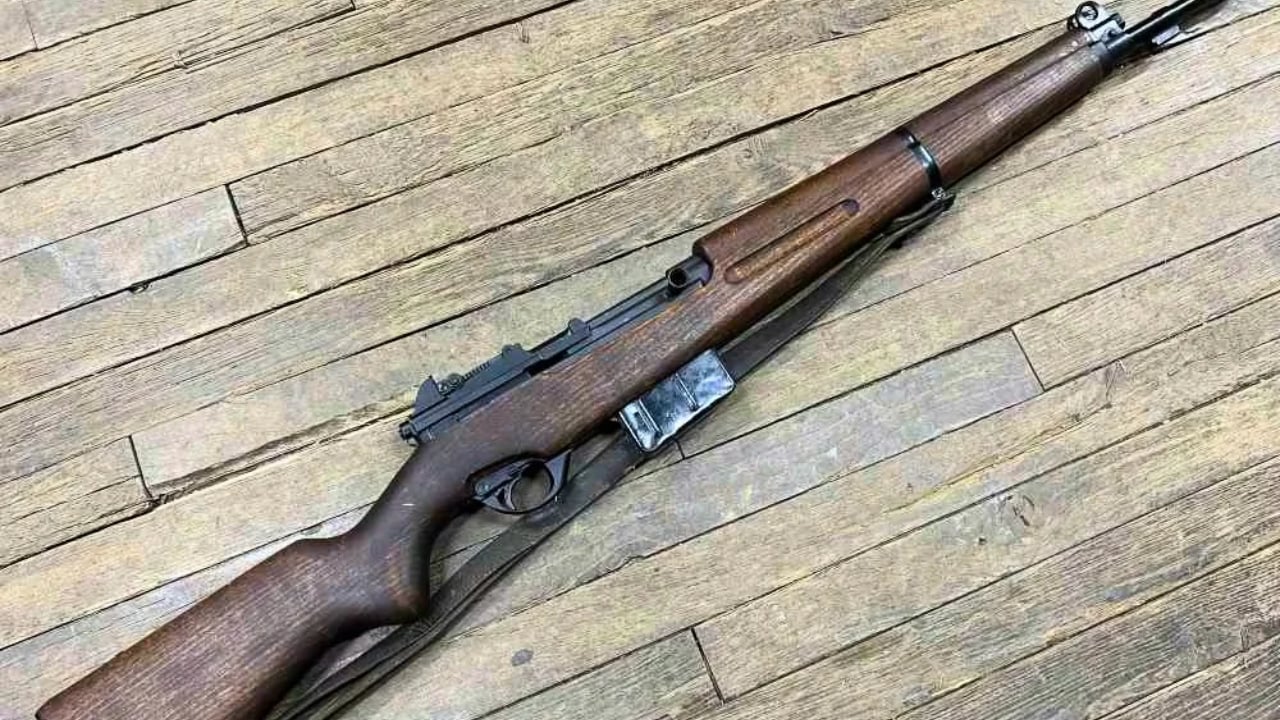
The Egyptian contract FN 49 deserves separate attention because it was once one of the more accessible ways to own an FN 49. Chambered in 8mm Mauser and produced in substantial enough numbers to reach the surplus market, these rifles spent years being treated more like shooters than collectibles.
That history means condition varies tremendously. Many have worn stocks, mismatched components, or evidence of decades of hard use. Finding an original example with strong finish and correct parts is therefore becoming much more interesting than simply finding any FN 49. The Egyptian crest and contract-specific details also give collectors something concrete to pursue. These rifles were cheap enough for long enough that people modified them without much concern. The survivors that escaped that treatment are beginning to stand apart.
Venezuelan FN 49
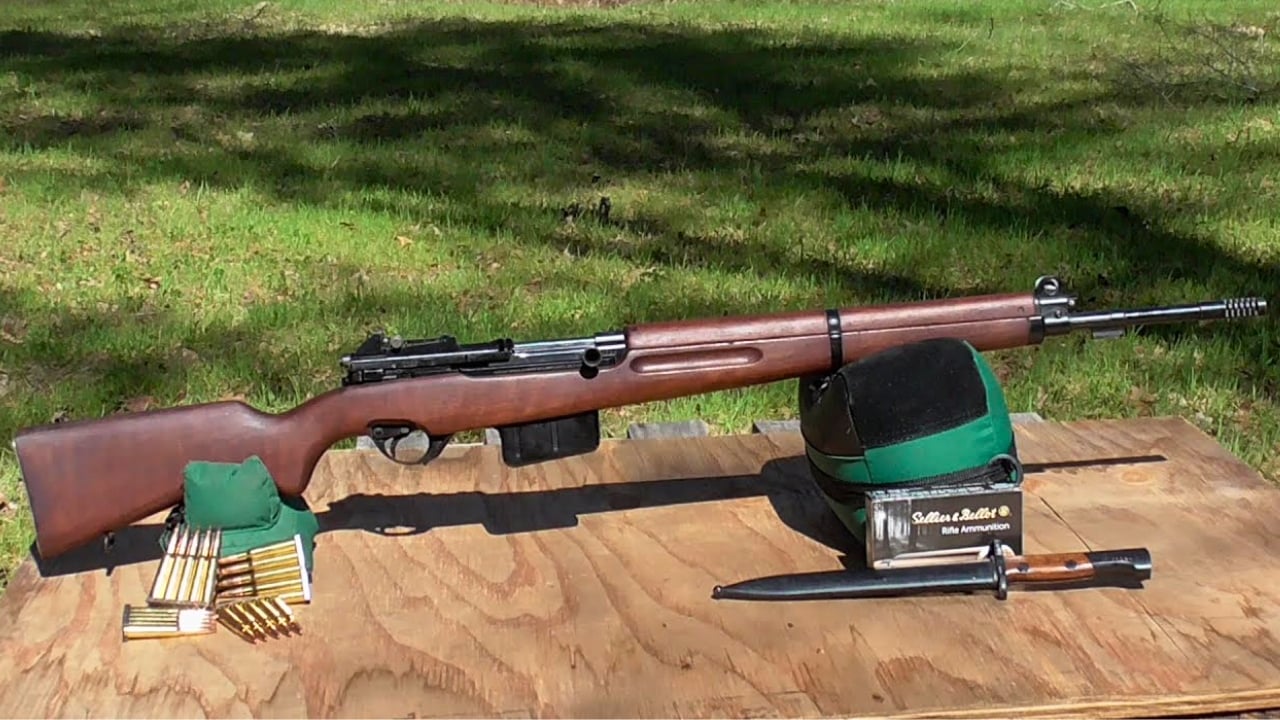
The Venezuelan FN 49 is chambered in 7x57mm Mauser and has long been one of the more desirable contract versions, but it still spent years outside the attention given to Garands, FALs, and German military rifles.
The 7mm chambering alone makes it unusual among military semiautomatics, and Venezuelan examples are generally associated with attractive craftsmanship and a relatively limited production run. As collectors become more sophisticated about FN 49 variations, these rifles naturally gain attention. They are no longer merely another FN 49 with a different crest. They represent a specific national contract and a combination of cartridge and rifle that will almost certainly never be repeated. That sort of specificity is exactly what tends to drive long-term collector interest.
Swedish AG m/42B Ljungman
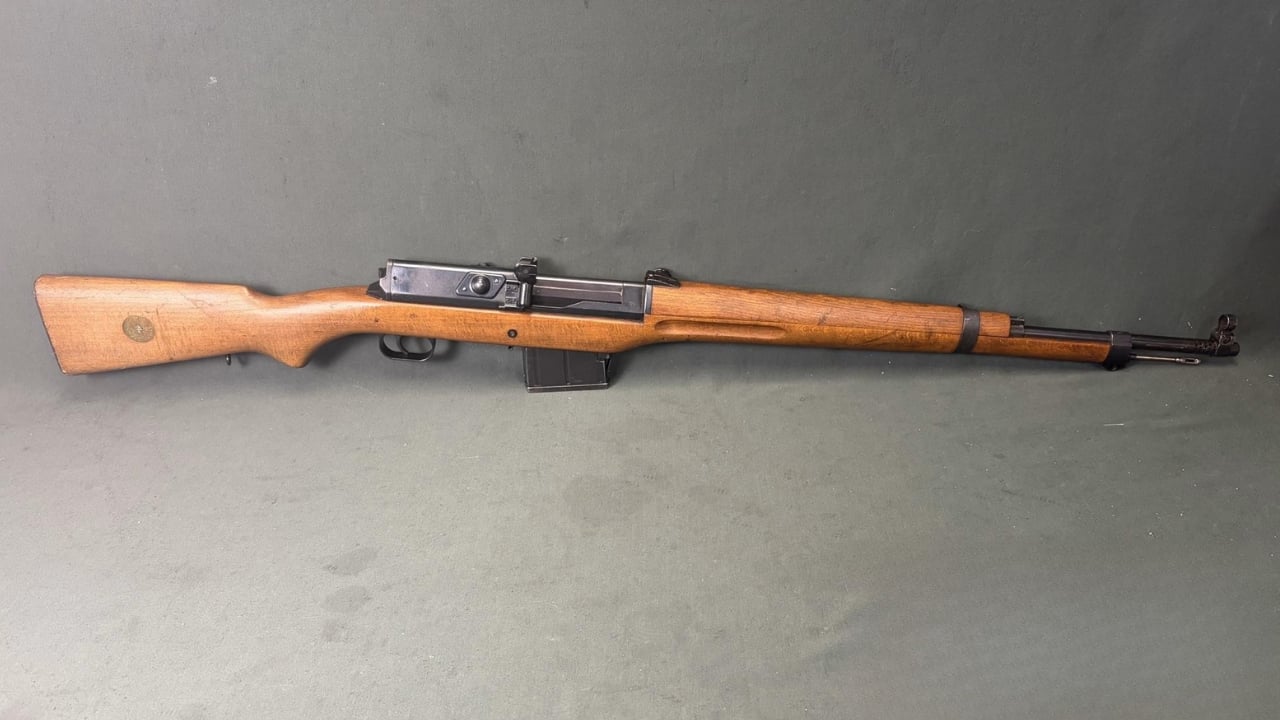
The Ljungman is one of the most mechanically important forgotten semiautomatic rifles because its gas system helped influence later designs. It is chambered in 6.5×55 Swedish and has an operating system that feels unlike almost anything most American shooters encounter.
For decades, the rifle lived in the shadow of Garands and other better-known World War II-era arms. Swedish military surplus also tended to be appreciated more for bolt-action Mausers than semiautomatics. That is changing. The AG m/42B combines historical importance, unusual engineering, a respected cartridge, and finite supply. It also has enough handling quirks that owners quickly learn it is not simply another semiautomatic battle rifle. Clean examples are becoming rifles that serious military collectors increasingly want represented in a complete collection.
Beretta BM59
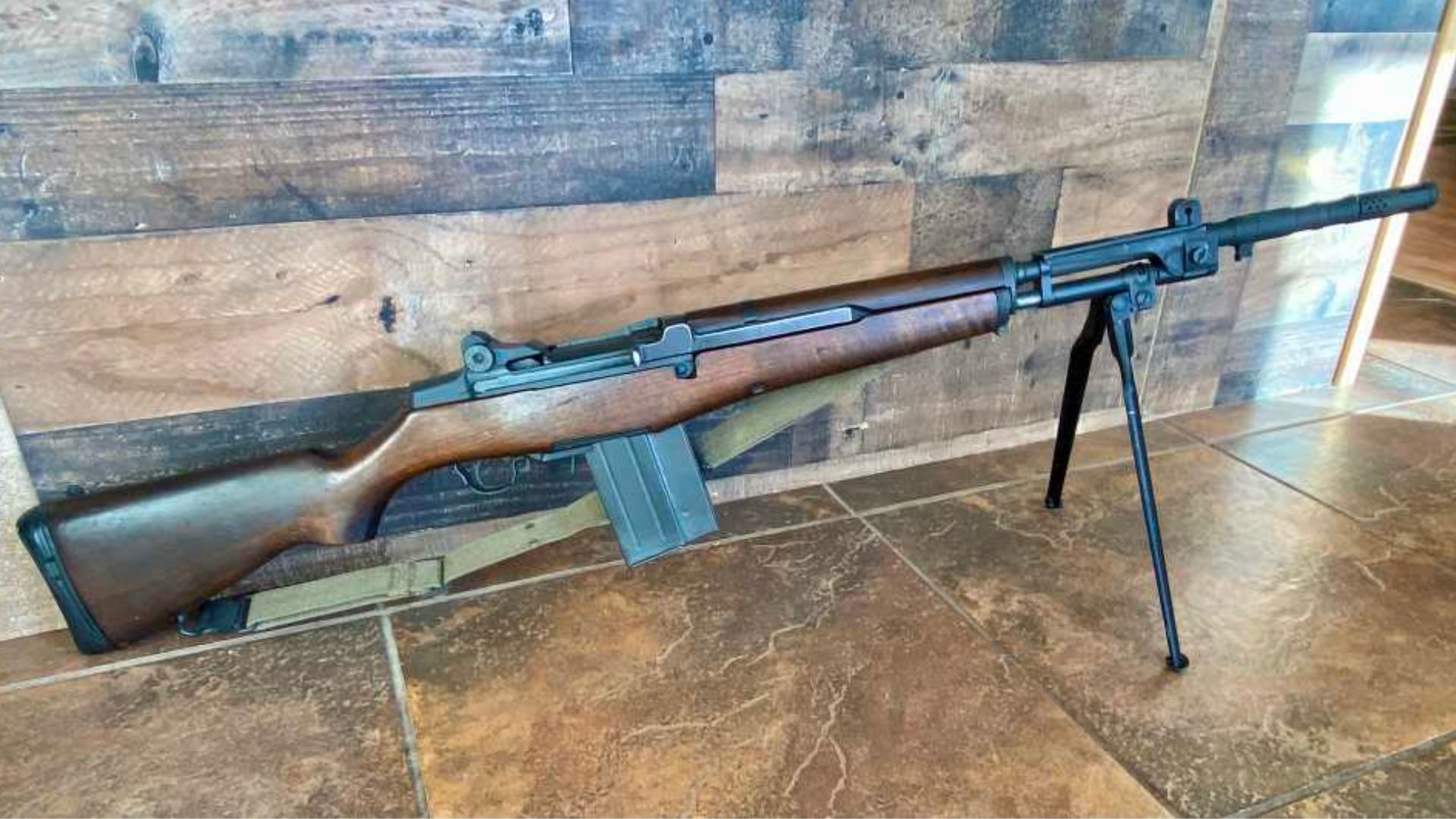
The BM59 often gets described as an Italian evolution of the M1 Garand, which is accurate but can make the rifle sound less interesting than it actually is. Beretta took the Garand concept and adapted it around detachable magazines, 7.62 NATO, and features more appropriate to the postwar battle-rifle era.
Original military-pattern and quality commercial BM59 rifles are becoming much more appreciated because they occupy such an unusual bridge between the Garand and later rifles. The problem for collectors is sorting authentic examples from builds assembled over the years from mixed components. That makes provenance and configuration increasingly important. A correct BM59 has far more historical character than its old reputation as merely an Italian Garand conversion suggests. Collectors are beginning to treat the rifle as its own major design rather than a footnote.
Leader Dynamics T2 Mk5
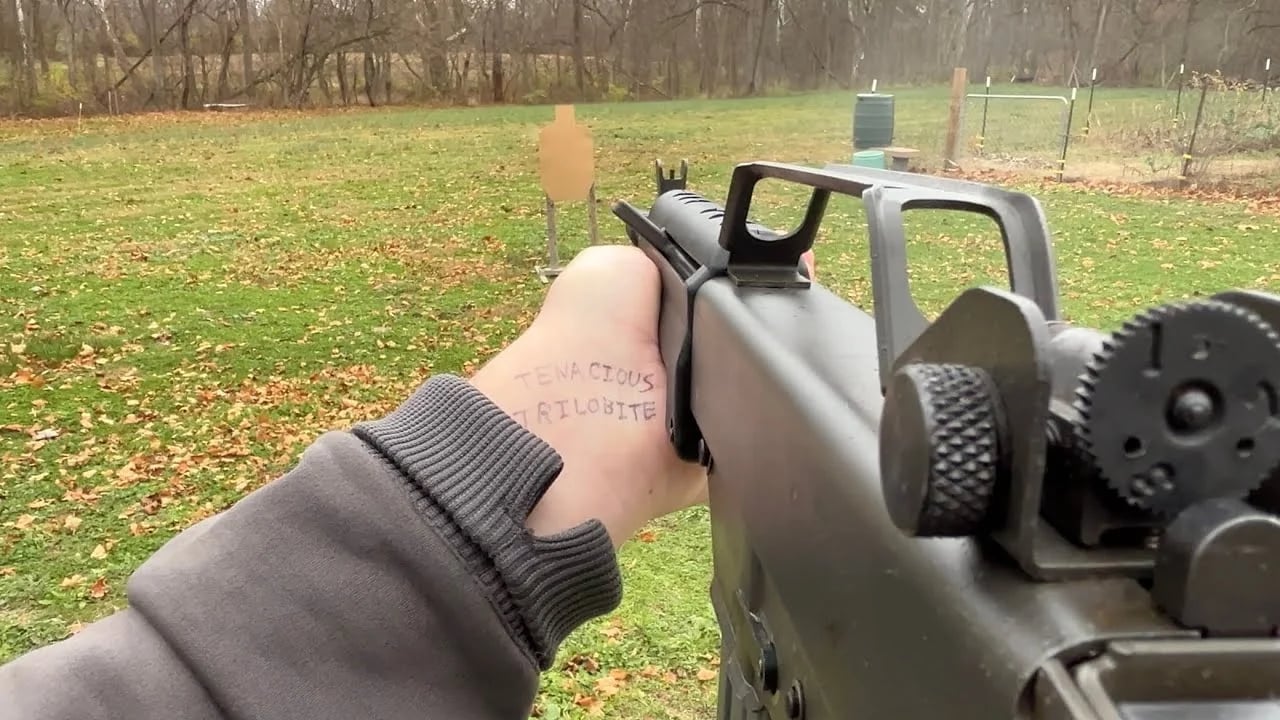
The Australian Leader T2 Mk5 is exactly the sort of rifle collectors overlook until it becomes almost impossible to find. It was a compact 5.56mm semiautomatic with distinctive styling and a design that appeared during the period when military-style civilian rifles were becoming much more varied.
It never achieved anything close to AR-15 production numbers, and the company itself disappeared from the market. That leaves a finite number of rifles representing a very specific chapter in Australian firearms design. Parts and magazines can create headaches, which limited shooter interest for years. Collectors view that equation differently. Scarcity, recognizable design, and a dead manufacturer can make a rifle more interesting rather than less. The T2 Mk5 has all three working in its favor.
Daewoo K1A1
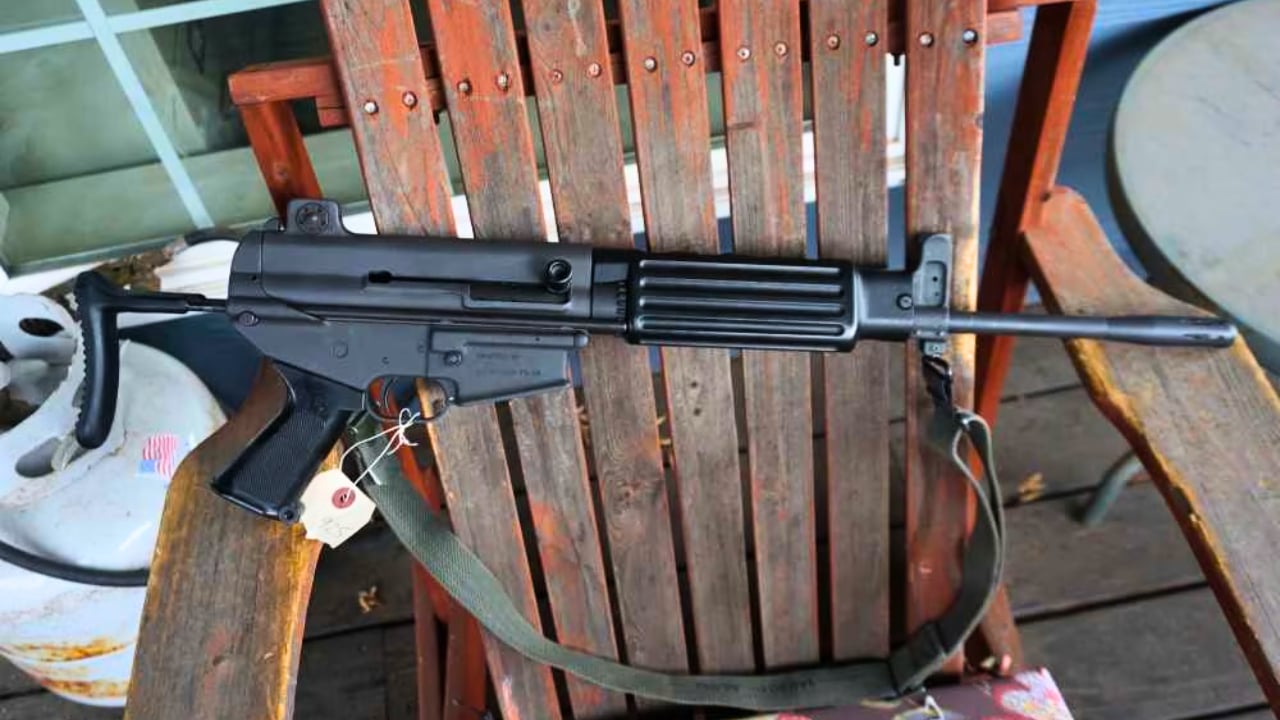
Daewoo rifles spent years being dismissed as weird Korean alternatives to AR-pattern guns. The K1A1 is especially interesting because it combines familiar 5.56mm concepts with distinctly South Korean military development.
Imports were limited, and the rifles never developed the massive aftermarket enjoyed by American designs. That made them easy to ignore when inexpensive AR-15s became available everywhere. Now the lack of imports is precisely the issue. Collectors interested in Cold War and allied military rifles have begun paying more attention to Korean designs, while original rifles and factory components are not getting easier to locate. The K1A1 is one of those guns that looked like an odd substitute when new and looks far more historically interesting now that it cannot simply be replaced.
Howa AR-180
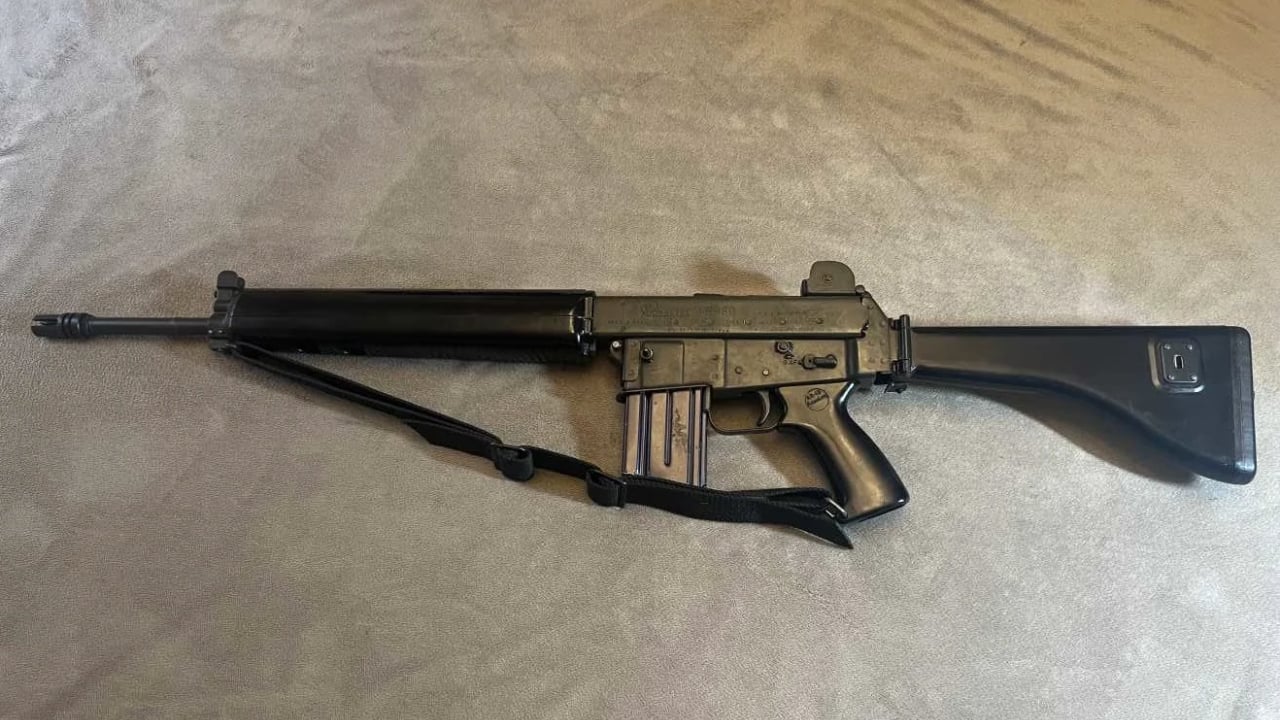
The AR-180 has always lived in the shadow of the AR-15, despite having a design lineage that influenced numerous later rifles. Howa-produced examples are particularly interesting because they represent an early Japanese manufacturing chapter in the rifle’s history.
When AR-15s became overwhelmingly dominant, there was little reason for ordinary shooters to chase the AR-180. Collectors have different priorities. The stamped construction, distinctive bolt system, folding stock on appropriate variants, and limited production all make original rifles interesting artifacts of an alternate path in 5.56mm rifle development. Original Armalite and Sterling examples get plenty of attention, but Howa-marked rifles deserve it too. A complete example is much harder to replace than another conventional AR.
Australian Automatic Arms SAR
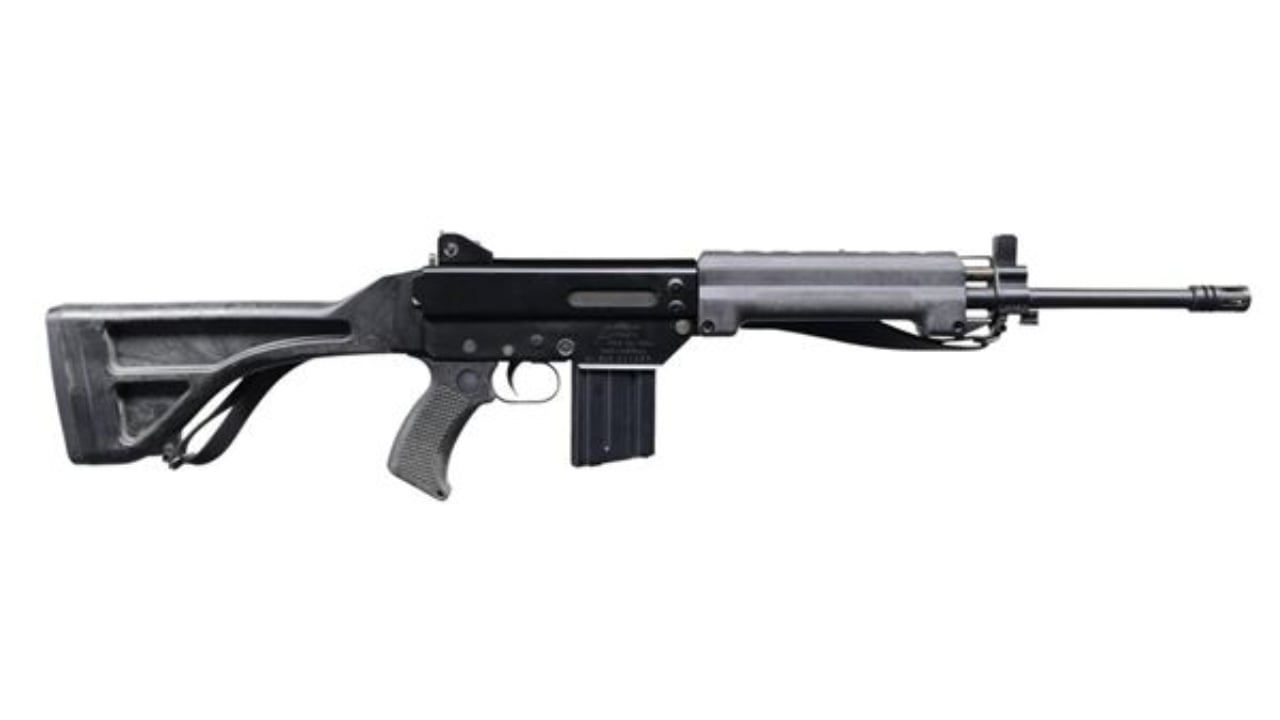
Australian Automatic Arms produced the SAR family during a relatively brief period, leaving behind rifles that many American shooters have never even seen. The design had its own visual identity rather than merely copying the AR-15 or AK, which makes surviving examples immediately interesting.
The company did not last long enough to build a huge installed base, and that meant parts, magazines, and familiarity became problems for ordinary owners. Decades later, those same limitations help establish collector appeal. There are only so many original examples available, and no modern manufacturer is producing a direct continuation of the design. For someone building a collection around unusual 1980s and 1990s semiautomatic rifles, the AAA SAR increasingly looks like exactly the kind of gun that was easy to ignore until it became scarce.
Like The Avid Outdoorsman’s content? Subscribe to our newsletter so you never miss an article.
Here’s more from us: