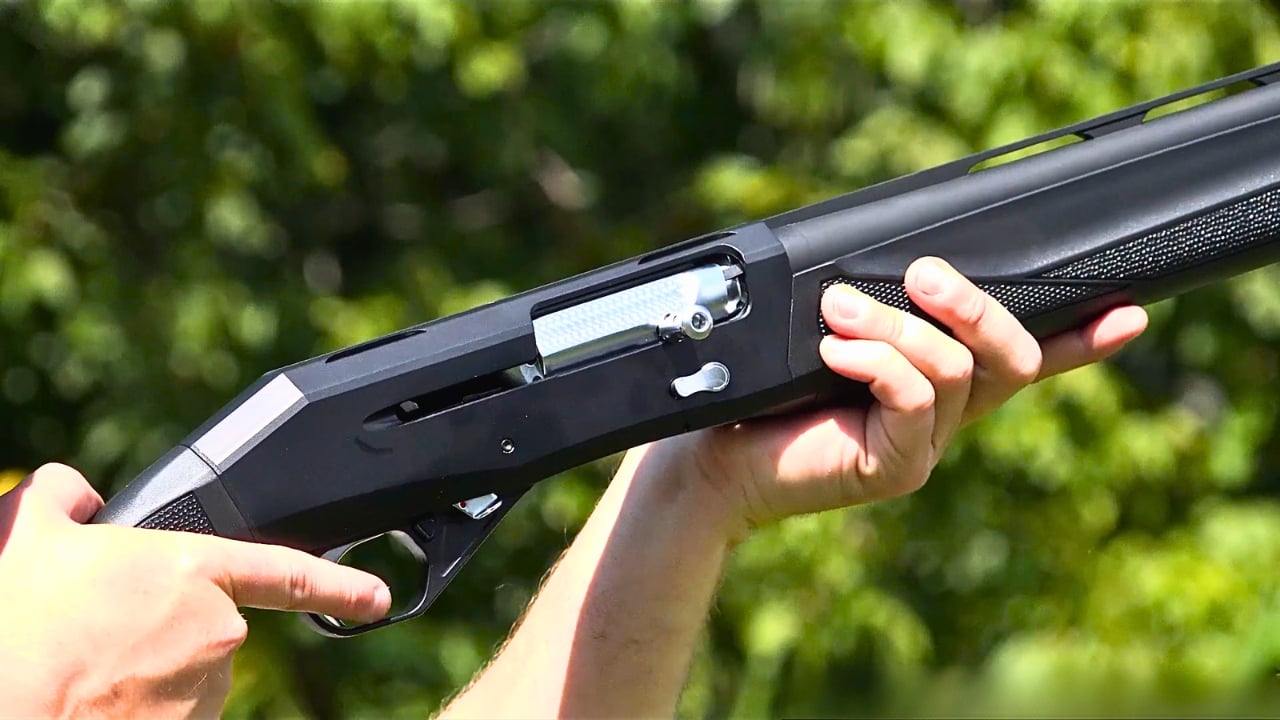
Photo credit: NRApubs/YouTube
Every fall there’s a wave of new shotguns that get bragged on hard in October, carried proudly through November, and then quietly traded off sometime after the following season. It’s not always because they’re bad guns. Most of the time it’s because the honeymoon wears off when the weather turns nasty, the springs get gritty, the finish gets scarred, and you’ve got one glove on while trying to clear a jam with cold fingers.
These are the kinds of shotguns field hunters talk up early, then start side-eyeing by the third season. Sometimes the fix is simple. Other times, you finally admit you bought a gun for the internet, not for cattails, cut corn, and a muddy dog box.
1. Benelli Super Black Eagle 3
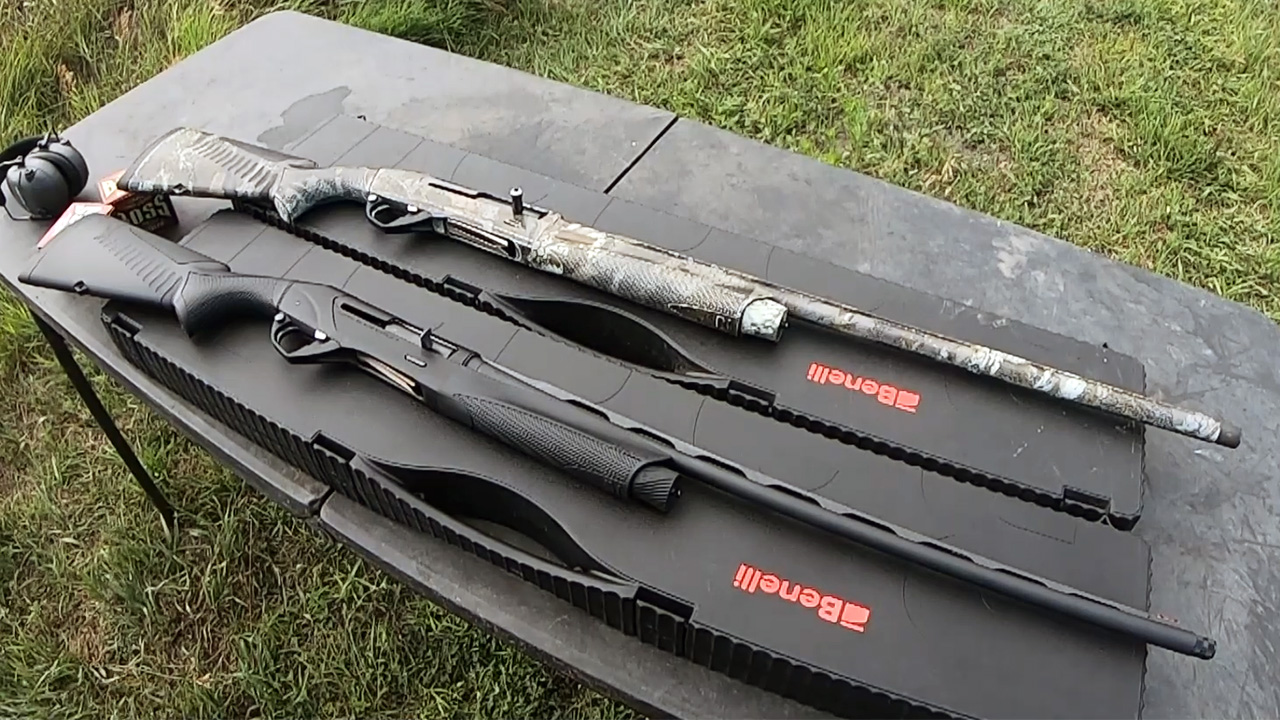
This one gets praised like it’s the last waterfowl gun you’ll ever need, and for some hunters it is. The problem is it’s a long, expensive way to learn you don’t actually like 3 1/2-inch recoil in a blind at 5 a.m. It runs great when it’s clean and you feed it what it likes, but the whole “buy once, cry once” story starts to sting after a couple seasons of honest abuse.
By season three, the little annoyances show up: it’s tall in the receiver, it can feel clunky for smaller-framed shooters, and the cost of ownership isn’t just the sticker price. When you finally scratch that pretty finish and realize you’re babying a tool, the vibe changes. Still a serious shotgun, but not everybody needs that much gun.
2. Benelli Nova

I get why the Nova sells. It feels like a canoe paddle that happens to be a shotgun, and that’s a compliment and a knock at the same time. It’s tough, generally reliable, and it takes neglect better than most. Early on, hunters love that they can drag it through a marsh and not feel guilty.
Then you carry it all day. The balance is what it is, and the fore-end feel is not everybody’s favorite with gloves. The pump stroke can feel long, and when you’re layered up, it’s easy to short-stroke under pressure. By the third season, a lot of guys start wanting something that mounts quicker and carries lighter, even if it isn’t as “indestructible.”
3. Benelli SuperNova

The SuperNova fixes some complaints and adds others. The Comfort Tech stock helps, and it’s a smart upgrade if you shoot heavier loads. But the gun is still big, still long in the action, and still a lot to tote when you’re walking ditches for pheasants or jumping from field to field for late-season roosters.
Another thing that creeps in by year three is how much stuff is proprietary compared to the plain-Jane pumps. A broken or lost small part isn’t always a hardware-store moment. It’s a “wait on shipping” moment. It’s a good shotgun, but it can make you realize you’d rather have a simpler pump that points more naturally.
4. Browning A5 (modern)

The modern A5 is slick and it points fast. Upland guys and duck hunters both like how lively it feels, and the inertia system keeps it cleaner than gas guns. But the same fast, lively feel can turn into “jumpy” when you’re shooting heavier waterfowl loads in bulky clothes.
By the third season, hunters start noticing the recoil impulse isn’t as forgiving as they expected, especially over a long morning when you’re pass-shooting. It’s not that it beats you up like a 3 1/2-inch gun can, but it’s snappy. If you’re not committed to the fit, you’ll start dreaming about a softer-shooting gas auto.
5. Browning Maxus II

The Maxus II has a lot going for it: soft recoil for a 12-gauge, good controls, and it shoulders naturally for many shooters. Where it can wear thin is when hunters realize “soft” often comes with “needs a little more attention.” Gas guns like being kept reasonably clean, and wet grit is the enemy.
Season three is usually when the maintenance reality shows up. If you’re the guy who wipes a gun down and keeps a can of cleaner around, you’ll be fine. If you’re the guy who tosses it in the case wet and deals with it later, you may start chasing sluggish cycling or a sticky piston. Great shooter, but it rewards discipline.
6. Beretta A400 Xtreme Plus
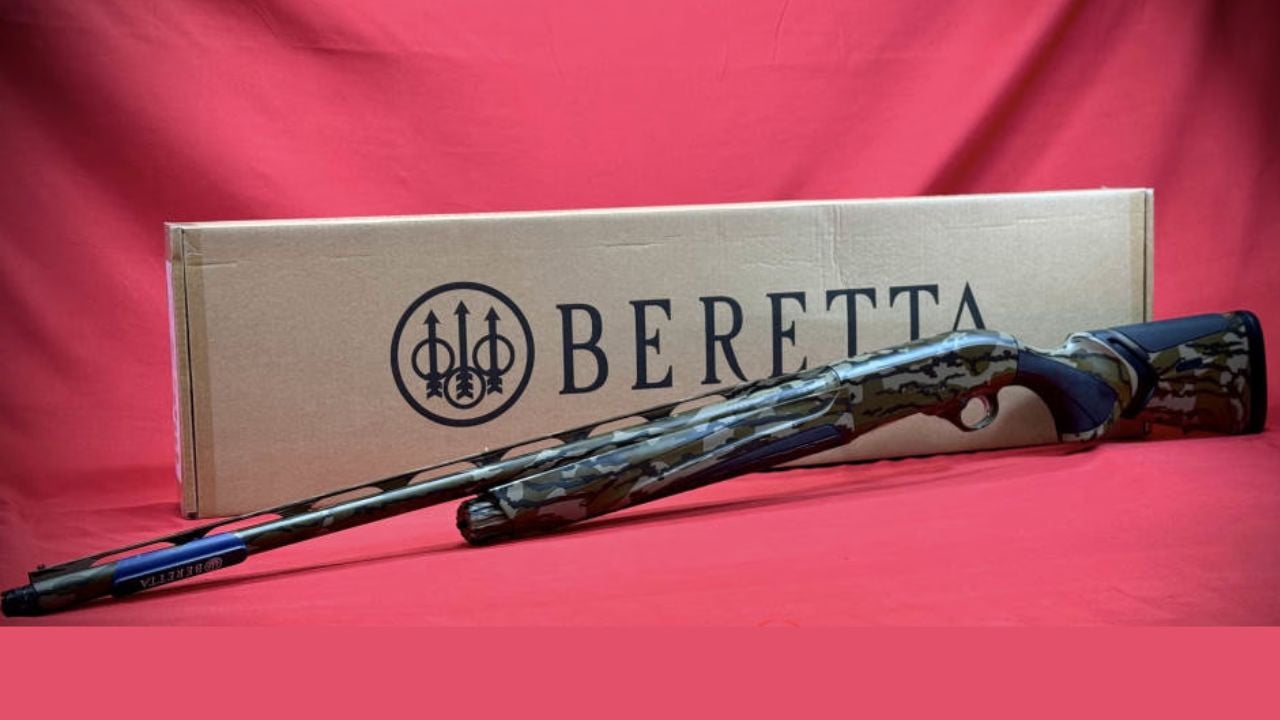
This is a serious waterfowl gun and it feels like one. It’s soft shooting, it’s fast, and it’ll digest a wide range of loads. Early praise is deserved. The “third season” shift comes when the size and gadgetry stop feeling fun and start feeling like extra stuff to manage.
The extended controls, the bulk, the specialized vibe—none of that matters until you’re climbing into a blind in the dark and snagging on straps and brush. Also, the price makes every little ding feel personal. It’s excellent at what it does, but by year three some hunters realize they want a simpler, trimmer auto that still runs.
7. Beretta A300 Ultima
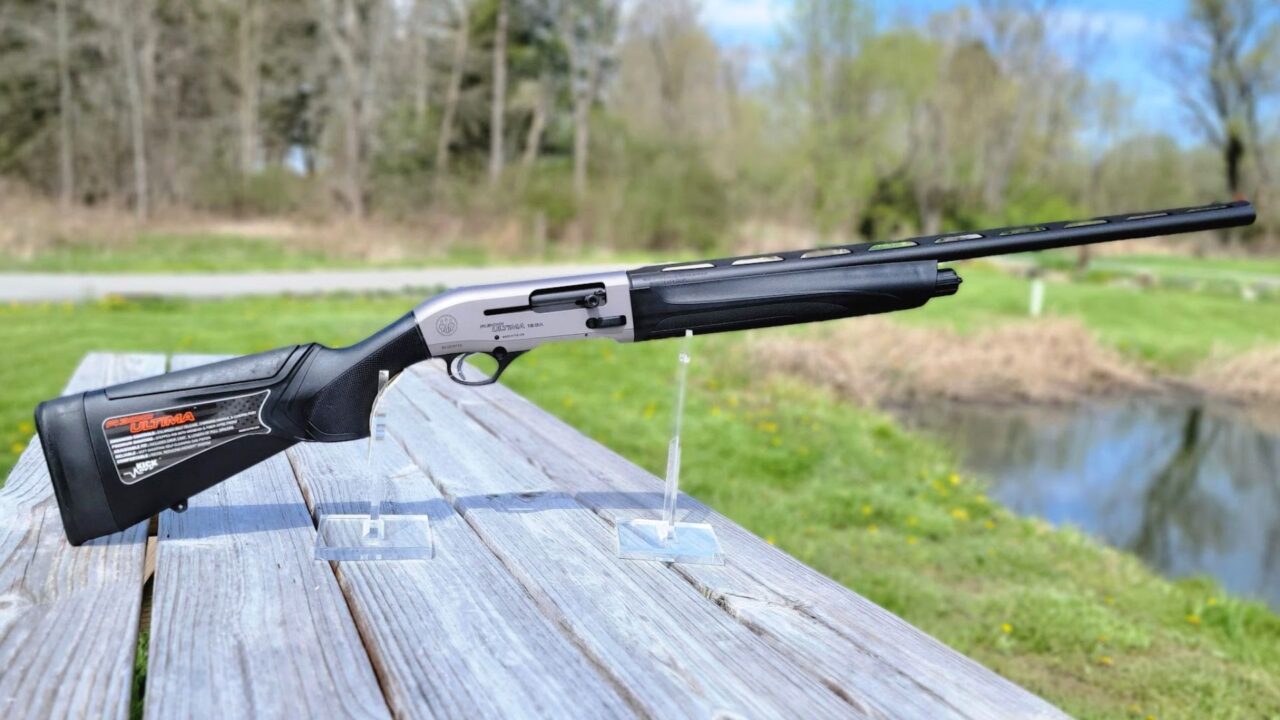
The A300 Ultima might be one of the best values going, and that’s why so many hunters praise it early. It’s soft enough, reliable enough, and it doesn’t cost “premium mortgage payment” money. Then it becomes the default gun for everything: teal, geese, clays, pheasants, the whole year.
By the third season, the wear shows. The finish isn’t magical, and if you hunt hard, you’ll see it. Also, the A300 can be a little more load-sensitive depending on break-in and cleaning habits. It’s not a deal-breaker, but it’s the moment hunters realize value guns aren’t free. You pay in cleaning and small compromises.
8. Remington 870 Express (newer production)

Older 870s earned their reputation the hard way. Some newer Express guns earned a different reputation just as honestly. They often feel fine at the counter, then the first hard season introduces you to rough chambers, sticky extraction, and surface rust that shows up like it’s got an appointment.
By the third season, the pump that “should last forever” starts feeling like a project. Hunters polish chambers, swap extractors, and baby the finish. Plenty of them run, but the inconsistency is the killer. You never want to wonder if your pump gun is going to cough on a cold morning when birds finally commit.
9. Remington 870 Tac-14 (and other short 870 variants)

These look handy and they’re fun in a certain way, and that’s exactly the trap. For field hunting, short-barreled or birdshead-grip setups don’t swing like a shotgun should. In tight cover, hunters think “compact” will help, but what you really need is controllable and smooth.
By year three, a lot of owners admit it’s a niche tool that mostly lives in the safe. It’s loud, it’s awkward for follow-up shots, and it doesn’t do clays any favors. If you actually hunt birds, you end up wanting a normal stock and a normal barrel. Novelty wears off fast in the field.
10. Mossberg 835 Ulti-Mag

The 835 has sent a mountain of shells downrange, and it earned respect as a working waterfowl pump. The praise usually starts with, “It’ll shoot 3 1/2s all day,” which is true. Then the third season arrives and your shoulder starts voting against “all day.”
It’s also a big, utilitarian gun that carries like one. In a boat or a blind it’s fine, but on long walks it’s not graceful. The overbored barrel can pattern well with the right choke and load, but it can be picky. After a couple seasons, hunters often scale back to 3-inch loads and start wondering why they needed the bigger hammer.
11. Mossberg 500 (combo field/deer packages)
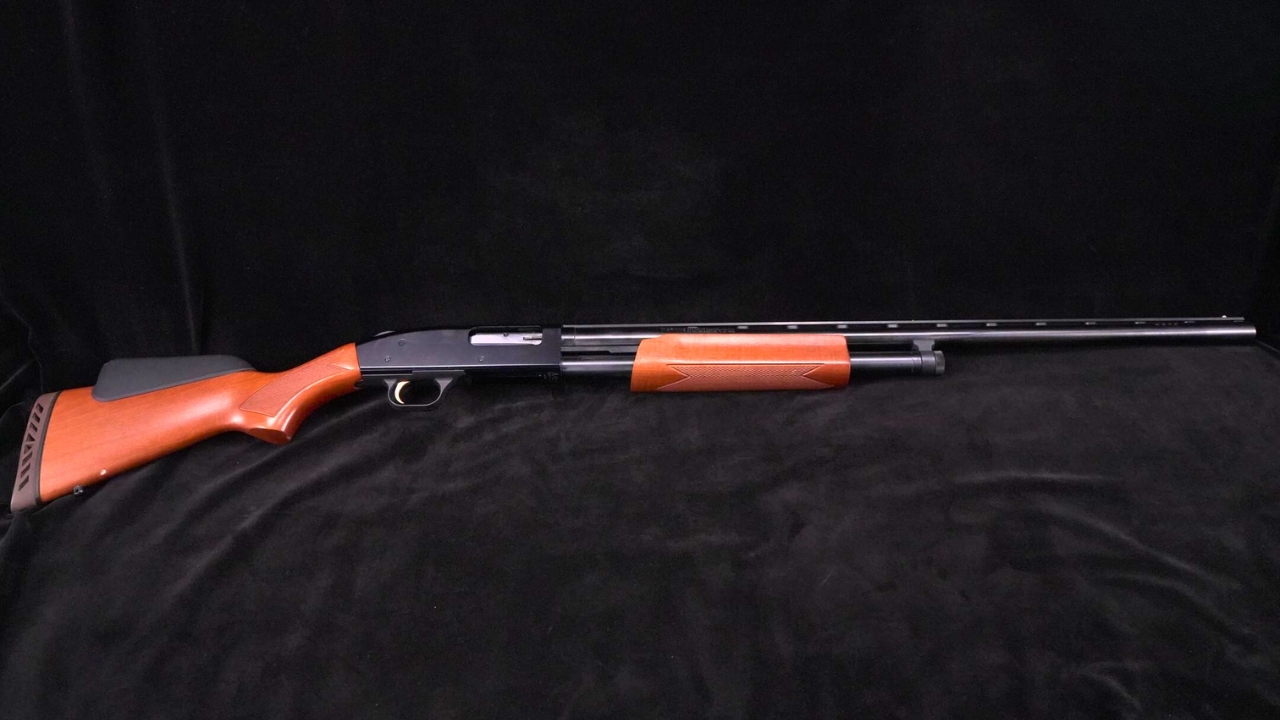
The 500 is an American standby, and it’s hard to argue with the number of animals taken with them. Where the “third season” grumbling starts is usually with the combo packages: swapping barrels, swapping sights, swapping zero, and never being fully in love with any setup.
The action can feel loose compared to some pumps, and that’s normal, but new owners sometimes interpret it as “cheap.” Over time, the gun is still running, but the hunter realizes they’re doing a lot of compromising. The slug barrel sits unused, the bird barrel is “okay,” and they start shopping for a dedicated upland gun or a dedicated deer gun.
12. Mossberg 930
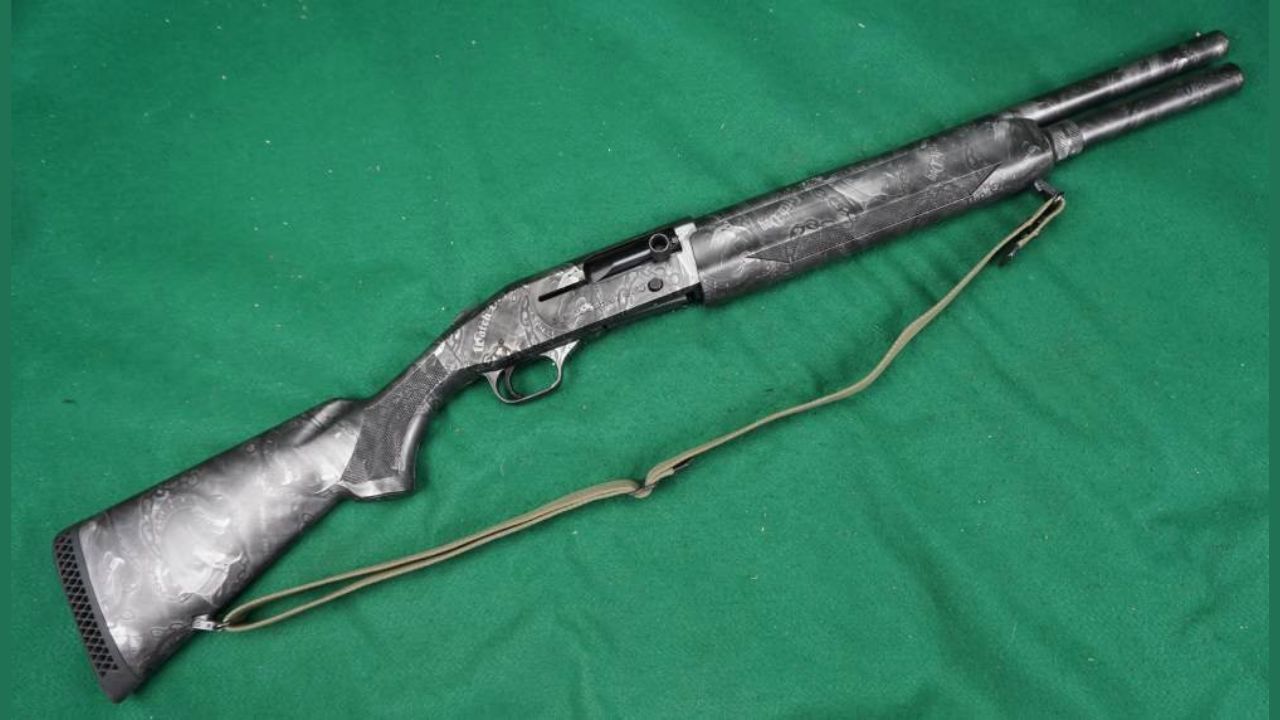
The 930 brought a lot of hunters into the semi-auto world without the premium price, and when they’re running right they’re pleasant guns. But the third season is often when the gas system and springs start demanding attention, especially if the gun has seen wet hunts and dirty loads.
You’ll hear complaints about cycling issues, especially with lighter loads or when it’s filthy. Some of that is user maintenance, some of it is tolerance stacking, and some of it is just luck of the draw. If you’re a guy who likes a shotgun that runs on neglect, the 930 can feel like it’s asking a little too much at the wrong time.
13. Stoeger M3500

Stoeger’s M3500 gets love because it’s an affordable way into a 3 1/2-inch semi-auto. It looks the part, it holds up better than many expect, and it can be a good “boat gun.” Then you put two seasons of hard hunting into it and learn what budget inertia guns feel like when the weather turns mean.
They can be stiff out of the box and sometimes need a real break-in before they’re trustworthy with lighter stuff. The recoil is more noticeable than the premium inertia guns, and the fit and finish shows its price over time. By year three, hunters either accept it as a heavy-load specialist or they move on to something smoother.
14. Winchester SX4

The SX4 is fast cycling, light, and it points nicely for a lot of shooters. It gets praised as a “sleeper” duck gun, and there’s truth there. The catch is light guns have a way of feeling great for one box of shells and less great for five boxes across a long season.
By the third season, some owners start noticing recoil fatigue and how the gun behaves with different clothing layers. Also, the SX4’s lightness can make it whippy on longer crossing shots if you’re not used to it. It’s not a flaw as much as a personality. If you wanted a steady, heavier swinger, the SX4 can start feeling nervous.
15. Weatherby Element
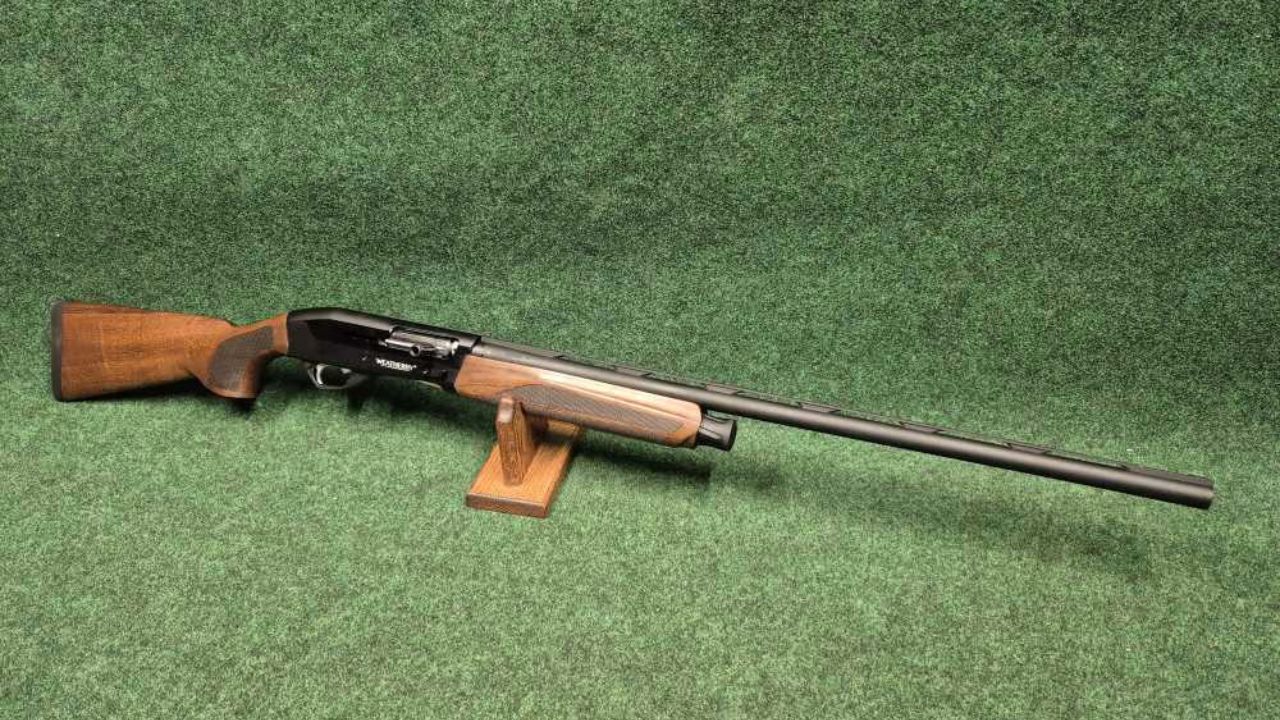
The Element is another value semi-auto that wins early praise because it shoots better than its price tag suggests. It carries well, it looks decent, and it gets a lot of first-time semi-auto buyers into the game. The third-season reality check usually comes from round count and rough conditions.
Small parts, springs, and general long-term durability are where budget autos separate themselves. If it’s your one-and-only gun for clays in summer and birds in fall, you’ll find the limits sooner. It’s not that it can’t hold up, but it’s less forgiving when neglected. When a guy starts hunting harder, he starts wanting a gun that’s boringly consistent.
16. TriStar Viper G2
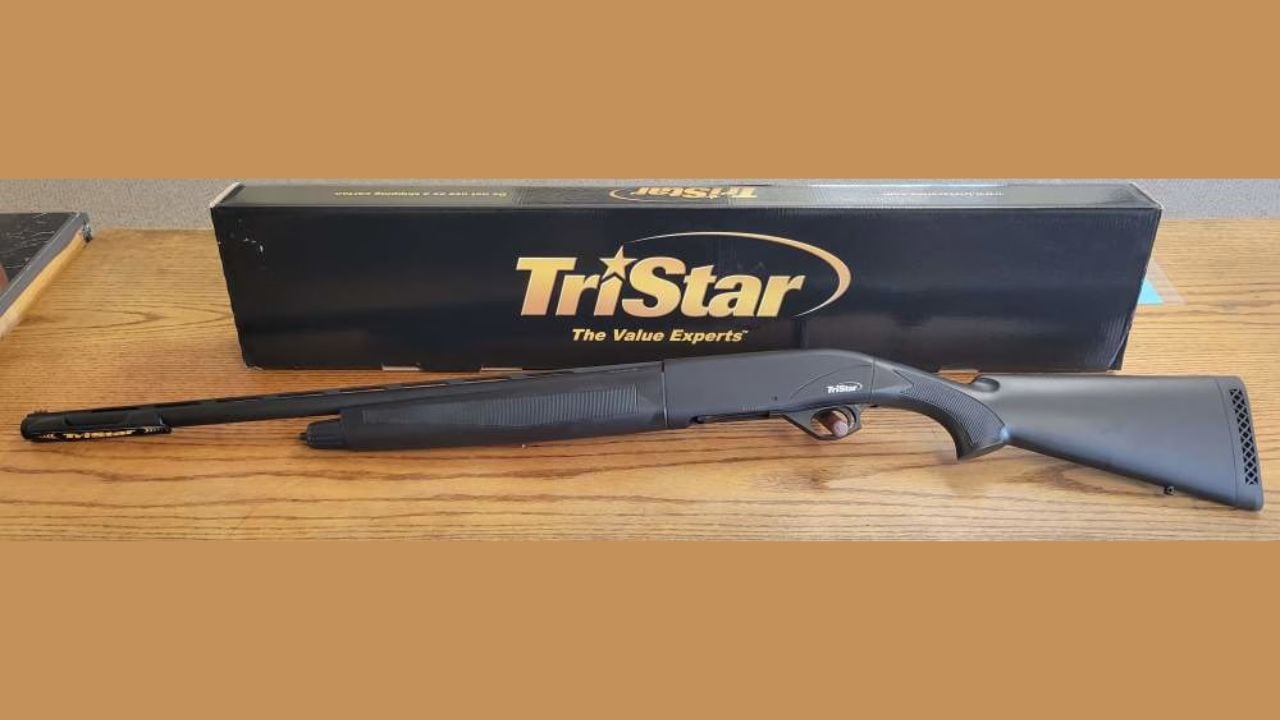
These sell because they’re affordable and they feel good in the hands at the counter. For a season or two, plenty of them run fine, especially with heavier field loads. The problems tend to show up when the gun becomes a daily driver and not a “once-in-a-while” shotgun.
Finish wear and parts longevity are the common gripes, and customer service experiences are a mixed bag depending on the situation. The third season is when the hunter has enough hunts logged to say, “Okay, do I trust this on a big trip?” Some do. Others start thinking about stepping up, not because they hate it, but because doubt creeps in.
17. CZ 1012
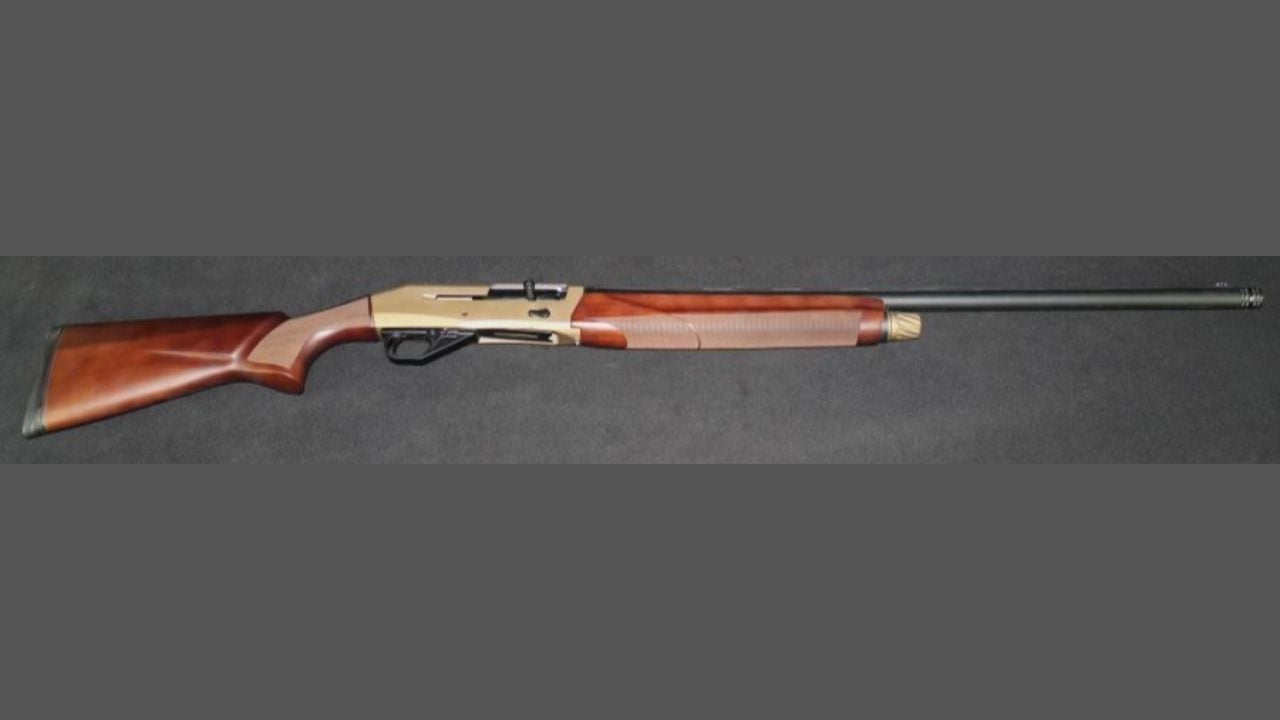
The 1012 has a good reputation for the money and it handles nicely. It’s an inertia-driven gun that feels modern without being weird, and it’s easy to recommend to a guy who wants one shotgun for a little bit of everything. The third-season complaints are usually about small quirks, not catastrophic failures.
Fit is the big one. If it doesn’t fit you, you’ll fight it for years and blame the gun for misses that are really mount and eye alignment. Also, lighter inertia guns can get finicky if you start trying to run very light loads, especially in cold weather with heavy clothing. A lot of the “it was awesome, then I got tired of it” comes down to expectations.
18. Savage 220 (20-gauge slug gun)

Slug-gun hunters praise the 220 like it’s cheating, and in the right setup it nearly is. It’s accurate, it’s efficient, and it’s a legitimate tool where rifles aren’t allowed. But by the third season, a lot of owners start noticing that it’s a specialized rig that pulls you into specialized spending.
Scopes, mounts, premium sabots, time at the bench—none of that is free. And when ammo availability gets weird, you can’t just grab a random box and expect the same point of impact. It’s also not a bird gun, not a do-it-all gun, and it’s not always quick in thick brush like a smoothbore can be. Great at one job, and only one.
19. Charles Daly 601 (and similar budget pumps)

These pumps get praised because they’re inexpensive and they usually go bang. For a new hunter, that’s tempting, especially when you also need waders, decoys, a dog crate, and fuel money. The third-season complaints are almost always about “feel” turning into function.
Pump guns live or die by the slickness of the action bars, the quality of the extractor, and how they behave when dirty and cold. A cheap pump that’s fine on a sunny range day can get gritty fast in a muddy pit. When the action starts binding or the gun starts feeling like a toolbox drawer, hunters begin looking for an older used 870 Wingmaster or a proven Mossberg instead.
20. Hatsan Escort Magnum

The Escort line has put a lot of semi-autos in a lot of hands. Early praise usually sounds like, “It shoots everything and it didn’t break the bank.” Then the third season hits with a pile of shells through it, a couple wet openers, and maybe some dusty dove fields in between.
Longevity and consistency are what get judged over time, not first impressions. Some Escorts run great, others start having little issues that are hard to diagnose without swapping parts. When parts availability is hit-or-miss locally, a small problem becomes downtime. That’s the moment a hunter realizes the cheapest semi-auto isn’t always the cheapest way to hunt, especially when you’re counting on it for one good morning a year.
None of these shotguns are automatic regrets. A few are flat-out solid, and a few are just “solid enough” until you hunt harder than you used to. Season three is when you stop treating a shotgun like a new toy and start judging it like a tool. If you’re staring at a gun that suddenly annoys you, don’t just blame the brand. Check fit, check maintenance habits, and be honest about what kind of hunting you actually do.
Like The Avid Outdoorsman’s content? Subscribe to our newsletter so you never miss an article.
Here’s more from us: