Photo credit: GuTang Productions/Youtube
Every generation of hunters has a handful of rifle rounds that just show up. They’re in the used rack at the shop, leaned in the corner of camp, and riding behind the seat in a scuffed soft case. For a long time, you didn’t “pick” them so much as end up with them because your dad had one, your buddy had brass, and every hardware store had a dusty box on the shelf.
Then the market shifts. New short-actions get hyped, bullet tech gets better, suppressors become normal, and suddenly those old default choices start feeling like “old guy cartridges.” Some still flat-out work. Some are a hassle now. Here are 20 that carried a whole generation, and now quietly get passed over.
1. .30-30 Winchester

If you grew up around lever guns, the .30-30 wasn’t a “cartridge choice.” It was just what a deer rifle was. Most of them lived in a Winchester 94 or Marlin 336 with a slick action and a saddle-scarred finish, and they rode in trucks like a fence tool. Inside 150 yards in the timber, it’s still money, and it does not need defending.
What changed is how and where folks hunt. More food plots, more bean fields, more “sit and glass” setups, and more rifles wearing 3-9x scopes that actually get used at 250. Ammo isn’t as cheap as it used to be either, and the fancy tipped loads that stretch range cost real money. Still, if your hunting is thick cover and quick shots, there’s nothing outdated about a .30-30 that you can shoulder fast and trust.
2. .270 Winchester
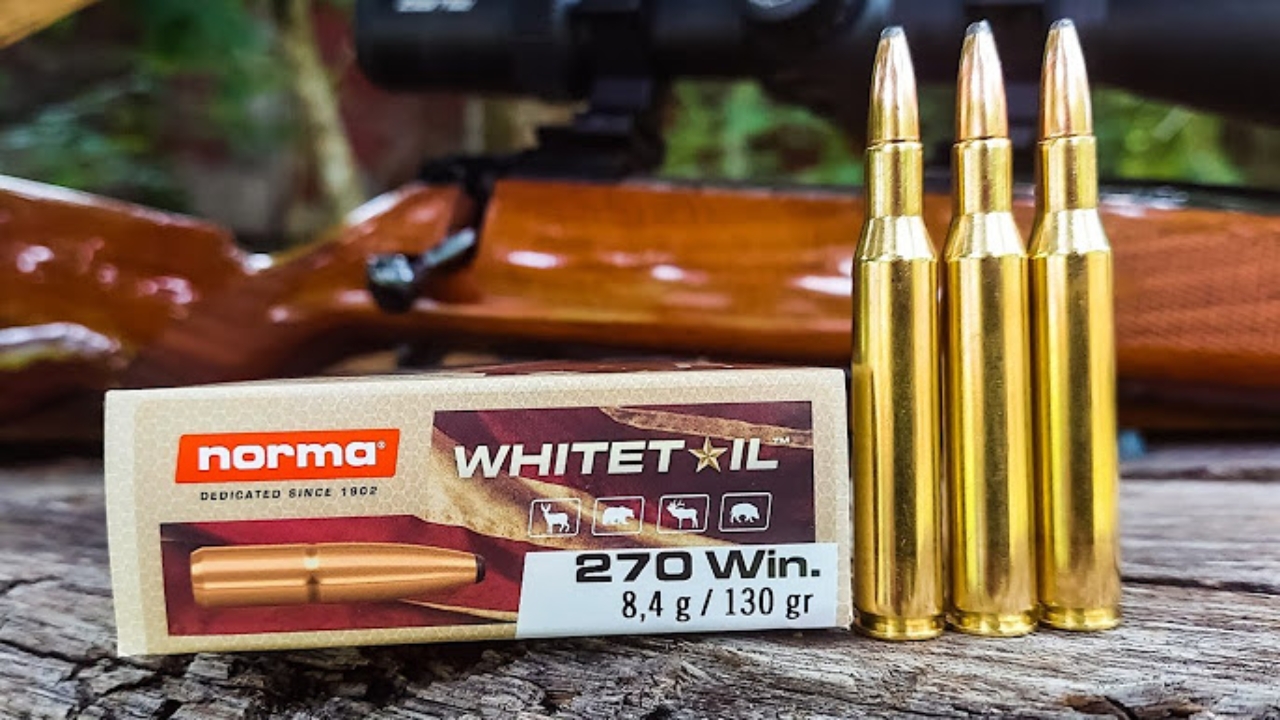
For years, the .270 was the clean-shirt answer to “one rifle for everything.” It shoots flat enough, hits hard enough, and doesn’t beat you up like a magnum. A lot of deer camps had at least one .270 that always seemed to fill a tag, usually out of a plain bolt gun with a basic scope and no drama.
It’s not gone, but it’s not the automatic pick anymore. The 6.5 crowd pulled new shooters away, and the “long range” obsession makes people think they need more bullet weight and more BC than a traditional .270 load offers. The funny part is that modern .270 bullets are better than ever, and the cartridge still does what it always did. It’s just not trendy, and that’s a weird reason to leave meat in the freezer.
3. .30-06 Springfield
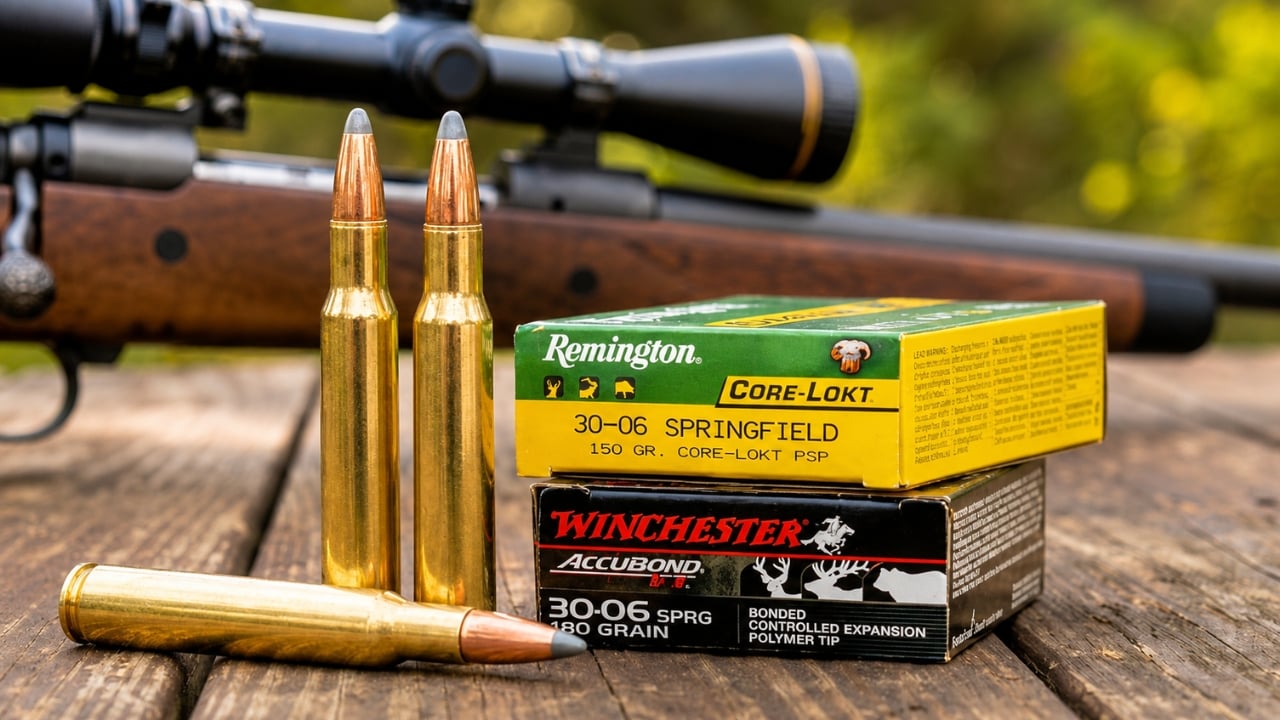
The .30-06 used to be the universal answer in a way younger shooters don’t fully grasp. If you walked into a small-town store and asked for “rifle ammo,” they might literally ask, “.30-06?” It’s taken every North American big-game animal, and there’s a load for just about anything you’d reasonably do with a hunting rifle.
The downside is that it lives in the middle now. Short actions are lighter and handier, and magnums scratch the “more power” itch. Recoil-sensitive shooters often do better with softer rounds, especially in lightweight rifles. But if you own one good .30-06 and you can shoot it well, you’re not undergunned anywhere. The cartridge didn’t get worse; we just got distracted.
4. .243 Winchester

The .243 was the classic “kid’s first deer rifle” for a long time, and it earned that spot honestly. Mild recoil, easy to shoot well, and accurate in almost any decent rifle. In a world where a lot of folks flinch their way through sight-in day, a .243 that a young hunter can actually practice with is a big deal.
What moved it aside is the rise of 6mm and 6.5 options with better bullet selection and better marketing. Also, some hunters got burned using light, fast varmint bullets on deer because the shelves were thin or the buyer didn’t know the difference. With the right controlled-expansion deer load, it’s still a clean killer. You just need to be honest about angles, distances, and putting the bullet where it belongs.
5. 7mm Remington Magnum

There was a stretch where it felt like half the rifles in elk country were 7mm Rem Mags with a 3-9 and a muzzle brake nobody warned you about. It shot flat, hit hard, and gave average hunters confidence across a canyon. For a long time, it was the default “serious” hunting cartridge.
Now it gets side-eyed because it’s a belted magnum, it can be a little finicky to load for, and it’s loud in light rifles. The newer 7mms (and fast 6.5s) nibble at its territory. But when you look at real animals and real distances, the 7mm Rem Mag still hammers. If you already own one that shoots, the best upgrade is usually practice and a good bullet—not chasing the newest headstamp.
6. .308 Winchester
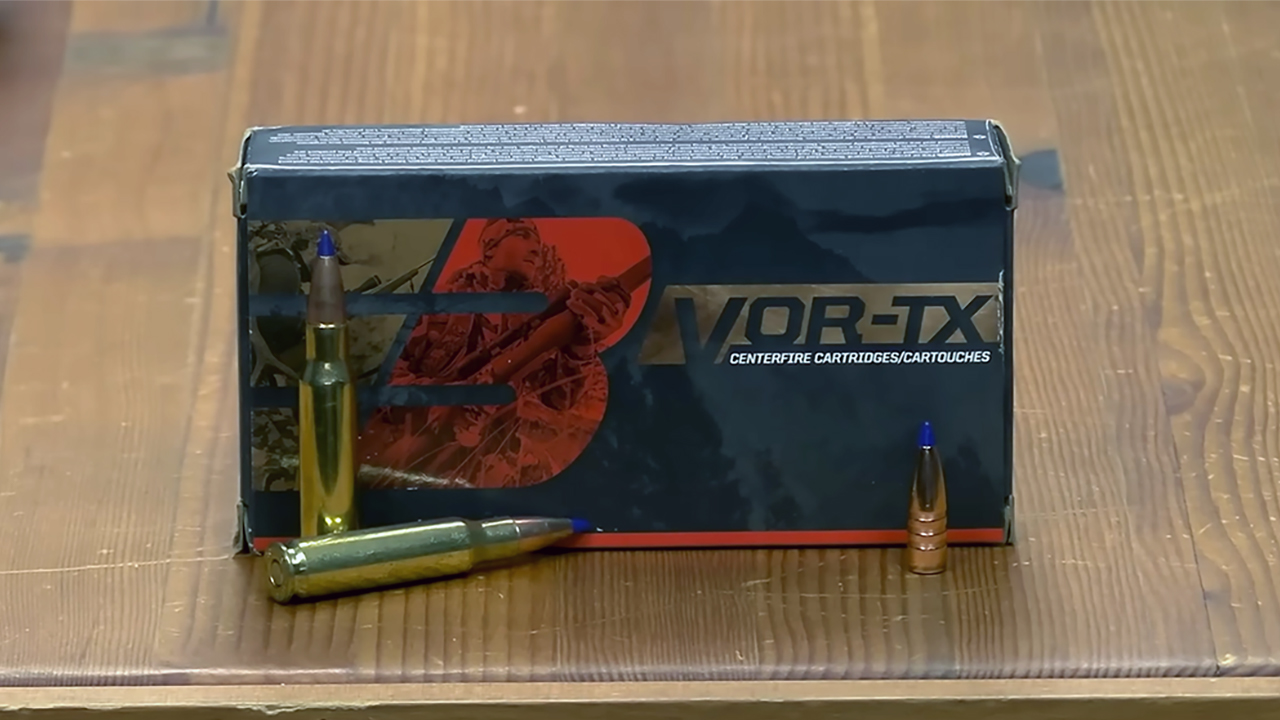
The .308 used to be the safe, smart buy for almost anybody. Ammo everywhere, rifles everywhere, easy to load for, and it runs well in short actions and semi-autos. It’s also forgiving with barrel life, and you can find accurate factory loads without turning it into a science project.
It hasn’t disappeared, but the “default” crowd drifted to 6.5 Creedmoor for less recoil and better wind behavior, especially for target work. Hunters also got tempted by fast 7mms and short magnums. Still, for a woods-to-fields deer rifle or a practical do-it-all setup, .308 remains hard to beat. It’s one of those rounds that looks boring right up until you need something that just works.
7. 7mm-08 Remington

The 7mm-08 is one of the best “real hunting” cartridges ever put in a short action. It feeds well, it shoots well, and it hits deer-sized game with authority without the sharp recoil of bigger 7mms. A lot of compact rifles in this chambering became family rifles because everyone could shoot them.
The problem is that it’s never been flashy. It got squeezed between the .308 crowd and the 6.5 craze, and some stores stock fewer options than they used to. If you handload, it’s a non-issue. If you rely on small-shop shelves right before season, it can be. But as a practical hunting tool, 7mm-08 is still one of the most sensible choices you can make.
8. .25-06 Remington

The .25-06 had a real moment. It was a laser for coyotes and pronghorn, and it hit deer harder than you’d expect if you picked the right bullet. A lot of Western hunters liked it because it carried light in the hills and made long-ish shots feel less complicated.
These days it’s more niche, mostly because it’s a long action and ammo selection can be spotty. The 6.5s stole the “flat and efficient” reputation, and the .257 bullets don’t get the same constant development. Still, when you put a good 115- or 120-grain hunting bullet through the ribs, it works. It’s a cartridge that rewards calm shooting and good placement, not shoulder-busting confidence.
9. .257 Roberts

The .257 Roberts is one of those rounds old-timers talk about with a little grin, like they’re letting you in on something. Mild recoil, accurate, and deadly on deer with the right load. It’s also the kind of cartridge that shows up in well-kept rifles with worn checkering and a scope that’s older than some hunters.
It faded because it’s not common on shelves and it never got adopted as a “standard” modern chambering. You can find ammo, but you may not find it the week you need it. That’s the real issue. If you’ve got one and you shoot it, it’s worth keeping fed and sighted. There’s nothing fancy about it, and that is kind of the point.
10. .35 Remington
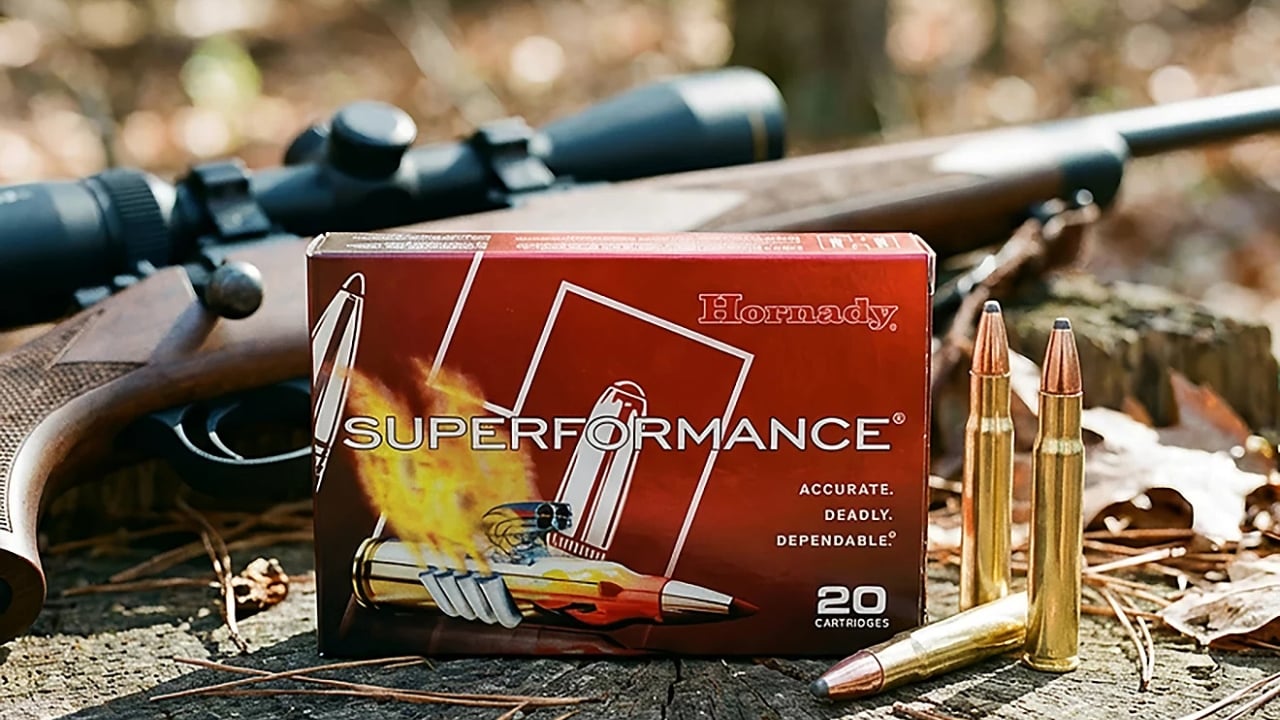
Ask anyone who’s hunted thick woods with a Marlin 336 in .35 Rem and they’ll tell you it hits like it means it. The round has a way of putting deer down with short tracking jobs, especially at close ranges where fast handling matters more than flat trajectory.
The quiet problem is availability. Ammo comes and goes, and when it shows up it isn’t cheap. That pushes new buyers away, and older rifles become “safe queens” because folks don’t want to burn through their last two boxes. If you already own a .35 Rem lever gun, it still makes a lot of sense as a brush-country deer rifle. Just don’t wait until the day before opener to go looking for cartridges.
11. .300 Winchester Magnum
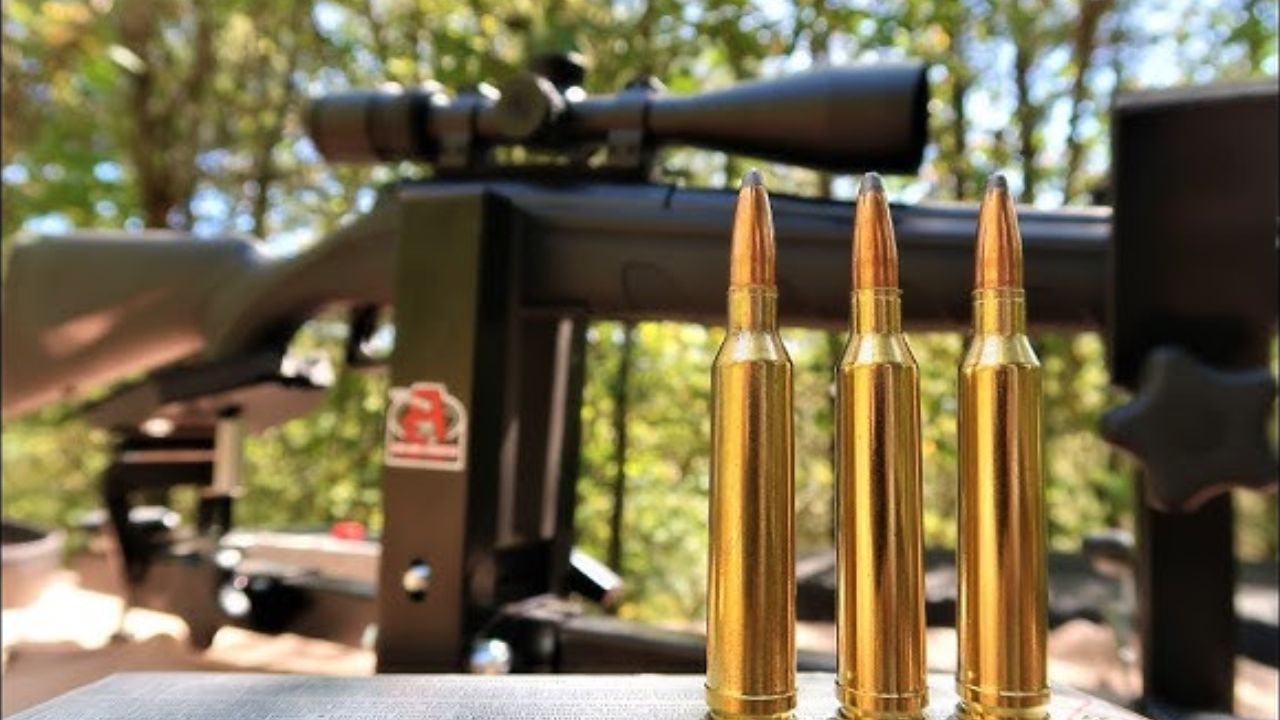
The .300 Win Mag was the badge of “I’m going out West.” For elk, moose, and big-bodied deer in windy places, it has horsepower and reach. You can find it in everything from old walnut rifles to modern synthetic mountain rigs, and it’s rarely short on performance.
But it’s not a free lunch. Recoil is real, muzzle blast is worse, and a lot of hunters don’t practice enough to shoot it well. Add in the rise of better bullets in smaller calibers and the popularity of suppressors, and plenty of folks have stepped down. A .300 Win Mag still makes sense if you can handle it and you actually need it. If it lives in the safe because you dread shooting it, it’s not helping you.
12. .338 Winchester Magnum
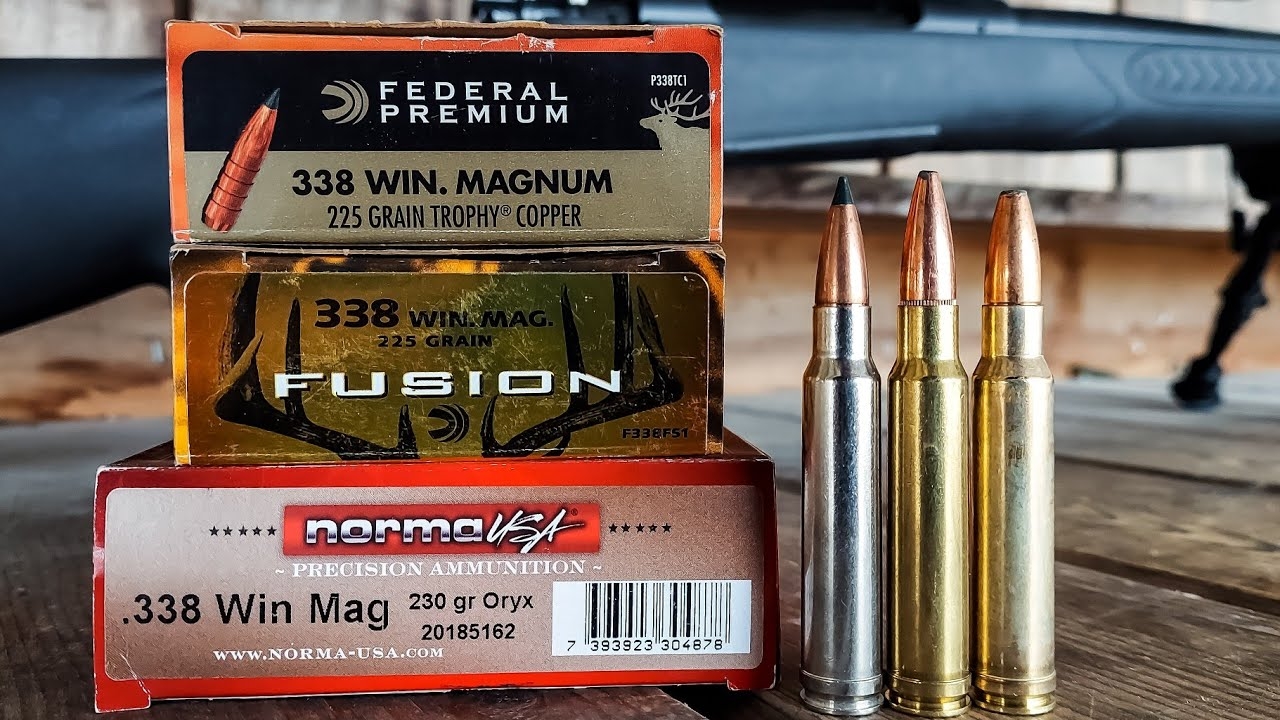
There was a time when the .338 Win Mag was the no-nonsense “big animal” answer that didn’t require boutique ammo. Guides trusted it, tough hunters liked it, and it carried a reputation for ending arguments with elk and moose even when angles weren’t perfect.
Now it’s more of a specialist pick. The recoil is stout, rifles are often heavier, and fewer people are chasing truly big game every season. Bullet performance has also improved so much that many hunters are comfortable with milder cartridges and good shot placement. Still, I’m not going to pretend a .338 Win Mag doesn’t hit hard. It does. It’s just that fewer people want to pay the recoil bill for capability they rarely use.
13. 7×57 Mauser
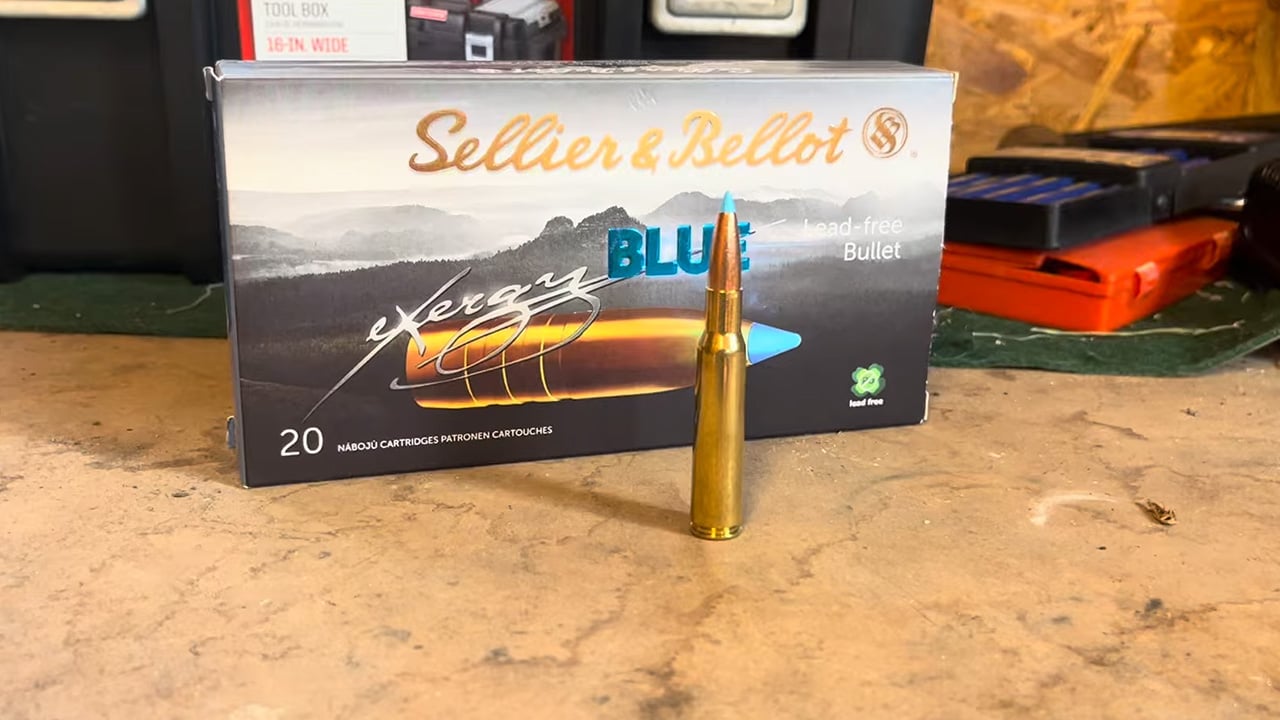
The 7×57 is history you can hunt with. It’s smooth in Mauser actions, it has mild recoil, and it kills above its paper ballistics when loaded with good bullets. Plenty of older rifles in this chambering still shoot better than they have any right to, and that’s always fun to discover.
It drifted out of the default lane because it’s not as common in new rifles and factory loads are often downloaded to be safe in old guns. That makes new shooters shrug and move on to the 7mm-08 or .270 where the shelves are fuller. If you own a solid modern 7×57 or you handload for it, it’s a sweetheart. If you’re strictly a “buy a box at the gas station” hunter, it can be frustrating.
14. .303 British
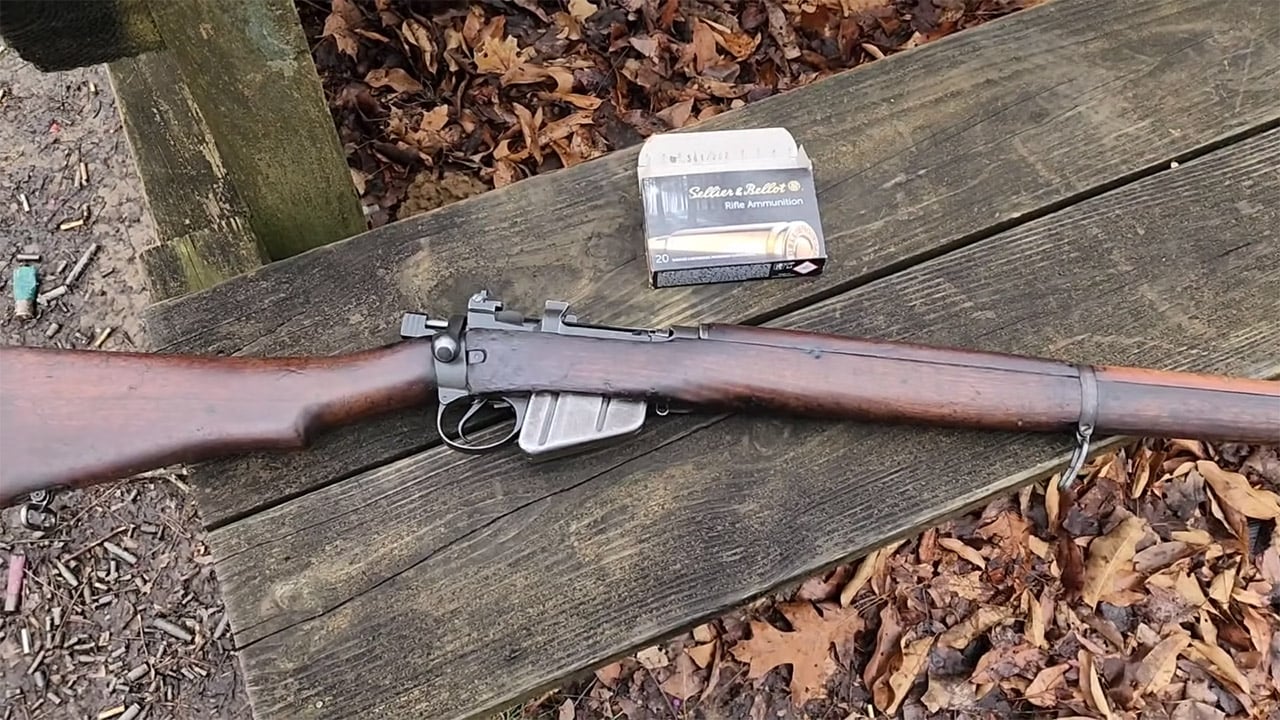
The .303 British was the gateway for a lot of shooters who bought an affordable surplus rifle and wanted a capable deer cartridge without spending much money. Enfields are fast to run, fun to shoot, and they carry a lot of character. For years, .303 ammo wasn’t hard to find, and it did the job on whitetails and hogs just fine.
Surplus dried up, ammo prices climbed, and the casual market moved to modern rifles that take common hunting loads. Also, plenty of old military barrels are a little rough, and accuracy can be a coin flip unless you find a good one. A good .303 still deserves respect, but it’s not the easy button it used to be. If you’ve got one that groups well, you hang onto it, because the bad ones make you appreciate the good ones.
15. .30-40 Krag
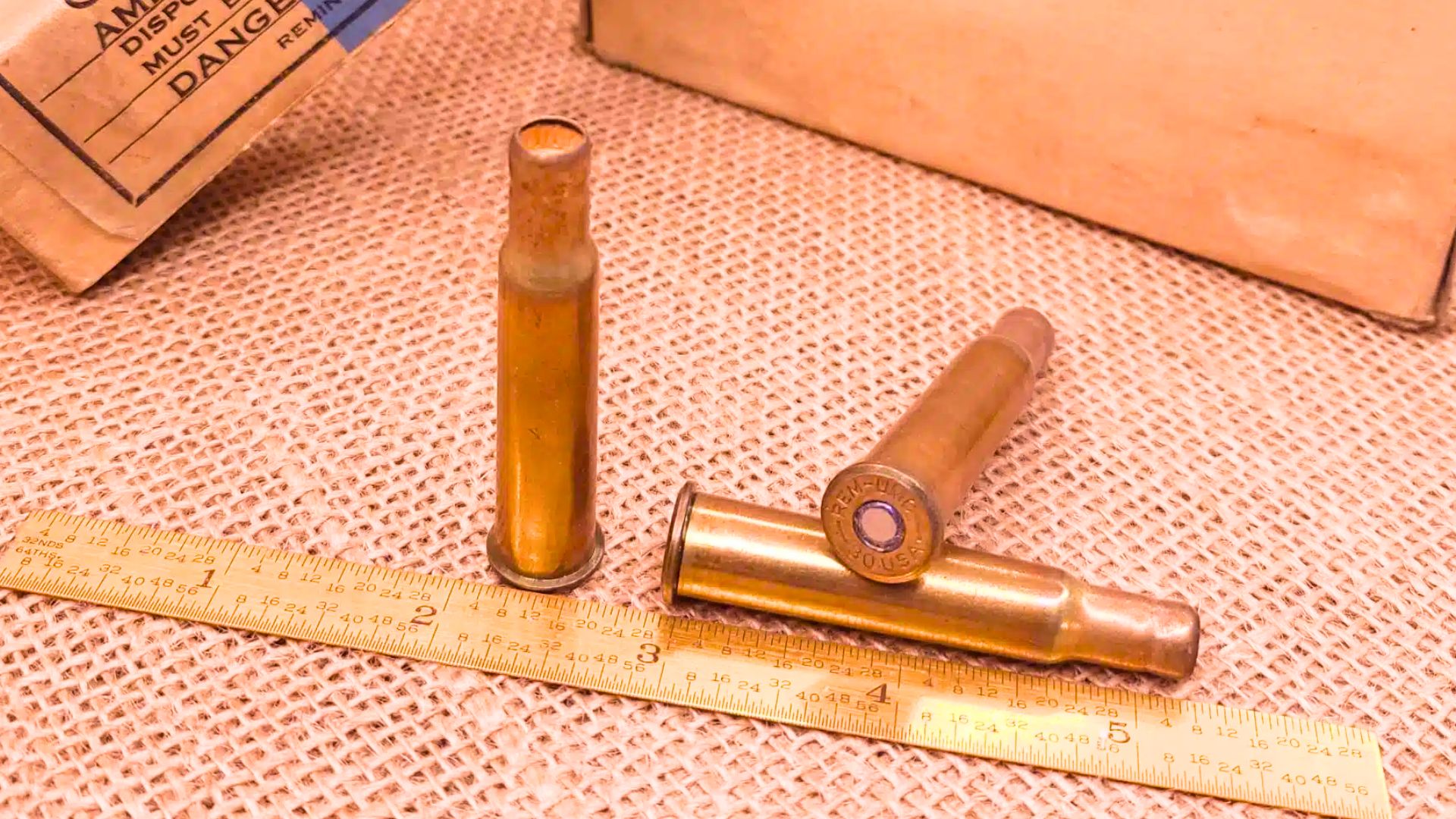
The .30-40 Krag is one of those cartridges that shows up when someone opens an old cabinet and says, “Grandpa’s deer rifle.” For a generation, it was common enough that people actually hunted with it, not just collected it. It’s pleasant to shoot and fully capable inside normal woods ranges.
What moved on is simple: ammo and rifle support. Factory ammo exists, but you won’t find it everywhere, and not everybody wants to baby an old rifle with limited parts. That one hurts, because a well-kept Krag is a joy. If you have one, the best thing you can do is keep it safe, keep it fed, and keep it in its lane. It’s a hunting cartridge from an era when shots were closer and rifles were carried a lot more than they were fired.
16. .220 Swift
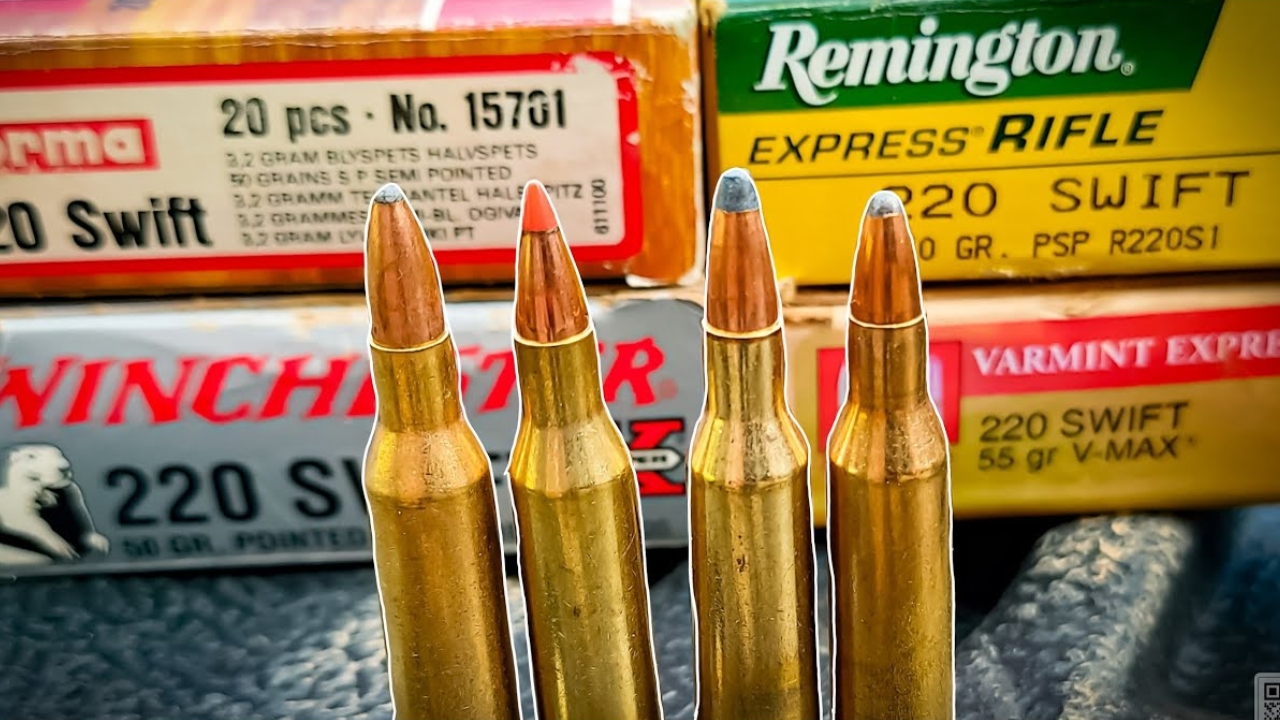
The .220 Swift used to be the hot-rod varmint round that made coyotes and woodchucks look like easy work. It’s fast, it’s flat, and it has a certain legend to it. For a long time, it was the guy at the range with the loud report and the confident grin.
The Swift lost ground because the .22-250 does almost the same job with less fuss, and newer .22 centerfires and bullet designs give you options that don’t burn barrels as quickly. The Swift can also be picky, and it’s not always the most convenient cartridge to keep stocked. If you’re a dedicated varmint hunter who actually shoots a lot, it can be more cartridge than you need. But if you’ve always wanted one, it still scratches that classic “scream and reach” itch.
17. .22 Hornet
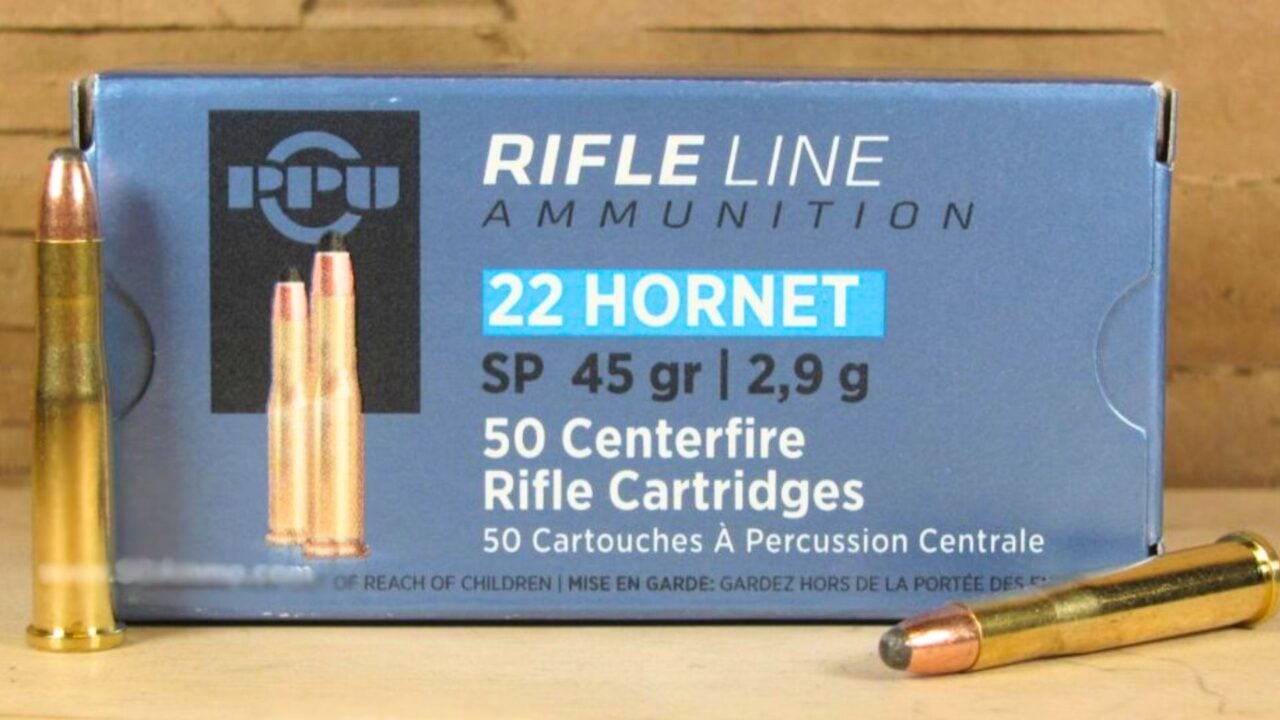
The .22 Hornet is a small-game and varmint round with a quiet charm. Low recoil, mild report compared to bigger centerfires, and it can be very accurate in the right rifle. It was a farm-and-truck staple for pests where a .22 LR didn’t quite have the punch.
It got pushed aside by .223 rifles being everywhere and by rimfires getting better and more varied. Also, Hornet ammo can be surprisingly expensive for what it is, and not every gun shoots it well. But when you want something that’s centerfire reliable, doesn’t tear everything up like a .223, and reaches farther than a rimfire, the Hornet still makes sense. It’s a practical tool when you use it like one, not a mini sniper round.
18. .300 Savage
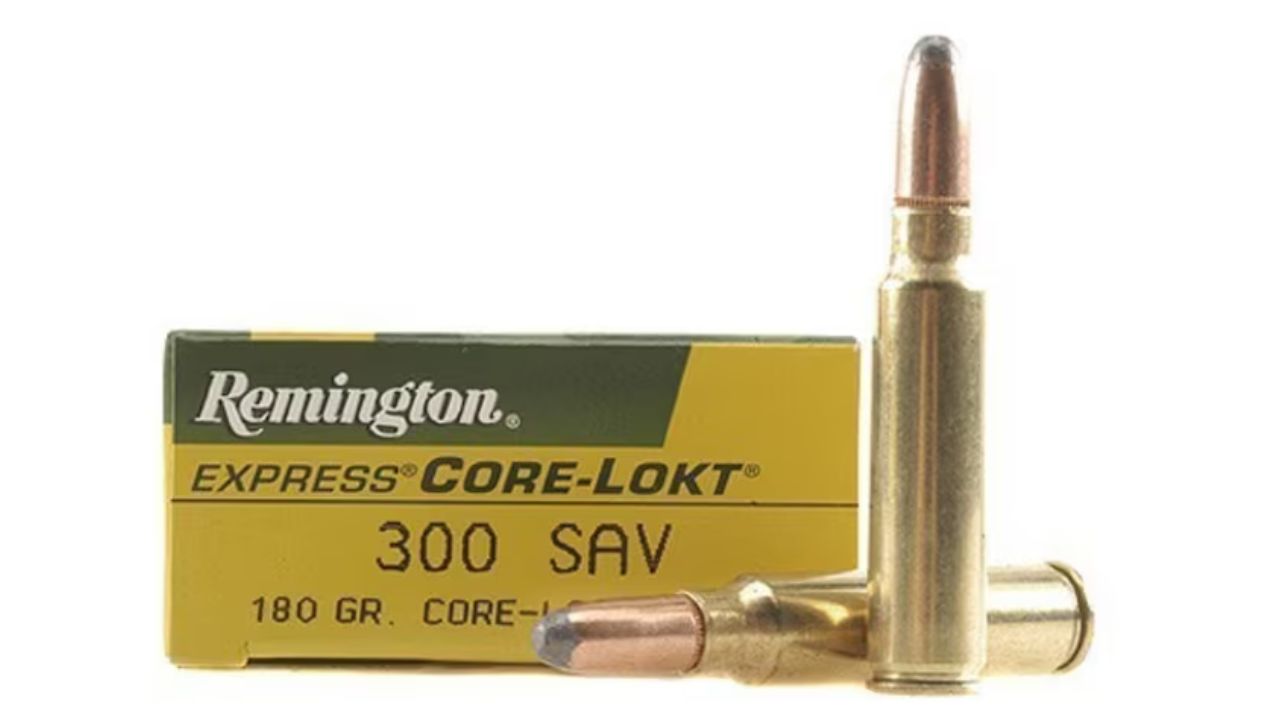
The .300 Savage is tied to classic deer rifles like the Savage 99, and for a long time it was a serious Northwoods cartridge. It hits harder than people expect, shoots well, and carries that old-school confidence of a rifle that’s been in the family forever.
It’s also one of those rounds that got overshadowed by the .308, which is basically the modern answer to the same question. Ammo availability is the big hurdle, and some older rifles limit your bullet choices if you want to play the latest-and-greatest game. Still, a good .300 Savage is not obsolete in the deer woods. It’s only obsolete if you demand every rifle be easy to feed at any big-box store on a Friday night.
19. .264 Winchester Magnum
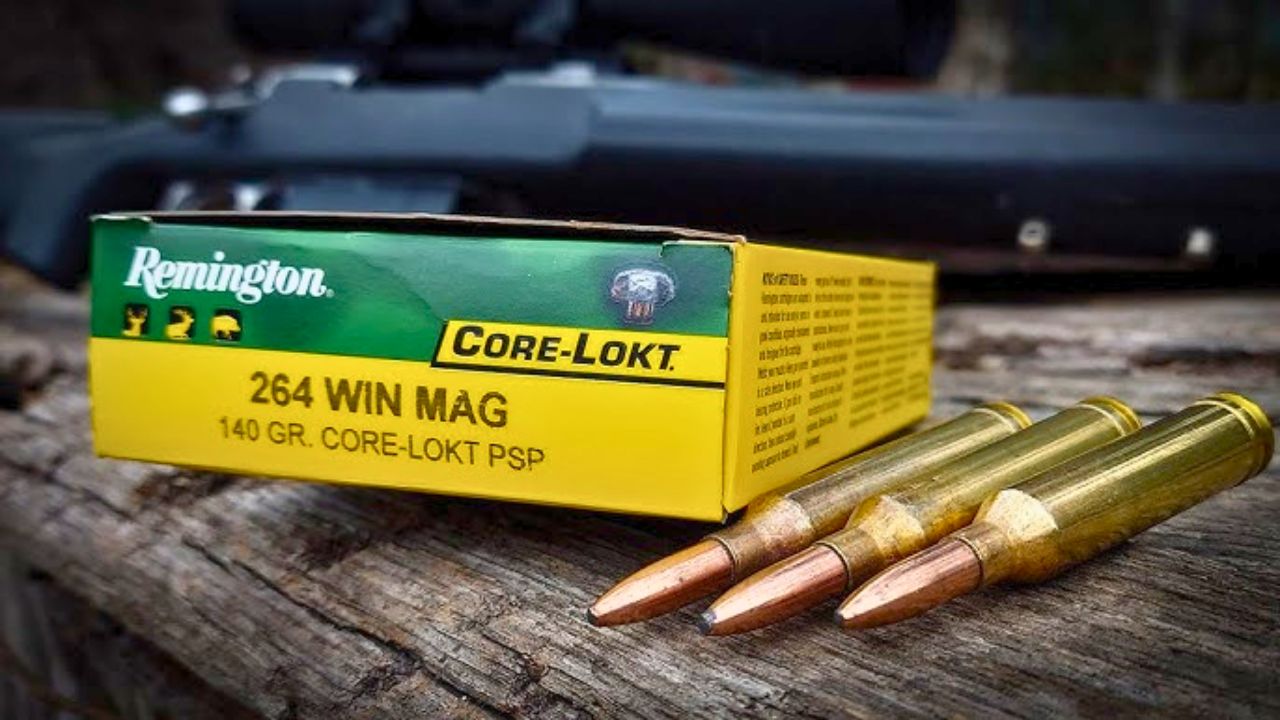
The .264 Win Mag was ahead of its time, pushing 6.5mm bullets fast enough to look like magic on paper. It had that classic “flat shooting” reputation that sold rifles to guys who wanted a reach advantage before rangefinders were common and turrets were fashionable.
Then reality set in: barrel life could be rough, and it’s a loud, sharp cartridge to shoot for long range sessions. Today, the 6.5 Creedmoor and 6.5 PRC cover most of what people want with less hassle, and the .264 doesn’t get the same factory support. If you own one that shoots, it’s a neat piece of cartridge history that still performs. But it’s not the obvious pick for someone starting from scratch, and the market is telling you that quietly.
20. .45-70 Government
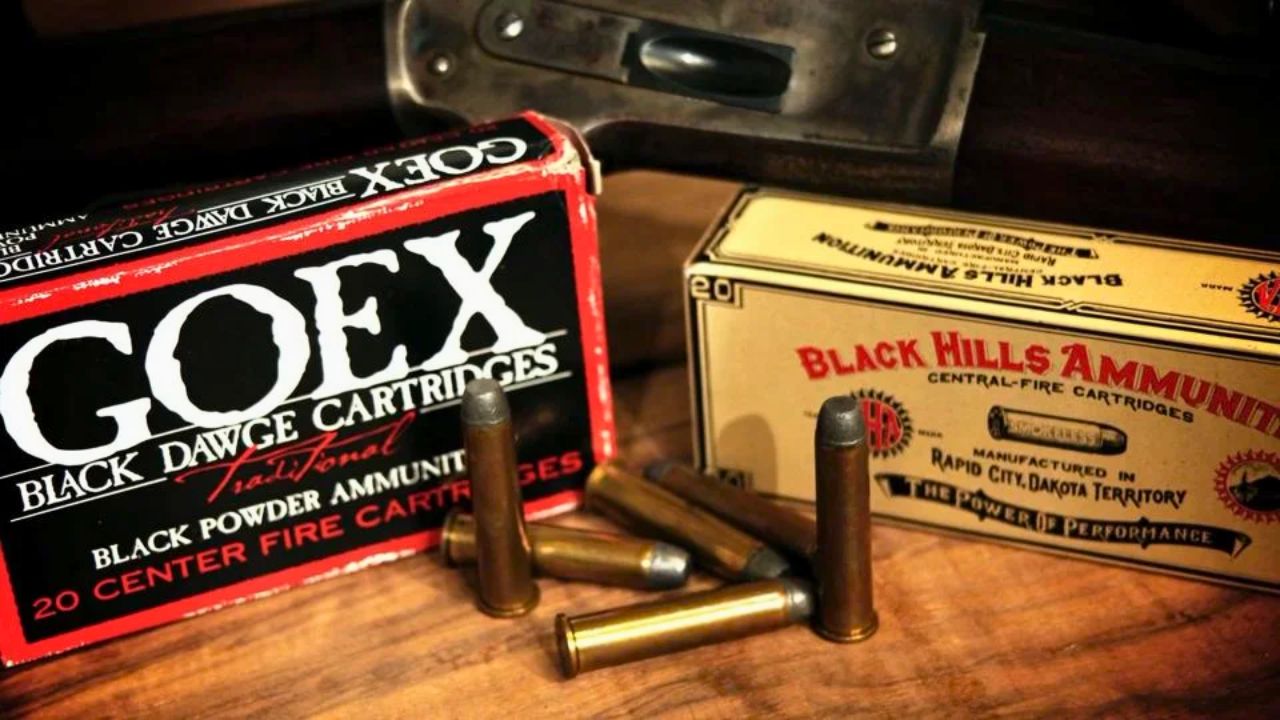
The .45-70 has never really left, but it has changed roles. It used to be a practical lever-gun round for big woods, big hogs, and close-range thumping power. In a handy rifle, it carries well and points fast, and inside its comfort zone it’s decisive. Ask me how I know.
What’s different now is that it’s often treated like a lifestyle cartridge. Loads range from mild “trapdoor safe” stuff to shoulder-smacking modern hot loads, and that confuses newer owners. Ammo can be pricey, and recoil in light lever guns is not a joke. A lot of hunters end up realizing they don’t actually need a cannon for 80-yard shots. Still, if you hunt thick cover, run dogs for hogs, or just like a rifle that ends things quickly up close, the .45-70 stays relevant.
None of these cartridges stopped working. What changed is what’s easy to buy, what gets marketed, and what kind of hunting people actually do today. If you’ve got one of these old defaults that shoots straight and fits you, I’d think twice before calling it “outdated.” The animal won’t know what year the ammo was designed. Put a good bullet in the right place, and the old standards still make new memories.