Photo credit: Leverguns 50/Youtube
Estate sales are funny. Most of the time it’s glassware, old tools with rounded-off edges, and a stack of camo that smells like a basement. Then once in a while you walk into a back bedroom or den and see a row of lever guns that haven’t moved since flip phones were new. This one was like that: twenty lever-actions that came off the wall in a single morning, and by lunchtime it was obvious a few of them were the kind of rifles you don’t stumble into twice.
I’m not talking about museum pieces only collectors can appreciate. I mean useful rifles with honest wear, good bones, and enough history baked in that you can feel it when you work the action. Here are the twenty that would’ve had me counting cash and calling my safe “full” like that’s ever stopped anybody.
1. Winchester Model 1894 (pre-64 .30-30)
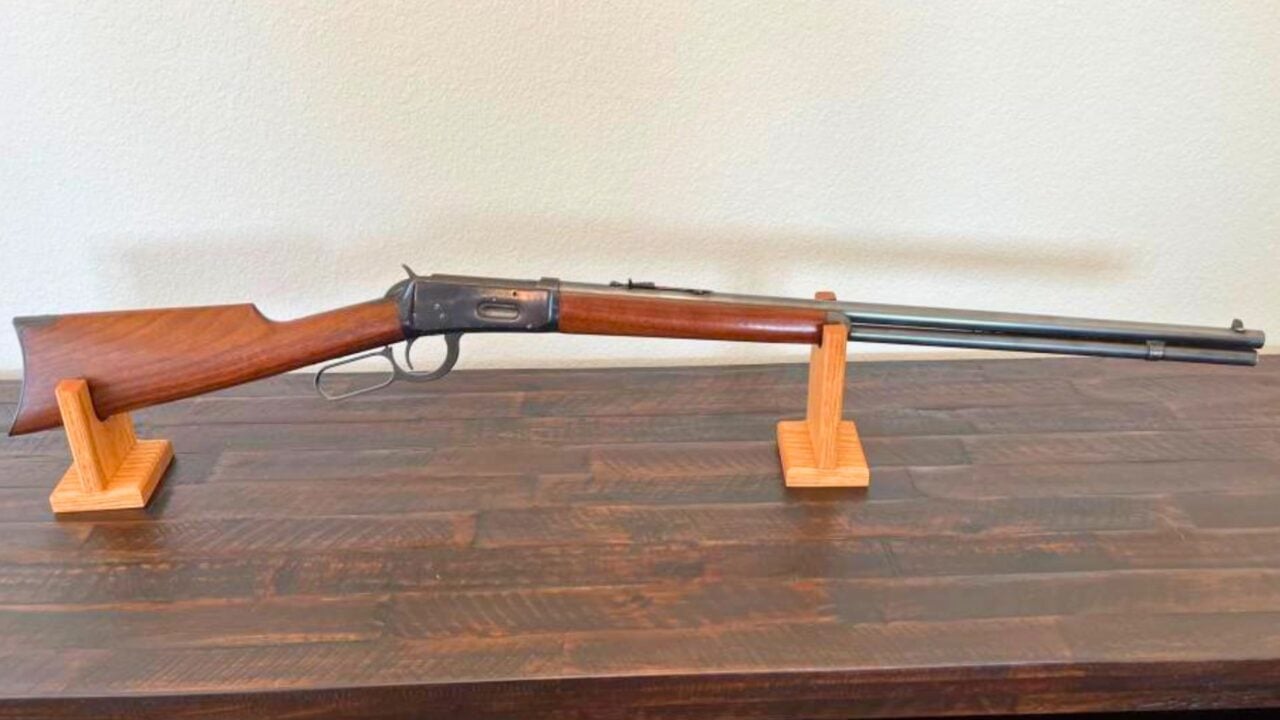
There’s a reason the pre-64 94 is the first one guys reach for when a rack is full of lever guns. It carries like a walking stick, points like a bird gun, and it just feels right in the hands. The older ones usually have that slick, lived-in action that newer rifles try to imitate but rarely match. You shoulder it and the sights land where your eyes already are.
.30-30 is still a real deer cartridge inside sane distances, and it doesn’t need to pretend otherwise. The best part is how it behaves in the woods. It’s light enough you don’t dread it on a long still-hunt, and it’s short enough to get around brush without snagging. If you find one with a decent bore and no goofy “improvements,” it’s not just nostalgia. It’s a working rifle.
2. Marlin 336 (JM-stamped, .35 Remington)

If you’ve hunted thick timber, you already know why .35 Rem gets talked about like an old secret handshake. Out of a Marlin 336, it hits with a different kind of authority than .30-30, especially on bigger-bodied deer and black bear. A JM-stamped 336 has that older Marlin fit and finish folks keep chasing, and the micro-groove barrels often shoot better than they “should” with the right bullets.
The downside now is ammo availability and cost. That’s the part that makes guys hesitate at sales like this. Still, when you find a clean one, you’re holding a rifle that was built for Eastern woods hunting. It’s also easier to mount an optic than a lot of top-eject lever guns, and that matters when your eyes aren’t getting any younger.
3. Winchester Model 71 (.348 Winchester)
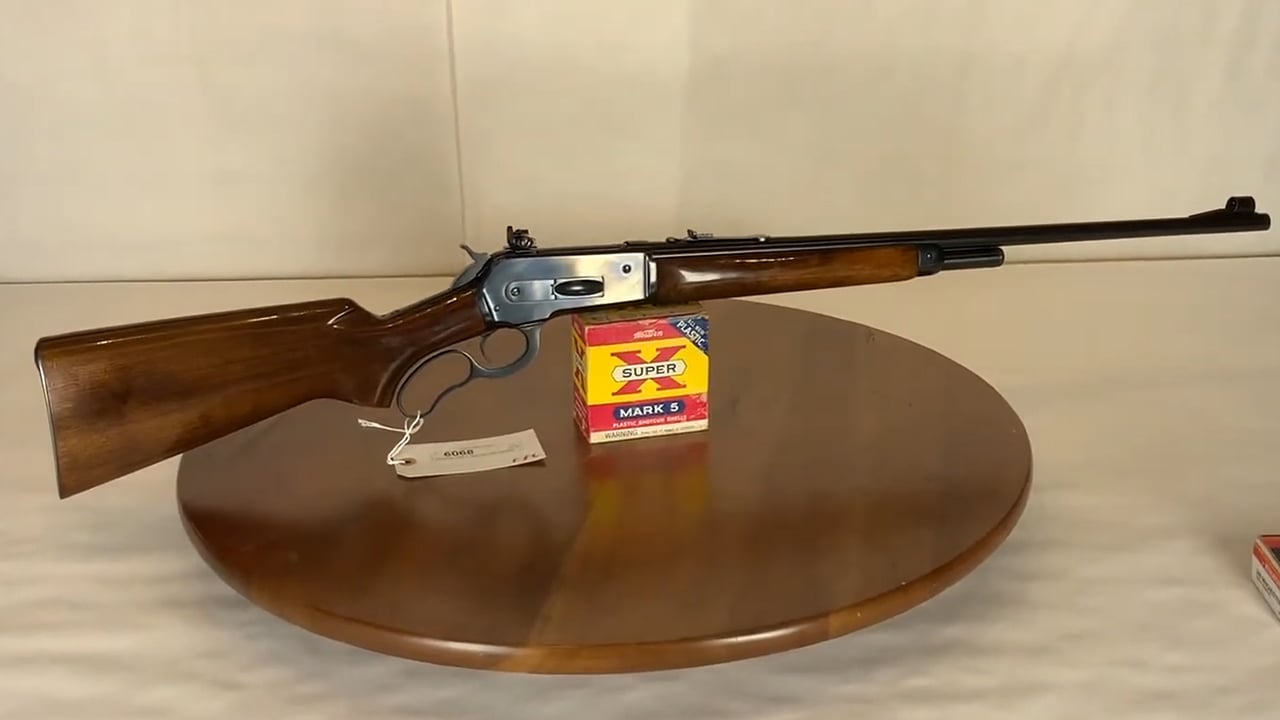
The Model 71 is one of those rifles that makes you stop talking. Big-frame Winchester, serious steel, and a cartridge that isn’t interested in being trendy. .348 Winchester is not something you casually feed every weekend, but it was made for elk, moose, and bear when “magnum” wasn’t a marketing word yet. The rifle itself feels like a piece of heavy equipment.
It’s also not for everyone. It’s heavier than a saddle carbine and recoil is more of a push with teeth. But if you’re the kind of hunter who appreciates controlled, confident power in a fast-handling package, the 71 is special. Finding one hanging on a wall at an estate sale is the kind of thing that makes you double-check your hands aren’t shaking.
4. Marlin 1895 (Guide Gun, .45-70 Government)
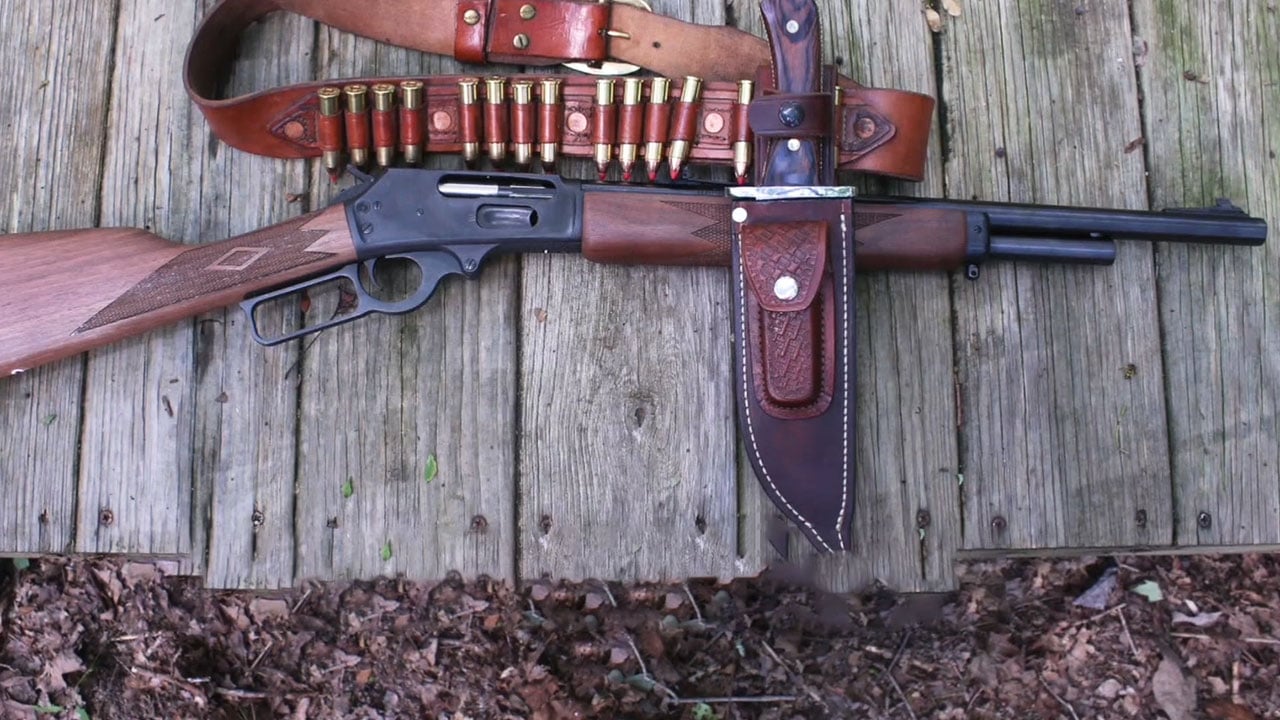
The Guide Gun is a modern classic because it’s honest about what it is: a short, handy thumper meant for close work. In .45-70 it can be mild or it can be a handful, depending on loads, but the rifle itself is built for fast shots in dark timber. It’s the lever gun that rides behind truck seats, in scabbards, and on traplines for a reason.
At an estate sale, I’d be looking hard at the muzzle and crown, because short rifles sometimes live hard lives. If it’s clean and the sights aren’t beat to death, it’s a practical tool. It’s also one of those rifles you can hand to someone and they immediately understand what it’s for. There is nothing fancy about it, and that is kind of the point.
5. Henry Big Boy Steel (.357 Magnum)

Henry gets knocked sometimes by folks who only respect the old names, but the Big Boy Steel in .357 earns its keep. It’s smooth out of the box, usually accurate enough to make you look better than you are, and the .357/.38 combo is hard to beat for low-cost shooting and small property utility. With .38s it’s easy on the shoulder and ears (still loud, just not brutal).
The weight is what surprises people. A Big Boy Steel isn’t a featherweight, and you feel it after a long day. But that weight also steadies the rifle and soaks up recoil. If you’re the kind of shooter who actually trains with a lever gun, not just admires it, a .357 Henry is a smart “shoot it all the time” choice.
6. Rossi Model 92 (stainless, .44 Magnum)
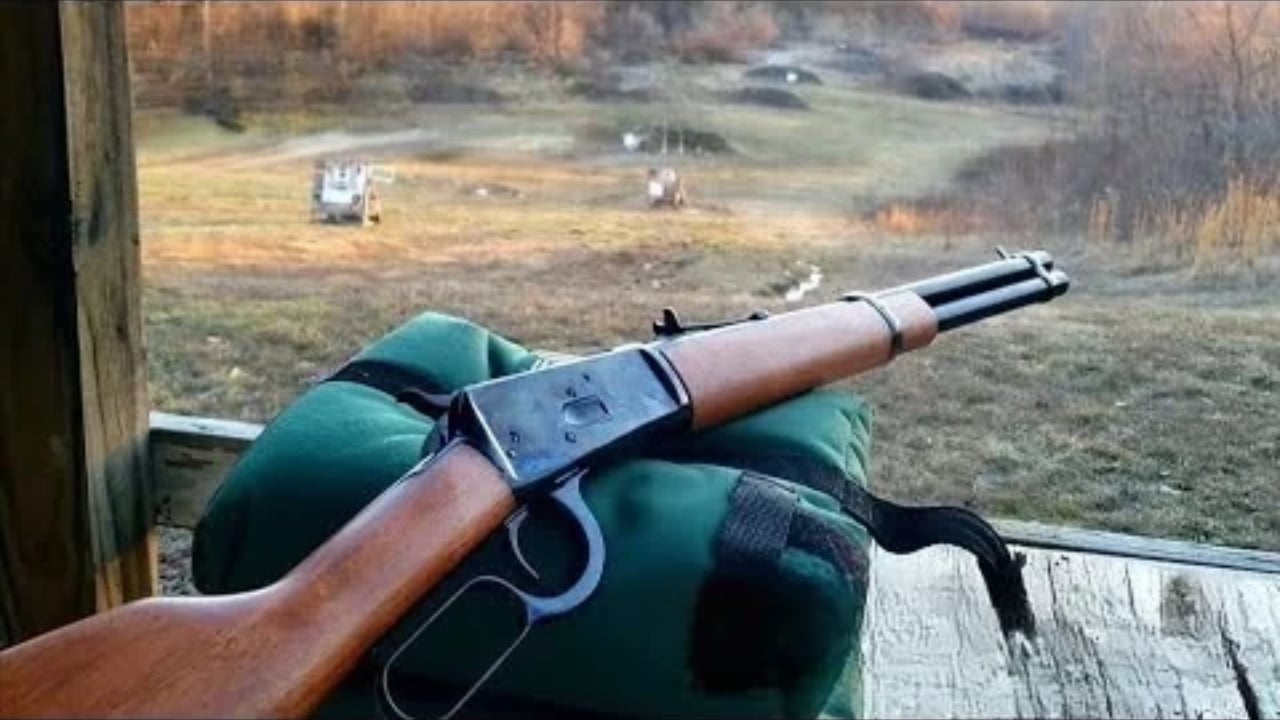
The Rossi 92 is a working man’s lever gun. It’s not refined like a high-end Winchester reproduction, and sometimes the action needs a little wearing-in, but they tend to run. In stainless .44 Magnum, it’s a bad-weather rifle you don’t baby. That matters if you hunt late seasons, ride ATV trails, or keep a rifle on a farm where rust is always trying to win.
.44 Mag out of a carbine-length barrel is no joke. It’s also a very manageable “real world” round for whitetail in timber and for hogs where they’re legal. The big thing I’d check at a sale is timing and feeding, because some guns are pickier with overall length. When you find one that cycles your chosen load reliably, it’s a simple, durable tool.
7. Winchester Model 92 (original, .32-20)
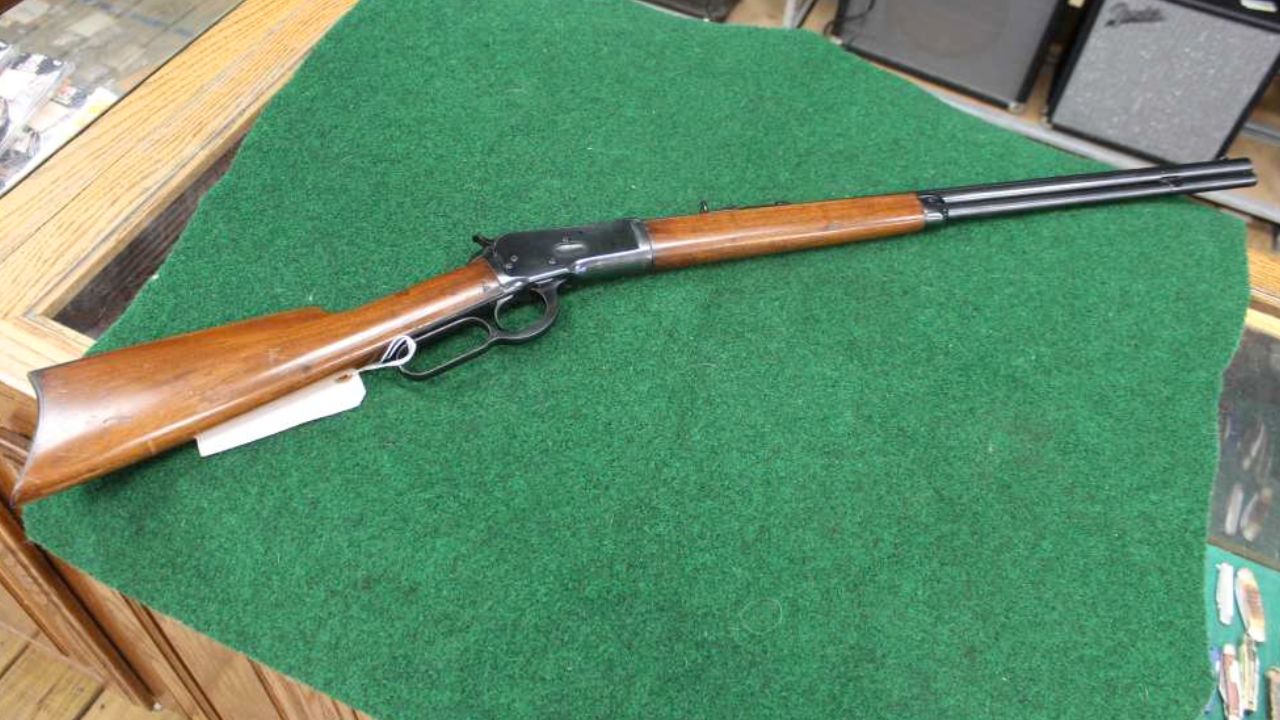
Old .32-20 rifles aren’t about power. They’re about charm and usefulness in the way folks used rifles a hundred years ago. An original Winchester 92 in .32-20 is light, lively, and surprisingly pleasant to shoot. If you’ve never handled one, you’d swear it was made for carrying all day while checking fence or walking creek bottoms.
The catch is ammo and condition. Many of these have lived through eras of corrosive primers and questionable cleaning habits, so bore condition is everything. If the bore is decent, it’s a fun small-game and pest rifle in places where that’s appropriate. It’s also a reminder that “enough gun” has always been a thing, long before internet caliber wars made it weird.
8. Marlin 1894 (JM-stamped, .44 Magnum)

A JM-stamped 1894 in .44 Mag is one of those rifles that disappears from racks fast, because the demand never really cools off. It’s compact, it balances well, and it hits hard enough for deer at practical ranges. The older ones also tend to have that clean Marlin trigger feel that newer production sometimes struggles to replicate.
What makes it an estate-sale gem is how often these were bought, shot a little, and then parked. They were “truck rifles” in theory, but they didn’t always live behind a seat. If you find one with minimal dings and a clean receiver, it’ll likely shoot. Also, parts and knowledge are everywhere, so you’re not buying an orphan.
9. Savage Model 99 (rotary magazine, .300 Savage)

The Savage 99 doesn’t feel like the typical cowboy lever gun, and that’s why I like it. It’s sleeker, often more accurate than folks expect, and the rotary magazine lets you run spitzer bullets safely. In .300 Savage, you’re basically holding a bridge cartridge between old-school woods rifles and modern .308 performance.
They can be a little more “mechanical” inside, and I wouldn’t want one that’s been tinkered with by somebody chasing a better trigger. But a clean 99 is a serious hunting rifle, not a novelty. If you ever get a chance to carry one for a season, you’ll understand why some families keep them for generations and never talk about selling.
10. Browning BLR (take-down, .308 Winchester)
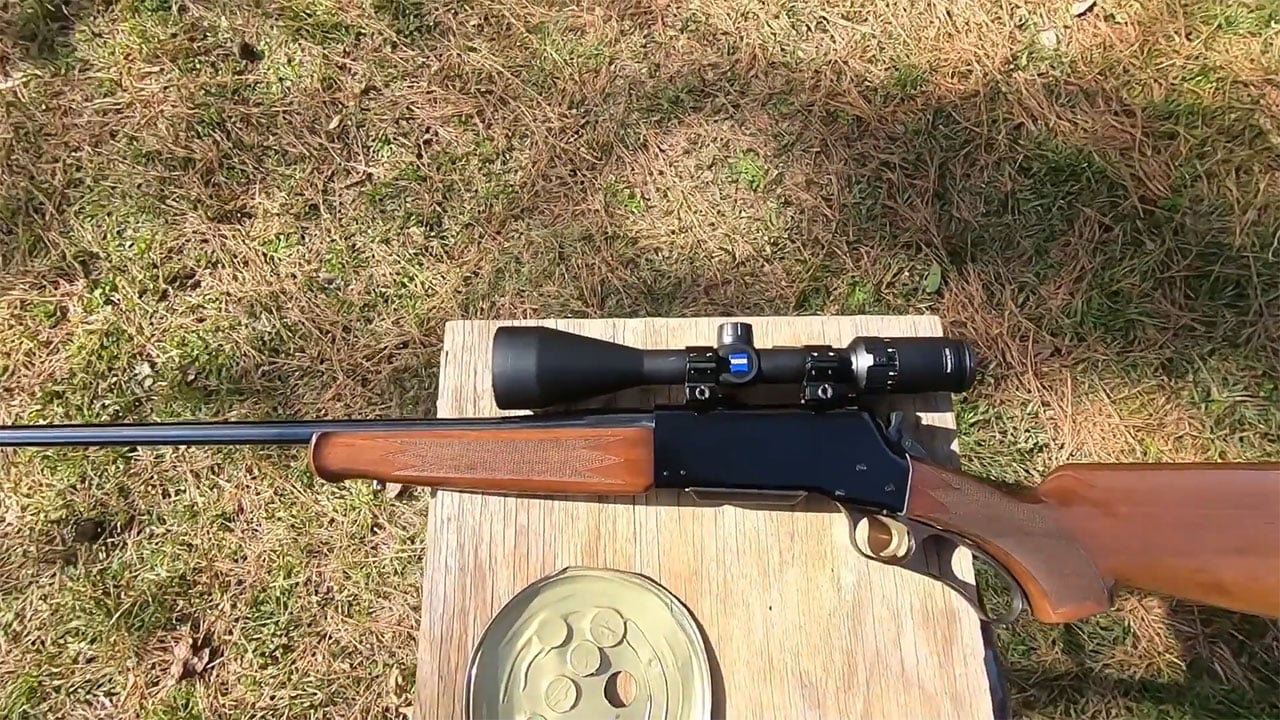
A BLR is for the guy who wants lever-action handling with modern cartridge options. In .308, it’s useful anywhere whitetails live and then some. The action is different than traditional lever guns, more like a rack-and-pinion feel, and it locks up tight. That usually shows up on paper at the range, especially if the barrel is good.
The take-down versions are especially handy if you travel, run a side-by-side with limited space, or just want a rifle that stows well. Downsides? More complexity and usually higher parts cost if something breaks. Still, for a do-it-all lever gun that doesn’t force you into niche cartridges, the BLR belongs in the “find of the day” category.
Free for gun owners: If something happened to you tomorrow, would your family know where the guns are, who has the safe combination, or what to do first? Our free Gun Owner’s Family Checklist walks them through it. It takes about 15 minutes to fill out. Get your free copy here.
11. Winchester Model 88 (.308 Winchester)

The Winchester 88 is the lever gun for bolt-gun guys. It has a short throw, a box magazine, and it feels more like a hunting rifle from the post-war era than an old West throwback. In .308, it’s practical and effective, and the rifle carries flatter than you’d think. You can cover ground with it without feeling like you’re lugging a relic.
What makes the 88 tricky at a sale is condition and magazines. Extra mags aren’t always cheap or easy to find, and a damaged mag can turn a good rifle into a headache. If the lever is tight, the lockup feels solid, and it feeds cleanly, it’s a standout. They’re not for everybody, but they’re far more than a curiosity.
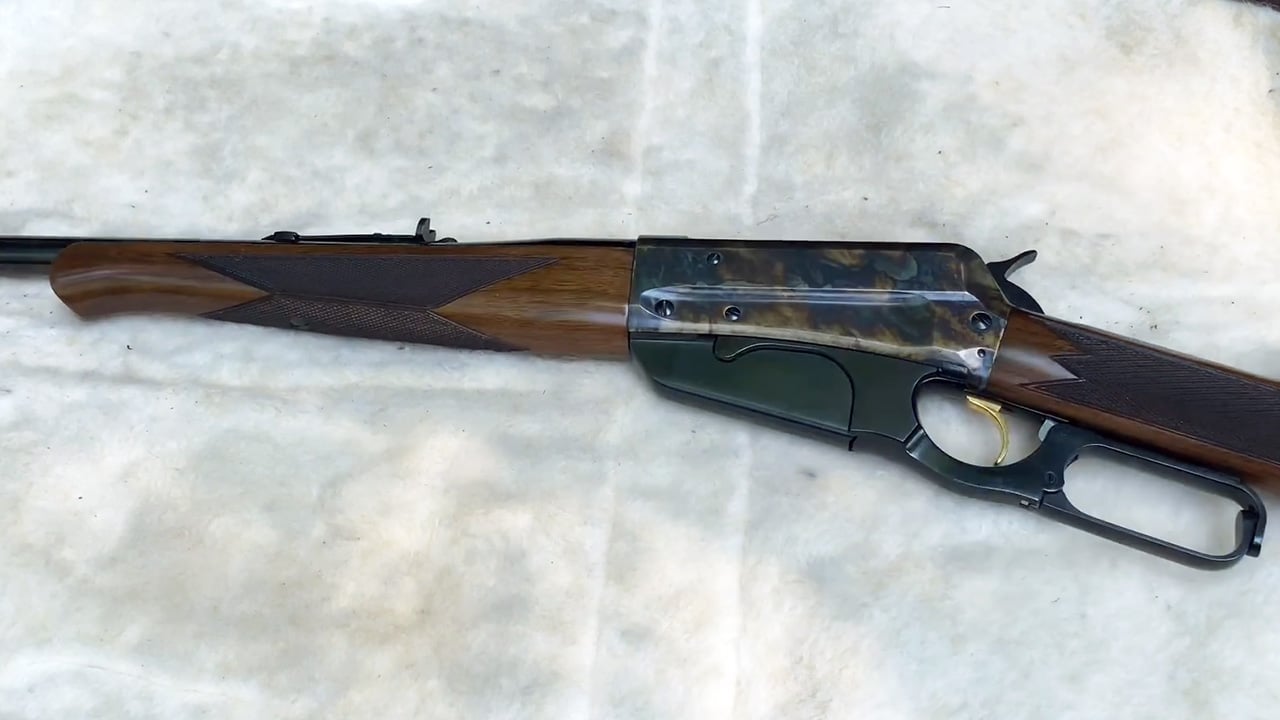
12. Winchester Model 1895 (.30-06 Springfield)
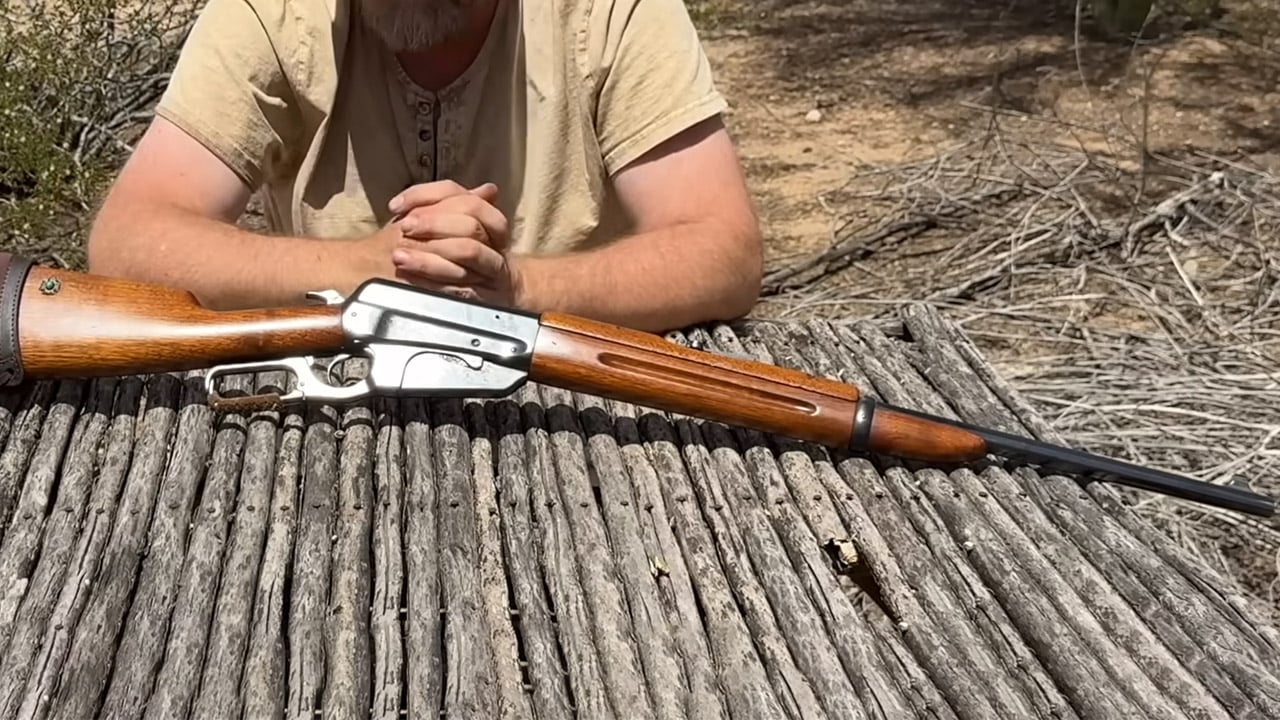
The 1895 is a lever gun with shoulders. In .30-06 it’s got history, but it’s also just an interesting way to carry a very capable cartridge. The box magazine solves the pointy-bullet problem, and the rifle feels like it was designed by someone who expected hard use. You don’t see them every day, and when you do, they’re rarely cheap.
They can also be awkward compared to a 94 or 336. The balance and lever feel are different, and some shooters never warm up to it. But if you want a lever-action that can reach out farther than most folks associate with the platform, this is one. At an estate sale, it’s the kind of rifle you buy first and ask questions later.
13. Marlin 39A (.22 LR)
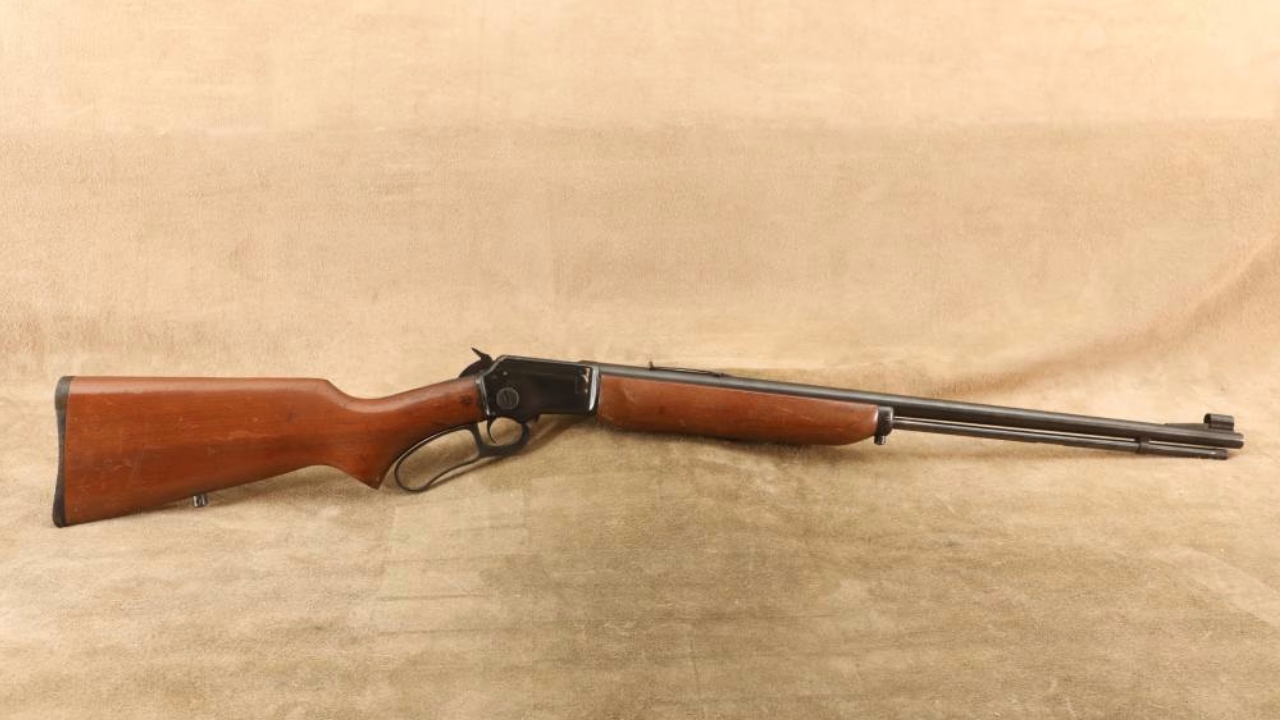
If there was one lever gun on the wall that everybody in the room could enjoy, it’s the 39A. It’s a .22 that’s built like a centerfire, with a feel that makes most modern rimfires seem flimsy. The action is smooth, the sights are usually usable, and they tend to shoot straight if the bore isn’t trashed.
The 39A also does something important: it gets used. It’s a squirrel rifle, a truck rifle, a teaching rifle, and a “walk the woods and plink” rifle all in one. And because it’s a .22, it’s the one that builds skills without beating you up or draining your wallet. If you find one that hasn’t been drilled, chopped, or neglected, it’s hard not to smile.
14. Henry Golden Boy (.22 Magnum)
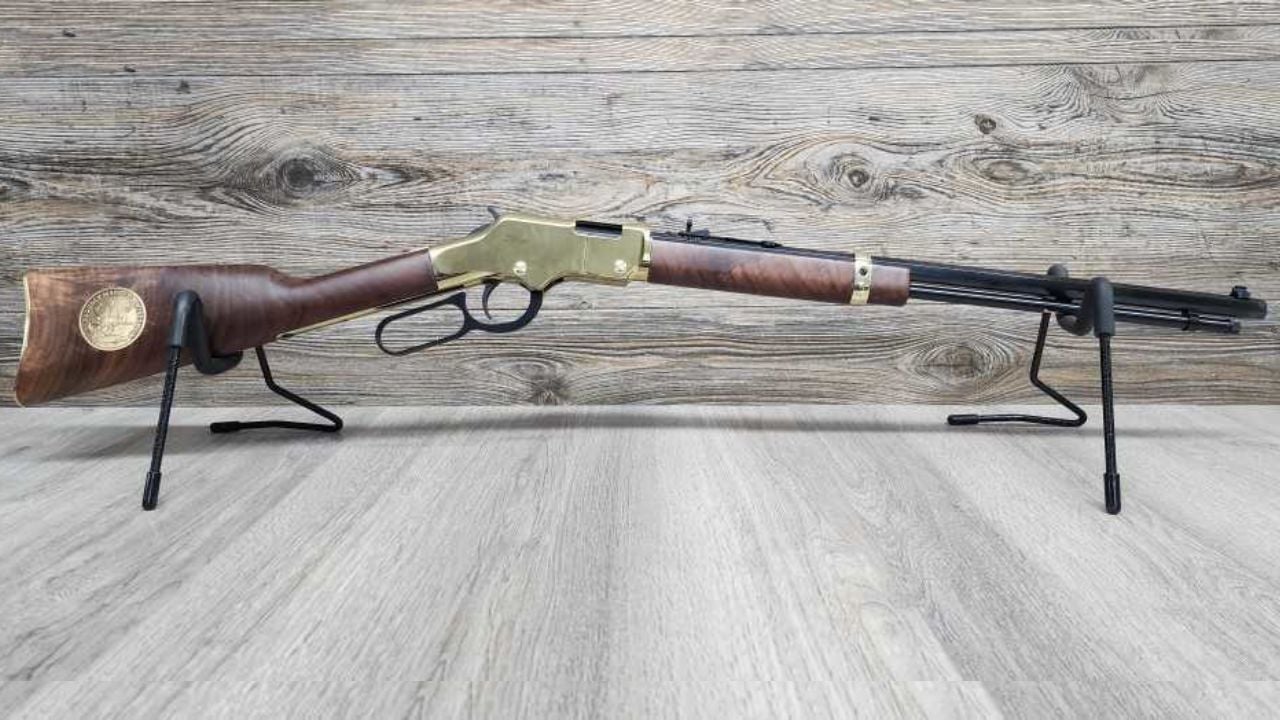
The Golden Boy is flashy, and I get why some guys roll their eyes. Brass receiver cover, shiny finish, looks like it belongs behind glass. Then you actually shoot one and realize it’s a fun rifle that runs well. In .22 Magnum, it’s a legit small-game and varmint option where you want a little more punch than .22 LR, especially past closer ranges.
What makes it an estate-sale winner is that many of them are barely fired. They were bought as gifts, displayed, and then stored. Check the loading tube function and the crown, and make sure the action isn’t gritty from sitting in dust. It’s not a hardcore survival rifle, but for farm use and varmints around outbuildings, it’s a nice tool that still feels special.
15. Ruger 96/44 (lever-action carbine, .44 Magnum)
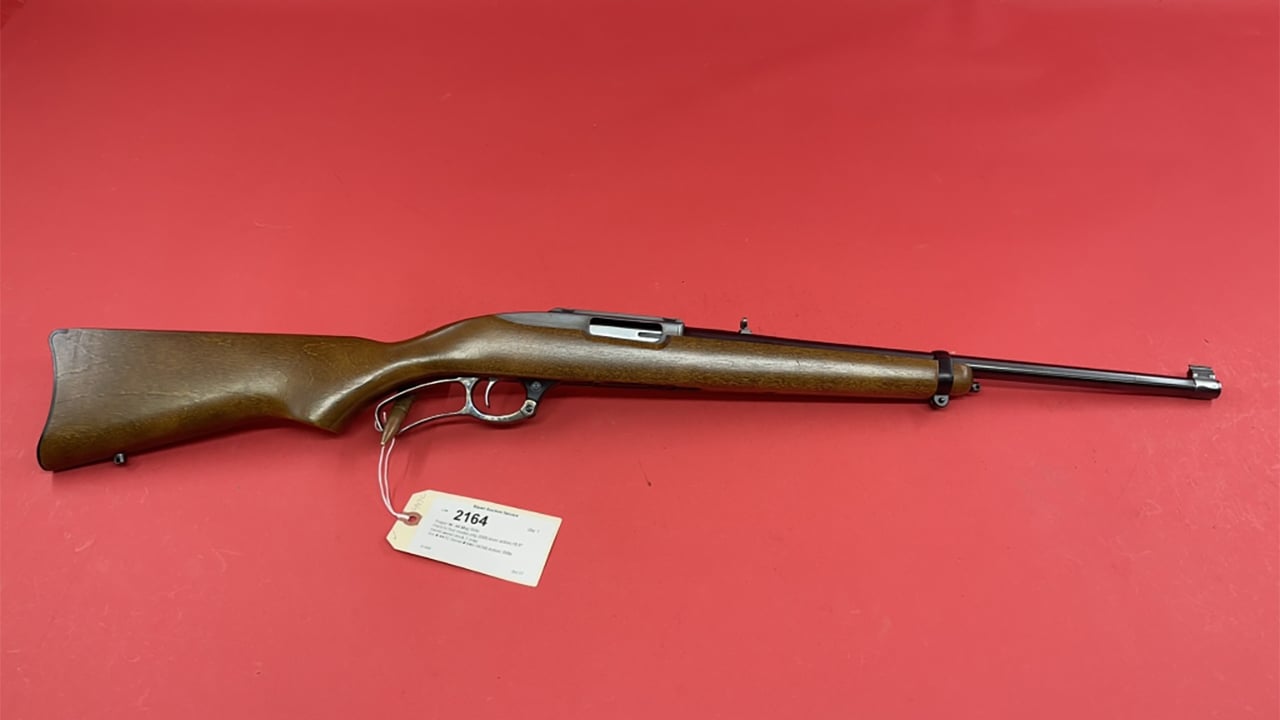
The Ruger 96/44 is one of those rifles that never got the love it deserved while it was easy to buy. It’s a lever-action that feeds from a rotary magazine, built with Ruger practicality, and it handles like a light carbine. It’s not a traditionalist’s lever gun, but it’s handy in the woods and around property.
The big deal is magazines and availability. Since they aren’t made anymore, you don’t want to buy one missing mags or relying on a single worn-out one. If the estate-sale rifle comes with spares, that’s a real win. For the shooter who wants .44 Mag performance without the tube-magazine routine, this is an underrated choice that turns into a “why did I ever sell mine?” rifle fast.
16. Mossberg 464 (.30-30 Winchester)
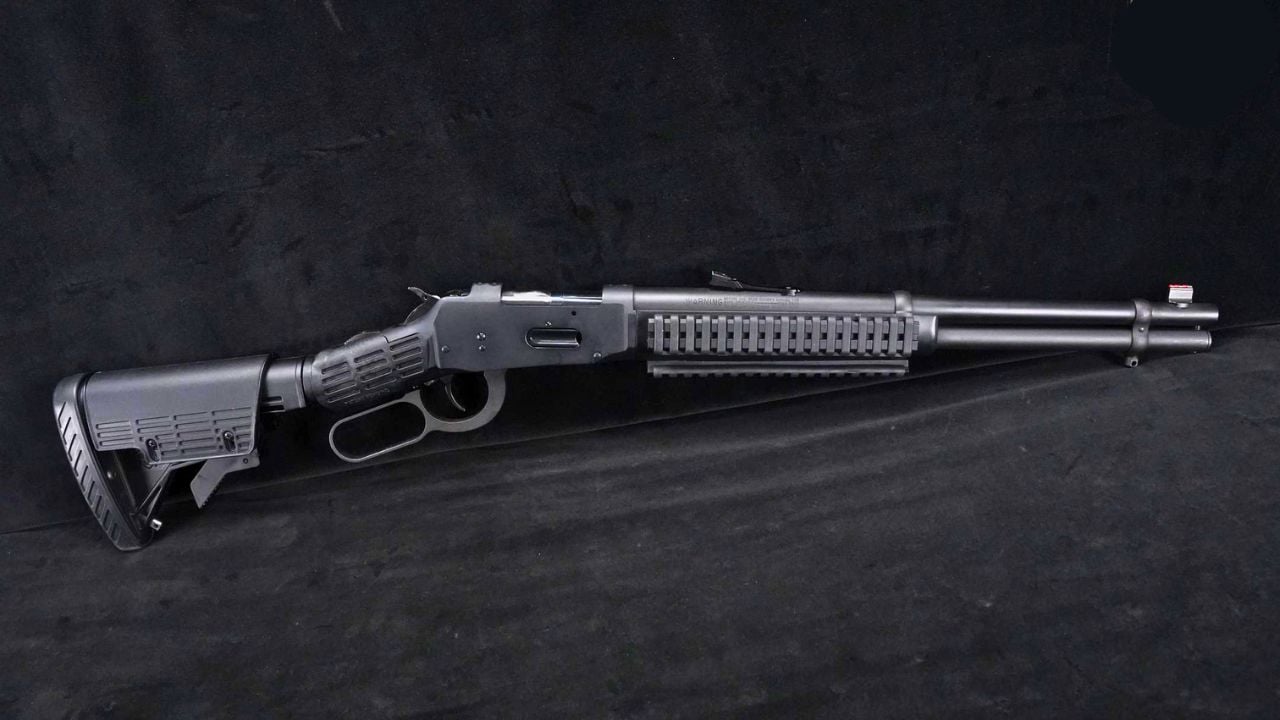
The Mossberg 464 doesn’t get much romance attached to it, and that’s fine. It’s a .30-30 lever gun that was built to be affordable and functional. Some of them are a little rough in fit compared to a classic Winchester or Marlin, but plenty of them shoot just fine. If you want a woods rifle you won’t cry over when it gets scratched, it fits that job.
At an estate sale, this is the kind of lever gun that can be a sleeper deal. Check the sights, make sure the action isn’t binding, and look over the screws for signs of someone wrenching on it. It won’t impress collectors, but it can absolutely fill a freezer. Not every lever-action needs to be a heirloom to be worth owning.
17. Uberti 1873 (toggle-link, .357 Magnum)
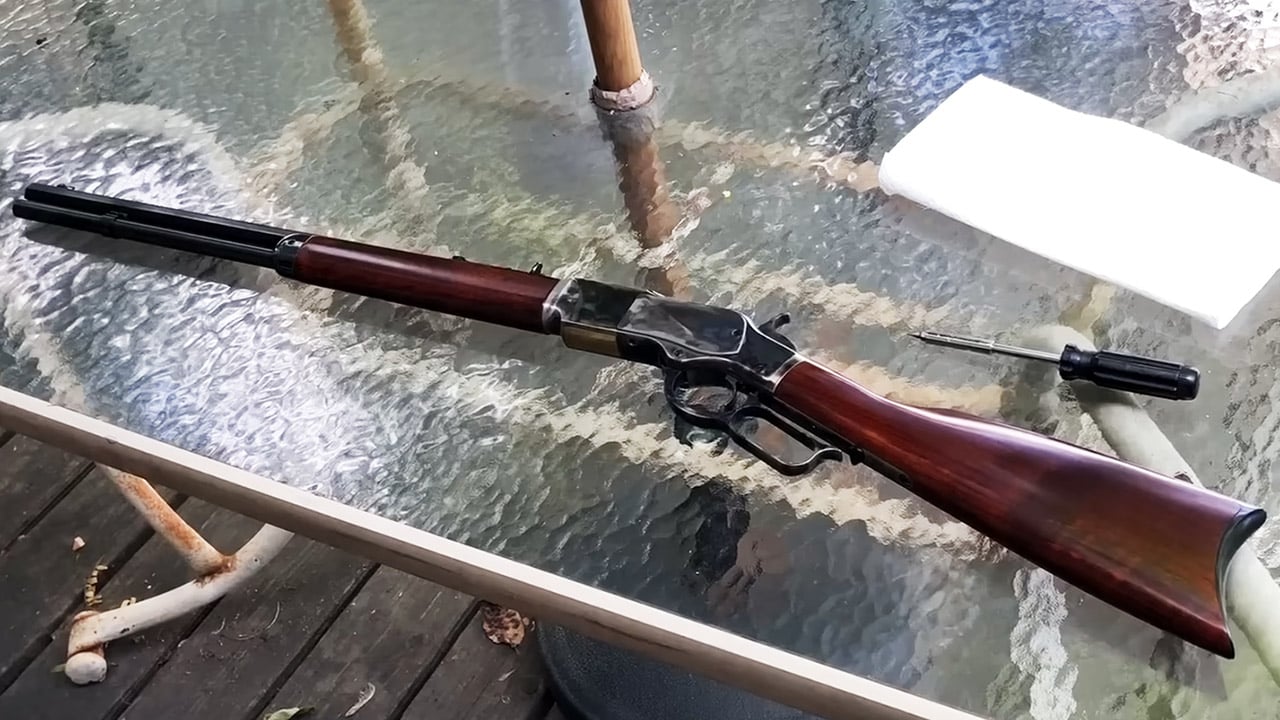
A good 1873-pattern rifle is just plain fun. The action can feel like it’s running on bearings when it’s fitted right, and in .357 it’s easy to shoot fast while staying in control. This is the style of rifle that makes steel targets addictive, and it’s also surprisingly useful for close-range hunting with the right loads and limits.
The toggle-link design isn’t the same kind of strength as a ’92 or modern action, so it’s not the rifle for hot-rodding loads. But for what it is, it’s excellent. At an estate sale, I’d look for one that hasn’t been abused by overzealous “cowboy match” tinkering. If it’s tight and smooth, it’ll make you want to shoot more, and that alone makes it worth attention.
18. Winchester Model 9422 (.22 LR)

The 9422 is one of those .22s that makes grown men act a little irrational. They’re slick, they’re accurate, and they feel like a real rifle scaled down, not a toy. The fit and finish on many of them is better than what you’ll see on most current production rimfires. And they just carry nicely, which is something you notice the second you grab it one-handed.
They’re also not cheap anymore, which is why finding one on a wall with the rest of an old collection is such a big deal. If the loading gate isn’t chewed up and the bore is clean, it’s a lifetime rifle. For teaching kids, chasing squirrels, or keeping behind the kitchen door for pests (where legal and safe), it’s hard to beat. That one hurts to miss.
19. Marlin 1894C (.357 Magnum)
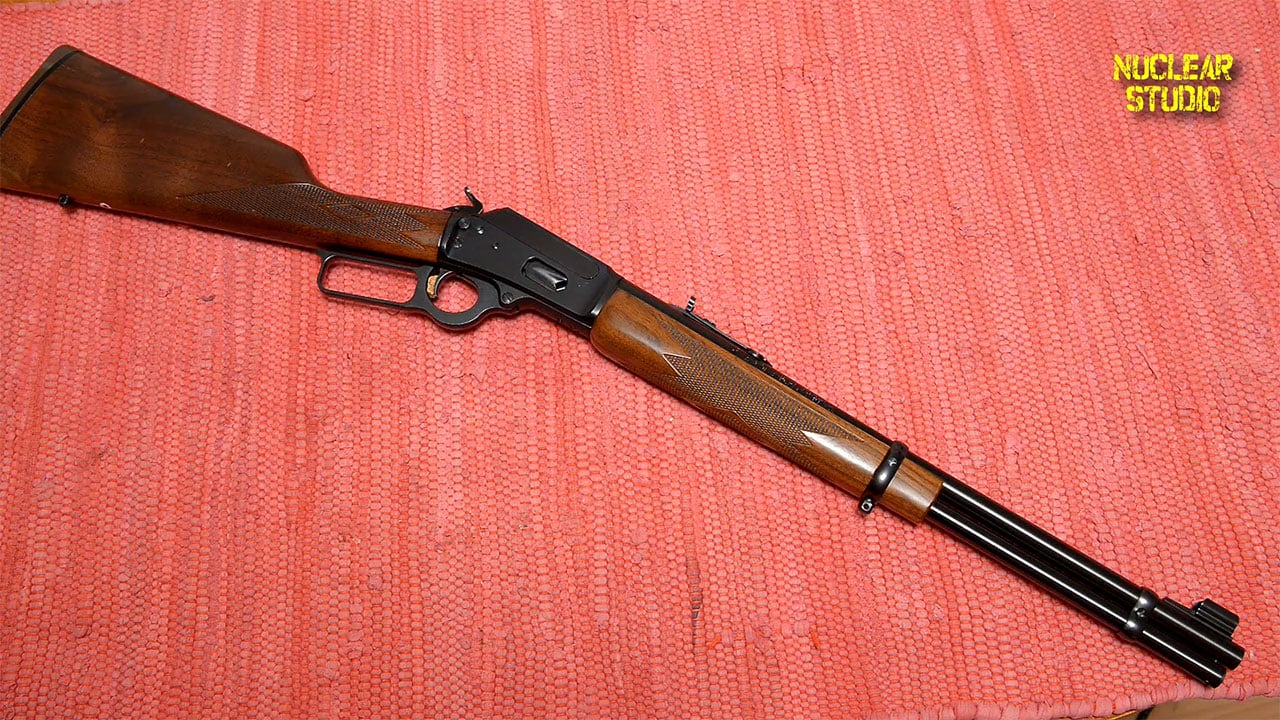
The 1894C is one of the most useful lever guns ever made for regular folks. .357 Magnum gives you legitimate performance in a carbine while still letting you shoot .38 Specials for cheap practice. The rifle is compact enough for tight woods, cabins, and property use, but it’s still steady and points naturally.
They also tend to become “most shot rifle” in a household, because everyone can run them. Recoil is light, muzzle blast is tolerable compared to many centerfires, and the manual of arms is simple. The only real downside is that some loads feed better than others, especially if you get into odd bullet profiles. Find what it likes and stick with it. If one of these came off the wall at a sale, it’d be hard to leave behind.
20. Winchester Model 94 (Angle Eject, .30-30 with a peep sight)

Angle Eject 94s don’t always get the same love as pre-64 guns, but they’re excellent hunting rifles. The big advantage is easy scope mounting if you want it, and many of them are accurate enough to surprise a guy who thinks lever guns are only for “minute of deer.” Add a good receiver peep sight, and you’ve got a setup that’s fast, rugged, and forgiving in bad light.
From a practical standpoint, this is the lever gun that ends up in the back window of a lot of farm trucks because it just works. It’s also a rifle you can hand to a new hunter without making things complicated. Check the wood-to-metal fit, look for cracks at the wrist, and cycle it hard a few times. If it feels solid, it’ll likely keep doing its job long after the estate sale is a memory.
Twenty lever guns on a wall tells you something about the person who owned them. Lever-actions aren’t just for collecting; they’re for carrying, for quick shots, for days when you’re moving more than you’re sitting. If you ever stumble into a sale like that, slow down. Work the actions, check bores, look for cracks and bubba work, and don’t get hypnotized by shine. The right lever gun isn’t a “find” because it’s rare. It’s a find because you’ll actually use it.
Like The Avid Outdoorsman’s content? Subscribe to our newsletter so you never miss an article.
Here’s more from us: