Photo credit: Iraqveteran8888/Youtube
You can usually tell a cartridge is sliding out of favor because nobody comes right out and says it. The guys at the range just stop bringing it. The gun shop still has a dusty couple boxes on the shelf. Online, the talk gets quiet, then the “what should I buy?” threads start steering new shooters somewhere else.
This isn’t about “bad” cartridges so much as rounds that sounded perfect when they hit the scene, then reality showed up: ammo cost, barrel life, feeding quirks, short usefulness windows, and the fact that most hunting and most target shooting is pretty boring and predictable. Here are 20 calibers serious rifle shooters have quietly stopped pushing on new folks, and why.
1. .224 Valkyrie
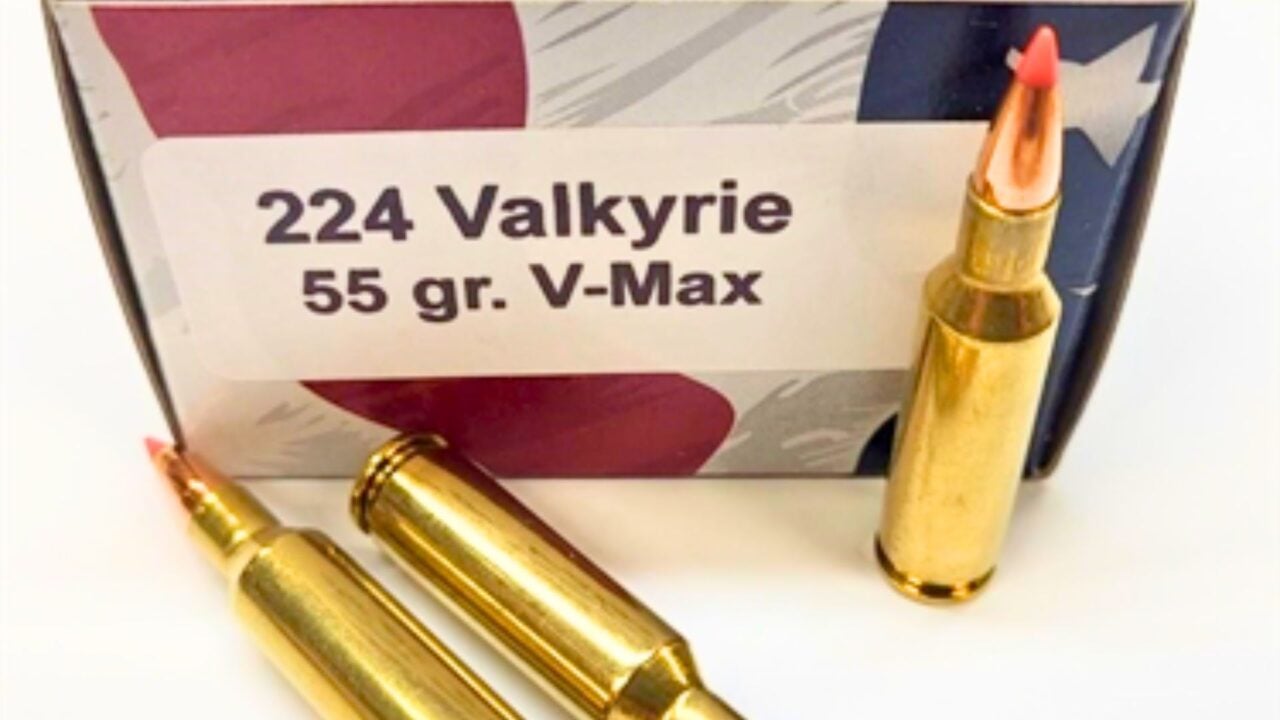
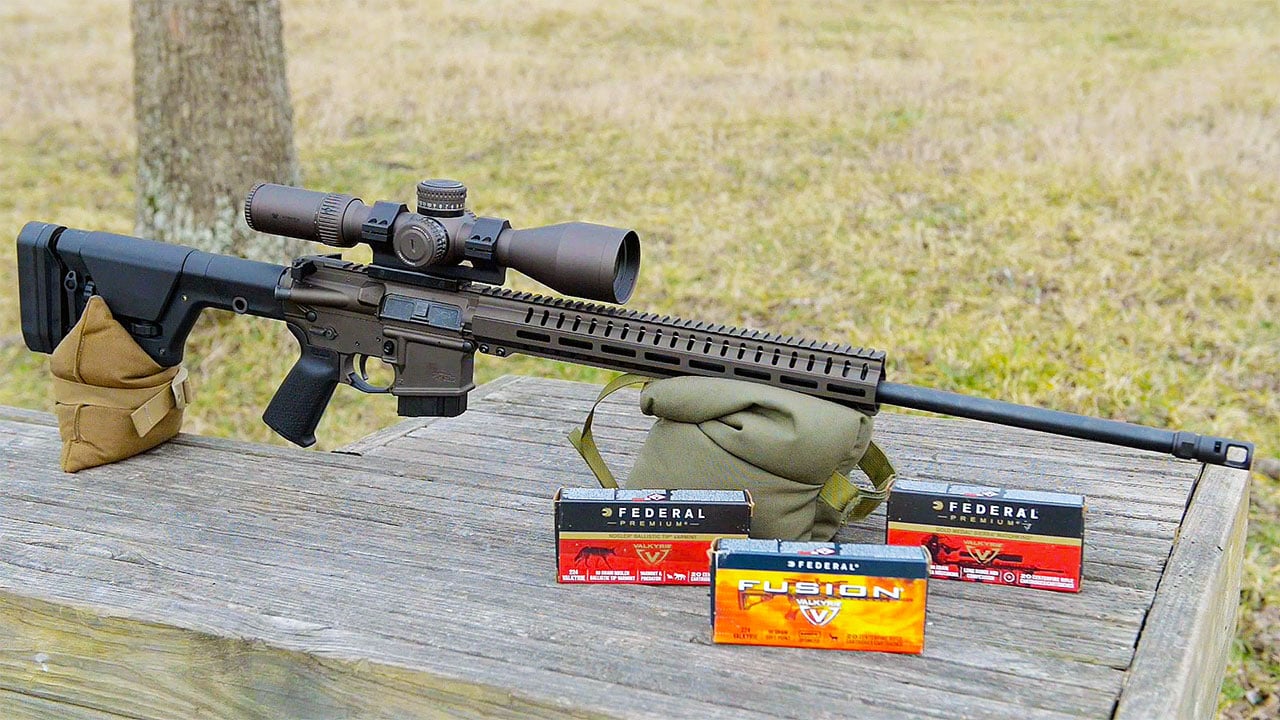
I watched the Valkyrie have a real moment with the long-range AR crowd. On paper, it was the answer: high BC .22 bullets out of an AR-15 with less recoil than the 6.5 stuff. Then guys started showing up with rifles that shot “okay” at best, and “why is it doing that?” the rest of the time.
The big issues were consistency and support. Twist-rate drama, chamber variations, and ammo that never felt as common as the marketing suggested. When 5.56 and 6mm ARC are sitting right there, it’s tough to justify chasing a caliber that can turn into a load-development hobby just to get predictable results. If you already have a good one that shoots, hang onto it. I’m just not steering a new shooter into it.
2. .22 Nosler

The .22 Nosler was another “AR-15 but faster” idea that got attention fast. It’ll push .224 bullets with real speed, and that’s fun—especially if you’re used to standard 5.56 velocities. The problem is how fast “fun” turns into “expensive,” especially once you look at brass, availability, and what you’re getting for the trouble.
It also lives in a weird spot. For varmints, .223 does the job all day with cheap ammo and tons of rifle options. For reach, the Valkyrie/ARC crowd is already set up. For coyotes, most folks either run .223, .22-250, or step up to something 6mm-ish. The .22 Nosler isn’t useless; it just doesn’t have a lane that stays busy year-round.
3. .223 WSSM
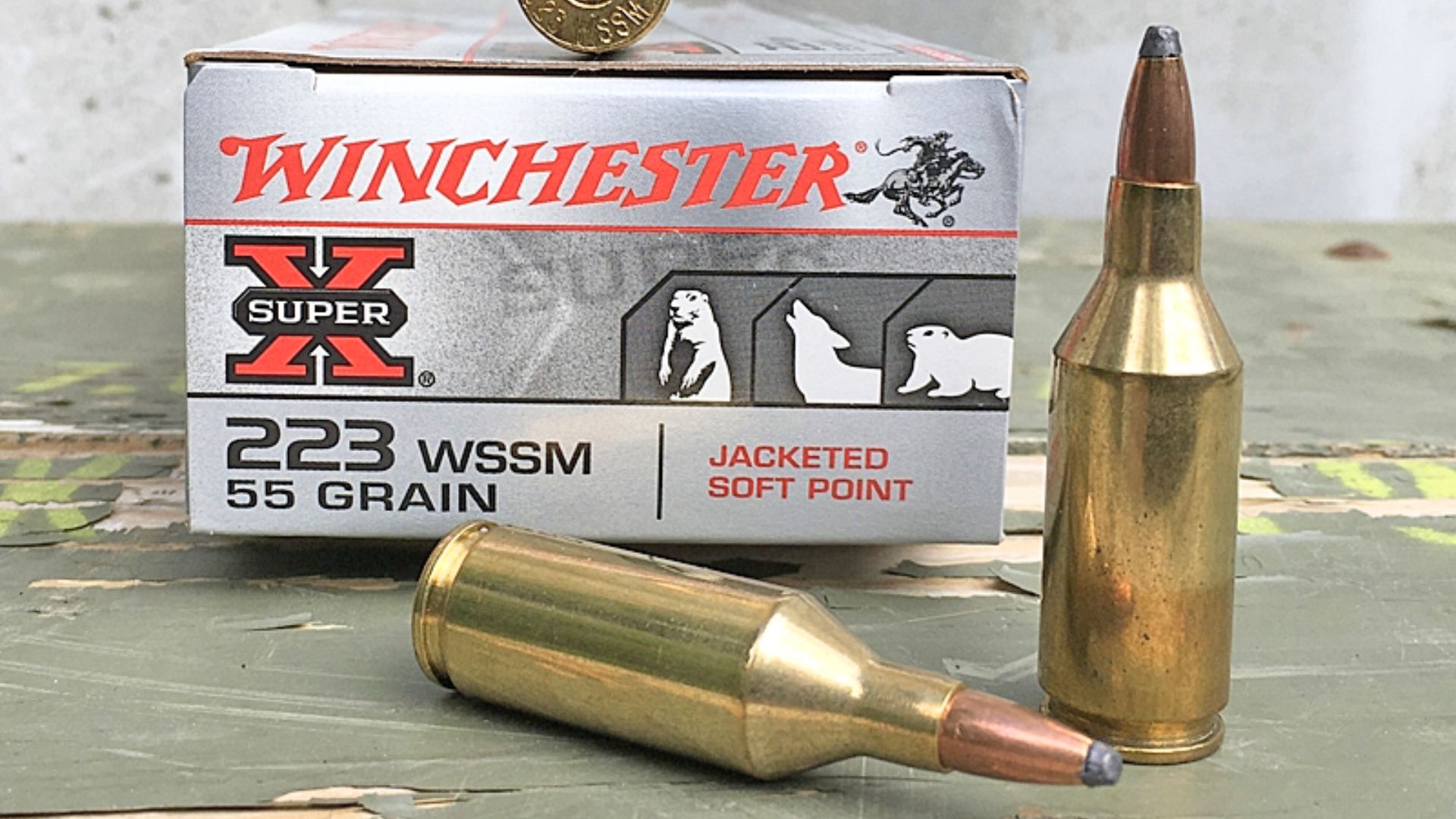
The short magnums were a whole era, and .223 WSSM was the “hold my beer” version for .22 caliber. It’s loud, fast, and flat. It also has a reputation for eating barrels like a wood chipper if you run it hard, and serious shooters notice that faster than anybody.
Then there’s the rifle and ammo side. If you don’t already own one, you’re basically choosing a niche from day one. Brass isn’t something you casually grab anywhere, and factory ammo runs in waves. A round like this can be a blast for the guy who likes oddballs and reloads carefully, but recommending it to a newer shooter is setting them up for frustration when they just want to shoot on Saturday.
4. .22-250 Remington

This one hurts a little because the .22-250 is a classic. It’s still a fantastic coyote and varmint cartridge, and it prints laser-flat trajectories with the right bullets. The “quiet fade” isn’t because it stopped working. It’s because the average shooter’s needs changed, and so did barrel and ammo economics.
Serious volume shooters realized that the speed comes with heat. If you like to send a lot of rounds in a sitting, you either slow way down or accept that throat erosion is part of the program. With modern .223 loads being better than ever and 6mm cartridges doing double-duty (predators to deer where legal), fewer guys recommend .22-250 as the default “do it all” small-bore anymore. It’s still great, just more specialized than folks admit.
5. .220 Swift
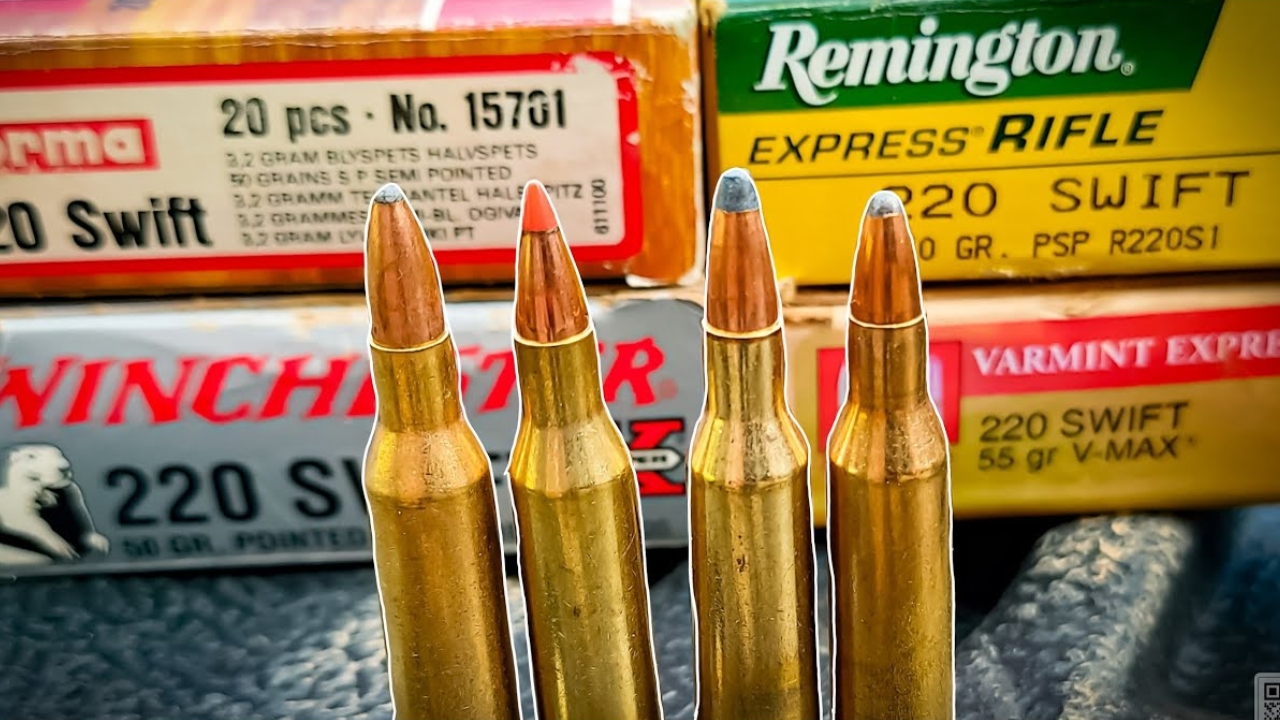
The .220 Swift has always been a hotrod, and it still is. There’s a certain grin you can’t help when you touch one off and watch a varmint rig do what it does. But the same things that made it famous are the things that make experienced shooters hesitate to recommend it now.
Barrel life and practicality are the big ones. Even with modern steels and better cleaning habits, it’s easy to run a Swift hard and pay for it. Ammo isn’t rare, but it’s not what I’d call convenient either, and you don’t pick this cartridge because you want to “keep it simple.” If you’re a dedicated varmint guy and you understand the tradeoffs, it’s a blast. As a first fast .22? I’d point you elsewhere.
6. .204 Ruger
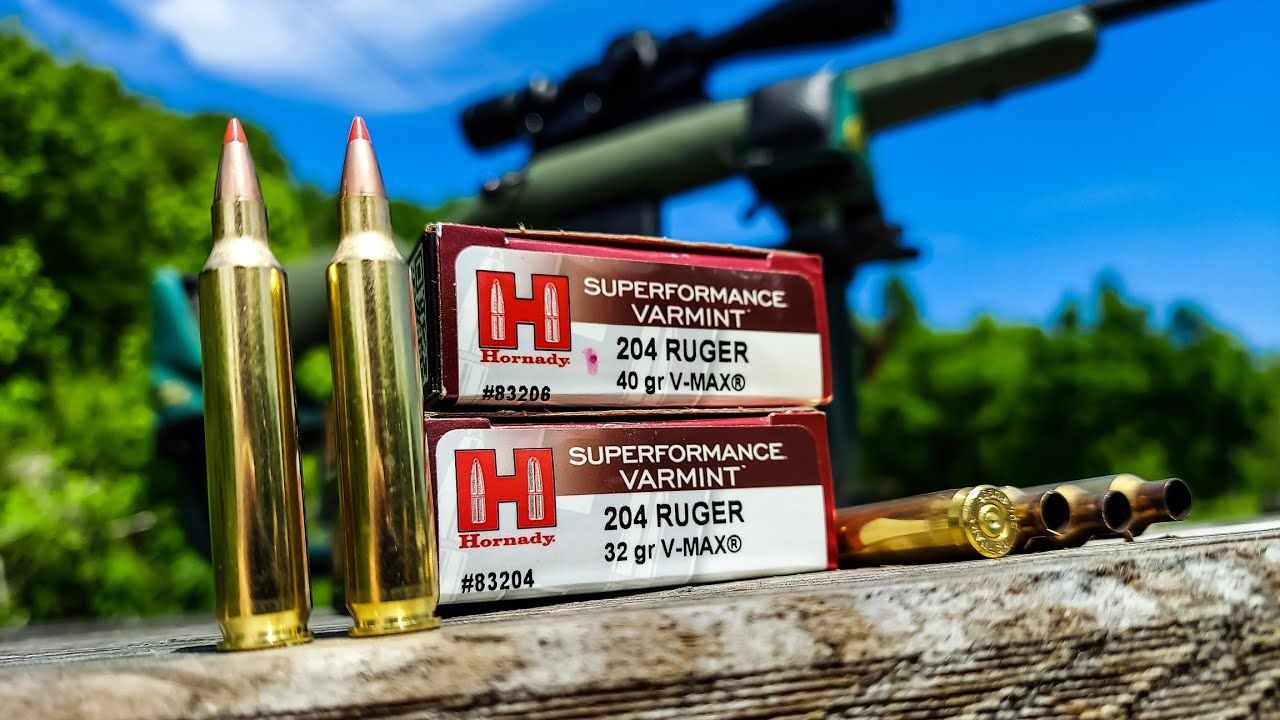
.204 Ruger is incredibly flat and easy to shoot well. Recoil is basically a rumor, and watching impacts through the scope is part of the fun. The quiet shift away from recommending it usually comes from one question: “What do you want to do with it?”
If the answer is prairie dogs and paper, it makes sense. If the answer is coyotes in wind, the love fades fast. Those light bullets can get pushed around, and while it can absolutely kill coyotes cleanly with good shot placement, it’s not as forgiving as a heavier .22 or a 6mm. Ammo availability also seems feast-or-famine depending on where you live. A guy who already owns a .204 and shoots it well is dangerous on varmints. I just don’t push it as the default predator rifle anymore.
7. .17 Hornet
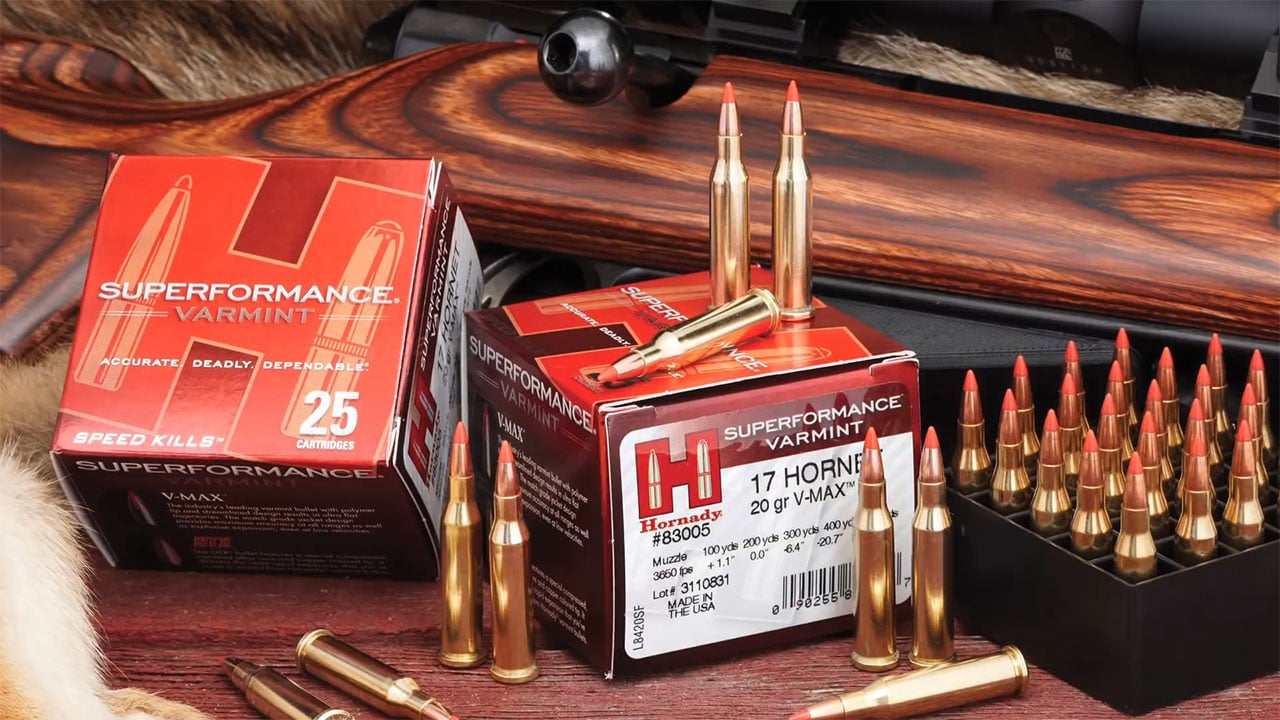
The .17 Hornet is one of those cartridges that makes you smile when everything lines up. It’s quiet-ish, accurate, and just plain fun on small varmints. But “fun” isn’t the same as “smart recommendation” when you’re talking to a shooter who wants one rifle to cover a lot of ground.
It’s picky about wind and it’s not what I’d call versatile. Past certain distances, it becomes a guessing game, and if you hunt in open country you’ll notice that fast. Ammo can be hard to find in some places, and when you do find it, you tend to buy it like you’re stocking for winter. If someone already reloads and wants a low-recoil specialty rig, sure. If they just want to go shoot and hunt without chasing components, it’s a tough sell.
8. .17 Remington Fireball
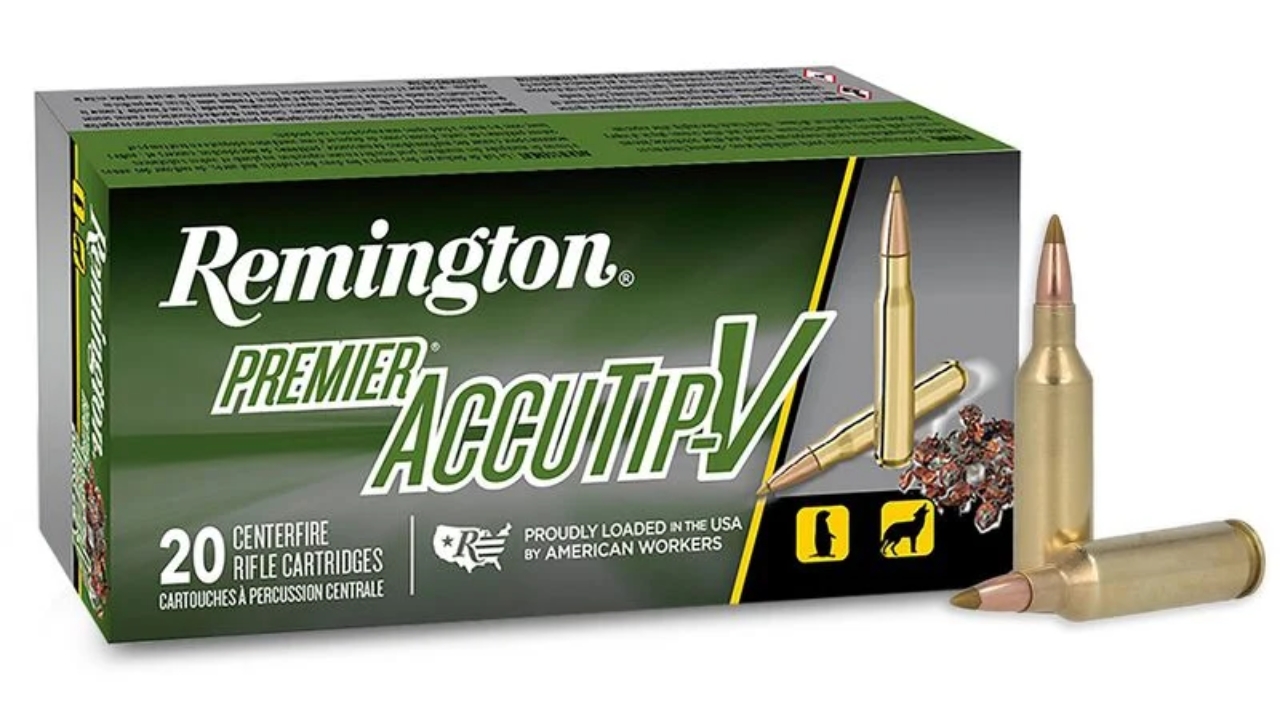
This cartridge has a loyal following, and I get why. It’s efficient, it’s accurate, and it gives you .17 Remington vibes without quite the same blast. The problem is that it never became a “normal” cartridge, and serious shooters are tired of recommending rounds that require a treasure hunt.
Rifle selection is limited compared to the mainstream stuff, and factory ammo support has been spotty for years. Also, .17 caliber in general asks more from the shooter in wind and from the hunter in shot selection. It’s not that it won’t work—it will. It’s that a new predator hunter is usually better served with .223 or .22-250, and a dedicated small-varmint guy can go .17 HMR/WSM or jump into a centerfire with better support.
9. .17 Remington
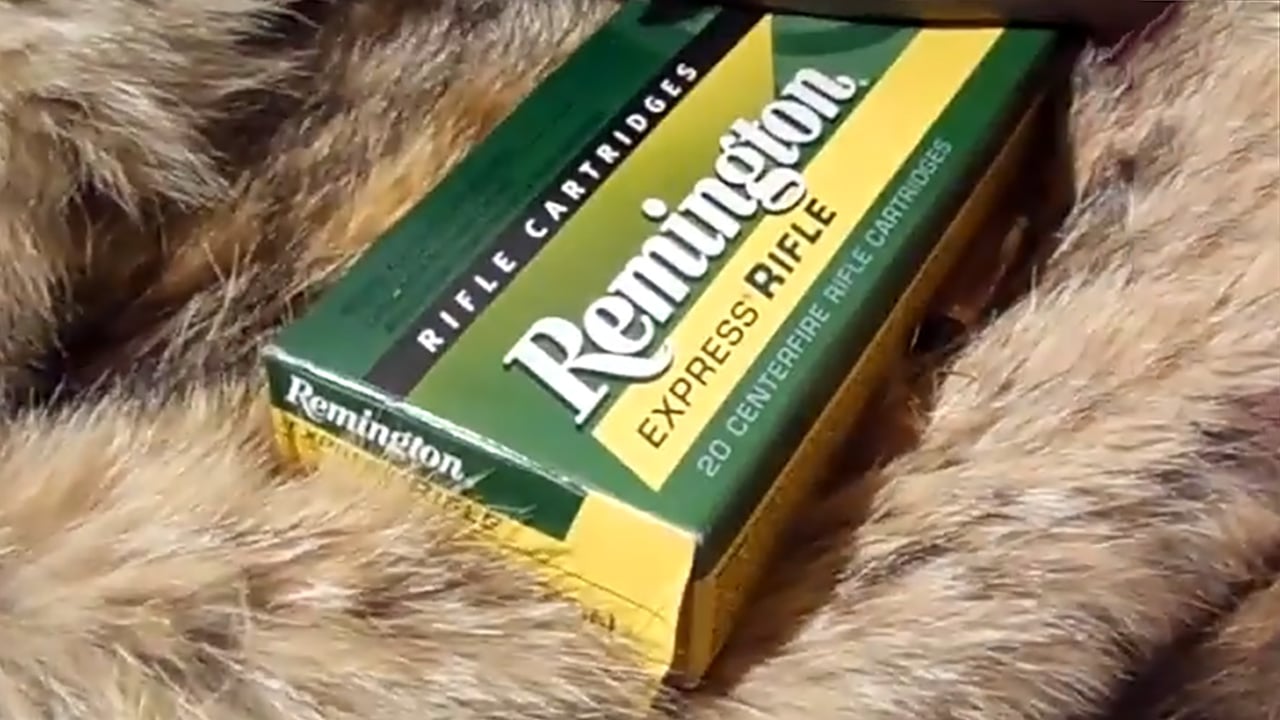
.17 Remington is fast and flat, and it can be ridiculously accurate in a good rifle. It also tends to attract detail-oriented shooters, which is both the charm and the issue. This is not a “grab a box and go” cartridge for most folks anymore.
Fouling can be a real consideration, and barrel cleaning becomes part of the routine if you’re chasing top accuracy. Wind drift is still the constant complaint, especially in wide-open predator country. And if you’re not set up to reload, you’re at the mercy of whatever factory loads happen to be around. The serious guys who love .17 Rem keep loving it, but they quit pushing it on newcomers because the learning curve is steeper than people expect.
10. .17 WSM
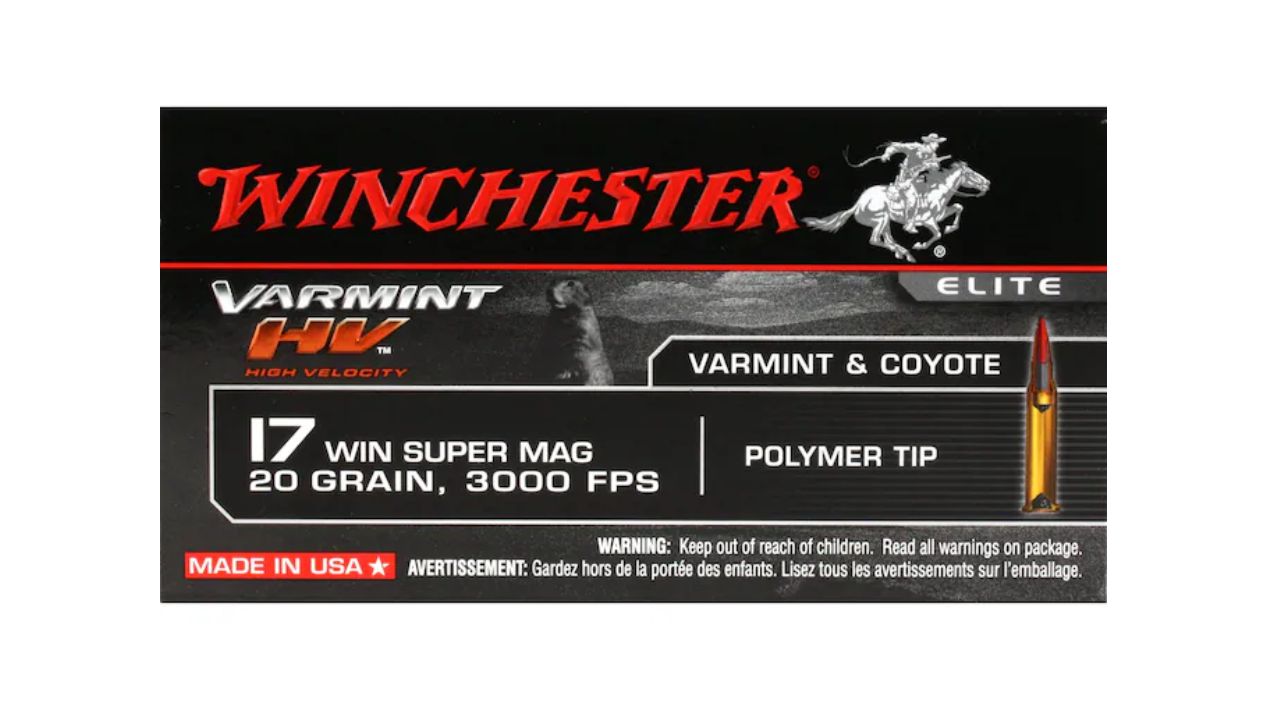
The .17 WSM rimfire looked like it might rewrite the small-varmint rulebook for a minute. It’s fast for a rimfire, hits harder than .17 HMR, and stretches rimfire distance a bit. Then folks started living with it instead of reading about it.
Ammo cost and availability are the big drags, and rimfire inconsistency is still rimfire inconsistency. You can find a rifle that shoots it great, but you can also find one that’s just “fine,” and fine is not what people want when each box costs what it costs. When serious shooters recommend a rimfire for varmints, they still default to .22 LR for bulk practice and .17 HMR for reach—because you can actually feed them without planning a supply run like you’re buying diesel in a snowstorm.
Free for gun owners: If something happened to you tomorrow, would your family know where the guns are, who has the safe combination, or what to do first? Our free Gun Owner’s Family Checklist walks them through it. It takes about 15 minutes to fill out. Get your free copy here.
11. .22 WMR

The .22 Magnum isn’t going anywhere, but the way it gets recommended has changed. It used to be pitched as the step up from .22 LR that “does it all” for small game and pests. Now, serious shooters tend to recommend it with more limits attached.
It’s a great tool inside its lane: trapping lines, farm work, and small game where you want more thump than a .22 LR. The issue is cost versus performance in today’s market. When .22 WMR ammo climbs, folks start asking why they aren’t just shooting .223 out of a light bolt gun for similar money per trigger pull, with cleaner kills at distance and better wind performance. For a ranch rifle or a truck gun that needs to stay rimfire-simple, .22 WMR still makes sense. As a “do everything” recommendation, it’s cooled off.
12. .22 Hornet
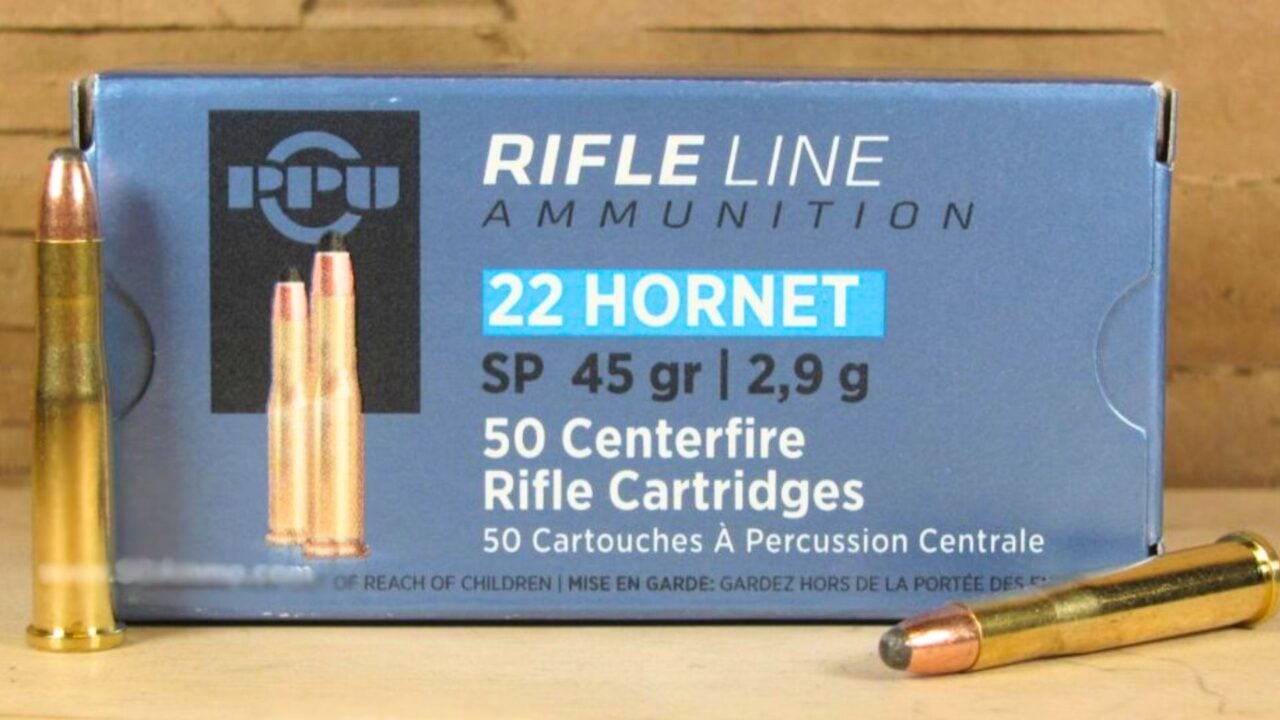
The .22 Hornet is charming in a way modern cartridges aren’t. Mild report, mild recoil, and it feels right in trim little bolt guns and single-shots. Serious shooters didn’t stop liking it—they just stopped recommending it to the average guy who wants easy ammo and straightforward results.
Factory loads can be all over the map, and in many rifles it’s not the effortless tack-driver people expect. It shines when you reload and tailor loads to your rifle, which is a theme you’re going to hear a lot on this list. Also, .223 has eaten much of its lunch. With modern .223 bolt guns being light and accurate, the Hornet’s main advantage is its personality. If you want that, you’ll love it. If you want simple, it’s not the easiest path.
13. .218 Bee
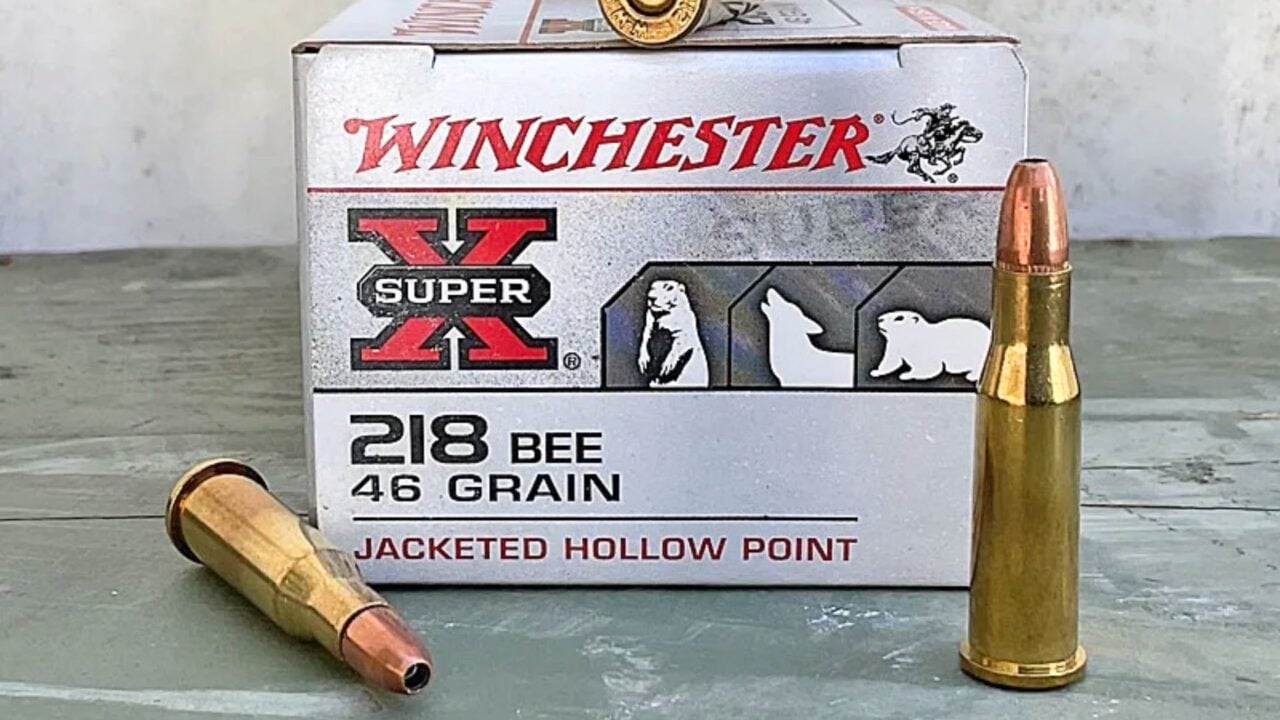
The .218 Bee is one of those cartridges that mostly lives in stories, old rifles, and the hands of guys who like being different. It can be accurate and effective, and it has a neat history. The problem is you don’t recommend a history lesson to someone who just wants a working tool.
Rifle options are limited, ammo isn’t exactly stacked high at the local shop, and brass isn’t something you assume you can replace quickly. For handloaders and collectors, it’s a fun project that can also hunt. For the average predator hunter, it’s an unnecessary detour when .223 exists in every form imaginable. I’m not knocking it—I’m saying the recommendation stopped because the support system around it is too thin for most shooters.
14. .219 Zipper
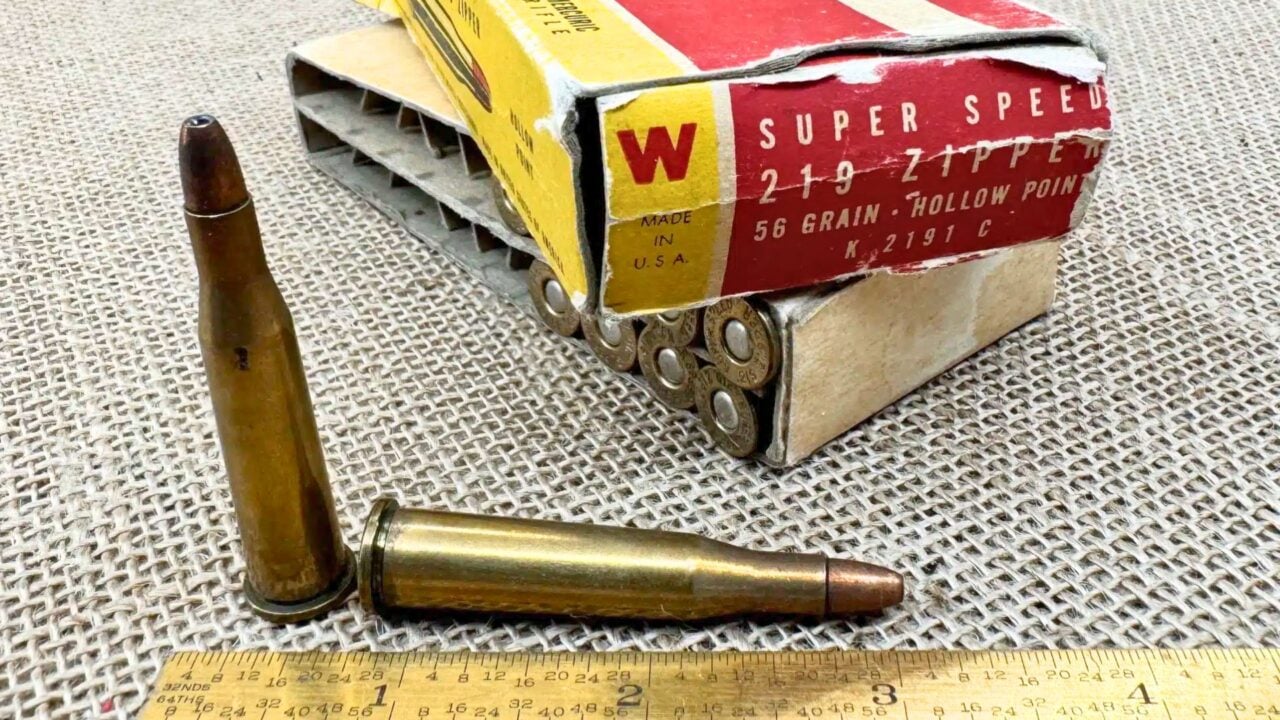
Ask around long enough and somebody will mention the .219 Zipper like it’s a secret handshake. It’s a cool old varmint round, especially in the rifles it was built for. But it sits squarely in “enthusiast only” territory now.
If you don’t reload, you’re basically out of the conversation. Even if you do reload, you’re dealing with component logistics and sometimes quirky feeding depending on the rifle. Modern cartridges give you better performance with far less hassle, and that’s why the serious shooters quit recommending it out loud. Nobody wants to be the guy who talked his buddy into a cartridge that turns every range trip into a scavenger hunt. As a collector’s shooter and a nostalgia rig, it’s great. As a general recommendation, it’s a no.
15. .222 Remington
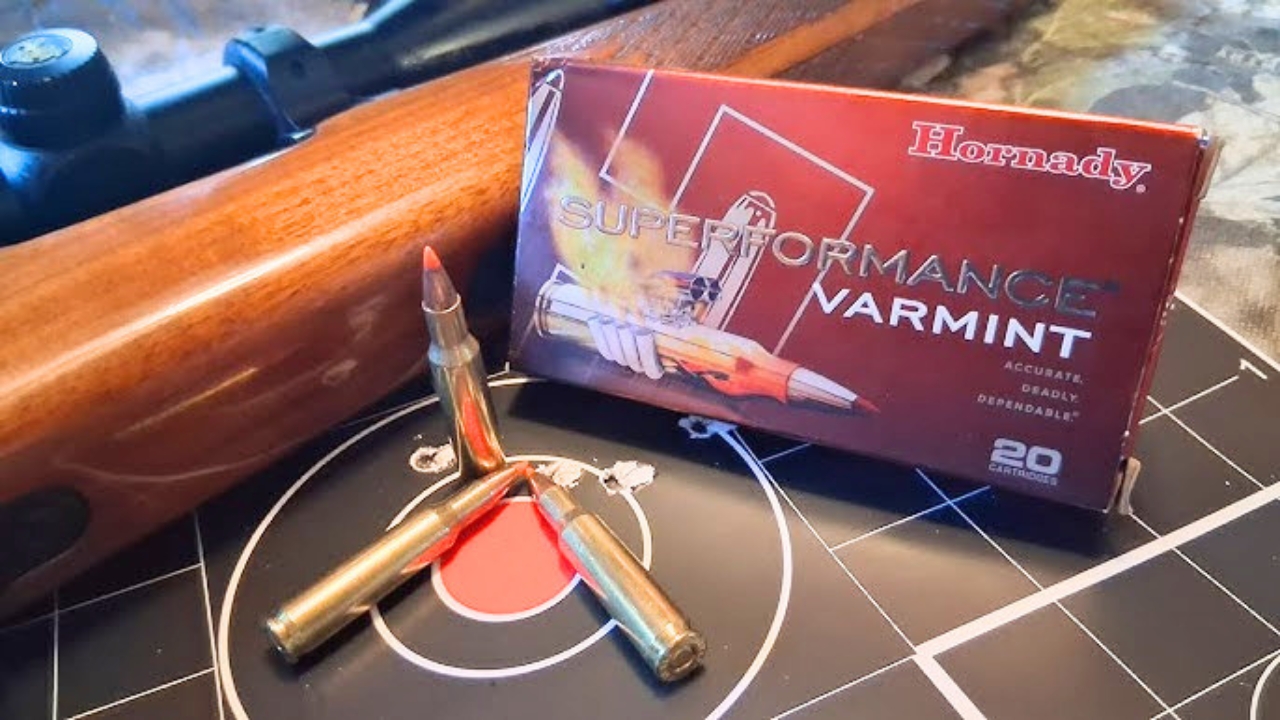
The .222 Remington is accurate. Like, boringly accurate in a good rifle. It also has a smooth, easy feel that makes you wonder why anybody needed to change anything. But in North America, it got crowded out by .223/5.56 in a way that’s hard to ignore.
Ammo is the sticking point. You can still find it, but it’s not the “grab three boxes while you’re here” cartridge it used to be. Rifle selection isn’t what it was either unless you’re shopping used or you already have something special. Serious shooters respect the .222 and don’t say bad things about it. They just don’t recommend it first, because the guy buying his first varmint rifle is going to be better served with the cartridge that every store, every online shop, and every buddy at camp can help feed.
16. 5.45x39mm
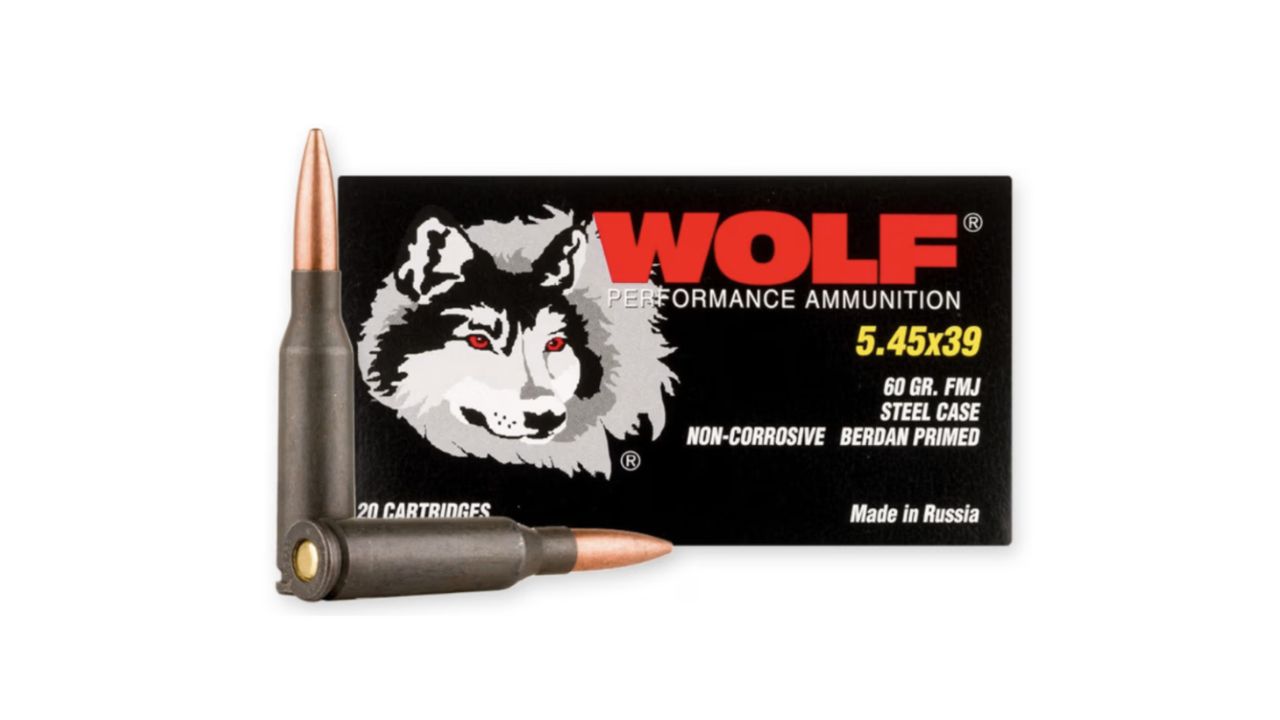
For a while, 5.45 was the cheap-fun answer for AK guys who wanted to shoot a lot. Low recoil, decent accuracy for the platform, and surplus ammo that made range days feel unlimited. Then the surplus pipeline got unreliable, and “cheap” stopped being a sure thing.
Another issue is corrosive ammo realities. If you’re disciplined about cleaning, it’s not a big deal. If you’re the kind of shooter who sometimes tosses the rifle in the safe after a late evening range session, it can turn into a lesson you didn’t want. Mags and parts are also not as universal as 7.62×39 or 5.56 options these days. I still like 5.45 when it’s running right, but I don’t push new shooters into it unless they’ve already committed to sourcing ammo and parts.
17. 7.62x54R

7.62x54R is a hammer, and it’s been doing the job for a very long time. The quiet shift away from recommending it is less about the cartridge and more about the rifles most folks experience it in. A lot of people meet this round through old military surplus rifles, and that can be a rough first impression.
Ammo variety is weird. You can find it, but matching load to purpose isn’t as straightforward as modern hunting cartridges, and surplus can be corrosive. Recoil and blast in lighter, older rifles is no joke either, especially off a bench. Serious shooters who want a practical .30-caliber with good hunting loads and modern rifle options steer folks toward .308 or .30-06 instead. If you already have a Mosin or a PSL-style rifle and you enjoy it, have at it. I just don’t treat it as a go-to recommendation anymore.
18. 6.5 Grendel
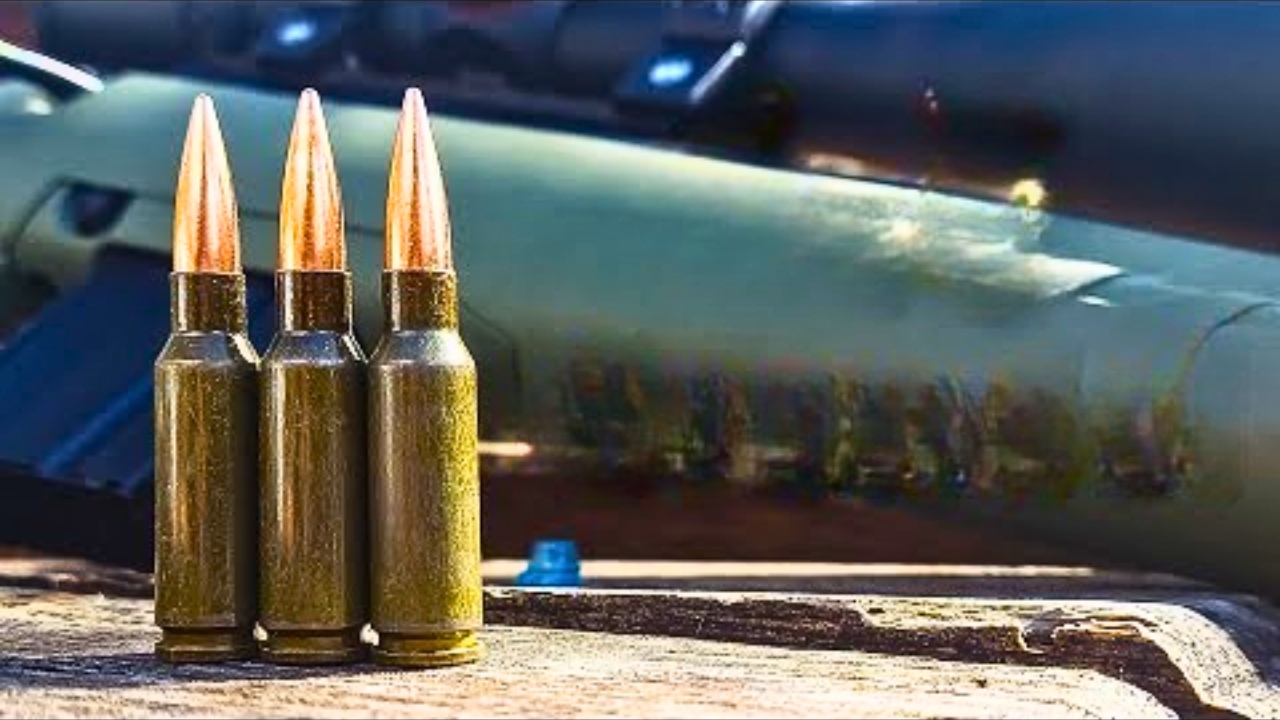
I know, I know—guys still love the Grendel, and it does a lot right. But if you’ve been paying attention at the range and in the deer woods, you’ve probably noticed the recommendation momentum shifting. The Grendel is getting squeezed from both sides.
On the AR-15, 6mm ARC stole a lot of the “serious” attention for distance and wind performance. On the hunting side, more states allowing straight-wall cartridges (and the general popularity of lightweight bolt guns) changed what people buy for deer. The Grendel still works great inside sane distances, but ammo can be hit-or-miss in some areas, and not every magazine is equally happy with it. It’s not that it’s failing—it’s that recommending it now comes with extra asterisks that didn’t used to be there.
19. 6.8 SPC
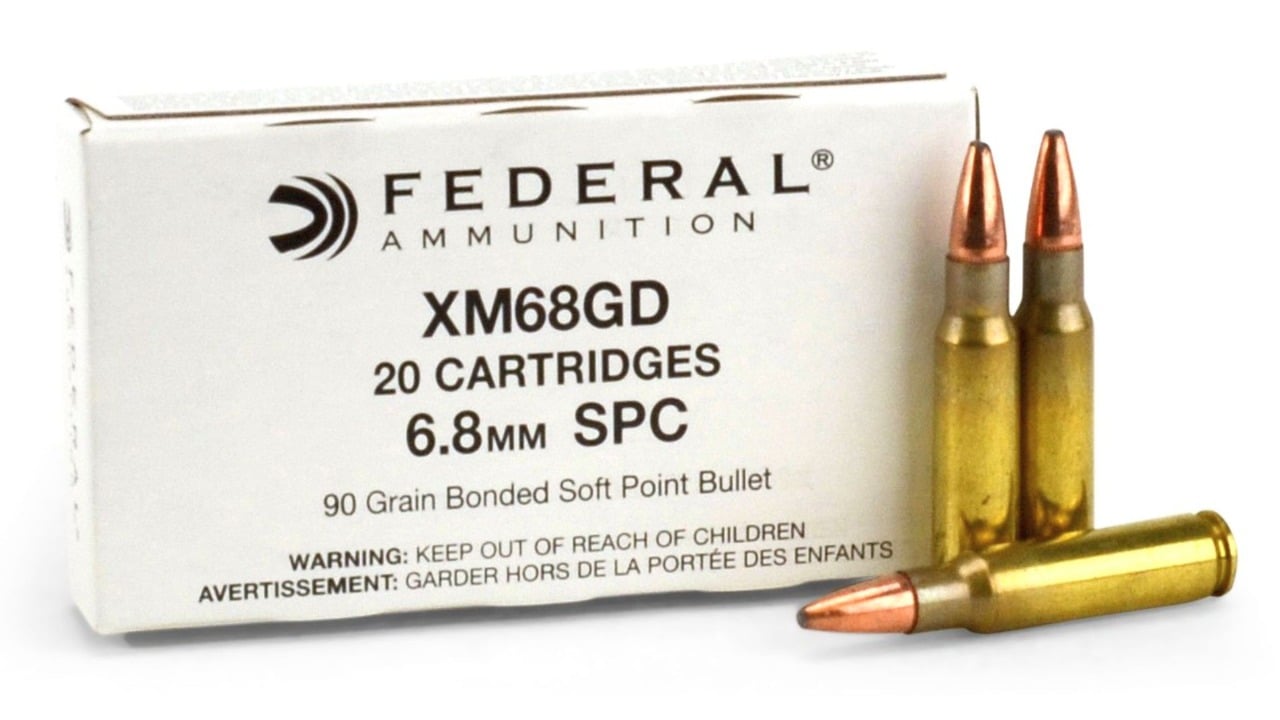
6.8 SPC used to be the “better hunting AR” answer, and for a while it earned it. Good terminal performance, decent recoil, and enough factory options that you could actually run it without being a reloading wizard. Then time passed, and the market moved on.
The ARC and Grendel conversations stole a lot of oxygen, and 300 Blackout became the default for short barrels and suppressed setups. 6.8 SPC didn’t become bad; it just stopped being the obvious next step. Ammo availability is the big thing I hear now—guys don’t want to build a rifle around a round they can’t count on finding locally. If you already have a 6.8 that shoots, it’s a solid deer and hog cartridge. I just don’t see many serious shooters recommending it first anymore.
20. .300 Remington Ultra Magnum
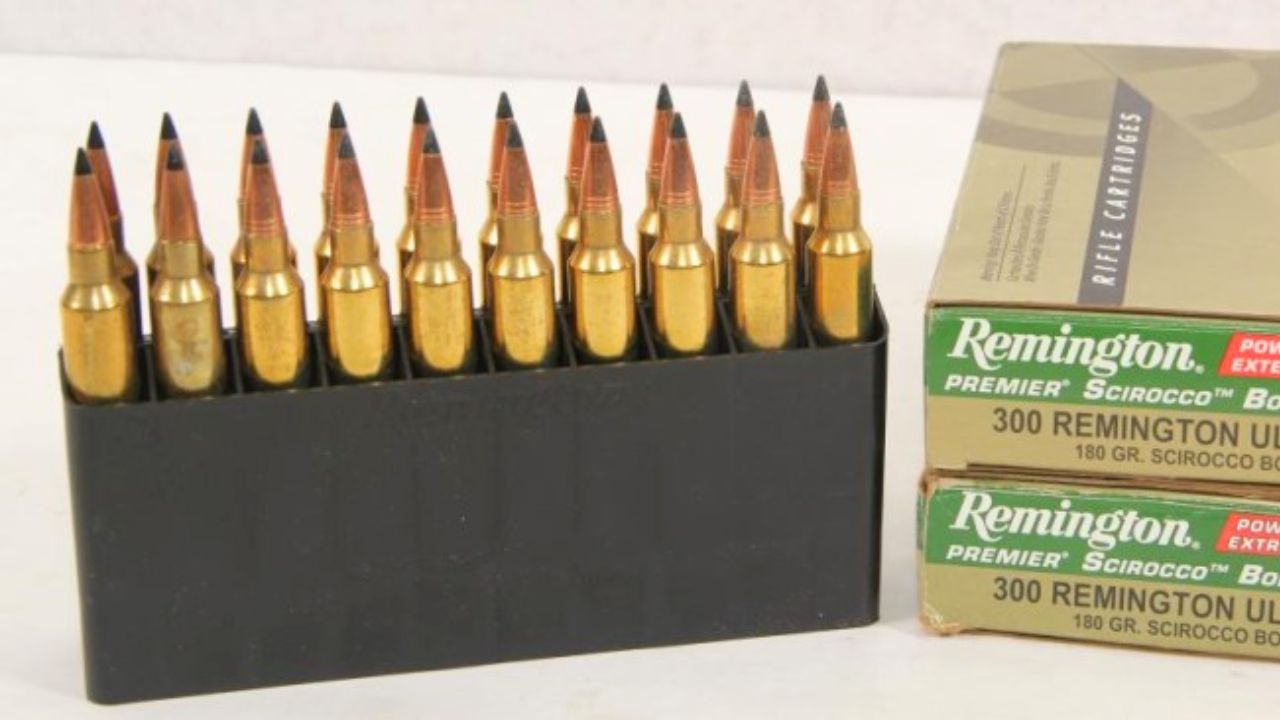
The .300 RUM crowd is a certain type of shooter: big country, long shots, heavy rifles, and a tolerance for recoil that most folks don’t have. It’s undeniably capable. It’s also one of those cartridges that experienced shooters quietly stop suggesting because they’ve watched too many guys buy one and then flinch their way into mediocrity.
Barrels don’t last forever, ammo isn’t cheap, and it’s not a cartridge you “practice a lot” with unless you’ve got the budget and the shoulder for it. In the real world, a .300 Win Mag or 7mm Rem Mag (or one of the modern 6.5/7mm options) covers most hunting needs with fewer downsides. The RUM makes sense for someone who truly needs what it offers and will train with it. For the average hunter, it’s too much rifle too soon. Ask me how I know.
Cartridges don’t really die; they just get pushed to the back of the safe while more practical options take the front slot. If you already own one of these and it’s doing what you need, there’s no reason to panic-sell it. But if you’re buying your next rifle based on what you’ll actually shoot, actually afford, and actually find on a random Friday afternoon, the quiet recommendations matter more than the loud hype ever did.
Like The Avid Outdoorsman’s content? Subscribe to our newsletter so you never miss an article.
Here’s more from us: