Photo credit: BTORange/Youtube
Pawn shops are funny places to shop for lever guns. The tag on the trigger guard might be “priced like a working rifle,” but the regulars know some of those carbines are sleepers. They are not flashy, they are not new, and half the time they have honest wear from truck racks, saddle scabbards, and deer camps that still smell like Hoppe’s. Serious buyers don’t make a speech about it. They shoulder it once, check the muzzle and the crown, work the action, and if it feels right they pay and leave quiet.
Here are 20 lever-actions I’ve seen sit in pawn racks at everyday-gun prices while folks who know better scoop them up without making a scene.
1. Marlin 336 (JM-stamped)
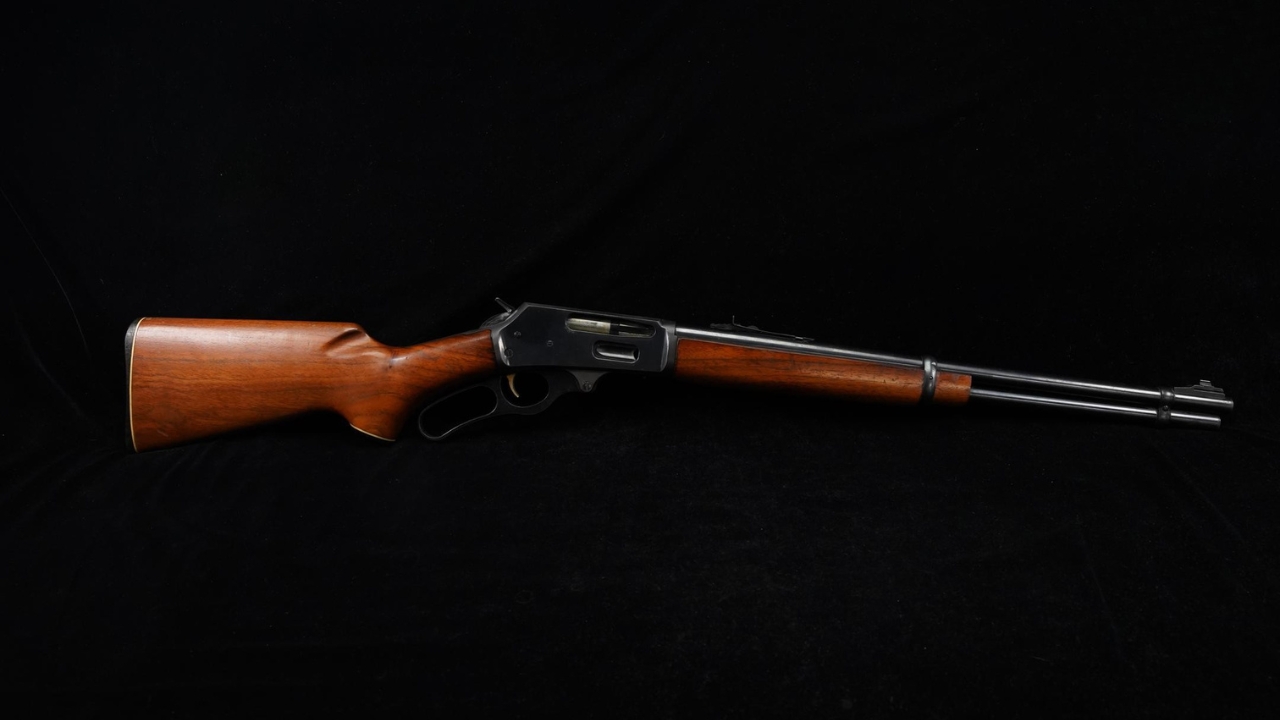
The old JM-marked 336 is the kind of rifle that gets treated like “just a deer gun” until you run the lever and feel how slick it is without being loose. Pawn shops often price them like any other used .30-30 because they see bluing wear and dings in the walnut and assume it’s nothing special. The buyers who know will check the barrel stamp, peek at the rifling, and look for that “JM” on the barrel near the receiver.
What makes it a quiet-walkout gun is how useful it still is. It carries flat against your body, points quick in thick woods, and it’s easy to keep fed. If the sights aren’t beat up and the receiver isn’t drilled crooked, you’ve got a rifle that’ll hunt every season and hold value without acting like a safe queen.
2. Winchester Model 94 (pre-64)

Pre-64 Model 94s get lumped in with every other .30-30 on the rack, especially when the finish is thin and the stock has hunting scars. That’s exactly why they move quietly. The folks who only know “old equals collectible” will haggle wrong, and the folks who don’t know at all will pass because it looks used.
These rifles earned their reputation the hard way. They are light, fast, and they hang in the hand like they were built for one-handed carry while you push brush or climb into a stand. The early ones have a feel that later production doesn’t always match. You’re not buying a benchrest gun here. You’re buying a rifle that seems to settle on a deer’s shoulder like it has done it before.
3. Henry Big Boy Steel (side gate)
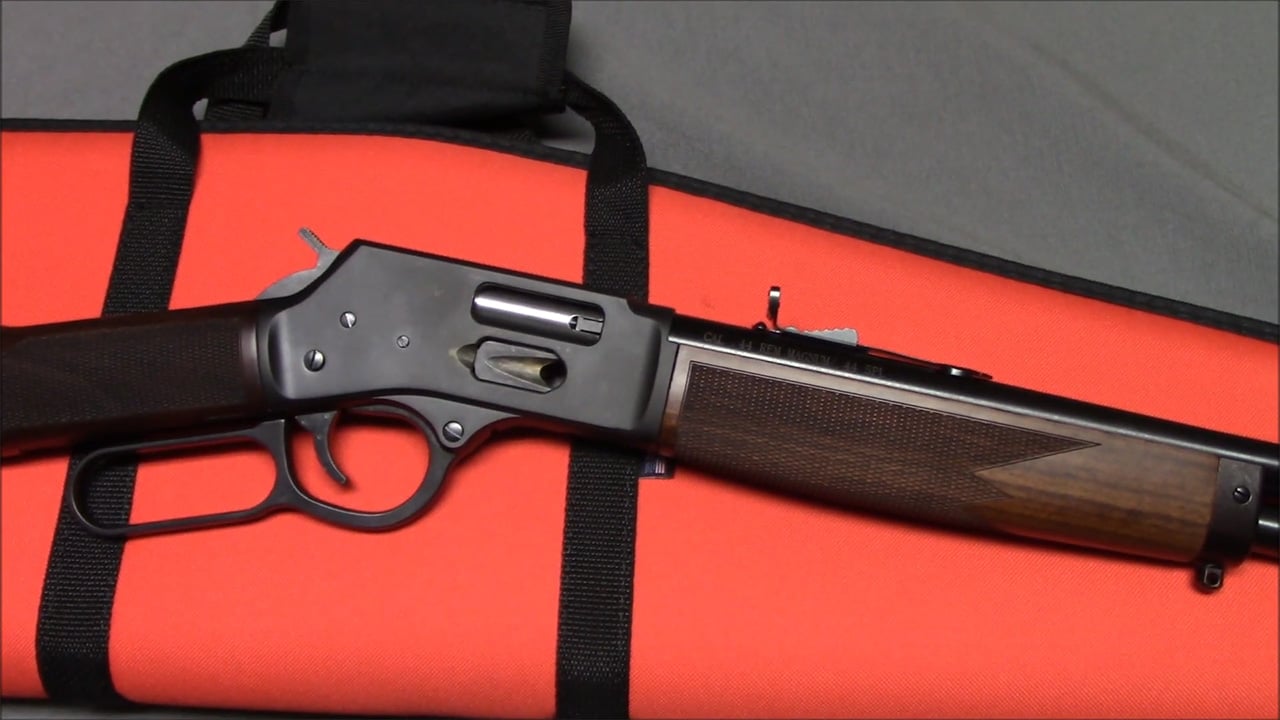
Henry gets labeled “nice but not necessary,” and that attitude keeps the used prices reasonable even when new ones are creeping up. A Big Boy Steel with a side gate is a practical find because it fixes the one complaint that kept some hunters away from Henry for years: loading only through the tube.
In the real world, the weight isn’t a deal breaker for everybody. In pistol calibers, especially .357, they are downright pleasant to shoot and easy to keep on target. The action tends to be smooth, the finish holds up, and parts/service aren’t a mystery. If you find one that hasn’t been “cowboy customized” into a science experiment, it’s a legitimate working lever that still feels like a rifle, not a prop.
4. Rossi Model 92
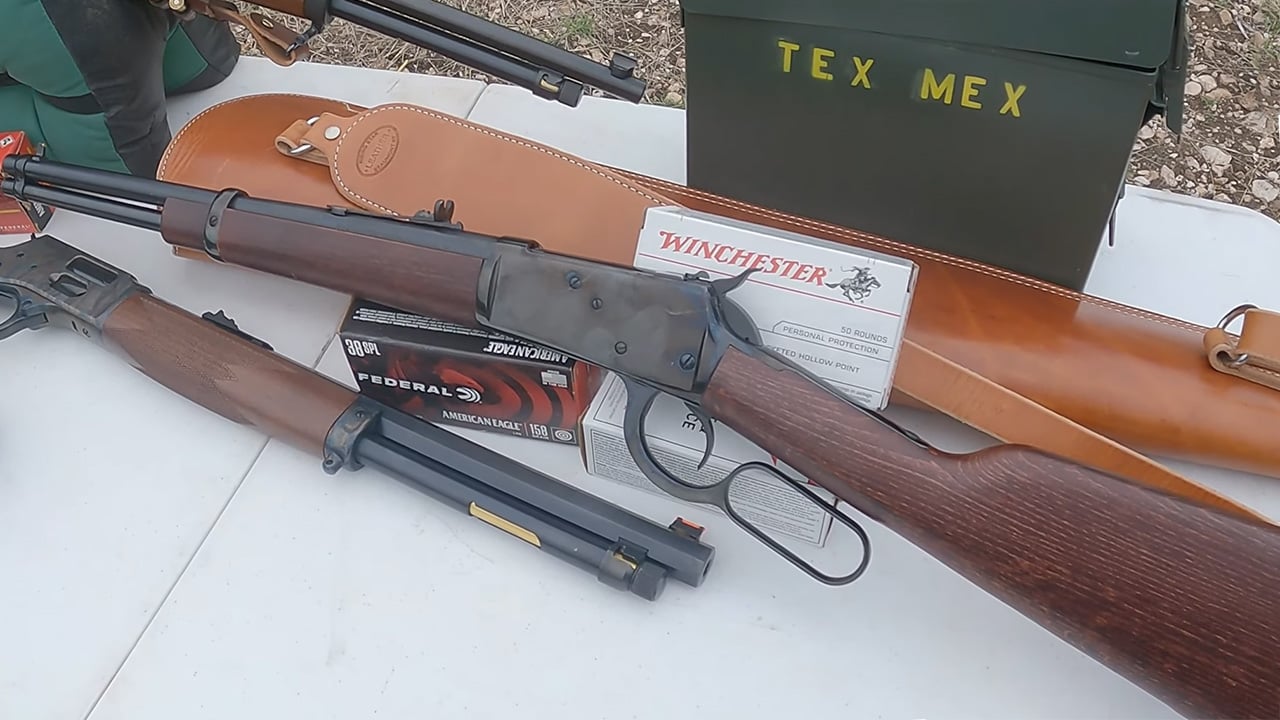
Rossi 92s get dismissed because they are affordable and because some of them leave the factory a little stiff. Pawn shops price them like beaters, and sometimes they are. But a decent 92 that’s been shot a bit and broken in can be a hard little carbine to beat for woods walking or as a ranch rifle that rides in a truck without hurting your feelings.
What the quiet buyers check is basic: timing feels right, the loading gate isn’t mangled, and the bore isn’t trashed by neglect. In .357, it’s a practical rifle that shares ammo with a revolver and still hits like a hammer at reasonable distances. It isn’t fancy. There is nothing wrong with that. If it cycles clean and locks up right, it’s a tool.
5. Browning BLR (steel receiver models)

The BLR confuses casual shoppers. It looks like a lever gun, but it isn’t a traditional tube-mag .30-30 platform. Because of that, it’ll sit on a rack with a price that feels “high for a lever gun” to the uninitiated, but it’s often cheap for what it actually is: a lever-action that runs spitzer bullets from a detachable box magazine.
BLRs in cartridges like .308 or .243 are real-deal hunting rifles for mixed terrain—timber edges, cutovers, powerlines. They shoulder like a sporting rifle but carry slimmer than a lot of bolt guns. The action has a different feel than a 94 or 336, and some folks don’t like that. Fine. If you do, and you find one that isn’t beat to death, it’s a serious rifle hiding in plain sight.
6. Savage Model 99

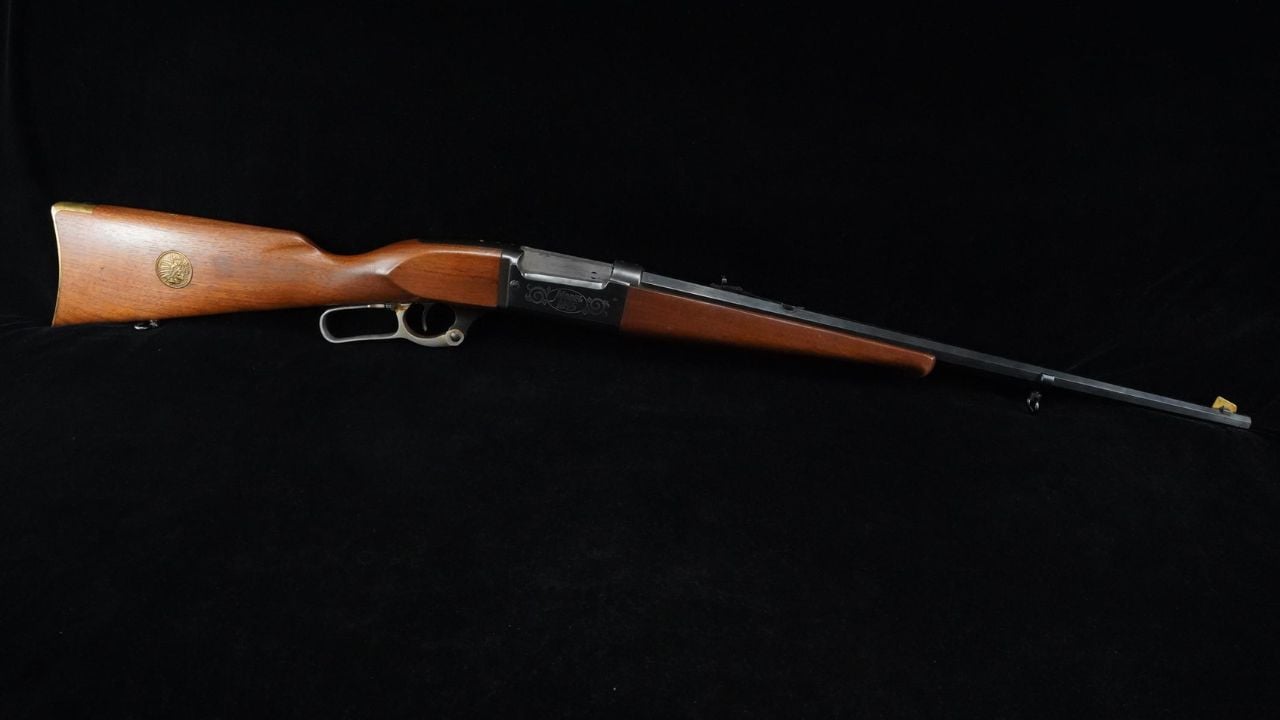
If you want to watch a knowledgeable buyer move fast, set a clean Savage 99 in .300 Savage or .250-3000 on a pawn rack with a “used deer rifle” tag. The 99 doesn’t look like the stereotypical cowboy lever gun, so it gets ignored. That’s the opening. Rotary magazine, solid lockup, and a design that was ahead of its time.
The catch is condition and parts. You don’t buy one with a broken safety or a butchered stock and assume it’ll be easy. But a good one balances beautifully and carries like it belongs in the woods. Accuracy can be surprisingly strong with the right loads, and it’s the kind of rifle that makes you wonder why we ever decided levers had to be “short range only.”
7. Winchester Model 88

The Model 88 is another lever gun that doesn’t get love from the “traditional only” crowd. It has a box magazine and more of a bolt-gun vibe, which makes it a weird duck in a pawn shop display. Weird ducks sometimes price soft, especially if the clerk is focused on what it isn’t instead of what it is.
In .308, the 88 is a legitimate hunting rifle that carries well and hits hard. The lever throw is different, and you need to make sure it locks up and feeds right, because you’re dealing with an older design that’s not as common as a 94. Still, when you find one that hasn’t been abused, it’s a slick, fast-handling rifle that can cover a lot of ground—literally and figuratively.
8. Marlin 1894 (JM-stamped, .357 Mag)
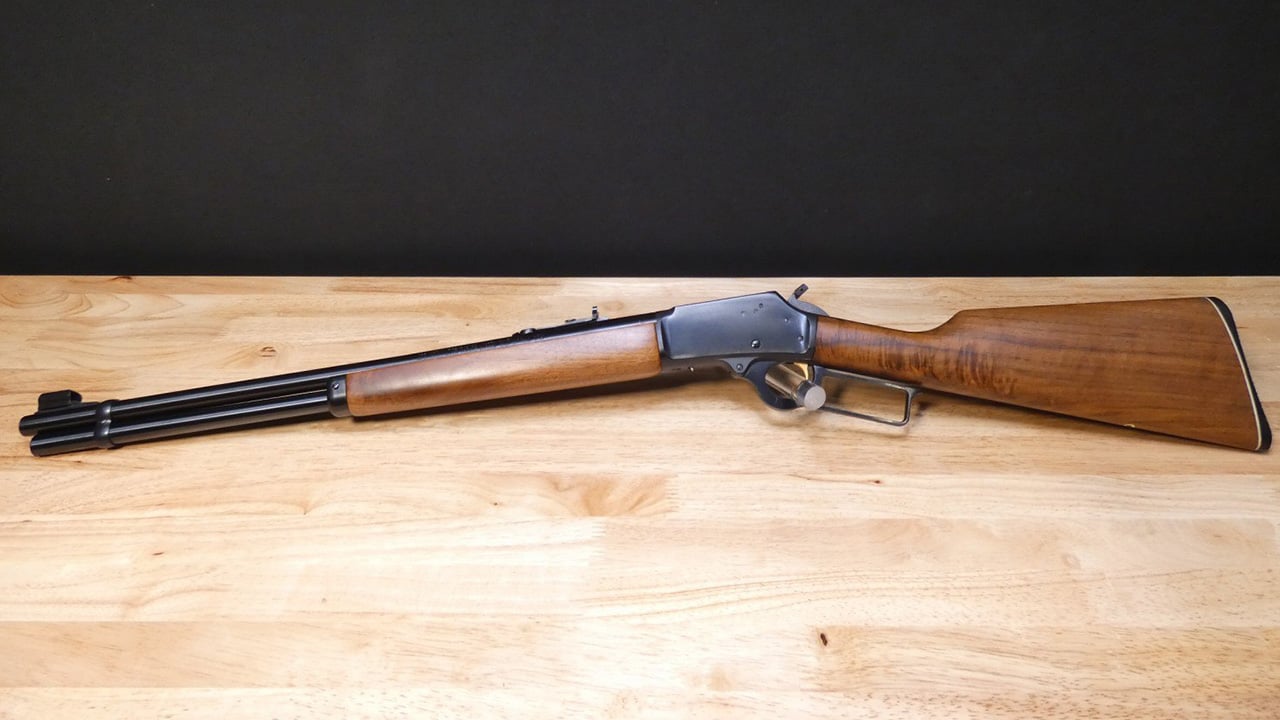
A JM 1894 in .357 is one of those guns that gets bought by people who actually shoot. It’s not just a “fun” rifle. It’s a low-recoil trainer, a small-game and predator tool with the right ammo, and a handy little deer rifle inside its limits. Pawn shops often see “pistol caliber” and assume it’s a toy, so the tag comes in lower than you’d expect.
What matters is feeding. Some 1894s can be picky with certain bullet profiles, and a beat-up carrier or rough loading gate will show up when you work the action slowly. If it cycles dummy rounds smoothly and the bore looks good, that rifle will get used a lot. And the worst part? Once you own a good one, you start wanting a second one for the truck or the cabin.
9. Winchester 1892 (Miroku-made)
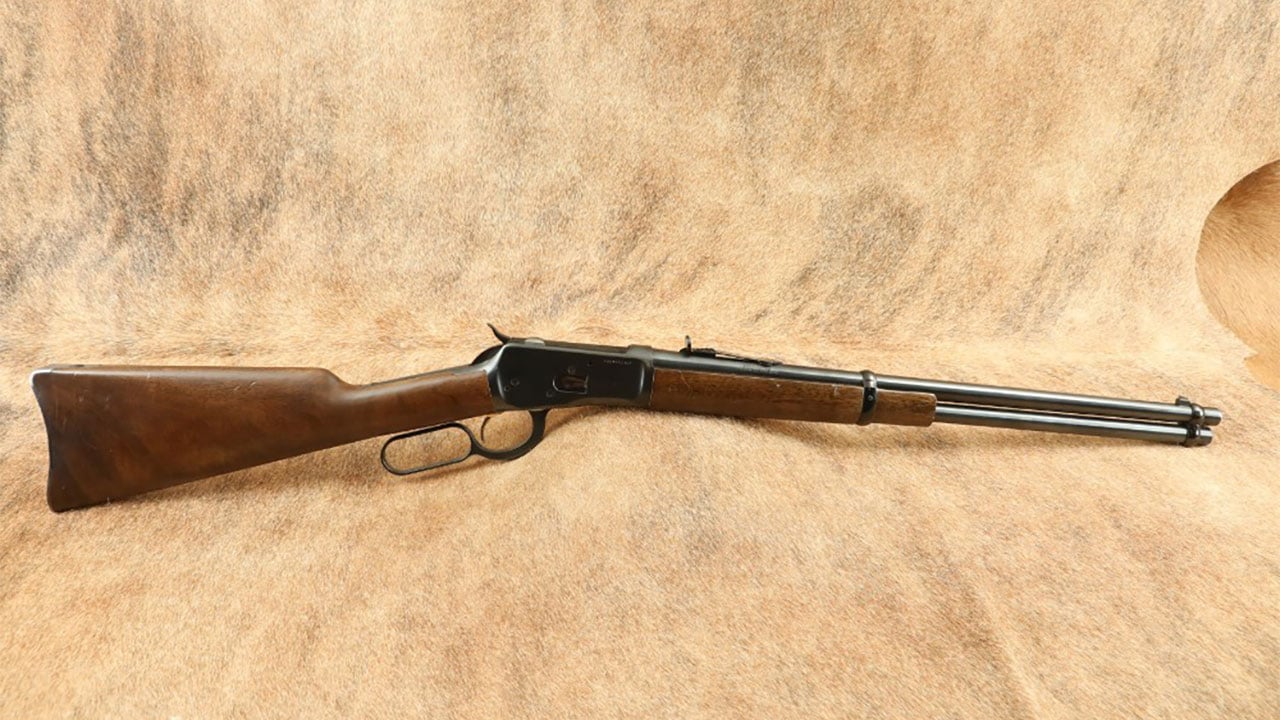
The modern Miroku-made 1892s can get treated like “overpriced new Winchesters” on the new rack, which oddly helps you on the used rack. When one lands in a pawn shop, it’s sometimes priced like any other pistol-caliber lever because the shop assumes “new manufacture equals less desirable.” Not always true.
Fit and finish are usually solid, and the actions can be impressively smooth. In .44 Mag or .357, they are compact, quick, and they carry like a carbine should. They’re not for folks who want a beater they can leave in a wet UTV. But if you want a lever gun that’s made clean and runs right, the used market can be the sweet spot. The serious buyers don’t argue about it. They just buy it.
10. Henry H009 (Side Gate .30-30)
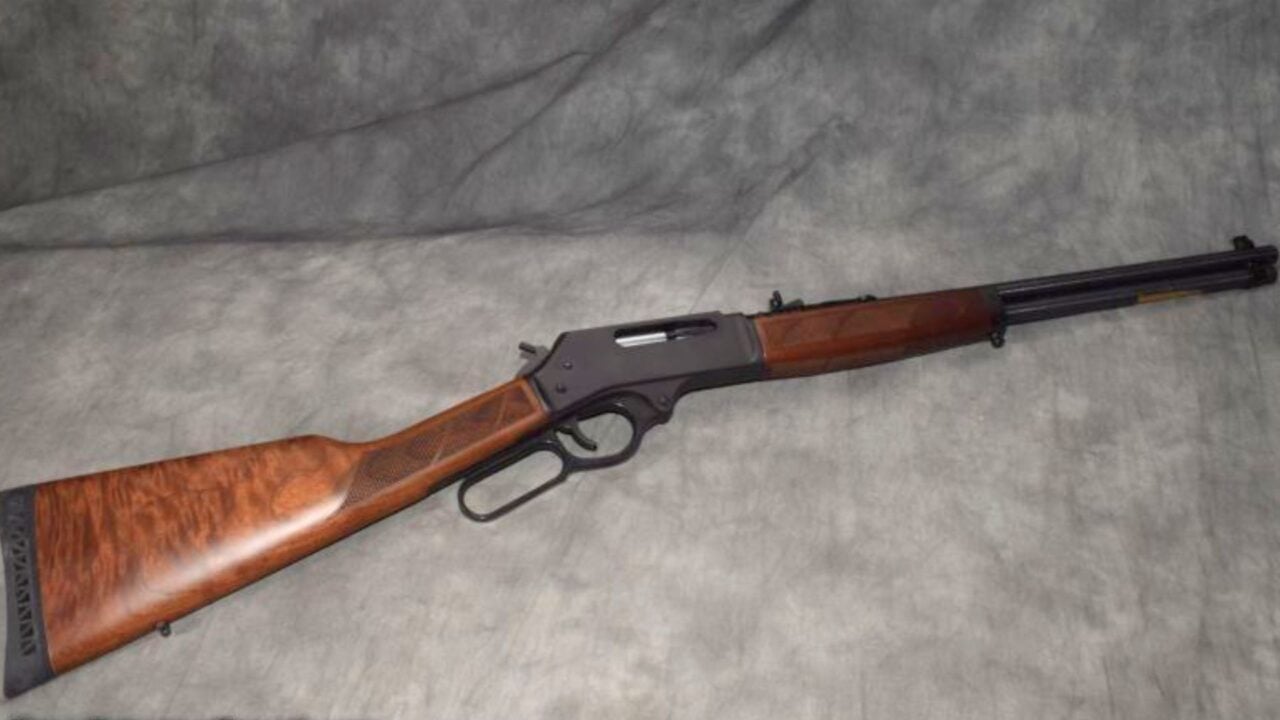
Henry’s .30-30 side gate models show up in pawn shops when someone bought it for a season, shot two boxes, and decided they were “a bolt gun person.” That’s how you find them with barely any wear. The shop still tags it like a normal used hunting rifle, not like a near-new gun with a warranty-backed reputation.
These rifles are straightforward, accurate enough for real woods hunting, and they tend to run without drama. The sights are usable, the triggers vary but are often decent, and the rifles balance well for still-hunting. They aren’t as trim as some older Winchesters, but they are solid. If you want a .30-30 you can actually find parts and service for, this is one of the easier modern answers.
Free for gun owners: If something happened to you tomorrow, would your family know where the guns are, who has the safe combination, or what to do first? Our free Gun Owner’s Family Checklist walks them through it. It takes about 15 minutes to fill out. Get your free copy here.
11. Marlin 1895 (Guide Gun, .45-70)
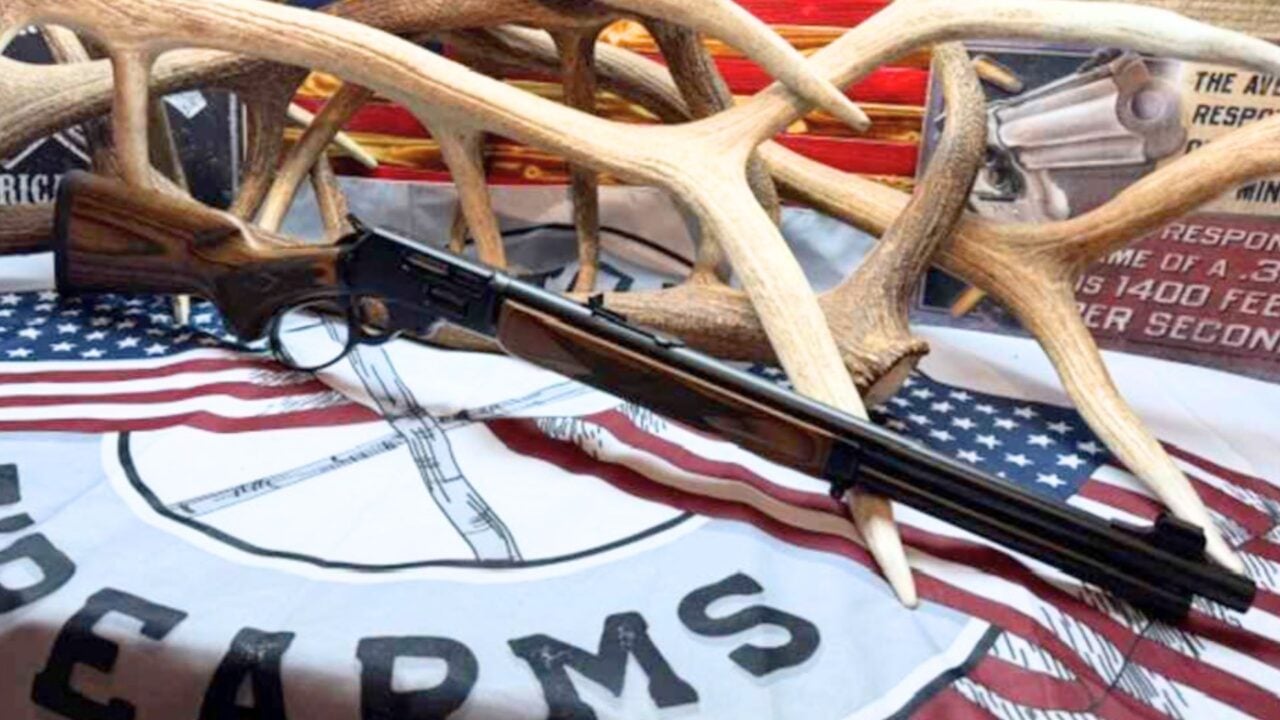
A Guide Gun with honest wear gets priced like a thumper that somebody got bored with. The reality is a good .45-70 lever is a specialized tool that’s still extremely relevant in bear country, hog woods, and thick cover where shots are close and angles are ugly. It’s also the kind of rifle that gets shot a little and carried a lot, so cosmetic wear is common.
Buyers who know will check for a clean crown, decent rifling, and no signs of “kitchen table” porting or questionable sight work. Recoil can be stout depending on loads, and that’s why some end up sold. Still, if you can handle it and you have a purpose for it, it’s hard to replace the confidence of a short, handy lever that hits with authority. That one hurts when you let it go.
12. Winchester Model 71
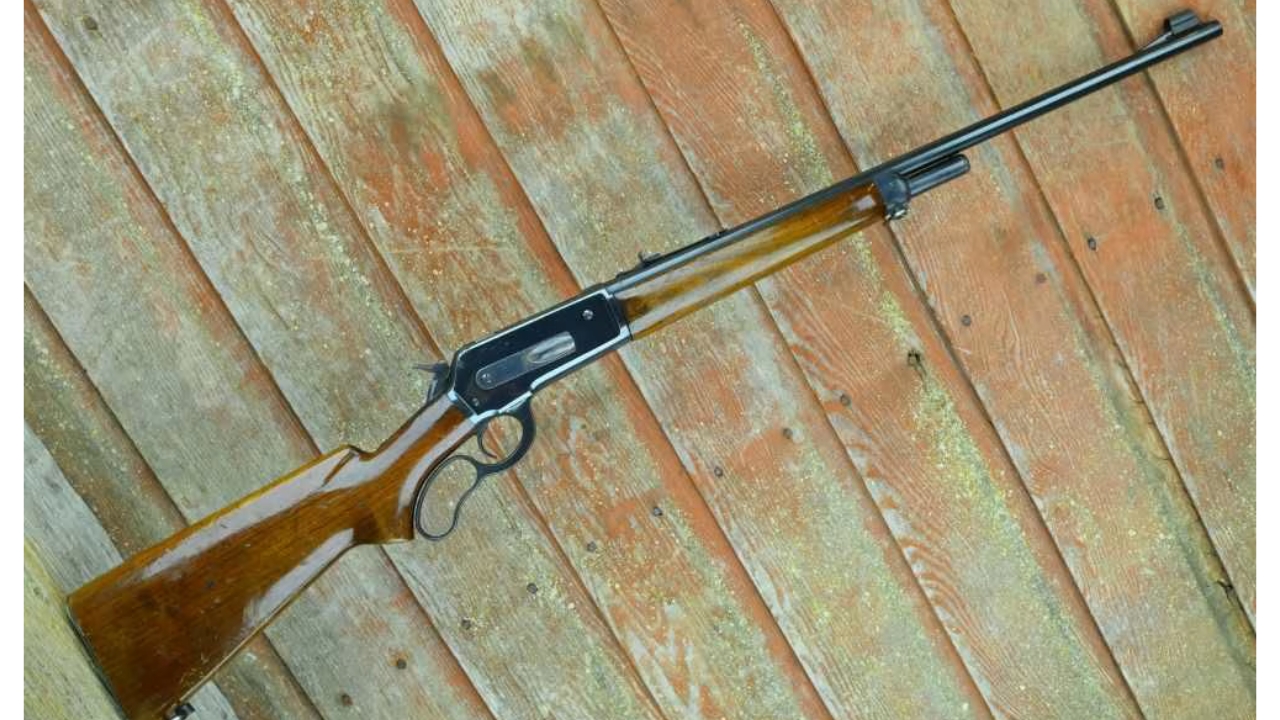
The Model 71 doesn’t show up often, but when it does, it can sit because the average shopper doesn’t know what they’re looking at. It’s not a common deer camp rifle like a 94. In many shops it gets tagged like “old lever, big caliber,” and that can be an opportunity if the price isn’t inflated by a quick internet search.
This is a serious rifle with real history behind it, and the fit and feel are on another level from a lot of mass-market lever guns. It’s also not a casual ammo situation. If you don’t want to hunt down loads or plan ahead, it may not be your deal. But for the hunter who appreciates a classic that still has teeth, the 71 is a quiet buyer’s gun. You don’t brag about it until it’s already in your truck.
13. Marlin 39A

Rimfire lever guns are where pawn shops often miss the plot. A 39A might get priced like a regular .22 because it’s “just a plinker.” The buyers who grew up shooting them know it’s more than that. They are accurate, they last, and they have a feel that’s hard to find in modern .22s built to a price point.
For small game, it’s about as perfect as it gets. The rifle carries easy, the sight picture is clean, and you can shoot it all afternoon without beating yourself up. Check that it cycles smoothly and the takedown system isn’t sloppy from being over-tightened or neglected. A good 39A is the kind of gun you hand to a kid and then realize you want it back. Ask me how I know.
14. Winchester 9422

The 9422 is another .22 lever that gets “working gun” pricing when the shop is focused on utility instead of demand. It looks simple, but the quality is there, and they don’t make them anymore. When one’s sitting under the glass next to a stack of budget semiauto .22s, it’s easy for the wrong crowd to walk right past it.
These rifles tend to run, and they run clean. They point naturally, they’re easy to carry on a trapline or a squirrel loop, and the triggers are often better than you’d expect from a rimfire lever. The downside is you’ll start caring about dings and scratches after you realize what you’ve got, which is a funny problem to have. If it’s mechanically sound, it’s a buy-now rifle for the right person.
15. Mossberg 464

The Mossberg 464 doesn’t get much respect in lever-gun conversations, and I get why. It’s not a classic, and it doesn’t have the same feel as a good older Winchester or Marlin. But as a working .30-30 that can live behind a truck seat or in a cabin corner, it’s more capable than the internet gives it credit for. Pawn shops price them accordingly, which is to your advantage.
What you’re looking for is function. Make sure the action cycles without hanging up, the sights aren’t loose, and the screws aren’t all chewed up from bad tools. If it passes those tests, it’ll hunt. It’s a plain rifle for plain work, and plenty of deer have hit the ground because of rifles just like it. Not everything has to be a collectible to be useful.
16. H&R/NEF Handi-Rifle (Pardner/Accessory barrel setups in .357 or .44)

Okay, it’s not a lever, but it gets lumped into the same “woods gun” rack in a lot of pawn shops, and lever buyers look at it too. The reason I’m putting it here is simple: these single-shots often get priced like throwaways, yet they can be extremely practical for the hunter who wants simple and safe in a truck or on a farm. I’ve watched more than one serious buyer pick one up as a companion to a lever gun.
They’re light, handy, and they teach good habits. The downside is they’re not fast for follow-ups, and barrel fitting/availability can be a headache depending on the era. But if the lockup is tight and the bore is clean, they are honest working rifles. If you want a loaner gun that’s not a liability, this is a route that makes sense.
17. Uberti 1873 (carbine models)
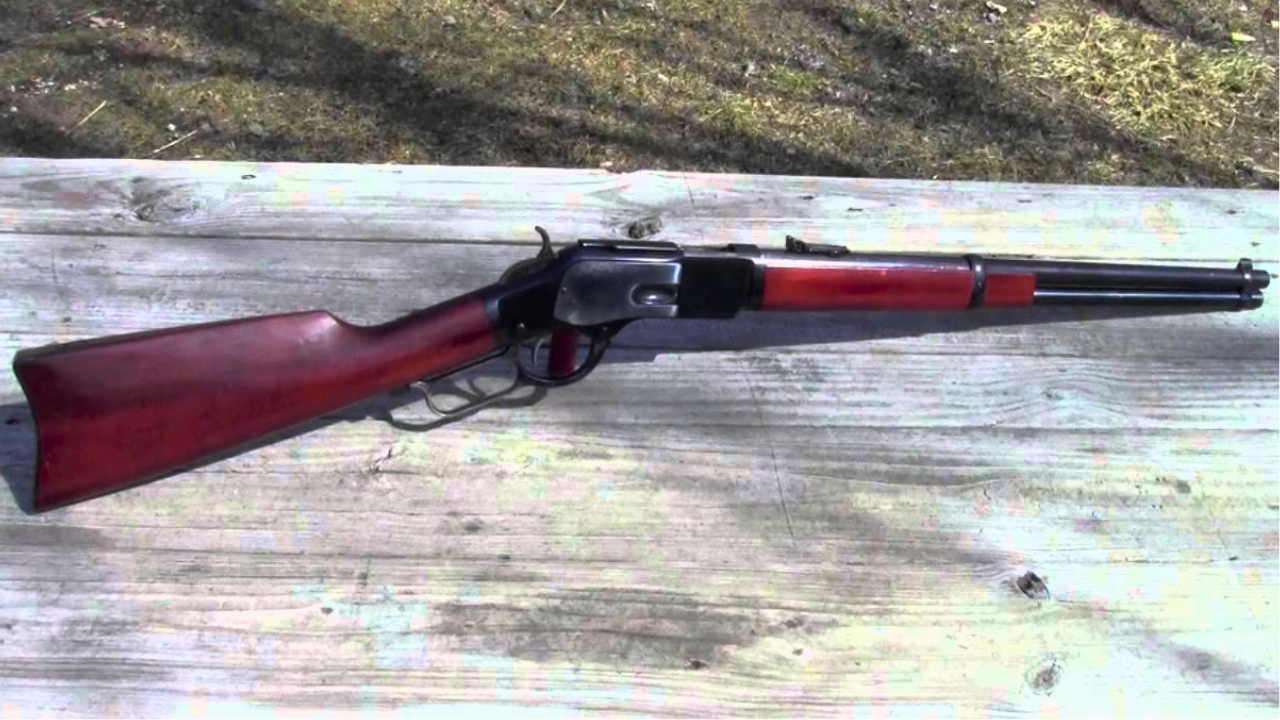
Uberti 1873s get sold when someone tries cowboy action, spends a pile of money, and then loses interest. Pawn shops often see an Italian-made lever and price it like a used novelty. Meanwhile, anyone who’s run a good 1873 knows how smooth they can be, especially once broken in. They’re also incredibly shootable in pistol calibers.
This is not the lever you buy for rain-soaked deer drives and rough truck duty. It’s more of a range, competition, and fair-weather woods gun. But it’s also a rifle that makes you want to practice, and that counts. Check the action for timing, make sure screws aren’t buggered, and pay attention to overall care. A clean Uberti can be a lifetime rifle if you treat it like one.
18. Chiappa 1892 (take-down models)

Take-down levers are one of those things that sound gimmicky until you travel with one or try to pack a rifle into a small space without advertising what you’re doing. Chiappa’s 1892 takedown guns don’t always get premium pricing used because the shop worries about “missing parts” or assumes it’s complicated. That fear keeps them on the shelf longer than they should be.
When you’re looking at one, you’re checking for tight fit when assembled and consistent lockup. If it feels loose or odd, walk away. But a good one is handy for camps, cabins, and folks who like a compact setup without going to something modern and plastic. It’s also a lever that starts conversations, which can be good or bad depending on where you are. I like a rifle that earns its space with function first.
19. Winchester 1895 (reproduction or original, depending on condition)
The 1895 is not common, and it isn’t everybody’s idea of a practical hunting lever. That’s why it sometimes gets “priced like a regular used rifle” when it hits a pawn rack, especially if the shop doesn’t want it sitting for six months. The box-mag lever look throws people off, and the calibers can be a mixed bag.
This is one you buy with your eyes open. Check feeding, check the bore, and don’t assume ammo is easy. But if you want something different that still has real hunting capability, an 1895 can scratch that itch without turning into a safe ornament. It’s also a rifle that tends to be owned by folks who know guns, so condition can be surprisingly good even when it’s older. When they’re right, they’re cool in a way new guns can’t fake.
20. Ruger-made Marlin 1894 (new production)
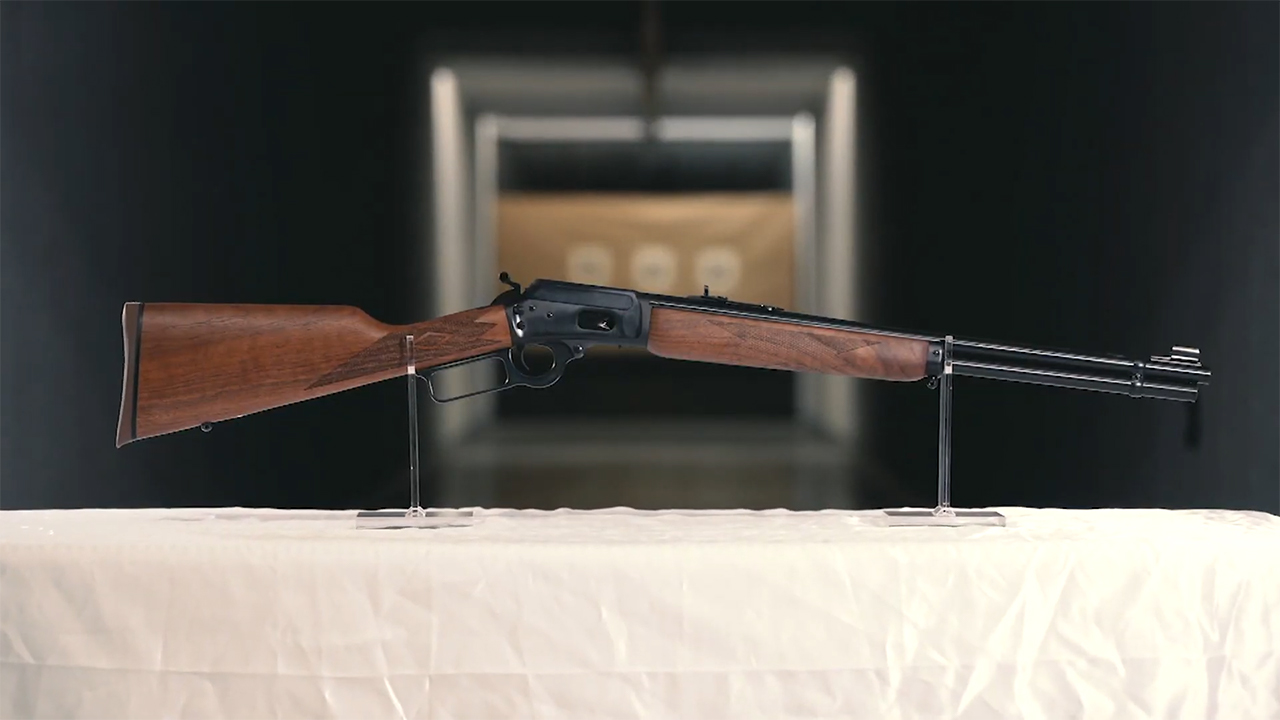
The new Ruger-made Marlin 1894s are starting to show up used for the simplest reason: impulse buys. Somebody finally finds one, pays up, shoots it a few times, then decides they’d rather fund a scope, a bow, or a different project. Pawn shops will tag it like any other recent-production lever and hope it moves, which can put you in a good spot.
These tend to be well-made, with better consistency than some late-era production from years back. They’re not cheap new, so a lightly used one at “working gun” money is a legitimate win. Still, check the basics: sights straight, crown clean, action smooth, and no signs someone tried to polish parts they didn’t understand. In .357 or .44, it’s one of those rifles that actually gets used, not just admired.
Lever-actions are having a moment, and the new-gun market knows it. Pawn racks are where you can still find rifles priced for what they do, not what the internet says they’re worth. The trick is staying calm, checking condition like you’ve been burned before, and buying the ones that feel right in the hands. The best deals usually leave the shop without a speech. Just a quiet click of a case latch and a guy heading out the door.
Like The Avid Outdoorsman’s content? Subscribe to our newsletter so you never miss an article.
Here’s more from us: