Photo credit: Pearce Brothers Gear Guide/Youtube
Every rifle has a price until it doesn’t. I’m not talking about collector fever or auction drama. I mean the rifles that have done real work, kept showing up when weather turned bad, and quietly became part of how you hunt, how you shoot, and what you trust.
These are the ones that get an “offer” at deer camp or a message from an old buddy who heard you’ve got one. Sometimes the offer is strong. Sometimes it’s just cash-in-hand and pressure in the moment. Either way, there are certain rifles I’d think long and hard about before I let them leave the safe. Here are 20 that tend to be worth more than whatever anyone’s offering, for reasons that go way past dollars.
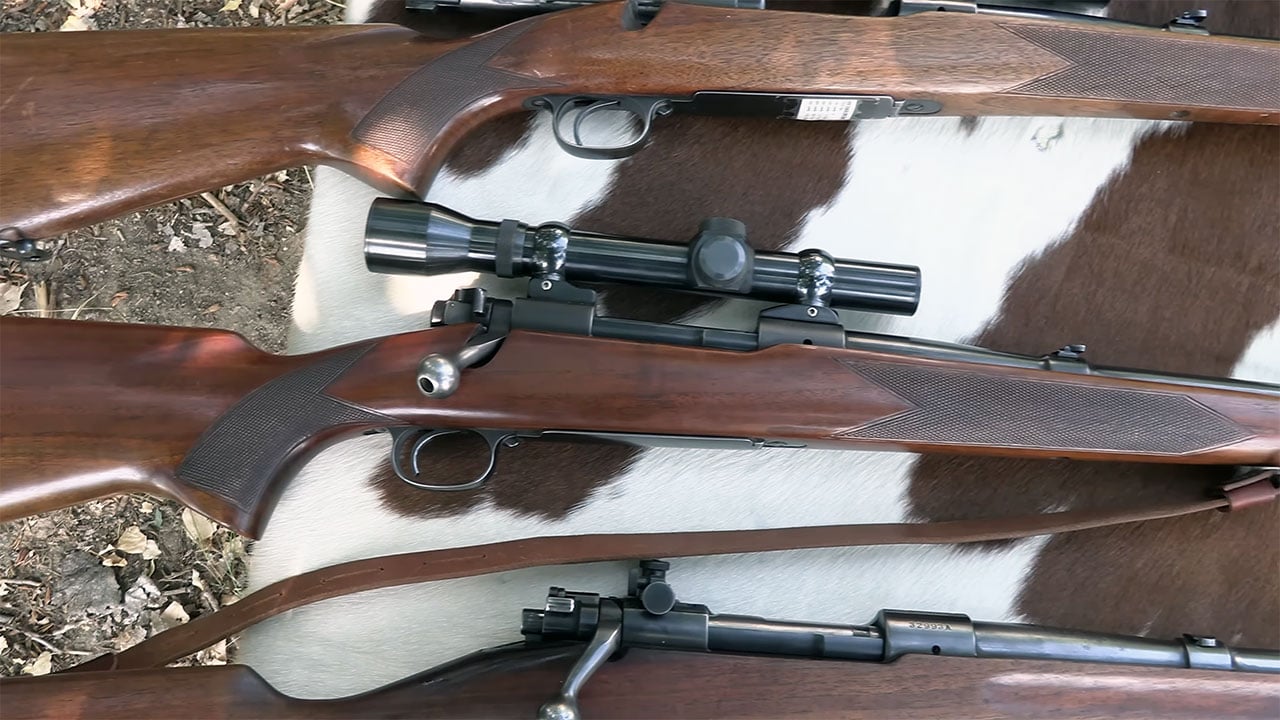
1. Winchester Model 70 (Pre-64)

There’s a reason old-timers still say “rifleman’s rifle” with a straight face. A pre-64 Model 70 has that controlled-round feed feel that’s hard to appreciate until you’ve cycled one fast with cold fingers. The bolt lift is smooth without being loose, and the whole action has a confidence to it. They carry like a real hunting rifle, not a bench toy.
Could you replace it with something new that shoots tighter groups on paper? Sure. But the pre-64 is the kind of rifle that keeps its manners for generations, and it tends to hold its value even when the market is weird. If it’s already “your” rifle, the one you’ve blooded and learned, selling it for a number is how you end up spending years trying to buy your way back into the same feeling.
2. Remington Model 700 BDL (older production)
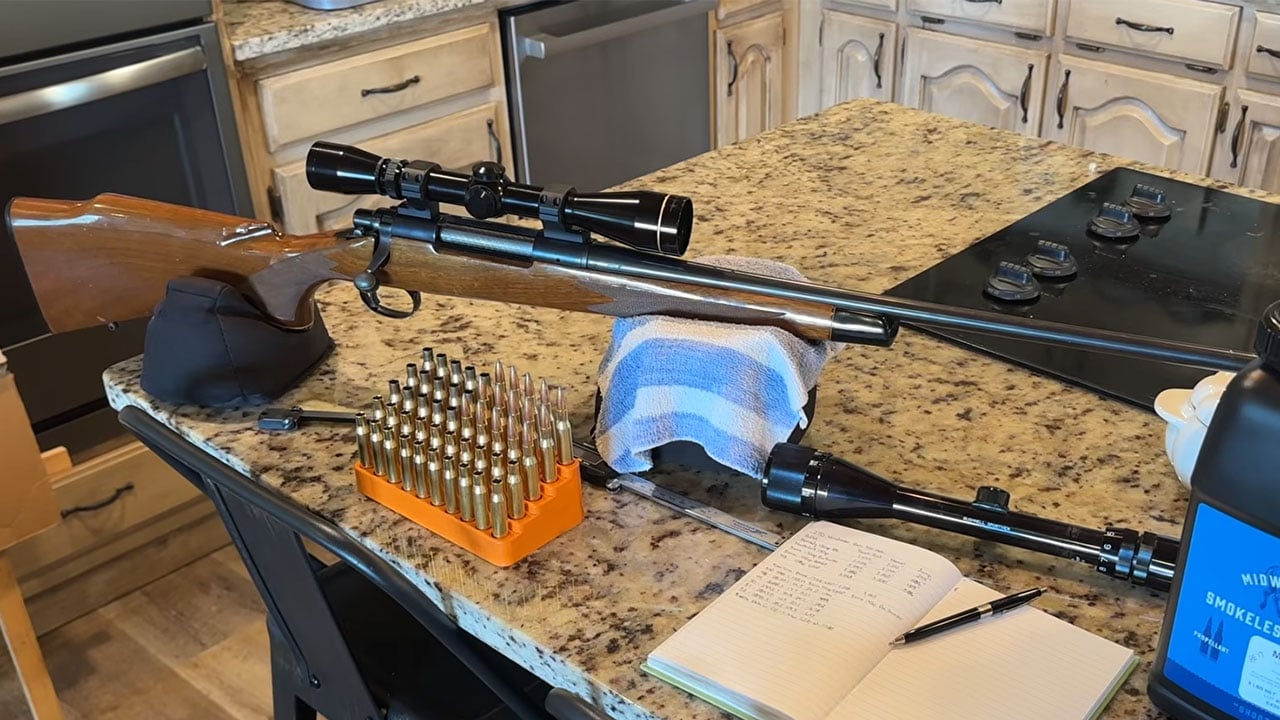
The older 700 BDLs show up in a lot of family photos for a reason. The balance is right, the walnut and bluing combo just works, and the aftermarket is basically a small country. Even if you never change a thing, it’s easy to keep running and easy to find a good smith who knows the platform.
I get why somebody would be tempted—there are always new rifles with gimmicks, new cartridges, new everything. Still, a clean older BDL that shoots well is a steady tool. If it already fits your shoulder and you know where it hits at 200 without thinking, that’s worth more than a stack of bills from someone who just “always wanted one.”
3. Ruger M77 Mark II (controlled-round feed)
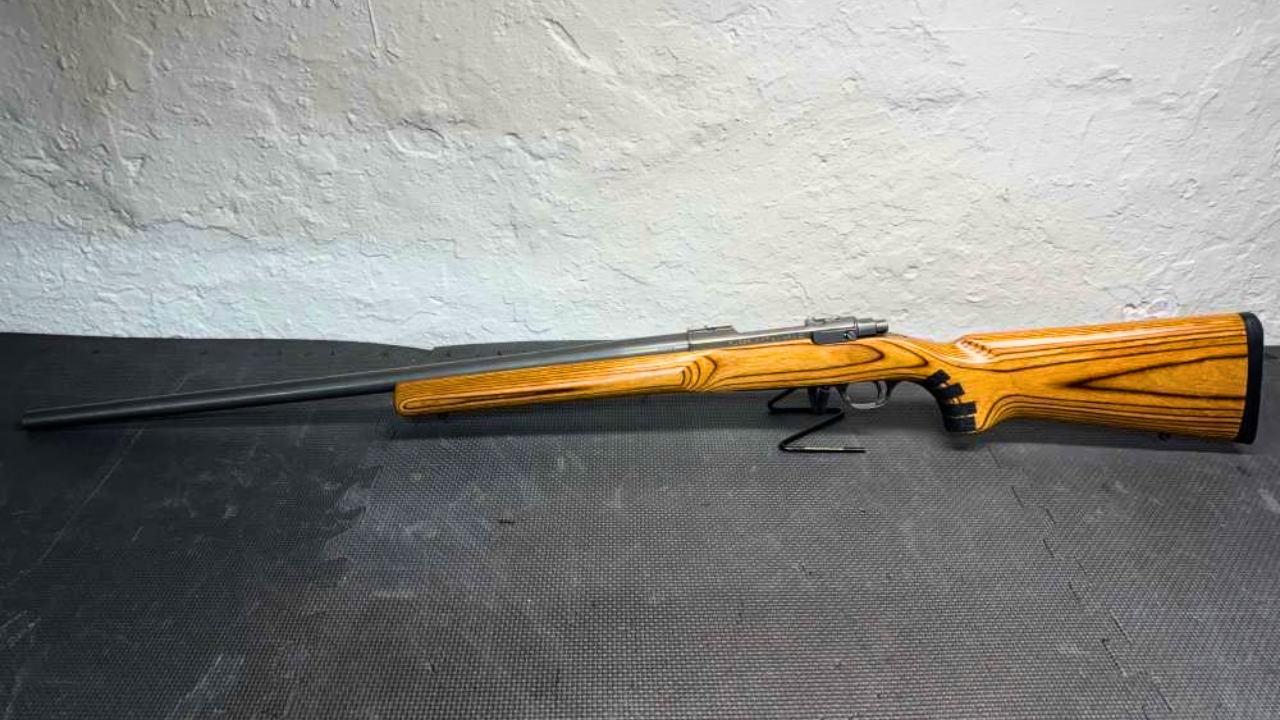
Ruger didn’t make the M77 Mark II for internet arguments. They made it for folks who hunt hard and don’t want surprises. The controlled-round feed and sturdy extractor are comforting when you’re working a bolt with gloves on and your heart rate up. They’re not always the lightest, and the trigger feel varies, but the bones are solid.
What makes these tough to sell is how boring they are in the best way. They don’t need special magazines. They don’t feel fragile. If you’re the guy who actually hunts in sleet and not just talks about it, the Mark II tends to become your “grab it and go” rifle. That role is hard to put a price on.
4. CZ 527 (especially in .223 or 7.62×39)
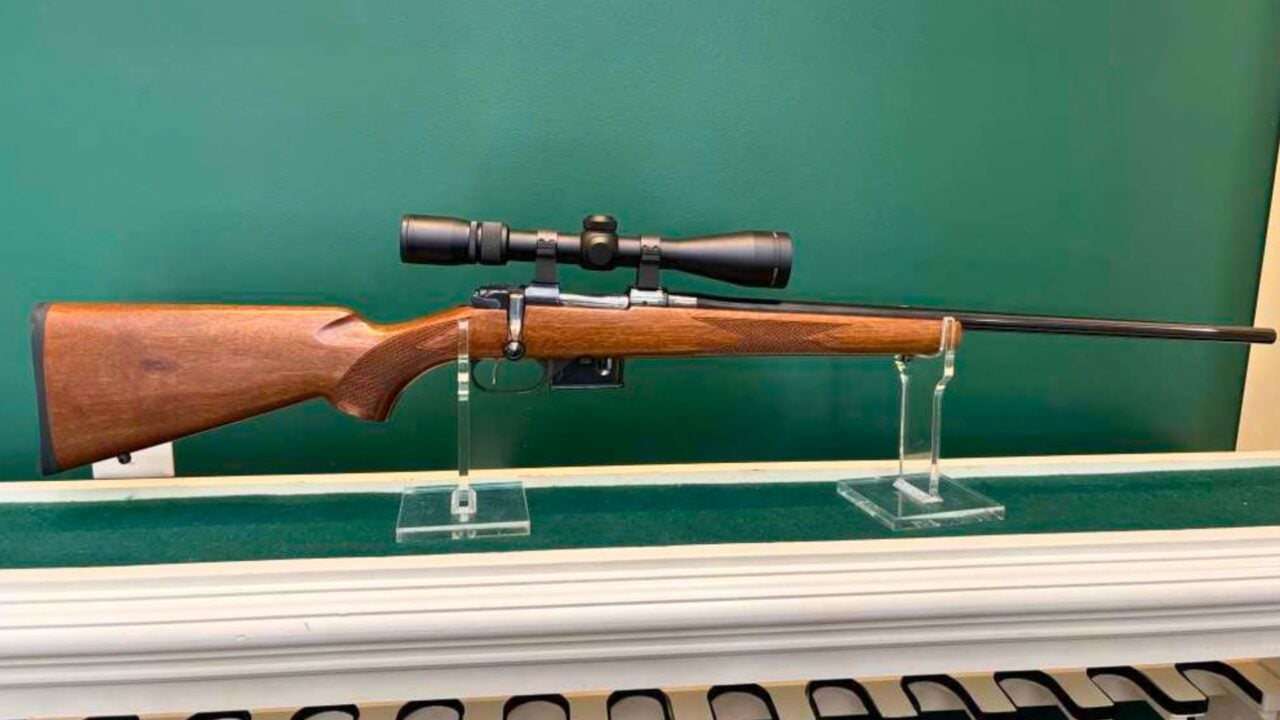
The CZ 527 is one of those rifles that makes you wonder why more companies don’t build small actions with that much personality. The little controlled-feed bolt and mini-Mauser vibe are just plain fun, and the set trigger (when present) can be surprisingly useful for careful shots on varmints.
Now that they’re discontinued, the regret factor is real. Magazines aren’t impossible, but they’re not as common as AR mags you trip over at any store. If you’ve got a 527 that feeds your chosen load and prints tidy groups, you’ve got a light, handy field rifle that does not have a true modern equivalent at the same price point. Letting it go usually turns into a long hunt for another.
5. Marlin 336 (JM-stamped)
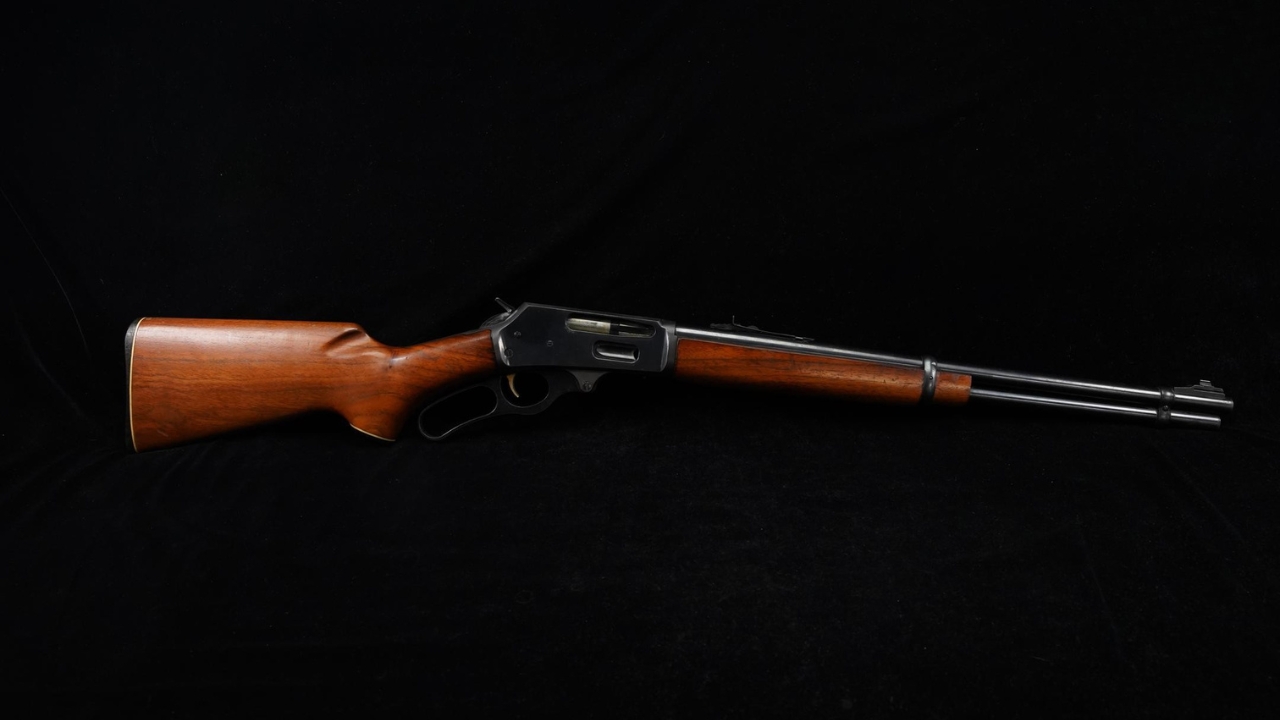
There’s nothing fancy about a good lever gun, and that’s kind of the point. A JM-stamped Marlin 336 shoulders fast, carries flat, and works in thick timber where a scope-heavy bolt gun feels like you’re hauling a fence post. The side ejection and solid top make it easy to mount an optic if your eyes demand it.
These rifles also tend to be “memory machines.” They’re the ones that rode behind truck seats, leaned in cabin corners, and got loaned to a nephew for his first buck. Even if the blueing is thin and the stock has honest dings, a smooth 336 that cycles right is hard to replace. New production has improved, but the older ones still get chased for a reason.
6. Winchester Model 94 (pre-safety)
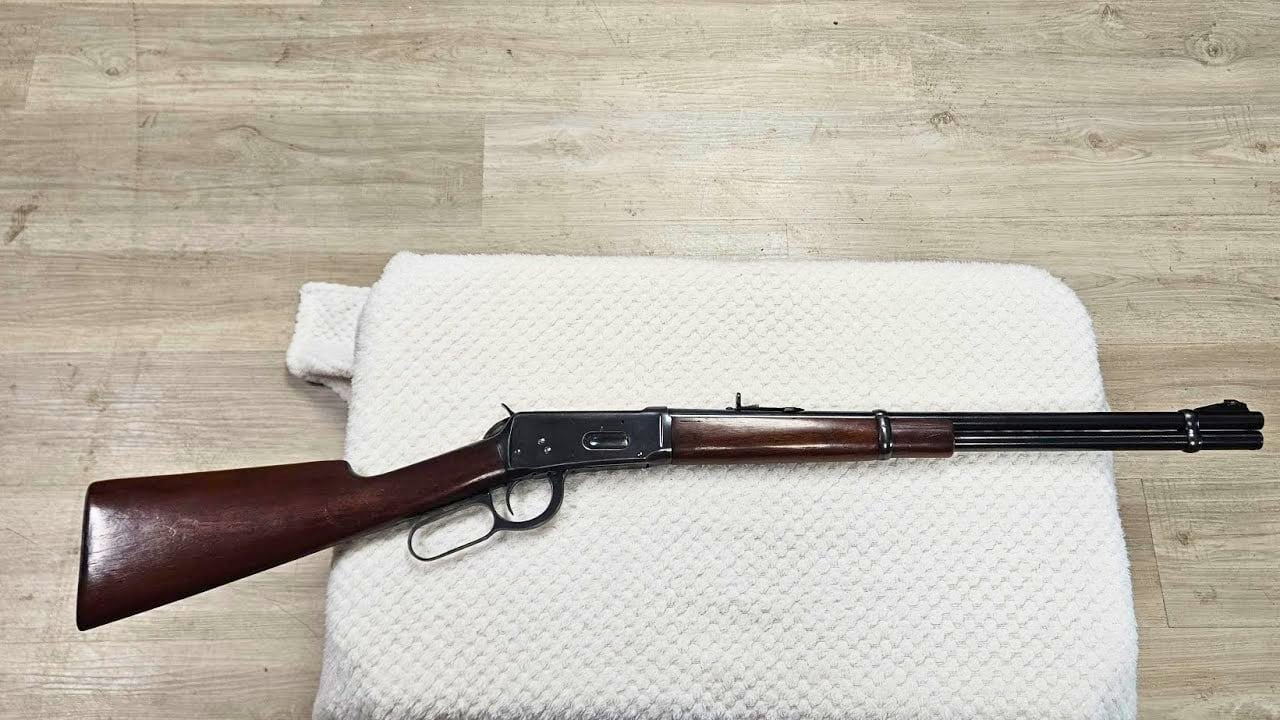
A Model 94 in .30-30 is as close to an American utility rifle as it gets. Pre-safety guns have that simple, clean setup that a lot of us prefer, and when they’re broken in, the lever throw feels like it’s running on rails. They’re not benchrest rifles, but that’s not what they were built for.
What makes them “no sale” rifles is how useful they are for real hunting distances and real terrain. They also tend to hold a certain family gravity—half the time you don’t remember who bought it first, you just know it’s always been there. If yours points naturally and you can hit what you need to hit inside 150, you’ve got a rifle that earns its keep every season.
7. Browning BLR (steel receiver era)

The BLR is one of the few lever guns that lets you run modern cartridges and still keep that quick-handling feel. The box magazine is practical, and the action is stronger than most folks expect. It’s also a lever gun that can actually take advantage of a decent scope without feeling like a compromise.
They aren’t cheap, and that’s part of why they’re hard to replace once you sell one. A good BLR tends to be a “do it all” woods-to-field rifle, especially in cartridges like .308 or .30-06. If you’ve got one that shoots well and the trigger is decent, you’re holding a rifle that can cover a lot of hunting ground without asking permission from trends.
8. Savage Model 99

The Savage 99 has a look that doesn’t match modern tastes, and that’s exactly why it ends up undervalued by folks who don’t know what they’re looking at. The rotary magazine and sleek carry profile make it a natural in the woods. It balances differently than most lever guns, in a way that feels almost “rifle-like” rather than “carbine-like.”
Try finding one in good shape that hasn’t been drilled poorly, abused, or priced like a museum piece. That’s the problem. If you already have a solid 99, it’s a keeper because it’s both useful and becoming scarcer in honest condition. It’s not just nostalgia—these rifles hunt, and they do it with a certain class.
9. Springfield Armory M1A (standard, not a race build)
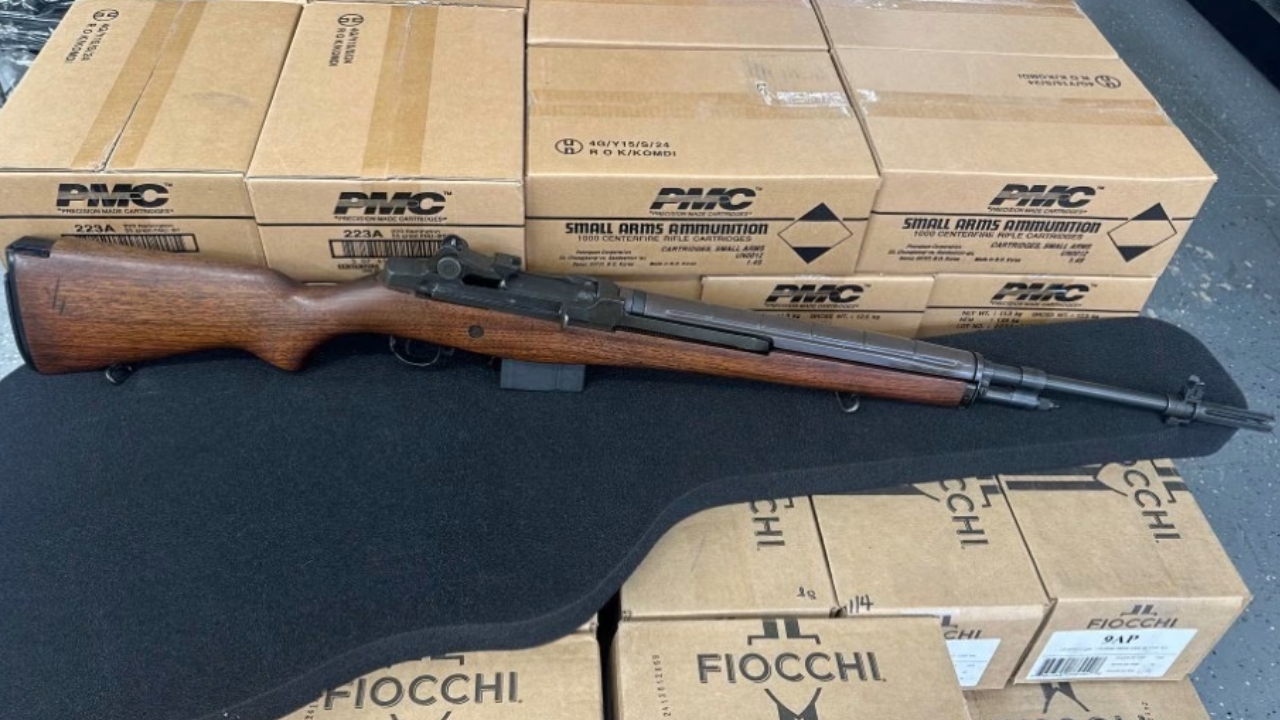
A plain M1A is not the lightest, not the cheapest, and not the easiest to keep scoped the way an AR-10 is. But it has something those rifles don’t: a feel that’s more “rifle” than “project.” The iron sights are excellent, the recoil impulse is comfortable, and it runs with a kind of mechanical rhythm you either love or you don’t.
The reason it’s hard to put a selling price on is that once it’s set up how you like it, you tend to stop shopping. Magazines are common, parts support is decent, and it scratches that classic semi-auto itch without being a fragile safe queen. If you’ve got one that’s proven reliable with your ammo and your mags, it becomes a long-term companion, not a flip.
10. Colt AR-15 SP1
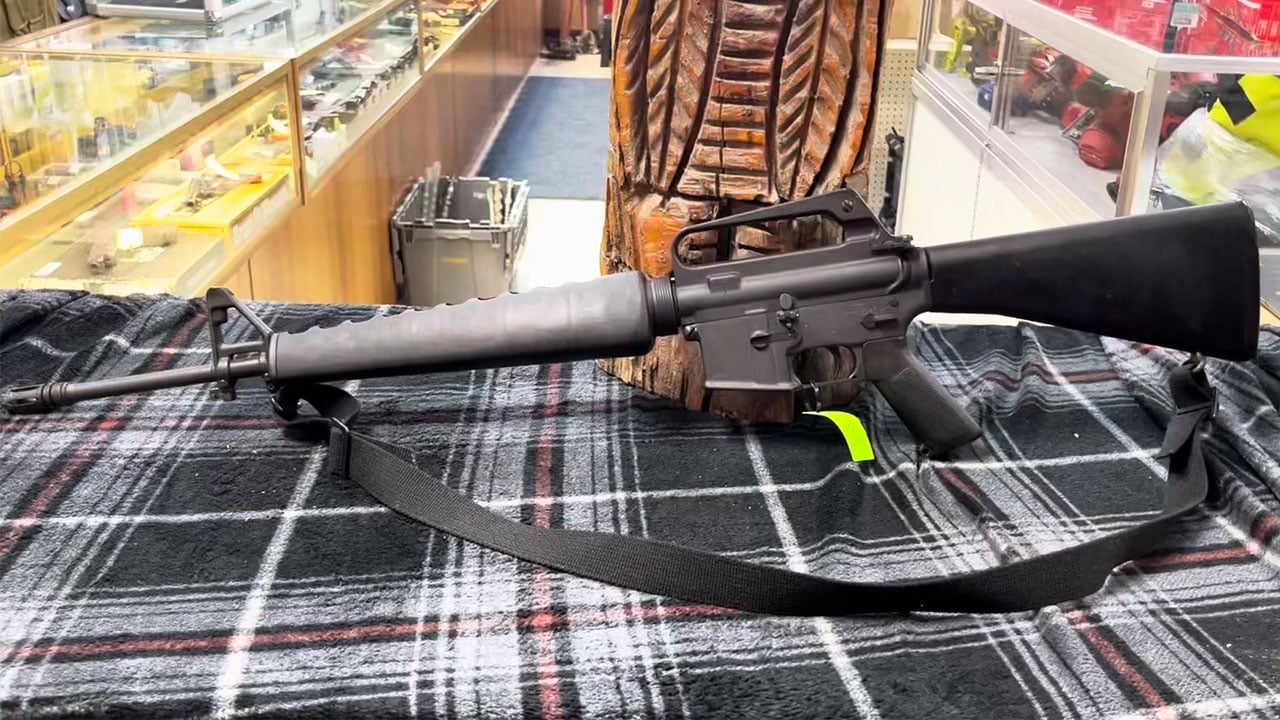
The SP1 isn’t the best AR by modern standards, but it’s one of the most “real” ones historically. Lightweight, simple, and tied to a whole era of American rifle development, it’s a rifle that collectors notice even if they’re not loud about it. The slick-side look and old-school vibes are part of the draw.
Where guys get burned is treating it like just another AR in the rack. It isn’t. If you want a modern shooter, buy a modern shooter and keep the SP1 as what it is. Once you sell a clean one, you’re shopping in a market that only seems to climb, and you’ll find yourself wishing you’d just ignored the offer and kept the history.
Free for gun owners: If something happened to you tomorrow, would your family know where the guns are, who has the safe combination, or what to do first? Our free Gun Owner’s Family Checklist walks them through it. It takes about 15 minutes to fill out. Get your free copy here.
11. Ruger Mini-14 (early “Ranch Rifle” versions)
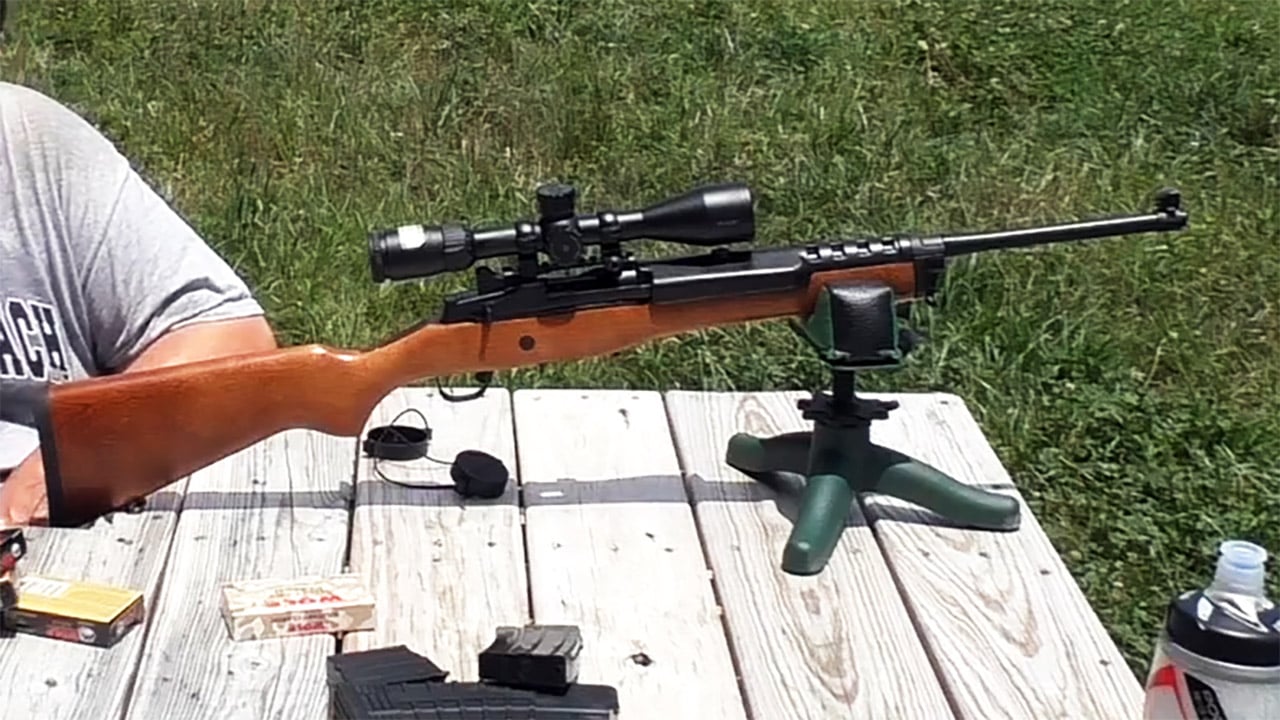
The Mini-14 gets dunked on online, mostly by people who judge everything by group size at 100 yards from a bench. In the real world, the Mini carries easy, points fast, and runs with basic maintenance. It’s a ranch rifle in the literal sense—behind the seat, around the property, and ready when a coyote or a problem shows up.
Older Minis can be hit-or-miss on accuracy, and I’m not pretending otherwise. Still, a Mini that feeds your magazines well and hits “minute of critter” reliably is more valuable than people admit. They’re also just pleasant rifles to handle. If yours has proven itself, don’t trade it away for something that looks better on a spec sheet but lives in the safe.
12. Ruger 10/22 (older walnut-stock carbines)
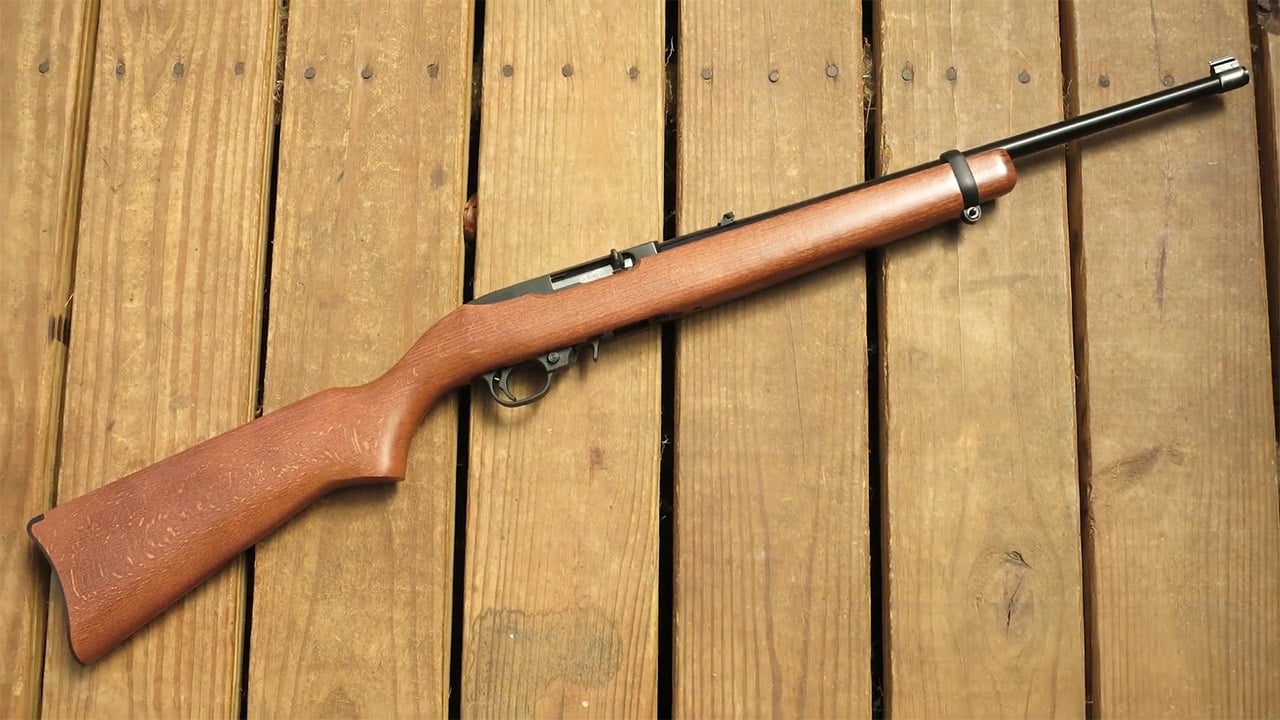
Everybody has an opinion on the 10/22 because everybody’s owned one, shot one, or borrowed one. The older walnut-stock carbines have a feel that the newer plastic setups don’t quite match. They balance right, they’re not picky, and they make new shooters look better than they are.
This is one of those rifles that does a hundred jobs. It’s small-game hunting, farm pest control, range fun, teaching kids, and cheap practice when centerfire ammo is painful. You can trick one out until it’s barely a 10/22 anymore, but a basic older carbine that runs is still gold. Selling it is like selling a good pocketknife. You might not miss it today, but you will.
13. Marlin Model 39A
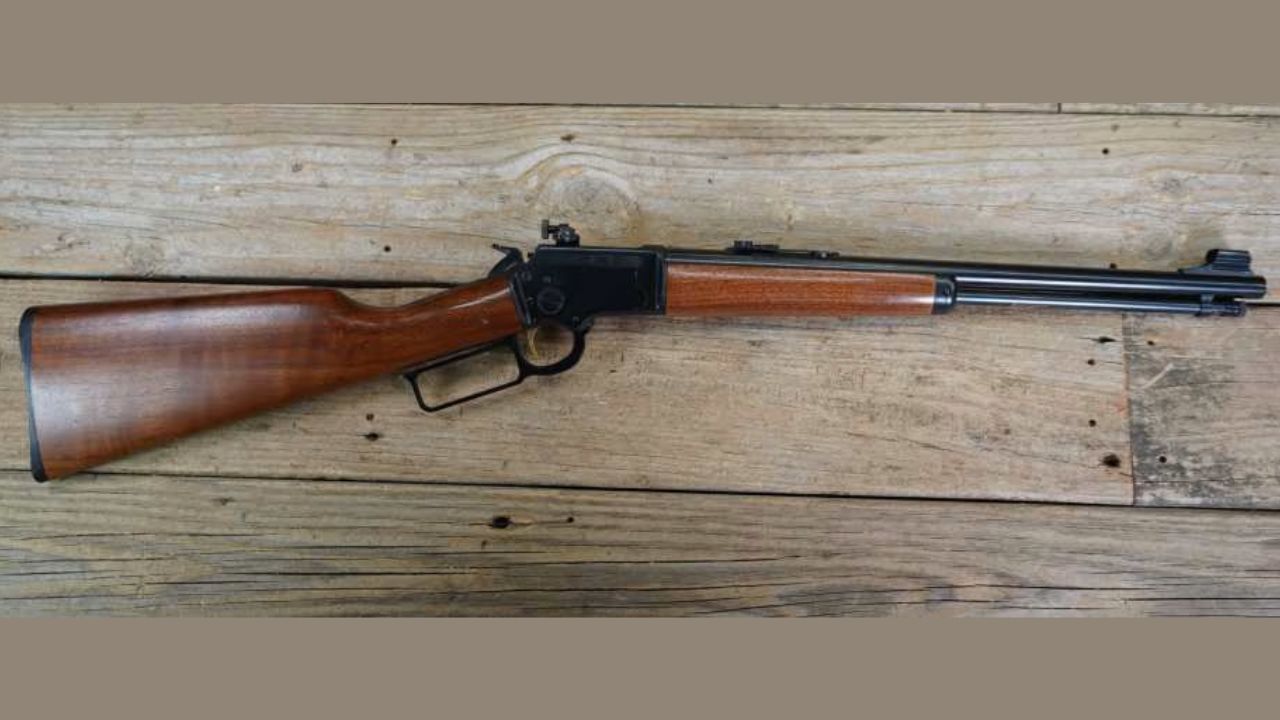
The 39A is what you buy when you’re tired of .22s that feel like toys. It’s heavier, yes, but that weight makes it steady, and the quality in the older guns is obvious the first time you cycle it. They have a smoothness that feels earned, not engineered. The takedown feature is handy without being gimmicky.
These rifles have gotten expensive, and that’s exactly why an offer can be tempting. But the 39A is one of the few rimfires that truly feels heirloom-grade while still being a working gun. If you have one that shoots your chosen load well and hasn’t been “improved” by somebody with a file, it’s the kind of rifle you keep and pass down. That’s not sentimental talk—it’s practical.
14. Tikka T3x Lite (in a practical hunting chambering)

Tikkas don’t get you extra points for personality, and I’m fine with that. What they do give you is a bolt that runs like it’s on bearings, consistent accuracy with factory ammo, and a rifle that carries easy up and down ridges. If you’ve ever taken a shot offhand in a stiff wind, you know how much “easy to handle” matters.
It’s also one of those rifles that makes you honest. If you miss with a T3x, it’s probably not the rifle. That reliability and predictability is the whole reason they’re hard to sell. A lot of hunters spend years and piles of money trying to land on a setup this simple. If yours is already sighted, already trusted, and already proven in the field, the offer needs to be very strong to beat that.
15. Sako 85 (or older Sako Forester)

Sako rifles have a certain “finished” feel—like someone cared about the little details that don’t show up on a sales tag. The bolt lift, the feeding, the stock fit, all of it tends to be just right. They’re not always the rifles you beat around in brush, but they’re the rifles you appreciate every time you run the action.
That’s why selling one can sting later. You can buy plenty of rifles that shoot. Fewer rifles feel like they’ll still be tight and smooth after decades of hard seasons. If you’ve got a Sako that fits you and you actually hunt with it, it’s more than a “nice gun.” It’s a rare mix of refinement and real-world usefulness, and the replacement cost usually surprises people.
16. Weatherby Mark V (classic sporter)

The Mark V isn’t for everyone. It can feel flashy, and the cartridges often associated with it aren’t exactly mild. But the action is strong, the build quality on the good ones is solid, and they tend to feed and extract like they mean it. For western hunts and longer shots where wind and distance are real, a dialed-in Mark V can be a confidence booster.
The temptation is to sell it when you’re in a “simplify the safe” mood, especially if it’s in a magnum you don’t shoot often. Still, a Mark V that’s already paired with the right scope and a load it likes is not easy to replace. If you ever plan on another elk trip, another mule deer hunt, or just want a rifle that’s built with some margin, that Weatherby starts looking smarter every year.
17. Henry Repeating Arms Long Ranger

The Long Ranger is one of those rifles that wins you over slowly. It’s a lever gun that’s actually happy with a scope, it uses a box magazine, and it shoots more like a modern rifle than folks expect when they hear “Henry.” It carries quick and handles well in the kind of mixed cover where shots can be 40 yards or 240 yards depending on the step you take.
It’s also a rifle you don’t see on every rack at deer camp, which makes it easy for someone to talk you into selling. Don’t be quick about it. If you’ve found a lever gun that will reliably stack hunting bullets where you aim and still give you that fast follow-up shot option, you’ve got something that’s genuinely useful. The Long Ranger fills a niche without being a gimmick.
18. Mossberg MVP Patrol
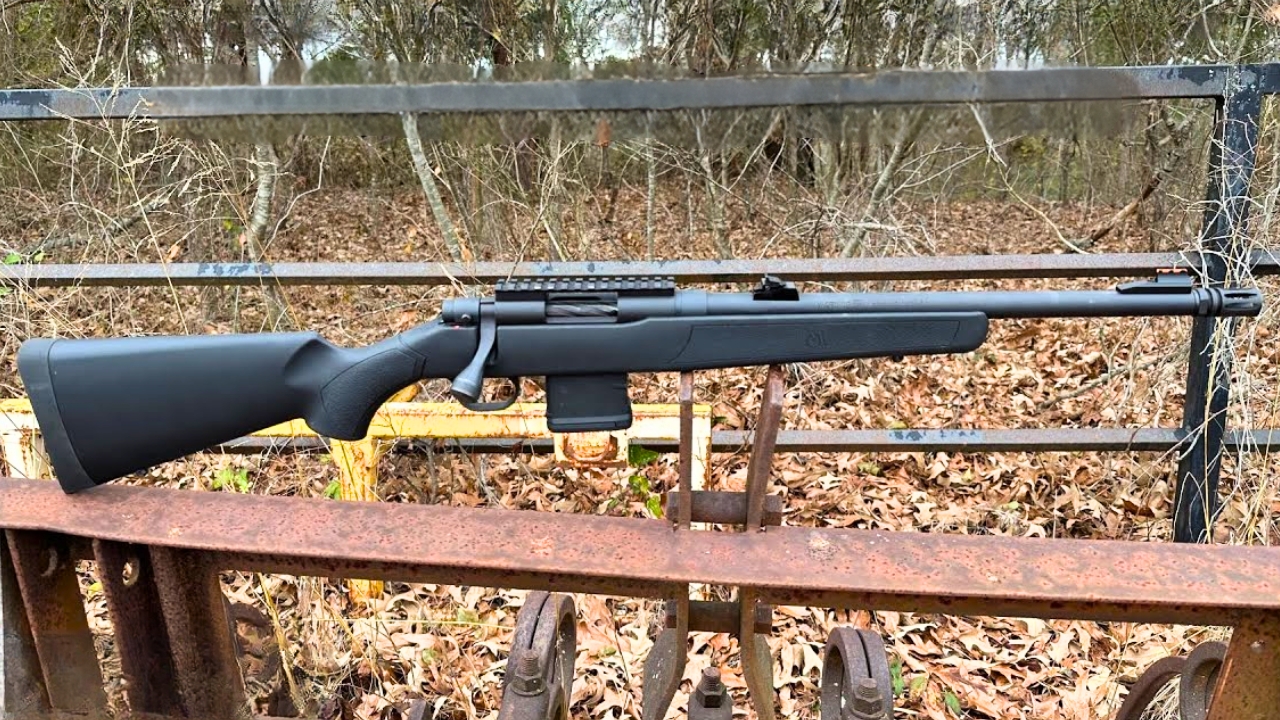
The MVP Patrol is not a fancy bolt gun, and it doesn’t pretend to be. What it does have going for it is magazine compatibility (depending on version) and a handy overall package that makes sense for property use, truck carry (secured, of course), and practical range time. It’s one of those rifles that feels like a tool first, and I respect that.
Where it earns “keep it” status is in the boring, real stuff: quick loading, easy logistics, and a setup that you’ll actually grab when you hear coyotes close to the barn. It’s not a precision rifle, and the trigger and finish won’t wow you. But if yours runs, groups acceptably, and you’ve already sorted out what mags it likes, it becomes a reliable problem-solver. Offers come and go. A sorted-out utility rifle is harder to come by than it should be.
19. Ruger Gunsite Scout Rifle
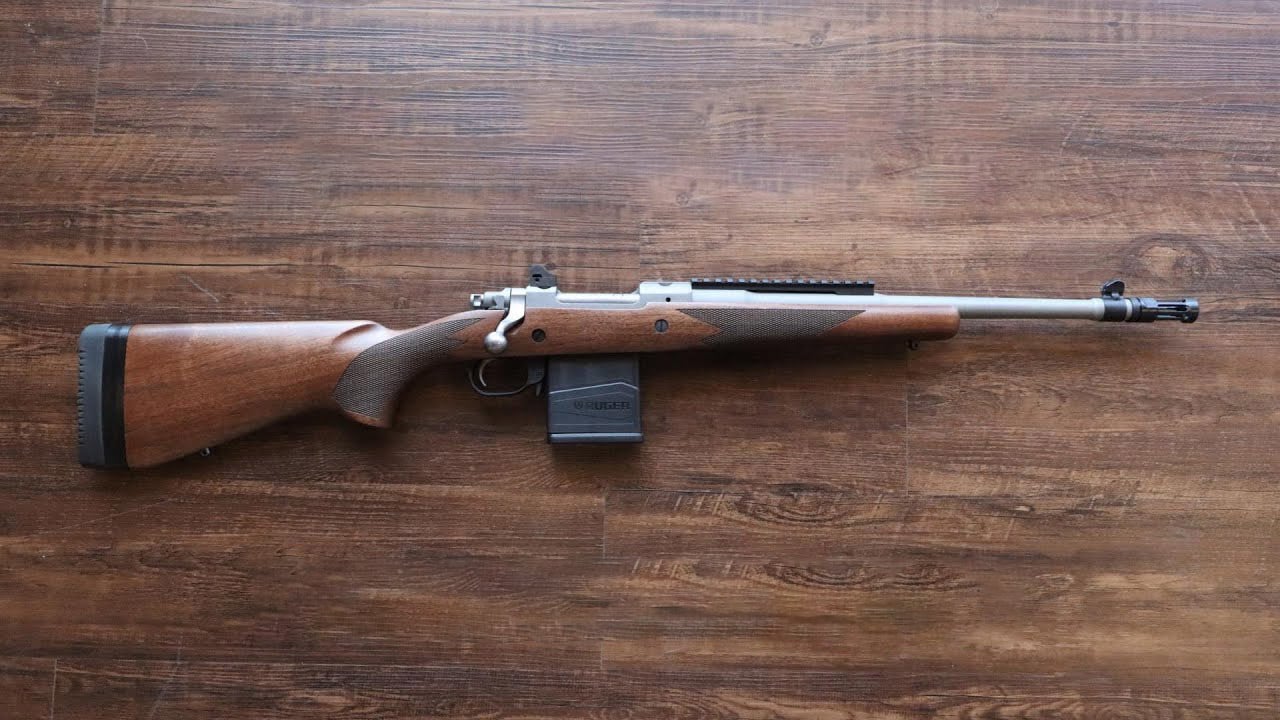
The Gunsite Scout can look like a concept rifle until you spend a day carrying one. Short, handy, and balanced, it’s built around the idea that a rifle should be useful first. The iron sights are there if an optic goes down, and the overall setup encourages practical shooting instead of benchrest dreaming.
It’s not perfect. The forward optic setup isn’t everyone’s favorite, and the detachable magazine adds cost and complexity compared to a simple floorplate rifle. Still, for a do-it-all .308 that’s comfortable to pack and quick on target, it’s hard to beat. If you’ve trained with it and you know what it does from awkward field positions, it becomes “your” rifle in a hurry. That’s why it tends to outvalue any casual offer.
20. Swiss K31 (Schmidt-Rubin)
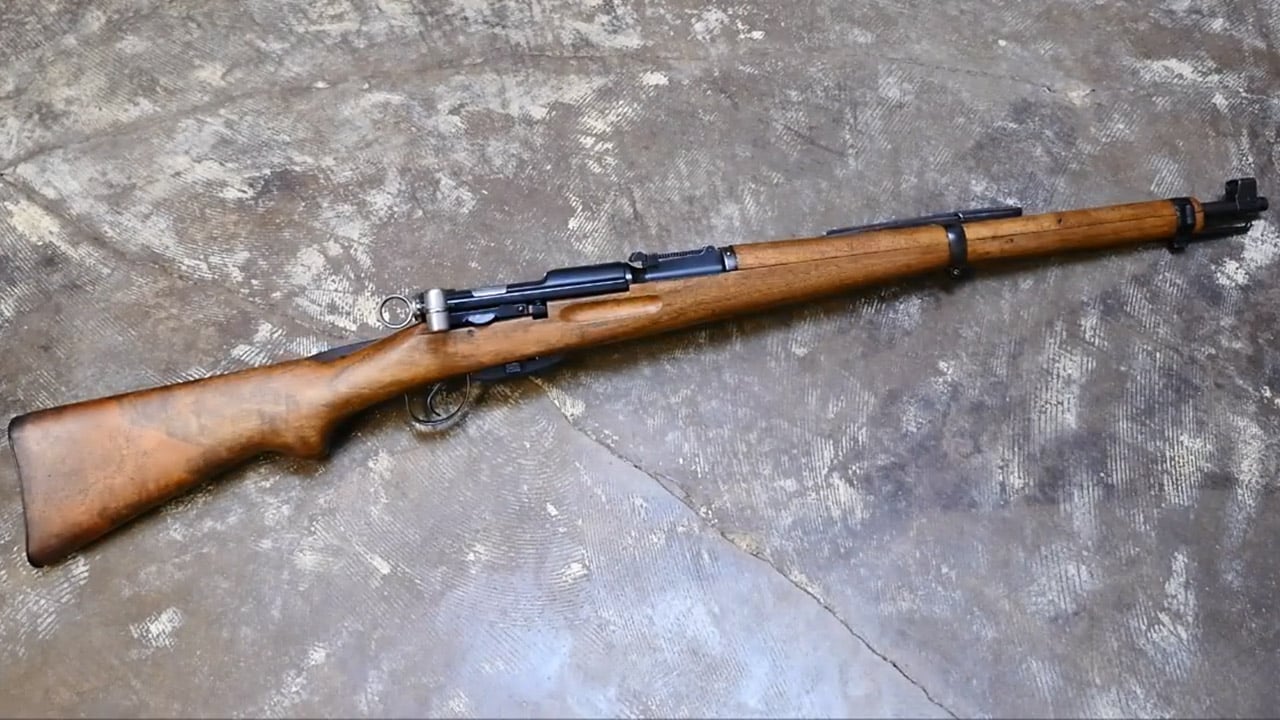
The K31 is the rifle that surprises people who think old military surplus always means rough and sloppy. Many of them have excellent bores, tight actions, and accuracy that makes you stop and check your target twice. The straight-pull bolt is different, but once you get used to it, it’s fast and satisfying without feeling flimsy.
Ammo availability can be the one downside, along with the fact that not every gun shop has parts sitting around. But that scarcity is also part of why you don’t sell a good one lightly. A clean K31 with matching parts and a strong shooter’s bore is a special thing—historic, shootable, and genuinely well-made. If yours is one of the good ones, you’re holding a rifle that’s already proven it can outshoot a lot of modern “budget” guns with nothing more than good fundamentals.
None of this means you can’t ever sell a rifle. Sometimes bills show up, sometimes life changes, sometimes the safe really does need thinning. But if you’re staring at one of these and feeling pressure because someone’s waving cash, step back. The rifles you truly trust—and the ones tied to seasons you’ll never get back—tend to be the ones you miss the hardest when they’re gone.
Like The Avid Outdoorsman’s content? Subscribe to our newsletter so you never miss an article.
Here’s more from us: