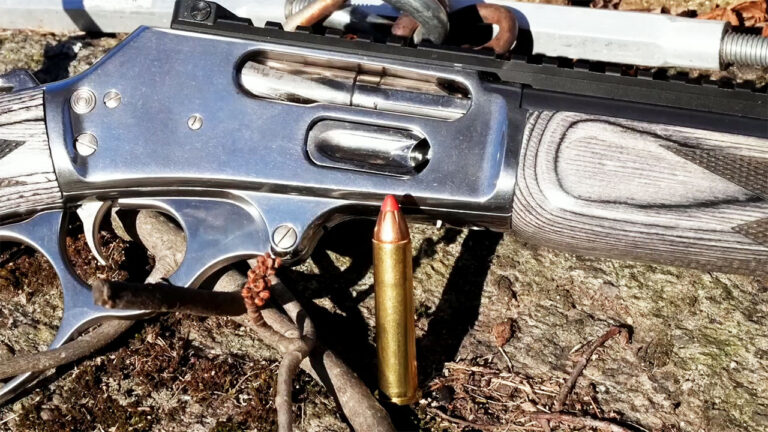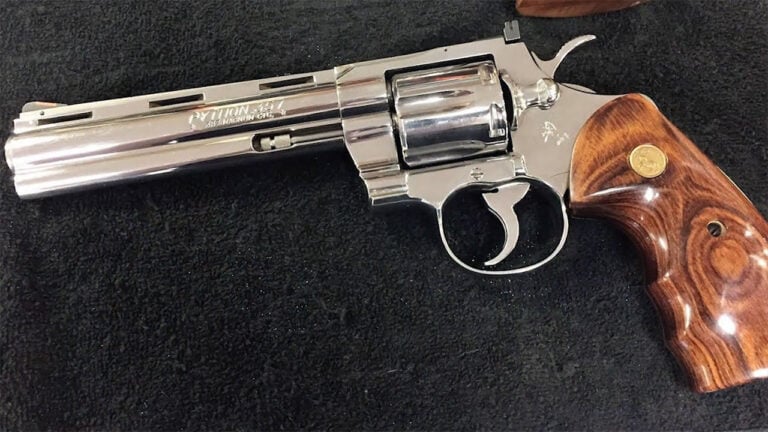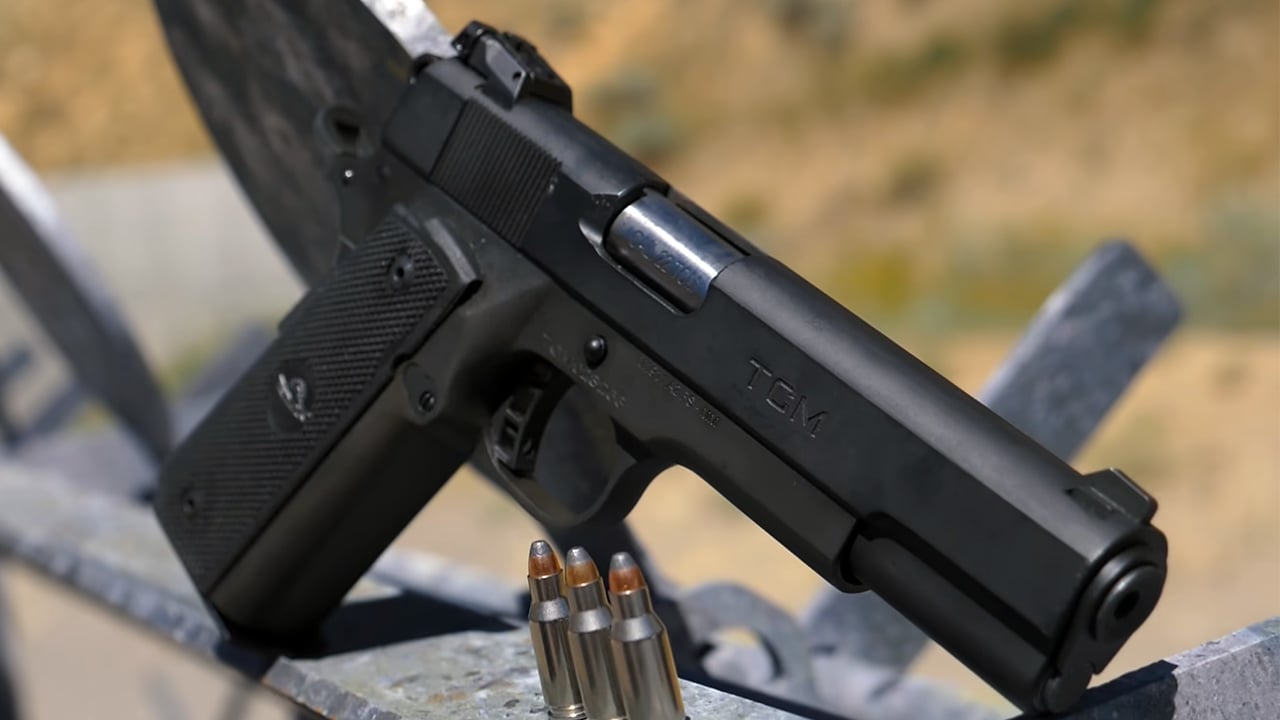
Photo credit: Ghost Mountain Group/Youtube
Every so often I’ll pick up a box of oddball handgun ammo at a gun show and wonder who, exactly, it was made for. Not “who would carry it today,” but what problem it was trying to solve back when cops wore wool uniforms, car doors were made of real steel, and everybody was convinced the next gunfight would happen across a muddy street at 50 yards.
A bunch of pistol cartridges were born in that mindset. Some are still useful. Some are pure nostalgia. And some were carefully engineered around a specific headache—one that modern bullets, modern pistols, and modern training mostly erased. Here are 20 of them, with the “why” behind each one.
1. .38 Super
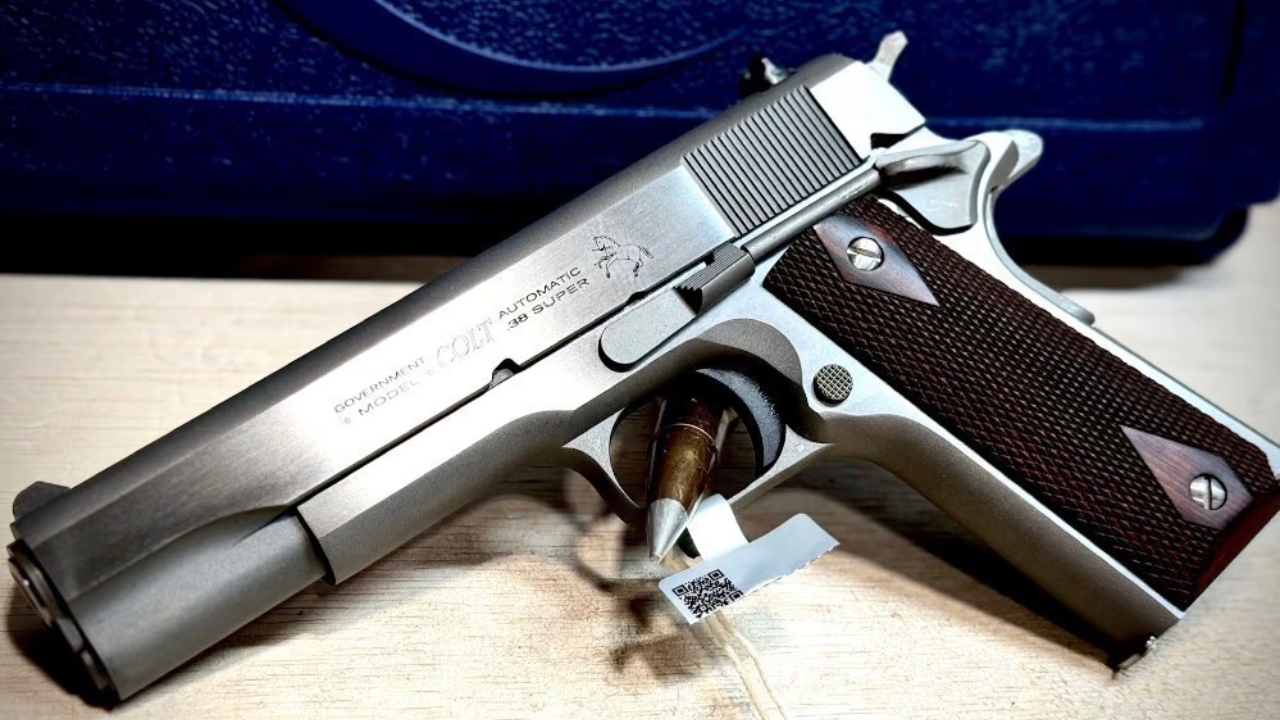
The .38 Super came up in an era when early .45 ACP hollow points were not what they are now, and the big worry was barrier performance—cars, doors, and whatever else a bad guy might hide behind. On paper, a fast .38-caliber slug looked like the answer: flatter shooting, more penetration, and higher magazine capacity than a single-stack .45.
Today, if you want speed and good terminal performance, 9mm +P with modern bonded bullets gets you there without the “semi-rimmed cartridge in a 1911 magazine” quirks. The .38 Super still shines in competition where “major” power factor matters and tuned 1911/2011 guns run it well. For the average outdoorsman or concealed carrier, the original problem—getting early bullet tech to perform through barriers—just isn’t the same problem anymore.
2. 9x23mm Winchester
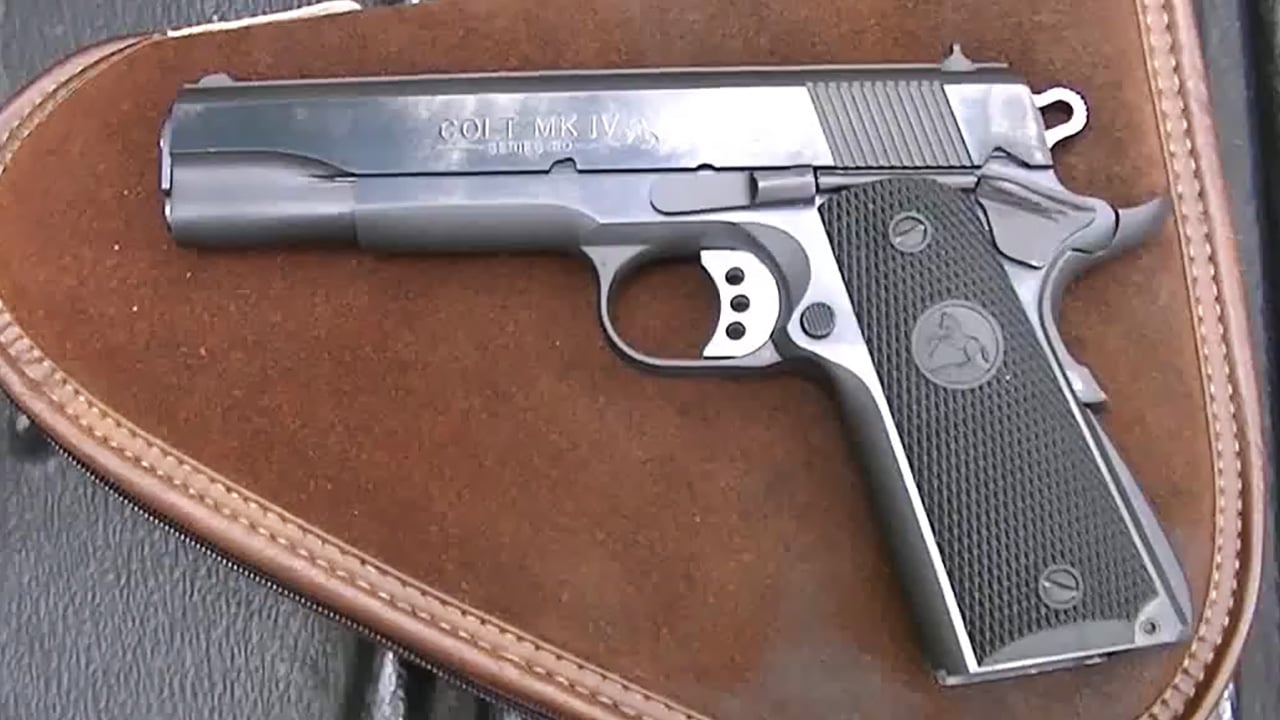
The 9×23 Win was built to deliver .357-ish performance in an auto pistol, with strong brass that could take real pressure. It was a serious cartridge for serious handguns, and it had a following among folks who wanted flat trajectory and penetration without a revolver.
Then the market got crowded. .357 SIG offered similar “hot 9” energy with easier mainstream support, and modern 9mm loads narrowed the gap so much that most shooters couldn’t justify a specialty cartridge. Magazine and barrel availability never became “walk into any shop” common. The problem it tried to solve—magnum-like performance in an autoloader without the headaches—mostly faded once duty-grade 9mm got better and compact .357 revolvers stayed easy to buy.
3. .357 SIG
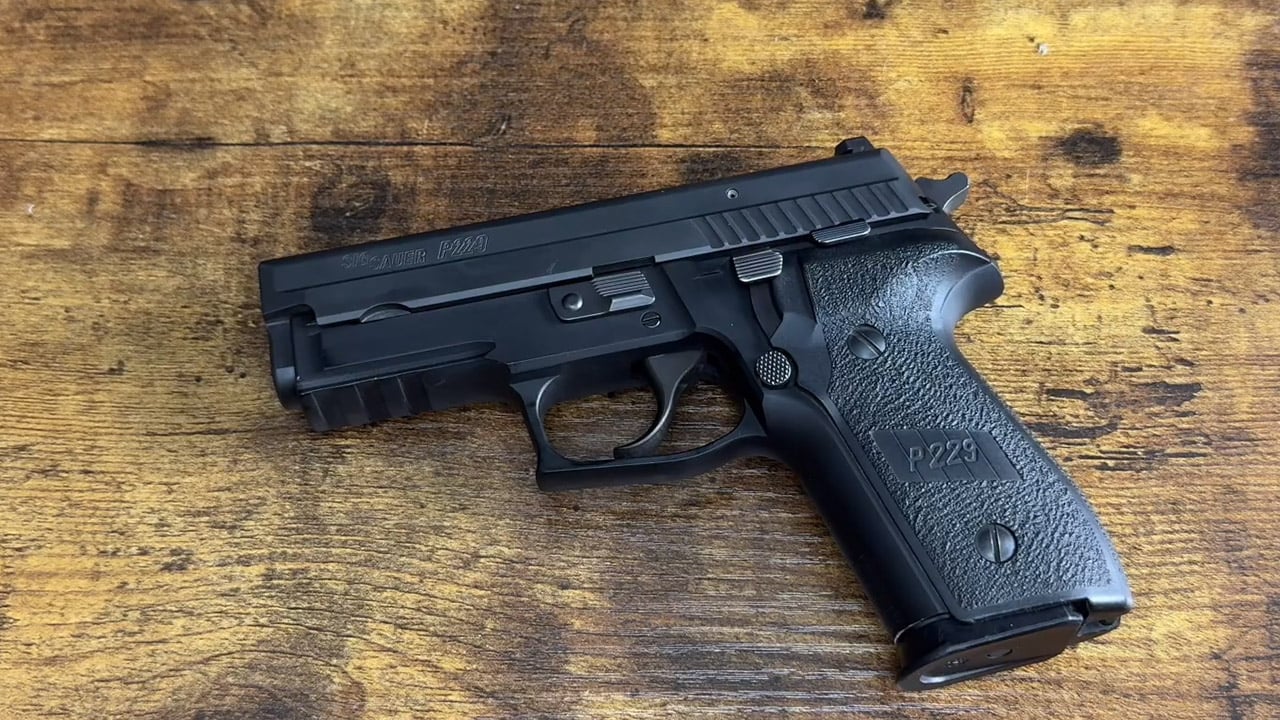
This one was the classic “copy the .357 Magnum 125-grain” idea, but do it in a semi-auto. It fed reliably thanks to the bottleneck shape, it hit hard, and for a while it looked like the future of law enforcement sidearms. If your worry was windshield glass and car doors, .357 SIG had a reputation for pushing through.
Now we’ve got 9mm duty loads that perform extremely well in gel and through barriers, and agencies realized the extra blast, muzzle flash, and ammo cost didn’t buy them much in real outcomes. The recoil is snappy in compacts, and practice ammo is rarely cheap. It’s not a bad round, but it was aimed at a “we need more than 9mm for duty” era that modern bullet design largely corrected.
4. .41 Action Express
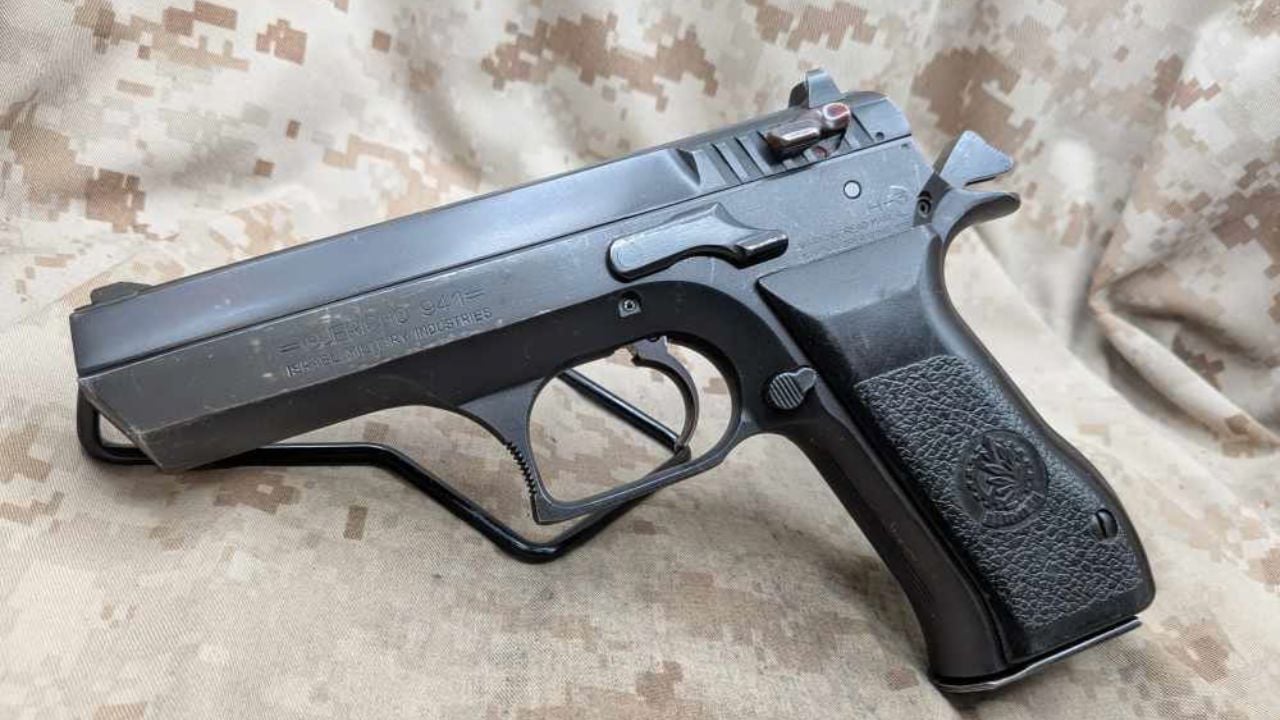
.41 AE was a clever answer to a very specific problem: “I want .41 Magnum-ish diameter performance, but I also want it to fit in a 9mm-sized pistol.” The rebated rim meant you could swap barrels and keep the same slide and extractor. On paper, it was the ultimate conversion round before everybody had a drawer full of aftermarket parts.
In reality, the market didn’t stick. .40 S&W arrived and did the “bigger than 9, smaller than 10” job with broad factory support. Today, the reason to chase .41 AE is mostly curiosity or collecting. The original need—more diameter and energy in a 9mm platform—doesn’t have the same urgency when you can buy proven .40, .45, 10mm, or just run modern 9mm loads that actually work.
5. .40 S&W
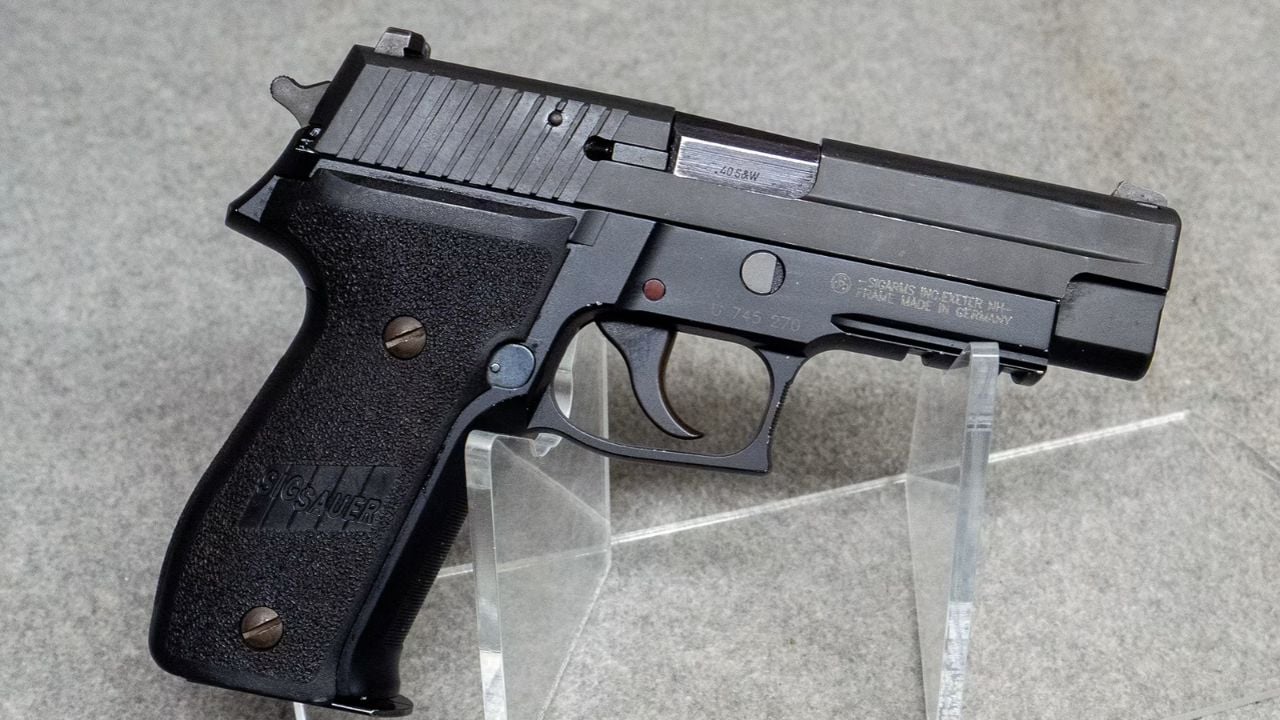
.40 S&W was born out of a real-world headache: wanting better performance than 9mm and more practical guns than full-house 10mm. It fit in 9mm-sized duty pistols, it hit with authority, and it became the default answer for a long time. If you carried a badge in the late ‘90s or early 2000s, you probably qualified with .40.
The problem is, the “9mm can’t do it” assumption got hammered by better bullets and better data. Agencies went back to 9mm for cheaper training, higher capacity, less recoil, and faster follow-up shots. .40 still works fine, especially for folks who already own the guns and stock ammo. But its reason for existing as the default duty compromise caliber isn’t what it was.
6. 10mm Auto (downloaded duty concept)
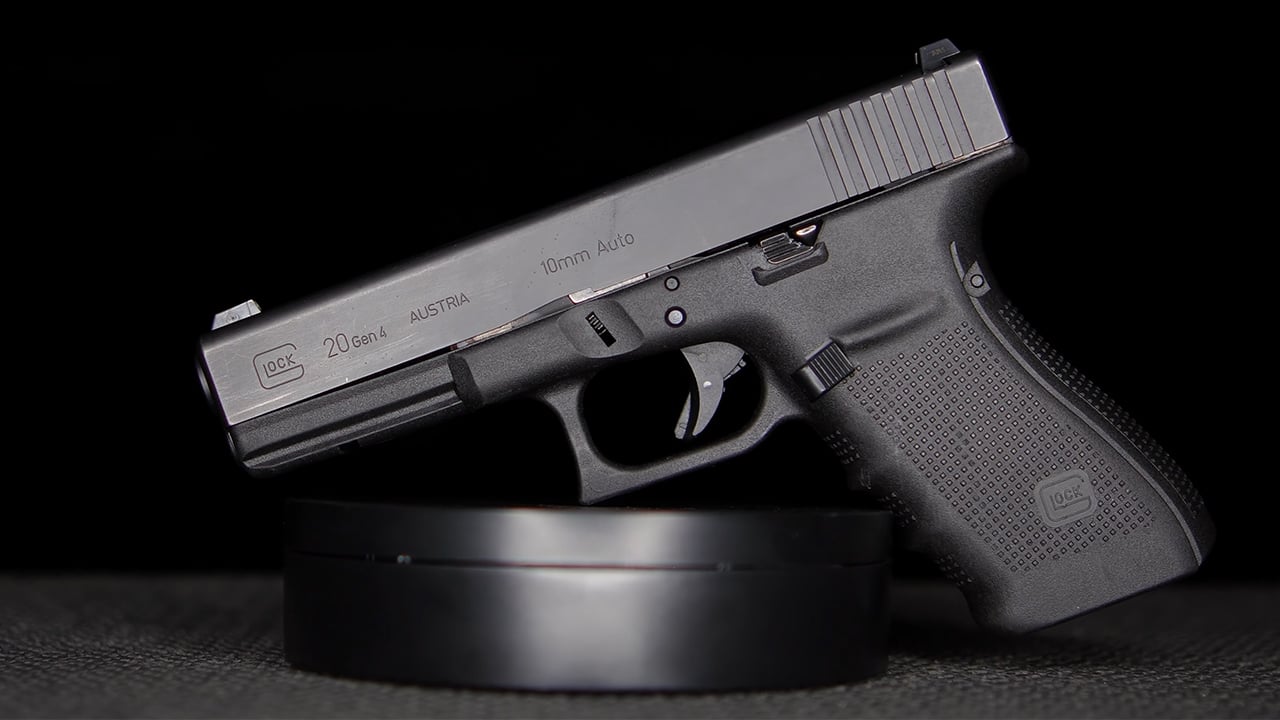
The 10mm’s origin story is tied to a hunt for a “do everything” semi-auto cartridge, and then quickly tied to the reality that full-power 10mm was too much for many shooters in duty pistols. The solution became downloading it—basically creating a softer 10mm that still had more punch than 9mm.
That reduced-power “FBI load” problem got solved another way: .40 S&W, then later modern 9mm loads. Full-power 10mm still makes sense for backcountry defense, hogs, and hunters who want an auto pistol with real penetration. But the original institutional problem—getting more performance than 9mm in a controllable package for average agents—doesn’t drive the market the same way now.
7. .45 GAP
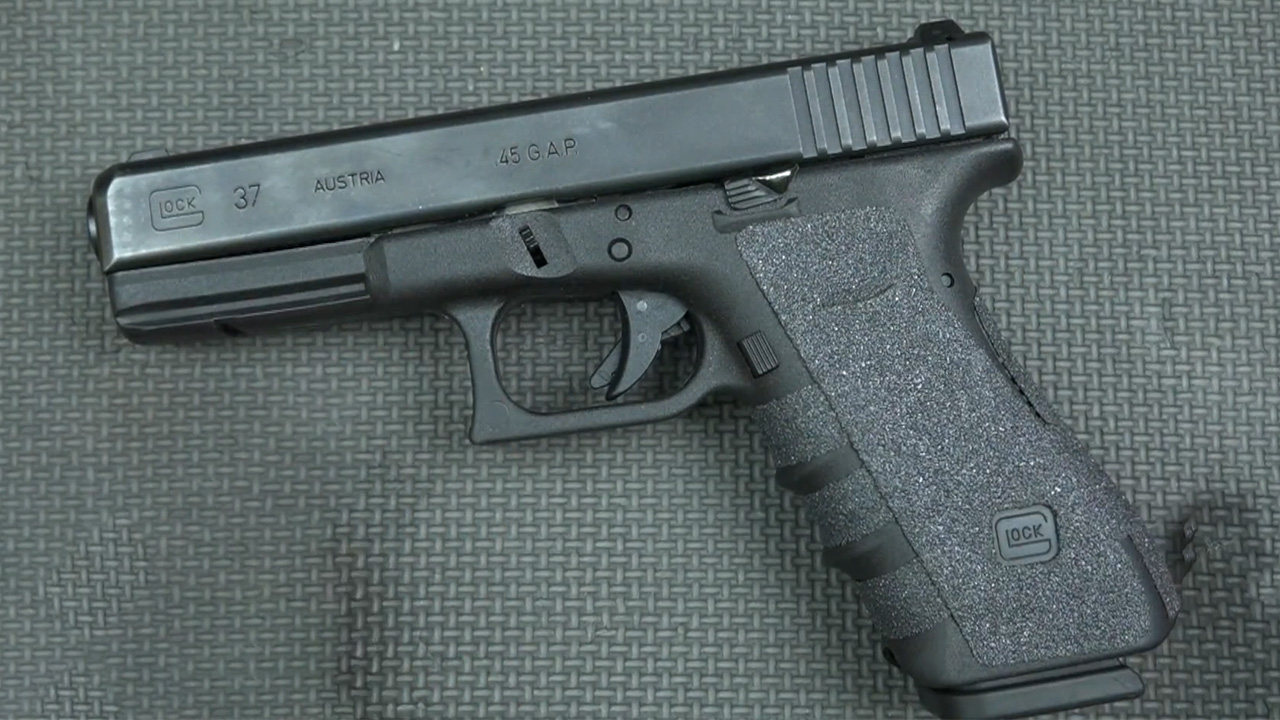
.45 GAP was trying to fix grip size. The idea was simple: get .45 ACP performance in a shorter cartridge so you could build a pistol with a 9mm/.40-sized grip. For folks with smaller hands who still wanted “forty-five,” it sounded perfect.
Then the world changed. Manufacturers got better at making .45 ACP pistols with manageable grips, and the explosion of compact 9mms made a lot of people stop demanding a .45 in the first place. Ammo availability became the deal-breaker—rural stores and small-town shops rarely stock it consistently. The problem of “I need .45 but can’t hold the gun” just isn’t as pressing now, and it’s hard to justify a caliber that can turn into a scavenger hunt.
8. .30 Luger (7.65x21mm Parabellum)

.30 Luger is a smooth-feeding, accurate little bottleneck cartridge that made sense when early 9mm loads were relatively crude and handgun accuracy had a real premium. In the right pistol, it’s a tack-driver, and there was a time when “flat shooting and precise” felt like the edge you needed.
These days, nobody is picking a defensive pistol caliber because it’s slightly flatter at 50 yards. Modern 9mm is accurate enough, hits harder, and is everywhere. .30 Luger survives mostly in collector circles and for folks who like oddball range days. The original problem—getting reliable feeding and accuracy with early bullet designs—doesn’t justify the hassle anymore unless you just enjoy it, which is a perfectly fine reason.
9. 7.62×25 Tokarev
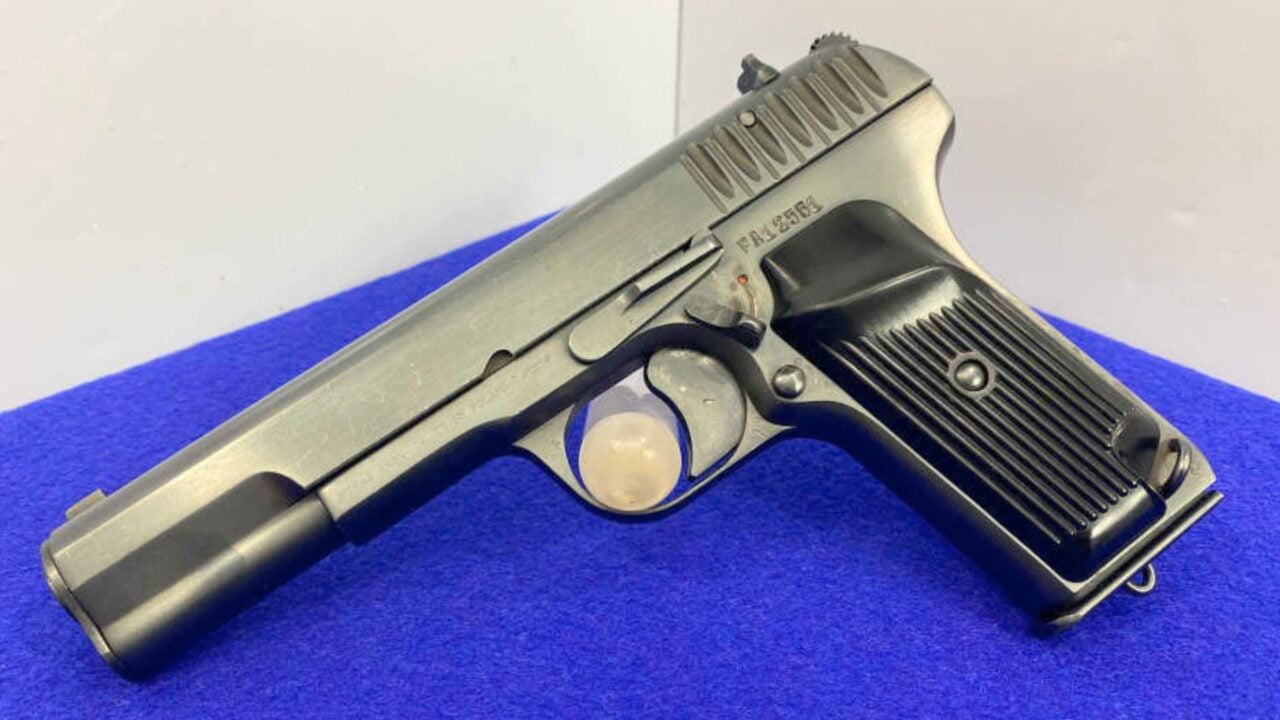
The Tokarev round was built around punching through stuff—helmets, heavy clothing, light barriers—and doing it out of simple military pistols and subguns. It’s fast, loud, and it has that spicy surplus-ammo reputation that makes new shooters grin and flinch at the same time.
In a modern context, the need to defeat old-school military gear with a handgun is not most people’s problem. For self-defense, over-penetration becomes a real concern, and hollow point options aren’t as broad as mainstream calibers. It’s still a fun cartridge and surprisingly effective on varmints, but it’s anchored to a battlefield requirement from another time. Ask me how I know: it will also turn an easy range day into “where did my brass go?”
10. 7.63×25 Mauser

Very similar story to Tokarev, but older and more tied to early semi-auto pistol design. The Mauser round gave velocity and reach when many handguns were still feeling their way through the transition from revolver thinking to autoloader reality. It also fed well thanks to its shape.
What it doesn’t do well in 2026 is compete with modern defensive loads for controllability, availability, and bullet performance. Most of the guns chambered for it are historical pieces you don’t want to beat up, and the ammo situation often swings between “pricey boutique” and “questionable surplus.” The original mission—high-velocity pistol fire with early firearm tech—has been overtaken by modern 9mm pistols that are safer, tougher, and easier to support with parts and magazines.
Free for gun owners: If something happened to you tomorrow, would your family know where the guns are, who has the safe combination, or what to do first? Our free Gun Owner’s Family Checklist walks them through it. It takes about 15 minutes to fill out. Get your free copy here.
11. .32 ACP
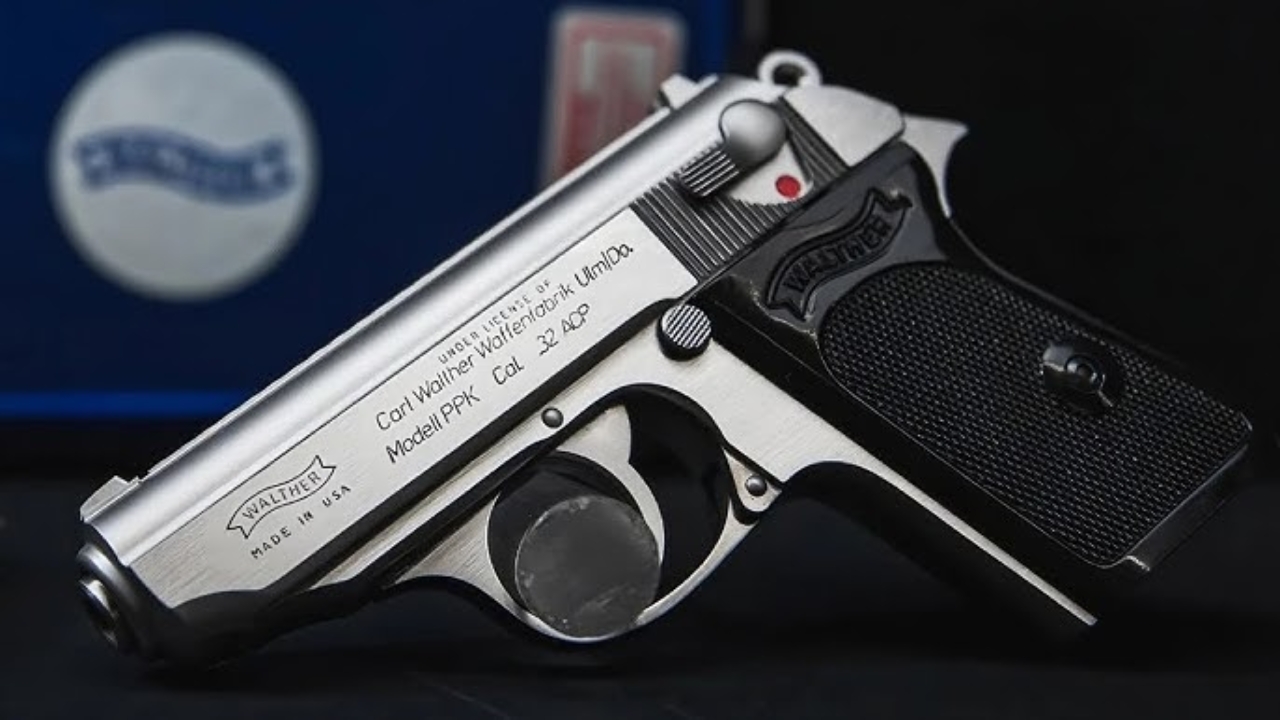
.32 ACP was the answer to “I need a small pistol that works.” In an era of tiny blowback pistols, .32 offered manageable recoil, acceptable reliability, and enough punch for the day—especially compared to .25 ACP. It rode in coat pockets and tackle boxes long before pocket holsters were normal.
The problem is, modern micro-9s changed the size game. A pistol the size of yesterday’s .32 can now be 9mm with better sights, better triggers, and far better ammunition. .32 still has a niche for recoil-sensitive shooters and for deep concealment where you want soft shooting and quick follow-ups. But the “I can’t build a reliable tiny 9mm” problem is mostly gone, and that’s what kept .32 on top for so long.
12. .25 ACP
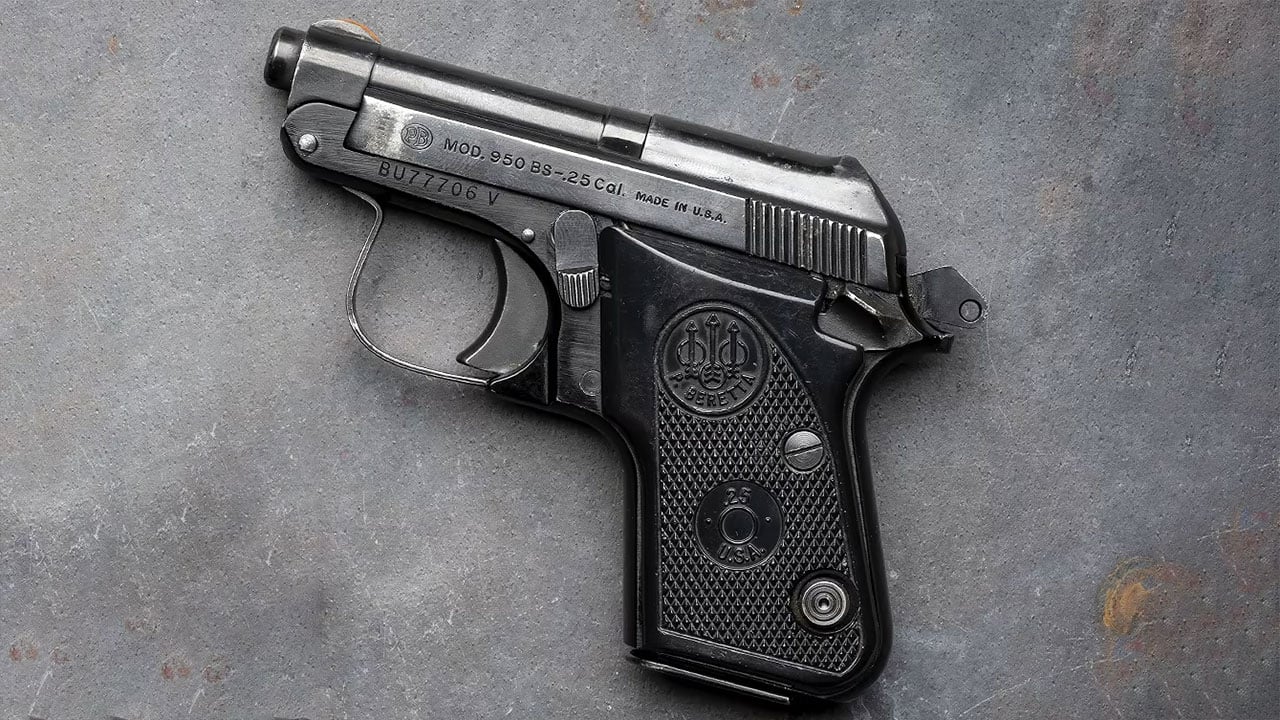
.25 ACP existed to make very small semi-auto pistols run when rimfire reliability was questionable. When you needed a pocket gun that went bang more consistently than a .22, .25 was the compromise. It’s centerfire, it feeds well in tiny magazines, and it was a legitimate tool for its time.
Today, it’s hard to argue it solves a modern carry problem. The guns are often vest-pocket sized with minimal sights and heavy triggers, and the cartridge performance is what it is. Meanwhile, .22 LR ammo and primers are far more consistent than they used to be, and modern .380 and 9mm pocket pistols exist in the same “always with you” space. If you already have one and it runs, fine. But the original reliability advantage over rimfire isn’t the slam dunk it once was.
13. .32 S&W Long (target wadcutter era)
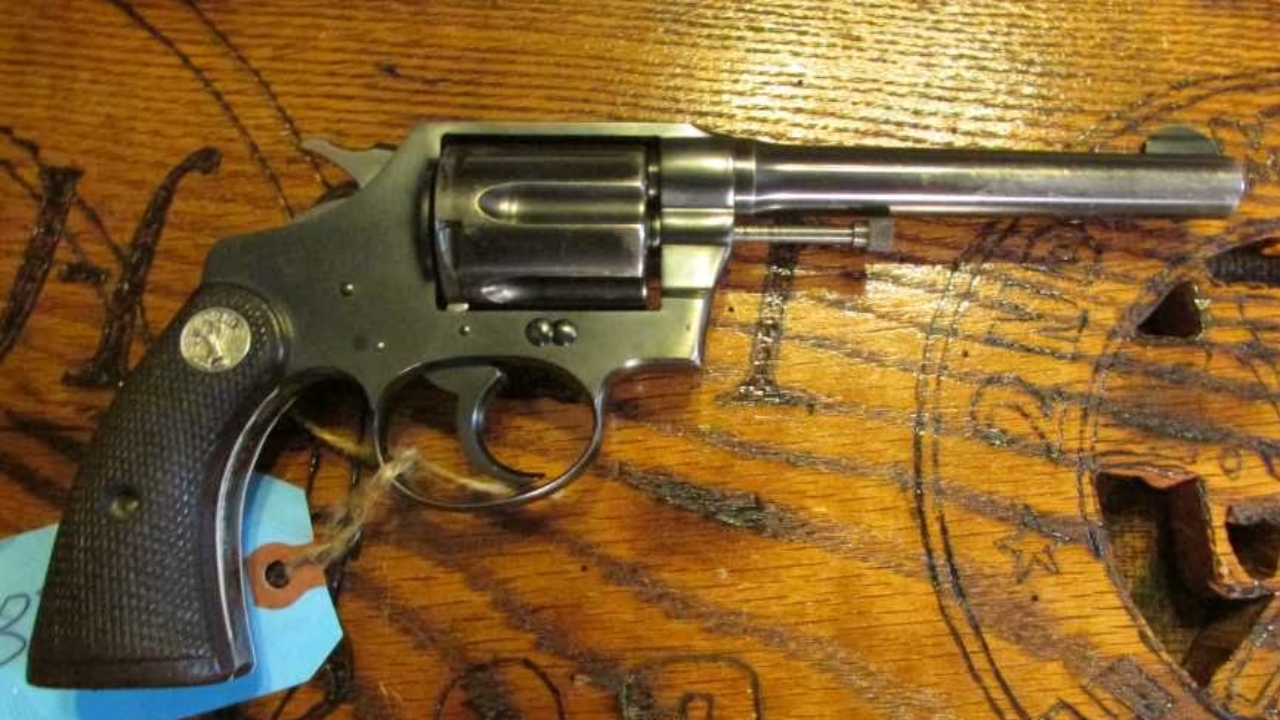
This cartridge earned its keep as a low-recoil, high-accuracy target round, especially with wadcutters in good revolvers. If your problem was “I need to shoot a lot, stay precise, and not get beat up,” it was a beautiful answer. It’s also a handloader’s dream when you want mild and consistent.
But the world moved. .38 Special wadcutters and later .22 target pistols ate into its role, and competitive shooting shifted in ways that made common calibers easier to support. Factory ammo isn’t always sitting on shelves, and when it is, it’s rarely cheap for what you get. The original problem—serious target performance with minimal recoil in a serviceable revolver—matters less now that there are more purpose-built target options and cheaper ways to practice.
14. .38 S&W
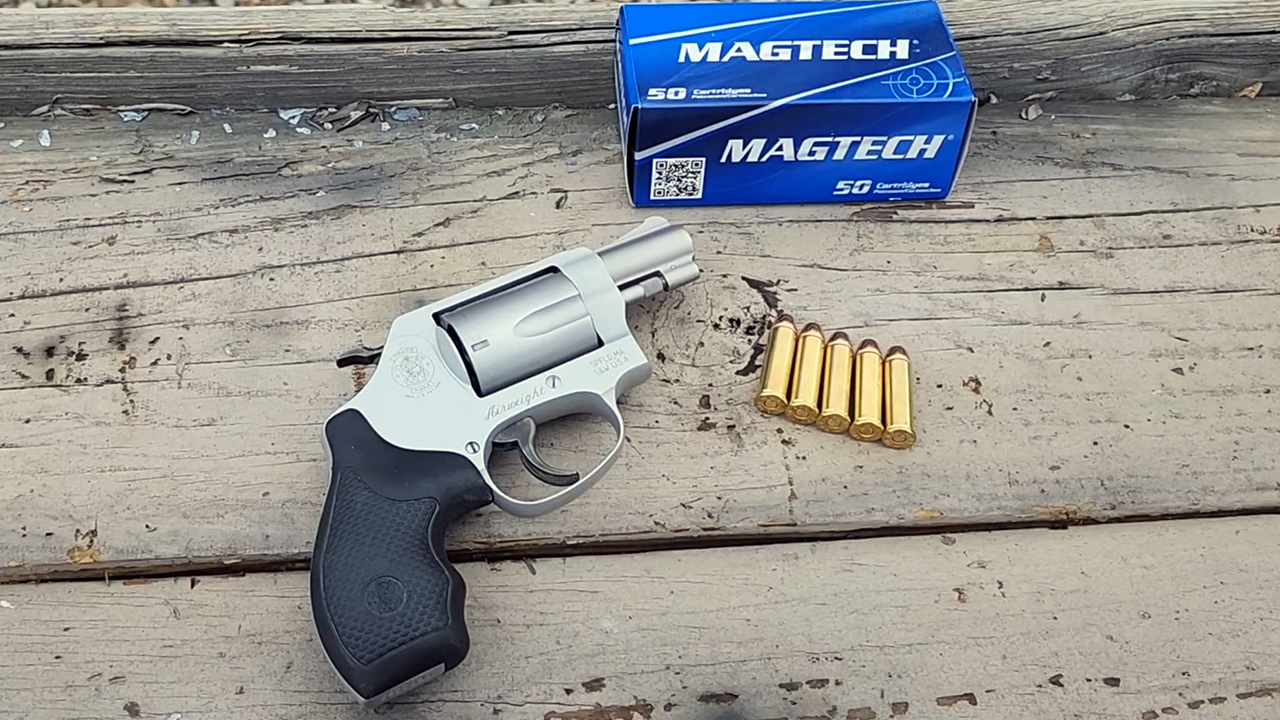
.38 S&W looks like .38 Special to the untrained eye, but it’s its own animal, and it came from a time when moderate pressures and simple revolvers were the norm. It was a practical police and civilian cartridge when expectations were different and gunfights were thought of in “big slow bullets” terms.
Now, it mostly exists in old top-breaks and small-frame revolvers where you’re limited by the gun, not the cartridge. The problem it was trying to solve—adequate performance at low pressure in compact revolvers of the day—got eclipsed by .38 Special becoming the standard, with better guns and better ammo. If you inherit a revolver in .38 S&W, it’s worth keeping and shooting with the right loads. Just don’t pretend it’s filling a modern defensive niche better than today’s mainstream options.
15. .38 Special +P+ (legacy law enforcement loads)
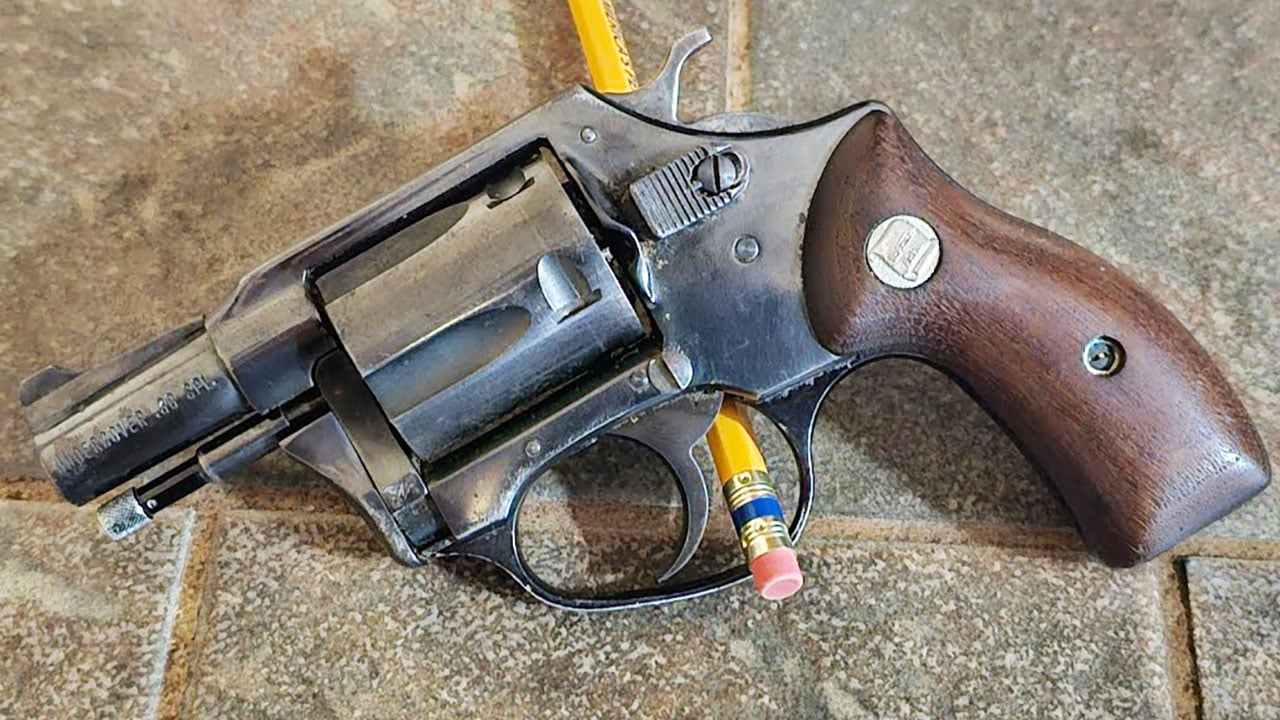
There was a time when agencies tried to squeeze every bit of performance out of service revolvers, and +P+ .38 Special was part of that race. The “problem” was real: getting more stopping power from a duty revolver without jumping to a bigger frame or heavier gun. Those hot loads also made sense when expansion was less reliable and velocity was the way to force the issue.
In 2026, most of that has been replaced by modern 9mm duty pistols and modern .38 +P loads designed around short barrels. The old +P+ stuff can be hard to find and not every revolver is happy with a steady diet of it. For a working outdoorsman who carries a .38 snub as a “run to the mailbox” gun, controllable +P that hits to point of aim is usually the smarter play. The original pressure-to-get-more-from-revolvers mission just isn’t driving the mainstream anymore.
16. .44 Special (as a “big bore without Magnum recoil” fix)
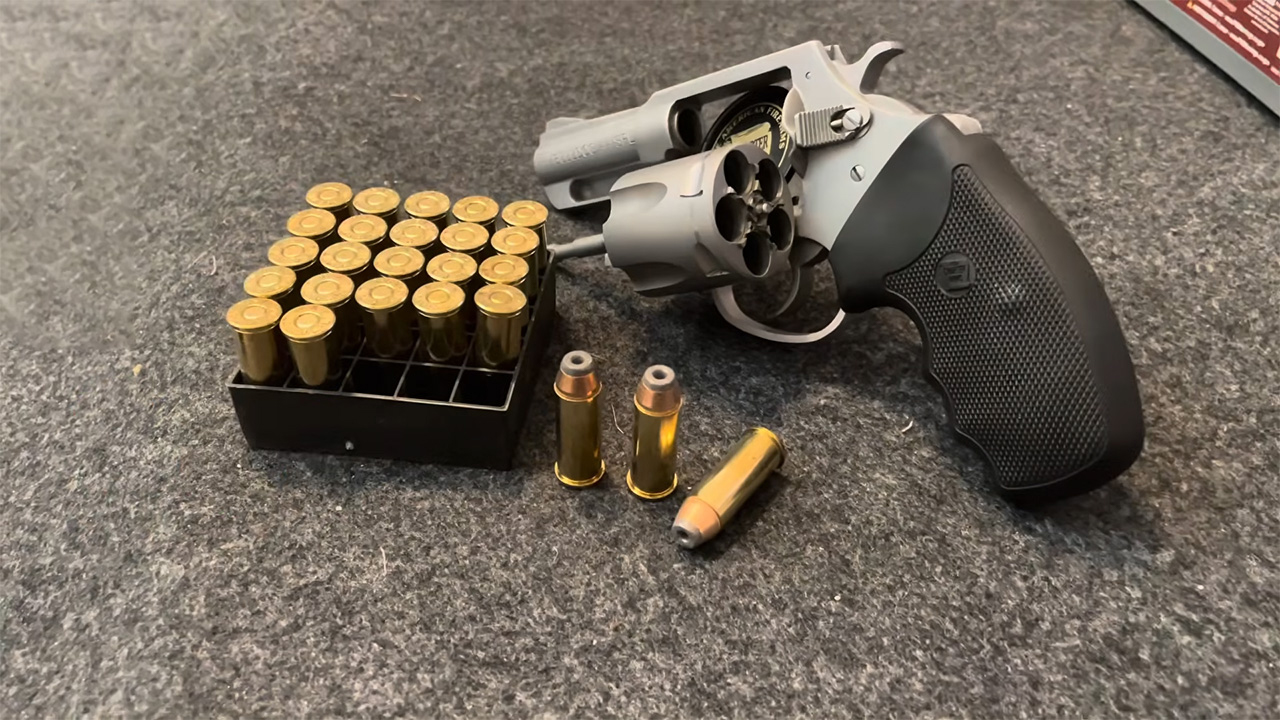
.44 Special has always been the thinking man’s big bore—more diameter than .357, generally softer shooting than .44 Magnum, and historically a way to get a serious bullet at sensible speed. The “problem” it helped with was wanting a heavy, effective revolver round without the punishment and muzzle blast of full magnums.
Modern .44 Magnum ammo now includes plenty of “mid-range” loads that do the same job, and many shooters simply moved to 10mm autos for the “woods sidearm” role. .44 Special is still excellent, especially in a good carry revolver, but the pressure to avoid brutal magnum recoil isn’t what it was when magnums were loaded like they had something to prove. If you reload, .44 Special is a gem. If you buy factory ammo, it can feel like you’re paying extra for being old-school.
17. .45 Colt (original blackpowder constraints)
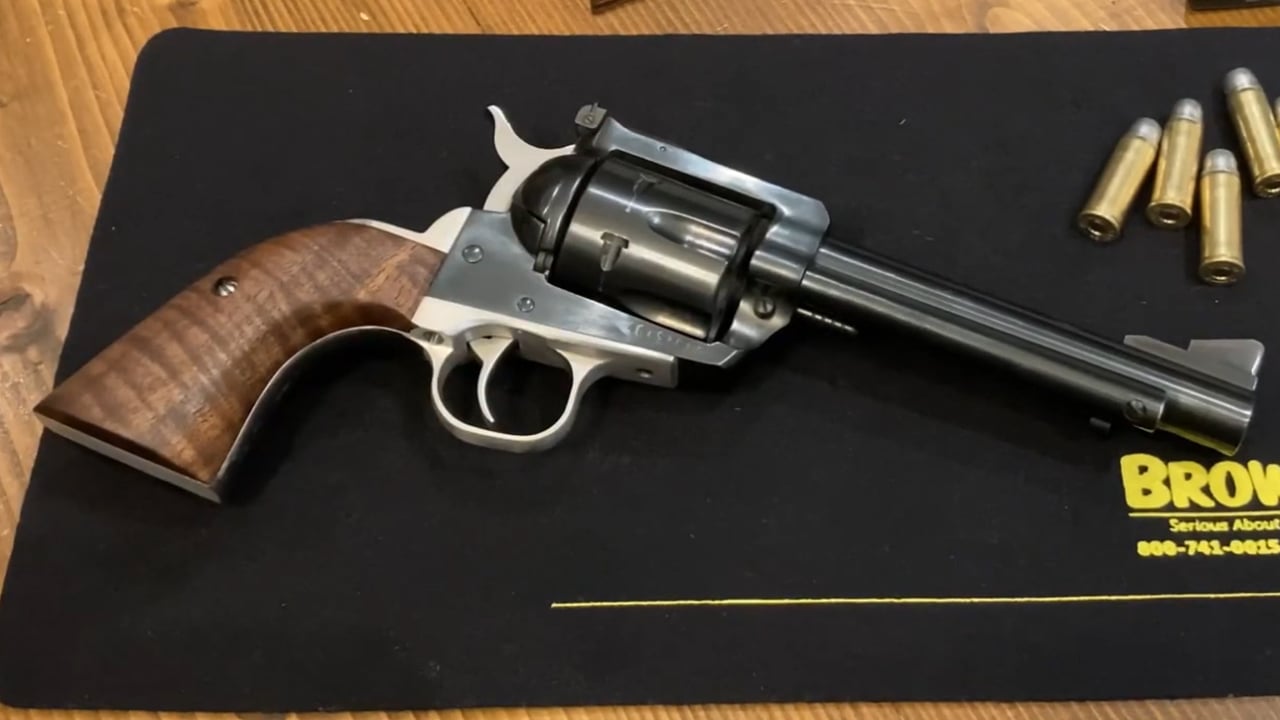
.45 Colt was built for a different world—blackpowder pressures, cavalry needs, and big-bore thinking. The “problem” wasn’t concealed carry or duty use. It was putting a large, heavy bullet into service with the materials and propellants of the day.
What changed is everything around it. Modern .45 Colt ammo is usually kept mild because so many older guns are still out there, while the hot stuff is clearly marked and intended for strong revolvers only. The cartridge’s original constraints don’t match modern expectations, and the result is confusion at the ammo shelf and a wide performance spread. For hunting with the right revolver and the right load, it can be outstanding. But as a “one size fits all” pistol cartridge, it’s tied to a problem that belonged to the 1800s.
18. .45 ACP +P (early hollow point shortcomings)
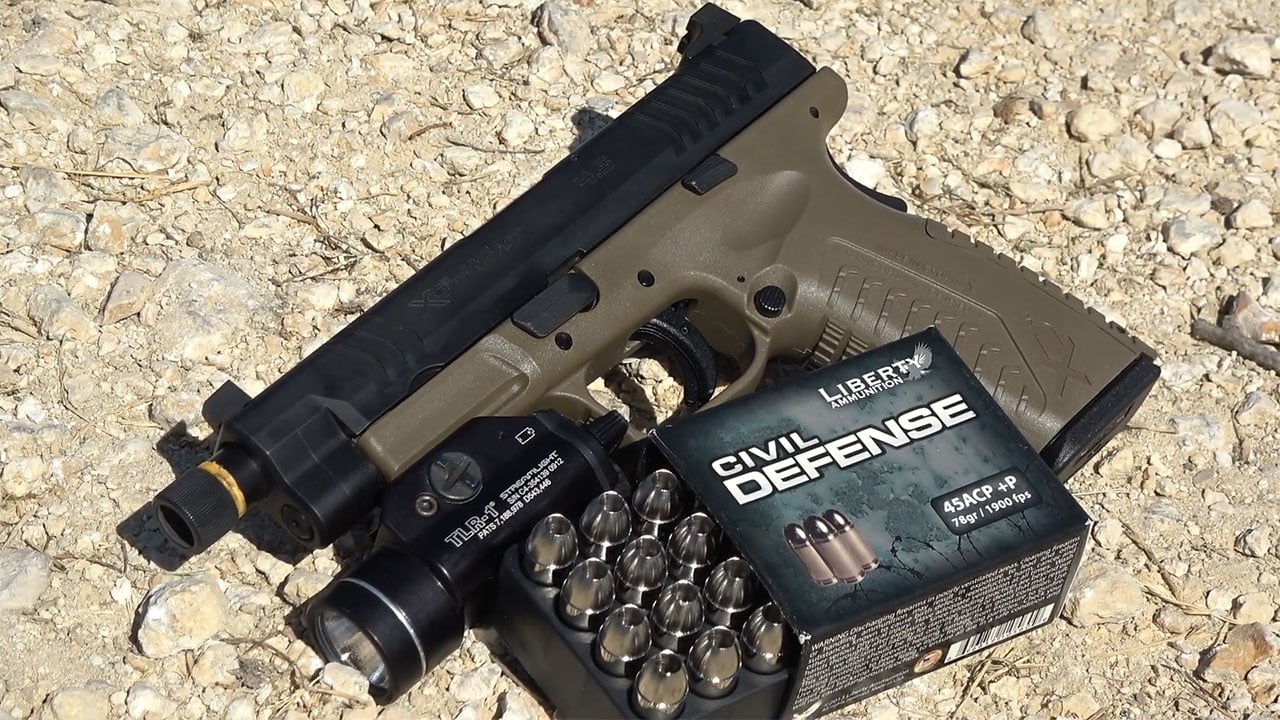
.45 ACP didn’t need +P to be respected, but +P offerings gained steam when shooters wanted more reliable expansion and more energy, especially out of shorter barrels. When bullet designs were less consistent, adding velocity was the blunt tool that sometimes made everything work better.
Now, standard-pressure .45 ACP defensive loads can be very good, even from compact pistols. +P still has a place, but it often buys you more recoil and faster wear in smaller guns for gains most folks won’t measure outside gel tests. If you’re running a steel 1911 and like the feel, fine. In a lightweight carry gun, +P can turn practice into a chore, and practice matters more than a little extra speed. The original “we need more zip to make bullets behave” problem has eased up.
19. 9mm +P+ (the “make 9mm act like something else” era)
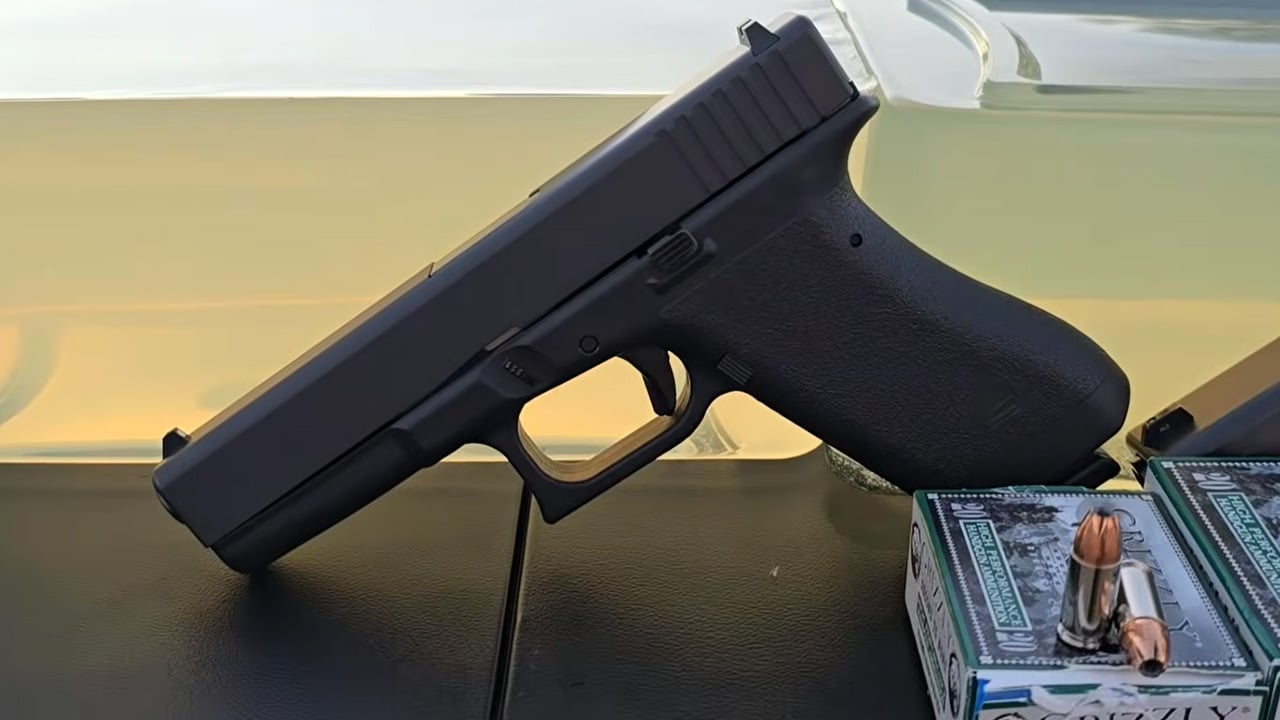
Hot 9mm loads have always been a response to doubt. When the common belief was that 9mm was marginal, +P+ was a way to push heavier performance out of the same platform. It also gained popularity in certain circles because it shot flat and hit hard—at least hard for a 9.
Modern 9mm loads have made a lot of that unnecessary, and most shooters are better served by controllable +P or even standard pressure loads that they can run fast and accurately. +P+ can be hard on guns, not every pistol is rated for it, and it’s often expensive and scarce. If you’ve got a duty-sized pistol and a specific reason, it can still make sense. For normal carry and range work, it’s a solution looking for a problem that has mostly been addressed by better projectiles and better training.
20. .22 TCM (high-velocity “handgun rifle” hype)
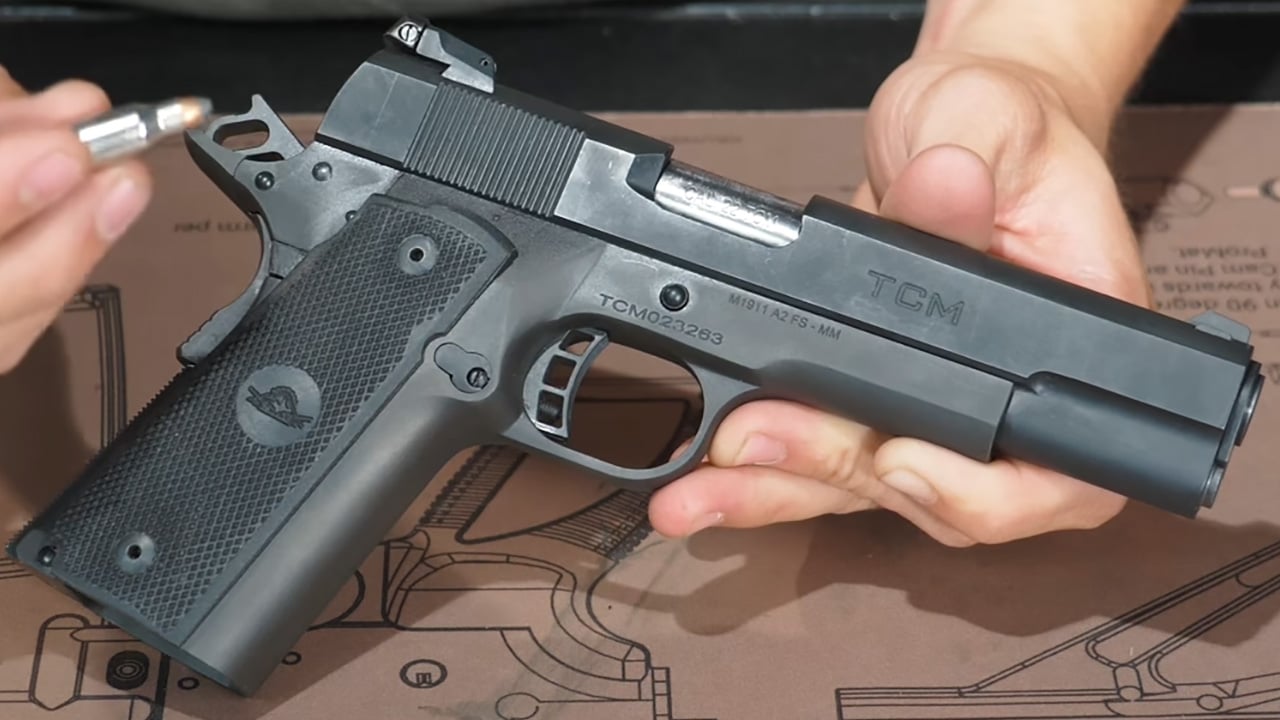
.22 TCM was built to deliver screaming velocity out of a handgun, giving you loud, flashy performance and flat shooting in a 1911-style platform. The problem it aimed at was the idea that you could get rifle-like speed and “stopping” effect from a pistol cartridge if you just pushed a small bullet fast enough.
In the real world, it’s a specialty round. Muzzle blast is significant, ammo availability is limited compared to mainstream choices, and it doesn’t neatly replace the practical roles filled by 9mm, .45, or even .22 LR for cheap practice. It’s fun, and there’s nothing wrong with fun. But for defense, training, or field carry, most folks would rather have common ammo, common mags, and proven terminal performance without the noise and novelty. The original “velocity fixes everything” mindset doesn’t hold like it used to.
None of this means these cartridges are “bad.” Plenty of them are effective, accurate, and downright enjoyable. It just means they were born from specific worries—barriers, early bullet design limits, grip size, revolver constraints, or institutional doctrine—that modern gear has largely worked around. If you like an oddball caliber and you can feed it, run it. Just be honest about whether it’s solving today’s problems, or yesterday’s.
Like The Avid Outdoorsman’s content? Subscribe to our newsletter so you never miss an article.
Here’s more from us: