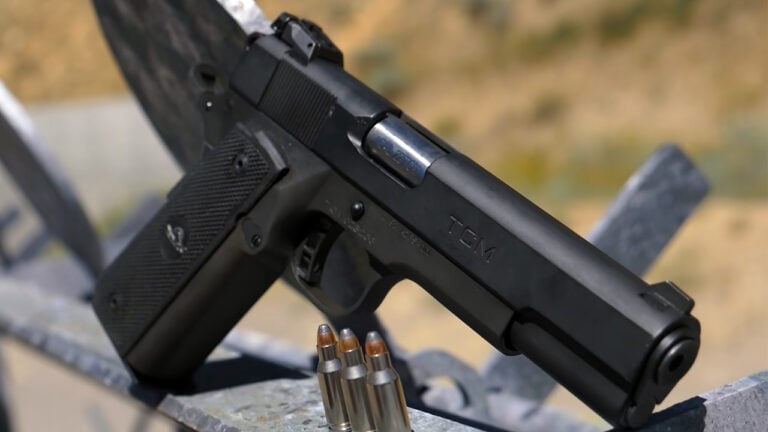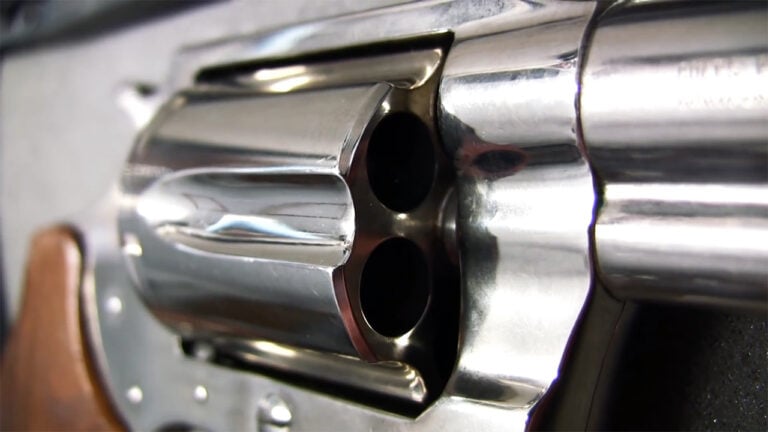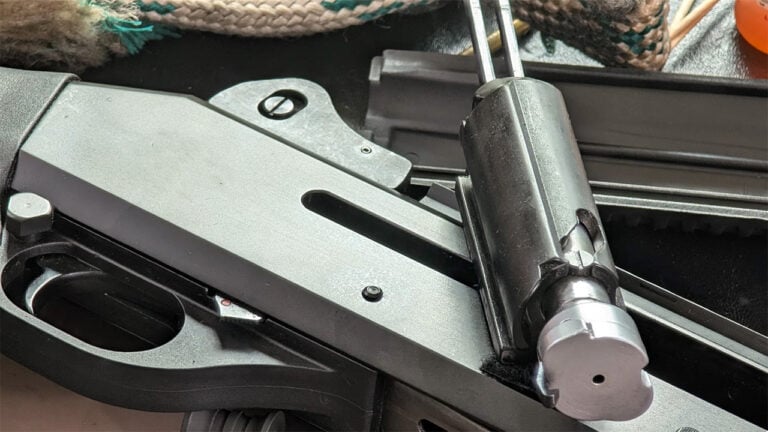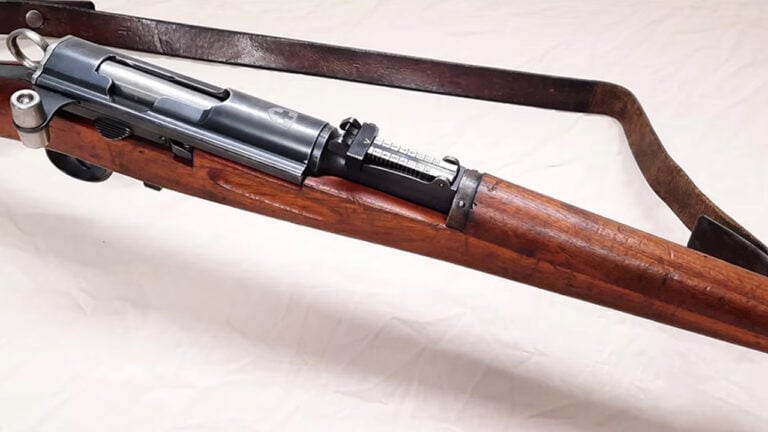
Photo credit: Buckeye Ballistics/Youtube
Every handgun has a personality. Some are boring in a good way. Some are smooth and slick and make you feel like you shoot better than you do. And some have one nagging issue that never quite goes away, even when you swear you’re done with it. You’ll sell it, then miss it. Or you’ll keep it and complain about it every range trip. These are the kinds of pistols that are good enough to hang around, but flawed enough to keep you honest.
Here are 20 handguns that tend to leave owners with that one lingering gripe—the kind you can’t fully excuse, and can’t quite quit either.
1. SIG Sauer P365 (early production striker drag and finish wear)
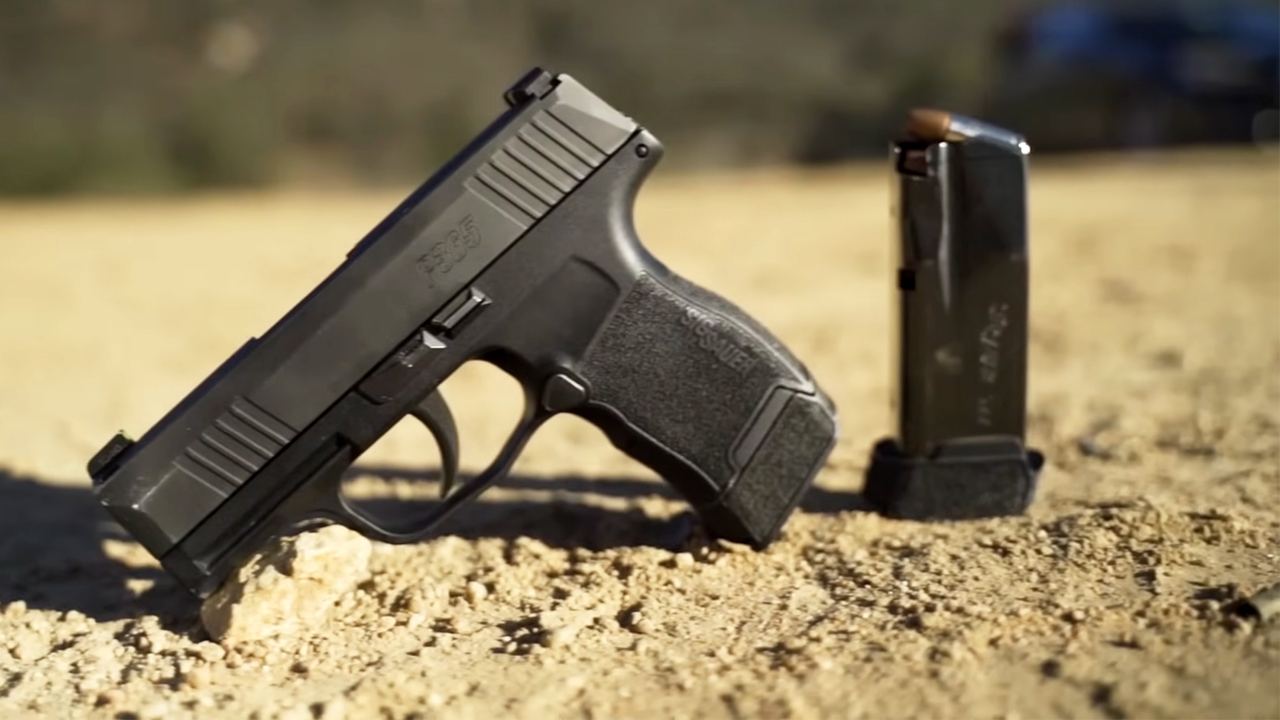
The P365 earned its spot in the carry world because it gave normal-sized hands and normal-sized belts a real 10+1 option that didn’t feel like a brick. It points naturally, hides well, and the mag options are everywhere now. That’s the good part, and it’s real.
The flaw that sticks is how many owners remember the early teething pains: striker drag marks, odd wear patterns, and a general “is this normal?” vibe when you’d field strip it after a few hundred rounds. Plenty of them ran fine, but the doubt got planted. Even on later guns, you still hear guys talking like they’re bracing for a repeat. It’s hard to fully relax with a carry gun once that seed is in the ground.
2. Glock 43 (capacity feels dated the moment you start carrying)
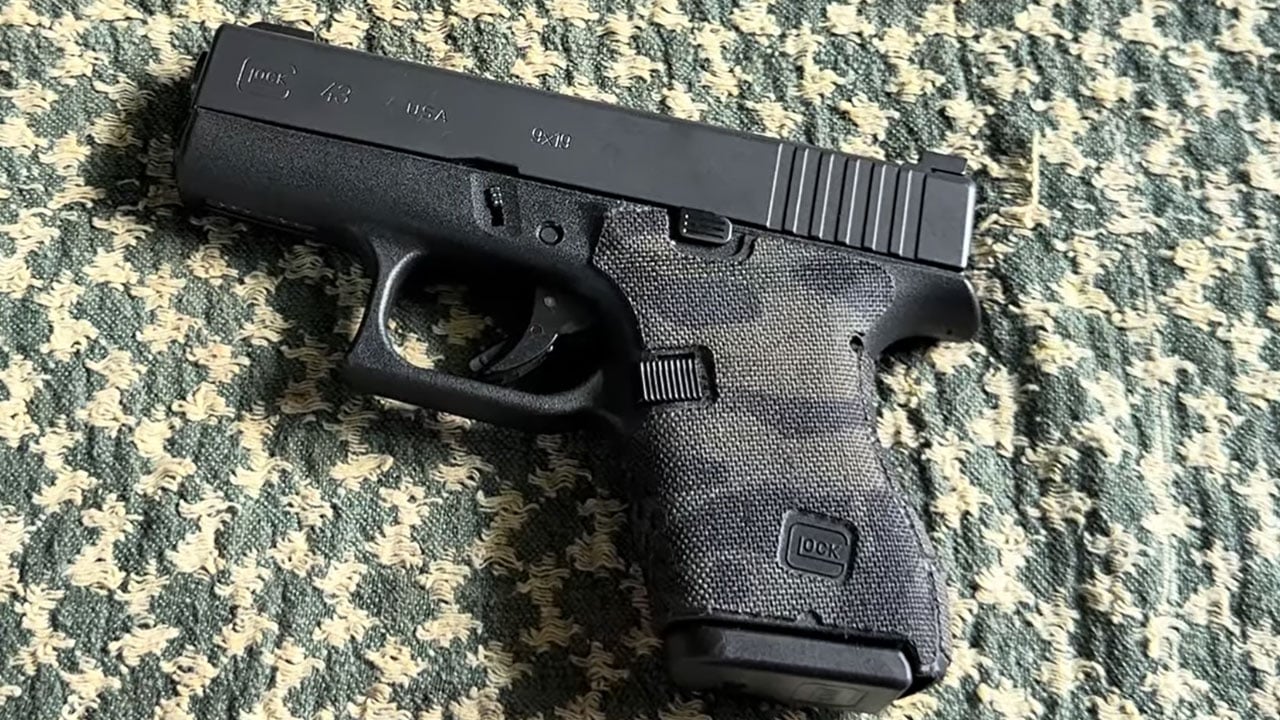
The Glock 43 is simple, reliable, and exactly what Glock people want: point, press, it goes bang. It carries flat, disappears under a t-shirt, and it’s easy to support with holsters and parts. I get why it’s still in so many nightstands and glove boxes.
But the one flaw that never stops nagging is the thin single-stack capacity. Six plus one isn’t “wrong,” but it feels old the second you spend any time around today’s micro-compacts. You can run extensions, but now you’re chasing the size you were trying to avoid, and the grip changes character. Owners don’t hate the 43. They just keep wishing it was a little more gun without being more gun.
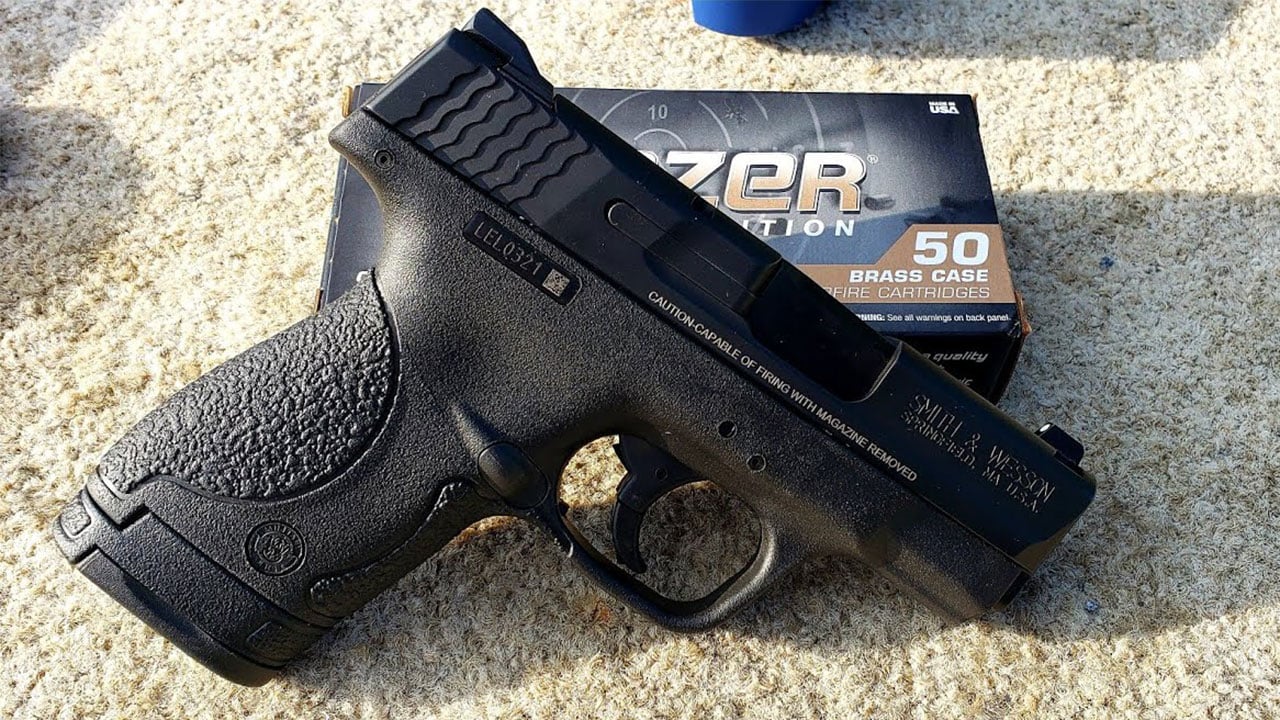
3. Smith & Wesson M&P Shield 9 (the magazine baseplate pinch)
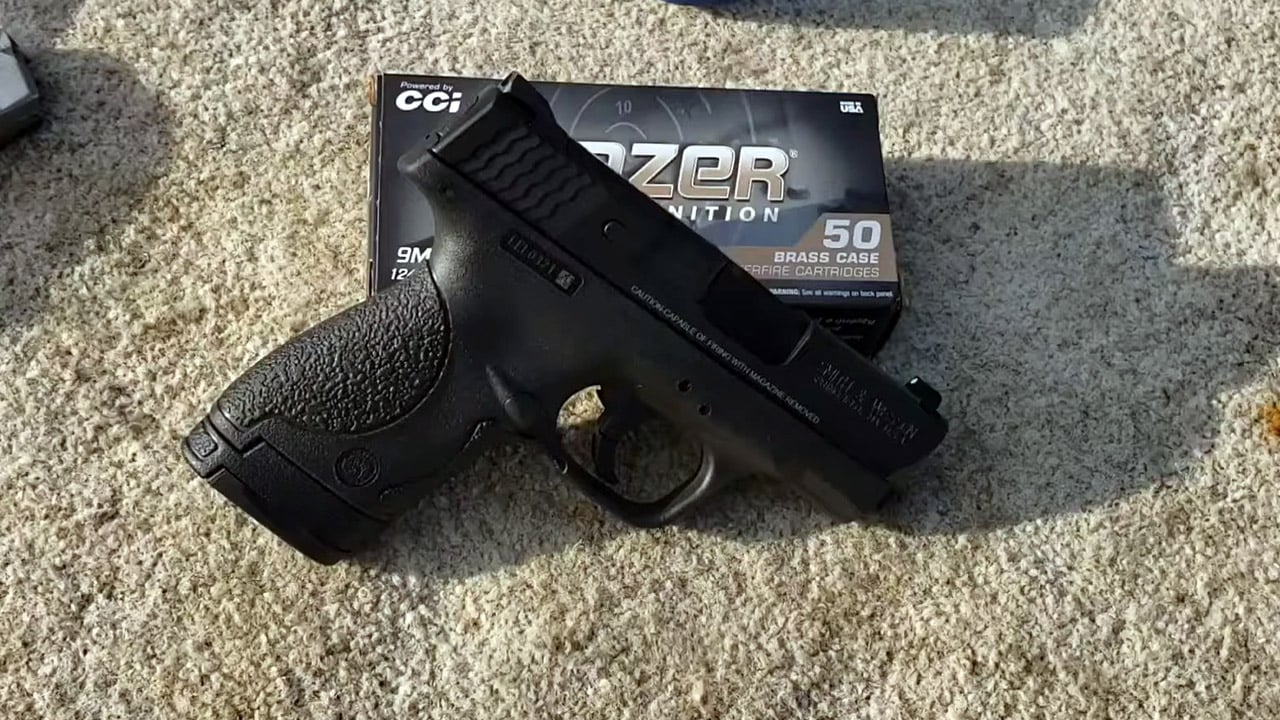
The original Shield saved a lot of folks from carrying chunky compacts. It’s reliable, shoots better than its size suggests, and it rides close to the body without drama. There’s nothing fancy about it, and that is kind of the point.
The gripe you hear over and over is the way the mag baseplates and that short grip can punish your pinky during reloads. Under time, with cold hands, or just trying to slam a magazine home, it’s easy to get bit. It’s not a deal-breaker, but it’s the kind of small annoyance that never quite disappears. You can swap baseplates and tweak grip, sure—but most owners still remember the first time it got them. Ask me how I know.
4. Ruger LCP (shootability is the price of pocket carry)
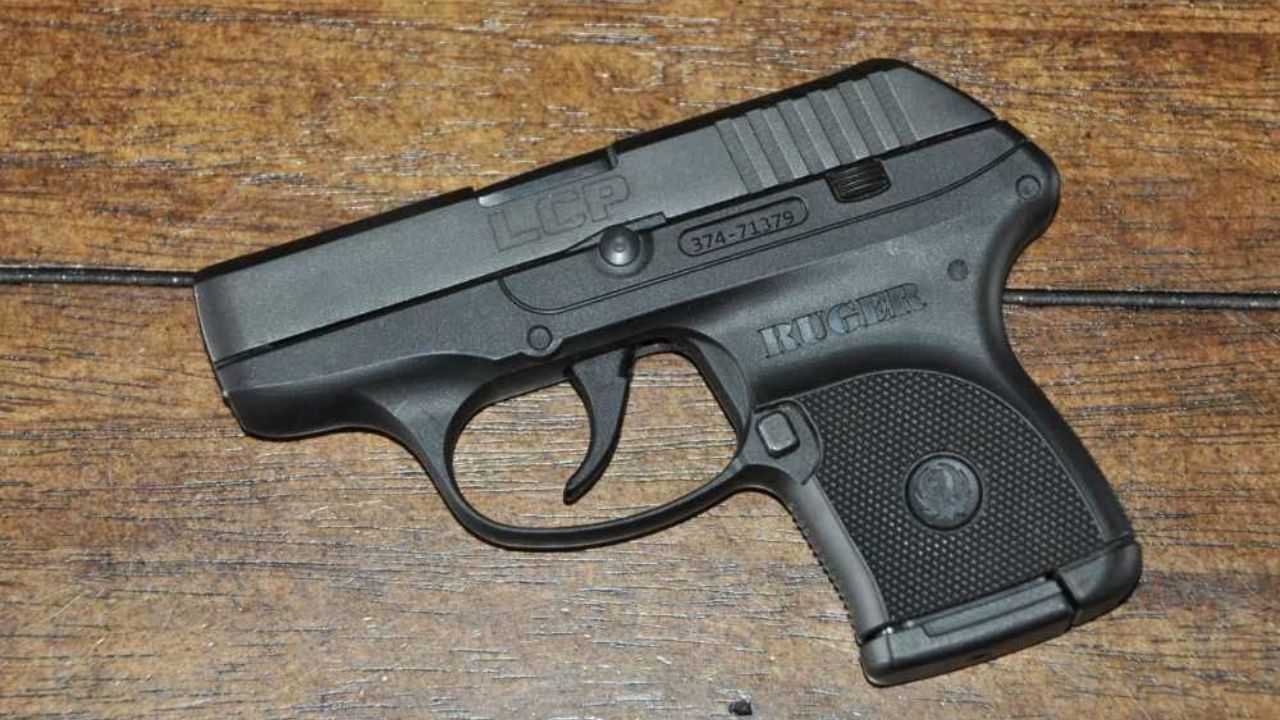
The LCP is a true pocket pistol, not a “jacket pocket if you dress around it” pistol. It’s light, flat, and easy to keep on you when you’re checking trail cameras, running the tractor, or making a quick run to town. And because it’s so easy to carry, it actually gets carried.
The flaw is that it’s miserable for a lot of folks to shoot well. Tiny sights, short grip, snappy recoil in .380, and a trigger that reminds you it was designed for safety and simplicity, not target work. Owners end up making excuses like, “It’s not meant for the range.” Fair. But you still have to hit what you aim at, and practice matters. The LCP stays in the rotation because it fills a real niche, even if you don’t enjoy the practice that should come with it.
5. Springfield Armory Hellcat (snappy recoil and busy grip texture)
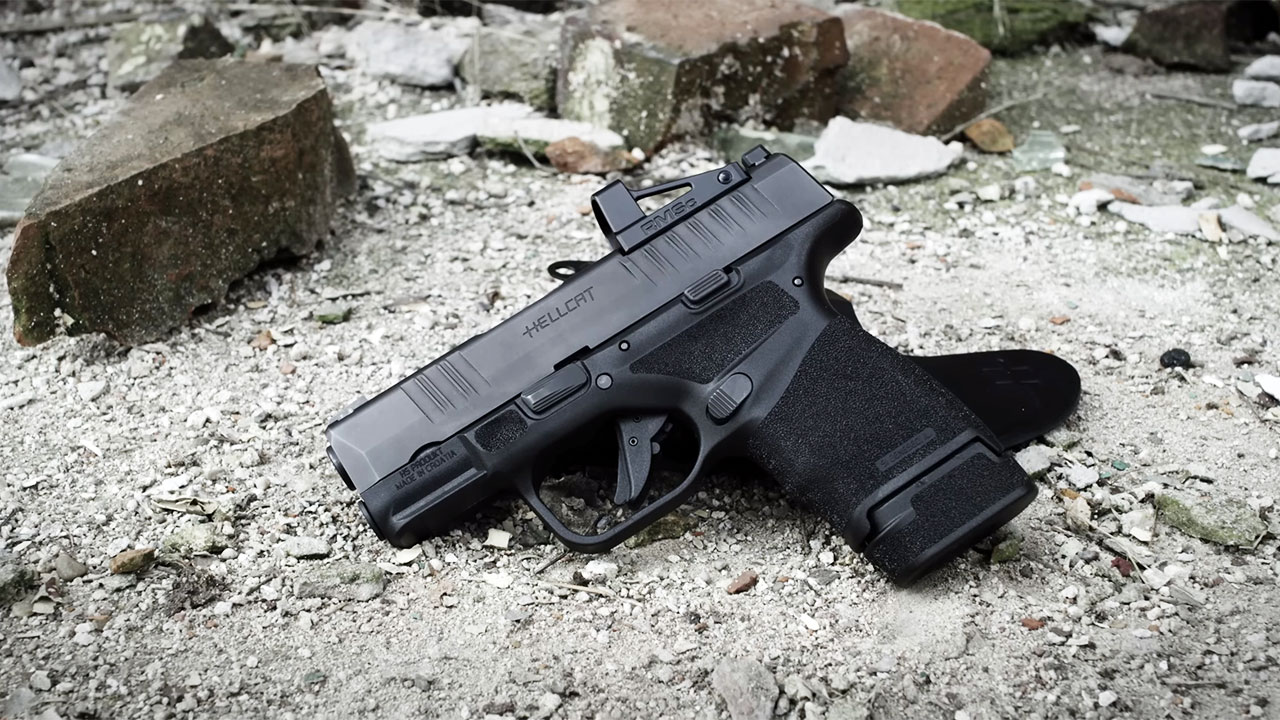
Springfield got a lot right with the Hellcat. Capacity is there, reliability is generally there, and the sights are better than what many micro-compacts shipped with for years. For a belt gun in a small package, it’s a strong option.
The complaint that lingers is how sharp and lively it can feel under recoil, especially with defensive loads. Some of that is physics, some is grip shape, and some is the aggressive texture that can feel great in the hand but rough on skin during all-day carry. Owners will often love it on the range for a magazine or two and then start making small adjustments—different backstrap, different holster, different grip tape—trying to calm it down. You can tune around it, but you can’t pretend it’s a soft shooter.
6. Glock 19 (the grip angle debate never dies)
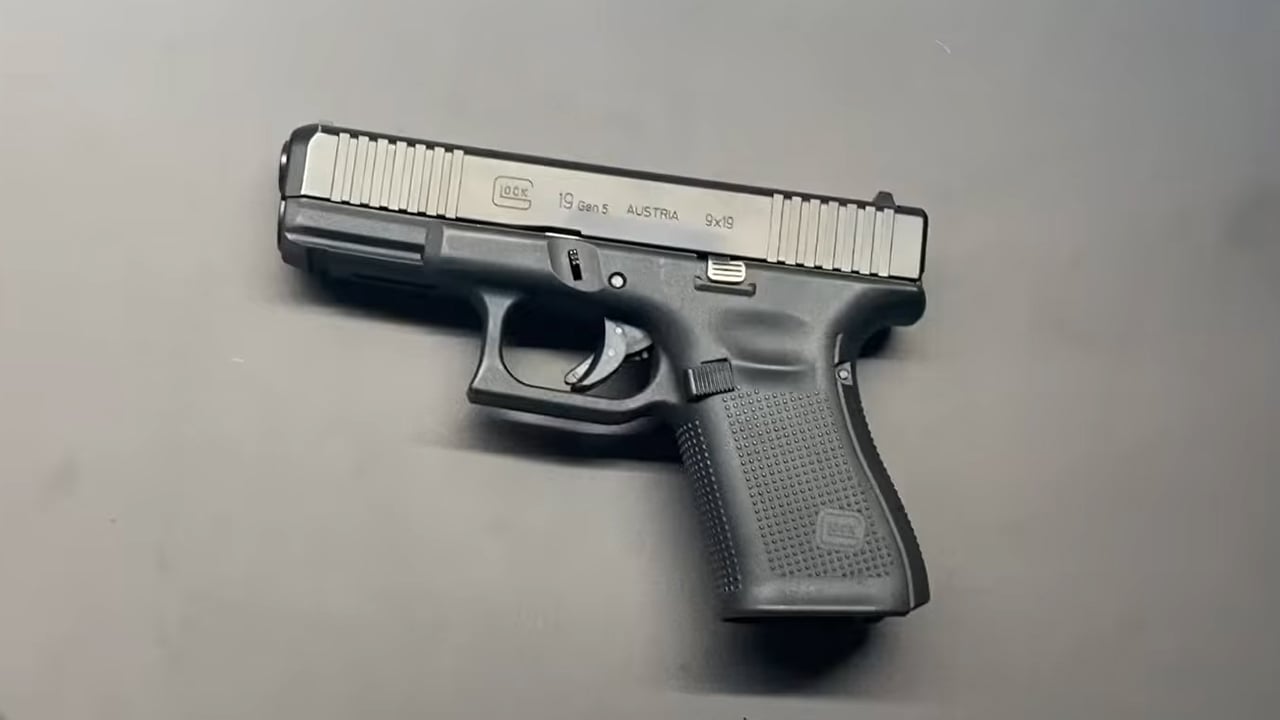
If you own handguns long enough, you end up around a Glock 19. It’s the “one gun” answer for a lot of practical people: easy to maintain, mags everywhere, parts everywhere, and it just plain works. In a rural home-defense role, it’s hard to argue against boring reliability.
And yet the grip angle argument follows it forever. Some shooters present it and the sights sit high until they retrain their wrist. Others never notice. The problem is that once you do notice, you can’t un-notice it. You can adapt, sure, but it’s always in the back of your mind when you pick up another pistol that points “more natural” for you. Glock owners often end up loyal anyway, but not always because they love the feel.
7. Beretta 92FS (size and slide-mounted safety)

The 92FS is smooth. The recoil impulse is friendly, the sights track well, and the gun runs like it was designed by someone who cared about feeding reliability. It’s also one of those pistols that makes range days feel classic, especially if you grew up seeing it in service holsters and movies.
The flaw that nags is twofold: it’s big for what it is, and that slide-mounted safety/decocker setup can be a love-it-or-hate-it deal. For some, it’s fine. For others, it’s easy to accidentally engage when racking the slide hard under stress, especially with gloves or cold hands. And carrying it all day? That weight becomes a real conversation. Owners hang onto them because they shoot so well, but plenty wish the controls were different.
8. SIG Sauer P320 (trigger reputation you can’t fully scrub off)

The P320 modular concept is genuinely useful. Swapping grip modules, tuning fit, and keeping one serialized fire control unit is smart. In the hand, many P320s shoot flat and feel modern. Plenty of them run great, and a lot of serious shooters use them.
But the long-term flaw is reputational weight. Once a platform gets associated with drop-safety concerns and high-profile arguments, owners can upgrade parts, check serial ranges, and follow best practices—and still feel like they’re defending the gun at the tailgate after a range day. Even if your specific pistol is solid, the conversation follows it. That wears on people. You can trust yours and still be tired of explaining why you trust it.
9. Kimber Custom II (finicky reputation despite great looks)
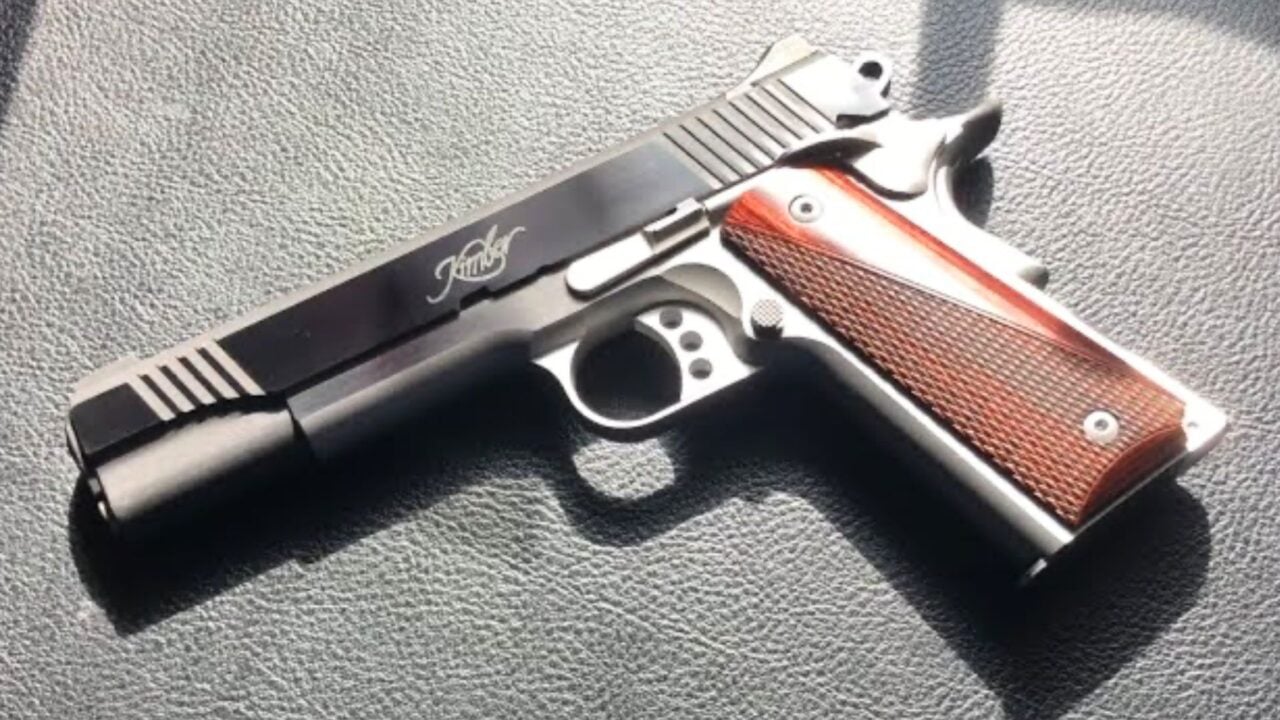
Kimber 1911s can be beautiful pistols. The fit and finish catches the eye at the gun counter, and when they run right, they shoot flat and crisp. A good 1911 trigger can spoil you, and Kimber knows how to sell that dream.
The problem is consistency. Too many owners have experienced a picky break-in period, magazine sensitivity, or extractor drama that shouldn’t be a mystery at the price point. Some Kimbers are flawless. Some will have you chasing little gremlins with different mags and ammo like you’re tuning a race gun you didn’t ask for. That’s the flaw you can’t fully excuse because you didn’t buy “mostly reliable.” And yet folks keep them because when they’re on, they’re really on.
10. Colt Python (cost makes you baby it)
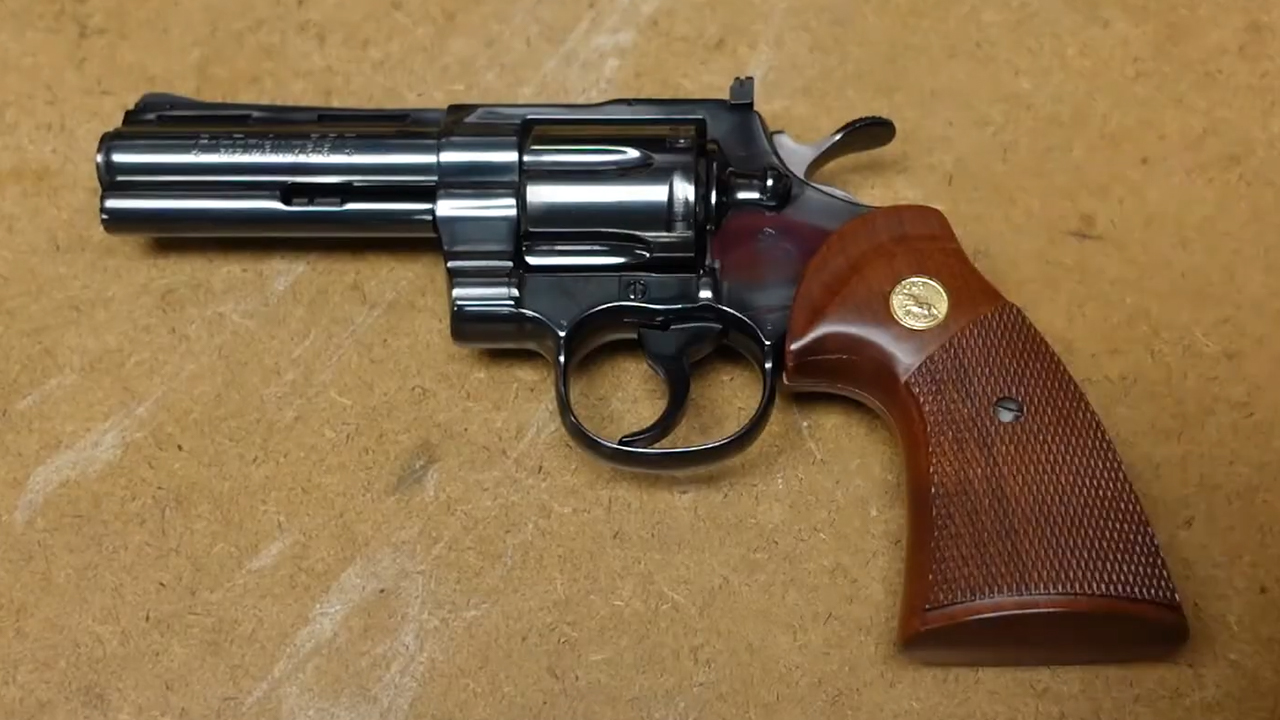
A Python is one of those revolvers that makes people slow down and admire craftsmanship again. The trigger is usually excellent, the lines are iconic, and it feels like a lifetime gun. It’s a piece of mechanical art that also happens to be a shooter.
The flaw is what it does to your mindset. When a handgun gets expensive enough, a lot of owners stop using it the way they should use a handgun. You start worrying about scratches, holster wear, and whether that box of hot .357s is going to “accelerate wear.” It’s not that it can’t handle shooting—these are strong guns—but owners often baby them because replacement cost and collector value live rent-free in your head. You can’t fully walk away because it’s a Python, but you also don’t treat it like a tool.
Free for gun owners: If something happened to you tomorrow, would your family know where the guns are, who has the safe combination, or what to do first? Our free Gun Owner’s Family Checklist walks them through it. It takes about 15 minutes to fill out. Get your free copy here.
11. Ruger GP100 (built like a tank, carries like one too)
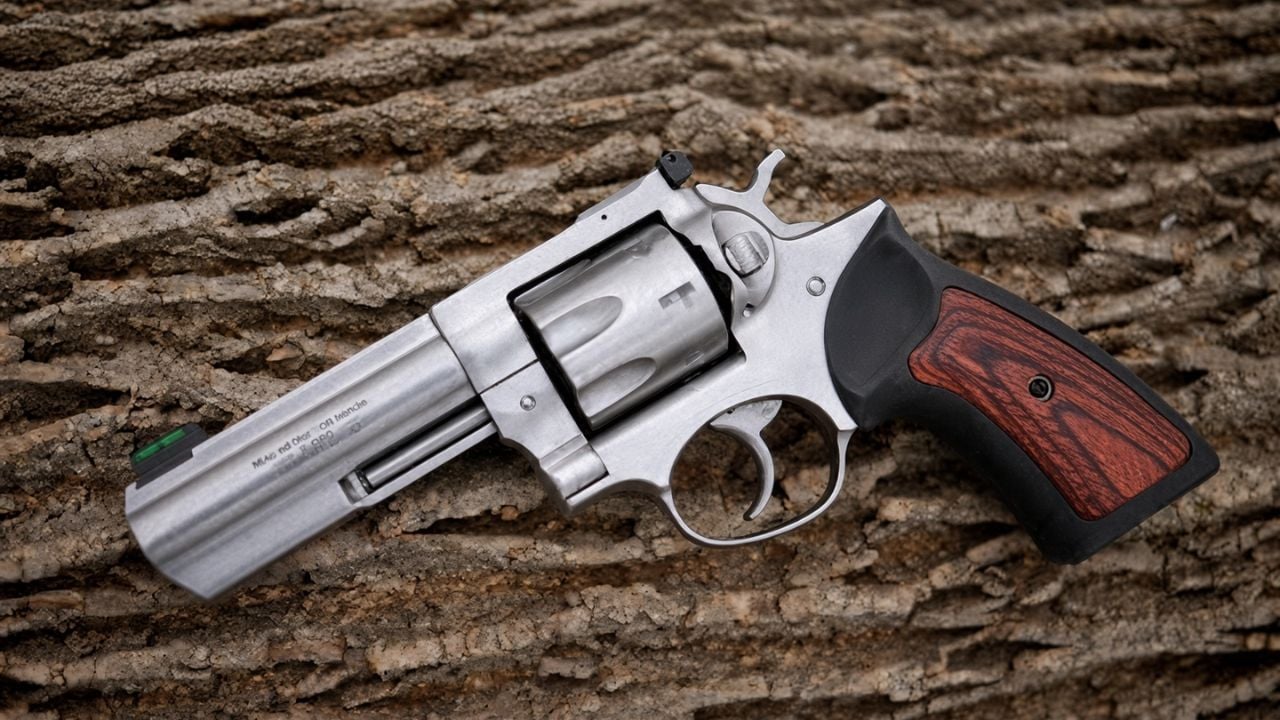
The GP100 is what you hand someone when they say, “I want a .357 I can shoot forever.” Ruger built it stout, the lockup is solid, and it will digest real magnum ammo without feeling delicate. For woods walking, it’s a legitimate companion.
The gripe is weight and bulk. On the hip for a full day of fence checking or bird hunting, you feel it. In a chest rig it’s better, but it’s still a big chunk of steel. The gun’s whole selling point—overbuilt durability—is the same reason it’s a chore to carry compared to lighter revolvers. Owners can’t fully excuse it because comfort matters, but they also don’t sell them because GP100s are the kind of revolver you end up trusting when things get rough.
12. Smith & Wesson J-Frame 642 (heavy trigger meets tiny sights)
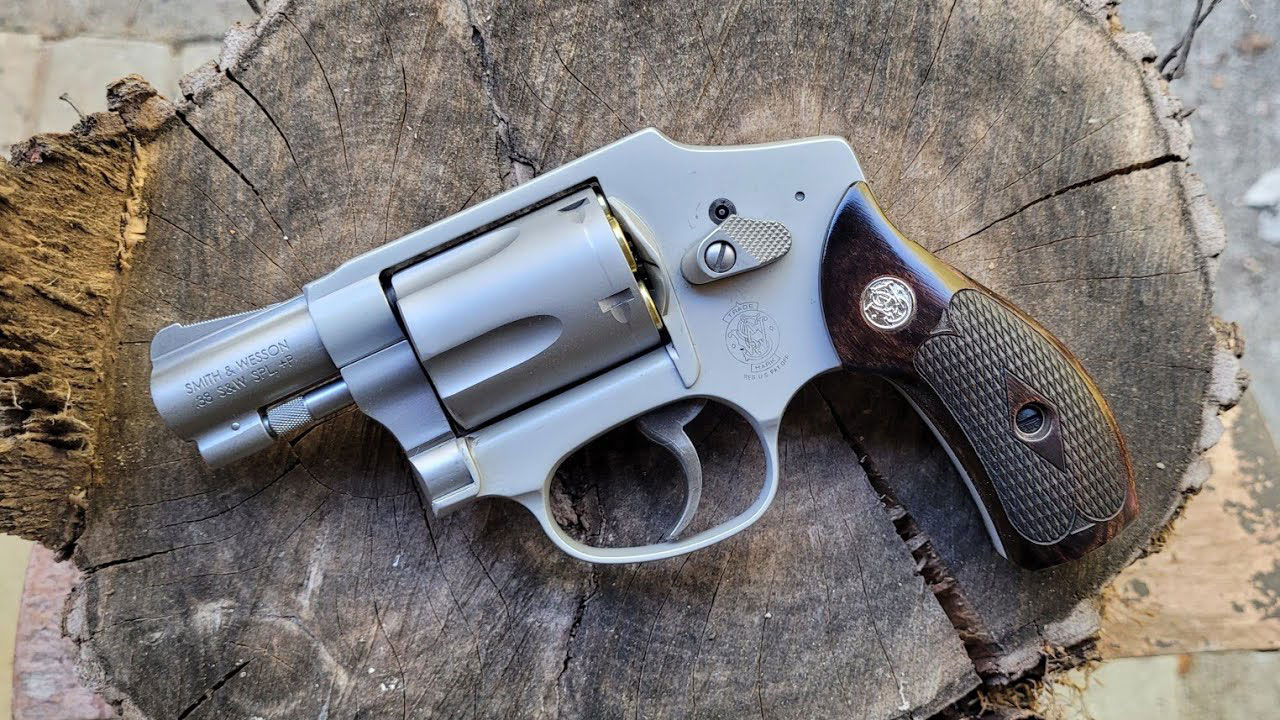
A 642 disappears in a pocket better than most pistols ever will. No slide to snag, simple manual of arms, and it rides well when you’re in the real world doing real chores. It’s one of the few guns that truly fits the “always” category.
The flaw is the combination of a heavy double-action trigger and small sights, which can be a rough mix under pressure. At close range it’s fine, but a lot of owners are surprised how quickly they get sloppy past typical defensive distances, especially with +P loads. You can practice your way out of it, but most folks don’t practice enough with a lightweight snub because it’s not fun. The 642 stays because it’s convenient, but it rarely makes owners feel confident at speed without work.
13. CZ 75B (great shooter, but the slide is stingy)

The CZ 75B has a feel that wins people over fast. It sits low in the hand, tracks well, and tends to shoot like it costs more than it does. The ergonomics are excellent for a lot of hands, and it’s easy to understand why the design has such a following.
The lasting complaint is the slide profile. That inside-the-frame design helps with recoil control, but it also gives you less slide to grab, especially with wet hands, gloves, or cold weather. It’s not a deal-breaker until you’re doing malfunction drills or trying to rack it under less-than-ideal conditions. Owners will defend it because the gun shoots so well. Still, many quietly admit they wish they had more purchase up top when things get slick or stressful.
14. Walther PPK/S (bite and weight for the caliber)
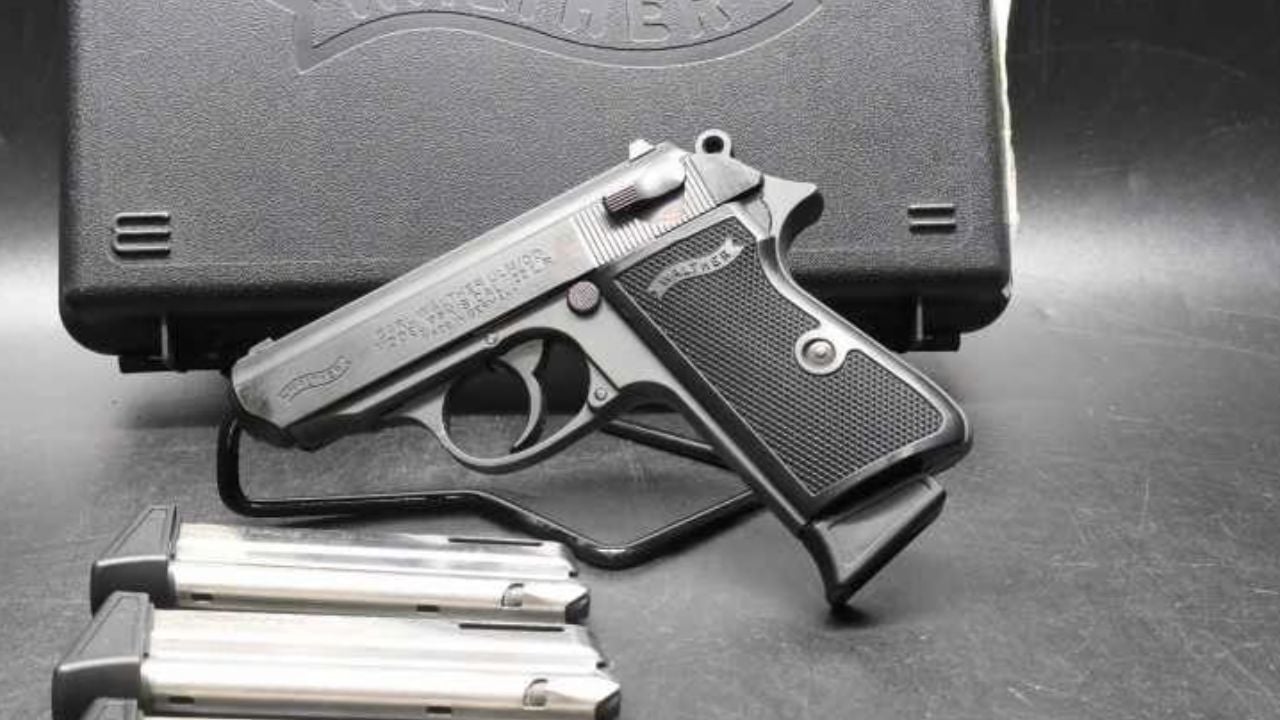
The PPK/S has style, history, and that old-school cool factor that never really fades. It’s slim, points well for some shooters, and it carries flatter than plenty of modern compacts. For certain collectors, it’s a must-own.
The flaw is that many hands don’t get along with it. Slide bite is real, recoil can be sharp for a .380 due to blowback operation, and the weight-to-caliber ratio feels strange in 2026 when lighter, higher-capacity .380s exist. Owners end up loving the idea of it more than the shooting experience. They can’t fully excuse the discomfort, but they also can’t bring themselves to dump a pistol with that much character. It’s the kind of gun that stays because it’s a PPK/S, not because it’s the best carry choice.
15. Taurus Judge (bulk and ammo performance reality check)

The Judge sells a simple promise: revolver reliability with shotshell flexibility for snakes and pests. In the right context—back porch, barn, tackle shed—it feels like a handy idea. Some owners truly do use it for dispatching small nuisances at very close range.
The flaw is that it’s bulky and the performance is often misunderstood. .410 handgun loads out of a short barrel don’t behave like a shotgun, and accuracy with .45 Colt varies by gun and load. Carrying it feels like carrying a lunchbox. It’s not useless, but it’s specialized, and many folks figure that out after the new-gun excitement wears off. Yet it hangs around because it fills a “just in case” niche people like to believe in, especially in rural settings.
16. FN Five-seveN (ammo cost and the constant side-eye)

The Five-seveN is light for its size, holds a pile of rounds, and shoots flat. It’s a fun gun, and it’s one of the few handguns that can make you feel like you’re cheating on recoil. For certain users, it actually does a specific job well.
The flaw is living with it. Ammo is expensive compared to 9mm, not every shop has it, and it’s not the kind of cartridge you casually stock deep without planning. On top of that, the pistol tends to attract opinions—some informed, plenty not. Owners get tired of explaining what it is and what it isn’t. You can’t fully excuse the cost if you’re a high-volume shooter, and you can’t fully walk away because it’s such a unique, capable setup when you do feed it.
17. Smith & Wesson Model 29 (recoil makes it a sometimes gun)

The Model 29 in .44 Magnum is pure American handgun legend. It balances better than you’d expect, and with the right loads it can be surprisingly accurate. For a hunting sidearm or a statement piece at deer camp, it’s hard to beat the vibe.
The flaw is simple: full-power .44 is a lot, and most owners don’t shoot it as much as they think they will. The recoil wears on wrists and confidence, and it can turn range practice into a flinch factory if you’re not careful. You can run .44 Special and enjoy it, but then you’re always half-admitting you don’t really use it for what it’s famous for. Owners keep them because they’re iconic and genuinely capable, but many accept it’s not an every-weekend shooter.
18. Desert Eagle Mark XIX (it’s heavy, picky, and still hard to quit)

The Desert Eagle is ridiculous in the best and worst ways. It turns heads, it booms, and it feels like owning a piece of movie history. For some folks, that’s enough. It’s also one of the few handguns that truly delivers that “hand cannon” experience.
The flaw is living with it like an actual firearm owner. It’s heavy, it’s large, and gas-operated pistols can be more ammo-sensitive than people expect. You may find it prefers certain loads and certain magazines, and the cost per trigger pull isn’t friendly. It’s not something you toss in a chest rig and hike all day. And yet owners keep them because nothing else scratches that itch. Even when it’s temperamental, it’s memorable.
19. Remington R51 (promise was big, execution left scars)
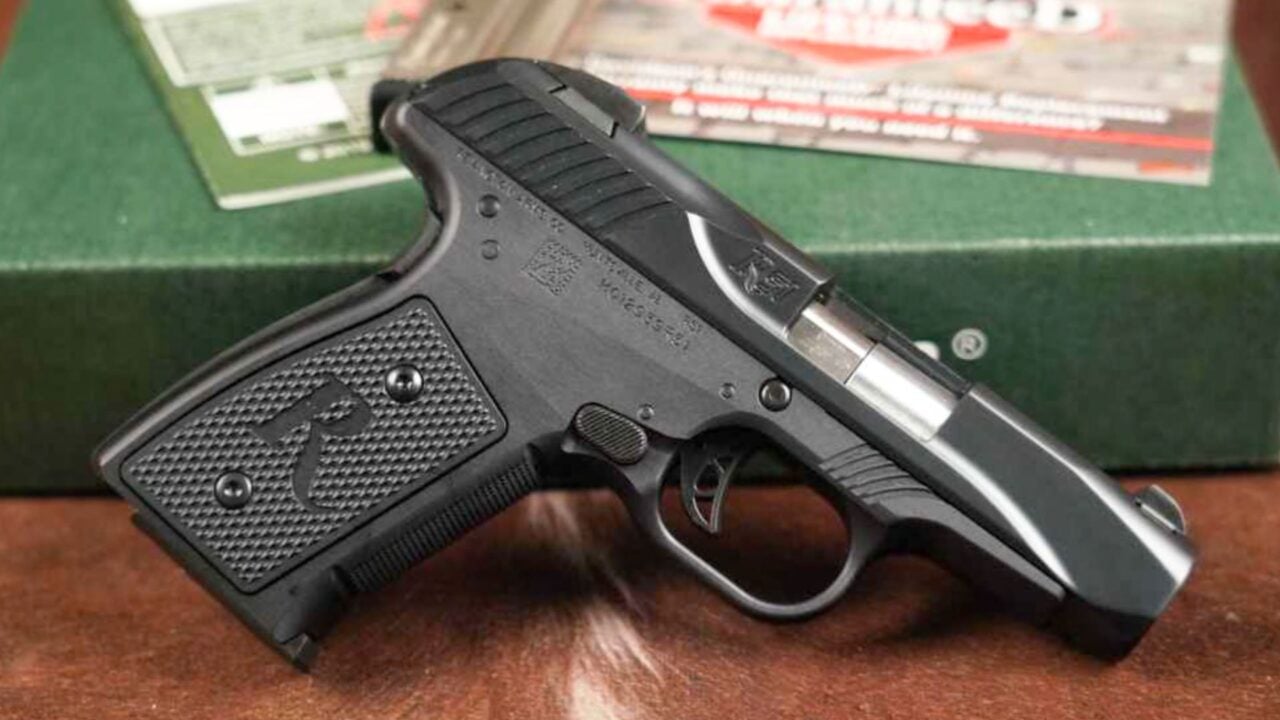
The R51 had an interesting concept and a lot of initial curiosity. Slim profile, carry-friendly dimensions, and a design that looked like it could’ve been a sleeper hit. On paper, it sounded like a fresh alternative to the usual striker-fired crowd.
The flaw is that too many owners experienced reliability problems, odd ergonomics, or just a general lack of confidence in the platform. Once a carry gun makes you question whether it will feed or extract consistently, it’s hard to ever love it again. Even after fixes or later versions, the reputation stuck like burs on wool pants. Some owners hang onto them out of stubbornness or because they like oddball guns. But that lingering doubt never fully leaves, and it’s hard to recommend without adding a bunch of caveats.
20. Hi-Point C9 (ugly, heavy, but it often runs)
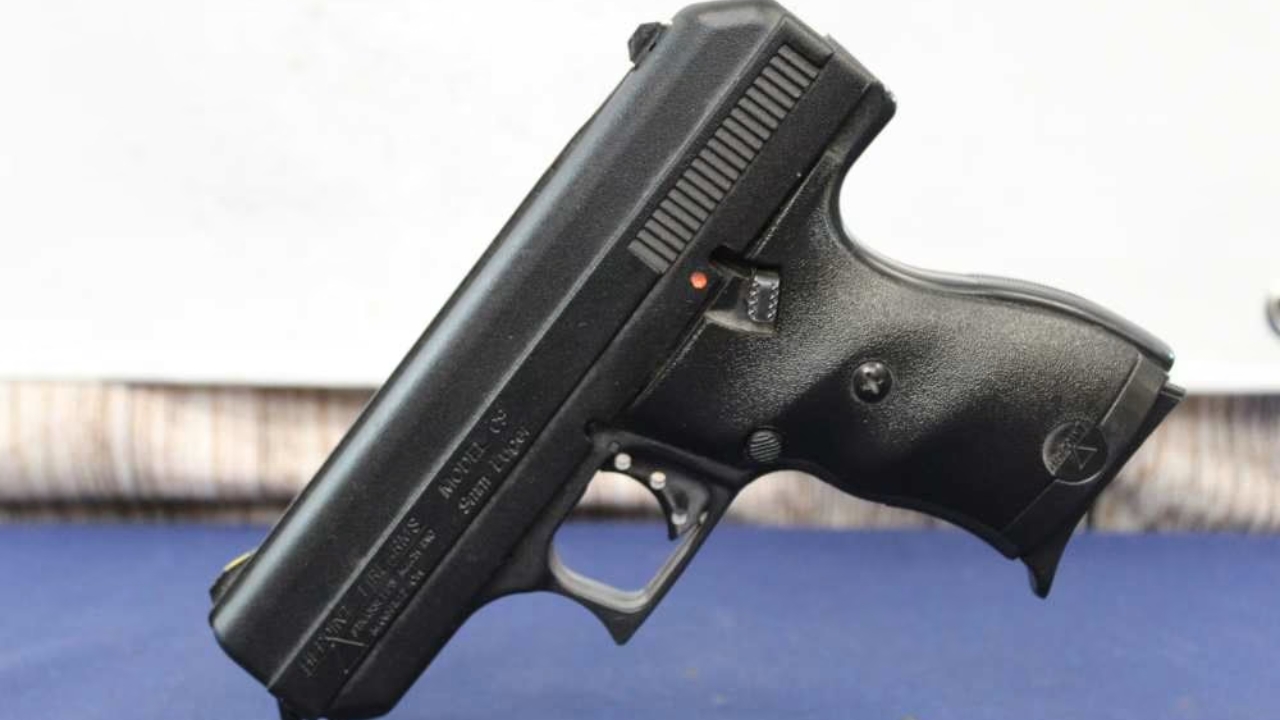
The Hi-Point C9 is not winning any beauty contests. It’s chunky, the ergonomics are awkward for some hands, and it’s the opposite of sleek. If you care about fit, finish, and pride of ownership, this pistol will test you.
The flaw that nags owners is exactly that—nobody wants to love a gun that feels like a cinder block with a trigger. It’s heavy for its capacity, not fun to carry, and it’s easy to mock. But here’s why owners can’t quite quit it: many of these pistols are stubbornly reliable when fed decent ammo and kept reasonably clean. They also fill a real role as a budget nightstand gun, tackle box gun, or “loaner for the buddy who never brings a pistol” gun. You’ll never fully excuse it, but you might not get rid of it either.
All of these handguns have something about them that sticks in your craw. Sometimes it’s recoil. Sometimes it’s reputation. Sometimes it’s a control layout that makes no sense for your hands. The trick is being honest about what you’ll actually do with the gun—carry it, hunt with it, leave it by the bed, or just enjoy it at the range. If it does its job and you trust it, you can live with a flaw. Just don’t pretend the flaw isn’t there.
Like The Avid Outdoorsman’s content? Subscribe to our newsletter so you never miss an article.
Here’s more from us: