Photo credit: Julia Zavalishina/Shutterstock.com
Some dog breeds become popular because they look impressive, have a recognizable personality, or show up constantly on social media. That does not always mean they are easy to live with. A breed can be affectionate and loyal while still demanding far more exercise, grooming, training, supervision, or money than the average owner expects. In some cases, the problem is not the dog at all. It is the gap between what people imagine they are getting and what the breed actually requires every day.
The dogs on this list are not bad breeds. Many are excellent in the right home. The issue is that they bring enough baggage that plenty of owners would be happier with something easier. That can mean endless shedding, stubborn behavior, expensive health problems, nonstop barking, destructive energy, or an instinct that never really switches off. These 20 popular dogs can be great for dedicated owners, but for a lot of households, the work outweighs the reward.
Siberian Husky

Huskies look incredible, have huge personalities, and can be extremely entertaining. That combination makes them one of the easiest dogs to fall in love with before you understand what living with one actually involves. They were bred to run for long distances, think independently, and keep going even when the weather is miserable. None of that disappears because they are living in a suburban backyard.
A bored Husky can dig, climb, chew, howl, and escape with impressive determination. Their recall is often unreliable, and many have enough prey drive that smaller animals can become a problem. Then there is the shedding, which can feel endless during coat-blowing season. If you genuinely want a high-energy northern breed, they can be fantastic. If you just like the blue eyes and wolfish appearance, there are much easier dogs to own.
French Bulldog

French Bulldogs are enormously popular because they are small, funny, affectionate, and usually easy to keep in an apartment. On the surface, they look like one of the easiest companion dogs you could choose.
The trouble is health. Their short muzzles can make breathing difficult, especially in heat, and spinal, skin, allergy, and joint problems are common enough to turn ownership into a steady stream of vet visits. Many also struggle with temperature regulation, which means hot summers require real management. They are not built for long hikes or hard exercise, and even routine anesthesia can carry more concern than with healthier breeds. A good Frenchie can be lovable and hilarious, but if you want a low-maintenance small dog, the medical baggage makes them much harder to recommend than their popularity suggests.
Belgian Malinois
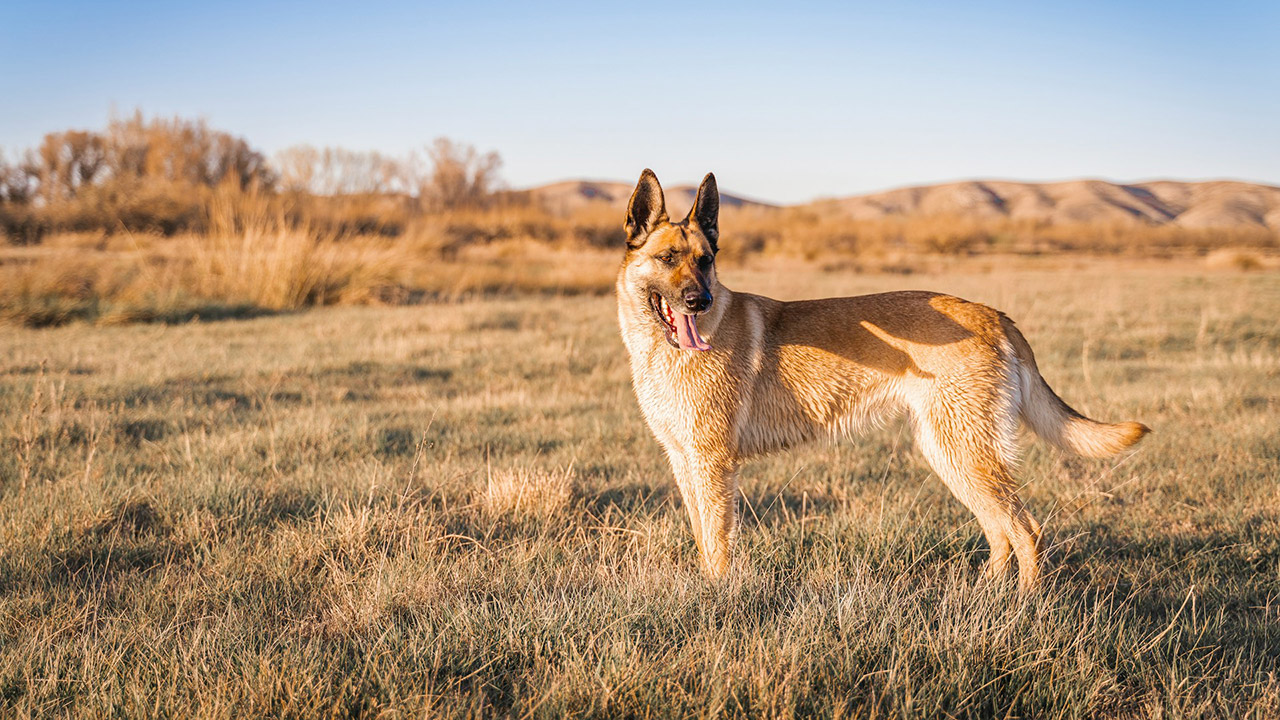
The Malinois is impressive enough to make almost anyone want one after watching a trained example work. They are fast, intelligent, athletic, and intensely responsive to a skilled handler.
That is also exactly why they are a bad fit for most homes. A Malinois needs structure, training, and meaningful activity every day. A walk around the block is not enough. Without an outlet, their energy can turn into destructive behavior, reactivity, obsessive habits, or constant frustration. They also tend to be mouthy and physically intense, which can overwhelm families expecting a calmer shepherd-type dog. These are phenomenal working dogs, but the average owner does not need that much drive. Admiring one is easy. Living with one correctly is a full-time commitment.
English Bulldog
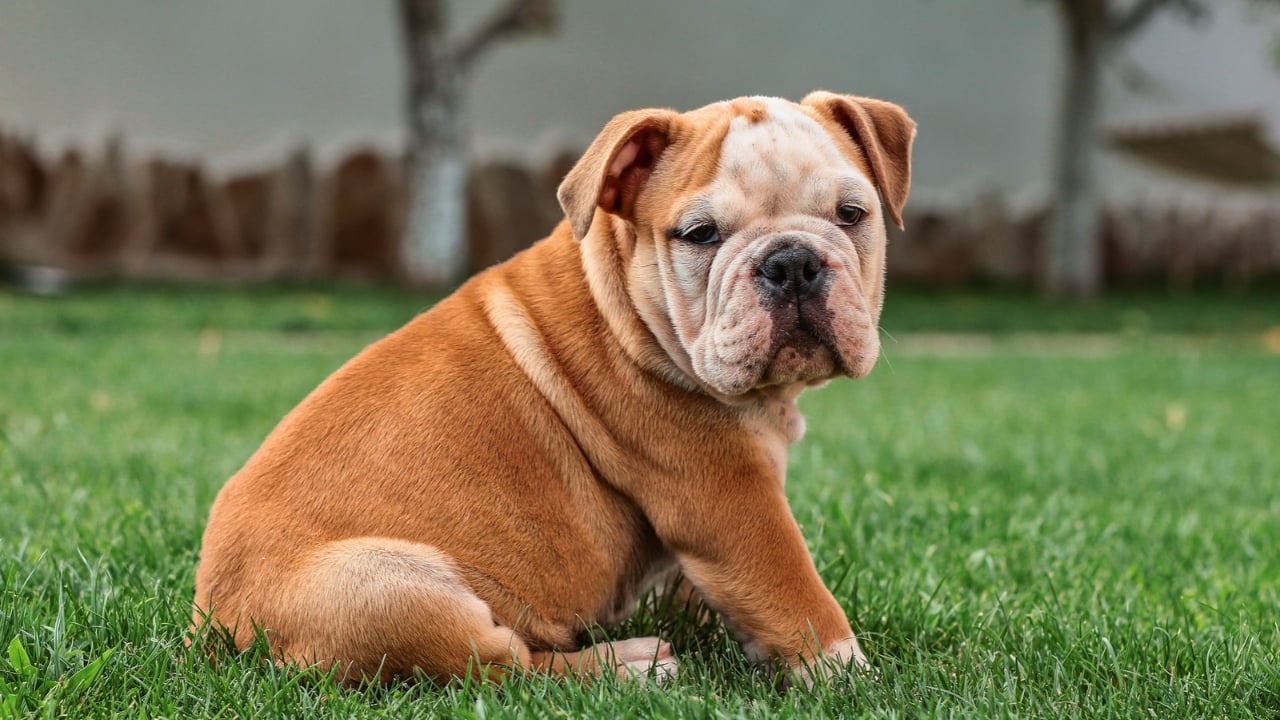
English Bulldogs have a relaxed personality that makes them look like an ideal low-energy family dog. They are usually affectionate, funny, and happy to lounge around the house.
Unfortunately, the same physical traits people love are tied to many of the breed’s biggest problems. Breathing difficulty, skin infections, joint issues, overheating, eye problems, and expensive veterinary care are all common concerns. Many Bulldogs cannot tolerate much heat or exercise, which limits what you can comfortably do with them. Even routine daily care may involve cleaning skin folds and watching closely for breathing trouble. Their personality can be wonderful, but there are plenty of easygoing breeds that do not come with nearly the same medical burden. For many owners, the health problems make the Bulldog far more trouble than expected.
Border Collie

Border Collies are often called the smartest dogs in the world, which sounds like a major advantage. In the right home, it absolutely is.
The problem is that intelligence without enough work can make them exhausting. Border Collies were developed to spend long days controlling livestock and responding to subtle handler cues. When they do not have a job, they often invent one. That can mean chasing shadows, herding children, staring obsessively at movement, barking at anything that changes, or developing repetitive behaviors. Physical exercise alone may not be enough because they also need mental work. If you want a serious training partner or working dog, they are incredible. If you just want a pleasant family pet, their brain and drive can create far more work than most people expect.
Chow Chow
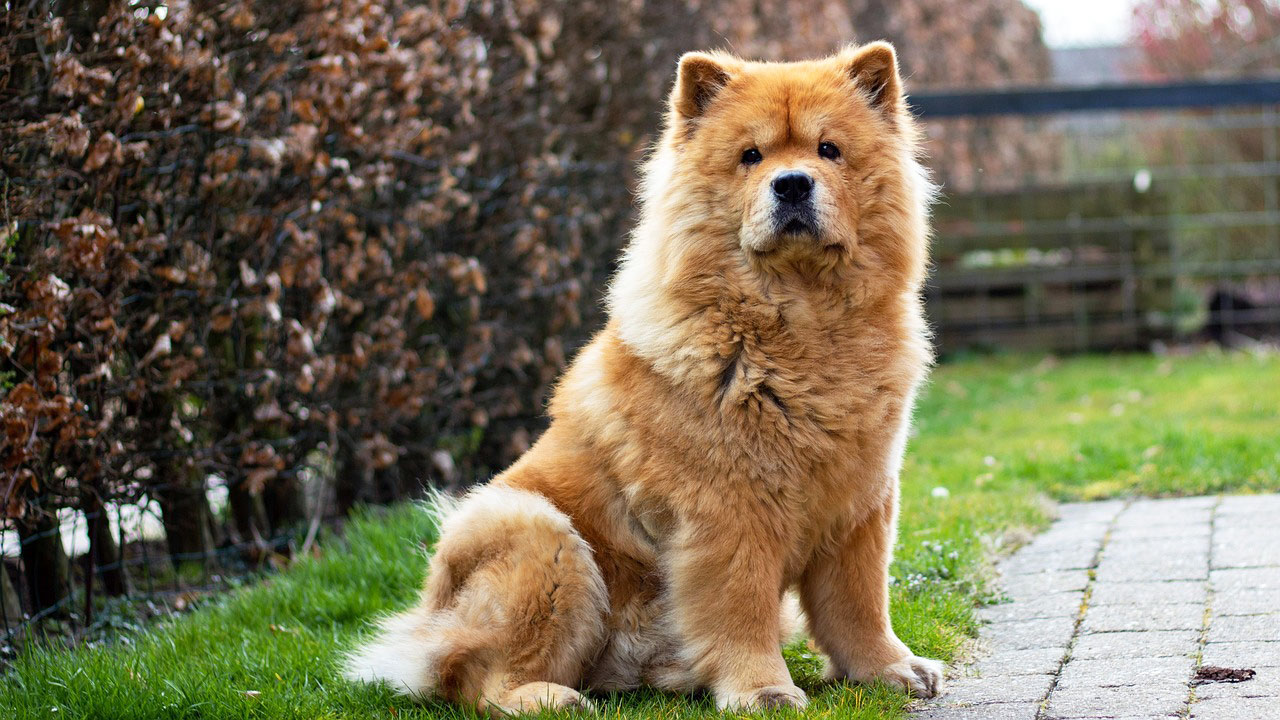
Chow Chows have a distinctive look and a calm, almost dignified presence that appeals to people who do not want a hyperactive dog. They can also be deeply loyal to their family.
That loyalty often comes with a very independent personality. Chows are not typically eager to please, and many are naturally suspicious of strangers. Early socialization matters a lot because an adult dog that has learned to distrust unfamiliar people can be difficult to manage. They also have a heavy coat that demands regular maintenance and makes hot weather harder. Add in their stubbornness, and you have a breed that can be frustrating for inexperienced owners. They can be excellent with the right person, but anyone expecting a fluffy, easygoing companion may be in for a surprise.
Weimaraner

Weimaraners are sleek, athletic, and intensely attached to their owners. They also have enough energy to make an ordinary household feel like a permanent training camp.
These dogs were bred to hunt and work closely with people, which means they usually want both exercise and constant involvement. They can become destructive when bored and may struggle badly with being left alone. Their size makes that destruction more expensive because a frustrated Weimaraner can do serious damage to doors, furniture, and crates. They also have strong prey drive and need consistent training. If you hunt or run and want a dog involved in everything, they can be excellent. If you work long hours and want a dog that calmly waits at home, there are much easier choices.
Dachshund

Dachshunds are small enough to seem easy, and their personality makes them incredibly popular. They are funny, confident, and often act like much larger dogs.
That confidence can turn into stubbornness, barking, digging, and surprising difficulty with house training. Their long backs also create a serious health concern because spinal injuries can become expensive and life-changing. Owners need to manage jumping, stairs, weight, and rough handling more carefully than they might with a more normally proportioned dog. Many Dachshunds also have strong hunting instincts and can be extremely determined once they lock onto a scent. They are entertaining little dogs, but they are not automatically easy just because they are small. The combination of attitude and back problems can create far more management than buyers expect.
Australian Cattle Dog

Heelers are tough, smart, compact, and incredibly capable. That combination makes them look like an ideal active companion.
The issue is intensity. Australian Cattle Dogs were bred to push stubborn cattle, which required confidence, persistence, and a willingness to use their teeth. Those traits can show up at home as nipping, controlling behavior, reactivity, and an almost constant need for something to do. They are also extremely observant, so they quickly notice inconsistencies in training. A bored Heeler can become difficult fast. For someone with land, livestock, or a serious training hobby, they are excellent. For a casual pet owner who wants an easy dog around kids and visitors, they can require far more management than their medium size suggests.
Shiba Inu

Shibas have become wildly popular because they are clean, compact, attractive, and full of personality. They also have an almost catlike independence that some owners find appealing.
That independence is exactly what makes them frustrating. Many Shibas do not care much about pleasing their owner, which makes training slower and recall questionable. They can be escape artists, dislike restraint, and react dramatically when they do not want something done. Grooming, nail trimming, and vet visits can become a project if the dog is not carefully conditioned early. They are not typically clingy or obedient in the way many people expect from a companion dog. If you appreciate an independent personality, they can be great. If you want a dog that listens because you asked, a Shiba may test your patience daily.
Beagle

Beagles are friendly, compact, and usually excellent with people. That makes them look like one of the safest family-dog choices around.
Then their nose turns on. Once a Beagle catches a scent, the rest of the world can disappear. Recall becomes unreliable, fences become essential, and walks can turn into constant pulling if training is weak. They are also vocal, and their baying can be much louder than new owners expect from a dog that size. Food motivation is another issue because many Beagles will steal anything edible and gain weight quickly if portions are not controlled. They are cheerful dogs with plenty of charm, but the combination of noise, scent drive, and stubbornness can become exhausting in a home that expected an easy little companion.
Cane Corso

The Cane Corso is powerful, athletic, and naturally protective, which is exactly why so many people are attracted to the breed. A mature, well-trained Corso can be an impressive family guardian.
The problem is that there is very little room for careless ownership. A dog this large and strong needs early socialization, obedience, boundaries, and an owner who can remain consistent without becoming confrontational. Poor breeding can also magnify fearfulness or unstable behavior, which is dangerous in a dog capable of doing serious damage. They are not a breed you can casually socialize for six months and then forget about. Visitors, other dogs, and changes in the household all require thought. If you genuinely need and understand a guardian breed, the Corso can excel. Most households do not need that level of dog.
Dalmatian

Dalmatians remain one of the most recognizable breeds in the world, and their athletic build and spotted coat make them easy to admire.
They are also far more demanding than many people expect. Dalmatians were bred to run alongside carriages, so they have real endurance and need substantial exercise. Bored dogs can become destructive or difficult, and some lines are more reactive or sensitive than casual owners anticipate. Deafness is also a known concern in the breed, which can complicate training. Their short coat may look low maintenance, but they shed constantly and the white hairs seem to stick to everything. A well-exercised Dalmatian can be an excellent companion. A bored one can make the entire household miserable.
Pug
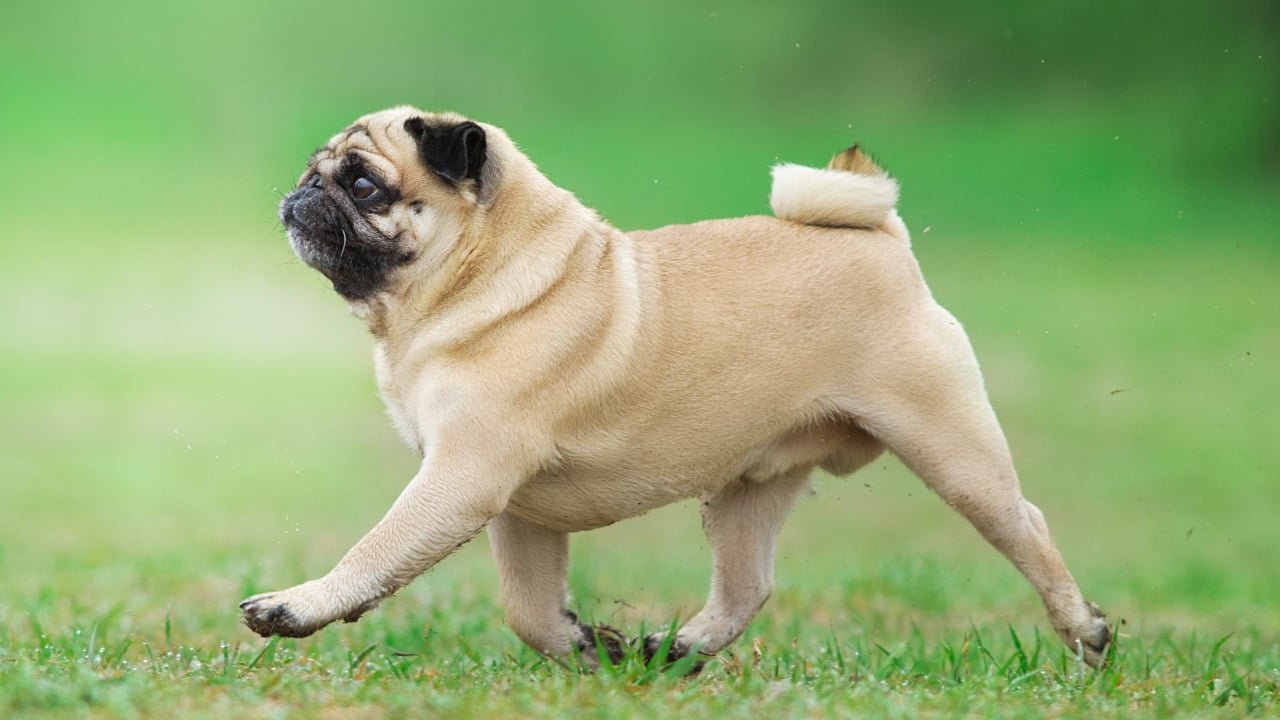
Pugs are affectionate, charming, and compact enough to fit into almost any home. Their personality is usually the strongest argument in their favor.
Their physical structure is the problem. Breathing issues, overheating, eye injuries, skin problems, and weight gain can all require constant attention. Their eyes are particularly exposed, and their short muzzle makes hot weather much harder on them than many owners realize. Exercise has to be managed carefully, yet keeping them lean is important because extra weight makes breathing even harder. They can also snore, wheeze, and struggle with temperature control. If you love the personality, it is easy to overlook all of this. For someone simply looking for an easy small dog, though, there are healthier options with far fewer built-in problems.
Jack Russell Terrier
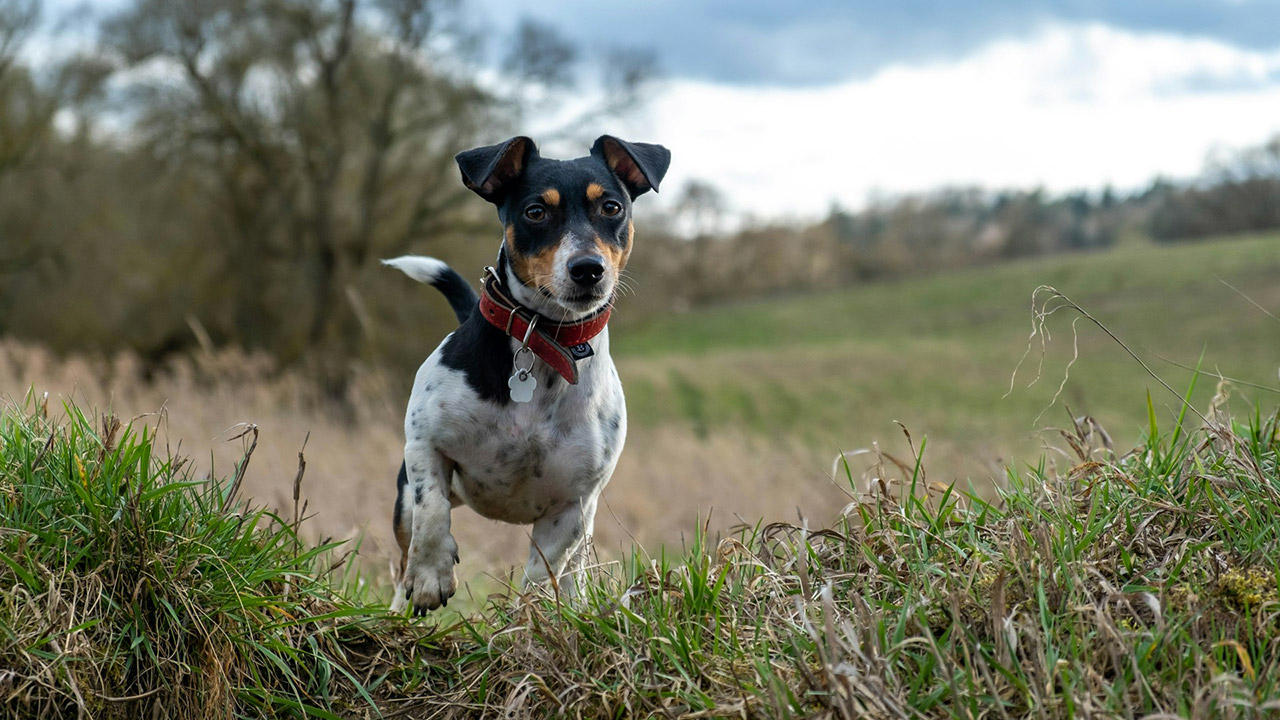
Jack Russells are small dogs with the energy level and confidence of something three times their size. That is entertaining right up until you are trying to live with it every day.
They were developed to hunt, dig, chase, and keep going despite discomfort. That means a typical Jack Russell needs far more activity and mental stimulation than most people expect from a dog that weighs around 15 pounds. They can be vocal, destructive, dog-selective, and relentless around small animals. Fences need to be secure because digging and escaping come naturally. The upside is that they are brilliant and extremely fun for owners who enjoy training. The downside is that they rarely become quiet little lap dogs just because the workday is over. Their size badly undersells how demanding they can be.
Alaskan Malamute
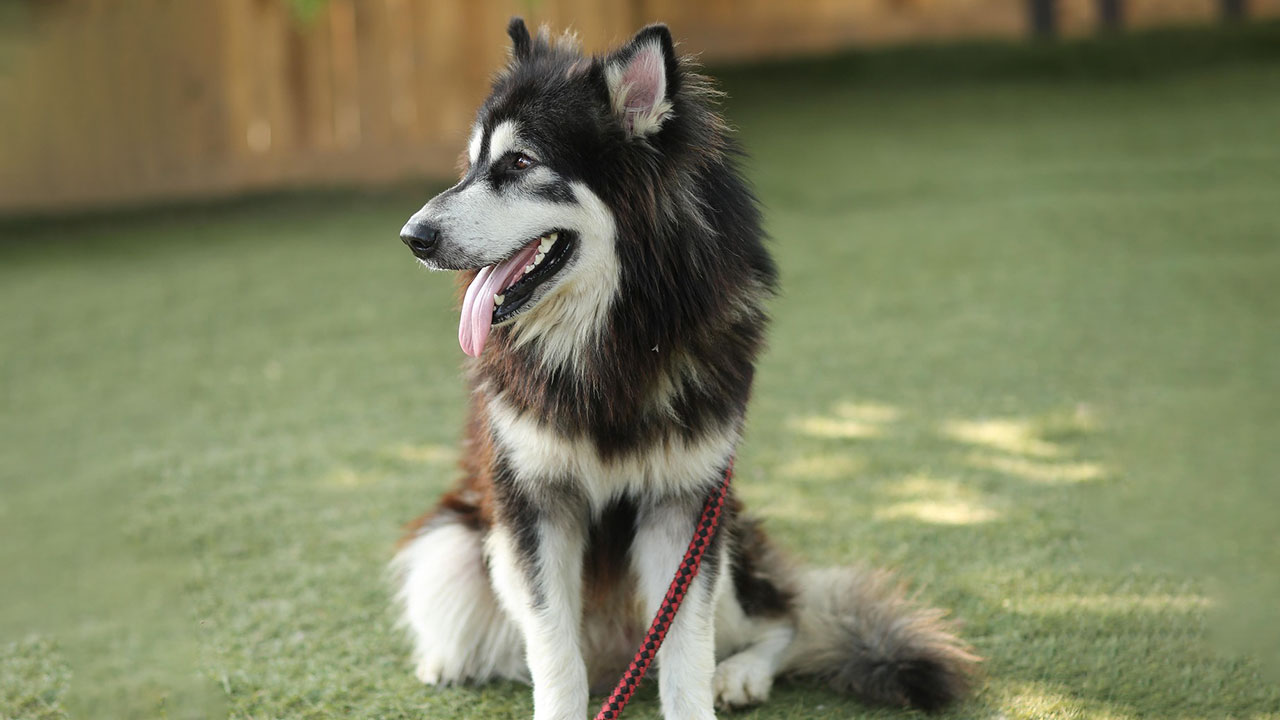
Malamutes are beautiful, powerful, and often more laid-back than Huskies in the house. That can make them seem like the easier northern breed.
They still come with plenty of difficulty. Their size makes everything more serious, including pulling, escaping, prey drive, and conflict with other dogs. They shed enormous amounts of coat and do poorly in extreme heat. Their independence can also make obedience inconsistent, particularly when there is something more interesting nearby. Malamutes were bred to pull heavy loads and make decisions while working, not to wait constantly for instructions. They can be affectionate family dogs, but they need room, exercise, and experienced handling. For someone attracted mainly to the appearance, there are far simpler breeds to live with.
Great Dane
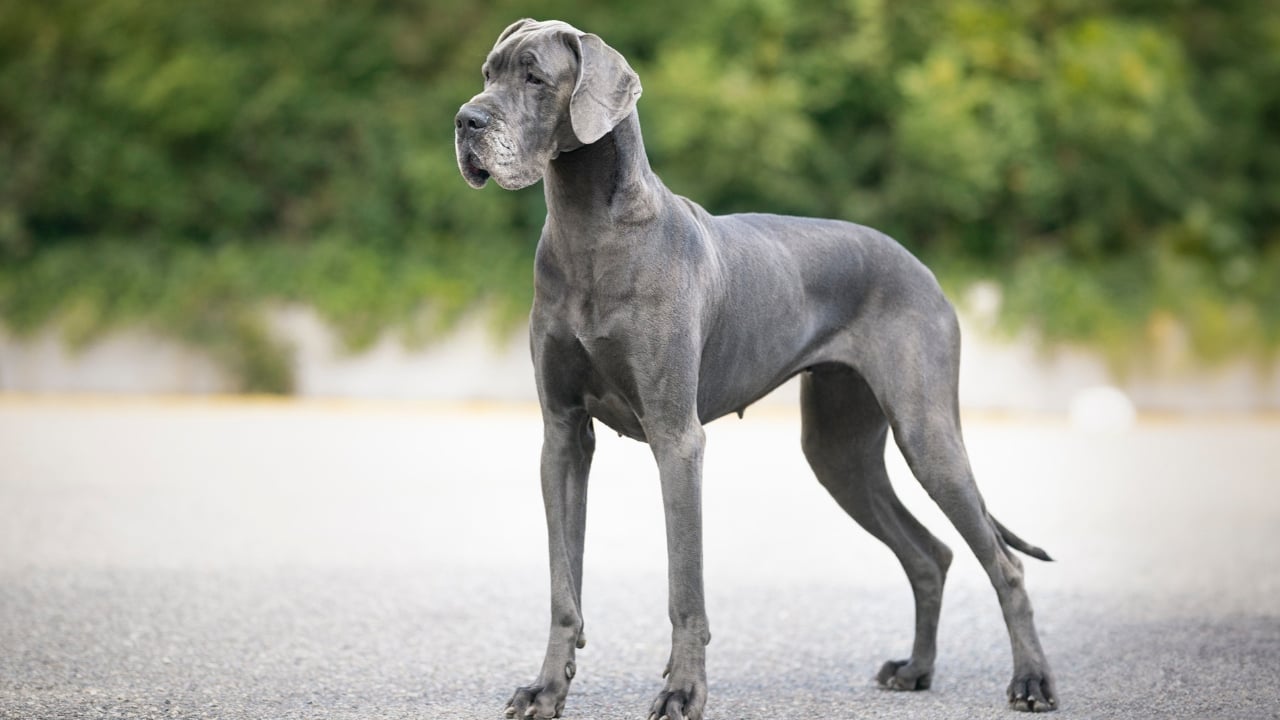
Great Danes are usually gentle, affectionate, and calmer than their size suggests. That temperament is why people often assume living with one is easier than living with a more energetic large breed.
Size changes everything. Food costs more, medications cost more, boarding is harder, vehicles need more space, and even a mild orthopedic problem can become expensive. Their lifespan is also painfully short compared with smaller dogs, and bloat is a serious concern. A 150-pound dog that leans, jumps, or gets excited can knock people over without intending to. They are wonderful dogs for people prepared for giant-breed ownership, but the emotional and financial cost can be substantial. Their temperament is easy. Their body is not.
Cocker Spaniel
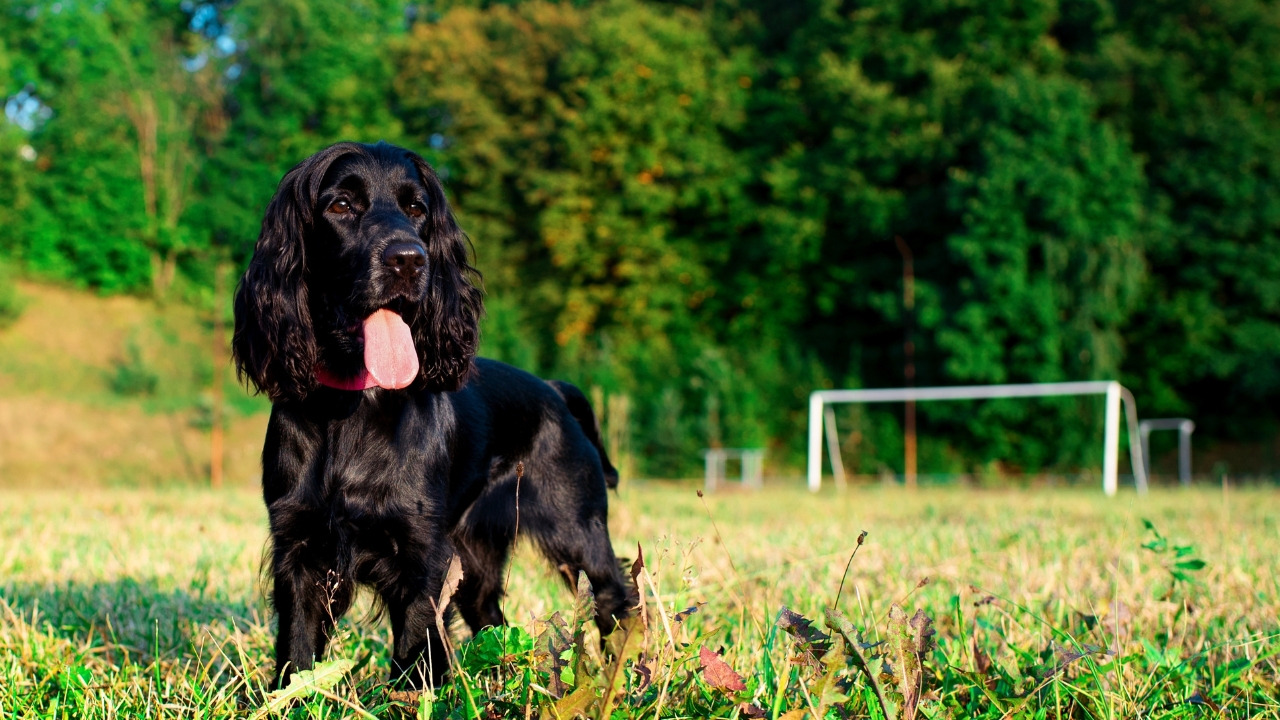
Cocker Spaniels have the size, looks, and friendly reputation that make them seem like easy family dogs. Many are exactly that when well bred and well maintained.
The maintenance is where things get more complicated. Their coat needs regular grooming, their ears require attention, and skin or allergy problems can become chronic. Some lines also struggle with temperament issues that can surprise owners expecting a universally sweet companion. They are active enough to need regular exercise but not necessarily rugged enough to ignore grooming and medical care. The breed can be lovely, but it is not the low-effort option its size suggests. If you want a medium-small family dog and hate brushing, trimming, ear cleaning, or groomer bills, there are easier choices.
Miniature Australian Shepherd
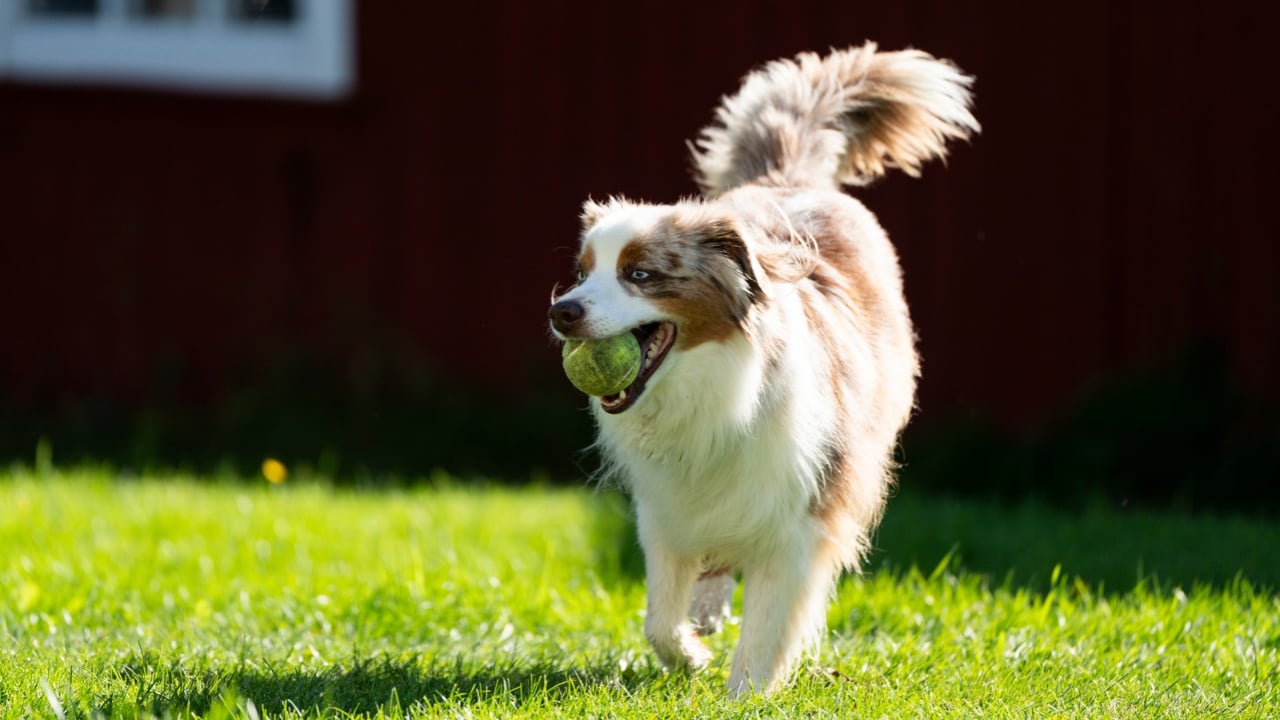
The smaller Australian Shepherd types are popular because people want the intelligence and looks of an Aussie in a more convenient package. The problem is that reducing the size does not remove the working-dog brain.
These dogs can be extremely busy, vocal, and sensitive to movement. They often herd children, chase bicycles, bark at visitors, and become restless when they do not have enough mental work. Because they are smaller, owners sometimes underestimate how much exercise and training they need. That can lead to anxious or reactive behavior that is much harder to correct once established. They can be excellent sport or farm companions, but someone expecting a calmer little house dog may find the exact opposite. Small does not mean low drive.
German Shorthaired Pointer
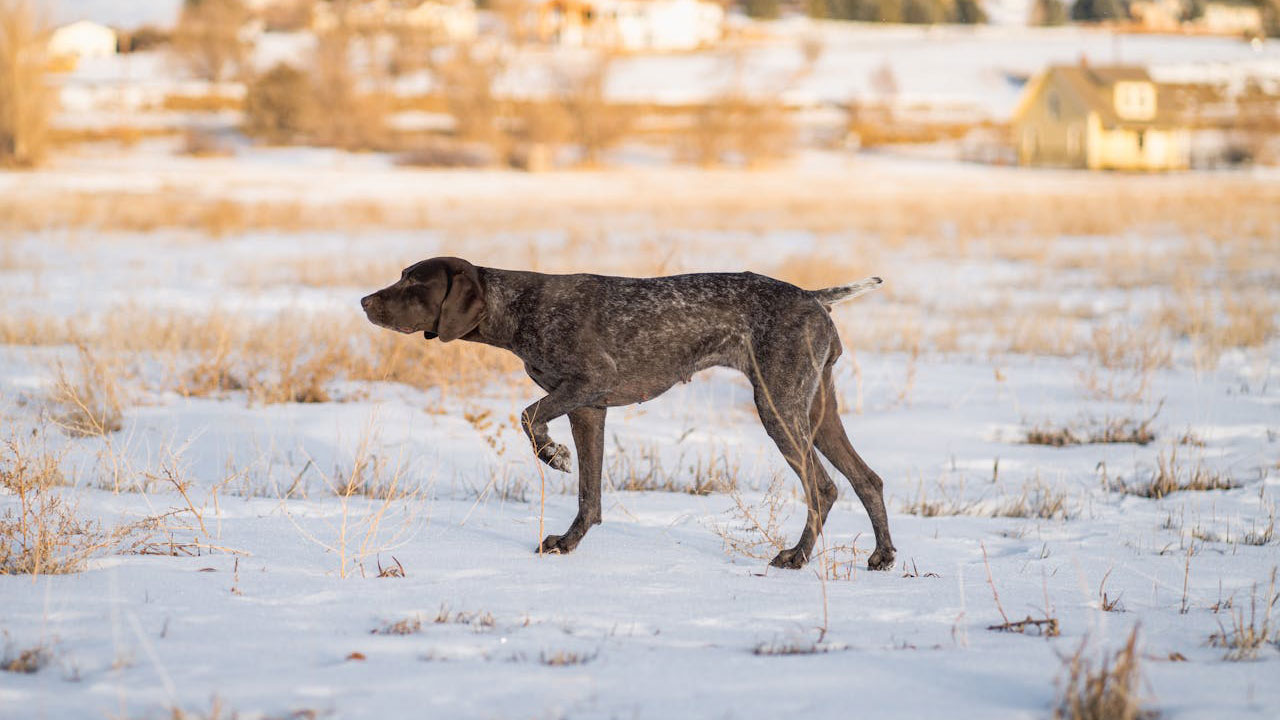
German Shorthaired Pointers are athletic, affectionate, and versatile enough to make almost any outdoorsman want one. They are also one of the easiest sporting breeds to underestimate.
A GSP can have an enormous amount of energy, especially through the first several years. They need room to run, structured exercise, and mental work or they can become destructive and restless. Their prey drive is strong, and reliable off-leash behavior takes training rather than appearing automatically. They also tend to want to be with their people, which can create separation issues if they are left alone too much. For hunters and very active families, they can be outstanding. For someone who mainly likes the sleek look and expects a dog that settles after a short walk, they can be exhausting.
Like The Avid Outdoorsman’s content? Subscribe to our newsletter so you never miss an article.
Here’s more from us: