Photo credit: Outdoor Enterprise Sweden/YouTube
Some rifles are easy to sell because another one can be purchased later without much trouble. Others become difficult to replace the moment they leave your hands. The price goes up, production ends, the replacement does not shoot as well, or you realize the rifle filled more roles than you appreciated while you owned it.
A permanent keeper does not need to be rare or expensive. It needs to offer something that remains useful after newer designs arrive. That could mean dependable hunting performance, inexpensive training, historical significance, unusual mechanical quality, or a level of versatility that prevents the rifle from becoming obsolete. These 20 rifles deserve serious thought before they are ever placed on the used rack.
Ruger 10/22
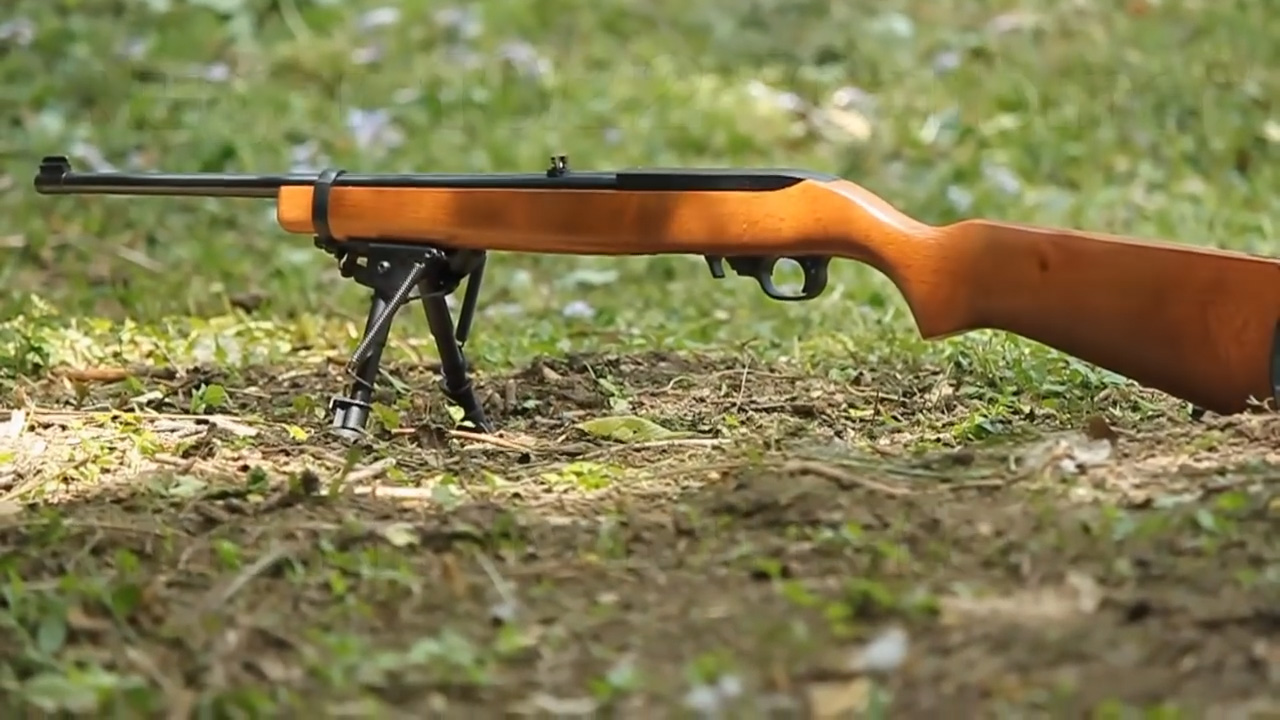
The Ruger 10/22 is one of the easiest rifles to underestimate because it is common, affordable, and chambered in .22 LR. Those qualities are exactly why it belongs in nearly every safe. It can introduce a new shooter to firearms, handle small-game hunting, control pests, and provide inexpensive practice when centerfire ammunition becomes costly.
The rifle also has one of the largest parts and accessory markets of any rimfire. Stocks, barrels, triggers, sights, magazines, and replacement components are available in nearly every configuration imaginable. Even after buying more expensive rifles, owners continue finding uses for a 10/22. Selling a dependable example rarely raises enough money to justify losing such a useful gun.
CZ 457 American

The CZ 457 American combines traditional walnut styling with the accuracy expected from a serious bolt-action rimfire. Its smooth action, good factory trigger, and cold-hammer-forged barrel make it capable of far more than casual plinking. With quality ammunition, it can handle small-game hunting and precision practice at distances that expose weaknesses in cheaper .22 rifles.
Unlike a lightweight semiautomatic, the CZ encourages slow and deliberate shooting. That makes it useful for developing fundamentals that transfer directly to centerfire hunting rifles. The barrel system also allows some versions to be converted to other rimfire chamberings. A well-shooting 457 is the kind of rifle that can be passed down rather than replaced.
Henry Golden Boy .22
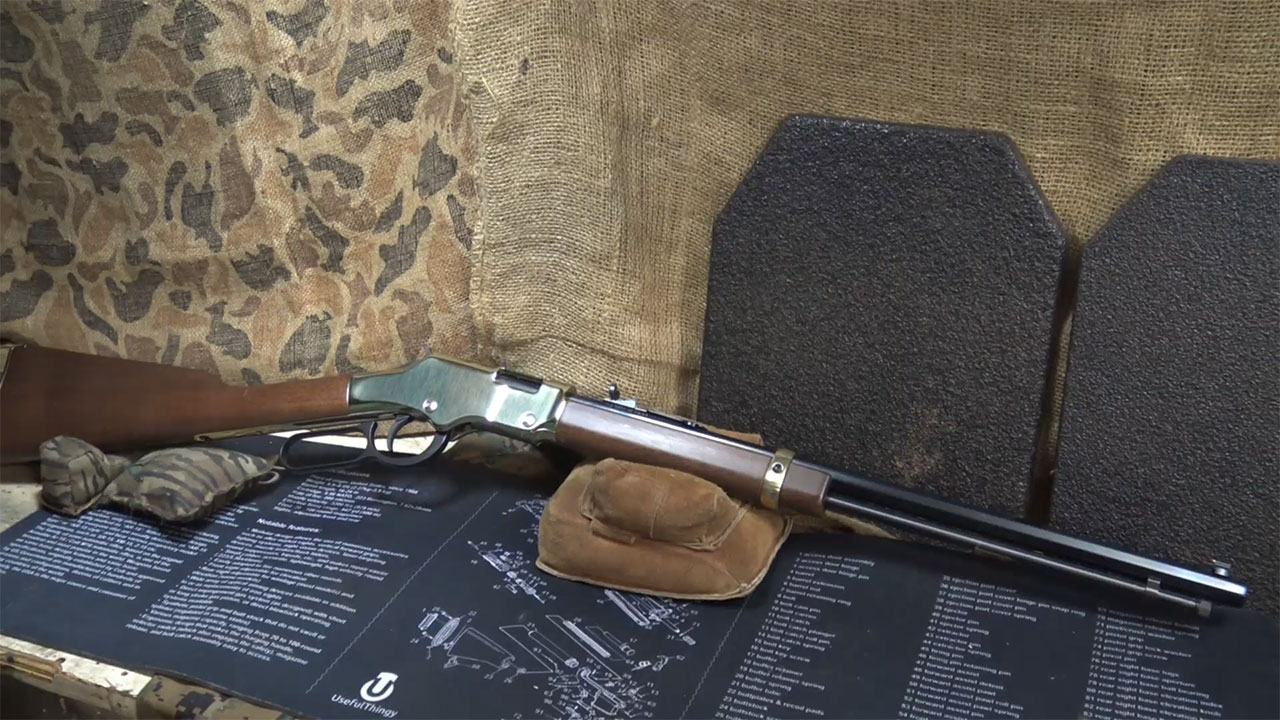
The Henry Golden Boy is not the lightest or most practical .22 lever action, but it offers a shooting experience that inexpensive polymer rimfires cannot duplicate. Its brass-colored receiver, octagonal barrel, walnut stock, and smooth action give it the feel of a rifle purchased to keep rather than use temporarily.
It remains useful for small-game hunting and recreational shooting, especially with mild .22 Short and .22 Long ammunition where compatible. The weight helps make the rifle steady, while the lever action keeps the experience engaging even for experienced shooters. It is the type of gun that becomes connected to family range trips and is difficult to sell without later regretting it.
Ruger American Rifle Gen II .308 Winchester
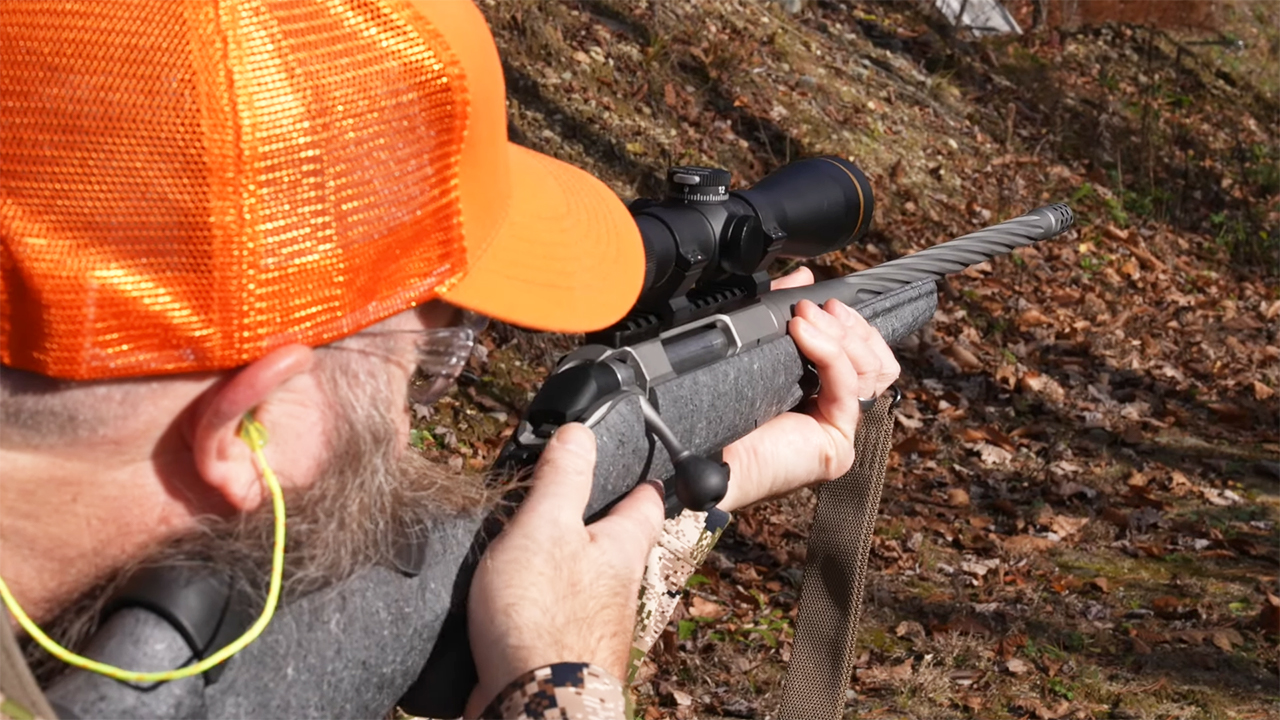
The Ruger American Rifle Gen II in .308 Winchester is not a rare collector’s item, but it is the kind of affordable working rifle that can remain useful for decades. The cartridge can handle deer, hogs, black bears, and many larger animals without producing magnum-level recoil or requiring specialized ammunition.
The Gen II configuration adds practical stock adjustment, a threaded barrel, and improved handling over the plainest early American rifles. A dependable .308 can serve as a first deer rifle, backup hunting gun, truck rifle, or suppressor host. Even after purchasing a more expensive bolt action, there is little reason to sell a proven Ruger that already shoots well.
Tikka T3x Lite Stainless
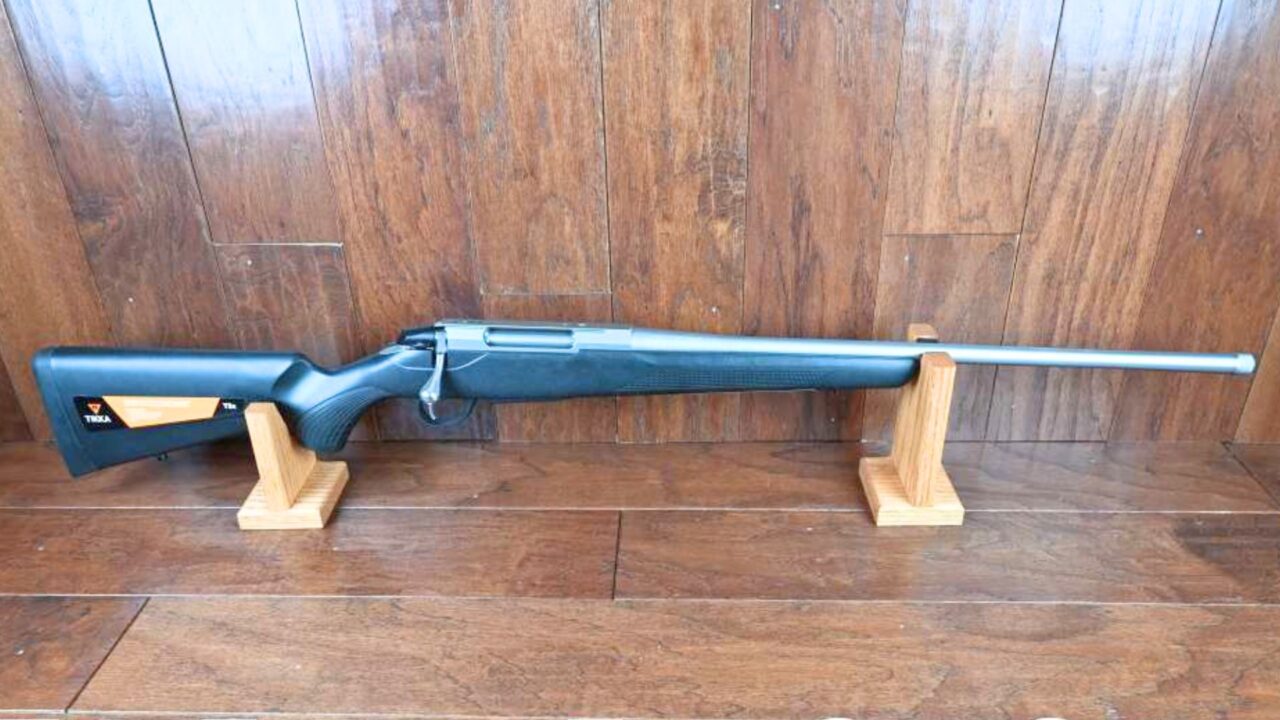
The Tikka T3x Lite Stainless earns a permanent place because it combines low weight, excellent accuracy, corrosion resistance, and one of the smoothest factory actions in its price range. It is easy to carry through woods and hills without feeling fragile or poorly balanced.
A stainless Tikka chambered in .308 Winchester, .30-06 Springfield, or 6.5 Creedmoor can handle years of hunting in rain, humidity, and changing temperatures. Its detachable magazine and synthetic stock are not as traditional as walnut and blued steel, but they are highly practical. Owners who sell an accurate Tikka often discover that the replacement costs more without shooting any better.
Winchester Model 70 Featherweight
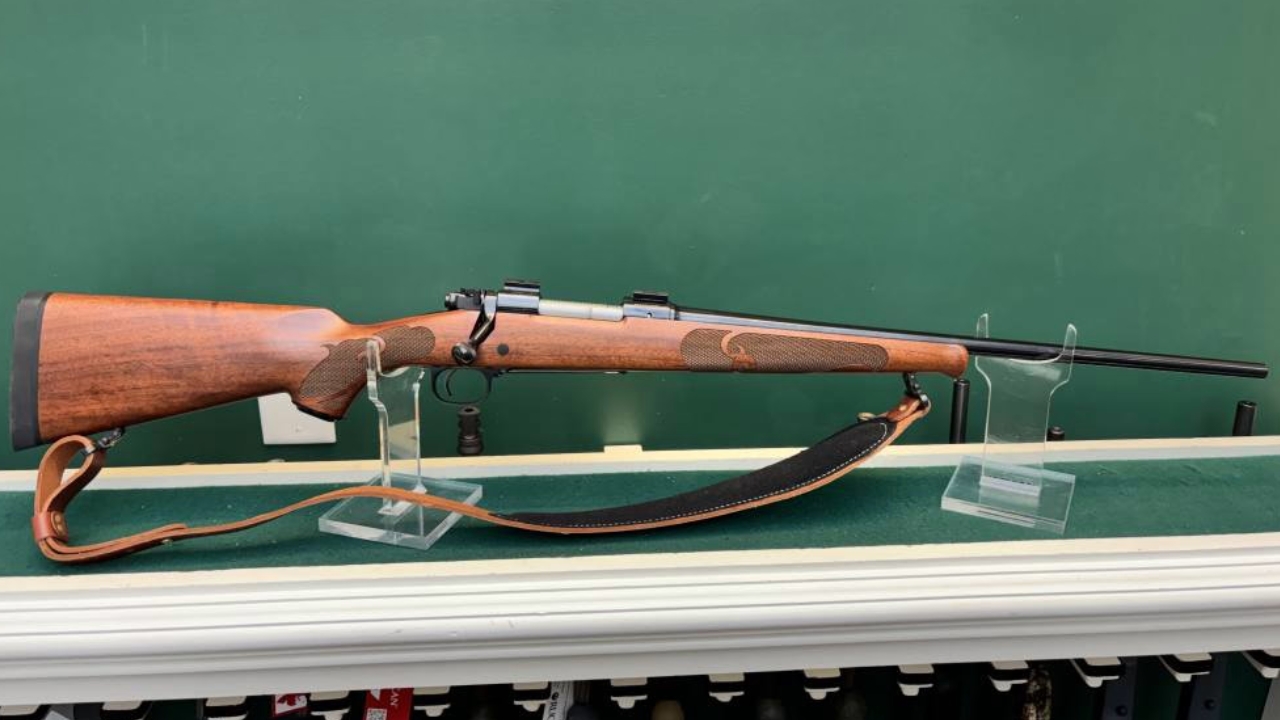
The Model 70 Featherweight combines practical hunting features with the kind of traditional construction that becomes harder to find every year. Its controlled-round-feed action, three-position safety, walnut stock, and slim barrel give it an identity beyond being another mass-produced bolt rifle.
The Featherweight is especially desirable in classic chamberings such as .270 Winchester, .30-06 Springfield, and .308 Winchester. It carries naturally and looks appropriate in a deer camp without being too delicate for actual field use. A clean example that shoots well should not be traded simply because a newer synthetic rifle is lighter or more fashionable.
Remington Model 700 BDL

A good Remington Model 700 BDL remains one of the rifles worth holding onto, particularly when it comes from a respected production period and already demonstrates excellent accuracy. The polished blued finish, hinged floorplate, and walnut stock give it the appearance of a traditional hunting rifle rather than a basic tool.
The Model 700 action also has enormous gunsmith and aftermarket support. A worn barrel can be replaced, the stock can be upgraded, and the action can become the foundation for a precision or custom hunting rifle. Selling a straight, accurate example for ordinary used-gun money can be a mistake because replacing its feel and versatility may cost considerably more.
Browning X-Bolt Medallion
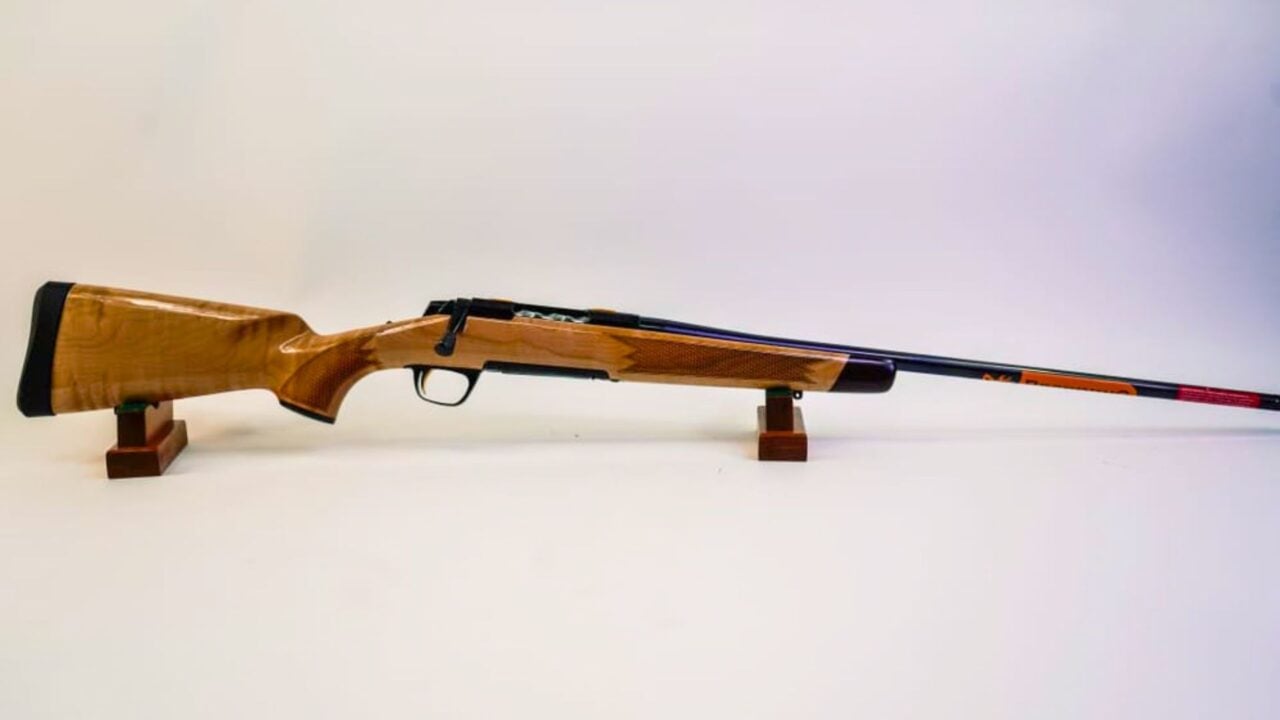
The Browning X-Bolt Medallion is one of the rifles owners often appreciate more after spending time with cheaper alternatives. Its polished finish, high-grade walnut, smooth bolt throw, and well-designed detachable magazine create a rifle that feels refined without becoming too ornate to hunt with.
The X-Bolt action is known for a short bolt lift that provides useful scope clearance and quick cycling. In a common chambering, the rifle can remain a dependable hunting companion for nearly any North American trip. Attractive wood also varies from gun to gun, so selling an example with particularly strong grain may mean never finding another one that looks the same.
Sako 85 Finnlight
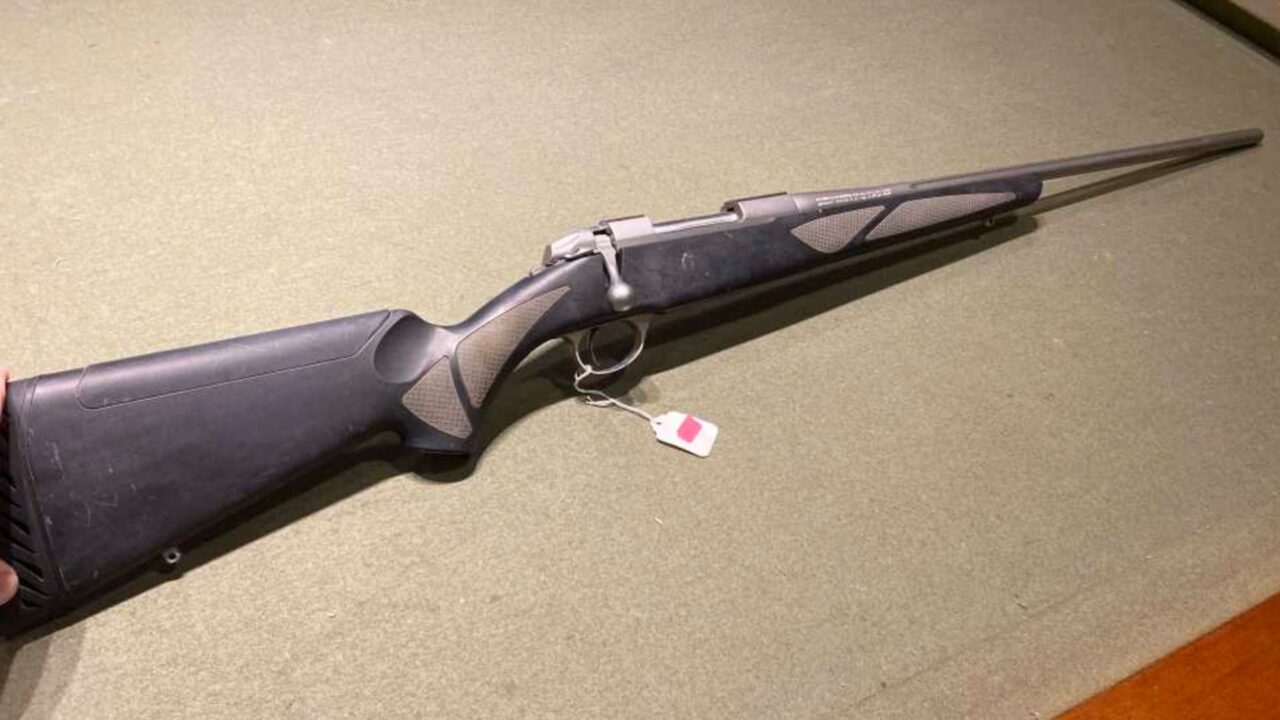
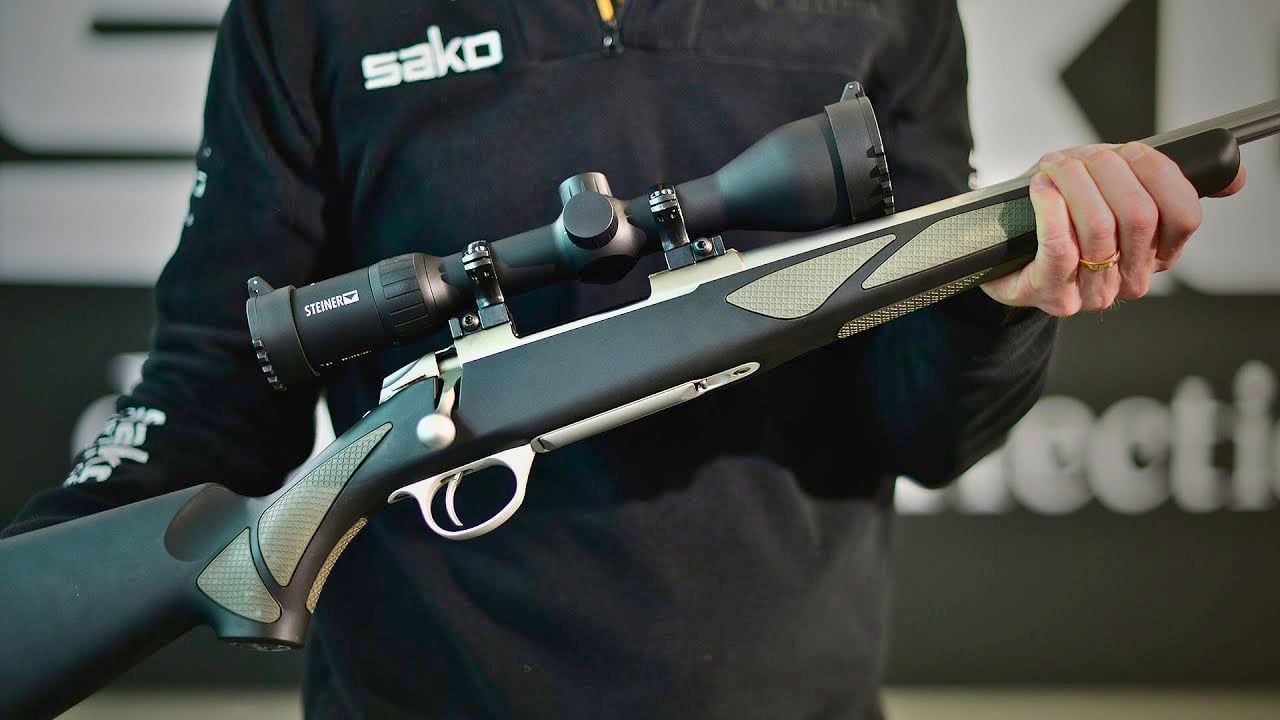
The Sako 85 Finnlight combines premium machining with a practical lightweight hunting format. Its controlled-round-feed action, excellent trigger, durable synthetic stock, and stainless construction make it suitable for difficult hunts where rifle weight and weather resistance both matter.
The rifle costs enough that replacing it later can be painful. More importantly, Sako generations change, and a newer model may not have the exact action length, magazine system, stock shape, or balance the owner preferred. A Finnlight that fits well and groups consistently is not merely another hunting rifle. It is the kind of gun around which future hunts can be planned.
Ruger No. 1
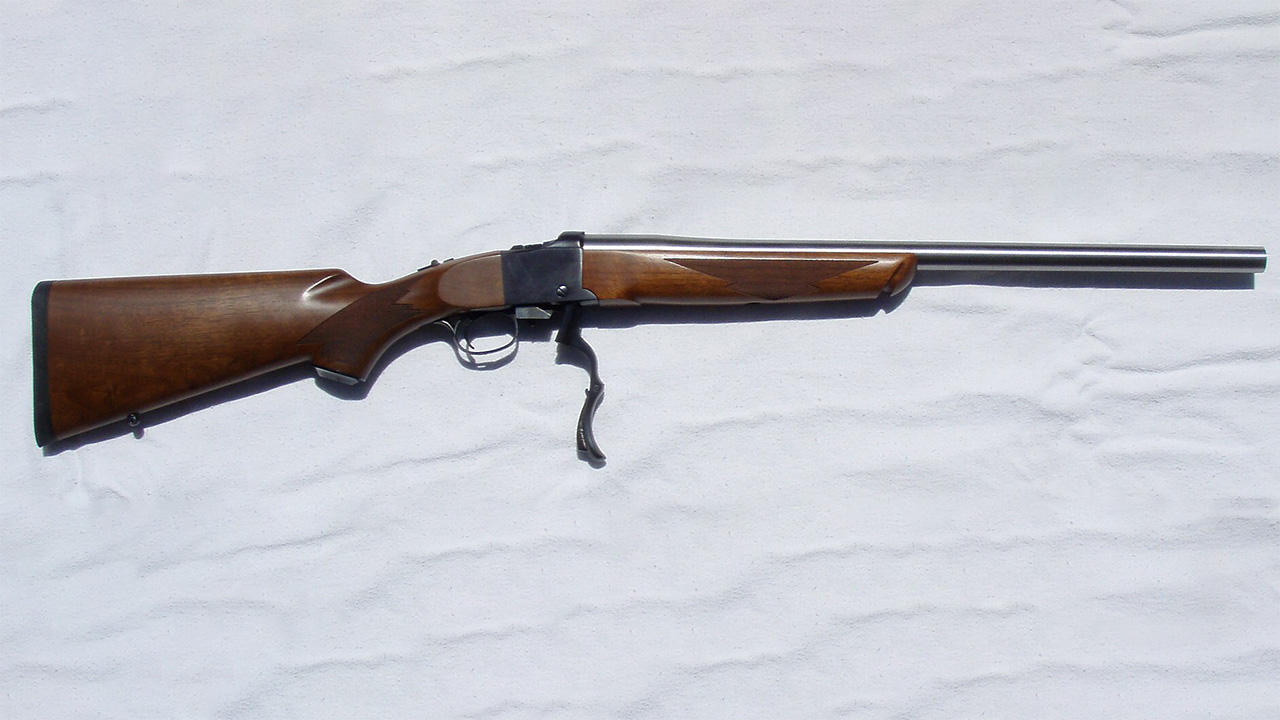
The Ruger No. 1 is mechanically and visually different from nearly every common hunting rifle. Its falling-block action creates a short overall rifle even with a full-length barrel, while the absence of a bolt or magazine gives it an exceptionally clean profile.
The single-shot design forces deliberate shooting, but it is strong enough for cartridges ranging from mild deer rounds to heavy dangerous-game chamberings. Ruger has produced the rifle in numerous limited and changing configurations, making some versions difficult to replace. Owners who sell one often discover that finding the same chambering, barrel profile, and stock style is nearly impossible.
Browning BLR Lightweight ’81
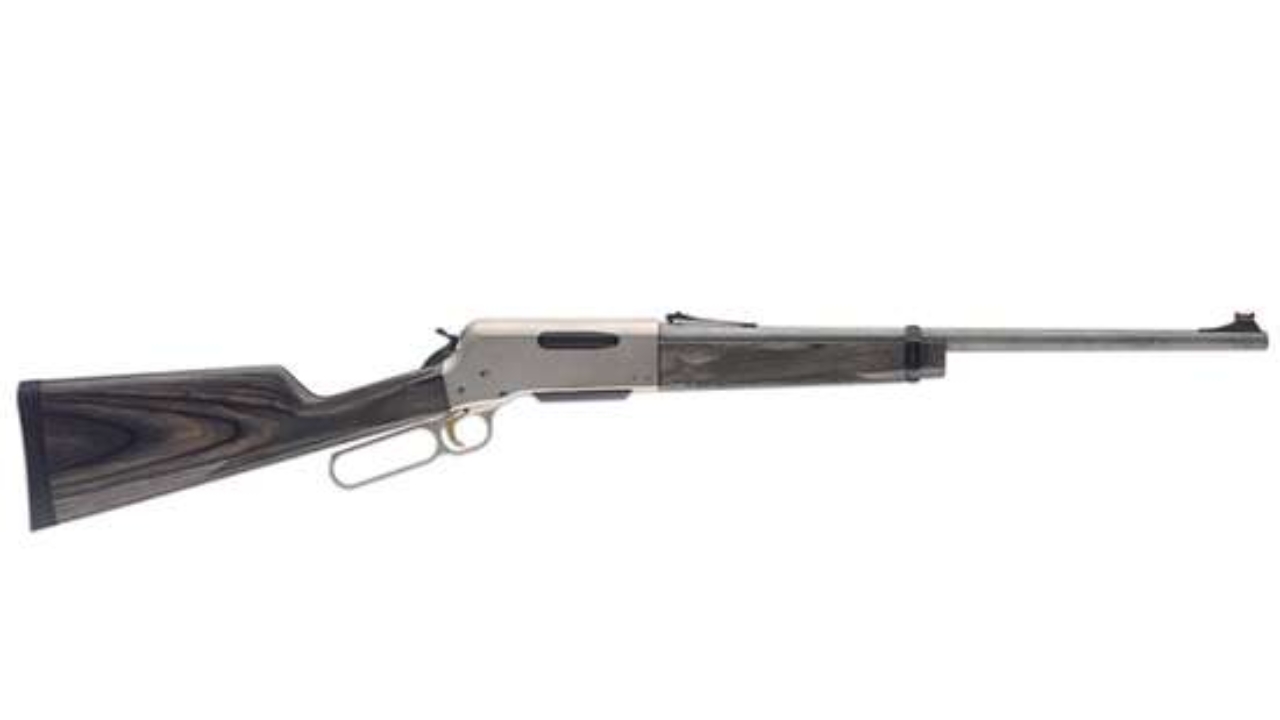
The Browning BLR belongs in a permanent collection because it does something few other rifles can. It combines fast lever operation with a detachable magazine and rotating bolt strong enough for modern cartridges such as .308 Winchester, .30-06 Springfield, and several magnums.
That allows the rifle to use pointed hunting bullets rather than the flat-nose ammunition associated with traditional tube-fed lever guns. It can cover woods hunting, open-country shots, and larger game without becoming a semiautomatic. The BLR is mechanically complicated and expensive to manufacture, which makes it the kind of design that should never be assumed to remain easily available forever.
Marlin 336 .30-30 Winchester
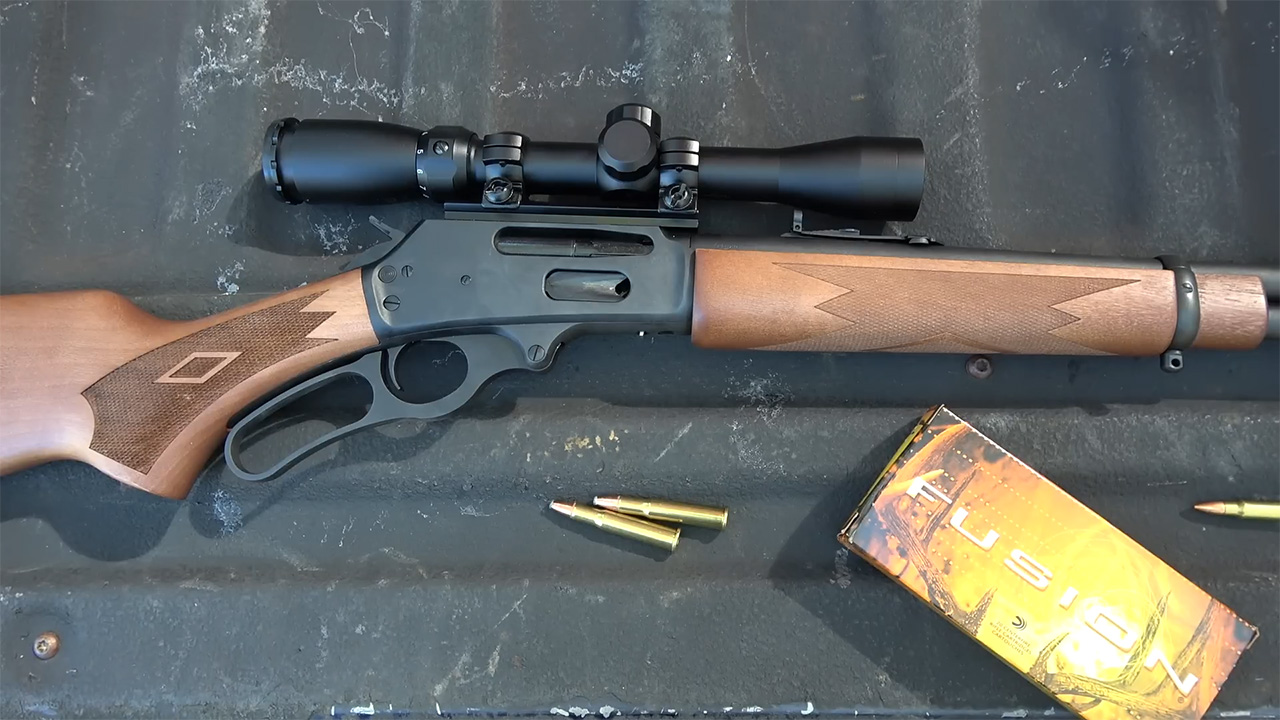
A good Marlin 336 is one of the rifles that should remain in a family rather than pass through a gun store. Its side-ejection action allows conventional scope mounting, while the flat receiver and solid top give it a substantial feel. Chambered in .30-30 Winchester, it remains ideal for deer and hog hunting in timber.
The rifle is narrow, quick to shoulder, and easy to carry with one hand. Older JM-marked examples have collector appeal, while newer Ruger-produced rifles offer improved manufacturing consistency and current support. Whichever version an owner has, a dependable 336 fills the classic woods-rifle role so well that selling it usually creates a hole another gun cannot quite fill.
Winchester Model 94

The Winchester Model 94 carries more historical identity than almost any other American hunting rifle. Its slim receiver, fast lever action, and .30-30 chambering made it a standard deer rifle for generations. Even owners who rarely hunt with iron sights can appreciate how naturally it carries and points.
Older rifles vary widely in production era and value, making it important to understand exactly what you own before considering a sale. Pre-1964 rifles, uncommon chamberings, and clean examples can be particularly difficult to replace. A Model 94 may not be the most accurate rifle in the safe, but its combination of history and handling earns it a permanent position.
Marlin 1894 .357 Magnum

The Marlin 1894 in .357 Magnum is one of the most versatile centerfire rifles a person can own. It can fire full-power hunting ammunition for deer and hogs at close range while also using mild .38 Special loads for training, pest control, and recreational shooting.
Recoil is low, capacity is useful, and the rifle can share ammunition with a .357 Magnum revolver. Modern versions can also be equipped with red dots, suppressors, and other practical accessories. Demand for pistol-caliber lever guns has risen sharply, making good examples increasingly expensive. A reliable 1894 is far more useful in the safe than the trade-in value is likely to suggest.
Springfield Armory M1A Standard Issue
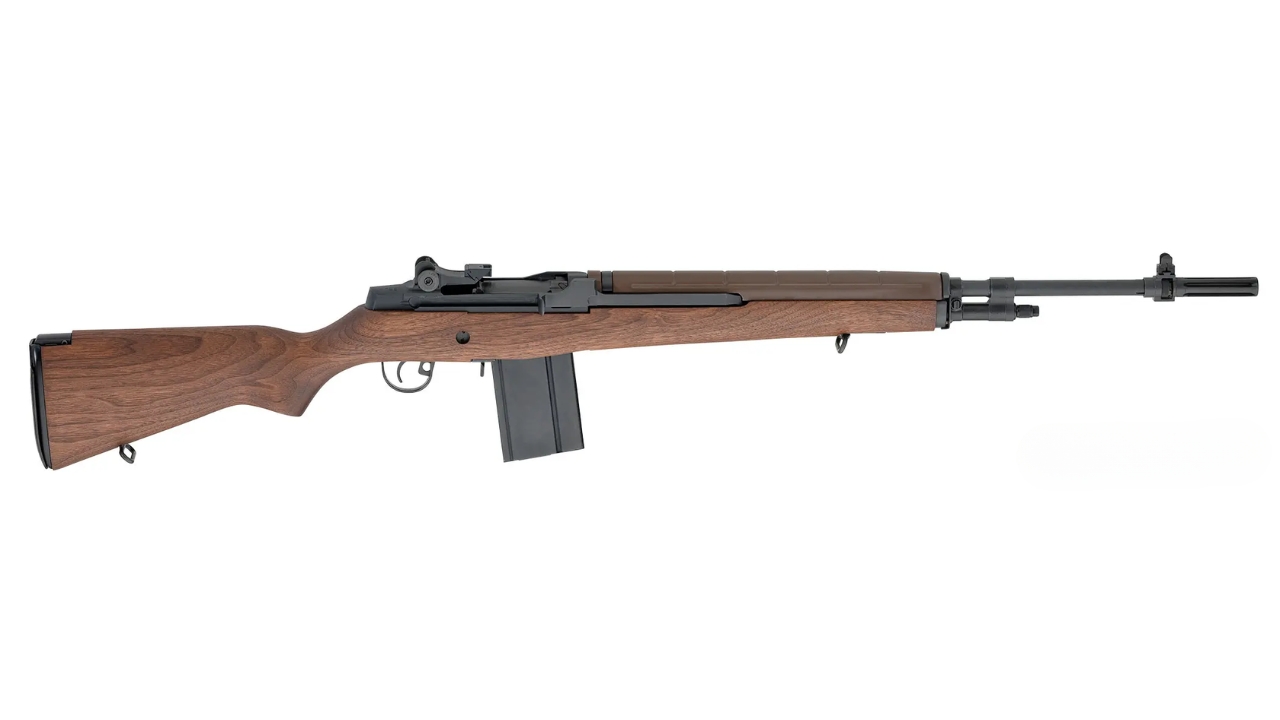
The M1A Standard Issue gives civilian shooters access to the handling, sights, and operating character of the M14 family. Its walnut stock, exposed operating rod, and excellent aperture sights provide an experience very different from firing a modern AR-style rifle.
It is heavier, more expensive, and less adaptable than many .308 semiautomatics. Those drawbacks do not make it replaceable. The M1A carries historical and mechanical appeal that newer rifles lack, while the .308 Winchester chambering keeps it useful for range work and field roles. Owners who sell one because they bought a lighter rifle often miss the way the M1A feels from the shoulder.
Colt AR-15A4
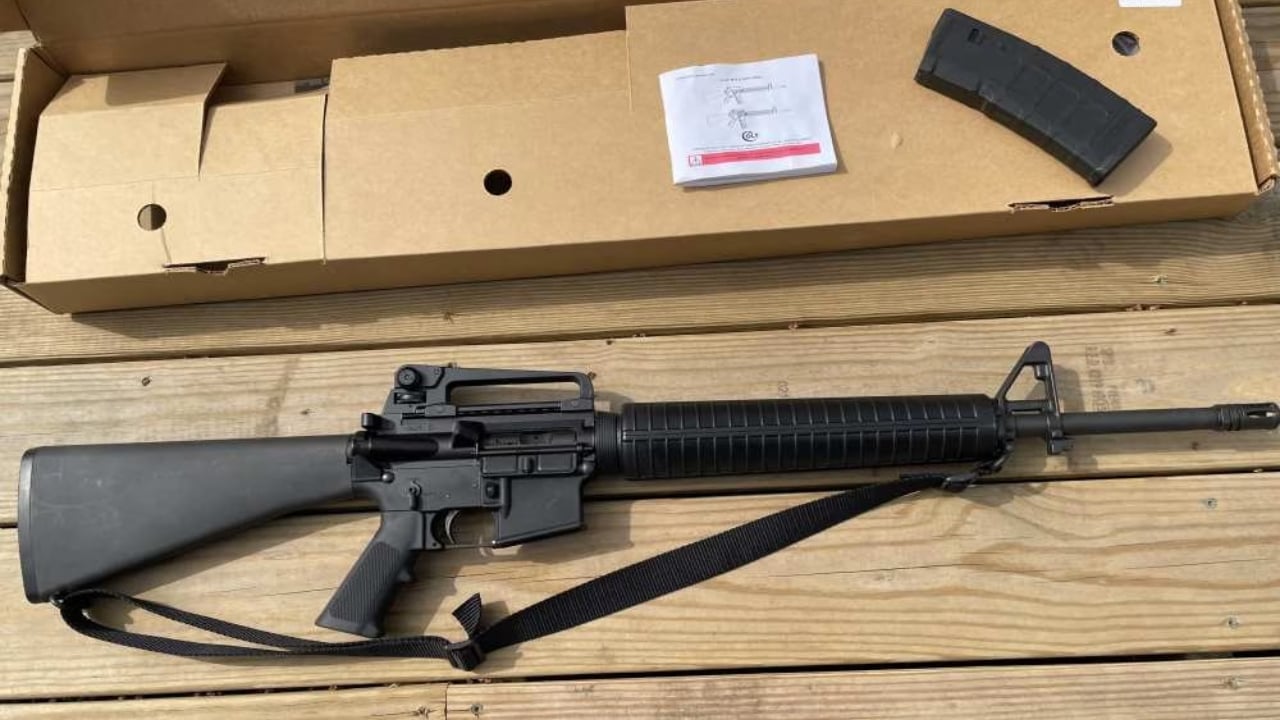
The Colt AR-15A4 represents the full-length rifle side of the AR family. Its 20-inch barrel, fixed stock, rifle-length gas system, and carry-handle-style configuration create a softer and more traditional shooting experience than short carbines.
The longer barrel makes better use of 5.56 NATO velocity, while the rifle-length gas system keeps cycling smooth. It may look outdated beside compact free-floated rifles, but that is part of its value. A factory Colt with a classic configuration has both practical and collector appeal, especially as the AR market continues moving toward shorter and more heavily accessorized designs.
IWI Galil ACE Gen II 7.62×39

The Galil ACE Gen II gives shooters the reliability and magazine pattern of the AK family with controls and optic mounting that are easier for many Americans to use. Chambered in 7.62×39, it offers mild recoil, dependable feeding, and solid close- to medium-range performance.
The rifle is heavier than most AR-15s and lacks the traditional appearance some AK owners prefer. Its strength lies in combining robust construction with modern usability. Imported rifle availability can change quickly due to production decisions and regulations, so a dependable ACE should not be treated like an ordinary mass-market carbine that will always be easy to replace.
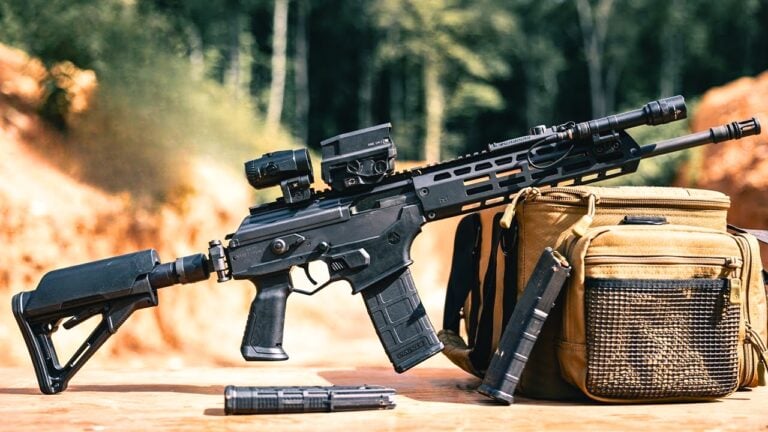
Steyr AUG
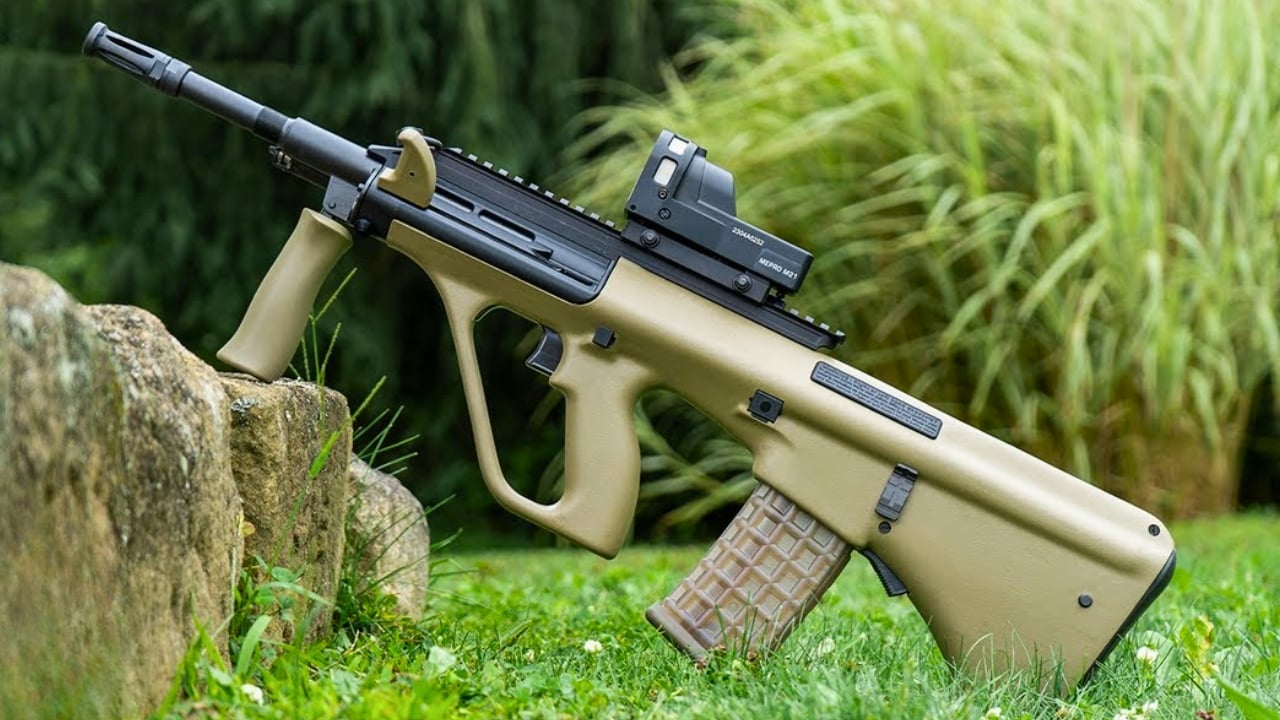
The Steyr AUG is one of the few bullpup rifles with decades of military history and a design that remains instantly recognizable. Its full-length barrel fits into a compact overall package, while the quick-change barrel and modular construction give it capabilities uncommon in conventional rifles.
The trigger and magazine changes require adjustment, and some versions use proprietary magazines. Once the owner becomes comfortable with the system, the AUG provides a compact, reliable rifle that does not feel like an imitation of an AR-15. Imported configurations and features can change, making a well-equipped example worth keeping.
M1 Garand
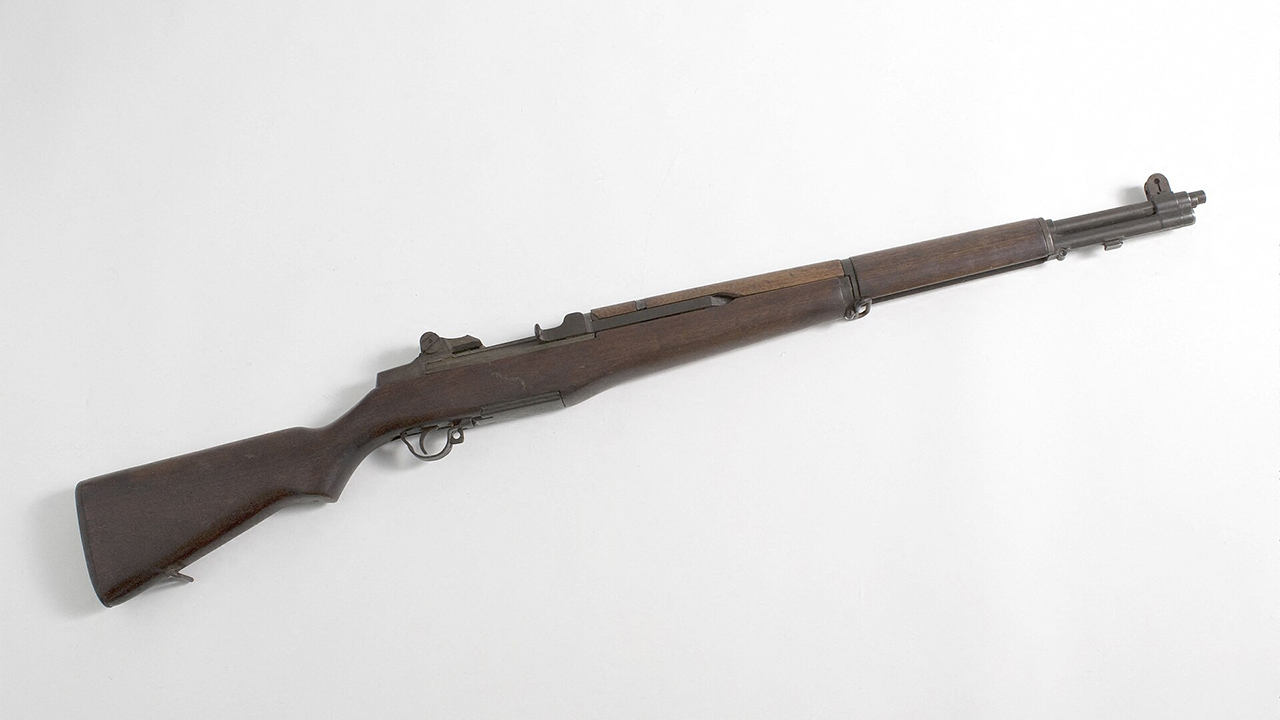
The M1 Garand deserves a permanent place because it represents a turning point in military rifle design and American history. Its semiautomatic action, en bloc clip system, aperture sights, and .30-06 chambering give it a shooting experience no modern reproduction truly duplicates.
Original rifles have finite supply, and condition, manufacturer, barrel date, and component correctness all affect value. Even a mixed-parts service-grade rifle carries history that cannot be recreated once it is gone. Ammunition and maintenance require some understanding, but the rifle should be preserved and used rather than casually traded for a modern gun that can be replaced at any time.
Winchester Model 52
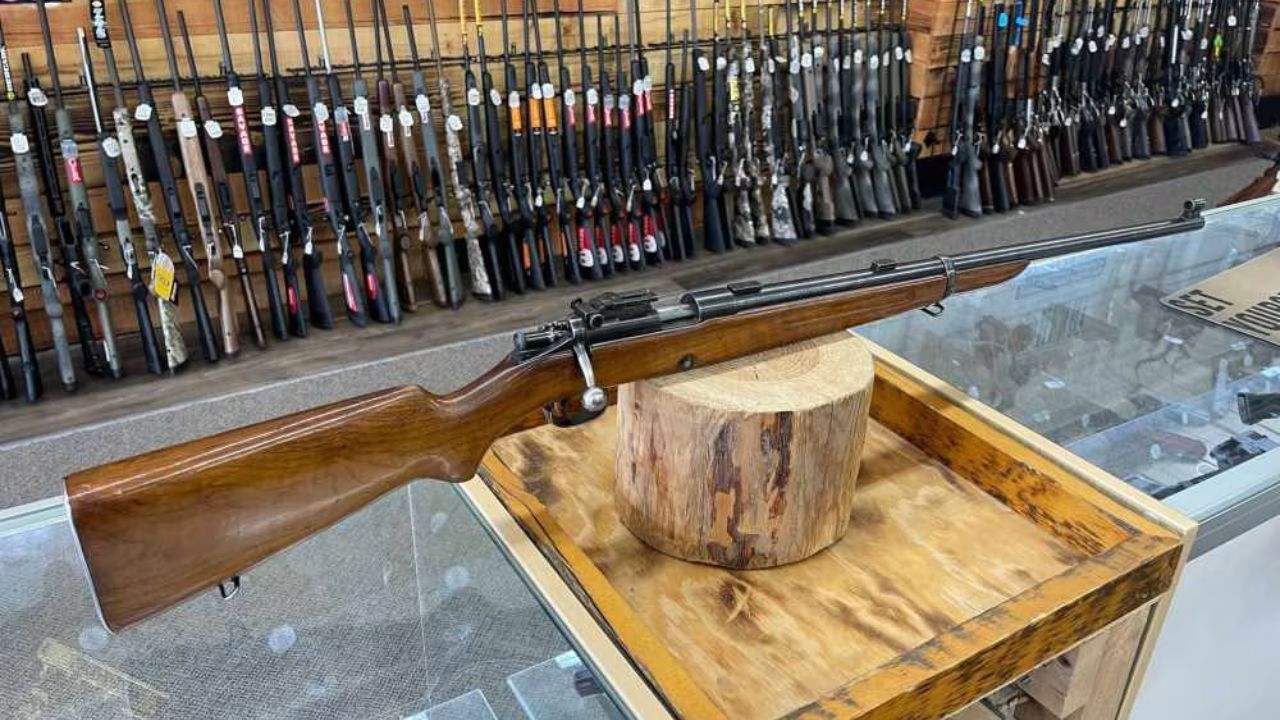
The Winchester Model 52 is one of the classic American precision rimfire rifles. Its heavy construction, excellent trigger, and reputation for accuracy made it a standard for target shooters and serious marksmen. Different variations were produced over many years, and some are now highly collectible.
A Model 52 may seem excessive for someone who already owns several modern .22 rifles. The reason to keep it is that few current rimfires offer the same combination of machining, history, balance, and traditional target-rifle character. A clean example cannot be replaced by purchasing the latest polymer-stocked precision rimfire, no matter how well the newer rifle groups.
Like The Avid Outdoorsman’s content? Be sure to follow us.
Here’s more from us: