Photo credit: Sportsman's Outdoor Superstore
Every rifle deserves a fair shake, but we all know how this goes. A gun can look great on the rack, feel fine in the hand, and still turn a first range trip into a long, quiet ride home. Sometimes it’s the trigger, sometimes it’s magazines, sometimes it’s a weird little design choice that keeps biting you every single time you run it.
This isn’t a list of “worst rifles ever made.” It’s a list of rifles that regularly start off on the wrong foot with new owners, and for whatever reason, they just don’t climb out of that hole. If you own one and it runs like a sewing machine, I’m genuinely glad. But if you’ve ever watched a buddy’s excitement fade in real time, a few of these are going to feel familiar.
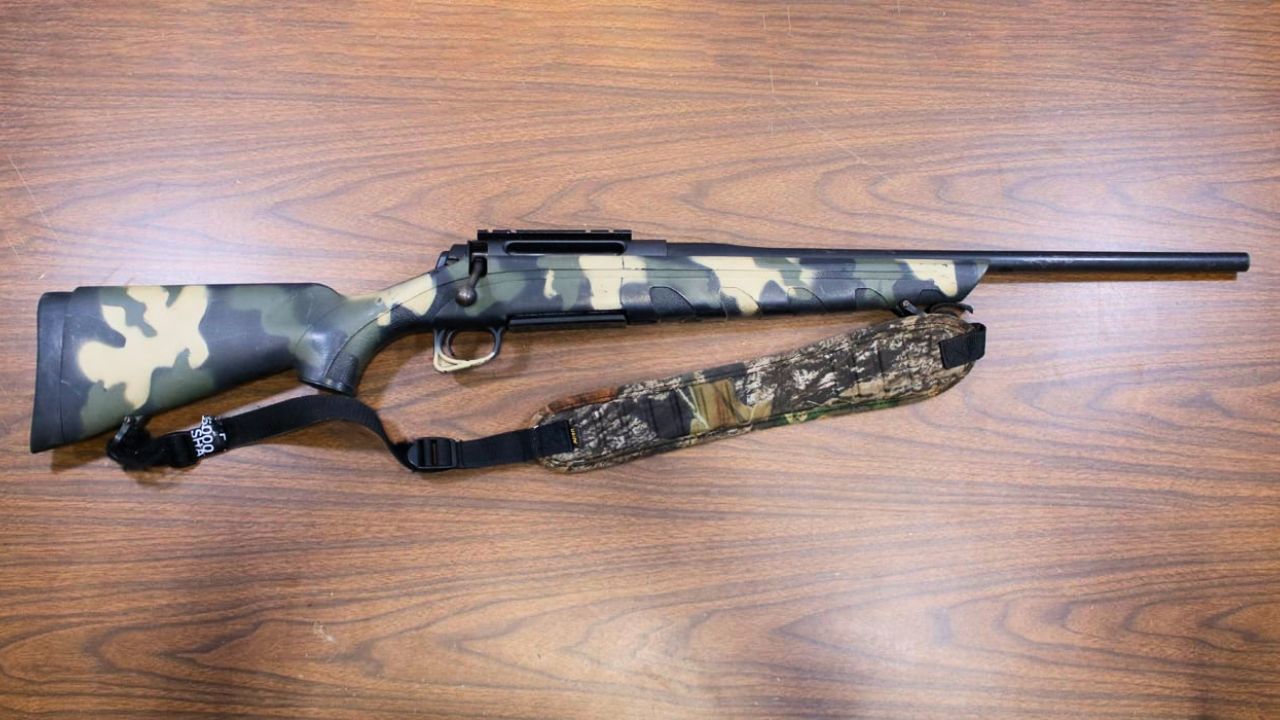
1. Remington 710

I’ve seen more than one new hunter show up proud as can be with a 710 and leave the range looking like they got swindled. The bolt lift often feels rough, the whole rifle feels “hollow,” and the trigger can be a guessing game. It’s not that they all explode or anything dramatic—it’s that nothing about it inspires confidence.
The bigger problem is the long-term picture. When something wears, breaks, or just starts acting weird, you’re not in the same universe of support as a 700. That first impression sticks because it usually comes with the feeling that you bought a dead-end rifle.
2. Remington 770

The 770 took the baton from the 710 and ran right into the same wall. The package deal scope might get you on paper, but it’s often the first thing guys want to replace, and then they realize the rifle still isn’t pleasant to run. That bolt can feel like it’s dragging through gravel.
I get why it exists: a “ready-to-hunt” price tag. But if your first rifle teaches you to dread cycling the action, that’s a hard mood to shake. A deer rifle should make you want to practice, not avoid it.
3. Mossberg ATR 100
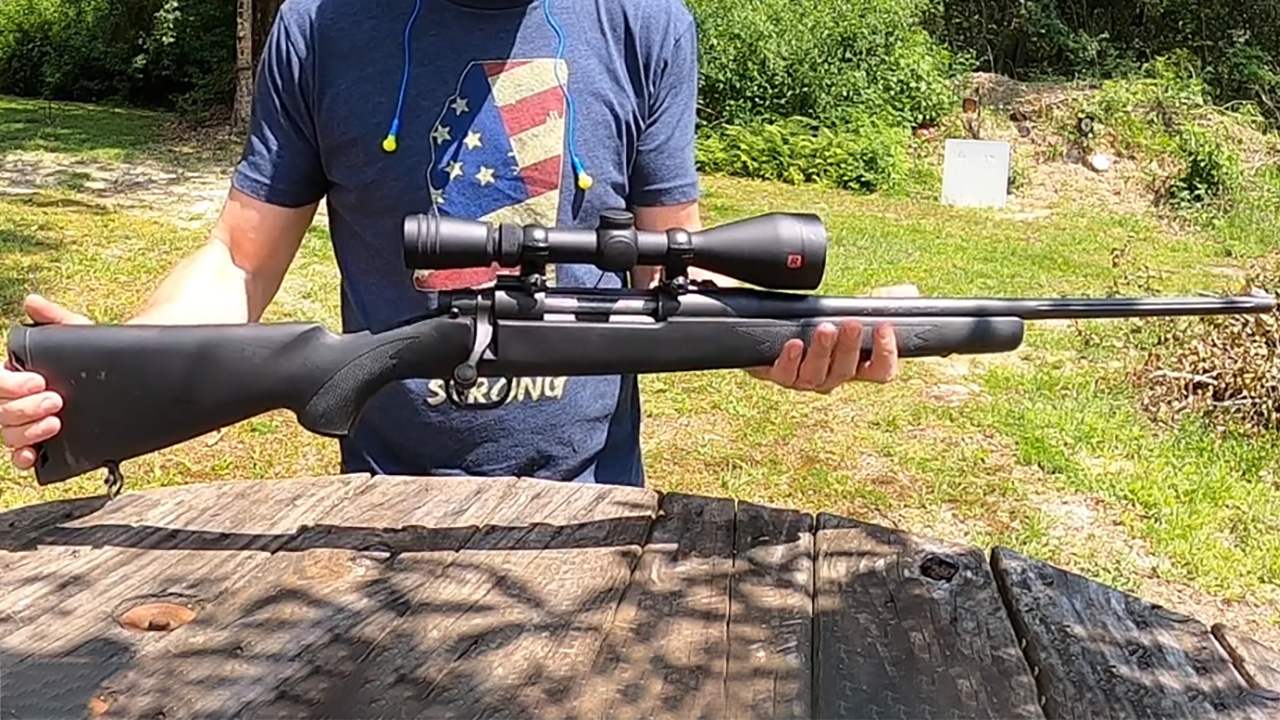
The ATR can be accurate enough, and I’ve watched a couple surprise people. The issue is the way it feels in the hands—light in the wrong places, with a cheap stock that can make the whole gun feel like a budget tool. Some come with triggers that feel like you’re bending a paperclip.
When the first range session is spent fighting the rifle instead of learning it, the relationship starts sour. If you have one that shoots, you tend to keep it as a beater. It rarely becomes someone’s “favorite.”
4. Mossberg Patriot (early examples)
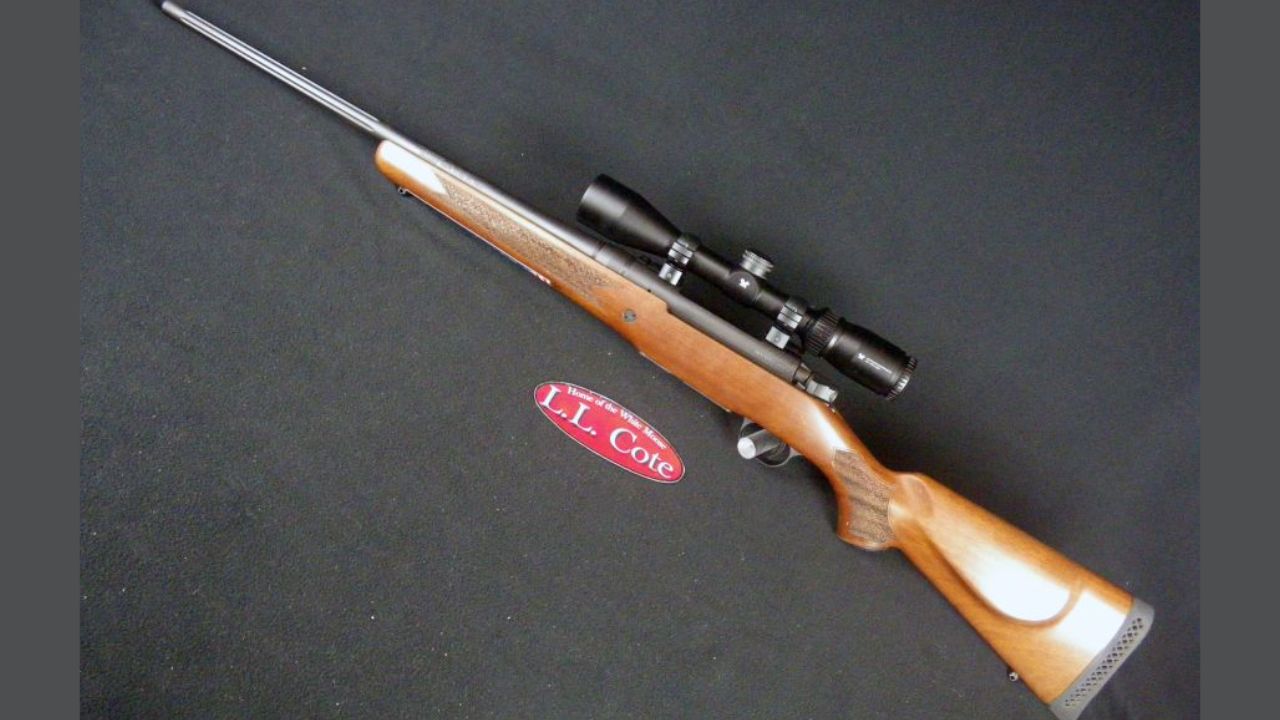
The Patriot looks like it should be a slam dunk: decent lines, decent weight, common calibers. But I’ve handled enough early ones with gritty bolts and inconsistent feeding that I’m cautious when someone tells me they’re buying one sight unseen. The detachable magazine setup, when it’s fussy, becomes the whole story.
Once a guy has a rifle that nose-dives a round or requires “a certain way” to seat a mag, he stops trusting it in the field. And trust is what you’re paying for, even on a budget.
5. Ruger American Rimfire (rotary mag misfit headaches)
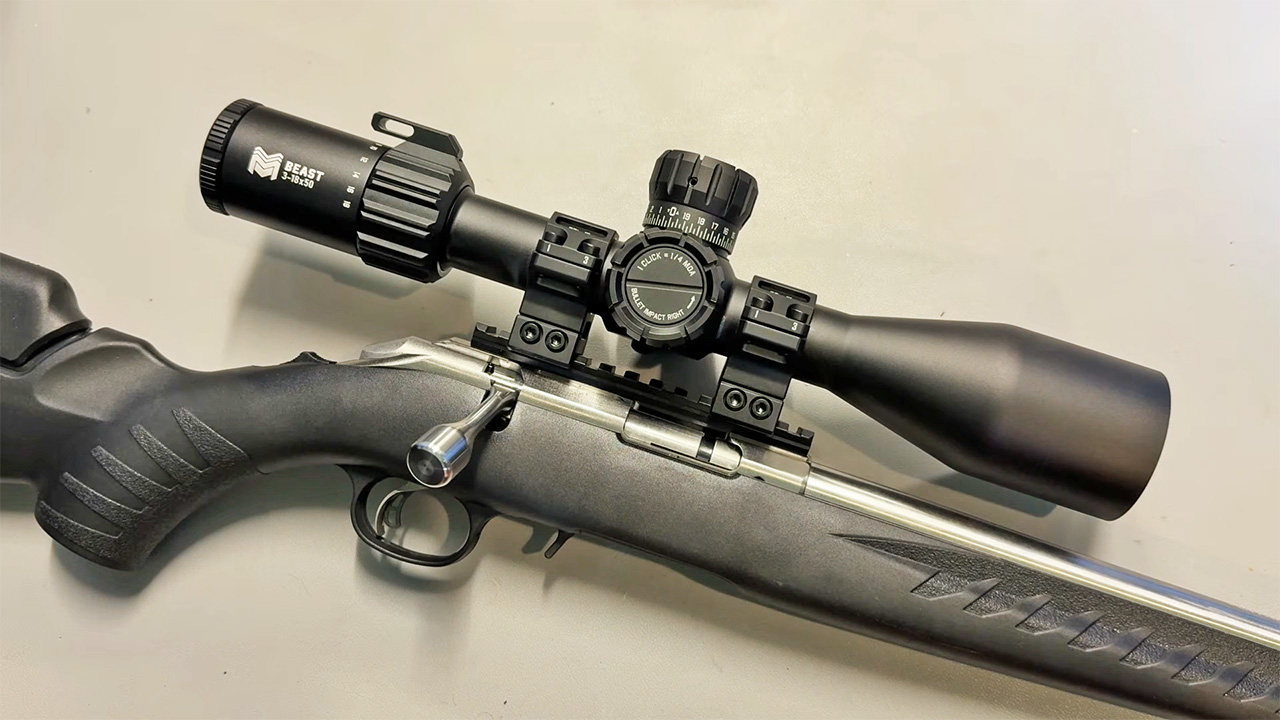
These are often good little rifles, but the first impression can go sideways if the magazine fit is sloppy or if you’re mixing mags that aren’t quite right for that stock. I’ve watched folks blame the rifle for feeding issues that were really mag-related, and that bad taste lingers.
Rimfires are supposed to be easy fun. If the first box of .22 turns into a troubleshooting session, the gun gets labeled “picky,” and it never really recovers its reputation in that owner’s mind.
6. Rossi RS22

The RS22 can be a perfectly fine cheap plinker, but cheap .22s have a way of creating instant doubt. If you start with bulk ammo, a new shooter, and a rifle with stiff magazines, you can turn a Saturday range trip into a jam-clearing class.
It’s not that they can’t run. It’s that the average buyer doesn’t clean them, doesn’t test ammo, and doesn’t want to hear, “It’ll be fine after you break it in.” A first rifle shouldn’t need excuses.
7. Marlin 795 (when the magazines start acting up)
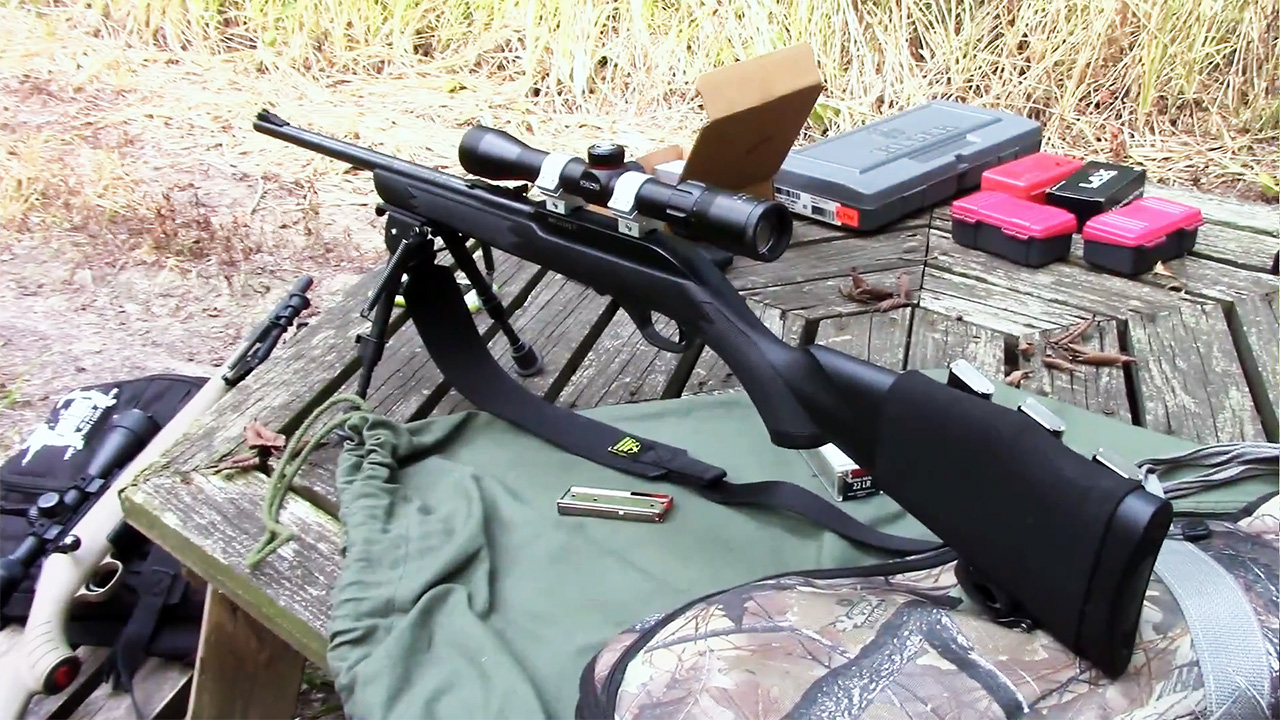
When a 795 is right, it’s one of the best bargains in .22 rifles. But the first impression lives and dies by those magazines. A slightly bent feed lip, a sticky follower, or a cheap aftermarket mag can make a good rifle look terrible.
The frustrating part is you can fix it with good mags and a little attention. But plenty of folks never get there. They just remember it as the rifle that “couldn’t make it through a mag.”
8. Winchester Wildcat
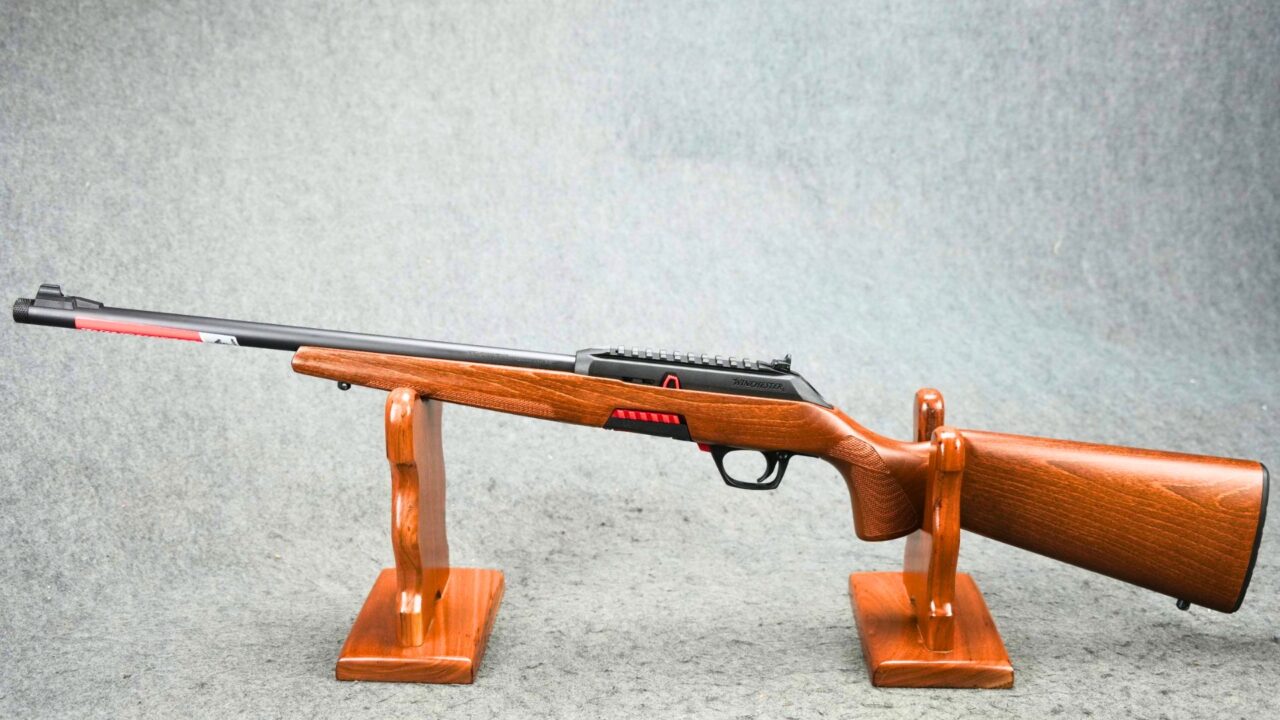
I want to like the Wildcat more than I do. It’s light and handy, and the takedown/cleaning idea is smart. But the overall feel can come off toy-like, and the sights and plastic bits don’t inspire confidence when you’re used to old-school .22s.
For a new shooter, that first impression matters. If it feels flimsy, they shoot it like it’s flimsy. And once a rifle gets filed away in your head as “cheap plastic,” it’s tough to turn that around.
9. Ruger Mini-14 (older thin-barrel models)
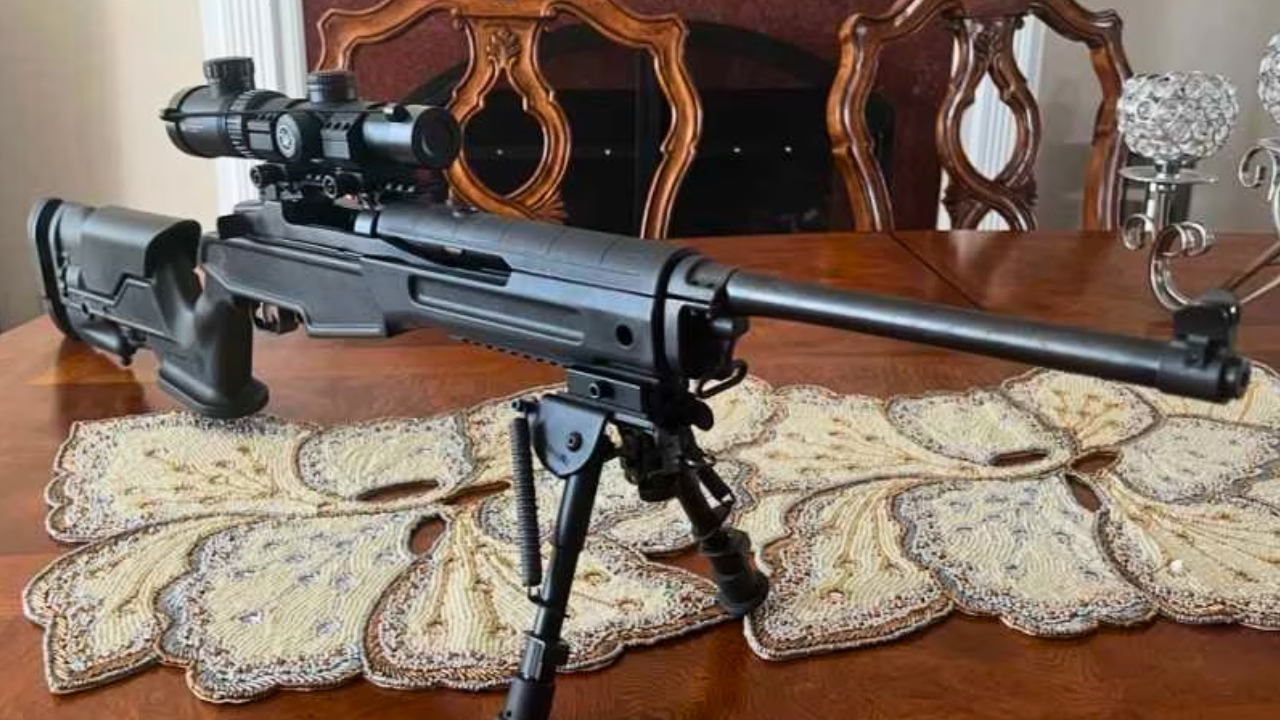
Nothing will humble a guy faster than buying a Mini-14 expecting AR-style groups, then watching it string shots as the barrel heats. Older models in particular can start out fine, then wander as you settle in. That’s a brutal first impression if you came to punch tight groups.
Minis are handy rifles, and they carry well. But if your first day is chasing zero and burning ammo, you’ll never look at it the same. Plenty of folks never forgive that first target.
10. Century C39 V2 (AK-pattern in 7.62×39)
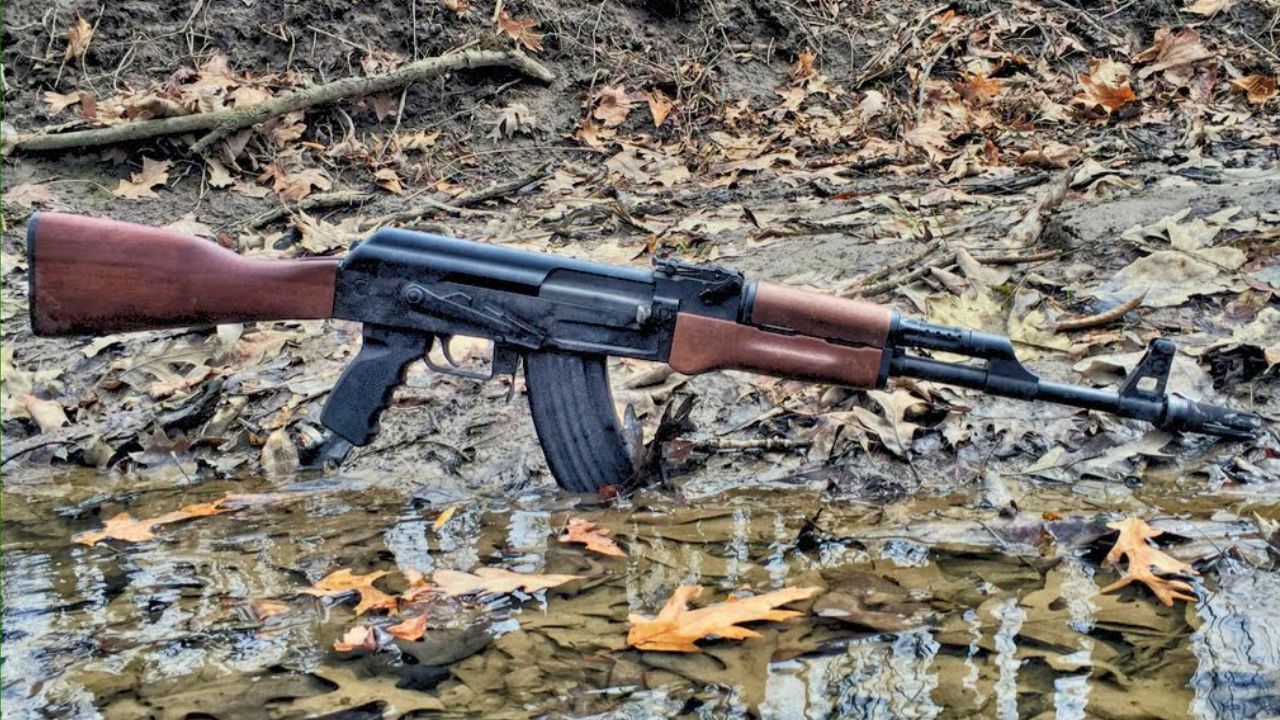
AKs are supposed to be the “just run it” rifles. When one doesn’t inspire that feeling, the disappointment hits hard. The C39 V2 had enough chatter over wear and parts life that a lot of owners started their relationship with suspicion instead of confidence.
And suspicion is contagious. Every odd mark, every change in feel, every hiccup becomes a bigger deal than it should be. That’s not how you want to think about a rifle you bought for reliability.
11. Kel-Tec SU-16
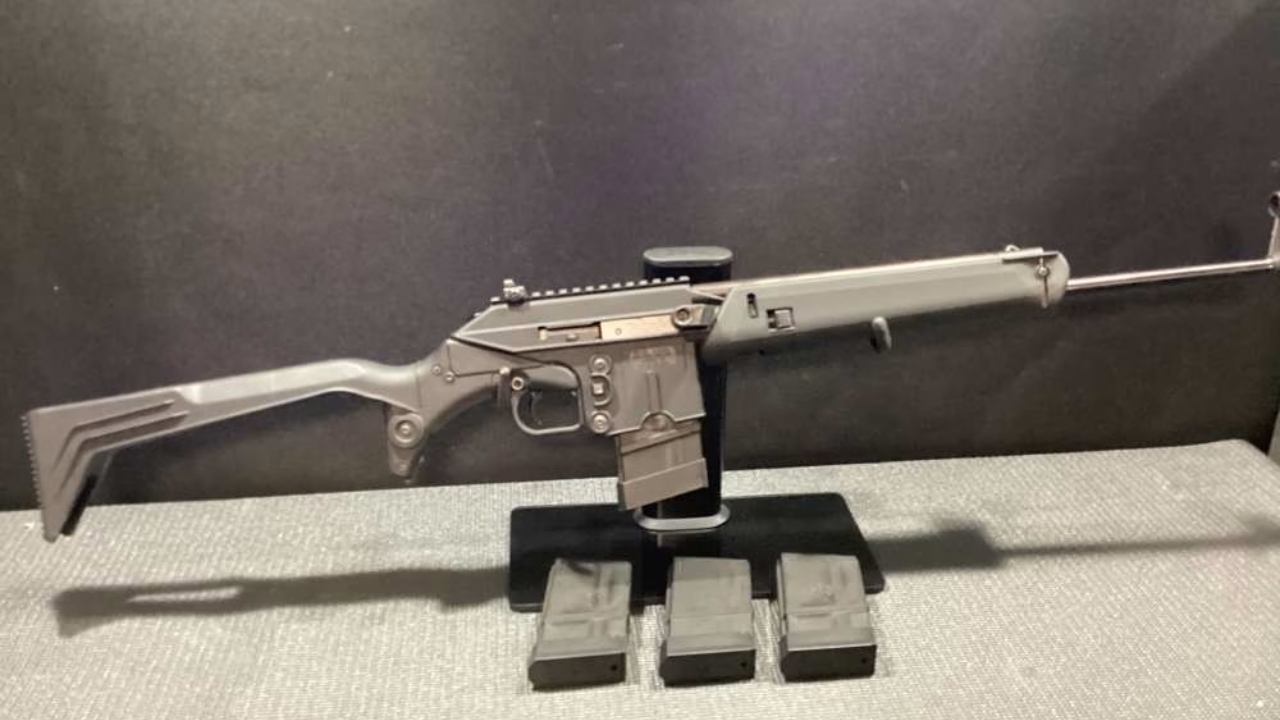
I’ve seen the SU-16 win people over as a lightweight utility rifle, but the first impression is often rough. It feels like a folding camp tool more than a “real rifle,” and the flex and plastic can throw traditional shooters off immediately.
If you buy it expecting AR stability, you’re going to be disappointed. If you buy it for light carry and simple function, you might love it. Most first-time buyers don’t frame it that way, and the rifle never gets a fair second chance.
12. Hi-Point 995 Carbine
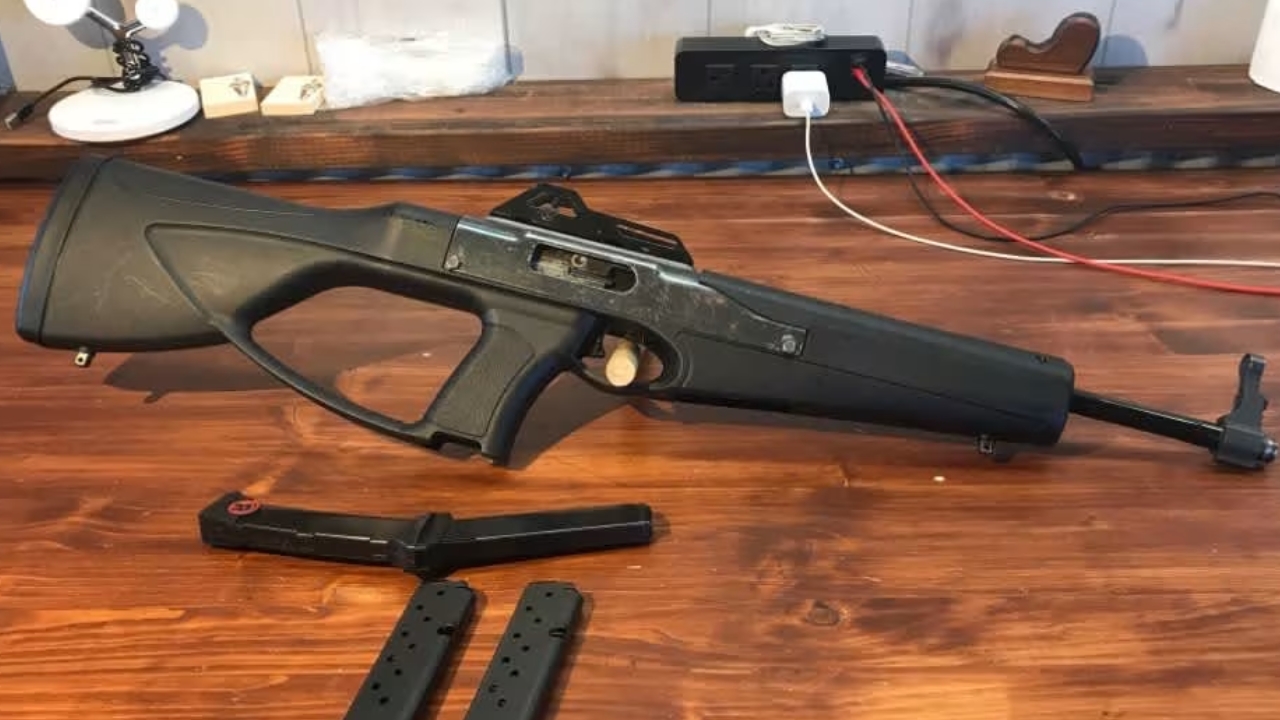
Everybody knows the jokes, and that’s part of the problem. When you show up with one, you’re already defending it in your head. Then you shoulder it and realize it’s chunky, awkward, and not exactly a smooth-handling carbine.
Yes, they can work. Yes, they can be accurate enough. But that first impression is rarely “man, this is slick.” It’s usually “well… it goes bang.” That’s not a great foundation for long-term love.
13. Savage Axis (heavy triggers and “budget feel”)

The Axis line has put a lot of venison in the freezer. Still, first impressions can be rough because many ship with heavy, gritty triggers and stocks that feel like they were molded from a cheap cooler. You can shoot groups with it, but it doesn’t feel good doing it.
When a rifle feels cheap, every normal quirk feels like a flaw. Some owners upgrade triggers and stocks and end up happy. Most don’t, and the Axis becomes the rifle they “should’ve just spent a little more on.”
14. Savage 110 (modern AccuFit versions that don’t fit the owner)
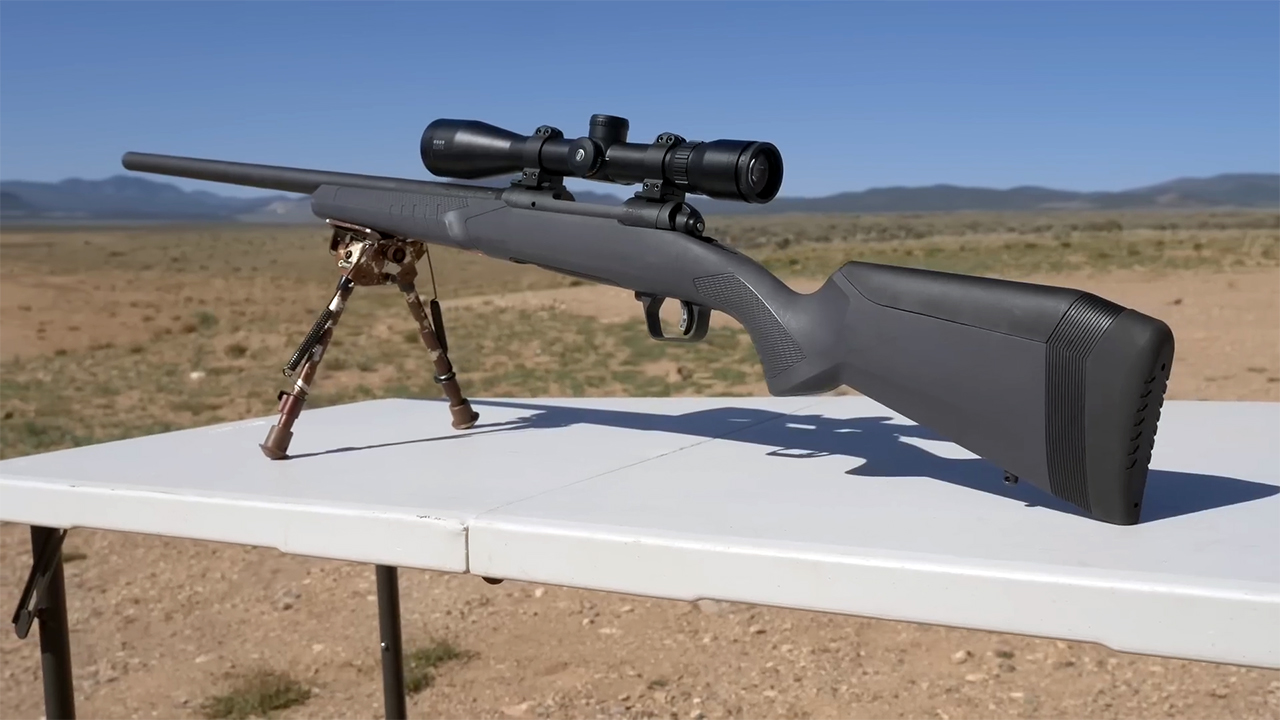
This one sounds backwards because the 110 is a solid platform. But I’ve watched new owners get overwhelmed by the shim system, adjust it wrong, and then blame the rifle for poor groups and awkward cheek weld. A poor first setup can poison the whole experience.
When it’s fit correctly, it’s comfortable and shoots. When it isn’t, it feels like you’re chasing your tail. A rifle shouldn’t feel like a furniture project on day one.
15. Ruger Precision Rifle (great rifle, bad first date)

The RPR is capable, but the first impression can be “why is this so heavy?” If you buy it thinking you’re getting a do-all hunting rifle, you’re in for a surprise the first time you carry it anywhere but the truck-to-bench path. That one hurts.
It’s also a rifle that encourages tinkering. The guy who expected instant magic sometimes ends up frustrated when his groups don’t match internet bragging. It’s a tool, not a shortcut.
16. Christensen Arms lightweight carbon rifles (when expectations outrun reality)
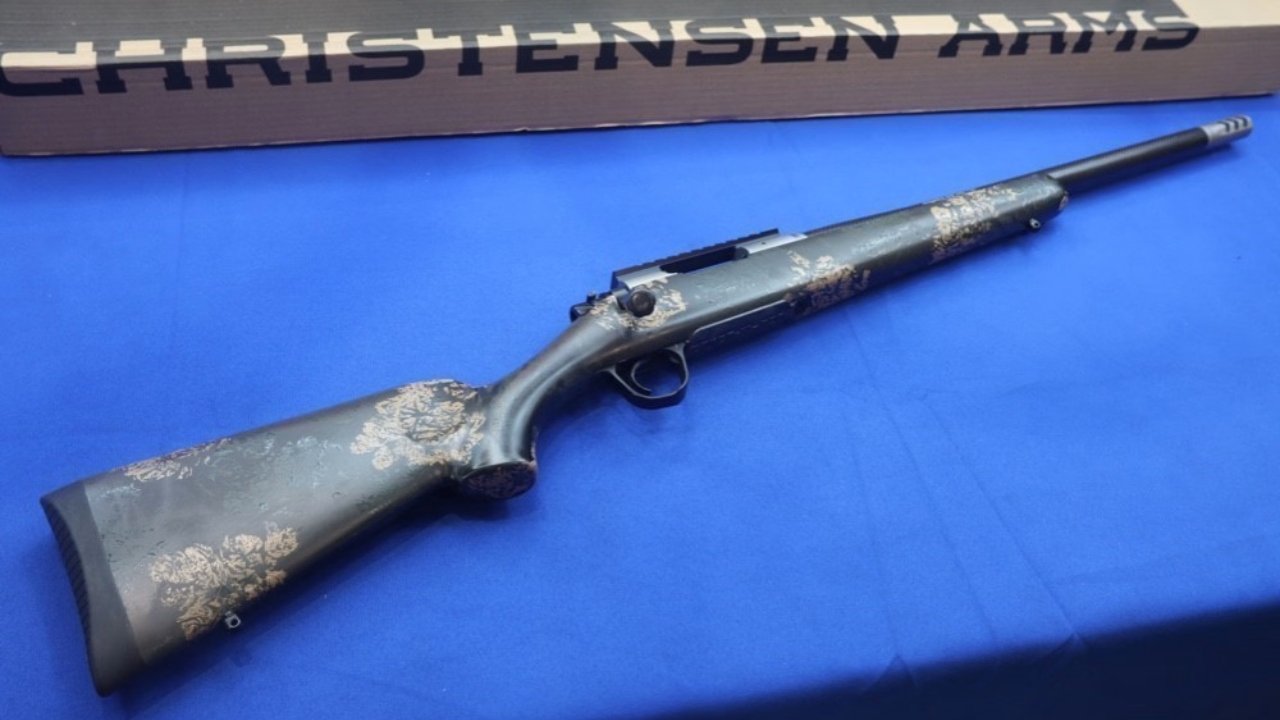
Lightweight rifles are unforgiving. A featherweight with a hard-kicking cartridge can feel like it’s trying to climb out of your hands, and that’s before you talk about whether a specific rifle is living up to its price. When a pricey rifle doesn’t shoot as expected right away, the first impression can turn to pure resentment.
A lot of these rifles do fine. But the combination of high cost, high expectations, and hunting-weight recoil makes the early range trips brutally honest. If you don’t leave the range smiling, you start looking at other options fast.
17. Browning BAR (accuracy is fine, but the carry is the problem)
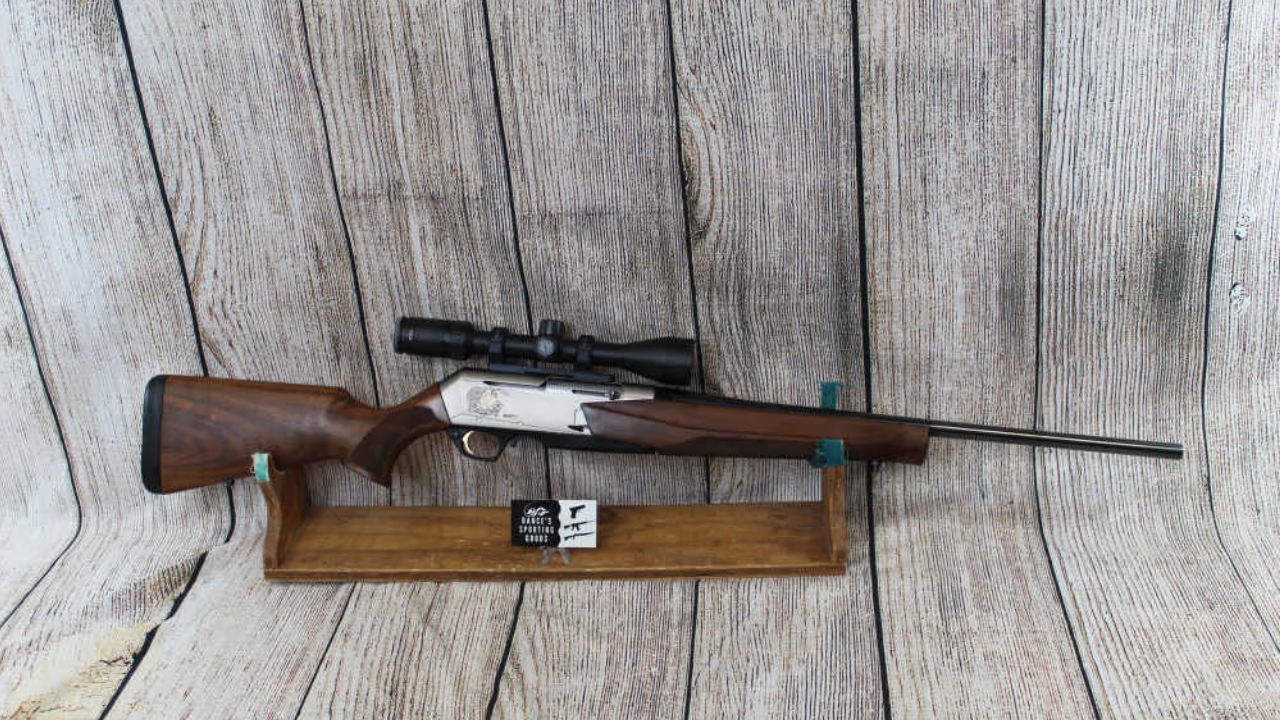
The BAR is a classic for a reason, and plenty of them shoot well. The first impression that never recovers usually comes in the woods, not on the bench. They carry heavy and feel bulky when you’re side-hilling or slipping through thick stuff all day.
It’s the kind of rifle that makes sense in a stand or blind, then feels like a mistake on a long walk. Once you have one miserable day with it, you start reaching for something lighter every time.
18. Remington Model 742/7400 (the jamming reputation)
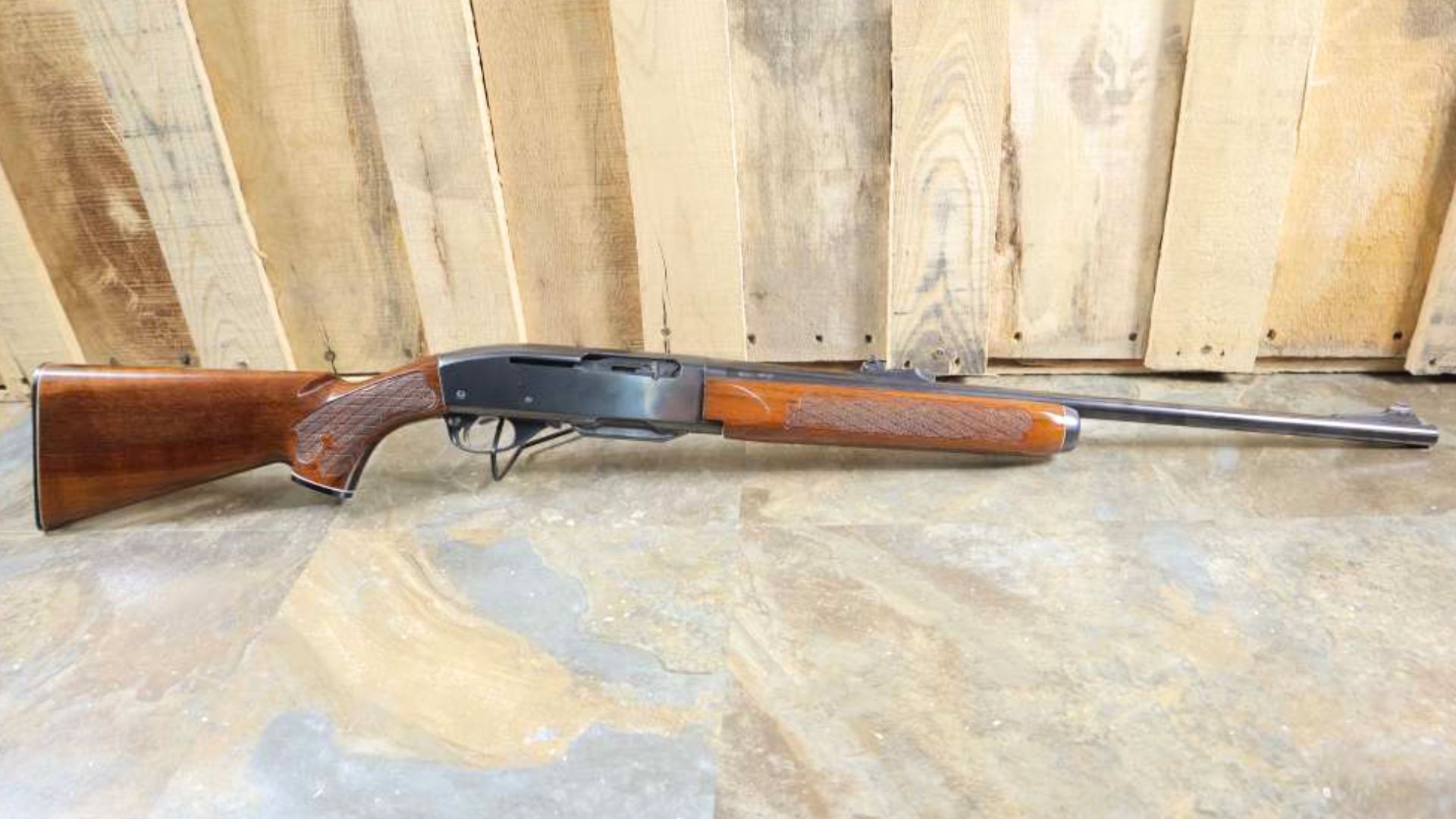
These rifles have killed a mountain of deer, and I won’t pretend otherwise. But I’ve also watched more than one owner show up with granddad’s old semi-auto and spend the morning fighting extraction issues. The reputation exists for a reason, especially if it hasn’t been cleaned right or if it’s simply worn.
A first impression built around stoppages is hard to shake. Even if it runs later, you’ll always wonder when it’s going to act up again, and that doubt is poison during rifle season.
19. Springfield M1A (when a guy expects AR convenience)
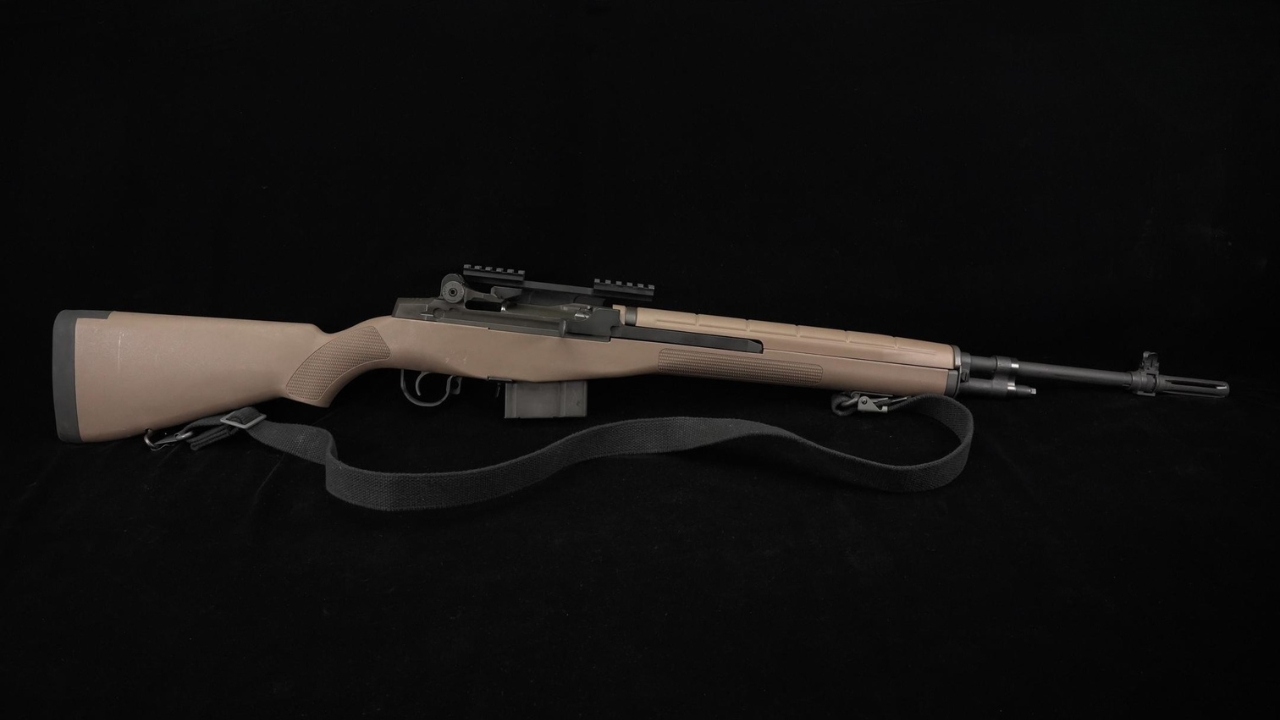
The M1A looks and feels like history, and it’s cool for that. But plenty of first-time owners expect modern modular ease, cheap mags everywhere, and painless optics mounting. Then they get into it and realize it’s a different world—heavier, pickier about mounts, and not cheap to outfit right.
None of that makes it “bad.” It just means the first impression can be disappointment if you bought it as a practical alternative to an AR-10. The romance wears off fast when you start pricing accessories and chasing a solid zero.
20. Mosin-Nagant (when surplus reality hits)
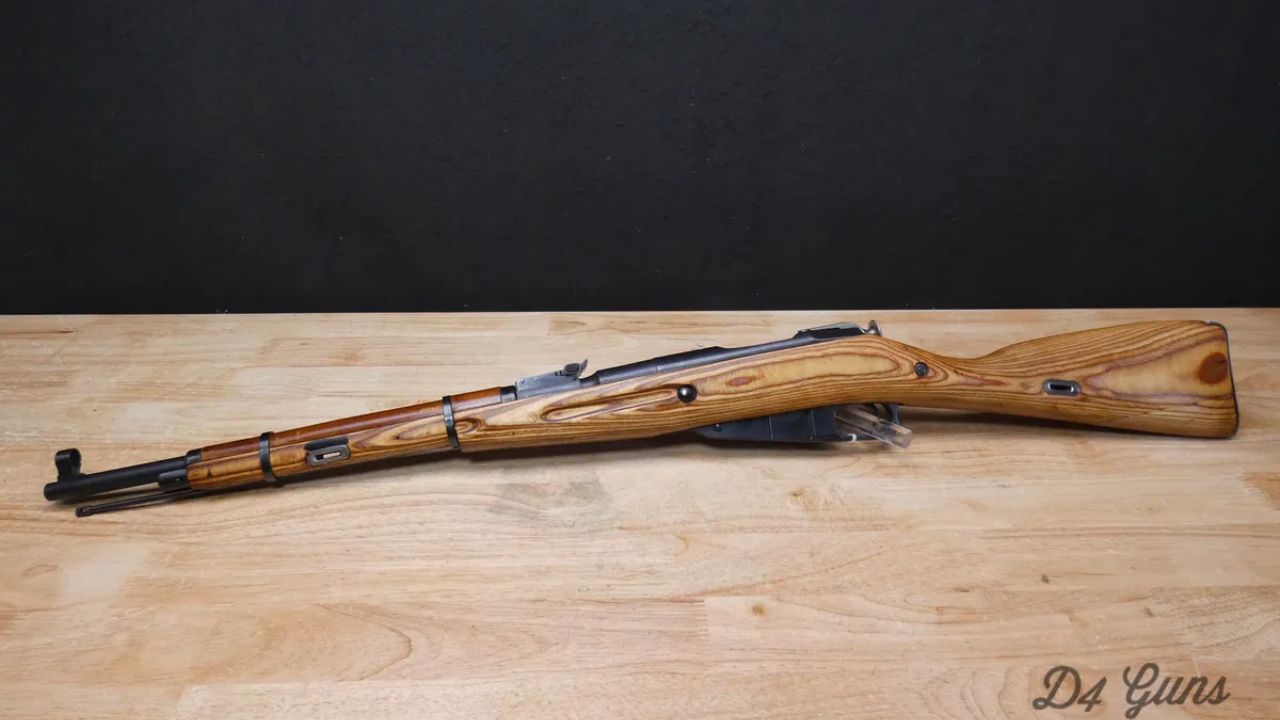
The Mosin has probably created more first-time rifle owners than we want to admit. The idea is simple: cheap rifle, big cartridge, history in your hands. Then you get to the range and meet the sticky bolt, the heavy trigger, the shoulder thump, and ammo that may or may not be consistent.
Some folks fall in love anyway. Most don’t. The first impression is usually, “This is work,” and once a rifle feels like work every time you shoot it, it tends to stay in the back of the safe.
Here’s the funny part: a lot of these rifles can be made to run better with the right mags, better ammo, a proper cleaning, or just realistic expectations. But first impressions matter, especially with guns, because trust is the whole deal. If you’re shopping your first rifle or helping someone pick theirs, spend less time staring at price tags and more time thinking about how that rifle will actually feel after three boxes at the range and a long day in the woods.
Like The Avid Outdoorsman’s content? Subscribe to our newsletter so you never miss an article.
Here’s more from us: