
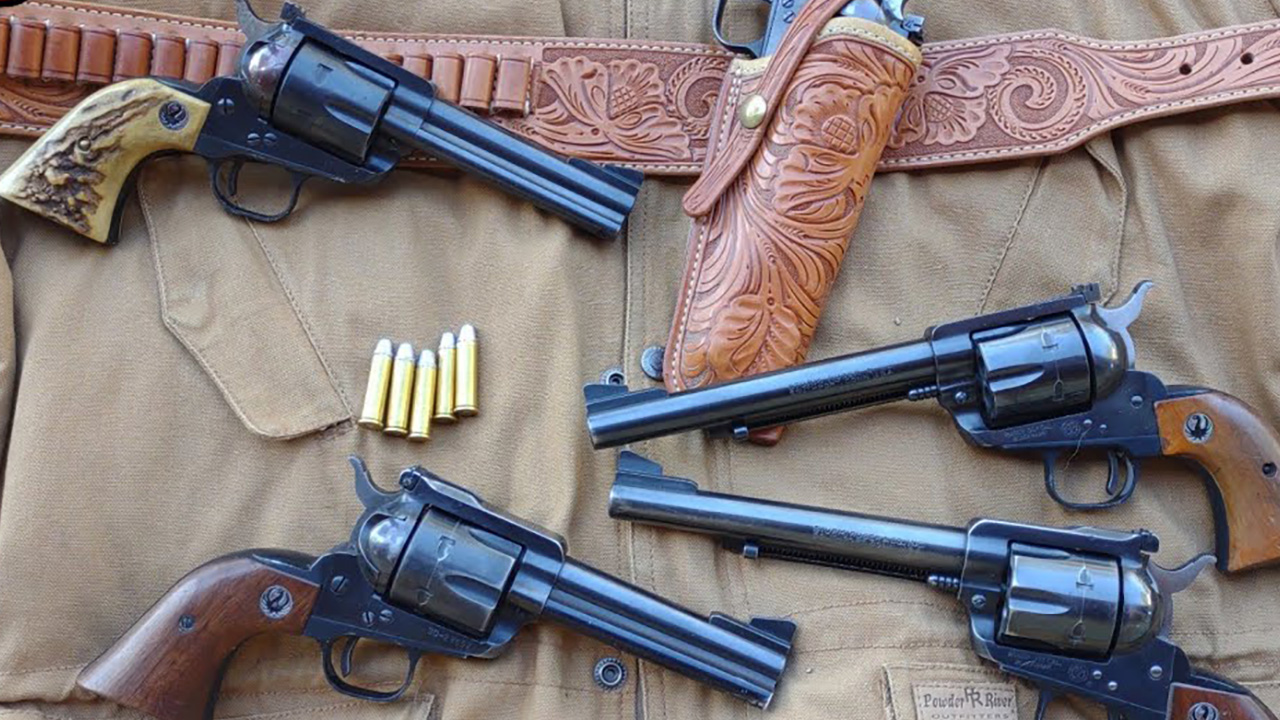
Photo credit: Pearce Brothers Gear Guide/Youtube
Most of the guns we let go don’t haunt us because they were “rare” or “collectible.” They haunt us because they did a job without drama. They carried easy, shot straight enough, and never asked for much besides a wipe-down and a little oil. Then one day you trade it toward something “better,” or you sell it to cover a bill, and later you realize you handed away a tool that actually fit your life.
Here are 20 that tend to leave a hole in the safe once they’re gone. Not because they’re perfect, but because they’re the kind of useful that’s hard to replace.
1. Ruger 10/22 (older walnut-and-blue models)

Everybody knows the 10/22, but the older wood-stock carbines are the ones folks talk about like an old hunting dog. They balance right, they feel “alive” in the hands, and they don’t have that toy-ish vibe some modern rimfires get. You can hand one to a kid with supervision, or toss it behind the truck seat for pests, and it just makes sense.
A lot of people sell them thinking they’ll just buy another later. Then they go looking for one that feels like the one they had, and it’s not the same. You can still get a 10/22 any day of the week, but that older fit-and-finish and that broken-in action is a different animal.
2. Marlin 336 in .30-30
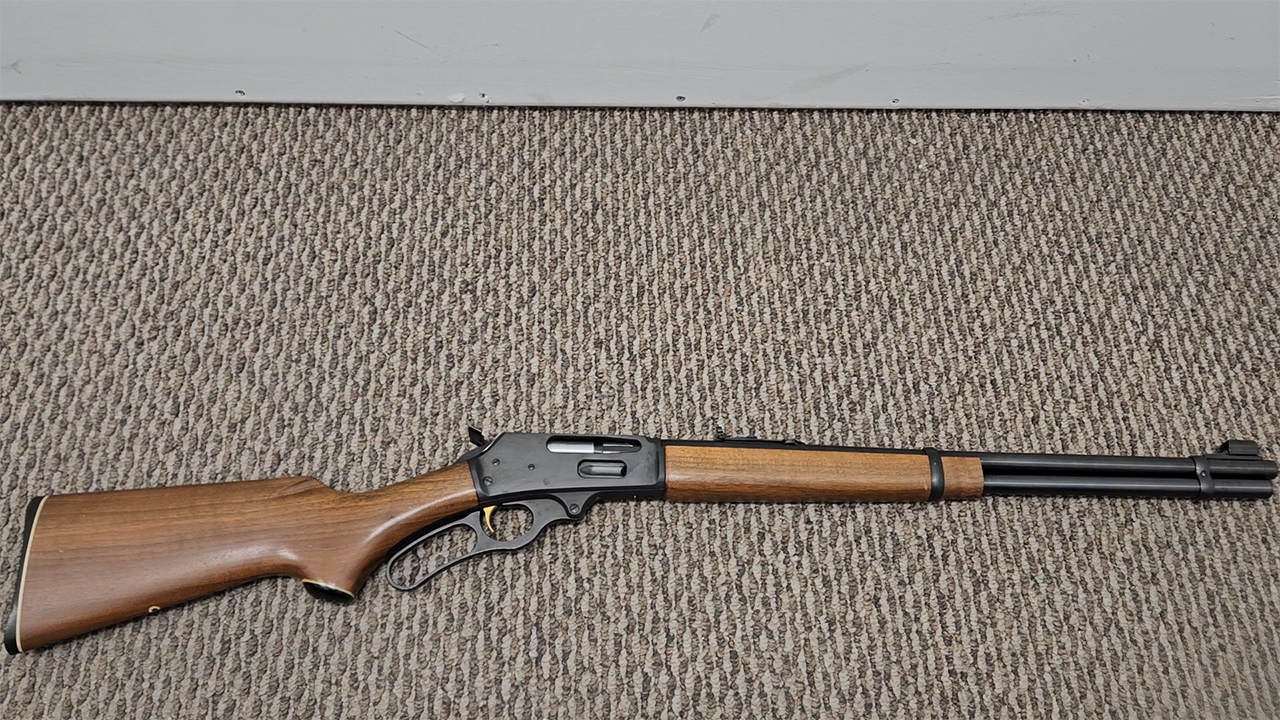
If you grew up around hardwood ridges and short shooting lanes, this one needs no introduction. A 336 carries flat, points quick, and hits deer with authority without beating you up. It’s not a 400-yard fantasy rifle. It’s a real woods rifle.
What makes folks miss them is how “uncomplicated” they are. No worries about magazine availability, no special torque specs, no fragile accessories. Just a rifle that rides in a scabbard, gets rained on, and still drops a buck when the moment shows up.
3. Remington 870 Wingmaster
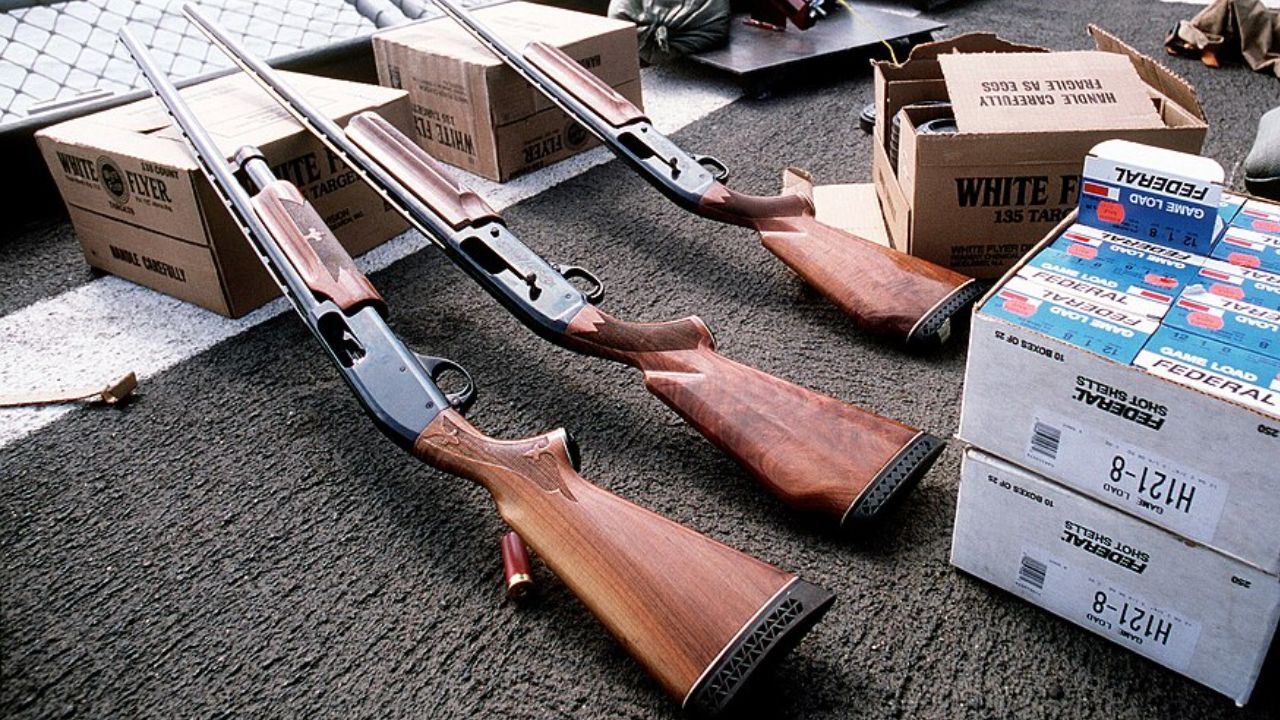
You can argue about newer 870s all day, but an older Wingmaster is slick in a way you feel immediately. The pump stroke is smooth, the gun has some honest weight, and the finish looks like it was made by someone who cared. They are boring in the best way.
They’re also the kind of shotgun that gets “borrowed” by your own family for dove season, then somehow never comes back. When one leaves the safe, you usually don’t notice until you need a pump that you trust with any shell you can find.
4. Mossberg 500 (plain field models)

There’s nothing fancy about a basic 500, and that is kind of the point. It’ll do turkey, deer, ducks, and home duty without you babying it. The safety is where it should be for a lot of hunters, especially with gloves on.
Folks ditch them because they want prettier walnut or a smoother action. Then a wet season hits, or a buddy needs a loaner, and you realize you traded away the shotgun you didn’t worry about. That’s a special category of useful.
5. Winchester Model 70 (pre-’64 and “classic” controlled-round feed)

Some rifles feel like they want to feed, chamber, and fire. A good Model 70 has that “rails” feeling when you run the bolt. It’s confidence when you’re cold, tired, and trying not to fumble a follow-up shot.
They also tend to be the rifles that got carried a lot and talked about very little. When they’re gone, you miss the way they shoulder and how the safety works without thought. A new rifle might shoot tighter groups, but it doesn’t always replace that kind of trust.
6. Ruger M77 (tang safety models)
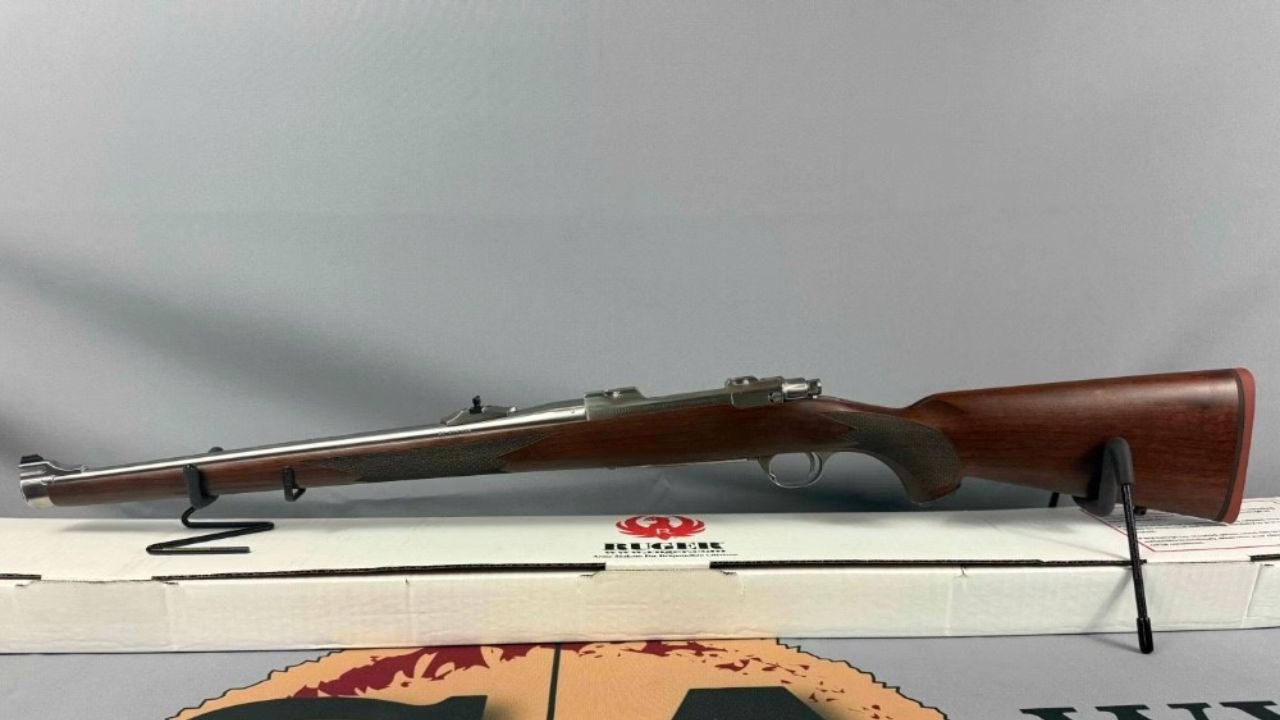
The tang safety Rugers aren’t the lightest, and they aren’t always the slickest. But they’re steady, they’re strong, and they handle like a hunting rifle instead of a bench gun. That tang safety is a big deal for a lot of folks who grew up with it.
People sell them because they’re “old school” and they want something lighter. Then they spend three seasons trying to find a rifle that sits in the hands the same way. That old Ruger might not have been glamorous, but it was dependable.
7. Savage 99

If you’ve ever carried a Savage 99 in the woods, you know why it gets talked about with a little reverence. It’s slim, it’s quick, and it has a personality that modern rifles just don’t. The lever throw feels mechanical in a satisfying way.
The miss comes later when you realize it wasn’t just a deer rifle. It was a conversation piece that still worked hard. And once they’re out of your hands, finding another in the same condition—and that feels the same—can be a long hunt of its own.
8. Browning A-5 (Belgian and early Japanese)
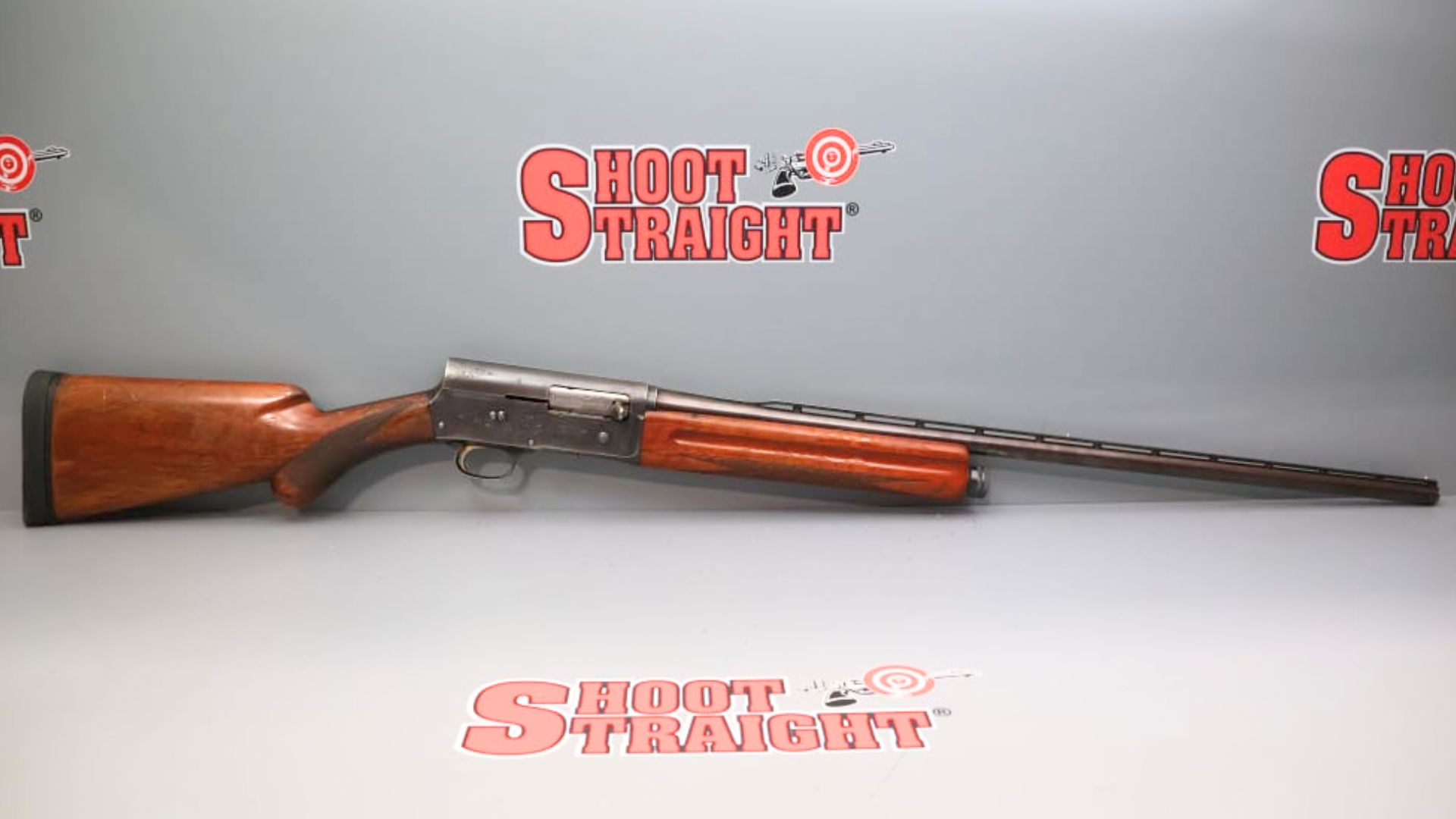
The old humpback isn’t for everyone, and it’s definitely not the softest-shooting gun in the world. Still, an A-5 that’s been set up right runs and runs, and it carries history in the bluing. You see them at old duck camps for a reason.
When one leaves the family, that one hurts. It’s the shotgun that was there for the first mallard, the first pheasant, the cold mornings where everything else seemed to freeze up. Nostalgia is part of it, but function is too.
9. Remington 1100
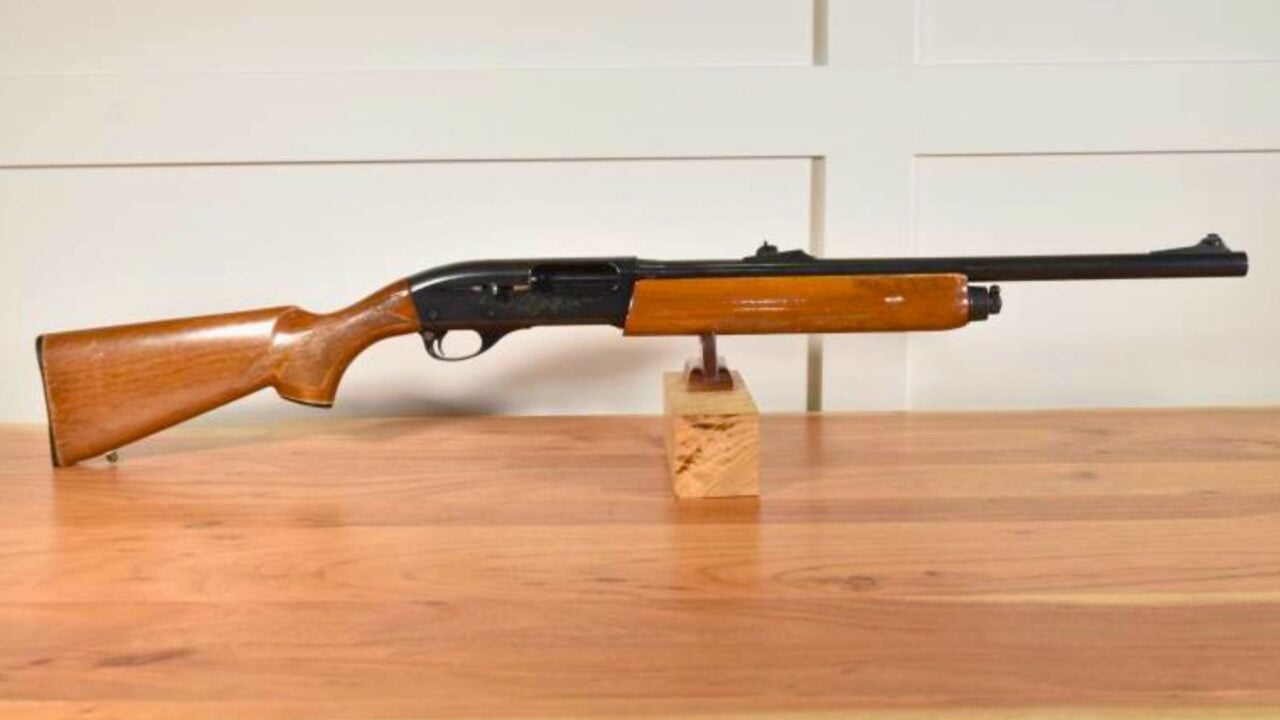
An 1100 is one of those shotguns that makes average shooters look better than they are. The recoil impulse is soft, the gun wants to stay on target, and it just swings nice on birds. For clays and dove fields, it’s hard to hate.
They do need some basic maintenance, and that’s why some get sold off. But if you had one that ran, you probably still remember how it felt on a long Saturday when everyone else was flinching and you weren’t.
10. Ruger Blackhawk (three-screw and early models)
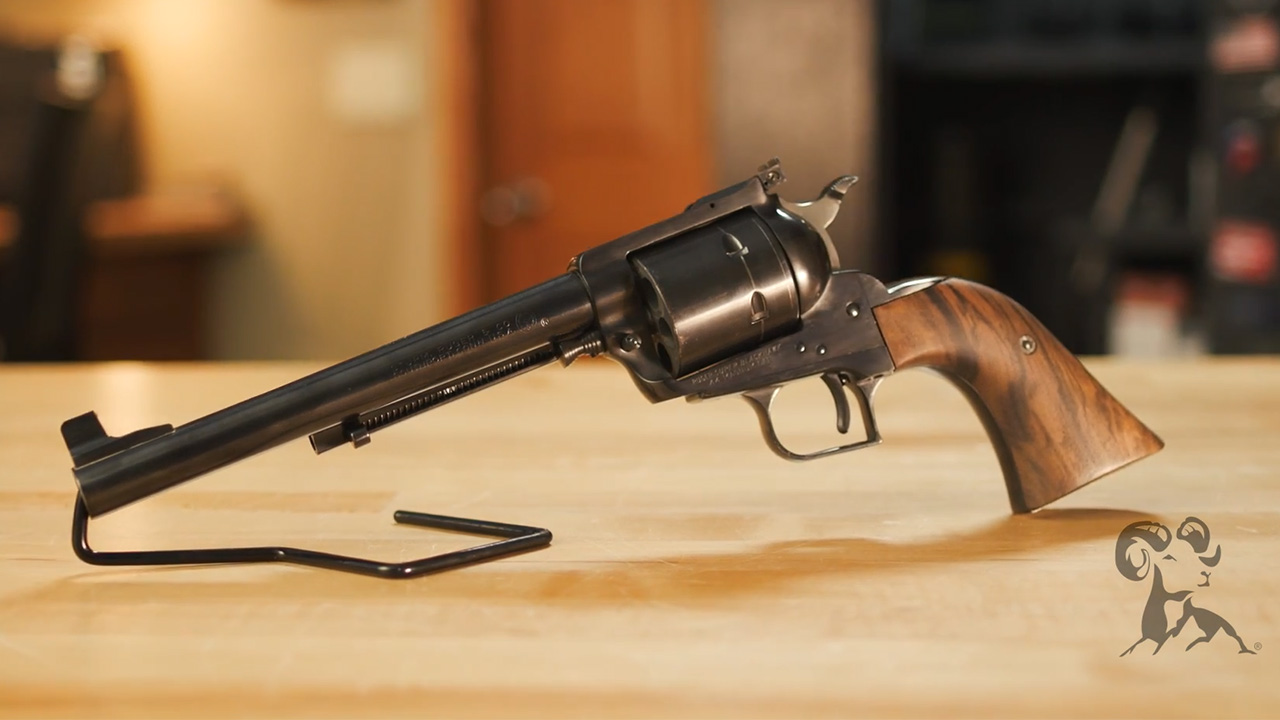
A Blackhawk is not a carry-all-day concealed gun. It’s a working revolver, the kind that rides in a chest rig in the timber or sits in a tackle box in camp. The single-action rhythm slows you down in a good way.
People move them along because they “don’t shoot it much.” Then they go on a hog hunt, or they get into handloading, or they just want a tough sidearm that doesn’t care about grit. And suddenly they miss that simple, rugged wheelgun.
11. Smith & Wesson Model 19
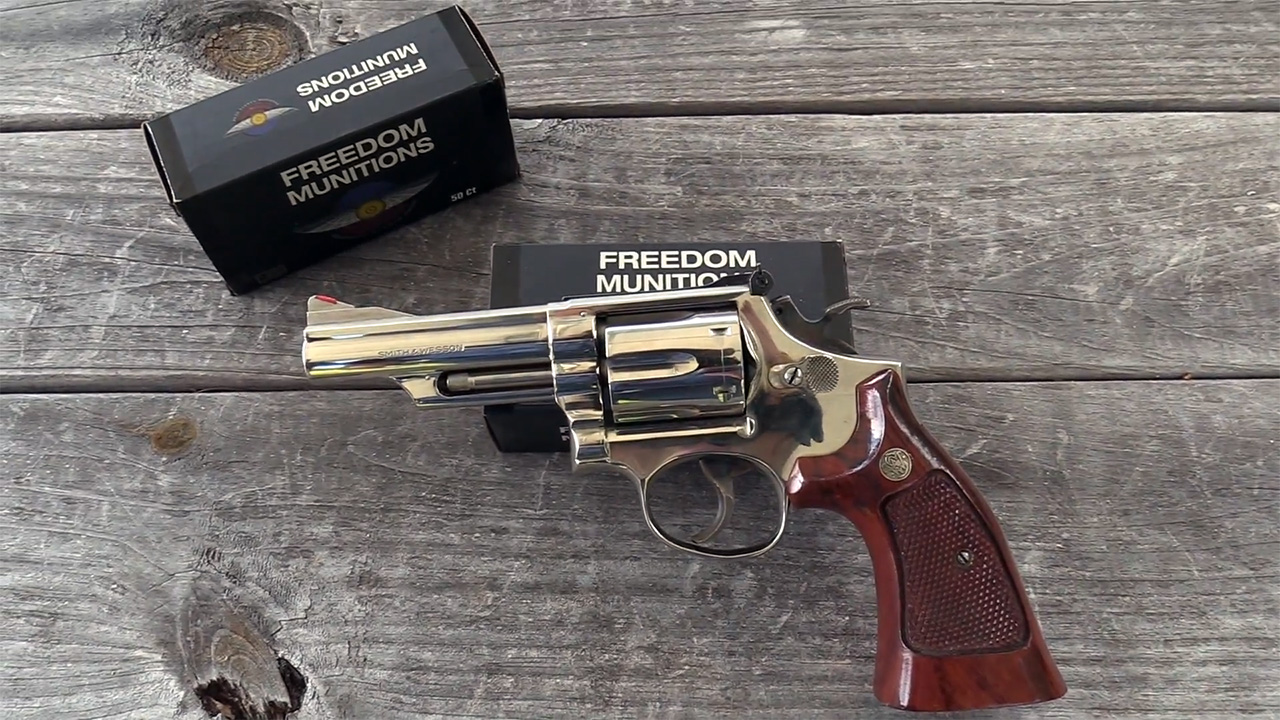
The Model 19 is one of those revolvers that feels like it was designed by someone who actually shot revolvers a lot. The size is right, the trigger can be excellent, and it carries better than the bigger .357 frames. It’s a classic for a reason.
It also tends to be the one that got traded during a semi-auto phase. Later on, when you want a revolver that feels “right” again, you remember that K-frame balance and realize you let a good one walk.
12. Smith & Wesson Model 686 (no-dash and early versions)
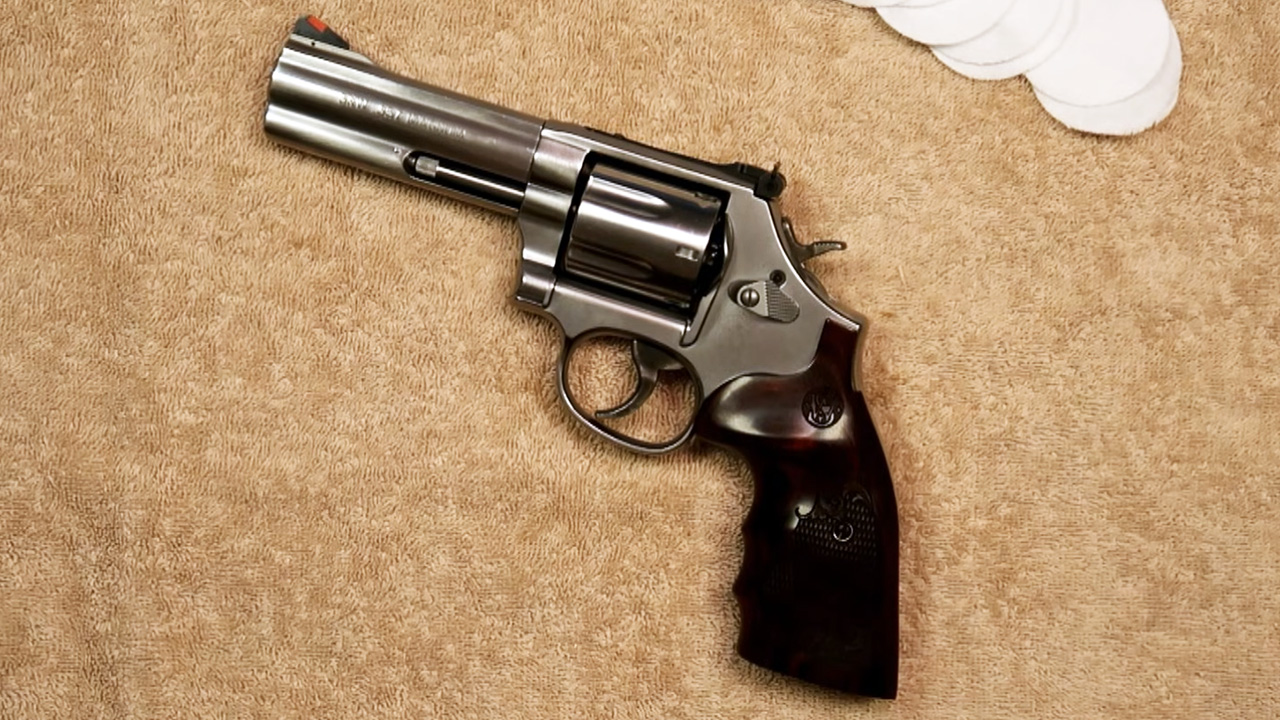
If the Model 19 is the sweet-handling classic, the 686 is the “shoot it a lot” workhorse. It soaks up .357 like it’s nothing, and it’s the revolver you bring when you don’t want to worry about wear and tear. It’s not romantic. It’s solid.
Folks sell them because they’re heavy. And they are. But that weight is also why they shoot so well. When it’s gone, you miss how easy it was to hit with, especially for new shooters learning on a real revolver.
13. Colt Python (older models)

Not everybody needs a Python, and plenty of folks would rather own two practical guns than one expensive one. Still, if you ever had an older Python that locked up like a bank vault and had that glassy trigger, you don’t forget it. They have a feel that’s hard to fake.
Most Pythons didn’t get sold because someone hated them. They got sold because the money looked good at the time. Years later, the price tag to get back in the game makes that old decision sting.
14. Ruger GP100 (4-inch, plain stainless)

There are revolvers that are elegant, and there are revolvers that are willing to work. A GP100 is the second kind. It’s the gun you don’t mind getting wet, dusty, or banged around in a holster on the ATV.
When they’re gone, it’s usually because someone decides they want “something nicer.” Then they end up with a revolver they’re afraid to scuff up. The GP100’s whole charm is you can live with it hard and it won’t get moody.
15. Glock 19 (Gen 3 especially)
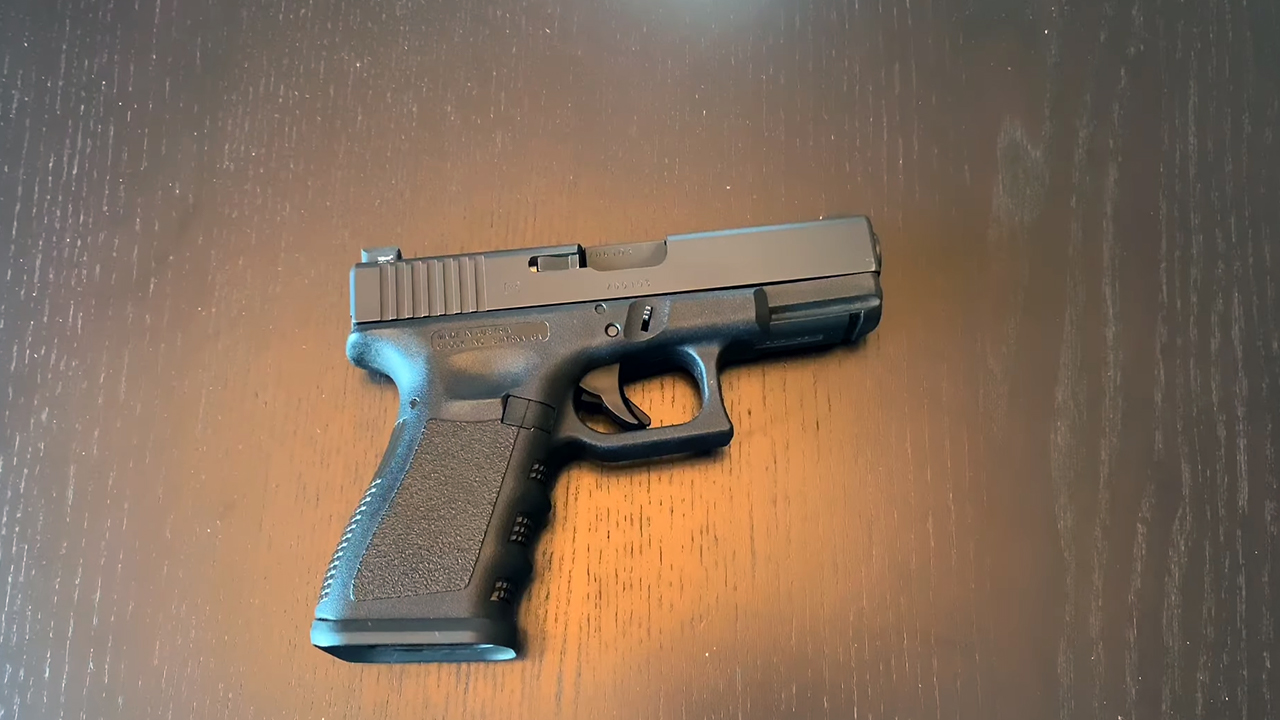
It’s almost annoying how often the Glock 19 is the right answer. It’s not exciting. It doesn’t have that custom-shop feel. But it carries, it shoots, it takes abuse, and it eats common magazines. For a lot of normal gun owners, that matters more than internet cool points.
The regret usually comes after chasing something slimmer, fancier, or trendier. Then you realize you miss the gun that just worked with whatever ammo you found and whatever holster you grabbed. Dependable gets underrated until you don’t have it.
16. SIG Sauer P226 (German and early U.S. guns)
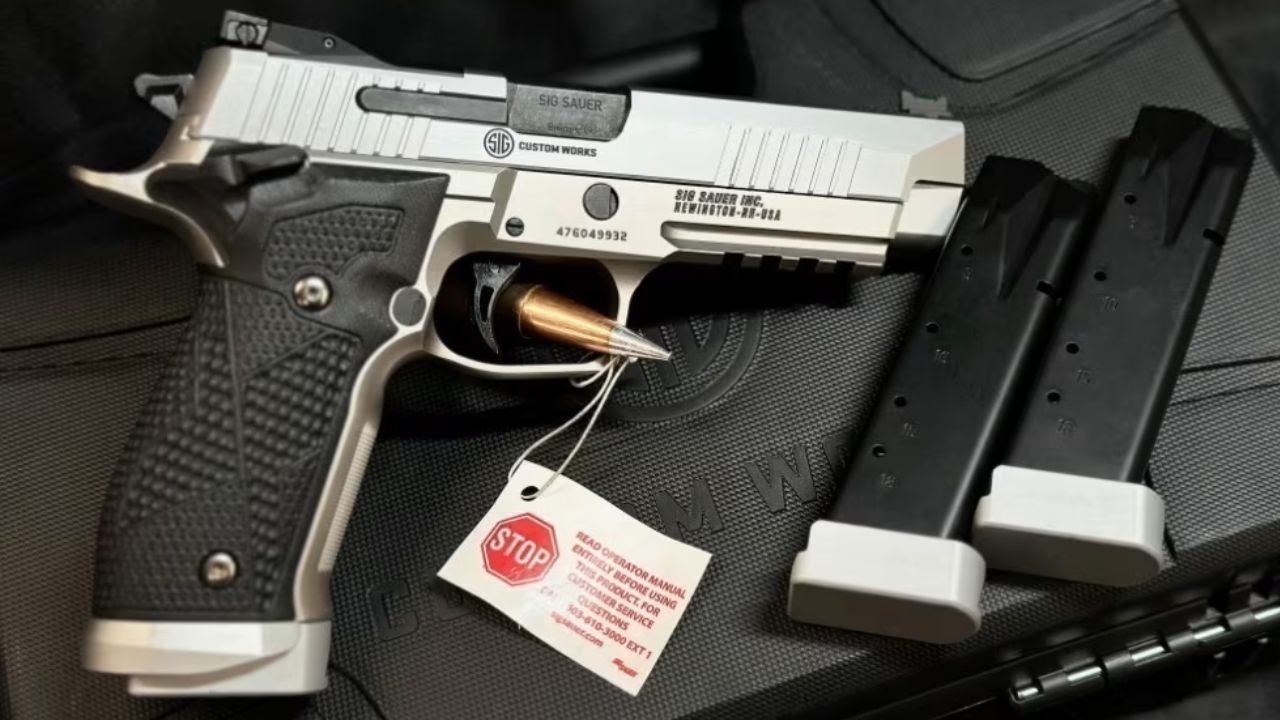
A P226 is not small. It’s not light. But it shoots like a real service pistol should, and it’s the kind of handgun that makes you want to run drills instead of just punching paper. The controls are in the right places, and the gun tracks well.
When one leaves the safe, it’s often because someone wants to “simplify” to a smaller carry gun. Fair. But when you want a full-size pistol that is easy to shoot well for long range sessions, you start missing the SIG pretty quick.
17. Browning Hi-Power
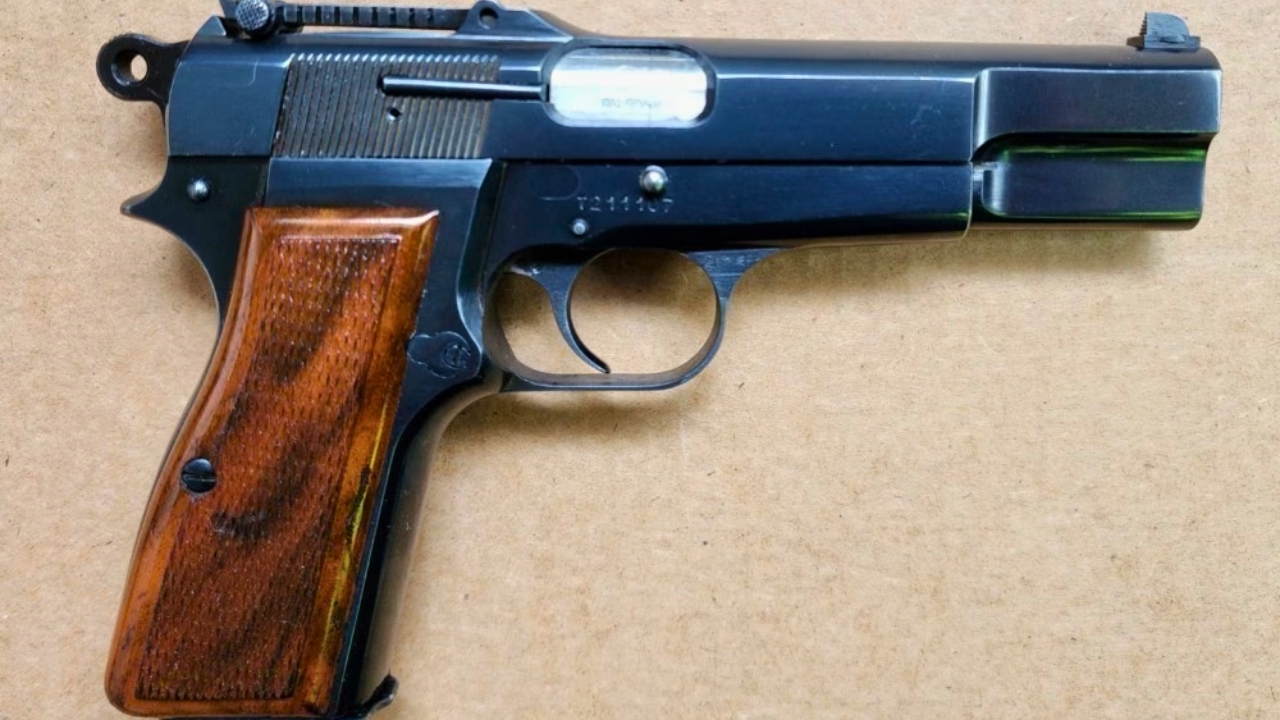
The Hi-Power sits in the hand like it was shaped for it. Slim grip, natural point, and it just feels like a fighting pistol from a different era when steel and balance mattered. It’s not the highest-capacity gun in the world anymore, but it never felt behind the times in the hand.
They also tend to leave because of “modern features” that aren’t actually needed for most folks. Later, you find yourself wishing you still had that smooth, flat gun that carried well and pointed where you looked.
18. CZ 75B (and the older pre-B style guns)

A CZ 75 has a way of making you look like you know what you’re doing. Low bore axis feel, steady recoil, and a shape that just locks in. They’re not as flashy as some newer pistols, but they’re easy to shoot well.
Guys sell them to fund a new project or because they want to standardize on one platform. Then they rent a CZ at the range years later and remember how it shot. Ask me how I know.
19. Ruger Mini-14 (older Ranch Rifles)

The Mini-14 has taken plenty of heat online for accuracy talk, and some of it is fair depending on the era and barrel. But as a handy ranch rifle, it’s hard not to appreciate. It carries like a light sporter, not a fence post, and it’s fast to the shoulder.
They get sold because an AR seems like the obvious upgrade. Then you spend a few years hauling ARs around and realize the Mini had a certain “grab it and go” vibe that fit chores, coyotes, and truck life better than expected.
20. Remington Model 700 (older BDL and Police-style guns)

There’s been plenty of debate over the years about different generations and triggers, and I’m not interested in pretending every 700 is perfect. Still, older 700s built a reputation because they shot, they were easy to scope, and they had a huge ecosystem of parts and support. For deer season and general shooting, they just plain worked.
The ones people miss are usually the simple, accurate rifles that never gave trouble. They were zeroed, they were familiar, and they put venison in the freezer. When you trade that away for “something new,” you often end up chasing that same confidence again.
Here’s the thing: you don’t have to keep every gun you ever bought. Safe space is real, budgets are real, and not every firearm deserves a forever home. But if you’ve got one that always seems to be the answer—first range bag grab, first hunting pick, first loaner for a new shooter—slow down before you let it walk. Those are the ones you end up missing when the season rolls around and the moment shows up.
Like The Avid Outdoorsman’s content? Subscribe to our newsletter so you never miss an article.
Here’s more from us:


