Photo credit: USOG/YouTube
Some used rifles sit on a rack because buyers assume another one will always show up. That assumption works right up until it does not. A model gets discontinued, original rifles start disappearing into permanent collections, and suddenly the same gun that seemed ordinary five years earlier becomes something experienced buyers grab whenever they find a clean example.
I am not talking about chasing every old rifle as an investment. Most of the guns on this list are interesting because they combine limited production, excellent manufacturing, unusual actions, desirable chamberings, or configurations that manufacturers simply do not build anymore. Condition matters enormously, and originality matters even more. The rifles I would watch hardest are the ones that still look like they did before decades of owners started drilling, restocking, refinishing, and customizing them. Those are the examples serious buyers rarely seem eager to put back on the rack.
Winchester Model 43
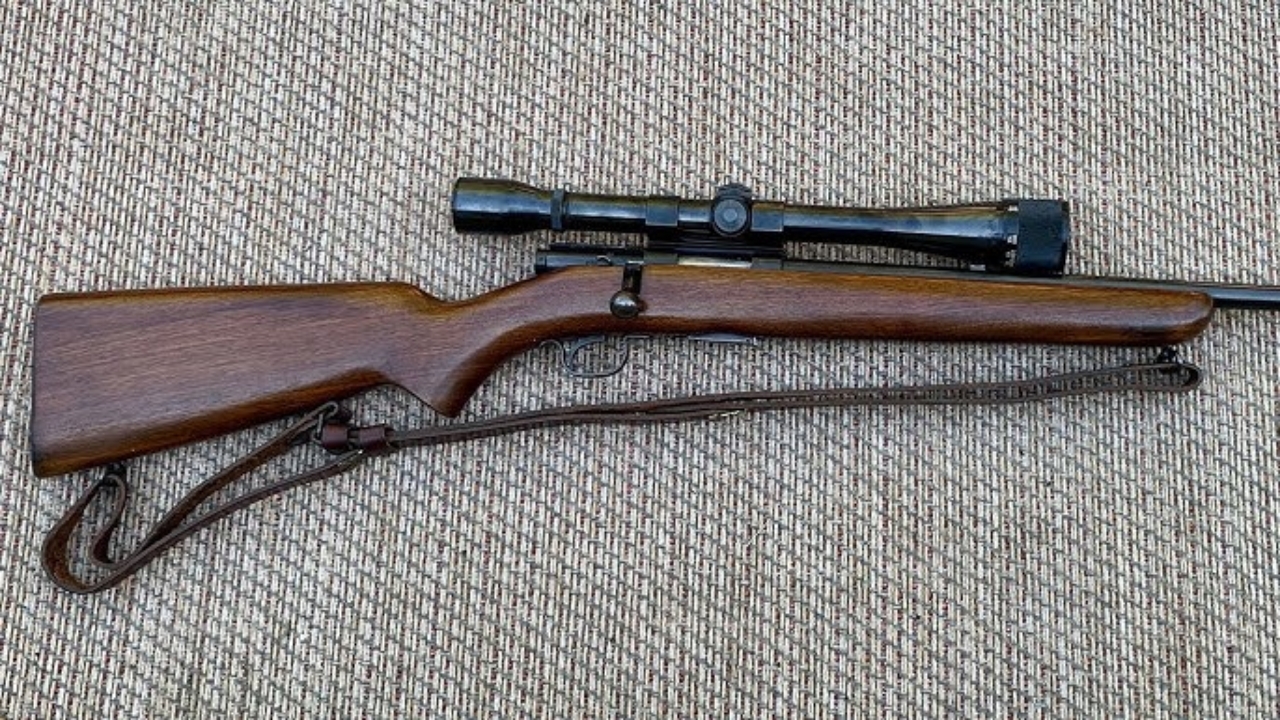
The Model 43 is exactly the kind of Winchester that can disappear before casual buyers realize what they walked past. It is a small centerfire bolt action most commonly encountered in .22 Hornet and .218 Bee, giving it the proportions of an old-fashioned varmint rifle rather than a full-size deer gun. Less-common .25-20 and .32-20 versions are considerably tougher. Winchester collector research estimates production of only around 3,500 .25-20s and 2,800 .32-20s.
That is why I would inspect any clean Model 43 closely before dismissing it as an old little bolt gun. Stock modifications, extra holes, and hard field use have reduced the supply of untouched examples. A sharp rifle in one of the scarcer chamberings is exactly the kind of piece knowledgeable Winchester buyers recognize immediately.
Remington Model 725
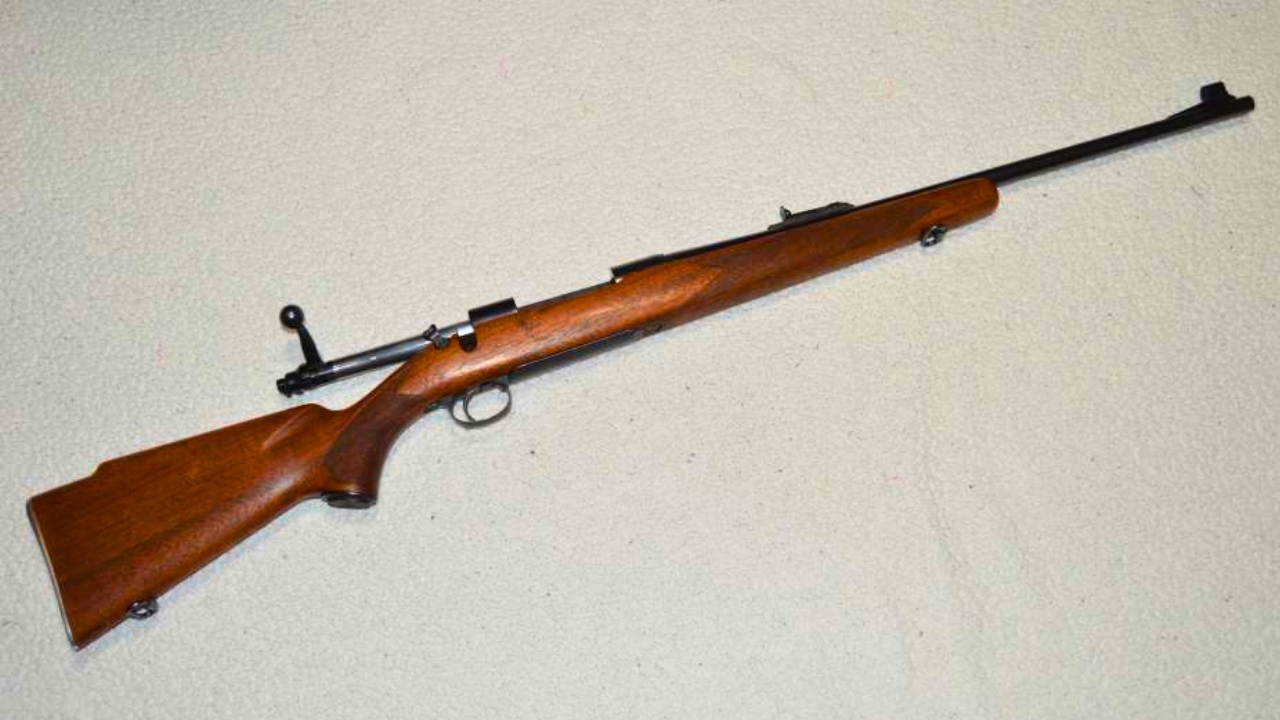
The Model 725 is easy to overlook because it sits between the plain Model 721/722 family and the enormously successful Model 700 that followed. That short transitional period is exactly what makes it interesting. Remington introduced the 725 in 1958 and discontinued it in 1961 after producing only about 16,635 rifles. Chamberings included .270 Winchester, .280 Remington, .30-06, .222, .243, .244 Remington and a small number of big-bore Kodiak rifles.
A clean 725 therefore has several things working in its favor: low production, classic Remington styling, and a direct connection to the rifles that led into the Model 700 era. I would be particularly reluctant to pass on an original .280 or one of the less-common chamberings. These are not rifles I expect to become easier to locate.
Remington Model 660

The Model 660 spent years living in the shadow of the quirky Model 600, but serious Remington collectors know the 660 deserves its own attention. It was produced only from 1968 through 1971, with slightly more than 50,000 rifles made across standard and magnum configurations. The short barrel and compact overall dimensions made it a genuinely handy hunting rifle rather than merely another full-size bolt gun.
Certain chamberings make the story much more interesting. American Rifleman notes that only 227 were produced in .223 Remington, while .222 rifles and the 6.5 and .350 Remington Magnum versions also receive additional collector attention. I would not casually modify a clean one today. A rifle that once looked like an odd little Remington carbine now has exactly the short production history collectors tend to chase.
Browning BBR
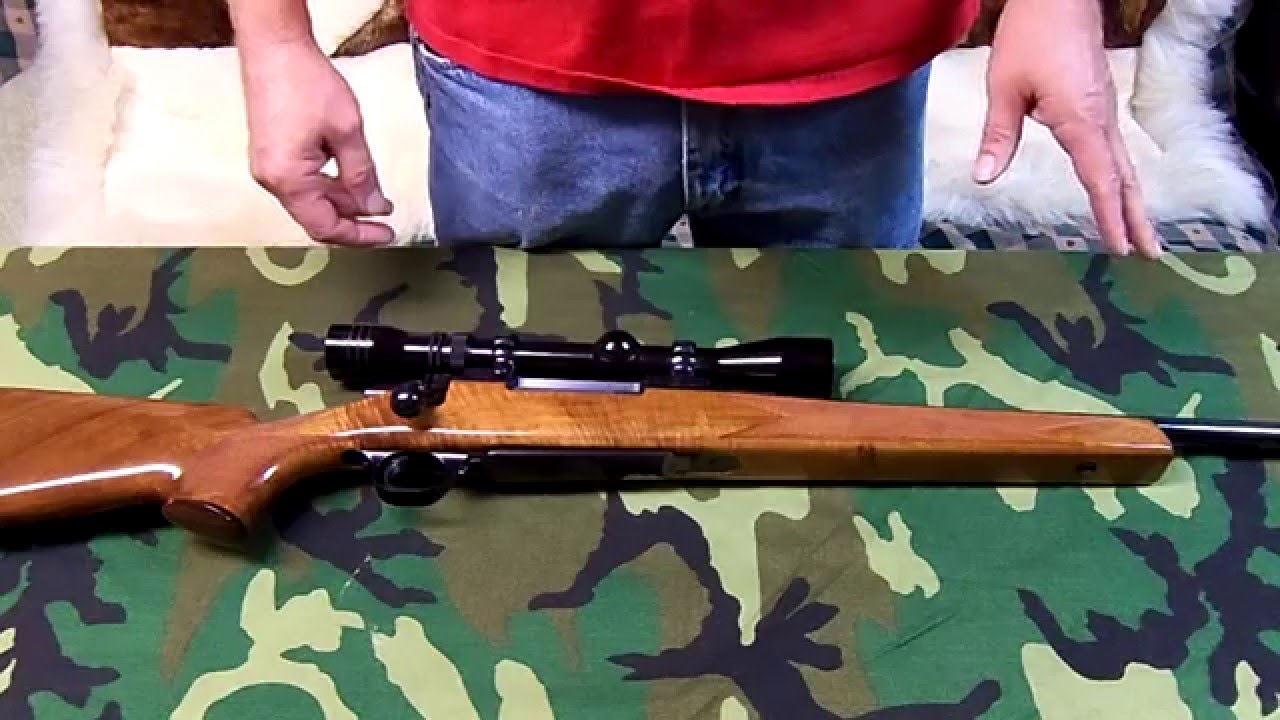
The BBR arrived in Browning’s lineup in 1977, but it never achieved the enormous recognition that later Browning bolt actions would enjoy. That works in favor of buyers who already understand what the BBR is. It is a substantial rifle with a distinctive bolt and receiver design, polished metal, traditional wood, and the kind of heavy-duty construction that feels noticeably different from today’s lightweight hunting rifles.
For years, that weight probably hurt it. Hunters who wanted something easier to carry moved toward lighter rifles, and the BBR became an older Browning few newer shooters knew much about. Now the same construction is part of the appeal. A clean rifle with excellent wood and original finish is the sort of used Browning I would expect knowledgeable buyers to pull quickly, especially when it appears in a desirable hunting chambering.
Sako L461 Vixen
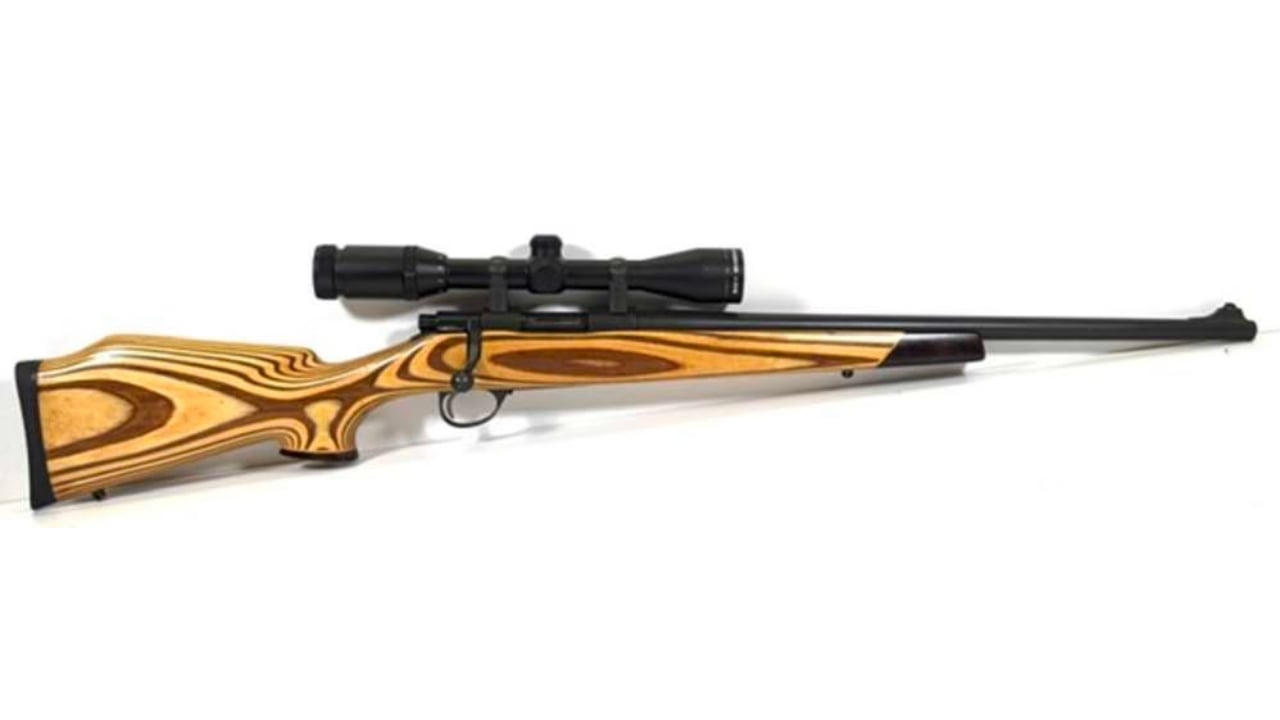
The L461 Vixen is becoming difficult to call overlooked because serious Sako collectors are already paying close attention. The little Finnish action was scaled around small cartridges rather than being a shortened version of a full-size action, and rifles were offered in configurations ranging from standard sporters to heavy-barrel and full-stock versions. Recent collector coverage specifically describes L461s as increasingly sought after for their manufacturing quality, accuracy, and configurations Sako no longer makes.
I would be particularly careful with Mannlicher-stocked rifles, heavy-barrel examples, and less-common chamberings. Condition matters because these were excellent varmint rifles and many owners actually used them hard. A beautiful Vixen with original wood and a strong bore is exactly the kind of used rifle that can vanish into somebody’s collection and not return for decades.
Tikka M55

Before the T3 became the Tikka almost everyone knows, there was the M55. The Finnish rifle was manufactured from the late 1960s through the 1980s and appeared in an impressive range of configurations, including sporters, full-stock rifles, heavy-barrel models, and compact versions. It also used a genuinely short action, something serious rifle people tend to appreciate once they handle one.
The trouble is that older Tikkas spent years being regarded simply as good shooters rather than collectibles. Owners used them, altered stocks, replaced magazines, and sometimes rebarreled them because nobody expected them to become difficult to replace. A clean M55 in an interesting chambering now stands out. I would especially want the original magazine and furniture because model-specific pieces can become much more important once the rifle itself has been out of production for decades.
Colt Sauer Sporting Rifle

A Colt Sauer is the type of rifle that experienced buyers sometimes recognize from across the rack. Built in Germany by J.P. Sauer for Colt, it used an unusual non-rotating bolt system and combined deep blueing with high-grade walnut and European engineering. Production ran from the 1970s into the 1980s, and collector documentation puts total production at roughly 27,000 rifles across the different action sizes and chamberings.
That is enough production to keep them from being mythical, but not enough that I would assume another identical rifle is coming soon. Chambering, original magazine, wood quality, and condition all matter. The .22-250, .25-06 and certain magnums draw particular interest. A crisp Colt Sauer is one of those rifles that makes ordinary production guns look noticeably ordinary once you cycle the action.
Marlin MR-7
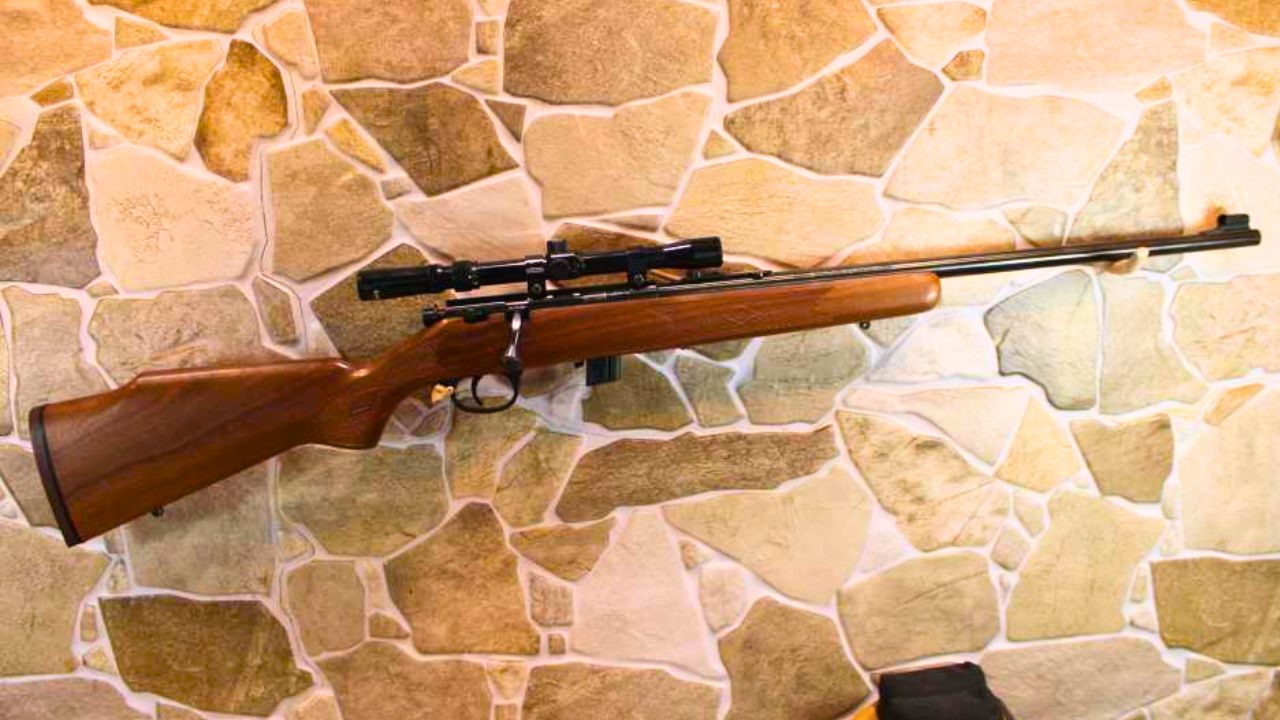
The MR-7 is a rifle many people forget Marlin ever built. That alone makes it interesting. Marlin is so strongly associated with lever actions and rimfires that a centerfire bolt-action sporting rifle from the company can look almost out of place. The MR-7 arrived during the 1990s and combined familiar ideas from several successful bolt designs into a rifle intended to compete directly in the conventional hunting market.
It never became the rifle that defined Marlin, which is why I would pay attention now. Short-lived models from famous manufacturers often become far more interesting once buyers realize production was limited and the company has moved on permanently. A clean MR-7 with original stock, bottom metal, and no questionable modifications has novelty without being gimmicky. That is exactly the sort of rifle that gets bought quietly while most shoppers are staring at Marlins with lever loops.
Colt Light Rifle
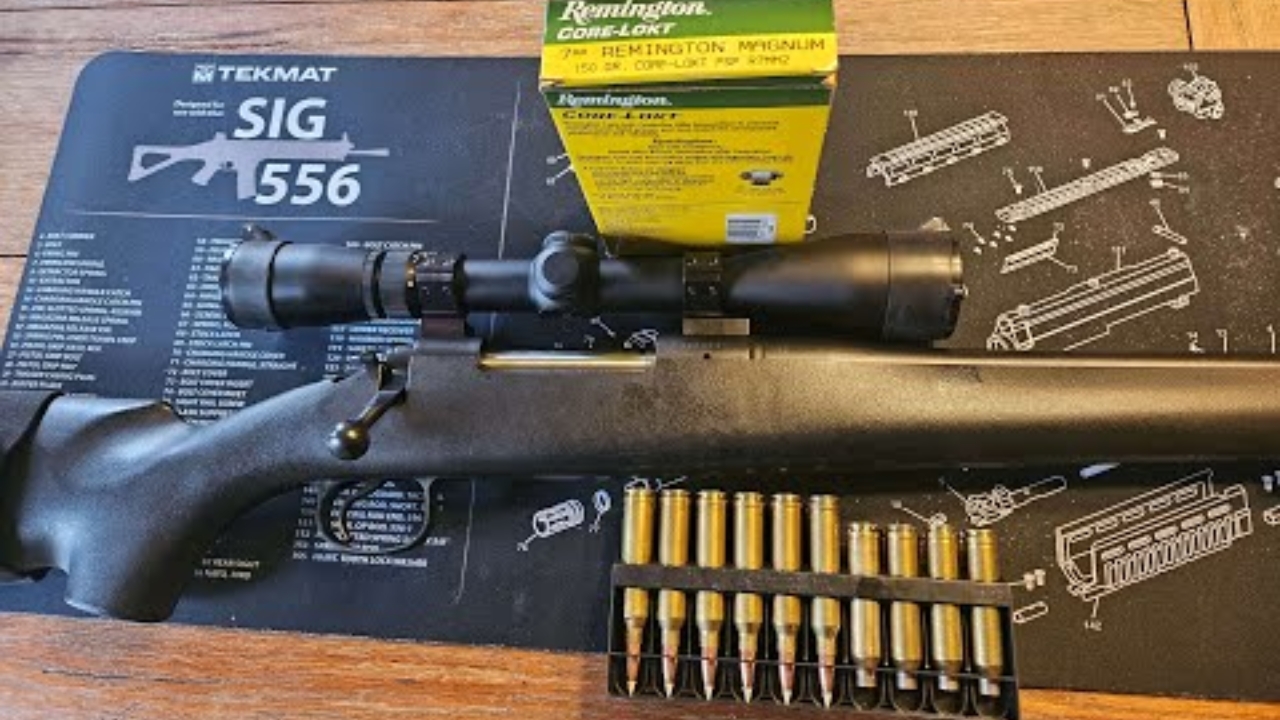
The Colt Light Rifle is one of those commercial near-misses that gets much more interesting with hindsight. Colt attempted to offer a production version of Melvin Forbes’ ultralight-rifle concept, with the CLR based around ideas from Ultra Light Arms. American Hunter notes that the rifle was essentially a mass-produced interpretation of the ULA Model 24 concept.
The execution was not perfect, which is part of why these rifles never became enormously successful. But limited commercial success can create collector interest later, especially when the design is connected to someone as influential in lightweight hunting rifles as Forbes. I would not expect every CLR to become valuable, but an original, clean example represents a very specific Colt experiment that is unlikely to happen again. Those are exactly the rifles collectors start wanting after everyone stops paying attention.
Interarms Mark X
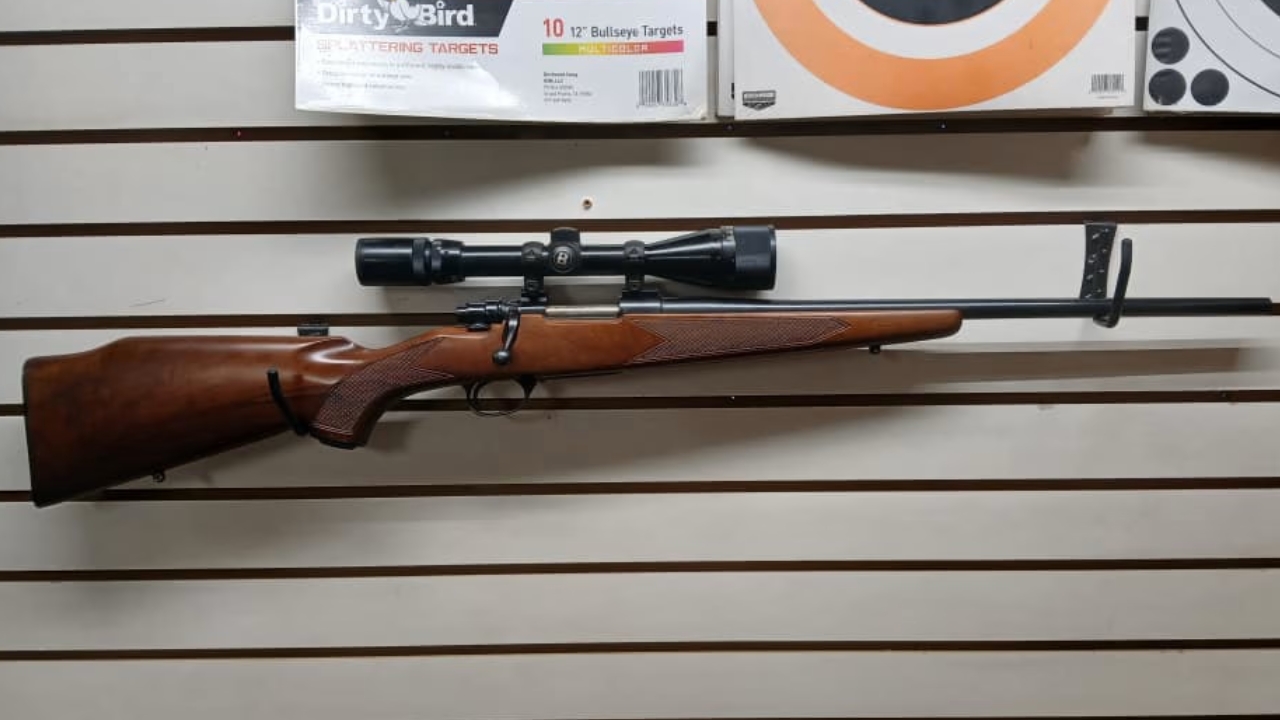
The Mark X spent decades being viewed primarily as a practical commercial Mauser action. That reputation meant plenty of rifles were purchased specifically to become projects. Stocks were replaced, barrels changed, triggers altered, and entire rifles turned into custom hunting builds because the action itself was considered more important than preserving the factory gun.
That makes an untouched Mark X increasingly interesting. It gives you traditional Mauser-style architecture, commercial sporting configuration, and the Interarms name from an era that is now firmly part of firearms history. I would especially notice rifles with attractive original walnut and less-common chamberings. The funny thing about good donor actions is that using them as donors eventually makes complete originals harder to find. A rifle that builders once saw as raw material can slowly become collectible simply because so many others stopped surviving intact.
Interarms Mini Mark X
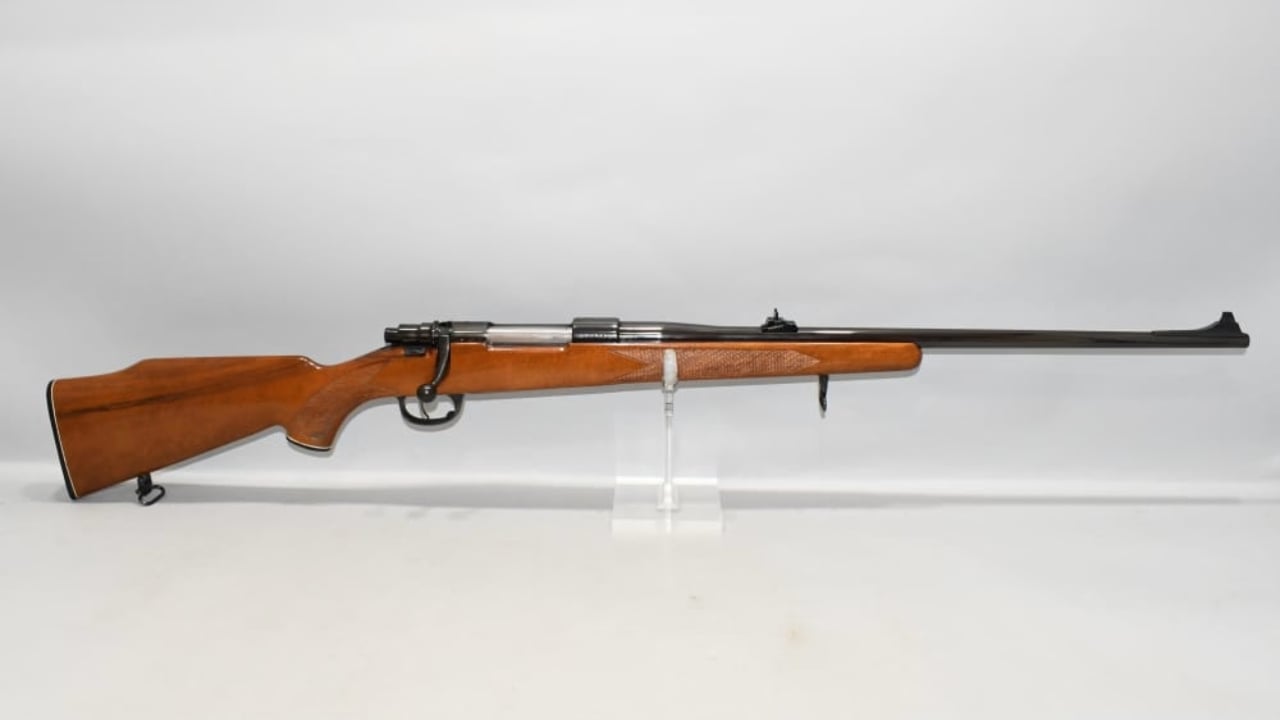
The Mini Mark X is an even better example of a rifle that serious buyers recognize before casual shoppers. Built around a genuinely small action, these rifles were imported in cartridges such as .223 and became known as “Mini Mausers,” even though the internal design has differences from a conventional full-size Mauser. Shooters familiar with them often compare their compact proportions to the little Sako actions.
Small centerfire actions are inherently appealing because manufacturers rarely build them when a standard short action can be adapted more cheaply. That makes the Mini Mark X useful as well as interesting. Unfortunately, many were customized for exactly that reason. If I saw one with original wood, magazine, bottom metal, and barrel, I would look twice. Compact actions have a devoted following, and there are only so many old Interarms examples left untouched.
Howa Golden Bear
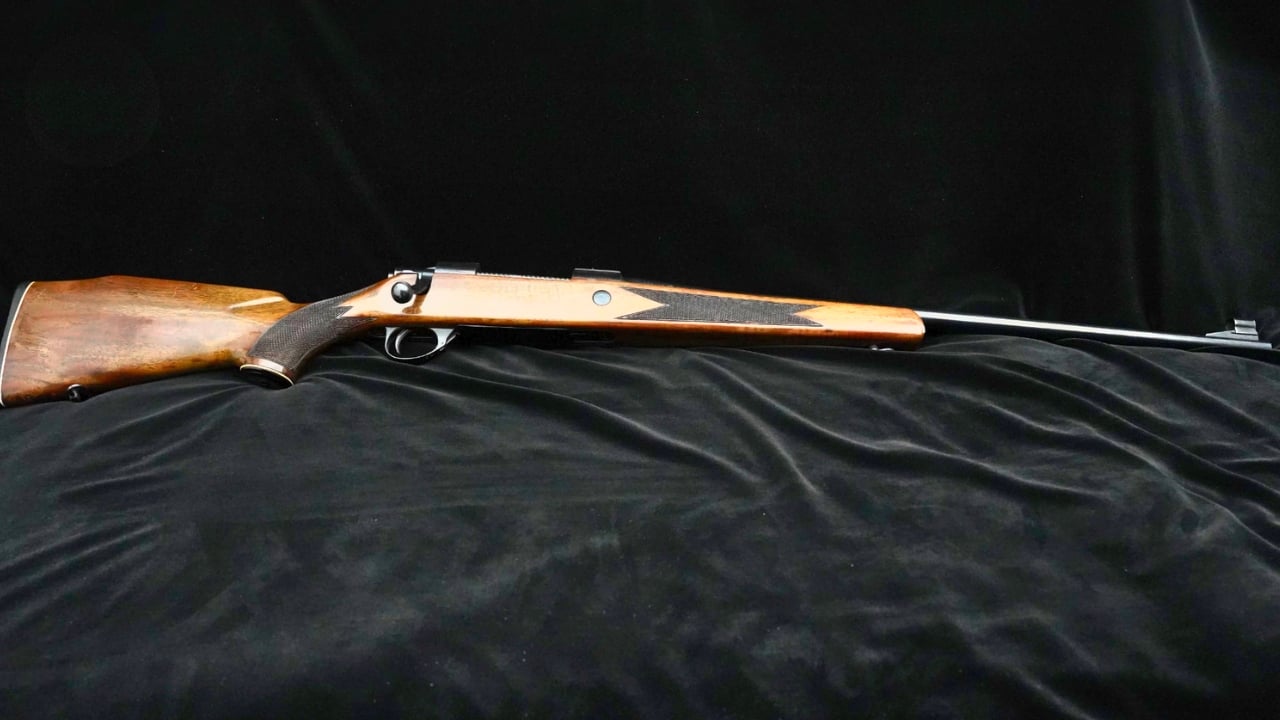
The Golden Bear deserves far more attention than it receives because it represents the beginning of Howa’s serious push into the American sporting-rifle market. Howa introduced the rifle in the United States in 1967, and the company says approximately 3,000 Golden Bears were exported here before the later Model 1500 era.
Three thousand rifles is not a huge number, particularly after nearly six decades of hunting use. The Golden Bear also matters because Howa eventually became one of the most significant manufacturers of bolt-action sporting rifles and OEM actions. A clean early rifle therefore has both scarcity and company history working in its favor. I would especially appreciate one with original wood and period-correct condition rather than a refinished example. These are exactly the obscure rifles that can disappear quickly once collectors begin telling each other how few actually came over.
BSA CF2
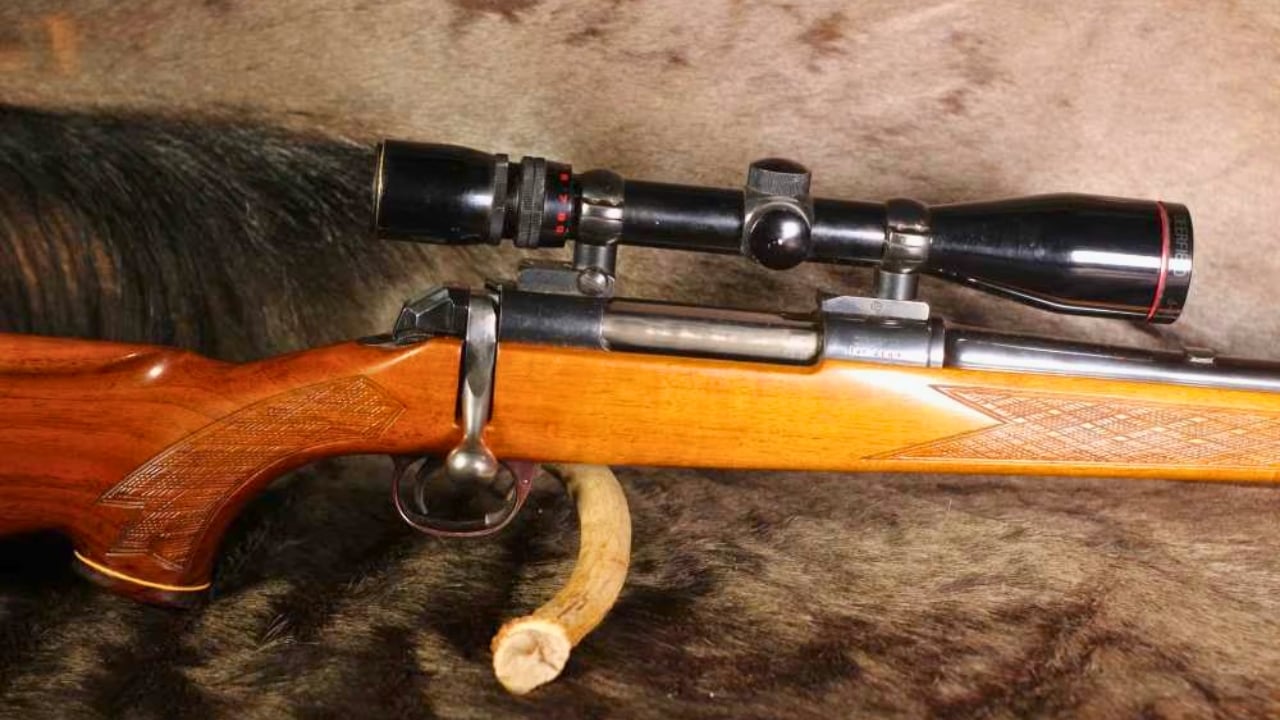
The BSA CF2 is one of those British sporting rifles that American buyers often pass simply because they recognize the cartridge but not the rifle. Introduced in the early 1970s, the CF2 was offered in numerous centerfire chamberings and several stock configurations, including full-stock Stutzen models. Production ended during the 1980s when BSA’s traditional firearms operation disappeared.
What I like about the CF2 is that it still feels like a proper European hunting rifle without carrying the collector recognition of better-known Mausers or Sakos. That means clean examples can remain overlooked right up until a knowledgeable buyer handles one. Full-stock rifles and attractive walnut would get my attention first. There is no modern stream of replacement BSA sporting rifles coming behind them, so every original rifle that settles into a collection makes the next one just a little harder to find.
Mauser Model 66
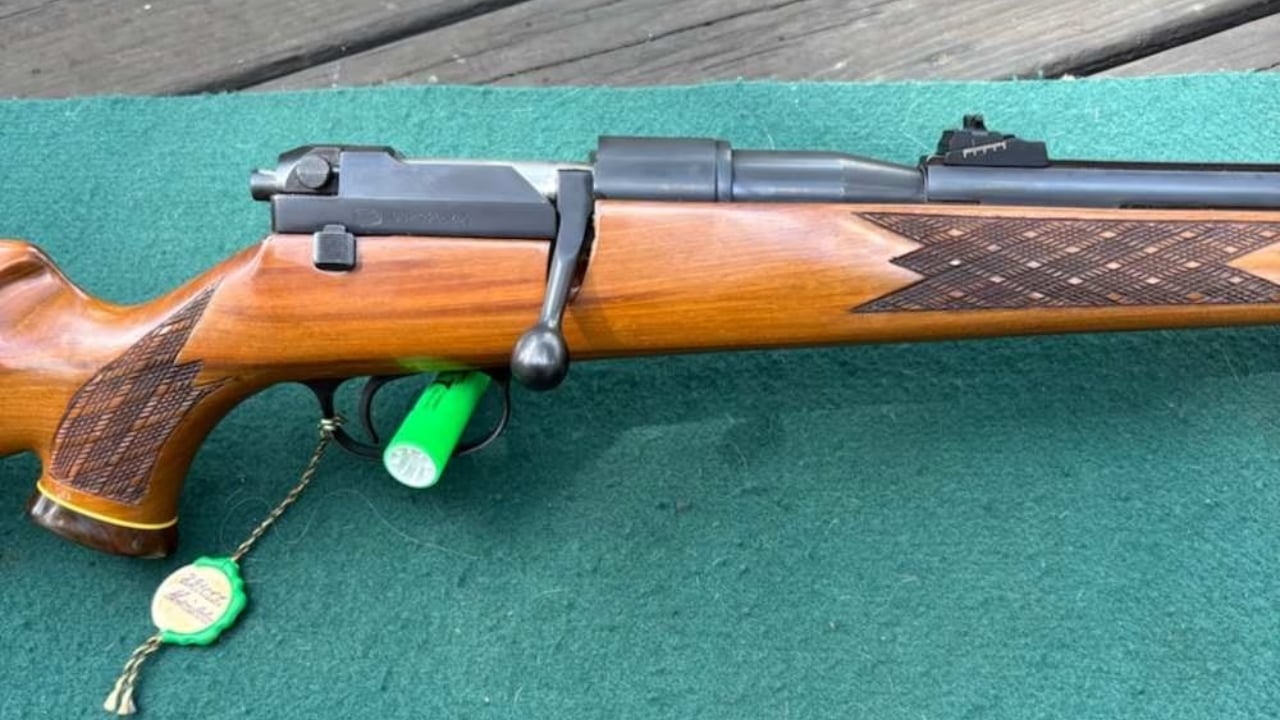
The Mauser 66 does not look or operate like the classic Model 98 that made the company famous, and that probably explains why some American buyers never quite warmed to it. Its telescoping bolt design allowed a relatively compact rifle even with a full-length barrel, giving the Model 66 proportions that feel unusual compared with ordinary turn-bolt sporters.
That mechanical distinctiveness is exactly what attracts serious collectors now. Rifles built around truly different actions tend to become more interesting after the industry standardizes around simpler designs. I would pay particular attention to rifles that remain complete, because model-specific components and scope mounting arrangements can complicate restoration. A beautiful Model 66 is not just another old Mauser with polished wood. It represents the company deliberately trying something very different, and that usually ages well in a collection.
Steyr Model L
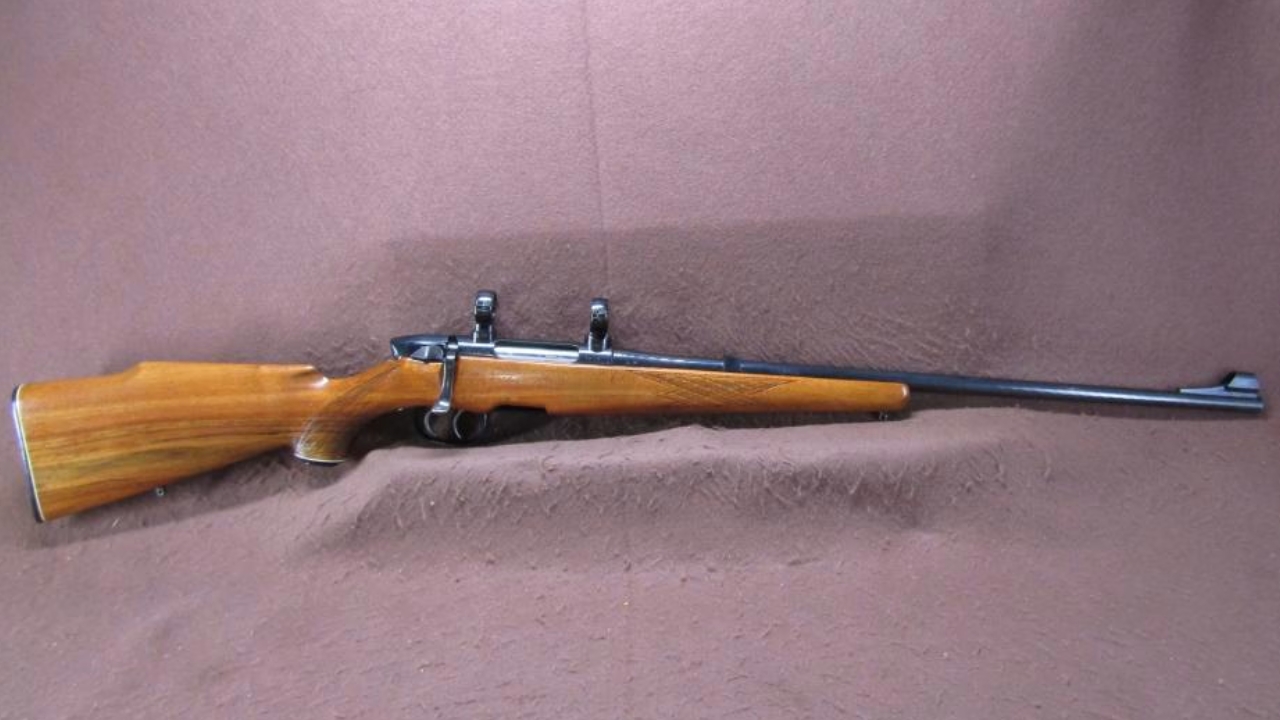
The Steyr Model L is the kind of compact European hunting rifle that can disappear unnoticed because so many American buyers are unfamiliar with the model designations. It was built around smaller cartridges and carried the smooth machining and distinctly Austrian styling that made older Steyr rifles feel different from mainstream domestic bolt actions.
Those rifles also came from an era when European sporters regularly had iron sights, slender stocks, and carefully finished metal rather than detachable chassis pieces and oversized optics rails. That gives a clean Model L a traditional character that is becoming harder to buy new at ordinary prices. I would look especially carefully at stock condition and original hardware. Once someone who appreciates older Steyrs buys a particularly nice example, I would not expect to see it circulating through the used racks again anytime soon.
Kimber Model 89 BGR
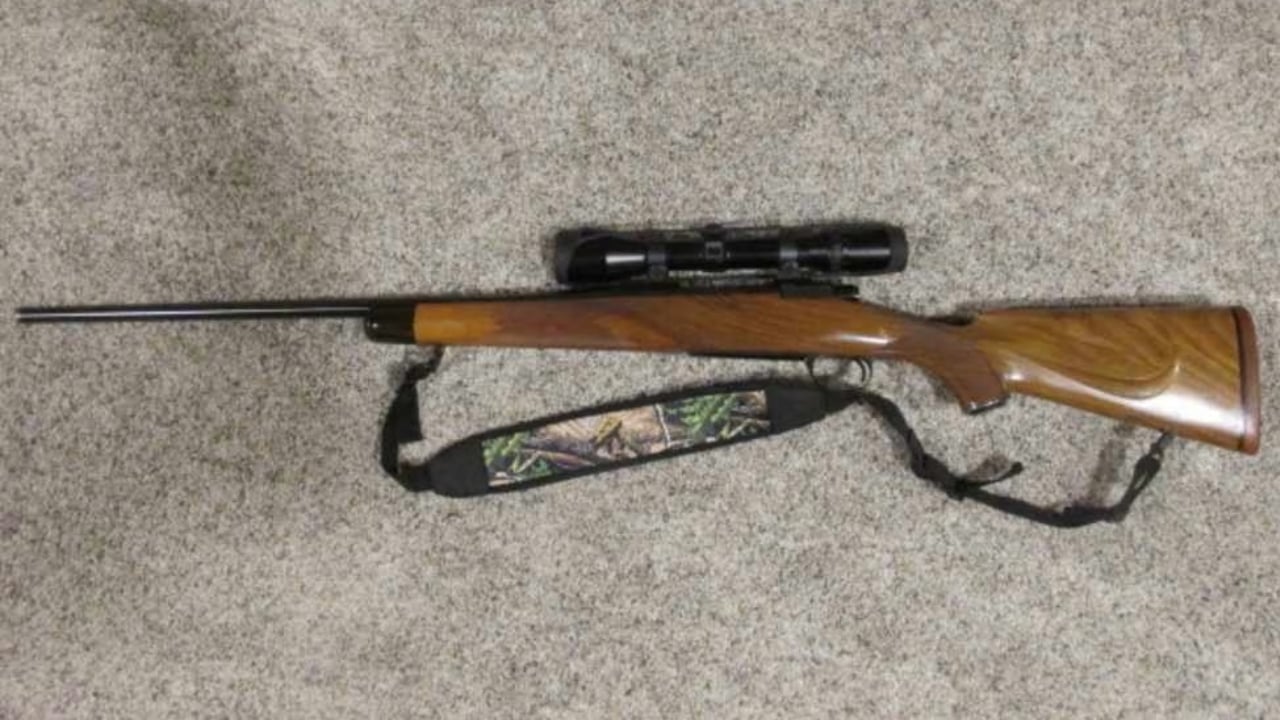
The Kimber Model 89 BGR comes from the complicated Oregon Kimber story, which is exactly why serious collectors pay attention to the markings and details. These rifles belonged to the period when Kimber was building handsome American sporting rifles with excellent walnut and a semi-custom feel before the original Oregon company ultimately disappeared.
A clean BGR can therefore appeal to more than one group. Hunters like the traditional bolt-action format, Kimber collectors want rifles from the early company history, and wood enthusiasts appreciate examples with unusually attractive stocks. The problem is that production numbers were never comparable to something like the Remington 700, and many rifles have been sitting in long-term collections for years. If I saw a high-condition Model 89 with strong original finish, I would not assume I could think about it for a month and come back later.
Mossberg Model 800
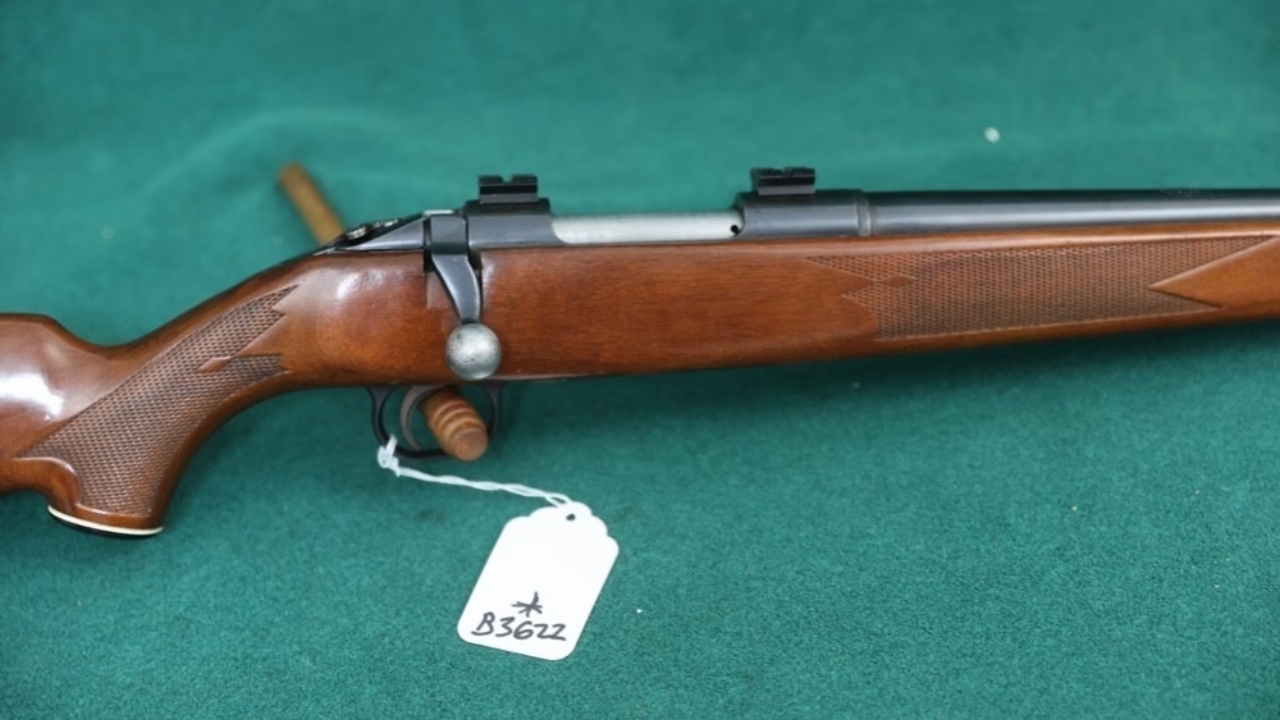
The Model 800 is easy to overlook because Mossberg’s reputation is so heavily tied to shotguns and affordable rimfires. Yet the company produced centerfire bolt-action sporting rifles that make much more sense once you stop judging them by the name on the receiver. They were practical hunting rifles, often priced for working owners rather than collectors.
That ordinary reputation is what makes clean survivors appealing now. Rifles bought as inexpensive tools rarely receive museum-level care. Stocks get cut, scopes get mounted using whatever hardware was available, and decades of deer seasons leave their mark. A Model 800 that somehow retains strong blueing and unmodified wood is increasingly different from the average example. I would not expect it to become the next legendary Winchester, but I would absolutely expect knowledgeable Mossberg collectors to keep removing the nicest examples from circulation.
Weatherby Mark V Varmintmaster

The original Varmintmaster was Weatherby’s compact answer for varmint shooters who wanted the Mark V experience in smaller cartridges. For years, older examples occupied an interesting niche because they were unmistakably Weatherbys without being the large magnum hunting rifles most people associated with the brand.
Weatherby’s decision to revive the Varmintmaster concept in 2025 shows that the name still has enough recognition to matter, but the modern rifle uses a new short action and should not be confused with the older originals. That may actually make vintage examples more interesting because collectors can clearly separate the historical rifles from the revival. I would pay close attention to original .224 Weatherby Magnum rifles, good wood, and unaltered condition. The little Weatherbys were often shot hard, so untouched rifles can disappear quickly.
Browning A-Bolt Micro Medallion
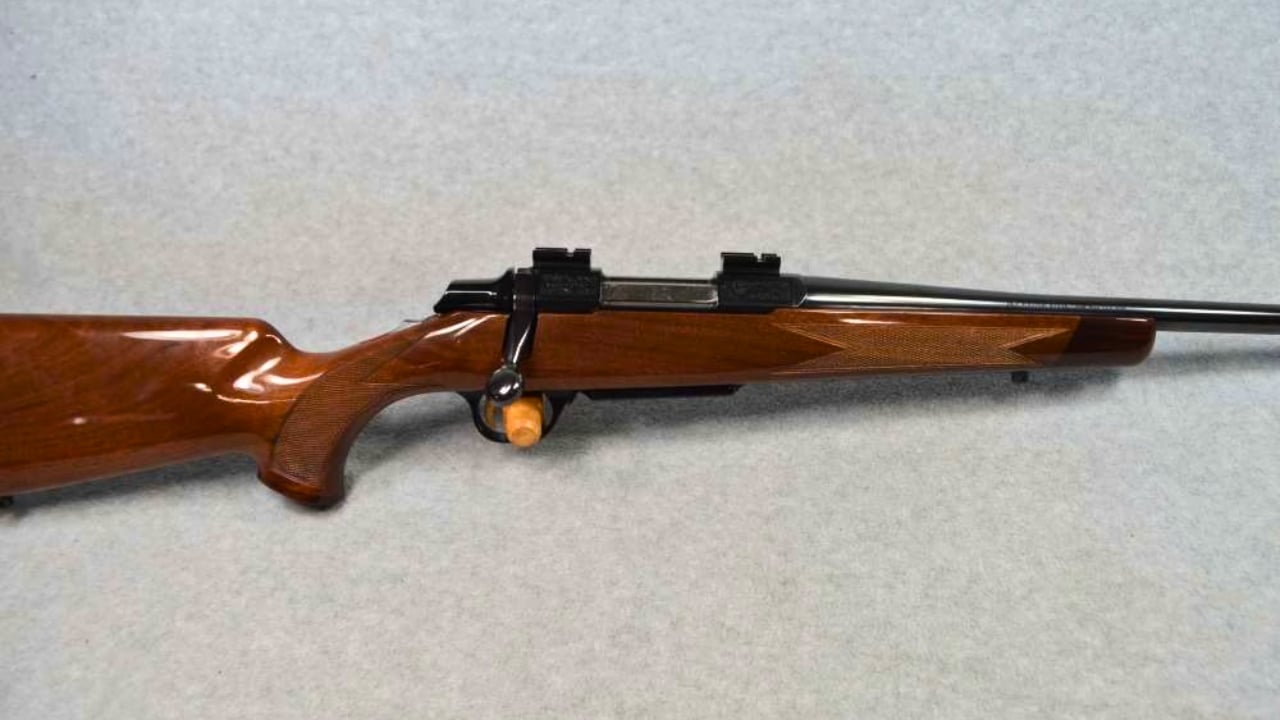
The Micro Medallion is exactly the kind of Browning that becomes desirable after buyers realize how few elegant compact hunting rifles are still being made. Rather than looking like a stripped-down youth gun, the Micro Medallion combined shorter dimensions with glossy walnut, polished metal, and the traditional appearance associated with Browning’s nicer hunting rifles.
That makes one especially attractive for a smaller-framed hunter who wants something better looking than a basic synthetic compact. It also means adults collect them simply because the proportions are unusual. Many were purchased for young hunters and accumulated honest field wear, so excellent condition matters. I would be particularly interested in one from the older A-Bolt generations with attractive wood and a practical short-action chambering. Compact rifles tend to stay with families once they find them, which steadily reduces the number of nice examples circulating.
Remington Model 722 in .222 Remington

The Model 722 in .222 Remington is one of those rifles that looks plain until you understand what happened around it. Remington introduced the .222 in the Model 722 in 1950, and the cartridge went on to become enormously important in varmint and early benchrest shooting. The Model 722 itself remained in production until 1962.
That history makes an original .222 rifle more interesting than its basic walnut-and-blue appearance suggests. Many were used hard because they were famously accurate working varmint rifles. Barrels saw thousands of rounds, stocks were altered for bench use, and scopes changed repeatedly over decades. A clean factory rifle with a strong bore is consequently something I would not leave sitting if I specifically wanted one. Serious buyers understand they are buying more than an old Remington. They are buying a piece of the .222’s rise to prominence.
Like The Avid Outdoorsman’s content? Be sure to follow us.
Here’s more from us: