Photo credit: Yeti Firearms/GunBroker
The concealed-carry market can be brutal on resale value. A pistol that costs $600 new can lose a surprising amount the moment manufacturers start offering rebates, updated generations, or discounted packages. That makes the models that continue attracting strong used demand particularly interesting. Current 2026 market data shows especially strong secondary-market activity around familiar carry guns such as the Glock 19, SIG P365 family, Glock 43X MOS, and Smith & Wesson Shield Plus. GunBroker’s May 2026 used rankings also had the P365 and Glock 19 among its five best-selling used semiautomatic pistols.
I would never buy a carry gun solely as an investment. Condition, configuration, local demand, factory promotions, and modifications can all affect resale value. But if I am spending serious money on something I may eventually trade or sell, these are the 20 carry pistols I would expect to have an easier time finding another buyer for than most.
Glock 19 Gen5 MOS

The Glock 19 might be the safest example of what strong used-market demand looks like. It has been around long enough that virtually every handgun buyer knows what it is, yet demand has remained remarkably durable. The Gen5 MOS version adds the optic-ready feature many current buyers want without changing the basic compact dimensions that made the 19 popular in the first place. That gives it an enormous potential resale audience ranging from concealed carriers to range shooters and people wanting one general-purpose handgun.
Current 2026 valuation data places excellent Gen5 examples around $390 to $490, with MOS versions capable of bringing more depending on condition and configuration. Used-market demand is also described as very high. I would still expect depreciation from a new purchase, but there are far worse guns to own when it eventually comes time to sell.
SIG Sauer P365 XL

The P365 XL may be one of the strongest configurations in the entire P365 family because it avoids being too specialized. It remains slim enough for concealed carry while providing a longer grip and slide than the original micro-compact. That makes it attractive to shooters who found the standard P365 too small but do not necessarily want the larger XMacro. When a pistol fits that broad middle ground, used demand tends to remain strong even after newer variants appear.
That demand is visible in current secondary-market data. A 2026 pricing guide places excellent-condition P365 XL pistols around $420 to $530 and lists 30-day demand as very high. The P365 platform itself also continues generating heavy used activity. I would feel much more comfortable putting money into an XL than into an obscure micro-compact that may disappear after two catalog cycles.
Glock 43X MOS
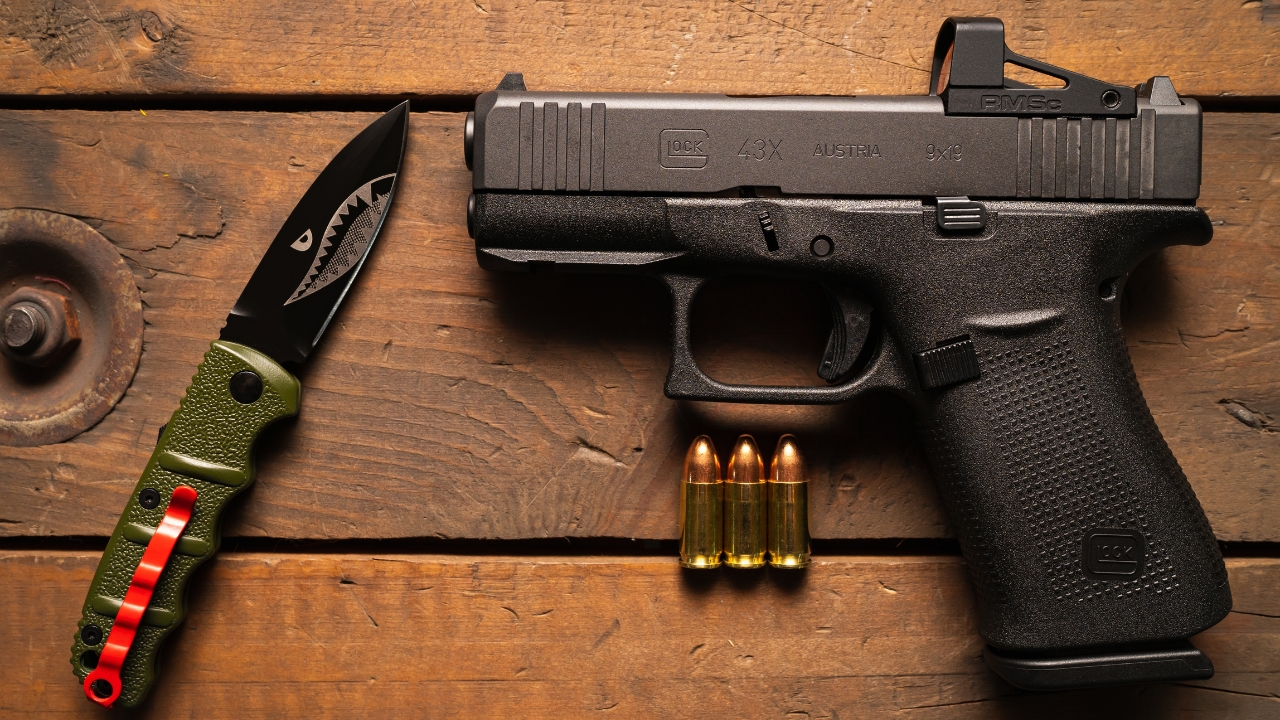
The standard 43X already found a huge concealed-carry audience, but the MOS configuration is the one I would expect to remain particularly easy to move. Its thin grip, recognizable Glock controls, and optic-ready slide give buyers the features they want without moving into a larger compact pistol. It also benefits from a massive ecosystem of holsters, sights, magazines, and other accessories, which keeps the platform visible even when competitors introduce something newer.
Current used-market figures support that demand. A 2026 pricing guide lists excellent 43X MOS examples around $430 to $540 and categorizes 30-day demand as high. That does not mean someone should pay any asking price or expect appreciation. It means a clean factory-configured 43X MOS is unlikely to become an obscure used gun nobody recognizes when it is time to move it.
Smith & Wesson Shield Plus

The Shield Plus benefits enormously from what came before it. Smith & Wesson spent years putting original Shields into holsters across America, so the Plus did not need to introduce buyers to an unfamiliar platform. It added more capacity while keeping the thin dimensions and basic handling qualities people already understood. That broad installed base matters on the used market because there is almost always another person looking for an affordable, proven carry pistol.
Current 2026 data places excellent examples around $300 to $400 and rates used demand as high. The Shield Plus is not expensive enough to turn into some enormous collector asset, and aggressive new-gun promotions can affect used pricing. What it does have is liquidity. If I owned a clean one at a reasonable cost, I would expect finding another interested buyer to be much easier than with many competing budget carry guns.
Staccato C2
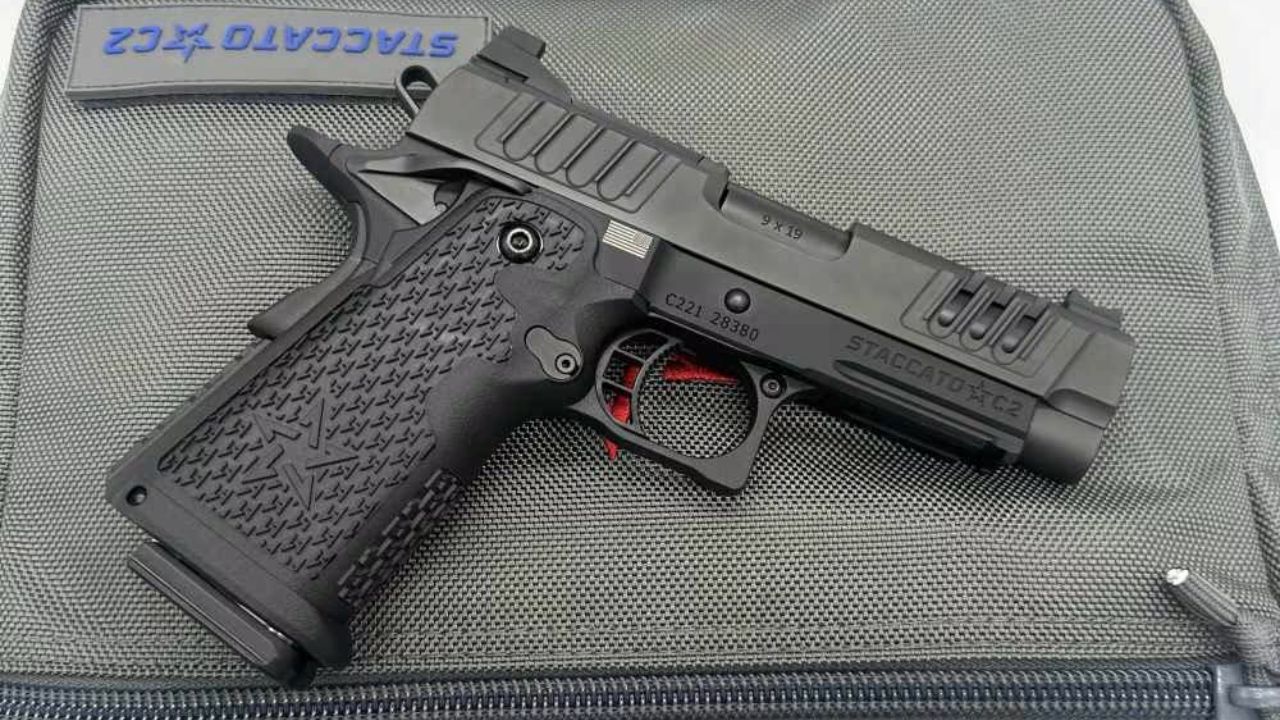
The C2 plays in an entirely different price range, which makes its ability to maintain substantial used value especially noticeable. Buyers are not choosing it because it is the cheapest way to carry a 9mm. They are paying for the 2011-style platform, trigger, shootability, brand reputation, and a configuration compact enough to carry without moving all the way down to micro-pistol dimensions.
Premium pistols naturally lose real dollars when sold used, so I would never describe the C2 as immune to depreciation. Yet current 2026 market data still places excellent examples roughly in the $1,400 to $1,750 range, showing how much value remains in a used pistol even after the original owner has moved on. A recognizable premium brand helps. So does having a large audience that specifically wants a carry-sized 2011 rather than simply any compact handgun.
Wilson Combat EDC X9
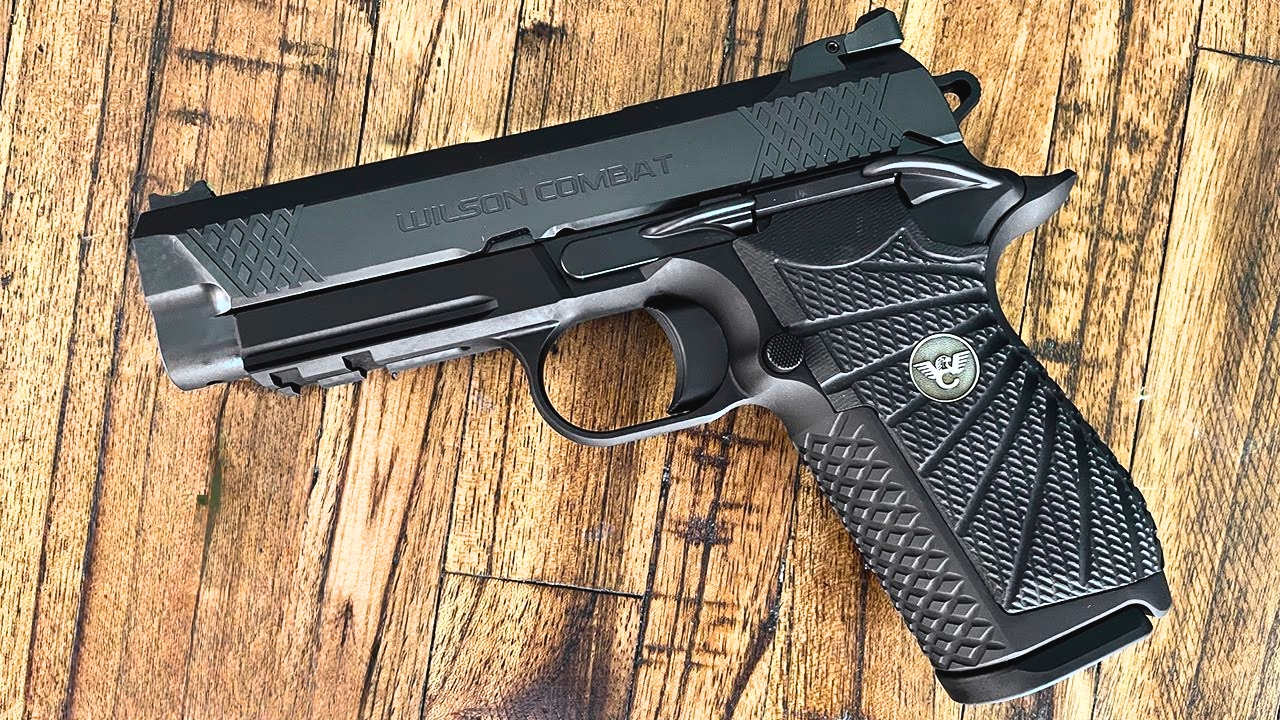
The EDC X9 is another expensive carry pistol where the name on the slide matters when it comes time to sell. Wilson Combat buyers tend to know exactly what they are searching for, and the EDC X9 occupies a useful position between traditional 1911 ergonomics and a higher-capacity modern carry gun. It is not trying to compete with inexpensive polymer pistols, which protects it somewhat from the constant race toward lower retail pricing.
Current 2026 pricing data places excellent examples in roughly the $3,200 to $4,000 range, although demand is naturally lower than mass-market pistols because the potential buyer pool is smaller. That distinction matters. The EDC X9 may take longer to sell than a Glock, but a clean example can retain a tremendous amount of absolute value. Original configuration, case, magazines, and documentation matter much more at this level.
CZ P-01
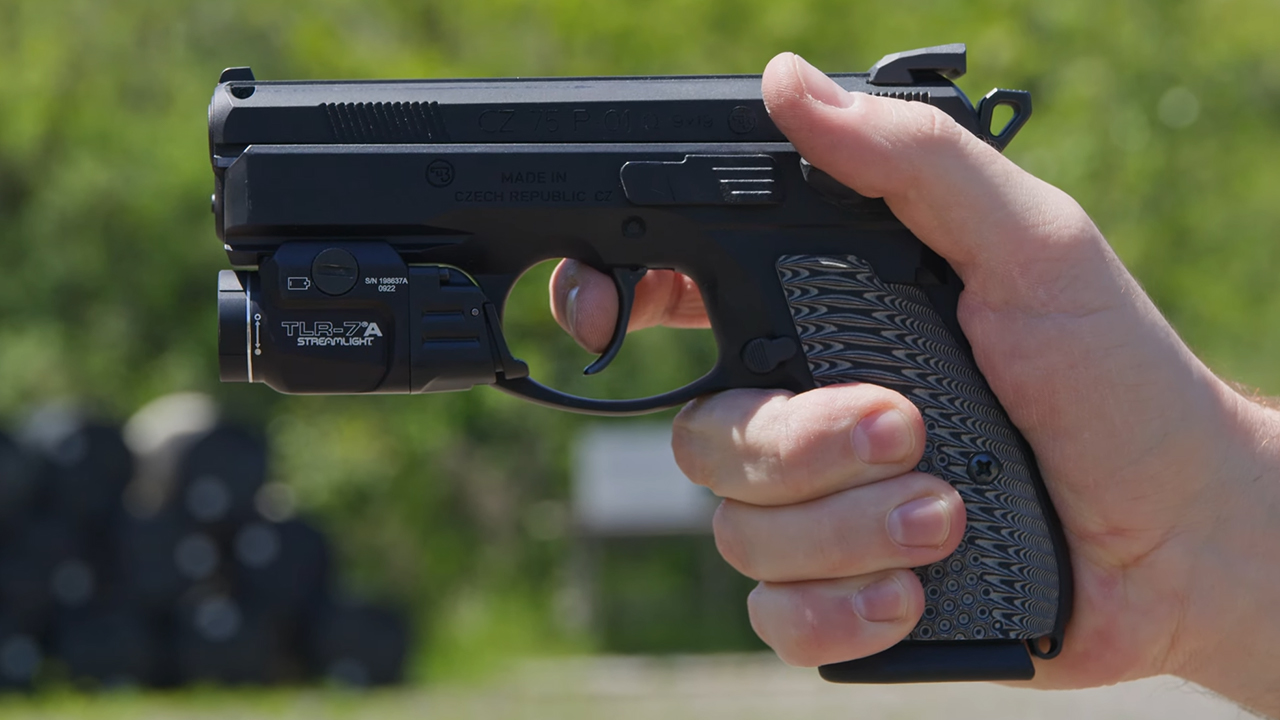
The P-01 has a kind of enthusiast loyalty that can protect used values better than people expect. It is a compact alloy-framed, hammer-fired 9mm at a time when most carry pistols have moved toward polymer frames and striker systems. Instead of hurting the CZ, that difference has created a devoted audience specifically looking for what the P-01 offers. There simply are not endless modern replacements with the same size, operating system, and feel.
Current secondary-market estimates put very good to excellent examples around $400 to $600, with condition, originality, and accessories affecting where an individual pistol lands. I would be especially careful about unnecessary permanent modifications. The closer a desirable P-01 remains to a clean, complete factory pistol, the larger the future buyer pool should remain. Sometimes resisting market trends is exactly what gives a gun staying power.
HK P30SK
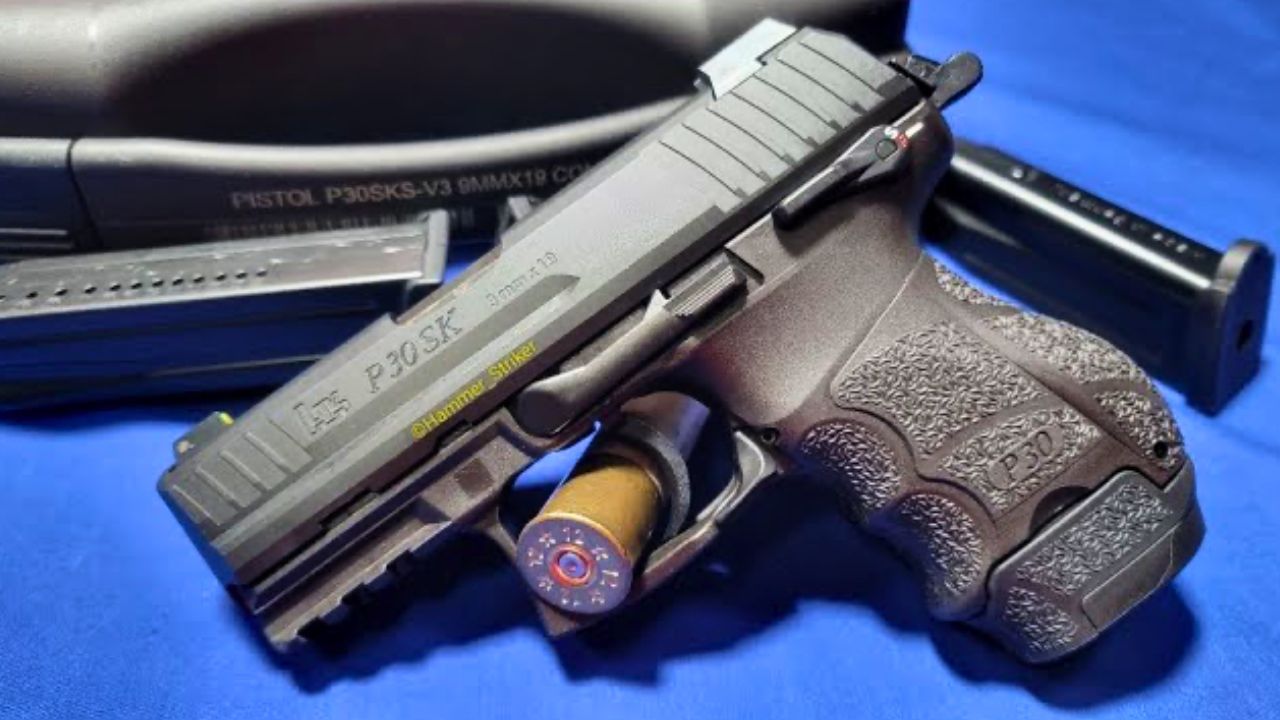
The P30SK may not dominate concealed-carry sales charts, but HK buyers are notoriously loyal to pistols they like. The small P30 retains a hammer-fired operating system, interchangeable grip components, and the distinctive controls of the larger P30 in a genuinely concealable package. That makes it attractive to shooters who specifically do not want another striker-fired micro-compact.
That specificity can support resale because there are fewer direct substitutes. Someone who wants a P30SK usually wants a P30SK, not whichever compact pistol happens to be on sale that week. I would expect the strongest value from clean examples with the original case, backstraps, side panels, and magazines. HK pistols are expensive enough new that used examples remain appealing, yet the brand carries enough recognition that buyers do not automatically treat every secondhand example as a bargain-bin gun.
HK VP9SK
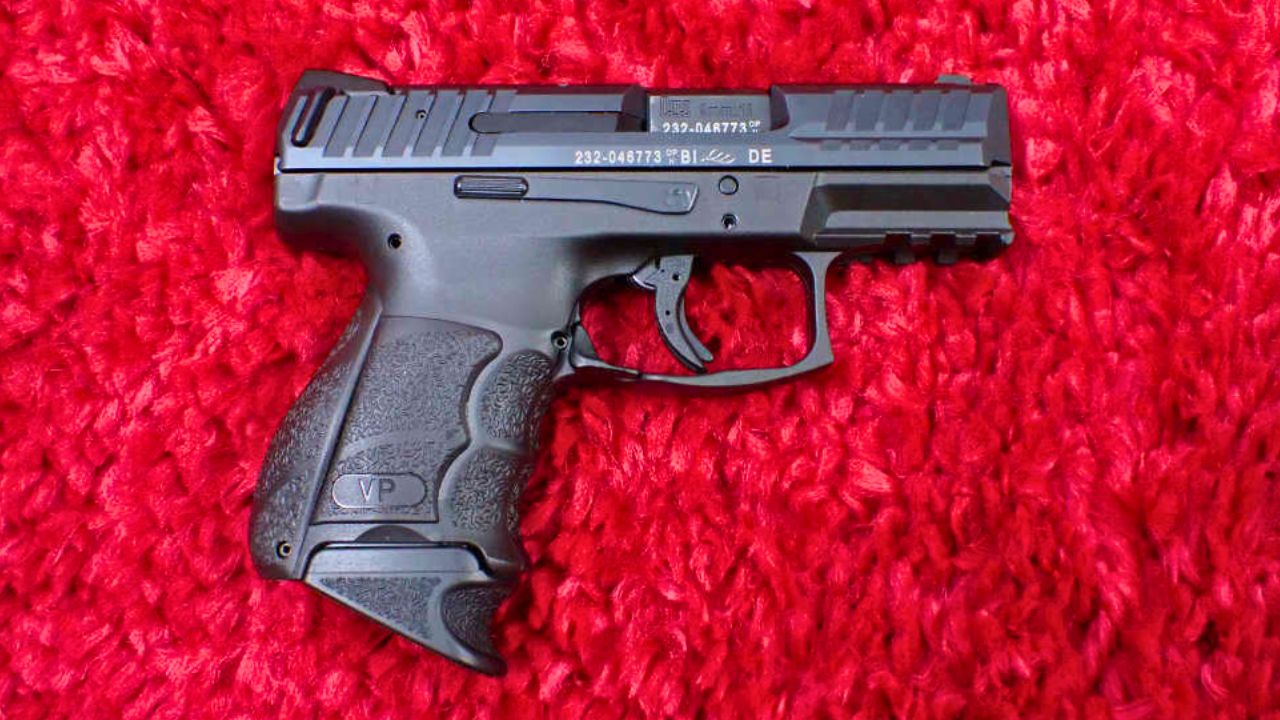
The VP9SK gives buyers much of the VP9 experience in a package that makes significantly more sense for concealed carry. Excellent ergonomics have always been one of the VP9 family’s biggest strengths, and the SK preserves much of that adjustability with interchangeable grip components. The result appeals particularly to shooters who want a small striker pistol without accepting the extremely abbreviated grip of some micro-compacts.
HK’s pricing position also helps protect perception on the used market. A VP9SK does not normally enter the market as an ultra-cheap pistol, so buyers are less likely to expect used examples at rock-bottom prices. I would keep the original grip pieces, magazines, case, and optic hardware if applicable. Complete packages usually present better when resold, and that becomes more important with pistols whose appeal includes factory adjustability.
Beretta PX4 Compact Carry 2

The PX4 Compact Carry 2 is not simply another PX4 with a shorter slide. It exists because a group of serious shooters recognized how good the rotating-barrel compact could be and wanted a more carry-focused version. That gives the model a much more enthusiastic buyer base than its unusual styling might suggest. People who dismiss the PX4 based on appearance often change their minds once they actually shoot one.
The specialized Compact Carry versions are also less interchangeable with the ordinary PX4 than many buyers initially assume. Factory and Langdon-influenced features make the configuration matter. I would therefore expect a clean, unmodified example to remain desirable among shooters who specifically understand the platform. It may never have Glock-level liquidity, but I would much rather own an enthusiast-loved pistol with a defined audience than a generic compact that competes entirely on price.
Glock 48 MOS

The Glock 48 MOS occupies one of the smartest positions in Glock’s carry lineup. It gives the shooter a thin grip similar to the 43X but uses a longer slide and barrel that make it easier to shoot well without turning it into a thick double-stack compact. For someone who wants a slim carry gun but does not need the smallest possible package, that combination can be extremely appealing.
The MOS version matters because optic capability has become a major expectation in the current concealed-carry market. That helps the 48 remain relevant instead of looking like a pistol designed around yesterday’s preferences. I would expect clean MOS examples to remain easier to sell than unusual finishes or heavily customized guns. Factory configuration has the broadest audience, especially when the next owner wants to choose his own sights, optic, and internal parts.
SIG Sauer P365 XMacro
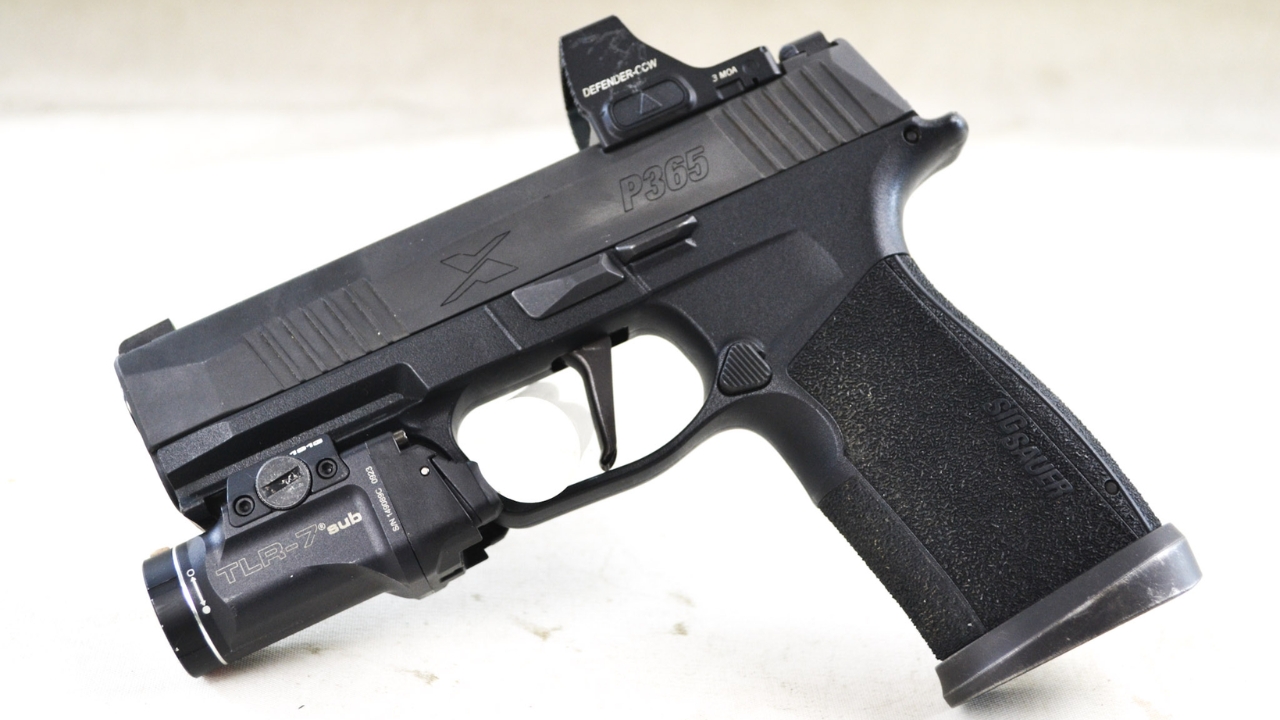
The XMacro proved that the P365 concept could stretch well beyond the original micro-compact format. SIG currently describes XMacro configurations as maintaining the platform’s slim profile while reaching 17+1 capacity, which effectively puts the gun into compact-pistol territory without giving up the thin dimensions that made the P365 family famous.
That versatility is one reason I think desirable XMacro configurations should maintain a strong used audience. Someone can carry one like a slim compact while getting the capacity and grip length traditionally associated with a considerably larger pistol. The enormous P365 ecosystem also matters because buyers can change grip modules and other components without abandoning the basic platform. I would still expect specific variants to move differently, but the XMacro name has enough recognition that clean examples should not become anonymous used-case inventory anytime soon.
Springfield Hellcat Pro OSP

The Hellcat Pro took the original Hellcat formula and stretched it into a size many shooters find easier to control without making it difficult to conceal. That alone gives it better long-term usefulness than carry pistols that push compactness so far that owners eventually grow tired of shooting them. The OSP configuration also keeps optics compatibility built into the package.
Springfield faces intense competition in this category, and frequent manufacturer promotions can put pressure on used prices. Even so, the Hellcat name is now established enough that a clean Pro remains recognizable to almost anyone shopping for a slim carry pistol. I would expect the best resale from conventional factory configurations rather than unusual cosmetic editions. When buyers already know what a model is before seeing the price tag, half the resale battle has already been won.
Colt Defender

A Colt Defender holds value for reasons that go beyond pure concealed-carry specifications. There are plenty of compact 1911s, but there is only one carrying the Colt name and its connection to the original 1911 manufacturer. The Defender combines that heritage with an aluminum frame and short slide that make it considerably more realistic for everyday carry than a full-size Government Model.
Compact 1911s can be finicky enough that buyers care about condition and modifications. I would much rather own a clean factory Defender than somebody else’s heavily altered project. Colt markings also give the pistol crossover appeal between shooters and collectors, something most ordinary carry guns never develop. Even if a buyer eventually moves to a lighter micro-9, the Defender still has reasons to remain desirable that have nothing to do with having the newest capacity figure.
Springfield Armory EMP 3-Inch
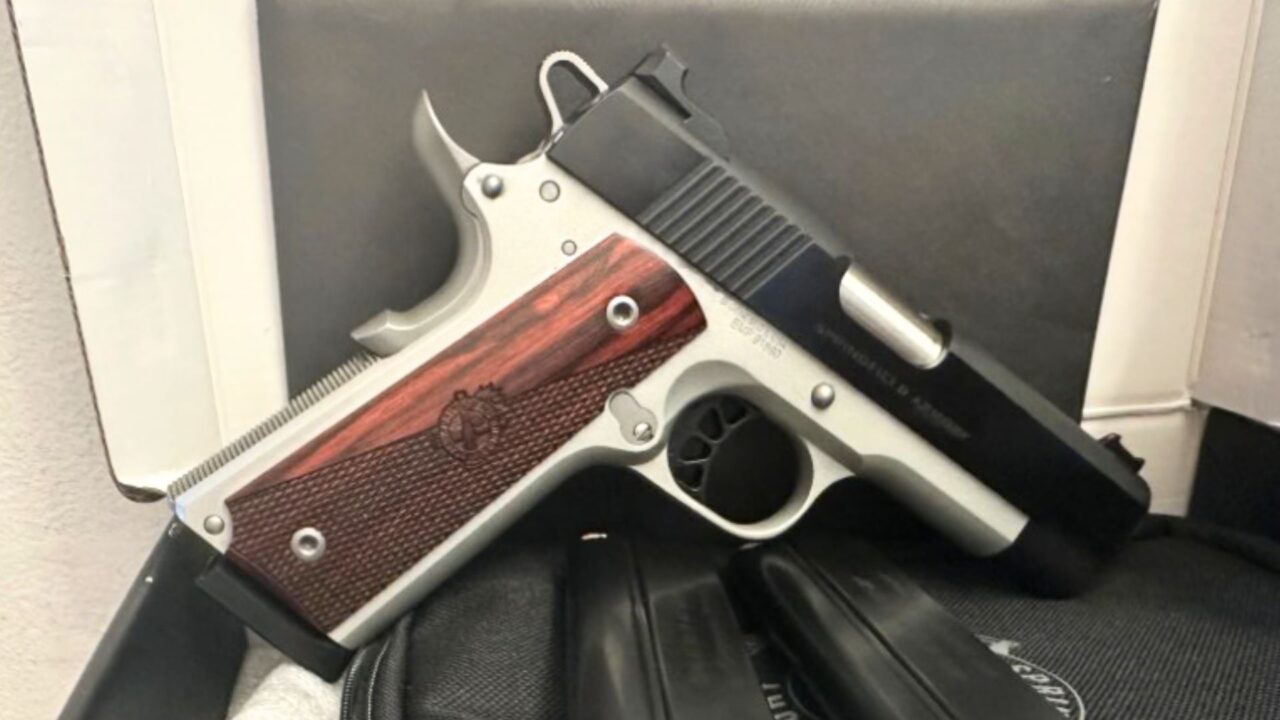
The EMP stands out because Springfield did more than simply shorten an ordinary .45-size 1911. The platform was dimensioned around smaller cartridges, producing a compact 1911-style pistol with proportions that feel noticeably different from traditional cut-down designs. That engineering gives it an identity of its own, which matters when so many small 1911s otherwise look interchangeable.
A three-inch EMP is also the kind of gun buyers tend to seek specifically rather than stumble into accidentally. Someone interested in one usually wants the combination of 1911 controls, slim profile, metal construction, and compact dimensions. That focused demand can support used prices better than a generic model competing against dozens of near-identical pistols. I would keep one as close to factory configuration as possible, particularly if eventual resale is part of the consideration. Permanent custom work tends to narrow the audience.
Walther PPS M2

The PPS M2 is already starting to look like a bridge between two concealed-carry eras. It arrived when thin single-stack 9mms were the standard answer for comfortable concealment, only to watch higher-capacity micro-compacts quickly redefine the category. On paper, that made the Walther look outdated almost overnight.
I think that actually makes good examples more interesting now. The PPS M2 remains thin, comfortable, and extremely manageable for people who do not need maximum capacity. It also has Walther ergonomics and a quality level that separates it from the cheapest single-stack pistols of the period. As these disappear from normal retail channels, buyers who specifically liked the design have to search the used market. I would not call it an investment, but I would no longer treat a spotless PPS M2 as disposable simply because newer pistols hold more ammunition.
CZ P-07

The P-07 spent years being one of the easiest compact hammer-fired pistols to overlook. It used a polymer frame, which made traditional CZ enthusiasts favor the metal P-01, while striker-fired buyers tended to choose something more conventional. Owners who actually spent time with the P-07 often discovered a durable, shootable pistol with a very good balance of size and capacity.
That enthusiast reputation matters more once a model is no longer the obvious current catalog choice. Clean P-07s have appeal because shooters looking for compact hammer-fired carry guns do not have dozens of alternatives. I would particularly want an unmodified example with the original magazines and factory components. The P-07 may never have universal demand, but the people who want one generally understand exactly why, and that kind of dedicated buyer base can keep a discontinued pistol surprisingly resilient.
HK USP Compact

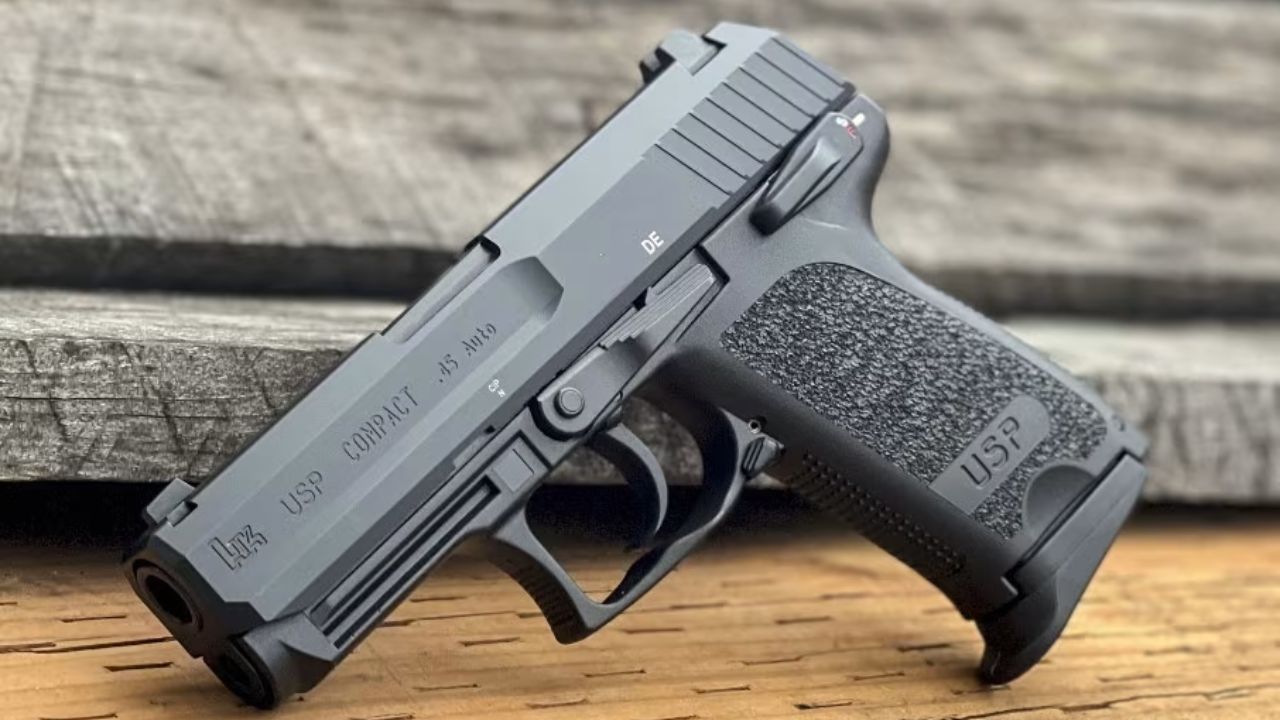
The USP Compact is no longer small by modern concealed-carry standards, but it still has something most micro-9s cannot manufacture: decades of reputation. The compact USP combines a polymer frame with a traditional hammer-fired operating system and the overbuilt personality that helped define HK handguns for an entire generation.
Its age can actually help value retention because buyers are not comparing it strictly on capacity-per-inch. They want the USP design itself. That creates collector and enthusiast demand on top of ordinary carry usefulness. I would be particularly reluctant to alter a clean older example permanently. Factory configuration, original magazines, and case become more meaningful as pistols transition from current defensive equipment into recognizable classics. A good USP Compact is already well along that road.
Beretta 92 Compact
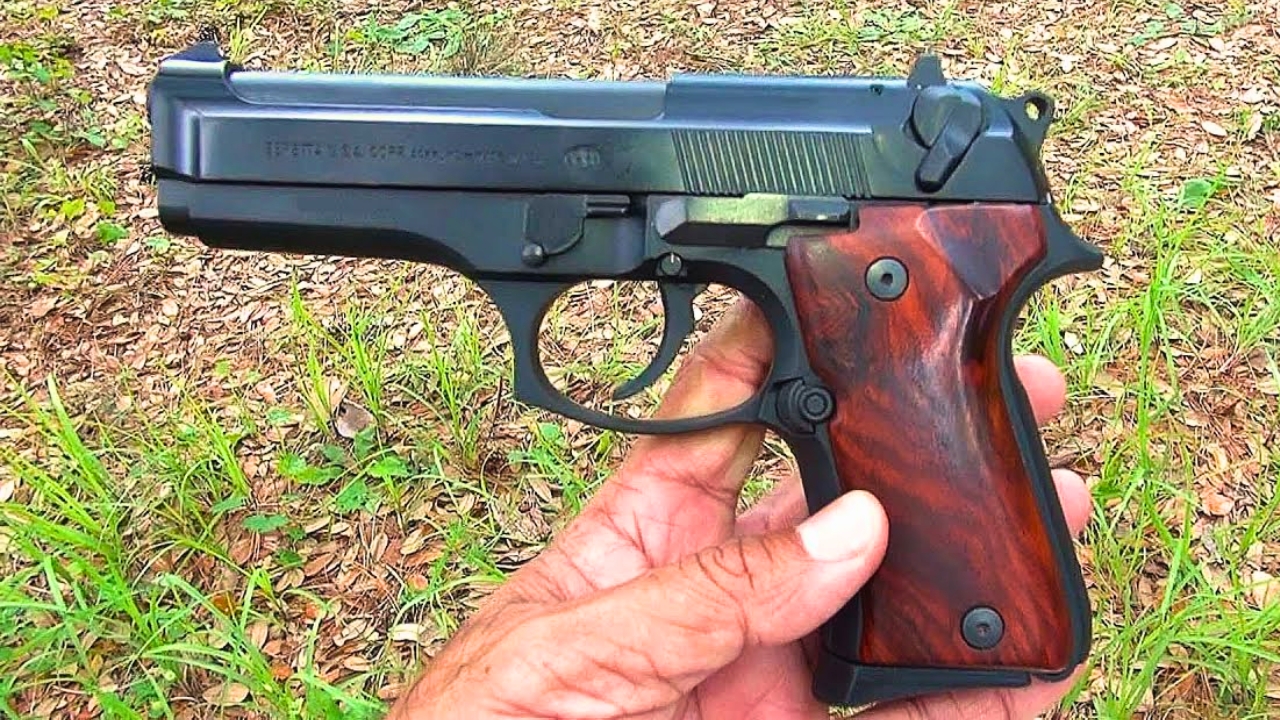
The 92 Compact gives shooters the unmistakable Beretta 92 operating system in a package that is easier to conceal than the full-size service pistol. It is still larger and heavier than a modern micro-compact, but that is not necessarily a disadvantage for the buyer specifically looking for a smooth-shooting metal carry gun.
Beretta’s 90-series pistols also remain active on the used market. In GunBroker’s May 2026 rankings, Beretta 90 Series pistols placed among the five best-selling used semiautomatic handgun families. That broad recognition helps a Compact because buyers already understand the platform. A clean factory example is not trying to convince somebody to trust an unknown design. The buyer is simply deciding whether he wants the smaller version of a pistol he probably already knows.
Glock 26 Gen5
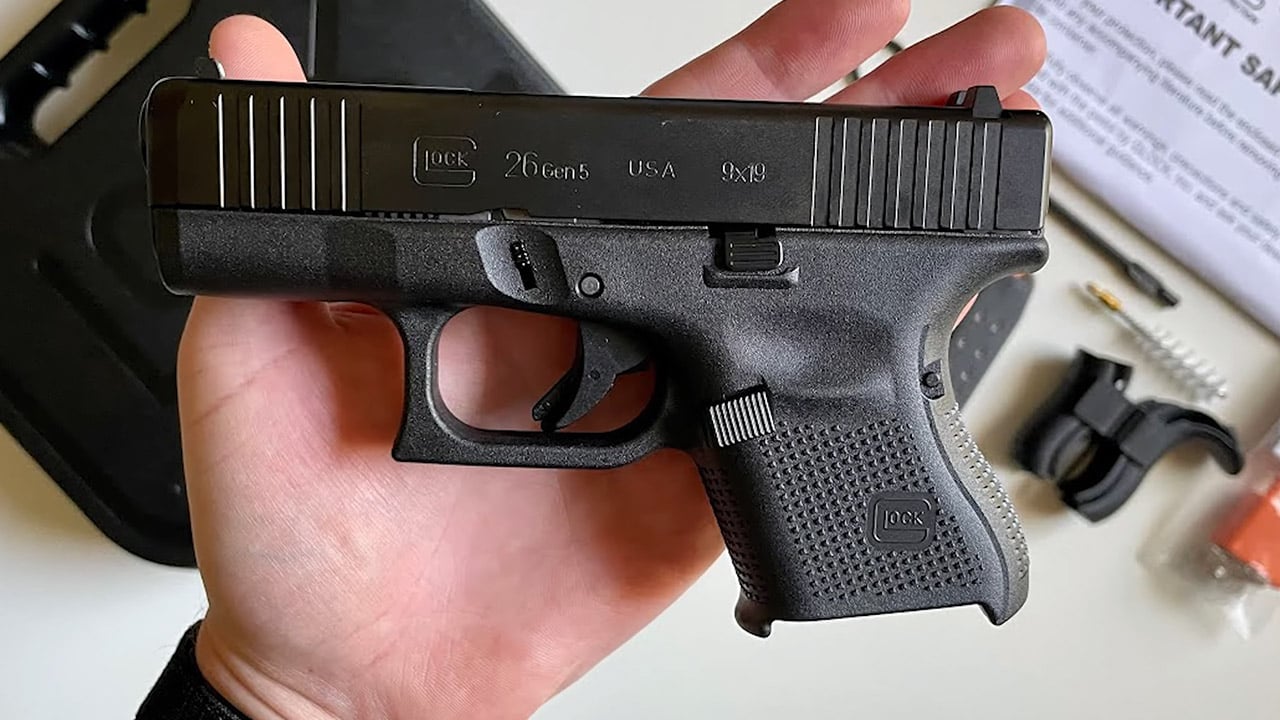
The Glock 26 refuses to become irrelevant. Every few years a smaller, thinner, higher-capacity carry pistol appears and seems destined to make the old double-stack subcompact obsolete. Yet the 26 continues to have one huge advantage: it belongs to the Glock double-stack ecosystem. Owners can use familiar controls and a wide range of compatible magazines while getting a pistol short enough to conceal extremely well.
That makes the Gen5 version especially easy to understand on the used market. There is no complicated sales pitch. Buyers know what a Glock 26 is and why somebody might still choose it. I would expect that familiarity to continue supporting demand even as micro-compacts dominate new-gun discussions. The hottest new carry pistol can lose attention overnight. A model that has already survived multiple generations of supposed replacements has proven something far more valuable.
Like The Avid Outdoorsman’s content? Be sure to follow us.
Here’s more from us: