Photo credit: NRApubs/Youtube
Every so often a semi-auto shows up that makes perfect sense now, but was a little too much gun for the time it landed. Sometimes it was a new operating system. Sometimes it was a cartridge nobody could feed. Sometimes it was a “tactical” idea before the market even had the words for it. And sometimes it was just a good design that got kneecapped by early manufacturing, bad magazines, or a world that wasn’t ready to support it.
These are the semi-automatics I think fit that bill. Not all of them were failures. A few were flat-out ahead of the curve and we’re still chasing what they were trying to do.
1. Winchester Model 1907 Self-Loading
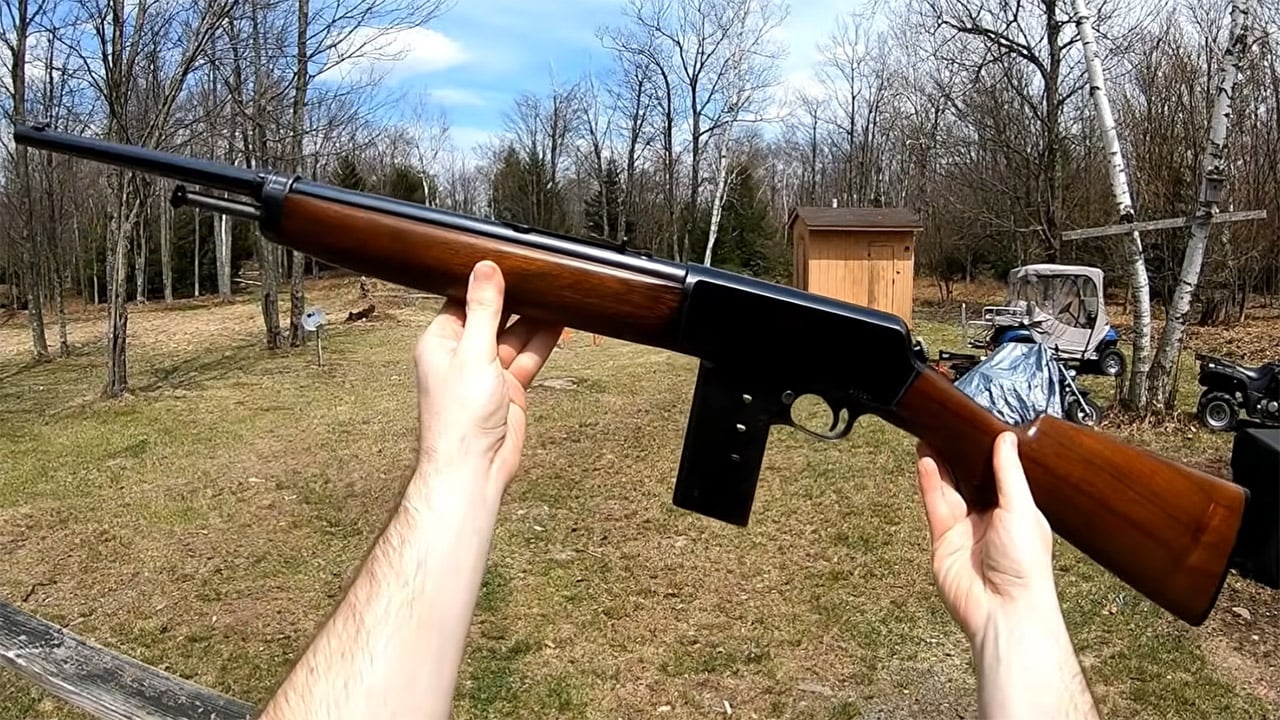
This is one of those rifles you pick up and immediately realize folks were thinking about fast follow-up shots a long time before we pretended everything started in the modern era. The 1907 had a serious “working rifle” vibe, and it fed from a detachable magazine back when that was still an oddball feature for most shooters.
The problem was timing. Ammunition options were limited, and the whole concept of a handy semi-auto rifle for serious use didn’t have the market support behind it. Today it’s easy to appreciate what it was trying to do, even if keeping one running is more hobby than practical choice.
2. Remington Model 8
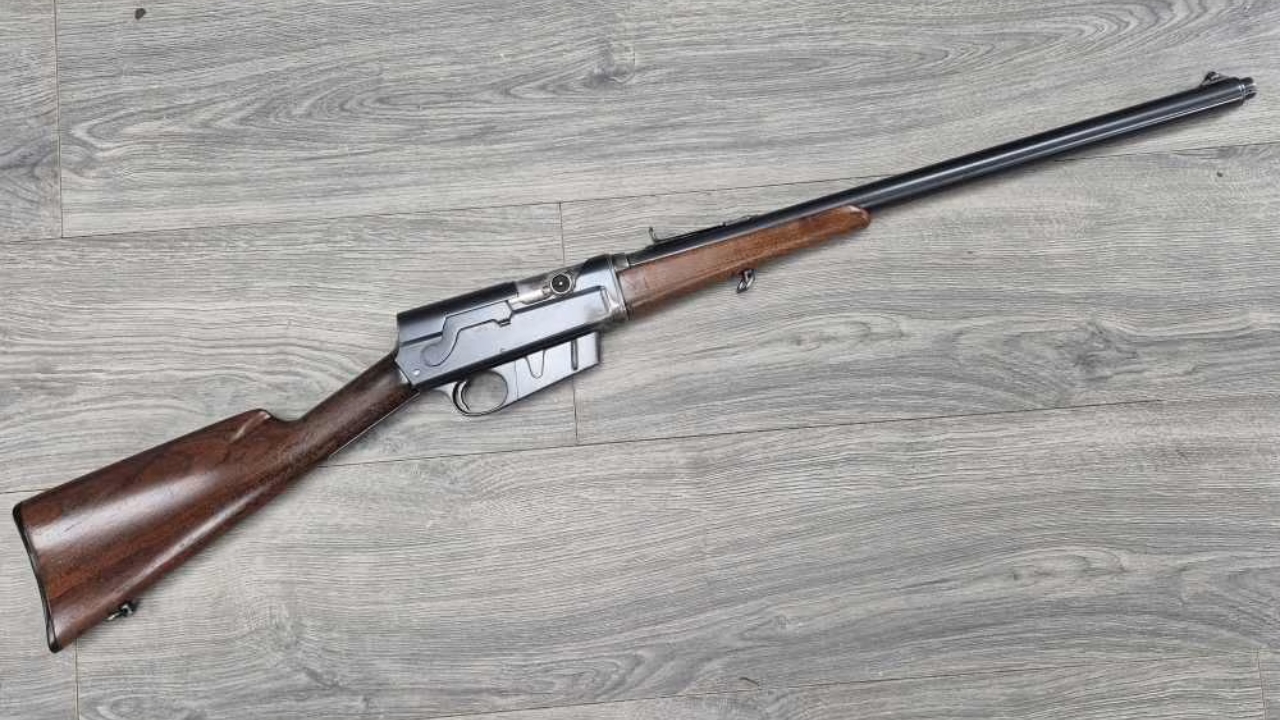
John Browning knew what he was doing, and the Model 8 is proof. It’s a semi-auto hunting rifle that came along when most hunters were still settling arguments about whether lever actions were “enough gun” and bolt actions were “too slow.”
It’s a sweet shooter, but it was complicated for the average deer camp in its day. Parts and support weren’t what they are now, and a rifle that needed a little understanding could get labeled as “finicky” quick. Still, for its time, it was a rocket ship.
3. Savage Model 99 (late semi-auto experimental offshoots)

Savage flirted with semi-auto concepts in the shadow of the wildly successful 99, and you can see the industry inching toward what hunters wanted without fully committing. The lever gun crowd didn’t want to hear it, and the bolt gun crowd hadn’t fully taken over yet.
When a company is making money on a proven platform, risky new semi-auto projects tend to get starved. The “too early” part here is less about one famous model and more about the whole era resisting the idea of semi-auto hunting rifles as normal gear.
4. Browning Auto-5

Shotgun guys know this one, but it still fits. The Auto-5 brought a level of semi-auto reliability and repeatability that changed waterfowling and upland hunting. The humpback profile is iconic now, but back then it looked like a space gun.
Early adopters also had to learn friction rings and load tuning. If you didn’t understand it, the gun could beat you up or run wrong. Once shooters got educated, it proved what a semi-auto shotgun could be, and the rest of the world caught up.
5. Winchester Model 1911 SL
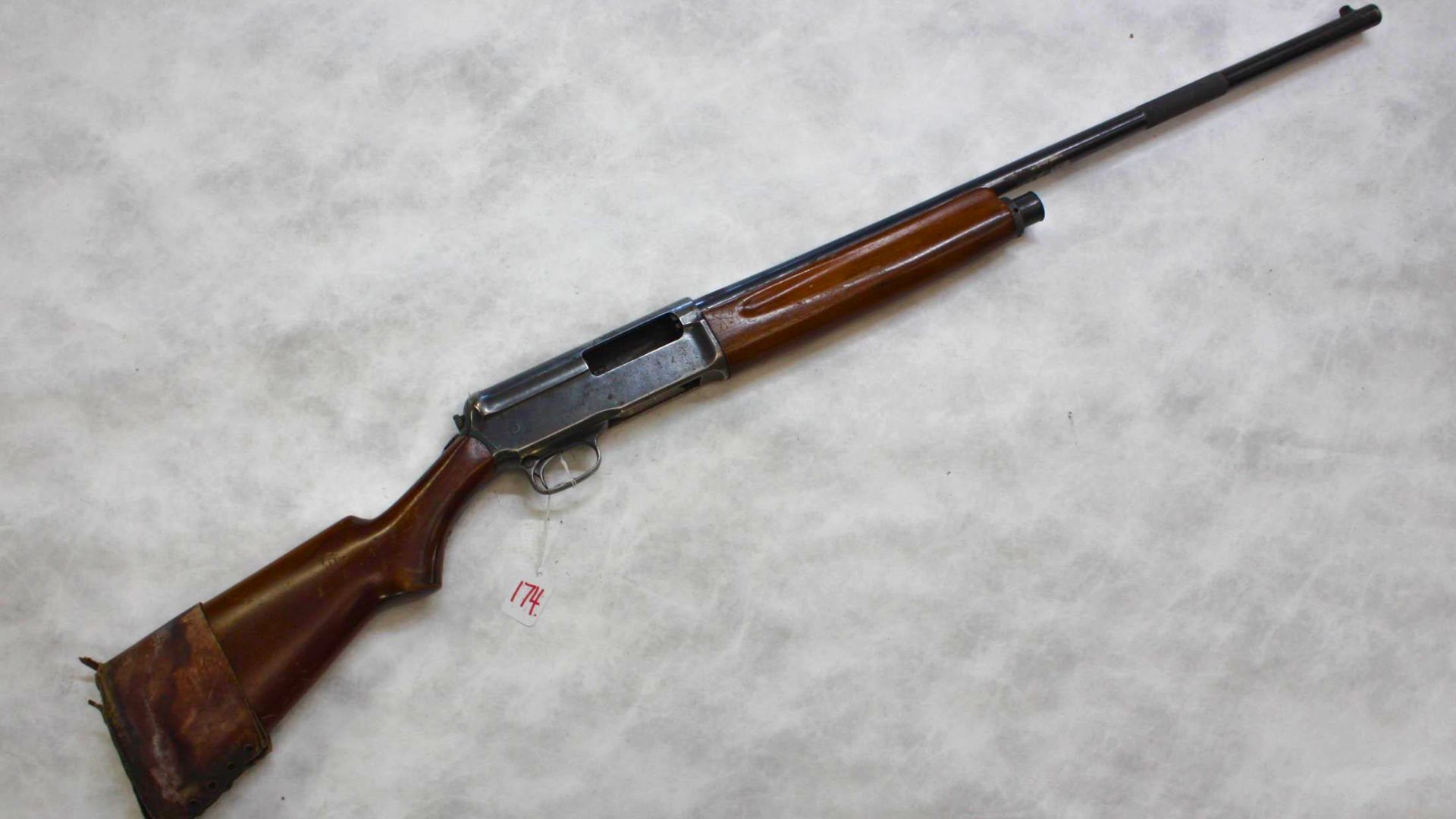
This is the cautionary tale version of “ahead of its time.” Winchester wanted a piece of the semi-auto shotgun action, but they dodged Browning’s patents and ended up with a design that could be awkward and, if mishandled, dangerous.
It’s not that the world wasn’t ready for semi-auto shotguns. It was that the world wasn’t ready for a semi-auto shotgun that asked the user to do weird things under stress. The concept was right. The execution hurt the reputation.
6. Johnson M1941
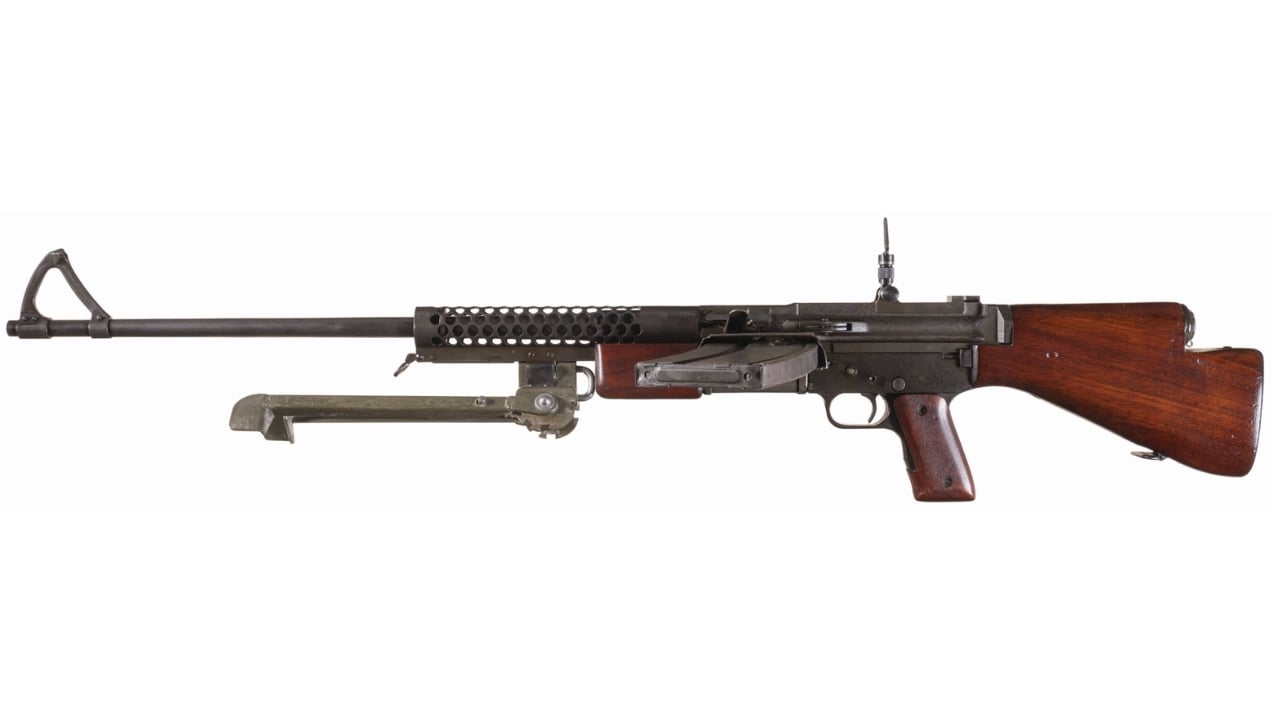
The Johnson rifle is one of those “what if” guns that makes you shake your head. It had innovative features, was lighter than some peers, and it ran a rotary magazine system that wasn’t like the standard issue rifles everyone trained around.
Standardization wins wars and wins markets. Being different can be a strength, but it can also mean you’re the oddball nobody wants to supply. The Johnson wasn’t a bad idea. It was a good idea that didn’t fit the machine around it.
7. M1 Carbine
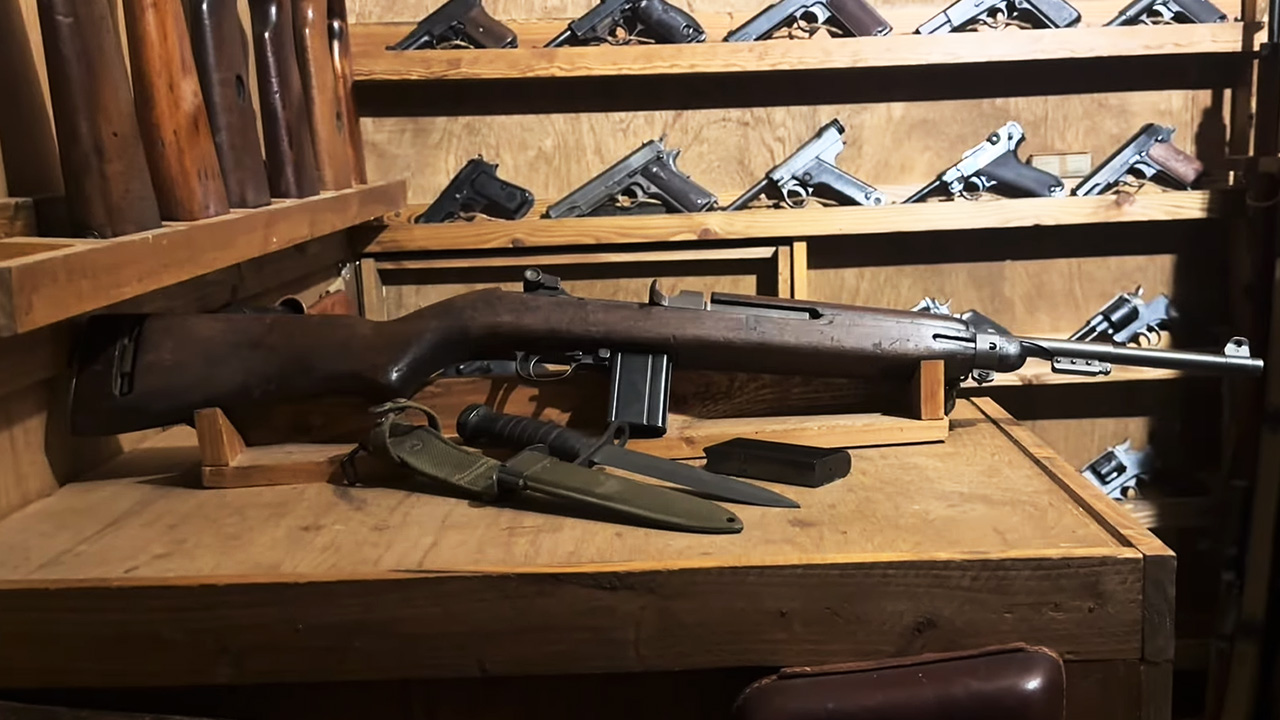
In hindsight, the M1 Carbine basically invented a whole class of handy, low-recoil defensive carbines. Light, fast, easy to carry all day. Put one in your hands and you get it immediately.
But it also landed in a world where folks argued about “stopping power” like it was a single number, and where people wanted rifle performance from a small cartridge. It did what it was designed to do, but the expectations around it were all over the map.
8. Remington Model 740 (and 742 Woodsmaster)
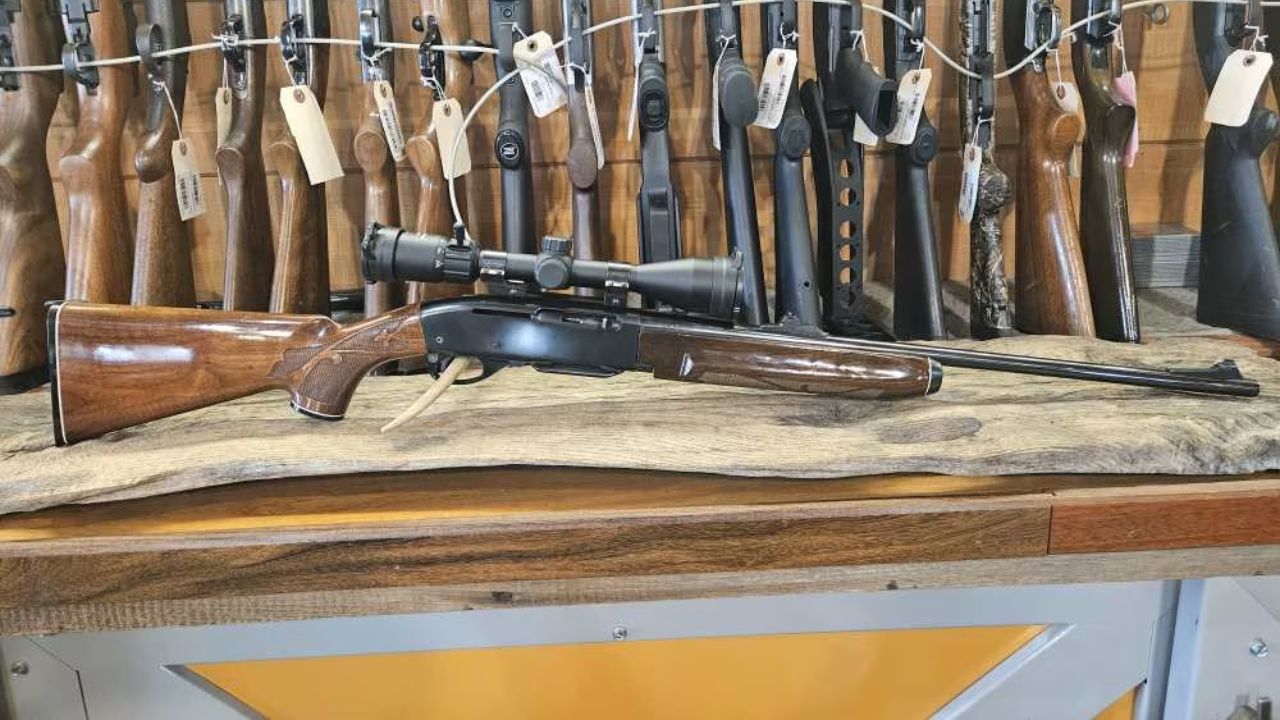
These rifles put semi-auto deer hunting in a whole lot of hands. They point nice, carry easy, and they feel like a “real deer rifle” to guys who grew up on walnut and blued steel.
The catch is they showed up before the average hunter understood the long-term maintenance realities of a gas semi-auto. Dirty chambers, worn rails, and neglect can turn them into jam-o-matics. When they’re cared for, they can be great woods rifles. When they’re not, they’re a headache.
9. Browning BAR (hunting model)

The hunting BAR was proof you could have a refined semi-auto that wasn’t a clunky military piece. Smooth action, good triggers by hunting semi standards, and accuracy that made bolt-gun loyalists at least pay attention.
But it arrived when a lot of hunters still equated “semi-auto” with “spray and pray.” Some camps didn’t want them around. Now you see them treated like the classic hunting rifles they are, especially in places where quick follow-ups matter.
10. Ruger Mini-14 (early production)

The Mini-14 is an American classic, but early ones got a reputation for wandering groups once the barrel heated. A rifle that looks like it should shoot tight can frustrate a guy who expects AR-type consistency.
Also, magazines mattered a lot, and the market was flooded with junk mags for years. With good mags and realistic expectations, the Mini is a handy ranch rifle. It just got judged before the platform and the support gear matured.
11. Heckler & Koch VP70

The VP70 looks like it came off a movie set, and in a way it did. Polymer-framed, striker-fired, and forward-thinking, long before the shooting public fully trusted “plastic” guns.
The trigger was heavy, and the ergonomics are not for everybody. It was trying to jump decades ahead, and shooters weren’t ready to accept that tradeoff package. Today, it reads like a rough draft of where the handgun world went anyway.
12. Steyr AUG
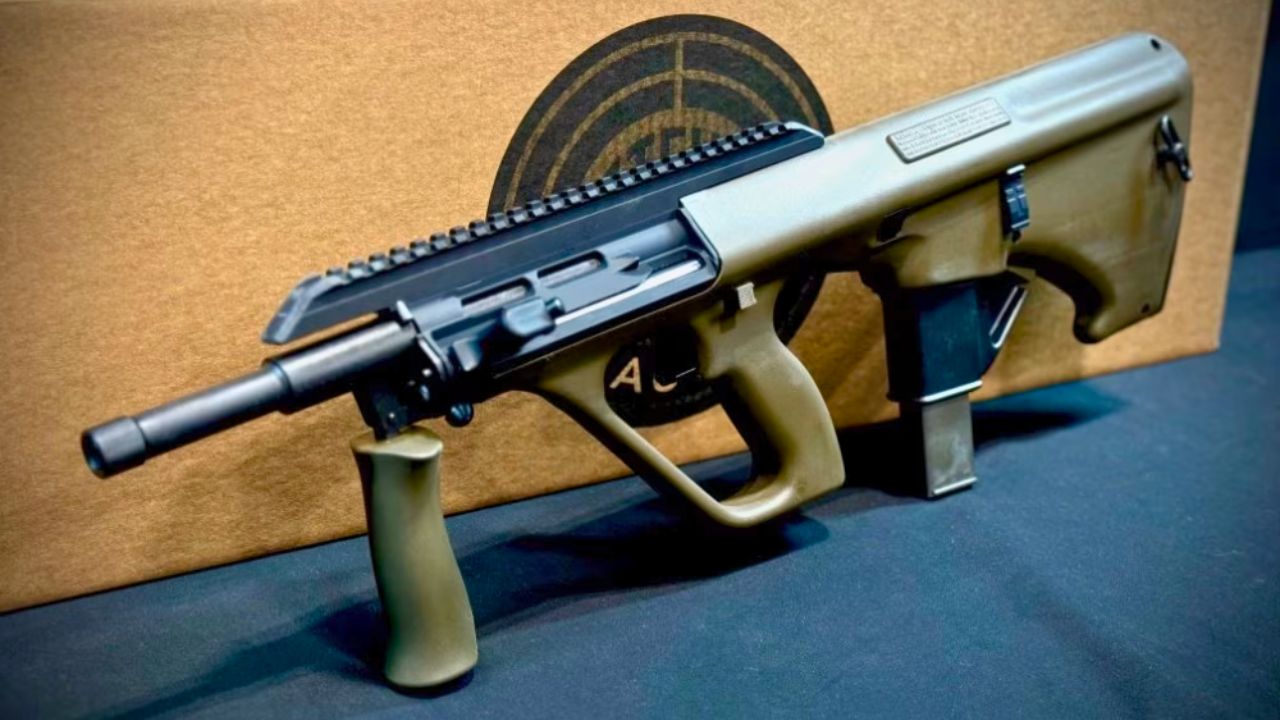
Bullpups are still polarizing, and the AUG is one of the big reasons the concept stayed in the conversation. Compact, reliable, and purpose-built as a modern fighting rifle before a lot of civilians even knew what that meant.
Where it ran into trouble was familiarity and logistics. Controls are different, magazines weren’t universal, and the average American shooter was raised on traditional layouts. Now everybody understands why short overall length matters, especially with suppressors and lights. Back then, it was “weird.”
13. Heckler & Koch G11 (caseless prototype)
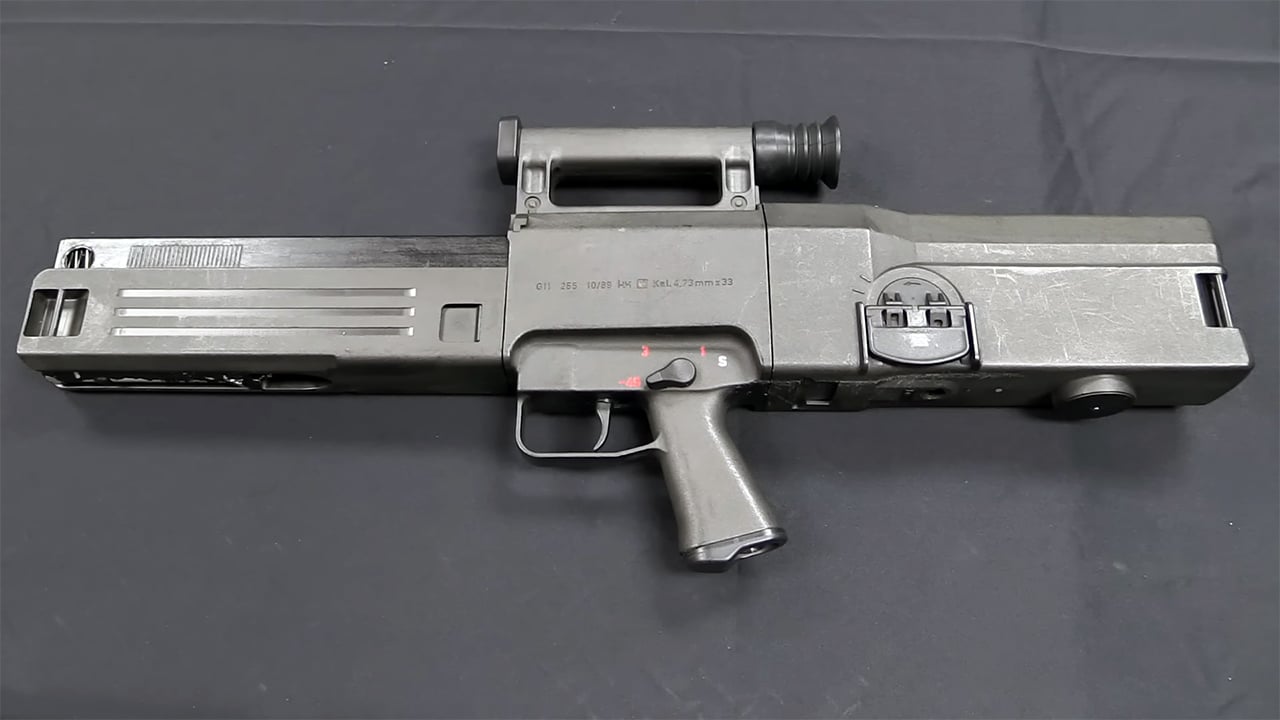
Caseless ammo sounded like the future: lighter, more efficient, higher capacity for the same weight. The G11 is the poster child for that dream, and it’s still one of the most interesting dead-end projects ever.
The world wasn’t ready to mass-produce, field, and sustain a completely different ammunition system. Heat management and durability questions didn’t help. It was a bold swing, but the support ecosystem never got there.
14. Heckler & Koch P7
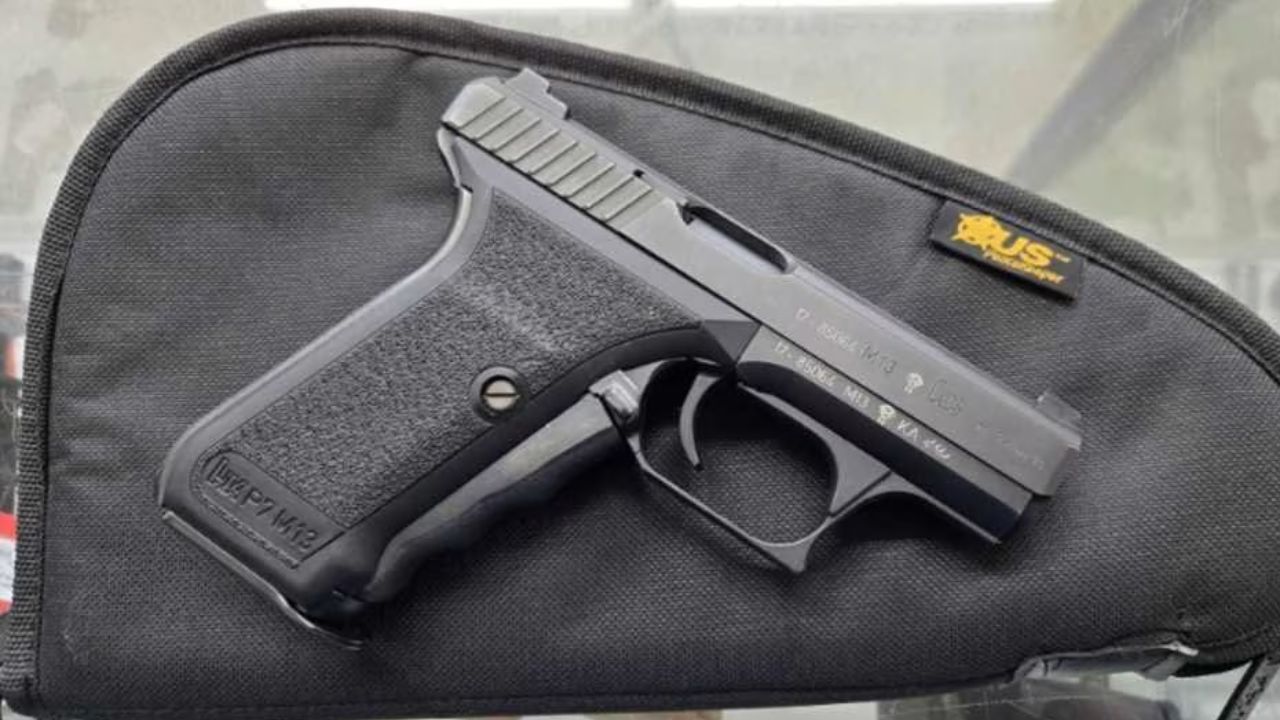
The P7 is one of the best “carry guns” ever made if you judge it by real shooting. Low bore axis, accurate, and fast. The squeeze-cocker is brilliant in the hand once you understand it.
But it was expensive, different, and it runs hot when you shoot it a lot. Law enforcement and civilian shooters weren’t set up to appreciate a high-cost, high-performance pistol that needed a little training buy-in. If you’ve carried one, you know why folks miss them.
15. Colt 2000 (All American 2000)
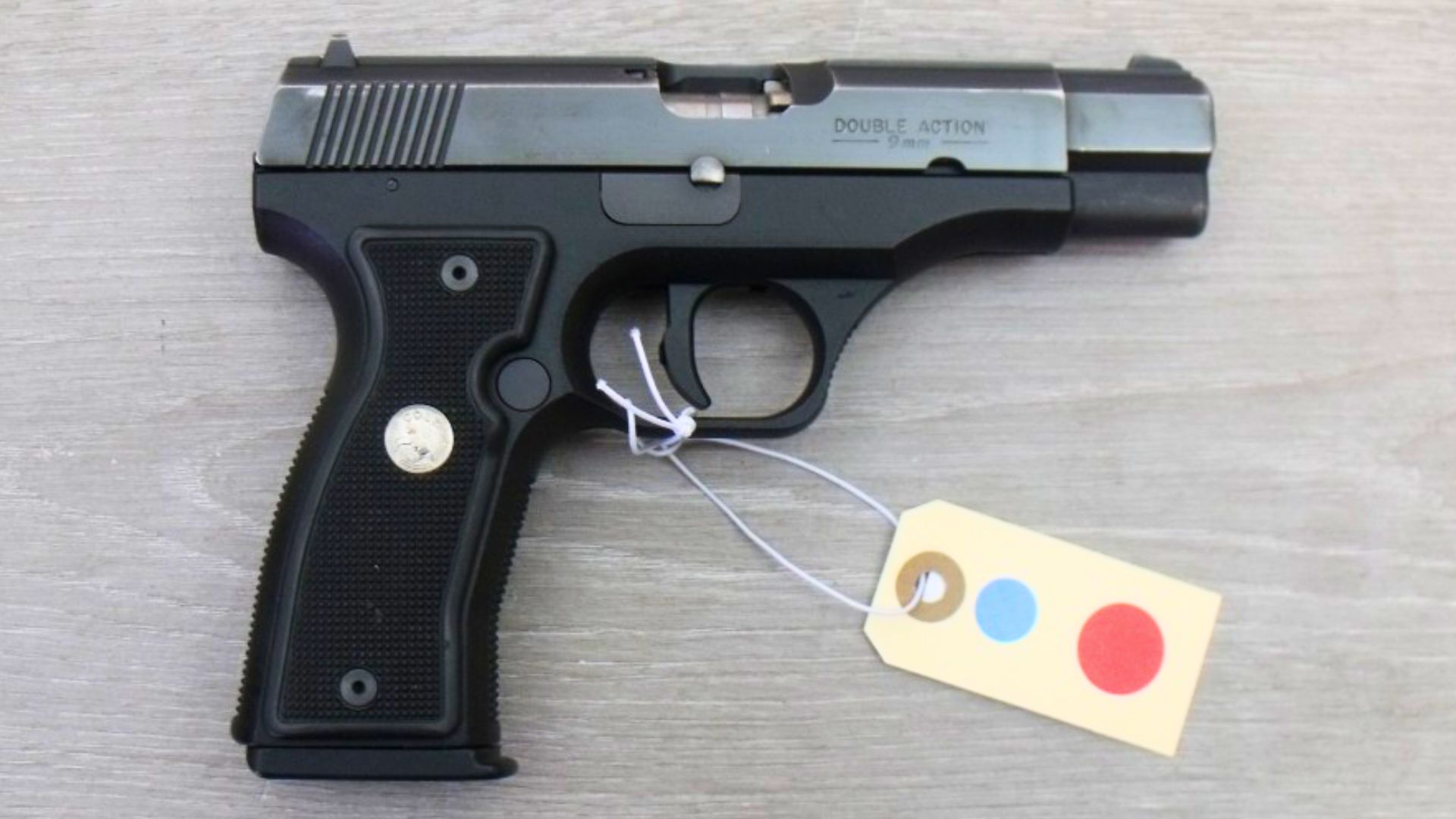
This one hurts because it could have been a contender. Colt tried to step into the modern polymer striker world early, and the market would eventually prove there was a huge appetite for that kind of pistol.
Early reliability and trigger issues sunk it, and once the word gets out that a new pistol is spotty, it’s hard to recover. The idea was early. The execution wasn’t ready.
16. FN Five-seveN
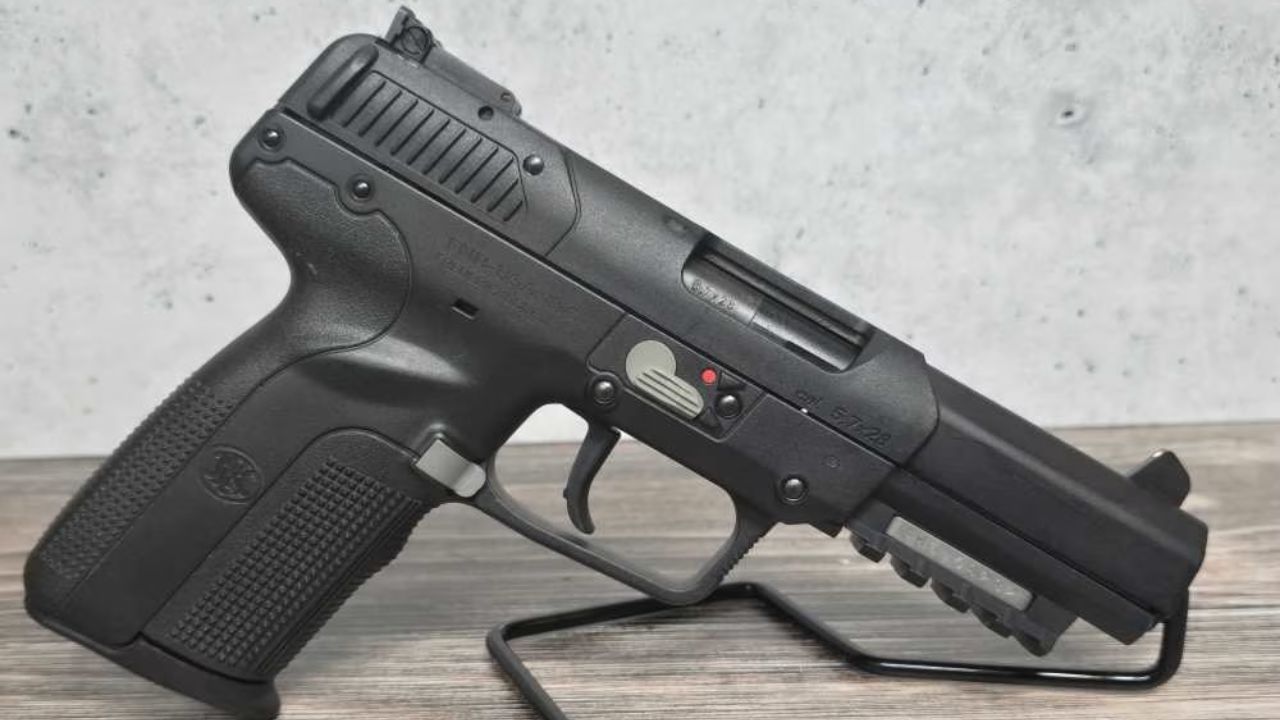
The Five-seveN showed up with a cartridge that still starts arguments at gun counters. Light recoil, high capacity, flat shooting. For some uses it’s genuinely handy.
But it leaned on a specialized round that was expensive and, for years, not easy to find. A pistol is only as practical as the ammo you can buy and the mags you can keep loaded. The gun made sense on paper, and it still does for certain folks, but the market support lagged behind the concept.
17. Heckler & Koch UMP
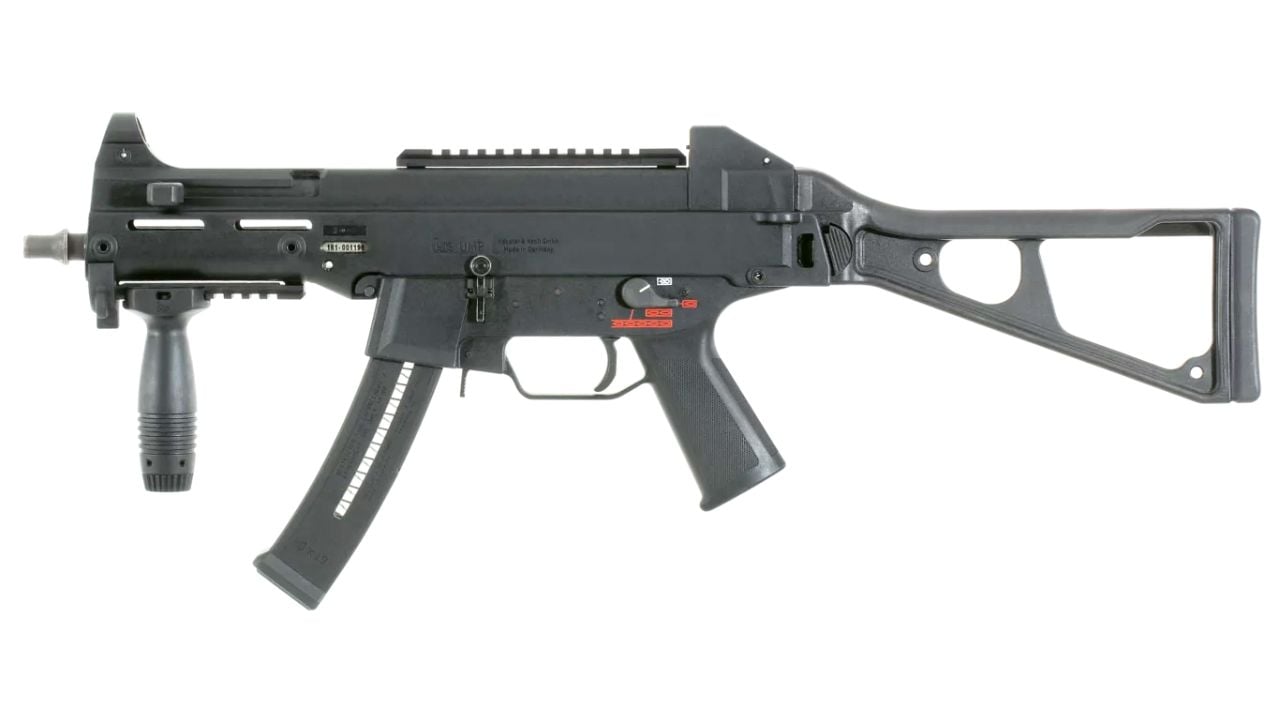
The UMP is simple and rugged, and it’s easy to see what H&K was trying to do: a more affordable, more practical subgun than the MP5 for modern use. It’s a good tool for the job it was designed around.
But for a lot of shooters, it landed in an awkward spot. The civilian world gravitated toward pistol-caliber carbines and later braced pistols, and the UMP’s ergonomics and trigger feel can seem crude for the money. It wasn’t wrong, it was just early to a market that hadn’t decided what “modern PCC” should feel like.
18. Remington R51 (relaunch)

The R51 comeback had momentum. Slim, carry-friendly, and built around a delay system that promised soft recoil in a small 9mm. On the idea level, it was exactly what concealed carriers were shopping for.
Then reality showed up at the range. Early guns had enough issues that trust evaporated. Small carry pistols already demand your confidence. If a new one doesn’t run, it’s done, even if the concept was solid.
19. Ruger P85
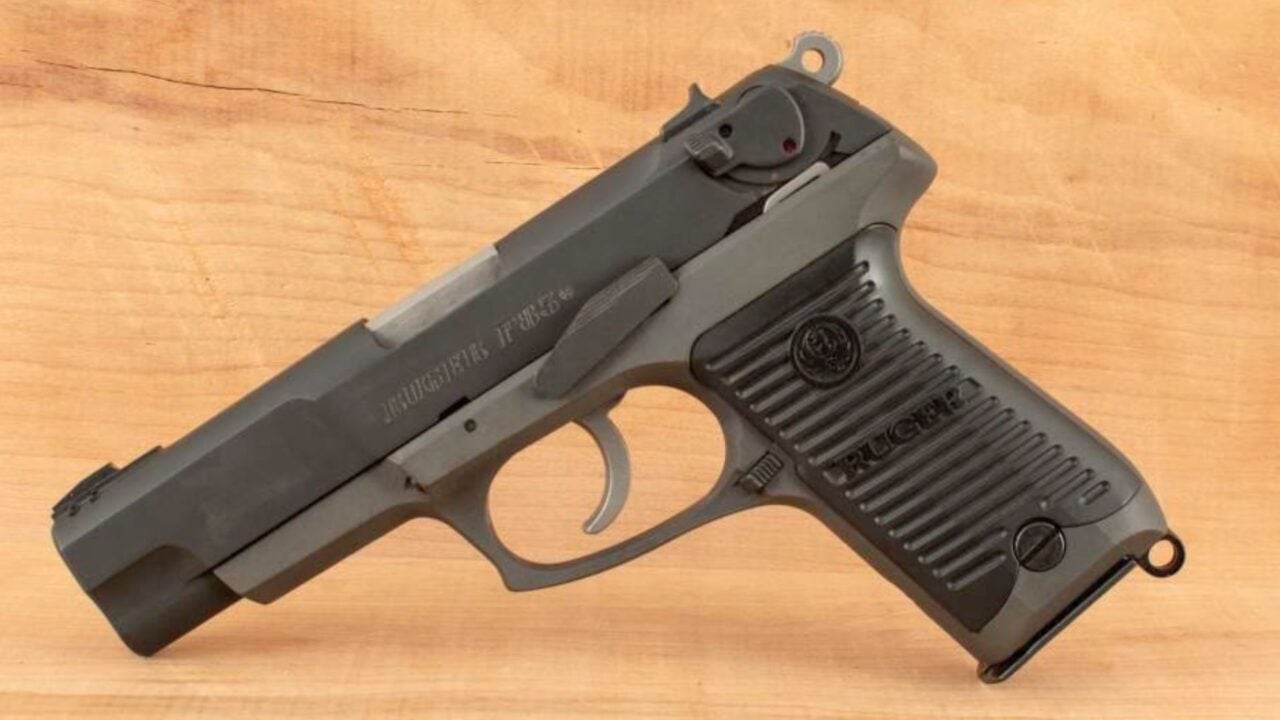
The P85 is big, chunky, and not pretty. But it was Ruger stepping into the high-capacity 9mm world when that wave was still building. It was a working-man’s service pistol before that was a crowded category.
It also came with early teething problems and a vibe that felt more “durable” than “refined.” Today, people who own good ones often keep them because they just run and parts aren’t impossible. It was the right move, just early enough to take some lumps.
20. AR-15 (early Colt SP1 era)

It’s almost funny to say the AR was ahead of its time considering it’s everywhere now. But early civilian ARs landed in a culture that didn’t understand the platform, didn’t have the accessory ecosystem, and didn’t have today’s magazine and ammo abundance.
Accuracy expectations were different, optics were clunky, and “black rifle” stigma was real in a lot of places. Fast forward and the AR became the default rifle because the world finally built the support network around it: mags, parts, training, optics, and endless configurations. Early adopters were betting on a future that hadn’t arrived yet.
If there’s a lesson in all this, it’s that being early is a lonely place. A semi-auto can be a great design and still get dragged by bad magazines, expensive ammo, or a user base that doesn’t want to learn a new manual of arms. The good ones tend to survive long enough for the rest of us to catch up. The rest end up as interesting footnotes you only appreciate after you’ve made a few gun-counter mistakes of your own.
Like The Avid Outdoorsman’s content? Be sure to follow us.
Here’s more from us: