Photo credit: miwallcorp.com
A cartridge does not have to be bad to become difficult to recommend. Plenty of rifle rounds work exactly as advertised but slowly lose their reason for existing as newer cartridges, cheaper ammunition, better rifles, or broader component support move into the same territory. Eventually, the question stops being whether the old cartridge can still do the job and becomes why somebody starting from scratch would deliberately choose it.
That is where these 20 cartridges are landing. Some have been squeezed by newer designs that deliver nearly identical performance with better factory support. Others are trapped in expensive ammunition, uncommon rifles, or niches that are simply too narrow to matter anymore. If you already own one and have ammunition stocked, there may be no reason to get rid of it. Buying into the cartridge today is a different decision. These rounds increasingly require you to accept inconvenience without getting enough extra performance back in return.
.270 Winchester Short Magnum
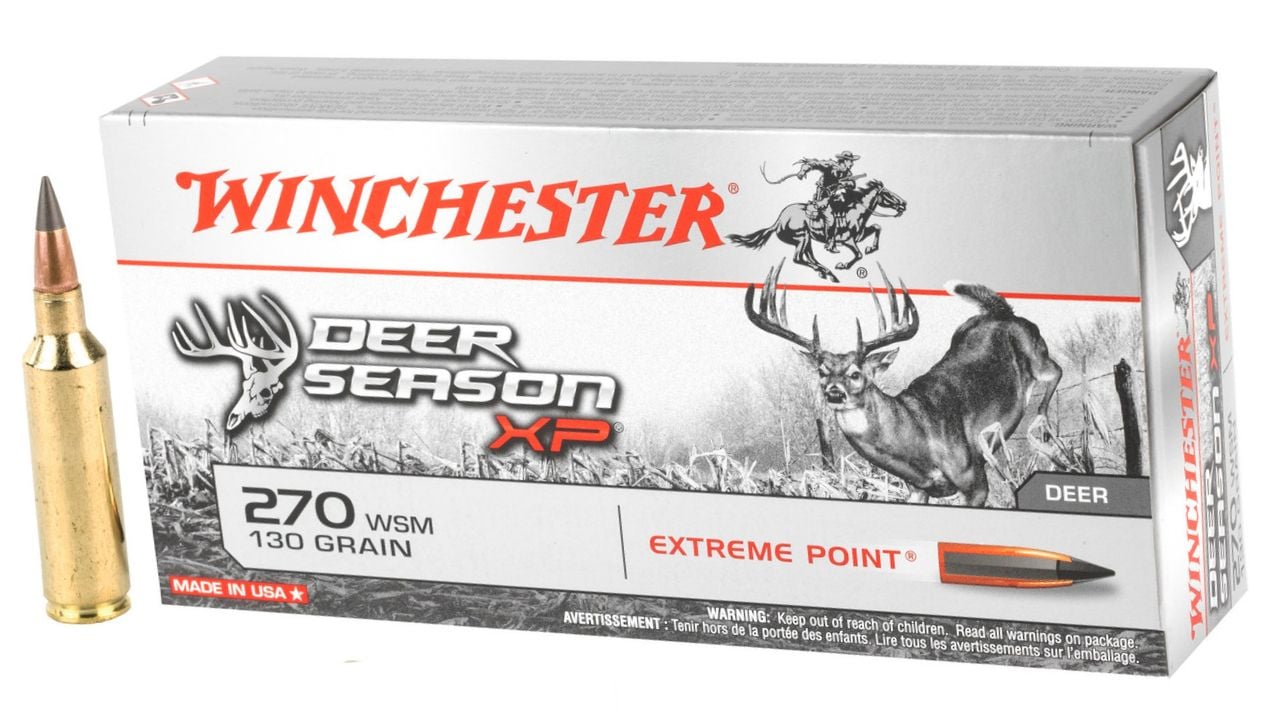
The .270 WSM made a strong case when short magnums were the hot new idea. It gave hunters more velocity than the standard .270 Winchester while fitting into a short action, and for a while that combination looked like the next step forward for open-country deer and elk rifles.
The problem is that its advantages have become less compelling. The ordinary .270 Winchester remains easier to feed, while newer cartridges such as 6.5 PRC and 7mm PRC cover much of the modern long-range hunting market with better support for heavier, high-BC bullets. The .270 WSM still shoots flat and hits hard, but factory rifle selection and ammunition availability are nowhere near what they once seemed destined to become. If you already own a good one, keep hunting with it. Starting fresh today is harder to explain.
7mm Winchester Short Magnum
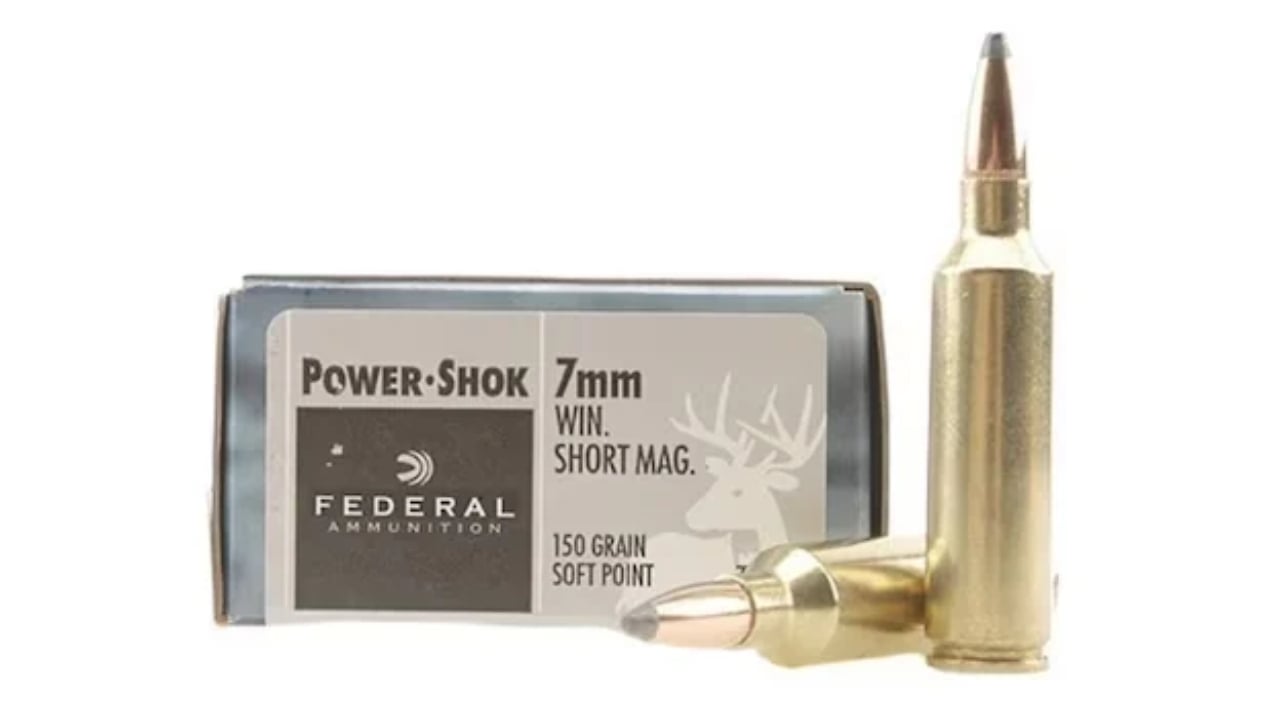
The 7mm WSM had excellent ballistics and deserved more success than it received. It could push useful 7mm hunting bullets at impressive velocity from a short-action case while offering enough power for deer, elk, and western hunting.
Commercially, though, it got trapped between the much more established 7mm Remington Magnum and newer cartridges that were designed around long, heavy bullets from the beginning. The 7mm PRC now occupies much of the role hunters once imagined for the WSM while enjoying far stronger current momentum. Ammunition and rifle choices for 7mm WSM have become increasingly limited, which turns a good ballistic design into an ownership headache. The cartridge can still perform beautifully, but performance alone does not make a round easy to justify when the market has clearly moved elsewhere.
.325 Winchester Short Magnum
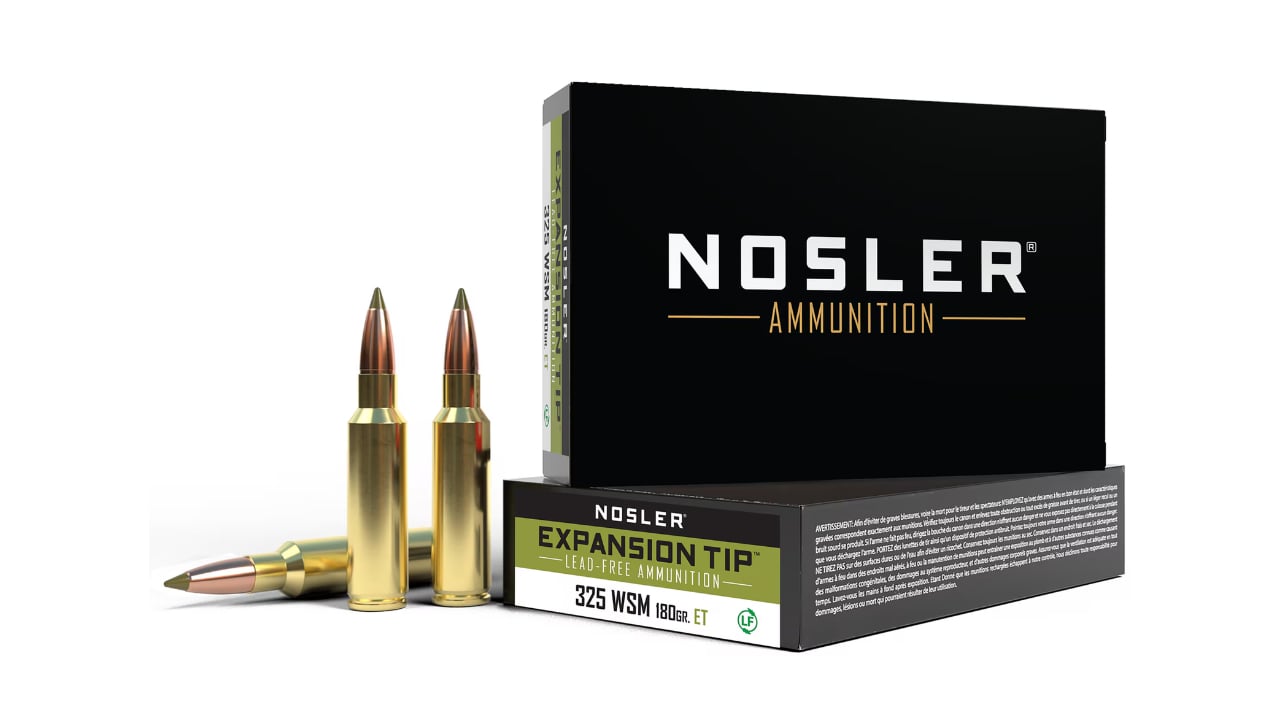
The .325 WSM was supposed to give hunters serious elk and moose performance from a short-action rifle. On paper, an 8mm bullet at magnum velocity made plenty of sense, particularly for hunters who wanted something heavier than the .300-class rounds without jumping to a .338.
The market never embraced it. Bullet selection was narrower than comparable .30- and .338-caliber cartridges, ammunition was expensive, and rifle support faded quickly. Today, the cartridge asks owners to deal with scarcity while providing performance that can be duplicated by several much easier options. A .300 Win Mag, .300 PRC, or .338 Win Mag may not fit the exact same niche, but each offers far better support. The .325 WSM works. It simply never created enough reason for shooters to keep choosing it.
.338 Federal
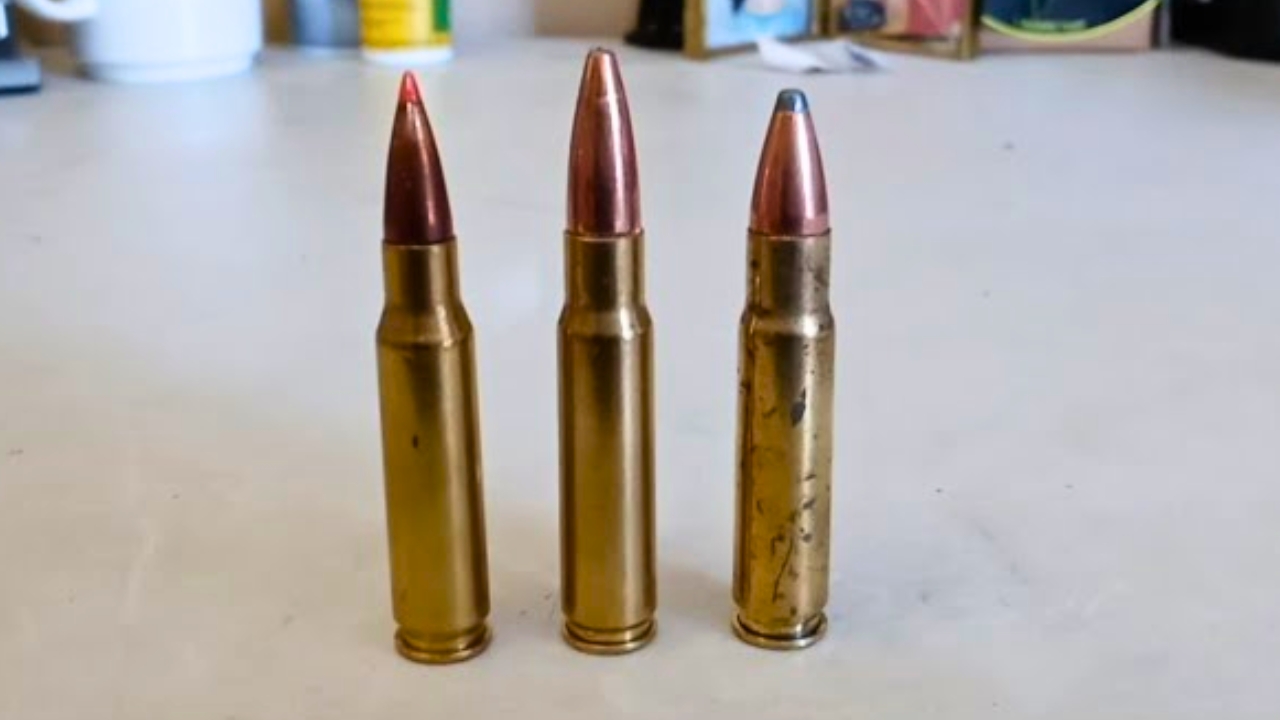
The .338 Federal is one of those cartridges that makes tremendous sense to a small group of hunters. It pushes heavy .338 bullets from a short action, produces less recoil than a .338 Win Mag, and hits hard at moderate distances.
The difficulty is that the niche is tiny. Hunters who want mild recoil often stay with .308 or 7mm-08, while those wanting serious .338 performance usually step up to a magnum. That leaves the .338 Federal occupying a middle ground that is practical but not especially popular. Ammunition choices have remained limited, and new rifles are uncommon. Handloaders can still make excellent use of it, especially for woods hunting and elk at sensible ranges. For the average buyer, though, the convenience penalty is becoming harder to defend.
.260 Remington

The .260 Remington was doing many of the things shooters now praise 6.5mm cartridges for long before 6.5 Creedmoor became dominant. It offers mild recoil, good sectional density, and plenty of capability for deer and even elk with the right load.
That is also its problem. The Creedmoor essentially took the same basic concept and paired it with modern rifle chambers, factory ammunition, long-range marketing, and enormous commercial support. The .260 can match or exceed it in certain loads, but that matters less when ammunition availability and rifle selection favor the Creedmoor so heavily. If you already have a good .260, there is no field reason to switch. If you are buying your first 6.5mm rifle today, choosing the cartridge with the smaller ecosystem becomes increasingly difficult to justify.
6.8 SPC

The 6.8 SPC once looked like the answer for shooters who wanted more authority from an AR-15 without moving to an AR-10. It offered a meaningful increase in bullet weight and close-to-moderate-range hunting performance over 5.56.
The AR market has changed dramatically since then. 6.5 Grendel offers better downrange efficiency, .300 Blackout owns the suppressed and short-barrel niche, and cartridges such as 6mm ARC have brought another level of modern long-range performance to the same platform. The 6.8 SPC still works well for deer and hogs, especially inside 250 yards, but its once-clear niche has been divided among several newer rounds. Rifle and ammunition support remain available, yet the cartridge no longer feels like the obvious upgrade path it once did. That makes buying into it today more of a preference than a practical necessity.
.224 Valkyrie
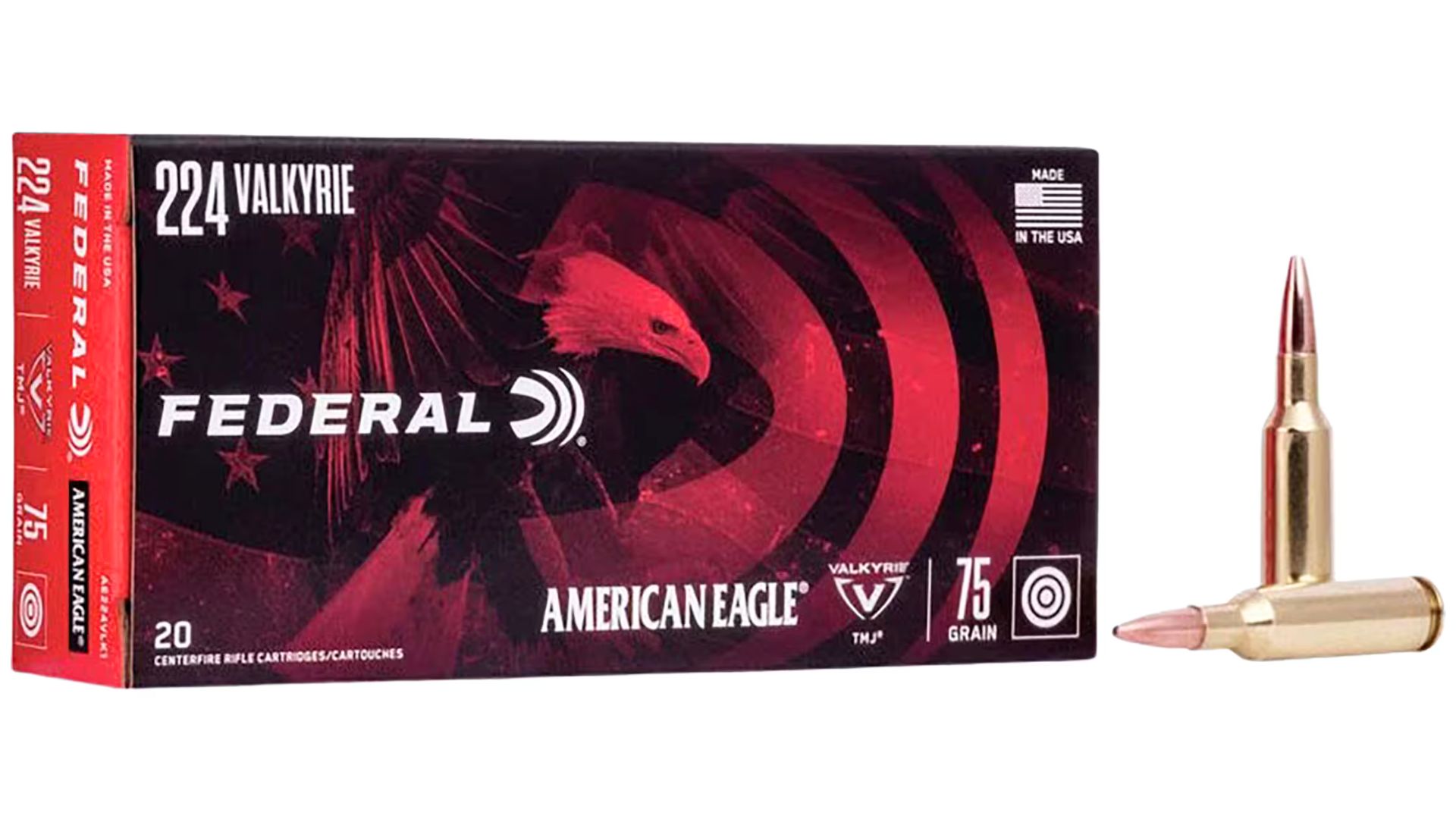
The .224 Valkyrie arrived with huge expectations. The idea was to give the AR-15 platform dramatically better long-range performance than 5.56 while retaining mild recoil and using high-BC .22-caliber bullets.
Reality was messier. Early barrel twist and ammunition issues hurt confidence, while later cartridges such as 6mm ARC offered heavier bullets and broader practical capability from the same basic platform. The Valkyrie can still perform well when the rifle and ammunition are properly matched, but its original excitement has faded considerably. For dedicated long-range target use, it remains interesting. For a new AR build intended for hunting and general use, there are easier choices with stronger momentum. A cartridge that once looked like the future now feels increasingly like a very specialized solution.
.30 TC
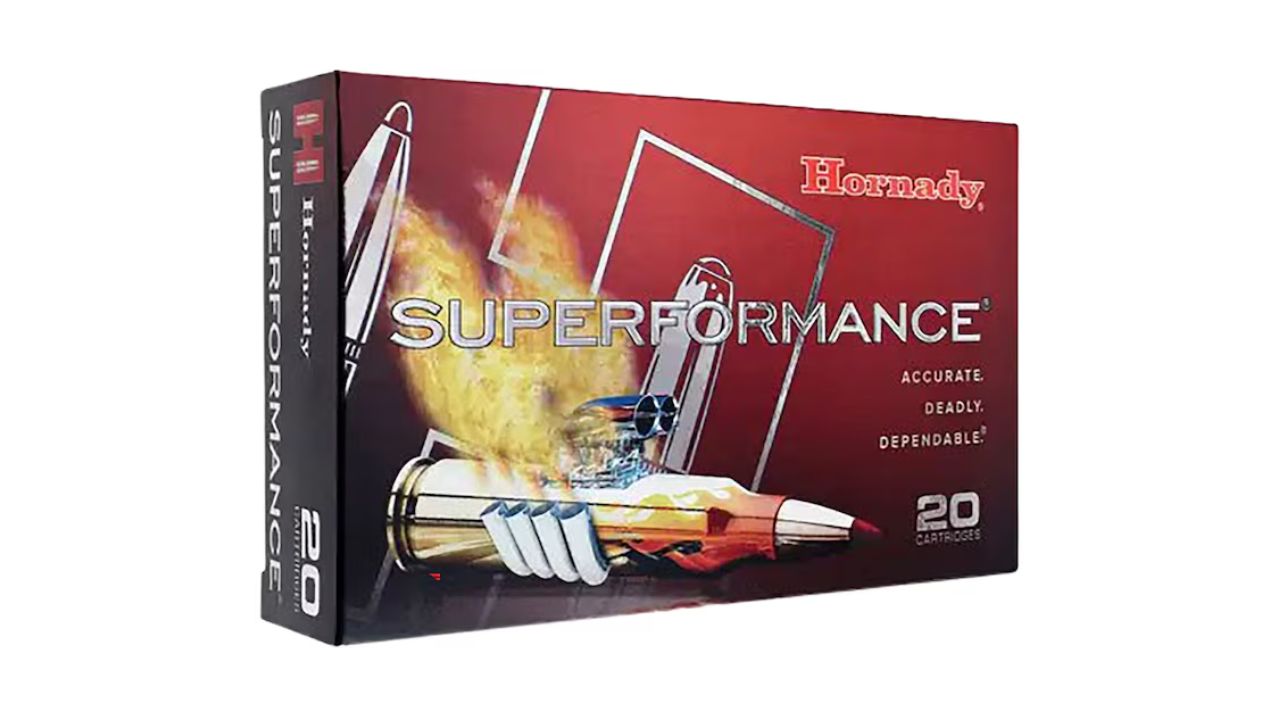
The .30 TC was designed around efficiency, attempting to produce .30-06-like performance from a shorter case. Technically, it was an interesting cartridge and helped influence the development of later rounds.
Commercially, it never established itself. Factory ammunition became scarce, rifles disappeared, and shooters had little reason to abandon the enormous .308 and .30-06 ecosystems for a cartridge offering similar practical performance. The irony is that its case design went on to matter more through descendants than the original cartridge ever did itself. Today, buying a .30 TC rifle means choosing a cartridge whose advantages are mostly theoretical while its disadvantages are very real. Unless you already own one and handload, there is almost no practical reason to enter the cartridge now.
.376 Steyr
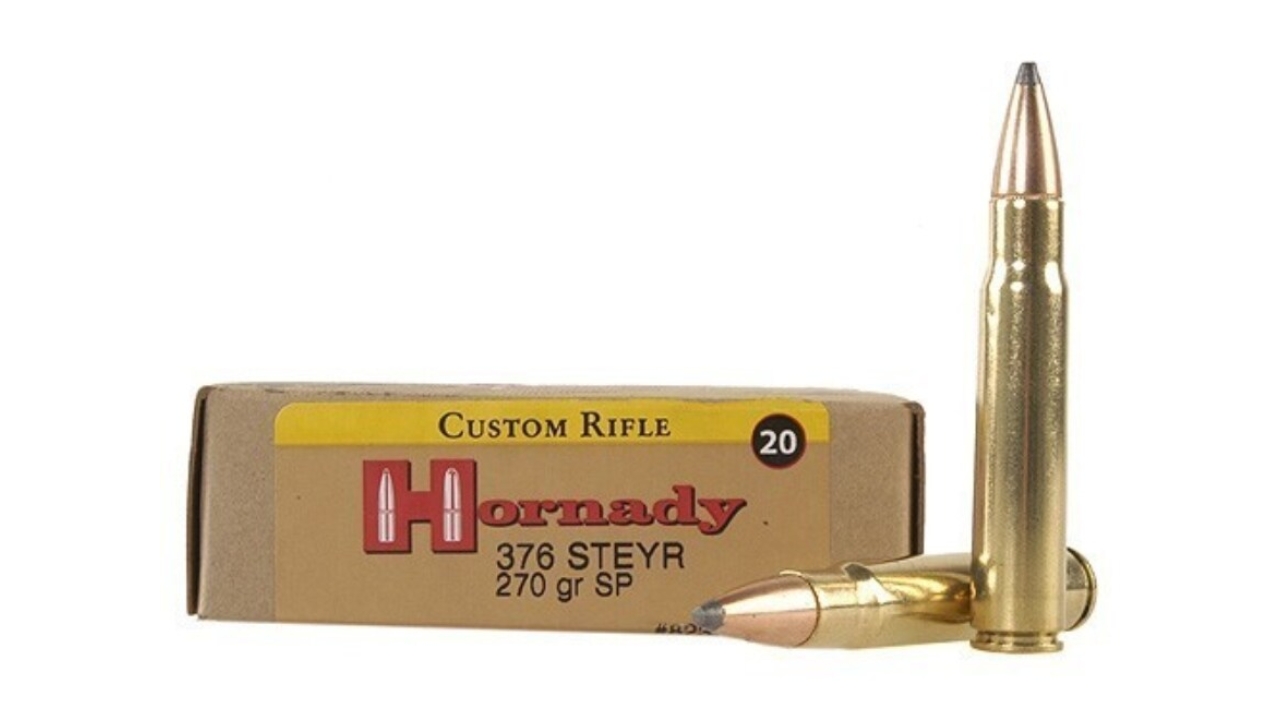
The .376 Steyr was developed as a powerful medium-bore cartridge that could fit into relatively compact rifles while delivering serious performance for large game. It made sense as part of the Steyr Scout concept and offered more authority than ordinary .30-caliber hunting rounds.
Its problem was always specialization. The cartridge never gained enough rifle support outside a narrow group of Steyr products, and ammunition remained expensive and difficult to find. Hunters needing serious dangerous-game performance generally gravitated toward more established .375 cartridges, while North American hunters rarely needed enough power to justify the inconvenience. The .376 Steyr is capable and interesting, but current ownership requires commitment. Without widespread rifles, ammunition, or component availability, its practical case gets weaker every year.
.450 Marlin

The .450 Marlin was created largely to provide heavy .45-70-class performance in a cartridge that could not be accidentally chambered in weaker antique rifles. In modern lever guns, it delivered tremendous close-range authority.
The problem is that modern .45-70 ammunition already covers an enormous performance range, and strong-action rifles are widely available. That left the .450 Marlin competing directly with a cartridge carrying more than a century of history, far better ammunition availability, and a much larger rifle base. The .450 still works wonderfully on hogs, bear, and large game at moderate distances. It simply does not offer enough over the .45-70 to justify the shrinking support. If you own one, it is worth keeping. If you are shopping today, the older cartridge is ironically the easier modern choice.
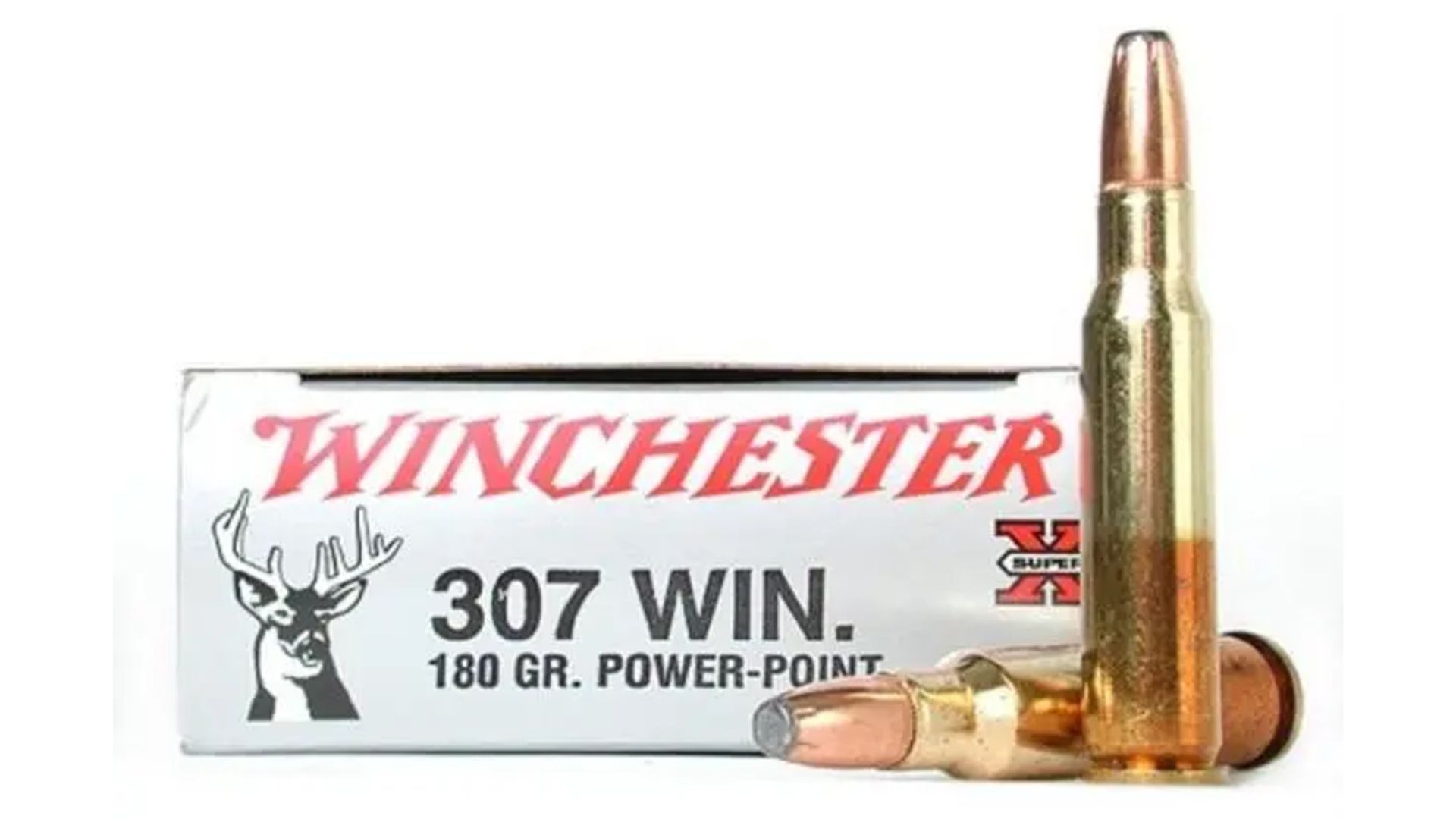
.307 Winchester
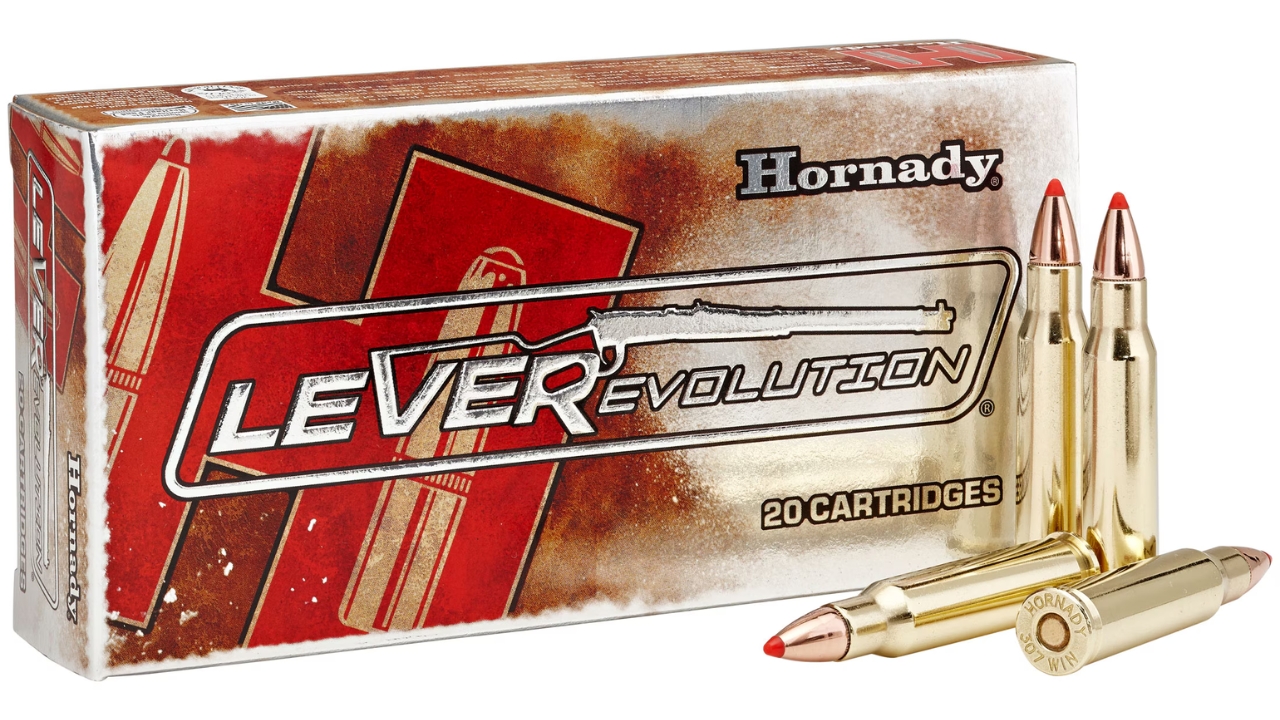
The .307 Winchester tried to give lever-action hunters something close to .308 Winchester performance while retaining a rimmed case suited to rifles like the Winchester 94.
That concept had merit, but the market was narrow from the beginning. Hunters who wanted lever guns already had .30-30, while anyone needing .308-level performance had endless bolt and semiautomatic options. Ammunition support eventually faded, and relatively few rifles were chambered for it. The cartridge can still be effective on deer and black bear, but owning one today means dealing with scarcity for a performance level that is easy to obtain elsewhere. The .307 is interesting precisely because it represents an unusual attempt to modernize the lever gun. As a practical new purchase, its advantages no longer overcome its limitations.
.356 Winchester
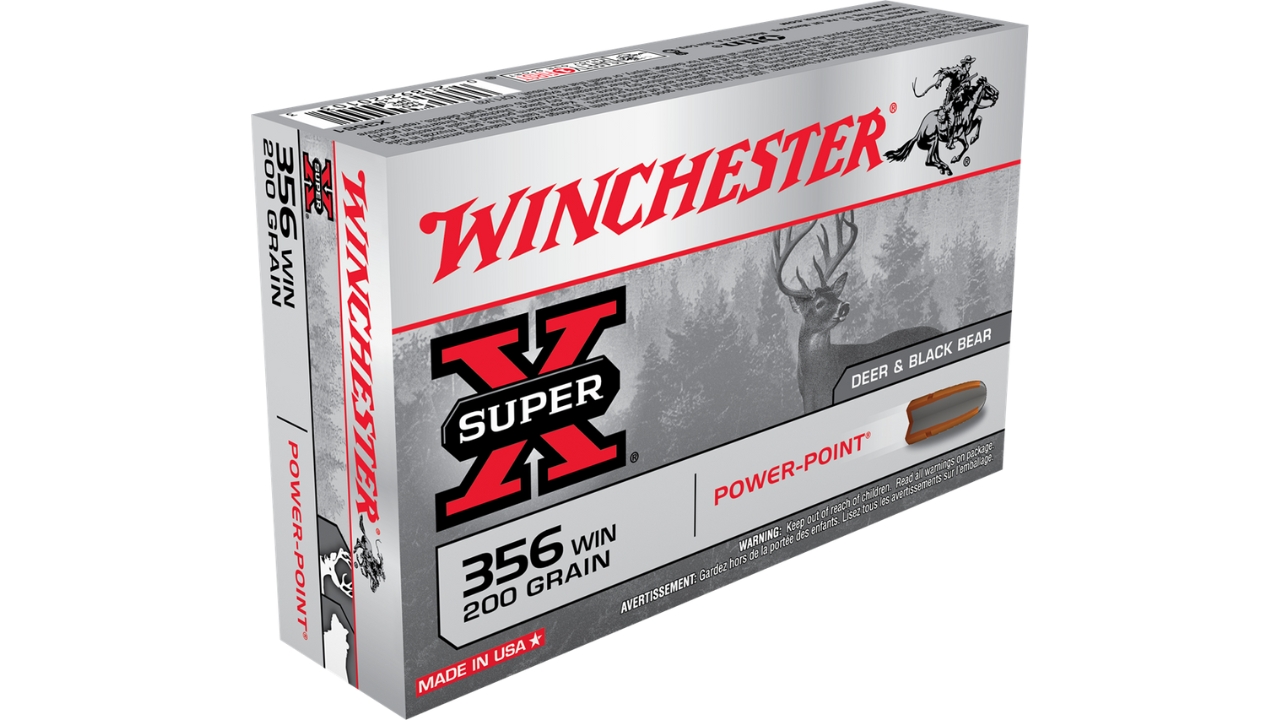
The .356 Winchester followed a similar path, offering hunters a rimmed version of .358 Winchester-style performance for lever-action rifles. It was powerful, compact, and well suited to deer and black bear in thick country.
The trouble is that almost nobody needed it badly enough to keep the market alive. Ammunition became difficult to find, rifles disappeared, and the cartridge ended up stranded between the more common .35 Remington and heavier big-bore lever rounds. Modern options such as .360 Buckhammer also bring renewed straight-wall and lever-gun support into similar hunting territory. The .356 Winchester remains a potent woods cartridge, but potency does not solve an ammunition problem. For a handloader with a good rifle, it is excellent. For a new buyer, the logistics are difficult to defend.
.375 Winchester

The .375 Winchester gave lever-action hunters a strong medium-bore cartridge that could handle deer, bear, and larger game at moderate ranges. It was significantly more powerful than many traditional woods cartridges while remaining manageable in a compact rifle.
Its niche gradually disappeared. Ammunition became uncommon, rifle production faded, and hunters wanting serious lever-gun power increasingly moved toward .45-70, .444 Marlin, or newer straight-wall cartridges. The .375 Winchester still offers a nice balance of recoil and authority, but the ownership experience now revolves too heavily around finding ammunition or handloading. That is a hard sell when other lever cartridges have far stronger factory support. It is a cartridge worth appreciating, but increasingly difficult to recommend as a first choice.
.264 Winchester Magnum

The .264 Win Mag was an early attempt at combining small bore diameter with magnum velocity and long-range performance. It was flat shooting and impressive on open-country game, but it developed a reputation for being hard on barrels when pushed heavily.
Modern 6.5mm cartridges have made the old magnum much harder to justify. The 6.5 PRC delivers excellent hunting performance in a more modern package, while 6.5 Creedmoor covers the lower-recoil end with enormous factory support. The .264 still has plenty of capability, especially with modern bullets, but rifle and ammunition choices are far narrower than those newer alternatives. It now asks shooters to accept more blast, more powder consumption, and less commercial support without providing a unique enough advantage in return.
8mm Remington Magnum

The 8mm Rem Mag was powerful, fast, and capable of driving heavy bullets with authority on elk and larger game. It had the performance to succeed but entered a market where American shooters never developed much enthusiasm for 8mm hunting bullets.
That lack of bullet and ammunition support ultimately mattered more than ballistics. The .300 and .338 magnums covered similar hunting territory with dramatically larger ecosystems. Modern cartridges such as .300 PRC and .338 PRC make the old 8mm Remington even harder to recommend because they pair heavy bullets with modern rifle designs and widespread long-range support. The 8mm Rem Mag remains impressive, but it now occupies the uncomfortable position of being powerful enough to matter while uncommon enough to be inconvenient.
.338 Remington Ultra Magnum

The .338 RUM delivers enormous performance. It can push heavy .338 bullets at serious velocity and remains fully capable of taking elk, moose, and other large game at extended ranges.
The problem is everything required to support that performance. Recoil is heavy, powder consumption is significant, rifles are uncommon, and factory ammunition is far less available than it once was. The .338 PRC now offers a much more current ecosystem for hunters wanting heavy .338 bullets at distance, while the old .338 Win Mag remains far easier to find for traditional hunting. The .338 RUM sits between those choices without a clear commercial advantage. It still works brilliantly, but the number of reasons to deliberately choose one has shrunk.
.358 Winchester
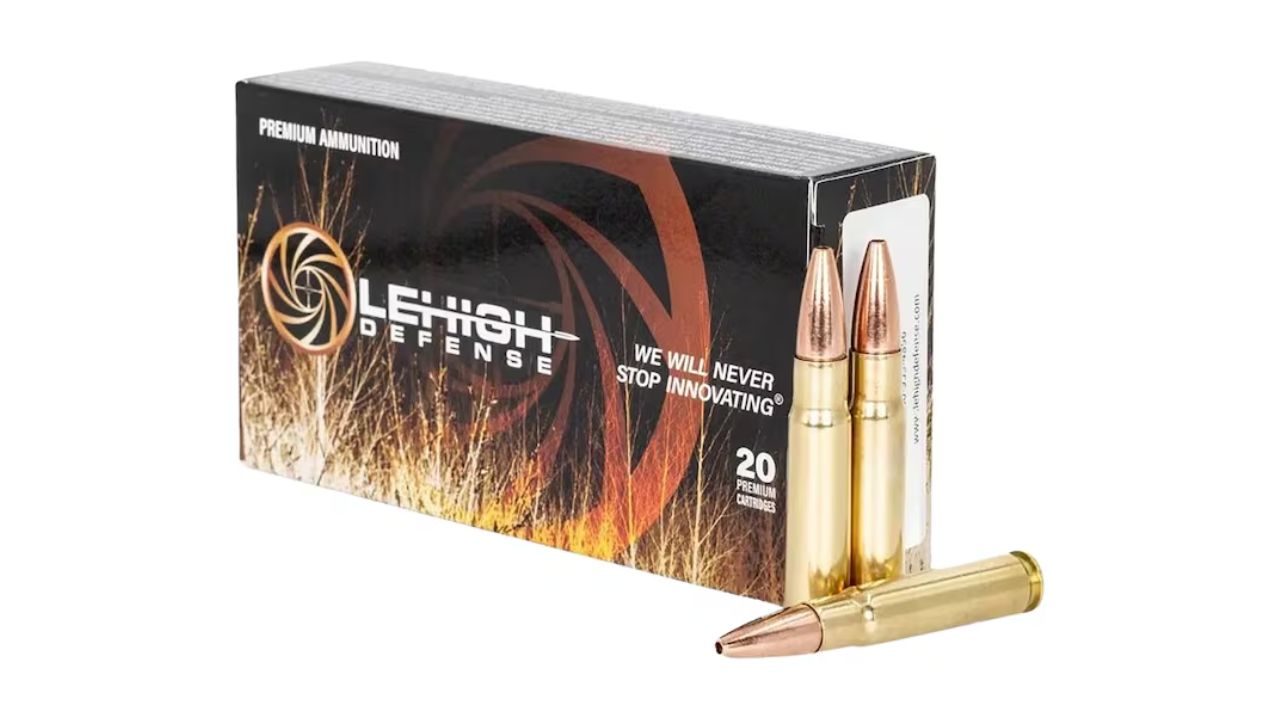
The .358 Winchester is a fantastic woods cartridge in pure performance terms. It gives you heavy .35-caliber bullets from a short action, moderate recoil, and excellent penetration on deer, hogs, black bear, and elk.
The problem is that the market largely stopped caring. Factory ammunition is limited, rifles are uncommon, and the cartridge offers no advantage at longer distances where modern hunting trends have shifted. For the hunter working inside 200 yards, it remains excellent, but so do several much easier cartridges. .308 Winchester is vastly more available, while .35 Whelen offers more power for hunters specifically wanting a medium bore. The .358 sits in a practical middle ground that enthusiasts appreciate but manufacturers rarely support. That makes it increasingly difficult to recommend to anyone who does not handload.
.257 Roberts

The .257 Roberts is mild, efficient, and genuinely pleasant to hunt with. It has enough power for deer, little recoil, and a long history of excellent field performance.
Its problem is not effectiveness. It is that modern shooters have multiple easier ways to get the same result. .243 Winchester is far easier to find, .25-06 offers more speed, and newer 6.5mm cartridges provide heavier bullets with enormous factory support. The Roberts survives because people like it, not because the market needs it. That is perfectly fine for enthusiasts and handloaders. For somebody buying one rifle and wanting ammunition from almost any sporting-goods store, the cartridge asks for too much patience. It is charming, but charm is increasingly the main argument.
.220 Swift
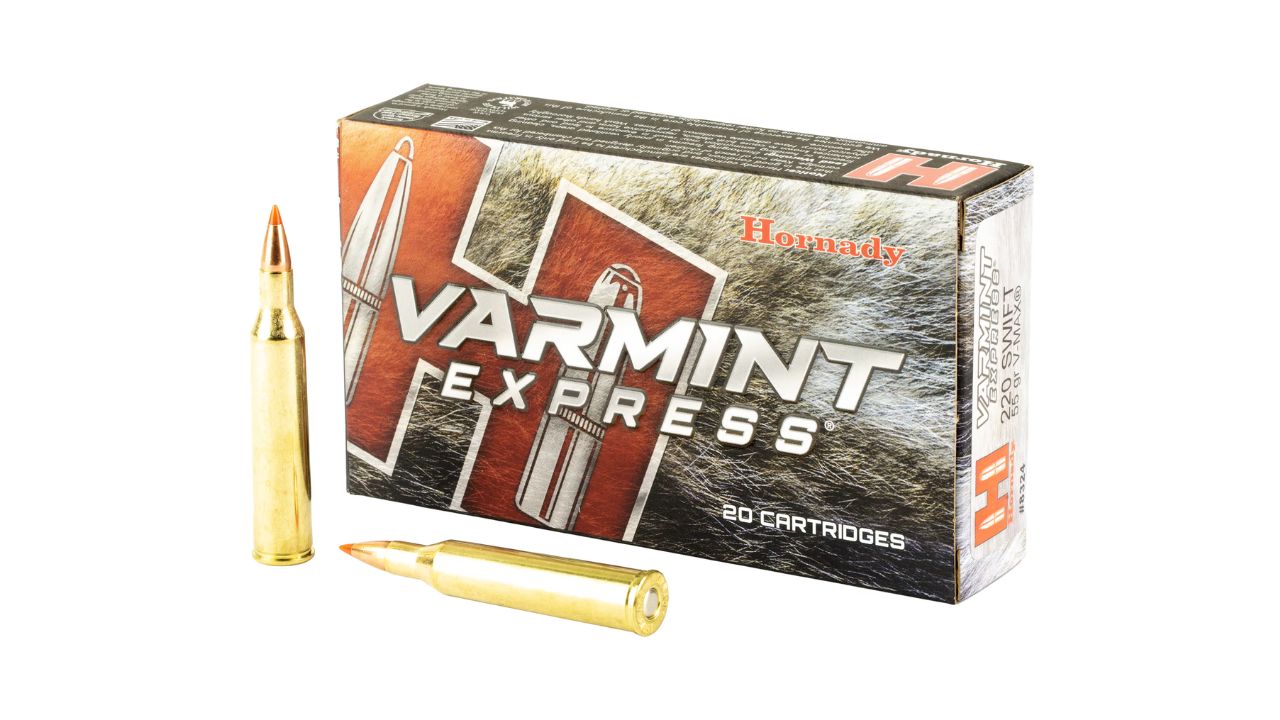
The .220 Swift still has a reputation for extreme velocity, and with the right load it remains one of the fastest commercial rifle cartridges ever produced. For varmint shooting, that speed can be spectacular.
The practical argument has weakened considerably. .22-250 Remington delivers excellent velocity with much broader support, while .223 Remington wins on cost and rifle availability. Newer high-performance .22 cartridges also give long-range shooters access to modern heavy bullets and fast twists. The Swift’s large case burns a lot of powder and can accelerate barrel wear when used hard, which is exactly what high-volume varmint shooters tend to do. It is still fun and historically significant, but buying one today usually means choosing nostalgia and maximum speed over convenience and efficiency.
.218 Bee
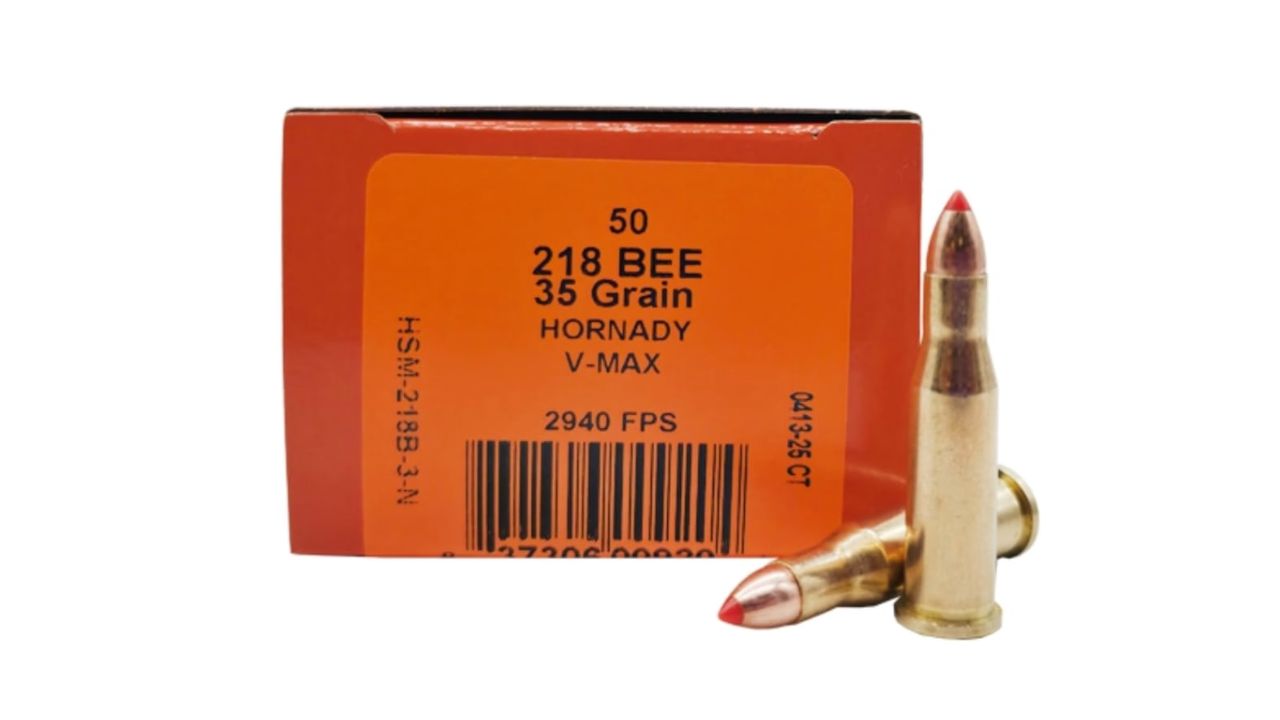
The .218 Bee was once an appealing small-varmint cartridge for lever and single-shot rifles. It offered more authority than rimfire ammunition while staying quieter and milder than the larger high-velocity centerfires.
That middle ground has become crowded. .17 HMR handles many close varmint jobs cheaply, .22 Hornet fills the mild centerfire niche, and .223 Remington dominates when more range is needed. The Bee is also limited by scarce ammunition and relatively few modern rifles. Handloaders can get excellent performance from it, and old lever guns chambered for the cartridge have plenty of charm. For someone starting fresh, though, the cartridge does not solve enough problems to justify the sourcing headaches. It is becoming more of a collector and enthusiast round than a practical working choice.
Like The Avid Outdoorsman’s content? Subscribe to our newsletter so you never miss an article.
Here’s more from us: