Photo credit: GoldenWebb/Youtube
I like a semi-auto as much as the next guy. Fast follow-up shots, easy handling, and if you practice, they can make you look better than you are. But the dirty secret is some semi-autos get sold because they “just need a break-in,” when what they really need is a competent set of eyes and hands before you stake your safety, your hunt, or your home on them.
This isn’t about bashing brands for sport. It’s about knowing which guns have a reputation for being hit-or-miss out of the box, or models that tend to show up with the same handful of problems: rough chambers, weak extractors, out-of-spec magazines, sloppy gas systems, gritty triggers that won’t reset right, or sights that never seem to stay put. If you’ve got one of these, it doesn’t mean it’s junk. It means you should budget for a real shakedown, and if you don’t know what you’re looking at, pay a gunsmith to check it over.
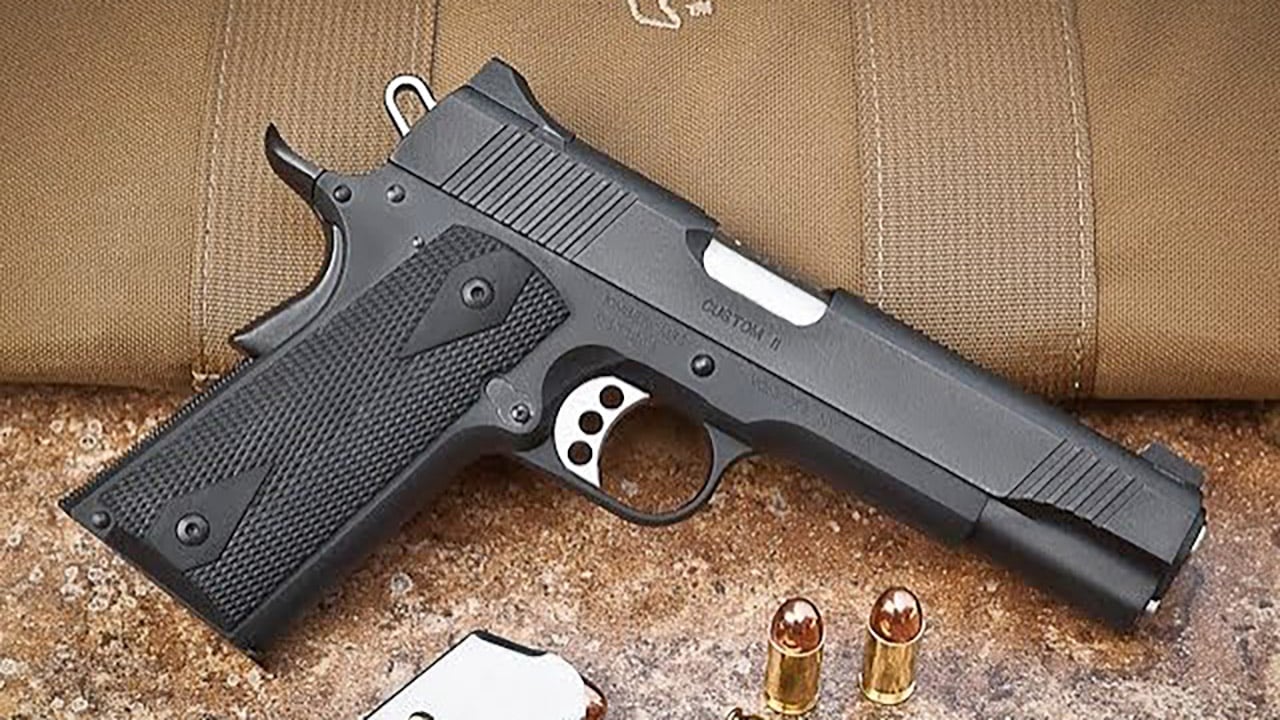
1. Kimber Custom II (1911)
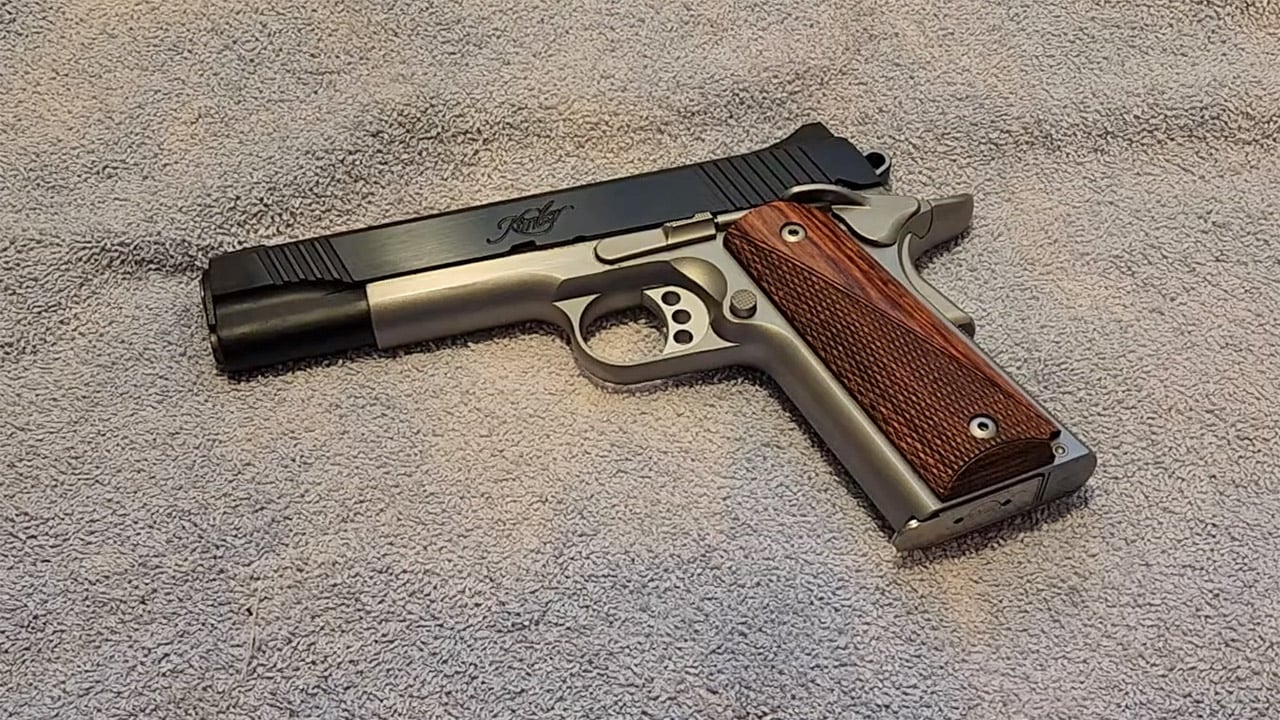
I’ve watched more than one Kimber owner turn into a part-time armorer trying to chase “one last” feeding issue. Some run great, some don’t, and the ones that don’t tend to do it with ball ammo when they shouldn’t.
A proper 1911 smith can check extractor tension, feed ramp geometry, and whether the chamber/throat is cut right. If it’s your carry gun, you don’t want to learn about a finicky extractor at the worst time. This is one where a short visit to a smith can save you a long season of excuses.
2. Springfield Armory 1911 Range Officer (early examples)
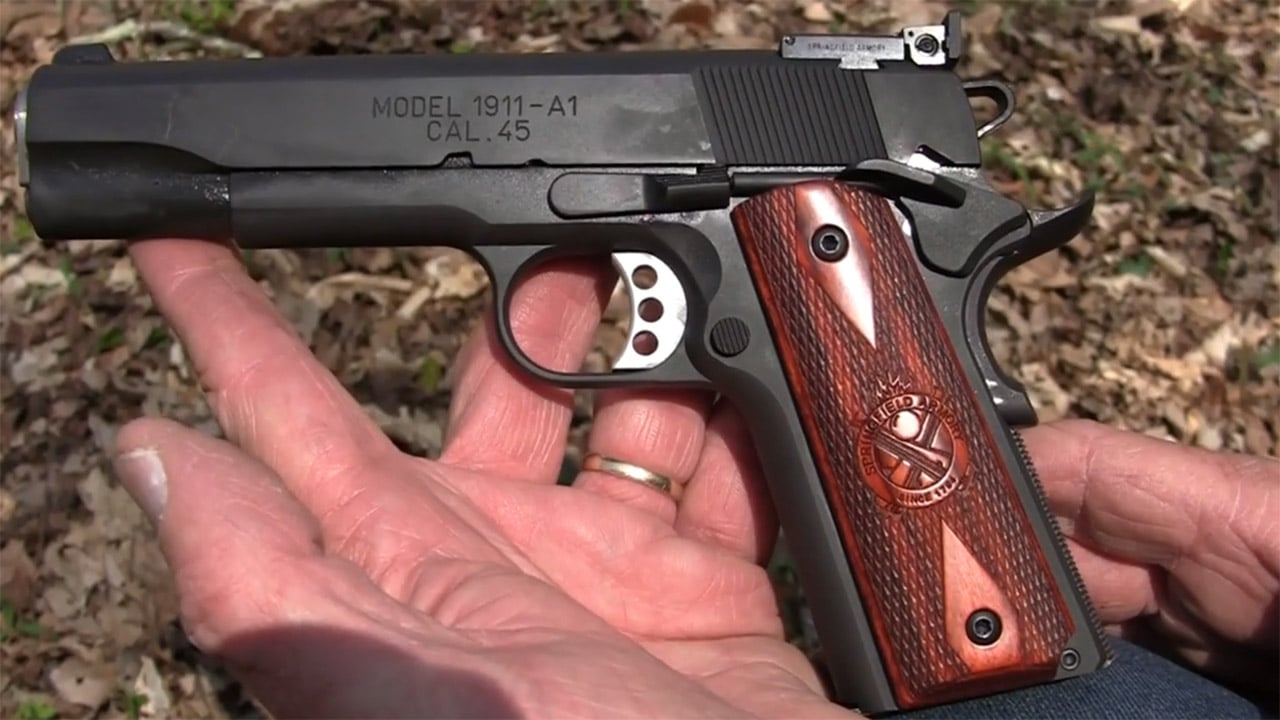
The Range Officer line has put a lot of accurate 1911s in holsters and on match lines. Still, I’ve seen early guns that were picky with certain mags and hollow points, and the “it’ll settle in” talk gets old.
A gunsmith can make sure the extractor is doing its job and the gun isn’t beating itself up. If you’re seeing three-point jams or weird nose-dives, don’t just keep polishing random stuff at the kitchen table. Get it inspected and tuned the right way.
3. Remington R51 (Gen 1)
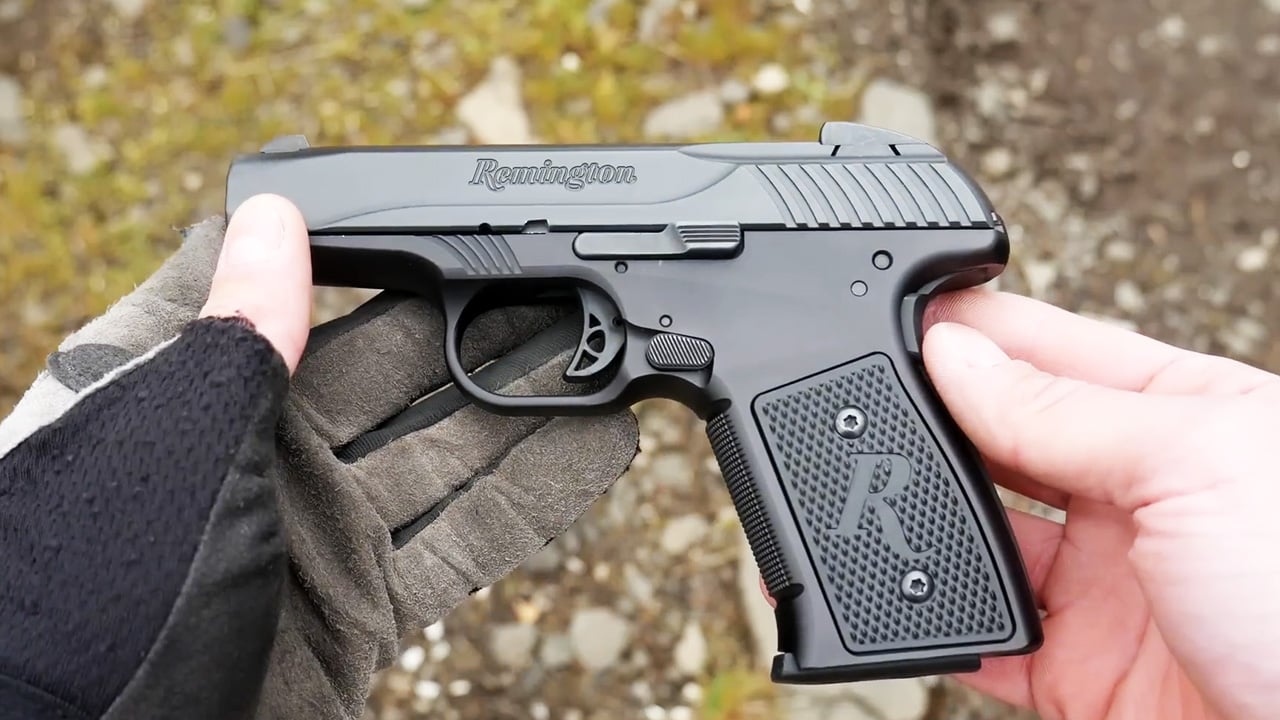
That one hurts, because the idea was solid and the handling could’ve been a home run. The early run was rough enough that the model earned a reputation that never really left.
If you’ve got a first-generation R51, you want a professional to verify the basics: safe function, correct engagement surfaces, and reliable cycling. It’s not a platform I’d “trust because it seems fine.” With this one, “seems fine” is not a test plan.
4. SIG Sauer P320 (early production and some variants)

The P320 is everywhere now, and plenty run like sewing machines. But the platform has had enough drama over the years that if you’ve got an early one or a used gun of unknown history, a checkup isn’t paranoia.
Have a smith verify proper function, trigger return, and general wear, especially if it’s been carried a lot or modified by a previous owner. This is also a model where home “trigger jobs” can turn into unsafe surprises. If you didn’t do the work yourself, assume nothing.
5. Smith & Wesson M&P Shield EZ (.380 or 9mm)

The EZ is a great idea for folks with hand strength issues, and I’ve recommended them. But “easy to rack” sometimes comes with sensitivity to ammo and a smaller margin for error when parts get dirty or springs get tired.
If yours is failing to feed or acting weird with the safety mechanisms, don’t shrug it off. Have a gunsmith check timing and springs and make sure it’s behaving like it should. A defensive pistol should be boring, not temperamental.
6. Taurus PT1911 (various years)
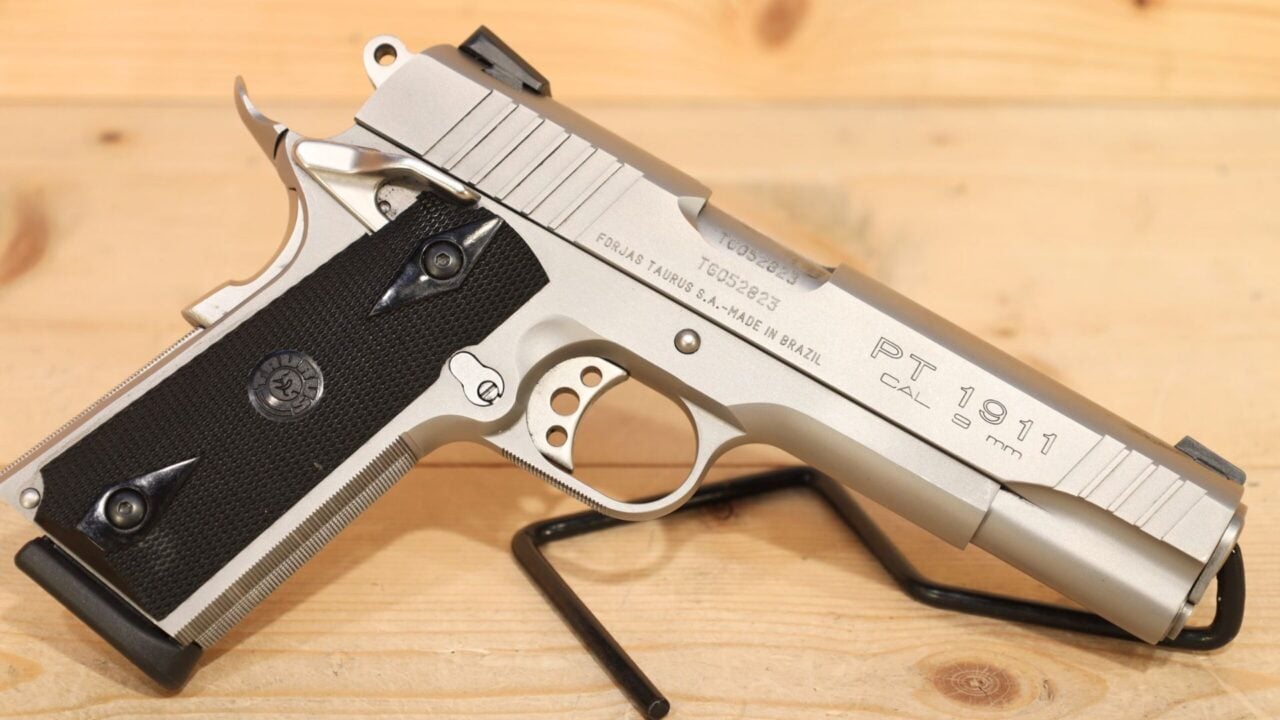
I’ve shot PT1911s that ran fine and others that acted like they were assembled on a Friday afternoon. The feature list is tempting, and the price tag pulls folks in.
If it’s going to be more than a range toy, get the extractor and ignition parts looked at, and confirm the safeties actually work correctly. A 1911 can be a joy, but a sloppy one can be a headache you keep paying for in ammo.
7. Taurus G3 (9mm)

The G3 can be a lot of gun for the money, and I get why it sells. But budget striker guns sometimes show up with gritty triggers, inconsistent ejection, or magazine issues that don’t fix themselves.
A gunsmith can diagnose whether you’ve got a simple mag problem or something deeper. If the gun is throwing brass into your forehead and occasionally choking, don’t just change ammo brands until you find one it tolerates. Reliability shouldn’t be ammo-dependent in normal pressure loads.
8. SCCY CPX-2 (9mm)
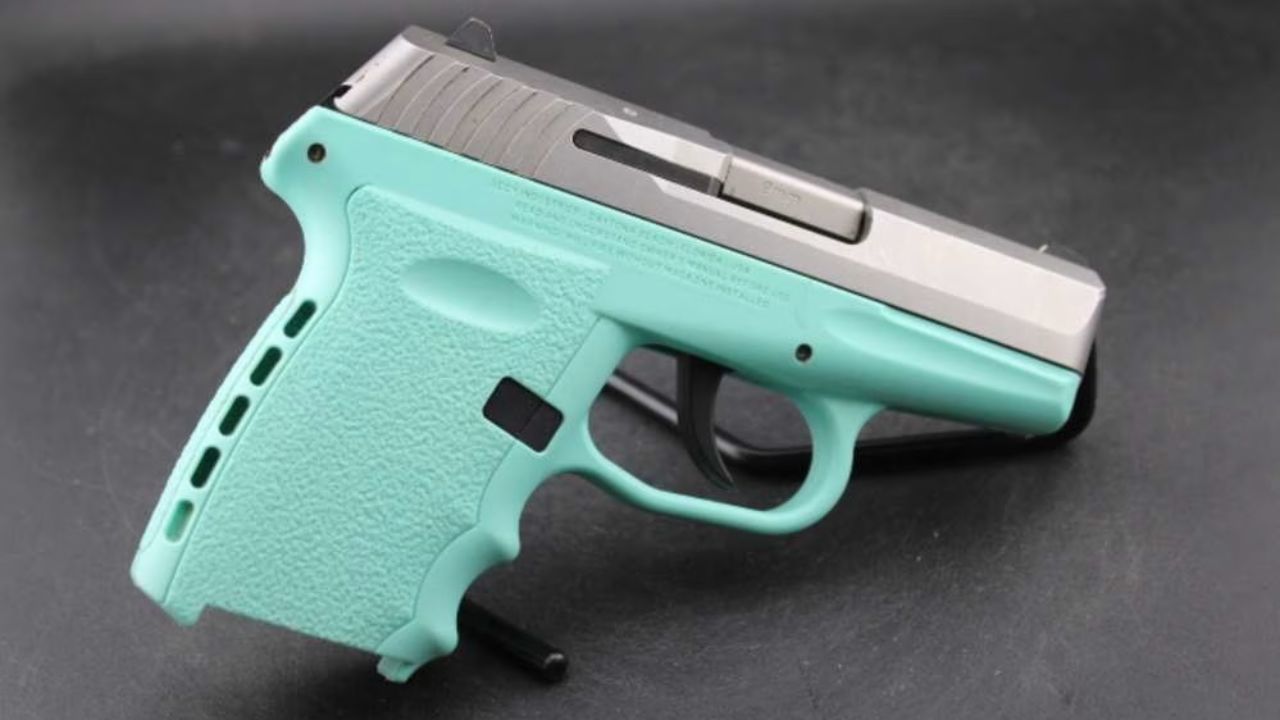
This is one of those pistols that tends to get purchased in a hurry: “I just need something.” The trigger is long, the gun is small, and when they run, they’re serviceable. When they don’t, it’s usually not subtle.
If you’ve got light strikes or extraction issues, a smith can check spring weights and engagement surfaces and tell you if it’s worth chasing or if it’s time to move on. I’m not saying every one is bad. I’m saying betting your safety on a bargain without vetting it is a gamble.
9. Diamondback DB9 (9mm)

Tiny 9mms are unforgiving, and the DB9 has been a repeat offender in the “cool size, rough manners” category. Harsh recoil, minimal grip, and a narrow operating window can turn into stoppages if anything is slightly off.
A gunsmith inspection can confirm the gun isn’t out of spec and that the recoil system is doing what it’s supposed to. If it’s beating itself up or short-stroking, you’ll feel it, and you’ll see it on the bench. That’s not something you ignore.
10. Kel-Tec P-32 (.32 ACP)
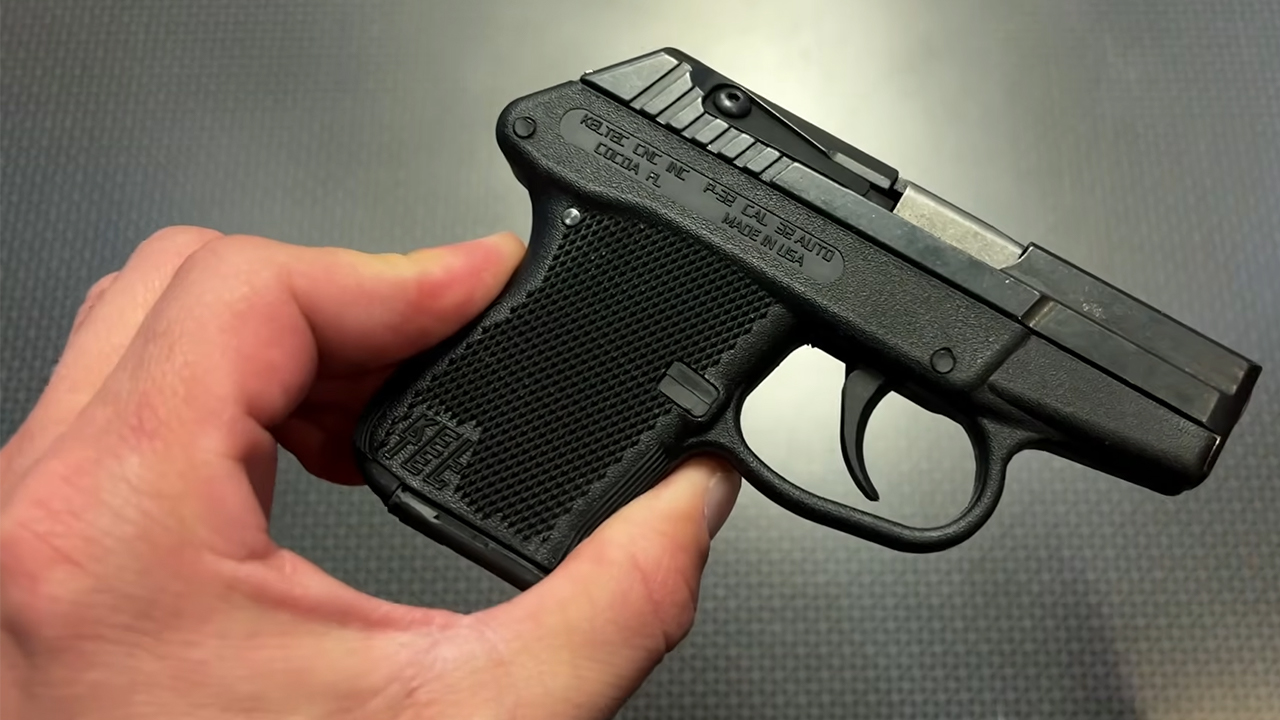
I’ve got a soft spot for the P-32 as a deep-carry “always” gun. But it’s also a featherweight pocket pistol, and pocket pistols get lint, grit, and neglect like nothing else.
Have a smith check feed reliability and the extractor if you’re getting odd failures. Also, confirm your magazines are solid. The gun can be dependable, but only if it’s set up right and you actually maintain it.
11. Kel-Tec PMR-30 (.22 WMR)

The PMR-30 is fun. It’s also a rimfire magnum semi-auto with a big magazine and a lot going on. That’s already asking for sensitivity, and then you add the reality of rimfire ignition and ammunition variation.
If you want it for anything beyond plinking, a gunsmith can verify feed geometry and look over the magazine fit and function. A .22 WMR pistol that runs is a blast. One that doesn’t will have you clearing malfunctions all afternoon.
12. Ruger Mini-14 (older 180/181/early 580 series)

Old Mini-14s have a loyal following, and I get it. Handy size, simple manual of arms, and they carry nice in a truck. But older ones can be inconsistent in accuracy, and some have gas system quirks and worn parts after decades of use.
A gunsmith can check headspace, gas block alignment, and general wear. If the gun is stringing shots as it warms up or pitching brass into the next county, it may not be “just how Minis are.” It might need attention.
13. Century Arms C39V2 (7.62×39 AK)
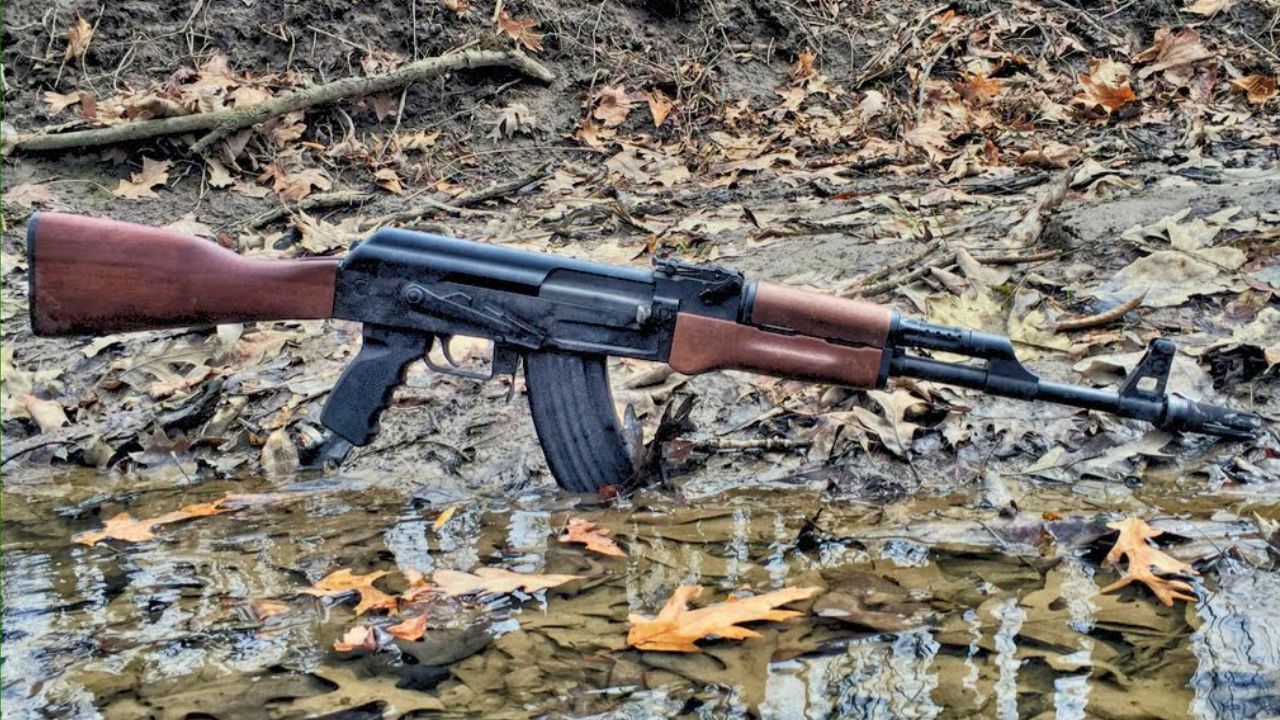
The C39V2 has a history that makes experienced AK guys squint. The big concern has been long-term durability of certain components and how the gun holds up over round count.
If you own one, have a knowledgeable smith who understands AKs check alignment, wear patterns, and overall build quality. This isn’t about internet rumors. It’s about making sure the rifle isn’t slowly turning into an unsafe problem.
14. IWI Tavor SAR (used guns with unknown history)
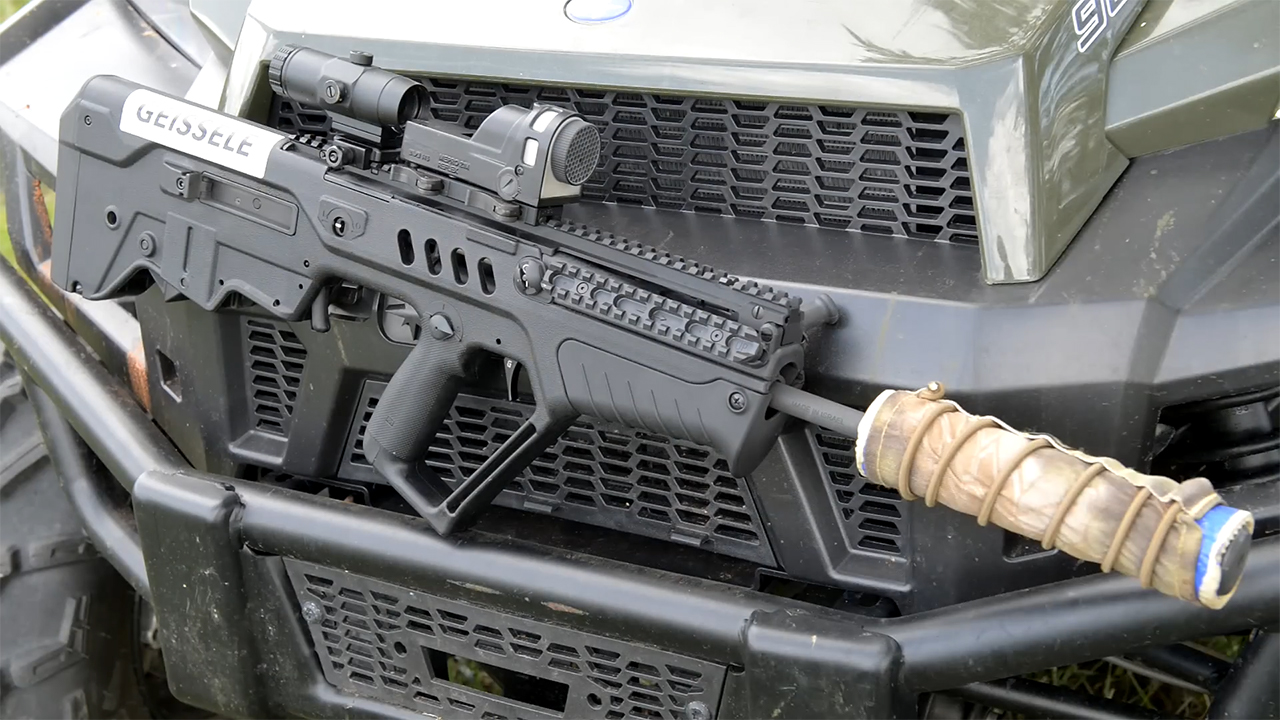
The Tavor is a tough rifle, but bullpups concentrate a lot of mechanics in a compact space. I’ve seen used bullpups come across the counter with mystery triggers, swapped parts, and home “improvements.”
A gunsmith can ensure the trigger linkage and safety mechanisms are correct and that the rifle cycles properly. If a previous owner tried to “fix” the trigger with a file, you want to know that before you start running drills with it.
15. Smith & Wesson M&P 15 Sport (early models)

The Sport line made the AR accessible, and many run fine. Still, budget ARs can show up under-gassed, over-gassed, or built with parts that are barely within tolerance, especially if they’ve been “upgraded” by whoever owned them before you.
A gunsmith can check gas key staking, headspace, and function with standard mags and ammo. If the bolt is outrunning the magazine or you’re seeing erratic extraction, it’s not something to ignore and hope away.
16. DPMS Oracle (AR-15)
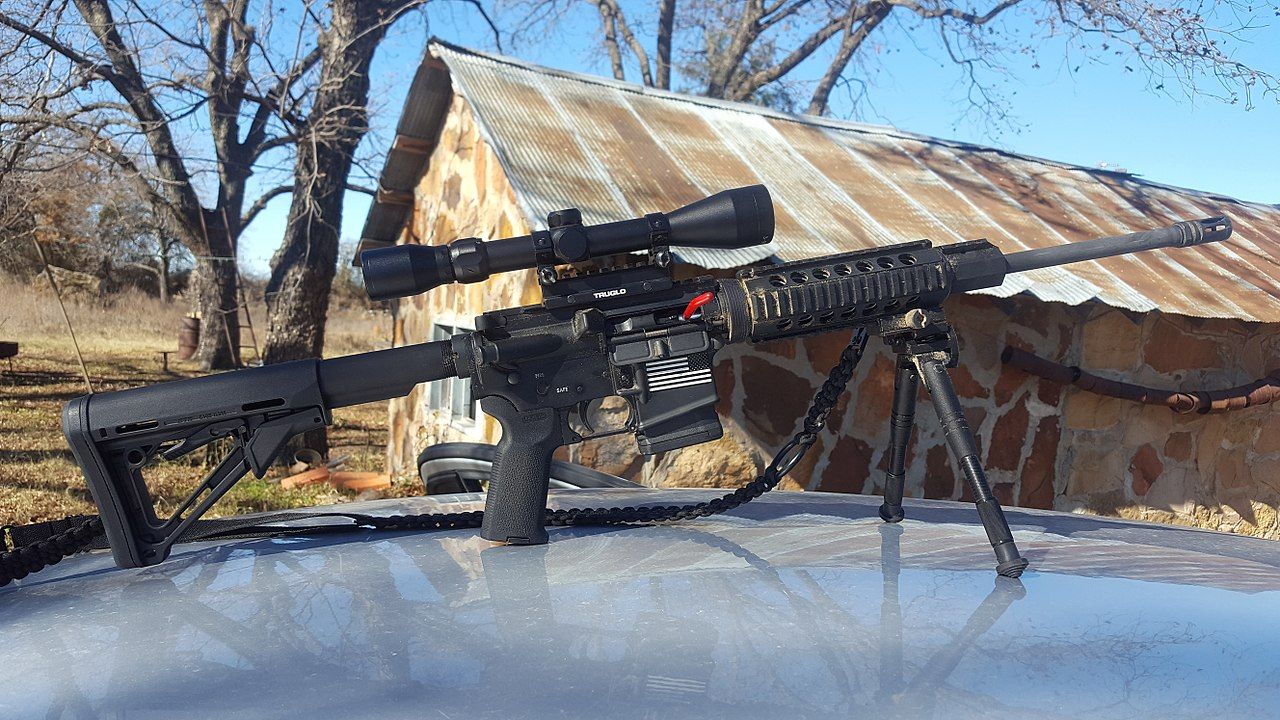
I’ve seen Oracles that ran hard for years, and I’ve seen Oracles that were picky from day one. The rifles were built to hit a price point, and that can mean you get one that’s solid or one that needs sorting.
A shop can check the gas system, buffer setup, and whether the chamber is properly finished. If your rifle hates steel case, won’t lock back, or chews brass like a beaver, get it evaluated. It can be a decent rifle after it’s squared away.
17. Radical Firearms RF-15 (AR-15)
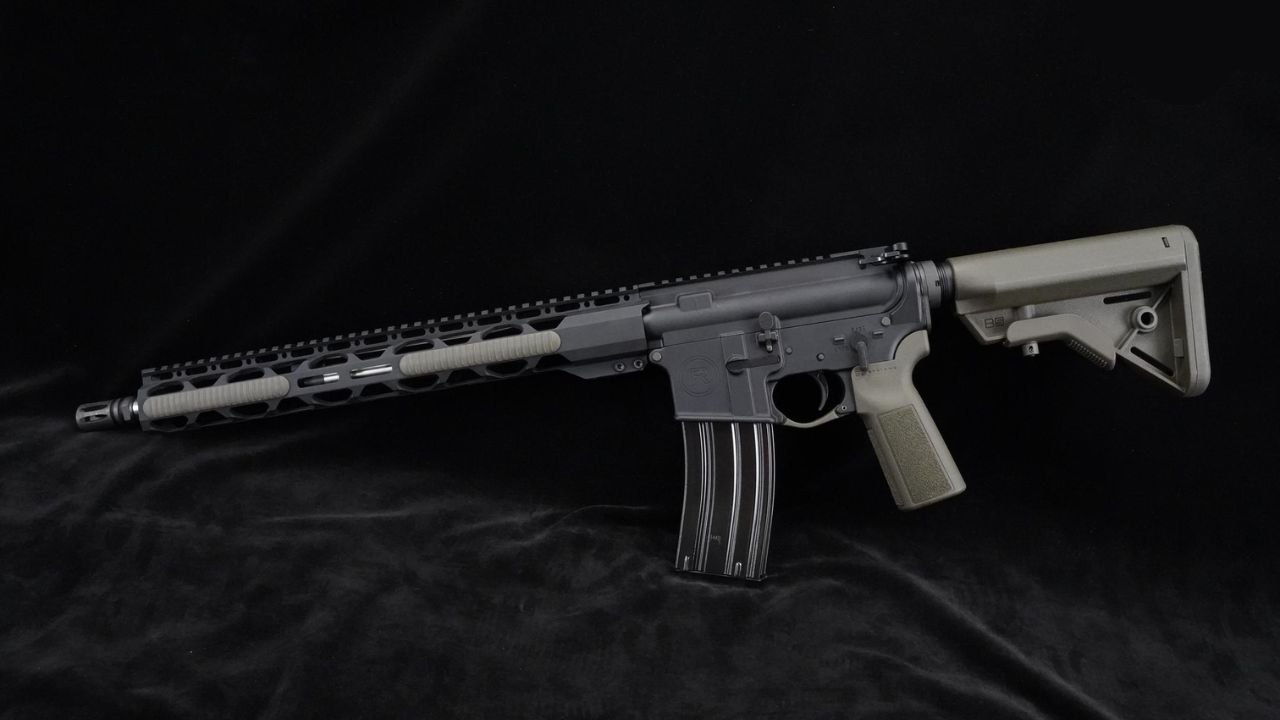
These show up a lot as first ARs. The buyer usually wants “a basic rifle” and doesn’t want to spend much more than the sticker price. Then the range trip turns into troubleshooting.
A gunsmith can confirm the rifle isn’t assembled with tolerance stacking issues and make sure the gas block, gas tube, and carrier key are correct. If it runs, great. If it doesn’t, stop burning ammo trying to diagnose it by frustration.
18. Mossberg 930 SPX

When a 930 SPX runs, it’s a lot of shotgun for the money. When it doesn’t, it can be the most aggravating kind of unreliable: the kind that works for five rounds and then starts short-stroking once it gets dirty or warm.
A gunsmith can look at the gas system, action spring, and any roughness that’s causing sluggish cycling. If you’re setting it up for home defense, you want it boring and predictable. Semi-auto shotguns are not the place for wishful thinking.
19. Remington Versa Max (used, high-round-count guns)

The Versa Max is soft shooting and can be a great waterfowl gun. But used ones can hide wear in places buyers don’t check, especially if it lived a hard life in a duck boat with minimal cleaning.
A gunsmith inspection can verify the gas ports and sealing surfaces are in good shape and the action is cycling correctly. When these start acting up, owners sometimes blame ammo first. Sometimes it’s not the ammo.
20. Browning BAR Mark II (older hunting rifles)

The BAR is a classic deer rifle for guys who want semi-auto follow-ups with a “real rifle” feel. The downside is they’re more complicated than a bolt gun, and an older BAR that’s never been properly serviced can get sluggish or inconsistent.
A gunsmith who knows BARs can check the gas system, springs, and lockup. If it’s your cold-weather stand rifle, you don’t want to discover it won’t run when temperatures drop and everything stiffens up. A little preventive work goes a long way here.
If you noticed a theme, it’s this: the semi-auto is less forgiving of “close enough.” When something’s out of spec, dirty, under-sprung, or over-gassed, the gun tells on itself fast. Get a real reliability test in before you trust it, and if the gun has a pattern of problems, spend the money once with a gunsmith instead of spending it slowly in frustration and wasted range trips.
Like The Avid Outdoorsman’s content? Subscribe to our newsletter so you never miss an article.
Here’s more from us: