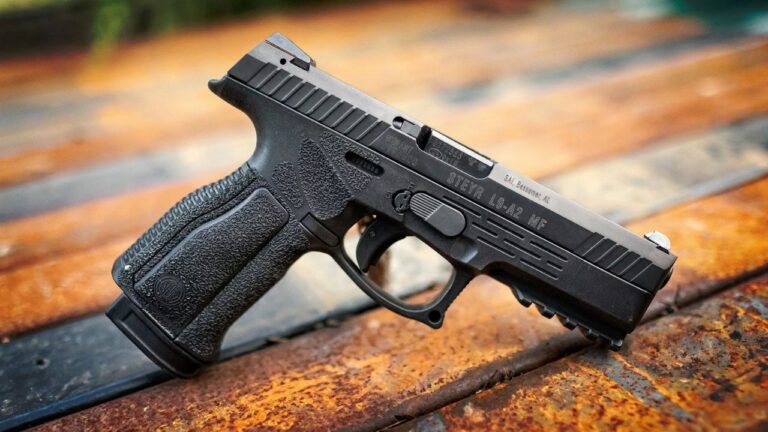
Photo credit: bammacrackshot/Youtube
Spend enough time around a training range and you start hearing the same guns brought up over and over. Not because instructors love them, but because they’ve watched them waste time, chew up confidence, or flat-out create safety headaches. And usually it isn’t the big dramatic blowups that earn a pistol a reputation. It’s the little stuff: dead triggers, goofy safeties, magazines nobody can find, sights that won’t stay put, or a recoil impulse that turns a new shooter into a flinch machine.
This isn’t a hit list of “bad guns” for the internet to argue about. A few of these can be made to run. Some even have a place in a collection. But if you’re picking a handgun for a new shooter, a class gun, a first carry piece, or something you might actually need when things go sideways in the woods or on the road, these are the ones instructors keep around as a lesson—not a suggestion.
1. Taurus PT111 Millennium G2
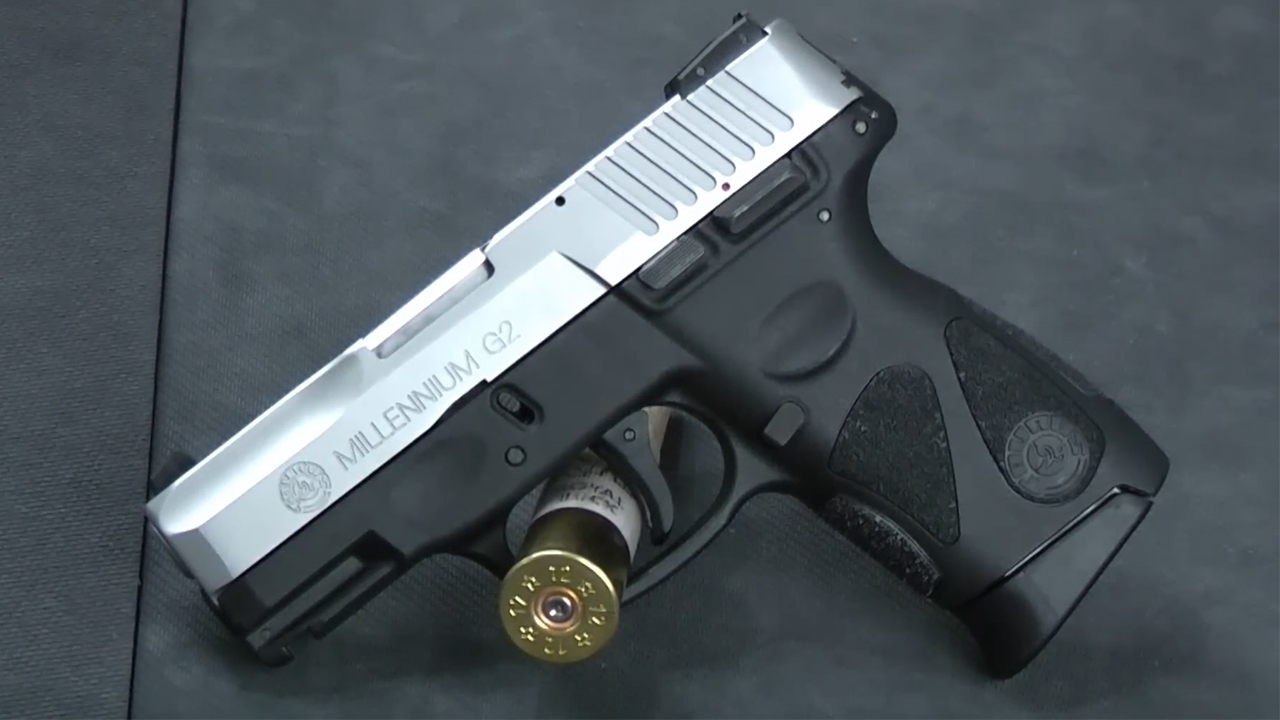
This one shows up a lot because it was affordable and everywhere for a while. On the line, the common problem isn’t just one thing—it’s inconsistency. Triggers feel different from gun to gun, and little quirks turn into big distractions when someone is trying to learn fundamentals.
Parts and magazines can be a scavenger hunt compared to the mainstream stuff. If you already own one that runs, fine. But for learning, boring reliability beats “pretty good for the money” every time.
2. SCCY CPX-2
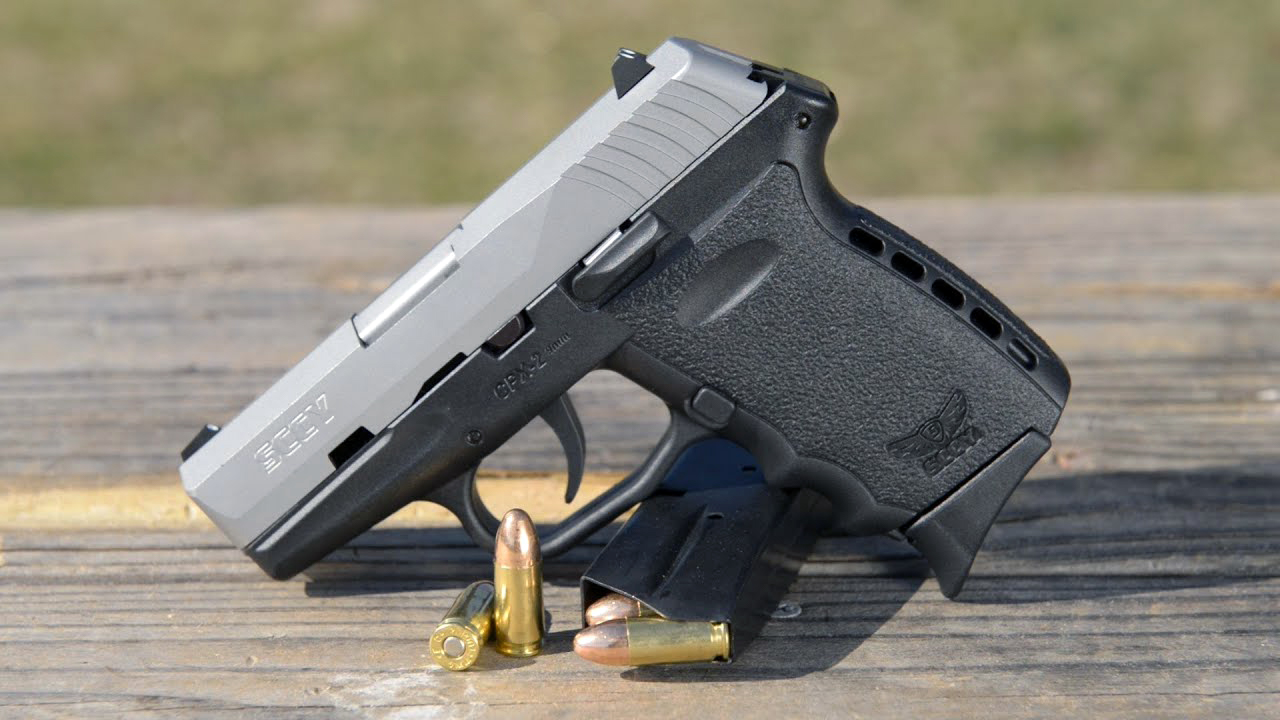
The CPX-2 is one of those pistols people buy because the price tag feels like permission. Then they bring it to class and find out a long, heavy trigger isn’t “extra safe,” it’s just hard to shoot well. That heavy pull turns simple drills into a wrestling match.
When a student is fighting the gun, they stop learning. Instructors will use it to show what a trigger can do to accuracy and speed, and why “cheap” can get expensive in ammo and frustration.
3. Hi-Point C9
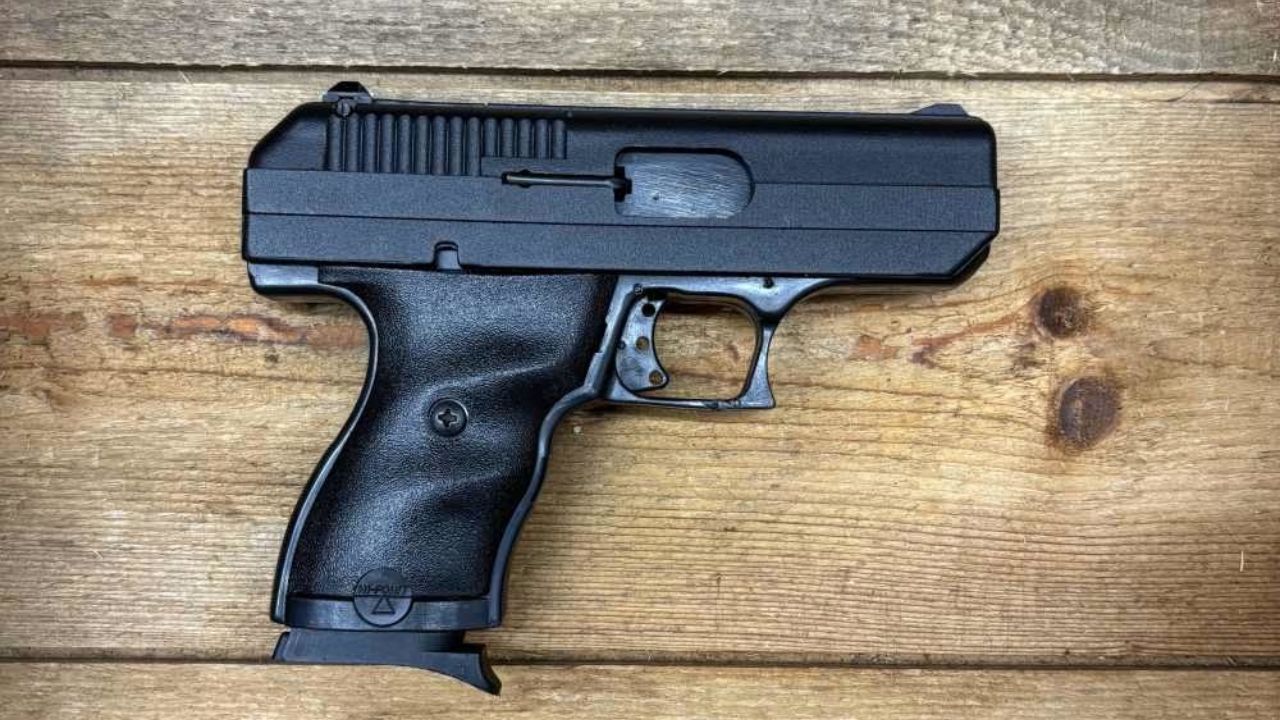
It’s the classic bargain-basement 9mm that still manages to go bang more than folks want to admit. But it’s bulky, clunky, and the ergonomics don’t help new shooters. When it chokes, the gun’s shape and controls can make clearing issues feel like fixing a lawnmower in the dark.
As a “what do you have?” pistol, it can serve a purpose. As a training baseline or a serious defensive buy, it’s used more as a talking point than a tool.
4. Kel-Tec PF-9

Skinny, light, and easy to slip into a pocket—right up until the first box of ammo. The PF-9 has a snappy recoil impulse that punishes sloppy grip and rewards nobody. I’ve seen folks develop a flinch in ten minutes with these.
Instructors bring it up as a reminder: ultra-light doesn’t mean easy. If a gun hurts to practice with, it won’t get practiced with. Ask me how I know.
5. Ruger LCP (.380 ACP, early models)

The LCP is wildly popular, and for good reason: it disappears in a pocket and it’s usually reliable. But it’s also one of the quickest ways to show a new shooter that “small” can mean “hard.” Tiny sights, tiny grip, and a trigger that takes focus.
Instructors use it as a warning against buying a micro pistol as a first handgun. It’s a specialized tool. Learn on something bigger, then come back to the pocket gun.
6. SIG Sauer P365 (first-time shooter choice)
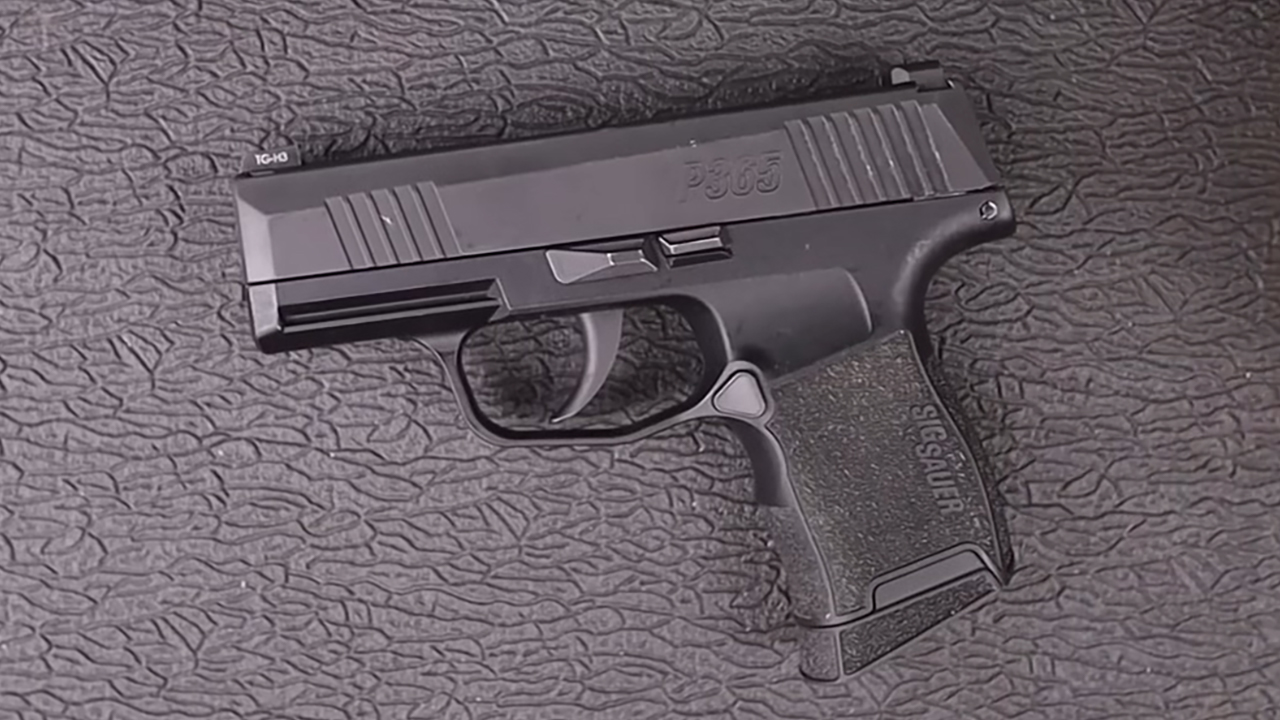
Yeah, it’s a great carry gun in the right hands. The “warning” here is the trend of brand-new shooters starting on a micro-compact because it’s the hotness. A P365 can run like a sewing machine, but it still asks for a real grip and decent recoil management.
When someone struggles, it’s not because the gun is junk. It’s because it’s small and lively. Instructors will point at it and say, “This is not where you start.”
7. Springfield Armory Hellcat (before fundamentals are solid)

Same story as other micro 9mms: impressive capacity, easy to carry, and a whole lot of gun in a small package. The downside is the speed at which it exposes weak grip and trigger control. Misses happen fast with these when someone is learning.
It’s a fine carry piece. But instructors use it to show why a compact or full-size pistol can make learning safer and less discouraging.
8. Glock 43 (as a “do-it-all” pistol)
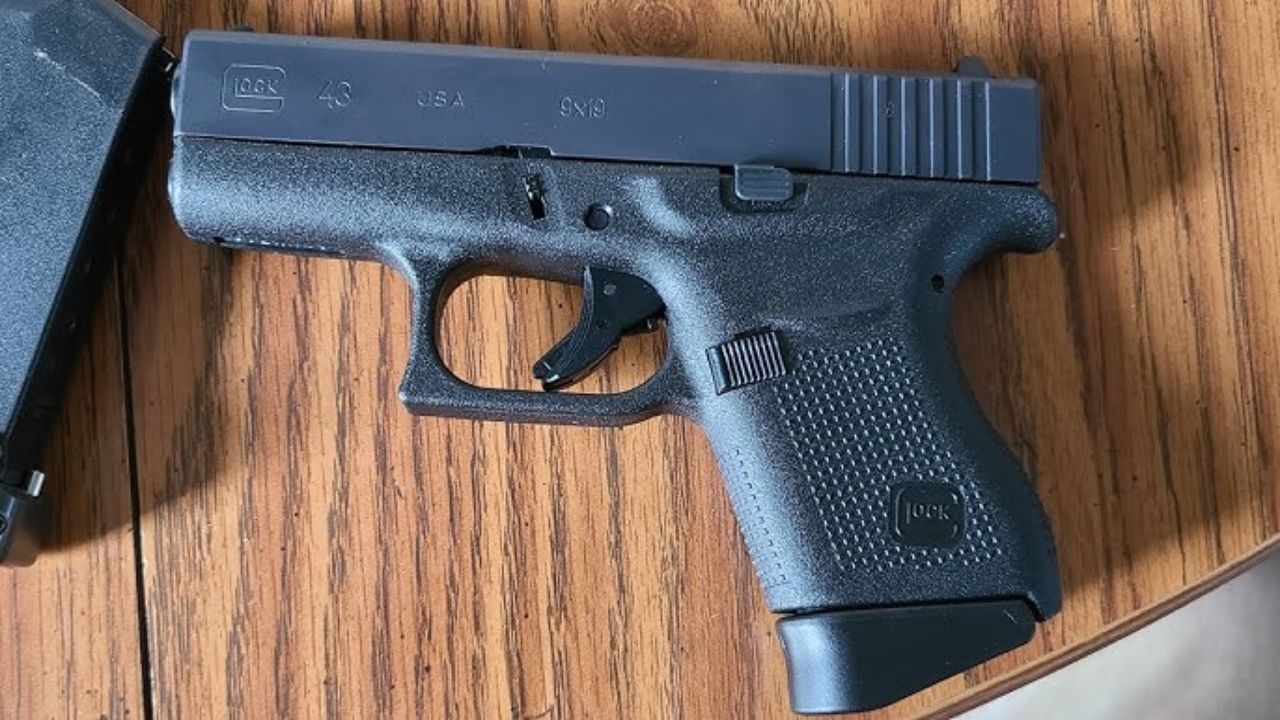
The Glock 43 isn’t a bad pistol. It’s just a common mistake. Folks buy it thinking one gun will cover home defense, range practice, and concealed carry. Then they realize it’s a thin single-stack that’s more demanding to shoot quickly than a Glock 19.
Instructors like the G43 as a “here’s what you trade away for concealment” example. If you can shoot it well, great. But it’s not the easy button many expect.
9. Glock 44 (.22 LR)
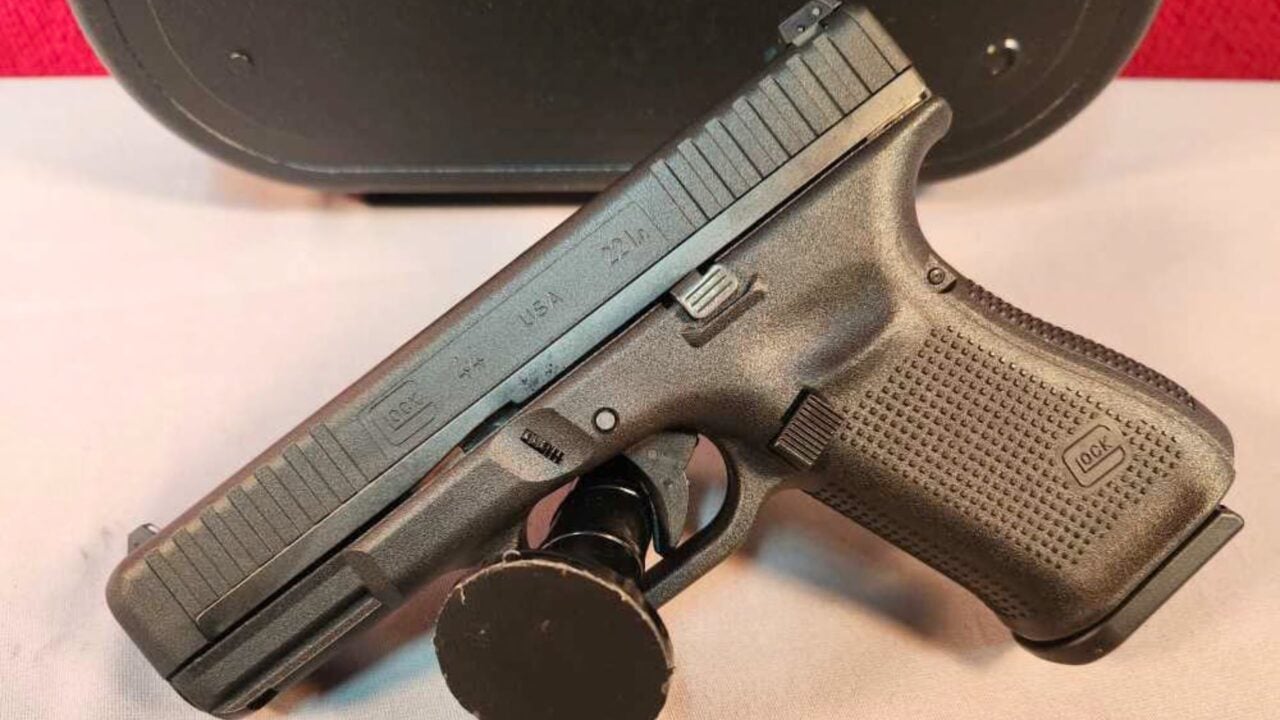
Rimfire training pistols can be fantastic, but the Glock 44 has a reputation for being picky with ammo and magazines if you don’t stay on top of it. In a class setting, that means stoppages that have nothing to do with the student’s technique.
It gets used as a reminder that .22s aren’t automatically “problem free.” For a trainer, you want something that runs on common bulk ammo without drama.
10. Walther P22

The P22 has probably sold a million “first range day” dreams. It also has a long history of being finicky and wearing faster than it should if you shoot it a lot. When it’s acting up, the learning stops and the troubleshooting starts.
Instructors keep one around to show the difference between a fun plinker and a serious training tool. If you want a .22 pistol to learn on, there are sturdier options.
11. SIG Sauer Mosquito

Another rimfire that promised “cheap practice,” and delivered a whole lot of malfunction-clearing practice instead. Some run okay with the right ammo and springs. Many don’t, especially when they get dirty.
It’s a classic warning gun: not because .22 is bad, but because reliability matters most when you’re building confidence.
12. Kimber Solo (9mm)
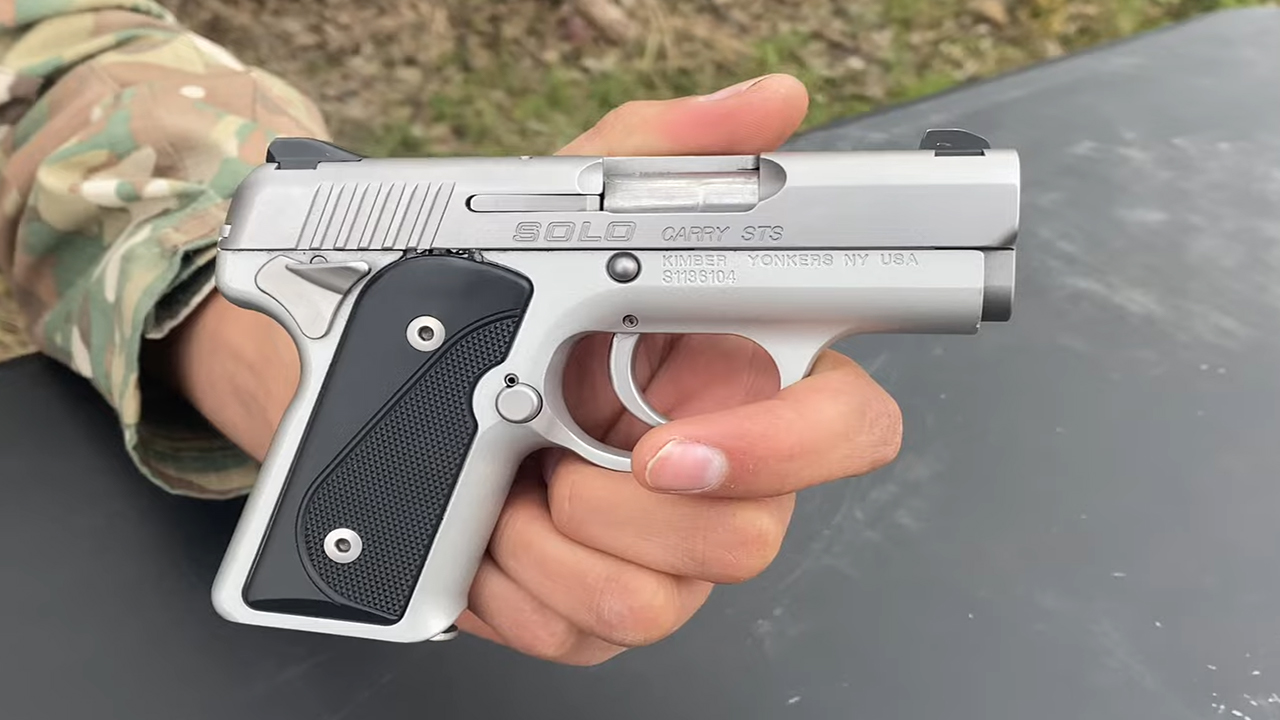
This one had a moment: slick looks, premium price, and a tiny 9mm footprint. Then reality hit—ammo sensitivity and reliability complaints that didn’t match the cost. When a gun is that picky, it’s not a defensive tool, it’s a project.
Instructors mention it when talking about “boutique carry guns.” If it only runs on specific loads, you’re already behind.
13. Remington R51 (especially early production)
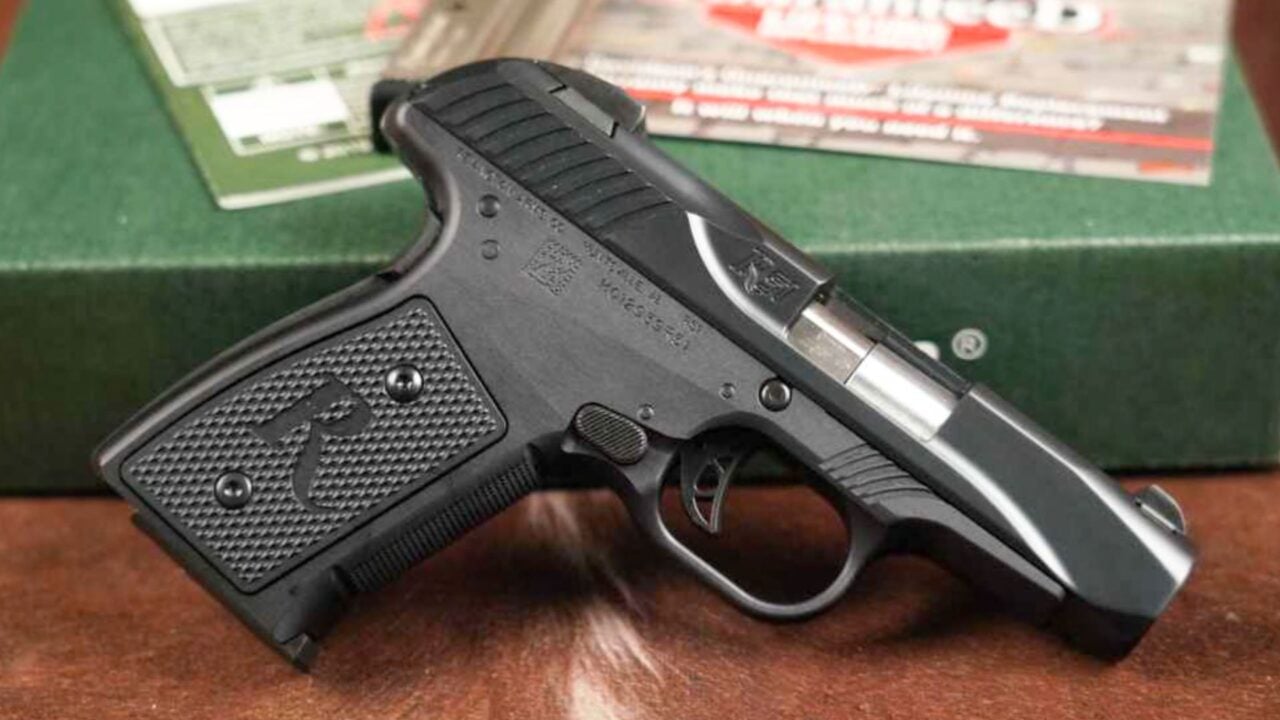
The R51 is a painful story because the design is interesting and the concept was solid. The early rollout, though, left a lot of shooters with pistols that didn’t inspire trust. When students show up with one, the instructor’s eyebrows go up for a reason.
It’s a warning about being an early adopter. New designs and first runs can be rough, and your carry gun is a bad place to beta test.
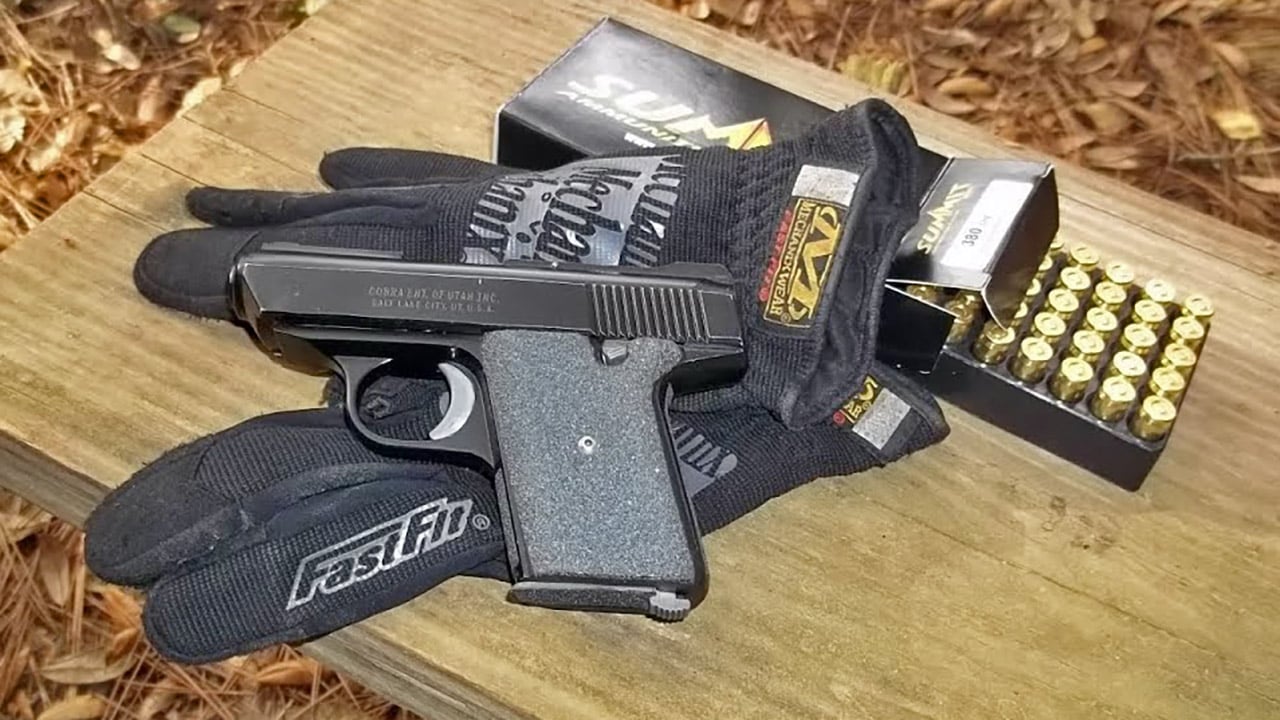
14. Cobra Firearms CA380 / “Saturday Night Special” pocket .380s
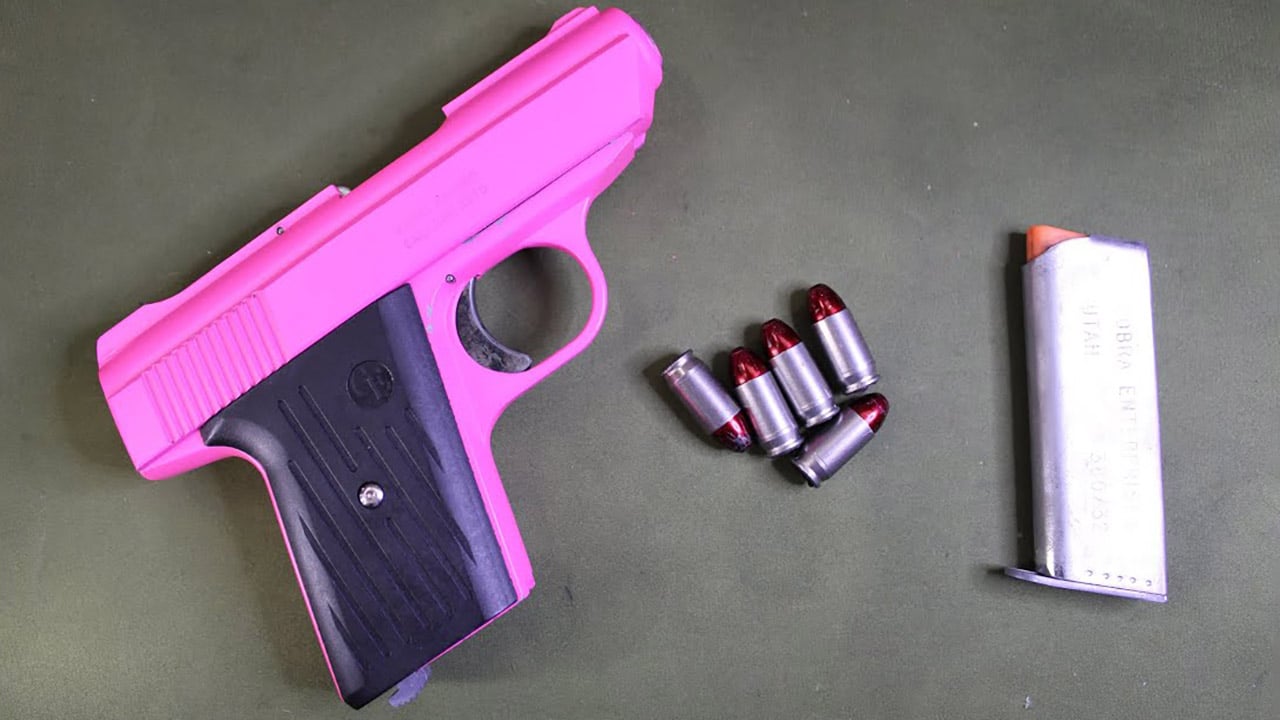
Cheap little blowback pocket pistols like the CA380 tend to be miserable to shoot and not always reliable. The controls can be odd, the sights are barely there, and the overall feel is “sharp edges and regret.” That one hurts, because buyers usually mean well—they just want something small for protection.
Instructors use them to highlight a real point: “small and cheap” is a dangerous combo. If the gun is unpleasant, practice disappears.
15. Jennings J-22
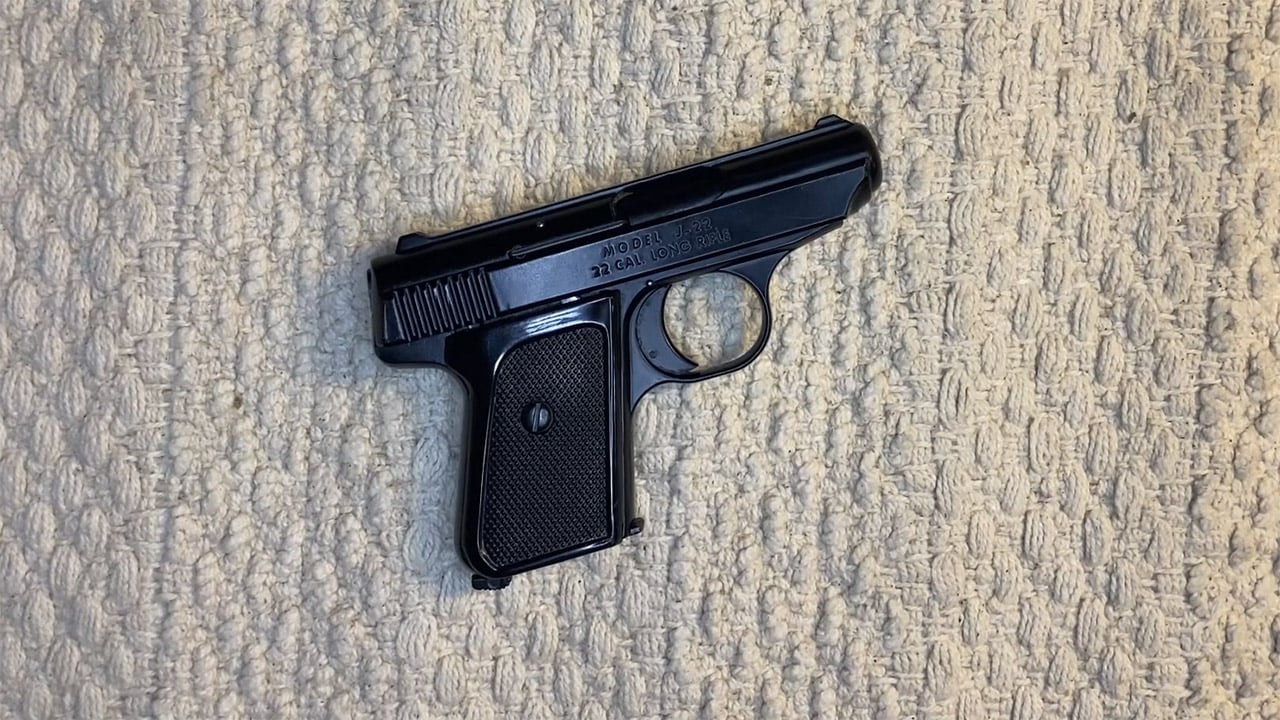
The J-22 is the kind of gun that shows up in a sock drawer or gets handed down with a box of mixed .22 ammo. It’s also the kind of gun that turns a range session into a malfunction clinic. Feeding and extraction issues are common enough that it becomes a running joke.
As a warning prop, it’s useful. As a trusted firearm for anything serious, it’s hard to justify.
16. Raven Arms MP-25
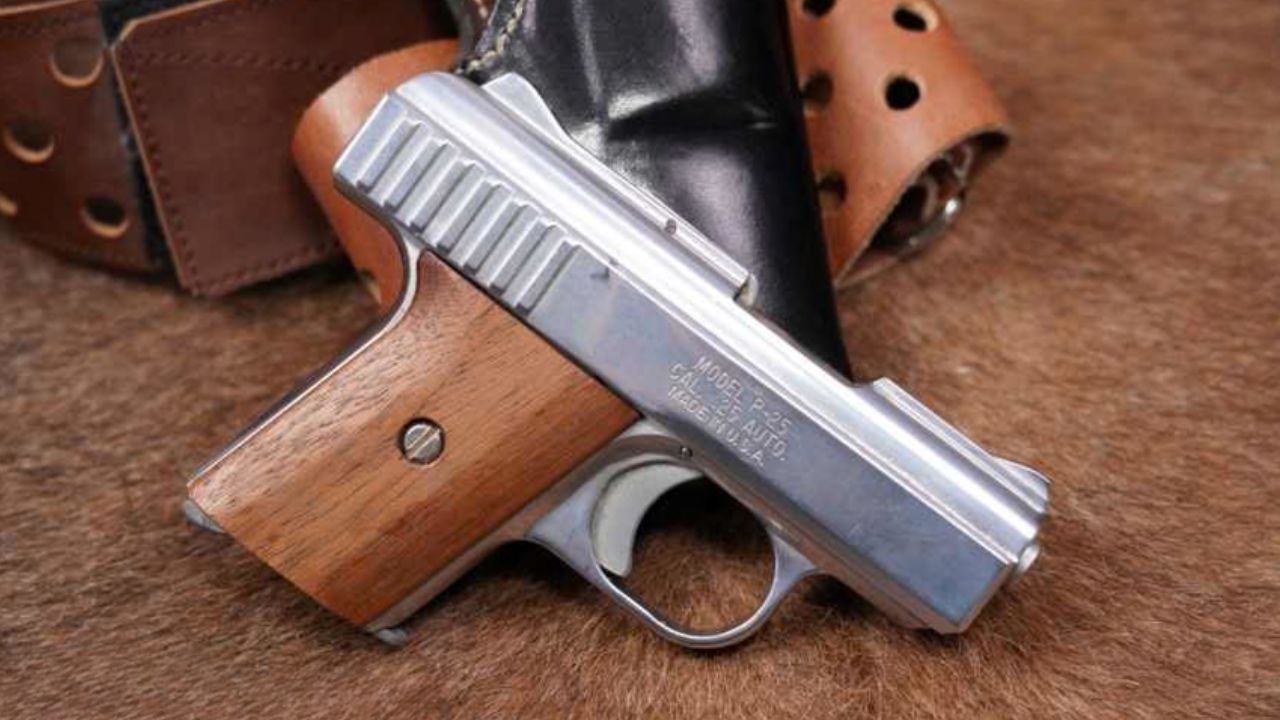
The MP-25 is another “cheap pocket pistol” that instructors bring up when the topic is false confidence. The .25 ACP isn’t the point here; the point is build quality, sighting, and how these tiny guns can be unreliable and hard to run under stress.
In a class environment, they also tend to be unsafe distractions because students fiddle with them more. Small controls plus confusion is not a good mix.
17. Davis Industries P-32
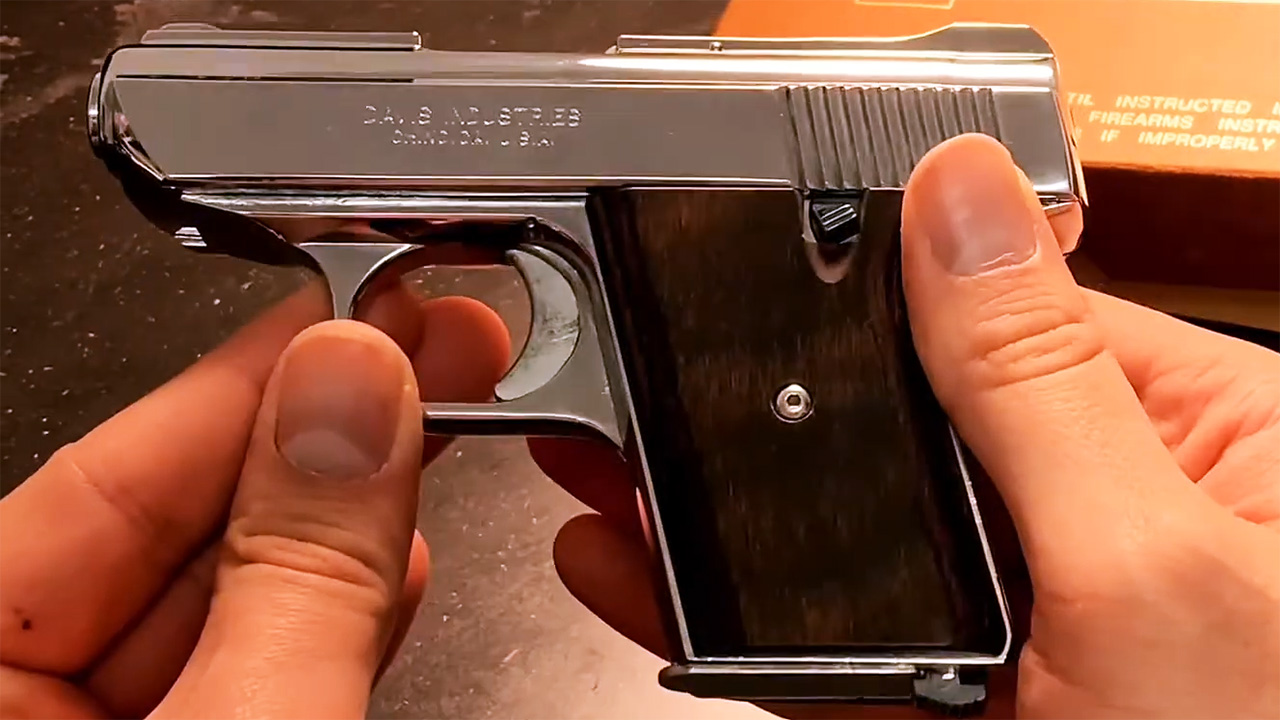
You don’t see these every day anymore, but they still show up. The problems are familiar: questionable durability, sketchy magazines, and a general lack of support. When something breaks, you’re not hopping online and finding ten parts vendors and three local armorers.
Instructors mention guns like this when they talk about “support ecosystems.” A carry gun isn’t just a gun; it’s mags, holsters, sights, and parts.
18. Charter Arms Pitbull (9mm/.40 with no moon clips)

The Pitbull is clever. It’s a revolver that grabs rimless cartridges without moon clips. The warning is that “clever” often comes with tradeoffs. Extraction can be stubborn depending on ammo, and the whole system is another thing to explain and test.
Instructors will use it when students insist a revolver is “simpler.” Revolvers can be great, but oddball revolvers aren’t always simple.
19. North American Arms Mini Revolver (.22 LR/.22 Mag)

These tiny minis are neat, well-made for what they are, and they basically disappear in a pocket. They’re also slow to reload, hard to grip, and tough to shoot accurately beyond “across the truck cab.” Instructors keep them in the conversation to kill the myth that any gun is better than no gun without considering use.
They’re a deep-concealment niche. If it’s your only option, okay. If it’s your plan, that plan needs work.
20. Beretta 21A Bobcat (.22 LR) as a serious defensive choice
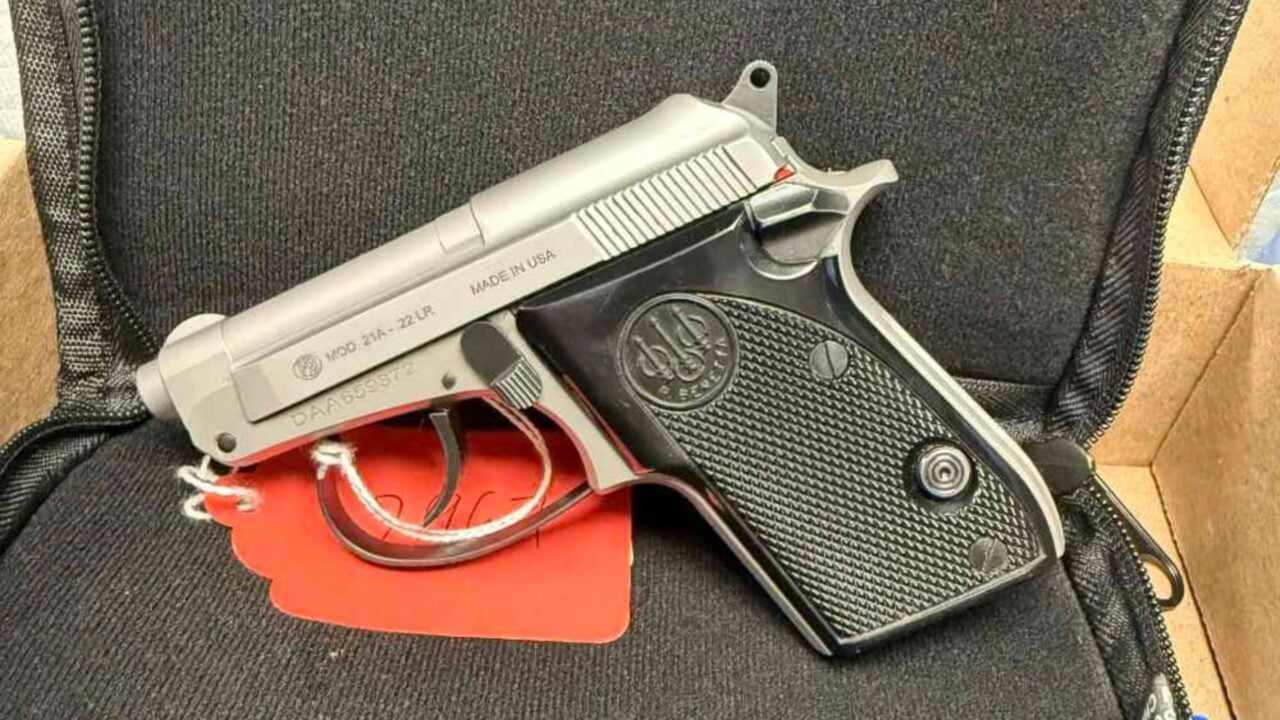
The tip-up barrel is handy and the gun has a lot of charm. But small .22 pistols can be ammo-sensitive, and rimfire ignition is not what most folks want to bet their life on. Instructors use the Bobcat as the polite way to say, “Cute isn’t a strategy.”
As a kit gun or a trail plinker, it’s fun. As a primary defensive pistol, it’s usually a compromise made for the wrong reasons.
If you noticed a theme, it’s this: instructors aren’t allergic to budget guns or small guns. They’re allergic to wasted class time and shaky confidence. The best “starter” pistol is the one that runs, has magazines you can actually buy, fits a real holster, and lets you focus on sights and trigger instead of gremlins. If you already own one of the warnings and it’s been dependable, keep it maintained and keep it honest. But if you’re shopping fresh, learn from the guns that trainers keep around for the lesson.
Like The Avid Outdoorsman’s content? Subscribe to our newsletter so you never miss an article.
Here’s more from us: