Photo credit: GunGuyTX/Youtube
Some discontinued handguns are better left in the past. Others disappeared because the market changed, companies shifted direction, or newer designs stole the spotlight before the older gun had really run its course.
A few of those pistols and revolvers would make a surprising amount of sense today. Slim metal-framed carry guns, compact DA/SA pistols, simple service handguns, and practical revolvers still have plenty of appeal. These 20 handguns deserve another shot, especially if manufacturers were willing to update the sights, finishes, and optics compatibility without ruining what made the originals interesting.
SIG Sauer P239
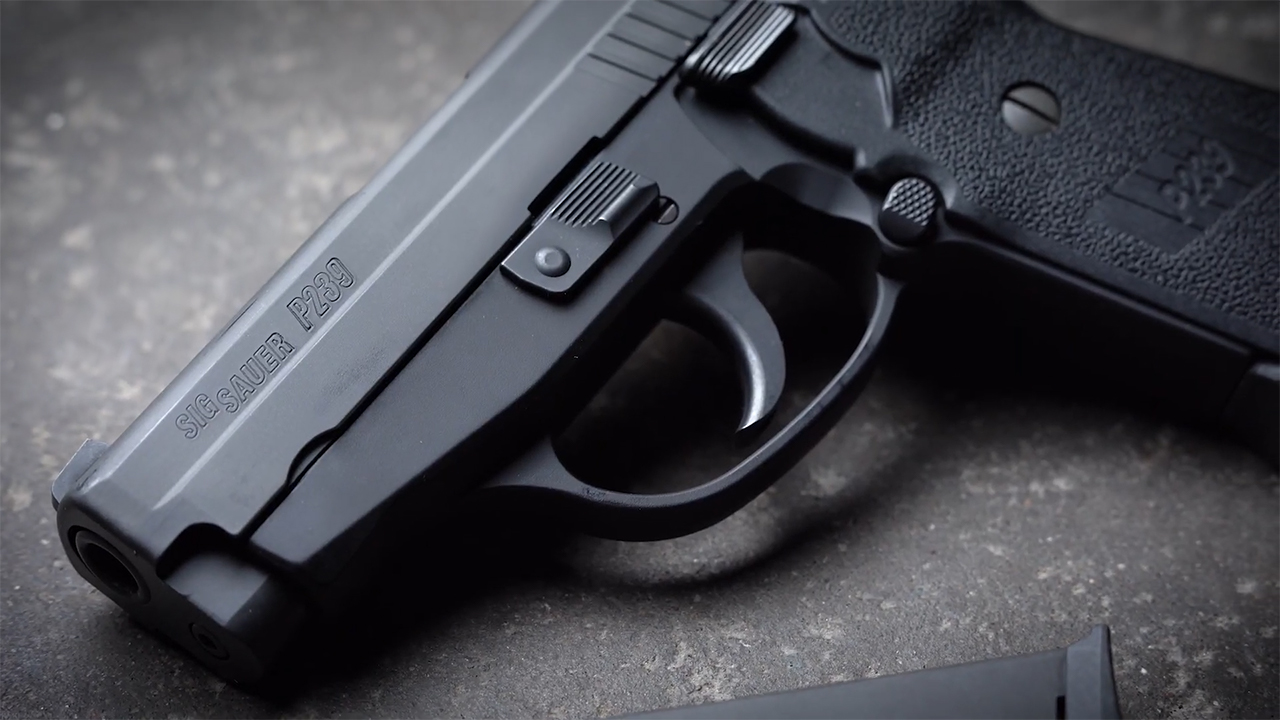
The P239 was one of the cleanest compact SIG designs ever made. It gave shooters classic DA/SA operation, a slim metal frame, and excellent balance in a package that was much easier to carry than a P229.
Its single-stack capacity eventually worked against it, but today’s market has room again for slim premium carry pistols. A modernized P239 with an optics cut, updated sights, and slightly revised magazines could be extremely appealing to shooters who want something more refined than another polymer micro-compact.
Smith & Wesson Model 3913
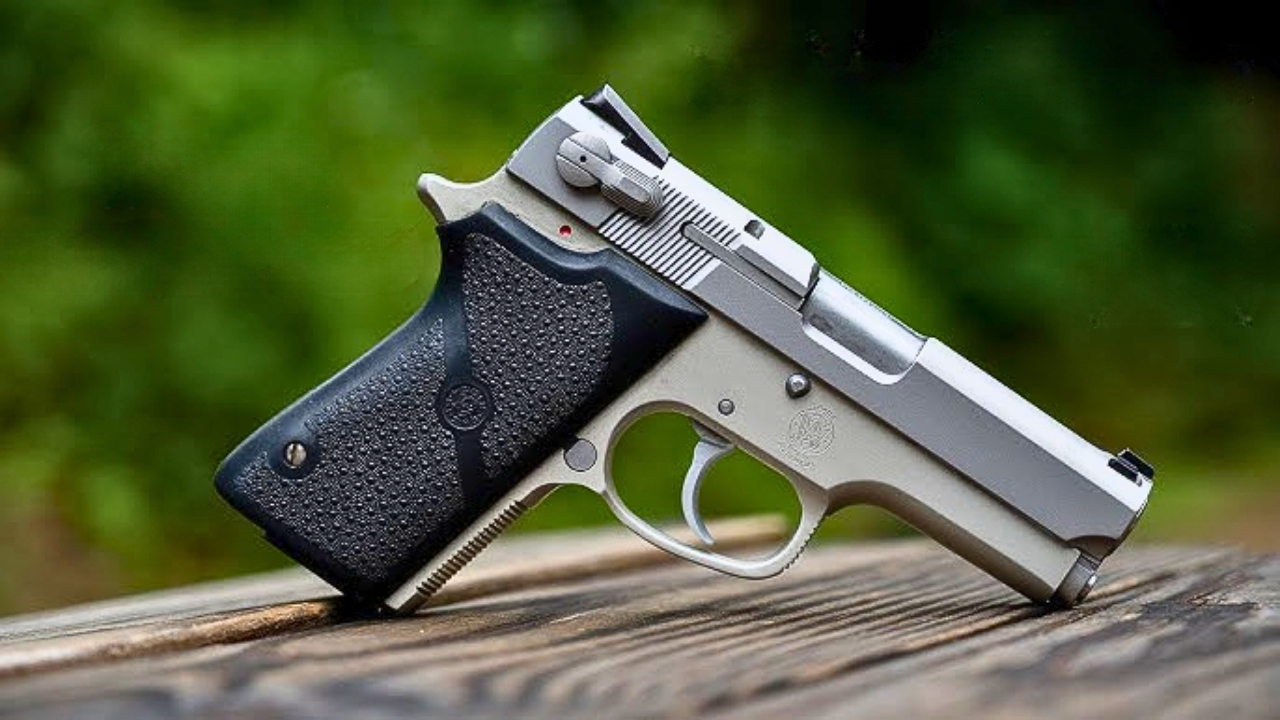
The 3913 deserves a comeback because it was doing the slim metal carry-pistol thing decades before it became fashionable. Its alloy frame, compact dimensions, and traditional double-action system made it an excellent defensive handgun.
A modern version could easily work today. Give it better sights, a rail-free clean profile, and maybe an updated magazine design without making it bulky. There are plenty of shooters who still want a slim metal pistol without moving into expensive custom territory.
Walther P99

The P99 was one of the most interesting striker-fired pistols ever made because it offered multiple trigger modes and even a decocker. It felt genuinely different instead of simply copying the same basic formula everyone else uses.
Walther’s newer pistols are excellent, but the P99 still has personality that the current market lacks. An optics-ready updated version with the original trigger concept intact would stand out immediately in a sea of increasingly similar striker-fired guns.
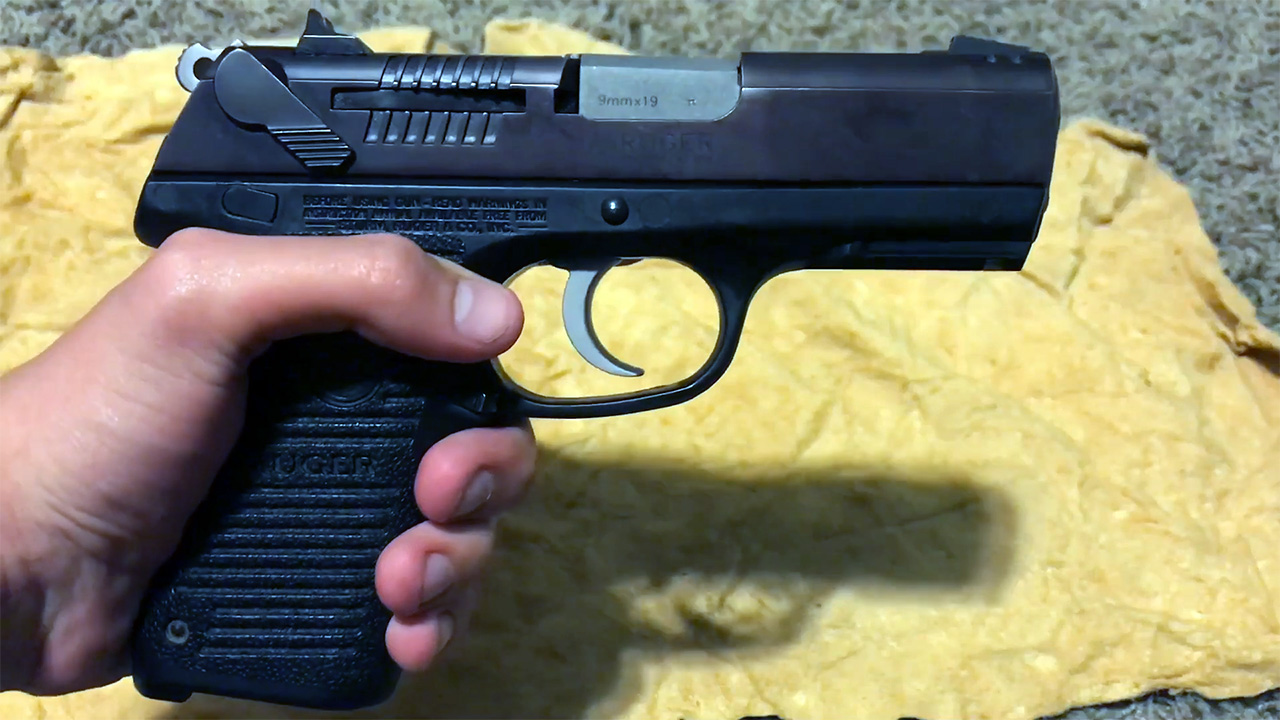
Ruger P95

The P95 was chunky, plain, and almost impossible to make glamorous. That was also part of what made it appealing. It was affordable, tough, and designed to keep running without much drama.
A modern P-series pistol built around the same philosophy could be a great value option. Ruger could keep the price low, use a hammer-fired action, and focus on durability instead of chasing every current trend. Not every new handgun needs to be a thin optics-ready micro-9.
CZ 83
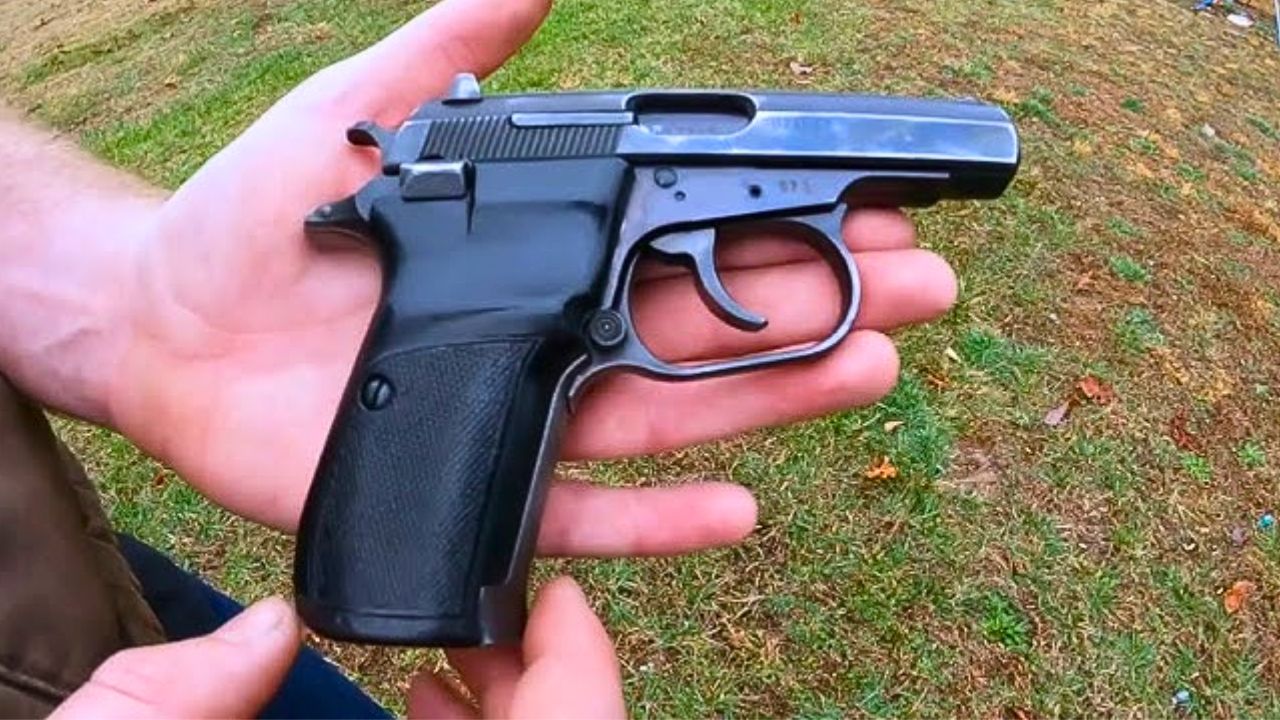
The CZ 83 was a wonderfully shootable compact pistol because its steel frame and comfortable grip made .380 ACP extremely mild. It felt much more substantial than most pocket-size .380s.
A modern version could fill a niche between tiny carry pistols and larger service guns. Better sights, modern corrosion resistance, and perhaps a slightly lighter frame would make it highly appealing to recoil-sensitive shooters who still want a serious-feeling handgun.
Beretta 8000 Cougar
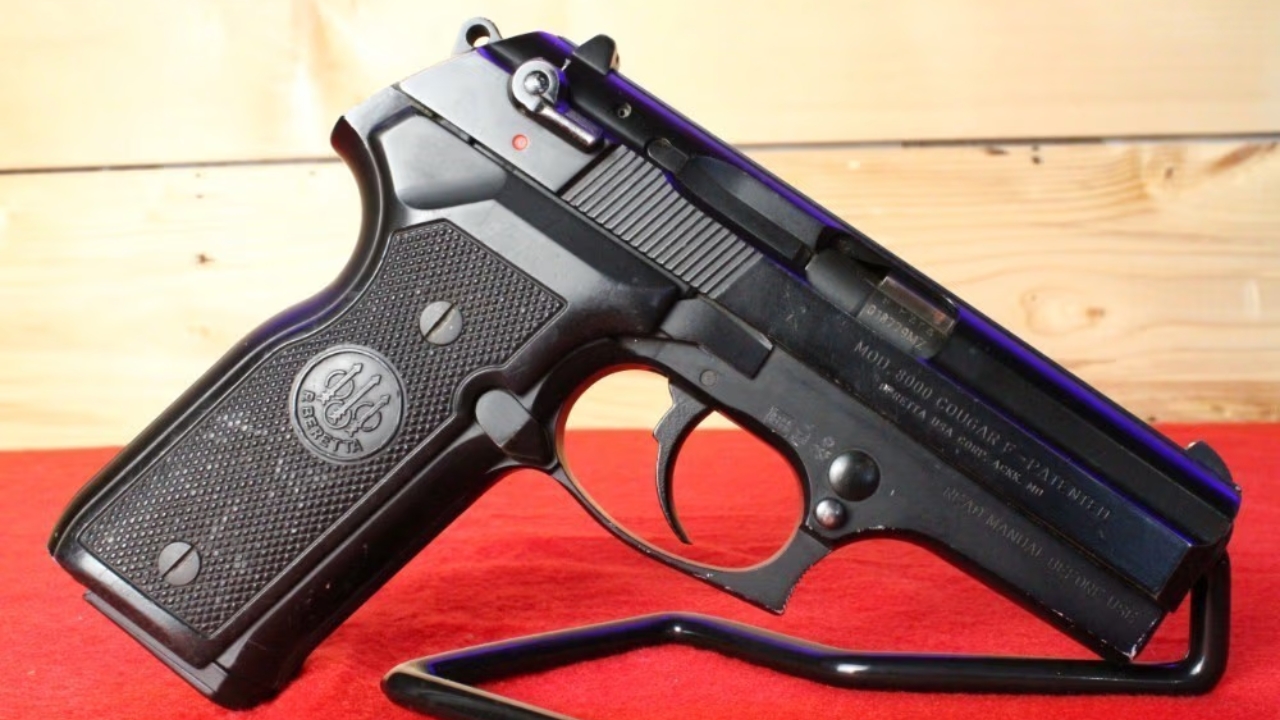
The Cougar’s rotating-barrel system gave it a smooth recoil impulse long before the PX4 made that system more familiar. It also had compact dimensions and classic Beretta controls.
A redesigned Cougar with an aluminum frame, modern sights, and optics capability could be an excellent alternative to today’s striker-fired compact pistols. The market could use another well-made hammer gun that does not simply copy the 92.
Smith & Wesson Model 5906
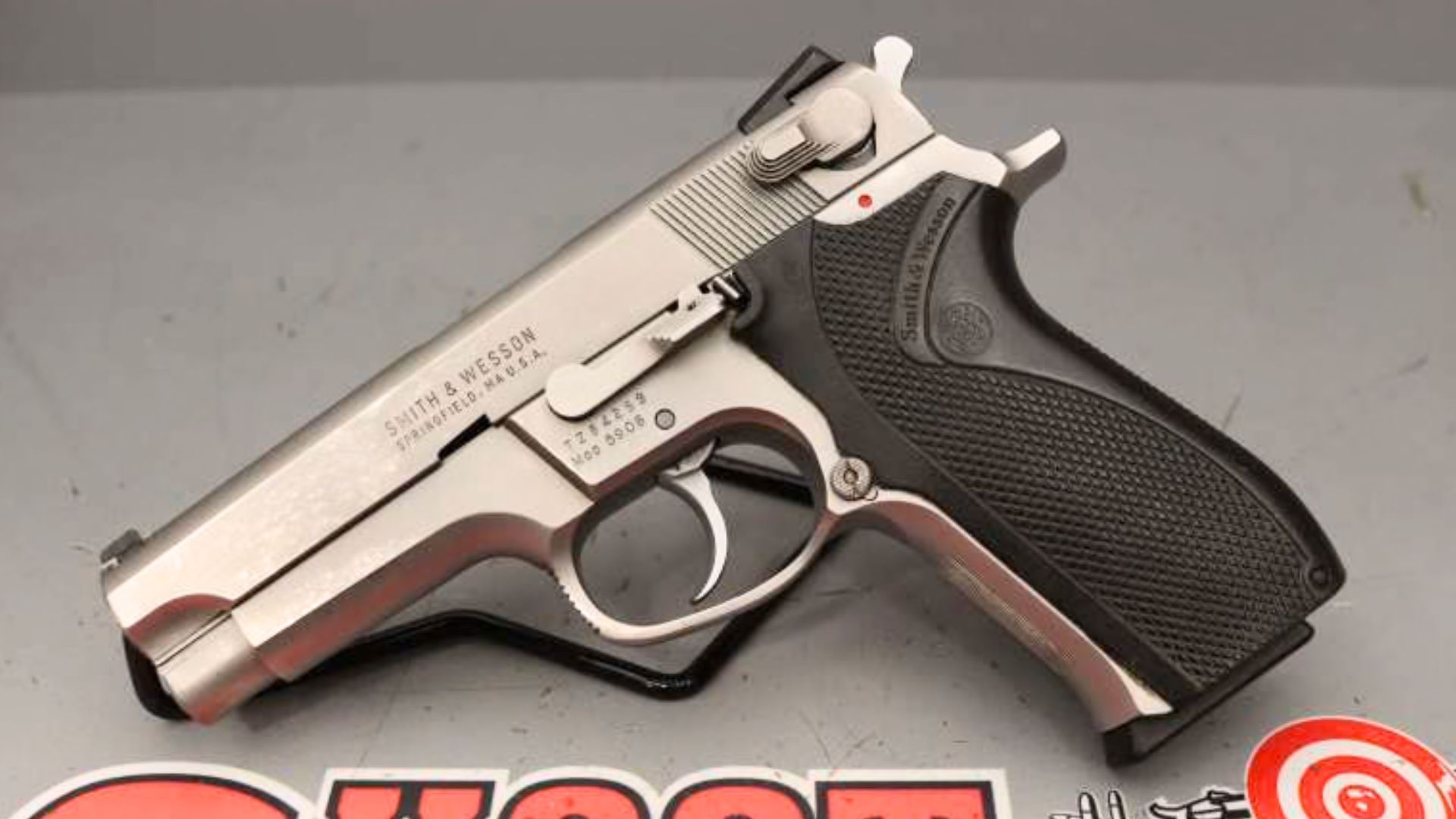
The 5906 represents an era when service pistols were heavy, stainless, and built to last forever. It may be too heavy for modern duty carry, but that same weight makes it extremely pleasant to shoot.
A modernized version could lean into that strength. Keep the stainless frame, improve the trigger, add better sights, and market it as a premium range and home-defense pistol. Not every full-size handgun needs to save ounces.
Free for gun owners: If something happened to you tomorrow, would your family know where the guns are, who has the safe combination, or what to do first? Our free Gun Owner’s Family Checklist walks them through it. It takes about 15 minutes to fill out. Get your free copy here.
Daewoo DP51

The DP51’s unusual Fast Action trigger system gave it a personality all its own. It combined elements of traditional double action and cocked carry in a way that was mechanically clever and genuinely useful.
A modern return with improved magazines, current sights, and better parts support could make the design relevant again. Shooters constantly complain that new pistols all feel alike, and the DP51 definitely never had that problem.
Colt Double Eagle

The Double Eagle was Colt’s attempt to modernize the 1911 concept with double-action operation. It never became the success Colt hoped for, but the basic idea is more interesting now than it was then.
An updated version could use better ergonomics, cleaner controls, and modern manufacturing while keeping the metal-frame DA/SA concept. Colt has plenty of heritage guns. A refined Double Eagle revival would give the company something genuinely different.
Star BM
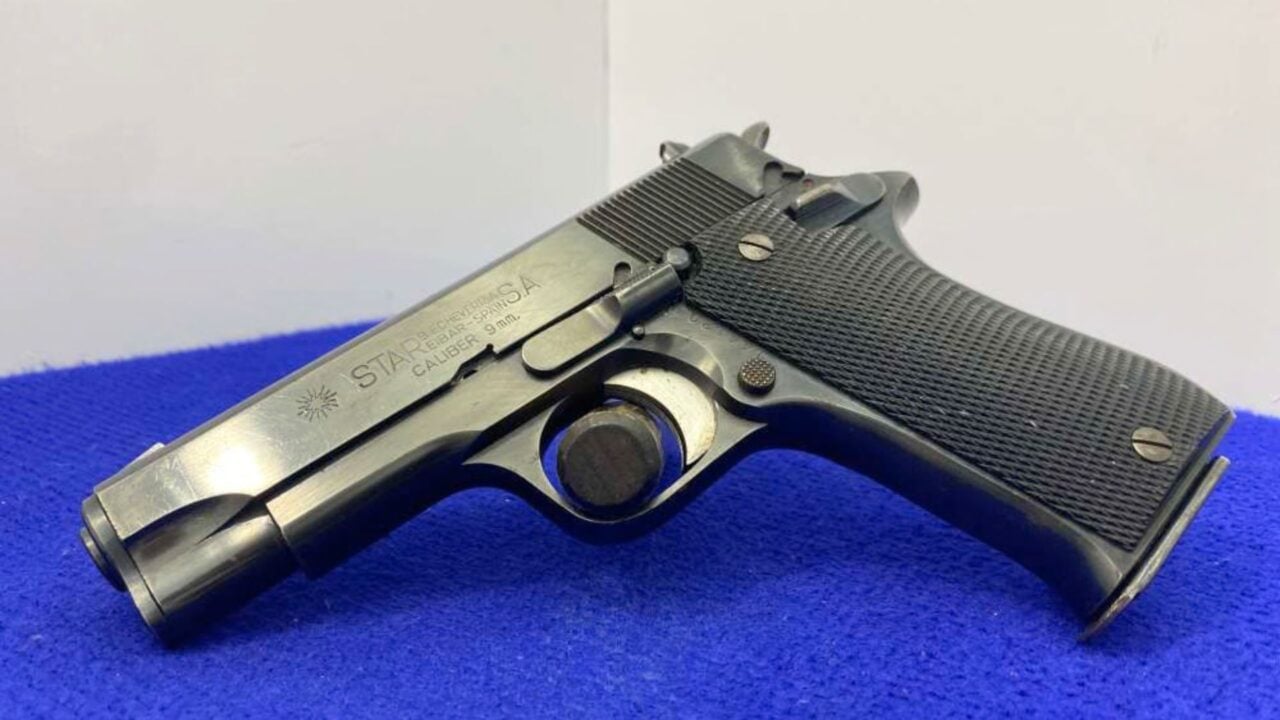
The Star BM was a compact steel 9mm with a simple single-action trigger and excellent proportions. It became popular again years later when surplus examples appeared at attractive prices.
That renewed interest showed there is still demand for small metal pistols that shoot larger than they feel. A new production version with modern metallurgy, better sights, and updated safety features could be a fantastic compact range and carry gun.
Astra A-75

The A-75 was compact, solid, and far better than its relative obscurity suggests. Depending on the version, buyers got either steel or alloy construction and traditional hammer-fired operation.
A modern A-75 could fit neatly into today’s renewed interest in metal-frame carry pistols. Keep the basic proportions, clean up the trigger, and give it better support. It would offer something very different from the endless parade of polymer compacts.
Browning BDM

The BDM was unusually thin for a full-size double-stack 9mm, especially for its era. It also had a distinctive operating system that let shooters choose between trigger modes.
The gun never found a large audience, but its slimness would actually make more sense today. A redesigned BDM with simplified controls and modern sights could compete surprisingly well against current metal-frame service pistols.
HK P7
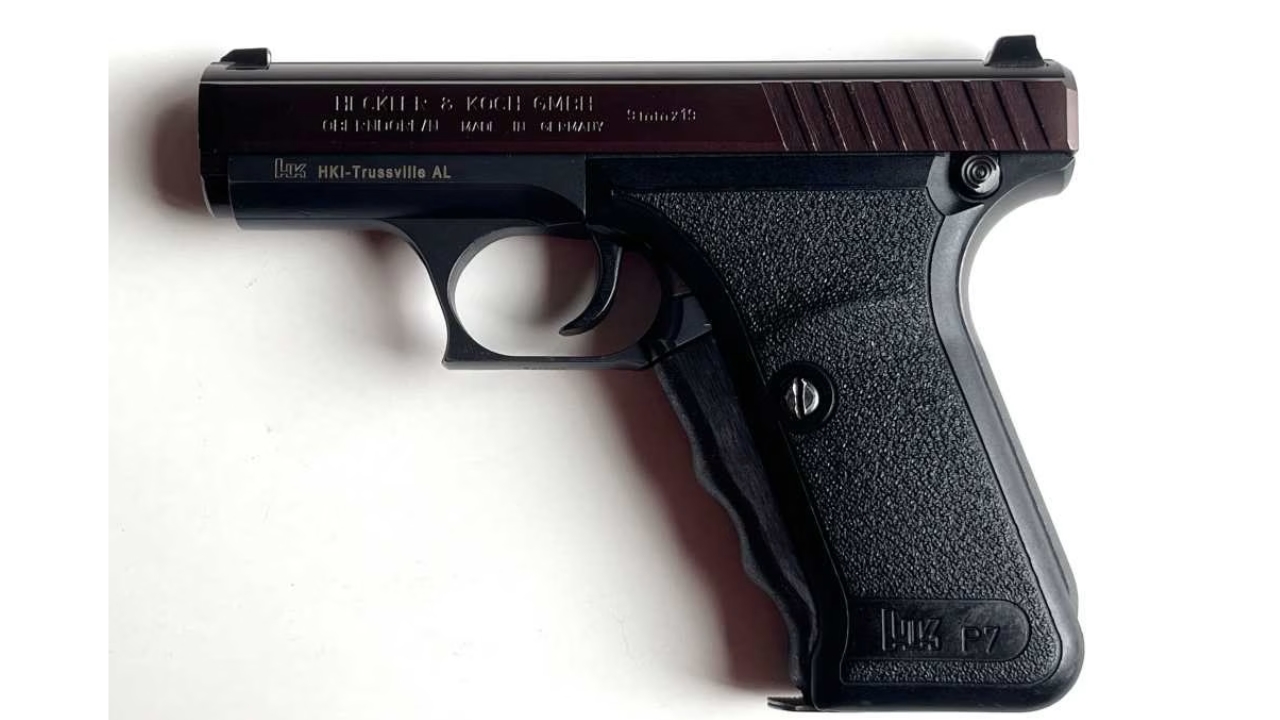
The P7 remains one of the most mechanically distinctive defensive pistols ever produced. Its squeeze-cocking system, low bore axis, fixed barrel, and compact dimensions gave it an incredibly unique feel.
Production cost is the obvious reason a comeback would be difficult, but the market now supports expensive niche pistols in a way it did not decades ago. A properly executed modern P7 would immediately attract collectors and shooters tired of conventional designs.
Smith & Wesson Model 39

The Model 39 was one of the most important American 9mm pistols ever made, and its slim aluminum frame still feels surprisingly modern.
A revived Model 39 could be positioned as a classy single-stack carry pistol with traditional double-action operation. Modern sights, improved magazines, and better finishes would make it a compelling option for shooters who want something slim without going polymer.
Ruger Speed-Six
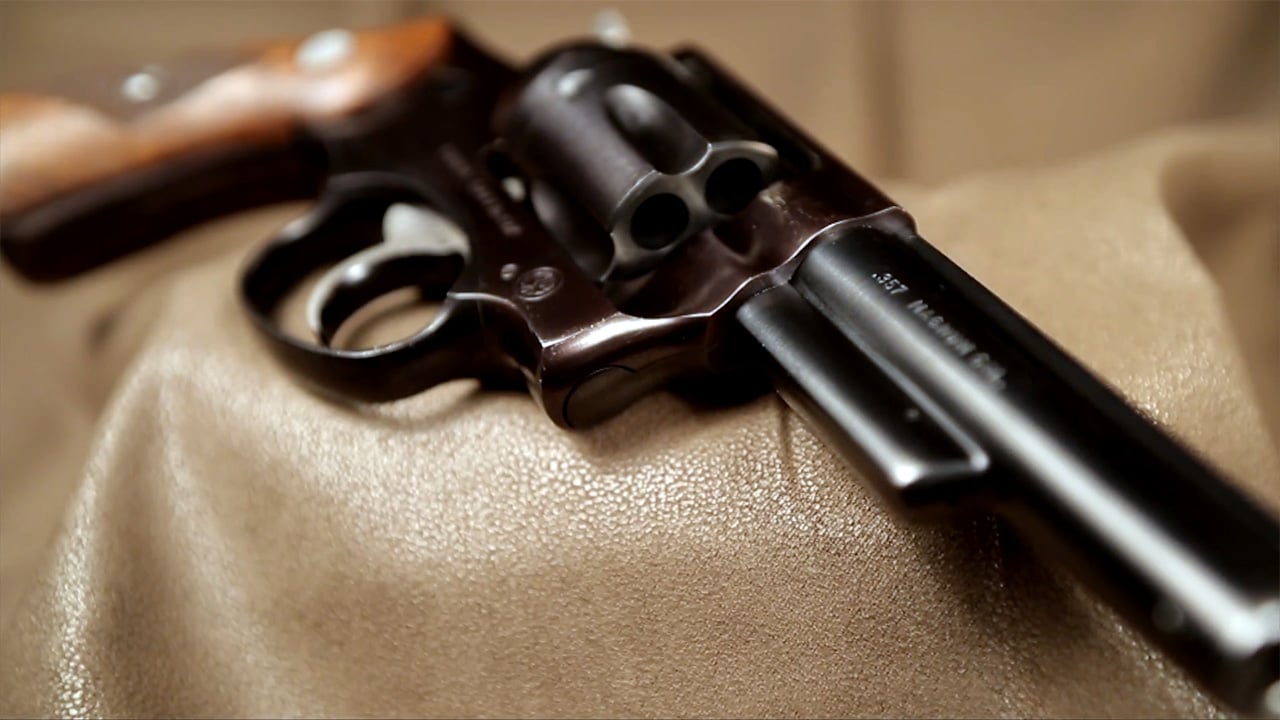
The Speed-Six was one of Ruger’s best compact service revolvers. It had fixed sights, straightforward construction, and enough strength to handle serious .357 Magnum use.
A new version would make a lot of sense today. Ruger could slot it between the SP101 and GP100, giving shooters a medium-frame six-shot revolver that is easier to carry than the GP100 but more substantial than the SP101.
Colt Detective Special

The Detective Special offered six rounds in a compact revolver at a time when most small-frame competitors held five. That alone made it special.
A modern version with updated metallurgy, better sights, and a carefully tuned action would have immediate appeal. Colt has already shown that shooters still care about classic revolver names. Bringing back the Detective Special properly would be an easy way to add something genuinely useful to the lineup.
Smith & Wesson Model 547
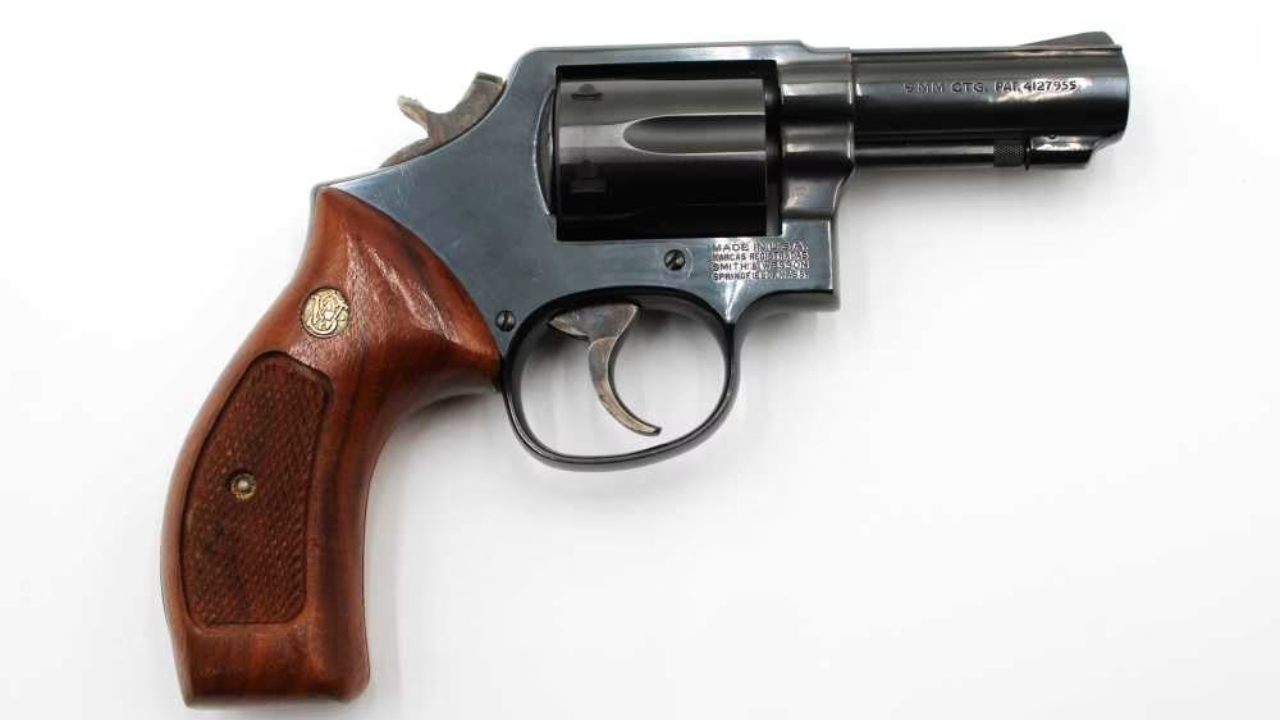
The Model 547 was a 9mm revolver that did not require moon clips, which made it one of the more mechanically interesting revolvers Smith & Wesson ever produced.
That concept deserves another look. 9mm is cheaper and easier to find than most revolver cartridges, and plenty of shooters already stock it in quantity. A modern fixed-sight K-frame 9mm without mandatory moon clips could be a fantastic range and defensive revolver.
Beretta 84 Cheetah

Beretta brought the Cheetah concept back in modern form, but the older 84 deserves credit for what made the idea work in the first place. The compact metal frame, double-stack .380 magazine, and traditional controls gave it much more substance than a typical pocket gun.
A true retro-style revival with cleaner lines and classic proportions would appeal to shooters who prefer the original aesthetic. There is room for both modernized and traditional versions, especially as metal-frame pistols regain popularity.
FN FNP-45
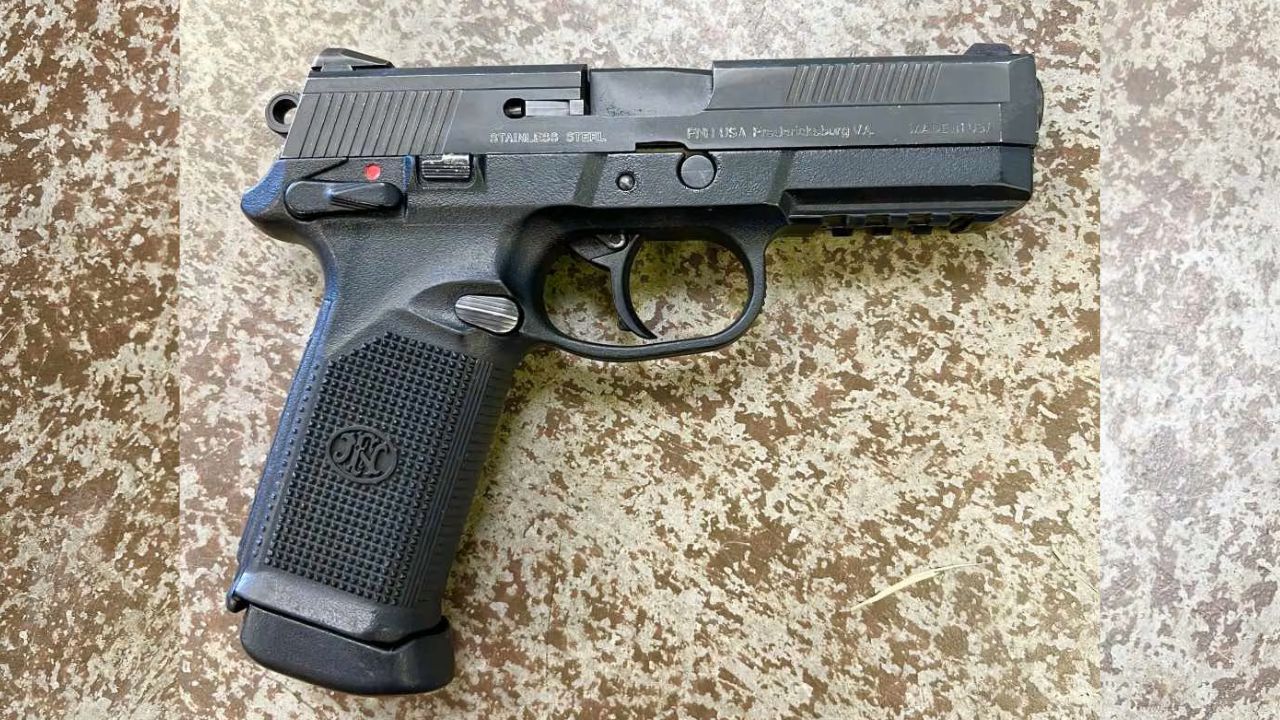
The FNP-45 was big, heavy, and unapologetically built around high-capacity .45 ACP. It was eventually overshadowed by the FNX line, but the basic concept still has appeal.
A streamlined new version could keep the large-capacity .45 format while improving grip dimensions and optics support. Shooters looking for something different from another 9mm service pistol would have a legitimate reason to pay attention.
Smith & Wesson Model 13
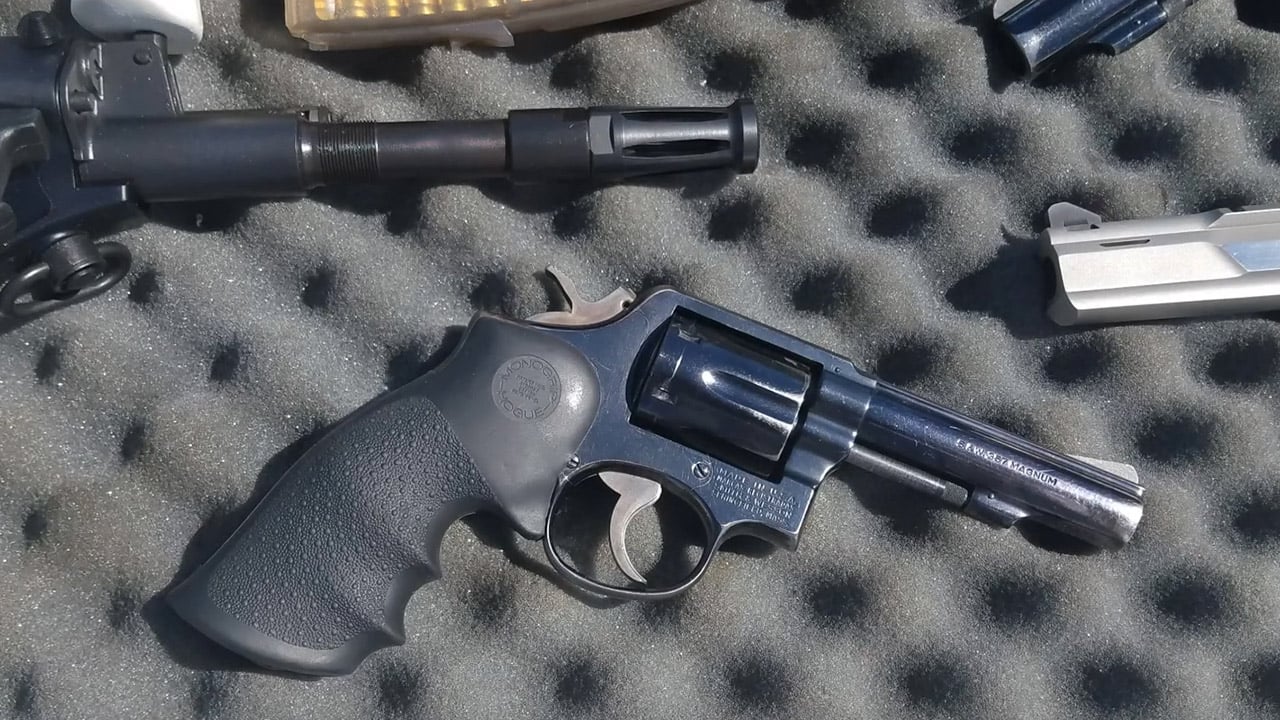
The Model 13 was one of the cleanest fixed-sight .357 Magnum revolvers Smith & Wesson ever produced. Its K-frame dimensions made it much easier to carry than an N-frame while still giving shooters six rounds of serious revolver ammunition.
A modern version could be extremely popular if Smith & Wesson kept it simple. Fixed sights, a 3- or 4-inch barrel, good grips, and no unnecessary extras would be enough. It is exactly the kind of straightforward fighting revolver that is surprisingly hard to find today.
Like The Avid Outdoorsman’s content? Subscribe to our newsletter so you never miss an article.
Here’s more from us: