Photo credit: NRApubs/Youtube
Most of us grew up thinking a shotgun had one job: birds over dogs, maybe a quick rabbit hunt, and that was it. Then you get older, budgets get tighter, seasons stack up, and suddenly the gun you grab the most is the one that can pivot from clays to coyotes to a wet morning in the timber without being precious about it.
Versatility isn’t just swapping chokes. It’s how a gun carries when you’re layered up, how it points when a rooster blows out of a ditch, how it runs when it’s dirty, and whether you can actually find a barrel, spring, or magazine when something breaks. Here are 20 shotguns that do more jobs than most hunters give them credit for.
1. Remington 870 Express
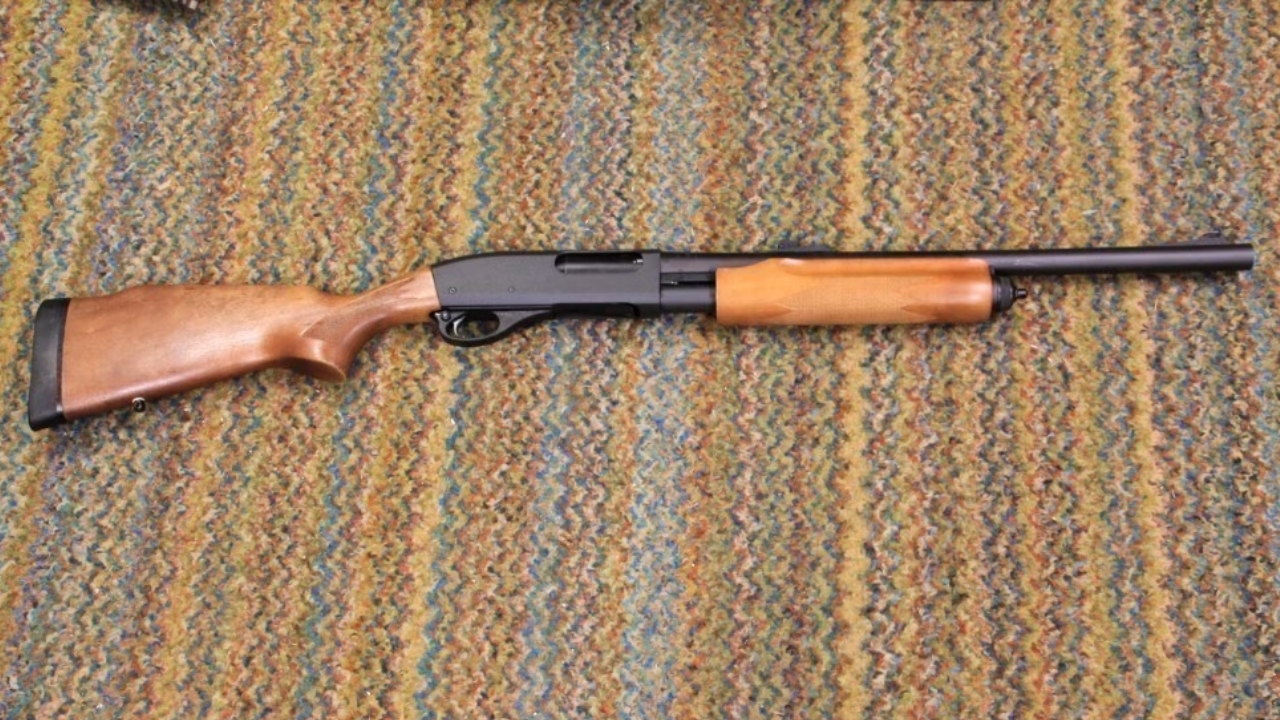
The 870 is so common it’s almost invisible, which is exactly why it ends up being the “do everything” gun in a lot of safes. Slug barrel for deer, vent rib for birds, short barrel for the house—parts and barrels are everywhere, and you can set one up without turning it into a science project.
Yes, some of the later Express guns could be rough in the chamber and finish compared to older Wingmasters. Still, a basic pump that feeds and extracts when it’s cold and wet is hard to beat. If you can only own one shotgun and you aren’t trying to impress anyone, this is a realistic answer.
2. Mossberg 500
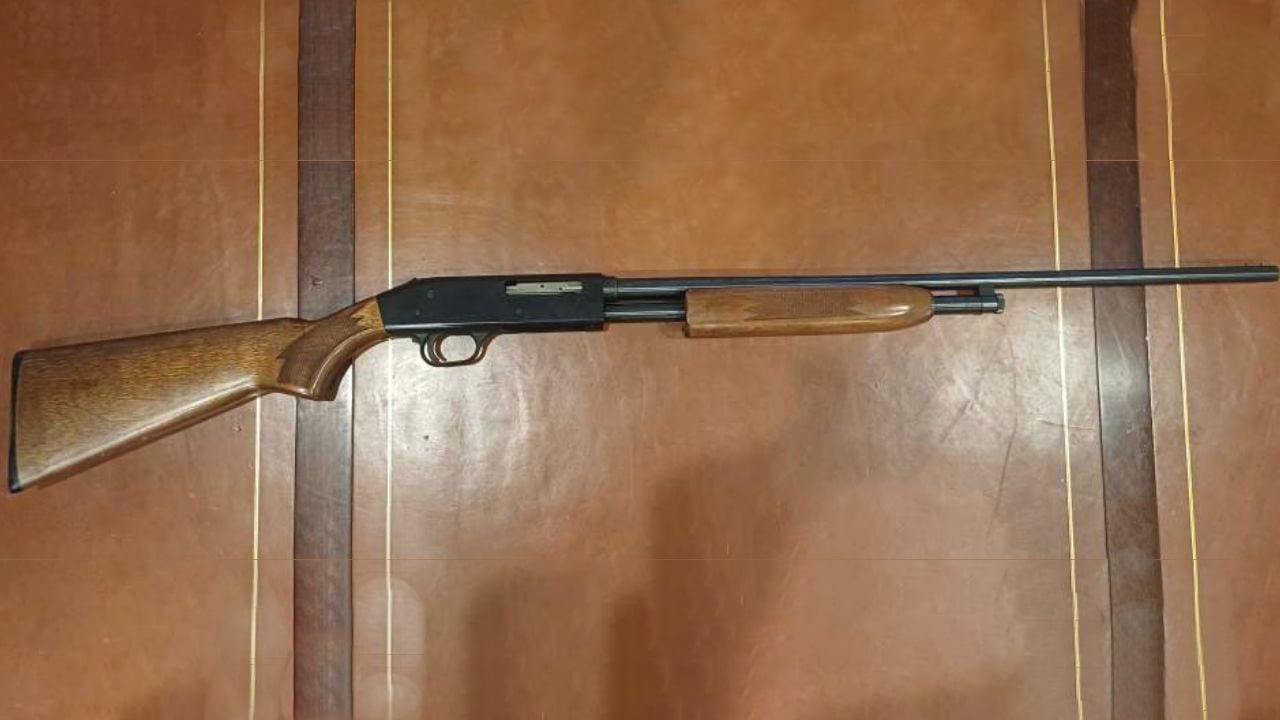
There’s nothing fancy about a 500, and that is kind of the point. It’s light enough to carry all day, tough enough to ride behind a truck seat, and simple enough to keep running with minimal drama.
The top tang safety is a big deal if you swap between right- and left-handed shooters or if you hunt with gloves. Between field barrels, rifled barrels, and the huge aftermarket, a 500 can cover birds, deer, and pests without you needing a second mortgage.
3. Mossberg 590A1
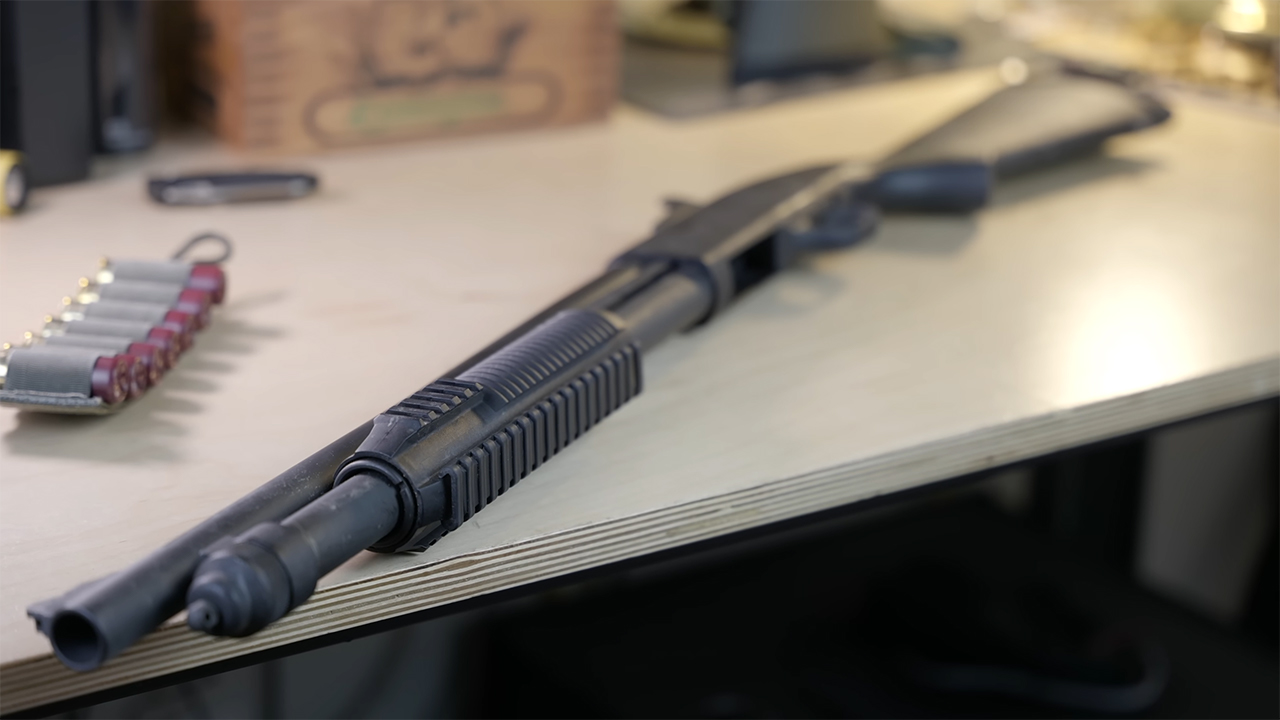
Most folks pigeonhole the 590A1 as a “tactical” pump, but it’s a seriously durable platform for hard use. The heavier barrel and metal trigger guard don’t matter on the internet, but they matter when a gun lives in a damp corner of a barn or gets bounced around on a farm.
Throw a longer barrel on it and it’s a perfectly serviceable field gun, especially for rough-weather waterfowl or late-season snow. It’s not elegant. It is dependable, and that’s a form of versatility you feel after season two, not day one.
4. Winchester SXP
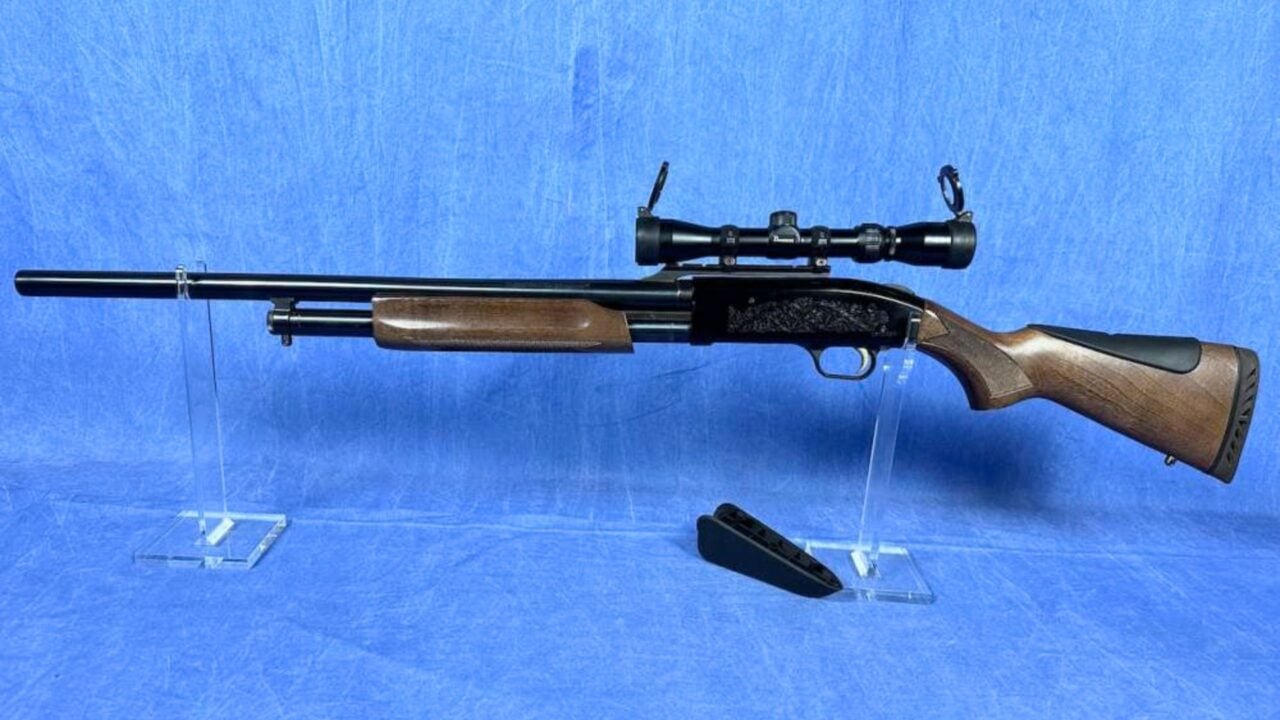
The SXP is one of those pumps that surprises people the first time they run it fast. The action feels quick, and for hunters who like a pump but don’t like feeling “behind the shot,” it keeps you in the game on doubles.
It also tends to be priced where a working guy can grab one and not baby it. If your season includes everything from early dove to a muddy goose pit, the SXP earns more respect than it gets.
5. Benelli Nova
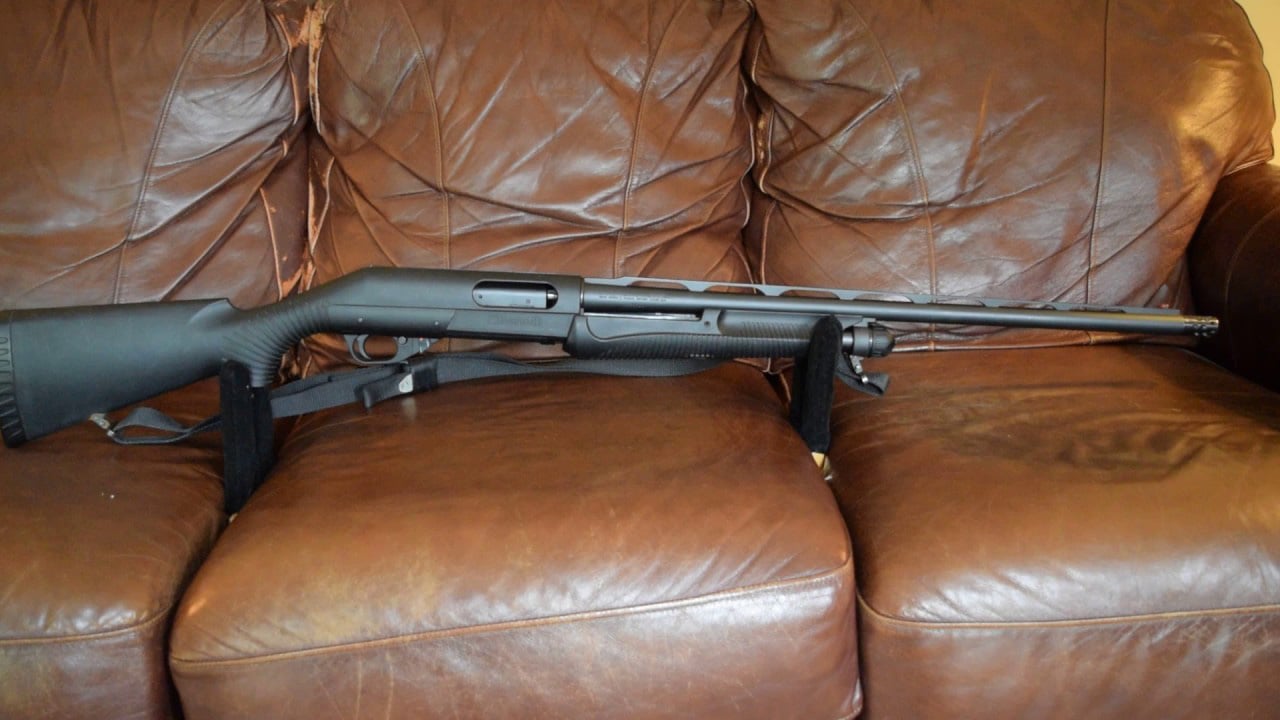
The Nova looks a little space-gun to some folks, but it’s built for abuse. That one-piece stock/receiver shell shrugs off weather, and the gun keeps cycling when cheaper pumps start feeling gritty.
For the hunter who wants one shotgun to be “the boat gun” and “the field gun” and “the loaner,” the Nova makes sense. It’s also one of those guns that points better than it has any right to once you get used to it.
6. Benelli SuperNova
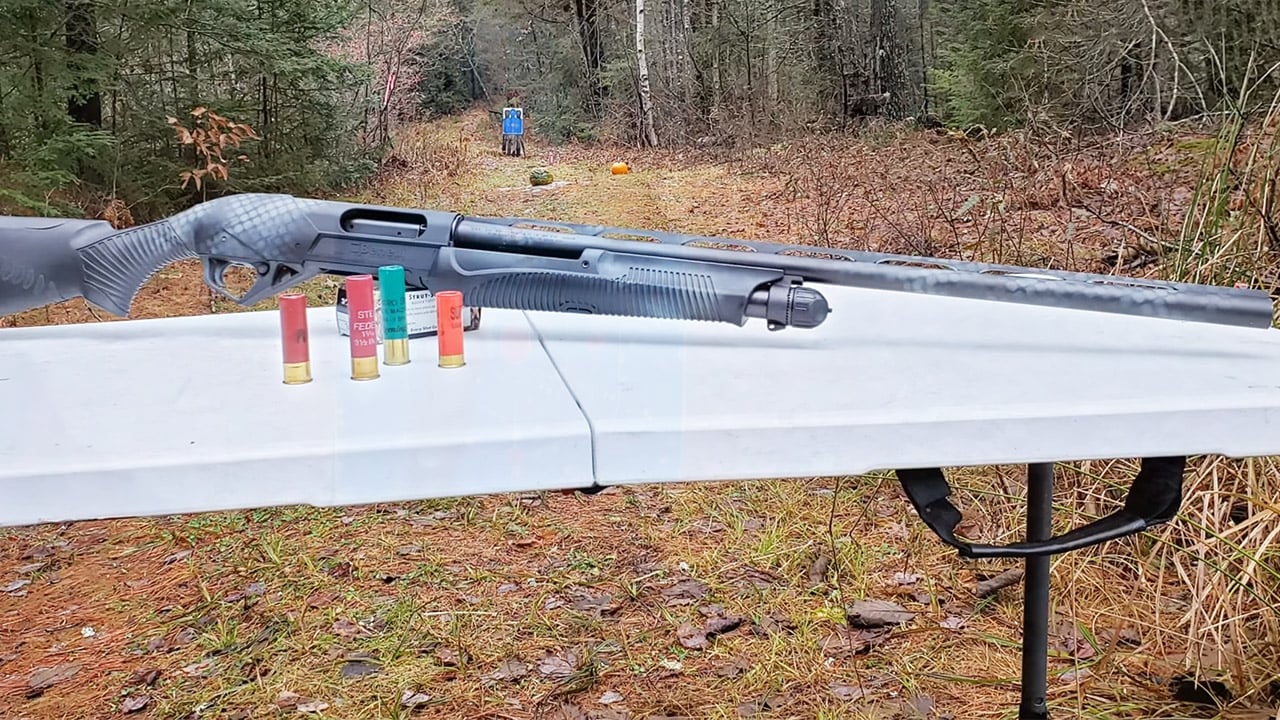
The SuperNova takes the Nova idea and adds a little refinement—especially in ergonomics and recoil management. If you’re shooting heavy waterfowl loads and then switching to slugs, that comfort matters more than people admit.
It’s also a good platform for hunters who want to run different barrel lengths depending on the job. Not everyone loves the looks, but it’s a legitimately flexible workhorse.
7. Ithaca Model 37
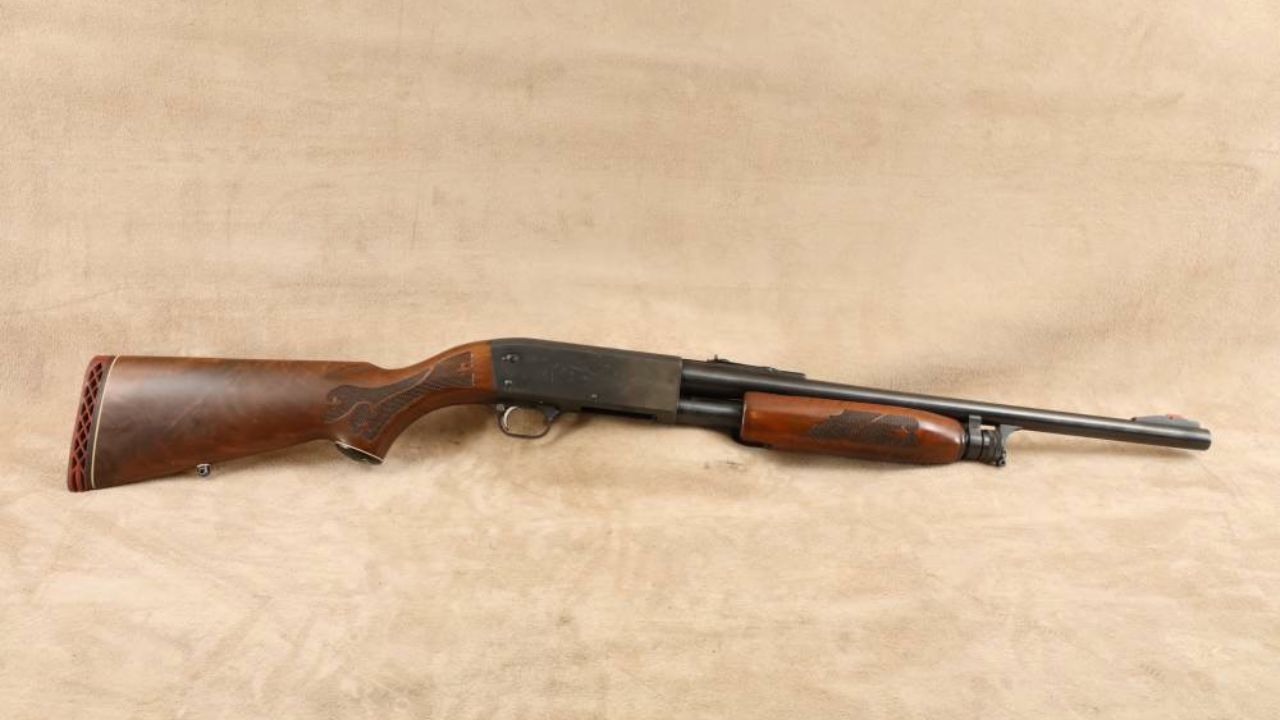
Bottom-eject, slick action, carries like a wand. The Model 37 is old-school, and it still makes sense in thick cover where you’re crawling through brush and don’t want shells spitting out the side into your buddy’s face.
It’s a great crossover gun for upland, rabbits, and even simple defensive roles if you keep it maintained. The downside is you’re not walking into every small shop and finding stacks of parts, but these guns tend to run a long time if you don’t neglect them.
8. Browning BPS
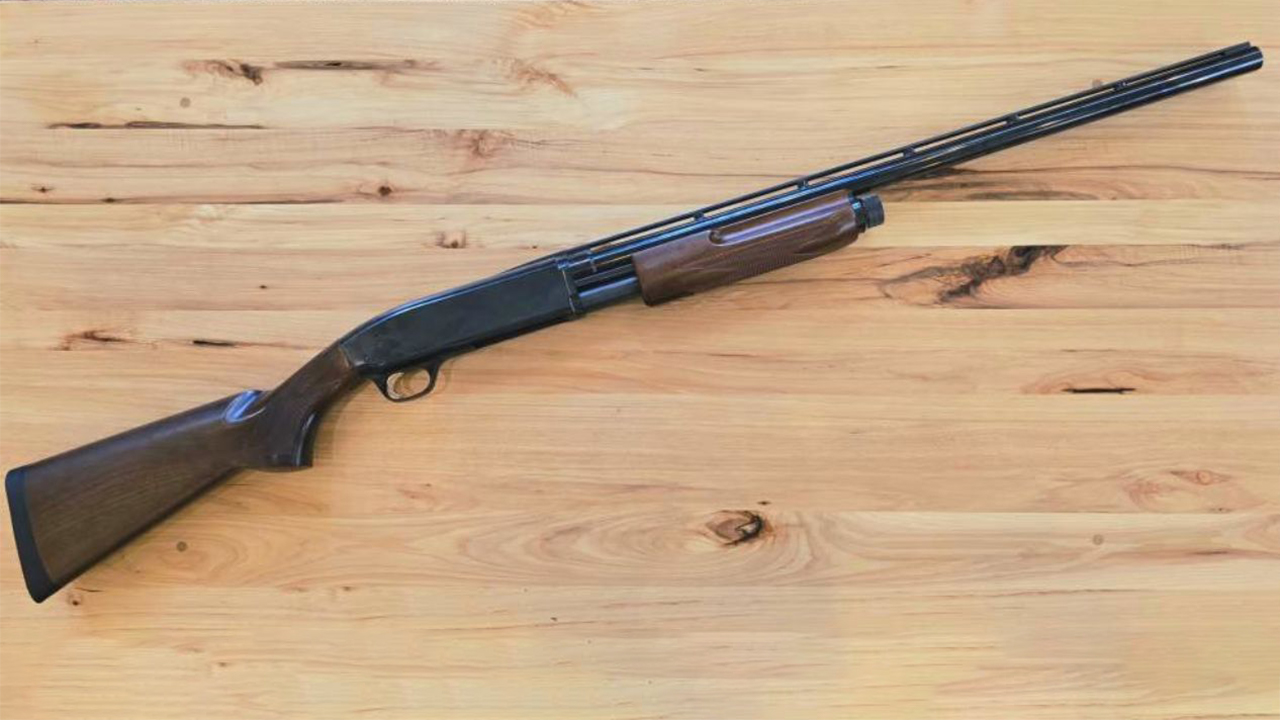
The BPS is another bottom-eject that doesn’t get enough credit because it isn’t “new.” It’s heavier than a lot of pumps, sure, but that weight soaks recoil and keeps the swing smooth on passing birds.
It’s also a lefty-friendly option without needing a special model. If you hunt in miserable weather, the BPS feels like it was designed for exactly that kind of day.
9. Remington 1100

The 1100 is the soft-shooting semi-auto that turned a lot of pump guys into semi-auto guys. It’s not the best choice if you never clean your guns, but if you treat it like a tool and not a shovel, it runs and runs.
Where it shines is “mixed use”: clays one weekend, pheasants the next, then a slug barrel for deer camp. Plenty of hunters have sold an 1100 and missed it later. Ask me how I know.
10. Remington 11-87

RedRockTrading/GunBroker
The 11-87 doesn’t have the romance of the 1100, but it’s a practical evolution. It handles a wider range of loads without being as finicky, which matters when your ammo situation is whatever you can find before the opener.
It’s a good “one semi-auto” answer for hunters who split time between upland and waterfowl. Not the lightest. Not the prettiest. Still a very usable do-it-all shotgun.
11. Beretta 391 Urika
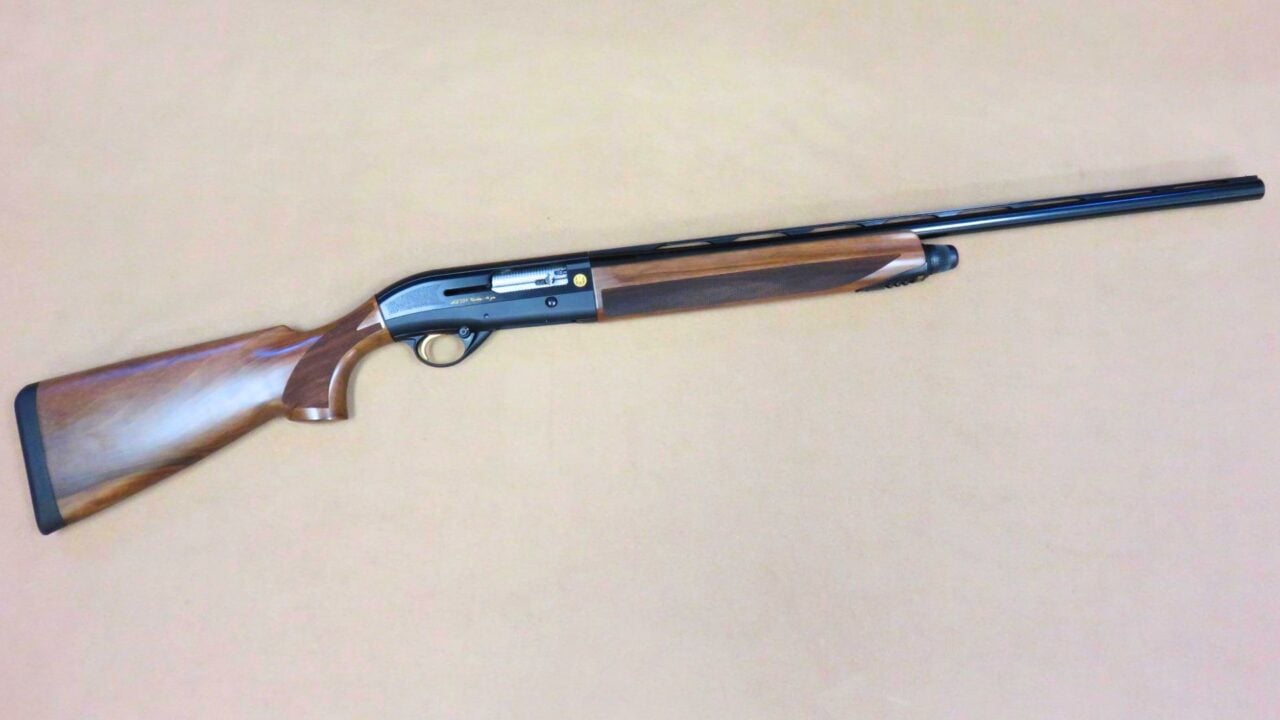
If you’ve shot with a group that includes serious bird hunters, you’ve probably seen a 391 that looks like it’s been dragged behind a truck and still shoots clean. The gas system is forgiving, and the gun tends to point naturally for a wide range of shooters.
It’s a strong option for the guy who wants one semi-auto for dove, ducks, and the occasional turkey with a tight choke. Parts and support are solid, and the gun doesn’t mind a high round count.
12. Beretta A300 Outlander
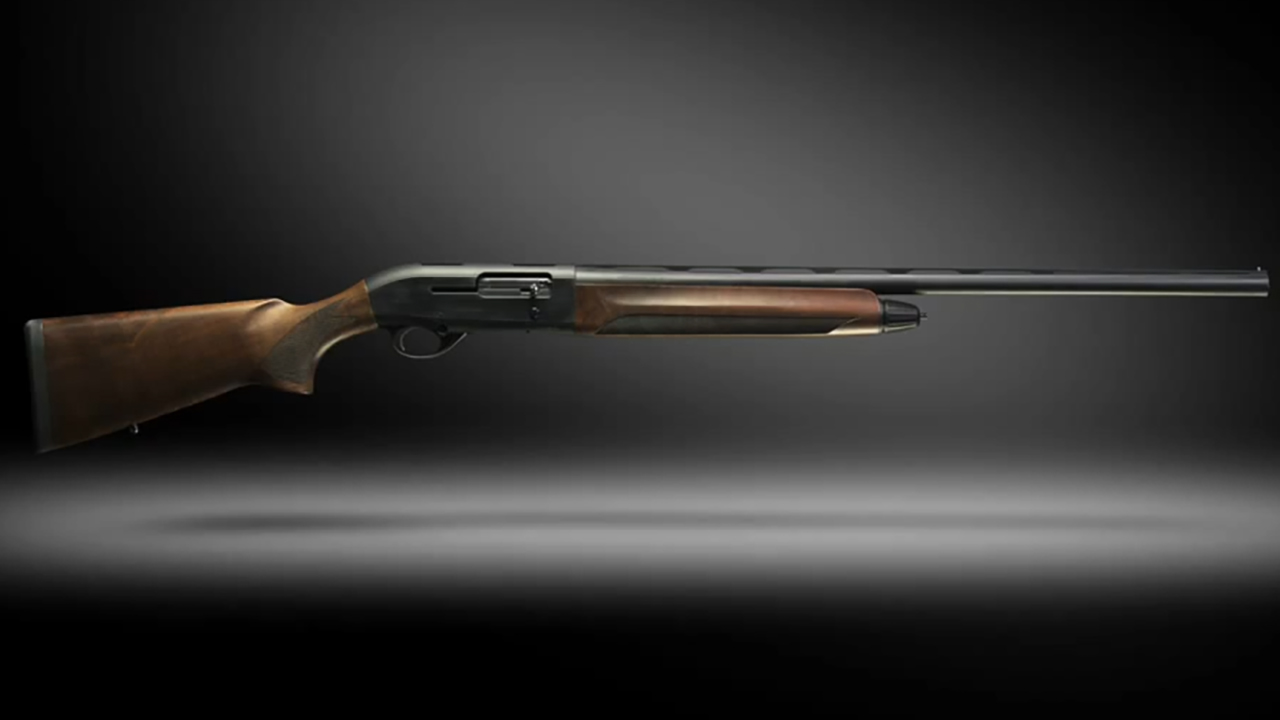
The A300 is one of the better values in semi-autos because it doesn’t pretend to be anything it’s not. It’s a straightforward, reliable gas gun that works with common loads and doesn’t beat you up.
For hunters who want to shoot clays to stay sharp, the A300 is friendly and consistent. It also transitions well into field use without feeling delicate.
13. Beretta A400 Xtreme Plus
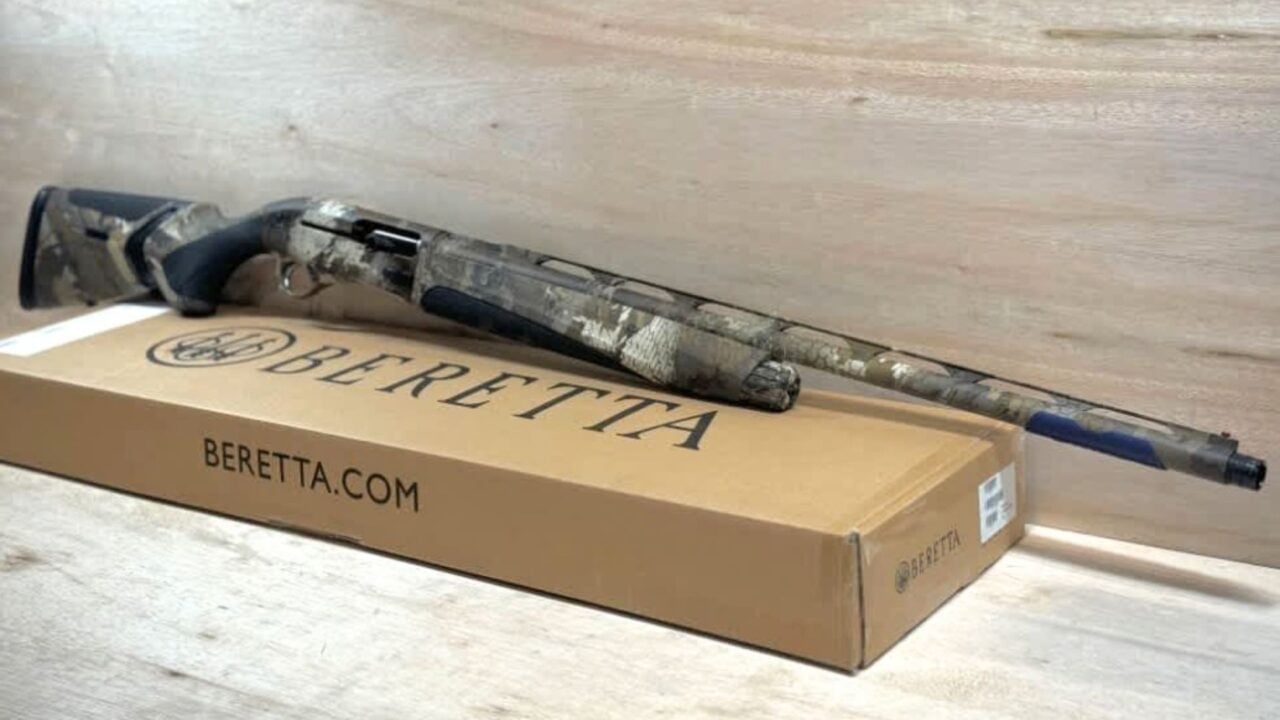
This one is more money, but it earns its keep if you’re hard on gear or you hunt in nasty conditions. The A400 cycles fast and handles heavy waterfowl loads without turning your shoulder into hamburger.
Where the versatility shows is the ability to go from cold, wet duck hunts to late-season geese to target work without changing your whole setup. It’s not the only gun that can do it, but it does it with less complaining.
14. Benelli M2
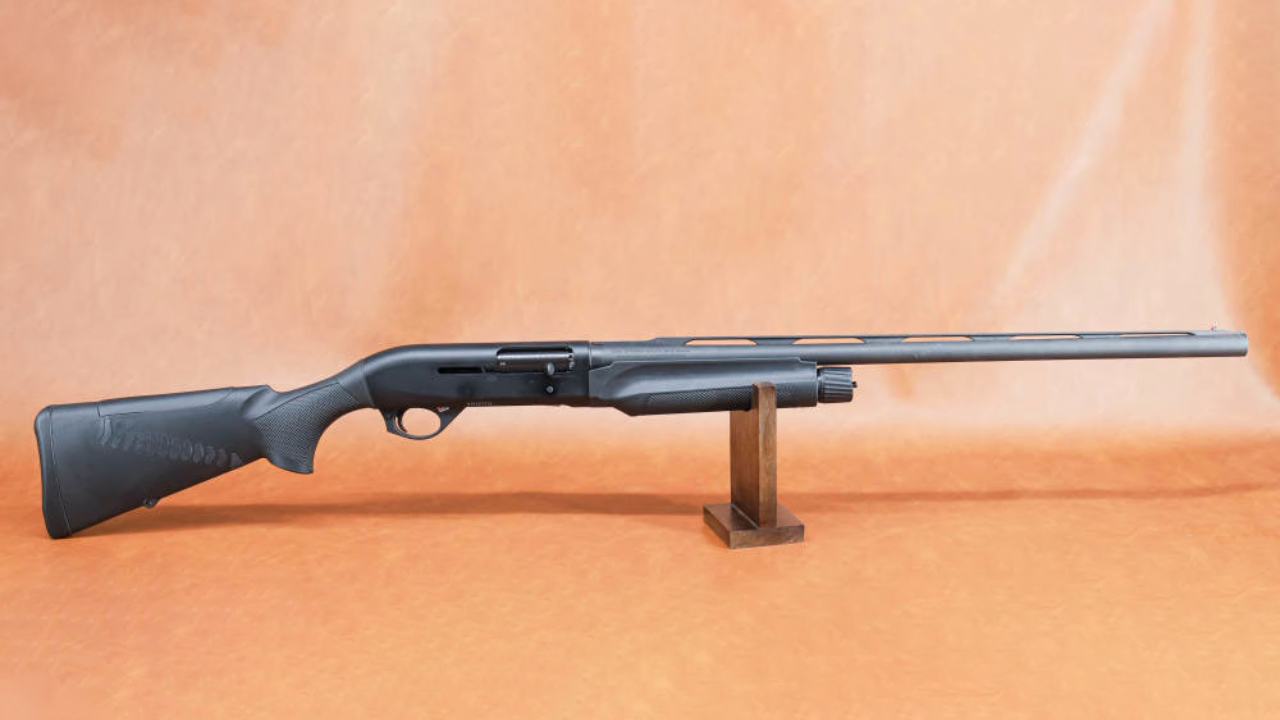
The M2 is light, quick, and simple, and inertia guns have a way of staying cleaner than gas guns when things get sloppy. For upland hunters who also chase ducks, that weight savings is real by the third mile.
The tradeoff is recoil can be sharper than a gas gun, especially with heavy loads. Still, as a one-gun solution for birds and clays, the M2 has earned its reputation the honest way.
15. Benelli Super Black Eagle 3
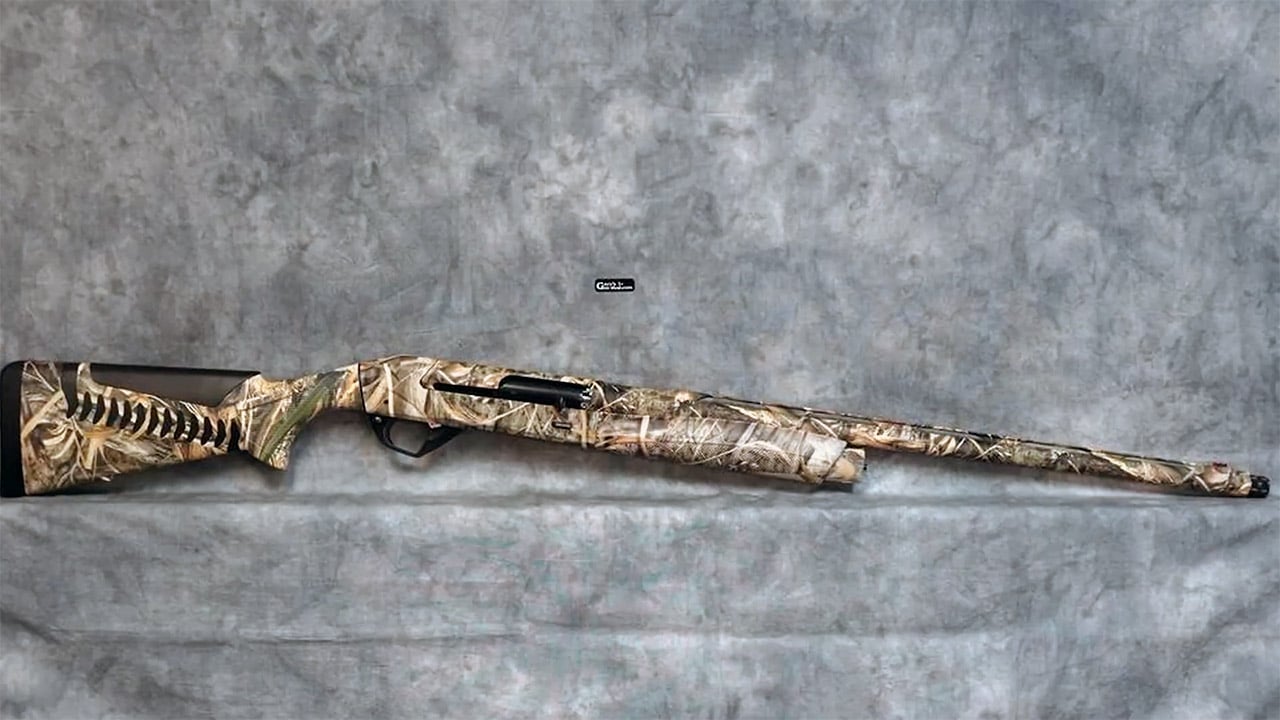
A lot of guys buy an SBE for waterfowl and never consider it beyond that. But it’s a 3 1/2-inch-capable semi-auto that can also run lighter shells when tuned to the shooter and kept in spec, and it carries well for what it is.
If you’re the hunter who might shoot teal in September, geese in December, and turkeys in April, a gun that spans that range is useful. It’s expensive, so you should actually use it, not just talk about it.
16. Browning Auto-5 (Belgian or Japanese production)
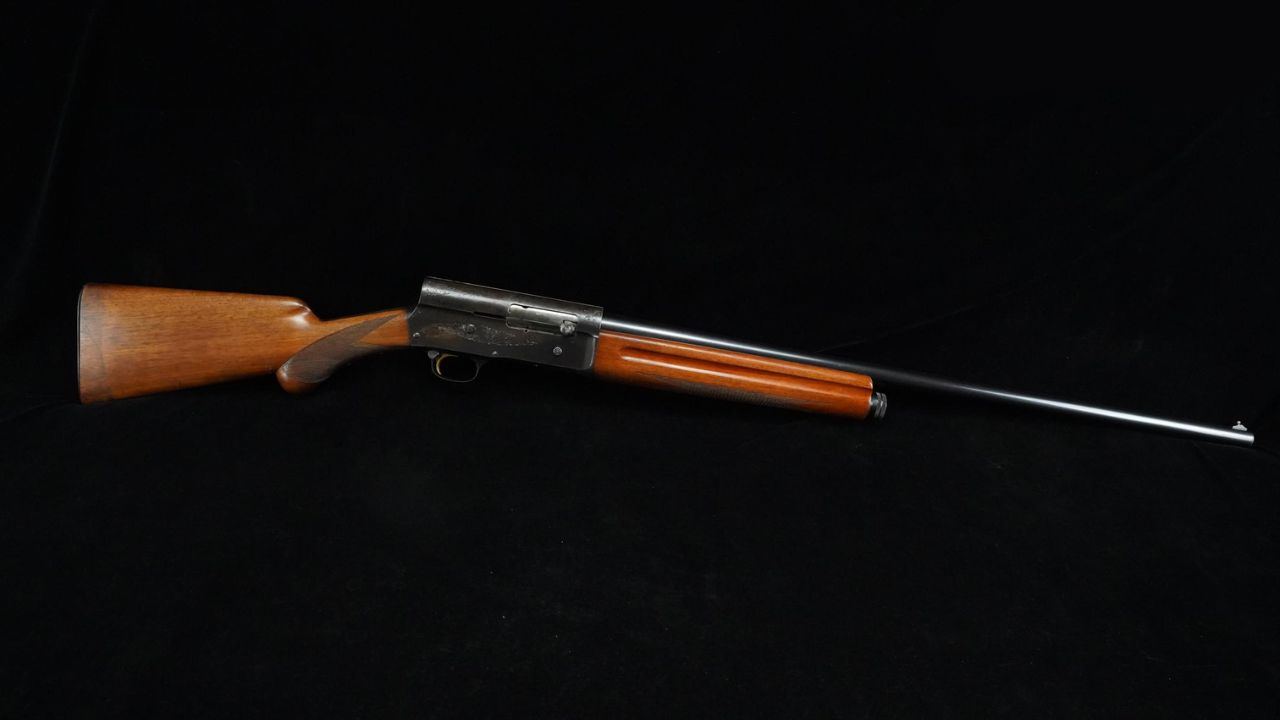
The humpback isn’t just nostalgia. An Auto-5 set up correctly has a steady swing that makes it deadly on moving birds, and it’s tough as nails. You’ll see old ones that look worn out but still lock up and shoot where they look.
It’s not a “set it and forget it” gun if you’re swapping between very light and very heavy loads without thinking. But as a field shotgun that can do birds, clays, and general-purpose work, the A5 remains more relevant than people admit.
17. Browning Maxus II
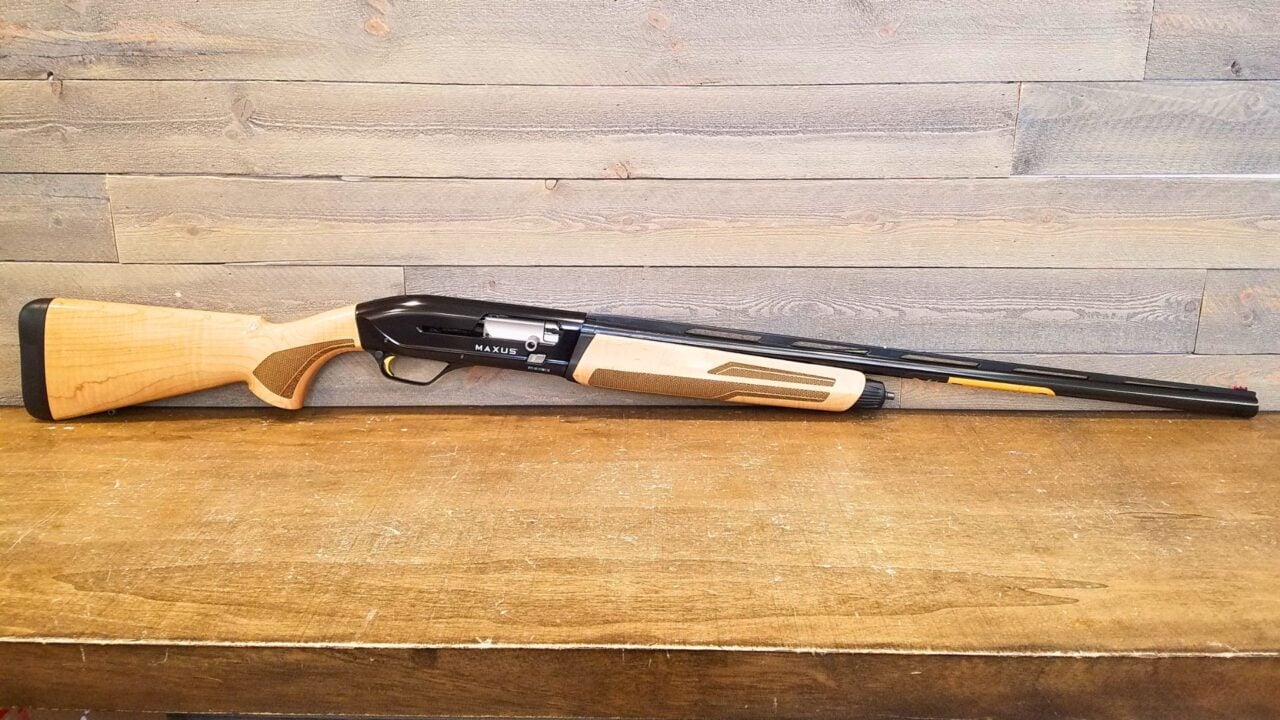
The Maxus II is one of those modern semi-autos that feels like it was built by people who actually hunt. Controls are sensible, it shoulders quickly, and it doesn’t feel like a two-by-four in cold-weather gloves.
It’s a legitimate crossover gun for waterfowl, upland, and high-volume clay shooting. Not everyone needs it, but if you do a little of everything, it’s hard to poke holes in.
18. Stoeger M3000

The M3000 gets dismissed because it’s “budget,” but it’s also an inertia gun that can take a lot of rounds for the money. It’s not as refined as the Italian names, and you may need a little break-in, but plenty of them run just fine in the real world.
That makes it versatile in a different way: you’ll actually take it places. When a shotgun is affordable enough that you don’t baby it, it ends up being the one you grab for the muddy blind and the impromptu dove shoot.
19. CZ 1012

The 1012 is a semi-auto that fits the “simple and effective” slot. It’s light, it points well for many shooters, and it’s an easy gun to live with if you don’t want to tinker.
For the hunter who wants one 12-gauge for birds, the occasional turkey setup, and some sporting clays practice, it covers a lot of ground. It’s not a boutique gun, but it gets used—and that’s what matters.
20. Ruger Red Label
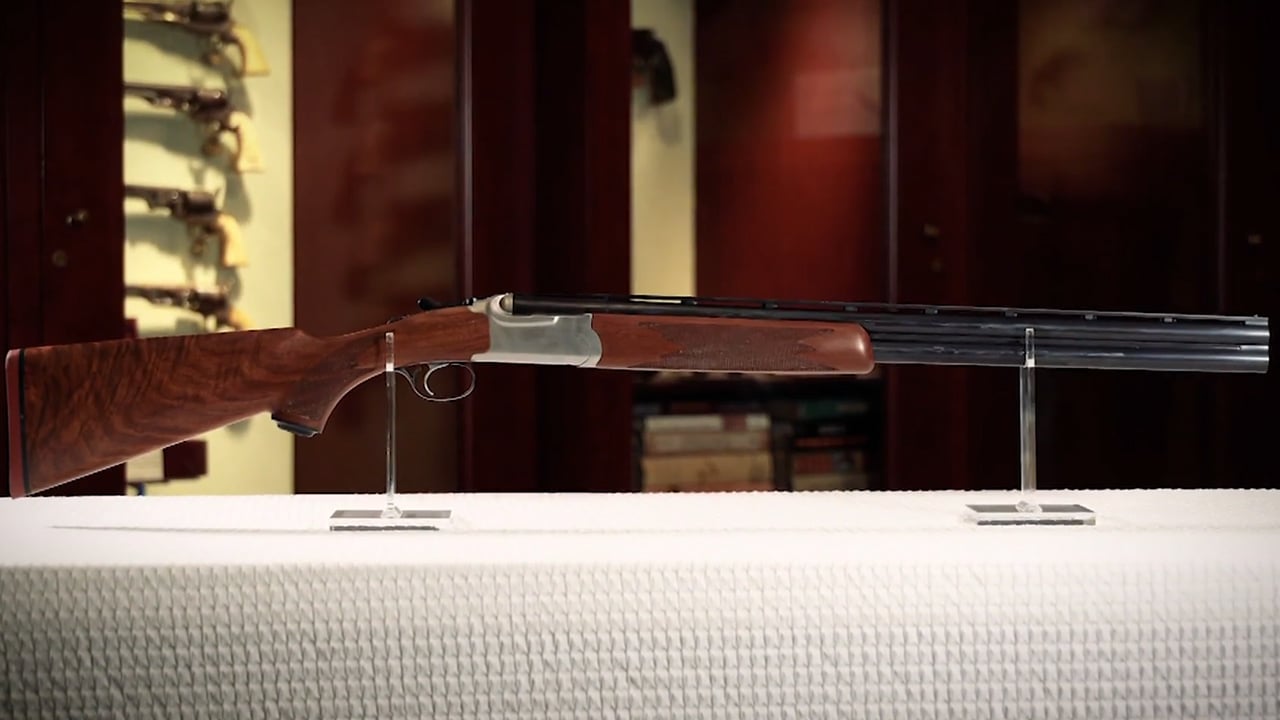
An over/under doesn’t sound “versatile” until you actually own one and realize how often it comes out. Two chokes on tap, quick handling, and a balance that makes you want to shoot it well. The Red Label has its fans for a reason.
It’s not the cheapest path, and it won’t be the top pick for late-season waterfowl abuse. But for upland, clays, and general “walk and shoot” hunting, it’s a practical classic that can cover more of your year than a lot of specialized guns.
The funny part about versatile shotguns is they’re rarely the ones that get the most attention at the gun counter. They’re the ones that end up with honest wear: a little finish gone on the carry points, a couple dings in the stock, and a choke tube that’s been in and out a hundred times. If your shotgun can take that kind of life and still put the pattern where you’re looking, it’s doing more than most hunters give it credit for.
Like The Avid Outdoorsman’s content? Be sure to follow us.
Here’s more from us: