Photo credit: BlaserRifles/Youtube
After you’ve been hunting long enough, you stop getting impressed by fancy catalog talk. You care about what carries easy up a ridge, what cycles when it’s gritty, what still groups after a couple wet seasons, and what you can actually find magazines and parts for when something breaks the week before opening day.
These are rifles that keep showing up in the same conversations—usually quiet ones—between hunters who’ve already tried the trendy stuff and circled back to what just works. Not every one is “pretty,” and a few are flat-out heavy. But they’ve earned a reputation the hard way: in cold hands, in sloppy weather, and after enough rounds that excuses run out.
1. Remington Model 700 (BDL/ADL and classic variants)
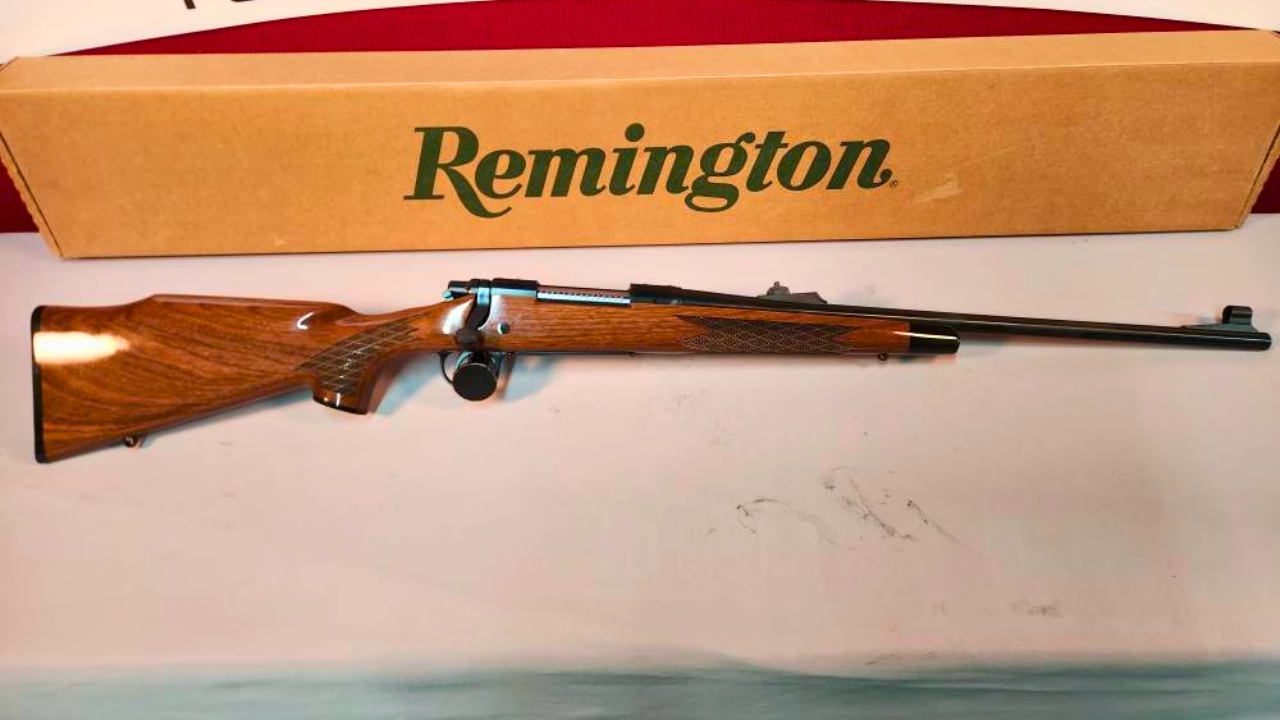
There’s a reason you’ll still see beat-up 700s in camps where the guys could afford anything. The action is simple, familiar, and it points like a hunting rifle is supposed to. A good 700 with a decent trigger and bedding will keep you honest on the bench and confident in the timber.
It’s also one of those rifles where support is everywhere—stocks, mounts, bottom metal, smiths who know the platform. That matters when you’re trying to keep a rifle running for decades instead of chasing the next new thing.
2. Winchester Model 70 (Featherweight and Classic controlled-round feed)
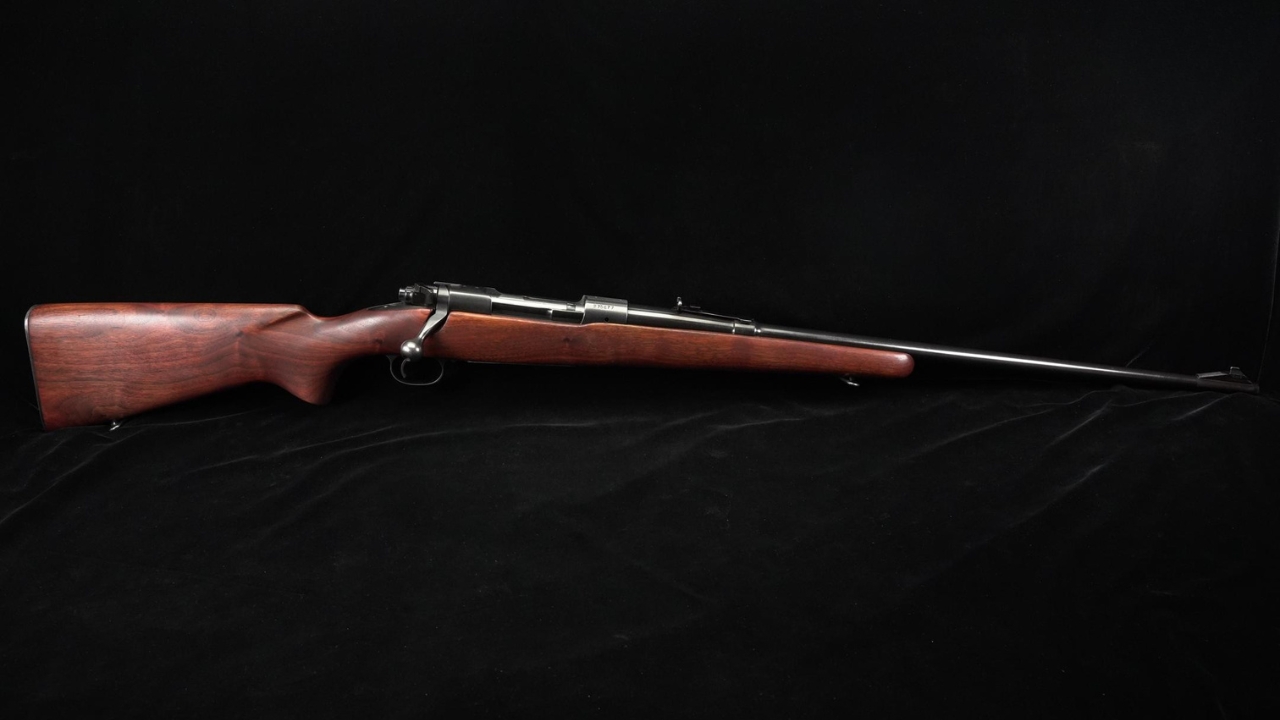
If you’ve ever run a controlled-round feed action fast while staying smooth, you get it. The Model 70 has a way of feeding that feels “right,” especially when you’re working the bolt without looking because a bull just stepped into a lane and you’re half twisted around a tree.
The Featherweight versions carry like they were designed by someone who actually walks. They’re not always the cheapest option, but they’re the kind of rifle you hand down because you never find a good reason to let it go.
3. Ruger M77 Hawkeye (standard and compact)
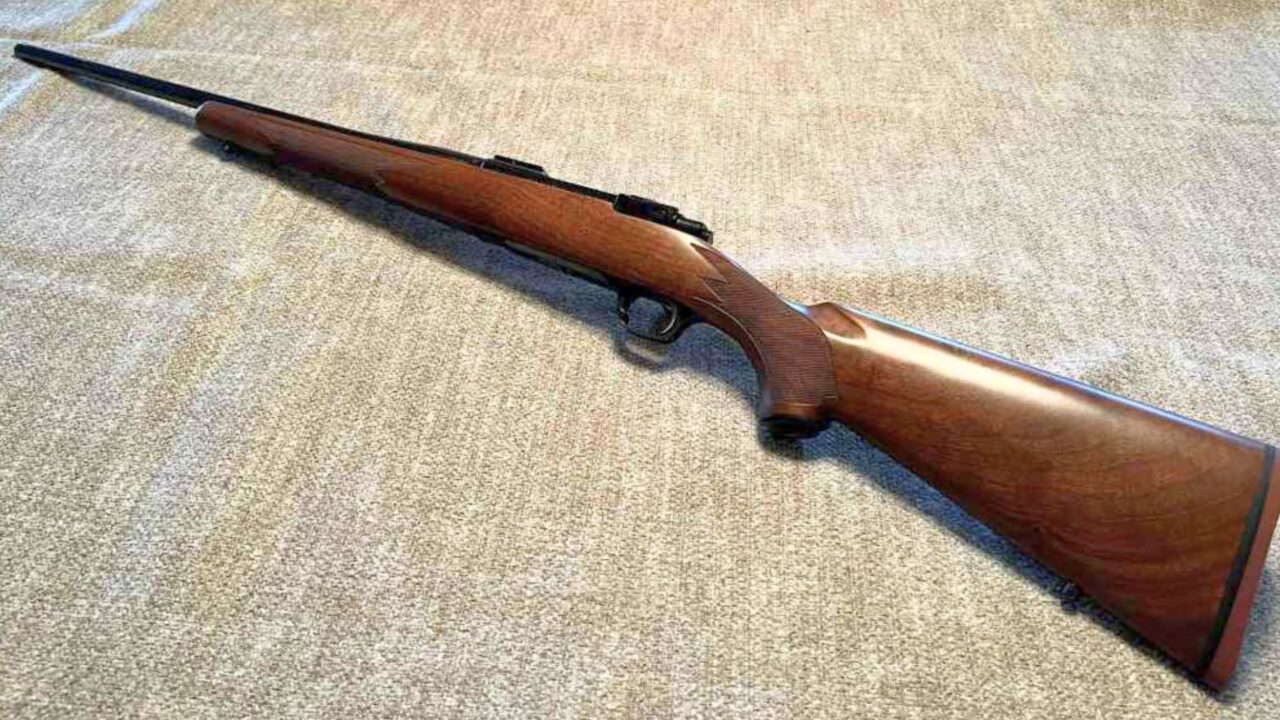
Ruger built these to be used, not babied. The Hawkeye feels stout in the hands, and the controlled-feed action inspires confidence when the weather turns ugly or the rifle gets knocked around in a truck rack.
They’re not always the lightest or slickest, and the factory trigger varies by era, but these rifles have a reputation for coming home every season with the same zero they left with. That’s a big deal.
4. Tikka T3x Lite
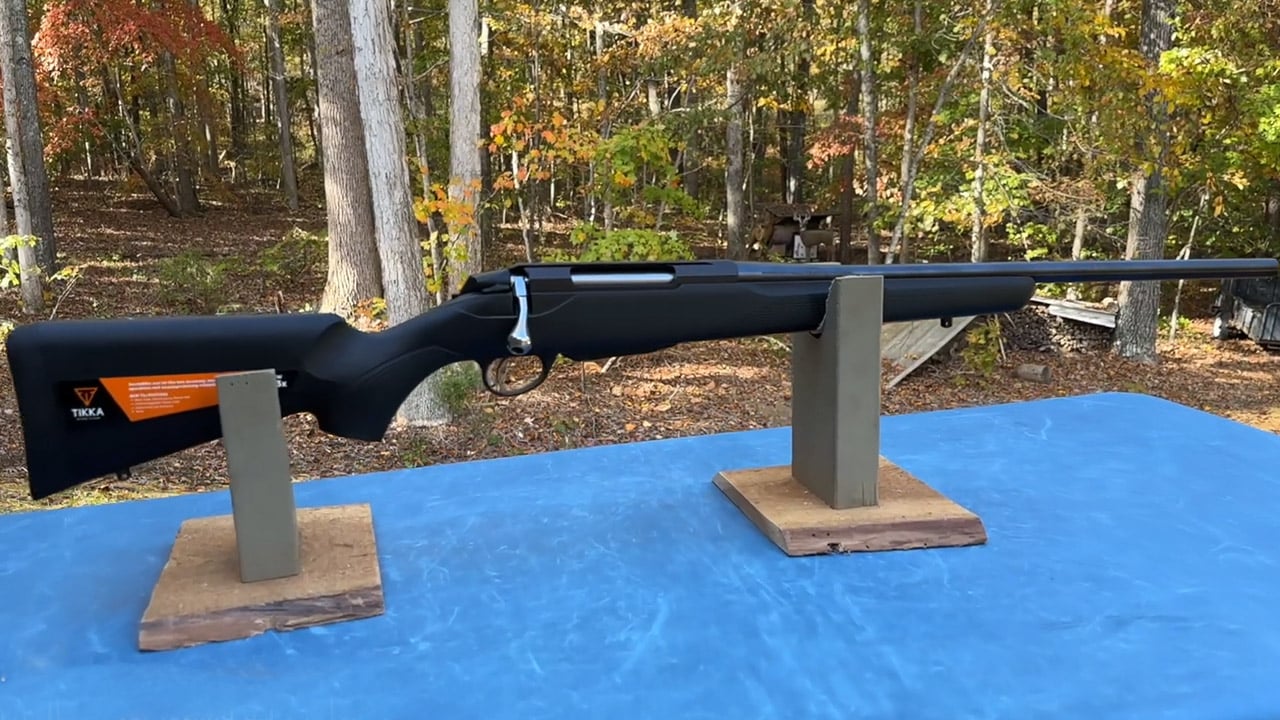
This is one of the few “modern” rifles that even the old-school guys stop arguing about after they shoot it. The action is smooth, the barrels tend to shoot, and they’re usually light enough to carry all day without the shoulder strap digging a groove into you.
The magazines aren’t as cheap as some, and the super-light weight can make magnum recoil feel sharp. Still, if you want a no-drama rifle that stacks bullets with factory ammo, the T3x has embarrassed a lot of pricier guns.
5. Sako 85 (and 90-series feel-alikes)

Sako rifles have that “tight but not sticky” feel that’s hard to describe until you run one. The machining is clean, the feeding is reliable, and they tend to shoot like they’ve got something to prove.
They cost real money, and most hunters don’t need one. But experienced hunters keep buying them because they’re one of the few rifles where the fit, finish, and function actually match the price tag.
6. Browning X-Bolt (Hunter and Speed variants)

The X-Bolt is a modern hunting rifle done right: decent out-of-the-box triggers, good barrels, and an overall balance that makes offhand shots feel less wobbly than they should. A lot of them flat-out shoot.
The rotary magazine setup isn’t everyone’s favorite, but it feeds well and sits flush. If you’re the type that wants a rifle that behaves the same on the range as it does with gloves on in November, this one keeps earning its place.
7. Savage 110 (classic 110 and modern 110 variants)
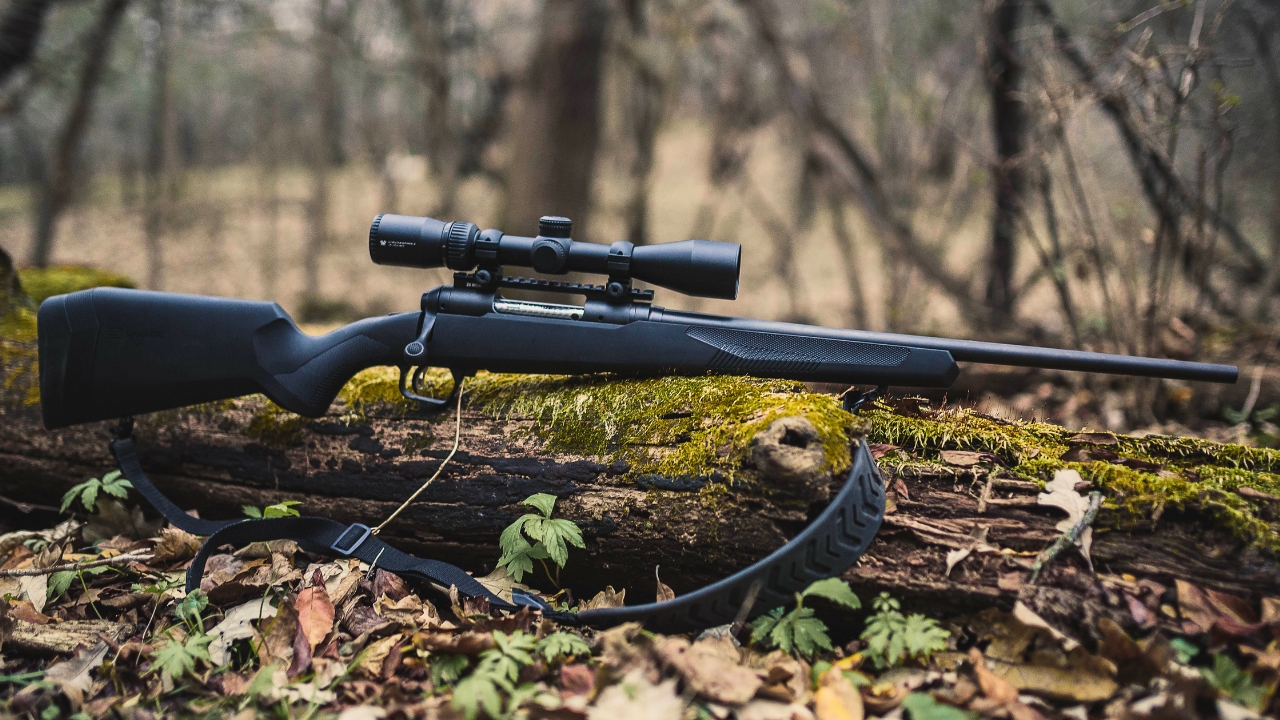
Savage has been the working-man’s accuracy answer for a long time. The rifles aren’t always pretty, and nobody buys one to admire the lines. They buy them because they keep putting bullets where they’re aimed without needing a bunch of tinkering.
The barrel nut system and aftermarket support mean you can keep one going or set it up how you like. It’s the kind of rifle that makes you wonder why you ever paid extra just for a name on the receiver.
8. CZ 550 (Full Stock and American)

The CZ 550 has that old-world Mauser flavor, and it’s hard not to like if you appreciate controlled-feed and a rifle that feels like a tool, not a toy. They carry well, and they’ve got a solid reputation for reliability.
They’re not as common on shelves now, which is exactly why the guys who own good ones hang onto them. If you find one that fits you, it’s a “buy once, cry once” situation.
9. Weatherby Mark V (especially in .300 Weatherby and .257 Weatherby circles)

These rifles have been hammering big game for a long time, and they have a certain swagger for a reason. The action is strong, the lines are classic Weatherby, and they tend to be built with real hunting in mind.
They can be loud, they can be fast, and they can be a little much if you don’t need the horsepower. But if you do, a Mark V is one of those rifles that makes long country feel a little smaller.
10. Weatherby Vanguard (Series 2 and newer)
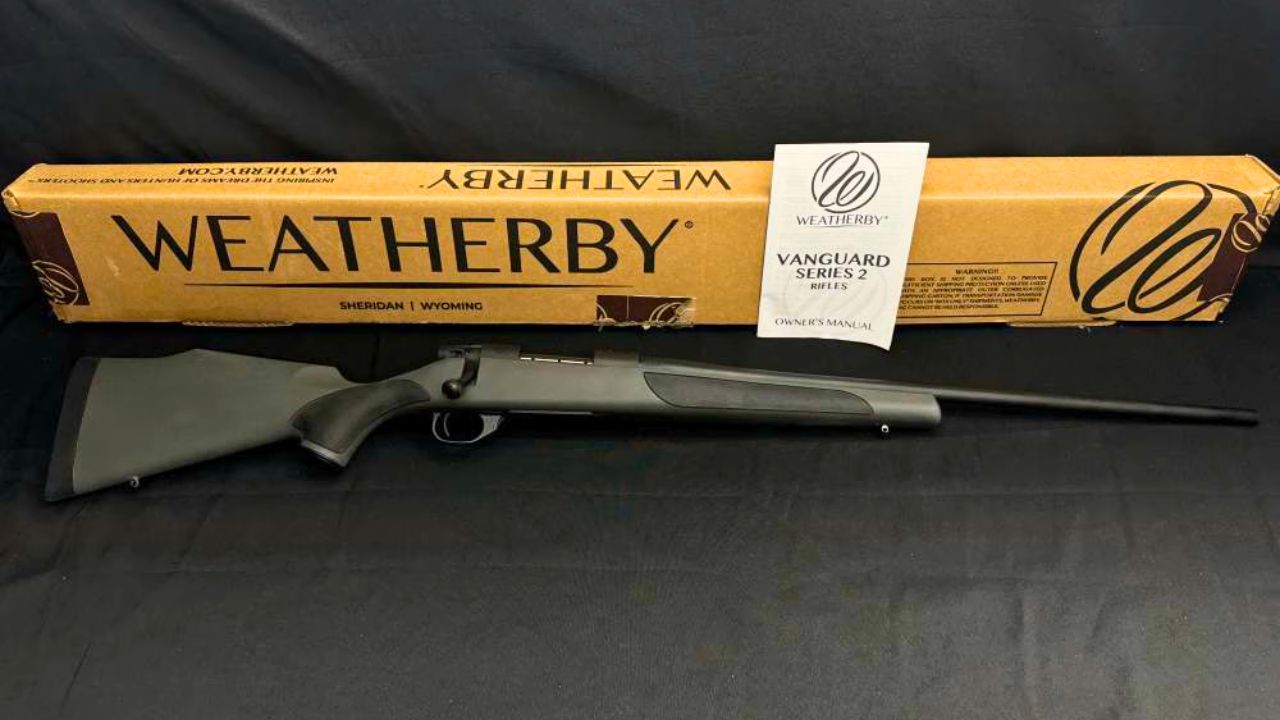
The Vanguard doesn’t get the same glamour as the Mark V, but it’s quietly one of the better “buy it and hunt it” rifles out there. They’re usually accurate enough to make you stop blaming your gear and start blaming your breathing.
They’re a touch heavier than some ultralights, which honestly helps in field positions. If you hunt from blinds, cutovers, or a mix of walking and sitting, that extra steadiness is not a bad trade.
11. Kimber 84M/84L (Classic and Montana)
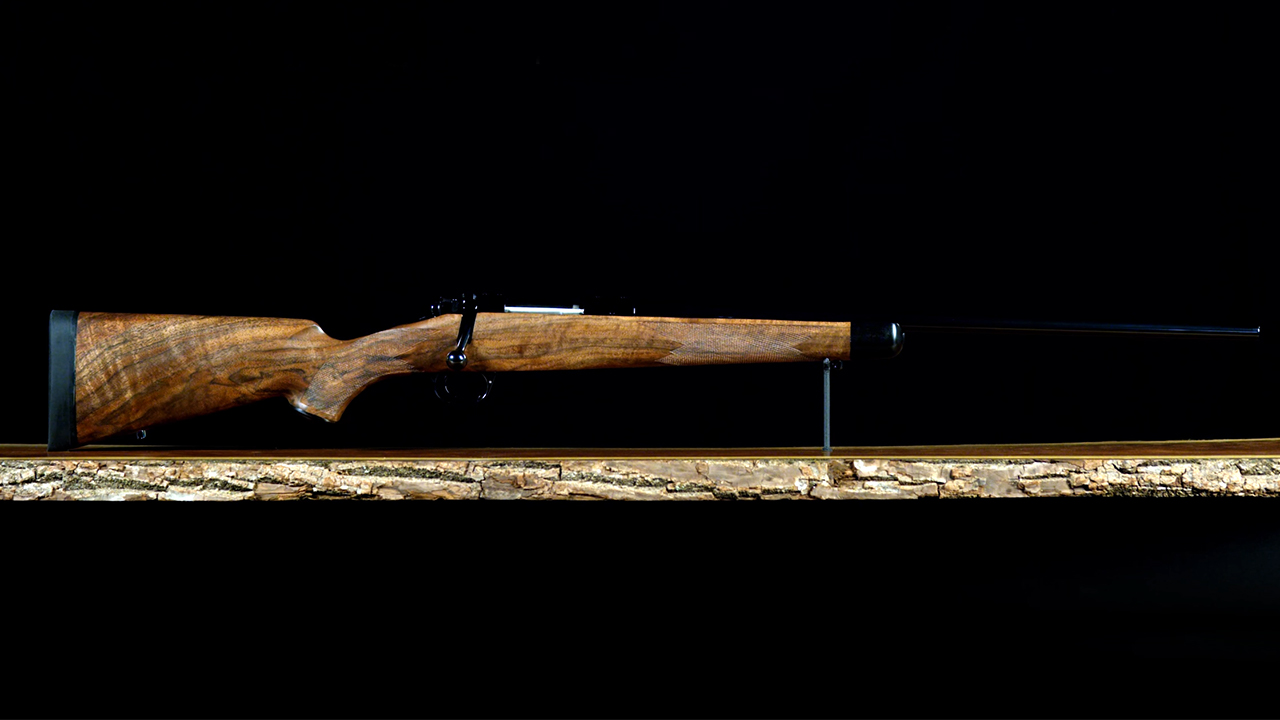
Kimber’s light rifles can be picky about what ammo they like, and not every one is a perfect specimen. But the good ones? They’re the kind of rifle you forget you’re carrying until it’s time to shoot.
The Montana in particular has ended a lot of “light rifles can’t shoot” arguments. If you hunt steep, rough ground and count ounces, a dialed-in 84 is hard to replace with anything that feels as trim.
12. Ruger American Rifle (Gen I and Gen II)
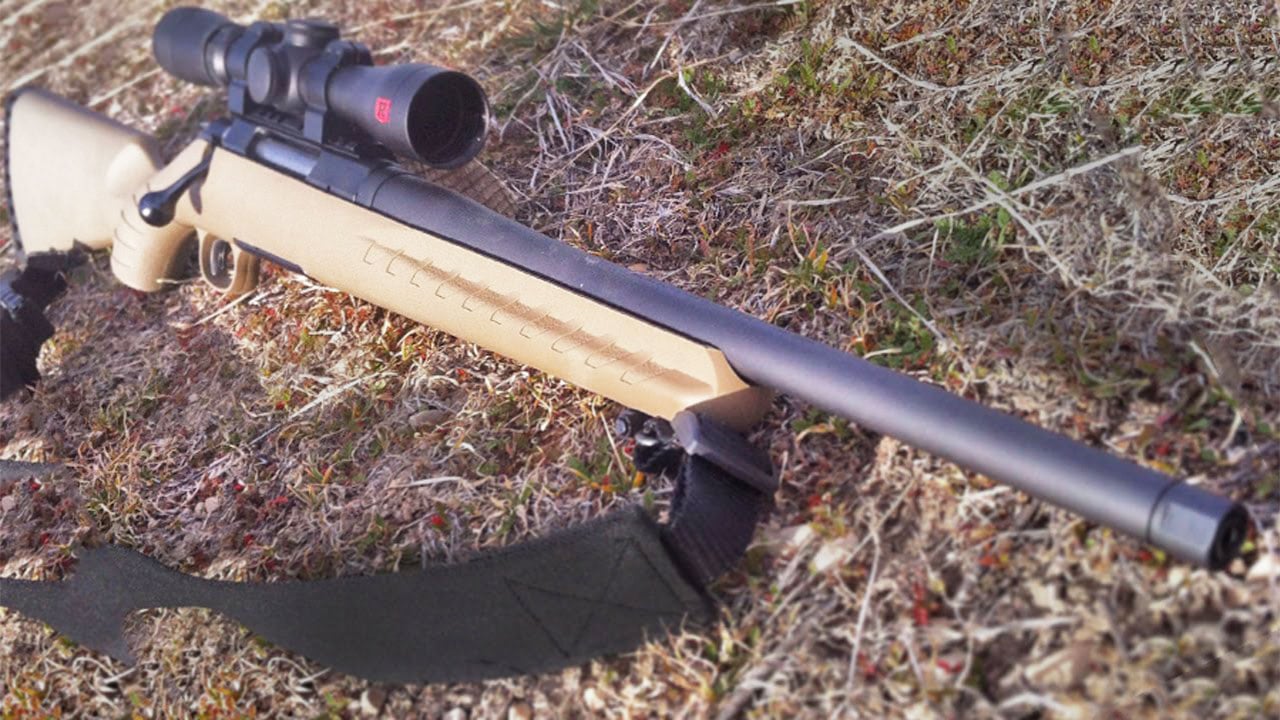
Here’s the truth: a Ruger American has no business being as useful as it is for the money. They’re not fancy, the stock feels like a stock, and the bolt isn’t buttery like a Tikka. Still, they shoot, they hunt, and they keep going.
For a lot of hunters, this rifle is the reality check. It’ll put venison in the freezer with a basic scope and basic ammo, and it won’t make you nervous about scratching it on a gate hinge.
13. Marlin 336 (especially in .30-30)

The 336 is a woods rifle that just makes sense. It carries flat against the body, swings quick in thick stuff, and it doesn’t need a bipod and a turret chart to be deadly inside normal timber distances.
Ammo availability has its ups and downs, and lever guns aren’t everyone’s idea of “precision.” But if you’ve ever slipped through brush on a damp morning, you understand why this rifle has lasted.
14. Winchester Model 94 (pre-64 and well-kept later guns)

This is the rifle that taught a lot of families what hunting looked like. A good 94 is light, handy, and it’s almost impossible to carry wrong. When you grab it, it feels like it’s already pointed where you’re looking.
It’s not the best optics platform, and it’s not for beanfield sniping. But in close cover, it’s still one of the quickest “shooting” rifles ever made, and that counts for something when things happen fast.
15. Ruger No. 1
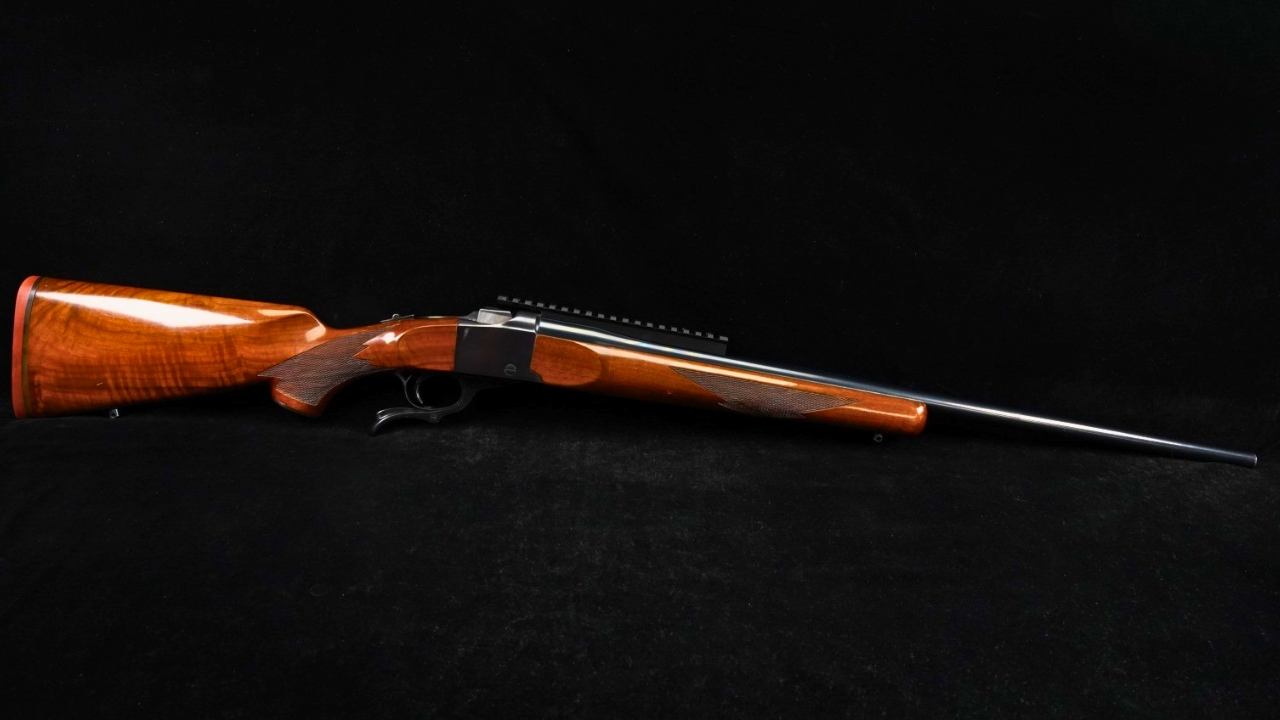
A single-shot isn’t for everybody, and that’s kind of the point. The Ruger No. 1 has class, but it’s not just a safe queen if you treat it like a hunting rifle. It carries shorter than its barrel length suggests, and it balances well.
It also forces you to slow down and make the first shot count. Ask me how I know. In a world of detachable mags and hurried follow-ups, the No. 1 keeps you honest in a good way.
16. Bergara B-14 (Hunter and Ridge)

Bergara came in and started offering “Remington 700-ish” compatibility with a level of barrel quality that got people’s attention. The B-14 Hunter is one of those rifles that feels like it should cost more than it does.
They’re not featherweights, and that’s fine. If you want a rifle that shoots tight groups and has broad aftermarket options without rolling the dice on a rough factory barrel, this one has become a steady pick.
17. Springfield Armory M1A (Standard and Loaded)
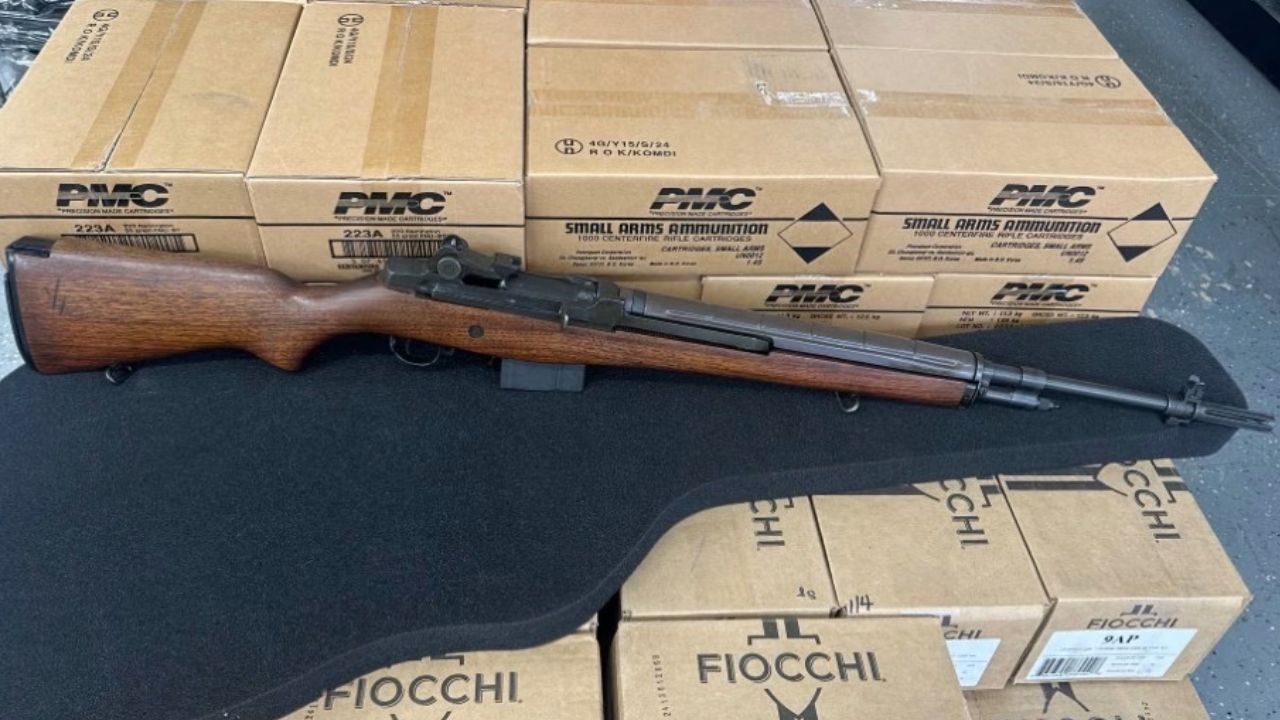
Is it the lightest? No. Is it the cheapest to feed? Also no. But experienced hunters who run these in the right places—hog country, thick cover, and places where fast follow-ups matter—keep coming back to them.
It’s a rifle you learn, not one you “figure out” in a weekend. If you keep it maintained and you run good mags, it’s a classic semi-auto .308 that still makes sense in a lot of real hunting situations.
18. Browning BAR (hunting BAR in .30-06 and .308)

The hunting BAR has been quietly effective for a long time. It’s one of the softer-shooting big-game rifles you can carry that still hits like it should. When you’re shooting from awkward positions or helping a new hunter manage recoil, that matters.
They’re not cheap, and they’re not as simple as a bolt gun. Still, in camps where deer drives and quick windows are normal, the BAR’s reputation is earned, not advertised.
19. Ruger Gunsite Scout Rifle
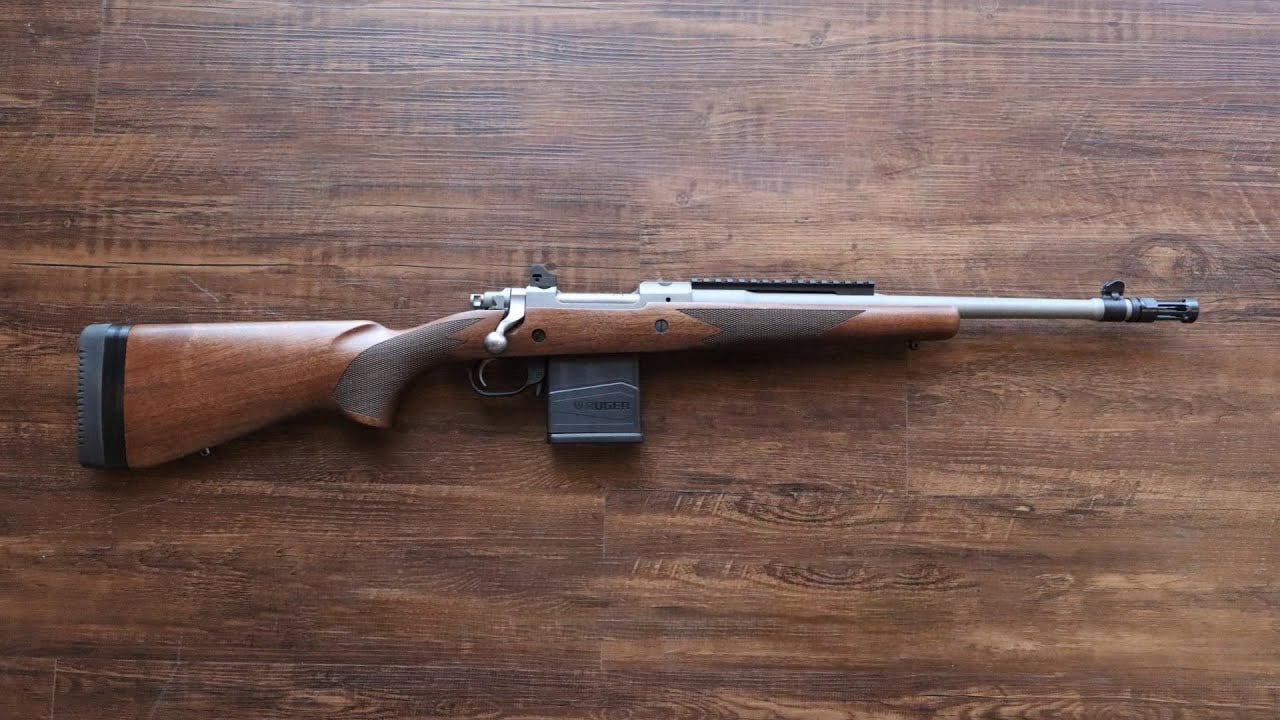
This one is a little niche, and I get why some guys roll their eyes. But the Gunsite Scout is handy in a way that’s hard to appreciate until you’ve carried it around a farm, in and out of trucks, through gates, and into brush.
Short, tough, and set up for practical field use, it’s a rifle that fits the “one rifle that does a bunch of jobs” idea better than most. Magazines are available, and the controlled-feed action is a nice touch.
20. Blaser R8
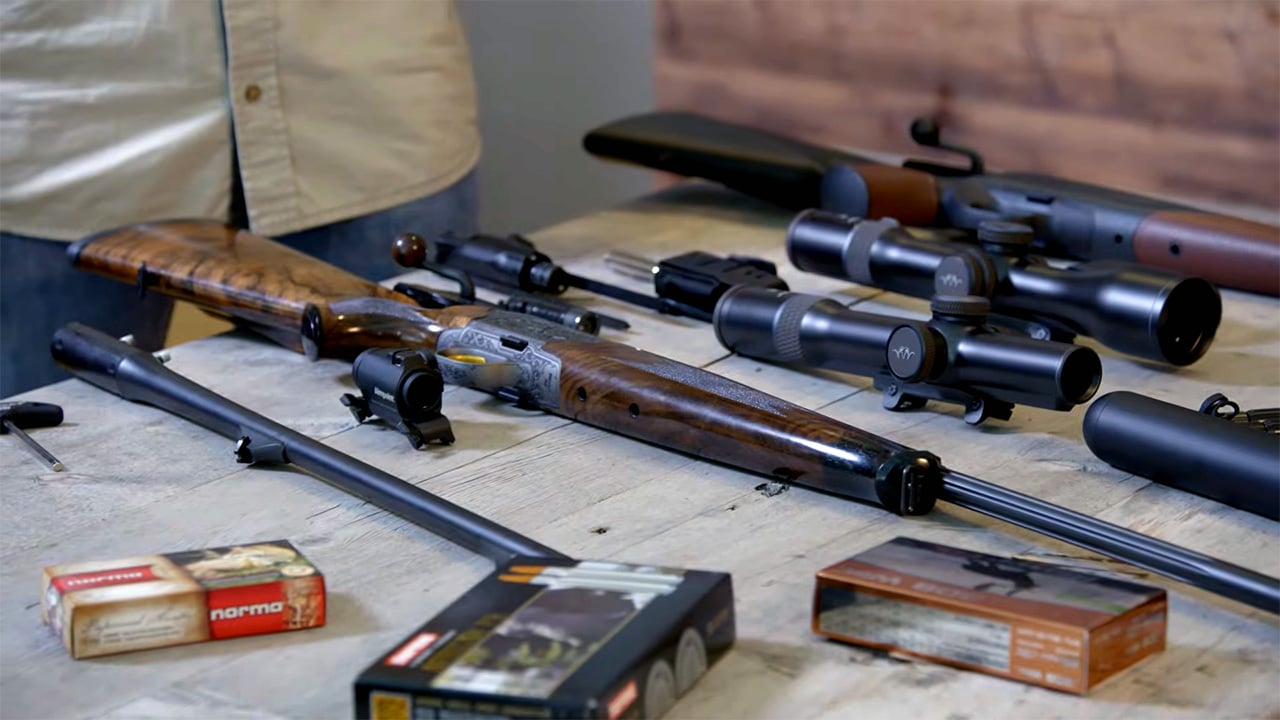
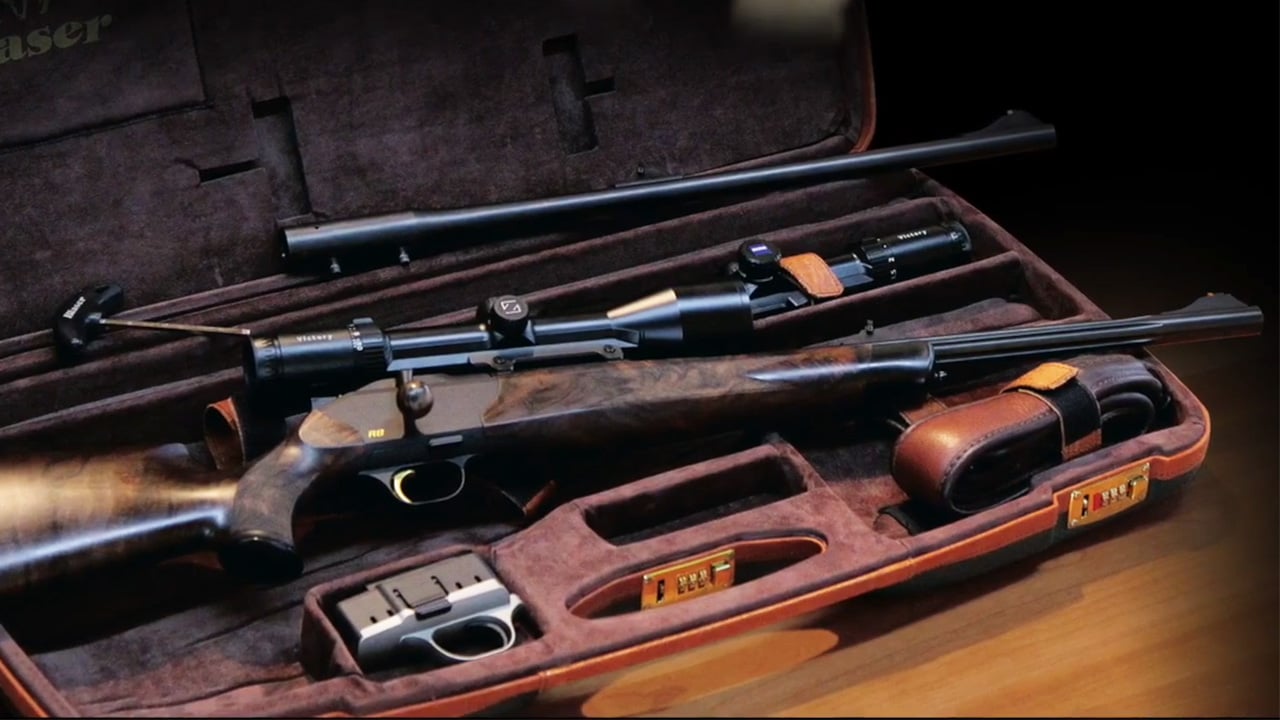
This is the oddball on the list for a lot of American hunters, mostly because of the price. But the guys who own them and actually hunt with them tend to stop shopping for rifles afterward. The straight-pull action is fast without being sloppy, and the modular setup is genuinely useful if you travel.
It’s not a “first rifle” for most people, and it’s not needed to kill deer. But it’s one of the few rifles where seasoned hunters will grudgingly admit, “Yeah… that thing is different,” after they run it a bit.
No rifle on this list makes up for bad decisions in the field, poor shot placement, or a shaky rest. But these are the rifles that keep getting carried when the weather’s rough and the tag still isn’t filled. If you’ve got one already, you’re probably not in a hurry to sell it. If you’re shopping, this is the kind of shortlist that keeps you from buying the same lesson twice.
Like The Avid Outdoorsman’s content? Be sure to follow us.
Here’s more from us: