Photo credit: Twist Steel and Smoke/Youtube
Every fall I watch the same thing happen at the gun counter and on the local trade pages: a guy gets the itch, sells something “weird” to fund the next shiny thing, and then spends the next few years trying to buy it back. The problem isn’t that the old gun was perfect. The problem is it was uncommon on purpose, and now there just aren’t many left to go around.
Limited runs, discontinued actions, special-order grades, oddball gauges, and short-lived imports all do the same thing over time. They thin out. The clean ones get locked away. The parts get harder. And the price… well, it usually doesn’t head south. Here are 20 shotguns that were built in small enough numbers (or stuck in a short enough window) that they tend to be more “safe staple” than “used bargain” these days.
1. Remington 870 Wingmaster (Special Purpose Deer/Slug models)
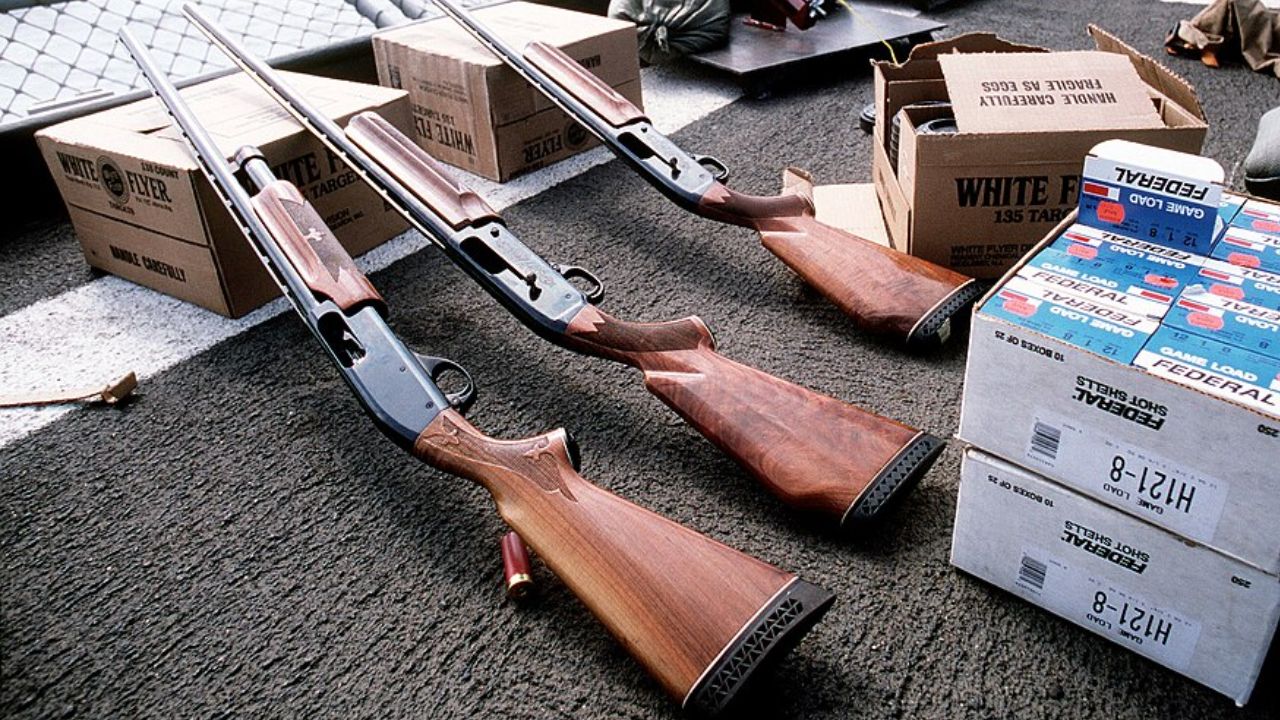
Not every Wingmaster is rare, but the factory slug/deer setups in nice shape are getting tougher to stumble onto. I’m talking about the guns that came from the factory as purpose-built deer rigs, not a field gun that somebody drilled and tapped in their garage. The older, slick-action Wingmaster with the right barrel and sights just feels like a different animal than most new pumps.
They carry like a “real” shotgun should, point naturally, and they don’t feel like a rattle-trap when you cycle them. When you find one that hasn’t been rode hard in a truck rack for ten seasons, it’s usually priced like the owner knows what he has. And he probably does.
2. Remington 870 Police Magnum (older production)

These aren’t rare in the sense that only a handful exist, but the supply of older, clean Police Magnums is not what it used to be. Departments trade them off, they get modified, and the original configuration ones disappear fast. The good ones have a tight, no-nonsense feel and usually better “fit” than bargain-grade pumps.
What drives value here is simple: people trust them, and a lot of folks want the older build quality. If you’ve ever worked a Police Magnum next to a tired, beat-up budget pump, you know why they don’t sit unsold for long.
3. Remington 1100 Competition Master
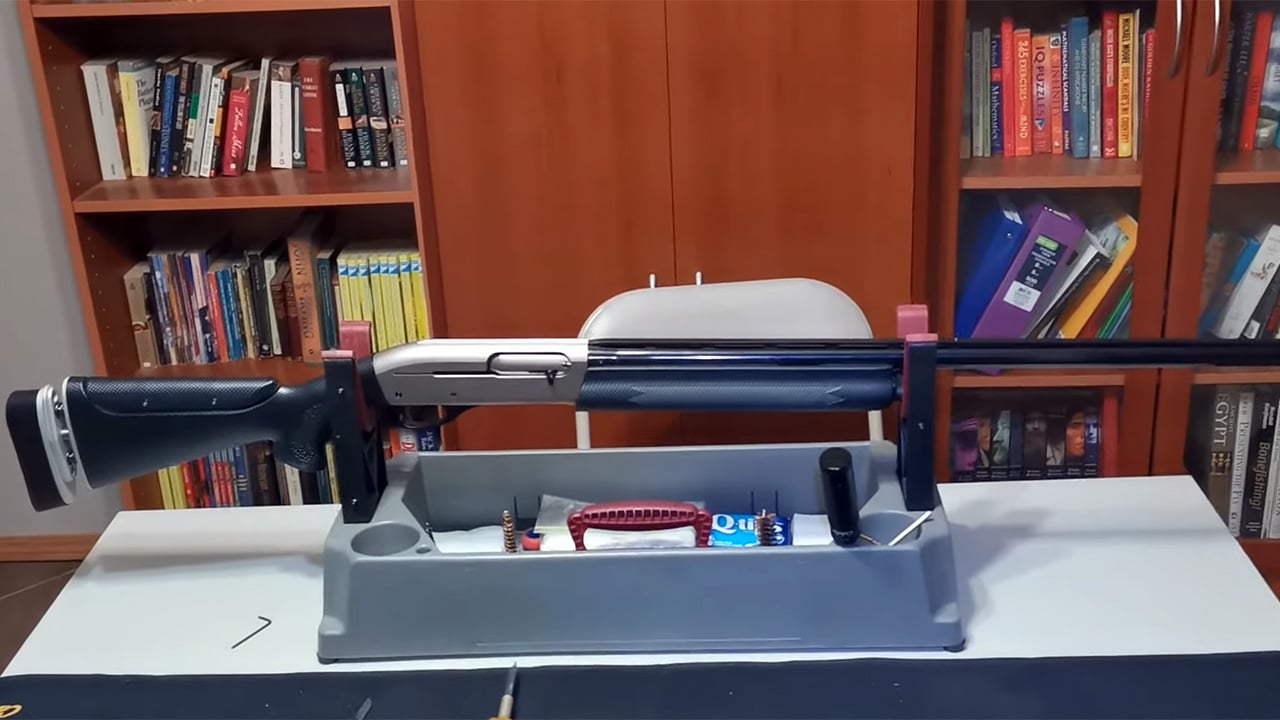
The 1100 has been around forever, but the Competition Master versions pop up far less than standard field guns. They were aimed at shooters who wanted a smoother, faster gun right out of the box. When you shoulder one, the balance is usually the first thing you notice.
They’re not “one-gun-does-everything” for everybody, and some folks don’t want another semi-auto to keep clean. Still, try replacing one with the same feel and you’ll quickly see why clean examples keep climbing.
4. Remington Model 31 (especially higher-condition guns)
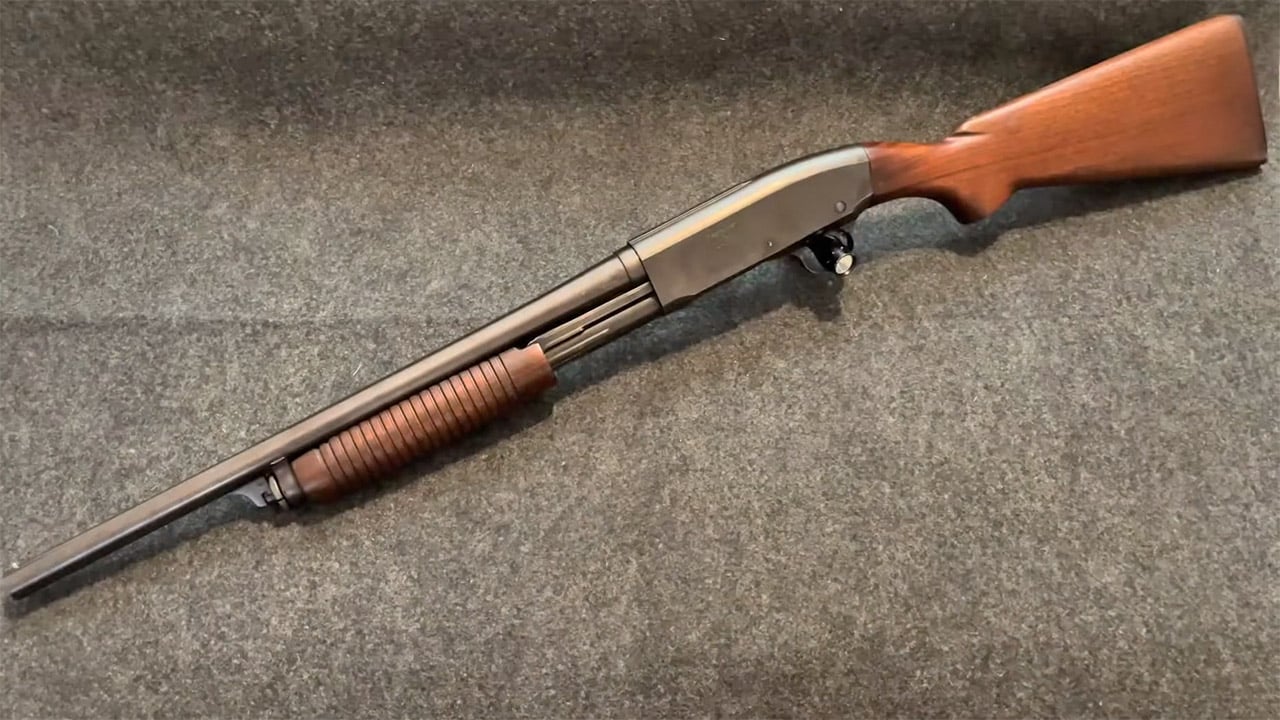
If you’ve ever run a Model 31, you know why old-timers still talk about them. The action can feel like it’s on ball bearings. They didn’t make them forever, and they didn’t make them in today’s kind of numbers, either.
The downside is parts and smithing aren’t as casual as an 870, and you don’t want to buy one that’s been “improved” by a guy with a file. But a solid Model 31 is one of those pumps that makes you wonder why you ever settled for rougher actions.
5. Winchester Model 12 (Duck Gun and higher grades)
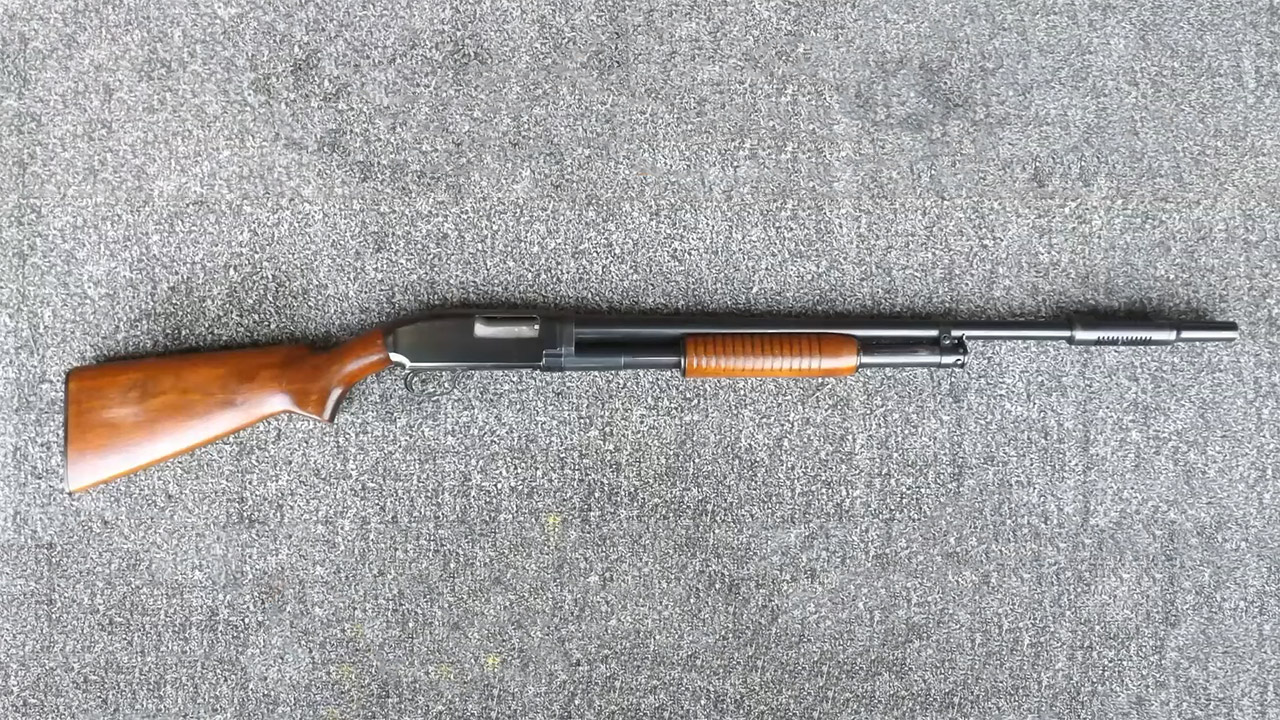
Plenty of Model 12s exist, but certain versions—especially the Duck Gun configurations and higher grades—have their own gravity. They’re not light. They’re not cheap. And they can still make a modern pump feel a little flimsy.
Guys sell them because they inherited them and don’t want “old stuff,” or because they want choke tubes and modern ammo flexibility. I get it. Still, a tight Model 12 with honest bluing and a good bore is getting expensive for a reason.
6. Winchester Model 21
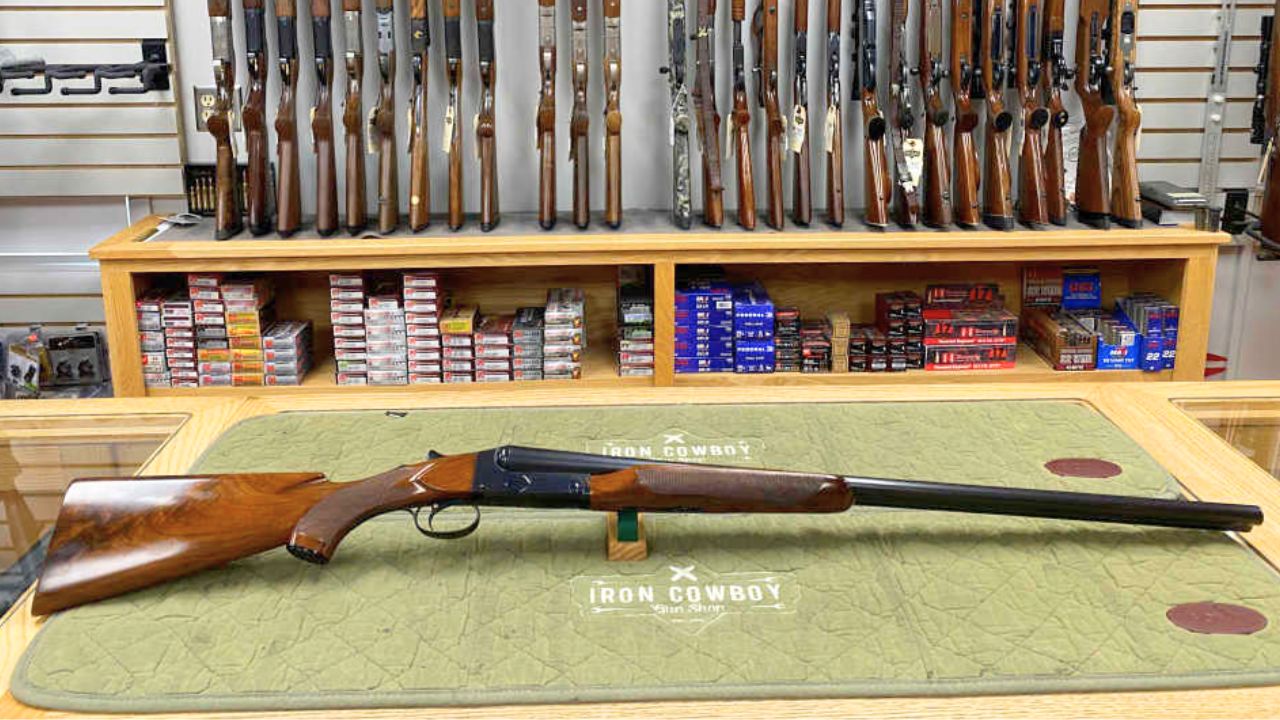
This is one of those names that instantly changes the tone of a conversation. Model 21s weren’t made for bargain hunters. They were made as a serious American double, and they have that bank-vault vibe when you close them.
Not everyone needs a side-by-side that costs like a used pickup. But if you’ve been around bird hunters who appreciate doubles, you already know: you don’t see them because most owners aren’t letting them go.
7. Ithaca 37 “Featherlight” (older bottom-eject guns)
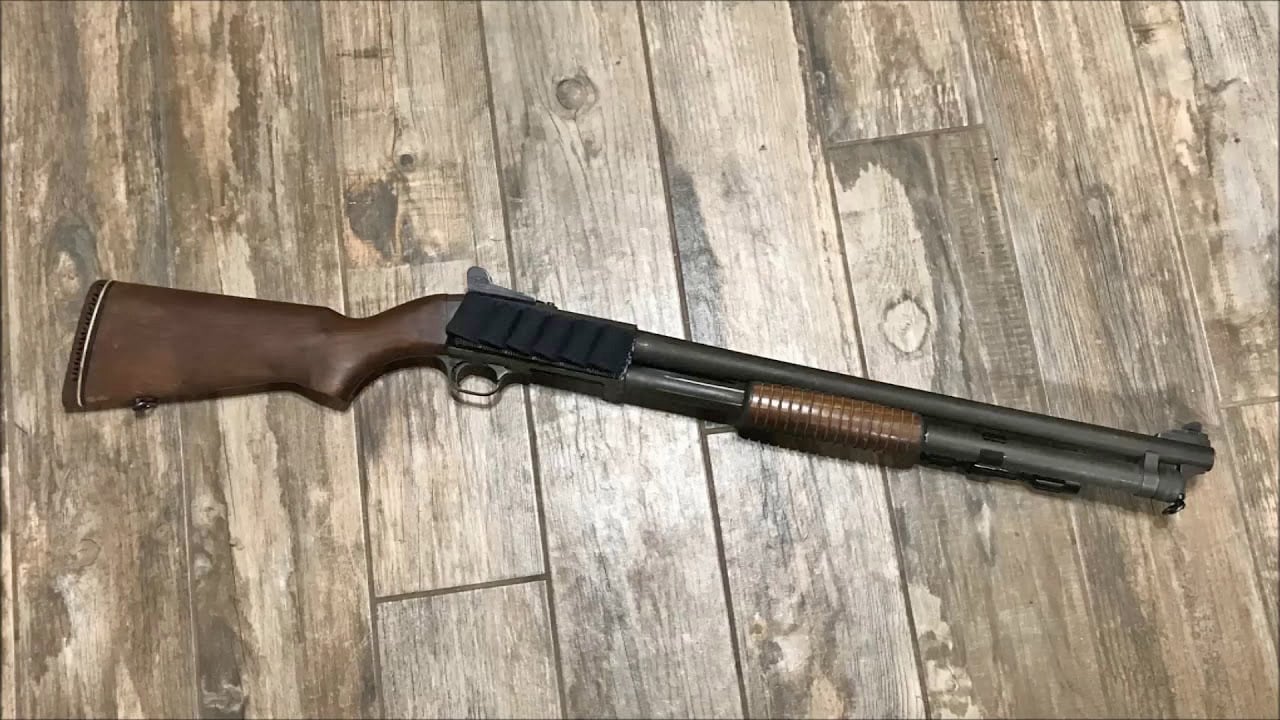
Bottom-eject is one of those things you either don’t care about or you swear by. The Ithaca 37s that run right are fast, trim, and easy to carry all day. A good one shoulders like it wants to find a grouse before you even think about it.
They’ve gone through different eras of production, and buyers tend to chase certain vintages and conditions. The clean, older guns don’t hang around at “beater price” anymore, especially in smaller gauges.
8. Browning Auto-5 (Belgian production)
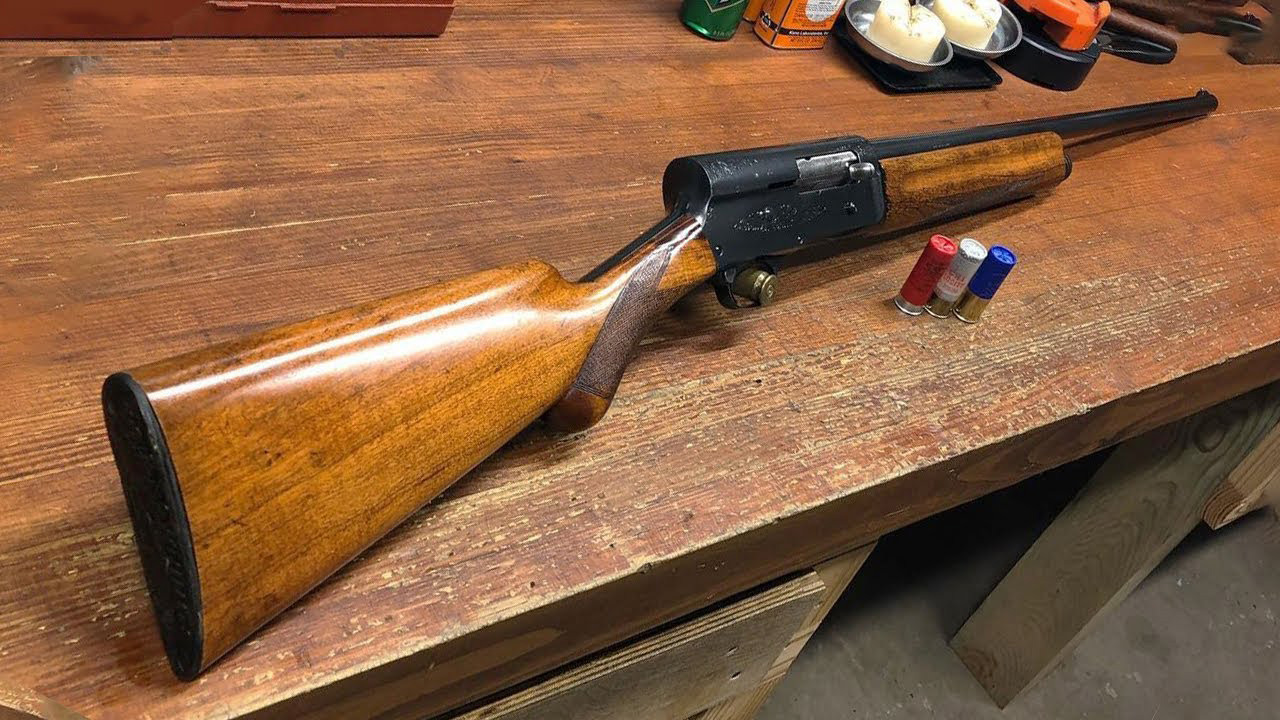
The humpback is a love-it or hate-it look, but there’s no denying the history. Belgian-made Auto-5s in nice shape aren’t getting more common. And the guys who grew up watching them run in duck blinds tend to want one again once they hit a certain age.
They’re heavier, they have their quirks, and you need to understand the friction ring setup if you’re going to shoot different loads. But they have a feel and a sound that modern guns just don’t duplicate.
9. Browning BPS (20 gauge and .410 in particular)
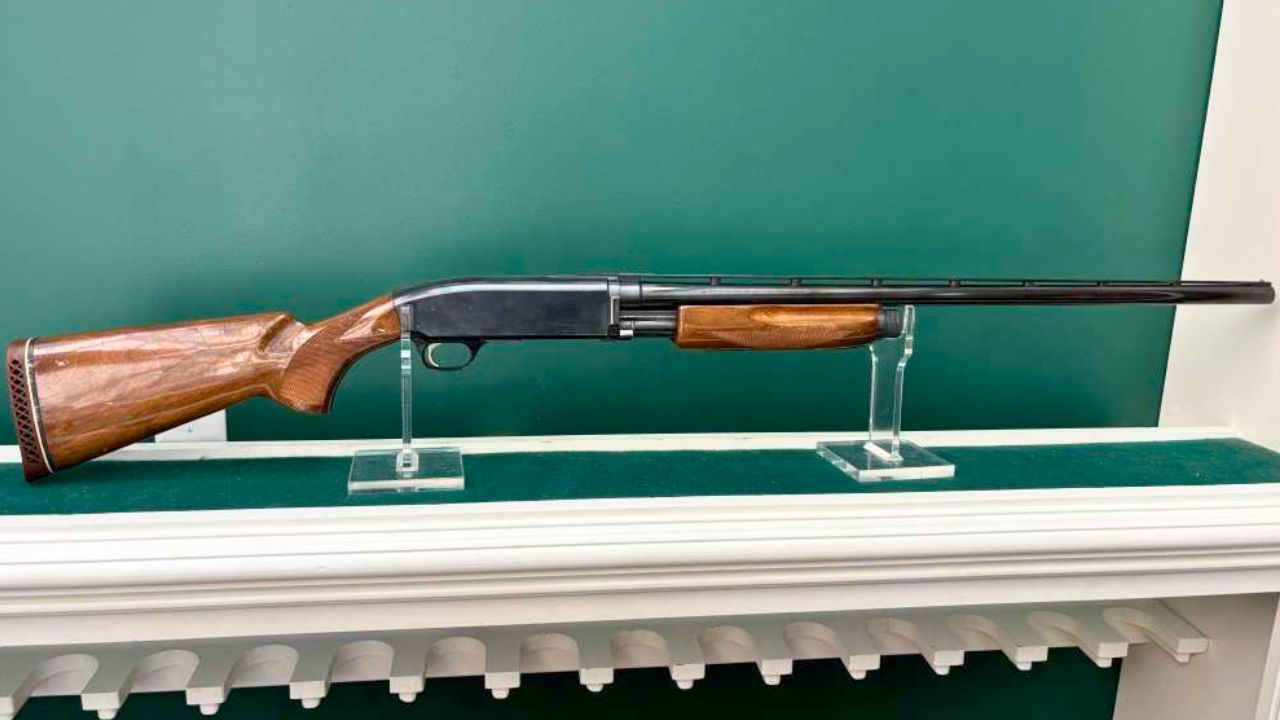
The BPS is still around in various forms, but the smaller-gauge guns and certain configurations are where you see the squeeze. Bottom eject, solid build, and Browning’s usual attention to fit make them feel “more expensive” than the average pump.
I’ve watched guys shrug and sell a 20-gauge BPS because they wanted something lighter. Then they try to buy one back when they realize it was the perfect turkey-woods pump. Ask me how I know.
10. Browning Superposed (Belgian-made)
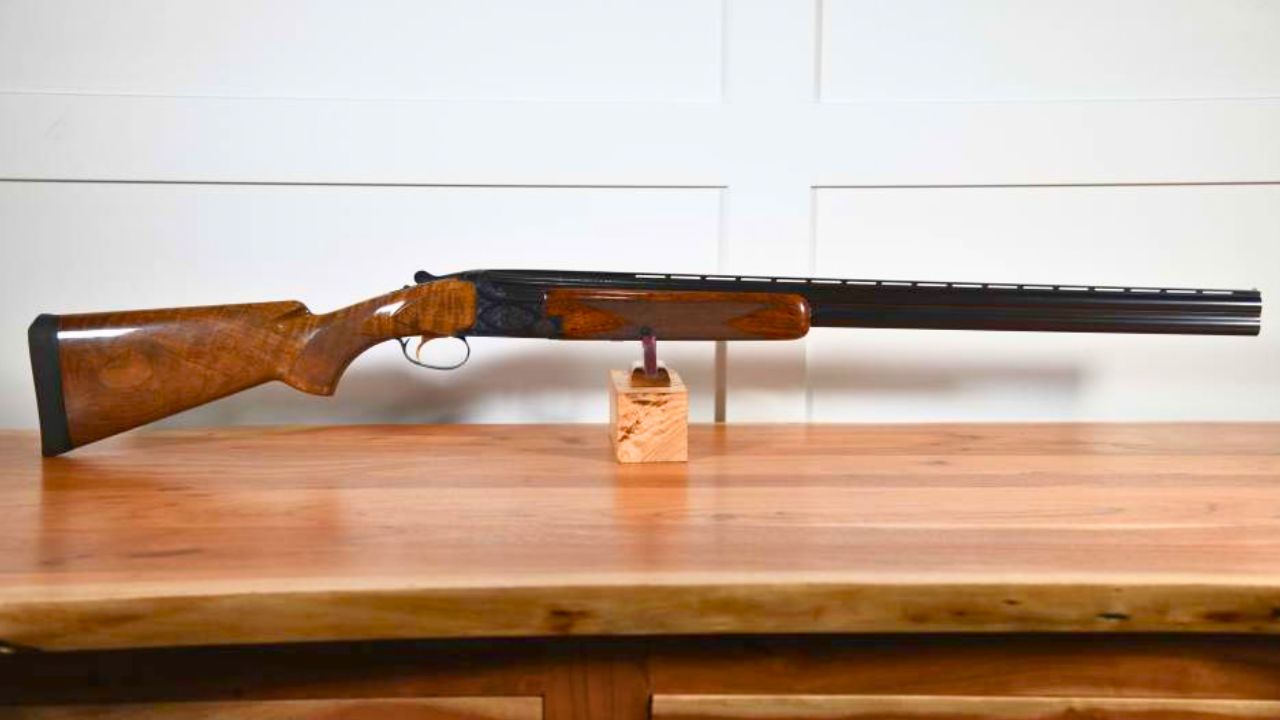
These aren’t impulse buys, and they weren’t made like commodity over/unders. A Belgian Superposed with clean wood and sharp checkering is the kind of shotgun that makes you slow down and actually look at craftsmanship again.
They’re also not immune to hard use, and refinished examples can muddy the waters. But the market knows what originals are, and it prices them accordingly.
Free for gun owners: If something happened to you tomorrow, would your family know where the guns are, who has the safe combination, or what to do first? Our free Gun Owner’s Family Checklist walks them through it. It takes about 15 minutes to fill out. Get your free copy here.
11. Browning Citori “Superlight” (early and limited configurations)
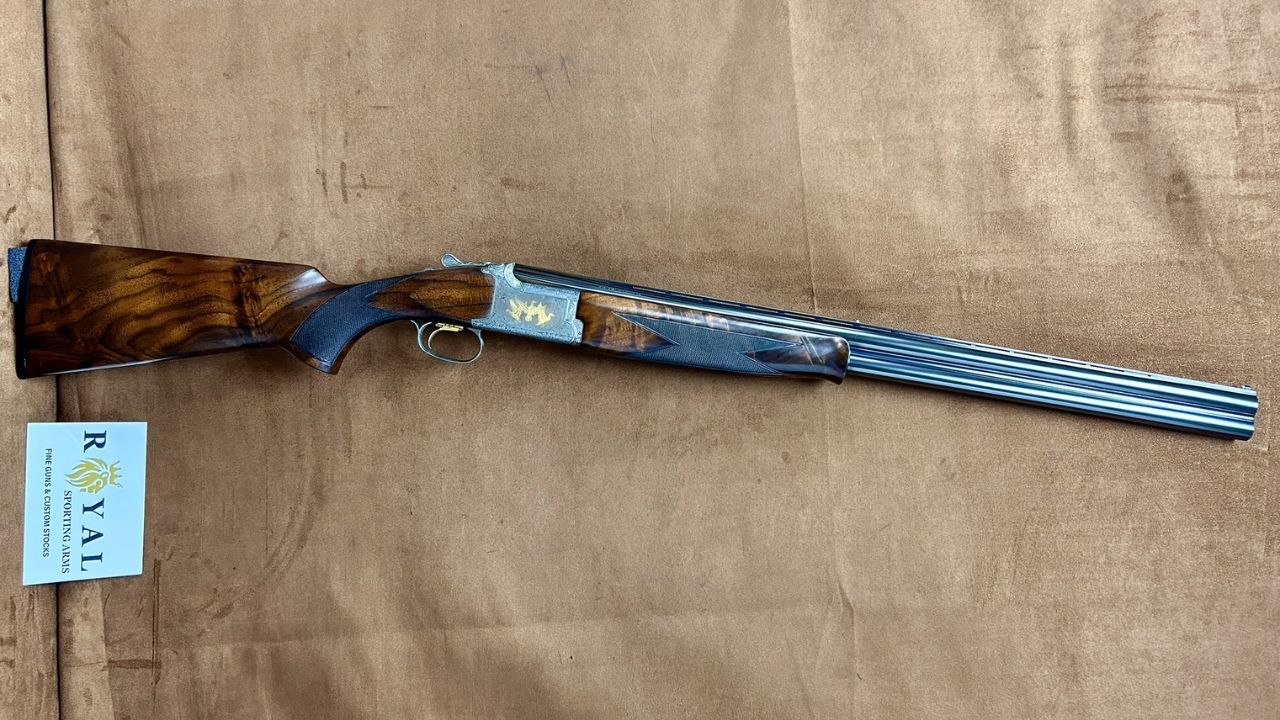
“Light” and “over/under” don’t always go together in a way your shoulder enjoys, but the Superlight versions have a loyal following. They carry nicer in upland country than the heavier clays-oriented Citoris. When you’re climbing and covering ground, ounces start to matter.
Because they’re desirable and not everywhere, the better examples don’t stay cheap. If you see one that hasn’t been beat up on fence posts and tailgates, it usually gets grabbed fast.
12. Beretta 686/687 EELL (true higher-grade wood, not just “pretty”)
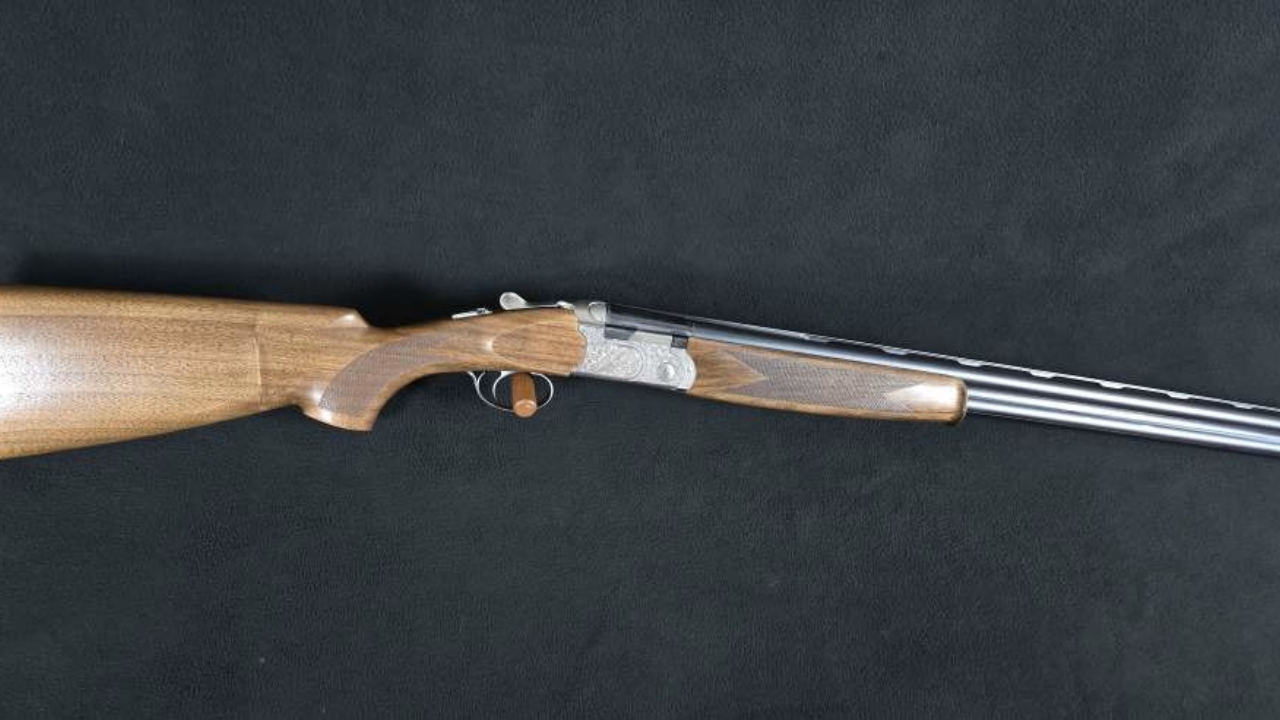
Beretta makes a lot of 686/687 guns, but the EELL-grade versions with legitimately standout wood and engraving are a smaller slice of the pie. They’re the kind of over/under that gets carried to weddings and dove fields and somehow survives both.
They’re not magic, and they still need to fit you like any shotgun. But when you see what new high-grade guns cost now, a clean EELL starts looking less like a splurge and more like a smart hold.
13. Benelli M1 Super 90 (original production)

The M1 has a reputation for being a workhorse, and it earned that the hard way. Early guns in good shape aren’t stacked deep anymore, because many of them were used exactly how they were intended: hard. They also have a certain simplicity that some folks prefer over newer variations.
Turkey guys, waterfowl guys, and anyone who likes an inertia gun that just keeps going tend to circle back to the M1. When a clean one hits the used rack, the sticker is rarely “old used gun” friendly.
14. Benelli M3 (dual-mode pump/semi-auto)
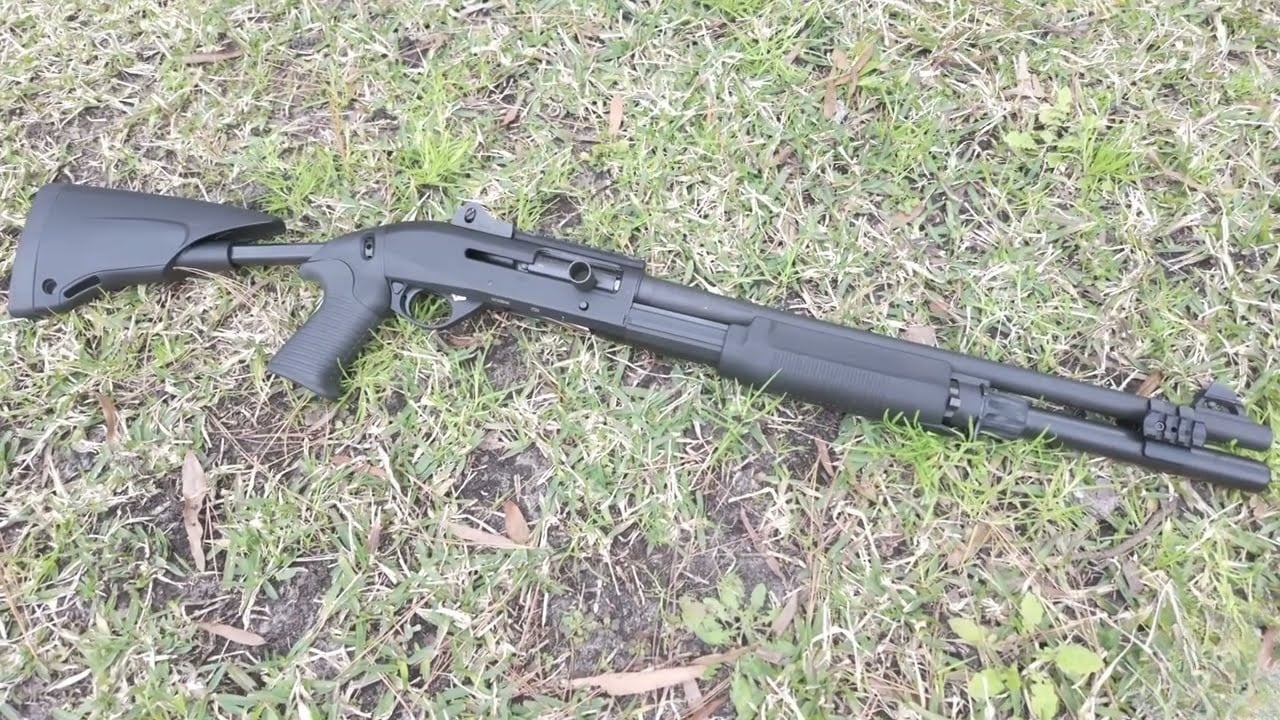
This one is a niche inside a niche, and that’s exactly why it holds attention. The M3 gives you semi-auto for most work and a pump option for oddball ammo situations. It’s not something everybody needs, and it isn’t priced like a normal field gun.
But they weren’t made in the kind of numbers that flood the market, and they have that “if you know, you know” appeal. The moment you go shopping for one, you realize you’re not the only one looking.
15. Franchi SPAS-12 (original configurations)
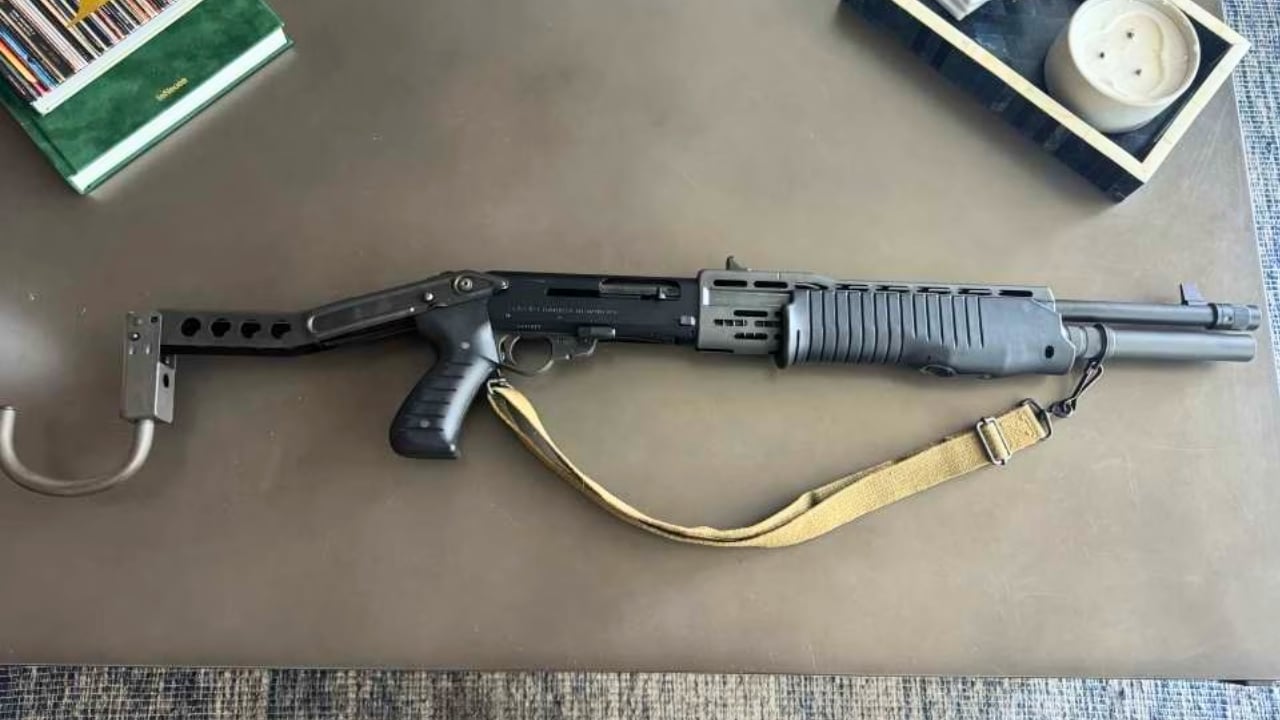
This is a shotgun that lives in a weird spot between practical, collectible, and pure nostalgia. SPAS-12s are heavy and awkward compared to modern options, and nobody buys one because it’s the best choice for a long walk. They buy it because it’s an SPAS-12.
Because production numbers were limited and the market is full of modified or incomplete examples, original-condition guns bring real money. It’s not my idea of a “do-it-all” shotgun, but it absolutely fits the “prices don’t go down” pattern.
16. Heckler & Koch Benelli M1 Super 90 (HK-import marked)

Same basic gun as the M1, but the import mark matters to collectors, and collectors matter to prices. The HK-marked Benellis have a following that goes beyond pure function. They’re a snapshot of a particular era of imports and branding.
Do they shoot better because of the mark? No. But scarcity plus demand equals what it equals. If you’re the guy who likes original boxes and papers, you already know these tend to bring a premium.
17. Ruger Red Label (20 gauge and sub-gauge sets)

The Red Label had its ups and downs, and not everybody loves how they feel. Still, they’re an American-made over/under that Ruger isn’t cranking out in huge volume anymore. The 20-gauge guns in particular tend to get attention because they carry nicer for upland.
They’re not featherweight guns, and some earlier ones can be picky about certain loads or fit. But when a clean 20 shows up, it doesn’t usually sit there with a “make offer” sign for long.
18. SKB Model 505 (and other Japanese SKB field O/Us)
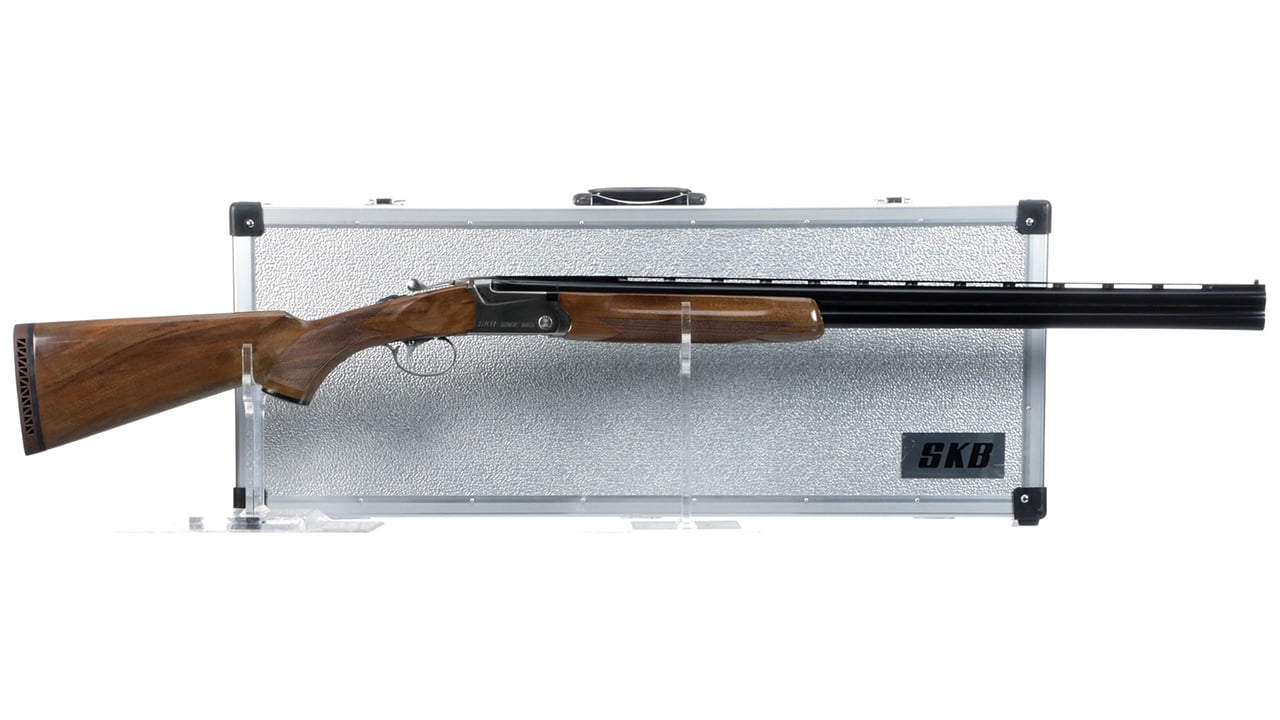
SKB is one of those names that pops up among bird hunters who actually wear out boots. The Japanese-made SKBs developed a reputation for being solid guns that didn’t require a second mortgage. Then supply got thin, and suddenly everyone remembered they wanted one.
They’re not flashy. They’re not collector-pretty like high grades. But scarcity isn’t always about fancy—sometimes it’s about a good tool that quietly stopped being available.
19. Parker Bros. shotgun (Trojan and better, in honest condition)
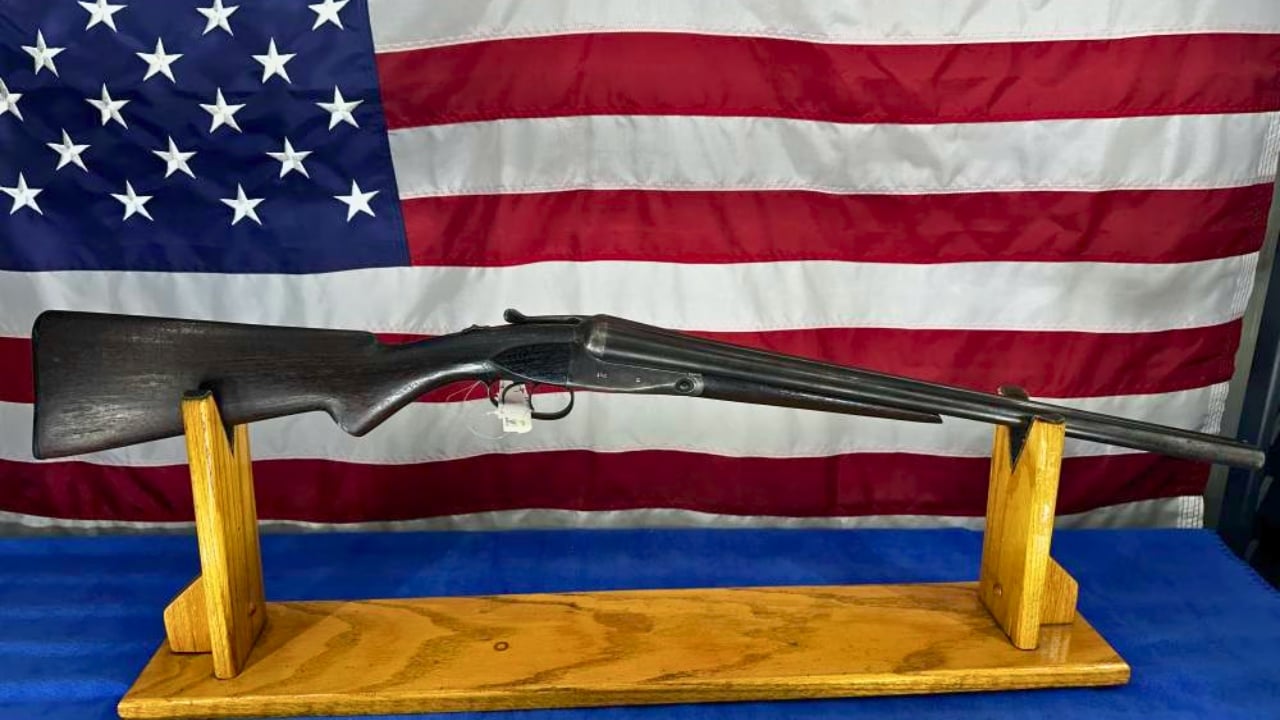
Parker doubles aren’t everyday carry guns for most hunters now, but they’re a big deal in the classic shotgun world. Even the “plainer” grades get snapped up when they’re honest, uncut, and not messed with. Condition and originality do the heavy lifting here.
They also come with responsibility. You need to know what you’re buying and what loads are appropriate for an old double. But the reason they keep appreciating is the same reason they always will: there aren’t more Parkers coming.
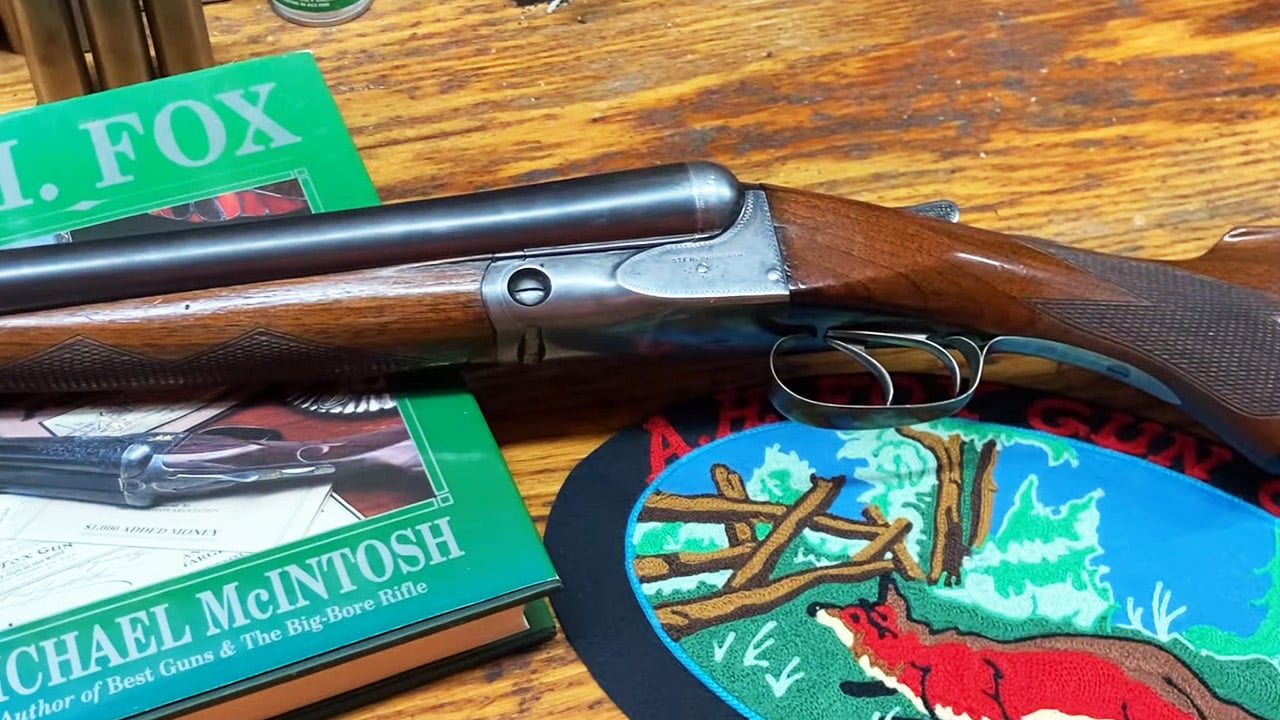
20. Fox Sterlingworth (clean, uncut guns)
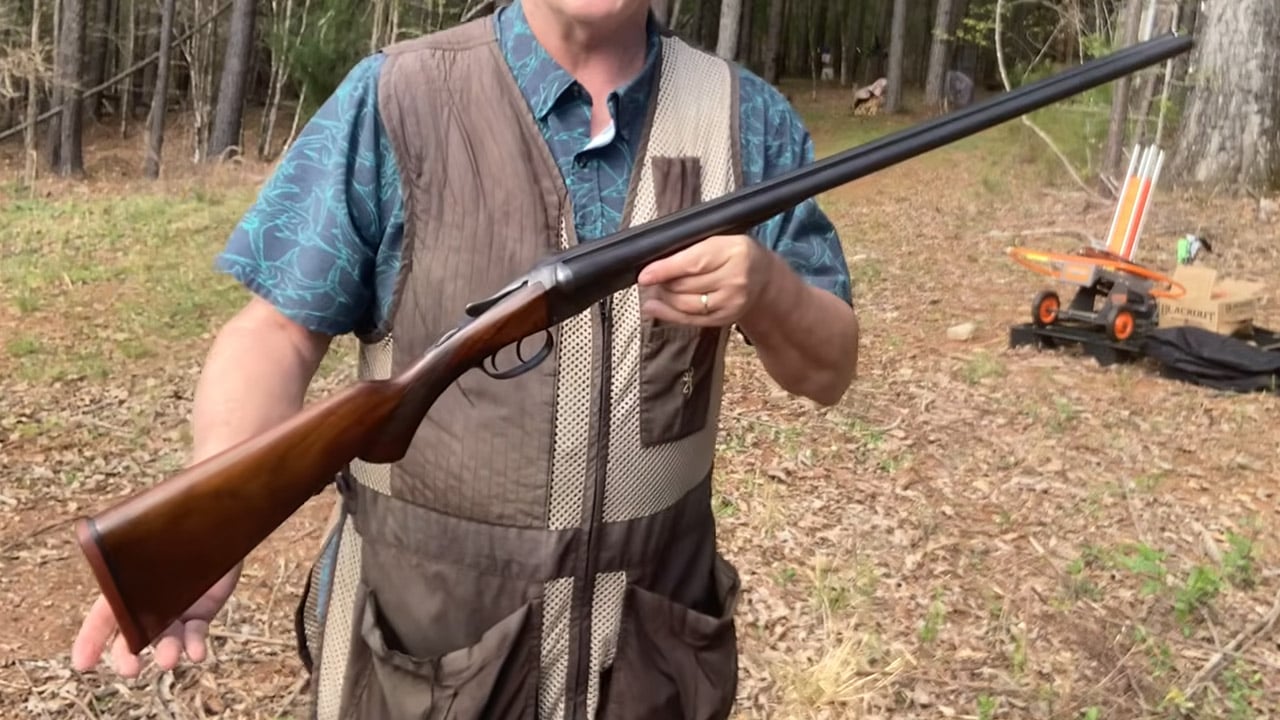
Sterlingworths are one of those doubles that feel like they were meant to be hunted, not just admired. A clean one that hasn’t had the barrels hacked, the stock sanded, or the checkering flattened is getting tougher to find. And once you handle a good one, you understand why people chase them.
They’re not perfect. Some have seen a century of use, and plenty are loose or tired. But the good ones—especially with decent case color left and strong bores—have a way of walking right out of a shop when they appear.
None of these shotguns are guaranteed lottery tickets, and I’m not telling anyone to buy guns as an investment strategy. I’m saying if you stumble onto one of these in the wild and it checks out mechanically, it’s worth thinking twice before you trade it off for the next fad. The older I get, the more I appreciate the shotguns that feel right in the hands and are getting harder to replace every year.
Like The Avid Outdoorsman’s content? Subscribe to our newsletter so you never miss an article.
Here’s more from us: